Space-Saving Side Tables
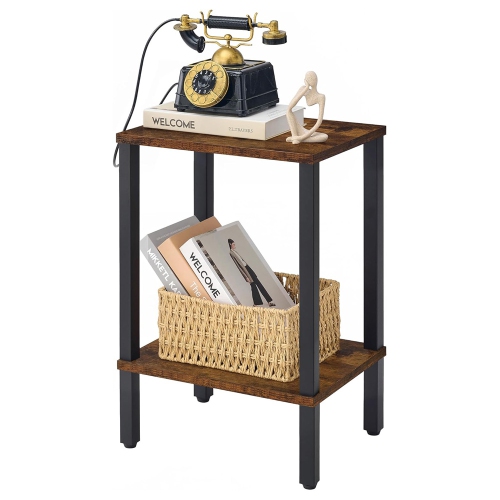
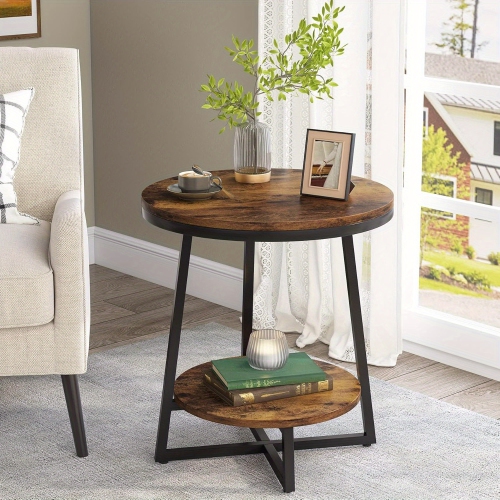
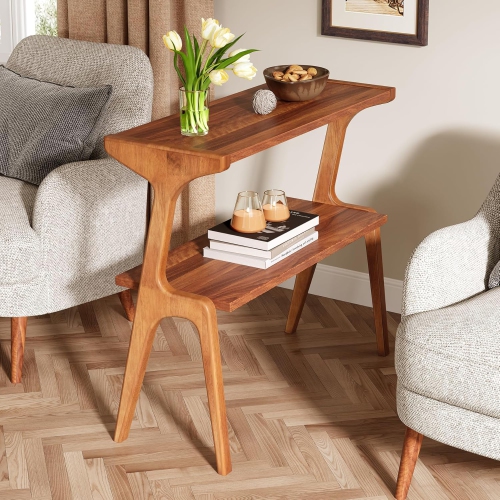
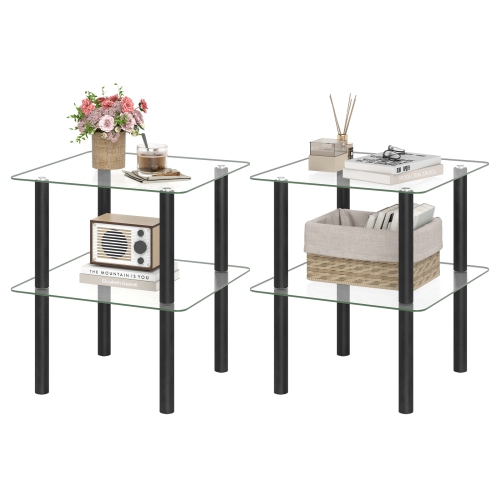
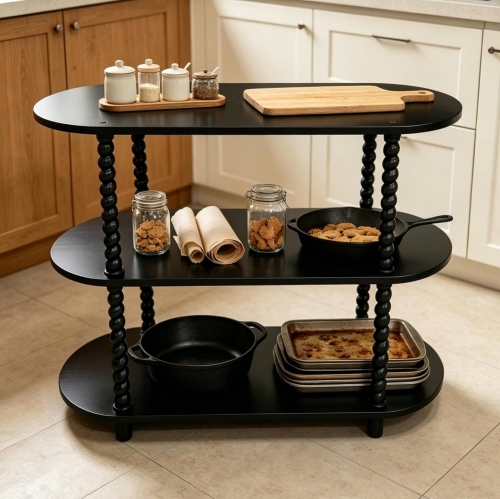
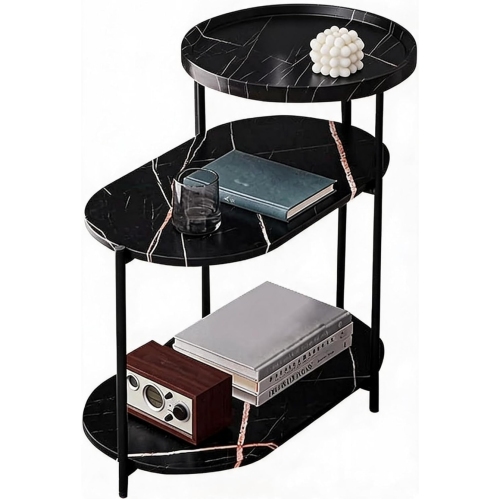
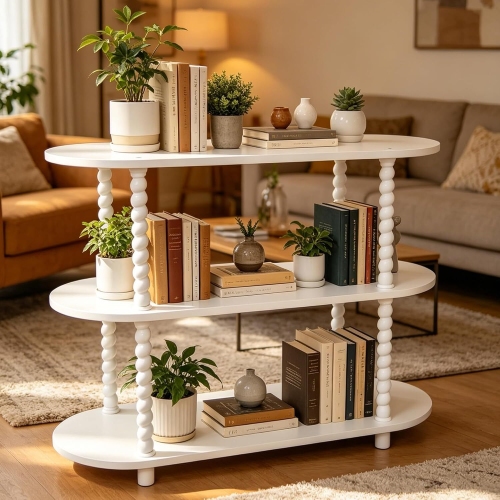
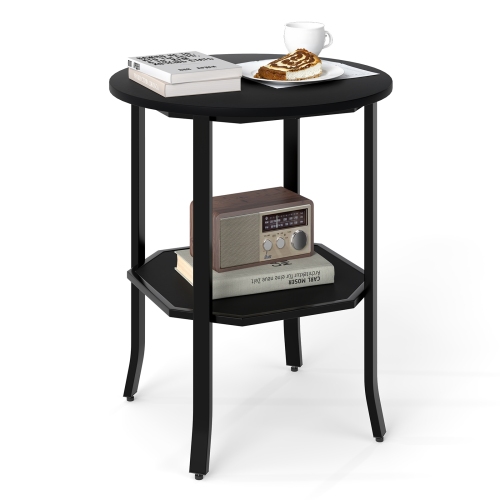
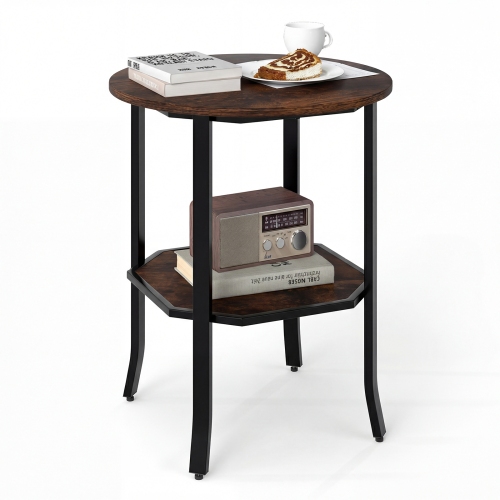
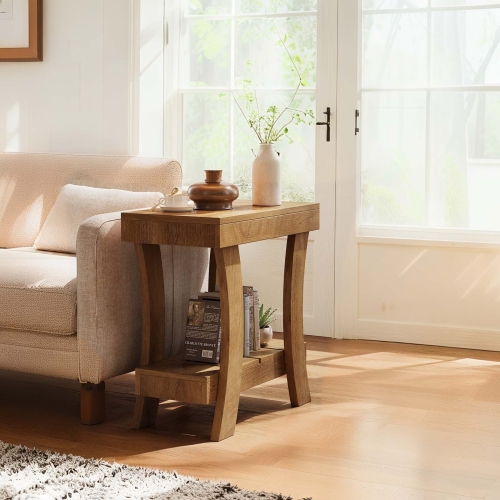
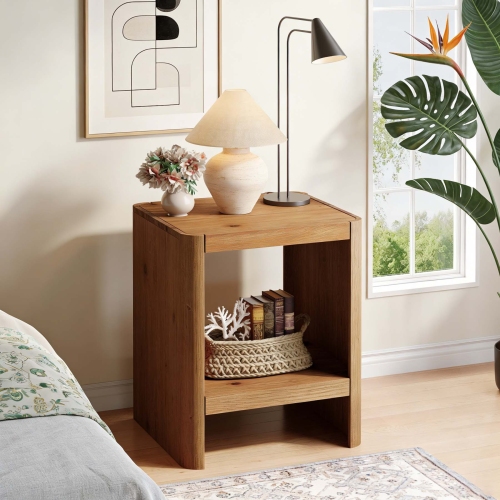
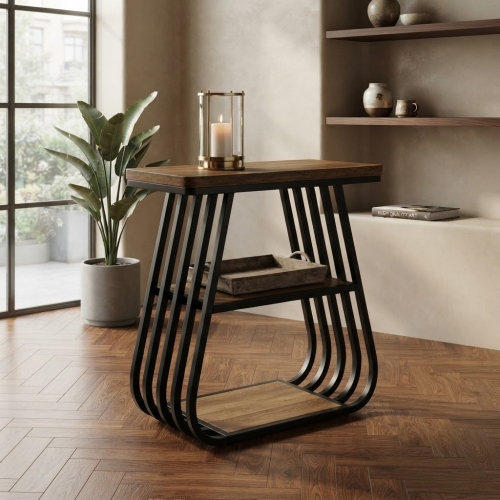
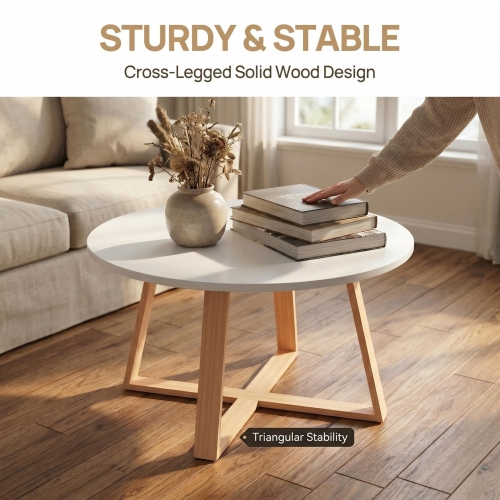
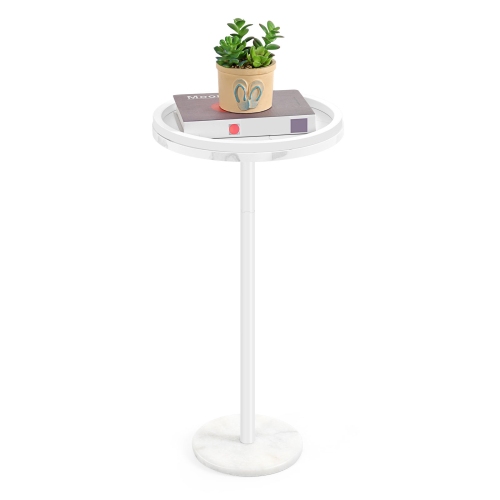
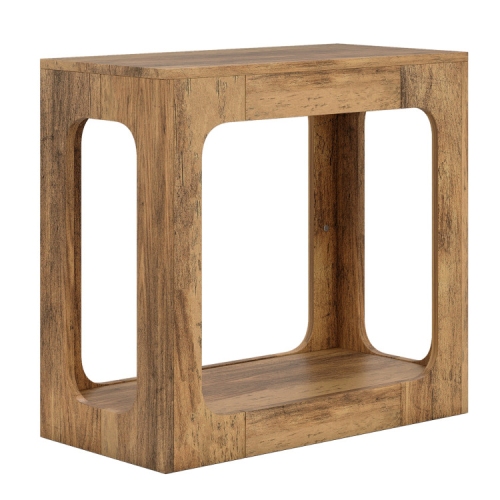
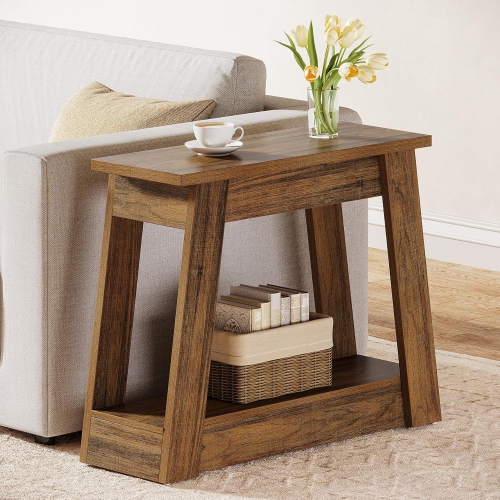
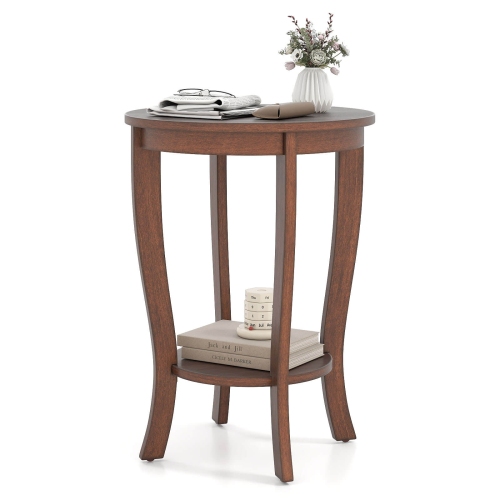
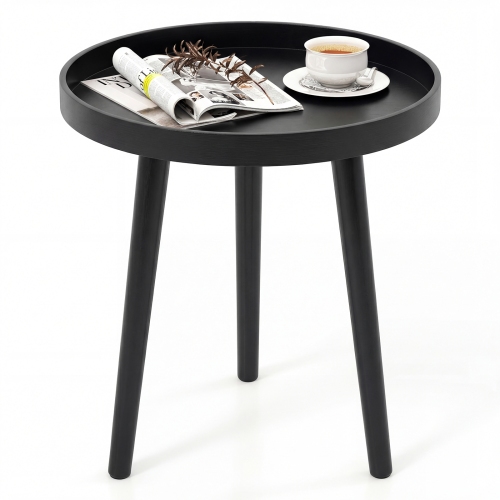
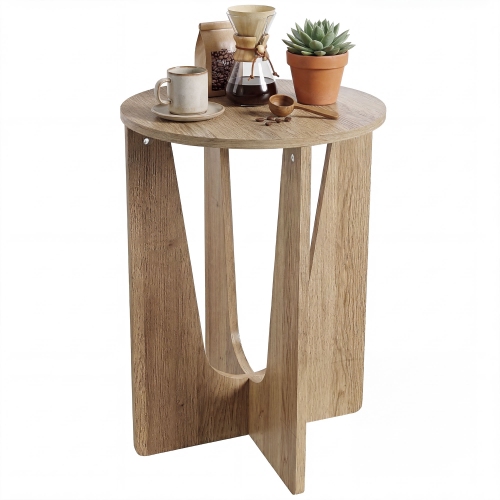
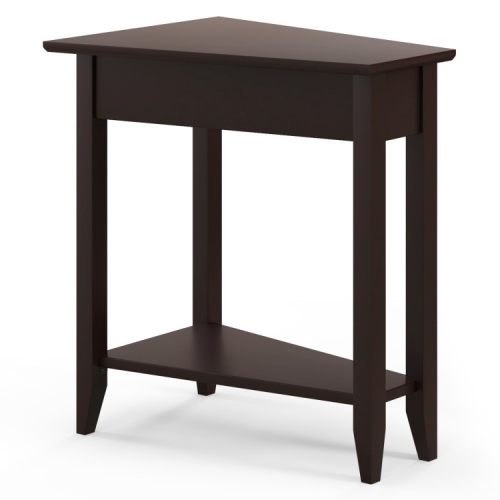
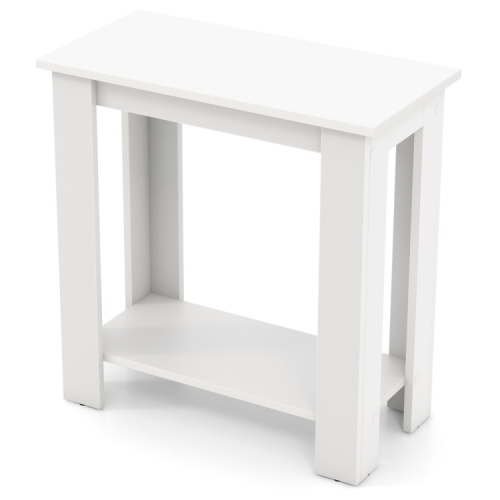
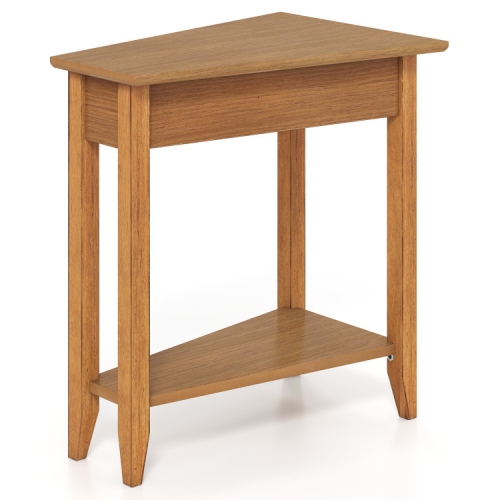
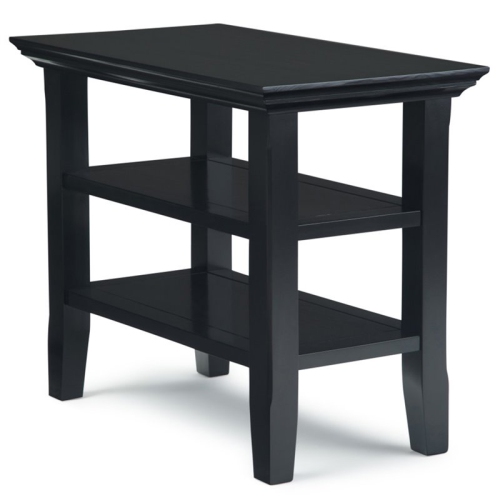
Space-saving side tables help keep everyday essentials within reach without crowding your room. Browse compact side tables and small end tables for spots beside a sofa, armchair, or bed, and compare dimensions to find a fit that leaves room to move.




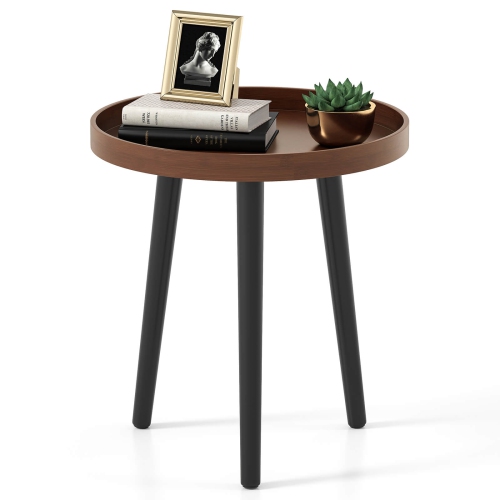
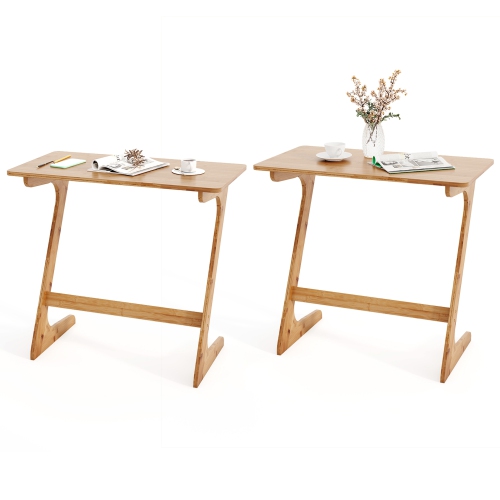
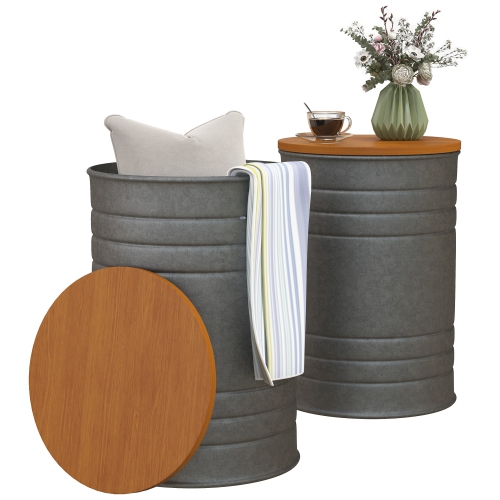
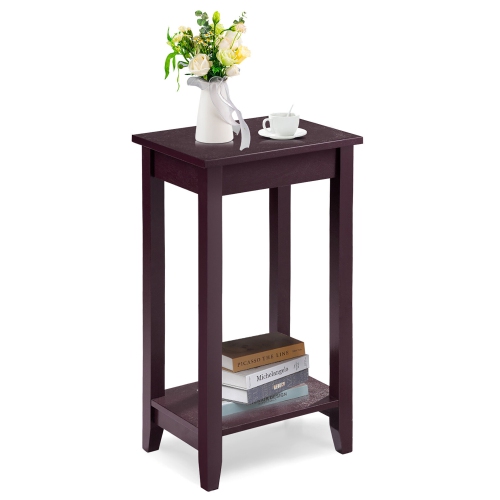



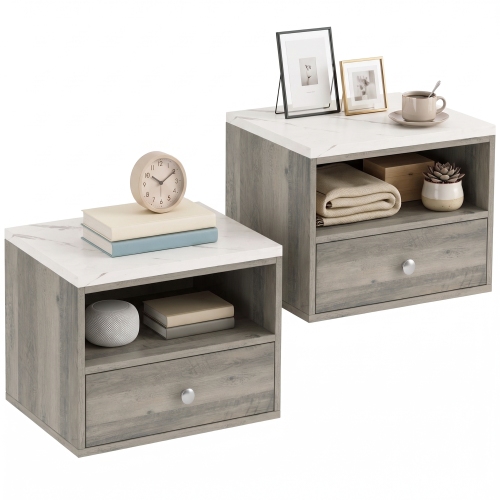
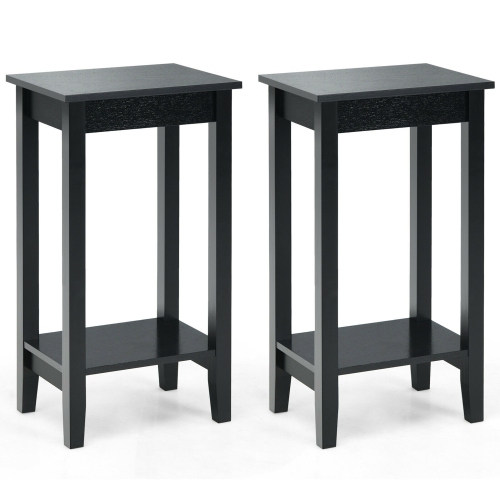
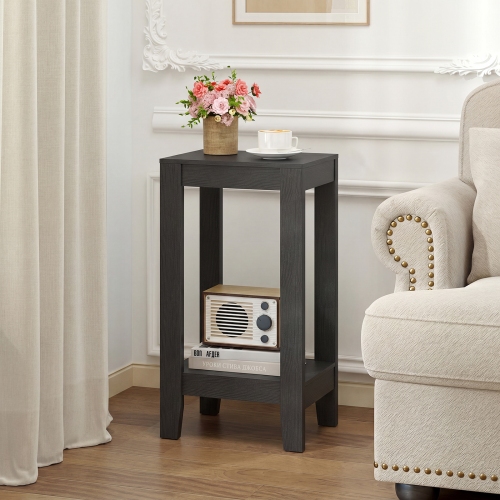
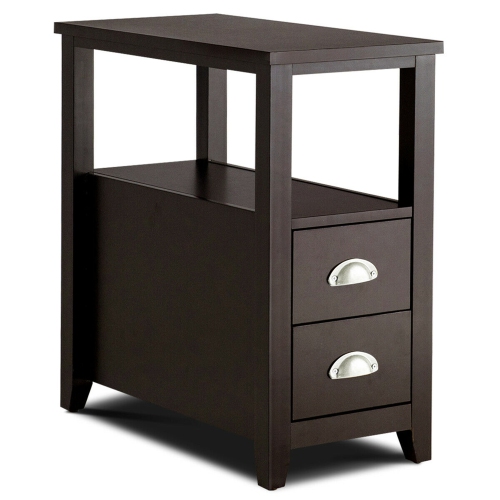
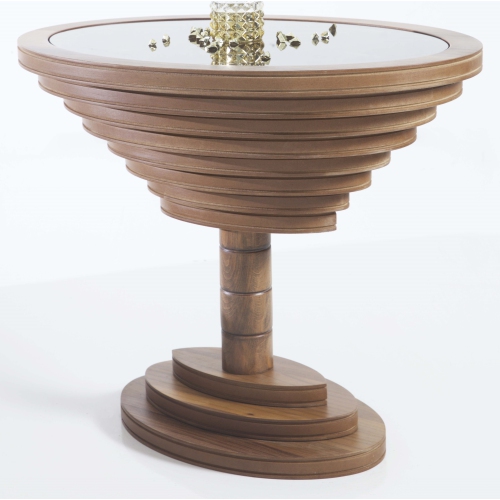
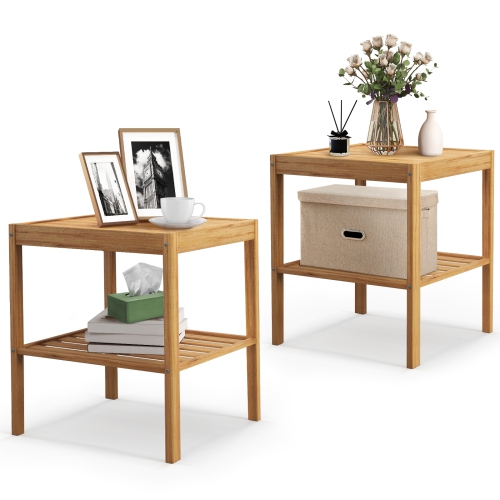

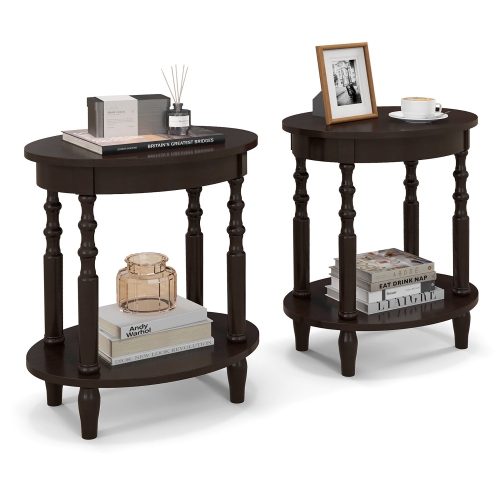

FAQ
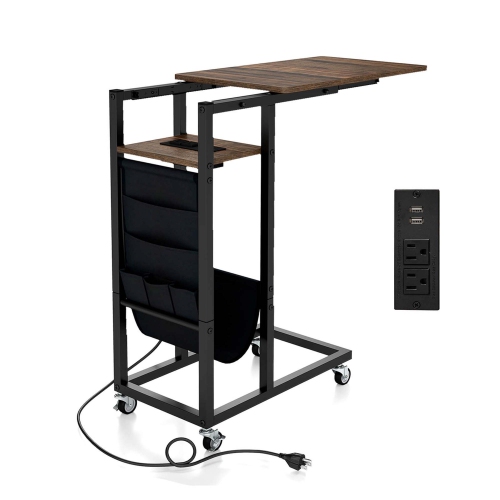
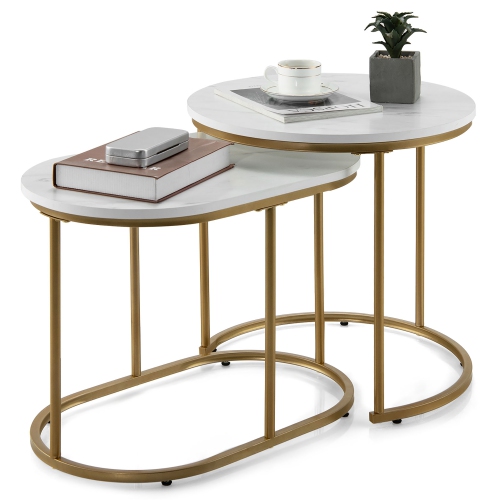
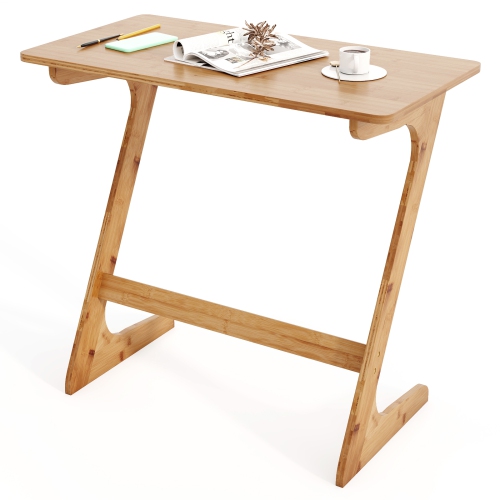
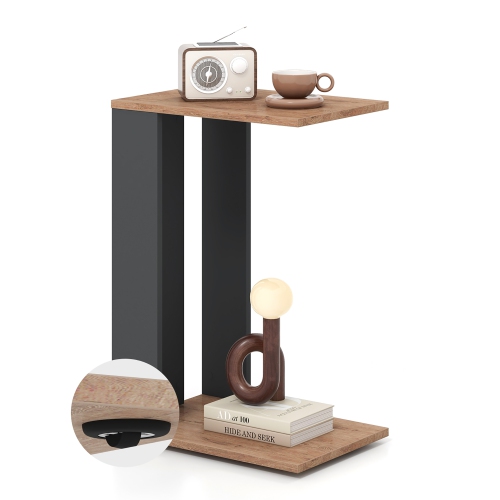
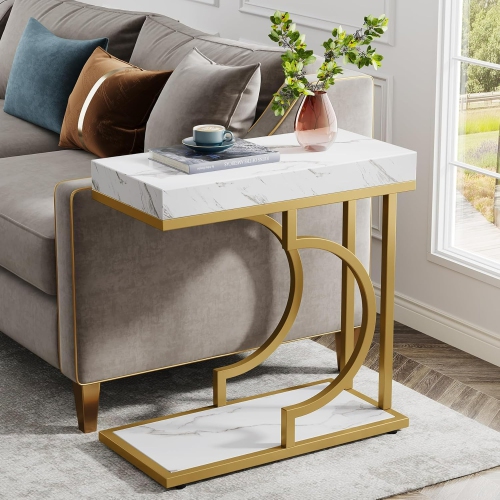
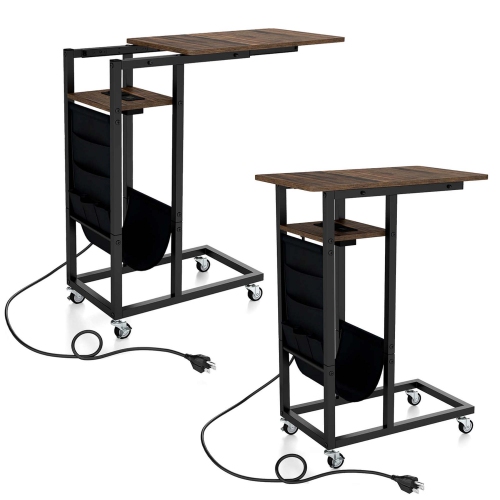
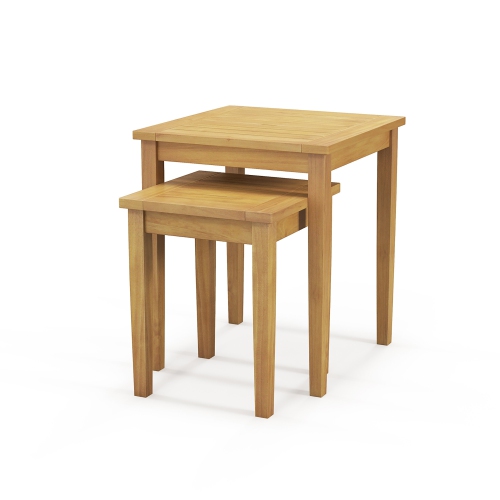
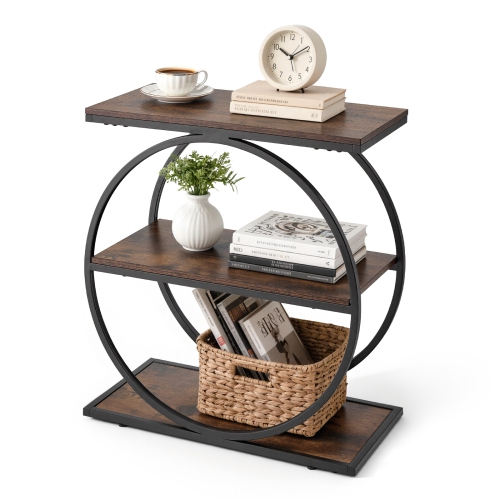
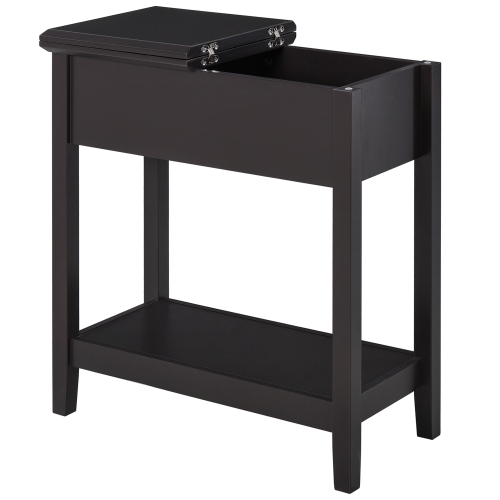
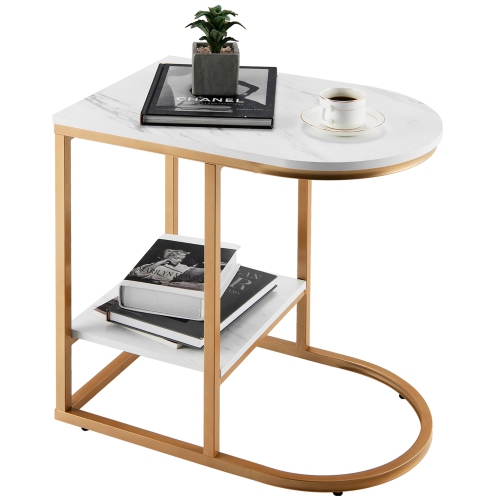
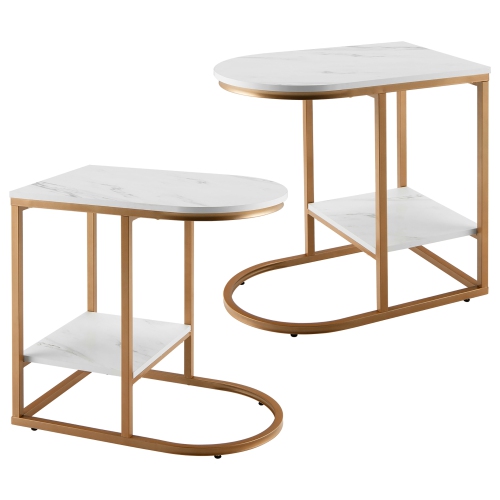
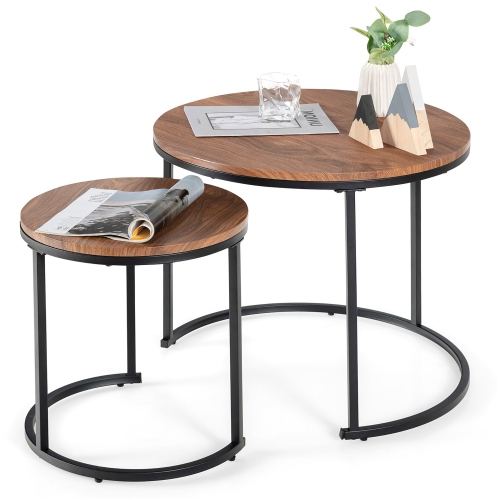
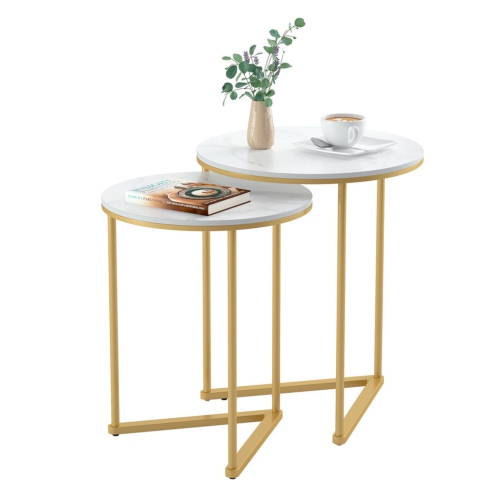
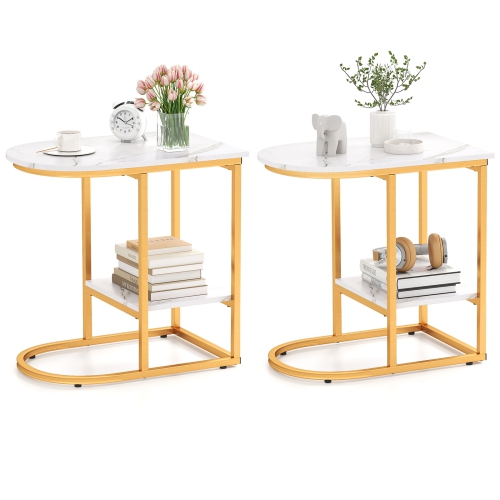
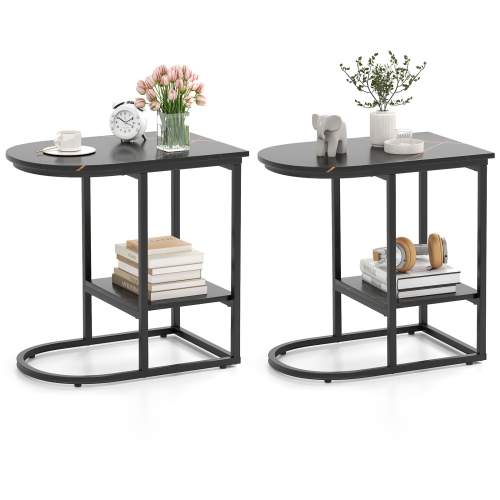
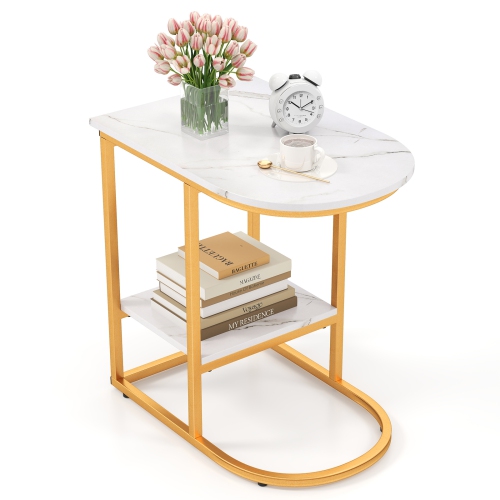
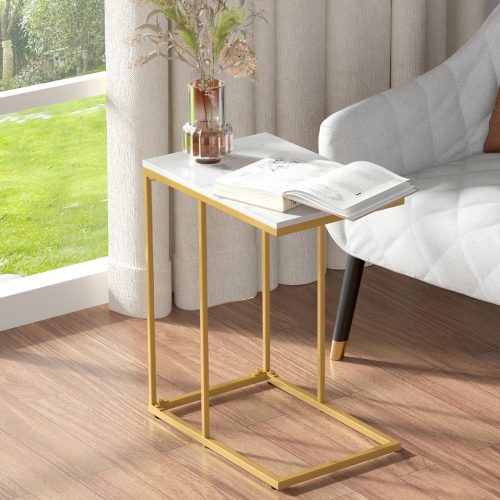
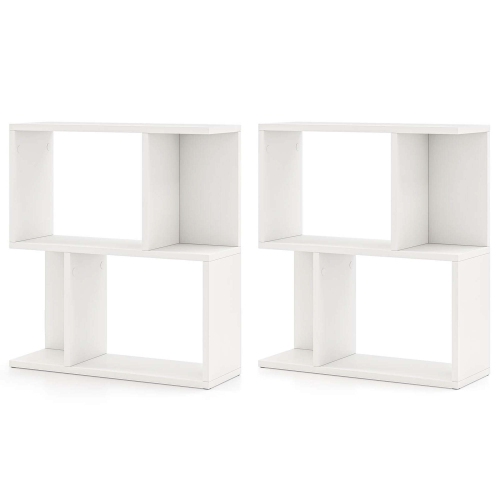
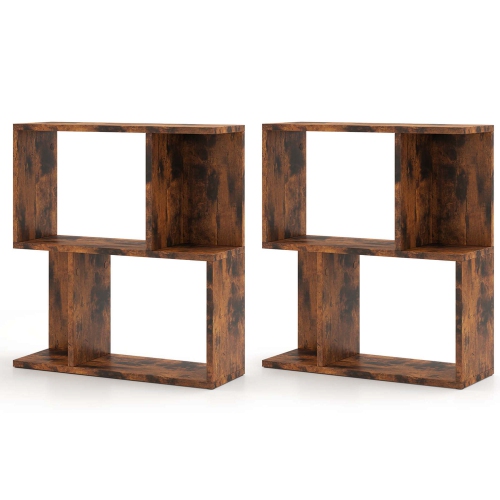
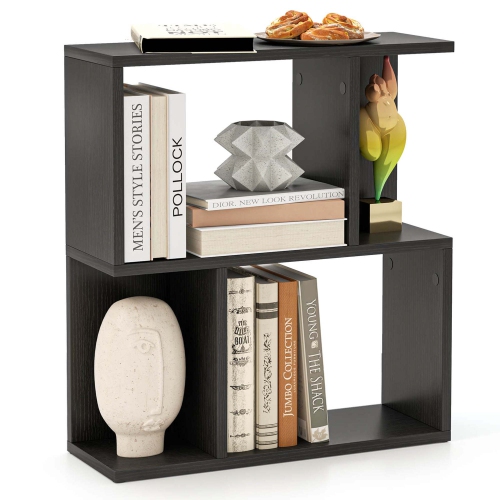
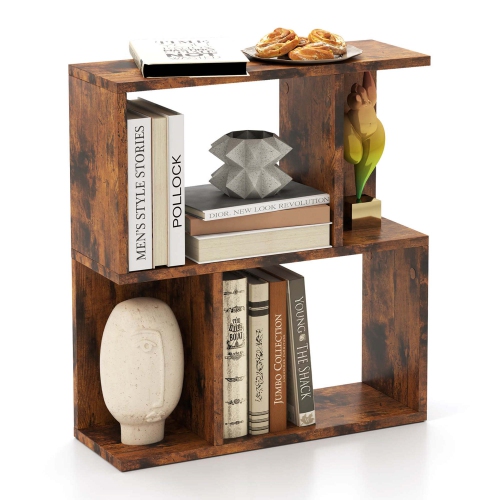
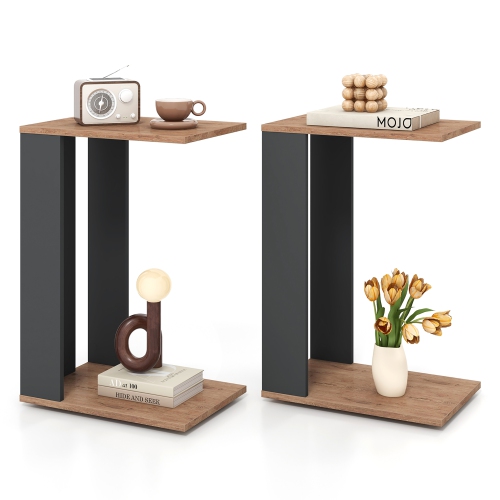
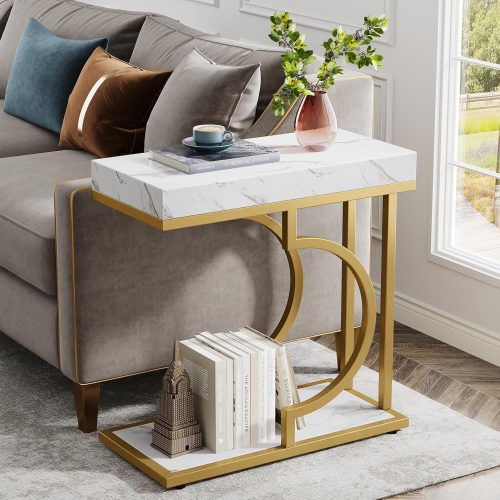
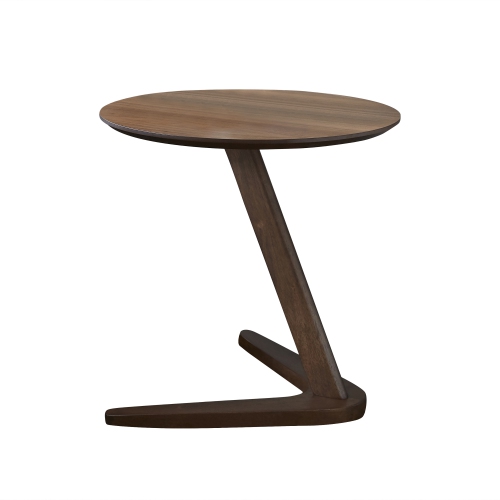
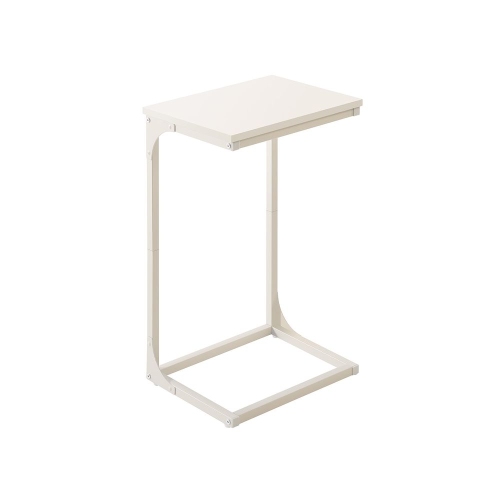
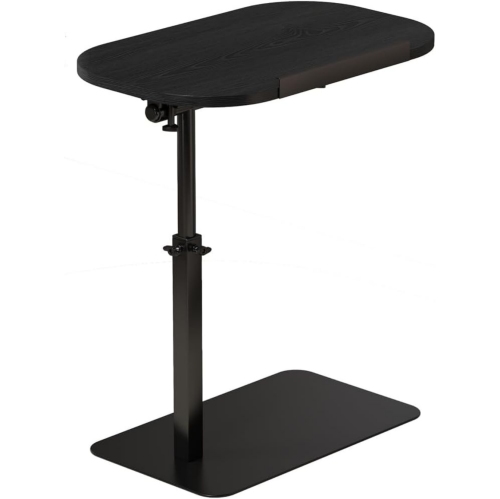
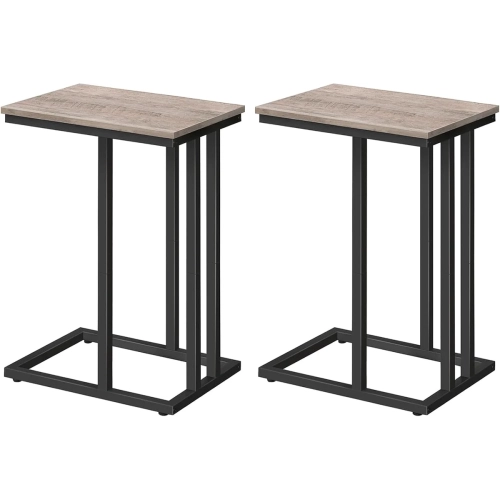
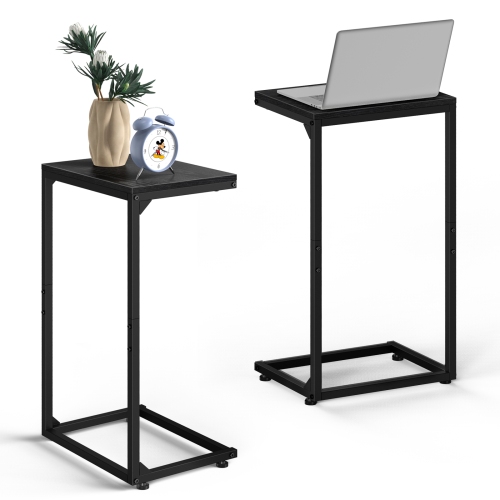
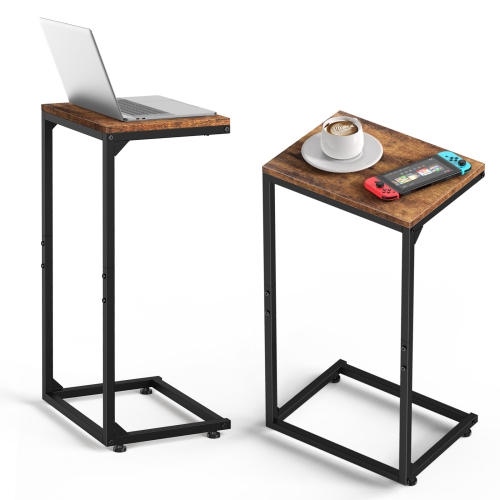
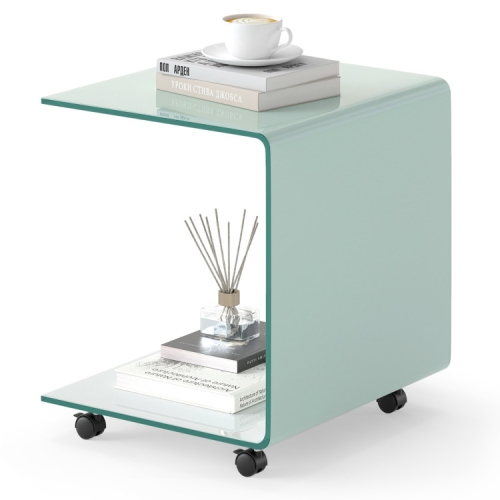
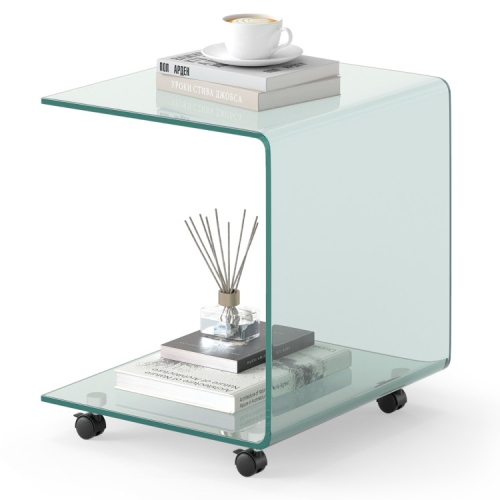
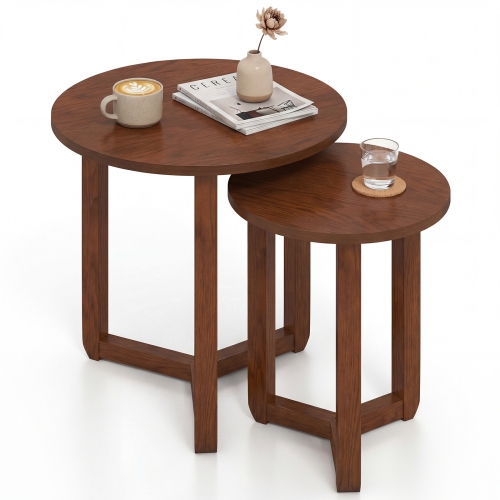
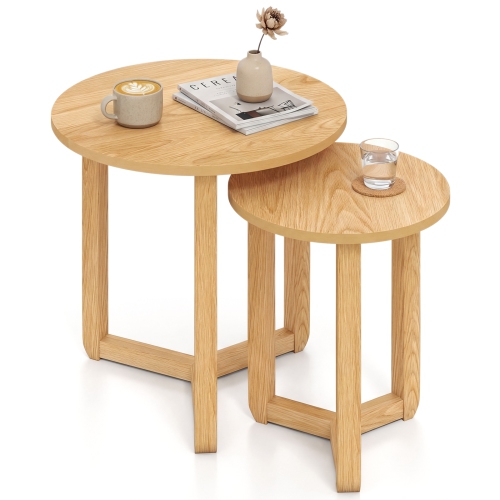
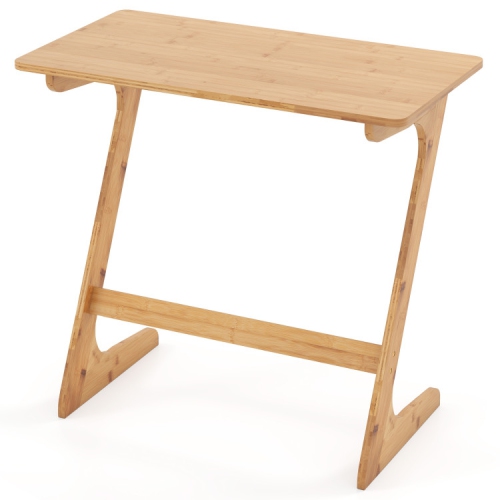
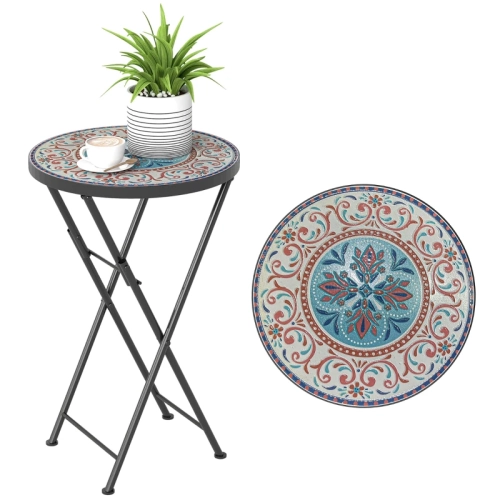
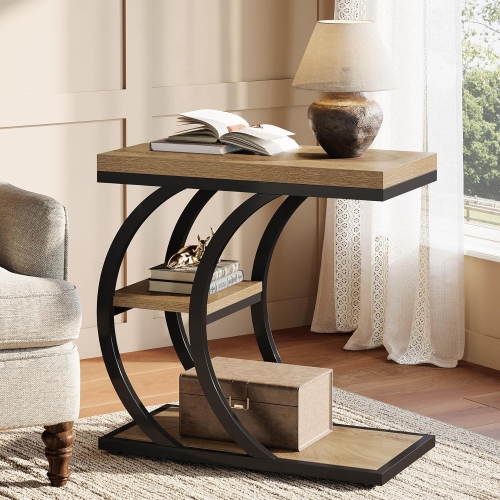
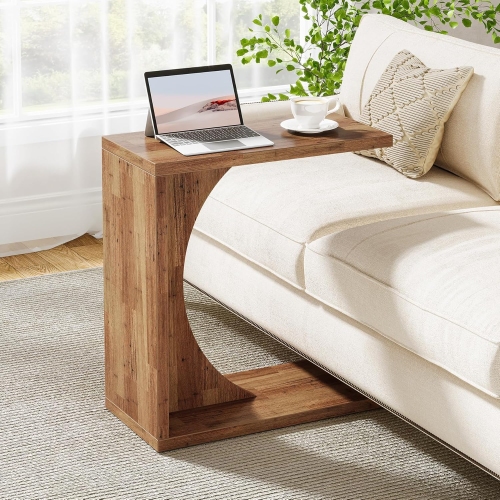
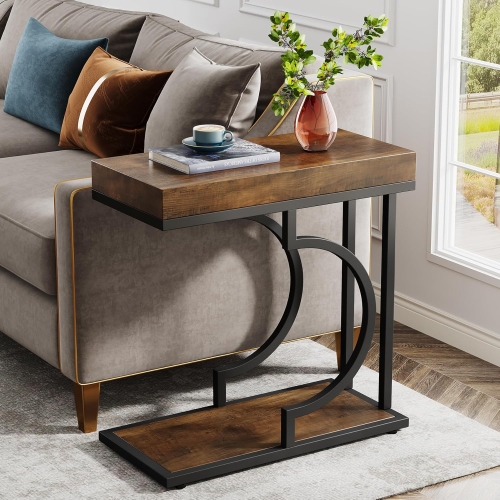
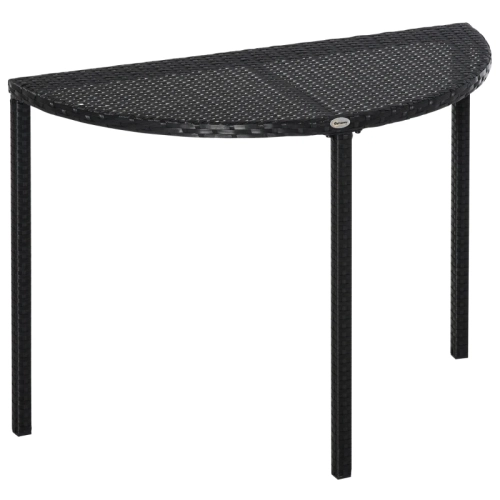
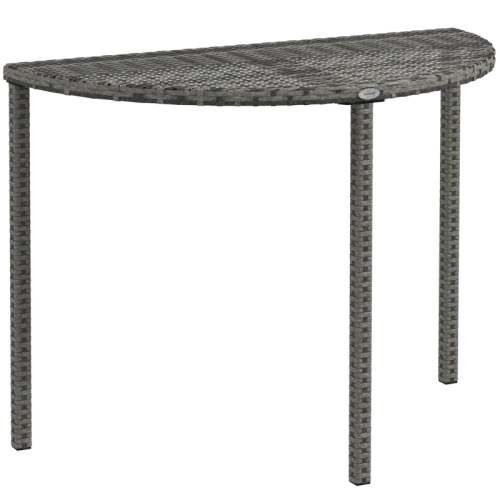
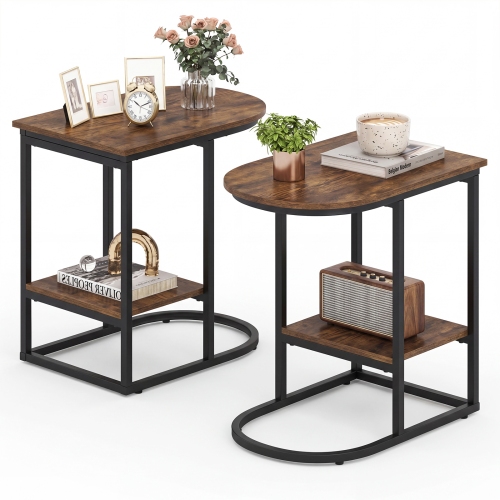
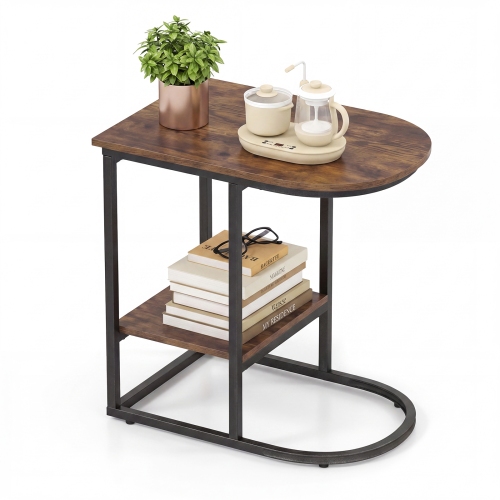
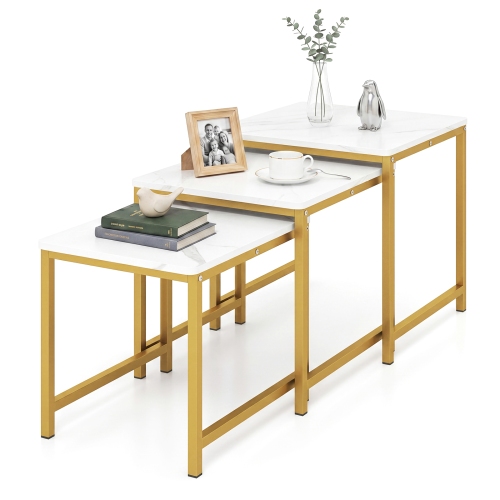
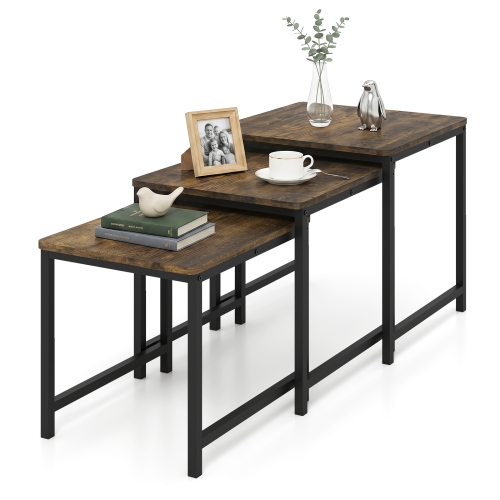
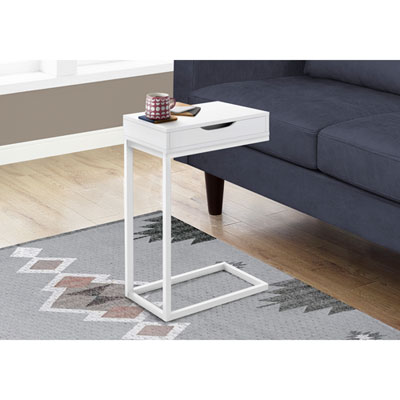
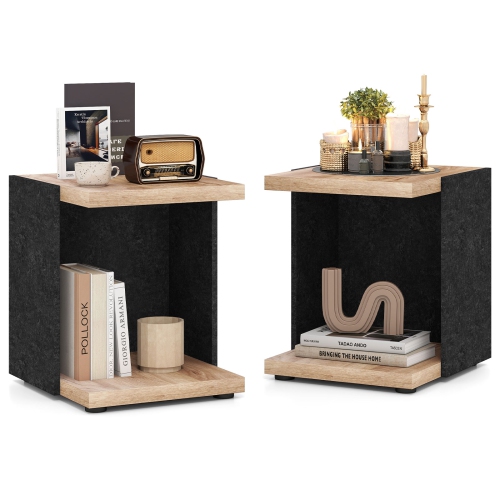
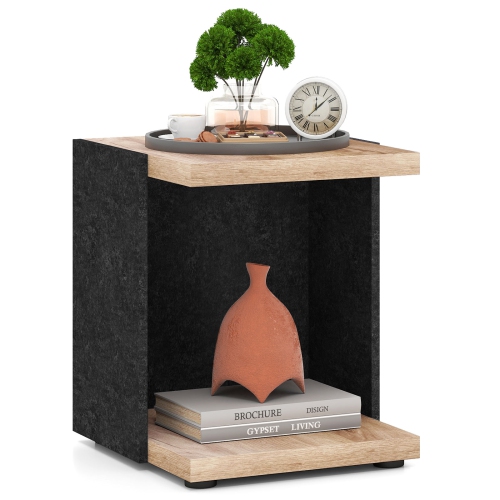
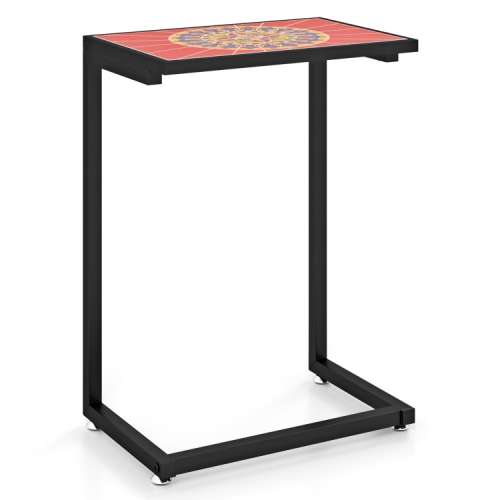
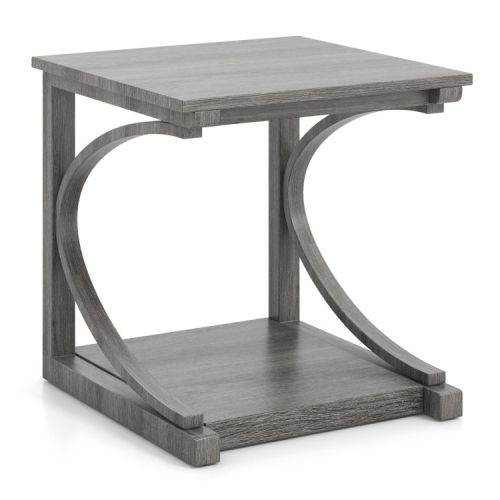
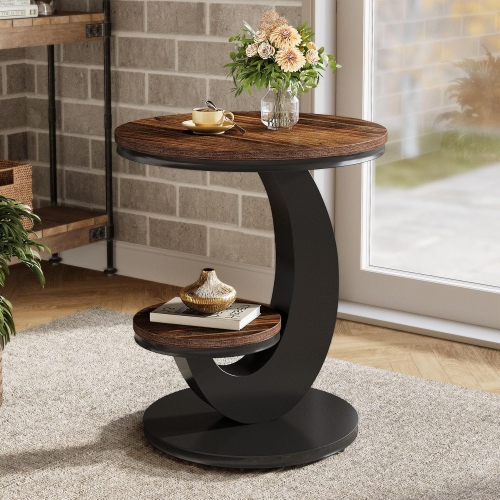
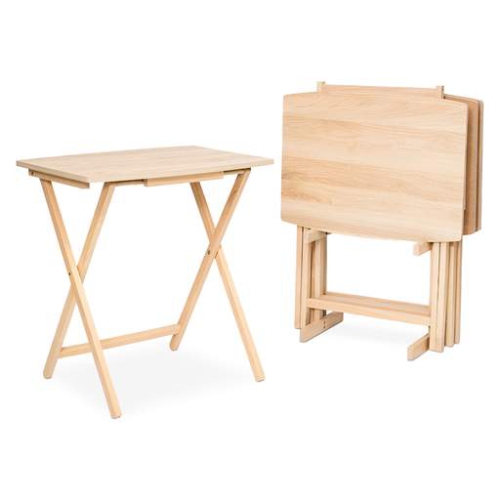
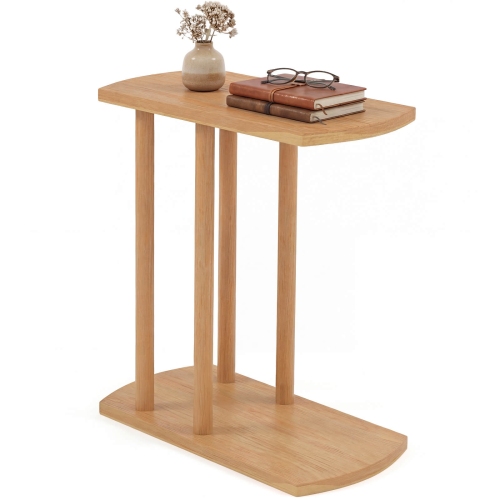
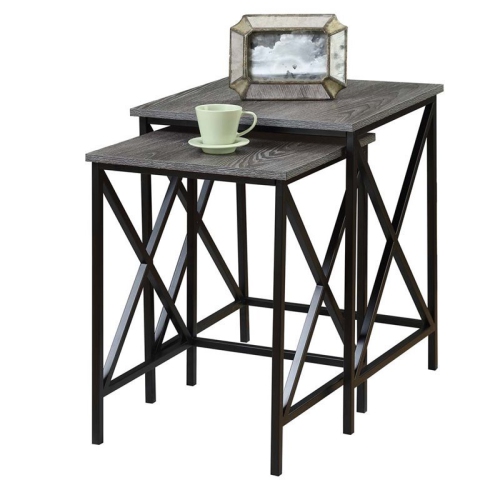
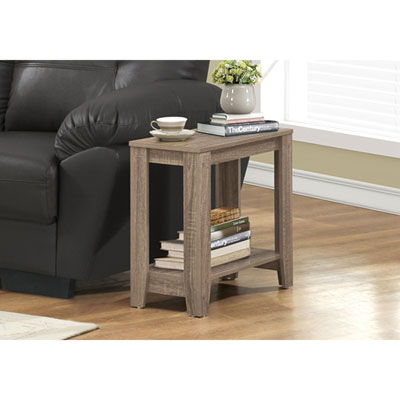
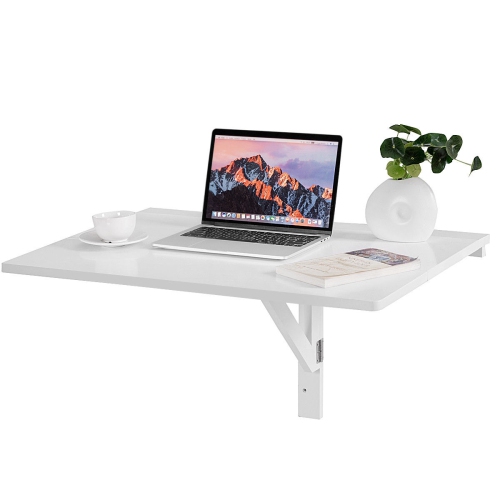
Popular options include nesting tables, C-shaped tables, wall-mounted tables and folding tables. Each offers a different layout: nesting tables stack together, C-shaped tables have an offset base, wall-mounted tables attach to a wall, and folding tables can be put away between uses.
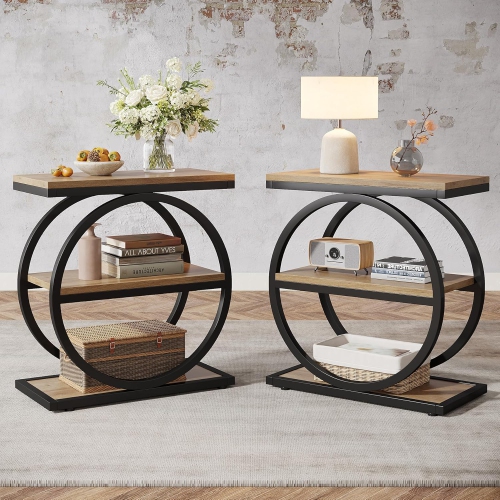
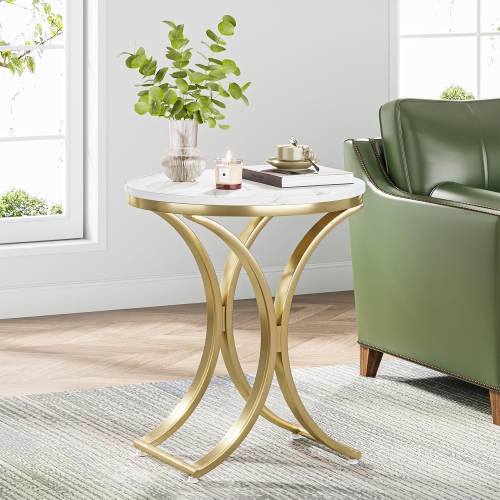
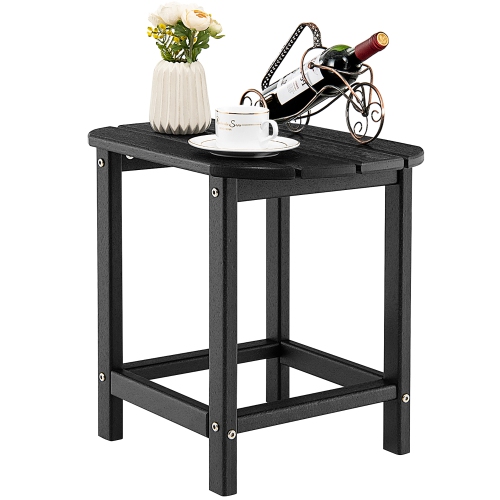
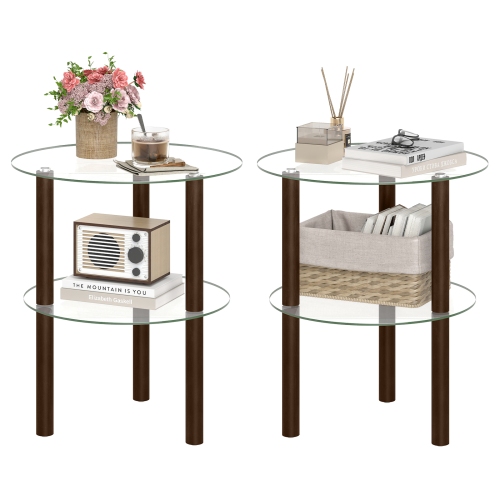
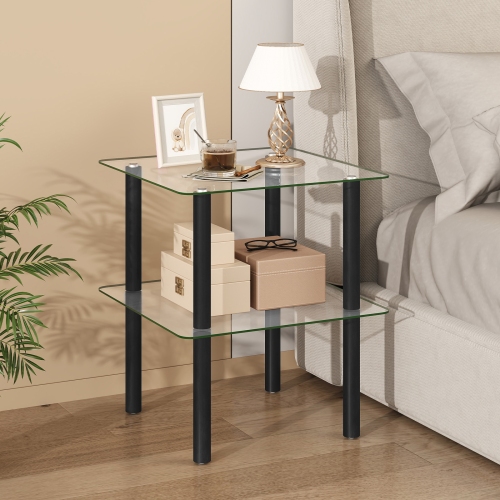
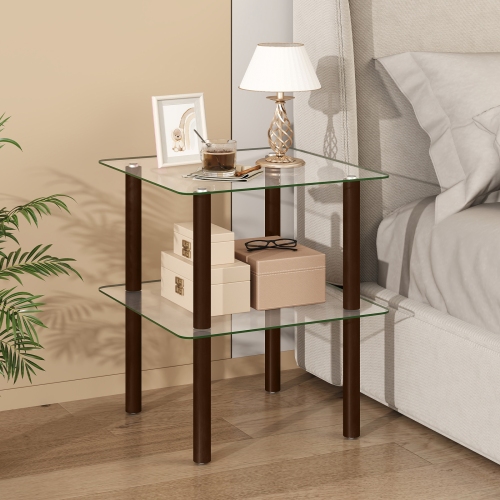
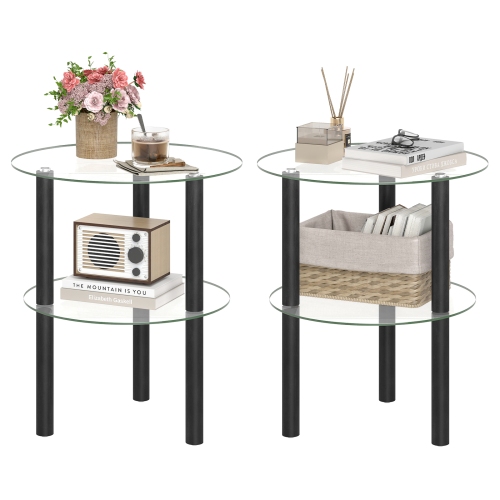
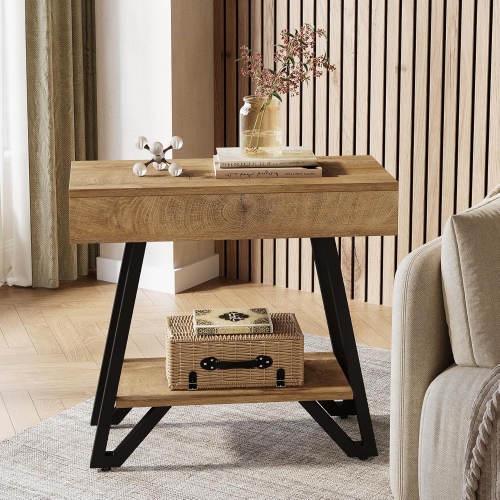
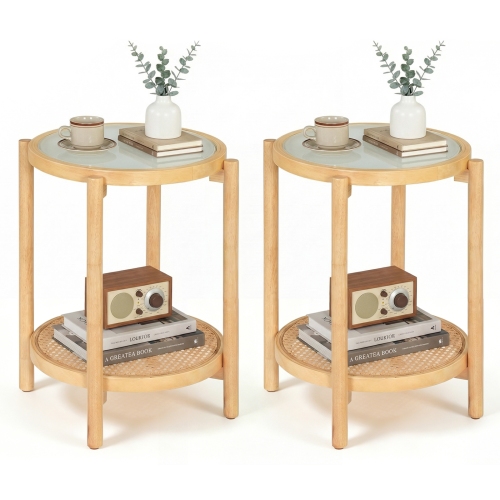
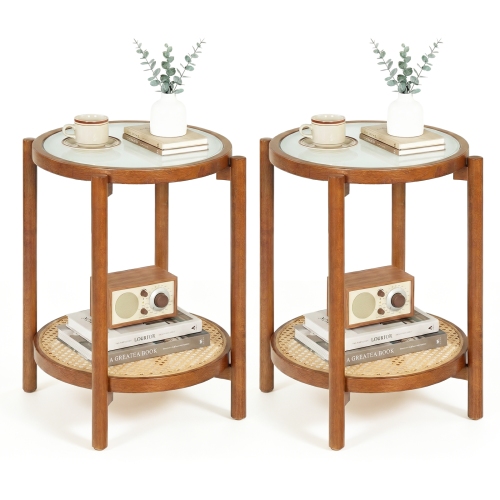
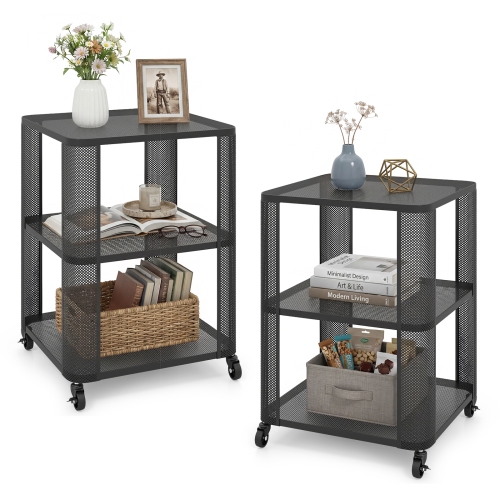
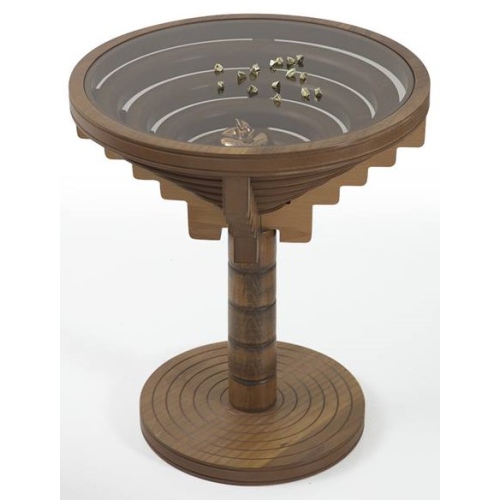
Common materials include solid wood, engineered wood, metal, glass and acrylic. Wood brings warmth and texture, metal suits industrial styling, and glass or clear acrylic creates an airy look. Mixed-material tables often pair a wood or glass top with a metal frame.
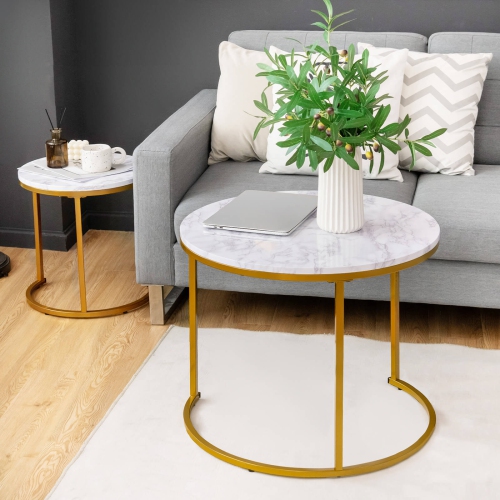
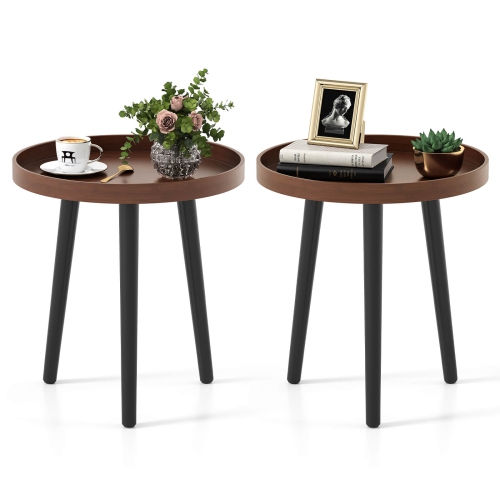
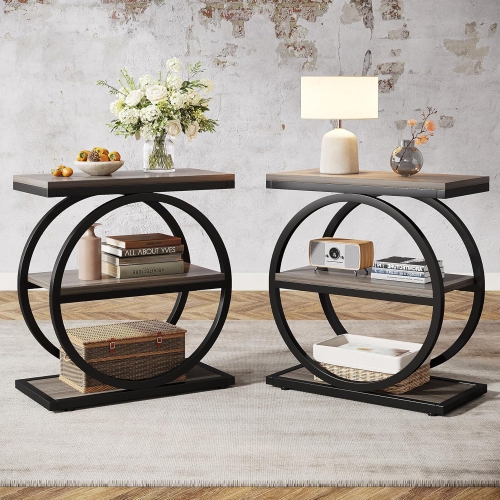
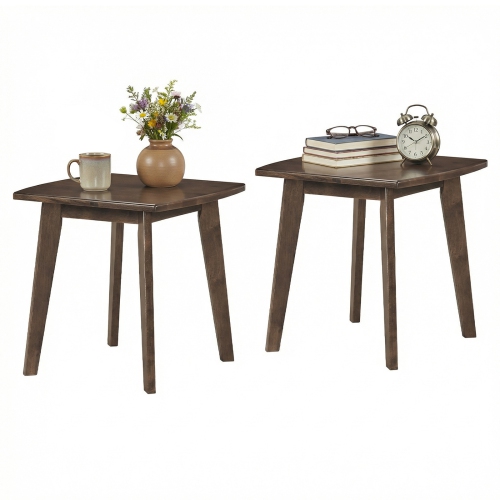
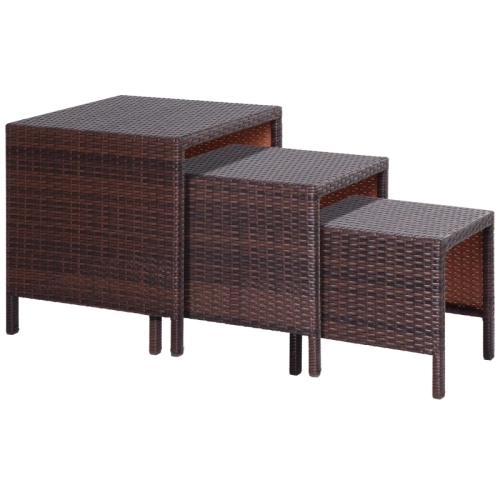
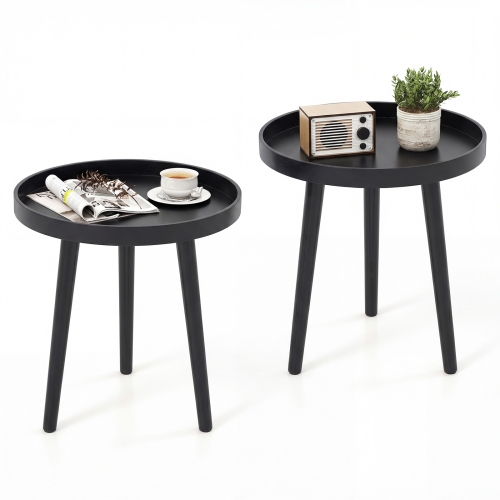
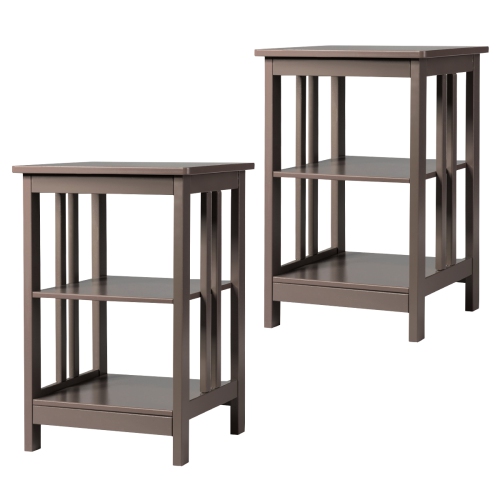
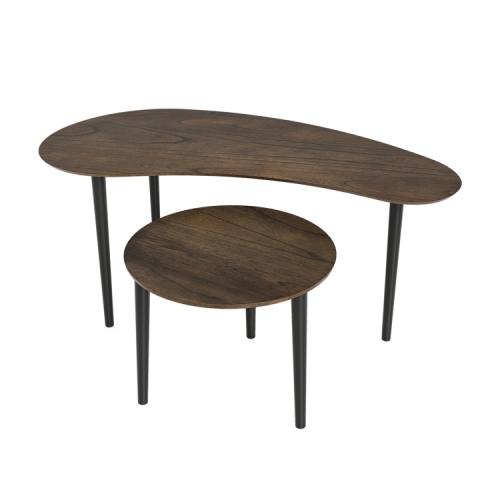
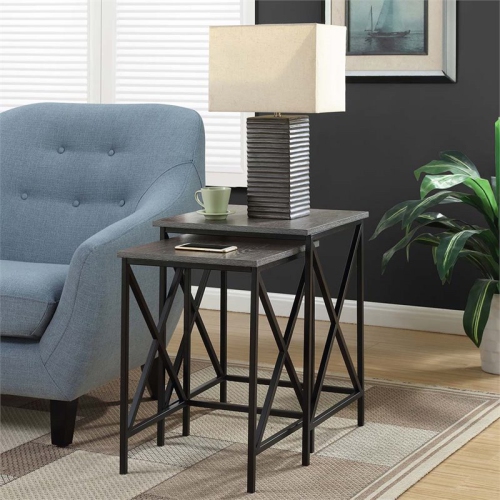
Nesting side tables come as a coordinated set with pieces that tuck beneath one another. They can be arranged together or separated beside different seats. Standard side tables are typically standalone pieces rather than part of a stacking set.
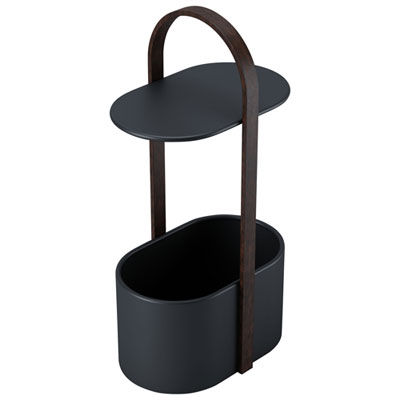
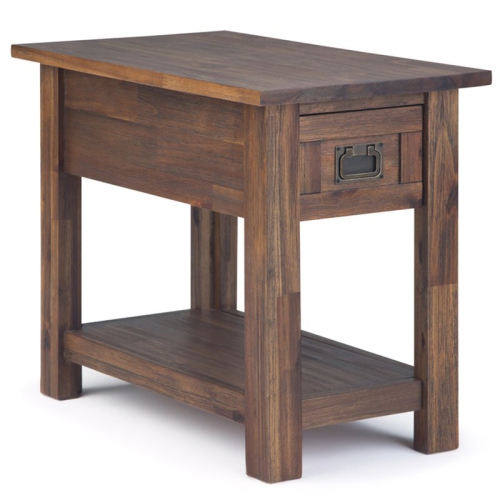
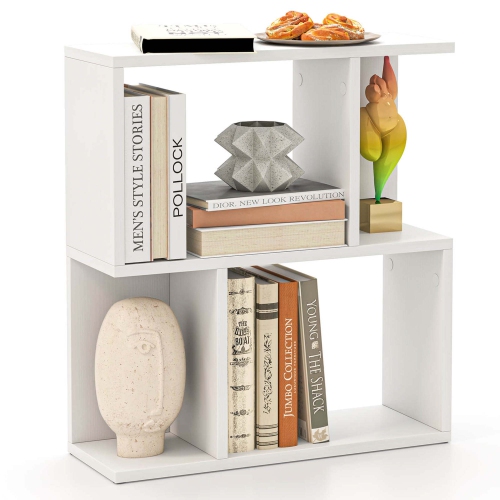
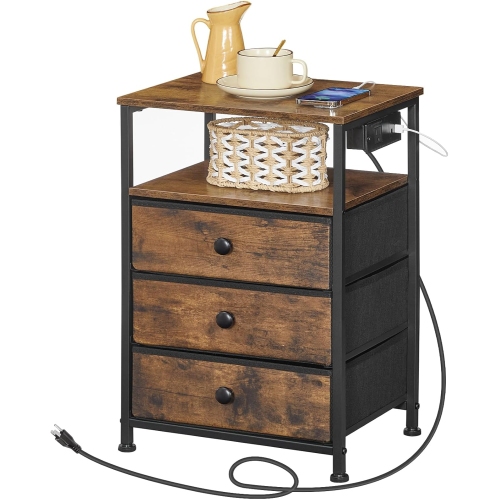
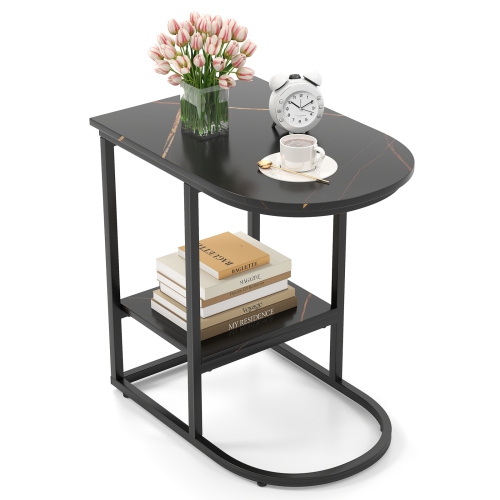
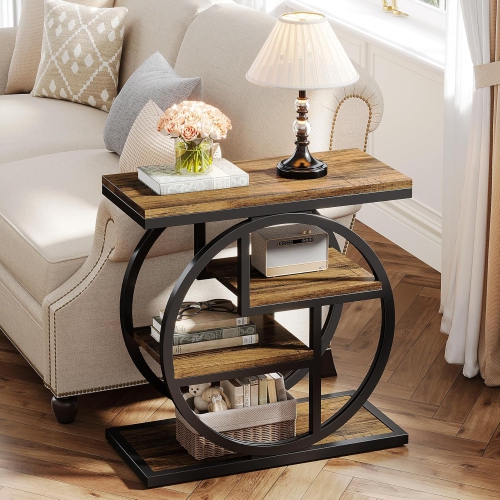
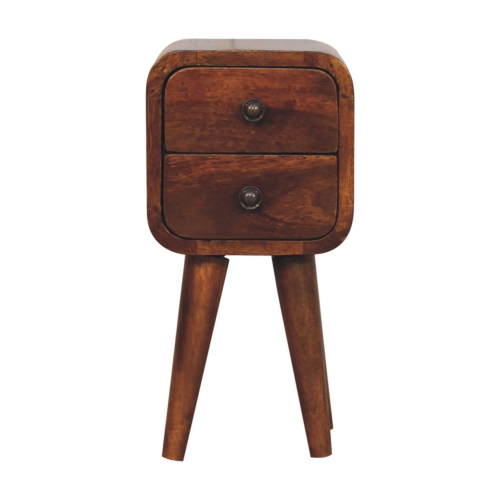
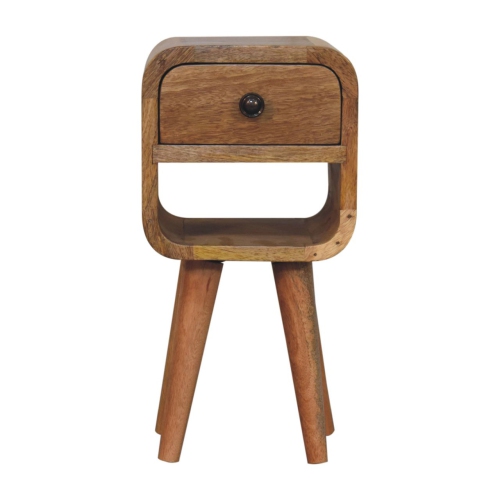
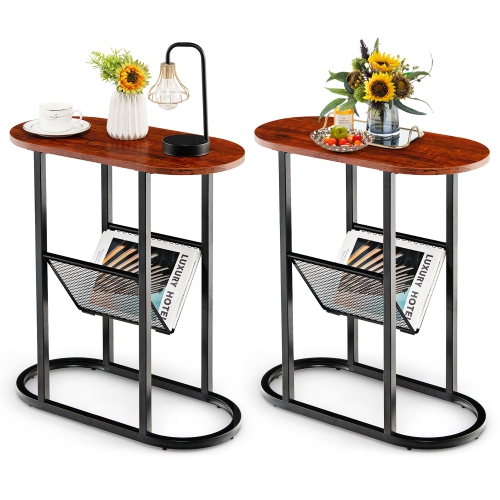
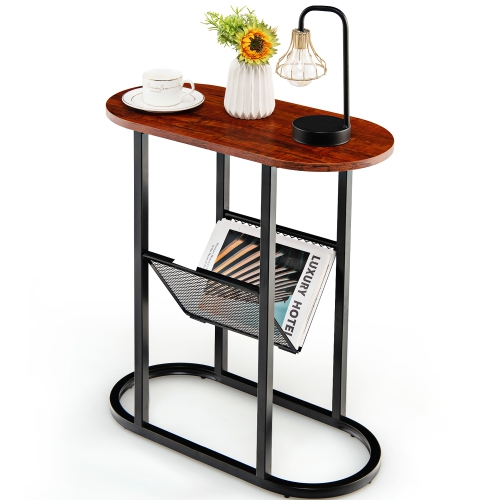
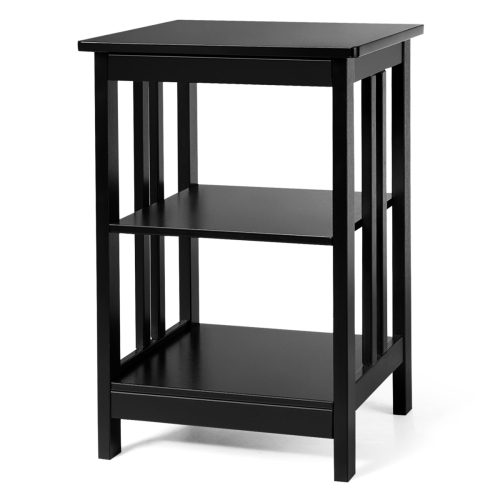
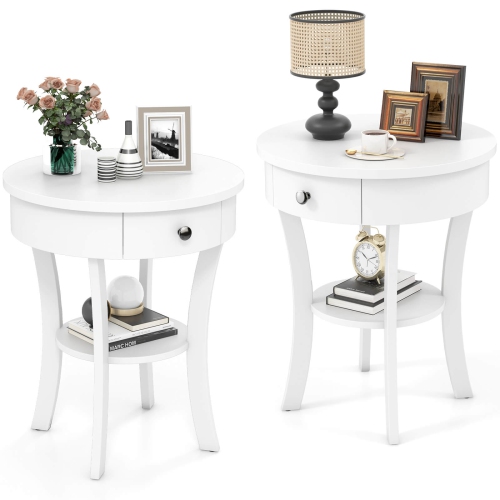
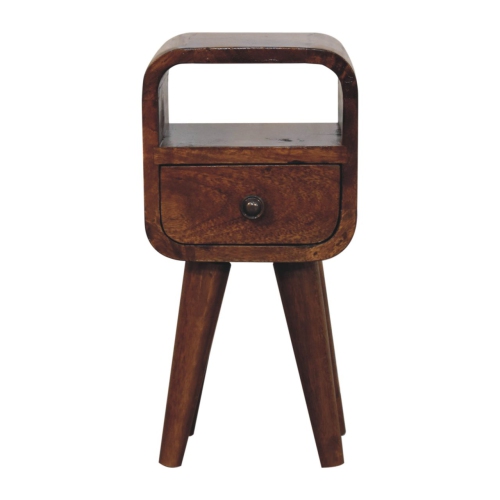
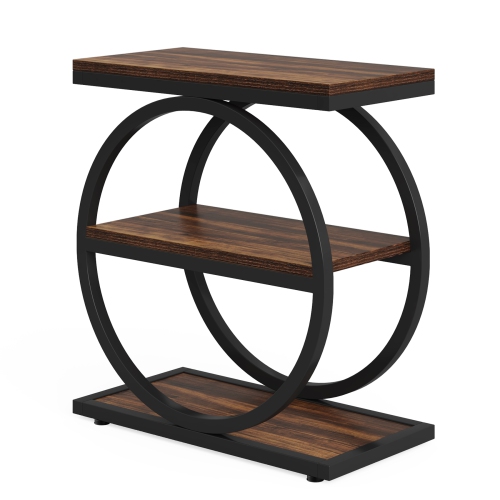
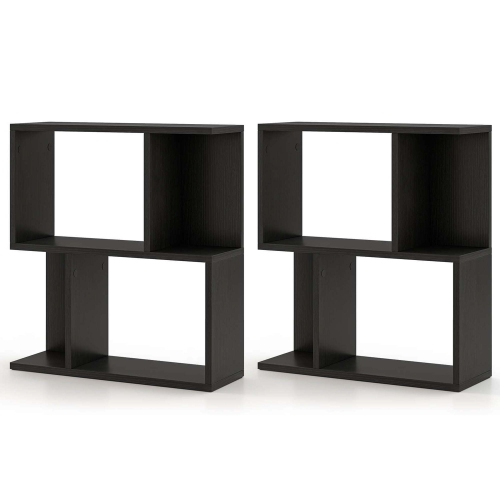
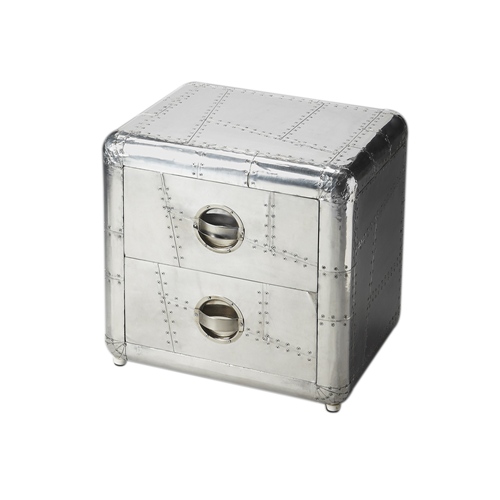
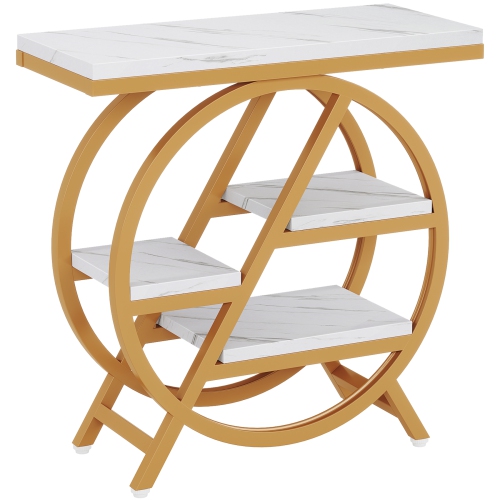
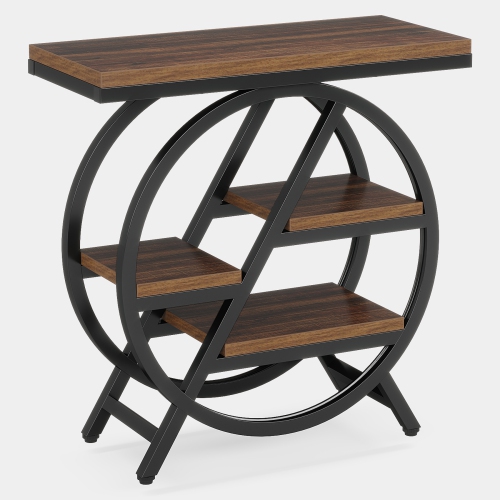
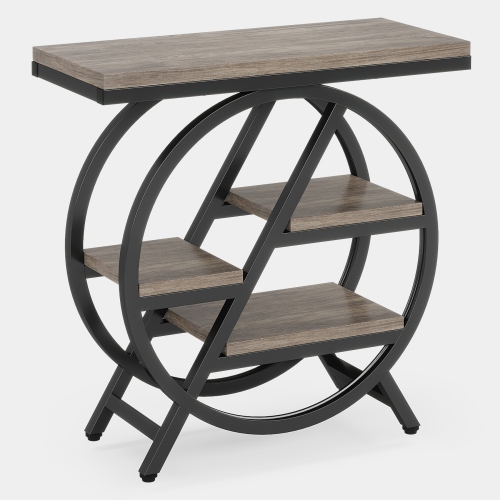
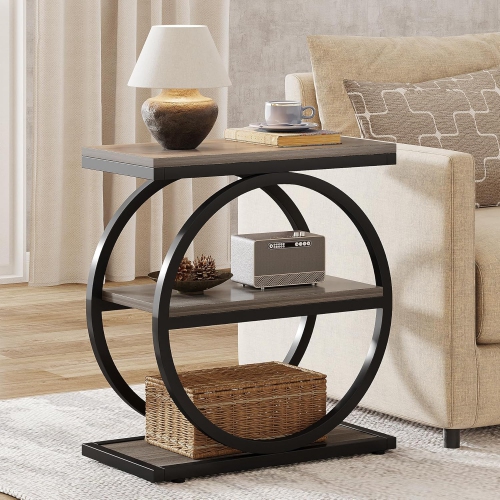
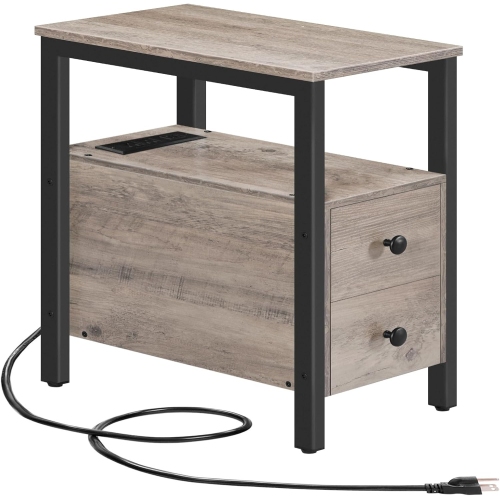
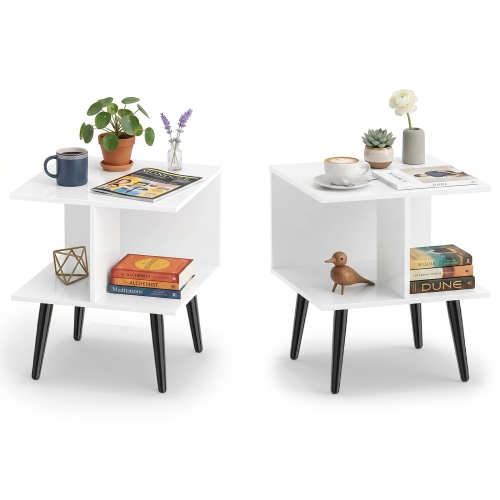
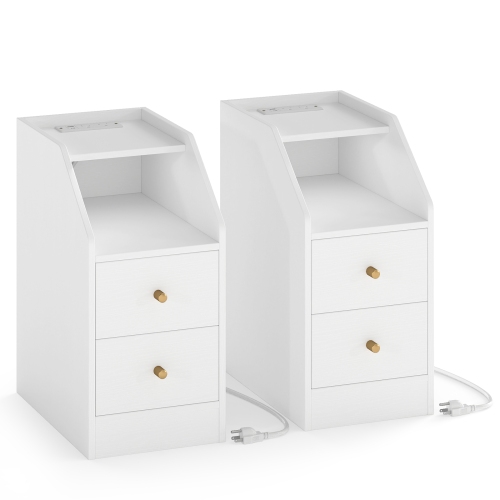
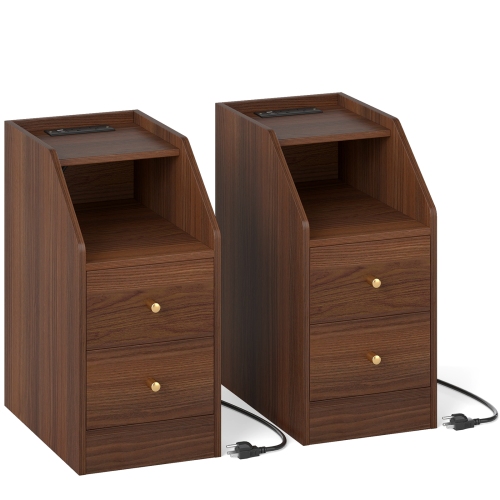
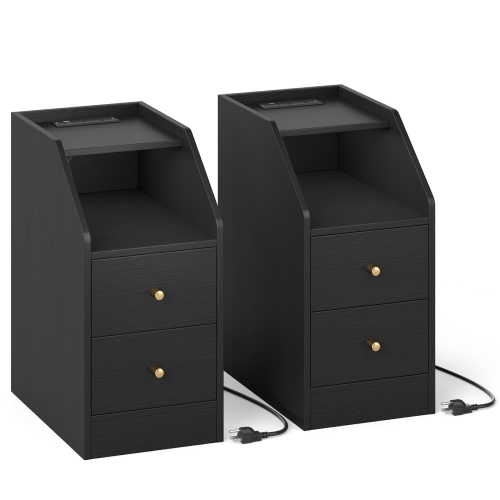
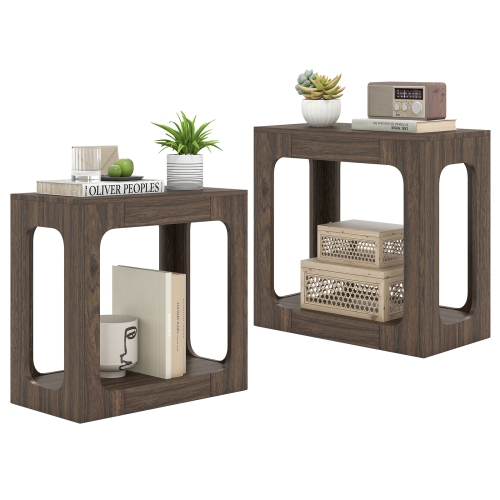
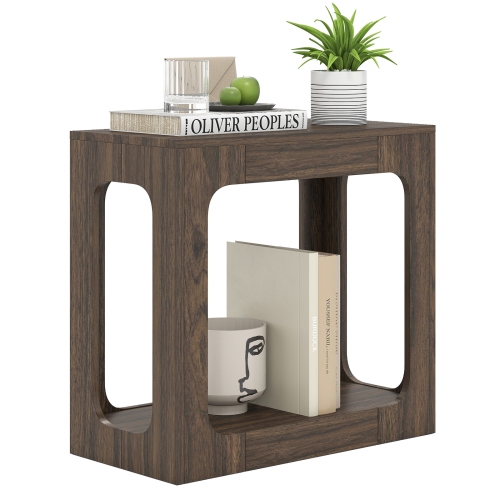
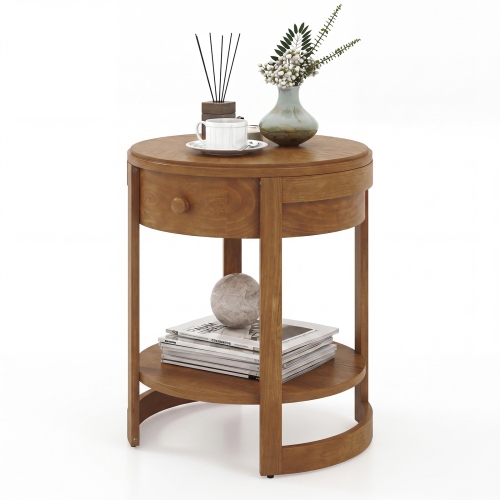
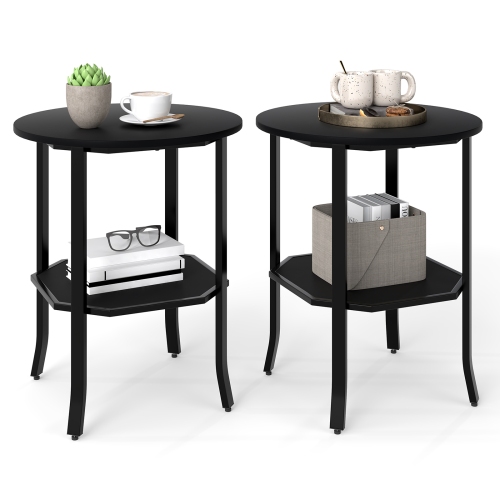
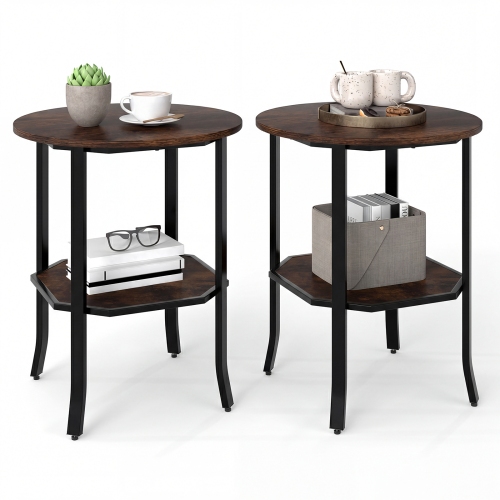
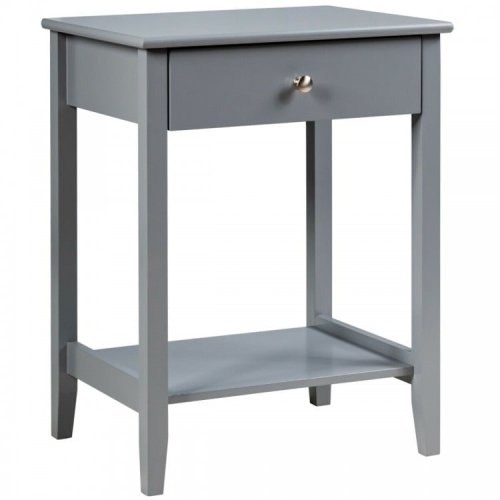
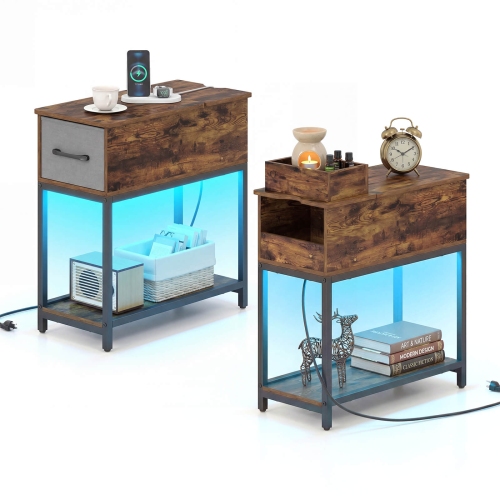
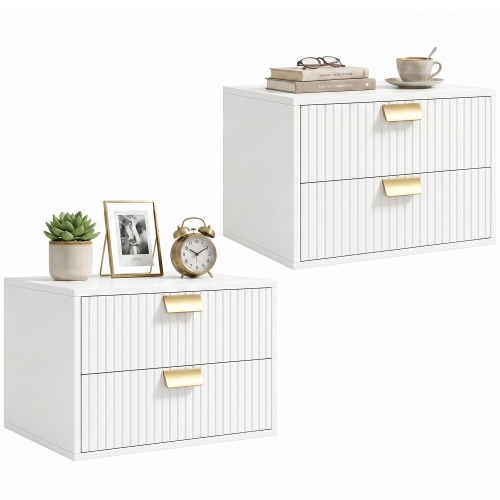
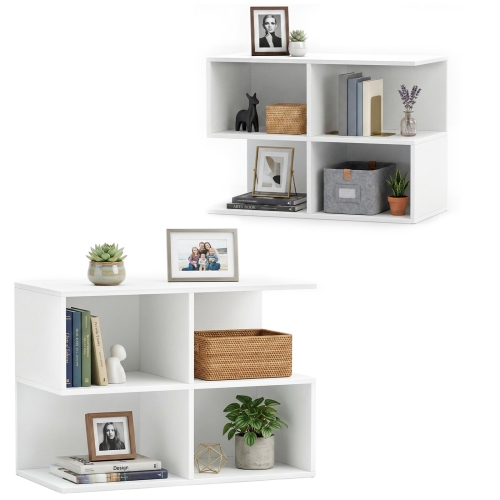
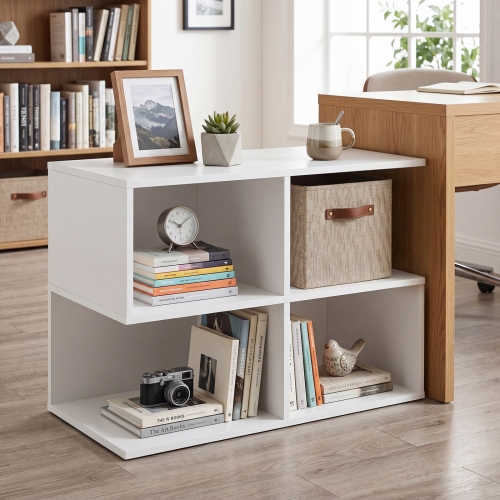
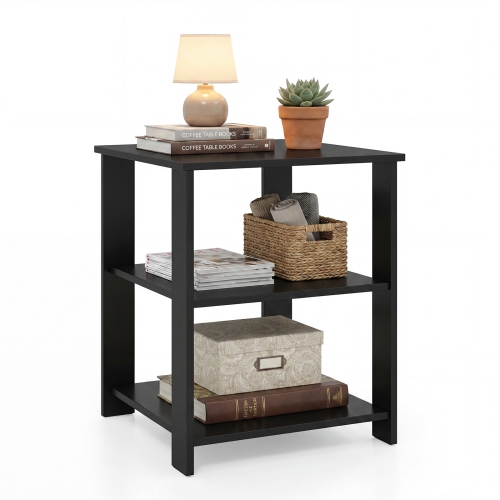
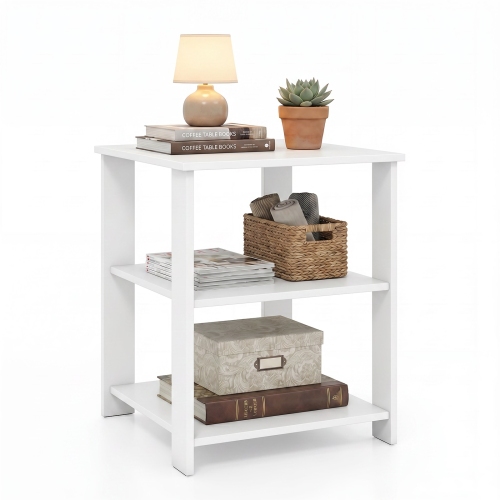
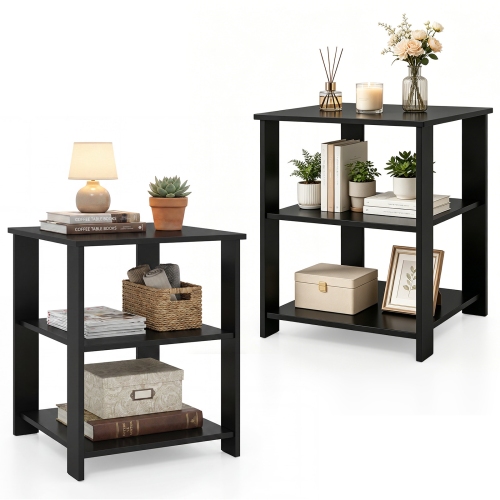
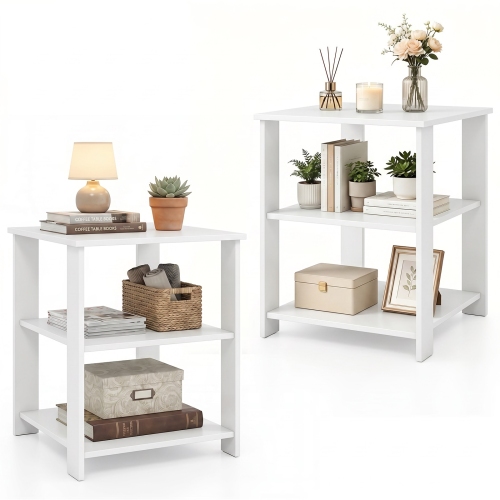
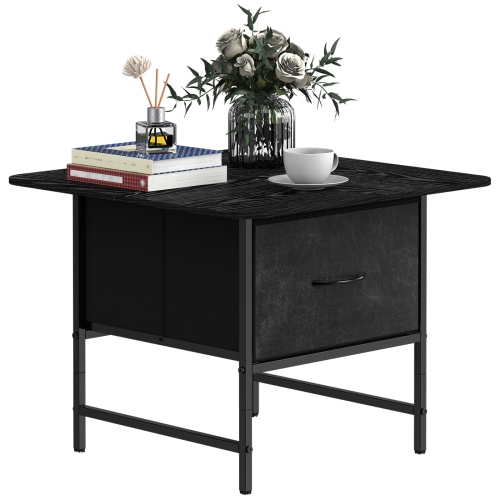
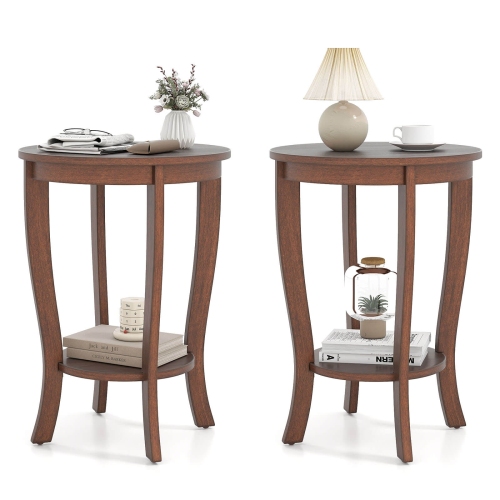
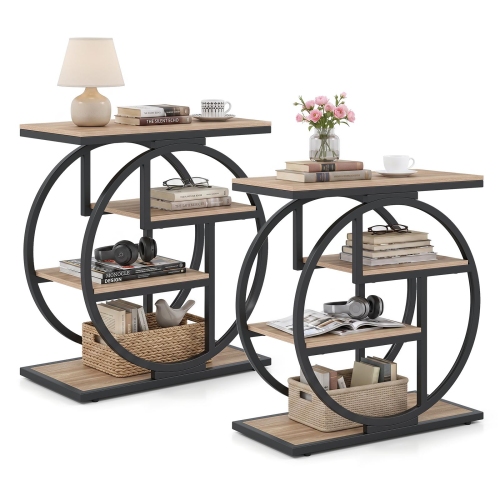
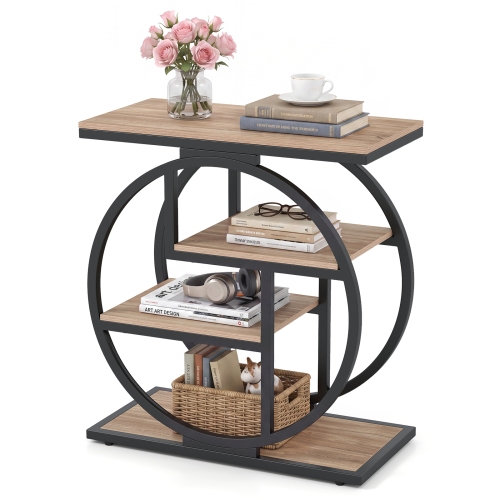
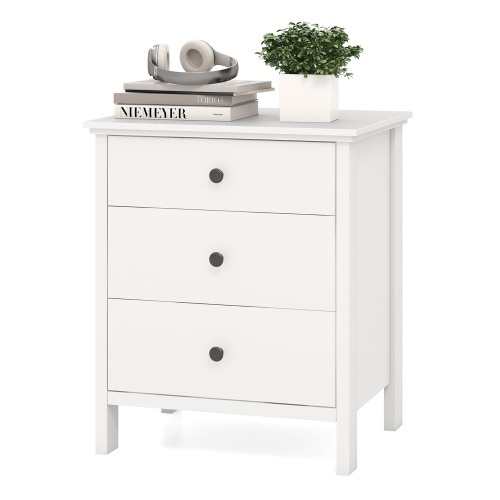
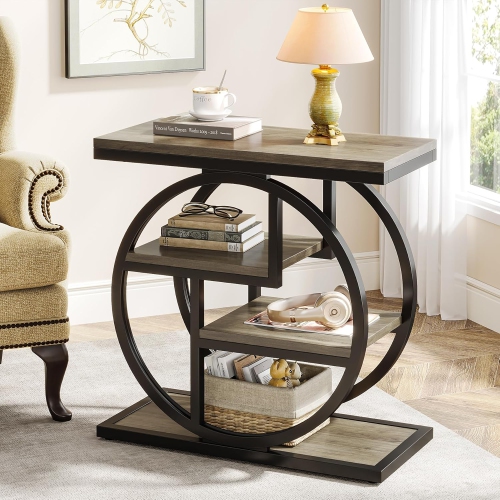
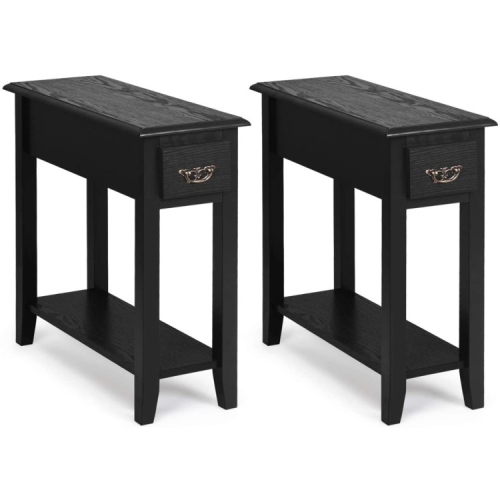
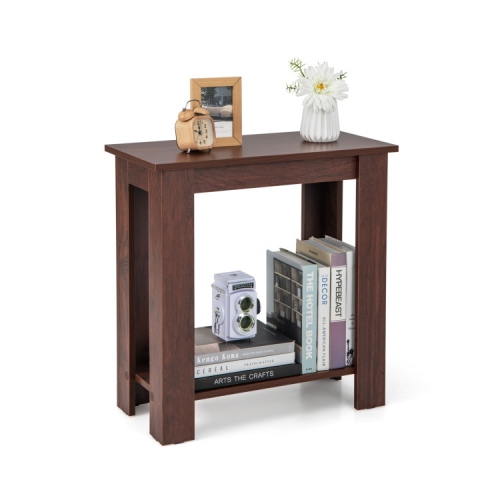
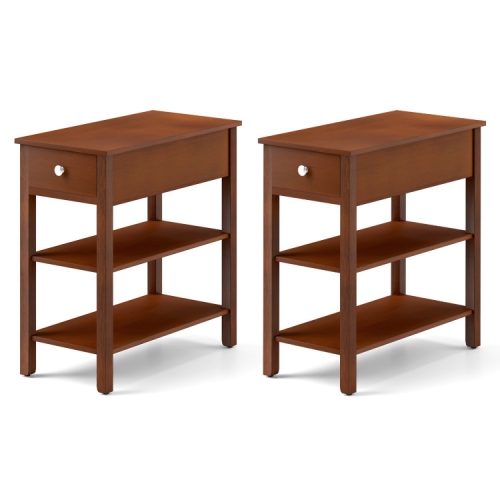
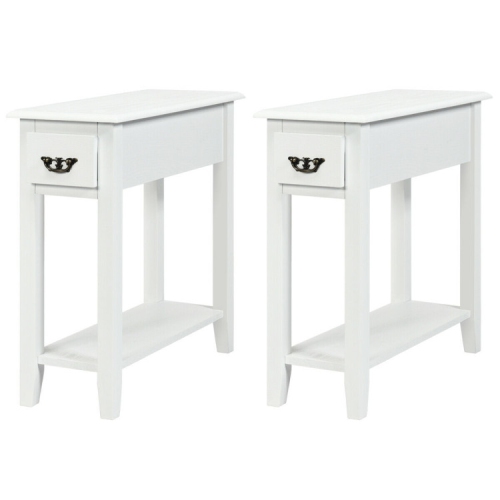
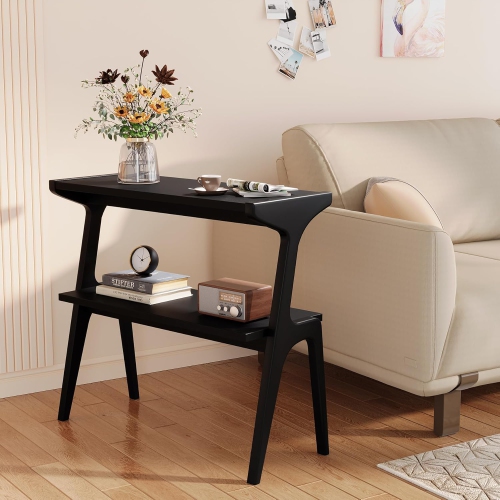
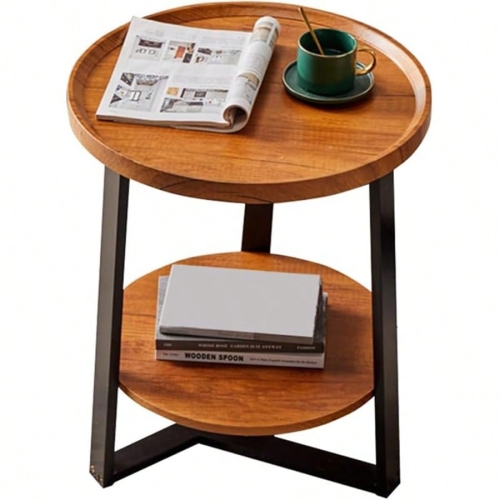
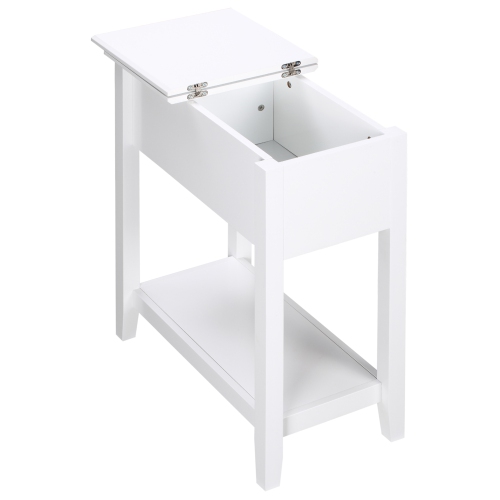
Options include drawers, open shelves, magazine racks and compartments beneath lift-off tops. Drawers keep everyday items out of view, while open shelves provide a place for books or baskets. Some designs combine enclosed storage with an open display area.
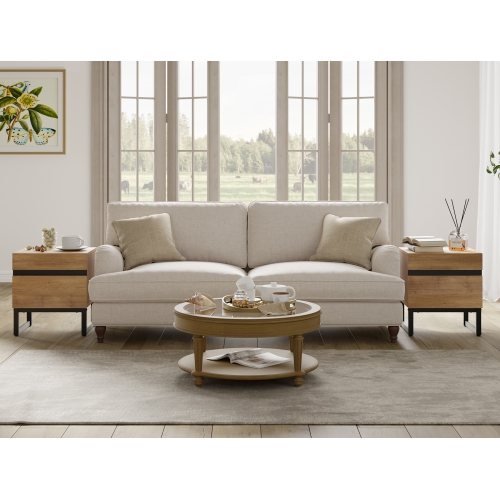
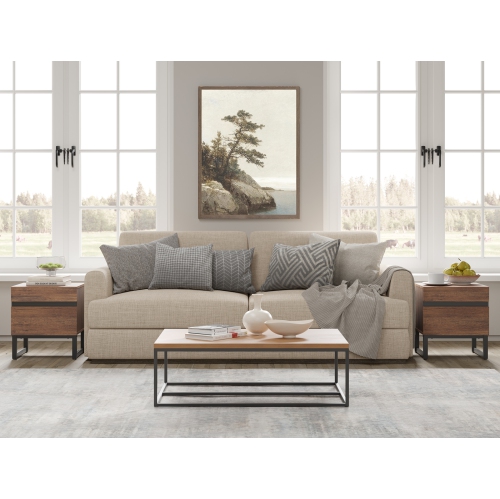
Look for finishes, shapes and details that connect with your existing furniture. Natural wood tones suit warm, relaxed interiors, while metal frames pair well with industrial rooms. For a coordinated look, repeat a finish found on your sofa legs, lighting or cabinet hardware.
Top selling and popular products
Discover more categories related to Space-Saving Side Tables
Some products may be subject to Environmental Handling Fees (EHF) depending on your province. Learn more about EHFs.