USB Music Speakers
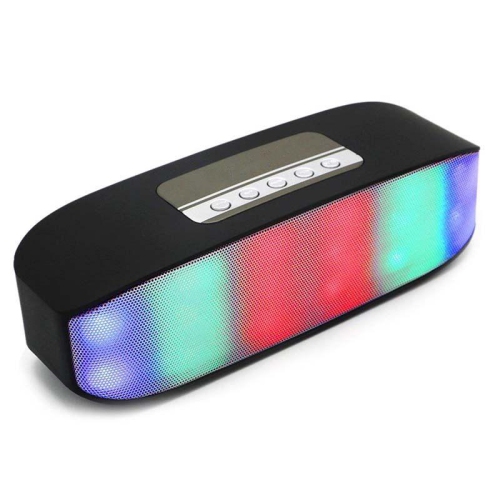
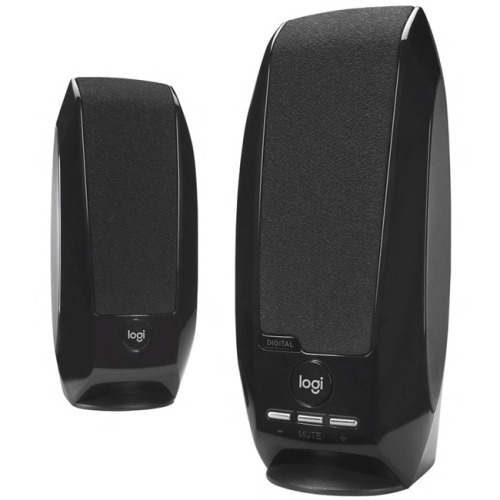
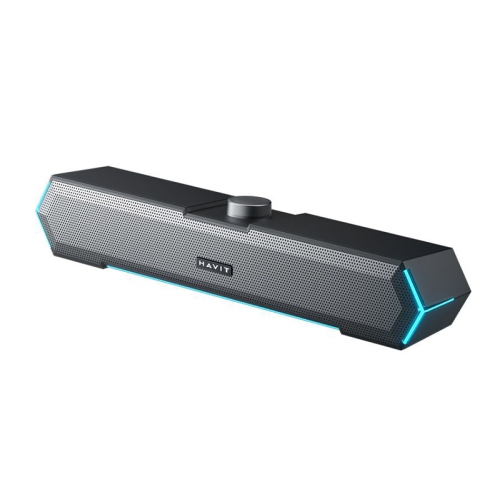
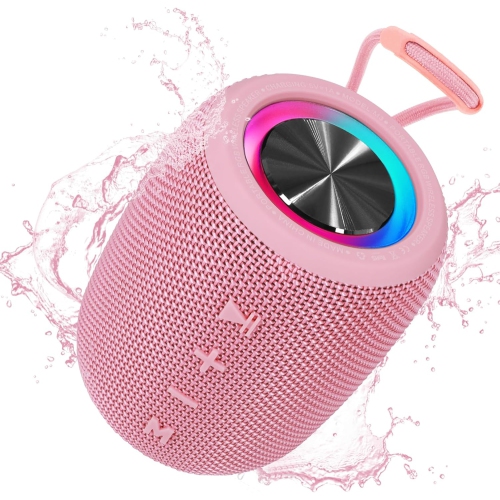
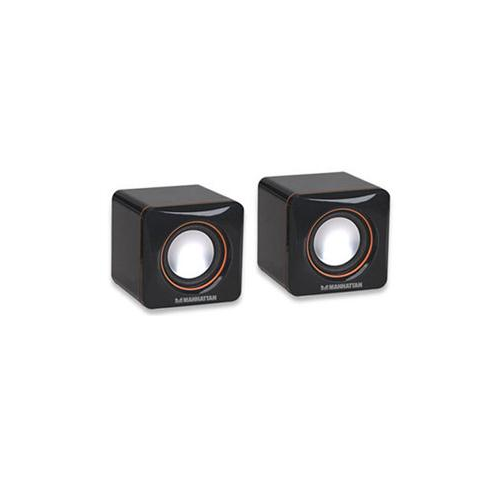
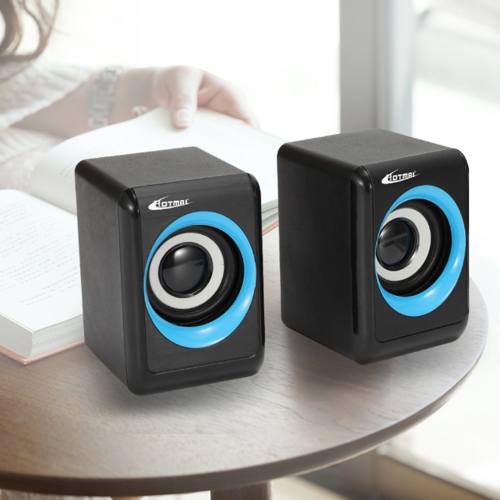
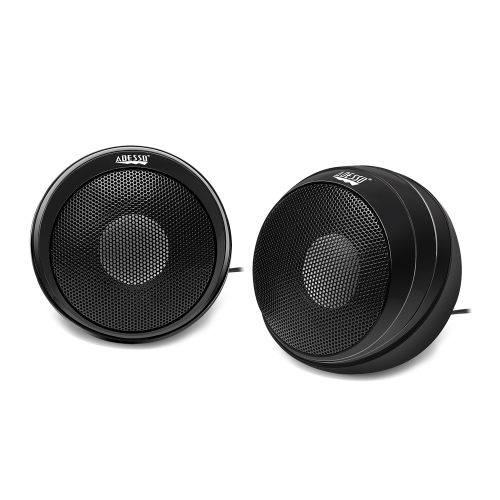
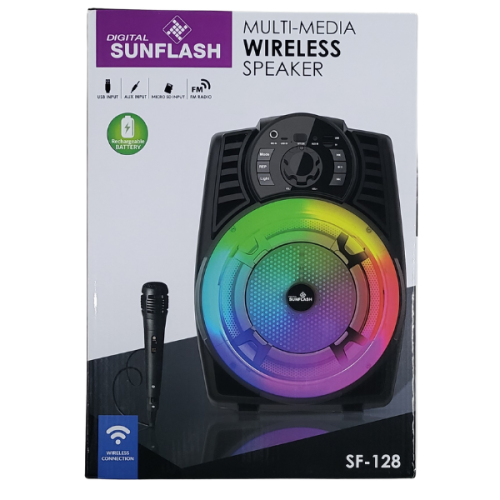
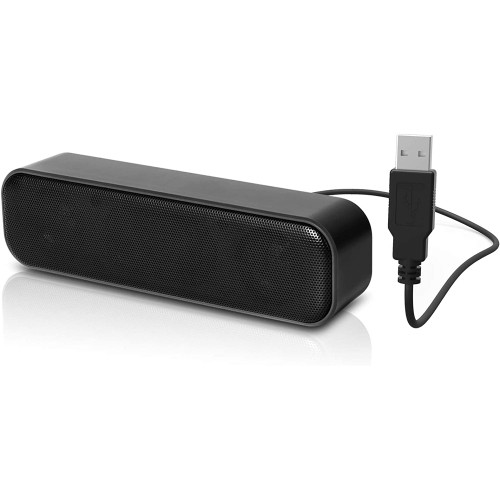
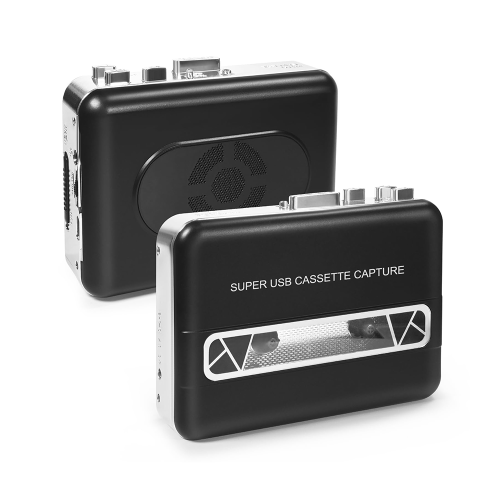
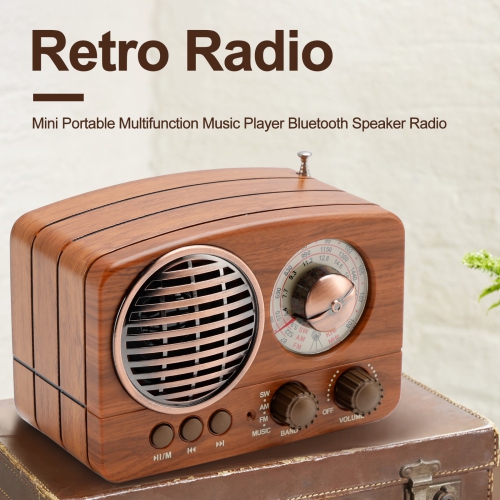
A USB speaker is a small, portable speaker that can be connected to any device with a USB port. These speakers are great for listening to music, podcasts, and watching videos on the go. These speakers also come in a variety of colors and sizes. Here are some excellent options on the market.
Sort

![THE VOICE : Knockout Bluetooth Speaker W/ Lightshow [Electronics]](https://multimedia.bbycastatic.ca/multimedia/products/500x500/188/18884/18884560.jpeg)
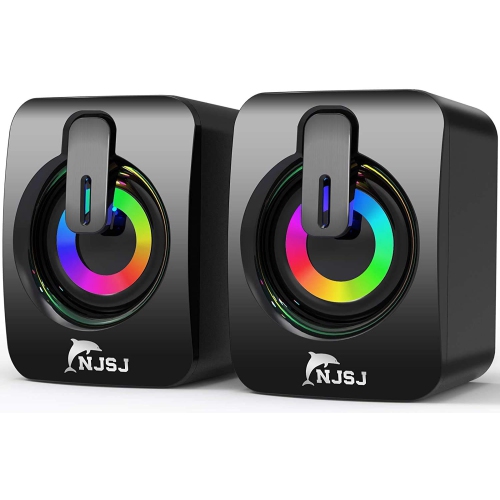
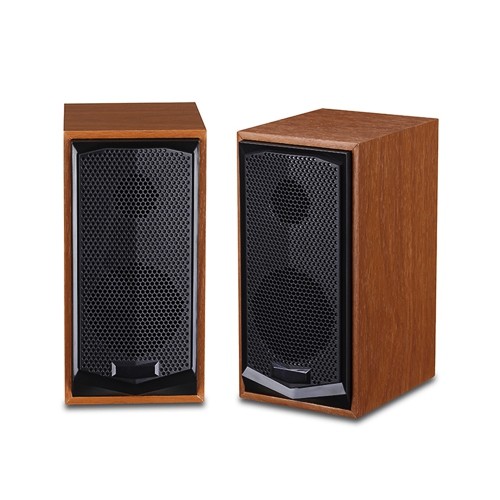
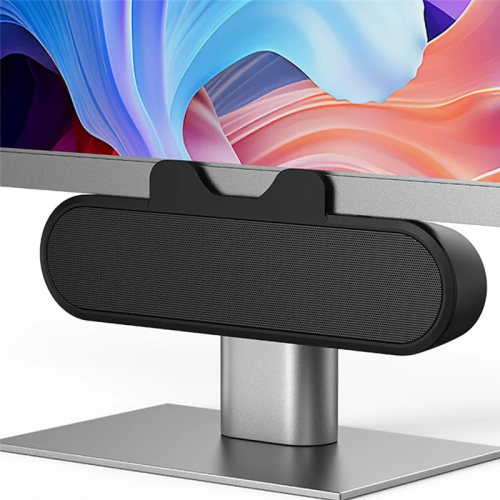
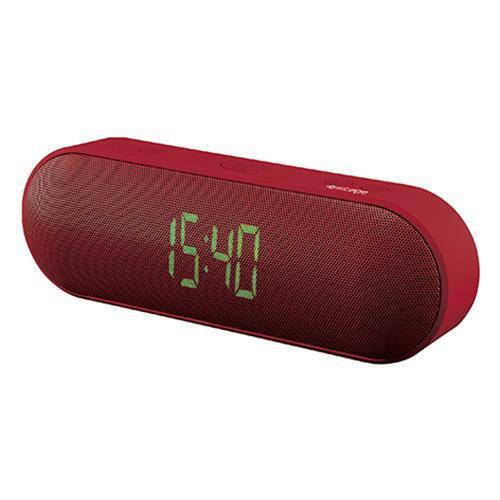
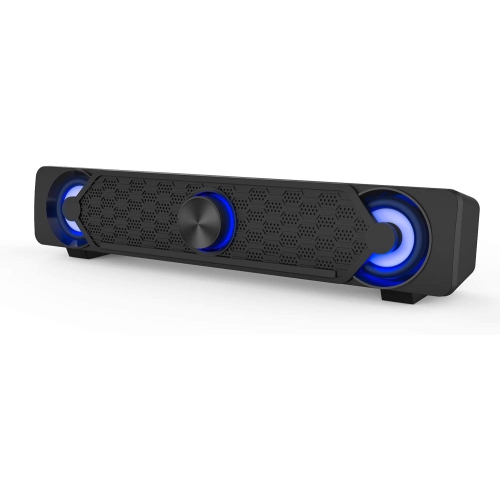
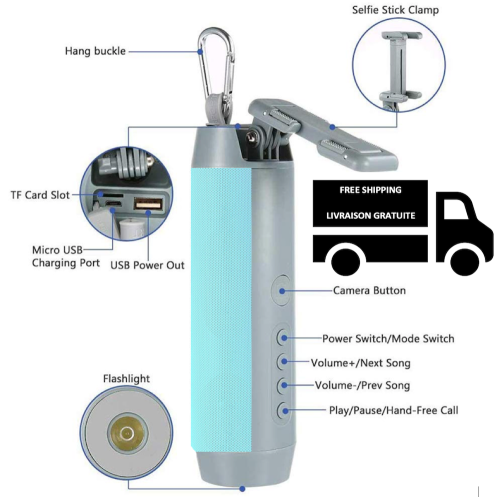
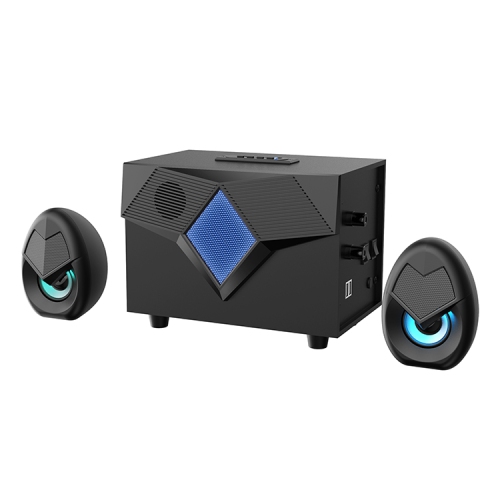
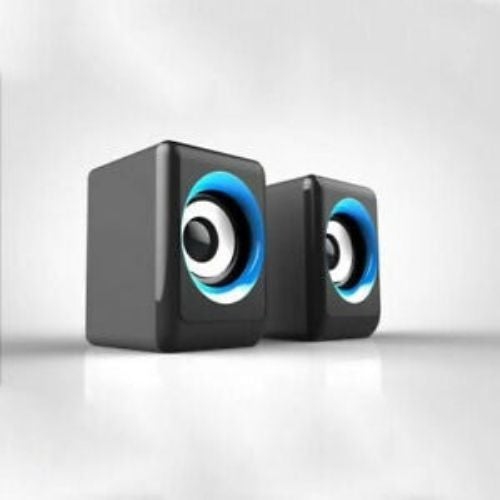
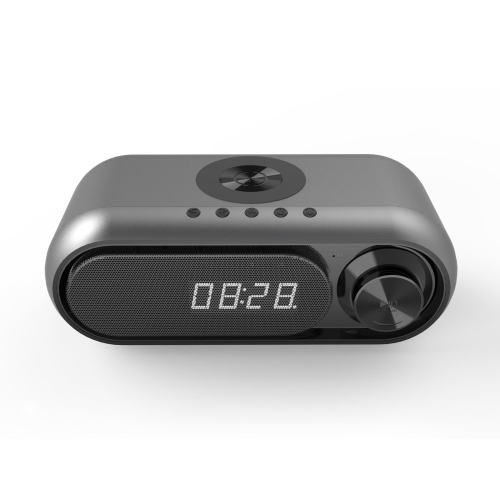
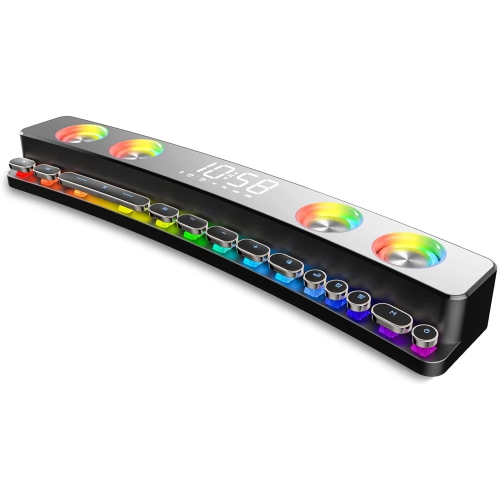
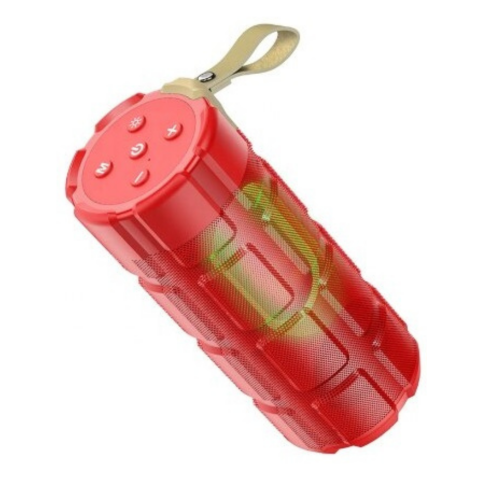
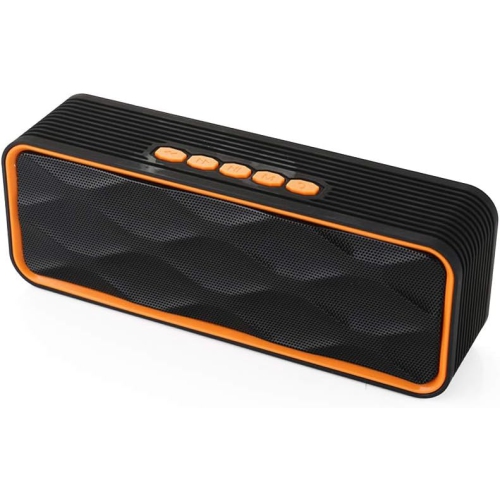
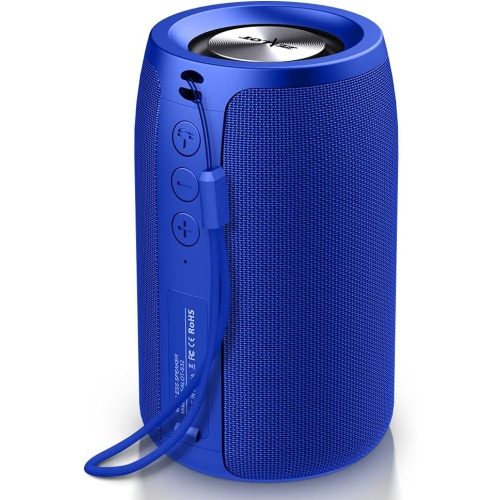
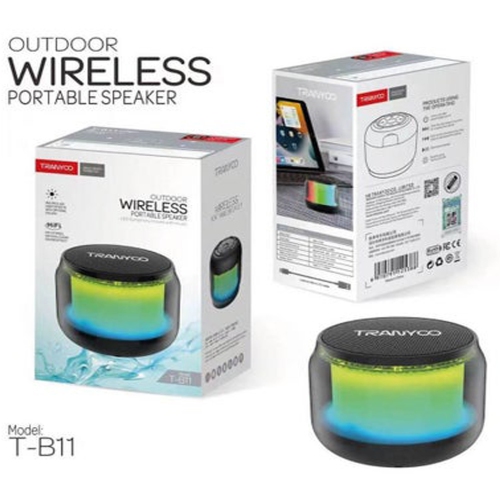
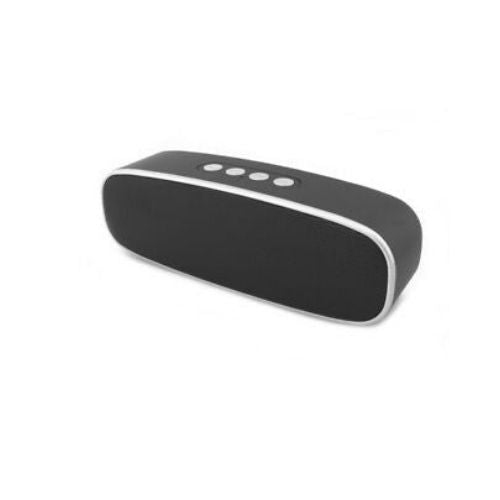
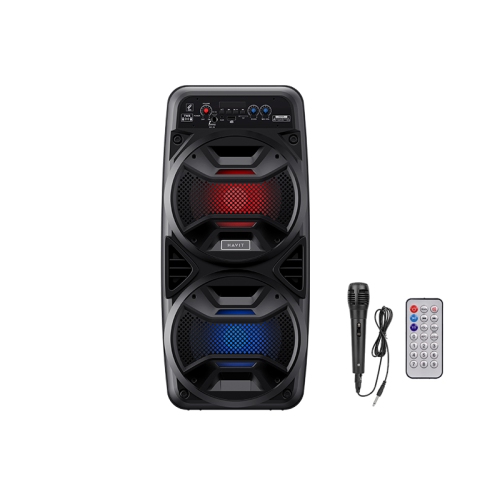
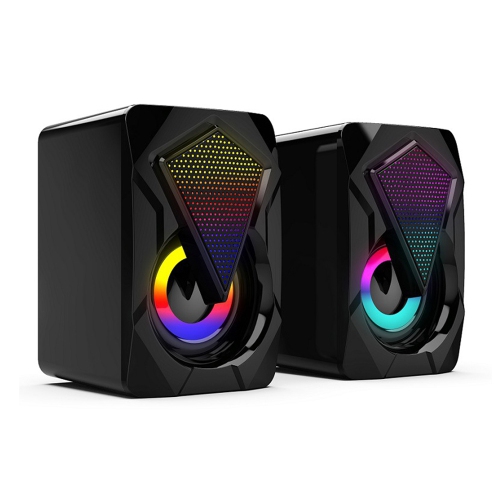
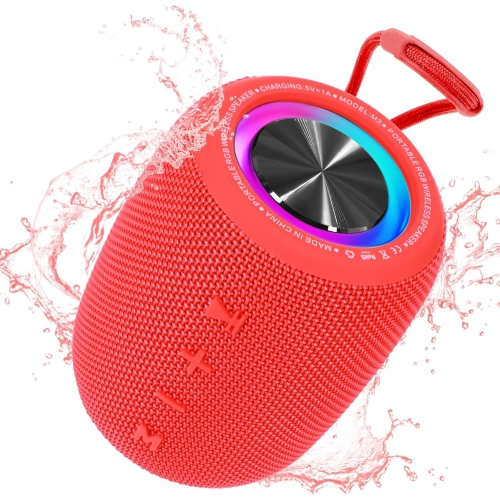
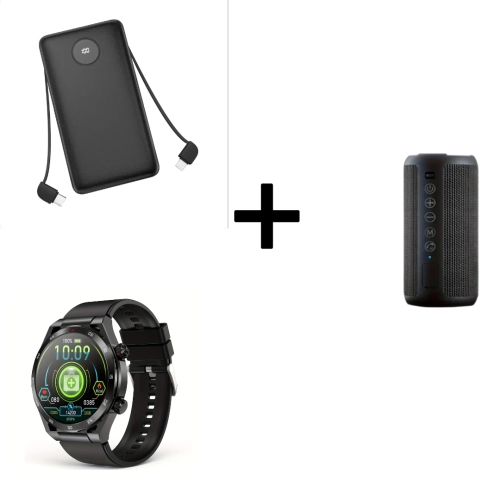
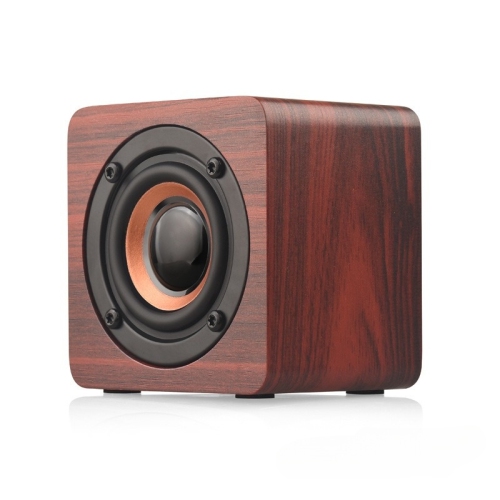
Understanding USB audio, power, playback, and charging differences
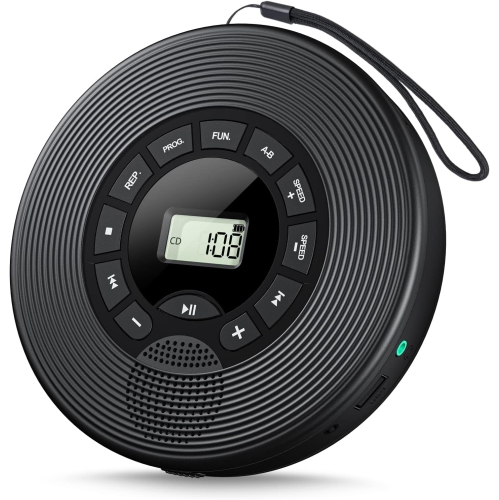
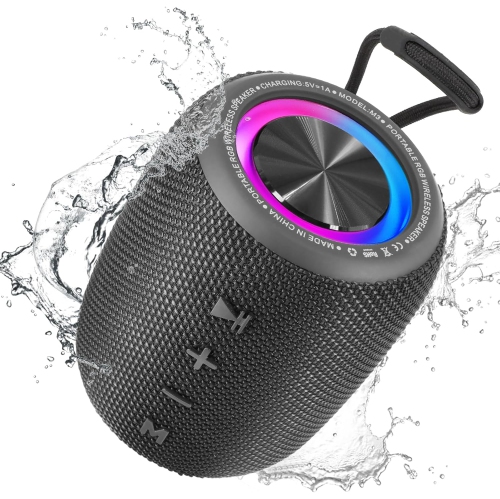
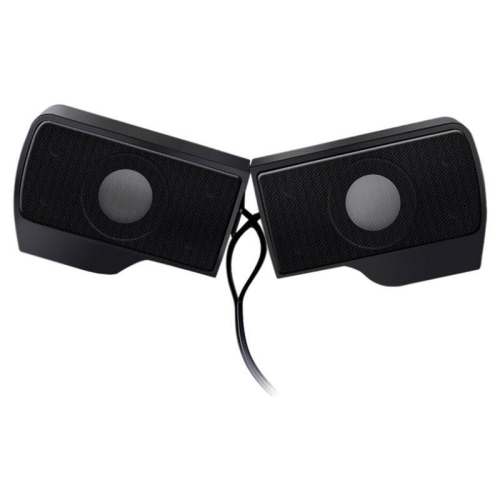
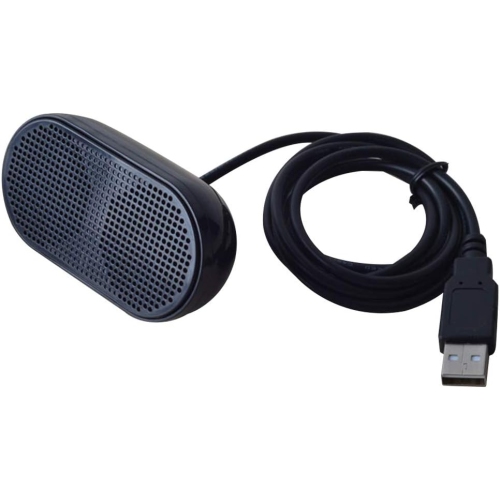
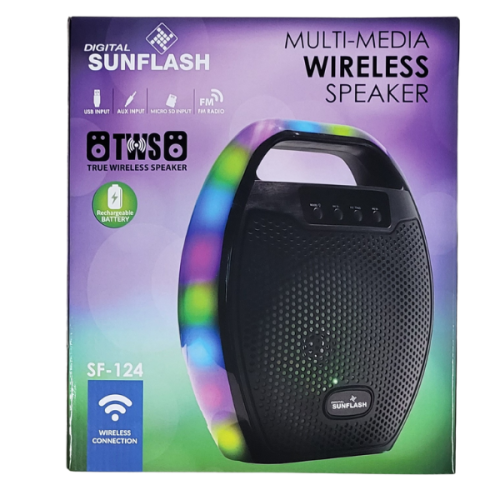
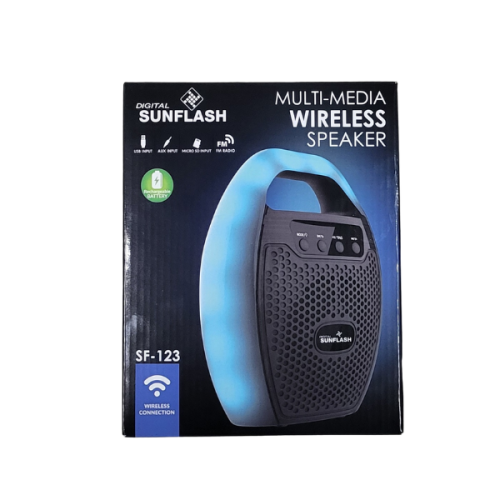
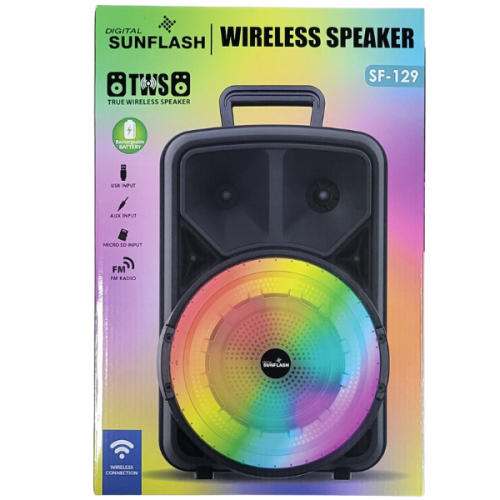
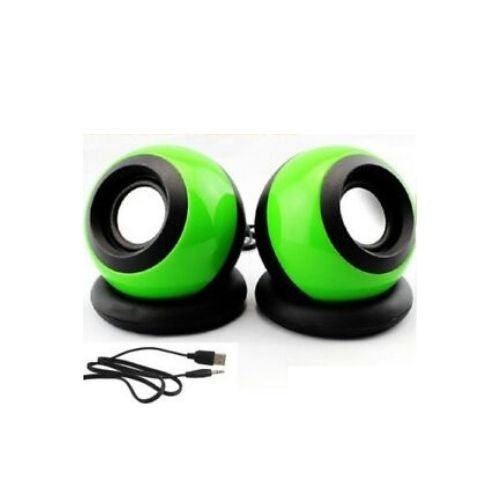
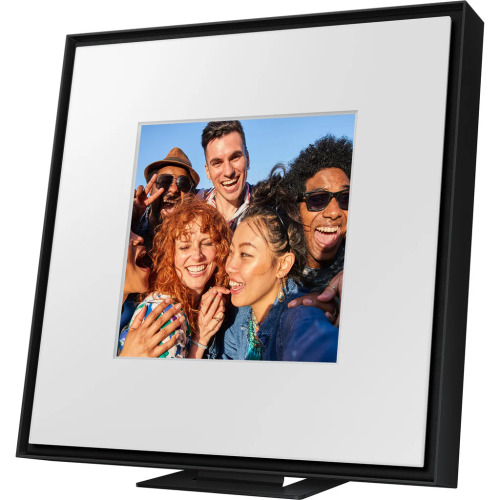
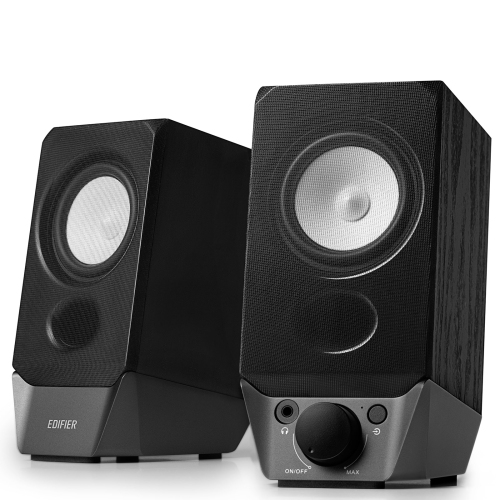
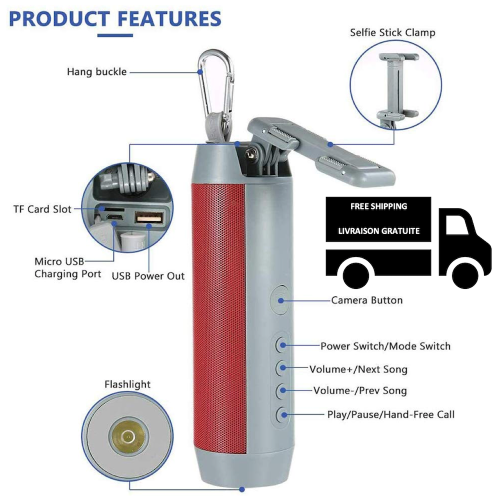
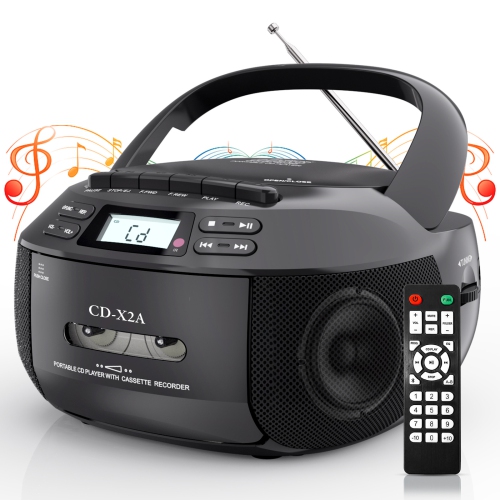
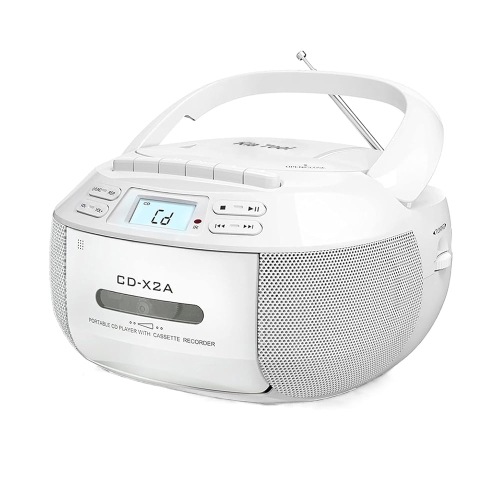
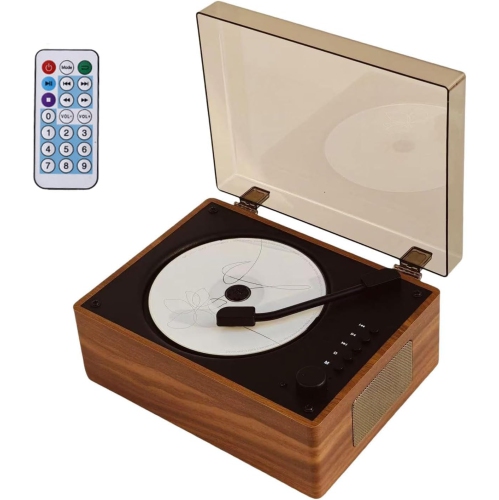
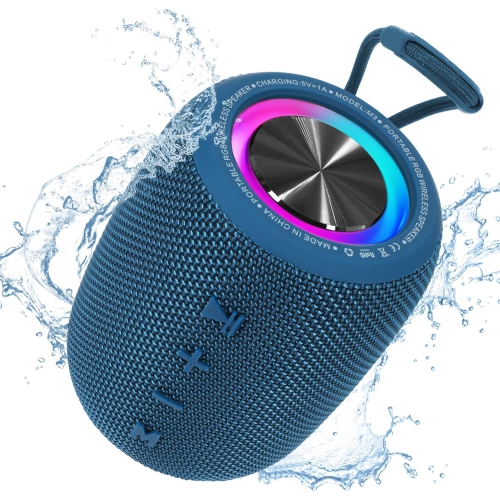
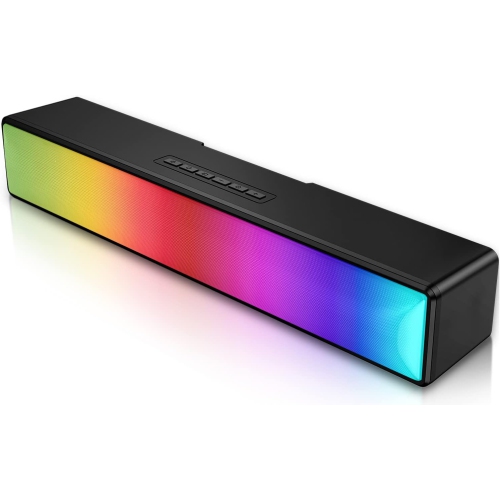
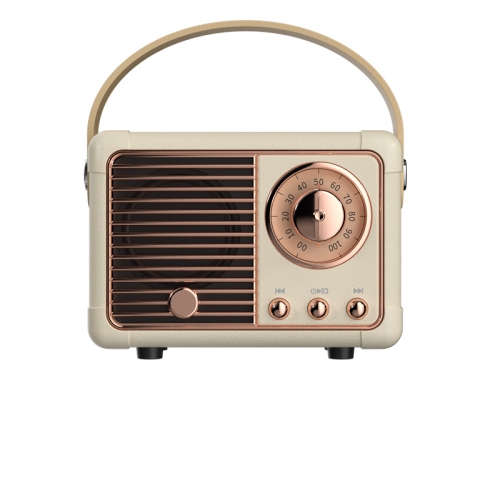
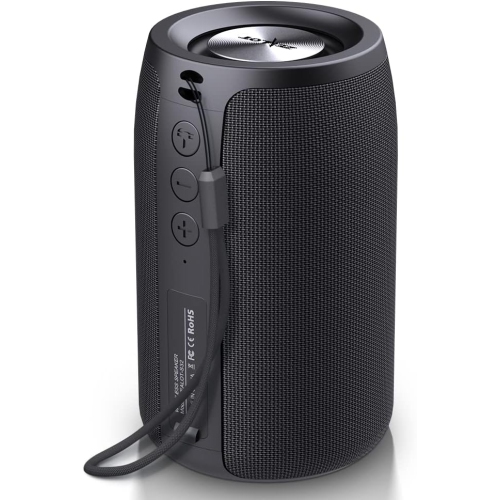
USB music speakers can refer to several types of audio products, so it helps to understand what the USB connection is designed to do before choosing a speaker for your space. Some desktop speakers connect to a computer with USB and receive a digital audio signal directly from a PC or Mac, which can provide a simple plug-and-play setup without a separate 3.5 mm audio cable. Other models are USB-powered, using the USB connection for electrical power while receiving music through Bluetooth or a 3.5 mm auxiliary input. Portable speakers may include a full-size USB-A host or media port that reads compatible music files from a USB flash drive, while many Bluetooth speakers use a USB port only to recharge their internal battery or power another device. These functions are not interchangeable, so check the product details for wording such as USB audio, USB-powered, USB playback, or USB charging. If your main goal is a tidy computer setup, explore USB Stereo Speakers designed for left-and-right desktop sound. If you want to play saved music from a thumb drive, look specifically for direct USB flash drive playback and confirm which file types are supported, such as MP3 or WAV. A speaker that accepts a USB drive may not send audio from a computer through that same port, and a compact computer speaker powered by USB may not read music files at all. Understanding this difference can save time and help you choose a speaker that works naturally with the devices, cables, and music sources you already use.
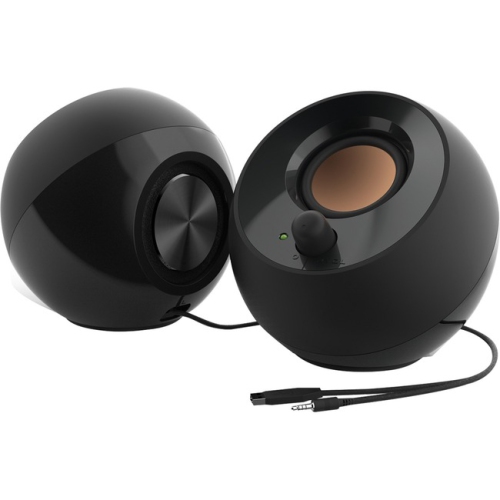
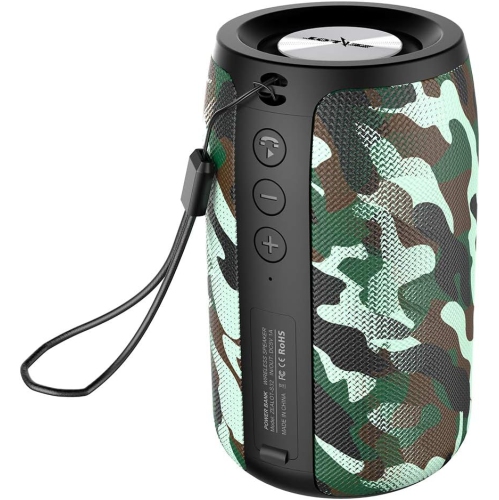
For a desk, consider the space between your monitor, keyboard, and wall, as well as where the speaker controls will sit. Compact stereo speakers can fit beneath a monitor or on either side of a laptop, creating a more spacious soundstage for music, streaming video, online classes, gaming, and video calls. USB audio models can reduce cable clutter by combining sound and power through one connection, while USB-powered speakers may require an additional Bluetooth or 3.5 mm connection for the music signal. Check the available ports on your computer before purchasing, particularly if it uses USB-C rather than traditional USB-A. An adapter or hub may be needed in some setups, and not every computer USB port provides the same connection experience. Sound preferences also vary. A small room or shared office may suit a lower-profile speaker with clear vocals and adjustable volume, while listeners who enjoy fuller bass may prefer a model with larger drivers, a dedicated bass control, or a separate subwoofer. Think about the way you listen at home: quiet background music while working calls for different performance than filling a recreation room with sound during a get-together. A headphone jack, microphone, mute control, wired volume dial, Bluetooth support, and an auxiliary input can all add convenience, especially when several people share the same desk. For a portable or outdoor speaker, pay closer attention to battery life, carrying size, button layout, water resistance, and whether the USB port is intended for playback, charging, or both. A full-size USB-A port for music files can be useful at a cottage, workshop, or gathering where you want to bring a prepared playlist without relying on a phone or wireless connection.
USB music speakers can be useful for students setting up their first study area, remote workers who want more engaging sound than built-in laptop speakers, and families looking for an easy way to play music in a kitchen, bedroom, office, or recreation space. They can also make practical gifts for someone moving into a new home, building a computer station, upgrading a dorm-style room, or enjoying music in the garden and on the patio during warmer weather. For a gift, consider how the recipient usually listens. Someone who keeps music on a computer may appreciate USB audio or USB-powered desktop speakers, while a person with a collection of downloaded tracks may value a portable model with direct USB flash drive playback. A frequent traveller may prefer a lightweight, rechargeable design with simple controls, whereas a home listener may benefit more from a stable stereo pair that stays connected to a computer. Before adding music to a flash drive, check the speaker’s supported file formats, storage limits, and folder navigation so playlists are easy to find. It is also worth confirming the included cable type, power requirements, and whether a wall adapter is supplied, since some compact speakers draw power from a computer or USB charger. During the cooler months, a desktop speaker can bring richer sound to a home office or reading corner, while as the weather warms, a rechargeable portable speaker can move from the kitchen to the deck or backyard. Whether your priority is direct computer audio, convenient USB power, or music playback from a flash drive, choosing the right USB function, connection options, sound profile, and placement will help the speaker fit smoothly into everyday listening.
For a desk, consider the space between your monitor, keyboard, and wall, as well as where the speaker controls will sit. Compact stereo speakers can fit beneath a monitor or on either side of a laptop, creating a more spacious soundstage for music, streaming video, online classes, gaming, and video calls. USB audio models can reduce cable clutter by combining sound and power through one connection, while USB-powered speakers may require an additional Bluetooth or 3.5 mm connection for the music signal. Check the available ports on your computer before purchasing, particularly if it uses USB-C rather than traditional USB-A. An adapter or hub may be needed in some setups, and not every computer USB port provides the same connection experience. Sound preferences also vary. A small room or shared office may suit a lower-profile speaker with clear vocals and adjustable volume, while listeners who enjoy fuller bass may prefer a model with larger drivers, a dedicated bass control, or a separate subwoofer. Think about the way you listen at home: quiet background music while working calls for different performance than filling a recreation room with sound during a get-together. A headphone jack, microphone, mute control, wired volume dial, Bluetooth support, and an auxiliary input can all add convenience, especially when several people share the same desk. For a portable or outdoor speaker, pay closer attention to battery life, carrying size, button layout, water resistance, and whether the USB port is intended for playback, charging, or both. A full-size USB-A port for music files can be useful at a cottage, workshop, or gathering where you want to bring a prepared playlist without relying on a phone or wireless connection.
USB music speakers can be useful for students setting up their first study area, remote workers who want more engaging sound than built-in laptop speakers, and families looking for an easy way to play music in a kitchen, bedroom, office, or recreation space. They can also make practical gifts for someone moving into a new home, building a computer station, upgrading a dorm-style room, or enjoying music in the garden and on the patio during warmer weather. For a gift, consider how the recipient usually listens. Someone who keeps music on a computer may appreciate USB audio or USB-powered desktop speakers, while a person with a collection of downloaded tracks may value a portable model with direct USB flash drive playback. A frequent traveller may prefer a lightweight, rechargeable design with simple controls, whereas a home listener may benefit more from a stable stereo pair that stays connected to a computer. Before adding music to a flash drive, check the speaker’s supported file formats, storage limits, and folder navigation so playlists are easy to find. It is also worth confirming the included cable type, power requirements, and whether a wall adapter is supplied, since some compact speakers draw power from a computer or USB charger. During the cooler months, a desktop speaker can bring richer sound to a home office or reading corner, while as the weather warms, a rechargeable portable speaker can move from the kitchen to the deck or backyard. Whether your priority is direct computer audio, convenient USB power, or music playback from a flash drive, choosing the right USB function, connection options, sound profile, and placement will help the speaker fit smoothly into everyday listening.
Top selling and popular products
-
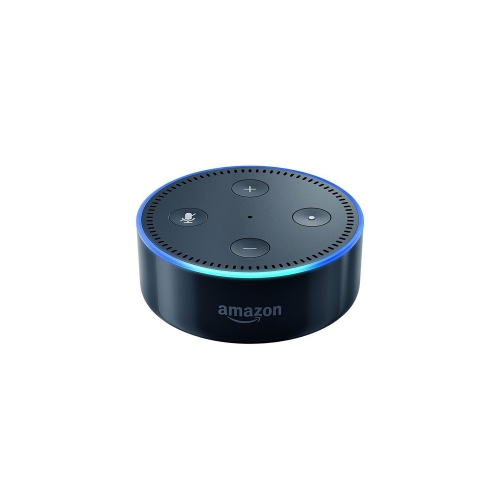 Your price for this item is $48.99
 -
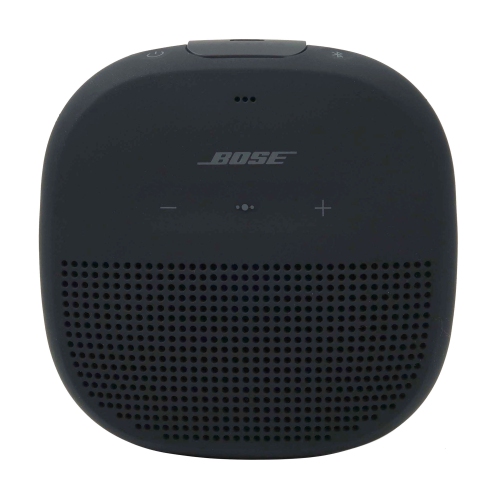 Your price for this item is $110
 -
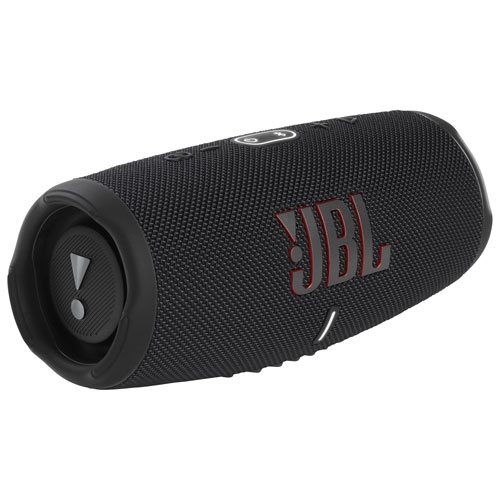 Your price for this item is $239.98
 -
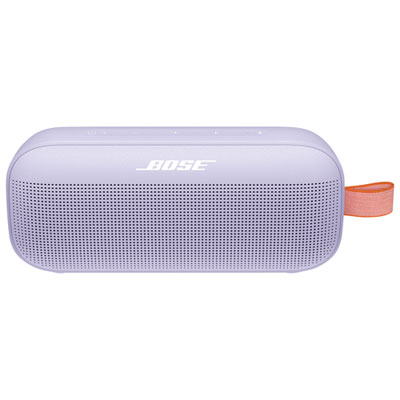 Your price for this item is $149.99
 -
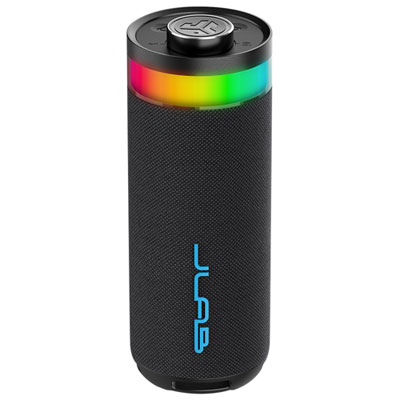 Your price for this item is $59.99
 -
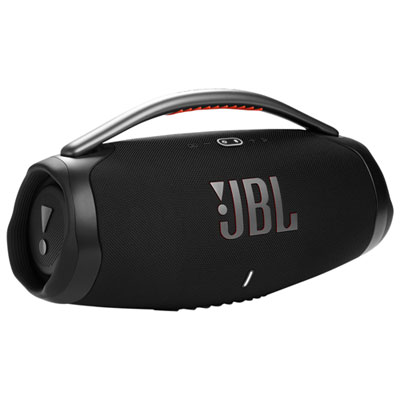 Your price for this item is $399.99
 -
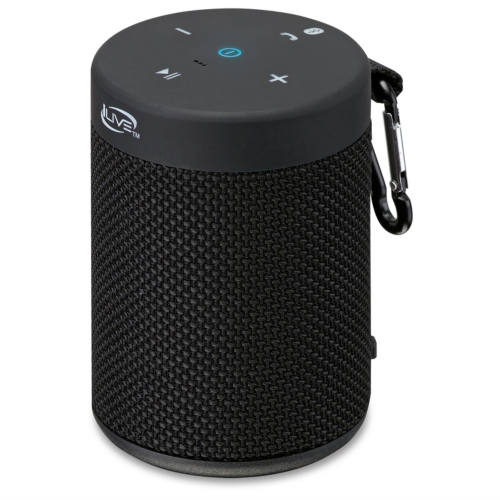 Your price for this item is $23.68
 -
 Your price for this item is $379.98
Discover more categories related to USB Music Speakers
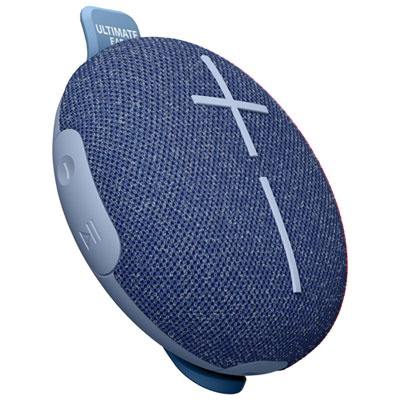
Top Collections:
Pokemon Centers, Kindle Devices, Best Budget Office Chairs, Apple iPhones 16, Best Laptops for Writers, iPhone 15 Apple, Canon G7X Cameras, Refurbished Apple Laptops, Alarm Clock, Motorola Razr Phones
Some products may be subject to Environmental Handling Fees
(EHF) depending on your province.
Learn more about EHFs.