USB Powered Desktop Speakers
USB Powered Desktop Speakers are the perfect addition to any workspace, home office, or entertainment setup. Designed for easy connectivity and convenience, these speakers offer a simple way to enhance your audio experience without the need for bulky equipment or complicated installations. Whether you’re listening to music, joining virtual meetings, or streaming your favorite shows, USB Powered Desktop Speakers deliver reliable sound that fits seamlessly into your daily routine. Explore a wide selection to find the ideal match for your desktop and elevate your listening experience with ease.
Sort

![DOLAER [Upgraded] USB Computer Speakers for PC, Laptop, Desktop, Small External Speakers w Stereo Loud Sound & Enhanced Bass, Mini Sound Bar For](https://multimedia.bbycastatic.ca/multimedia/products/500x500/164/16485/16485056.jpeg)

Simple connections for clearer sound at your desk
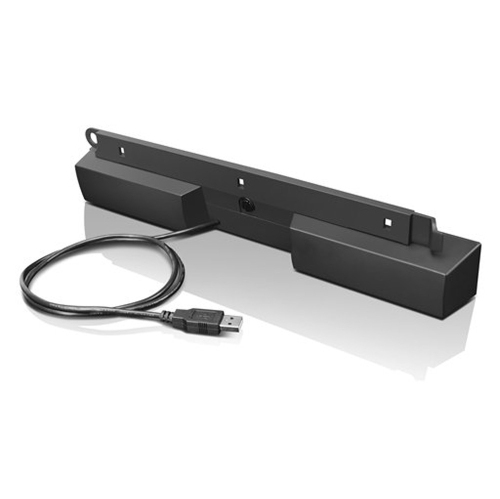
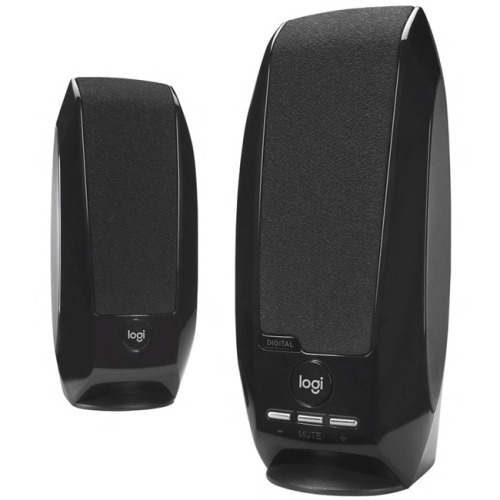
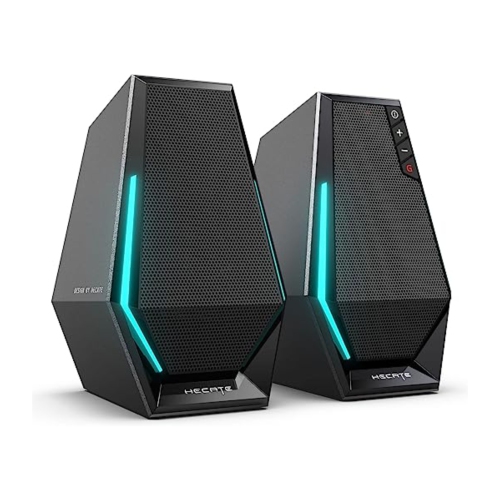
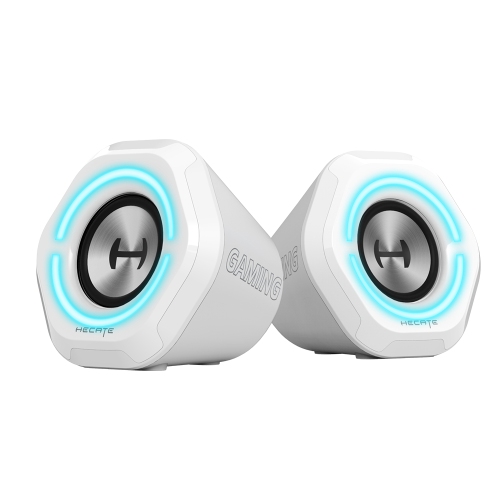
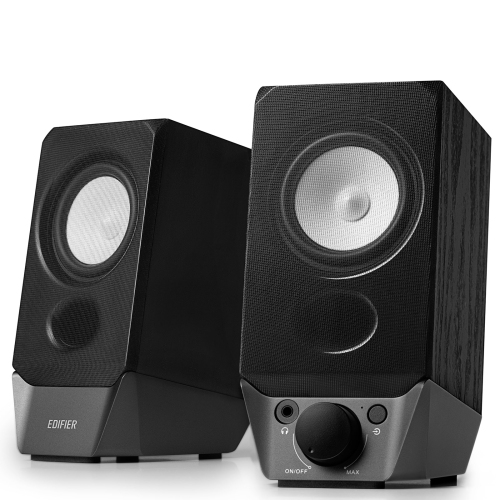
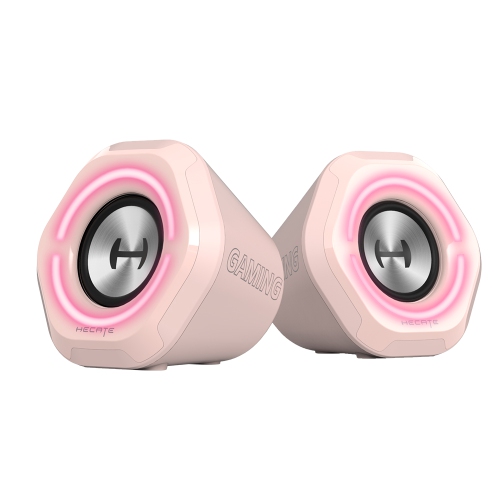
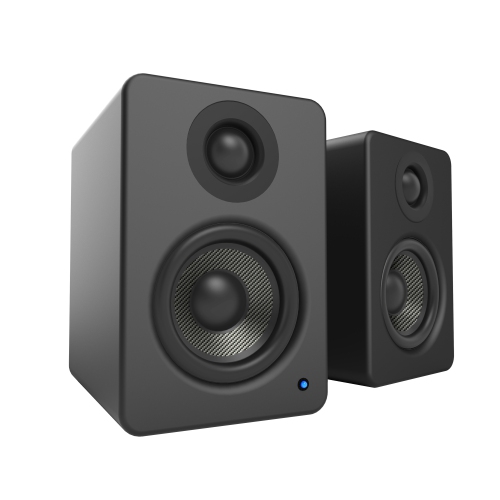
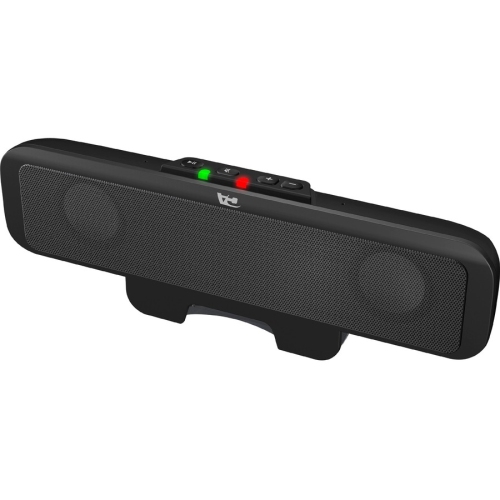
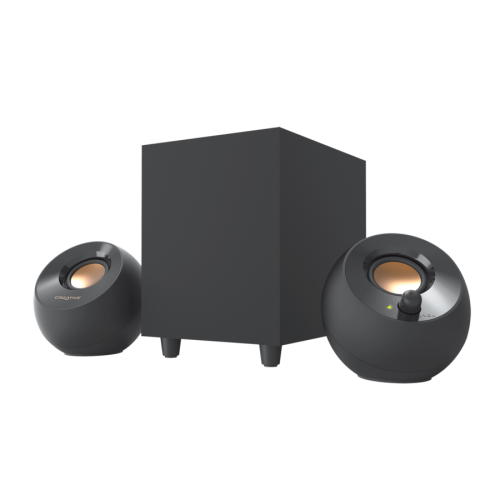
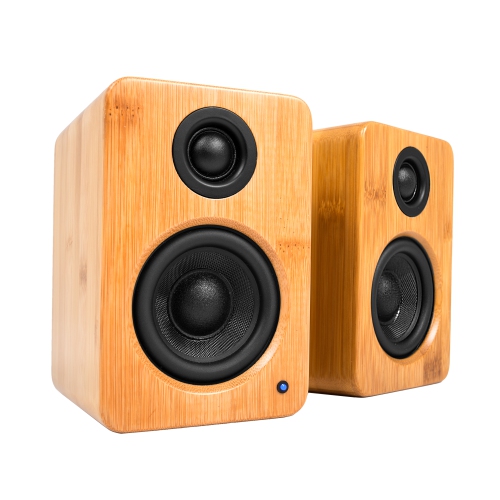
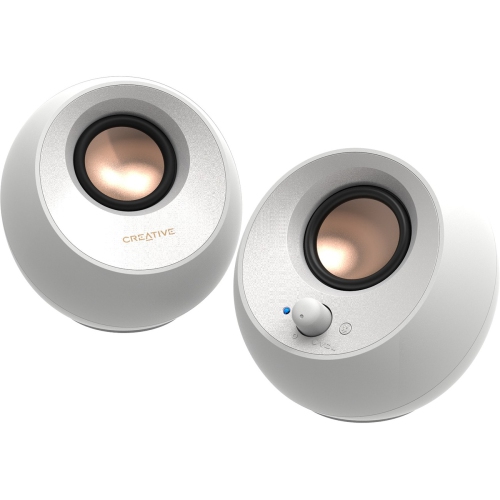
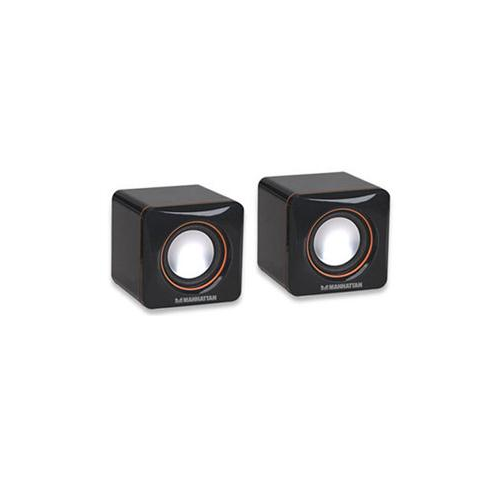
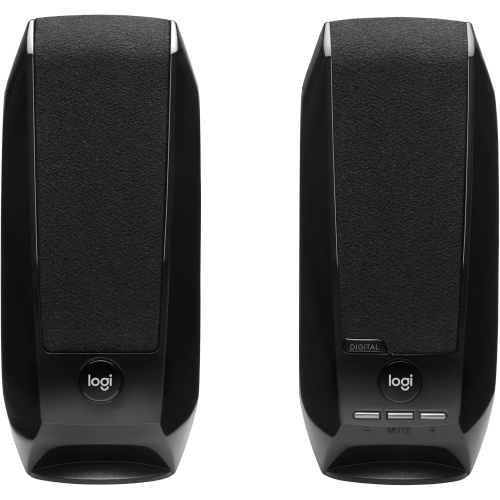
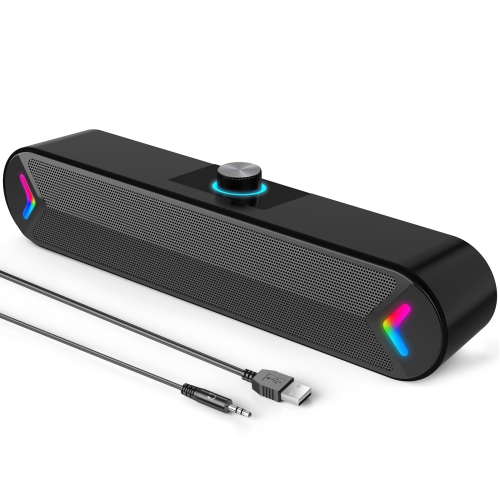
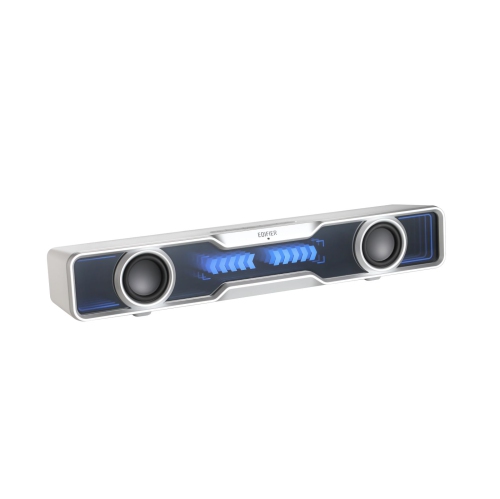
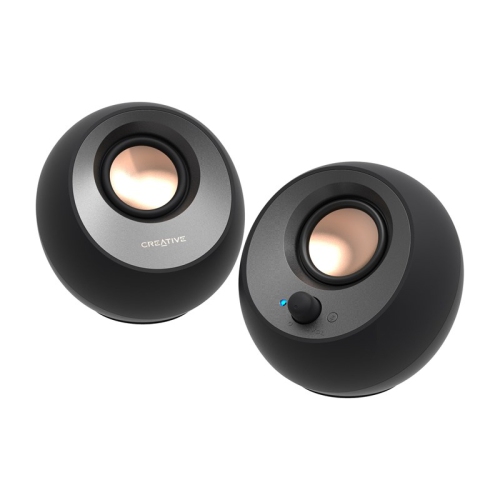
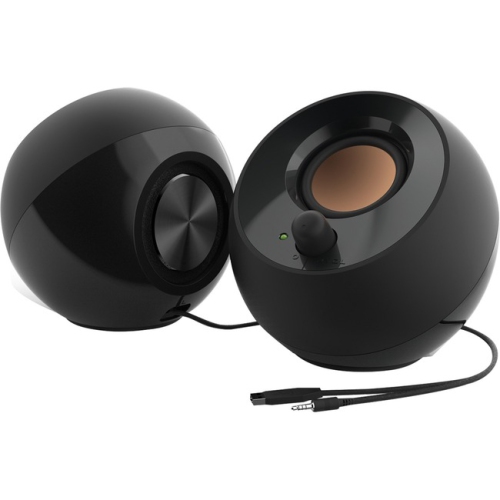
USB powered desktop speakers are a practical way to improve the sound from a computer without taking up the space or adding the complexity of a full audio system. They are designed for close-range listening at a desk, making them well suited to music, podcasts, streaming video, online meetings, casual gaming, audiobooks, and everyday computer use. Their compact enclosures can sit on either side of a monitor or laptop stand, while USB power helps keep cables and adapters to a minimum. This makes them particularly useful in home offices, student workspaces, bedrooms, reception desks, and shared living areas where a large speaker system would feel out of place. A pair can also be a thoughtful gift for someone setting up a new workstation, returning to school, working from home, or spending more time at a computer during the cooler months. Desktop speakers bring a little more presence and separation to voices and music than many built-in laptop speakers, helping sound feel less thin and less confined to the centre of the screen. For a tidy setup, look for a compact footprint, a cable length that reaches comfortably around the monitor, and front-facing controls that are easy to access without reaching behind the desk. Angled or elevated drivers can direct sound more naturally toward your listening position, which is helpful when the speakers are placed below a monitor or on a narrow shelf. Consider the shape and finish as well, since speakers remain visible on a desk and should work comfortably alongside your monitor, keyboard, lighting, and other accessories.
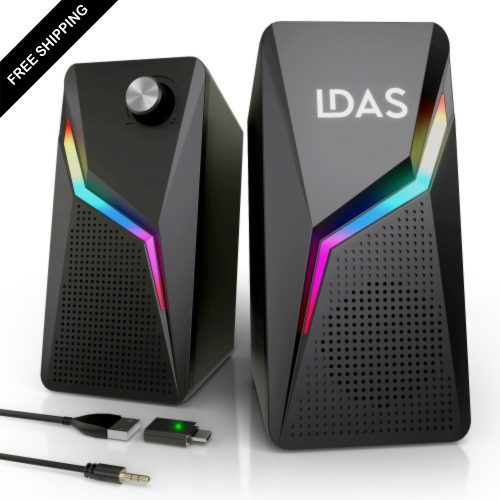
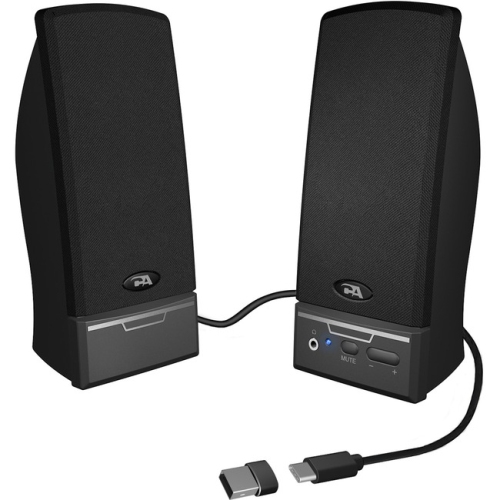
One of the most important details when comparing USB powered desktop speakers is understanding what the USB connection actually does. In many affordable speaker systems, USB is used only to provide power, while the audio signal comes through a separate 3.5 mm auxiliary cable. This arrangement is simple and widely compatible: connect the USB cable to a computer, monitor, docking station, or USB power source, then connect the auxiliary plug to the computer’s headphone output. Other models support true digital USB audio, where the computer sends both power and the audio signal through a USB connection. This can create a cleaner, more convenient setup by reducing the need for a separate analogue audio cable, but compatibility and available ports should still be checked before purchase. USB-C connections may be useful with newer laptops and accessories, while a USB-A plug may be more convenient for older desktops, monitors, and hubs; an adapter can help in some setups, though it is best to confirm the required connection rather than assume every USB port works in the same way. Also consider whether the speakers include a 3.5 mm input, headphone output, volume control, mute function, or gain setting. A gain switch or amplified mode can provide extra volume when listening to music or video, while a headphone output can make it easier to switch to private listening without unplugging the speakers. Power output, driver size, cabinet design, and bass response all affect the listening experience, but larger numbers do not always translate into better sound at a desk. Near-field speakers are heard from a short distance, so clear dialogue, balanced midrange, controlled volume, and low background hiss may matter more than room-filling power. If your computer already has a dedicated headphone jack, USB power plus auxiliary audio may be perfectly suitable; if you want a single-cable digital connection, look specifically for USB audio support in the specifications.
The best choice depends on how your desk is used throughout the day. Someone who mainly attends video calls may value clear speech, easy volume access, and a small footprint, while a music listener may prefer fuller low frequencies and a broader stereo image. A casual gamer may appreciate speakers that keep game audio, menus, and voice chat audible without requiring a headset, particularly when playing in a quiet room. For a creative workspace, accurate and even sound can make editing clips, reviewing presentations, or checking recorded audio more comfortable. Families may use a compact pair for a shared computer, recipe videos, children’s educational content, or background music in a study area. A student moving between a dorm room and home office can benefit from speakers that are light enough to reposition and simple enough to connect without a separate receiver. When selecting speakers as a gift, check the recipient’s computer ports and desk size if possible, since a compact system may be more useful than a louder model that crowds the workspace. A system with a straightforward USB connection can be especially convenient for someone who prefers plug-and-play accessories, while a model with both USB and auxiliary connectivity offers flexibility across computers, tablets with compatible adapters, monitors, and other devices. For more options across connection styles and desk layouts, explore USB Stereo Speakers. Before ordering, confirm whether the set is powered by USB, whether audio travels through USB or a separate 3.5 mm cable, and whether the included cables reach your preferred placement. With those details in mind, USB powered desktop speakers can provide a comfortable, space-conscious audio upgrade that fits naturally into work, study, entertainment, and everyday routines.
One of the most important details when comparing USB powered desktop speakers is understanding what the USB connection actually does. In many affordable speaker systems, USB is used only to provide power, while the audio signal comes through a separate 3.5 mm auxiliary cable. This arrangement is simple and widely compatible: connect the USB cable to a computer, monitor, docking station, or USB power source, then connect the auxiliary plug to the computer’s headphone output. Other models support true digital USB audio, where the computer sends both power and the audio signal through a USB connection. This can create a cleaner, more convenient setup by reducing the need for a separate analogue audio cable, but compatibility and available ports should still be checked before purchase. USB-C connections may be useful with newer laptops and accessories, while a USB-A plug may be more convenient for older desktops, monitors, and hubs; an adapter can help in some setups, though it is best to confirm the required connection rather than assume every USB port works in the same way. Also consider whether the speakers include a 3.5 mm input, headphone output, volume control, mute function, or gain setting. A gain switch or amplified mode can provide extra volume when listening to music or video, while a headphone output can make it easier to switch to private listening without unplugging the speakers. Power output, driver size, cabinet design, and bass response all affect the listening experience, but larger numbers do not always translate into better sound at a desk. Near-field speakers are heard from a short distance, so clear dialogue, balanced midrange, controlled volume, and low background hiss may matter more than room-filling power. If your computer already has a dedicated headphone jack, USB power plus auxiliary audio may be perfectly suitable; if you want a single-cable digital connection, look specifically for USB audio support in the specifications.
The best choice depends on how your desk is used throughout the day. Someone who mainly attends video calls may value clear speech, easy volume access, and a small footprint, while a music listener may prefer fuller low frequencies and a broader stereo image. A casual gamer may appreciate speakers that keep game audio, menus, and voice chat audible without requiring a headset, particularly when playing in a quiet room. For a creative workspace, accurate and even sound can make editing clips, reviewing presentations, or checking recorded audio more comfortable. Families may use a compact pair for a shared computer, recipe videos, children’s educational content, or background music in a study area. A student moving between a dorm room and home office can benefit from speakers that are light enough to reposition and simple enough to connect without a separate receiver. When selecting speakers as a gift, check the recipient’s computer ports and desk size if possible, since a compact system may be more useful than a louder model that crowds the workspace. A system with a straightforward USB connection can be especially convenient for someone who prefers plug-and-play accessories, while a model with both USB and auxiliary connectivity offers flexibility across computers, tablets with compatible adapters, monitors, and other devices. For more options across connection styles and desk layouts, explore USB Stereo Speakers. Before ordering, confirm whether the set is powered by USB, whether audio travels through USB or a separate 3.5 mm cable, and whether the included cables reach your preferred placement. With those details in mind, USB powered desktop speakers can provide a comfortable, space-conscious audio upgrade that fits naturally into work, study, entertainment, and everyday routines.
Top selling and popular products
-
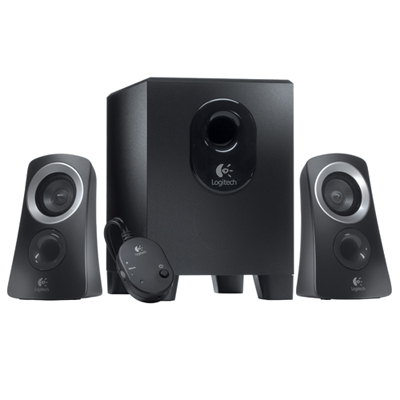 Your price for this item is $89.99
 -
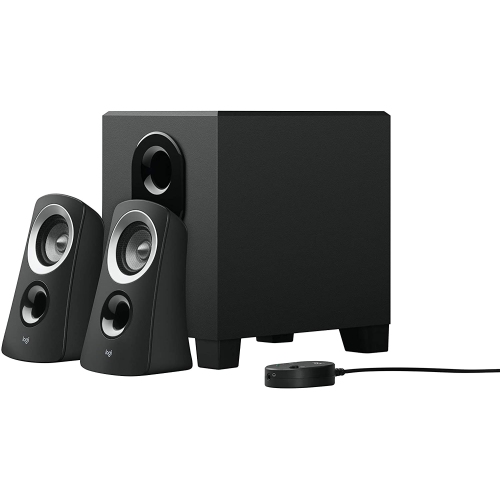 Your price for this item is $103.68
 -
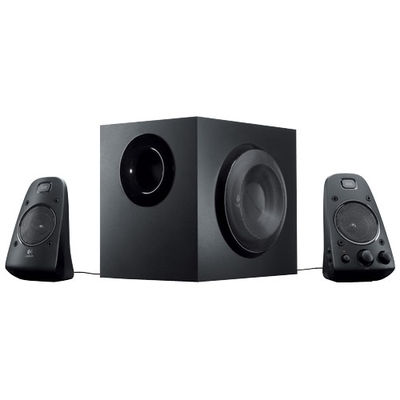 Your price for this item is $249.99
 -
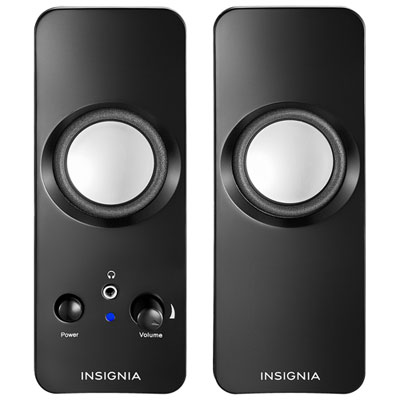 Your price for this item is $29.99
 -
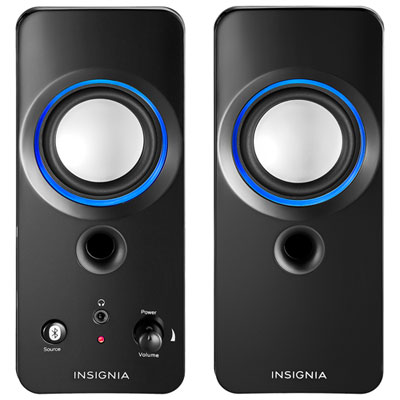 Your price for this item is $49.99
 -
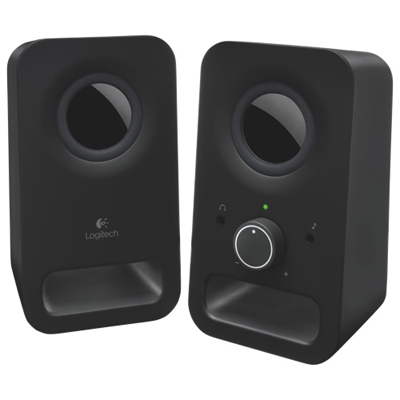 Your price for this item is $34.98
 -
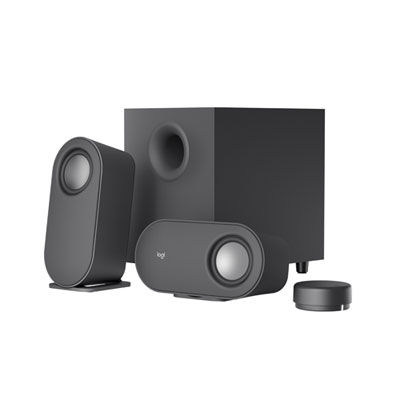 Your price for this item is $179.99
 -
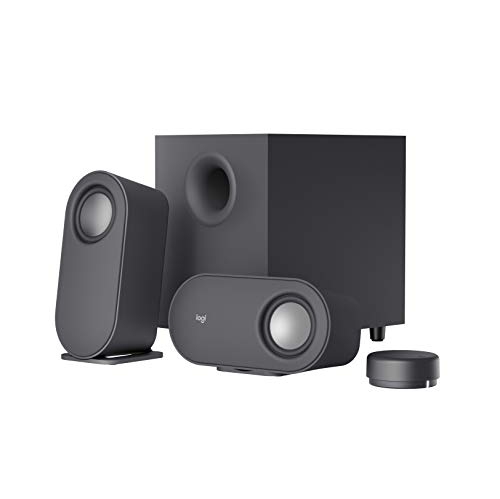 Your price for this item is $207.68
Discover more categories related to USB Powered Desktop Speakers
Top Collections:
Pokemon Centers, Kindle Devices, Best Budget Office Chairs, Apple iPhones 16, Best Laptops for Writers, iPhone 15 Apple, Canon G7X Cameras, Refurbished Apple Laptops, Alarm Clock, Motorola Razr Phones
Some products may be subject to Environmental Handling Fees
(EHF) depending on your province.
Learn more about EHFs.