11 Inch Paddle Boards
If you're looking for the perfect paddle board to conquer the waves this summer, look no further than these 11-inch paddle boards. Whether you're a seasoned pro or a beginner looking to explore the open waters, these versatile boards offer stability, maneuverability, and endless hours of fun. With a range of features and designs to choose from, finding the ideal paddle board to suit your needs has never been easier.
Sort
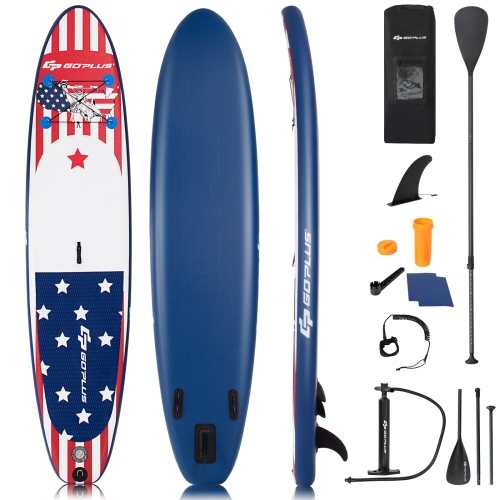
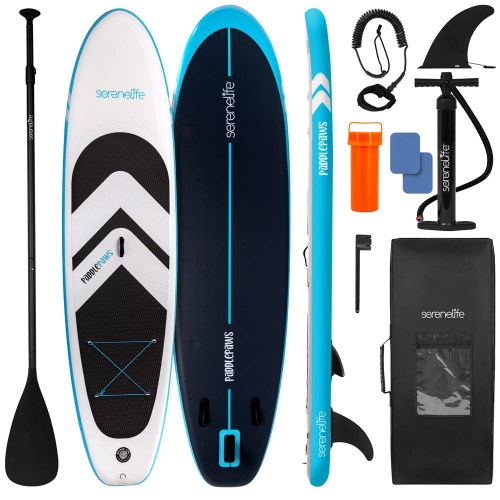
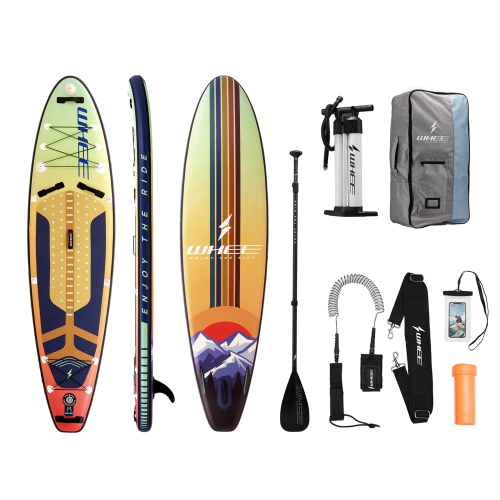
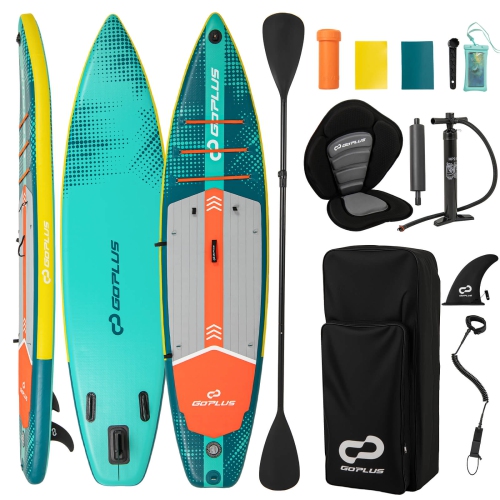
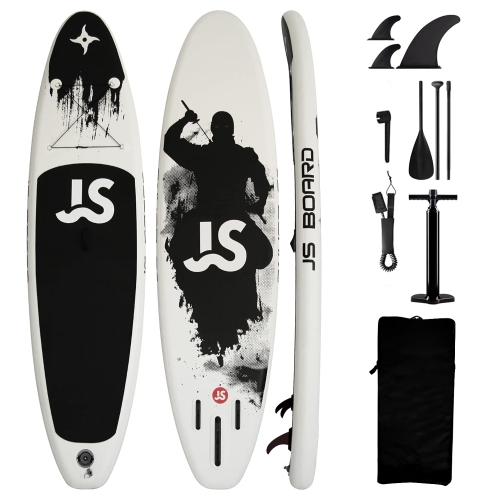
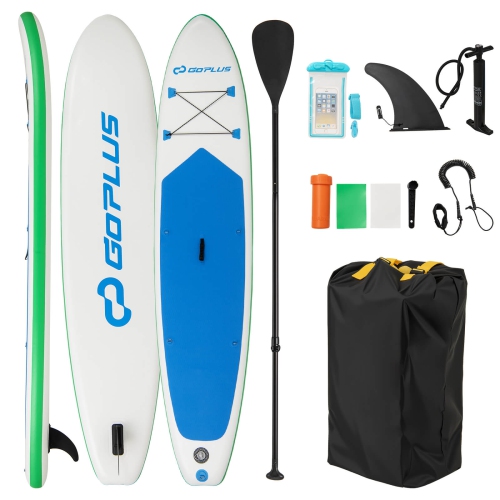
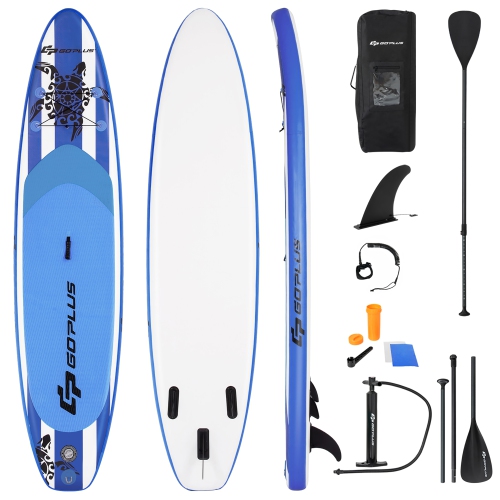
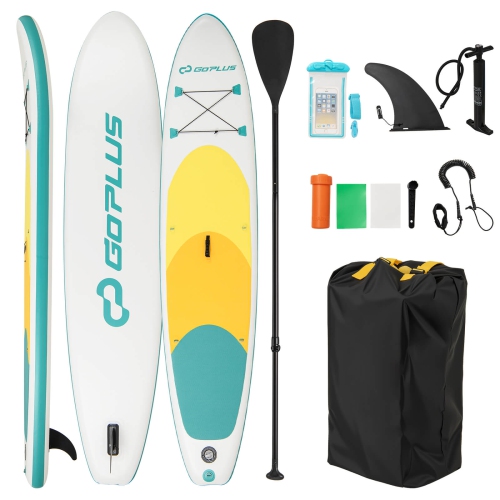
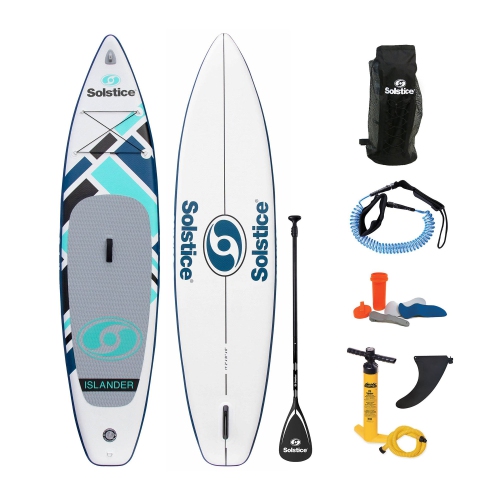
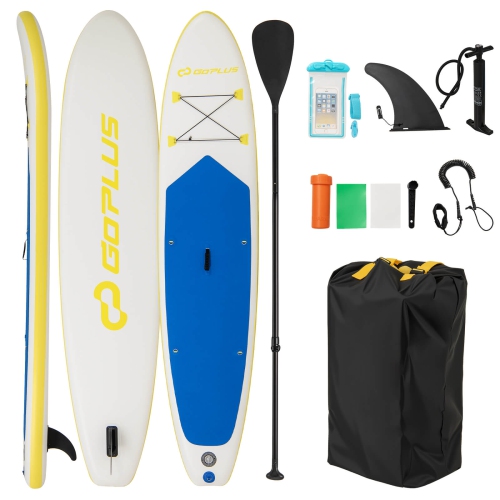
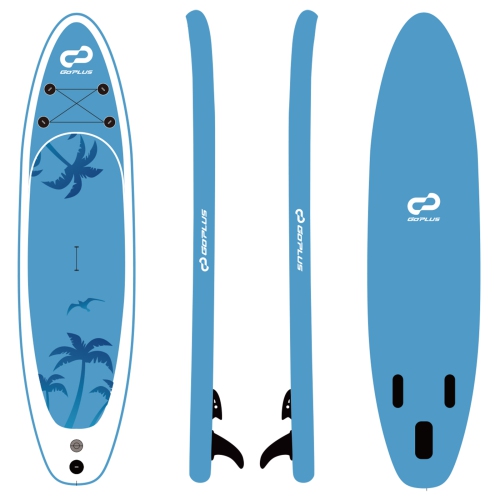
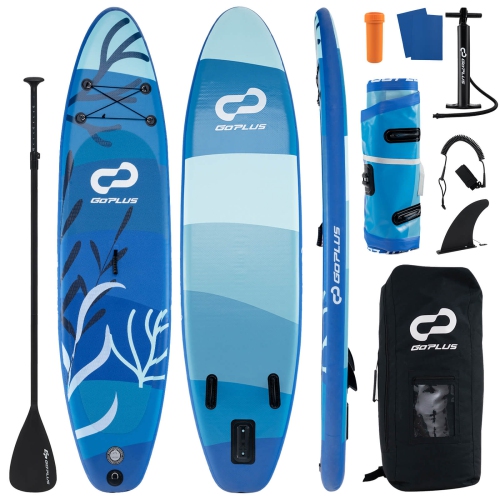
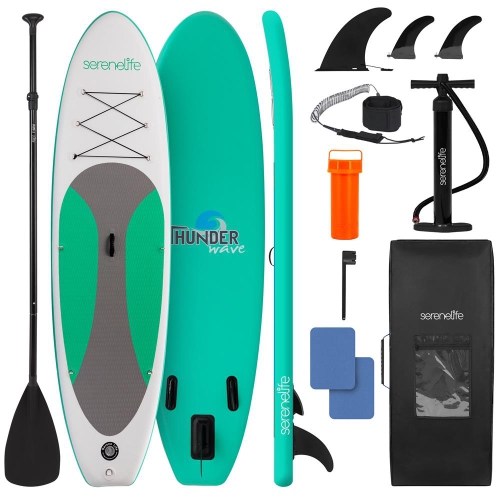
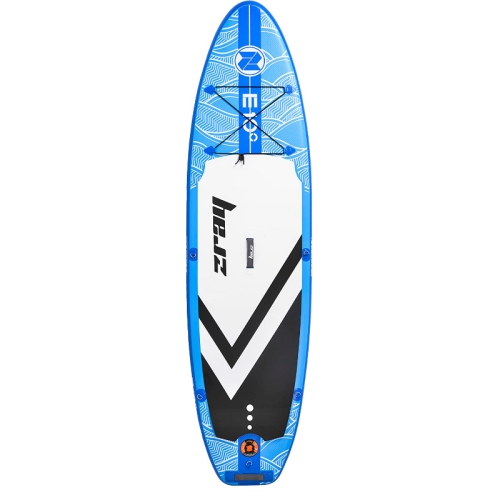
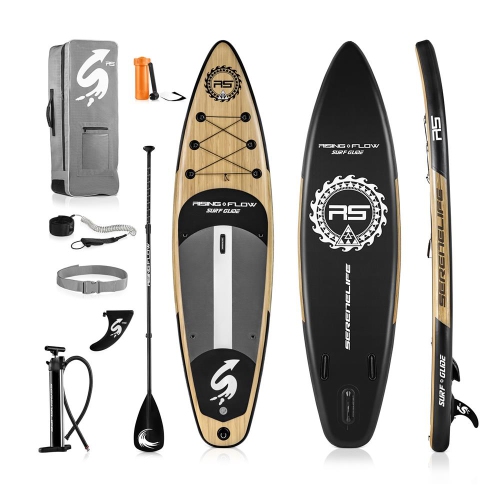
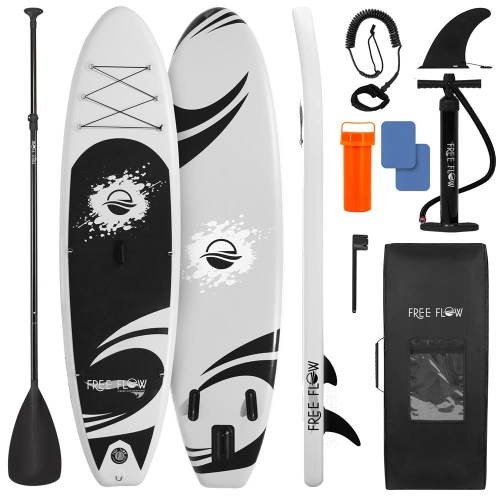
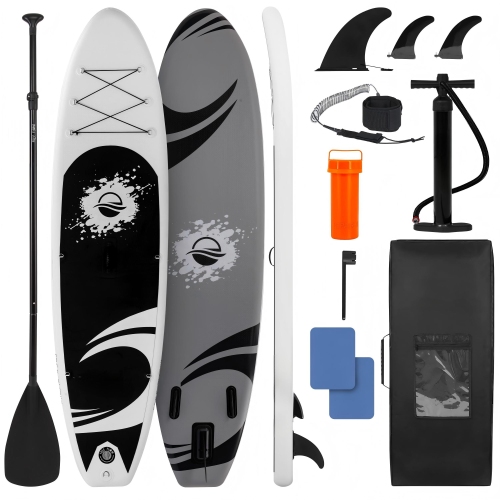
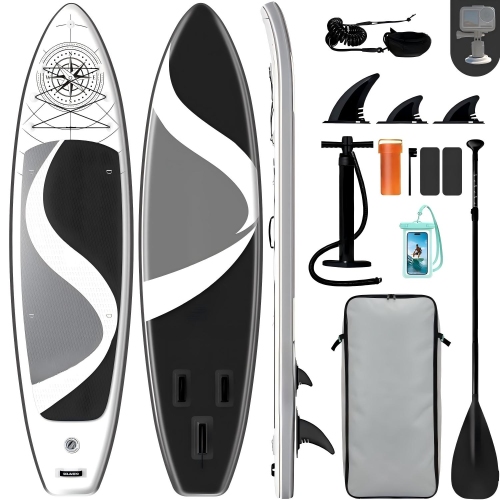
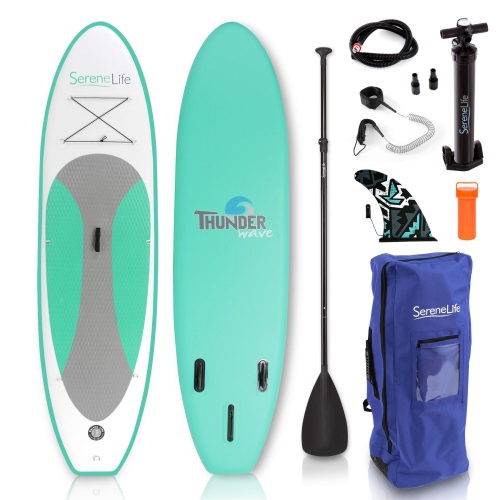
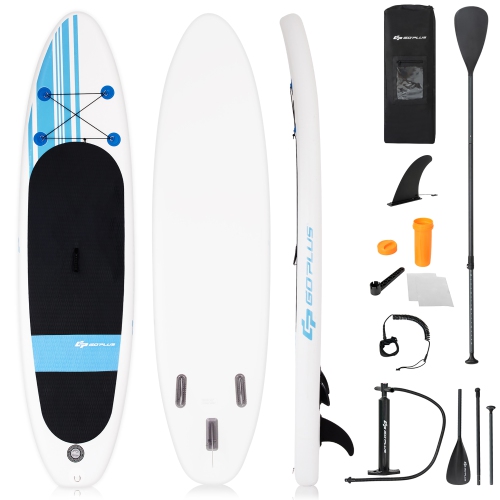
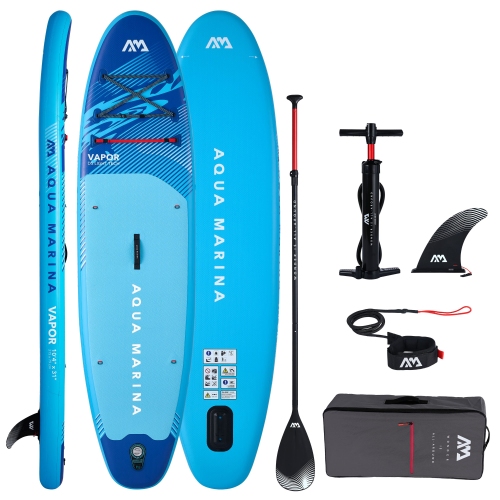
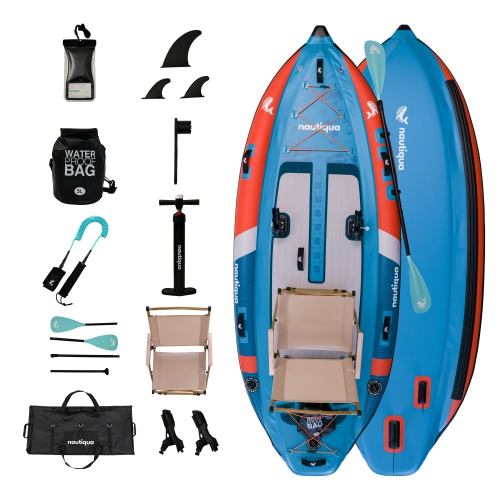
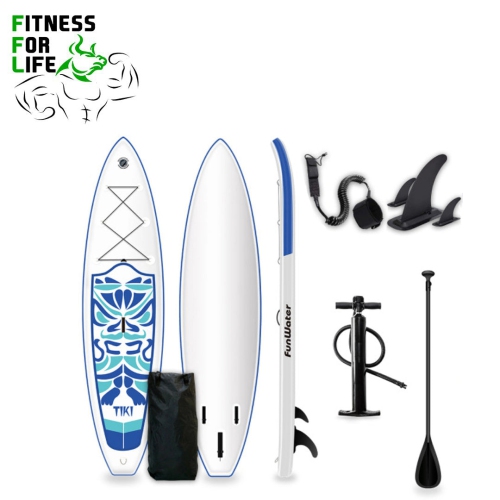
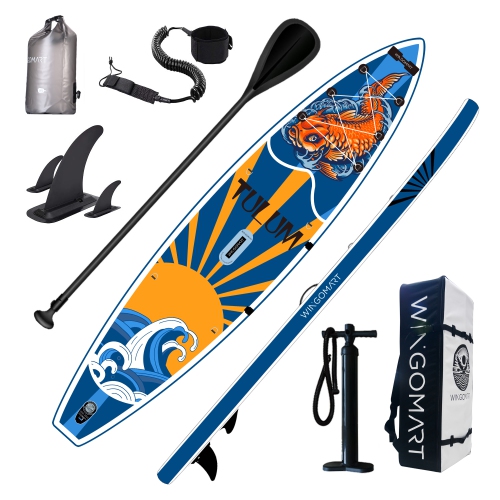
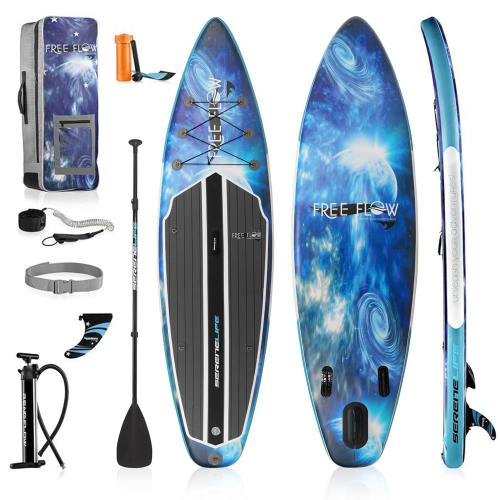
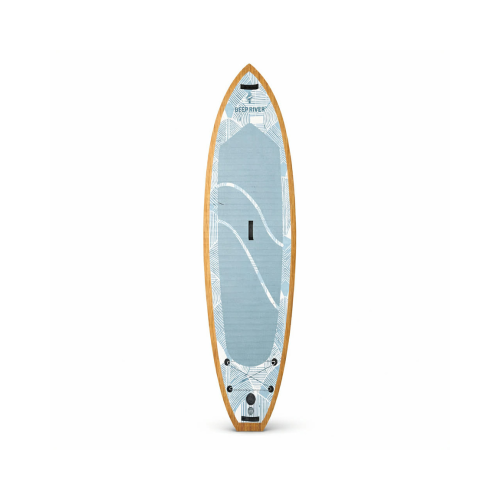
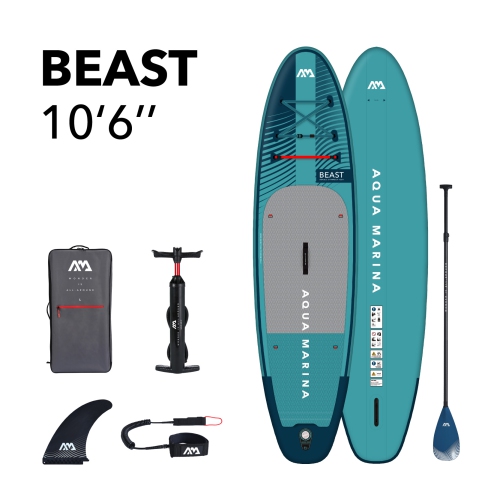
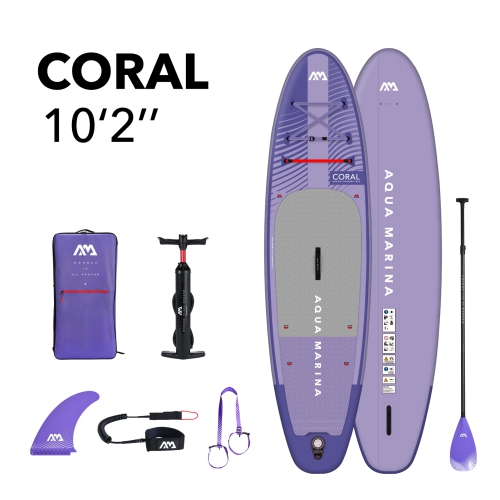
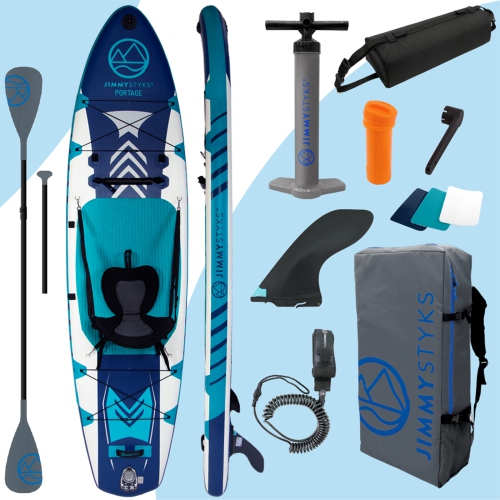
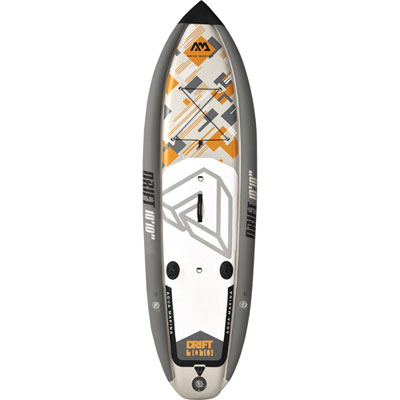
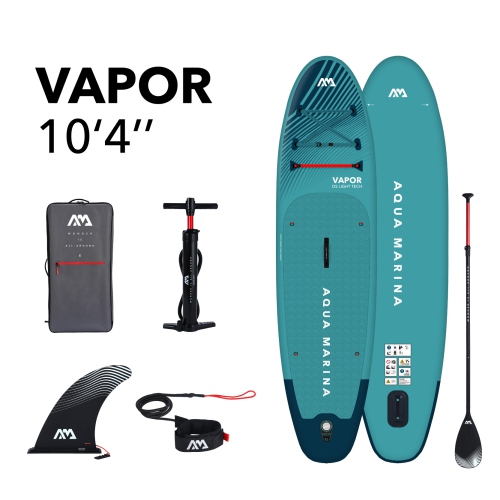
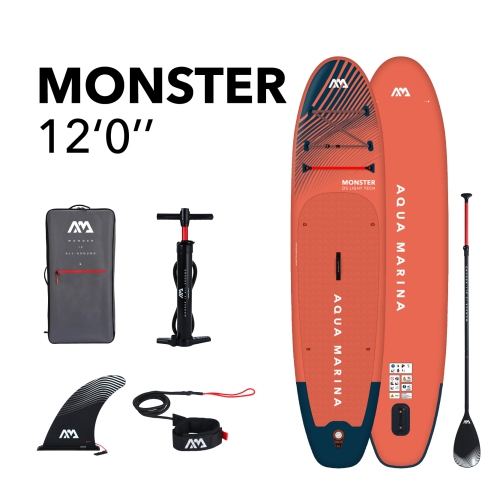

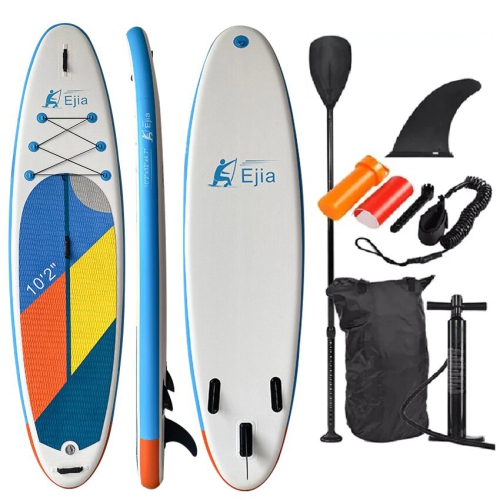
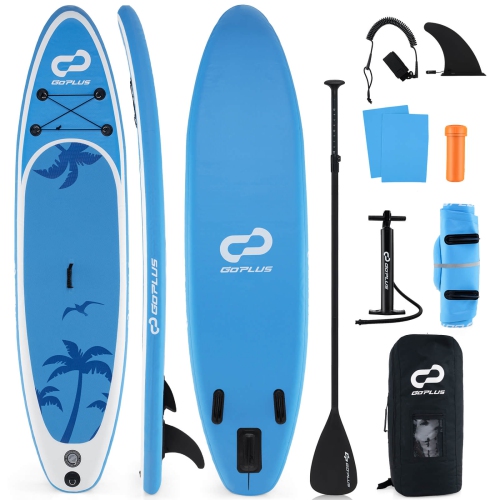
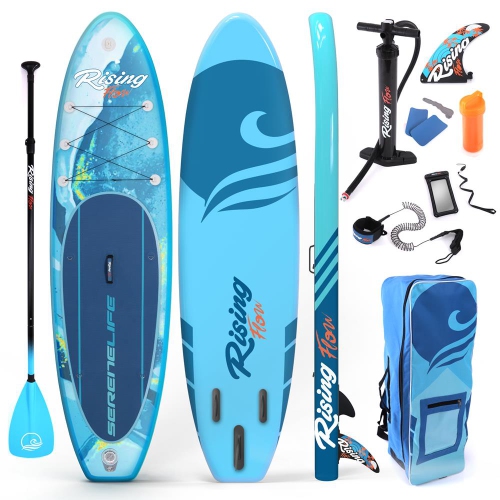
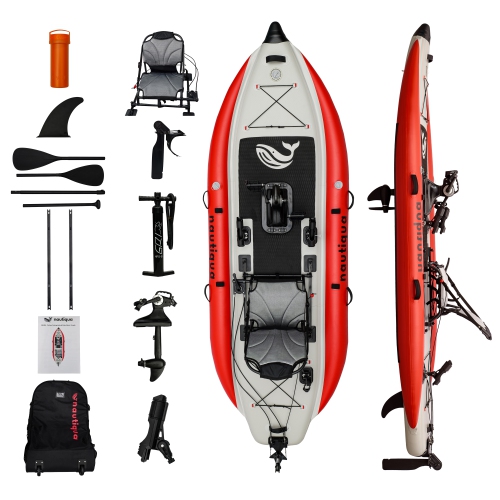
Why paddle board length is only the starting point
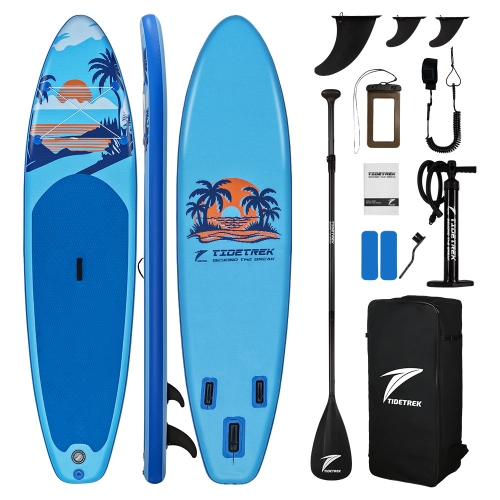
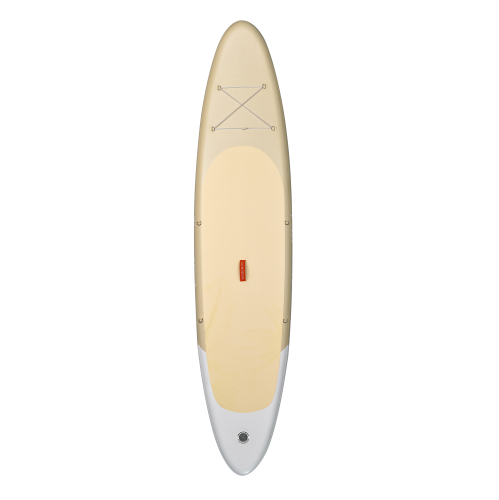
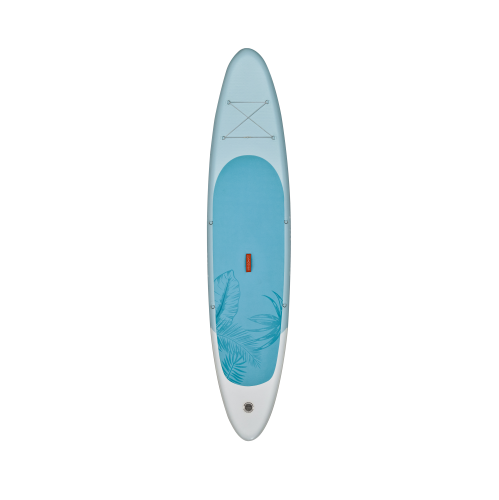
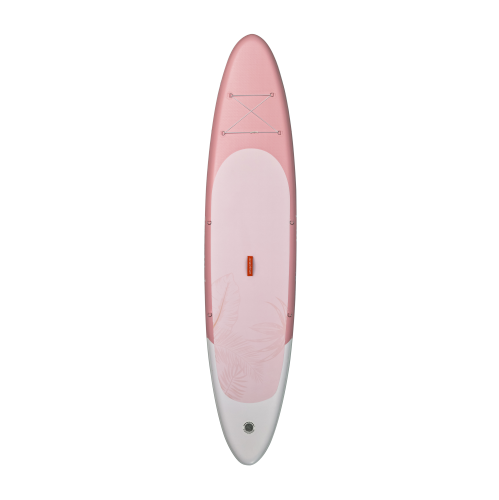
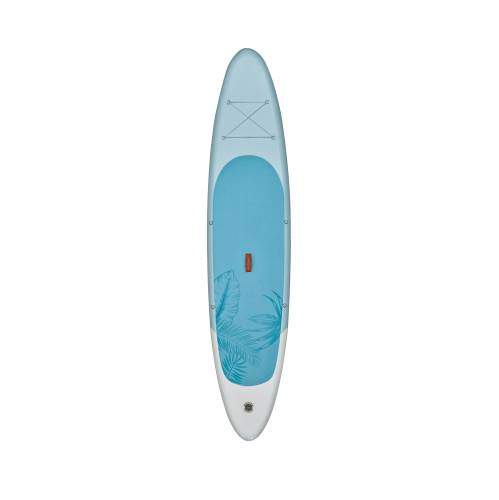
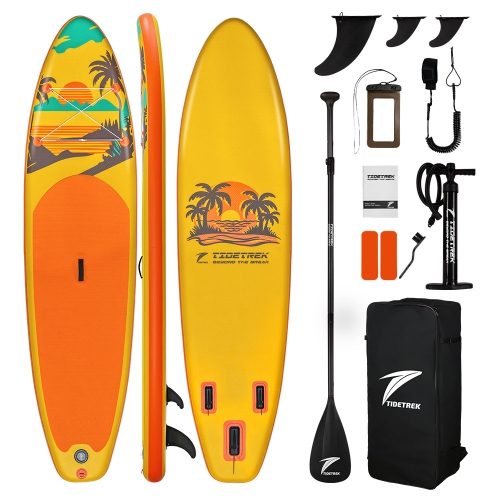
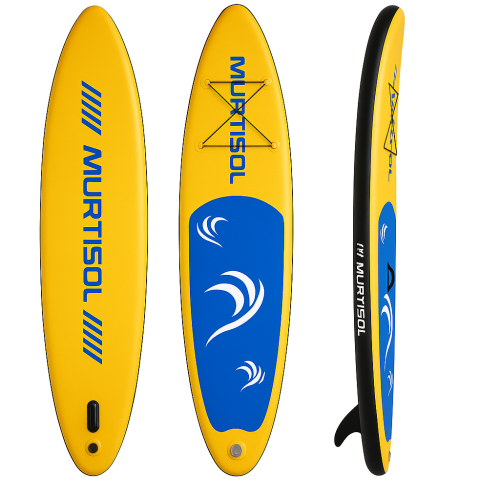
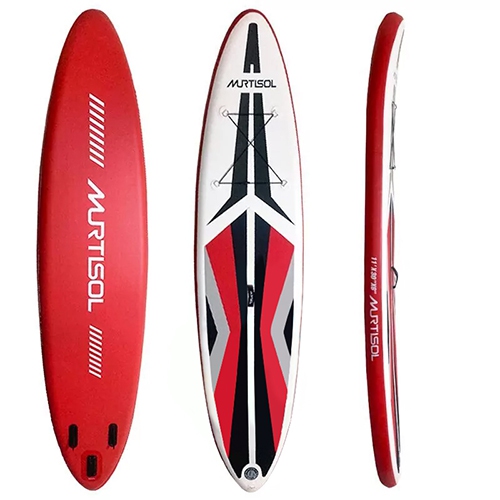
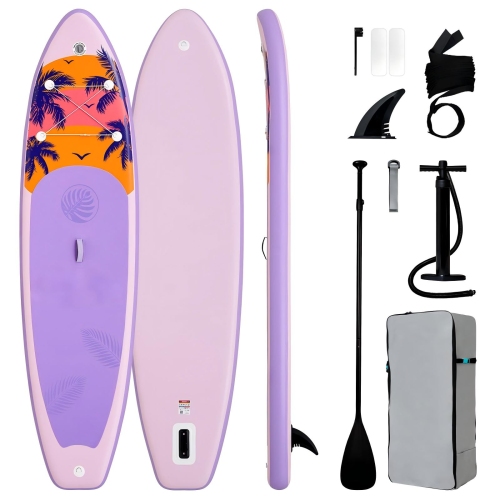
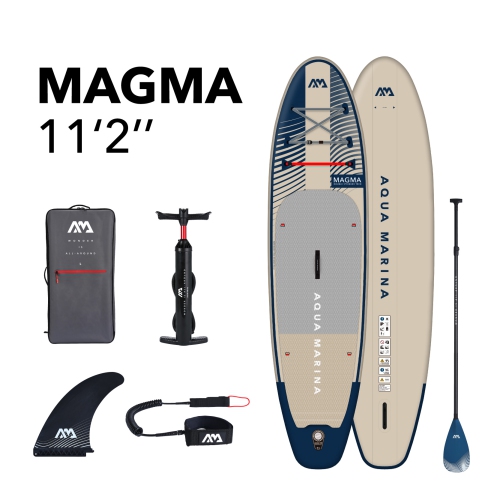
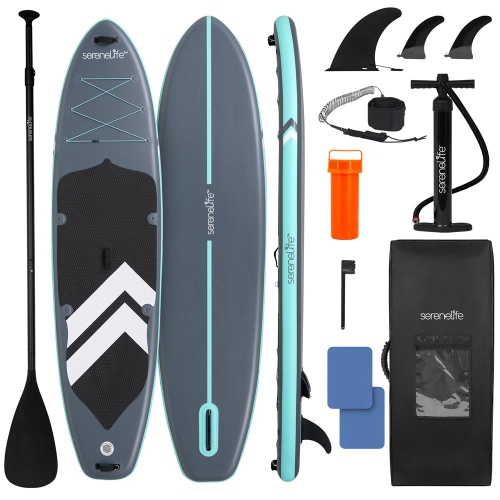
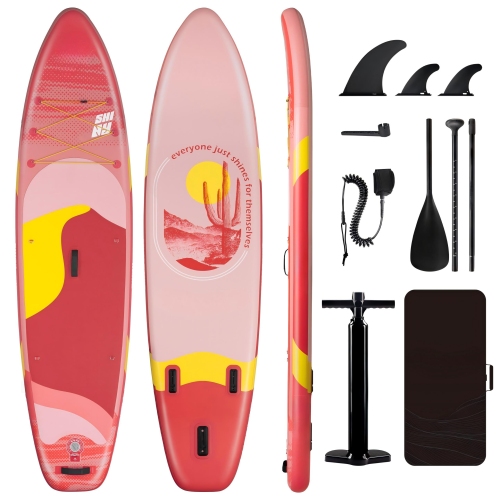
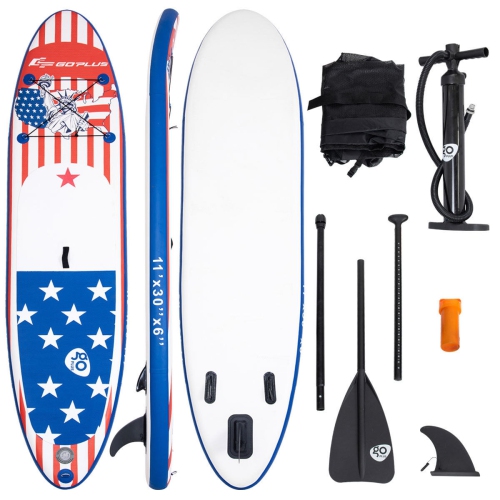
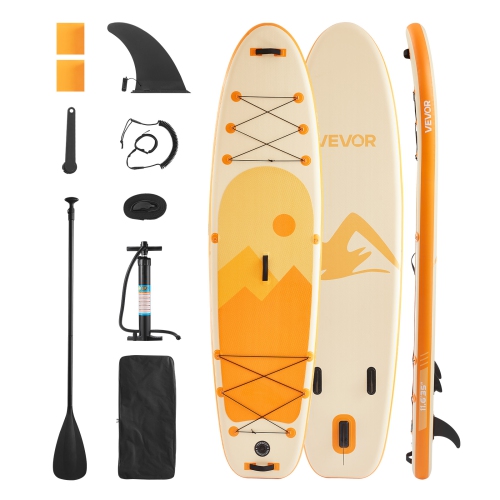
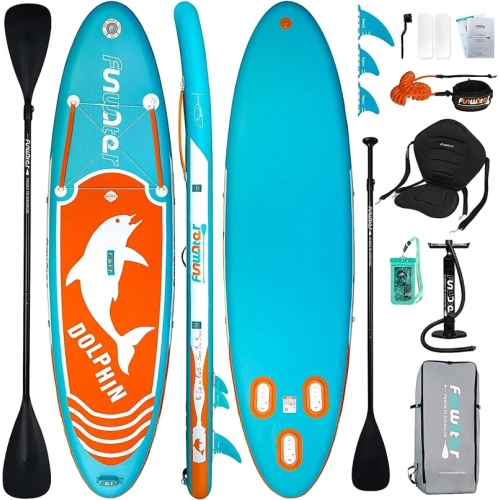
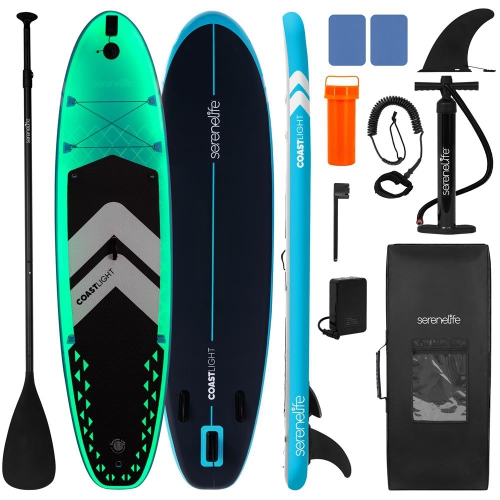
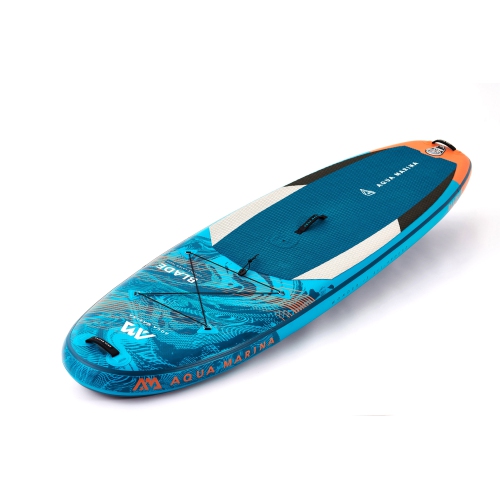
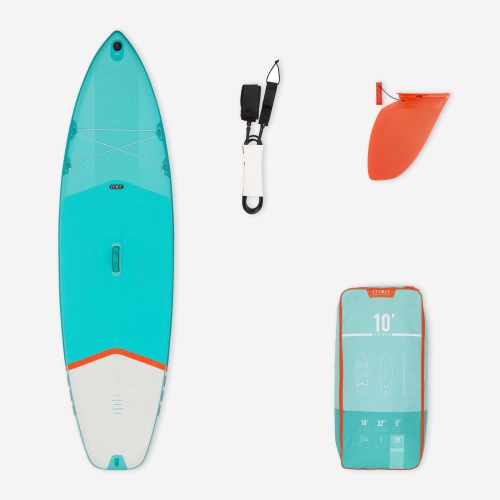
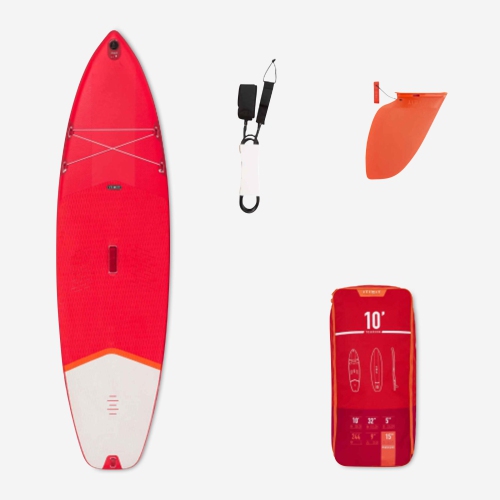
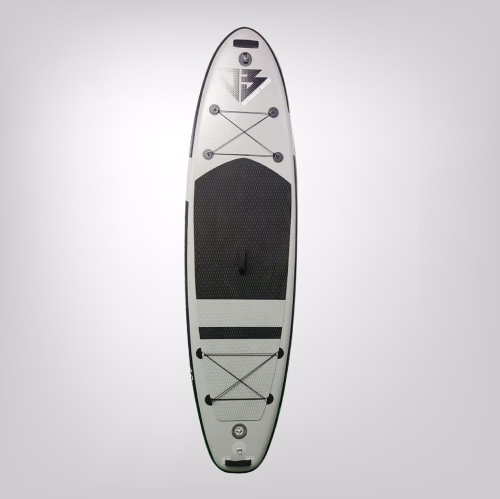
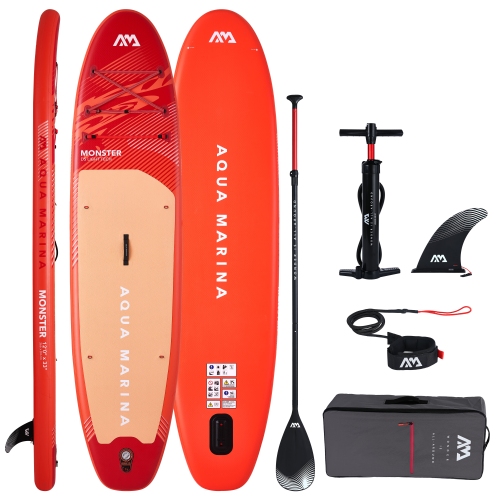
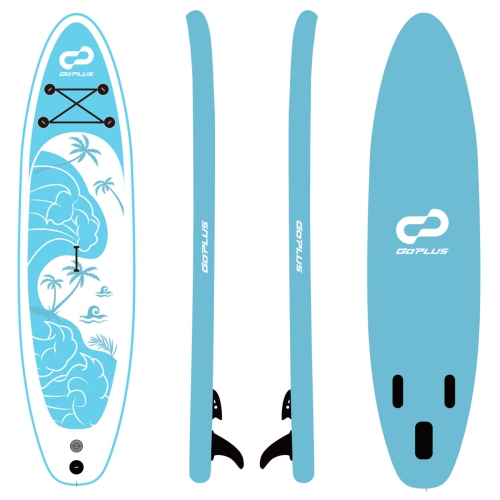
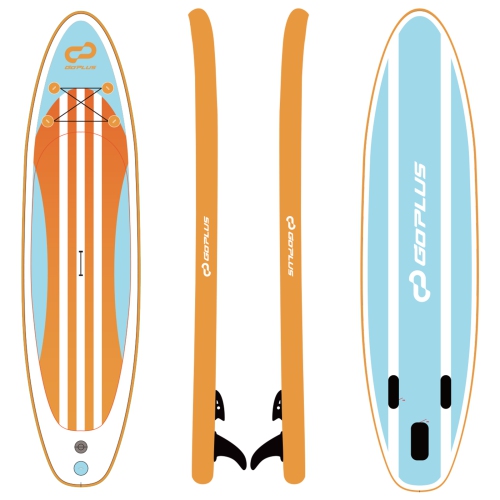
An 11-foot paddle board offers a versatile platform for recreational stand-up paddling, combining room to move on the deck with a length that can suit relaxed outings and shorter touring trips. Paddle board length is generally stated in feet, while width and thickness are usually stated in inches; an 11-foot board measures 132 inches long. Understanding that distinction makes it easier to compare dimensions accurately. Many inflatable boards in this length class are around 30 to 34 inches wide and approximately 6 inches thick, although measurements vary by design. Length alone does not determine how a board feels on the water. Width, outline, volume, construction and the weight carried all affect stability and handling. A broad, rounded nose and generous width can create a forgiving platform for someone practising their first standing strokes on a sheltered lake. A more tapered nose and narrower outline may appeal to a paddler who wants to cover longer distances with less effort, though these shapes can feel less steady when stepping around the deck. For paddle board yoga, a wide standing area and comfortable deck padding matter more than length by itself. For fishing, usable deck space, secure attachment points and sufficient load capacity become important, particularly when carrying tackle or other equipment. The stated capacity should account for the paddler and everything brought aboard, not just body weight. A board loaded close to its maximum rating may sit lower in the water and feel less responsive than expected. Taller or heavier paddlers may prefer additional width and volume, while smaller riders may find a very wide board harder to reach across comfortably with the paddle. Kneeling near the centre can help a beginner get familiar with the board before standing, but no dimensions guarantee stability. The best match depends on the rider’s balance, experience and intended activity, as well as the board’s complete shape and specifications.
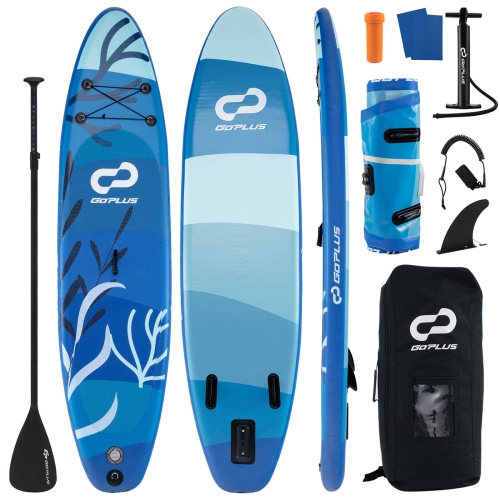
Construction influences both the paddling experience and how easily a board fits into everyday routines. Inflatable paddle boards commonly use a drop-stitch core, with thousands of internal threads connecting the upper and lower surfaces so the board can hold its shape when inflated to the manufacturer’s specified pressure. Reinforced PVC outer layers, seam construction and rail reinforcement contribute to stiffness and resistance to everyday wear. Layer count alone is not a complete measure of quality; materials, bonding methods and overall construction also matter. An inflatable design can be practical for someone carrying equipment from an apartment to a nearby launch, because it can be deflated and packed away after use. Its carrying bag still needs enough room for the folded board, pump and other equipment, and the combined weight deserves attention if the walk from the parking area is long. Rigid boards typically use a foam core with a protective composite shell, often incorporating fibreglass and resin. They avoid inflation time and can offer a precise feel on the water, but require suitable storage and transport space for their full length. A padded rack or other manufacturer-approved carrying arrangement helps protect the board during travel. On either construction, a textured deck pad provides traction under bare feet and cushioning when kneeling. Pad coverage is especially useful for activities that involve changing position rather than standing in one spot. Carry-handle placement affects balance when lifting, while bungee storage can keep a small dry bag secured without cluttering the standing area. Fin design also changes handling: a larger centre fin can help a board track straighter, while a shallower setup may be better suited to limited water depth, provided it is compatible with the board. Adjustable paddles allow different riders to find a comfortable fit, and paddle weight can make a noticeable difference during longer outings. Included equipment varies, so it is worth checking whether the pump, paddle, fin and carrying bag meet the needs of the intended user.
Thoughtful care helps preserve a paddle board’s performance and makes the next outing easier to prepare for. After paddling, rinse away sand, mud and salt with fresh water, paying attention to the fin box, inflation valve, handles and attachment points. Grit caught beneath a removable fin can make installation difficult, while debris around fittings can contribute to wear. Allow the board and deck pad to dry before packing or storing them, and use cleaning products approved for the board’s materials. For an inflatable board, follow the maker’s instructions for pressure, deflation and folding rather than forcing sharp creases into the same places repeatedly. For a rigid board, check the shell for cracks or dents before use, since damage that reaches the core may require repair before returning to the water. Avoid dragging either type across gravel or pavement; carrying the board and launching where the fin has adequate clearance helps protect its underside. Storage should support the board without crushing the rails or placing unnecessary strain on fittings. Practical safety preparation matters just as much as construction. Wear a properly fitted personal flotation device, carry the equipment required by local boating rules and choose water suited to the paddler’s ability. A leash must be appropriate for the location: ordinary ankle leashes can create an entrapment hazard in moving water, where specialist equipment and training are needed. For a beginner, sheltered flat water with an easy launch and landing is a more manageable setting than exposed or fast-moving water. An 11-foot board can make a thoughtful gift for an adult who enjoys paddling, provided its dimensions, carrying weight and storage requirements fit that person’s needs. Paddlers seeking extra room for gear or a more generous standing area can also compare Large Paddle Boards, paying attention to width, volume and capacity rather than assuming a longer board will automatically feel steadier. A well-matched board supports the intended activity without making transport, setup or handling unnecessarily difficult.
Top selling and popular products
-
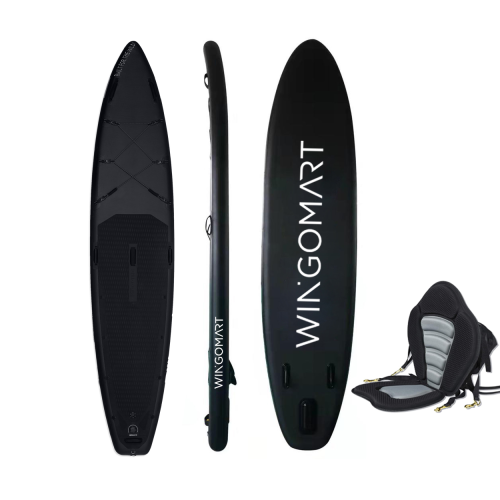 Your price for this item is $299.9
-
 Your price for this item is $599
-
 Your price for this item is $249.99
-
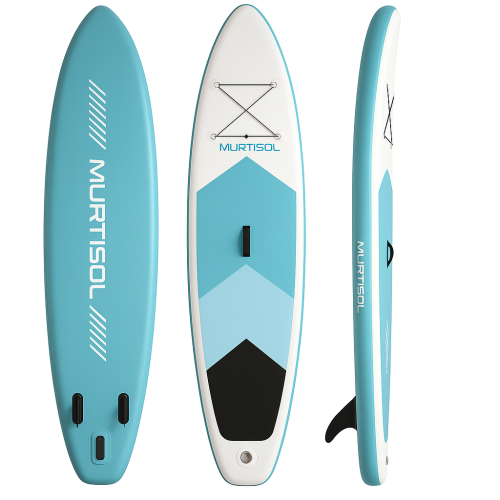 Your price for this item is $179.7
-
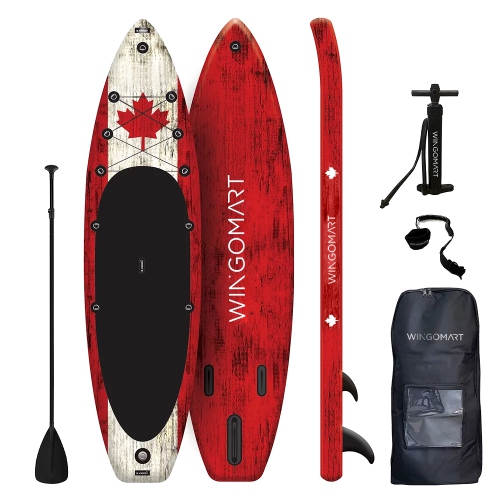 Your price for this item is $329.99
-
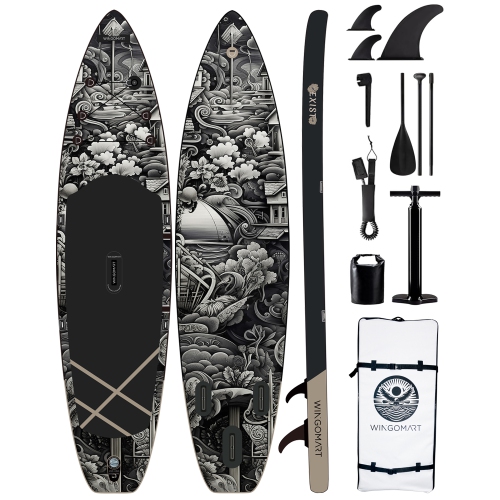 Your price for this item is $259.99
-
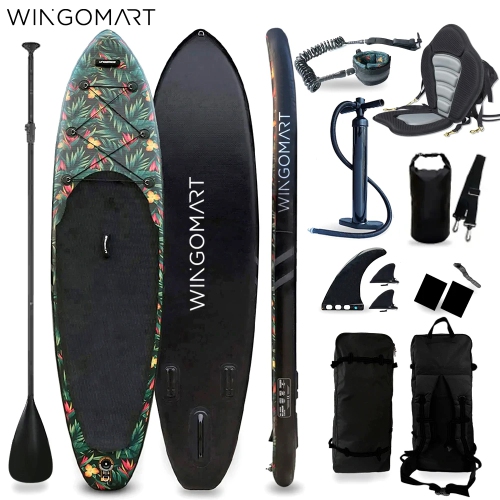 Your price for this item is $279.7
-
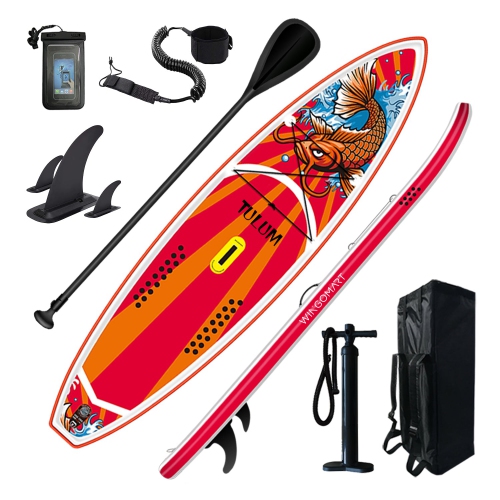 Your price for this item is $269.99
Discover more categories related to 11 Inch Paddle Boards
Top Collections:
Pokemon Centers, Kindle Devices, Best Budget Office Chairs, Canon G7X Cameras, Apple iPhones 16, Samsung Galaxy Phones, Refurbished Apple Laptops, Laptops for Students, iPhone 15 Apple, Budget Smartphones
Some products may be subject to Environmental Handling Fees
(EHF) depending on your province.
Learn more about EHFs.