Paddle Board Paddles
If you're looking to take your paddle boarding experience to the next level, look no further than these paddle board paddles. Whether you're a beginner just starting out or a seasoned pro looking for an upgrade, we've got the perfect paddle for you. Designed with durability, performance, and comfort in mind, this range of paddle board paddles will help you navigate the waters with ease. Choose from a variety of styles, materials, and lengths to find the paddle that suits your needs and enhances your time on the water.
Sort


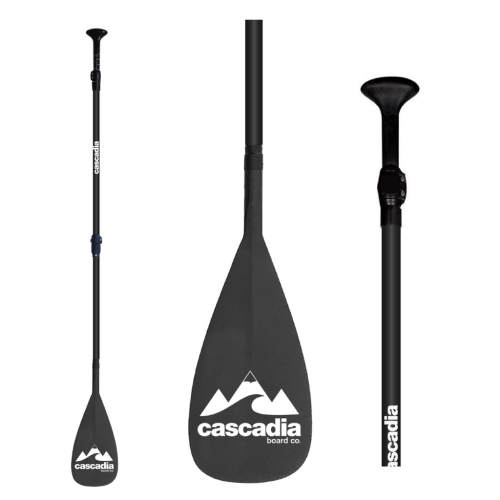


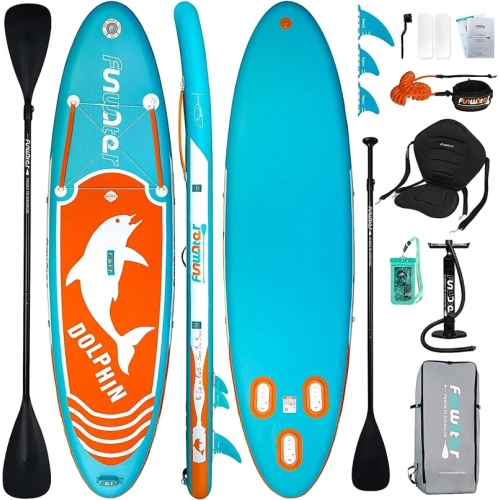
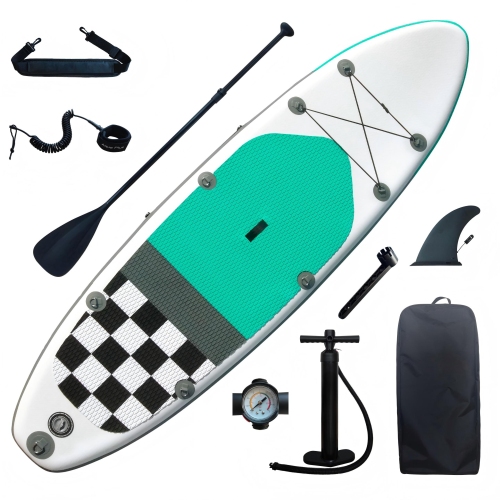
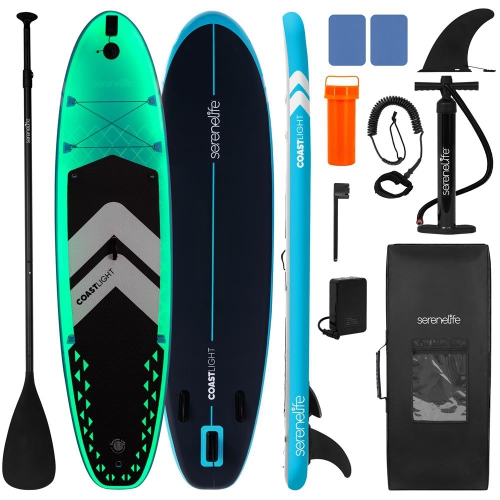

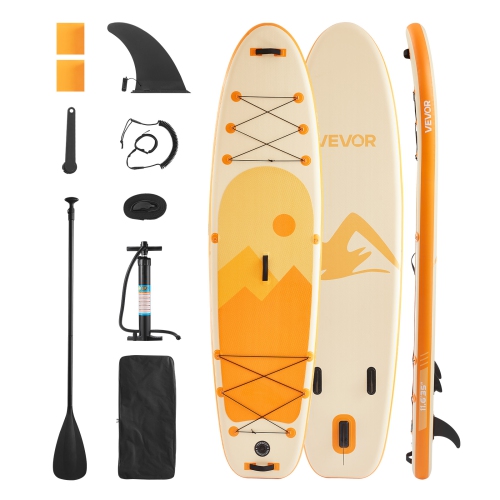
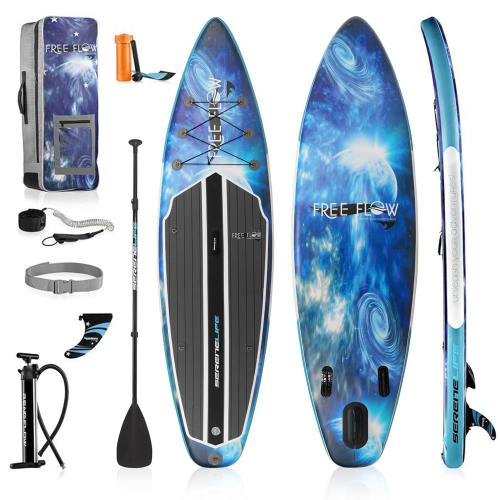
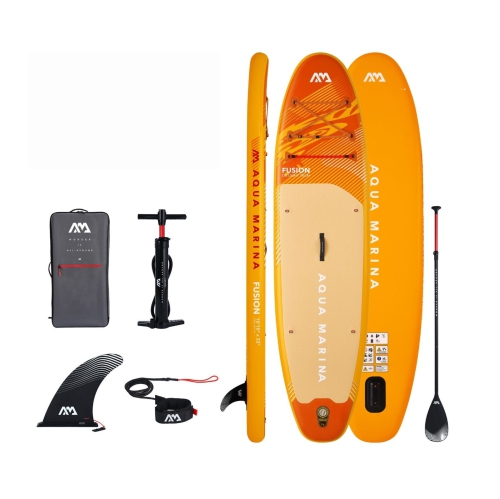
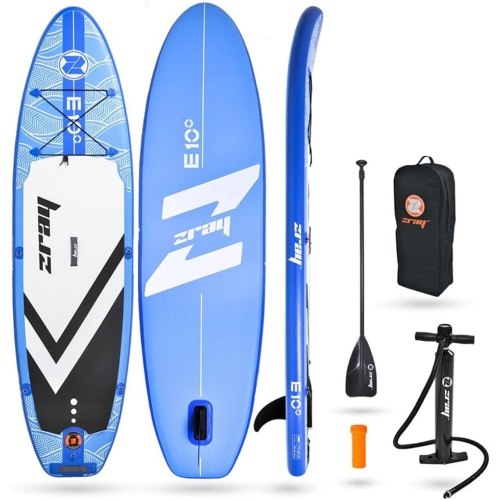
How paddle fit shapes every stroke on the water
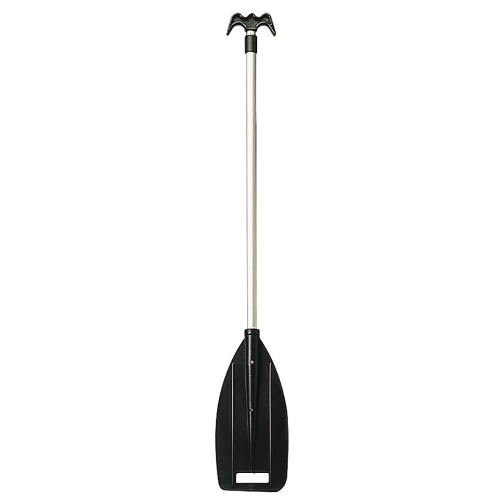
Paddle board paddles connect every movement of your arms and body to the water, helping you move forward, turn, and hold your course. Often called stand-up paddleboard paddles or SUP paddles, they typically have a single blade, a long shaft, and a top grip designed for an upright paddling position. The right fit depends on your height, how you paddle, and whether you value easy adjustment, low weight, or compact storage. For recreational stand-up paddling, a paddle roughly 8–12 inches taller than the user is a common starting point, though the ideal length varies with board thickness, stance, and activity. Another useful fit check is to stand the paddle beside you and reach one arm overhead: the top grip should sit comfortably near the bend of your wrist without making you stretch awkwardly. Adjustable paddle board paddles offer room to refine that fit, which is particularly useful when different family members share equipment or when you alternate between relaxed outings and more purposeful exercise. A shorter setting may suit a lower stance, while a taller board can call for additional reach. The aim is to place the blade fully in the water without excessive bending or an uncomfortable lift through the shoulder. Length markings make it easier to return to a familiar setting, and a secure adjustment mechanism helps keep the shaft from slipping or twisting under pressure. If you are pairing a paddle with Paddle Boards, consider the board’s width and thickness alongside your own proportions rather than choosing by height alone. On a wide board, for example, your reach to the water differs from the reach needed on a narrower shape. Beginners often appreciate the flexibility of an adjustable model while they find a comfortable stance and rhythm. More experienced paddlers may prefer a fixed-length paddle fitted to their usual setup, particularly when consistent handling and minimal movement between components matter more than sharing it with others.
Materials influence how a SUP paddle feels both during the first few strokes and after an hour on the water. Aluminum shafts are generally an accessible choice for occasional outings, family use, or a first paddle, though they often weigh more than comparable composite designs. Fibreglass can offer a useful balance of weight, flex, and cost, while carbon fibre is often chosen for its low weight and responsive feel. Construction matters as much as the material name: a paddle may combine a carbon-fibre shaft with a blade made from another material, and two paddles with similar descriptions can have noticeably different weights. Looking at the complete paddle weight, shaft construction, and blade material gives a clearer picture than relying on a single feature. Plastic or reinforced nylon blades are common on recreational paddles and can be practical for everyday handling around launches and shorelines. Composite blades can provide a lighter, more defined feel through the stroke, but deserve careful handling around rocks and hard surfaces. Blade size is another important purchase consideration. A larger blade moves more water with each stroke but requires more effort, while a smaller blade can feel easier to pull repeatedly and may suit smaller paddlers or anyone who prefers a quicker, lighter rhythm. Bigger is not automatically better, especially for someone building confidence or hoping to paddle for longer without tiring quickly. Blade shape, angle, and shaft flex also affect the feel of the catch—the moment the blade enters and takes hold of the water. A little flex can make a paddle feel more forgiving, whereas a stiffer build transfers effort more directly. Balance deserves attention, too: a heavy blade can make the repeated lift and forward reach feel tiring even when the overall weight seems reasonable. A comfortable top grip and a shaft diameter that suits your hands help complete the fit. These details become particularly noticeable during a steady crossing, when the same motion repeats hundreds of times.
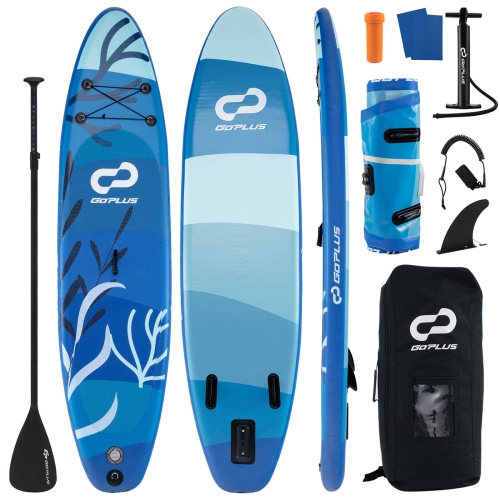
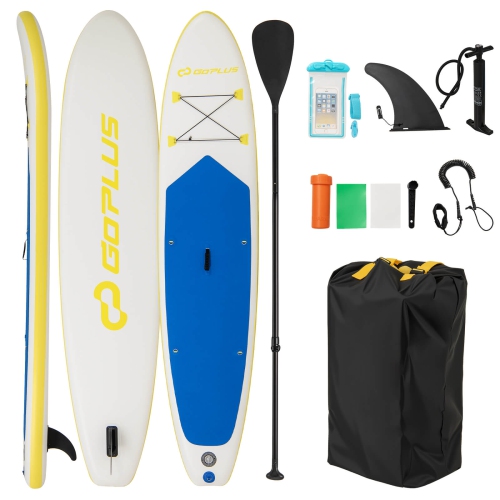
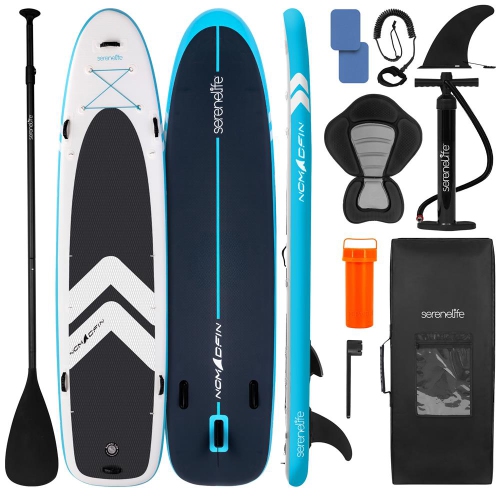
Portability can be just as important as performance, particularly when paddling involves a small car, a walk to the launch, or limited storage at home. Three-piece paddle board paddles typically separate into shorter sections that are easier to pack alongside an inflatable board, while two-piece designs offer length adjustment with fewer connecting points. One-piece paddles avoid section joints altogether but need more room in a vehicle or storage area. For travel, compare the packed length with the dimensions of your bag or available space rather than assuming every take-apart paddle will fit. Connections should feel secure when assembled, with minimal unwanted movement, and adjustment clamps should be straightforward to operate. If cooler-weather outings are part of your routine, consider whether those controls and the grip remain manageable with appropriate paddling gloves. Buoyancy is worth checking in the product specifications: not every paddle floats, and some only float for a limited time or when correctly assembled. For families, an adjustable paddle can make shared days at the lake simpler, but its minimum length and overall weight still need to suit the smallest intended user. Children generally benefit from properly sized youth equipment rather than an adult paddle shortened as far as it will go. A paddle can also be a thoughtful gift for someone who already enjoys SUP, especially when their existing paddle feels heavy or is awkward to transport. Knowing their height, usual paddling style, and preference for a packable or fixed design makes that choice more personal and useful. A carrying bag or blade cover can help protect the paddle between outings, although included accessories vary. After use, rinse away sand and salt with fresh water, follow the maker’s care directions, and let the components dry before storage. Keeping grit out of adjustable joints helps them work smoothly. Whether the next outing is a gentle loop near the cottage or a longer session focused on fitness, a well-matched paddle makes the familiar routine of launching, settling into your stance, and finding a steady stroke feel more comfortable.
Top selling and popular products
-
 Your price for this item is $299.9
-
 Your price for this item is $599
-
 Your price for this item is $249.99
-
 Your price for this item is $179.7
-
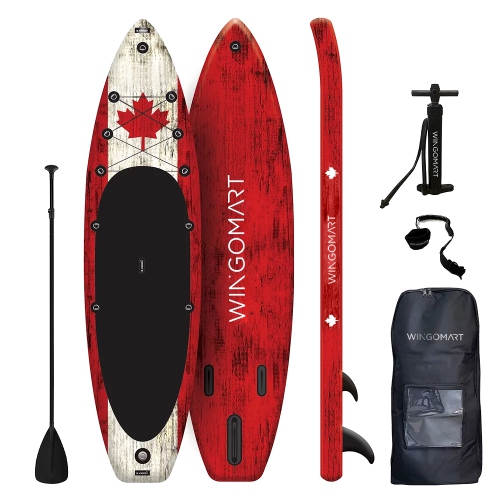 Your price for this item is $329.99
-
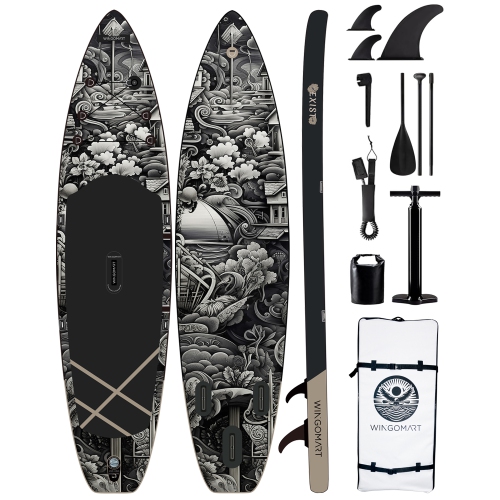 Your price for this item is $259.99
-
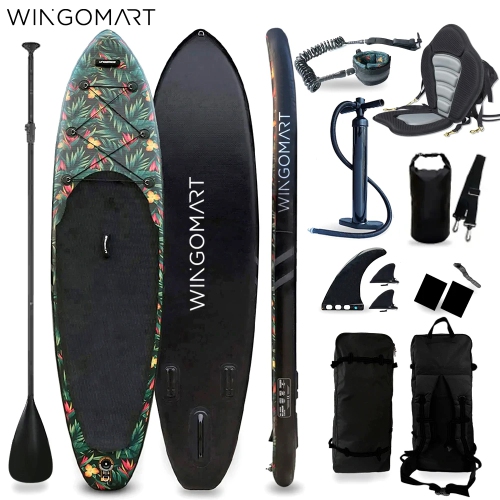 Your price for this item is $279.7
-
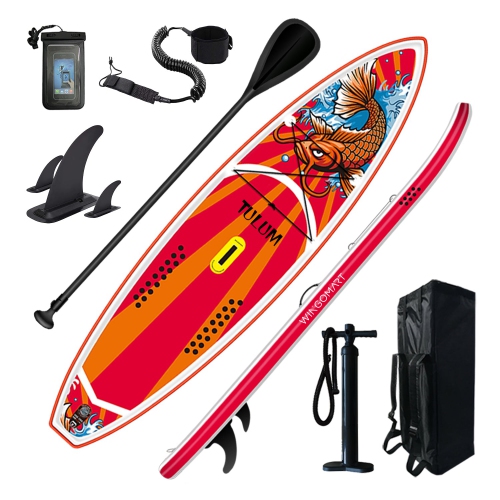 Your price for this item is $269.99
Discover more categories related to Paddle Board Paddles

Top Collections:
Pokemon Centers, Kindle Devices, Best Budget Office Chairs, Canon G7X Cameras, Apple iPhones 16, Samsung Galaxy Phones, Refurbished Apple Laptops, Laptops for Students, iPhone 15 Apple, Budget Smartphones
Some products may be subject to Environmental Handling Fees
(EHF) depending on your province.
Learn more about EHFs.