12V Switches
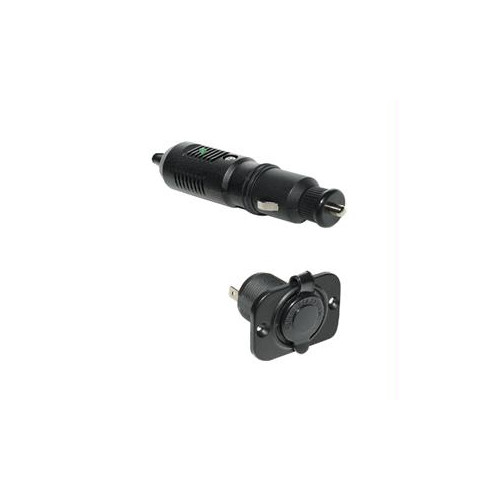
Explore our selection of high-quality switches designed to provide convenient control over various functions in your car, truck, boat, or RV. Whether you need a simple on/off switch or a more advanced rocker switch with multiple settings, we have a range of options to suit your needs. With easy installation and durable construction, these 12v switches are essential for customizing your vehicle's accessories and ensuring smooth operation on the road or water.
Sort
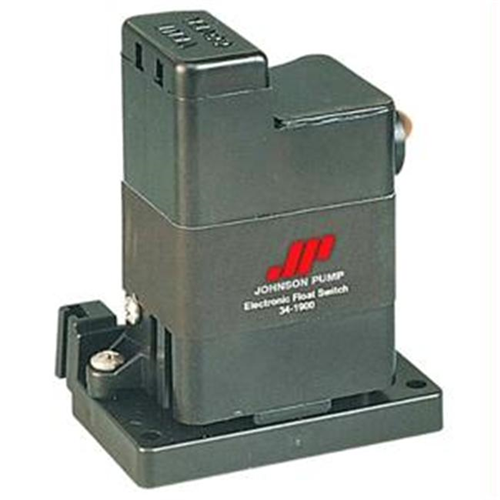




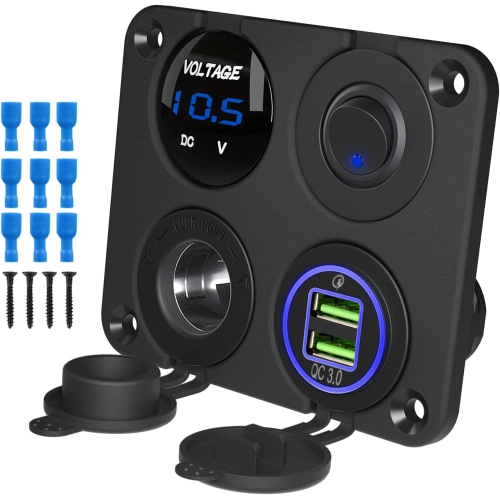

Why switch compatibility goes beyond the voltage rating
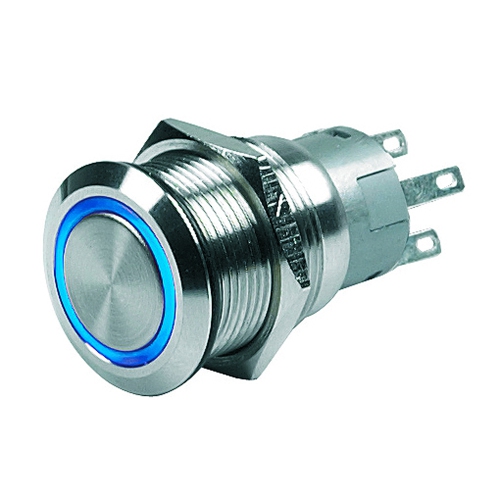
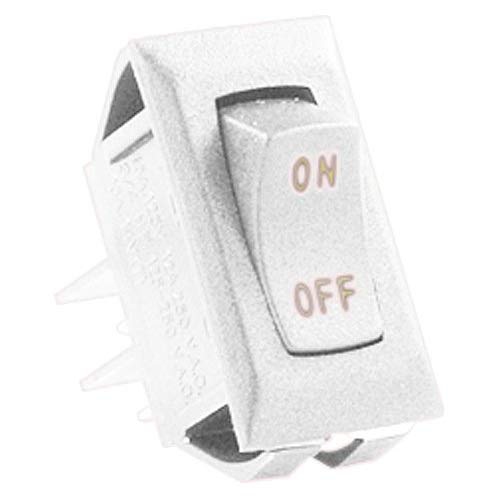
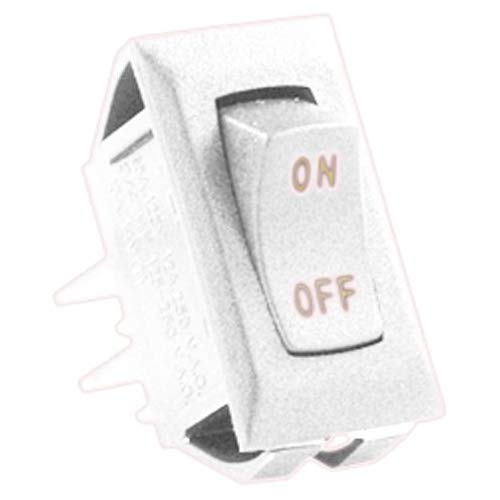
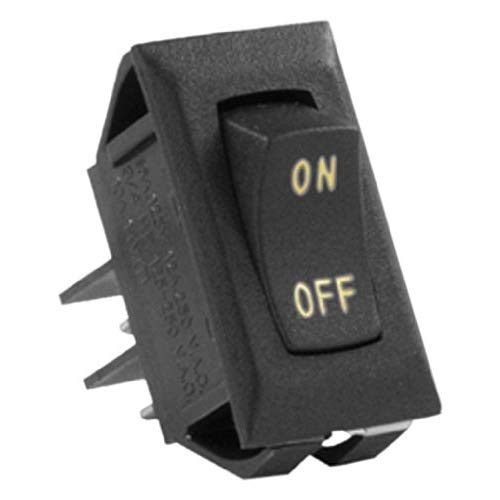
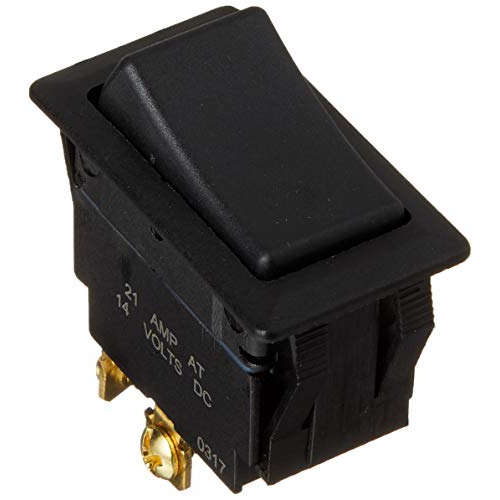
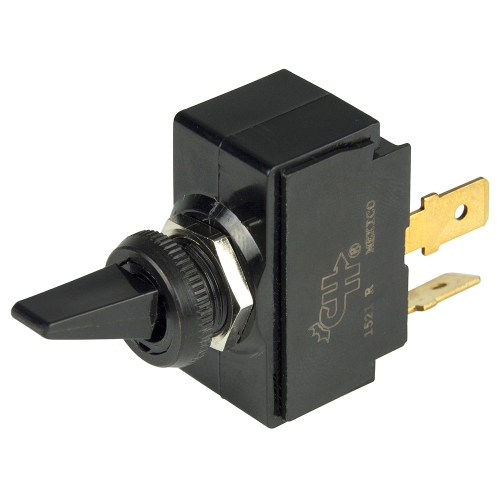
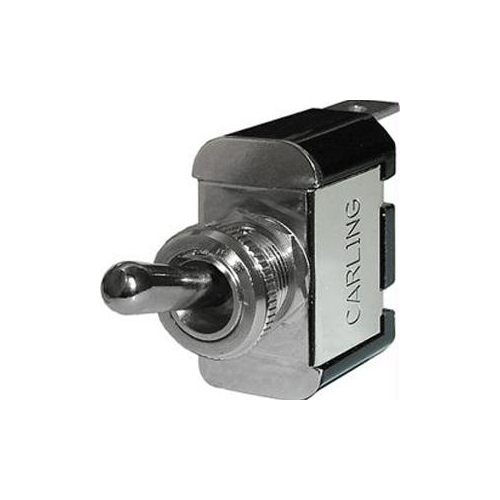
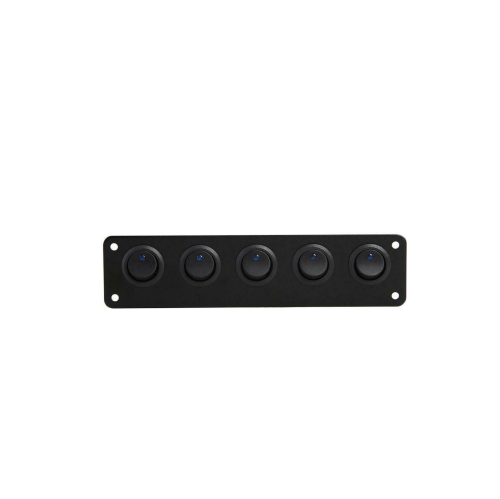
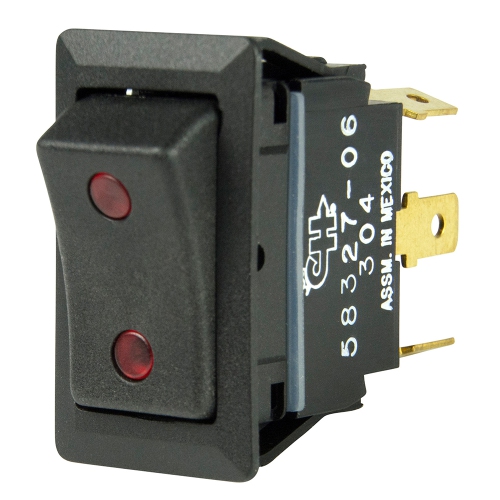
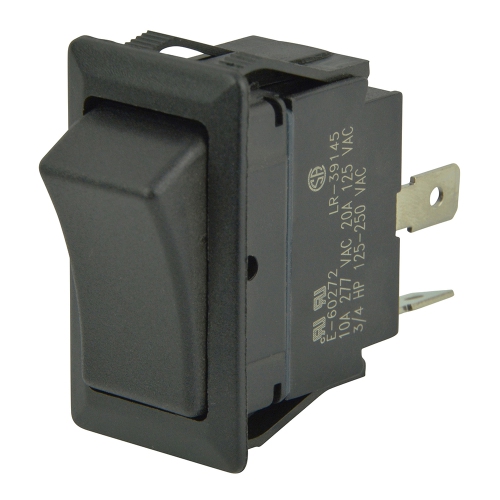
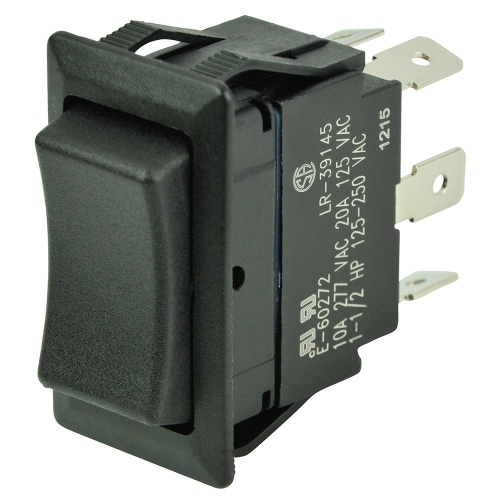
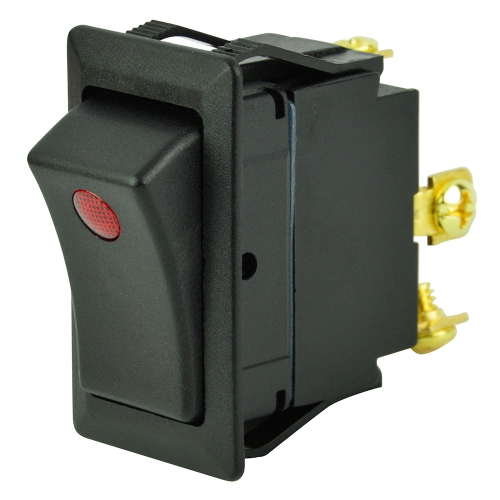
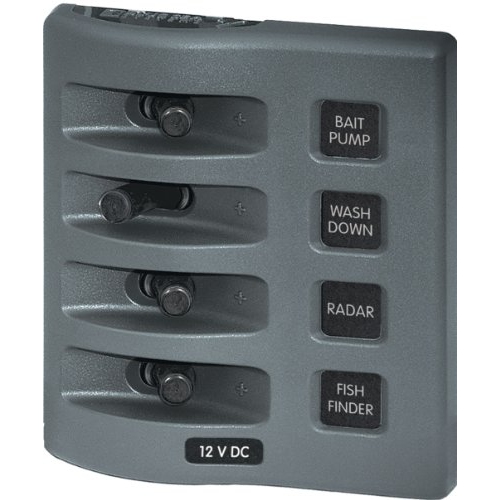
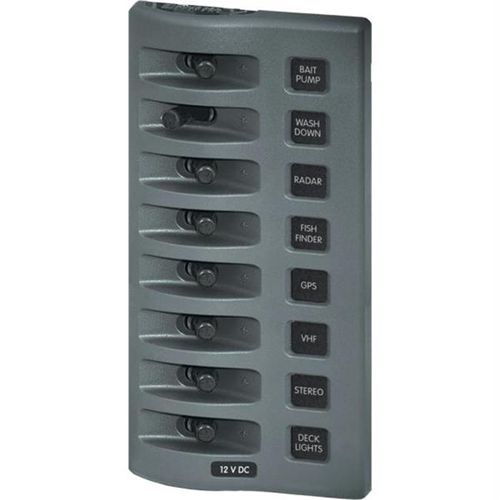
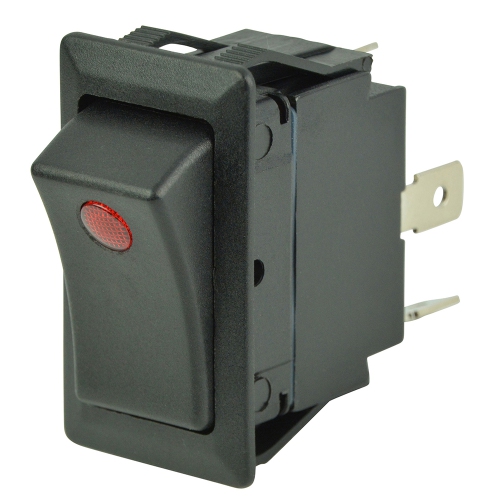
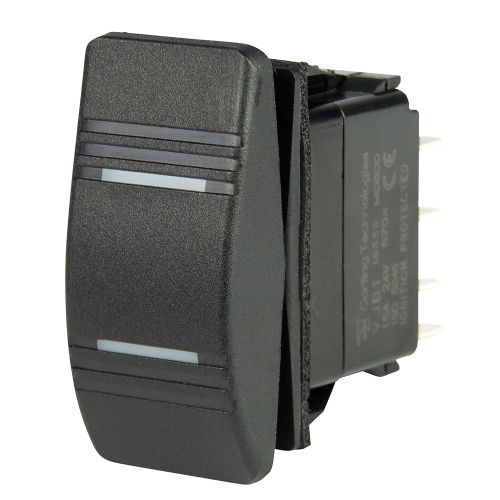
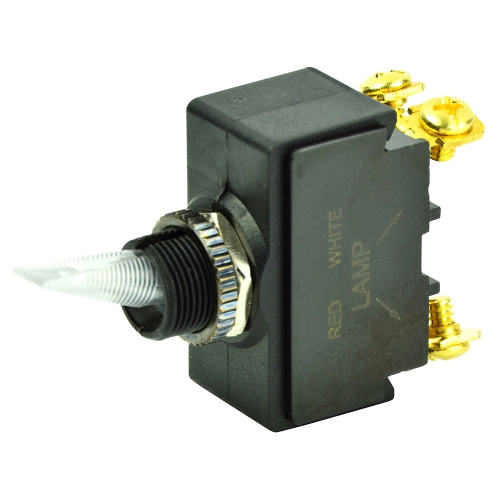
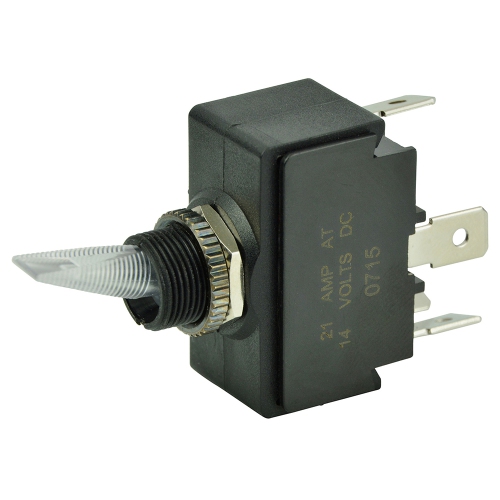
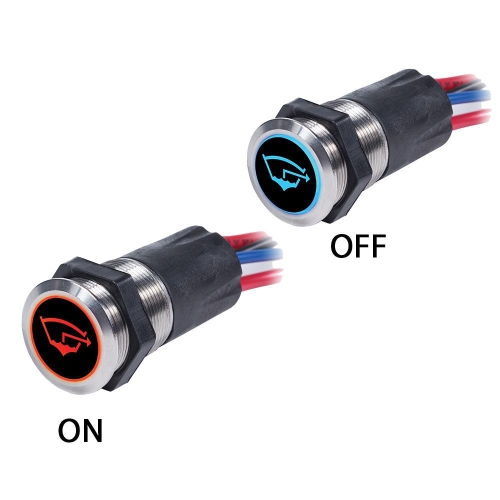
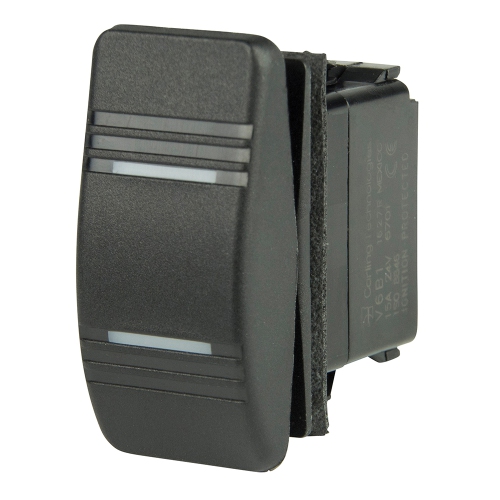
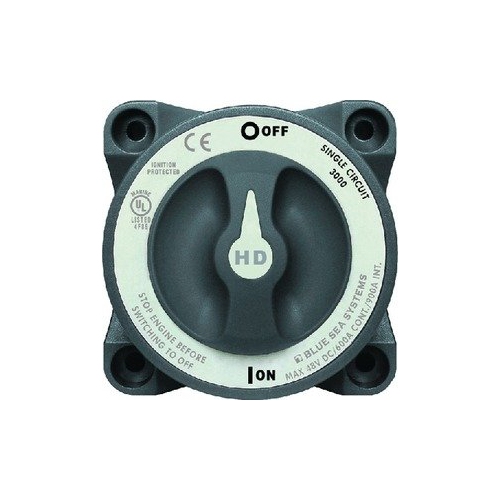
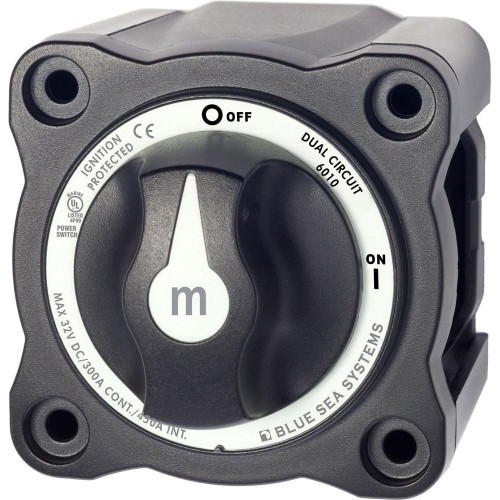
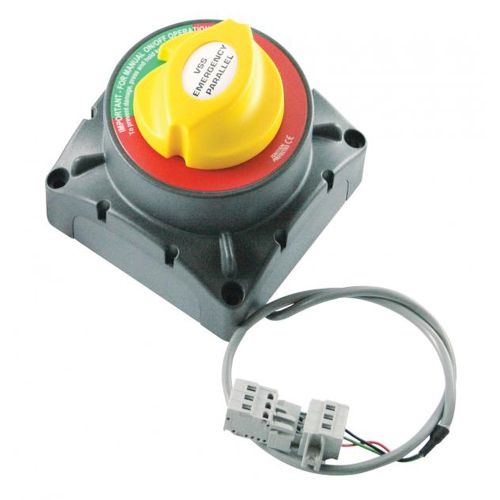
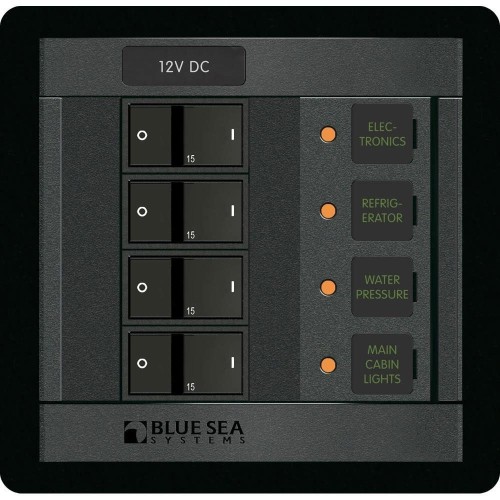
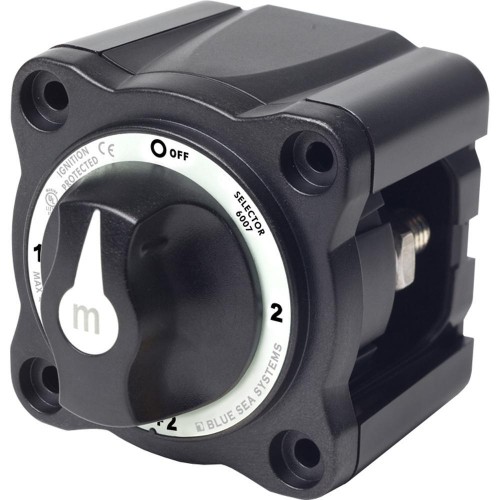
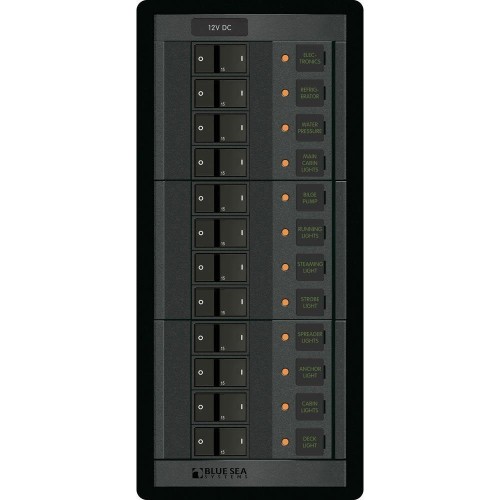
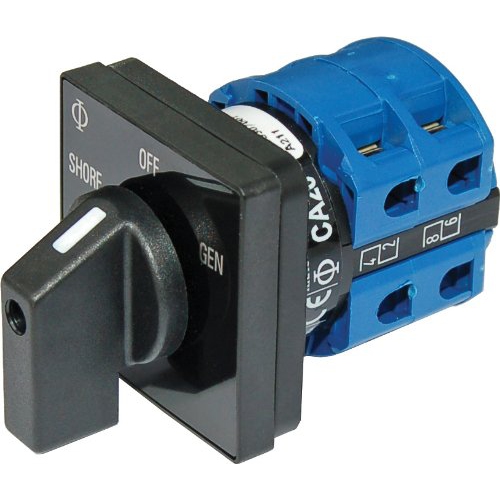
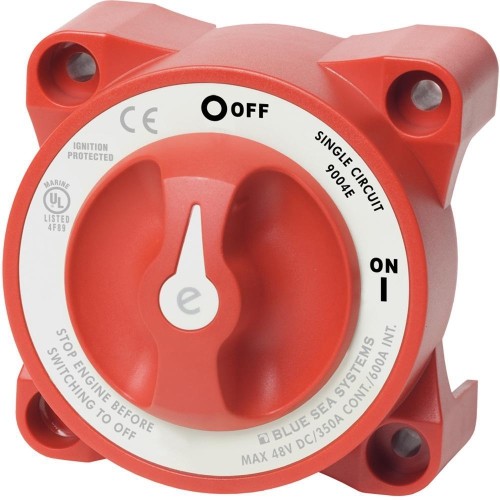
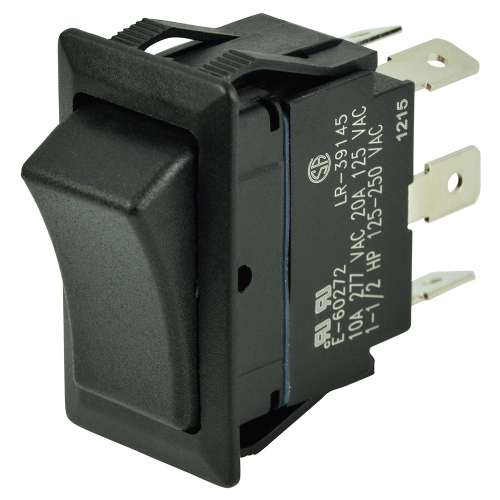
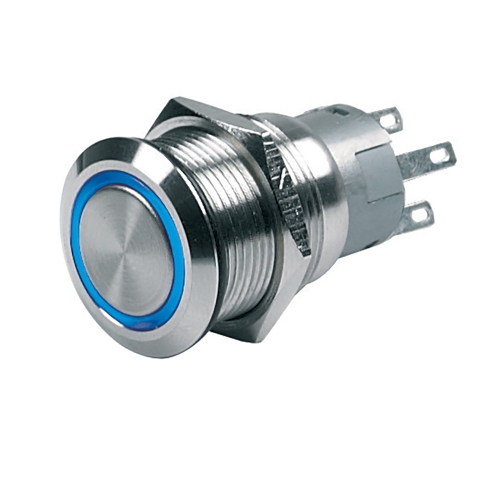
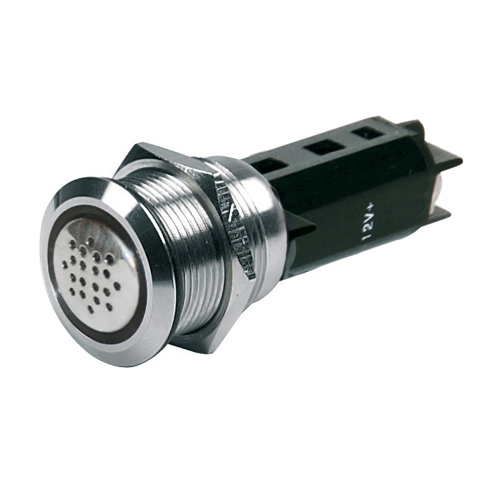
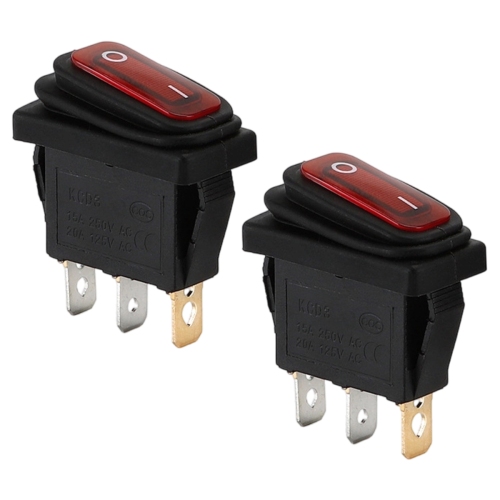
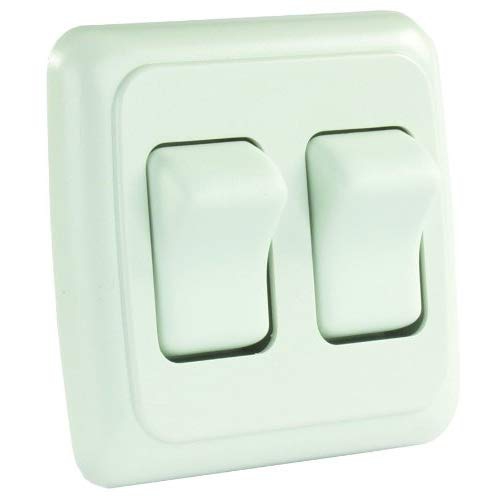
12V switches control electrical circuits in vehicles, boats, RVs, and other systems powered by a nominal 12-volt supply. They provide a convenient way to turn compatible accessories on and off, from cabin lights and ventilation fans to auxiliary lighting and small pumps. Although these applications share a voltage category, the switches themselves can differ considerably in operation, electrical capacity, and mounting style. Toggle switches use a projecting lever that gives a clear physical indication of position, making them familiar choices for utility dashboards and workshop projects. Rocker switches use a pivoting surface and can sit relatively close to a panel, creating a tidy arrangement where several controls share limited space. Push-button switches offer a compact contact surface and may be momentary or latching: a momentary design returns to its resting state when released, while a latching design stays in its selected state until pressed again. Momentary operation suits a horn control or another function that should operate only while the button is held; latching operation is more suitable for lighting that needs to remain on. Illuminated switches can make controls easier to locate in a dark cabin, although the light may indicate either switch position or circuit status depending on the design and wiring. That distinction matters when a visible indicator is expected to confirm that an accessory is running. For drivers, boat owners, RV travellers, and hobbyists, the most useful switch is one whose action feels natural for the task and whose position is easy to identify at a glance. A glove-friendly lever may suit a utility installation, while a broad rocker surface can be convenient beside a doorway. Where several accessories need a central control area, 12v Switch Panels bring related controls together in a format suited to organized layouts. Individual switches, by contrast, allow more flexibility when replacing an existing control or adding a single dedicated function.
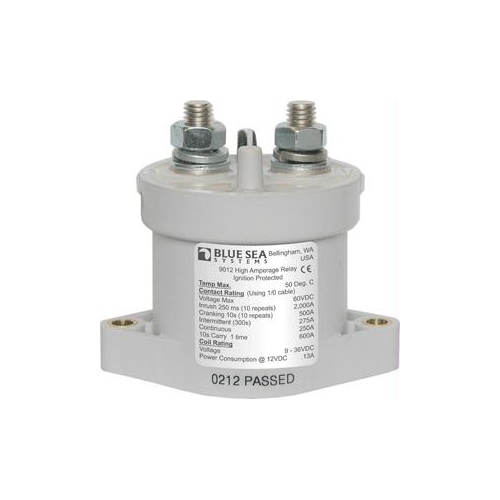
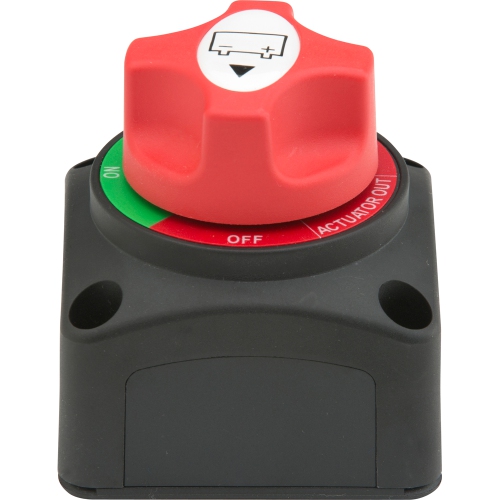
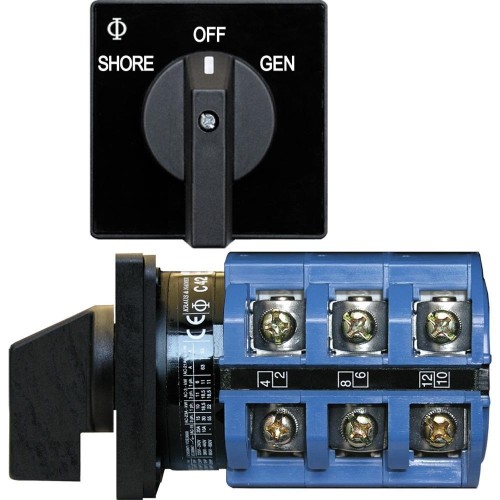
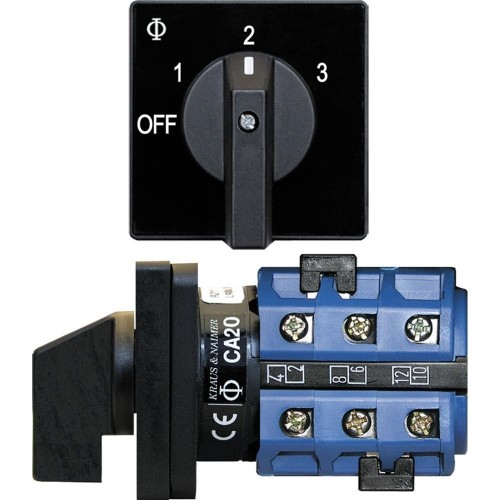
Electrical compatibility is central to how a 12V switch performs, and a voltage marking alone does not establish that it can safely control every 12-volt accessory. The switch needs an appropriate DC voltage rating and a current rating suitable for the connected load. An AC rating is not interchangeable with a DC rating, because interrupting direct current places different demands on the contacts. Motors, pumps, and some lighting circuits can also draw a brief starting current above their normal operating current, so load type and any manufacturer-specified switching limits matter alongside the stated amperage. In higher-current applications, a suitably rated relay can carry the accessory load while the dashboard switch controls the relay coil, provided the complete circuit is designed for that arrangement. Appropriate wire sizing, secure connections, and correctly specified fuse protection remain necessary; the switch does not replace those safeguards. Circuit configuration also affects intended use. A single-pole single-throw, or SPST, switch opens or closes one circuit and commonly serves straightforward on/off functions. A single-pole double-throw, or SPDT, switch connects a common terminal to one of two paths, which can support a choice between two functions in a compatible circuit. Double-pole designs operate two electrically separate paths together. A double-pole double-throw, or DPDT, switch can support polarity reversal for a compatible DC motor when correctly configured and rated, but it is not automatically a suitable reversing control for every motor. Centre-off positions, momentary directions, and terminal layouts vary between designs, even when the front faces look similar. Illuminated switches may also need a separate ground connection for their indicator. Terminal count, markings, and the manufacturer’s wiring diagram therefore provide more useful compatibility information than appearance alone. These details are especially relevant when replacing a worn control in an existing dashboard, where matching the original function is just as important as matching the opening. Installation involving unfamiliar wiring or vehicle-integrated systems is best handled by a qualified technician.
Physical fit and construction shape the everyday experience of using 12V switches, particularly in tight dashboards, storage compartments, and boat consoles. Panel cut-out dimensions, panel thickness, and space behind the mounting surface all influence whether a switch will seat properly without crowding nearby wiring. A rectangular rocker opening and a round push-button opening are not interchangeable, and an apparently similar replacement may use different retaining clips, threaded hardware, or terminal positions. Clearance for connectors and wire bends is also important behind a shallow panel. Materials range from moulded plastic housings to metal-bodied designs with protective finishes, with different combinations offering resistance to wear, vibration, moisture, or corrosion. Contact materials and contact construction affect electrical durability, while the actuator, mounting hardware, and seals affect how well the switch withstands repeated handling. In a boat cockpit or another splash-prone location, a documented ingress protection rating is more informative than a general claim of toughness. An IP rating describes tested protection against specified dust or water exposure; it does not mean unrestricted protection in every installation. Some switches have protection at the front face only when correctly mounted with the supplied seal, leaving rear terminals in need of a protected enclosure. Salt exposure, condensation, and road spray can place additional demands on terminals and mounting hardware, so suitability for the intended location should be confirmed in the specifications. During cooler weather, stated operating temperature ranges and controls that remain manageable with gloves can be useful considerations for outdoor applications. Routine care is generally straightforward: with power safely isolated, exposed surfaces can be wiped using a method compatible with the manufacturer’s directions, without forcing liquid into gaps or terminals. Loose mounting, damaged seals, intermittent operation, discolouration, or unusual heat call for inspection rather than continued use. Clear labels and sensible spacing also help prevent accidental operation when several accessories sit side by side. Whether the setting is a camper’s reading light or a utility vehicle’s auxiliary equipment, well-matched 12V switches combine appropriate electrical ratings, dependable construction, and a control layout that makes daily operation feel straightforward.
Electrical compatibility is central to how a 12V switch performs, and a voltage marking alone does not establish that it can safely control every 12-volt accessory. The switch needs an appropriate DC voltage rating and a current rating suitable for the connected load. An AC rating is not interchangeable with a DC rating, because interrupting direct current places different demands on the contacts. Motors, pumps, and some lighting circuits can also draw a brief starting current above their normal operating current, so load type and any manufacturer-specified switching limits matter alongside the stated amperage. In higher-current applications, a suitably rated relay can carry the accessory load while the dashboard switch controls the relay coil, provided the complete circuit is designed for that arrangement. Appropriate wire sizing, secure connections, and correctly specified fuse protection remain necessary; the switch does not replace those safeguards. Circuit configuration also affects intended use. A single-pole single-throw, or SPST, switch opens or closes one circuit and commonly serves straightforward on/off functions. A single-pole double-throw, or SPDT, switch connects a common terminal to one of two paths, which can support a choice between two functions in a compatible circuit. Double-pole designs operate two electrically separate paths together. A double-pole double-throw, or DPDT, switch can support polarity reversal for a compatible DC motor when correctly configured and rated, but it is not automatically a suitable reversing control for every motor. Centre-off positions, momentary directions, and terminal layouts vary between designs, even when the front faces look similar. Illuminated switches may also need a separate ground connection for their indicator. Terminal count, markings, and the manufacturer’s wiring diagram therefore provide more useful compatibility information than appearance alone. These details are especially relevant when replacing a worn control in an existing dashboard, where matching the original function is just as important as matching the opening. Installation involving unfamiliar wiring or vehicle-integrated systems is best handled by a qualified technician.
Physical fit and construction shape the everyday experience of using 12V switches, particularly in tight dashboards, storage compartments, and boat consoles. Panel cut-out dimensions, panel thickness, and space behind the mounting surface all influence whether a switch will seat properly without crowding nearby wiring. A rectangular rocker opening and a round push-button opening are not interchangeable, and an apparently similar replacement may use different retaining clips, threaded hardware, or terminal positions. Clearance for connectors and wire bends is also important behind a shallow panel. Materials range from moulded plastic housings to metal-bodied designs with protective finishes, with different combinations offering resistance to wear, vibration, moisture, or corrosion. Contact materials and contact construction affect electrical durability, while the actuator, mounting hardware, and seals affect how well the switch withstands repeated handling. In a boat cockpit or another splash-prone location, a documented ingress protection rating is more informative than a general claim of toughness. An IP rating describes tested protection against specified dust or water exposure; it does not mean unrestricted protection in every installation. Some switches have protection at the front face only when correctly mounted with the supplied seal, leaving rear terminals in need of a protected enclosure. Salt exposure, condensation, and road spray can place additional demands on terminals and mounting hardware, so suitability for the intended location should be confirmed in the specifications. During cooler weather, stated operating temperature ranges and controls that remain manageable with gloves can be useful considerations for outdoor applications. Routine care is generally straightforward: with power safely isolated, exposed surfaces can be wiped using a method compatible with the manufacturer’s directions, without forcing liquid into gaps or terminals. Loose mounting, damaged seals, intermittent operation, discolouration, or unusual heat call for inspection rather than continued use. Clear labels and sensible spacing also help prevent accidental operation when several accessories sit side by side. Whether the setting is a camper’s reading light or a utility vehicle’s auxiliary equipment, well-matched 12V switches combine appropriate electrical ratings, dependable construction, and a control layout that makes daily operation feel straightforward.
Top selling and popular products
-
 Your price for this item is $30.59
 -
 Your price for this item is $30.54
 -
 Your price for this item is $38.85
 -
 Your price for this item is $92.99
 -
 Your price for this item is $844.91
 -
 Your price for this item is $909.33
 -
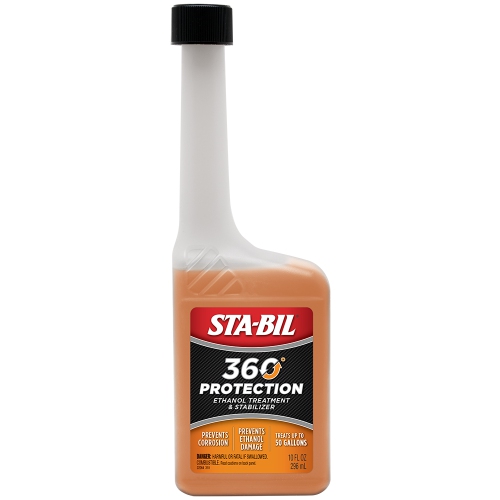 Your price for this item is $30.62
 -
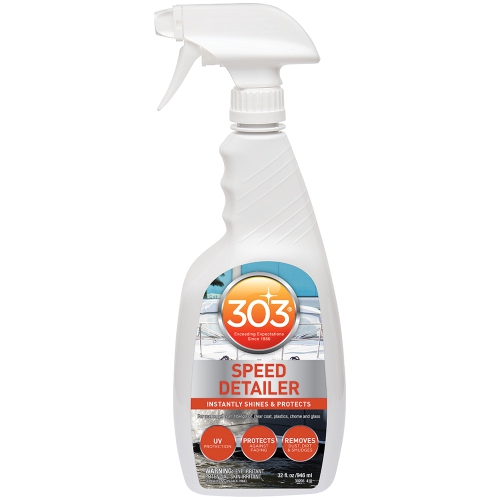 Your price for this item is $34.93
Discover more categories related to 12V Switches
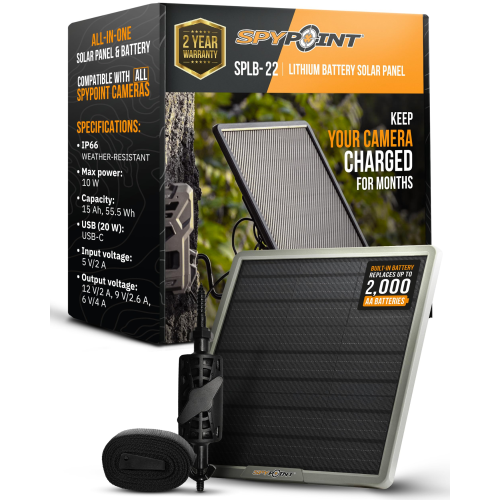
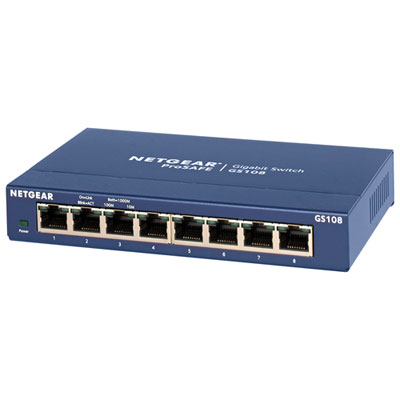
Top Collections:
Pokemon Centers, Kindle Devices, Best Budget Office Chairs, Apple iPhones 16, Best Laptops for Writers, iPhone 15 Apple, Canon G7X Cameras, Refurbished Apple Laptops, Alarm Clock, Motorola Razr Phones
Some products may be subject to Environmental Handling Fees
(EHF) depending on your province.
Learn more about EHFs.