16 Inch Frame Bikes
Explore this selection of 16-inch frame bikes, designed for riders seeking a versatile and comfortable cycling experience. Whether you're a casual rider or a dedicated cyclist, these bikes offer the perfect balance of stability and agility for your everyday adventures. With a variety of styles and features to choose from, finding these ideal 16-inch frame bikes to suit your needs has never been easier. Discover the perfect ride that combines performance, comfort, and style all in one package.
Sort
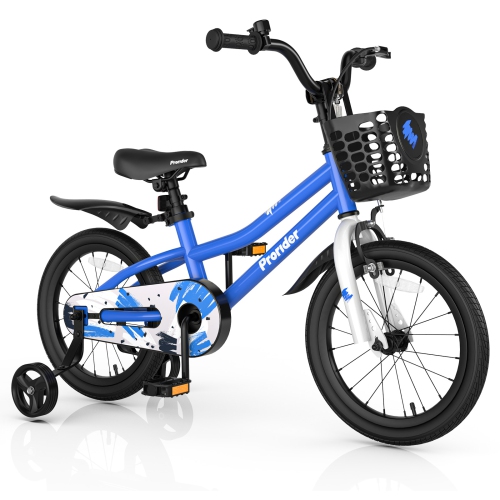
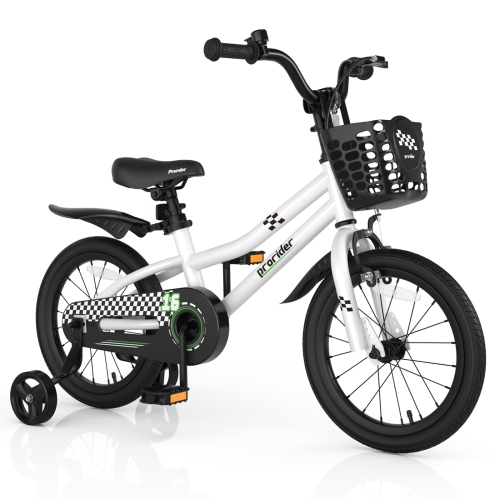

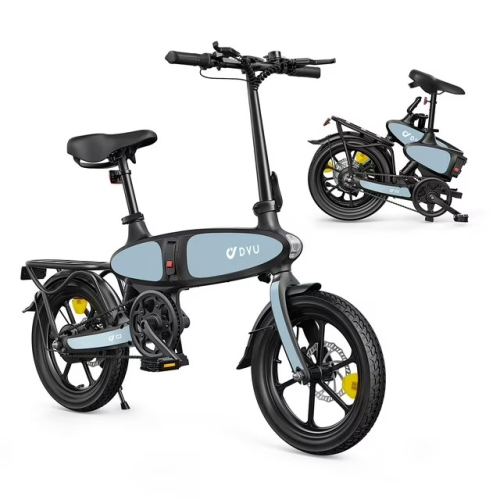


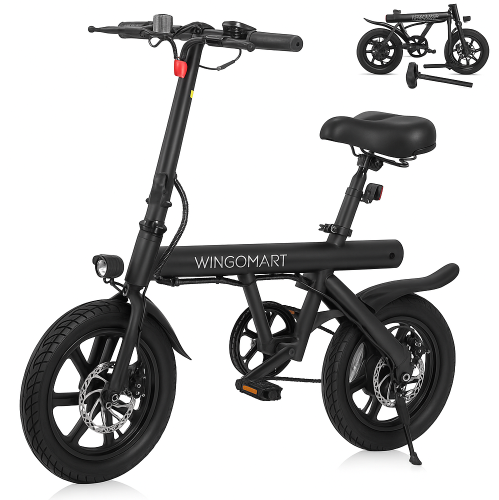
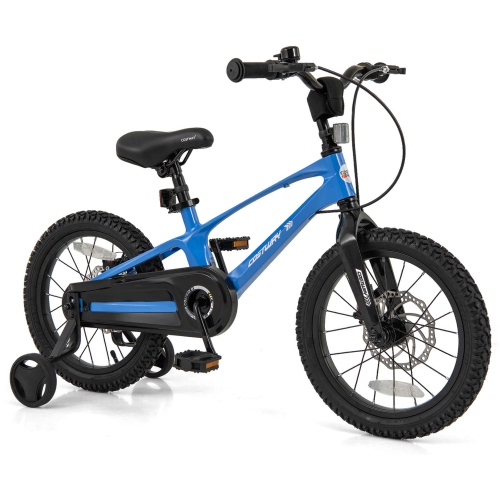


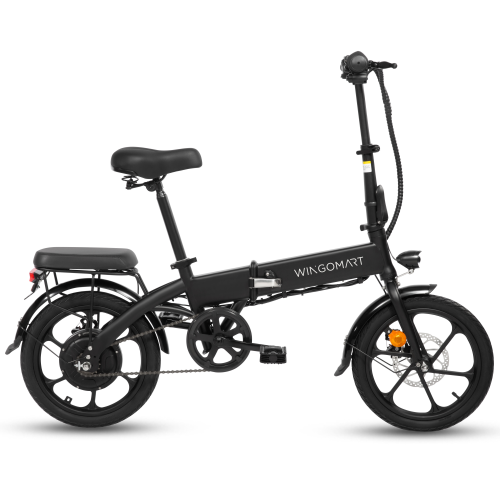

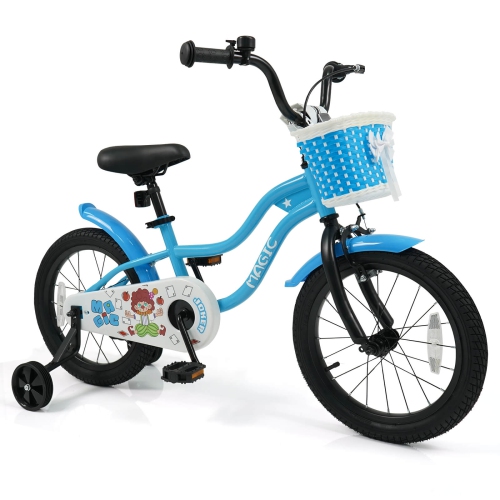
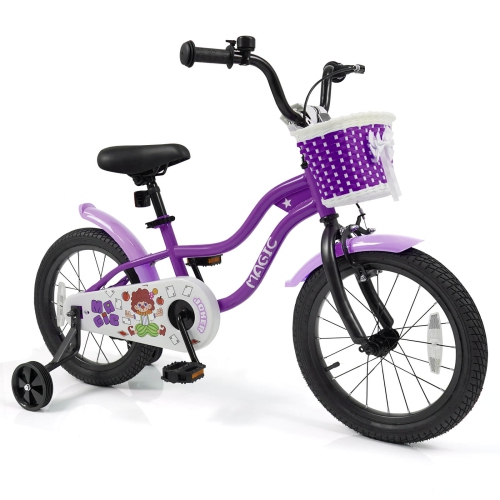
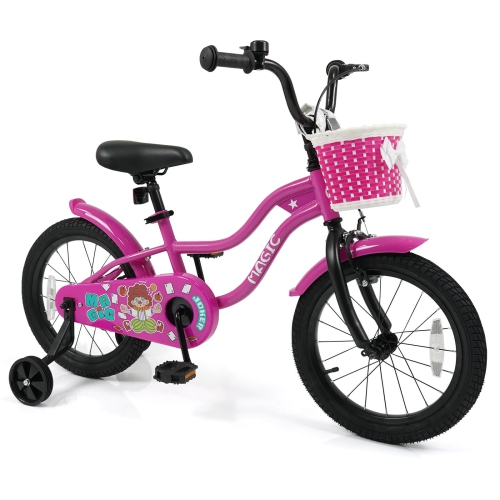

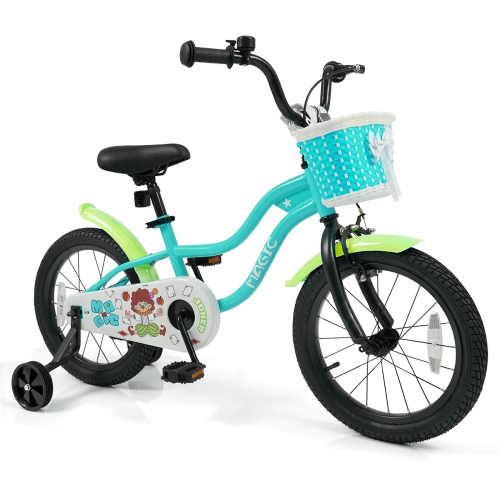


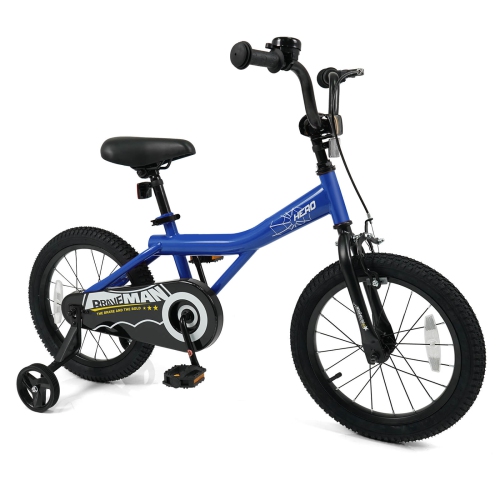
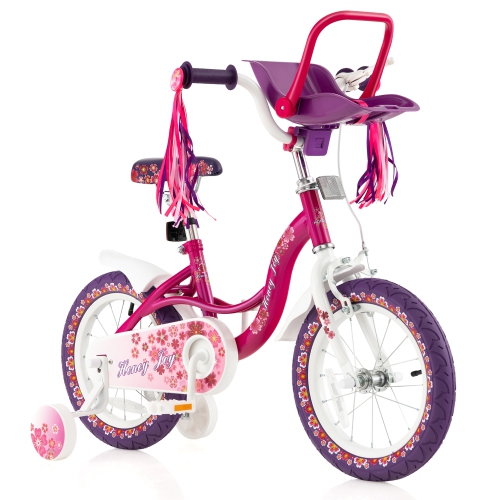





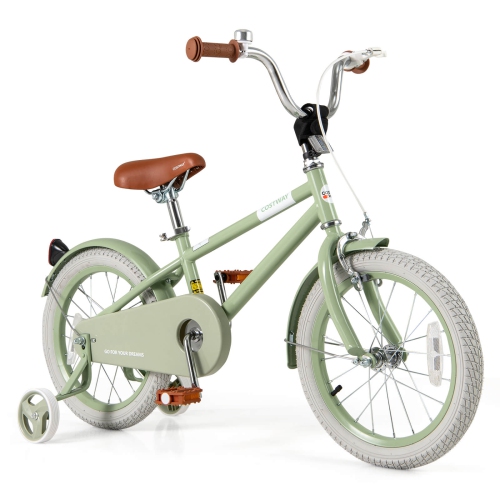
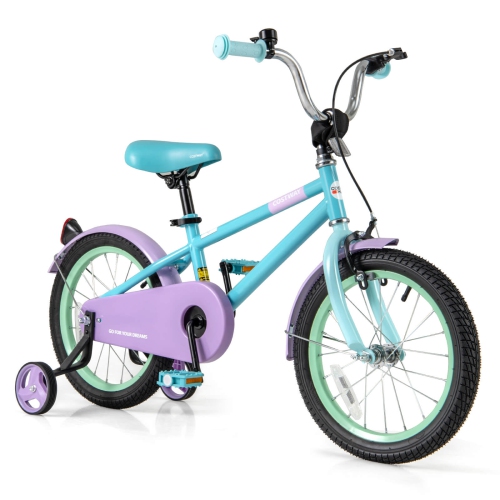
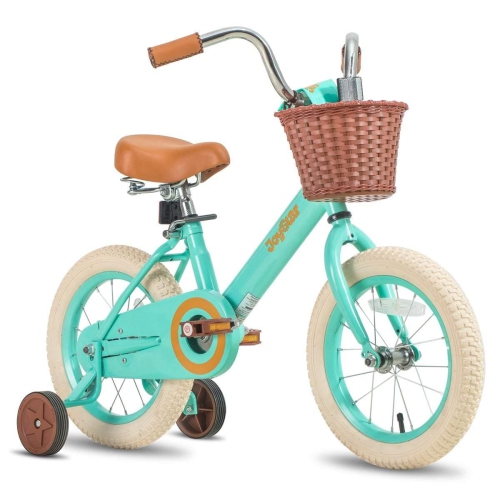

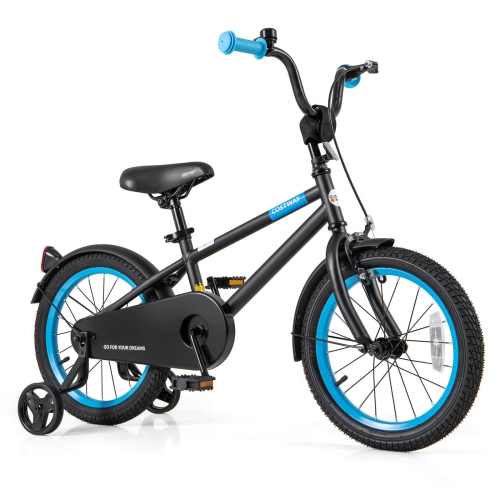


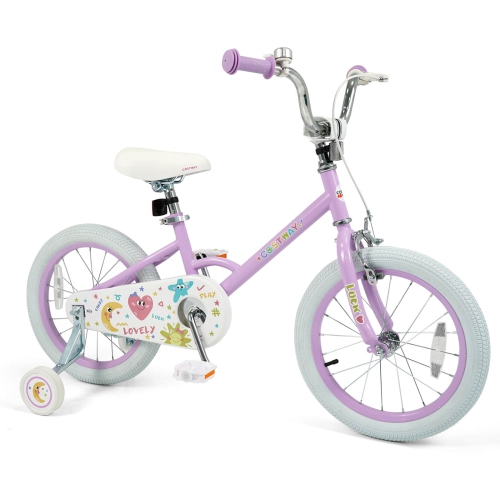
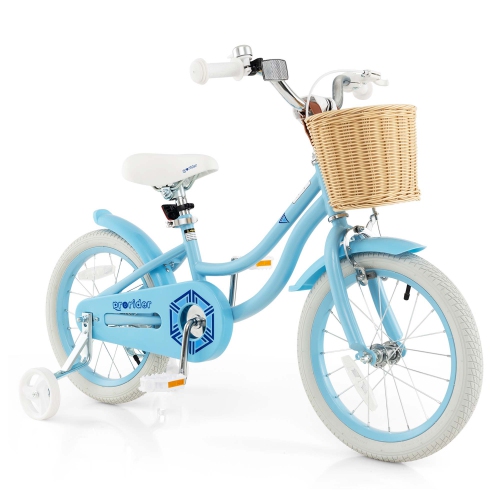


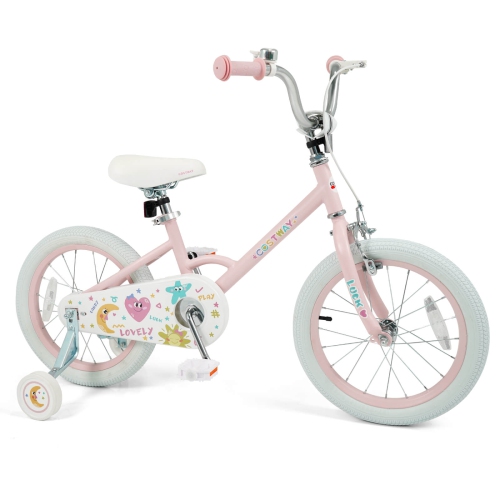
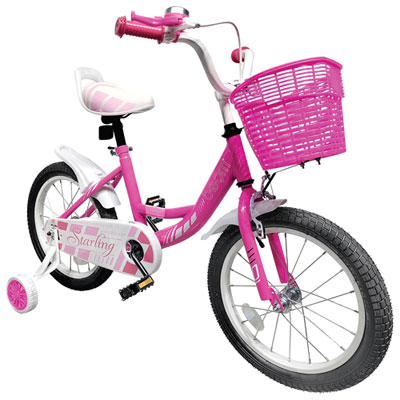


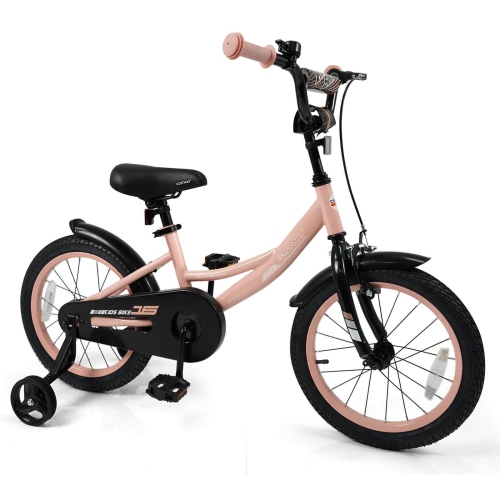


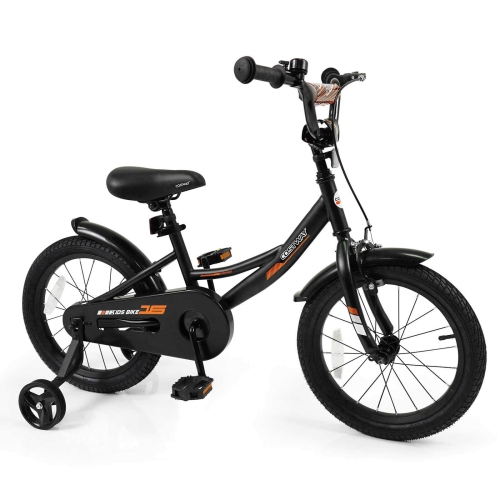

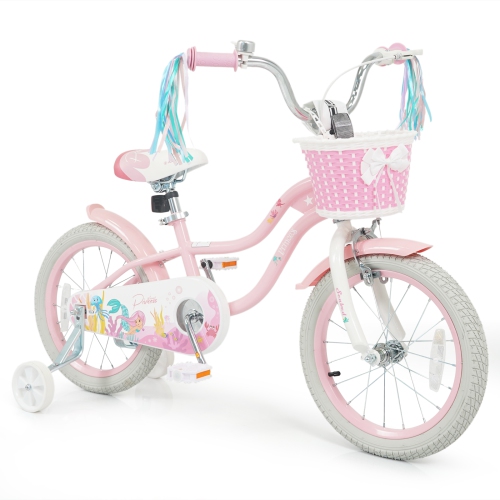
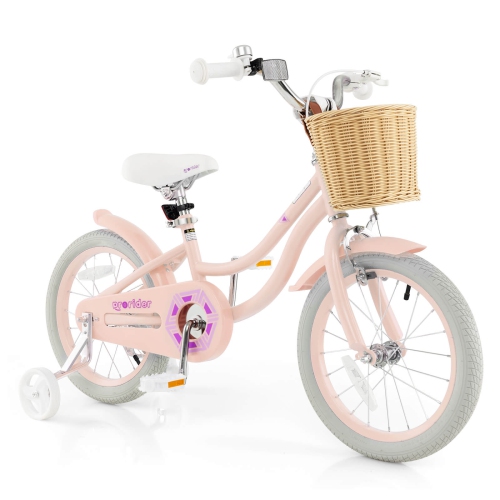

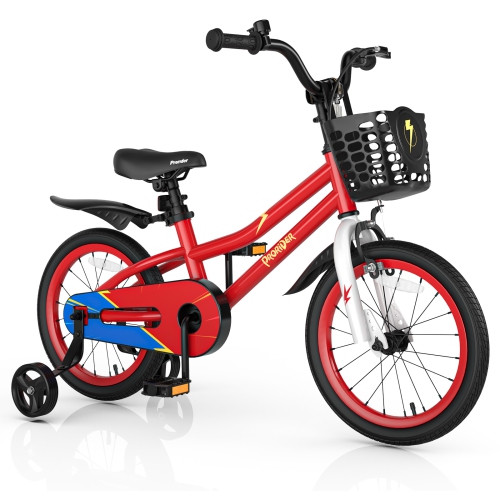
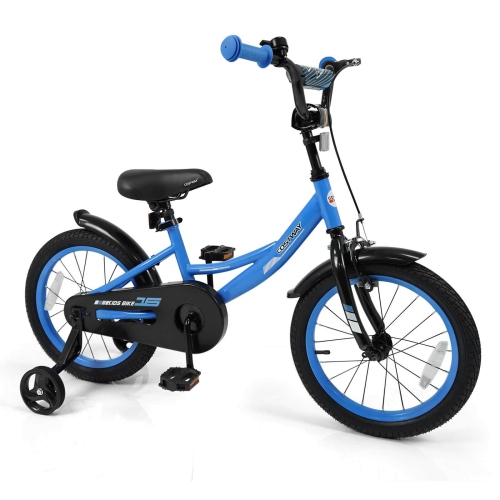


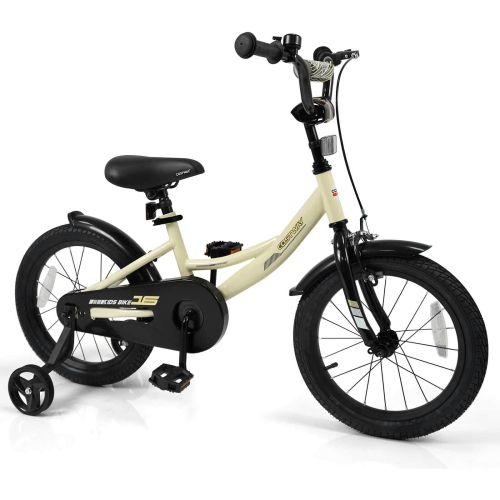
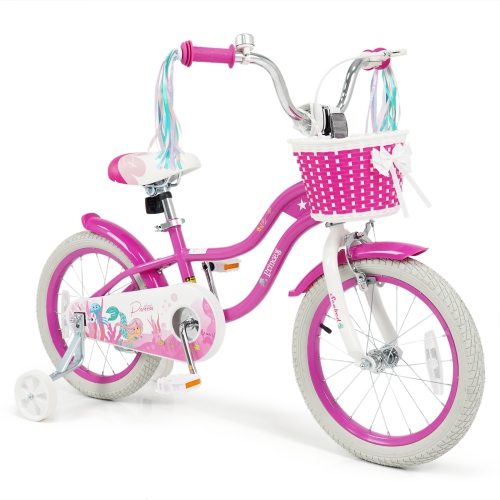


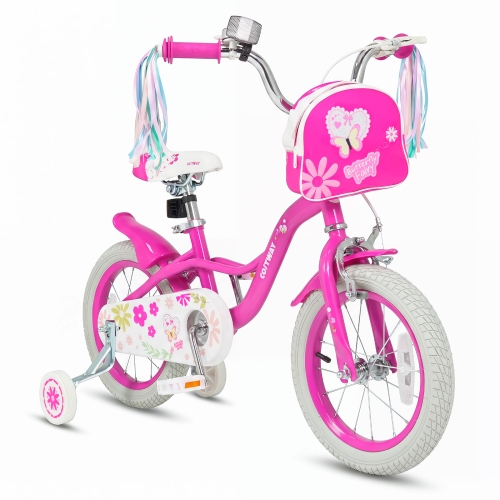
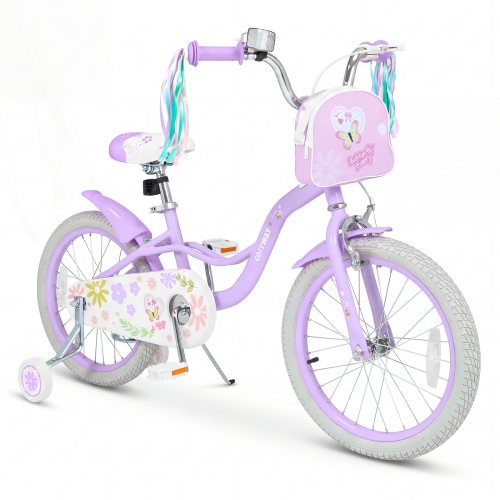
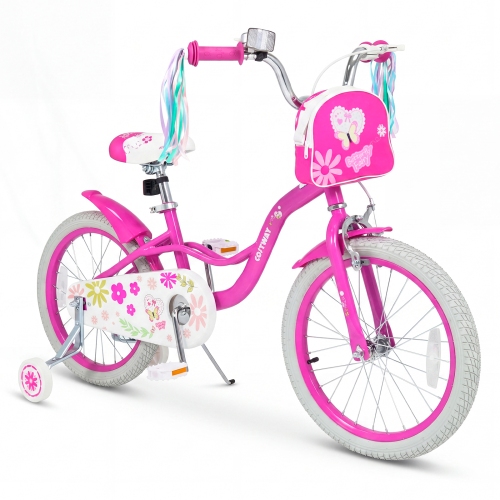
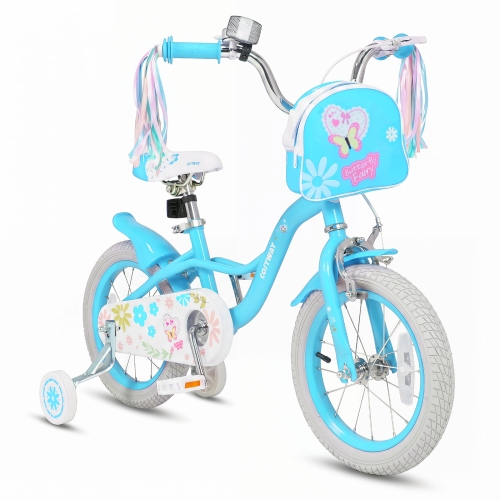
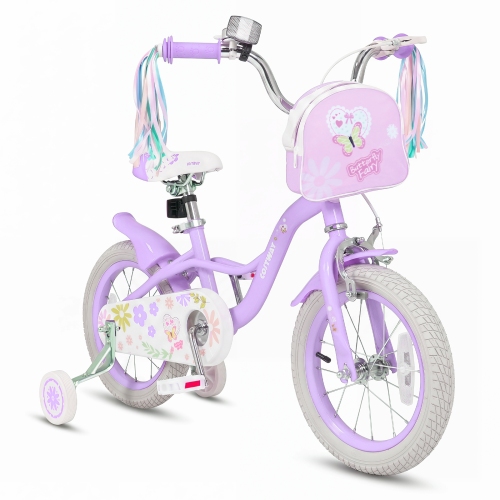


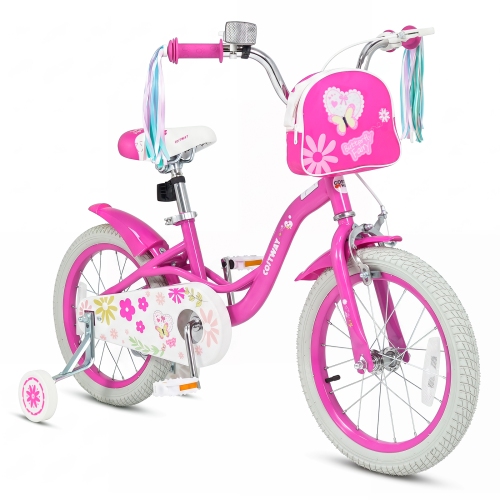
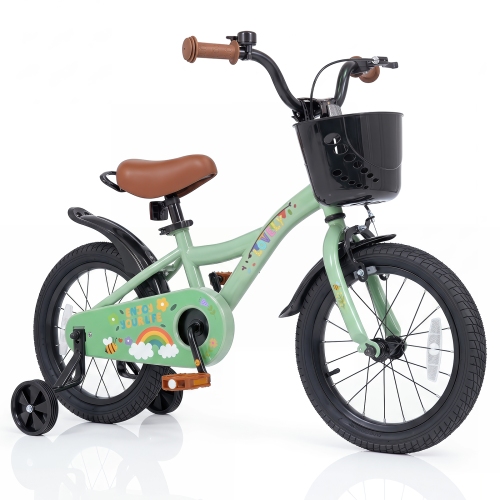
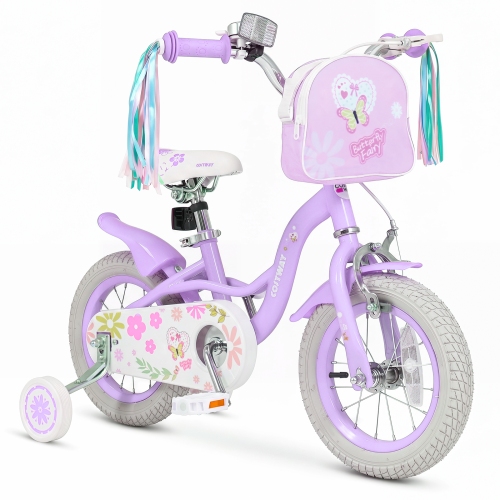
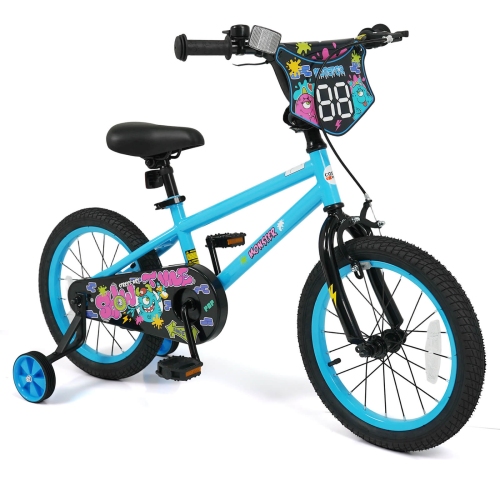
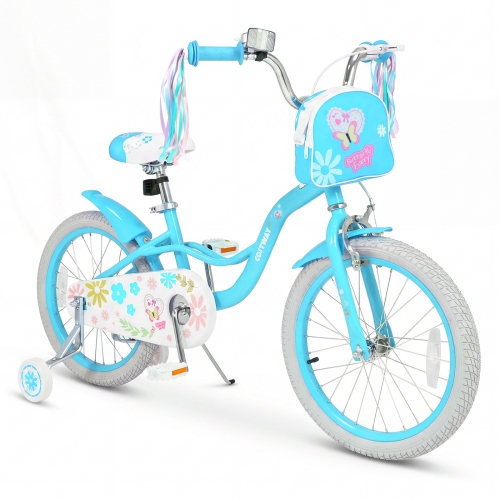
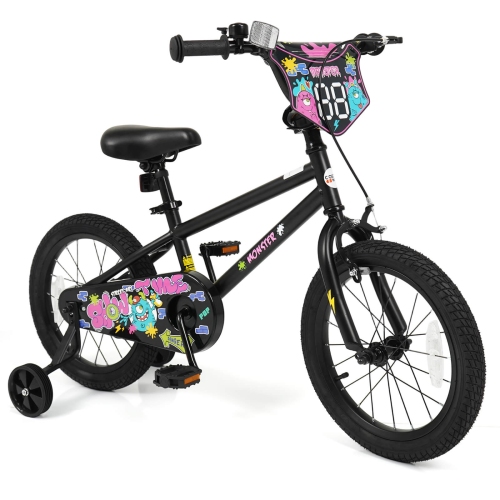
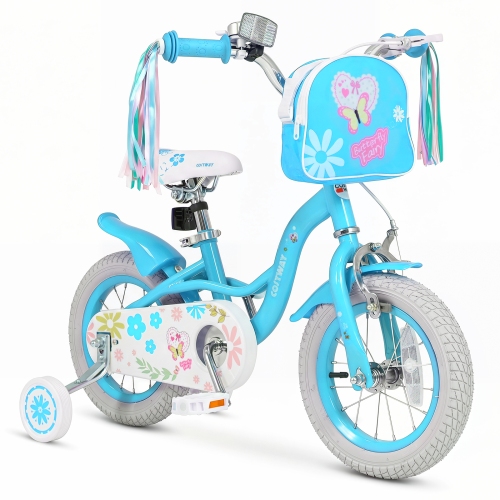
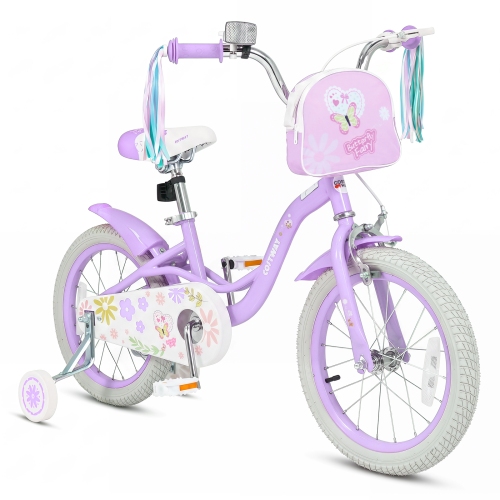
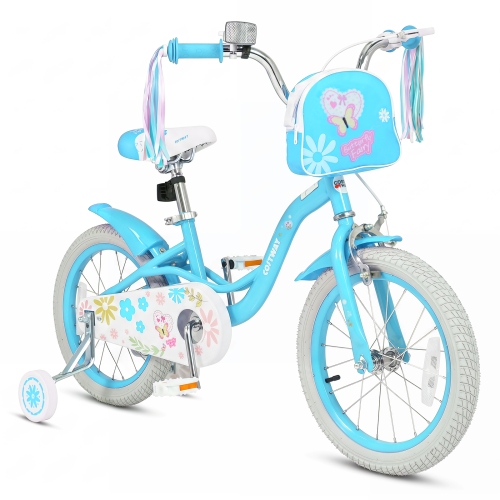
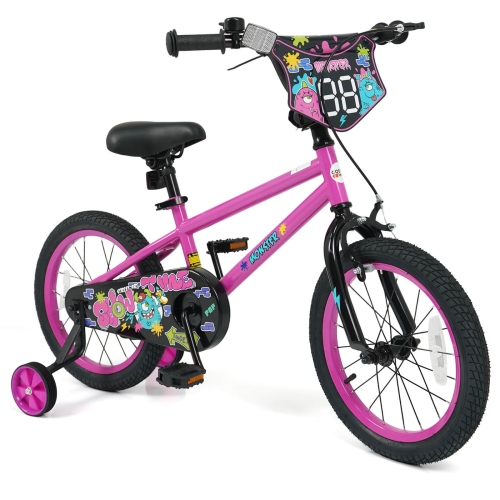
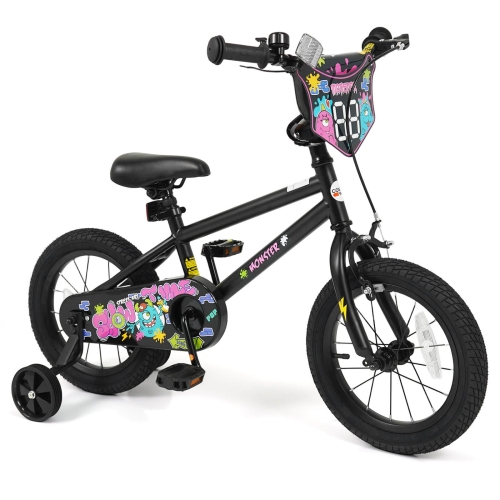


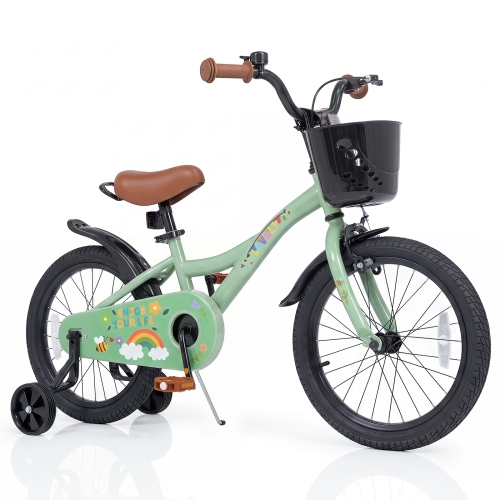

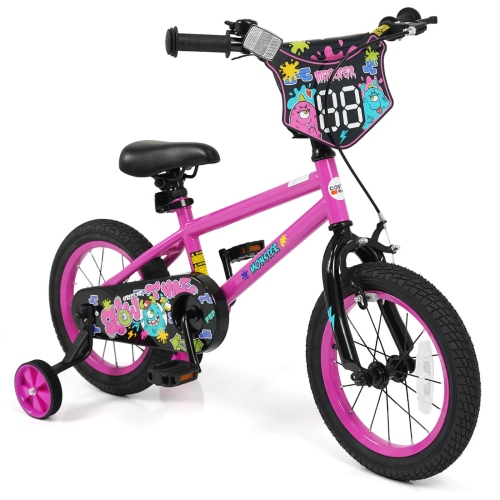
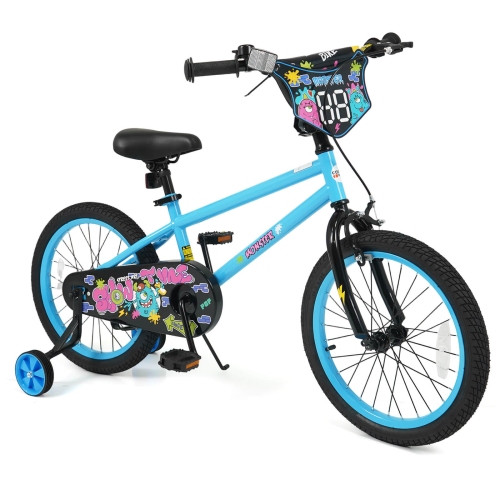
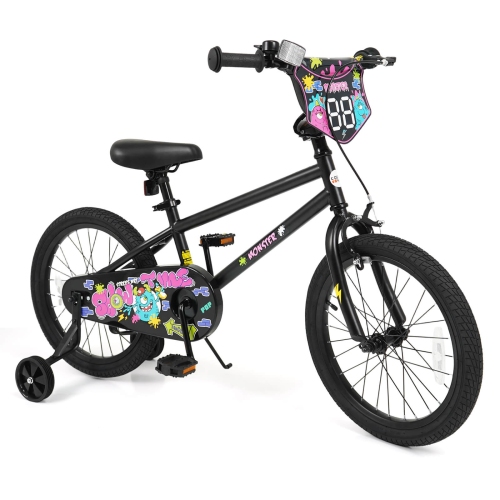
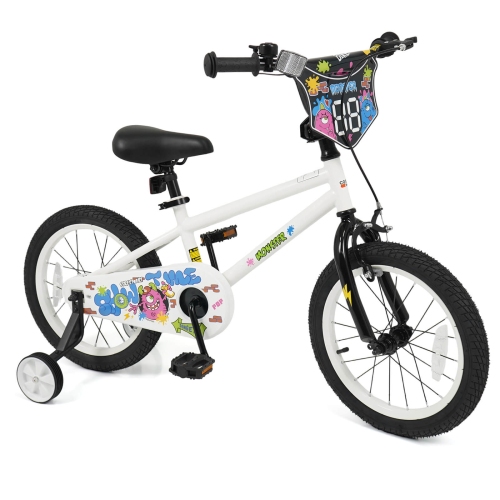
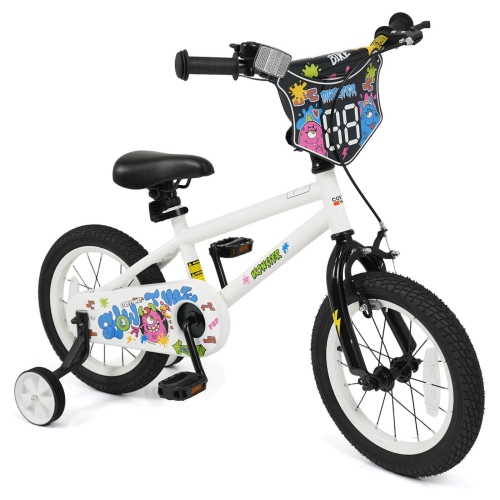

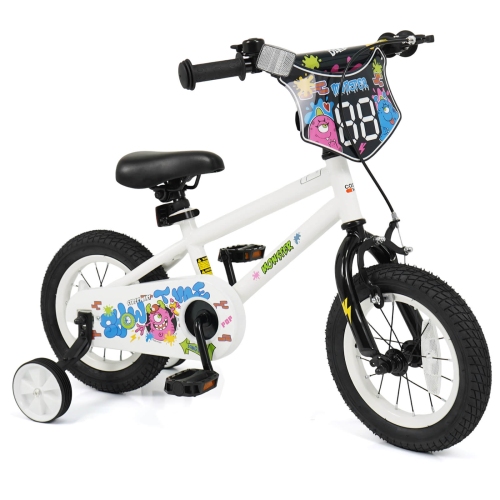
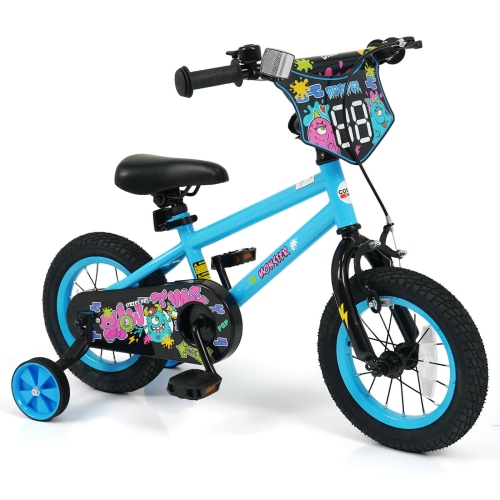
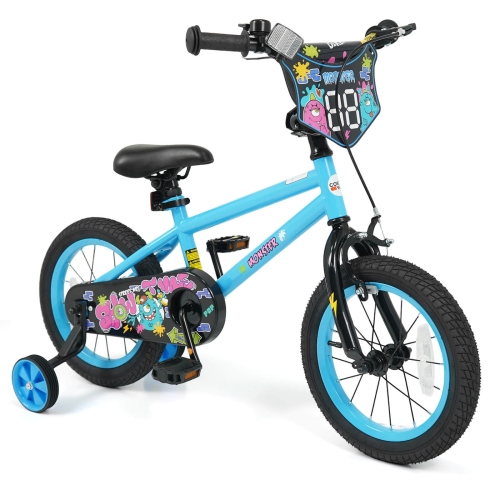
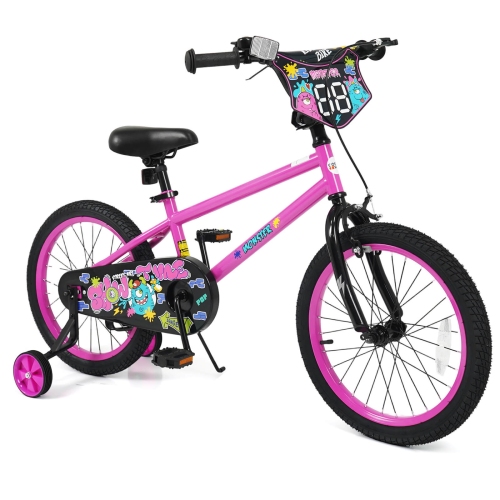
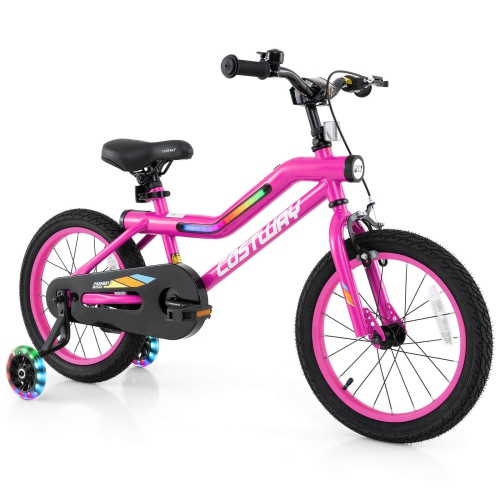


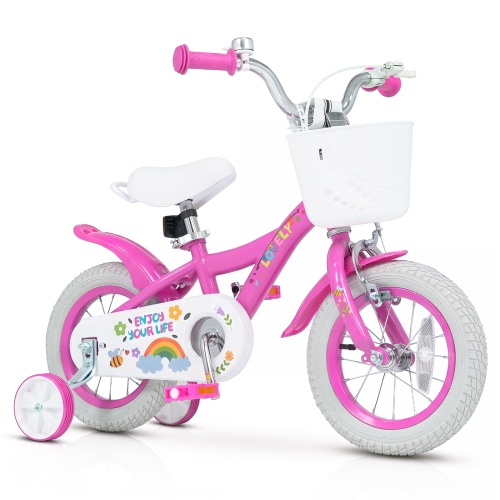
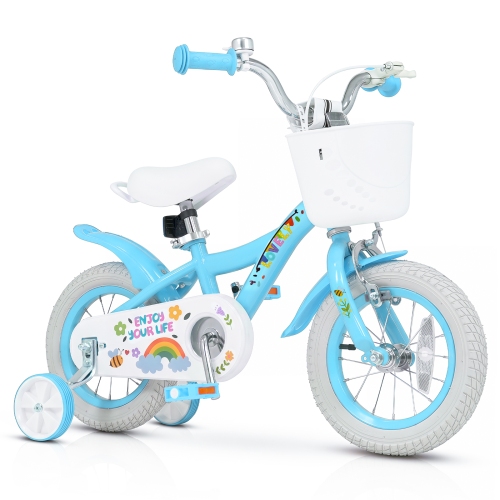
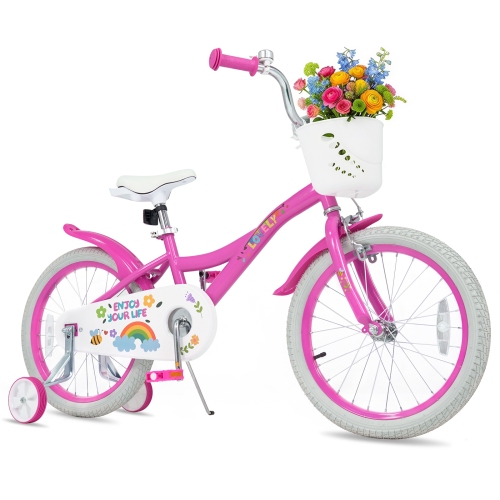
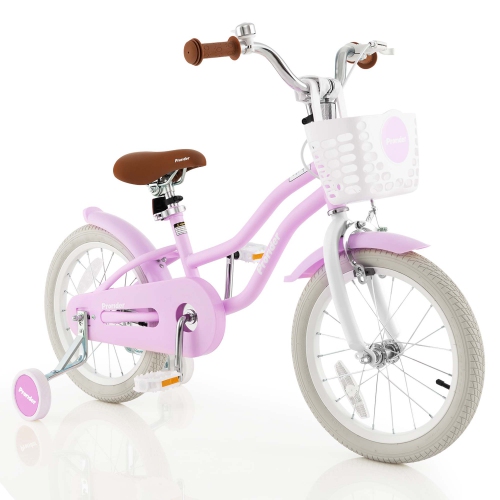

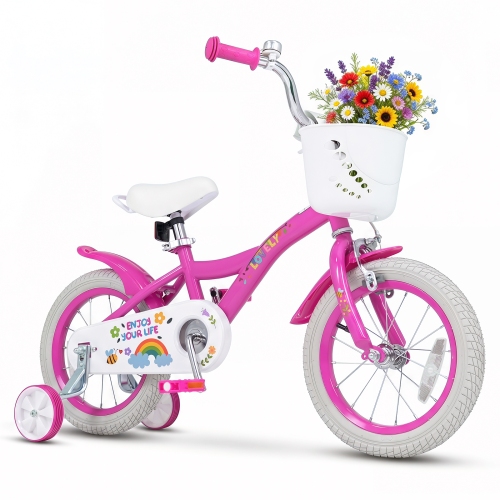

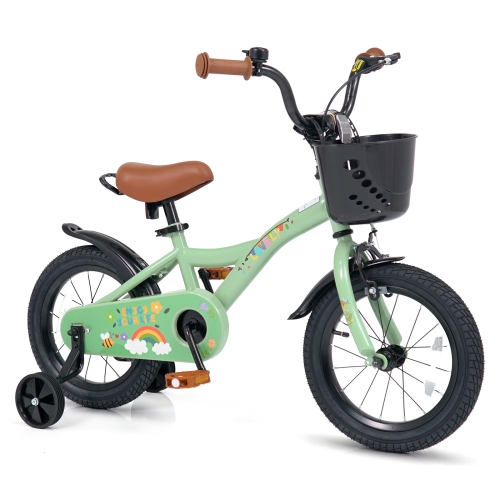
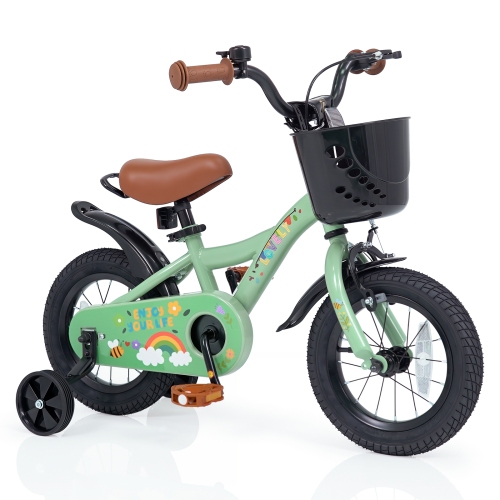
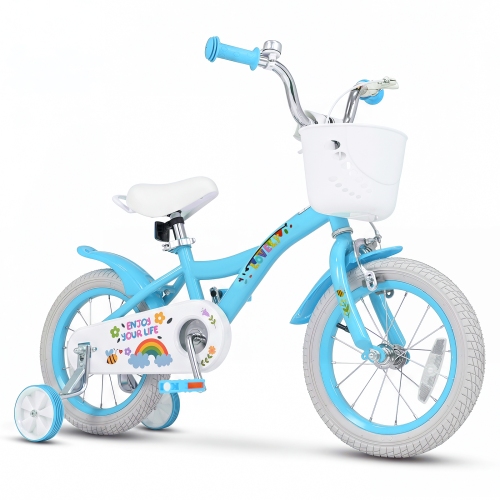
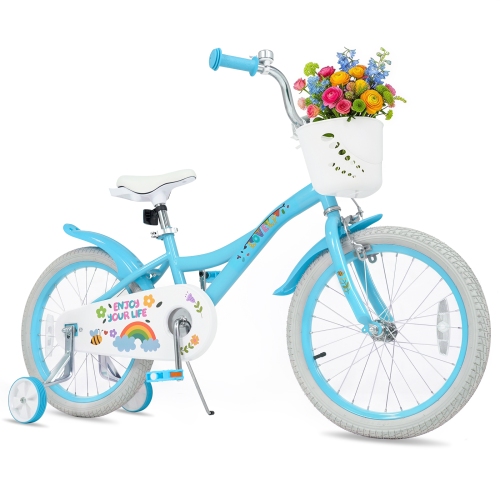


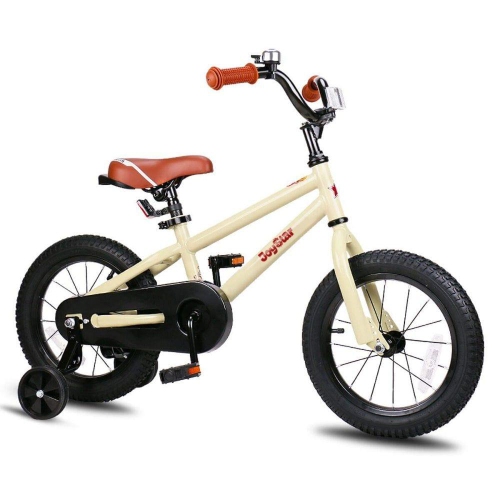
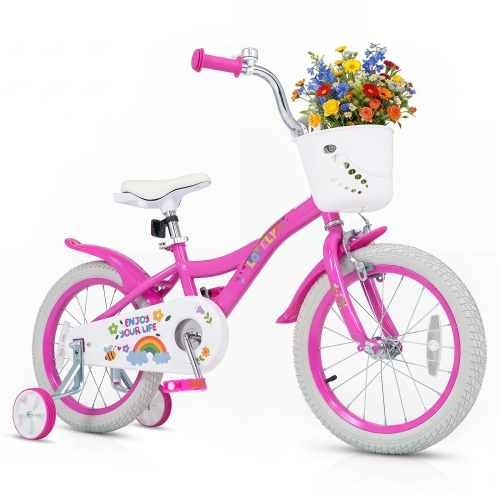
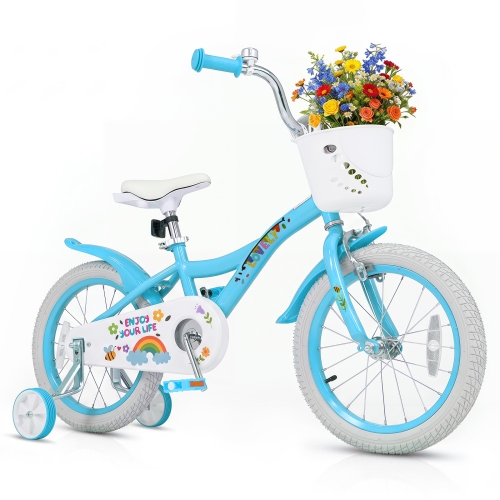


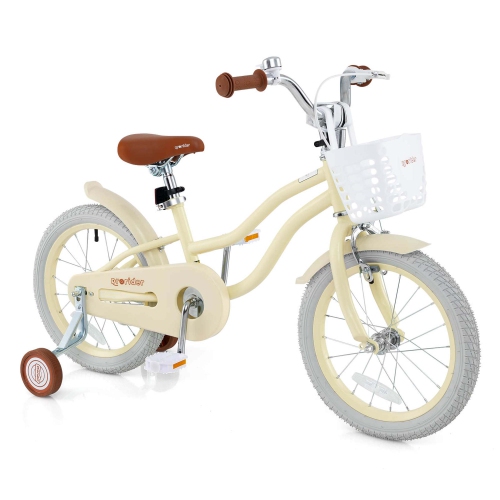
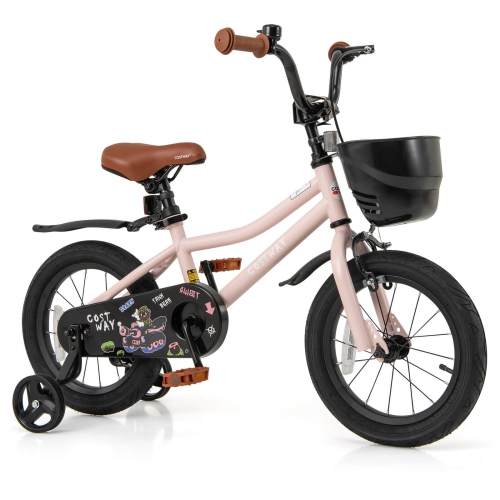

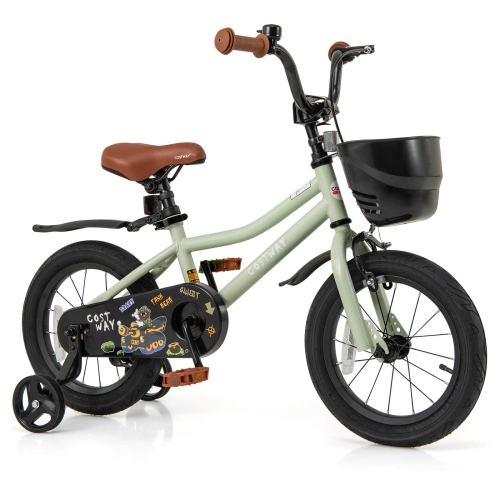
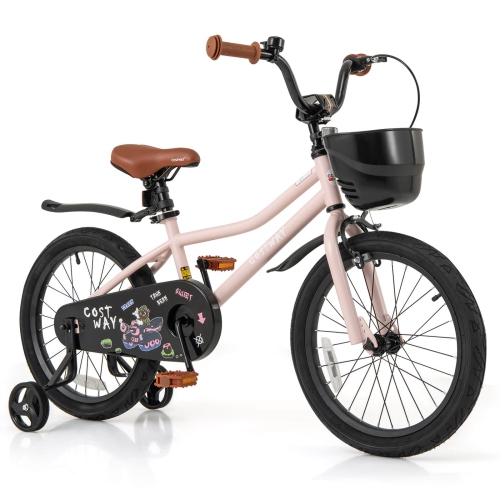
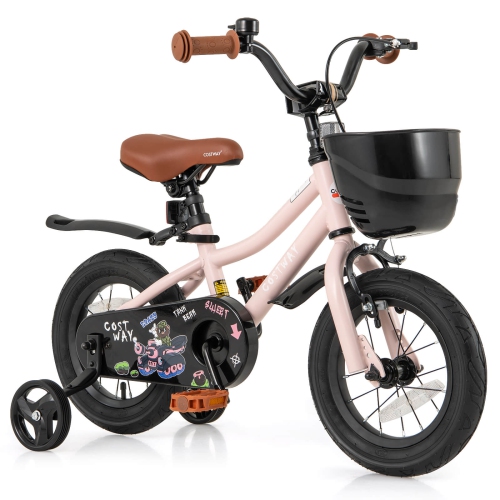
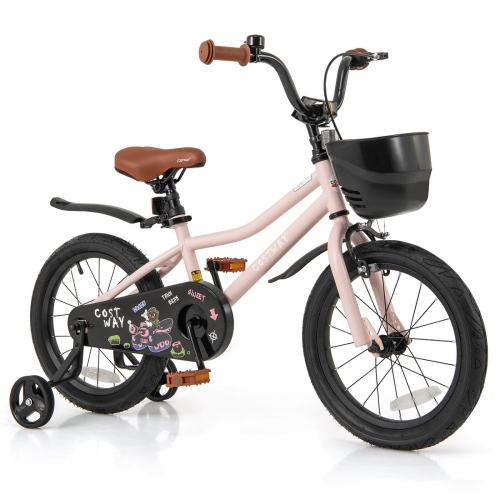
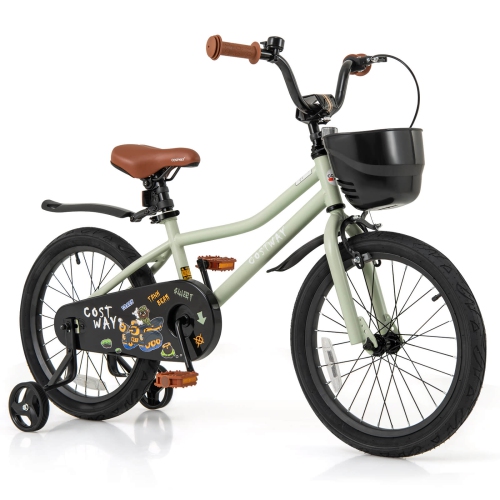
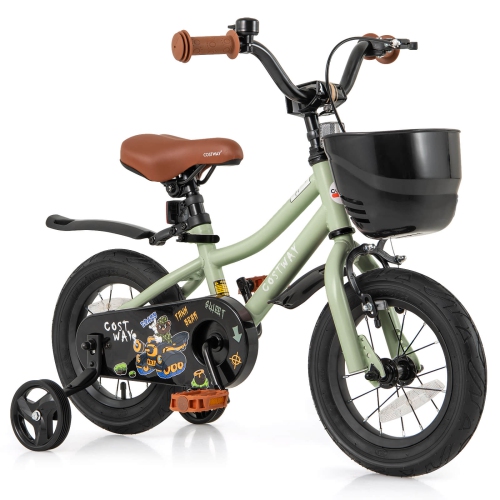
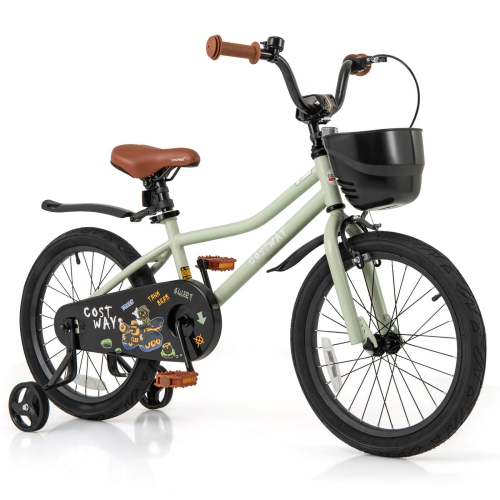
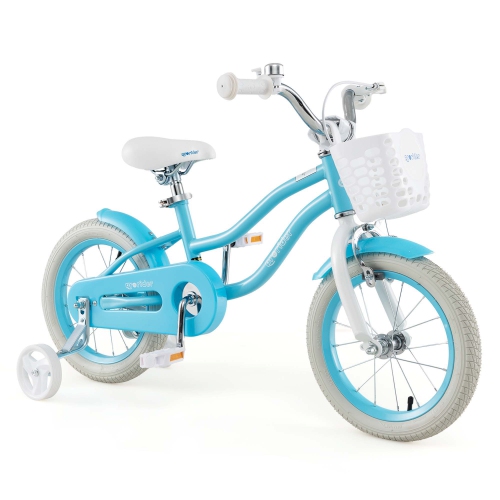

Sizing guidance for young riders and compact adult frames
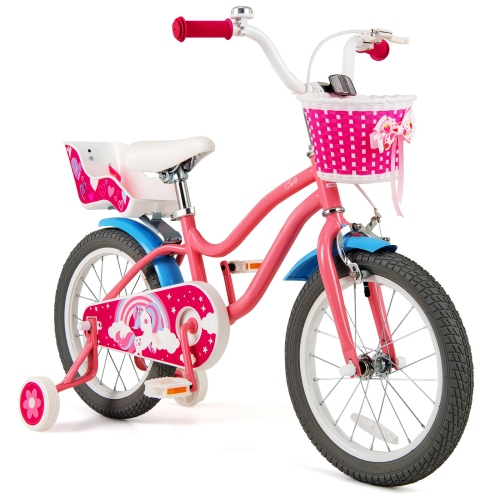
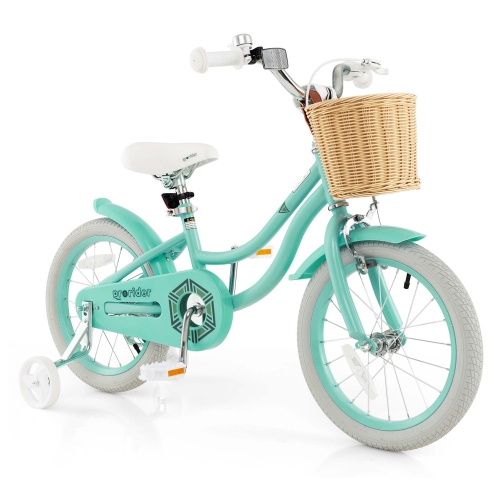
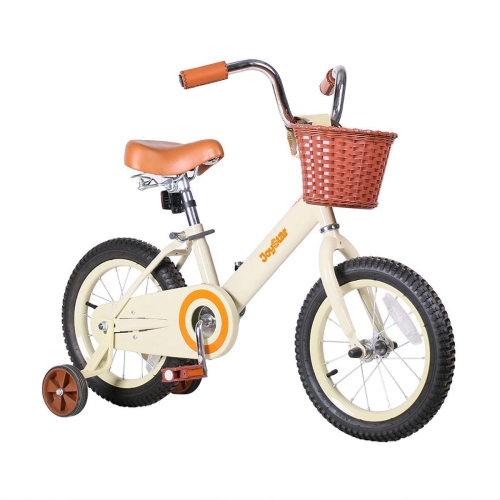
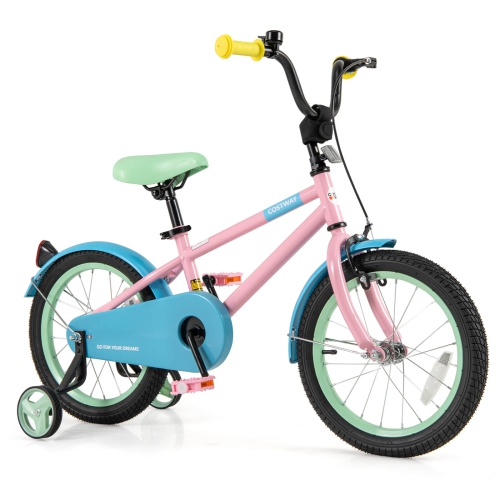
When shopping for 16 inch frame bikes, start by confirming what the 16-inch measurement describes. In children’s bicycles, “16 inch” commonly refers to the wheel size rather than the frame, and these bikes are generally designed for young riders who are learning to balance, pedal, steer, and brake independently. A typical fit may suit a child around 4 to 6 years old, often measuring approximately 38 to 48 inches tall, although height, inseam length, coordination, and riding experience are more useful than age alone. In adult and youth bicycle sizing, a 16-inch measurement may instead describe the frame size, usually intended for shorter riders or anyone who prefers a compact, easy-to-manage riding position. A 15 to 16-inch adult frame, sometimes labelled small or expressed as roughly 38 to 40 centimetres depending on the manufacturer’s sizing system, may suit riders around 160 to 165 centimetres tall, but frame geometry varies considerably. Before choosing a bike, compare the listed stand-over height, reach, seat-height range, and recommended rider height rather than relying on the number alone. A rider should be able to stand comfortably over the top tube with a little clearance, place the balls of their feet securely on the ground when stopped, and reach the handlebars without stretching or rounding their back excessively. For a child, a proper fit can turn a hesitant first ride into a confident loop around the driveway; for an adult, the right compact frame can make steering feel more natural on paths, streets, and shared trails.
The frame material and overall weight are especially important for younger riders and shorter cyclists. A lighter frame is easier to lift over a doorstep, guide through a narrow hallway, or steady when starting from a stop, while a sturdy frame can provide reassuring support for everyday use. Steel frames are often valued for their solid feel and durability, while aluminium frames can help reduce overall weight and make the bike more manageable for smaller riders. Look closely at the wheel and tyre design as well. Wider tyres can add stability on pavement, packed paths, and lightly uneven surfaces, while a moderate tread can provide useful grip without making the bike feel sluggish. Training wheels may help some beginners develop confidence, but they are not a substitute for learning balance, and many young riders progress more smoothly with an appropriately sized bike, a low seat, and patient practice. Hand brakes should be sized for the rider’s hands and positioned so the levers are easy to reach; a simple braking system can be less intimidating than controls that require too much strength. Some children’s bikes use a coaster brake, activated by pressing the pedals backwards, while others rely on hand-operated brakes. For adult or older-youth bikes, consider the number of gears, shifter placement, and the type of terrain the rider expects to cover. A single-speed setup keeps operation straightforward and can work well for flat neighbourhood rides, whereas multiple gears may be helpful on routes with hills or changing surfaces. Also check the handlebar shape, saddle padding, pedal size, chain guard, reflectors, and included accessories. Features such as a bell, kickstand, mudguards, or a basket can make short rides more convenient, but the best combination depends on whether the bike will be used for school trips, family outings, fitness, errands, or relaxed recreation.
Sixteen-inch children’s bikes can be thoughtful gifts for a child who is ready to move beyond a balance bike or a smaller first bicycle, particularly when the recipient’s height and inseam have been checked ahead of time. They can also be useful for family riding, where a properly sized bike lets a young rider keep pace on quiet paths instead of struggling with a frame that is too large. If the intended recipient is still growing, avoid choosing a much larger bike simply to extend its usable life; an oversized frame may feel heavy and difficult to control, especially when turning, stopping, or starting on a slight incline. Riders shopping for an adult 16-inch frame should think about posture and intended use in equal measure. A compact frame may be a good match for a shorter rider, but the correct fit can differ between a hybrid, mountain, road, or comfort design. Measure inseam length while wearing the shoes normally used for riding, then compare that measurement with the manufacturer’s chart. It is also worth considering storage and transport, since a lighter bike with a manageable wheelbase is easier to carry upstairs, load onto a vehicle, or secure in a shared storage area. During the cooler months, riding may shift to shorter local outings or indoor storage, so inspect tyre pressure, brake response, chain movement, and fastening points before each ride and keep the bike protected from prolonged moisture. Younger children may eventually outgrow their 16-inch wheels and move to a larger size; families comparing smaller options can also explore 12 Inch Bikes for riders who need a more compact starting point. Whether the bike is chosen for a child’s first independent rides or an adult seeking a small-frame fit, comfort, control, and confidence should guide the final selection.
Top selling and popular products
-
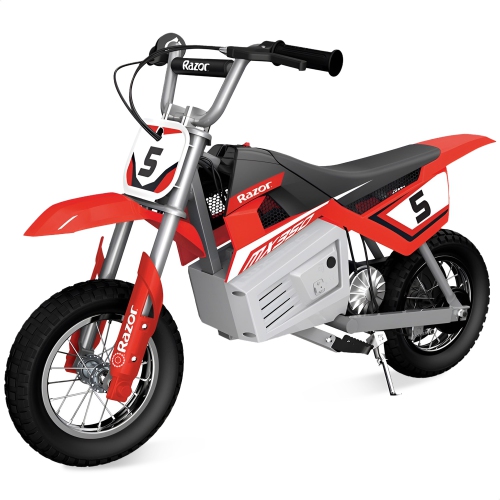 Your price for this item is $611.99
-
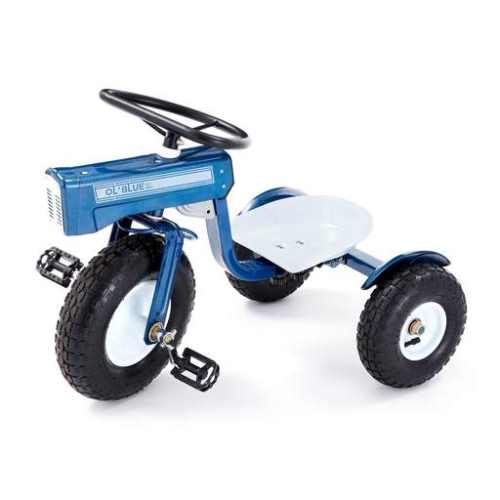 Your price for this item is $280.99
-
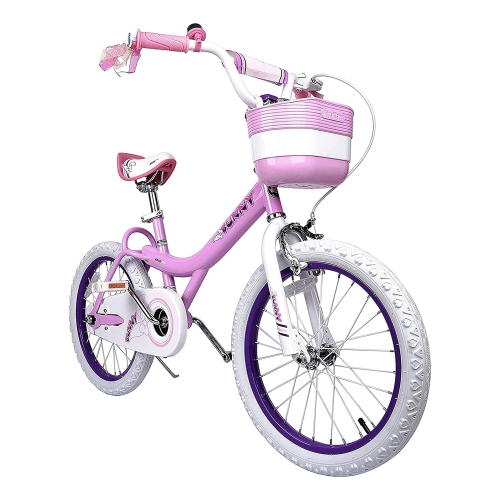 Your price for this item is $319.99
-
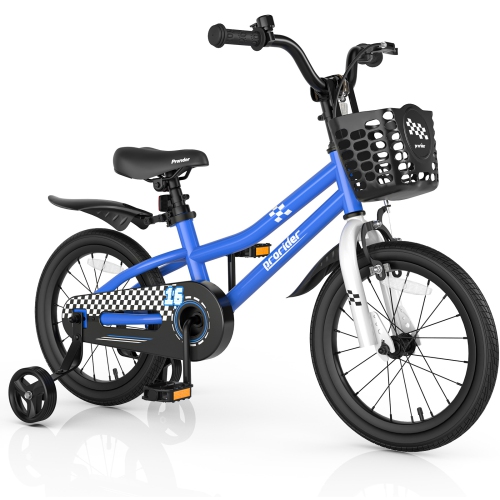 Your price for this item is $128.99
-
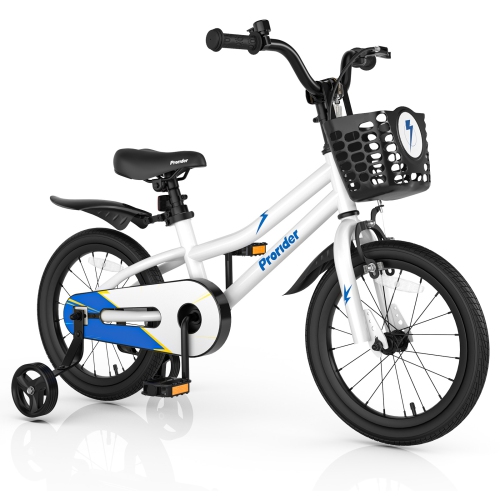 Your price for this item is $118.99
-
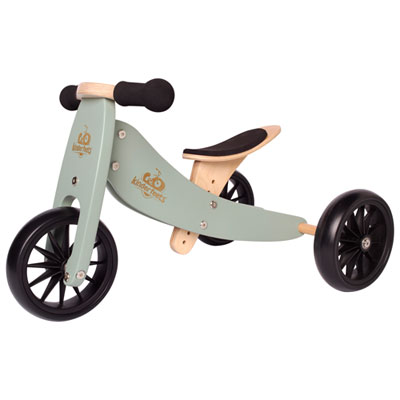 Your price for this item is $134.99
-
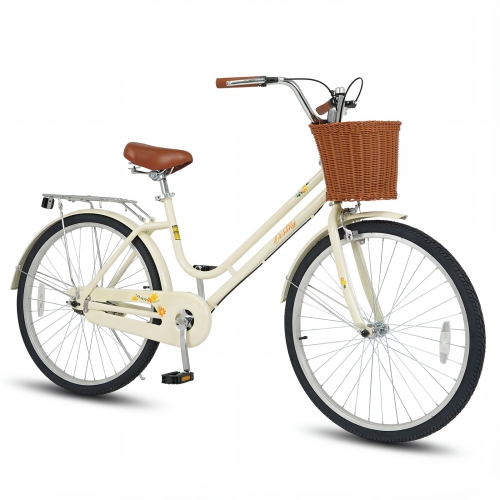 Your price for this item is $279.99
-
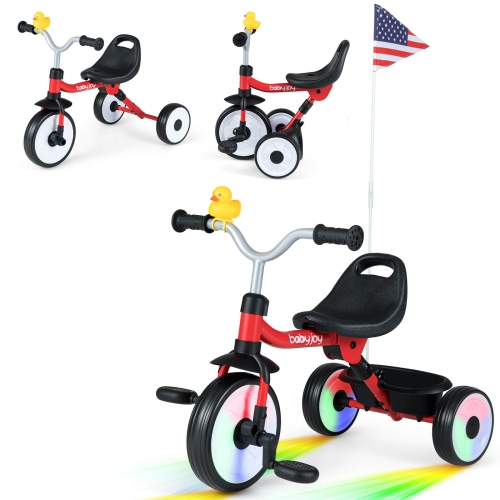 Your price for this item is $75.99
Discover more categories related to 16 Inch Frame Bikes

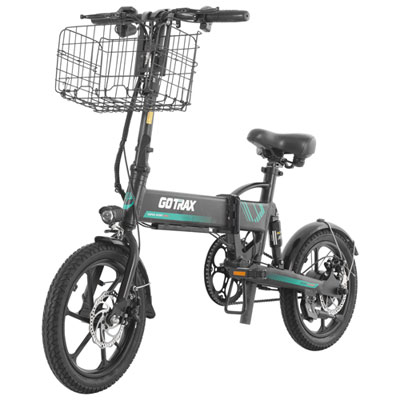
Top Collections:
Pokemon Centers, Best Cameras for Sports Photography, Kindle Devices, Samsung Galaxy Phones, Canon G7X Cameras, Pokémon 30th Celebration Cards, Refurbished Apple Laptops, iPhone 15 Apple, Laptops for Students, Budget Smartphones
Some products may be subject to Environmental Handling Fees
(EHF) depending on your province.
Learn more about EHFs.