24v To 12v Converters
Looking to convert your 24V power supply to 12V? 24v to 12v converters are here to meet almost all your power conversion needs. Whether you're looking to power up your car accessories, marine equipment, or almost any other electronic devices that require a lower voltage, these converters are designed to get the job done efficiently and reliably. With a range of options available, you can find the perfect converter to suit your specific requirements.
Sort
![GENERIC [Upgraded Version] 1 to 2 Car Cigarette Lighter Splitter Adapter Power Charger Port, 12V 24V Plug Socket 2-Way](https://multimedia.bbycastatic.ca/multimedia/products/500x500/166/16603/16603304.jpeg)
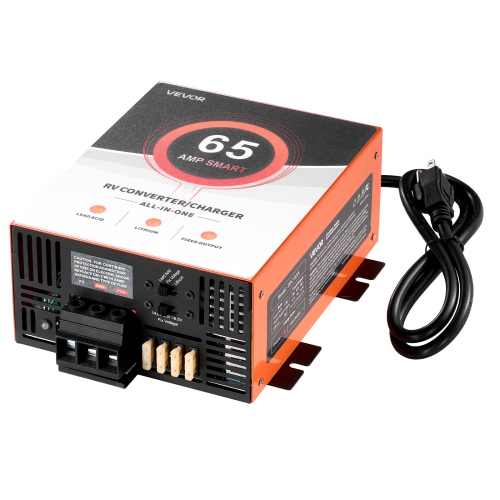
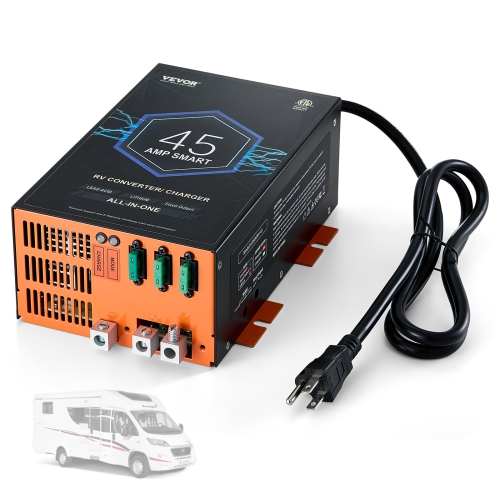
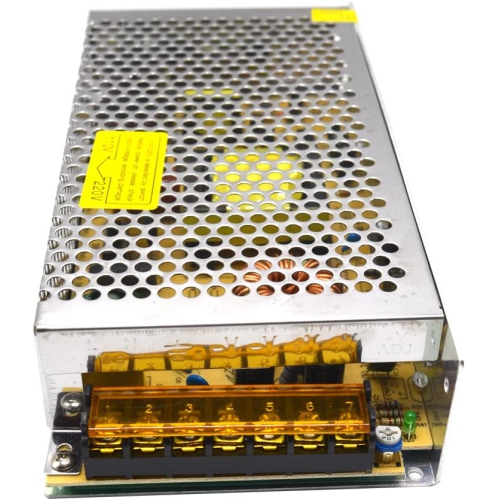
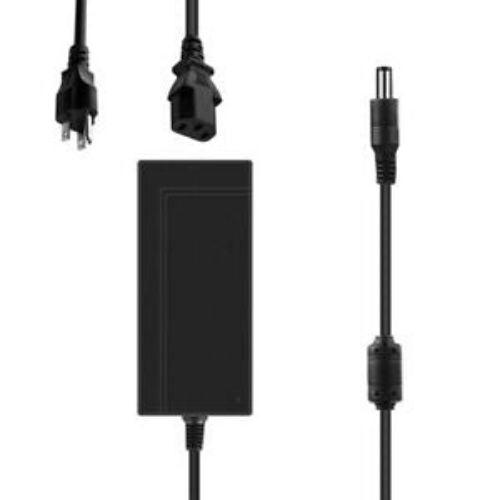
How 12-volt accessories work with 24-volt power systems
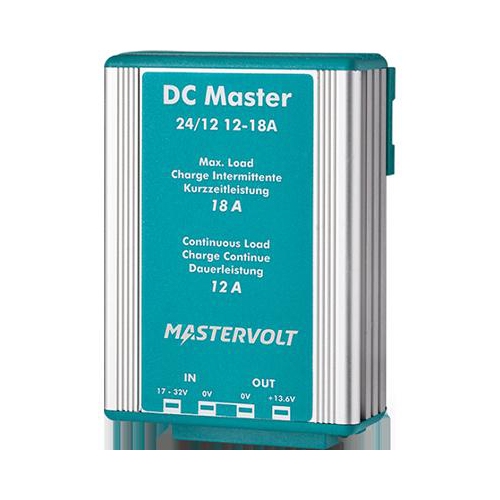
A 24V to 12V converter is a DC-to-DC power device that reduces a nominal 24-volt direct-current supply to an output suitable for compatible 12-volt equipment. It allows accessories such as lighting, radios, fans, and navigation displays to operate from a higher-voltage electrical system without receiving the full supply voltage. These converters are useful in commercial vehicles, buses, converted campers, boats, and stationary battery-powered installations where the main system runs at 24 volts but some accessories require 12 volts. Unlike an inverter, which changes DC power into AC power, a step-down DC converter keeps the power in DC form while changing its voltage. That distinction matters when matching an accessory to its power source: a device designed for a household outlet has different requirements from one designed for a vehicle’s low-voltage wiring. Within the broader range of DC to DC Converters, 24V to 12V converters serve the specific need for lower-voltage power from a higher-voltage DC supply. A typical application might involve a bus with a 24-volt starting system and a separate group of 12-volt cabin lights, or a work vehicle fitted with compatible communications equipment. The converter supplies those lower-voltage loads through a properly designed circuit, rather than connecting them directly to the 24-volt source. It also avoids the uneven battery loading that can result from drawing power from just one battery in a series-connected pair. For vehicle owners, fleet technicians, marine installers, and experienced hobbyists, the appeal is straightforward: equipment with different voltage requirements can share a main power source when the converter, wiring, and protective components are correctly matched. The same principle applies to a stationary installation with a 24-volt battery bank and modest 12-volt accessory needs. A converter does not increase the energy stored in the batteries, and its conversion losses still contribute to overall power consumption, but it provides a practical way to supply the voltage a connected device requires.
Electrical compatibility involves more than a 24V input and a 12V output printed on a housing. A nominal 24-volt battery system can operate above or below that voltage as batteries charge and discharge, so a converter’s specified input range needs to cover the actual supply conditions. Vehicle installations may also require protection against electrical transients, which is not guaranteed by a wide input range alone. On the output side, the regulated voltage, continuous current rating, and permitted load type determine which accessories a converter can support. For example, a 12-volt load drawing 5 amps uses approximately 60 watts, while several accessories operating together create a combined demand. A fan starting up can draw more current than it uses once running, making startup capability relevant alongside the continuous rating. Useful capacity leaves suitable room for these demands within the manufacturer’s specifications; a peak rating is not a substitute for continuous output capacity. Temperature can affect those ratings, particularly inside a crowded equipment compartment or behind a dashboard with limited airflow. For radios and other sensitive electronics, output ripple and electromagnetic interference specifications may also matter, since unwanted electrical noise can affect operation even when the stated voltage is correct. Isolated and non-isolated converters offer another important distinction. An isolated design separates the input and output electrically, while a non-isolated design typically shares a common connection between them. The appropriate choice depends on the grounding arrangement and the requirements of the connected equipment, rather than one design being universally better. Built-in overcurrent, short-circuit, overtemperature, and reverse-polarity protection can add safeguards, but the protections included vary by design and do not replace correctly sized wiring or circuit protection. A general-purpose voltage converter is also not automatically a battery charger. Charging a separate 12-volt battery requires equipment with a charging profile suited to that battery’s chemistry and the overall electrical system. These differences make technical specifications more useful than appearance alone when comparing converters for an intended application.
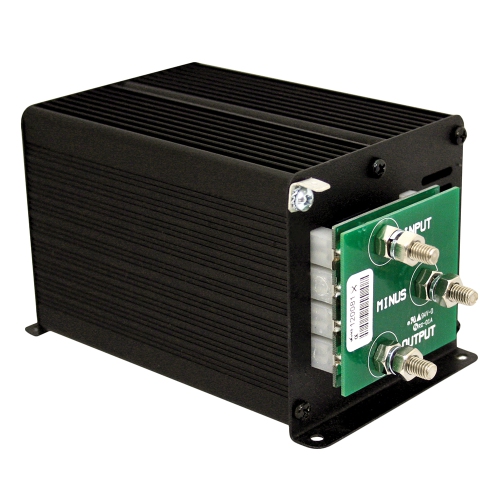
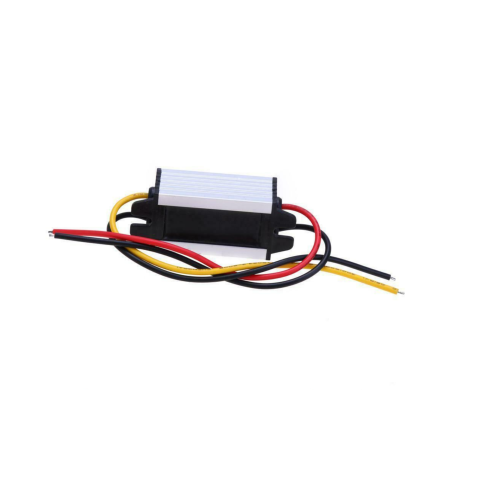
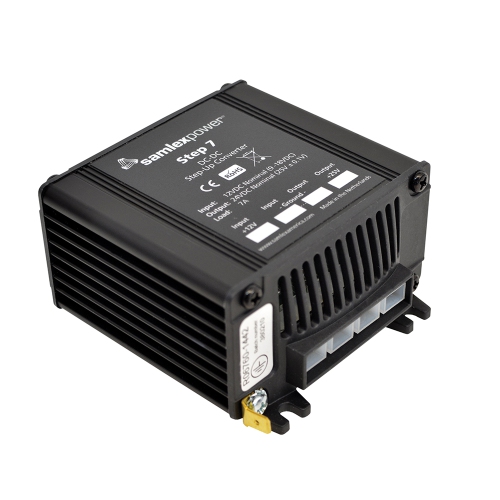
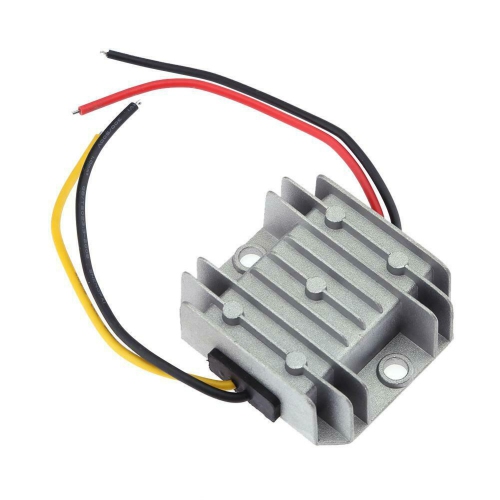
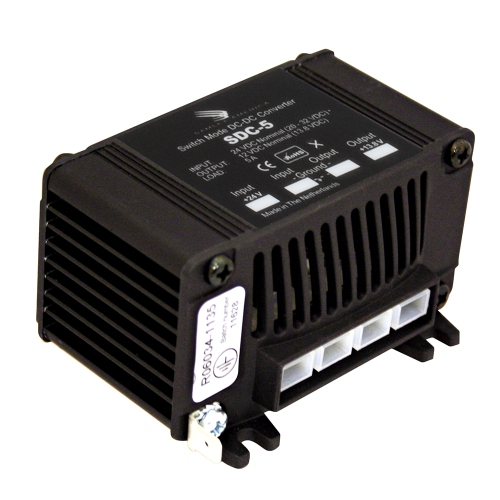
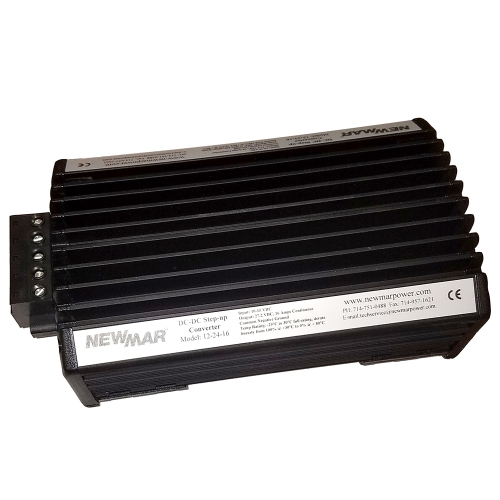
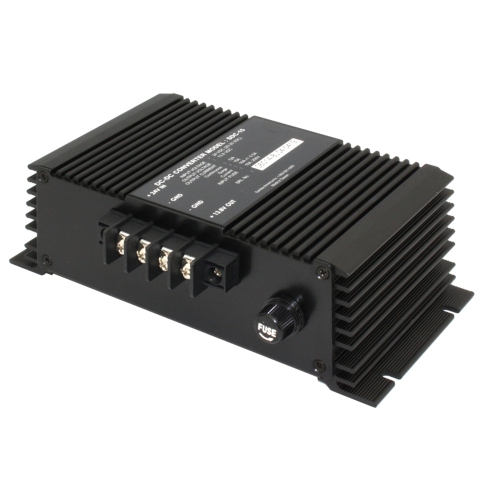
Physical construction shapes how a 24V to 12V converter fits into an installation and holds up over time. Aluminium housings often help transfer heat away from internal components, and finned surfaces provide additional area for heat dissipation. Compact enclosed designs can suit tight spaces, although a small housing still needs the clearance and mounting conditions specified by its manufacturer. Potted circuitry, sealed cable exits, and appropriate ingress-protection ratings may be relevant where dust, splashes, or vibration are expected. A sealed appearance alone does not establish suitability for outdoor exposure, submersion, or marine use; those applications call for explicit ratings and any required approvals. On a boat, resistance to moisture and corrosion matters alongside proper circuit design, while a commercial vehicle places emphasis on secure mounting and wiring that will not rub against sharp metal edges. Under a camper seat, the practical concerns may be airflow, access to connections, and keeping loose gear away from the wiring. Mounting holes, cable lead length, terminal style, and overall dimensions all affect fit, especially when the converter sits beside fuse blocks or other electrical equipment. Connection covers, strain relief, and clearly identified polarity help support a tidy installation, but wire size, cable length, fusing, and grounding still need to match the circuit. Low voltage does not mean low risk: a battery can deliver enough current to overheat an inadequately protected cable. Professional installation is appropriate where vehicle wiring, marine requirements, or unfamiliar electrical systems are involved. Routine care generally centres on keeping the unit securely mounted, maintaining clear ventilation, and checking accessible wiring for abrasion, looseness, or corrosion with the power safely isolated. Cleaning methods should follow the manufacturer’s directions, particularly around terminals and seals. During the cooler months, the rated operating-temperature range and resistance to condensation can be relevant for equipment kept in unheated spaces. For a working vehicle, a weekend camper, or a fixed battery installation, lasting usefulness comes from matching electrical capacity with a housing and mounting arrangement suited to daily use. The right fit supports dependable accessory power without treating the converter as an afterthought in the larger system.
Electrical compatibility involves more than a 24V input and a 12V output printed on a housing. A nominal 24-volt battery system can operate above or below that voltage as batteries charge and discharge, so a converter’s specified input range needs to cover the actual supply conditions. Vehicle installations may also require protection against electrical transients, which is not guaranteed by a wide input range alone. On the output side, the regulated voltage, continuous current rating, and permitted load type determine which accessories a converter can support. For example, a 12-volt load drawing 5 amps uses approximately 60 watts, while several accessories operating together create a combined demand. A fan starting up can draw more current than it uses once running, making startup capability relevant alongside the continuous rating. Useful capacity leaves suitable room for these demands within the manufacturer’s specifications; a peak rating is not a substitute for continuous output capacity. Temperature can affect those ratings, particularly inside a crowded equipment compartment or behind a dashboard with limited airflow. For radios and other sensitive electronics, output ripple and electromagnetic interference specifications may also matter, since unwanted electrical noise can affect operation even when the stated voltage is correct. Isolated and non-isolated converters offer another important distinction. An isolated design separates the input and output electrically, while a non-isolated design typically shares a common connection between them. The appropriate choice depends on the grounding arrangement and the requirements of the connected equipment, rather than one design being universally better. Built-in overcurrent, short-circuit, overtemperature, and reverse-polarity protection can add safeguards, but the protections included vary by design and do not replace correctly sized wiring or circuit protection. A general-purpose voltage converter is also not automatically a battery charger. Charging a separate 12-volt battery requires equipment with a charging profile suited to that battery’s chemistry and the overall electrical system. These differences make technical specifications more useful than appearance alone when comparing converters for an intended application.
Physical construction shapes how a 24V to 12V converter fits into an installation and holds up over time. Aluminium housings often help transfer heat away from internal components, and finned surfaces provide additional area for heat dissipation. Compact enclosed designs can suit tight spaces, although a small housing still needs the clearance and mounting conditions specified by its manufacturer. Potted circuitry, sealed cable exits, and appropriate ingress-protection ratings may be relevant where dust, splashes, or vibration are expected. A sealed appearance alone does not establish suitability for outdoor exposure, submersion, or marine use; those applications call for explicit ratings and any required approvals. On a boat, resistance to moisture and corrosion matters alongside proper circuit design, while a commercial vehicle places emphasis on secure mounting and wiring that will not rub against sharp metal edges. Under a camper seat, the practical concerns may be airflow, access to connections, and keeping loose gear away from the wiring. Mounting holes, cable lead length, terminal style, and overall dimensions all affect fit, especially when the converter sits beside fuse blocks or other electrical equipment. Connection covers, strain relief, and clearly identified polarity help support a tidy installation, but wire size, cable length, fusing, and grounding still need to match the circuit. Low voltage does not mean low risk: a battery can deliver enough current to overheat an inadequately protected cable. Professional installation is appropriate where vehicle wiring, marine requirements, or unfamiliar electrical systems are involved. Routine care generally centres on keeping the unit securely mounted, maintaining clear ventilation, and checking accessible wiring for abrasion, looseness, or corrosion with the power safely isolated. Cleaning methods should follow the manufacturer’s directions, particularly around terminals and seals. During the cooler months, the rated operating-temperature range and resistance to condensation can be relevant for equipment kept in unheated spaces. For a working vehicle, a weekend camper, or a fixed battery installation, lasting usefulness comes from matching electrical capacity with a housing and mounting arrangement suited to daily use. The right fit supports dependable accessory power without treating the converter as an afterthought in the larger system.
Top selling and popular products
-
 Your price for this item is $89.55
 -
 Your price for this item is $407.55
 -
 Your price for this item is $61
 -
 Your price for this item is $31.99
 -
 Your price for this item is $52.99
 -
 Your price for this item is $79.99
 -
 Your price for this item is $29.95
 -
 Your price for this item is $142.94
Discover more categories related to 24v To 12v Converters

Top Collections:
Pokemon Centers, Kindle Devices, Best Budget Office Chairs, Apple iPhones 16, Best Laptops for Writers, iPhone 15 Apple, Canon G7X Cameras, Refurbished Apple Laptops, Alarm Clock, Motorola Razr Phones
Some products may be subject to Environmental Handling Fees
(EHF) depending on your province.
Learn more about EHFs.