DC To DC Converters
Looking to power up your devices on the go? Look no further than our collection of DC-to-DC converters. These compact and efficient devices allow you to convert the voltage from your vehicle's battery to match the requirements of your electronics. With their reliable performance and easy-to-use features, these converters are a must-have for anyone who needs a reliable power source while on the move.
Sort
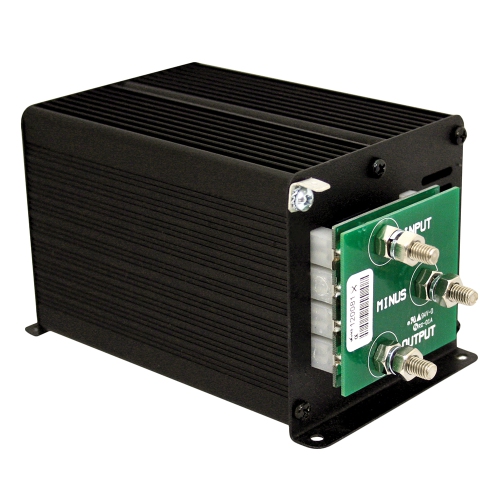
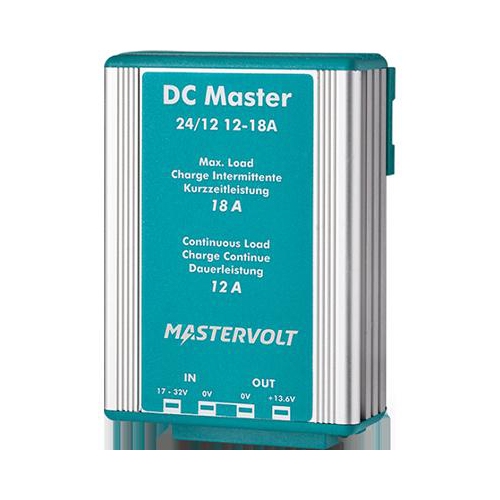
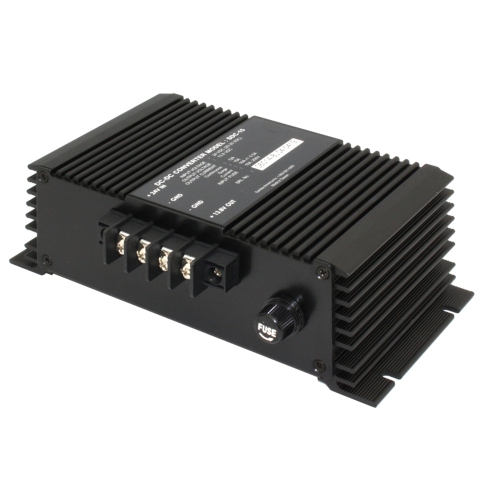
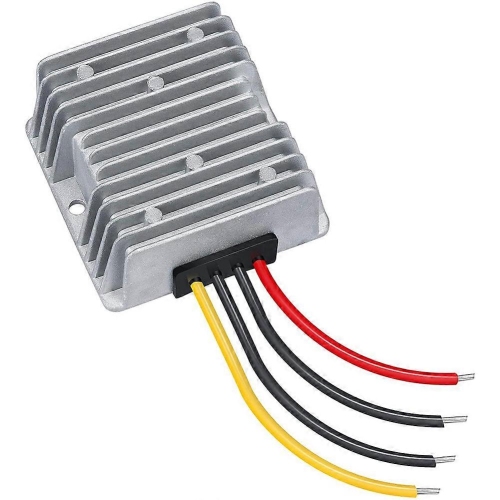
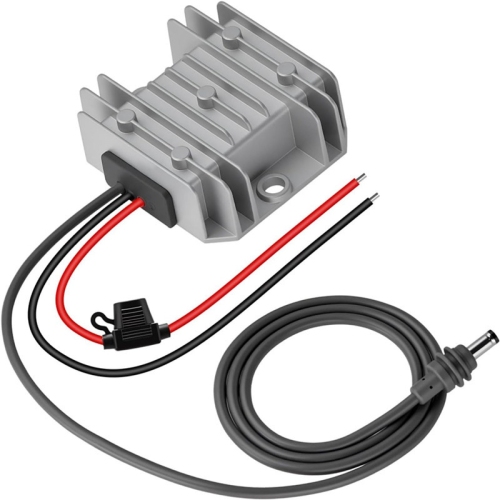
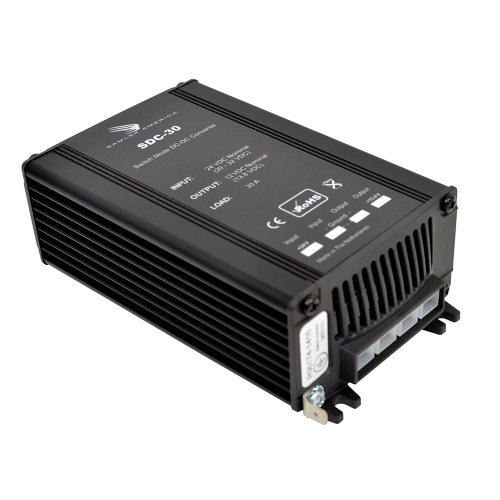
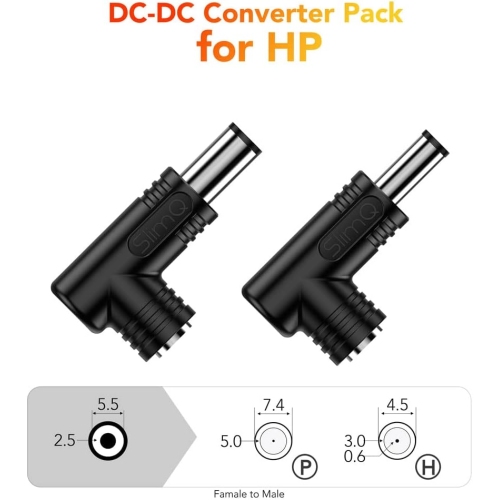
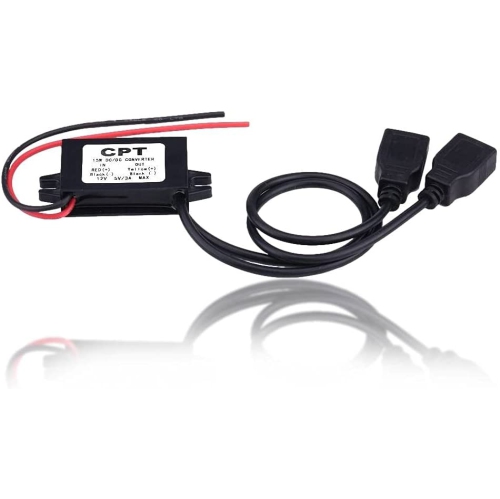
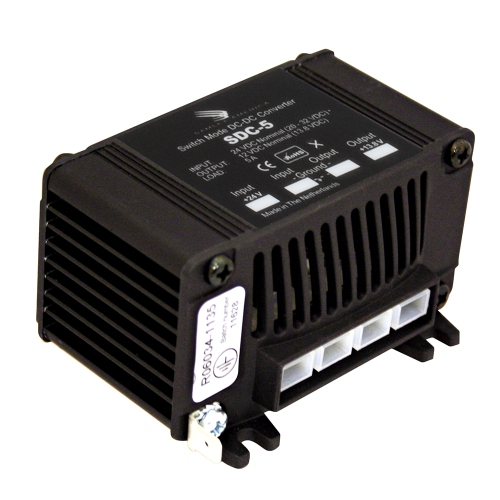
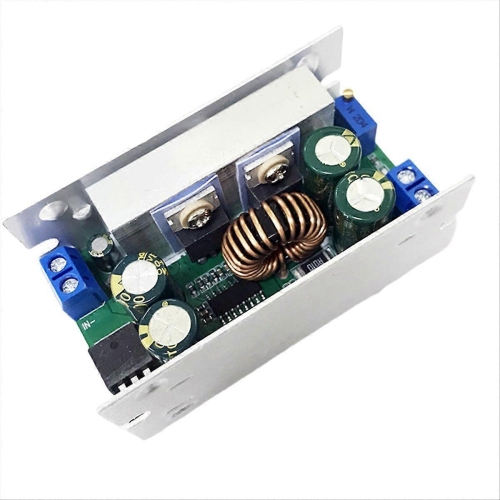
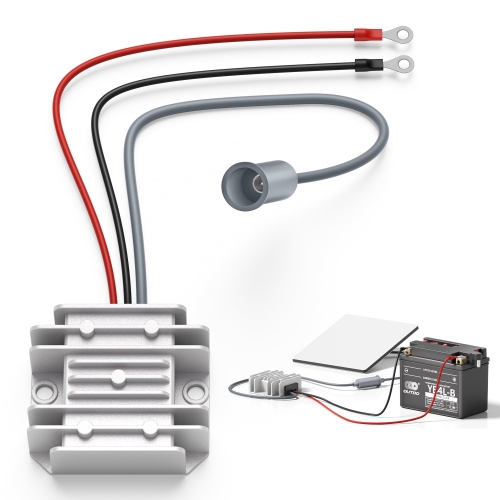
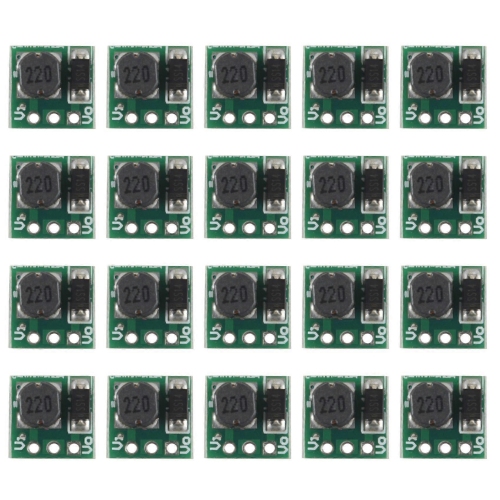
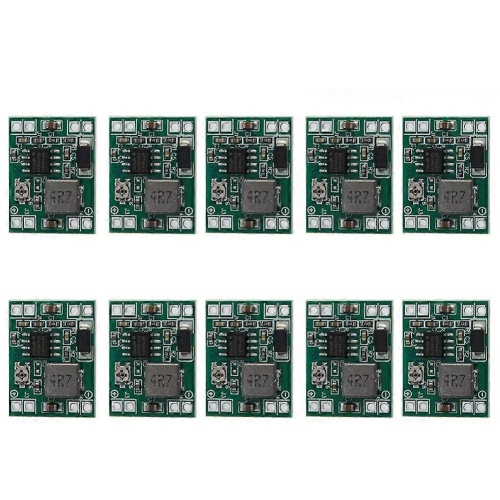
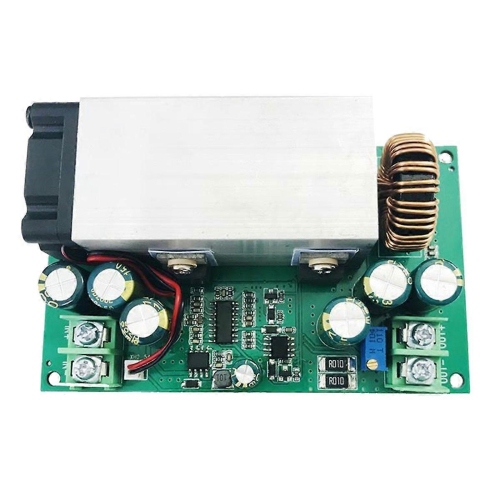
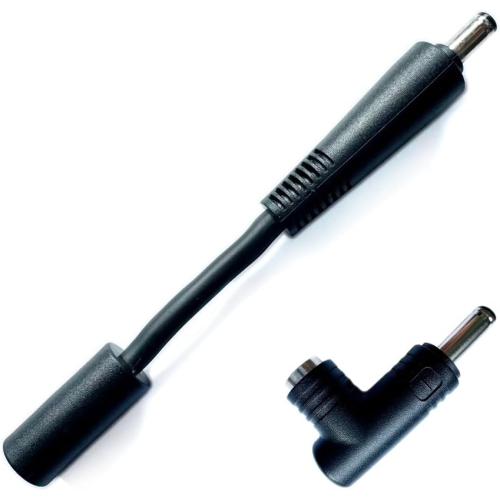
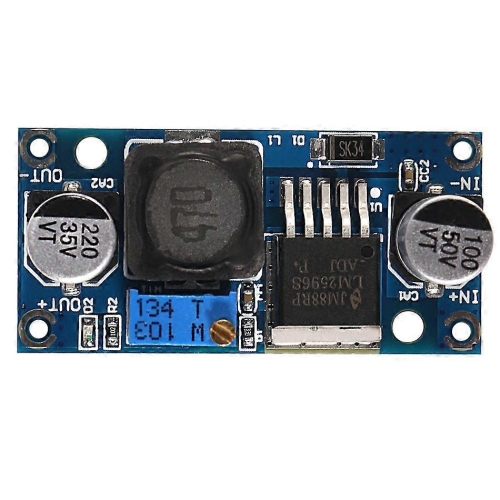
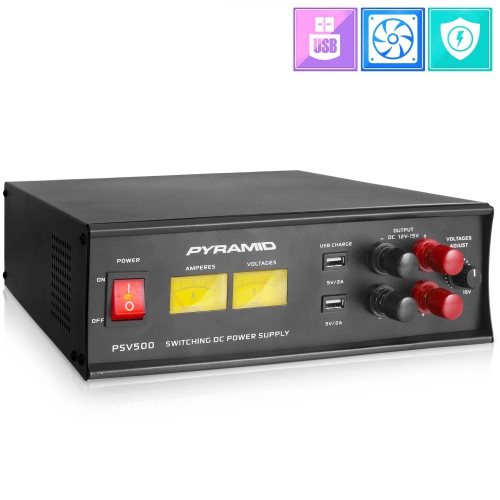
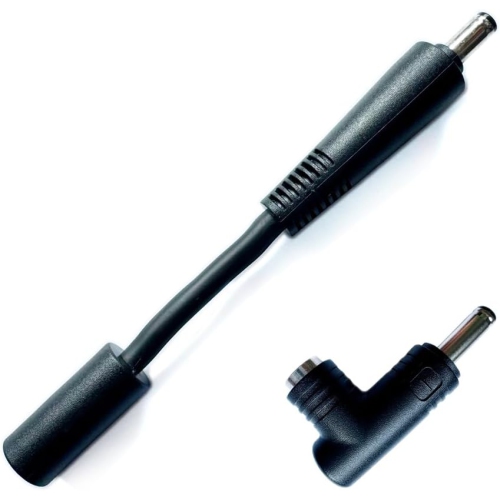
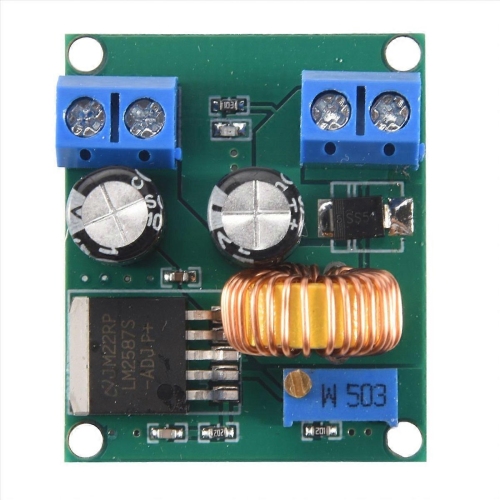
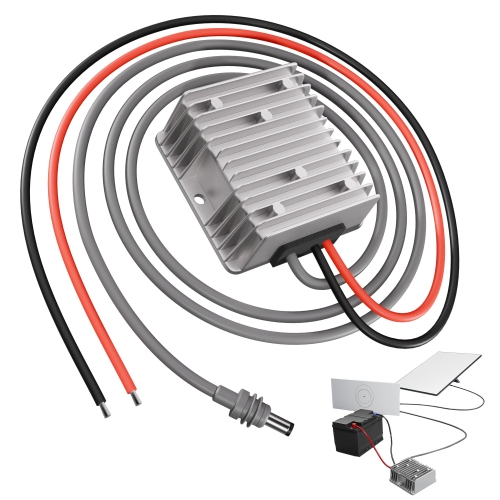
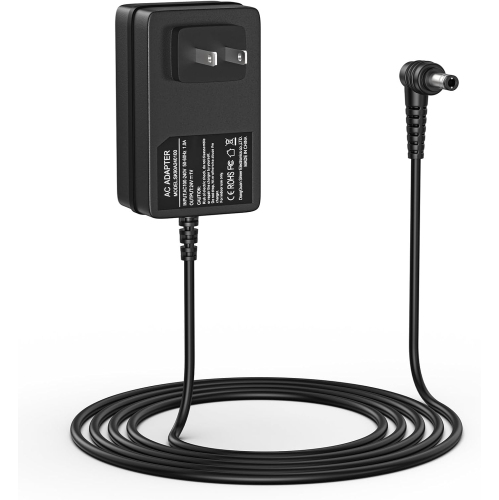
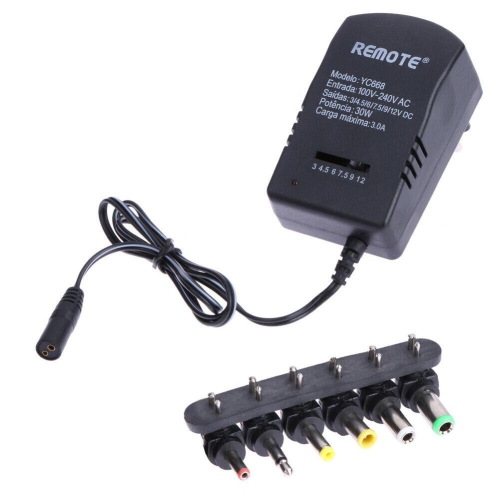
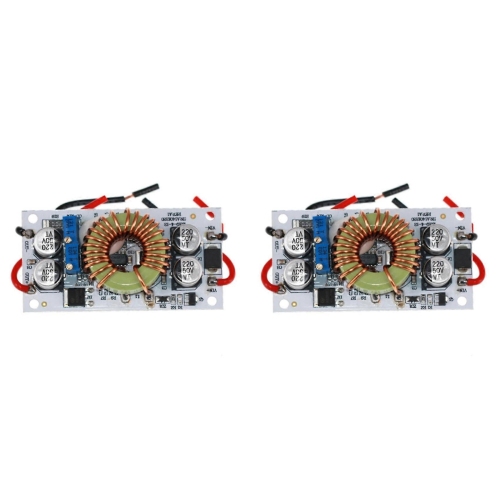
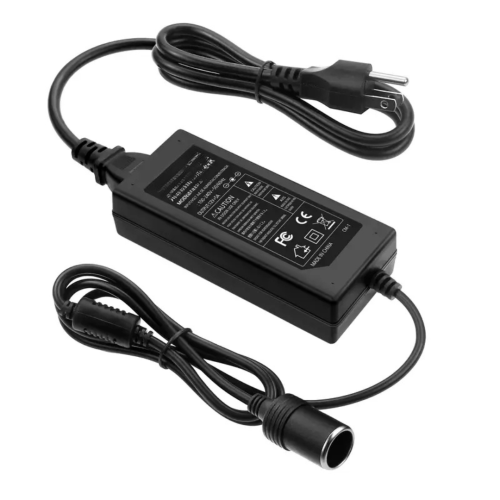
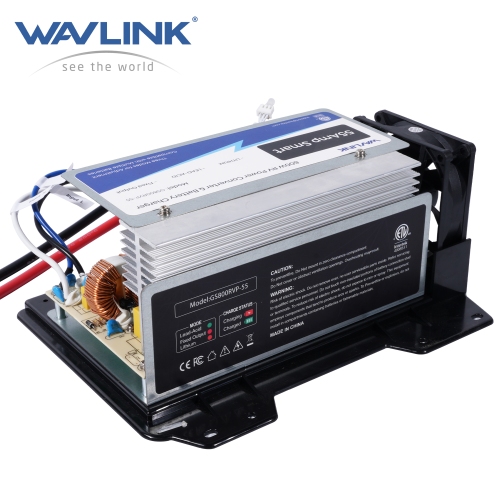
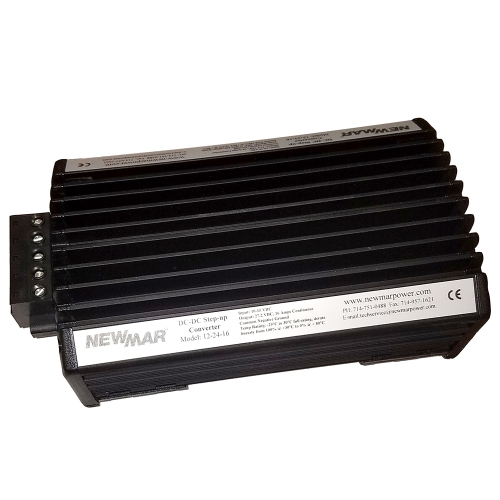
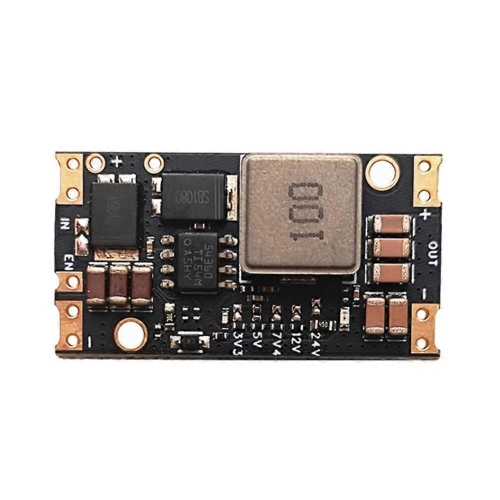
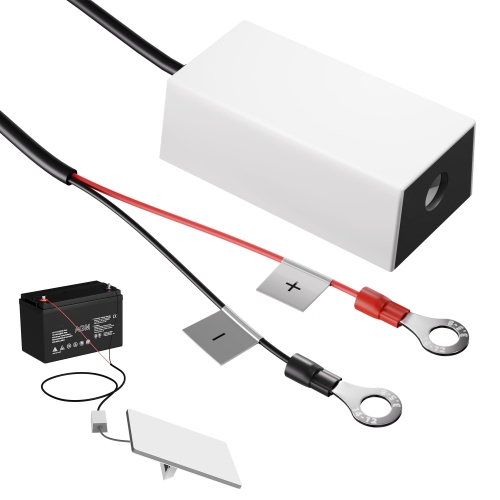
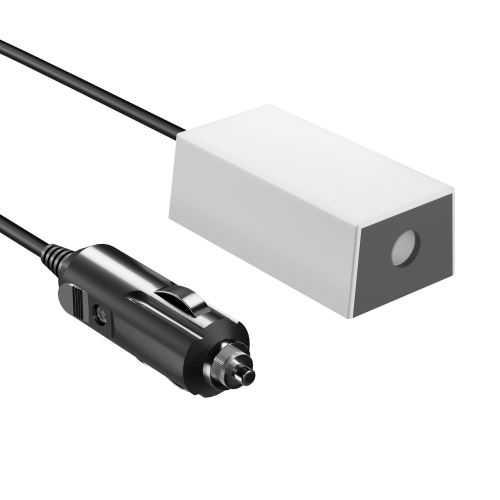
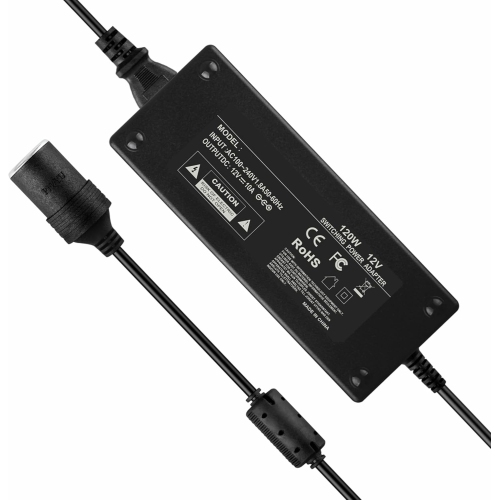
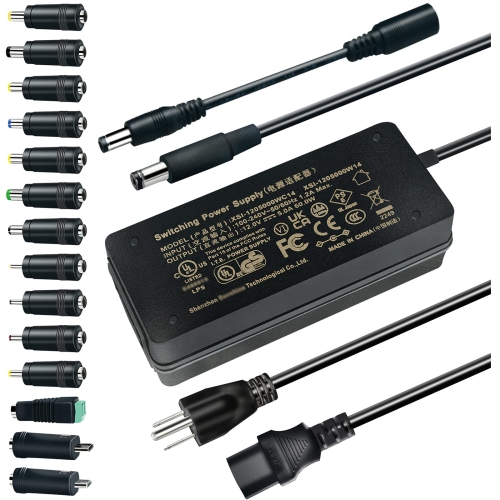
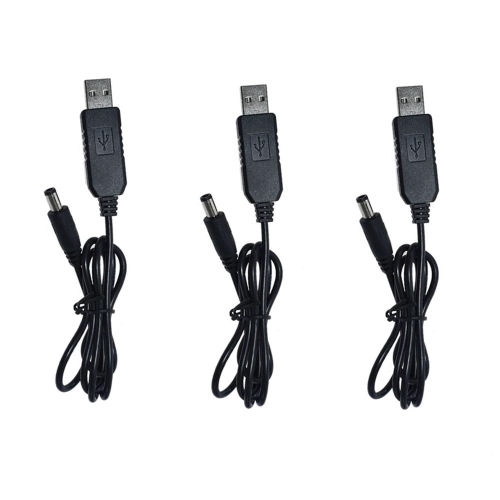
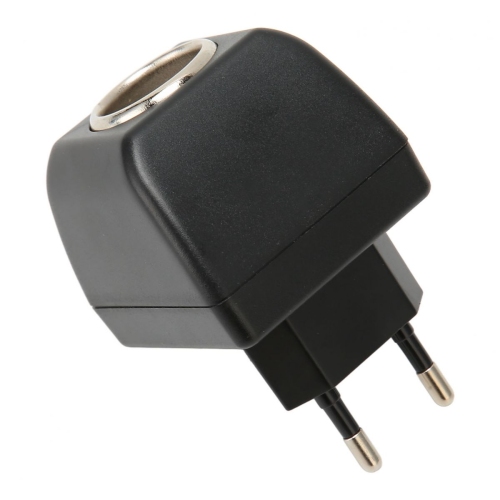
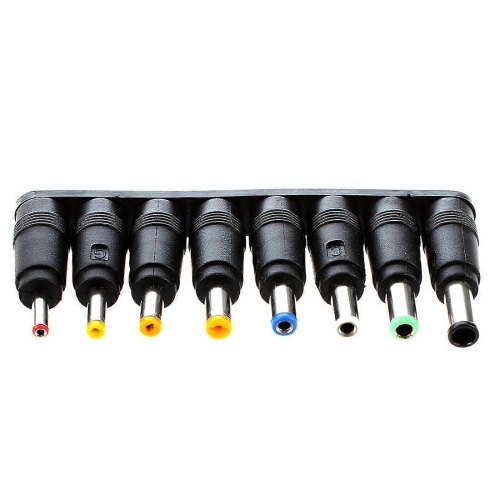
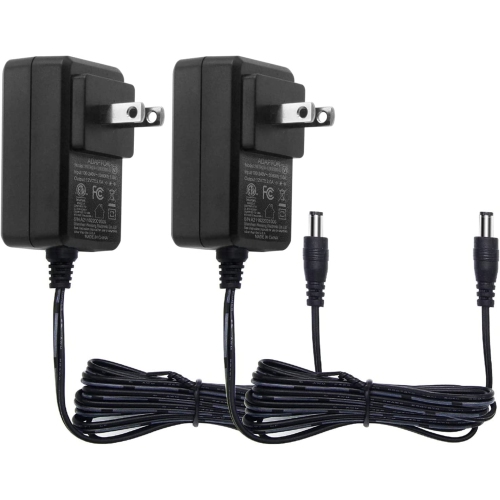
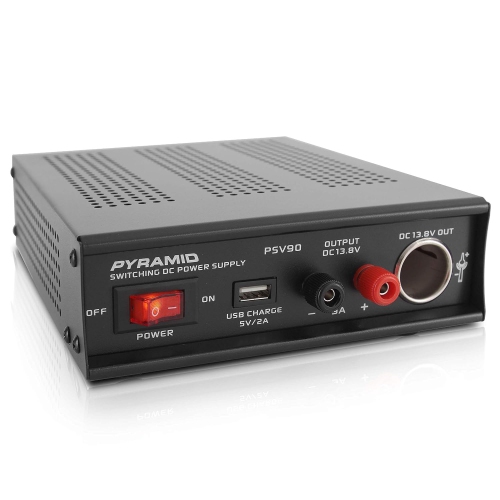
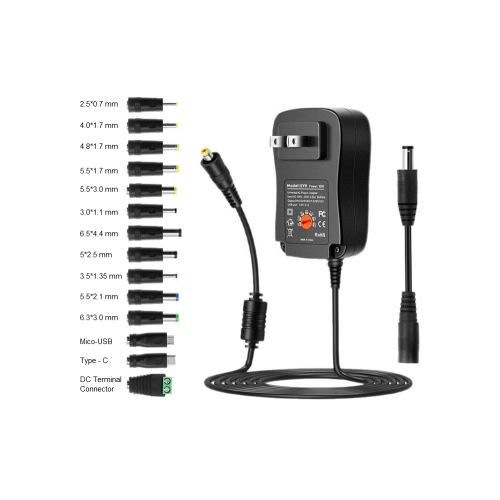
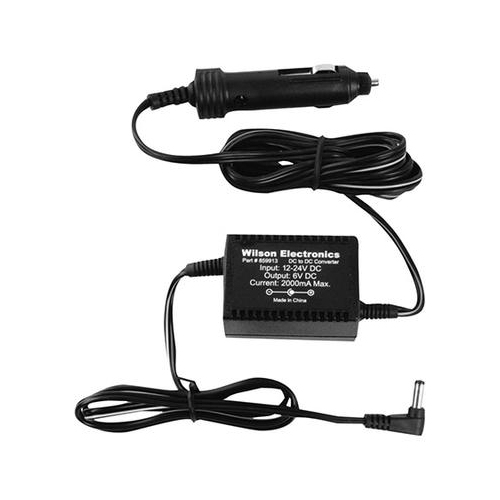
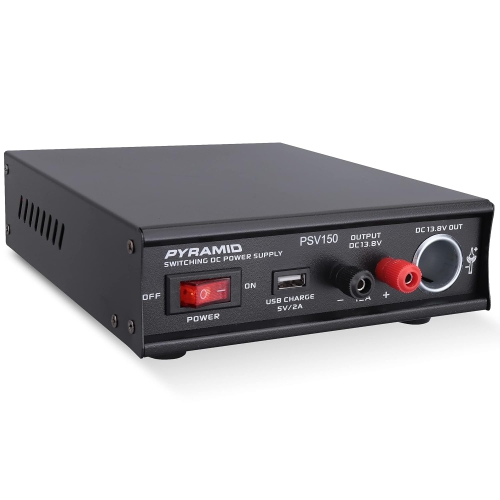
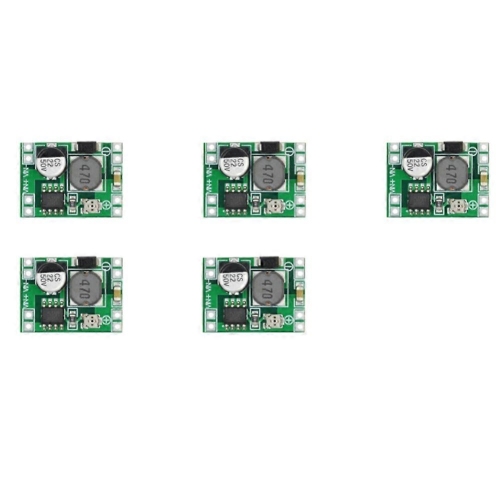
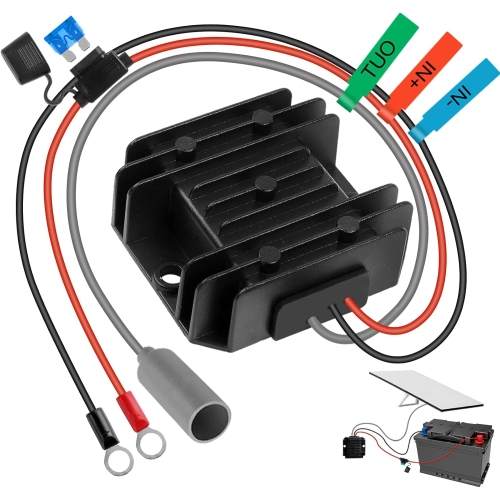
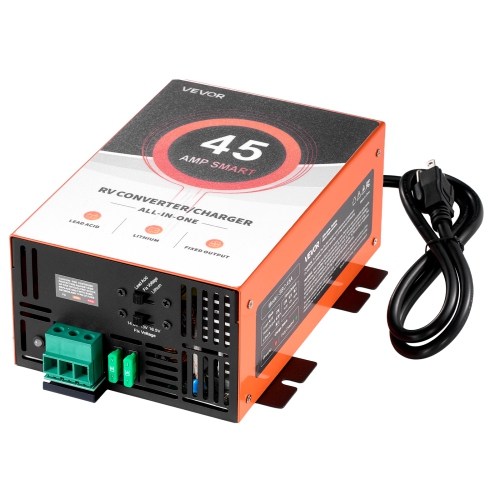
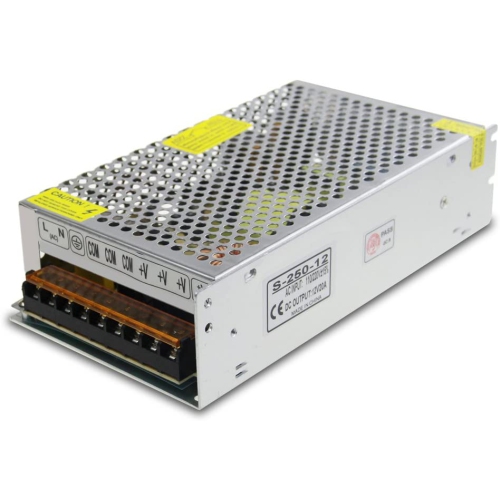
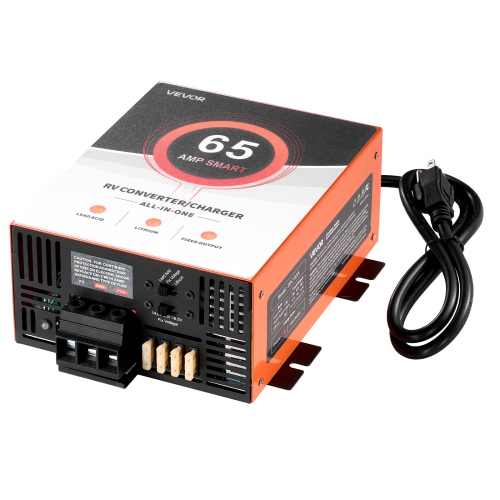
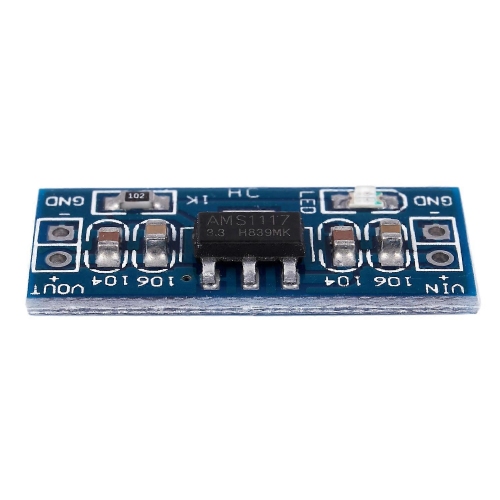
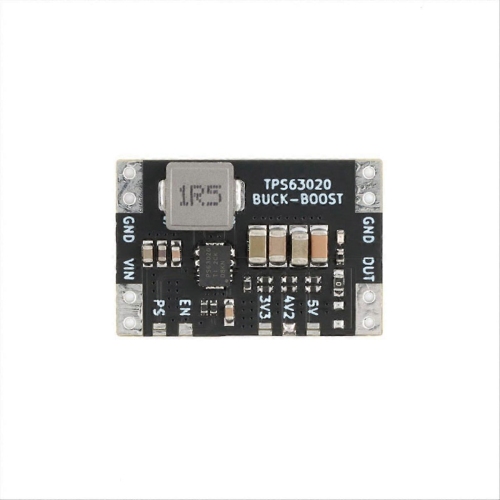
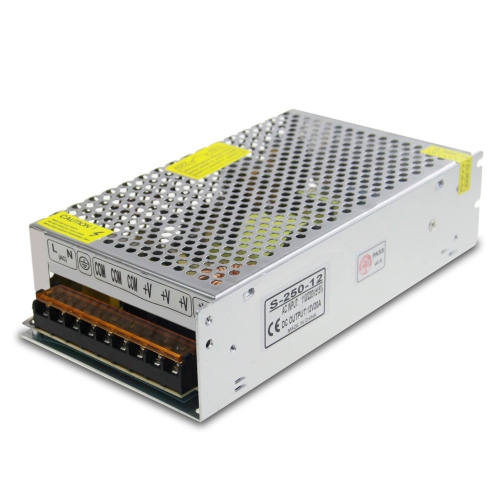
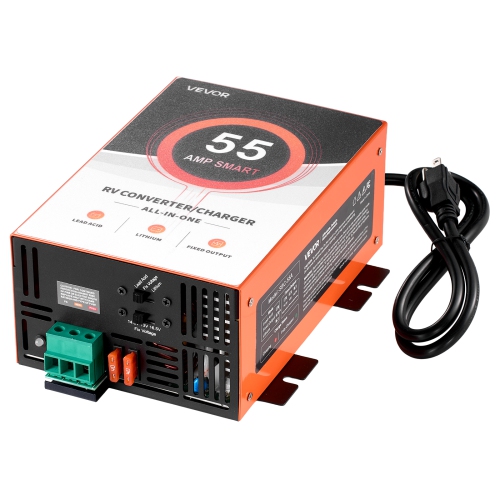
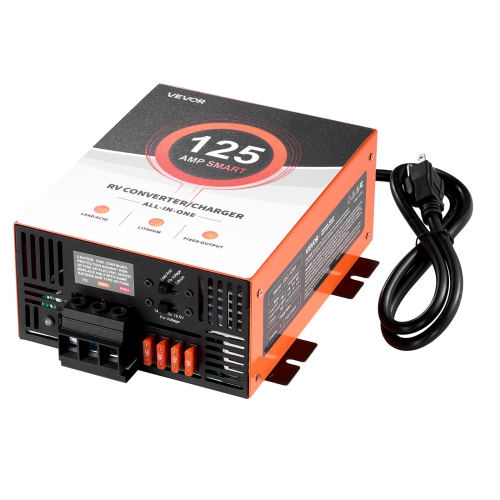
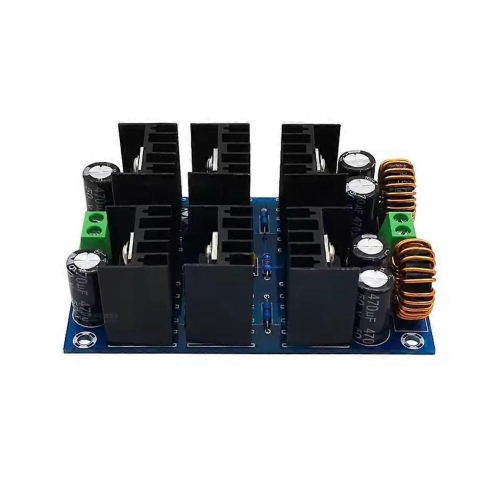
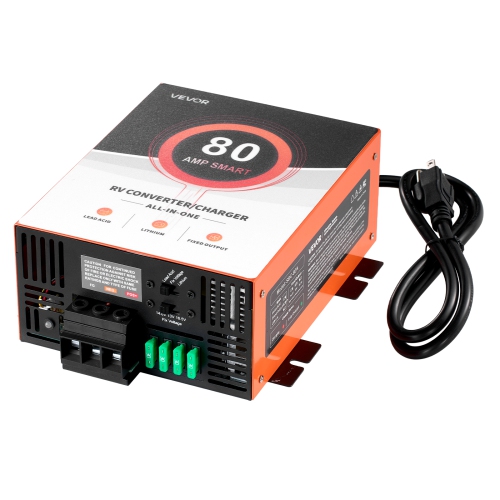
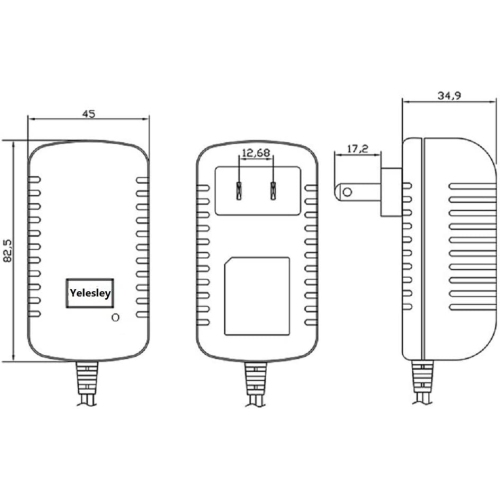
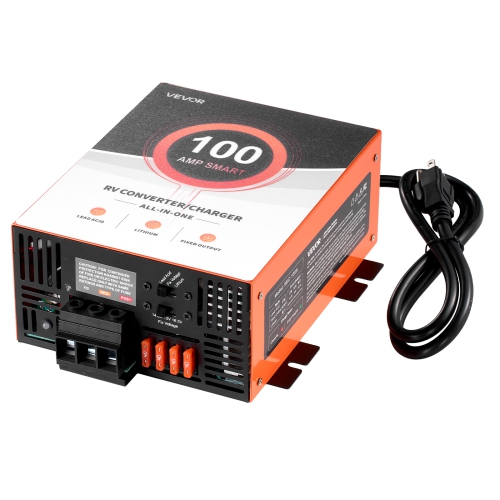
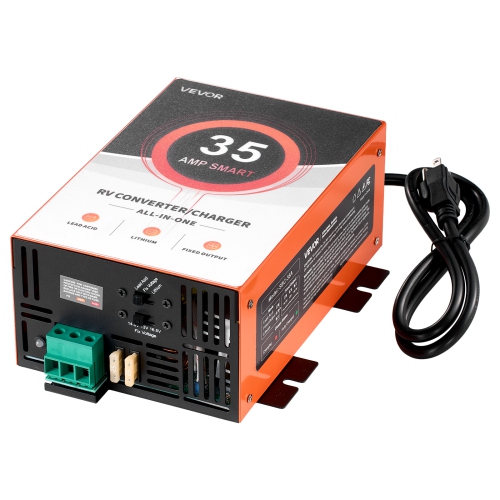
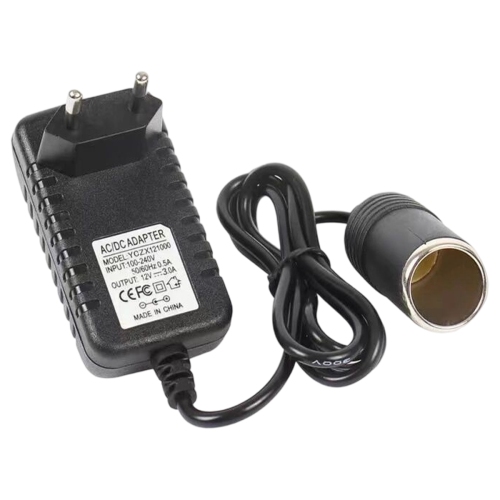
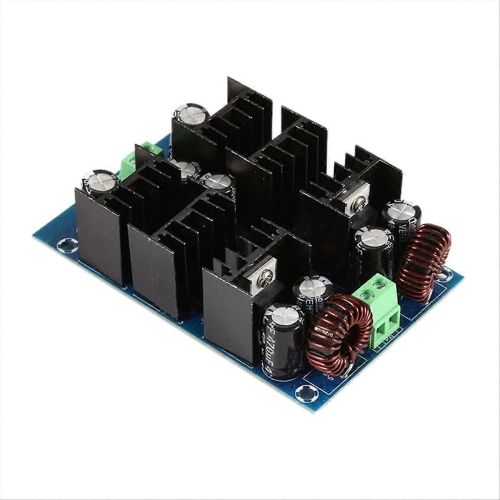
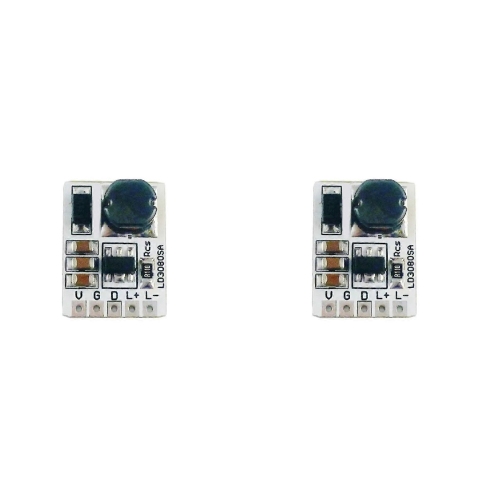
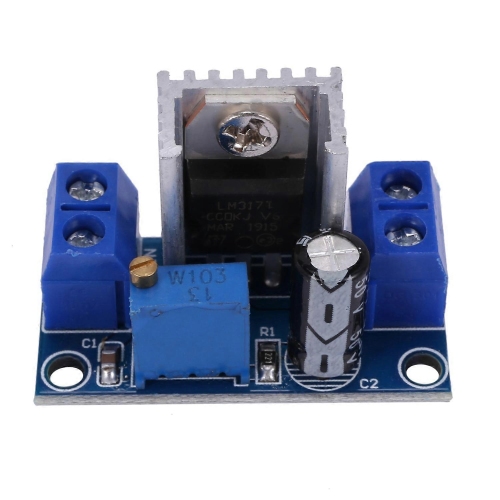
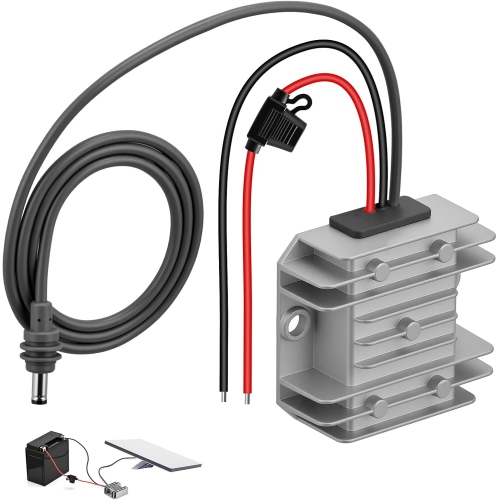
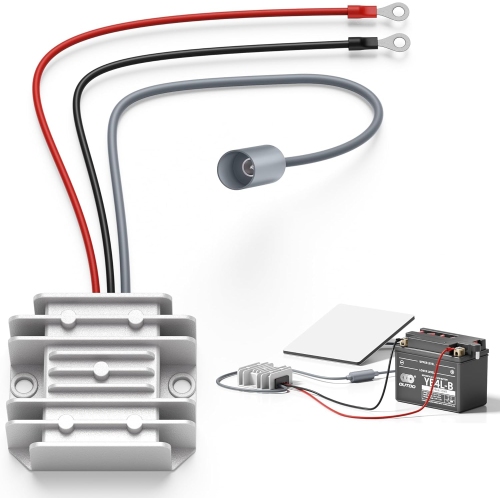
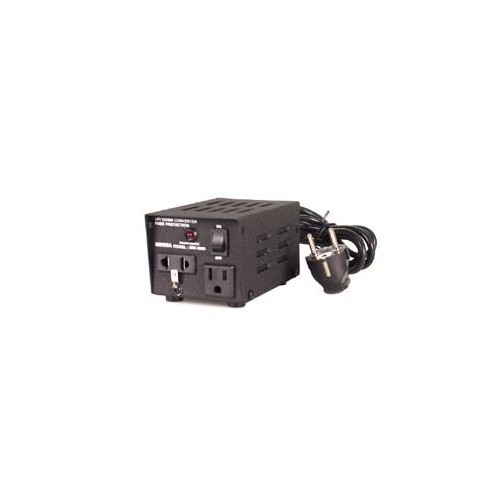
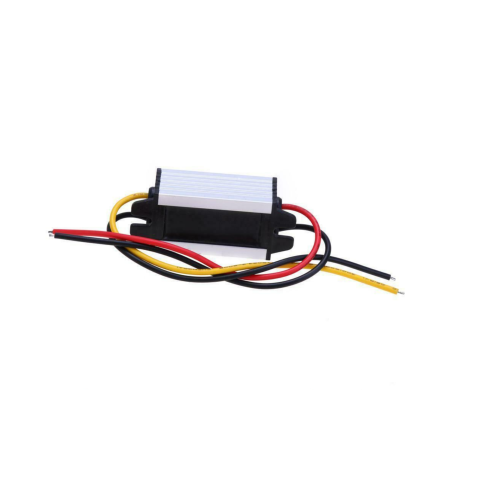
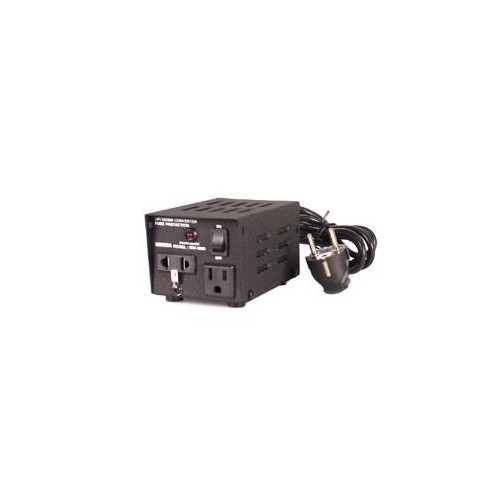
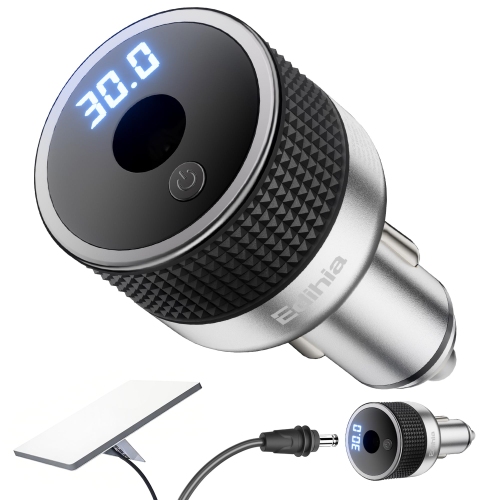
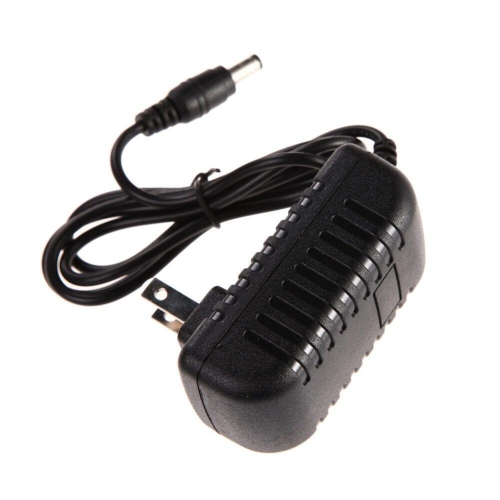
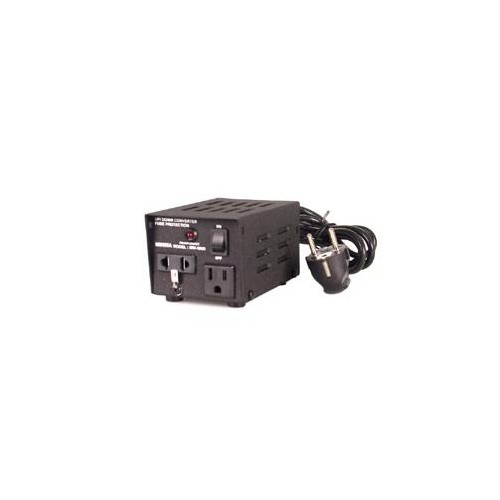
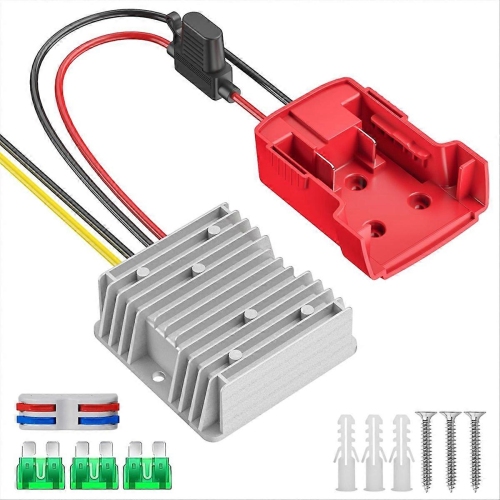
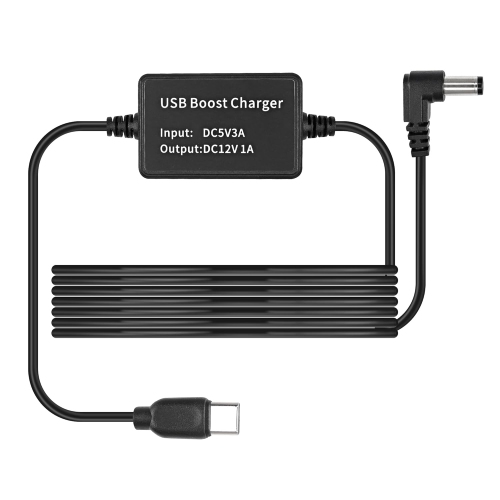
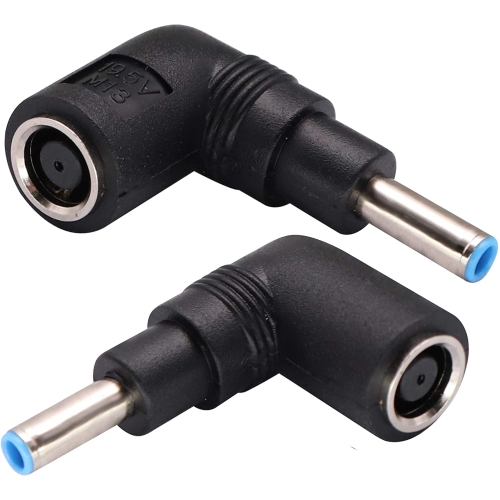
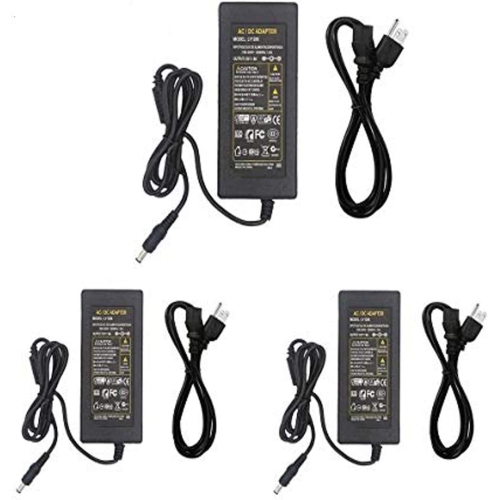
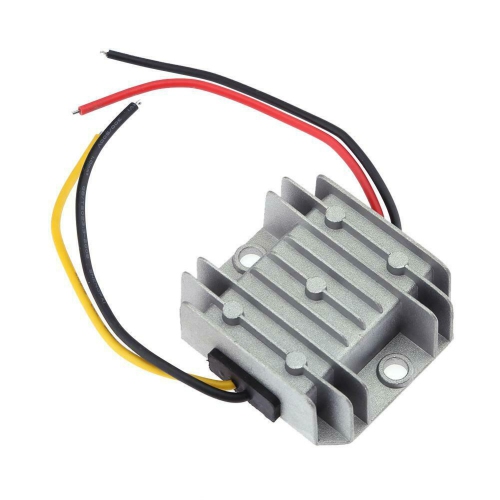
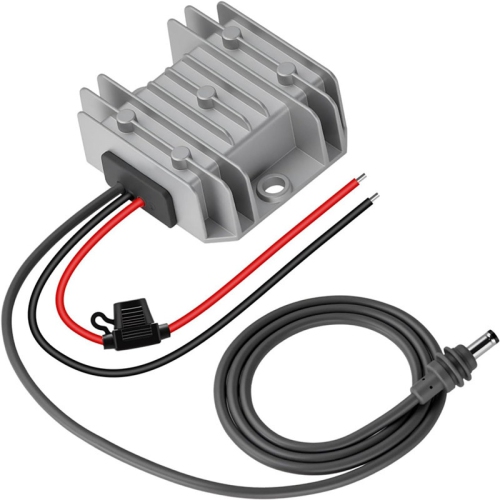
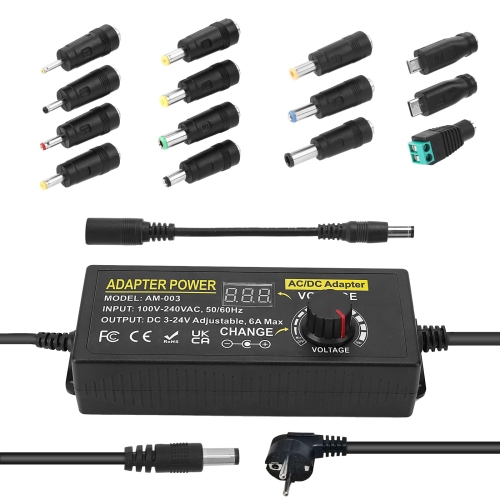
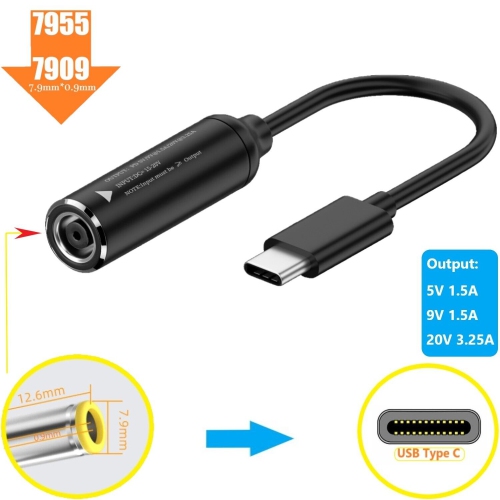
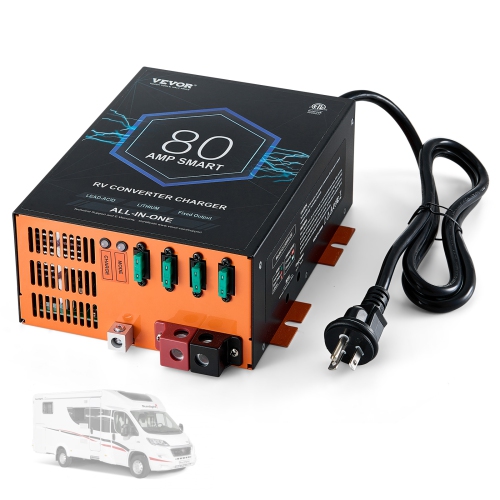
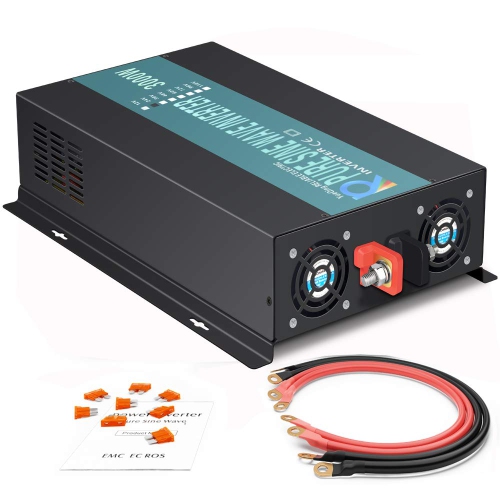
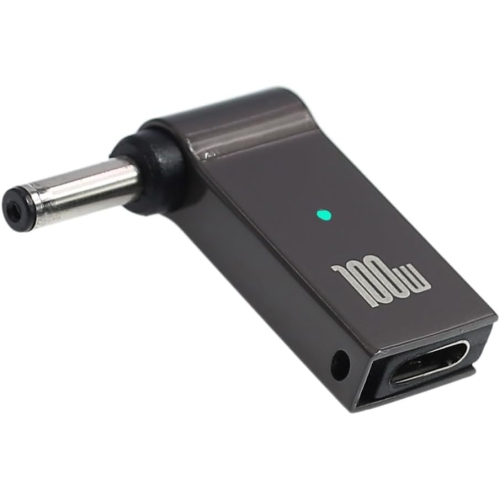
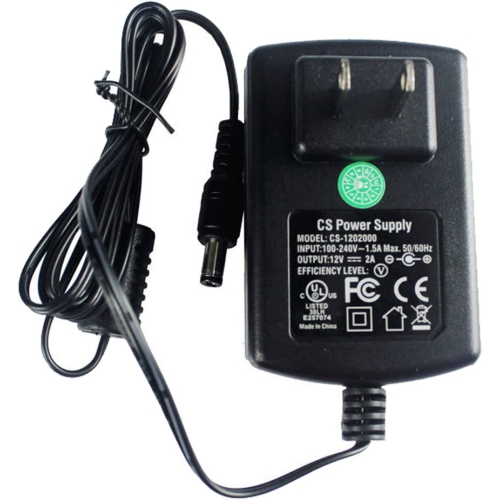
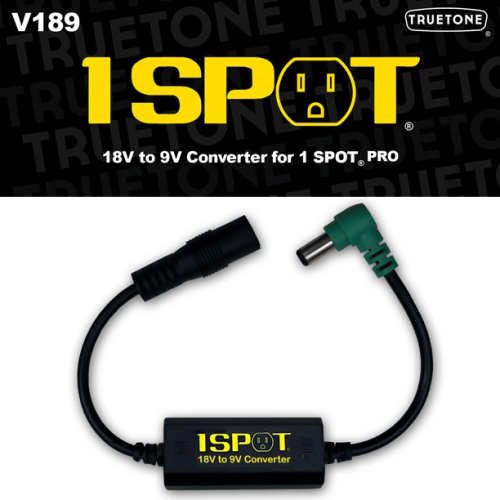

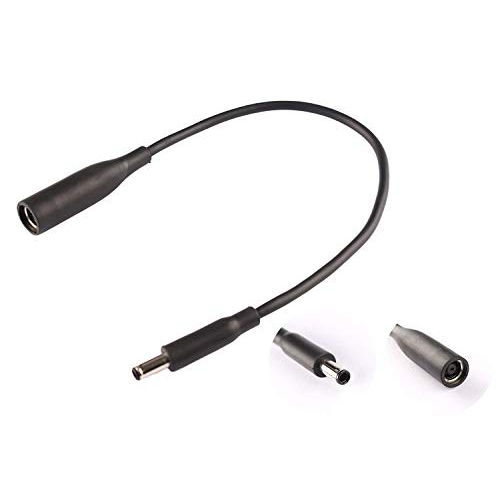
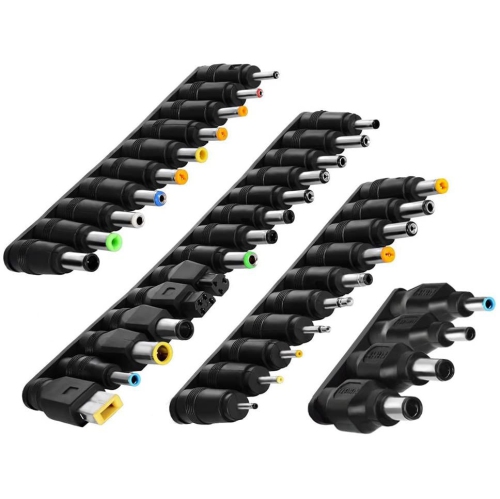
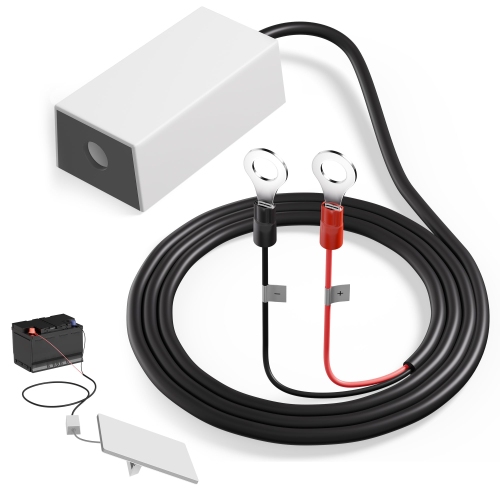
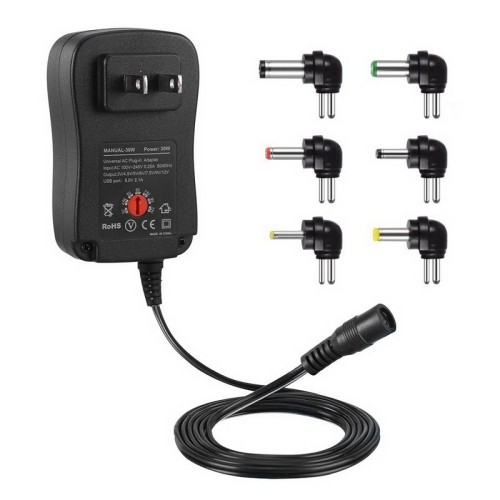
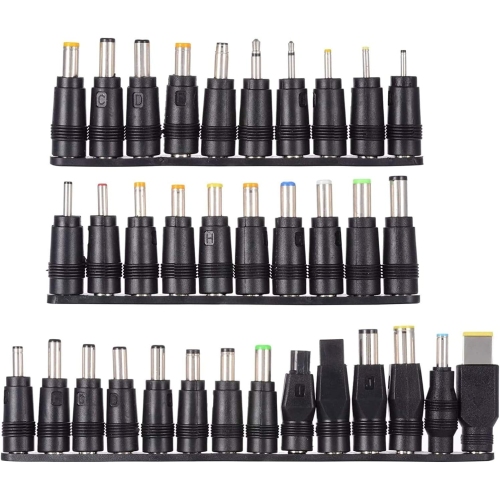
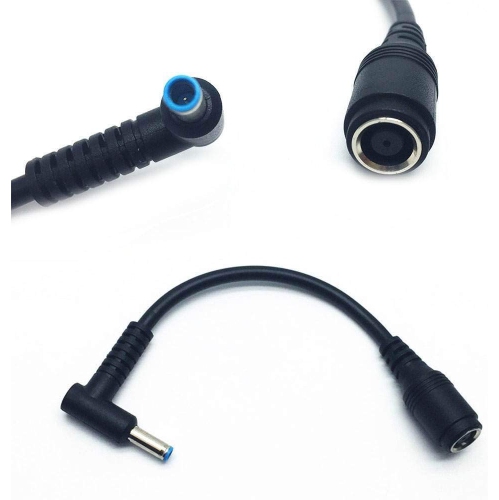
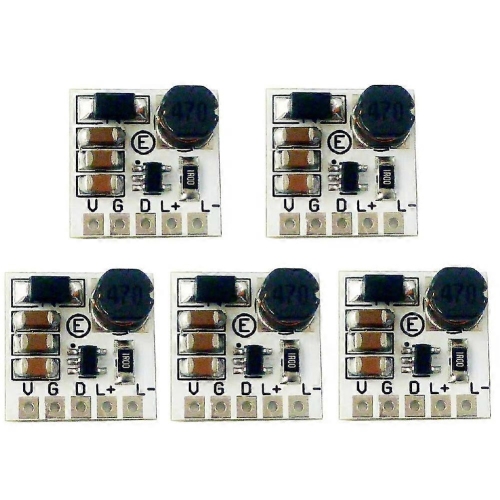
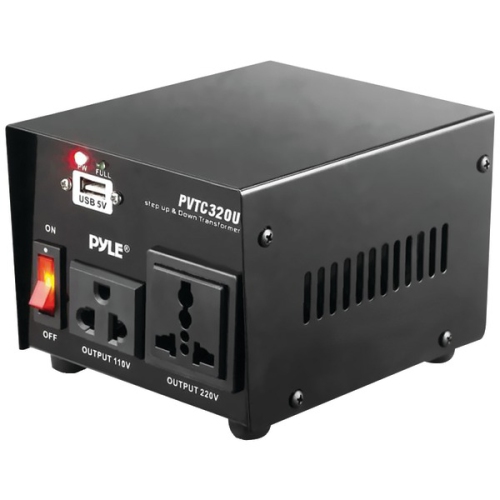
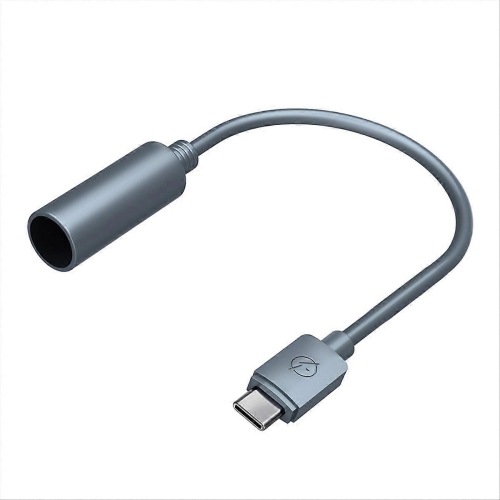
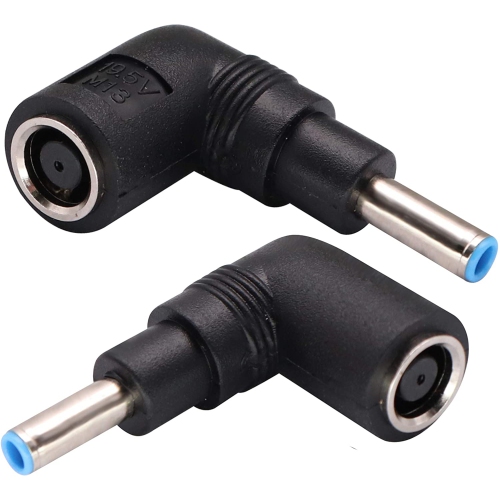
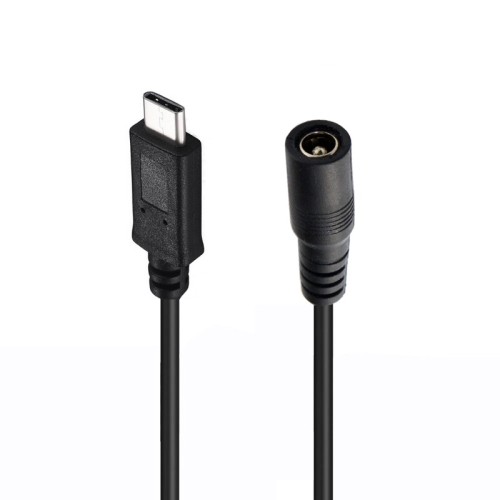
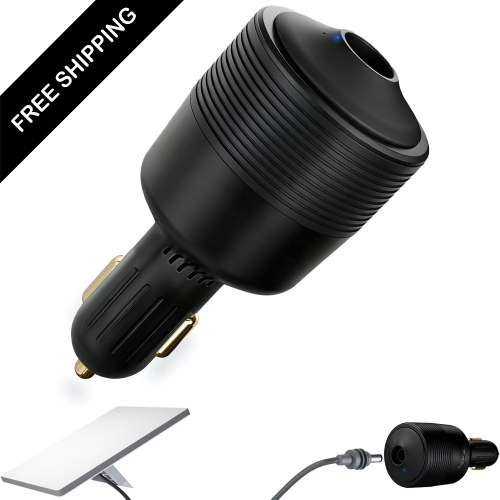
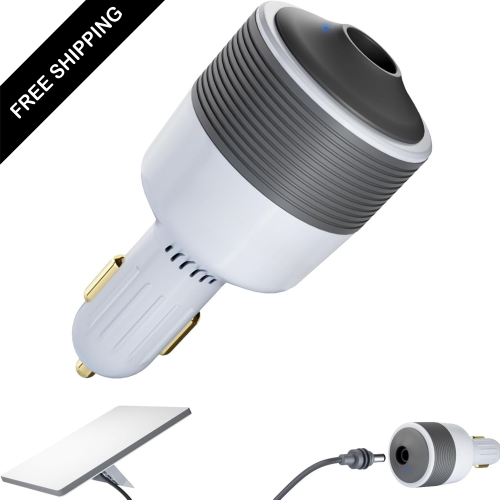
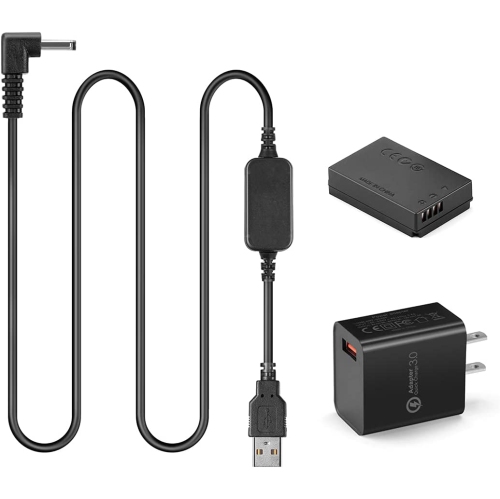
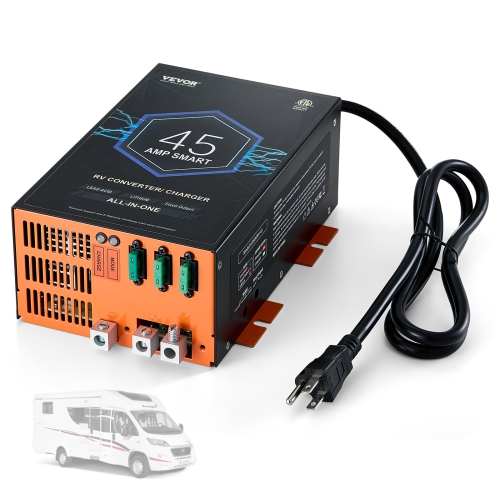
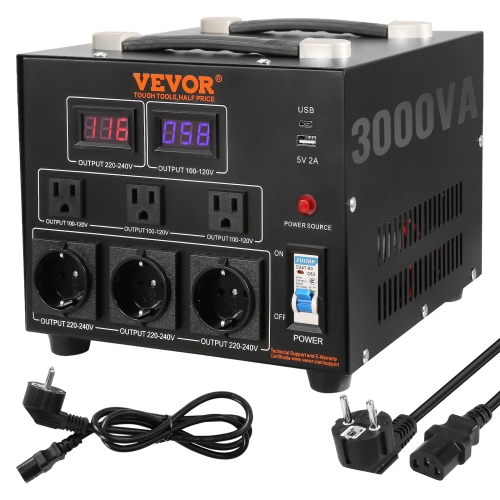
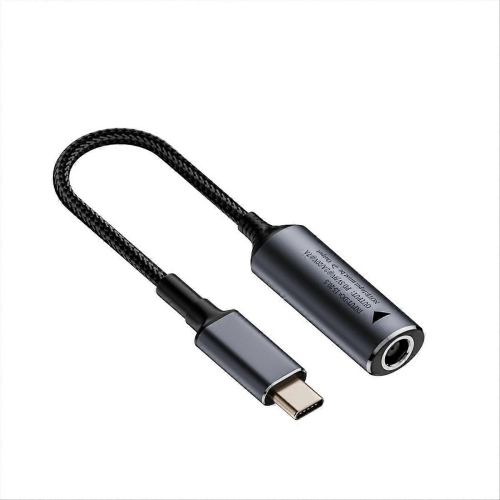
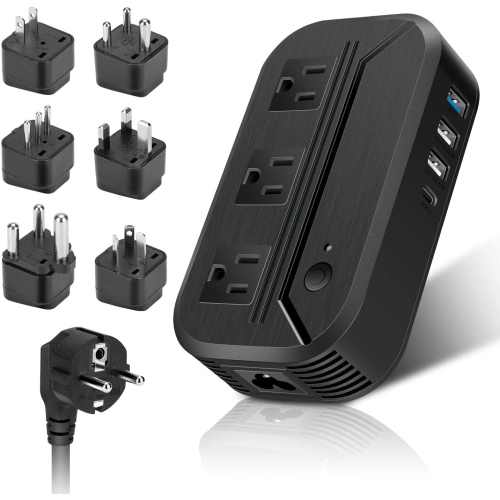
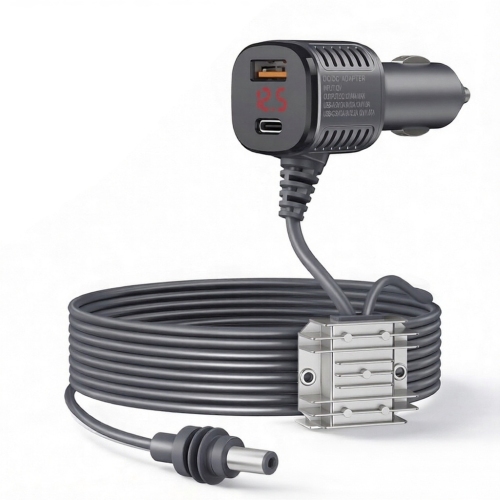
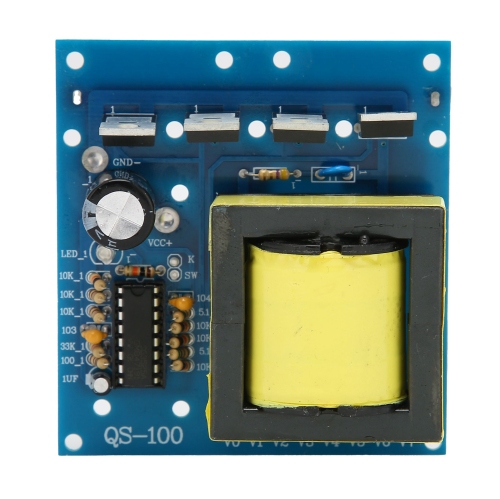
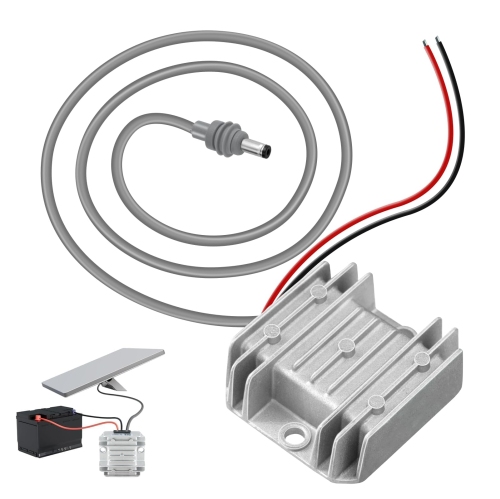
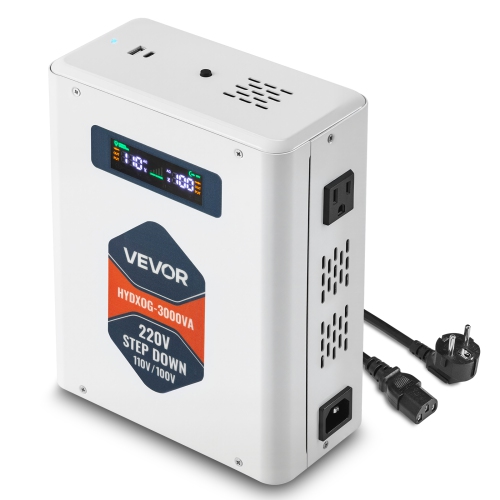
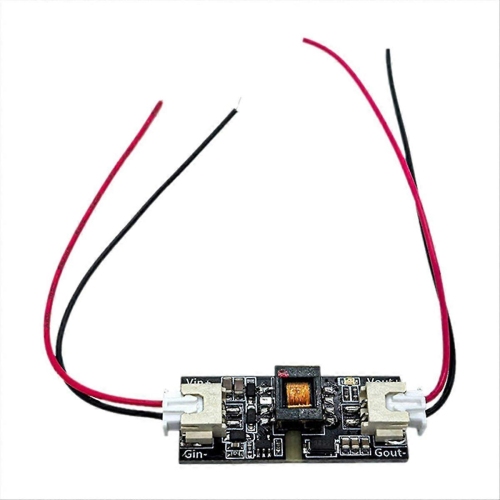
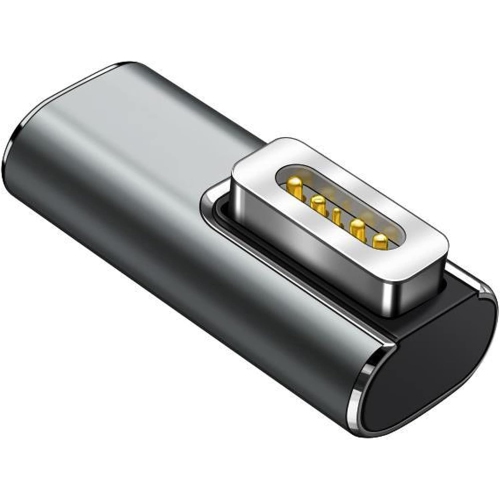
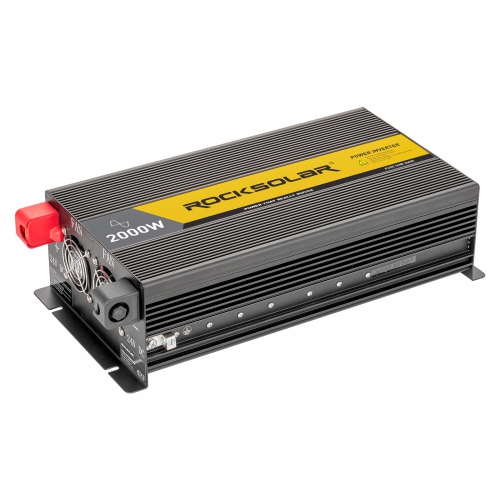
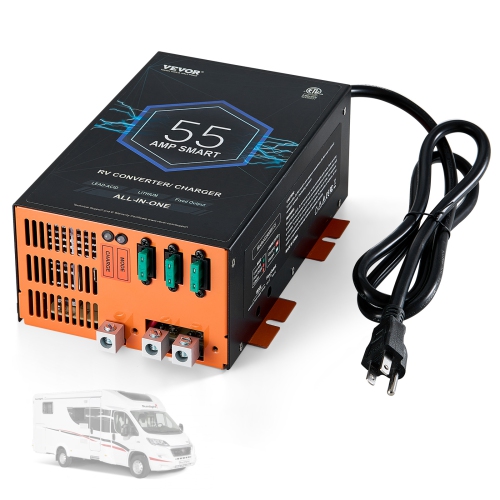
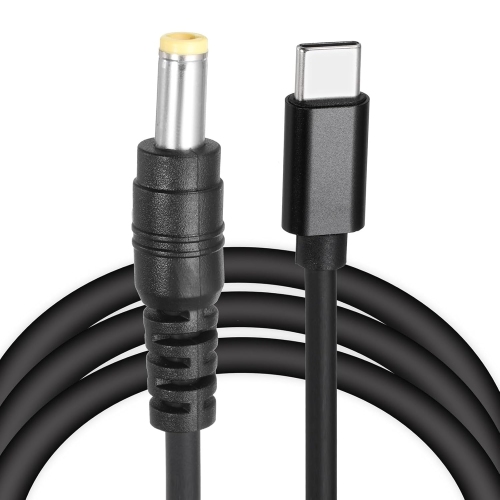
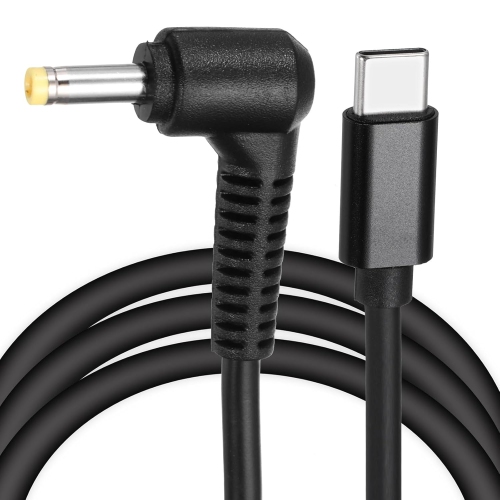
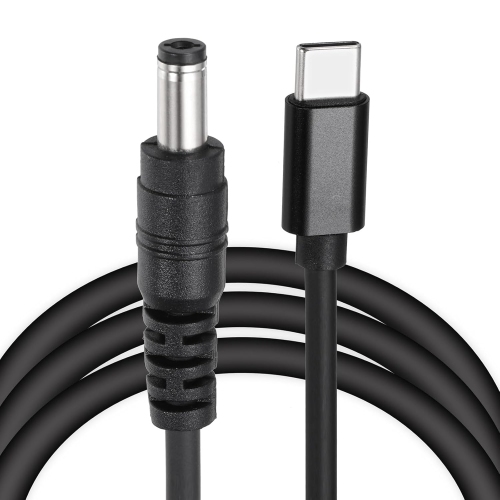
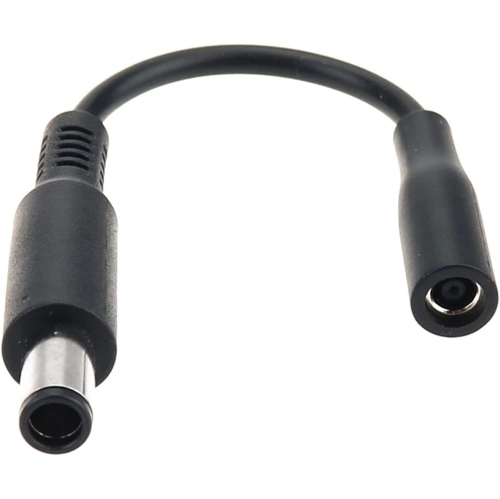
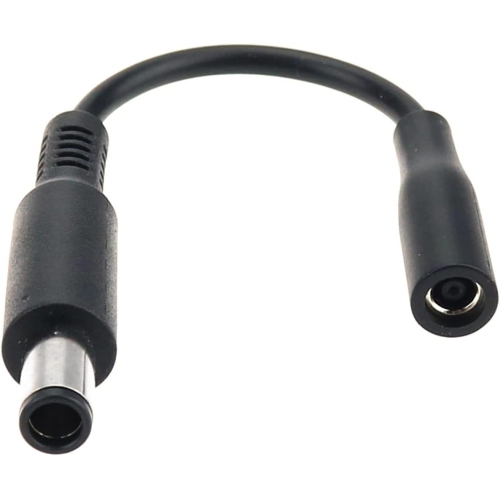
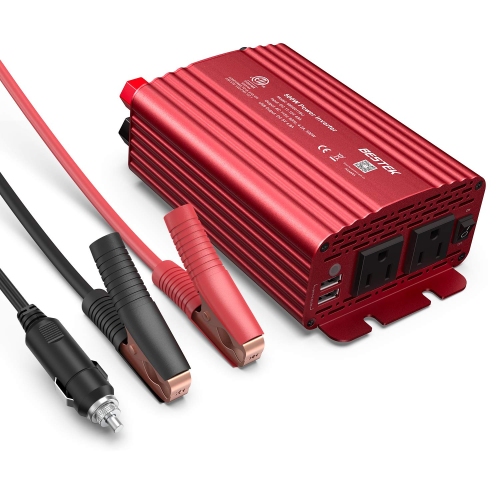
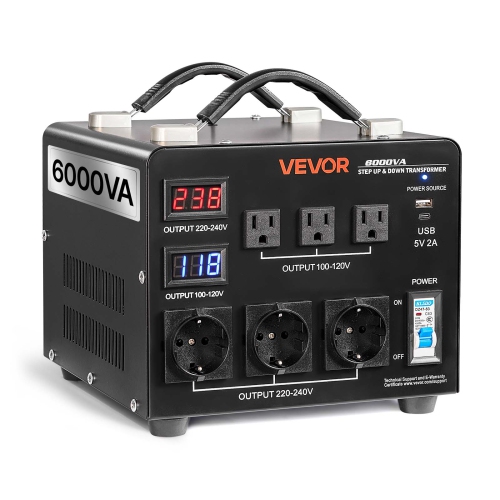
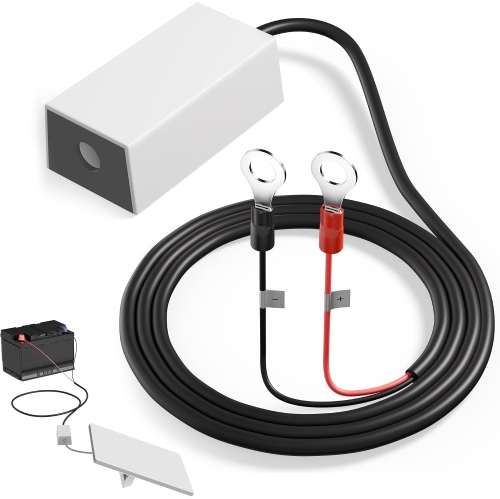
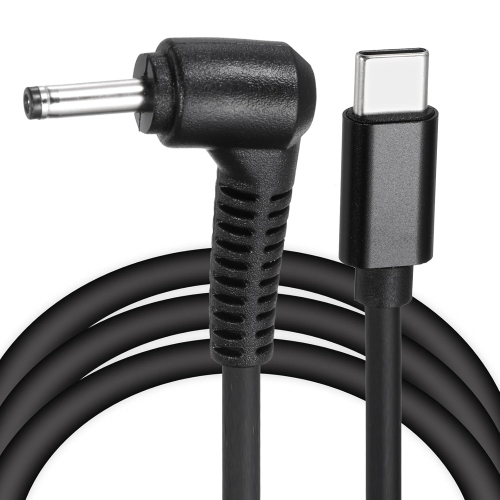
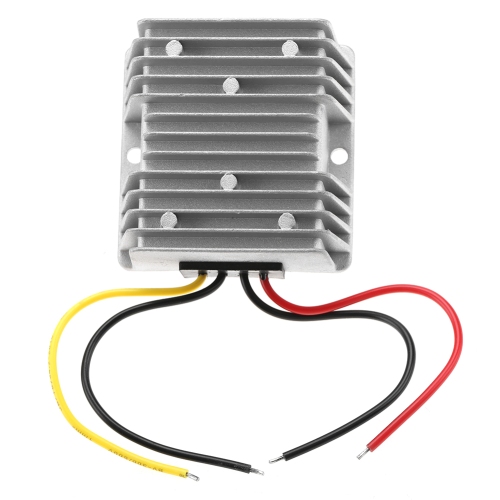
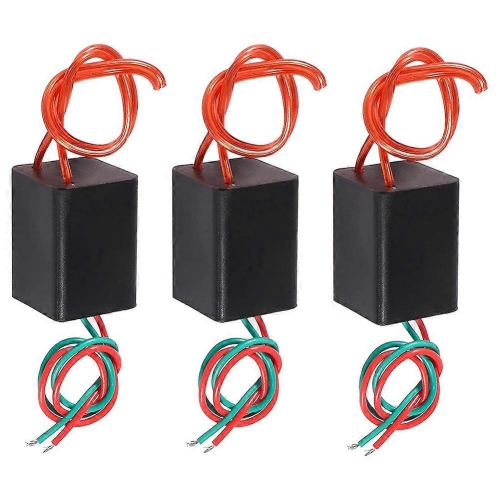
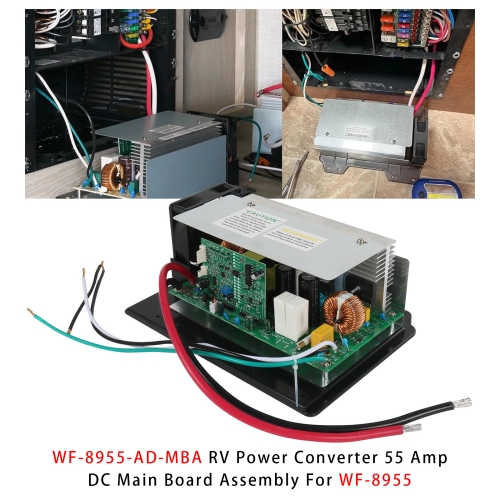
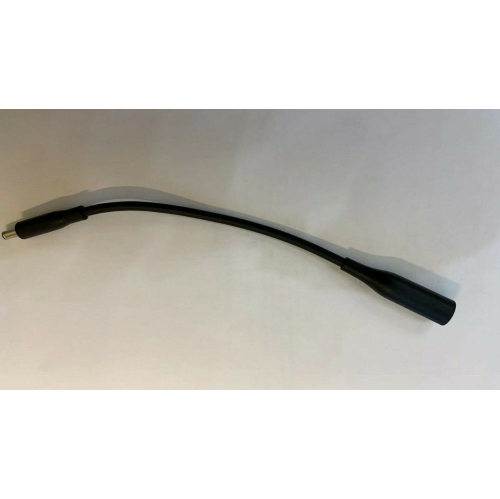
How regulated power supports vehicles, RVs, and electronics
DC to DC converters change direct current (DC) electricity from one voltage level to another, making them useful wherever a power source and an electronic device operate at different voltages. A step-down, or buck, converter reduces voltage—for example, from a 24V battery system to a regulated 12V output for lights, control equipment, or other accessories. A step-up, or boost, converter raises voltage when a lower-voltage source needs to supply a device with a higher input requirement. A buck-boost converter can do both, helping maintain a consistent output when the input voltage moves above or below the desired level. This makes DC to DC converters a practical choice for automotive projects, recreational vehicles, marine systems, battery-powered equipment, electronics workbenches, communications equipment, and custom control panels. They can also be found inside computers, chargers, industrial machinery, and electric vehicles, where different circuits need carefully controlled voltage levels to operate properly. When browsing DC to DC converters, start by identifying the input voltage range supplied by the battery, vehicle electrical system, or other DC source. Then confirm the required output voltage and whether the converter can provide enough current for the connected load. A converter rated for the correct voltage but insufficient amperage may overheat, shut down, or fail to power equipment reliably. It is also helpful to consider continuous output power, peak or surge capacity, conversion efficiency, operating temperature range, cooling requirements, and the type of terminals or connectors used for installation. Some compact units are suited to small electronics and low-power accessories, while heavier-duty models are designed for demanding applications and extended operation. Reading the specifications carefully can help match a converter to the intended setup instead of relying on appearance or a general voltage label alone.
DC to DC converters are especially useful in RV and marine systems, where battery banks, solar charge systems, navigation equipment, refrigerators, pumps, lighting, and communication devices may not all use the same voltage. A 24V battery bank, for instance, may need to supply a stable 12V circuit for selected accessories. In automotive applications, a converter can help provide a dependable output for dash cameras, audio equipment, auxiliary lighting, monitoring devices, or other electronics that require a specific voltage. Electric vehicles and specialized equipment also use DC conversion to power lower-voltage accessories from a higher-voltage battery system. In electronics and computer projects, regulated conversion is important because sensitive components may require 5V, 3.3V, 1.2V, or another tightly controlled rail rather than the voltage supplied by the main battery. Industrial control systems often use converters to create stable power rails for sensors, relays, programmable controllers, displays, and communications modules. For these applications, regulation quality matters as much as the nominal output voltage. Look for details such as output ripple, voltage tolerance, response to changing loads, and protection against overcurrent, short circuits, overheating, and reversed polarity. An isolated converter uses an internal transformer to separate the input and output sides electrically, which can help reduce electrical noise and provide an added layer of protection between circuits. A non-isolated converter shares a common electrical reference and is often simpler for installations where isolation is not required. The right choice depends on the equipment, wiring arrangement, grounding plan, and level of electrical noise in the system. DC to DC converters should be installed with suitable fusing, wire sizes, ventilation, and secure mounting, and connections should be checked against the manufacturer’s instructions before power is applied. Anyone working around vehicle, marine, or battery systems should take extra care with polarity and stored electrical energy, particularly when batteries can deliver high current.
These converters can be a useful addition to a practical electronics toolkit, whether you are maintaining a camper, upgrading a vehicle accessory circuit, building a mobile workstation, or experimenting with microcontrollers and battery-powered projects. They may also make thoughtful gifts for hobbyists, technicians, makers, radio enthusiasts, and hands-on family members who enjoy turning a workbench idea into a working device. A compact converter can travel in a project case beside wire strippers, test leads, and a multimeter, ready for a roadside repair or a weekend installation. For a more permanent setup, a rugged model with a protected enclosure, clear terminals, and mounting points may be preferable, especially in locations exposed to vibration, dust, moisture, or changing temperatures during the warmer and cooler parts of the year. Check whether the unit is intended for indoor use, enclosed vehicle compartments, marine environments, or industrial installations, and consider how heat will be managed once the converter is mounted in its final location. It is also important to distinguish a DC to DC converter from a device that changes direct current into alternating current. If the goal is to power a household-style AC appliance from a vehicle or battery system, browse Dc To Ac Inverters instead. For DC equipment, match the converter’s input and output specifications precisely, leave reasonable capacity for startup demands, and avoid assuming that a higher output voltage is safer or more useful. A well-matched converter can help keep accessories operating smoothly, reduce the need for separate battery systems, and simplify installations where multiple voltage levels must work together. Before purchasing, confirm the source voltage, target voltage, maximum current, polarity, connector style, isolation requirement, mounting space, and protection features. That short checklist can make the difference between a clean, dependable installation and a frustrating project filled with unexpected resets, warm wiring, or incompatible connections.
DC to DC converters are especially useful in RV and marine systems, where battery banks, solar charge systems, navigation equipment, refrigerators, pumps, lighting, and communication devices may not all use the same voltage. A 24V battery bank, for instance, may need to supply a stable 12V circuit for selected accessories. In automotive applications, a converter can help provide a dependable output for dash cameras, audio equipment, auxiliary lighting, monitoring devices, or other electronics that require a specific voltage. Electric vehicles and specialized equipment also use DC conversion to power lower-voltage accessories from a higher-voltage battery system. In electronics and computer projects, regulated conversion is important because sensitive components may require 5V, 3.3V, 1.2V, or another tightly controlled rail rather than the voltage supplied by the main battery. Industrial control systems often use converters to create stable power rails for sensors, relays, programmable controllers, displays, and communications modules. For these applications, regulation quality matters as much as the nominal output voltage. Look for details such as output ripple, voltage tolerance, response to changing loads, and protection against overcurrent, short circuits, overheating, and reversed polarity. An isolated converter uses an internal transformer to separate the input and output sides electrically, which can help reduce electrical noise and provide an added layer of protection between circuits. A non-isolated converter shares a common electrical reference and is often simpler for installations where isolation is not required. The right choice depends on the equipment, wiring arrangement, grounding plan, and level of electrical noise in the system. DC to DC converters should be installed with suitable fusing, wire sizes, ventilation, and secure mounting, and connections should be checked against the manufacturer’s instructions before power is applied. Anyone working around vehicle, marine, or battery systems should take extra care with polarity and stored electrical energy, particularly when batteries can deliver high current.
These converters can be a useful addition to a practical electronics toolkit, whether you are maintaining a camper, upgrading a vehicle accessory circuit, building a mobile workstation, or experimenting with microcontrollers and battery-powered projects. They may also make thoughtful gifts for hobbyists, technicians, makers, radio enthusiasts, and hands-on family members who enjoy turning a workbench idea into a working device. A compact converter can travel in a project case beside wire strippers, test leads, and a multimeter, ready for a roadside repair or a weekend installation. For a more permanent setup, a rugged model with a protected enclosure, clear terminals, and mounting points may be preferable, especially in locations exposed to vibration, dust, moisture, or changing temperatures during the warmer and cooler parts of the year. Check whether the unit is intended for indoor use, enclosed vehicle compartments, marine environments, or industrial installations, and consider how heat will be managed once the converter is mounted in its final location. It is also important to distinguish a DC to DC converter from a device that changes direct current into alternating current. If the goal is to power a household-style AC appliance from a vehicle or battery system, browse Dc To Ac Inverters instead. For DC equipment, match the converter’s input and output specifications precisely, leave reasonable capacity for startup demands, and avoid assuming that a higher output voltage is safer or more useful. A well-matched converter can help keep accessories operating smoothly, reduce the need for separate battery systems, and simplify installations where multiple voltage levels must work together. Before purchasing, confirm the source voltage, target voltage, maximum current, polarity, connector style, isolation requirement, mounting space, and protection features. That short checklist can make the difference between a clean, dependable installation and a frustrating project filled with unexpected resets, warm wiring, or incompatible connections.
Top selling and popular products
-
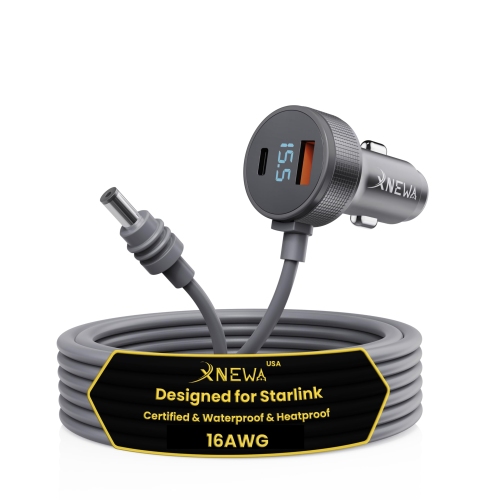 Your price for this item is $74.99
 -
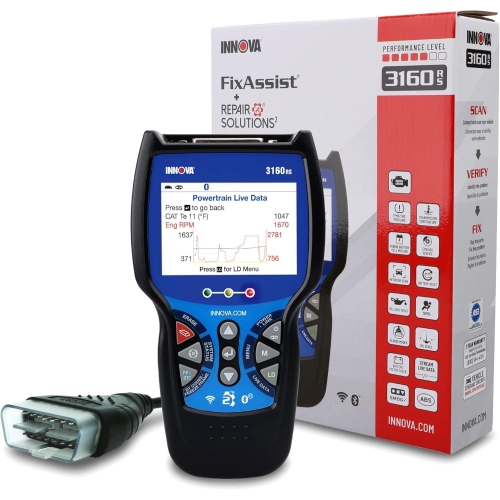 Your price for this item is $407.55
 -
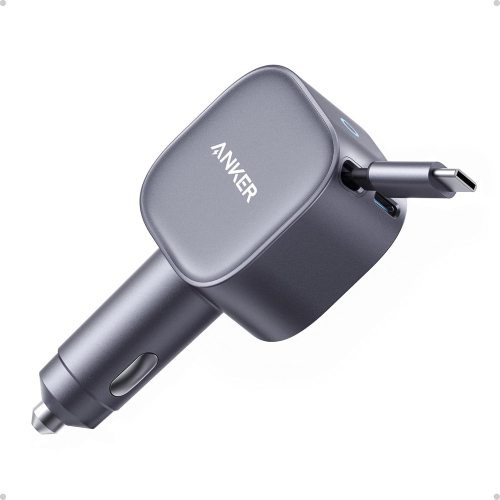 Your price for this item is $61
 -
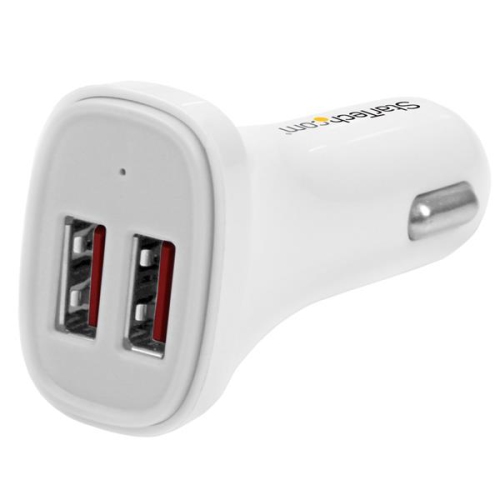 Your price for this item is $31.99
 -
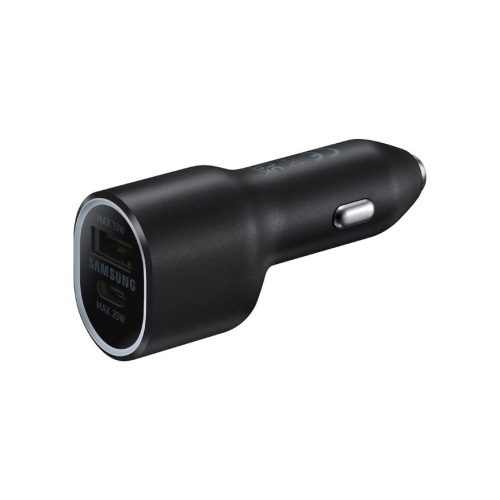 Your price for this item is $52.99
 -
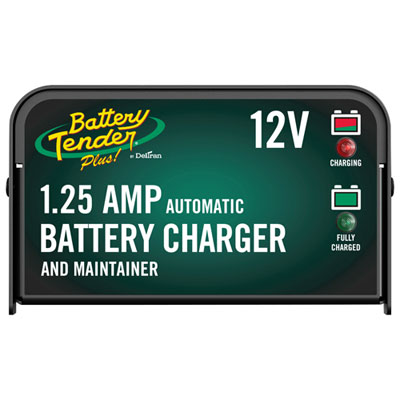 Your price for this item is $79.99
 -
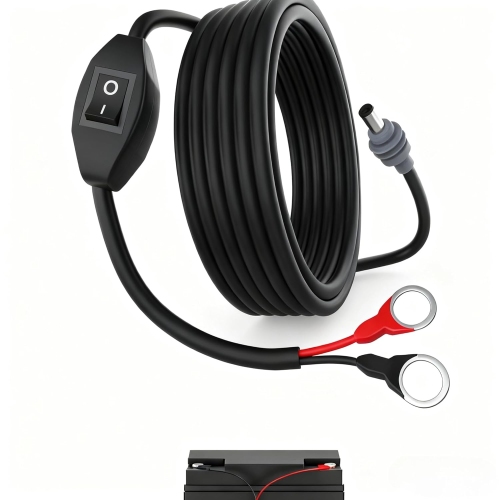 Your price for this item is $29.95
 -
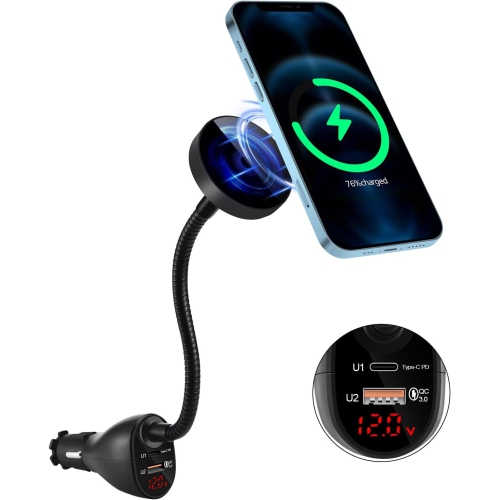 Your price for this item is $64.95
Discover more categories related to DC To DC Converters
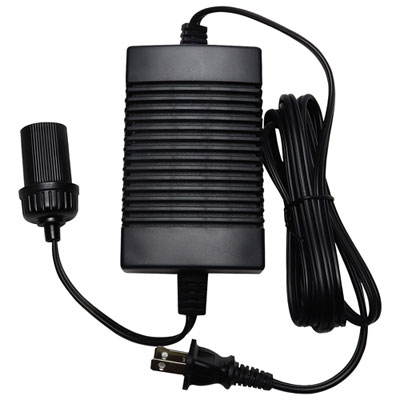
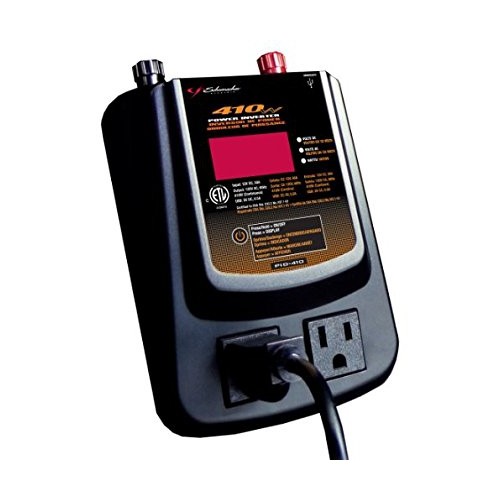
Top Collections:
Pokemon Centers, Best Cameras for Sports Photography, Kindle Devices, Samsung Galaxy Phones, Canon G7X Cameras, Pokémon 30th Celebration Cards, Refurbished Apple Laptops, iPhone 15 Apple, Laptops for Students, Budget Smartphones
Some products may be subject to Environmental Handling Fees
(EHF) depending on your province.
Learn more about EHFs.