24v Water Pumps
If you're looking for a reliable and efficient way to pump water, look no further than these 24V water pumps. Designed to provide powerful performance while being energy-efficient, these pumps are perfect for a variety of applications. Whether you need to transfer water from one location to another, irrigate your garden, or simply ensure a steady supply of water in your home, this range of 24v water pumps has got you covered.
Sort
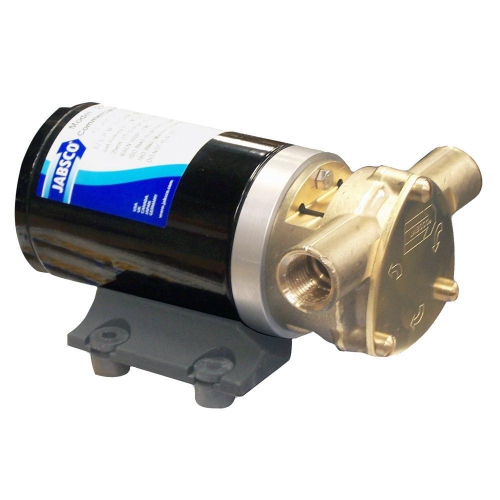
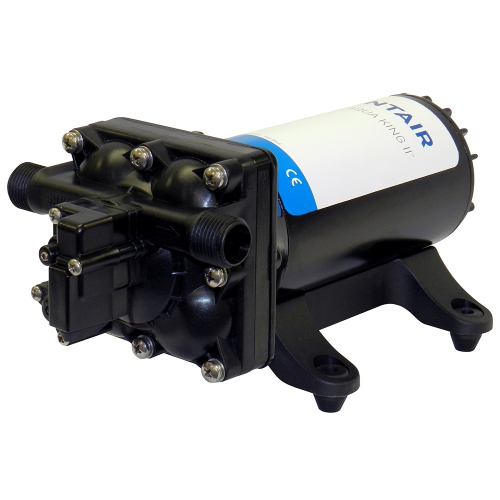
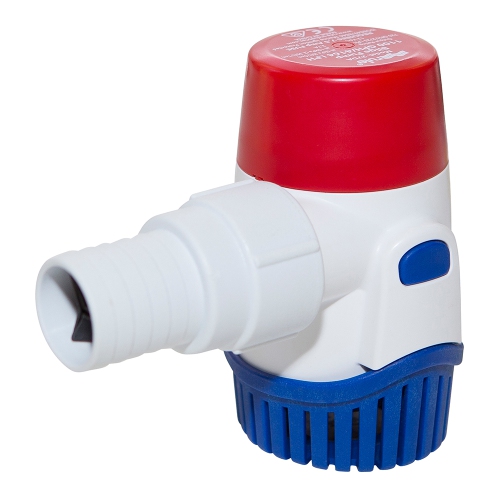
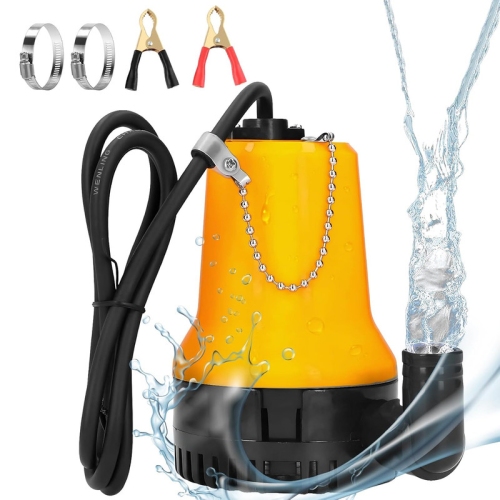
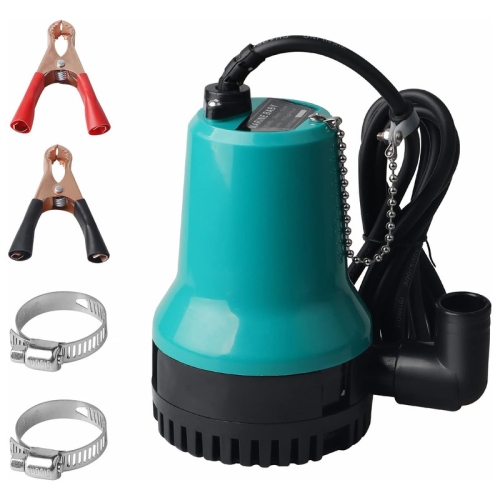
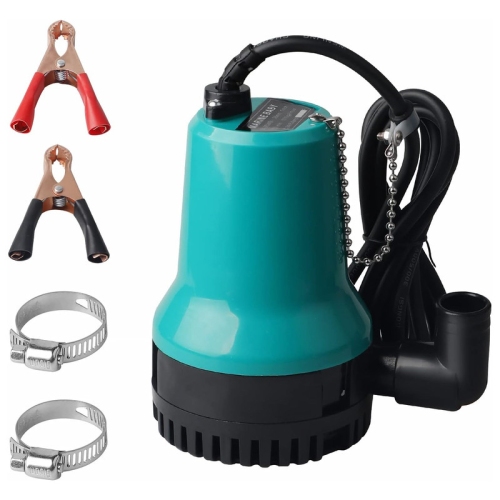
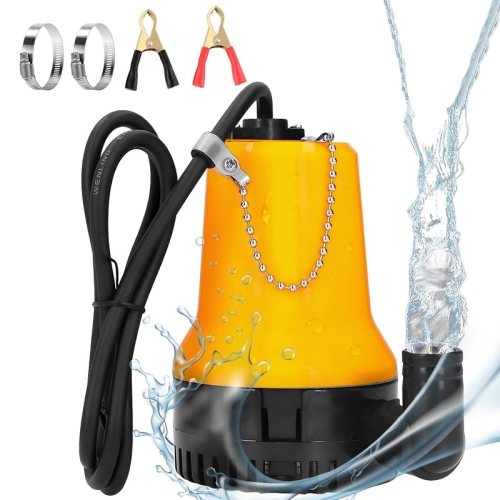
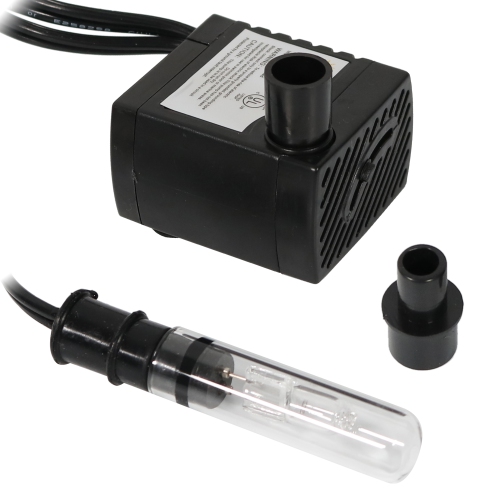
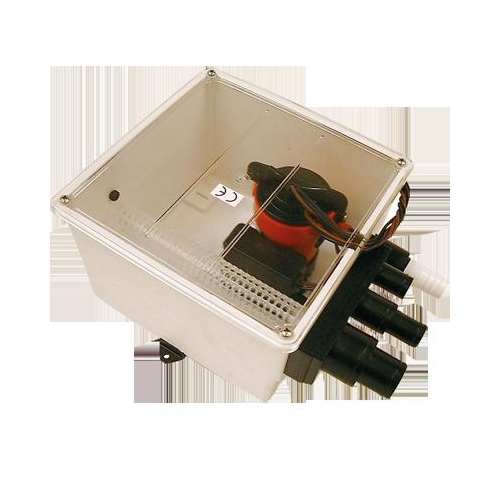
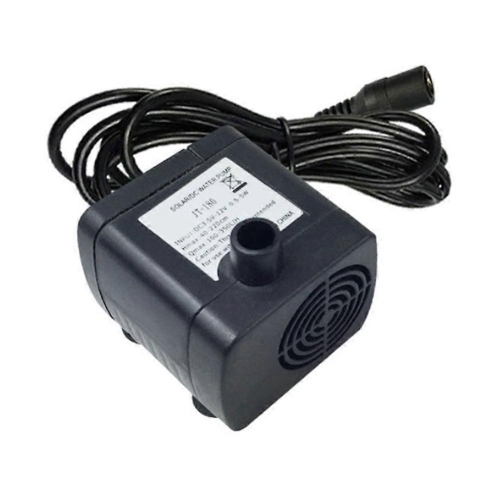
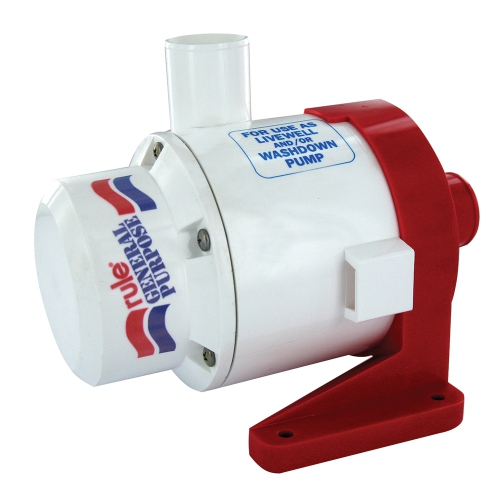
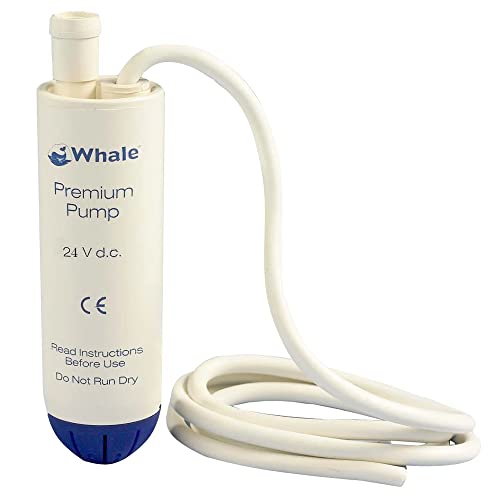
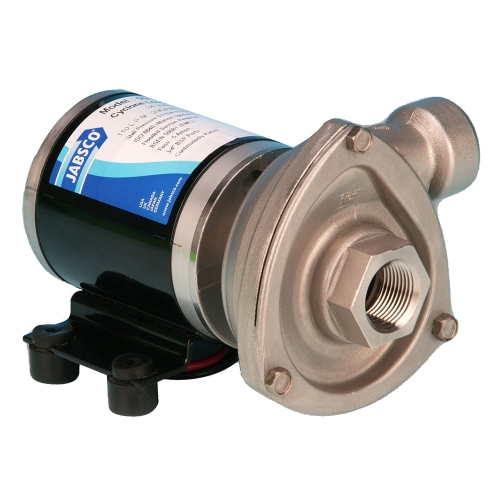
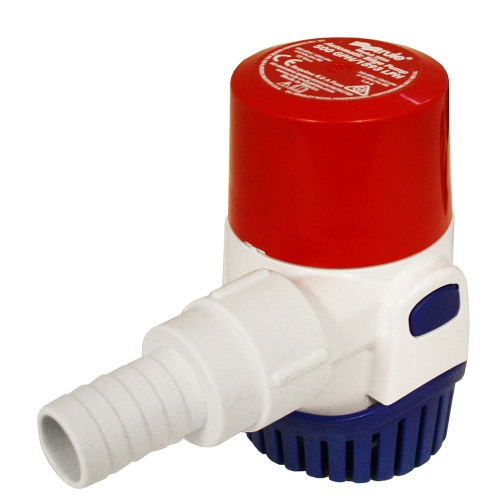
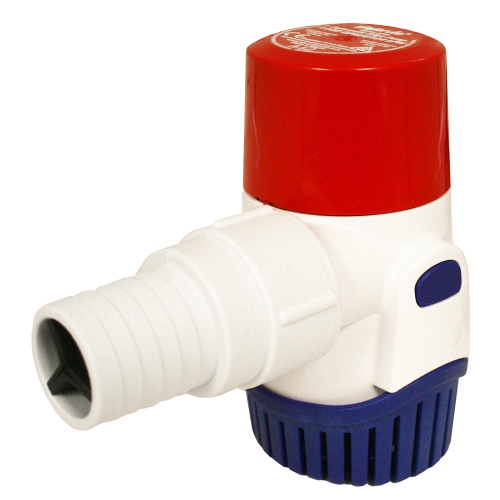
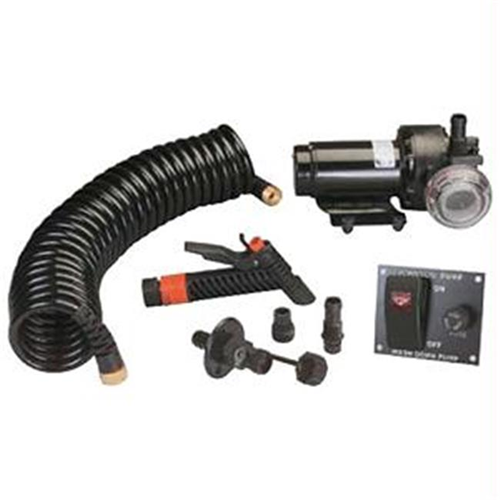
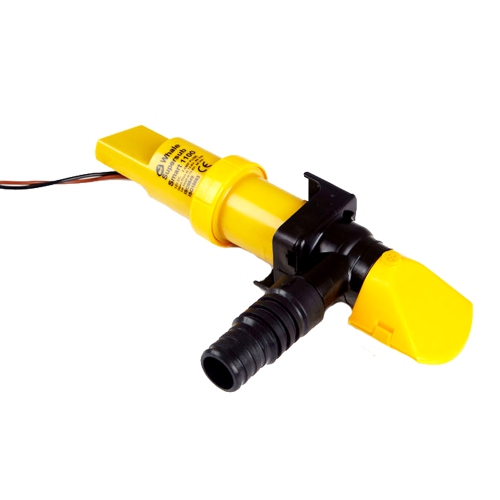
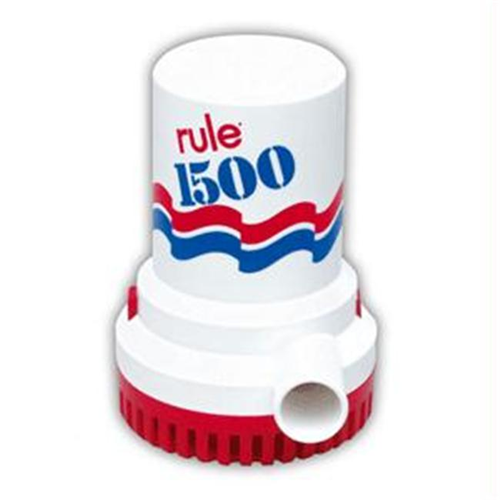
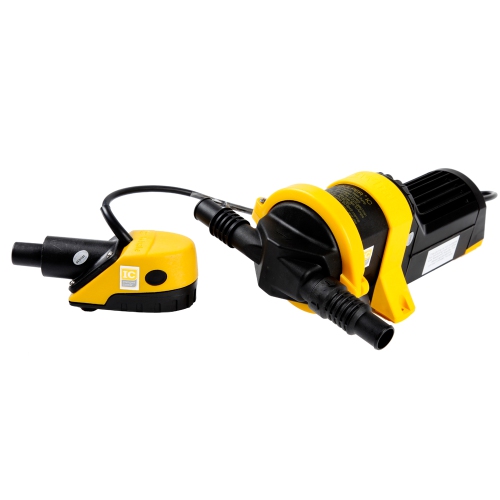
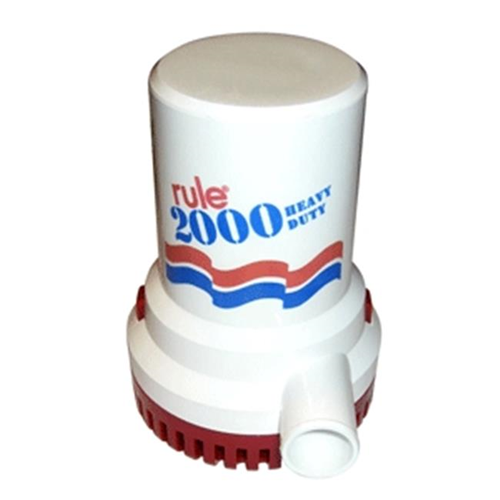
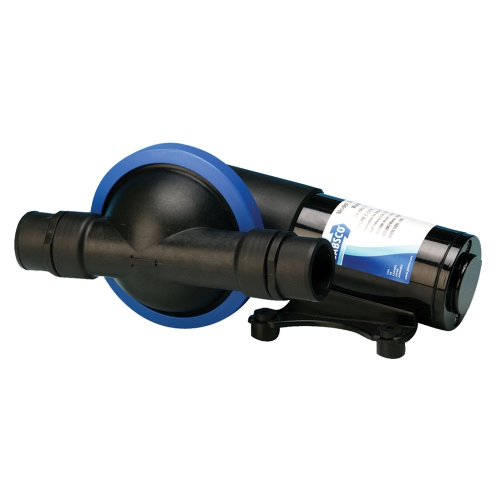
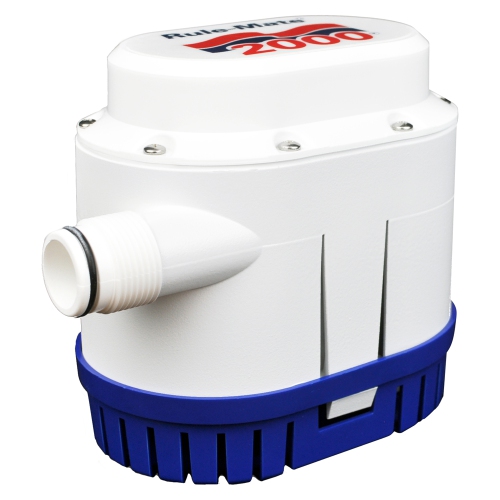
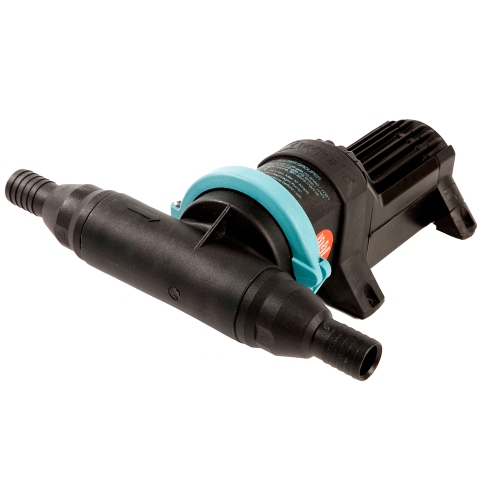
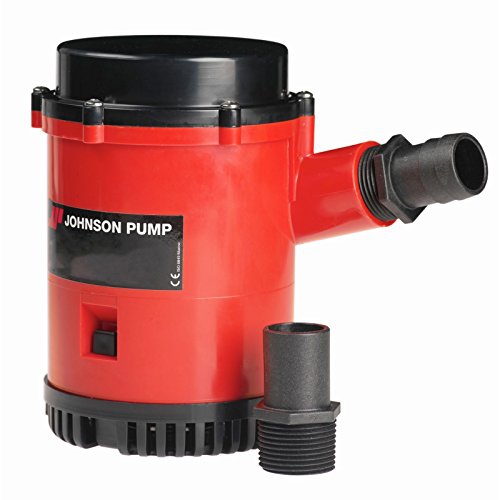
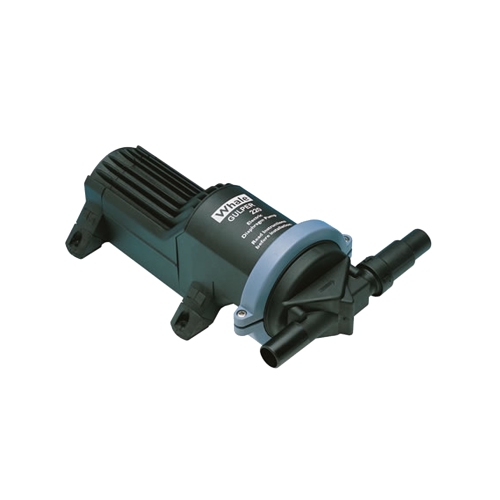
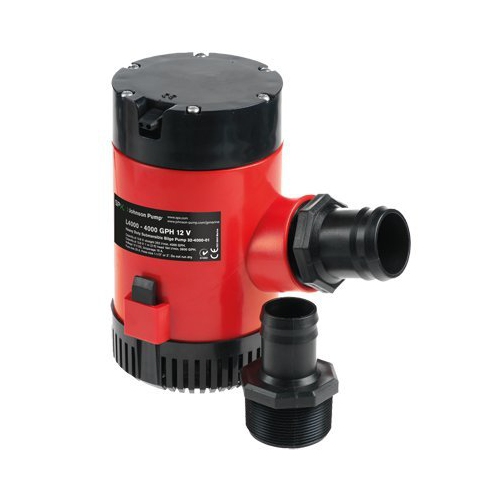
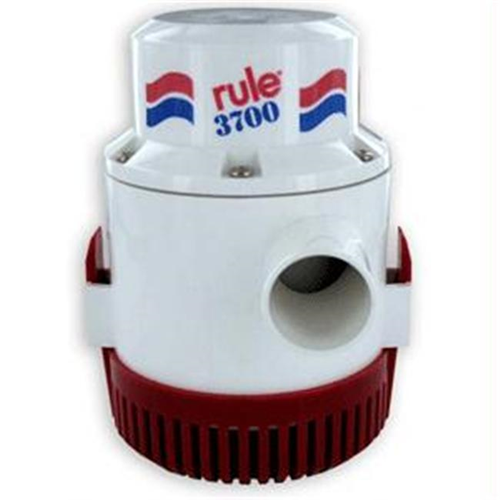
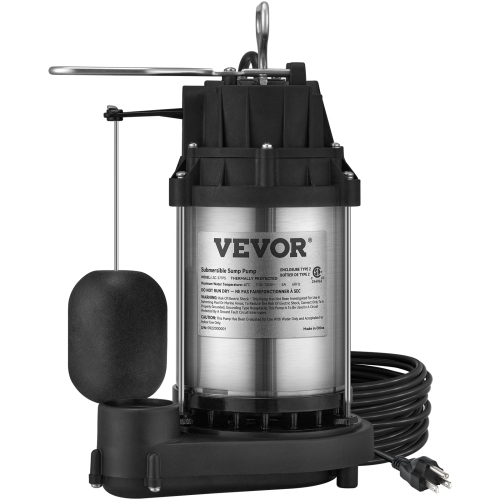

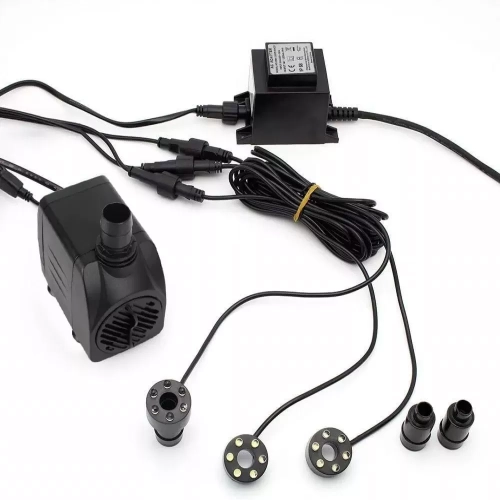
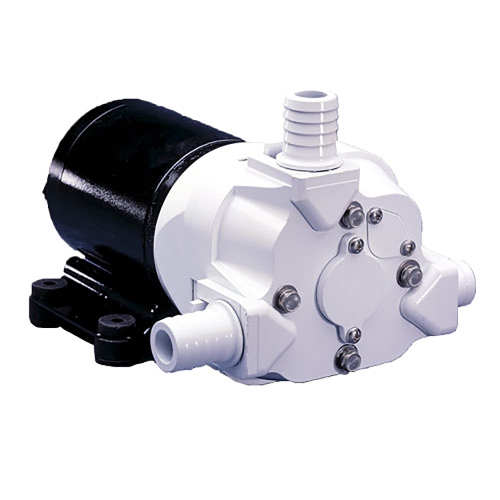
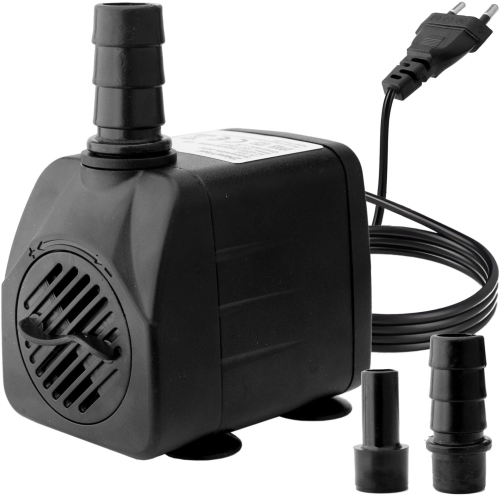
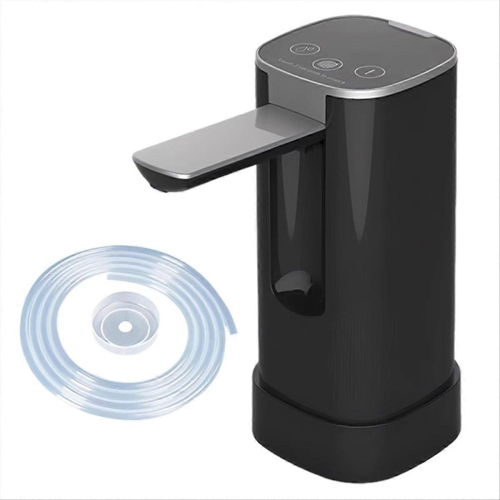
Reliable water delivery for remote DC-powered systems
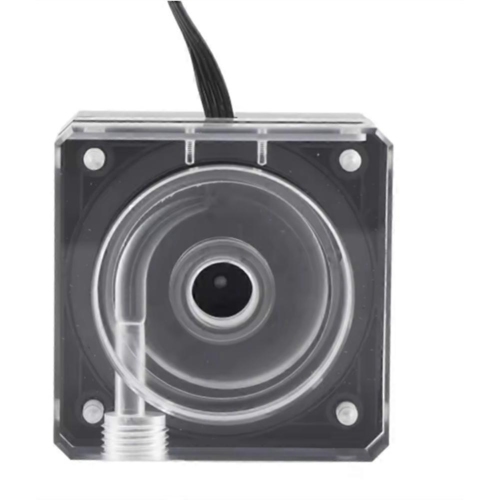
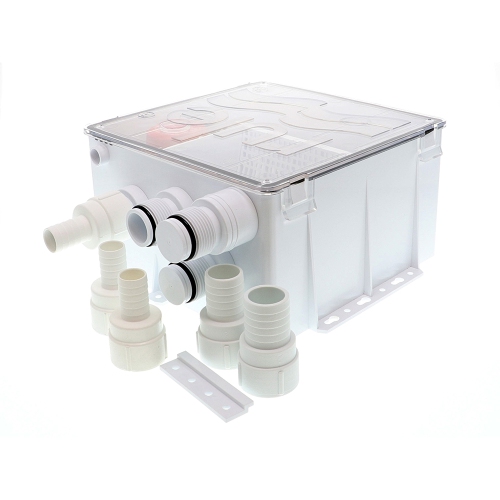
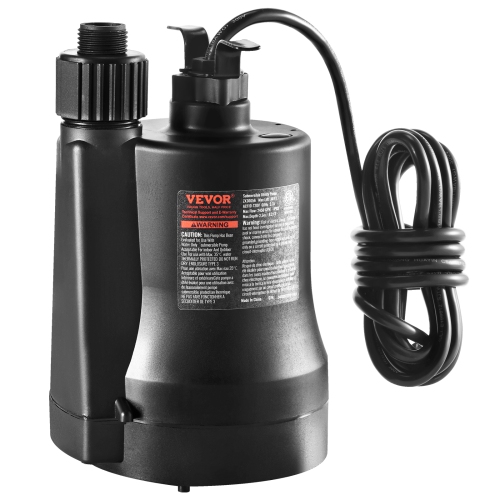
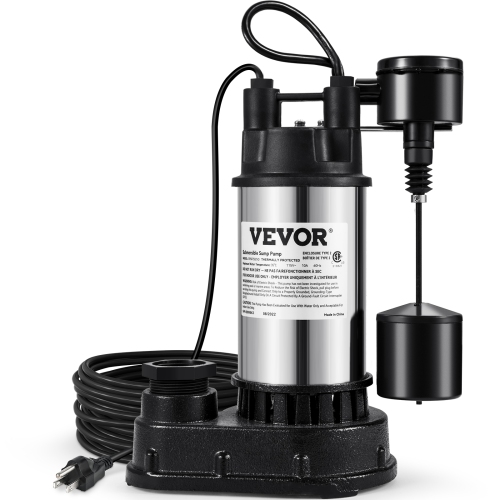
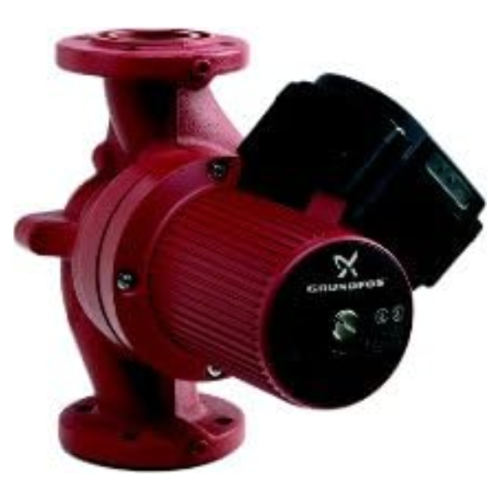
24V water pumps are designed for systems that use 24-volt direct current power, making them a practical choice for RVs, boats, cabins, workshops, agricultural equipment, water features, and other locations where a standard household outlet may not be the primary power source. They can draw water from a tank, cistern, well, or reservoir and move it to a tap, shower, irrigation line, cooling system, or livestock watering point, depending on the pump design. Many people choose a 24V pump for a battery bank, an off-grid cabin, or a vehicle-based water system because the voltage fits naturally with common DC electrical setups. They are also useful in solar-powered installations when the rest of the system is configured for 24V operation. Before choosing a pump, identify the job it needs to perform and the type of water source involved. A compact circulation pump may be suitable for moving water through a small cooling loop, aquarium, fountain, or decorative feature, while a pressure pump is better suited to supplying water from a storage tank to a sink or shower. A submersible pump is placed directly in a well, cistern, or tank and can be useful when water must be lifted from below the pump outlet. The most suitable option depends on the distance the water must travel, the height it must reach, the required pressure, and the volume needed at the outlet. A pump that works well for a quiet indoor water feature may not have enough power for irrigation or a deep well, while a high-output pump may be unnecessary for a small recirculating application.
Flow rate and pressure are two of the most important specifications to compare. Flow rate is commonly listed in gallons per minute and indicates how much water the pump can move under stated conditions. Pressure, often shown in pounds per square inch, describes the force available to push water through plumbing, hoses, filters, spray heads, or elevation changes. Product ratings are typically measured in ideal conditions, so real-world performance can be lower once hose length, bends, fittings, filters, valves, and vertical lift are taken into account. A pump may advertise a strong maximum flow rate, but that figure can decrease noticeably when the water has to travel uphill or through a narrow line. For an RV, boat, or small cabin, a 24V diaphragm demand pump with an automatic pressure switch can provide convenient water delivery by starting when a tap opens and stopping when the tap closes. These pumps are often selected for pressurized water systems and may deliver approximately 3 to 4 gallons per minute at around 40 to 55 PSI, although the exact performance varies by model and installation. For a well, cistern, or remote watering system, a submersible pump may be a better match because it operates in the water and is designed to push water through a longer vertical run. Smaller magnetic-drive or brushless circulation pumps can provide quiet, continuous movement for lower-volume applications, where steady circulation matters more than high pressure. Check whether the pump is intended for continuous-duty operation or intermittent use, and confirm that its materials are compatible with the water being moved. Drinking-water systems require components rated for potable water, while irrigation, pond, and utility-water applications may have different requirements.
Electrical compatibility deserves the same attention as hydraulic performance. Confirm that the pump is rated for 24V DC and that the available power source can supply the required current during start-up as well as normal operation. A battery bank or converter should be matched to the pump’s amperage, and the wiring should be sized for the distance between the power source and the pump. Long cable runs can create voltage drop, which may reduce performance or prevent the motor from starting reliably. An appropriately rated fuse or circuit breaker should be installed close to the power source, and polarity must be checked before connecting the pump. Some installations benefit from a pressure accumulator tank, shut-off valve, check valve, strainer, or dry-run protection, depending on the pump and plumbing layout. A strainer can help keep grit and debris from reaching the pump, particularly when drawing from a tank or open reservoir. Keep the pump accessible for inspection, and protect exposed connections from water. During the warmer part of the year, 24V water pumps can support garden watering, cabin plumbing, boat systems, and outdoor wash stations; during cooler months, systems in unheated spaces may need to be drained and protected from freezing. Proper priming is also important for pumps that are not self-priming, while submersible models must be fully submerged according to their instructions. If the application uses a 12V electrical system instead, browse 12v Pumps for options designed around that lower-voltage setup. With the right flow rate, pressure rating, power source, and installation accessories, a 24V water pump can provide dependable water movement for everyday tasks, remote facilities, recreation, maintenance, and specialized equipment.
Flow rate and pressure are two of the most important specifications to compare. Flow rate is commonly listed in gallons per minute and indicates how much water the pump can move under stated conditions. Pressure, often shown in pounds per square inch, describes the force available to push water through plumbing, hoses, filters, spray heads, or elevation changes. Product ratings are typically measured in ideal conditions, so real-world performance can be lower once hose length, bends, fittings, filters, valves, and vertical lift are taken into account. A pump may advertise a strong maximum flow rate, but that figure can decrease noticeably when the water has to travel uphill or through a narrow line. For an RV, boat, or small cabin, a 24V diaphragm demand pump with an automatic pressure switch can provide convenient water delivery by starting when a tap opens and stopping when the tap closes. These pumps are often selected for pressurized water systems and may deliver approximately 3 to 4 gallons per minute at around 40 to 55 PSI, although the exact performance varies by model and installation. For a well, cistern, or remote watering system, a submersible pump may be a better match because it operates in the water and is designed to push water through a longer vertical run. Smaller magnetic-drive or brushless circulation pumps can provide quiet, continuous movement for lower-volume applications, where steady circulation matters more than high pressure. Check whether the pump is intended for continuous-duty operation or intermittent use, and confirm that its materials are compatible with the water being moved. Drinking-water systems require components rated for potable water, while irrigation, pond, and utility-water applications may have different requirements.
Electrical compatibility deserves the same attention as hydraulic performance. Confirm that the pump is rated for 24V DC and that the available power source can supply the required current during start-up as well as normal operation. A battery bank or converter should be matched to the pump’s amperage, and the wiring should be sized for the distance between the power source and the pump. Long cable runs can create voltage drop, which may reduce performance or prevent the motor from starting reliably. An appropriately rated fuse or circuit breaker should be installed close to the power source, and polarity must be checked before connecting the pump. Some installations benefit from a pressure accumulator tank, shut-off valve, check valve, strainer, or dry-run protection, depending on the pump and plumbing layout. A strainer can help keep grit and debris from reaching the pump, particularly when drawing from a tank or open reservoir. Keep the pump accessible for inspection, and protect exposed connections from water. During the warmer part of the year, 24V water pumps can support garden watering, cabin plumbing, boat systems, and outdoor wash stations; during cooler months, systems in unheated spaces may need to be drained and protected from freezing. Proper priming is also important for pumps that are not self-priming, while submersible models must be fully submerged according to their instructions. If the application uses a 12V electrical system instead, browse 12v Pumps for options designed around that lower-voltage setup. With the right flow rate, pressure rating, power source, and installation accessories, a 24V water pump can provide dependable water movement for everyday tasks, remote facilities, recreation, maintenance, and specialized equipment.
Top selling and popular products
-
 Your price for this item is $31.34
 -
 Your price for this item is $30.54
 -
 Your price for this item is $38.85
 -
 Your price for this item is $63.99
 -
 Your price for this item is $844.91
 -
 Your price for this item is $909.33
 -
 Your price for this item is $31.38
 -
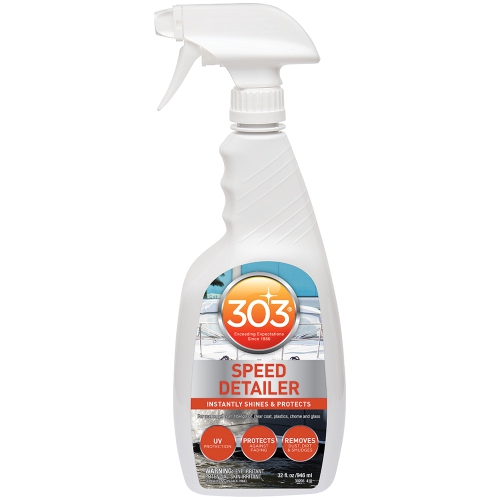 Your price for this item is $35.35
Discover more categories related to 24v Water Pumps
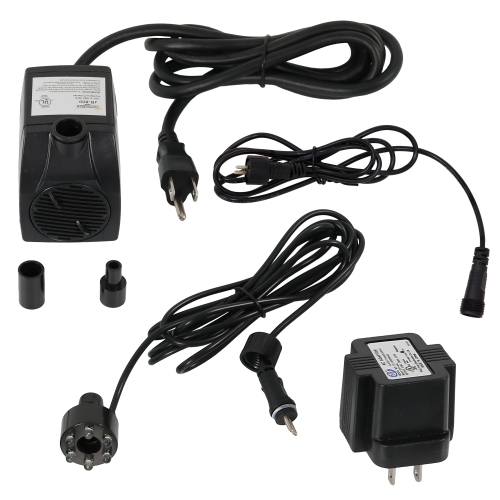
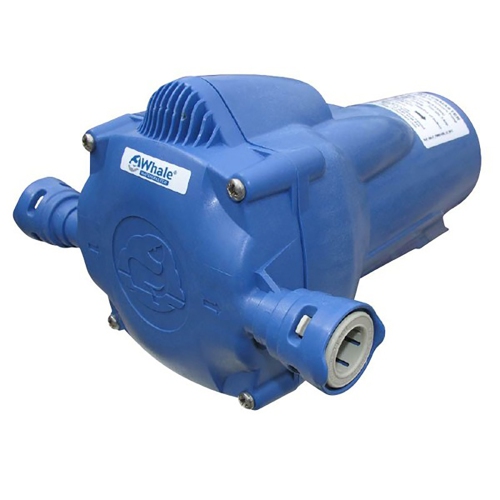
Top Collections:
Pokemon Centers, Best Cameras for Sports Photography, Kindle Devices, Samsung Galaxy Phones, Canon G7X Cameras, Pokémon 30th Celebration Cards, Refurbished Apple Laptops, iPhone 15 Apple, Laptops for Students, Budget Smartphones
Some products may be subject to Environmental Handling Fees
(EHF) depending on your province.
Learn more about EHFs.