3000w Inverters
Looking for a reliable power solution to keep your essential electronics running smoothly during power outages or while on the go? Look no further than our selection of 3000w inverters. These powerful devices efficiently convert DC power to AC power, making them perfect for powering up a variety of devices such as laptops, smartphones, and small appliances. Whether you're camping in the great outdoors or need a backup power source at home, a 3000w inverter is a versatile and essential tool to have on hand. Browse our collection today to find the perfect option to meet your power needs.
Sort
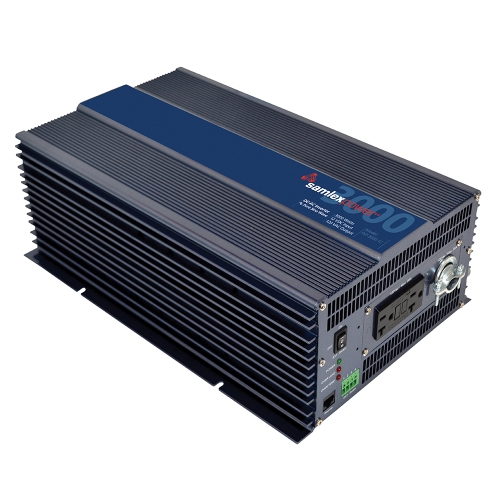
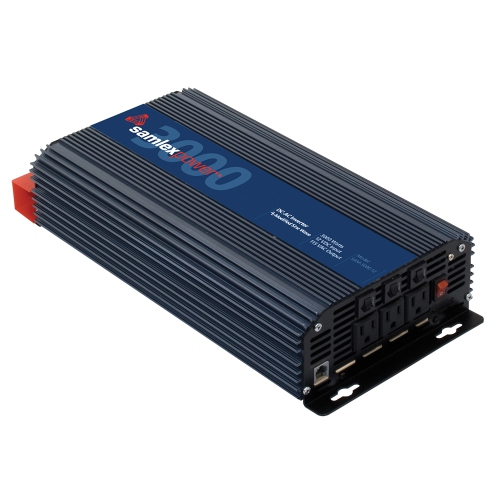
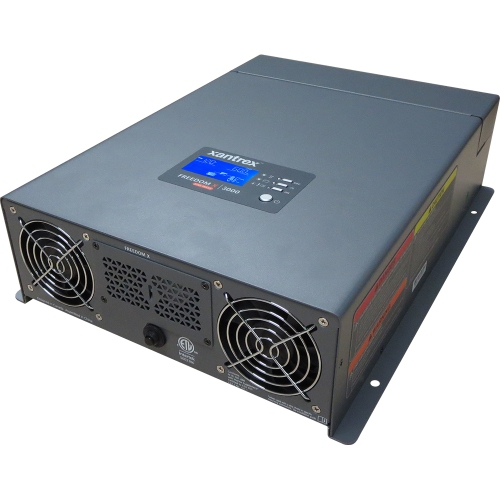
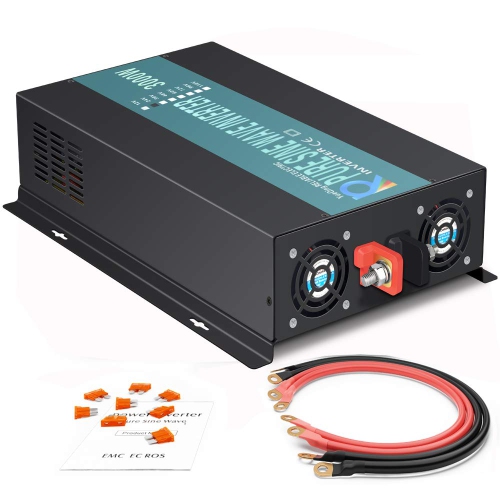
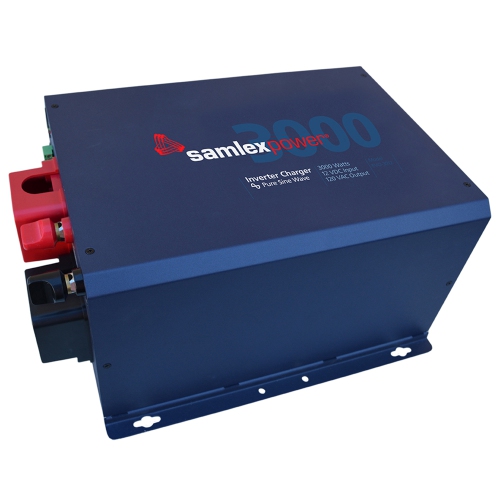
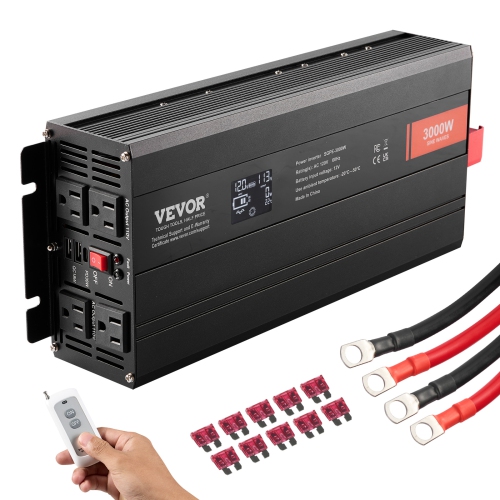
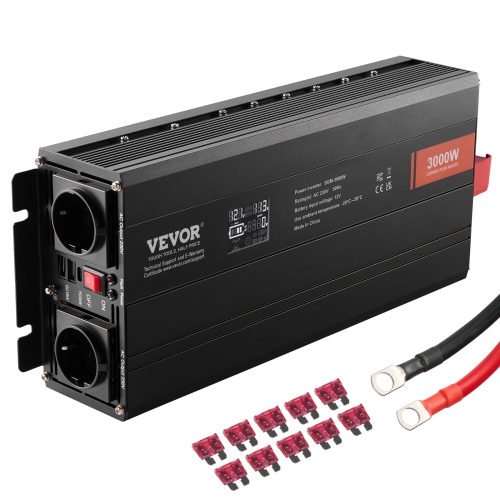
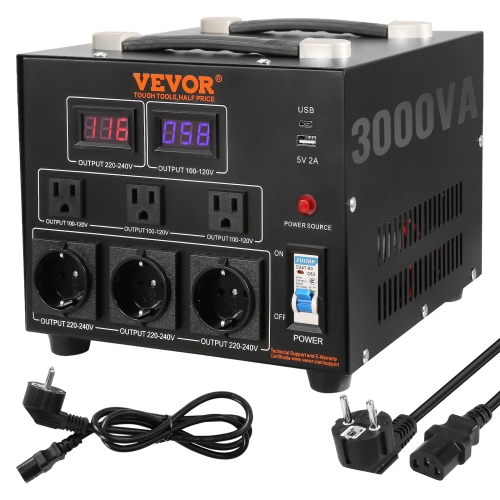
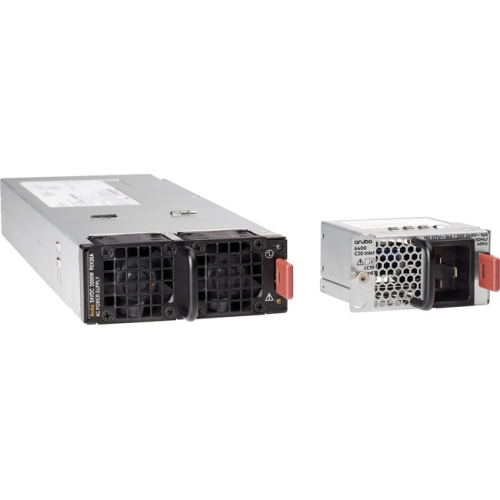
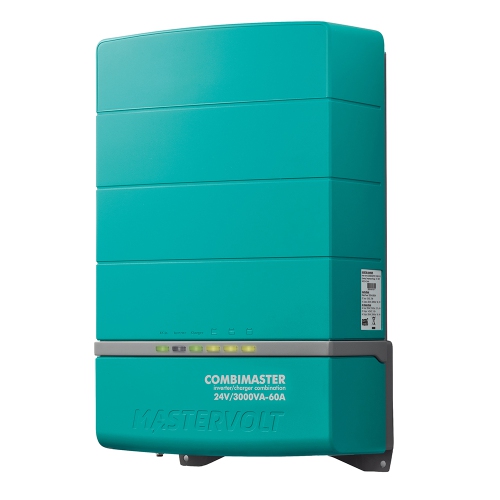

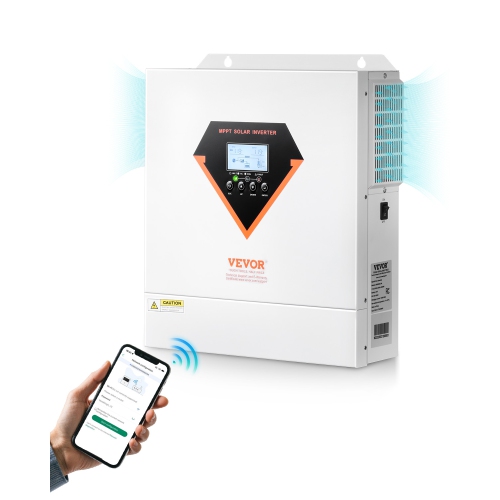
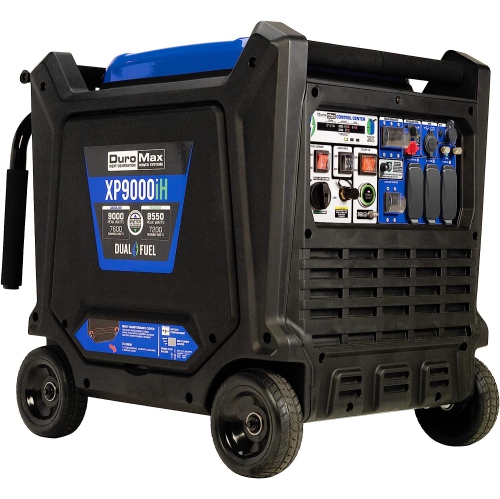
Reliable AC power for appliances, tools, and electronics anywhere
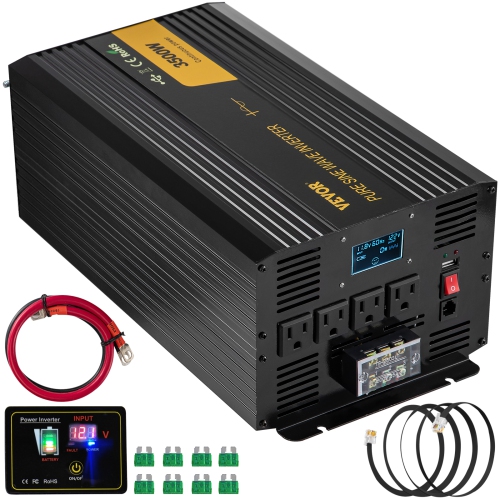
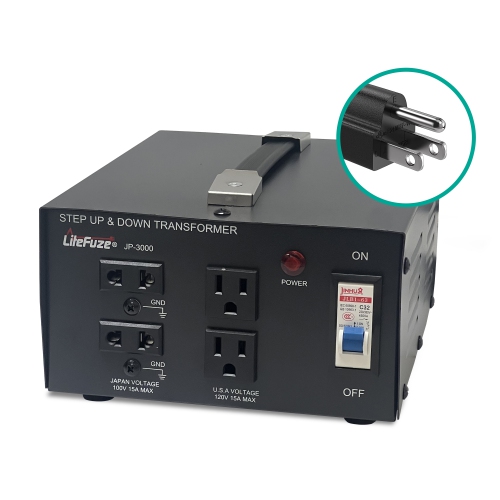
A 3,000-watt power inverter is designed to turn electricity stored in a battery bank into household-style AC power for appliances, tools, and electronics when a conventional wall outlet is unavailable. Most models connect to a 12V or 24V DC battery system and provide 120V AC output, although the exact input voltage, outlet arrangement, and operating limits vary by model. The 3,000-watt rating generally refers to continuous output, while surge capacity describes the brief burst of power available when equipment with a motor or compressor starts. That extra starting power can be important for refrigerators, freezers, sump pumps, air compressors, power tools, and other equipment that draws more electricity during start-up than it does while running. A 3,000-watt inverter may also run several smaller devices at once, such as a coffee maker, laptop, phone chargers, work lights, or a television, provided their combined running wattage and start-up demands remain within the inverter’s limits. Before choosing one, add up the wattage of everything you expect to use together and leave room for start-up surges. Appliance labels, user manuals, and manufacturer specifications can provide running and peak wattage, but some loads are difficult to estimate, especially older motors, heating elements, and equipment with variable-speed controls. It is also important to remember that an inverter does not create energy; the battery bank supplies it, and heavier loads will drain that bank more quickly. Battery capacity, battery condition, cable size, connection length, ambient temperature, and inverter efficiency all affect runtime. A rough estimate can be made by multiplying the battery voltage by its amp-hour capacity to calculate watt-hours, then allowing for conversion losses and avoiding complete battery discharge. A qualified installer can help confirm whether the battery, cables, fuses, and ventilation are suitable for the intended load.
The type of output waveform is another key consideration. Pure sine wave inverters produce smooth AC power similar to the electricity supplied by a utility, making them a practical choice for sensitive electronics, medical equipment approved for inverter use, audio equipment, and appliances with variable-speed or electronically controlled motors. Modified sine wave models can be suitable for simpler loads, including some basic tools, work lights, heaters, and older equipment, but they may cause certain devices to run noisily, less efficiently, or with excess heat. When compatibility matters, check the requirements for each appliance instead of assuming that every 120V device will perform the same way. Features such as built-in overload protection, low-battery shutdown, over-temperature protection, short-circuit protection, cooling fans, digital displays, remote controls, USB charging ports, and multiple AC outlets can make an inverter easier and safer to use. Pay close attention to the difference between continuous and peak wattage, since a high peak number does not mean the unit can operate that load continuously. For a refrigerator or freezer, for example, the inverter must handle the compressor’s starting demand as well as the normal running load. For a sump pump, the battery reserve and automatic backup setup deserve equal attention, particularly when heavy rain or a power interruption could occur at the same time. For tools at a campsite, workshop, trailer, or remote job site, consider whether the inverter will be exposed to dust, moisture, vibration, or limited airflow. Inverters should be installed in a dry, well-ventilated location, away from fuel, heat sources, and flammable materials, and they should be connected using appropriately rated cables and protection devices. They are not intended to be plugged into a household outlet or used to backfeed a home through an improvised connection. Anyone planning to power household circuits should work with a licensed electrician and use approved transfer equipment.
These inverters can be useful for people who spend time away from dependable grid power, including campers, recreational vehicle owners, tradespeople, property owners, and households preparing for short interruptions during the cooler months. They can keep essential communication devices charged, provide power for selected appliances, or operate equipment at a remote cabin, seasonal property, workshop, or outdoor work area. A portable setup can also be helpful when a job requires corded tools beyond the reach of a standard outlet, although the battery bank and inverter should be sized for the tool’s full demand. For occasional backup use, consider how often the inverter will be needed, where it will be stored, and how the battery will be maintained between uses. For frequent or high-demand operation, a larger battery system, charging equipment, and professional installation may be more appropriate than relying on a single battery. People shopping for a 3,000-watt inverter as a practical gift may include new RV owners, campers, DIY enthusiasts, boat owners, or anyone setting up a remote workspace, but the right choice depends on the recipient’s battery voltage, equipment, and level of experience. A thoughtful purchase includes checking the intended appliances first, confirming whether pure sine wave output is required, and making sure the recipient has compatible batteries and safe connection hardware. For shoppers comparing different capacity ranges, the selection of Large Power Inverters can provide additional context when a 3,000-watt model may not match the planned load. With careful sizing and proper installation, a 3,000-watt inverter can offer convenient access to AC power in places where a wall outlet is out of reach, while clear attention to battery capacity, surge requirements, waveform, ventilation, and safety helps ensure that the system performs reliably.
The type of output waveform is another key consideration. Pure sine wave inverters produce smooth AC power similar to the electricity supplied by a utility, making them a practical choice for sensitive electronics, medical equipment approved for inverter use, audio equipment, and appliances with variable-speed or electronically controlled motors. Modified sine wave models can be suitable for simpler loads, including some basic tools, work lights, heaters, and older equipment, but they may cause certain devices to run noisily, less efficiently, or with excess heat. When compatibility matters, check the requirements for each appliance instead of assuming that every 120V device will perform the same way. Features such as built-in overload protection, low-battery shutdown, over-temperature protection, short-circuit protection, cooling fans, digital displays, remote controls, USB charging ports, and multiple AC outlets can make an inverter easier and safer to use. Pay close attention to the difference between continuous and peak wattage, since a high peak number does not mean the unit can operate that load continuously. For a refrigerator or freezer, for example, the inverter must handle the compressor’s starting demand as well as the normal running load. For a sump pump, the battery reserve and automatic backup setup deserve equal attention, particularly when heavy rain or a power interruption could occur at the same time. For tools at a campsite, workshop, trailer, or remote job site, consider whether the inverter will be exposed to dust, moisture, vibration, or limited airflow. Inverters should be installed in a dry, well-ventilated location, away from fuel, heat sources, and flammable materials, and they should be connected using appropriately rated cables and protection devices. They are not intended to be plugged into a household outlet or used to backfeed a home through an improvised connection. Anyone planning to power household circuits should work with a licensed electrician and use approved transfer equipment.
These inverters can be useful for people who spend time away from dependable grid power, including campers, recreational vehicle owners, tradespeople, property owners, and households preparing for short interruptions during the cooler months. They can keep essential communication devices charged, provide power for selected appliances, or operate equipment at a remote cabin, seasonal property, workshop, or outdoor work area. A portable setup can also be helpful when a job requires corded tools beyond the reach of a standard outlet, although the battery bank and inverter should be sized for the tool’s full demand. For occasional backup use, consider how often the inverter will be needed, where it will be stored, and how the battery will be maintained between uses. For frequent or high-demand operation, a larger battery system, charging equipment, and professional installation may be more appropriate than relying on a single battery. People shopping for a 3,000-watt inverter as a practical gift may include new RV owners, campers, DIY enthusiasts, boat owners, or anyone setting up a remote workspace, but the right choice depends on the recipient’s battery voltage, equipment, and level of experience. A thoughtful purchase includes checking the intended appliances first, confirming whether pure sine wave output is required, and making sure the recipient has compatible batteries and safe connection hardware. For shoppers comparing different capacity ranges, the selection of Large Power Inverters can provide additional context when a 3,000-watt model may not match the planned load. With careful sizing and proper installation, a 3,000-watt inverter can offer convenient access to AC power in places where a wall outlet is out of reach, while clear attention to battery capacity, surge requirements, waveform, ventilation, and safety helps ensure that the system performs reliably.
Top selling and popular products
-
 Your price for this item is $30.59
 -
 Your price for this item is $30.54
 -
 Your price for this item is $38.85
 -
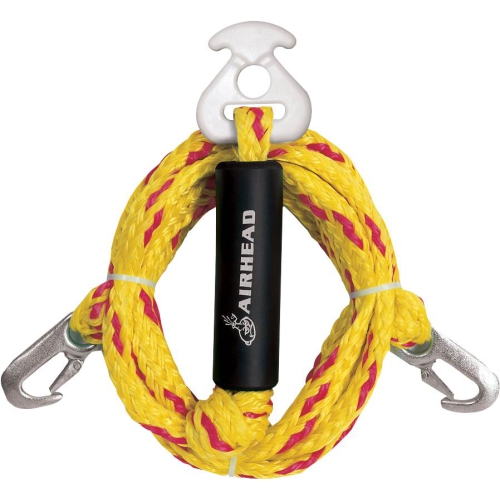 Your price for this item is $92.99
 -
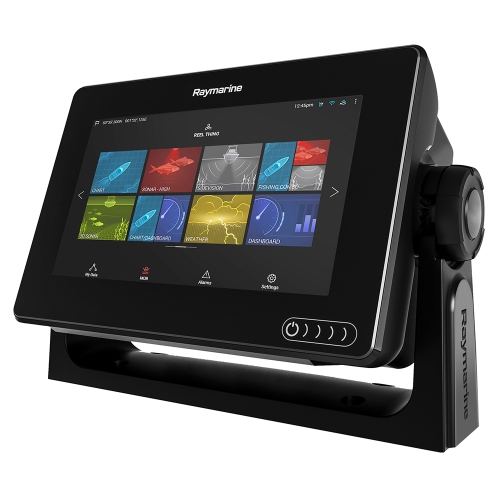 Your price for this item is $844.91
 -
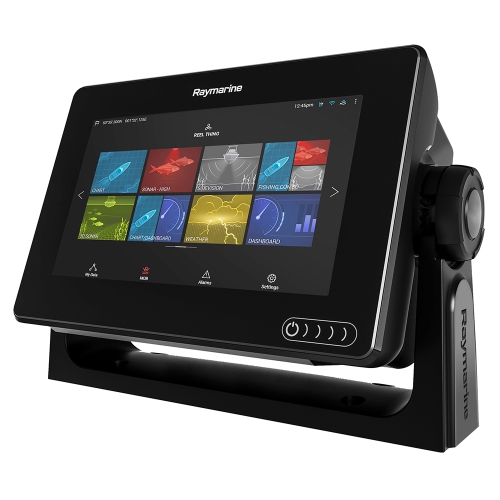 Your price for this item is $909.33
 -
 Your price for this item is $30.62
 -
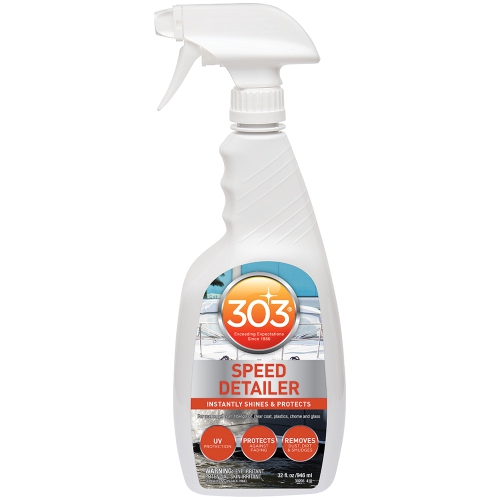 Your price for this item is $34.93
Discover more categories related to 3000w Inverters
Top Collections:
Pokemon Centers, Kindle Devices, Best Budget Office Chairs, Apple iPhones 16, Best Laptops for Writers, iPhone 15 Apple, Canon G7X Cameras, Refurbished Apple Laptops, Alarm Clock, Motorola Razr Phones
Some products may be subject to Environmental Handling Fees
(EHF) depending on your province.
Learn more about EHFs.