Adult Life Jackets
Whether you're heading out for a day of boating, kayaking, or paddleboarding, safety on the water is paramount. Our collection of adult life jackets offers a variety of options to keep you safe and comfortable while enjoying your favorite water activities. With different sizes, styles, and features to choose from, finding the right adult life jacket to suit your needs has never been easier. Browse our selection and ensure that you're well-equipped for any aquatic adventure that comes your way.
Sort

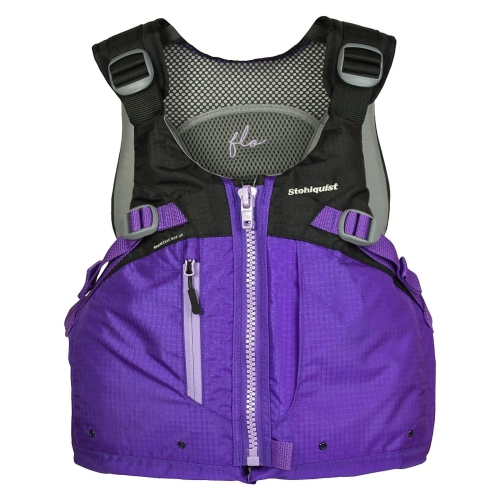
Why flotation type and fit matter on the water
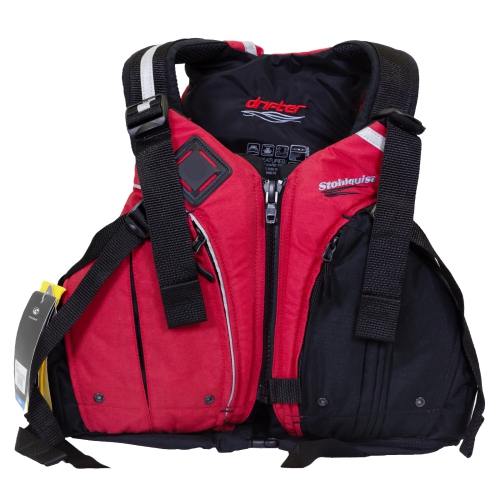
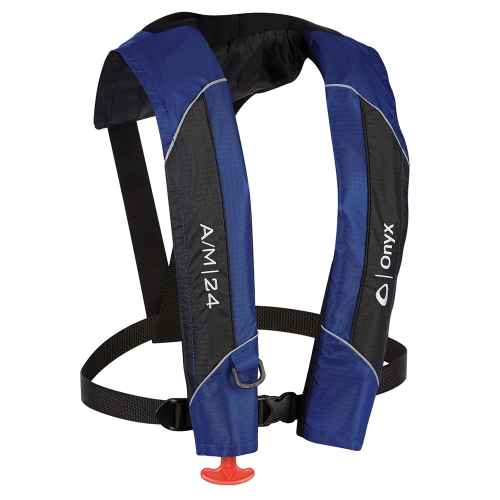
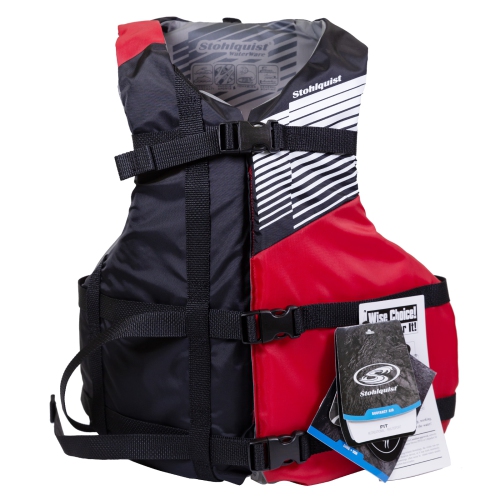
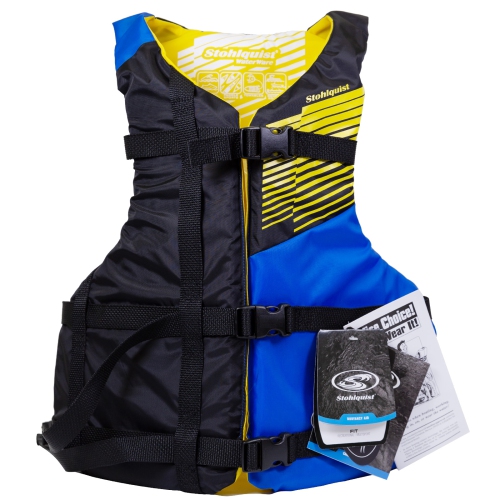
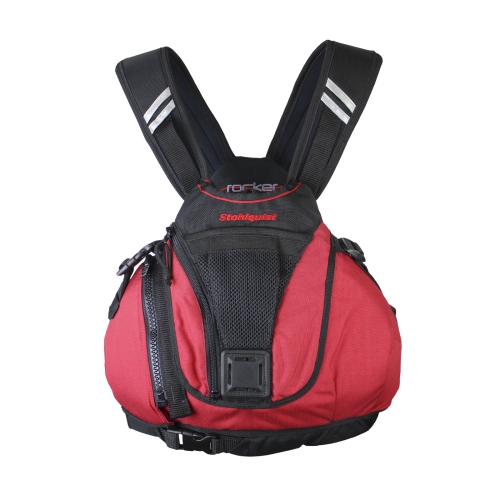
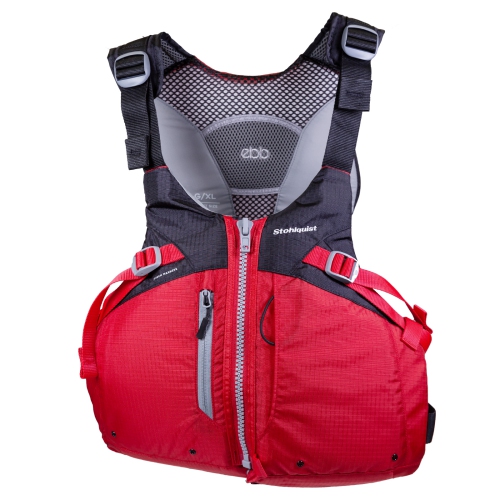
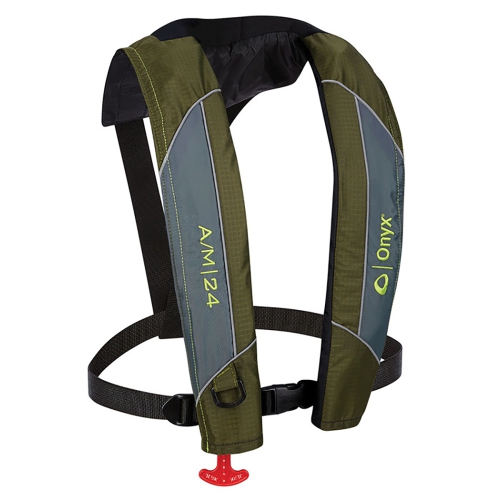
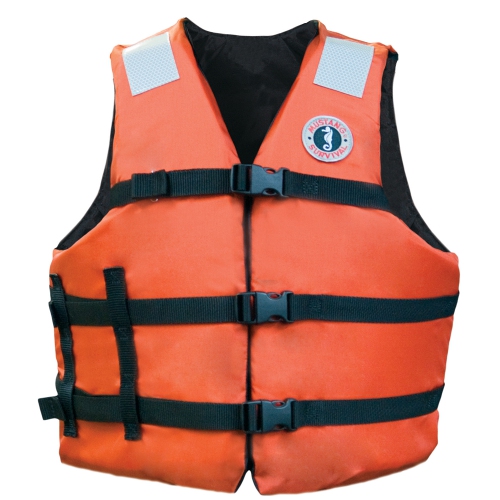
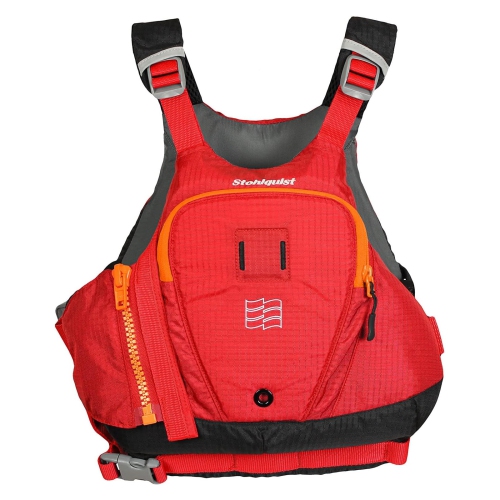
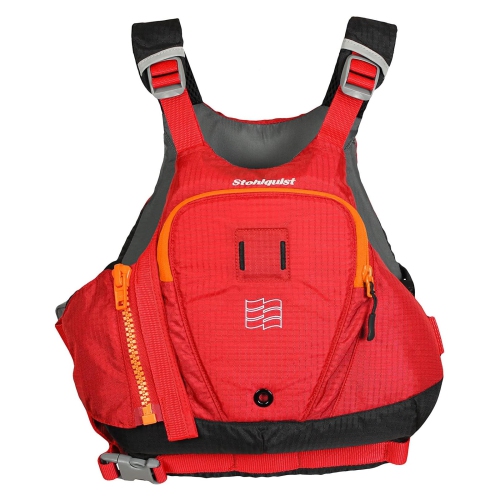
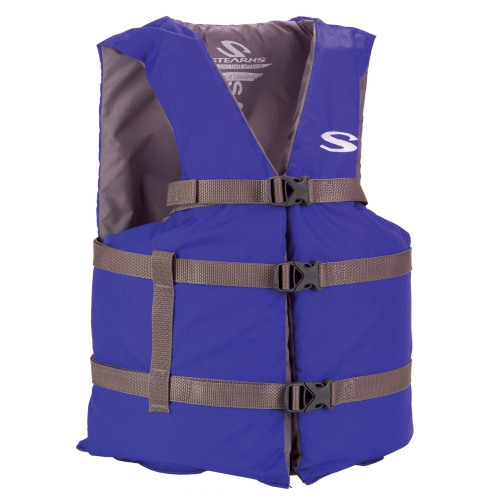
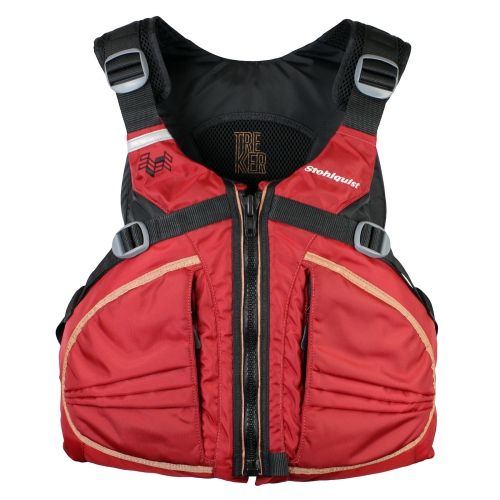
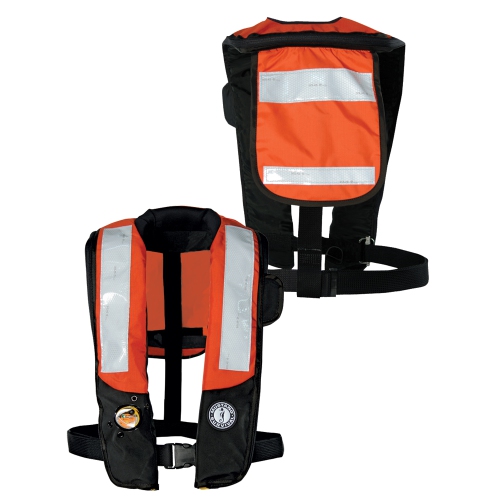
Adult life jackets provide wearable flotation for boating, paddling, fishing, and other activities on the water. Although “life jacket” and “personal flotation device,” or PFD, are often used interchangeably, they describe different categories of safety equipment. Approved lifejackets are designed to turn an unconscious wearer face-up, while many PFDs prioritize comfort and freedom of movement and are not designed to provide that same turning ability. The approval label and manufacturer’s stated use matter more than the name alone. For use in Canada, look for a label showing approval by Transport Canada, the Canadian Coast Guard, or Fisheries and Oceans Canada; U.S. approval alone does not establish Canadian approval. Canadian boating requirements generally call for an appropriately sized, approved lifejacket or PFD for each person aboard, with additional wearing requirements applying to some designs. Keeping one nearby is not equivalent to wearing it, particularly during an unexpected fall overboard. Foam-filled adult life jackets provide buoyancy without needing to be inflated, making them a straightforward choice for many boaters and paddlers. Their foam panels may be arranged around the chest and back or shaped to leave more room through the shoulders. Inflatable PFDs have a less bulky profile before deployment, but their suitability depends on the wearer, the activity, and the conditions specified on the label. Manual designs require the wearer to activate inflation, while automatic designs use a mechanism intended to trigger inflation after contact with water. Both require checks and maintenance, and Canadian restrictions apply to their use, including wearer age and certain activities. They are not a substitute for inherently buoyant designs in every situation. For someone sitting at the helm, casting from a boat, or taking repeated paddle strokes, the most useful starting point is a device approved for that activity that fits securely enough to stay in place. Flotation supports safety, but it does not replace swimming skills, safe boat operation, or attention to the waterway.
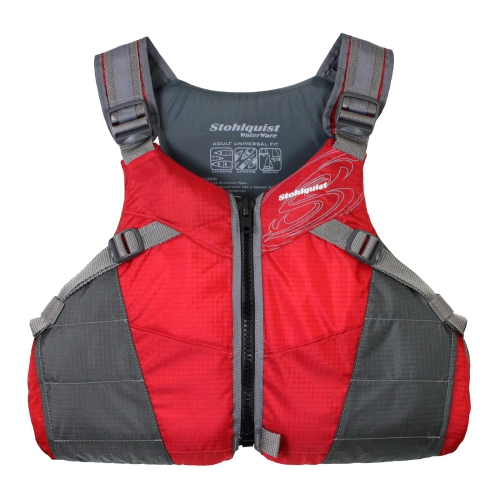
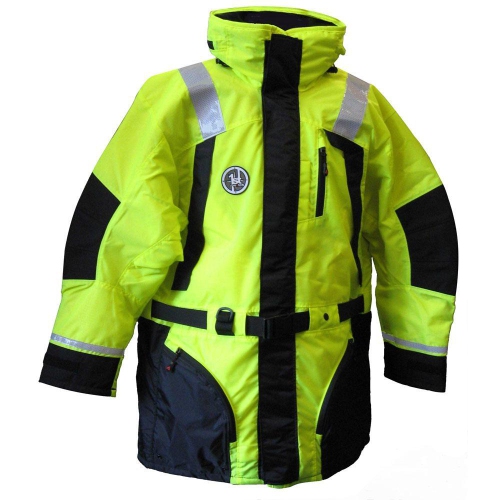
Fit determines how an adult life jacket feels during use and how securely it remains positioned in the water. Adult sizing may use chest circumference, body weight, or a combination of measurements, so a familiar clothing size is not enough on its own. A universal-fit label still represents a defined size range rather than a fit for every adult. Adjustable shoulder straps, side straps, waist belts, buckles, and zippers help tailor the fit, but they cannot make a fundamentally unsuitable size perform properly. With all closures secured according to the manufacturer’s directions, the jacket should feel snug without restricting normal breathing. A gentle upward pull at the shoulders should not allow it to slide over the chin or ears. Trying it while seated can reveal pressure points that are less obvious when standing, especially where the lower edge meets a kayak seat, boat bench, or waistline. Reaching forward as though holding a paddle or fishing rod also helps show whether the arm openings and foam panels allow useful movement. Large arm openings can reduce rubbing through repeated strokes, while a shorter torso or raised back panel may work better with certain paddling seats. Compatibility depends on the whole setup, not just the jacket’s appearance. Materials contribute to comfort and durability as well. Nylon and polyester shells are common choices for abrasion resistance and practical care, while neoprene-covered designs often have a closer, more flexible feel against the body. Mesh sections can improve ventilation, and smooth linings may reduce friction over clothing. Stitching around strap anchors, neatly finished seams, and accessible adjustment points are useful construction details to examine. Colour is another practical consideration: bright panels can make a wearer easier to distinguish against the water, while reflective details may improve visibility when illuminated. Neither feature guarantees that someone will be seen. If an adult life jacket is intended as a gift, knowing the recipient’s measurements and preferred water activity is more valuable than choosing by colour or appearance alone.
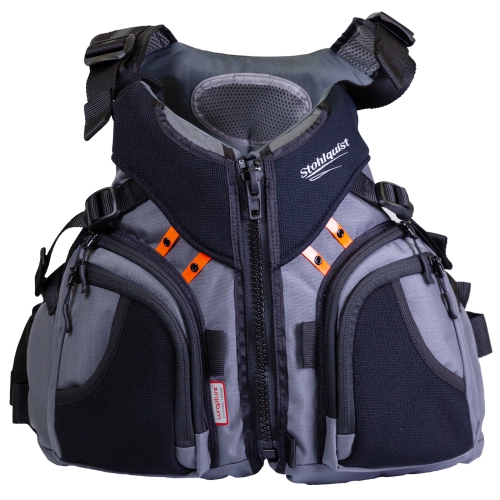
Intended use helps narrow the differences between adult life jackets that otherwise look similar. For canoeing and kayaking, shoulder clearance and compatibility with the seat back can make a meaningful difference over many paddle strokes. For general boating, straightforward closures and clearly understood adjustments help each wearer achieve a secure fit before leaving the dock. Water-sport activities may require designs specifically approved for their demands; an impact vest or buoyancy garment without the appropriate approval is not interchangeable with an approved lifejacket or PFD. Anglers may value pockets for small tackle essentials, attachment points for suitable accessories, and a front profile that leaves room to handle a rod. Designs grouped under fishing life jackets can offer these activity-focused details, although fit, approval, and the stated use remain the deciding considerations. Pockets should not be overloaded, and attached accessories should not interfere with closures, inflation components, or movement. Regular care helps preserve the materials and makes wear easier to spot. Follow the care label, rinse away salt or dirt with fresh water, and allow the jacket to dry fully in a ventilated place away from direct heat before storing it. Harsh cleaners, machine washing, and tumble drying may damage components unless expressly permitted by the manufacturer. Foam-filled jackets should not be used as cushions or stored beneath heavy gear, because compression can damage the flotation material. Before each outing, inspect the shell for tears, check seams and strap anchors, and make sure buckles and zippers work properly. Brittle fabric, damaged foam, missing hardware, or unreadable approval information warrant attention before use. Inflatable models also need the manufacturer’s specified checks of the cylinder, activation mechanism, status indicators, and bladder, along with correct servicing and repacking after inflation. Store any life jacket where it stays dry and is easy to retrieve, rather than buried beneath equipment. A well-chosen adult life jacket combines appropriate approval, dependable flotation, and a comfortable fit that makes wearing it a natural part of time on the water.
Fit determines how an adult life jacket feels during use and how securely it remains positioned in the water. Adult sizing may use chest circumference, body weight, or a combination of measurements, so a familiar clothing size is not enough on its own. A universal-fit label still represents a defined size range rather than a fit for every adult. Adjustable shoulder straps, side straps, waist belts, buckles, and zippers help tailor the fit, but they cannot make a fundamentally unsuitable size perform properly. With all closures secured according to the manufacturer’s directions, the jacket should feel snug without restricting normal breathing. A gentle upward pull at the shoulders should not allow it to slide over the chin or ears. Trying it while seated can reveal pressure points that are less obvious when standing, especially where the lower edge meets a kayak seat, boat bench, or waistline. Reaching forward as though holding a paddle or fishing rod also helps show whether the arm openings and foam panels allow useful movement. Large arm openings can reduce rubbing through repeated strokes, while a shorter torso or raised back panel may work better with certain paddling seats. Compatibility depends on the whole setup, not just the jacket’s appearance. Materials contribute to comfort and durability as well. Nylon and polyester shells are common choices for abrasion resistance and practical care, while neoprene-covered designs often have a closer, more flexible feel against the body. Mesh sections can improve ventilation, and smooth linings may reduce friction over clothing. Stitching around strap anchors, neatly finished seams, and accessible adjustment points are useful construction details to examine. Colour is another practical consideration: bright panels can make a wearer easier to distinguish against the water, while reflective details may improve visibility when illuminated. Neither feature guarantees that someone will be seen. If an adult life jacket is intended as a gift, knowing the recipient’s measurements and preferred water activity is more valuable than choosing by colour or appearance alone.
Intended use helps narrow the differences between adult life jackets that otherwise look similar. For canoeing and kayaking, shoulder clearance and compatibility with the seat back can make a meaningful difference over many paddle strokes. For general boating, straightforward closures and clearly understood adjustments help each wearer achieve a secure fit before leaving the dock. Water-sport activities may require designs specifically approved for their demands; an impact vest or buoyancy garment without the appropriate approval is not interchangeable with an approved lifejacket or PFD. Anglers may value pockets for small tackle essentials, attachment points for suitable accessories, and a front profile that leaves room to handle a rod. Designs grouped under fishing life jackets can offer these activity-focused details, although fit, approval, and the stated use remain the deciding considerations. Pockets should not be overloaded, and attached accessories should not interfere with closures, inflation components, or movement. Regular care helps preserve the materials and makes wear easier to spot. Follow the care label, rinse away salt or dirt with fresh water, and allow the jacket to dry fully in a ventilated place away from direct heat before storing it. Harsh cleaners, machine washing, and tumble drying may damage components unless expressly permitted by the manufacturer. Foam-filled jackets should not be used as cushions or stored beneath heavy gear, because compression can damage the flotation material. Before each outing, inspect the shell for tears, check seams and strap anchors, and make sure buckles and zippers work properly. Brittle fabric, damaged foam, missing hardware, or unreadable approval information warrant attention before use. Inflatable models also need the manufacturer’s specified checks of the cylinder, activation mechanism, status indicators, and bladder, along with correct servicing and repacking after inflation. Store any life jacket where it stays dry and is easy to retrieve, rather than buried beneath equipment. A well-chosen adult life jacket combines appropriate approval, dependable flotation, and a comfortable fit that makes wearing it a natural part of time on the water.
Top selling and popular products
-
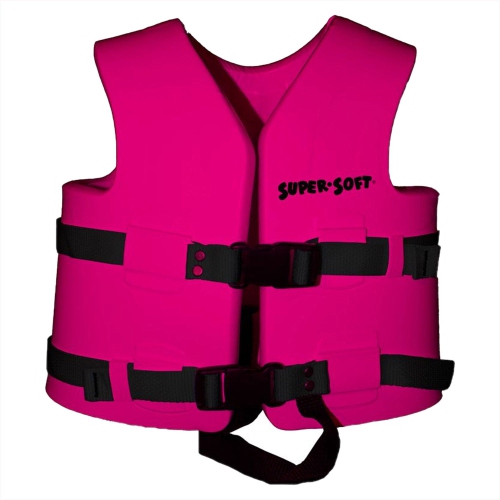 Your price for this item is $161.99
 -
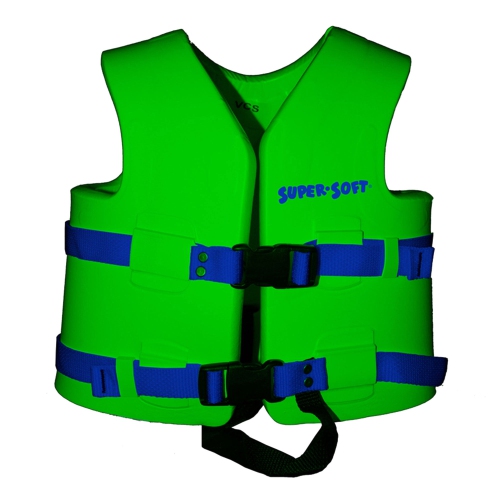 Your price for this item is $153.99
 -
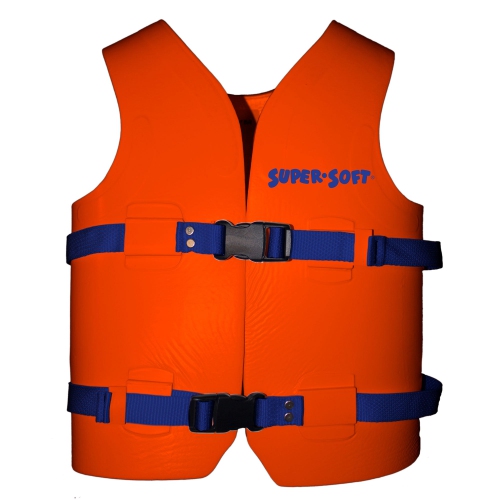 Your price for this item is $155.99
 -
 Your price for this item is $200.99
 -
 Your price for this item is $154.99
 -
 Your price for this item is $39.99
 -
 Your price for this item is $24.99
 -
 Your price for this item is $83.01
Discover more categories related to Adult Life Jackets
Top Collections:
Pokemon Centers, Kindle Devices, Best Budget Office Chairs, Apple iPhones 16, Canon G7X Cameras, iPhone 15 Apple, Alarm Clock, Refurbished Apple Laptops, Flip Phones, Best Laptops for Writers
Some products may be subject to Environmental Handling Fees
(EHF) depending on your province.
Learn more about EHFs.