Men's Life Jackets
Stay safe and confident on the water with men's life jackets designed for comfort and reliable performance. Whether you’re heading out for boating, fishing, kayaking, or any other water adventure, finding the right fit is essential. Explore a wide selection of men's life jackets that cater to various activities and preferences, so you can focus on enjoying your time outdoors with peace of mind.
Sort
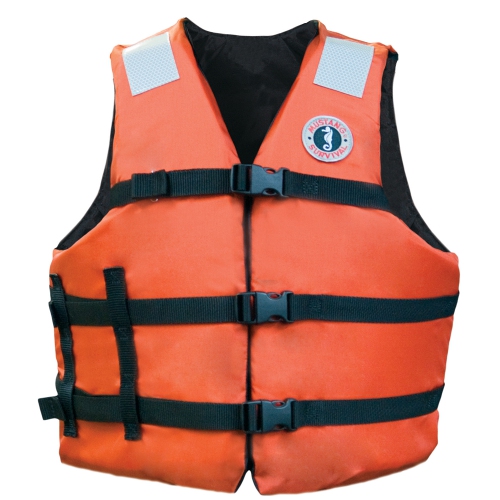
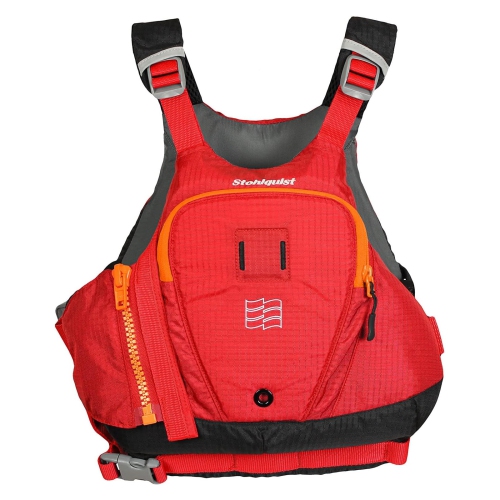
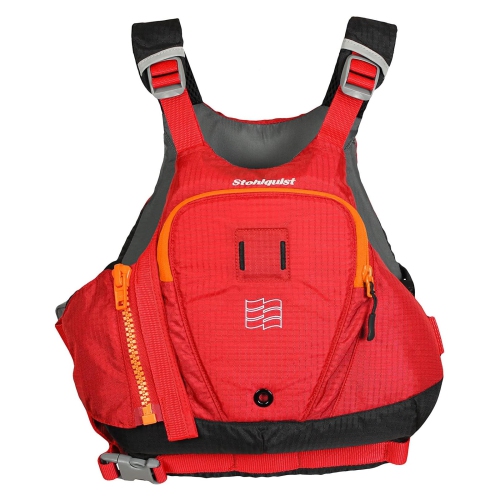
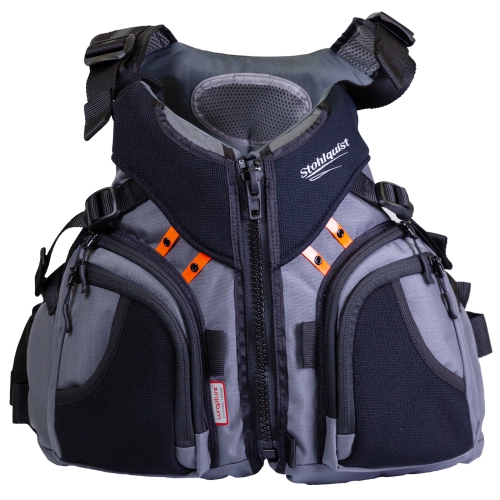
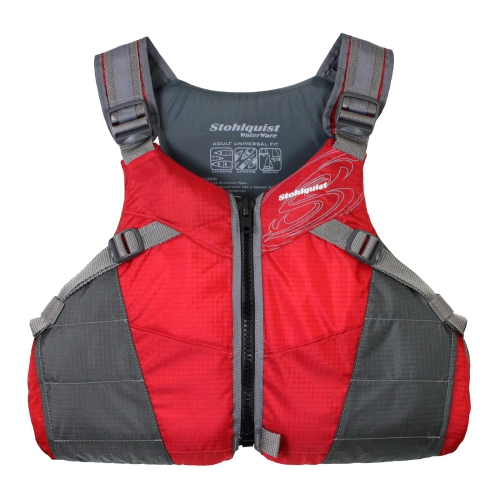
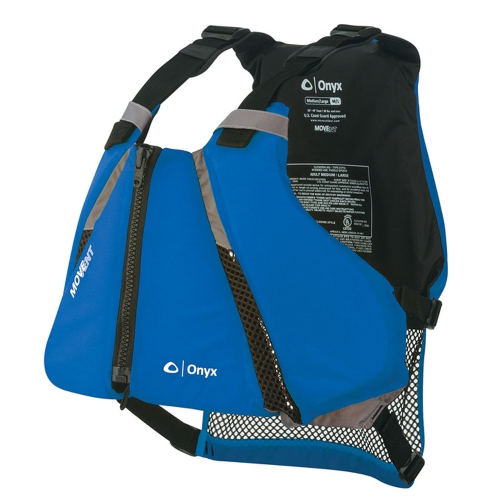
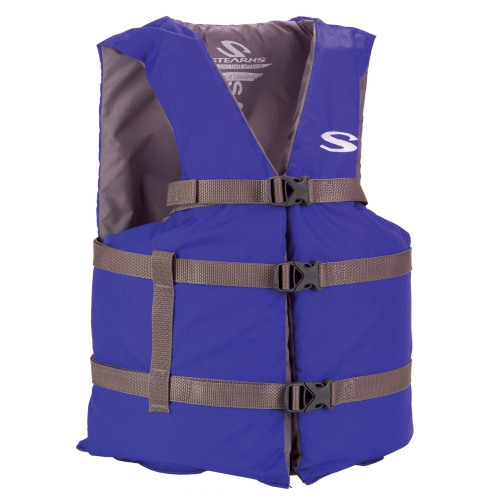
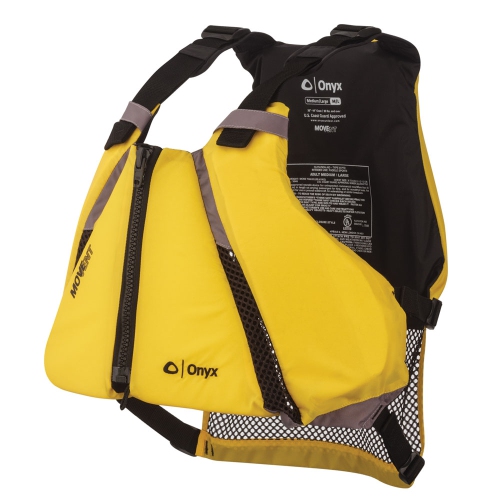
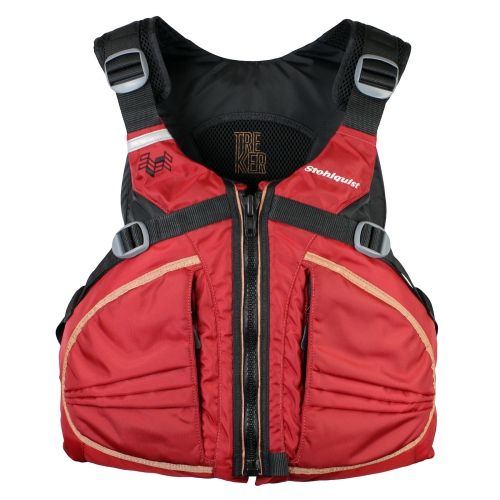
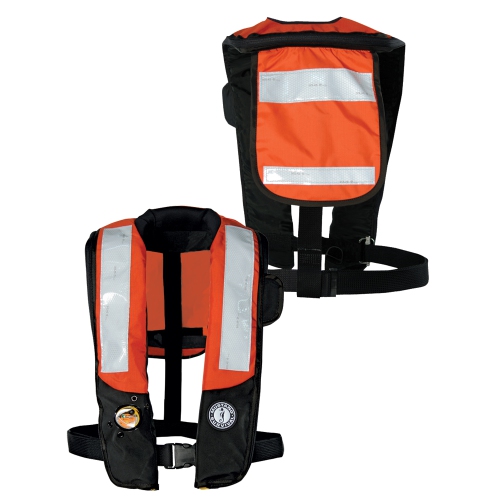
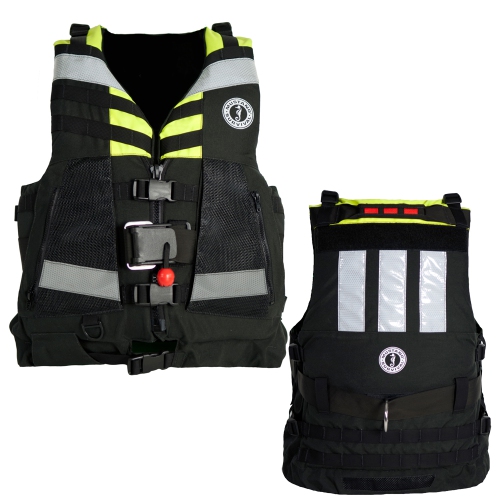
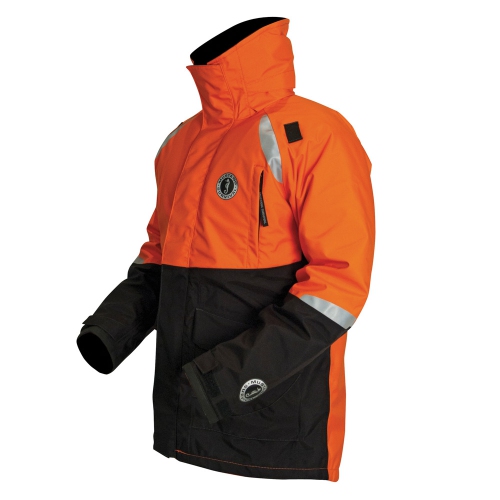
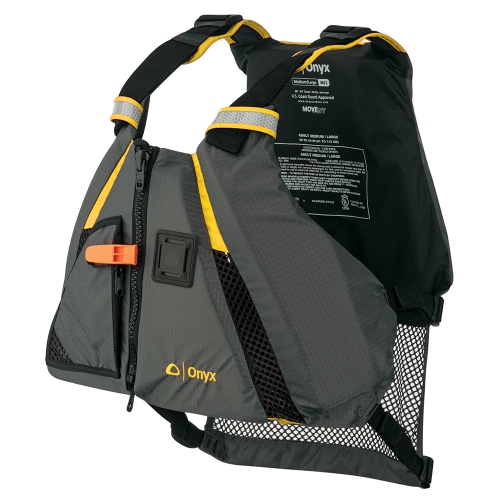
Why flotation type and fit matter on the water
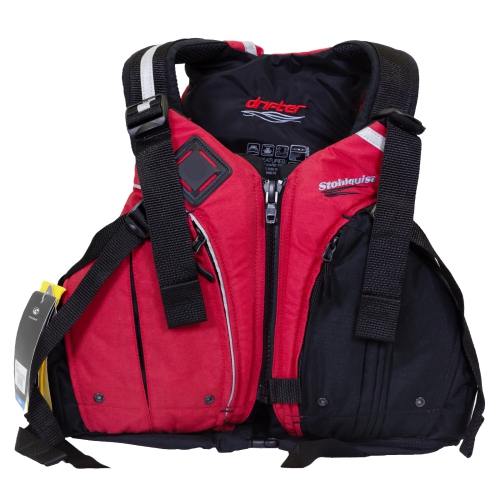
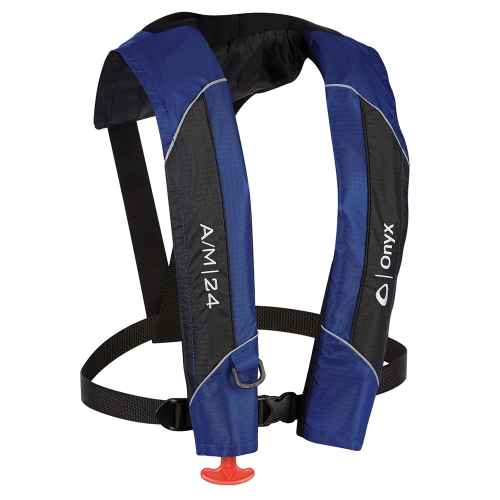
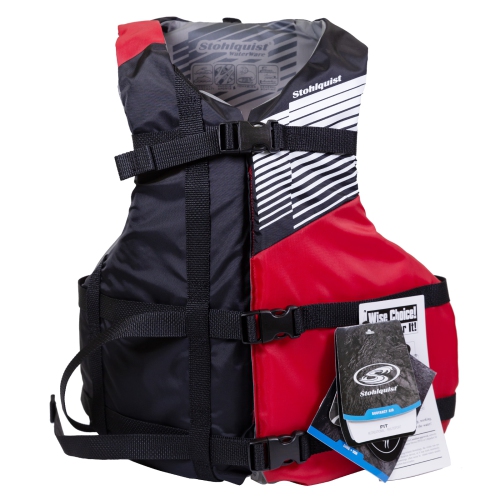
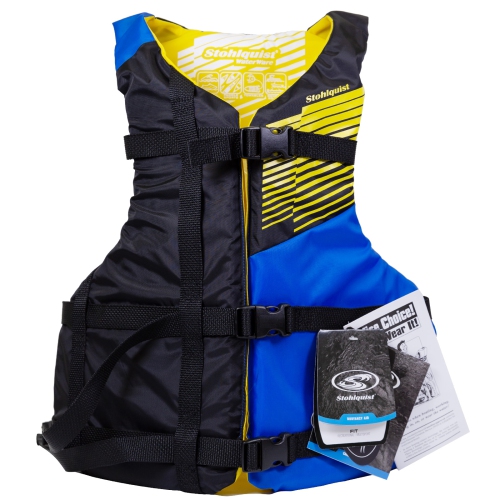
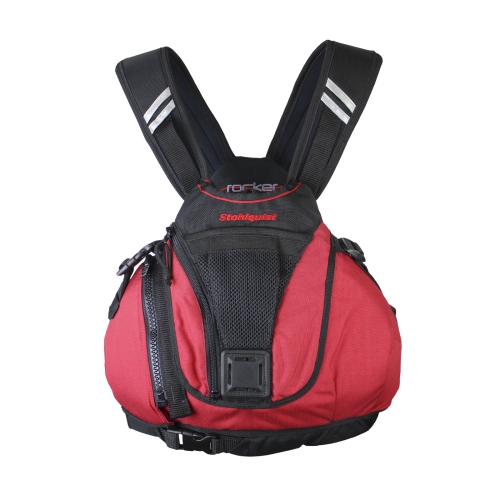
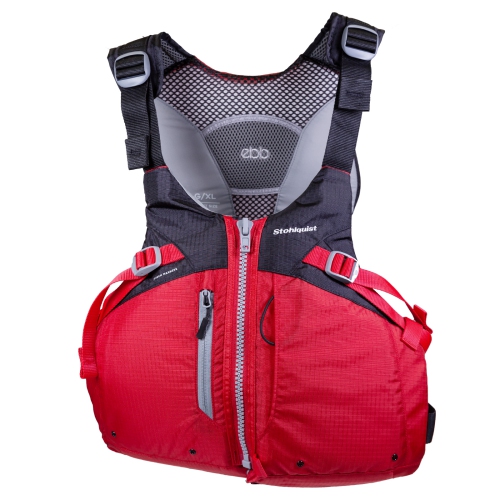
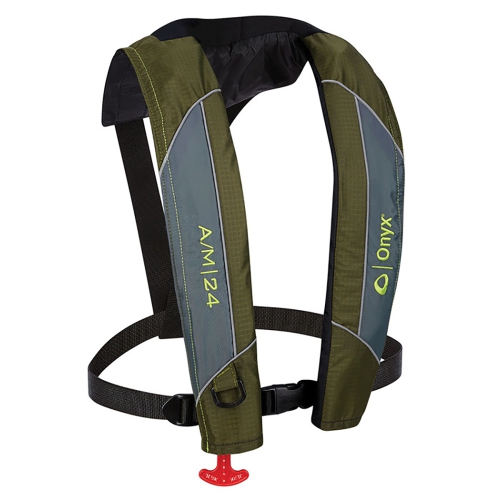
Men’s life jackets provide flotation for time spent boating, paddling, fishing, and participating in water sports, with different designs suited to different activities. A comfortable vest for a quiet canoe outing may feel quite different from one intended for waterskiing or riding a personal watercraft. The terms life jacket and personal flotation device, or PFD, are often used interchangeably, but they describe equipment with different performance characteristics. Life jackets are designed to help turn an unconscious wearer face up, while PFDs generally offer more freedom of movement and may not provide that turning ability. The individual label explains the intended use, sizing, and limitations of each design. For use in Canada, look for an approval label recognized under Canadian boating requirements; a reference to United States approval alone does not establish suitability for Canadian requirements. Activity suitability matters just as much as approval. A vest designed for paddling is not automatically appropriate for tow sports, and a streamlined impact vest is not a substitute for an approved flotation device. Inherently buoyant designs use foam to provide flotation without activation, making them a practical option for many recreational activities. Inflatable PFDs offer a less bulky alternative for certain boating situations, but their age, weight, activity, and maintenance restrictions require careful attention. They are not suitable for every wearer or water sport, and their operation depends on the inflation system being ready and used correctly. Across these categories, the most useful features are those that match the way someone actually spends time on the water: clear space around the shoulders for a paddle stroke, a secure closure system for active movement, or accessible pockets for small essentials. Flotation equipment is important for strong swimmers as well as beginners, since an unexpected fall, fatigue, or cold water can make swimming difficult. Wearing a properly fitted, approved life jacket or PFD before leaving the dock provides protection that equipment stored under a seat cannot offer during a sudden fall overboard.
Fit and construction shape how a men’s life jacket feels throughout an outing. Sizing commonly depends on chest measurements and a stated weight range, so everyday shirt size is not a reliable substitute for the manufacturer’s sizing information. A suitable fit feels snug around the torso without restricting normal breathing, and the vest should not ride up over the chin or ears when checked according to its fitting instructions. Adjustable side straps, waist belts, and shoulder straps can help accommodate different proportions, but tightening an oversized vest does not necessarily make it fit safely. Trying the fit over the clothing intended for the outing is especially useful during the cooler months, when a light base layer and a shell can change the amount of room needed. Extra clothing must not interfere with closures or flotation performance, and a life jacket does not replace appropriate protection against cold-water exposure. Movement offers another useful check: reaching forward as though holding a paddle, sitting against a boat seat, and rotating the shoulders can reveal rubbing or pressure that is less noticeable while standing. Nylon and polyester shells are common choices for their relatively light feel and resistance to everyday wear, while neoprene-covered designs often have a softer, closer-fitting feel against the body. Foam thickness, panel placement, and the shape of the arm openings influence flexibility as much as the outer fabric does. Segmented foam can make bending and turning more comfortable, although a slim appearance alone says nothing about approval or flotation performance. Smooth seam placement matters around the underarms, particularly when a vest is worn over a short-sleeved shirt. Buckles and zippers should be straightforward to operate, with straps secured so loose ends do not catch during movement. Bright colours and reflective details can improve visibility, but they do not guarantee that a wearer will be seen. Durable stitching, intact webbing, and well-protected foam help a vest withstand repeated use, provided it is cared for correctly.
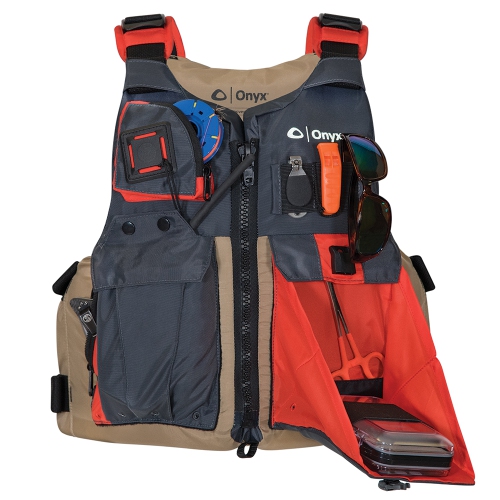
Intended use helps narrow the details that matter most. For kayaking, generous arm openings and foam positioned to work with the seat back can make repeated paddle strokes more comfortable. A high-back design may suit some raised kayak seats, while a thinner back panel may work better with others; the fit between the vest and the actual seat is what counts. Canoeists and stand-up paddleboarders also benefit from unrestricted shoulder movement and a secure fit that stays in place when reaching or climbing back aboard. For waterskiing, wakeboarding, or personal watercraft use, the label should explicitly support that activity rather than merely describing the vest as suitable for water sports. Anglers often value accessible storage and room to cast without fabric bunching around the shoulders. Purpose-built Fishing Life Jackets can include pockets and attachment points for small accessories, although heavy loads, exposed hooks, and dangling tools can create problems and should be managed carefully. A life jacket can also be a thoughtful gift for someone who spends weekends at the cottage or enjoys exploring sheltered waterways, provided the recipient’s measurements, preferred activity, and ability to manage the closures are known. Personal fit is more important than choosing a familiar clothing size or favourite colour. After use, care usually starts with rinsing away salt, sand, and dirt with fresh water and allowing the vest to dry fully in a ventilated spot away from direct heat. Follow the care label for cleaning products and methods, and avoid using the vest as a seat cushion or storing it beneath heavy gear that could compress the foam. Before each outing, inspect the shell, seams, straps, closures, and flotation material for damage. Inflatable models also need the manufacturer’s specified checks of the cylinder, indicators, and inflation components. Dry storage away from prolonged sunlight and heat helps preserve materials between trips. Any vest with damaged flotation, unreliable closures, or uncertain serviceability needs attention before it returns to the water.
Fit and construction shape how a men’s life jacket feels throughout an outing. Sizing commonly depends on chest measurements and a stated weight range, so everyday shirt size is not a reliable substitute for the manufacturer’s sizing information. A suitable fit feels snug around the torso without restricting normal breathing, and the vest should not ride up over the chin or ears when checked according to its fitting instructions. Adjustable side straps, waist belts, and shoulder straps can help accommodate different proportions, but tightening an oversized vest does not necessarily make it fit safely. Trying the fit over the clothing intended for the outing is especially useful during the cooler months, when a light base layer and a shell can change the amount of room needed. Extra clothing must not interfere with closures or flotation performance, and a life jacket does not replace appropriate protection against cold-water exposure. Movement offers another useful check: reaching forward as though holding a paddle, sitting against a boat seat, and rotating the shoulders can reveal rubbing or pressure that is less noticeable while standing. Nylon and polyester shells are common choices for their relatively light feel and resistance to everyday wear, while neoprene-covered designs often have a softer, closer-fitting feel against the body. Foam thickness, panel placement, and the shape of the arm openings influence flexibility as much as the outer fabric does. Segmented foam can make bending and turning more comfortable, although a slim appearance alone says nothing about approval or flotation performance. Smooth seam placement matters around the underarms, particularly when a vest is worn over a short-sleeved shirt. Buckles and zippers should be straightforward to operate, with straps secured so loose ends do not catch during movement. Bright colours and reflective details can improve visibility, but they do not guarantee that a wearer will be seen. Durable stitching, intact webbing, and well-protected foam help a vest withstand repeated use, provided it is cared for correctly.
Intended use helps narrow the details that matter most. For kayaking, generous arm openings and foam positioned to work with the seat back can make repeated paddle strokes more comfortable. A high-back design may suit some raised kayak seats, while a thinner back panel may work better with others; the fit between the vest and the actual seat is what counts. Canoeists and stand-up paddleboarders also benefit from unrestricted shoulder movement and a secure fit that stays in place when reaching or climbing back aboard. For waterskiing, wakeboarding, or personal watercraft use, the label should explicitly support that activity rather than merely describing the vest as suitable for water sports. Anglers often value accessible storage and room to cast without fabric bunching around the shoulders. Purpose-built Fishing Life Jackets can include pockets and attachment points for small accessories, although heavy loads, exposed hooks, and dangling tools can create problems and should be managed carefully. A life jacket can also be a thoughtful gift for someone who spends weekends at the cottage or enjoys exploring sheltered waterways, provided the recipient’s measurements, preferred activity, and ability to manage the closures are known. Personal fit is more important than choosing a familiar clothing size or favourite colour. After use, care usually starts with rinsing away salt, sand, and dirt with fresh water and allowing the vest to dry fully in a ventilated spot away from direct heat. Follow the care label for cleaning products and methods, and avoid using the vest as a seat cushion or storing it beneath heavy gear that could compress the foam. Before each outing, inspect the shell, seams, straps, closures, and flotation material for damage. Inflatable models also need the manufacturer’s specified checks of the cylinder, indicators, and inflation components. Dry storage away from prolonged sunlight and heat helps preserve materials between trips. Any vest with damaged flotation, unreliable closures, or uncertain serviceability needs attention before it returns to the water.
Top selling and popular products
-
 Your price for this item is $30.58
 -
 Your price for this item is $30.54
 -
 Your price for this item is $38.85
 -
 Your price for this item is $92.99
 -
 Your price for this item is $917.79
 -
 Your price for this item is $844.31
 -
 Your price for this item is $30.62
 -
 Your price for this item is $34.93
Discover more categories related to Men's Life Jackets
Top Collections:
Pokemon Centers, Kindle Devices, Best Budget Office Chairs, Apple iPhones 16, Canon G7X Cameras, iPhone 15 Apple, Alarm Clock, Refurbished Apple Laptops, Flip Phones, Best Laptops for Writers
Some products may be subject to Environmental Handling Fees
(EHF) depending on your province.
Learn more about EHFs.