All Terrain E Bikes
Looking to conquer any terrain with style and efficiency? Look no further than our collection of all-terrain e-bikes. These powerful electric bicycles are designed to take your outdoor adventures to the next level, whether you're tackling rugged trails or exploring urban landscapes. With the power of an electric motor and the convenience of a bicycle, you can take on almost any terrain with ease.
Sort
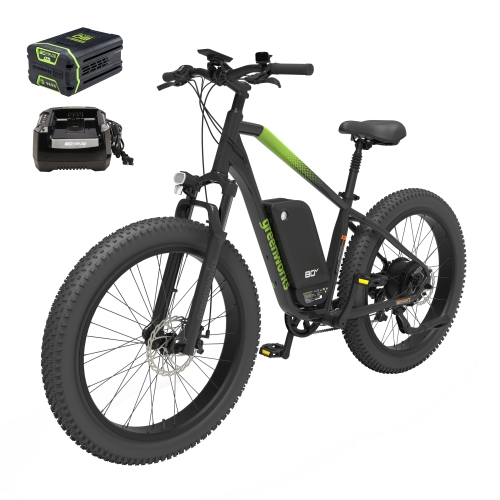

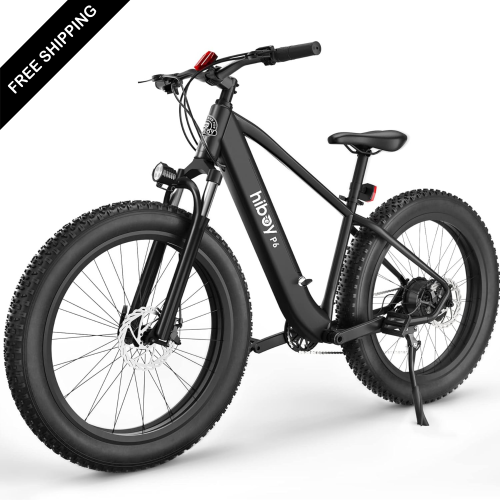
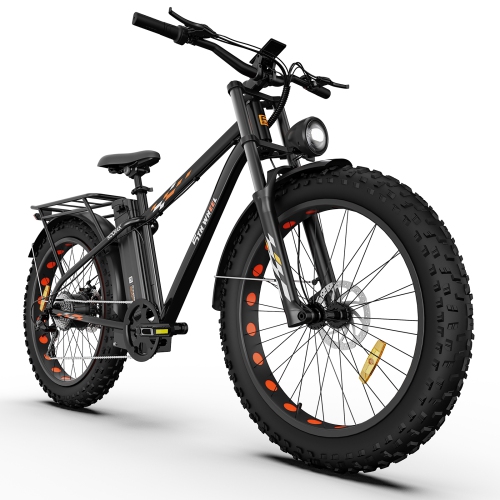


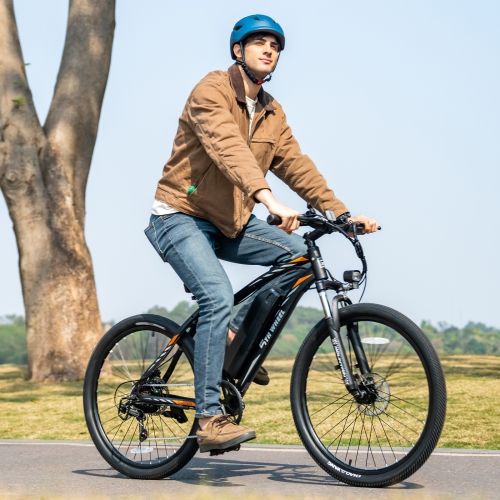


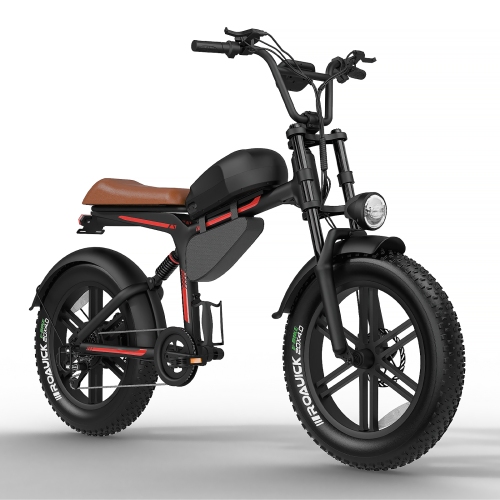


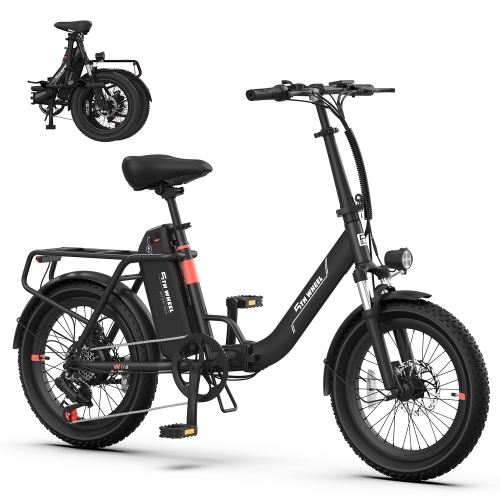
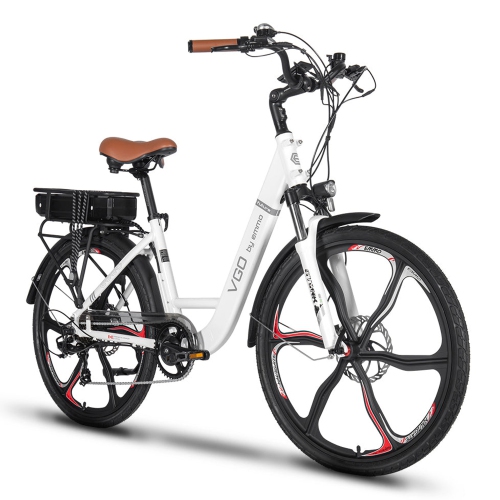

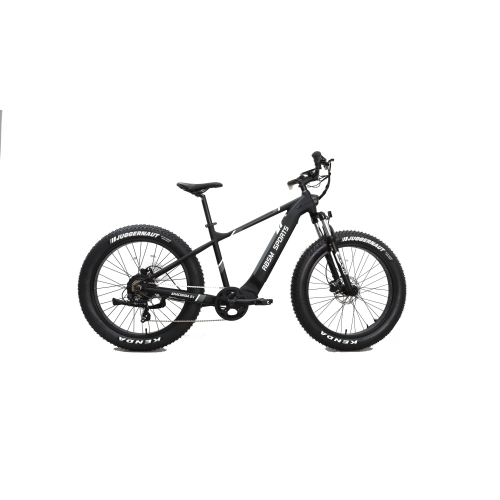

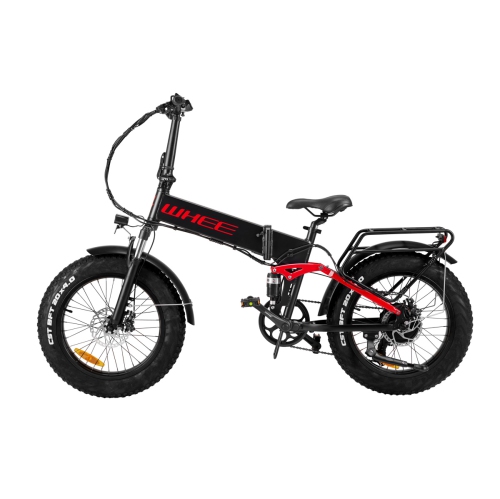


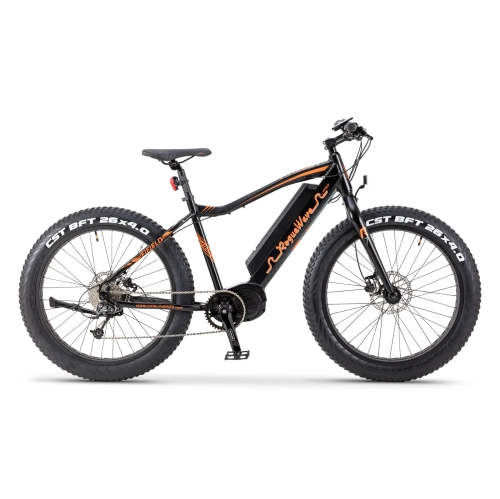
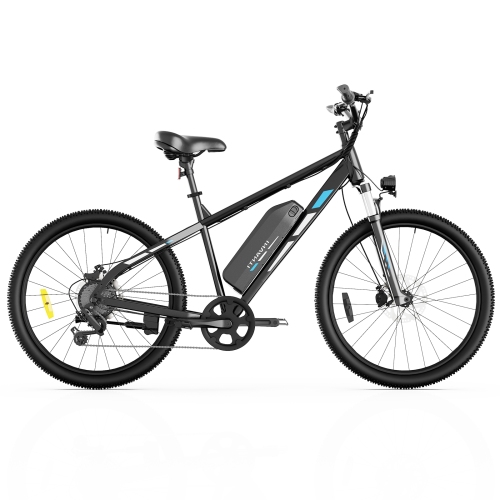
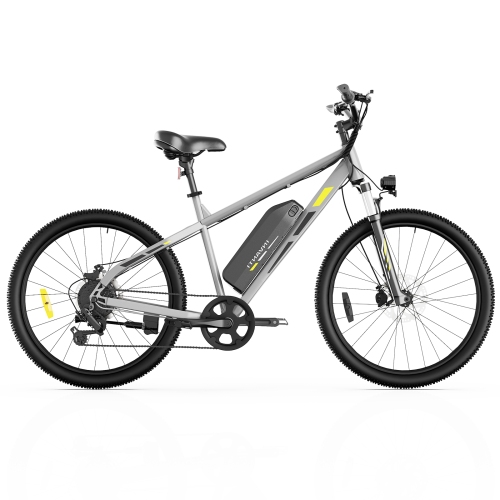


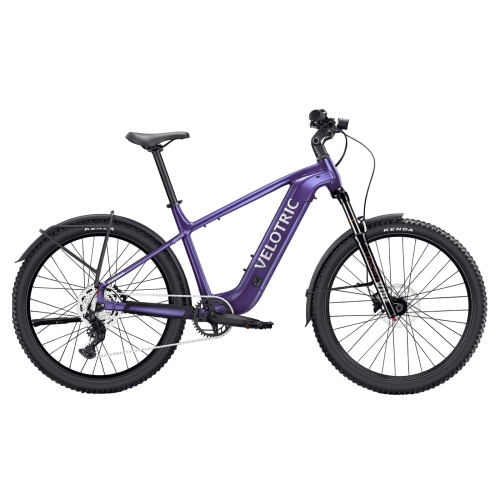
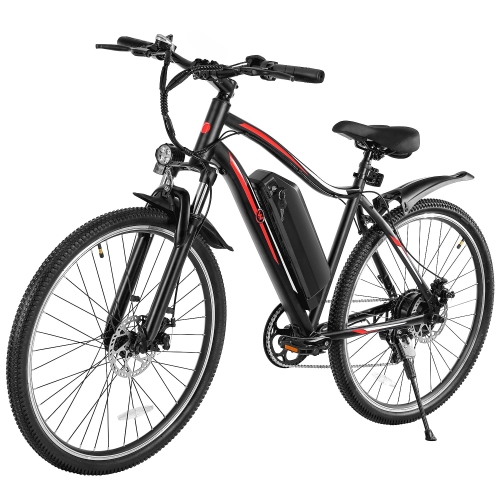
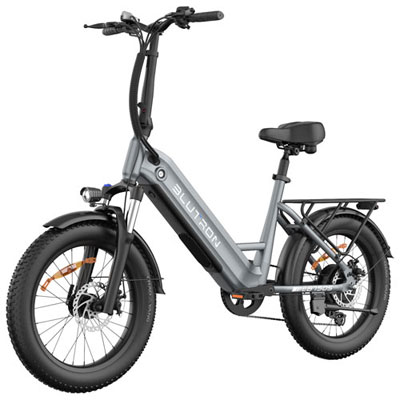
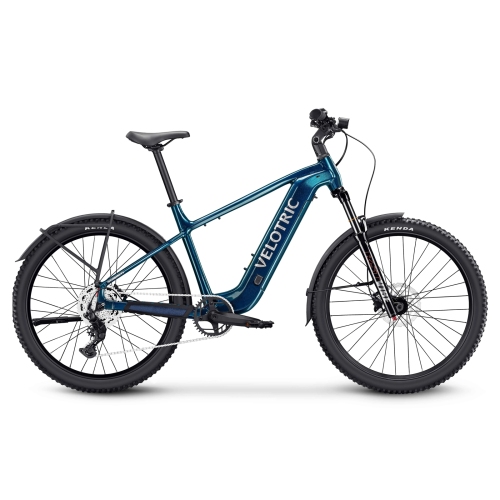

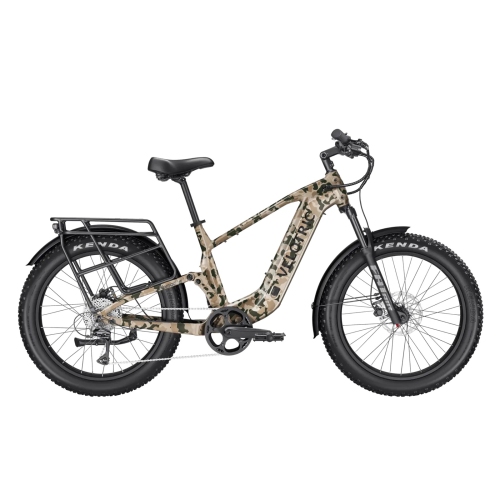
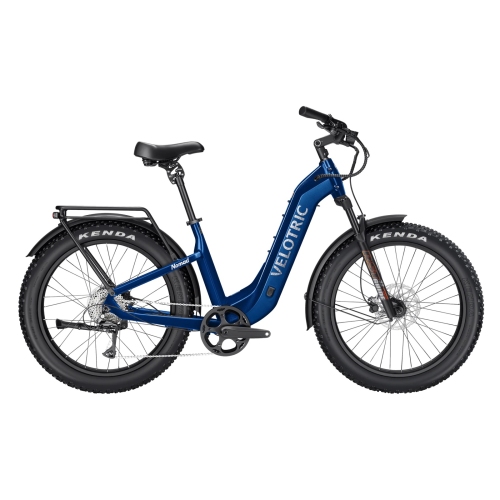

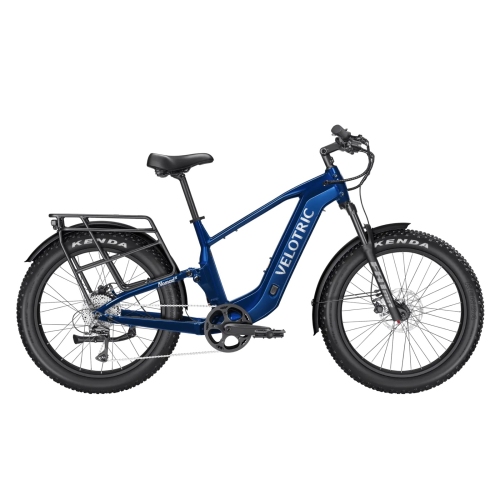
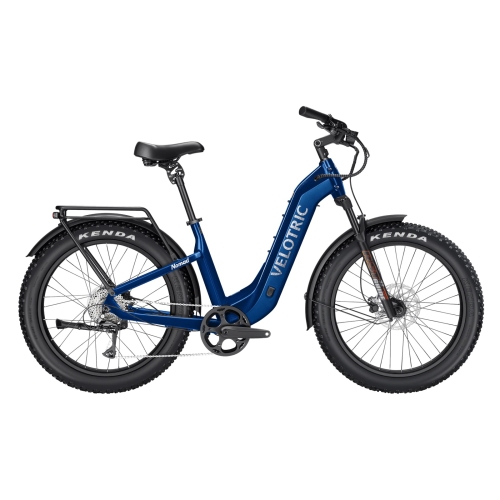
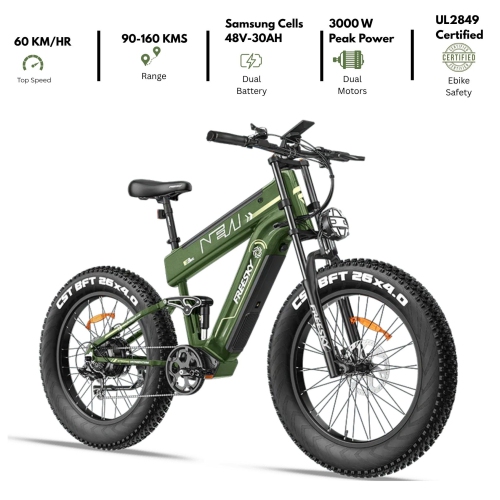
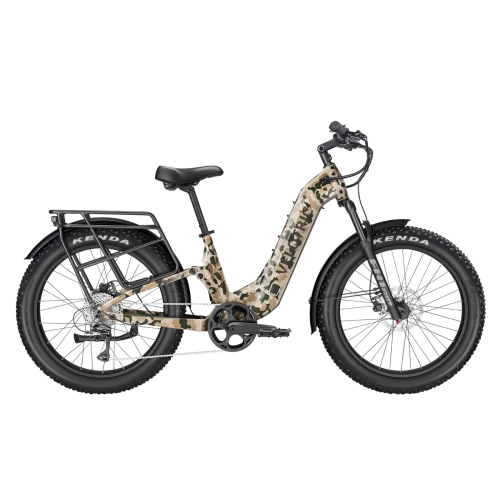

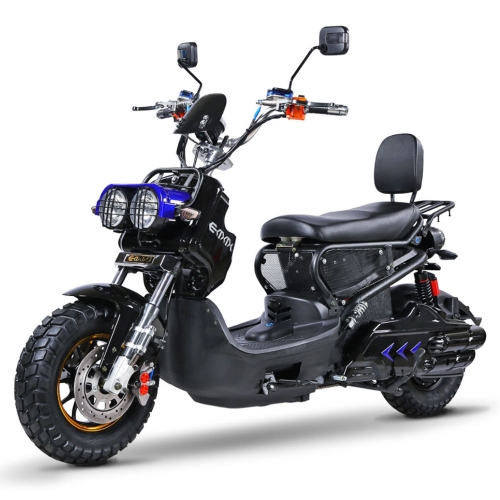
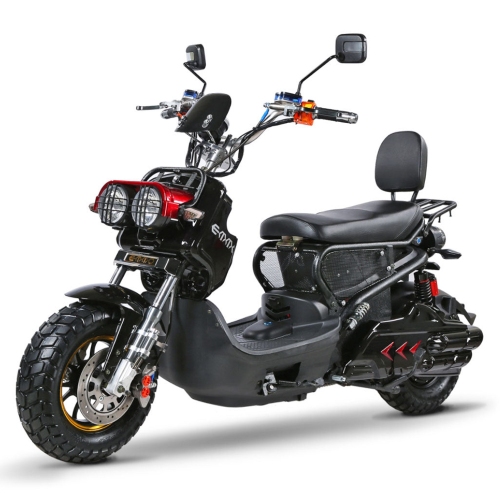
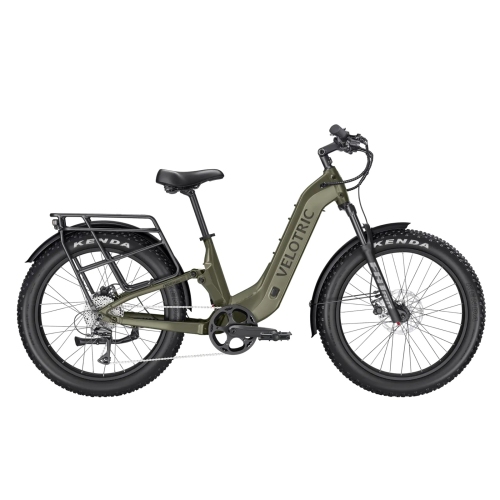
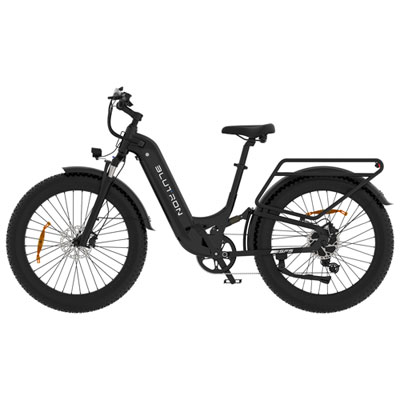
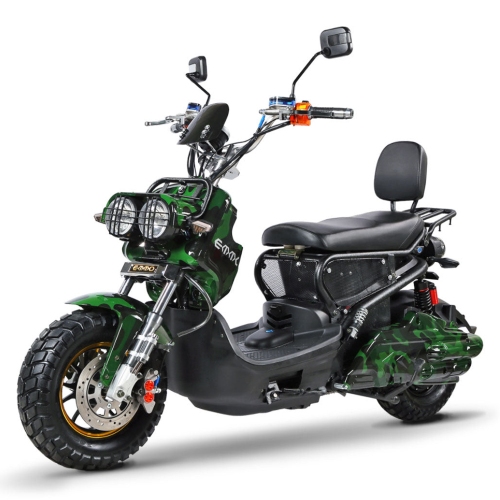
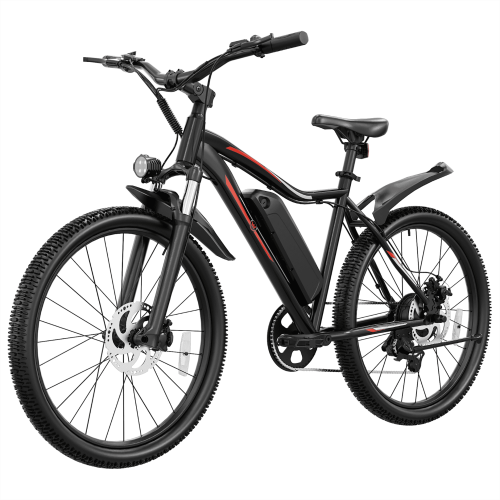


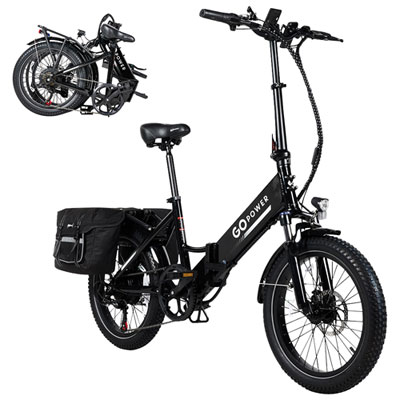

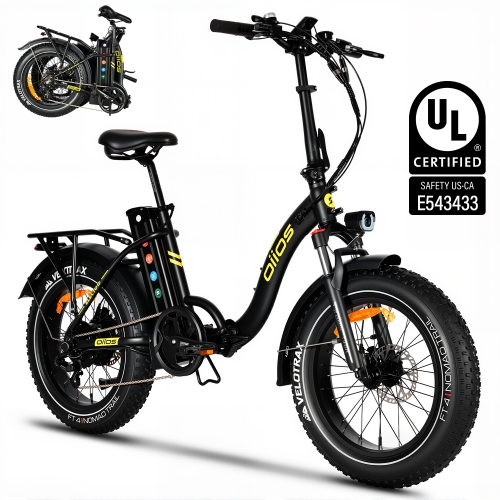
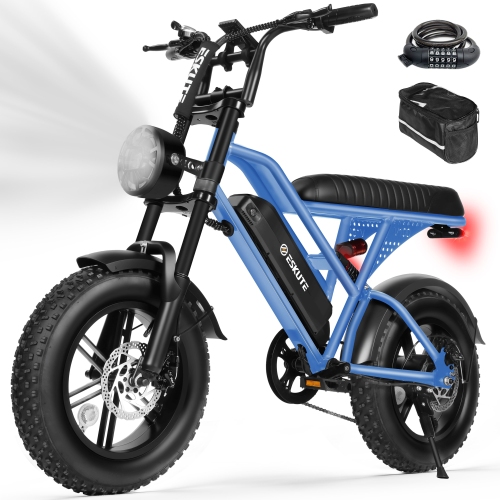


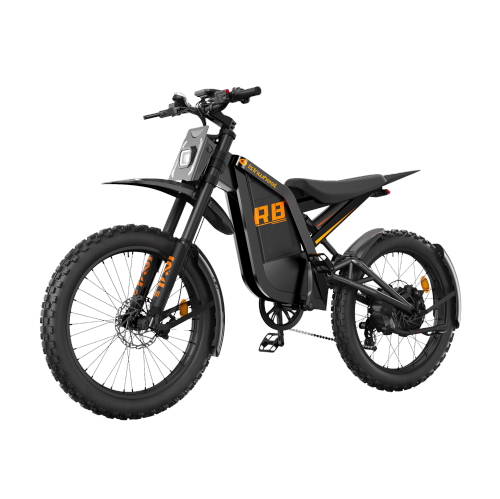
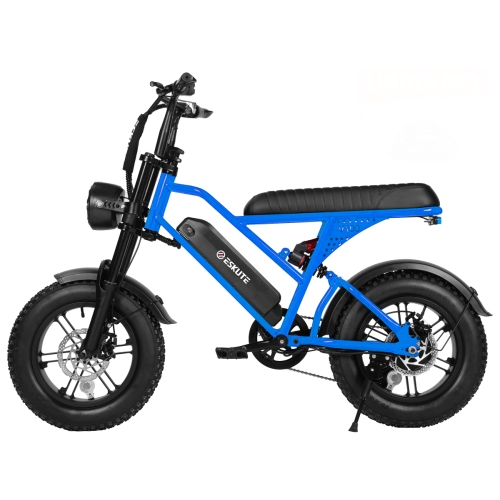
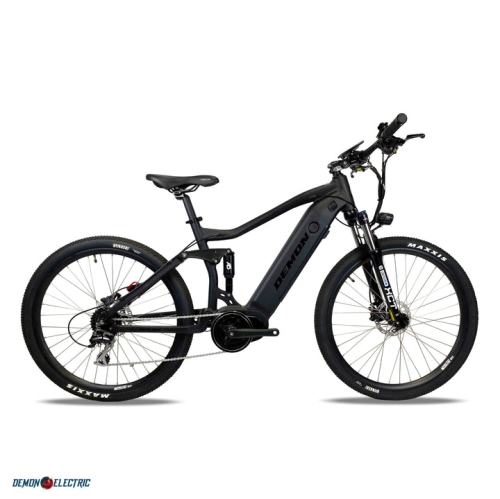
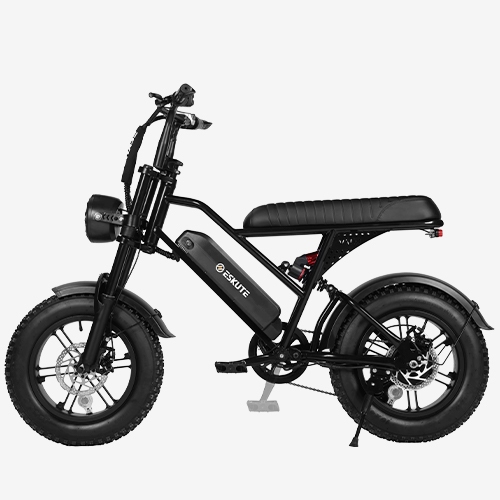

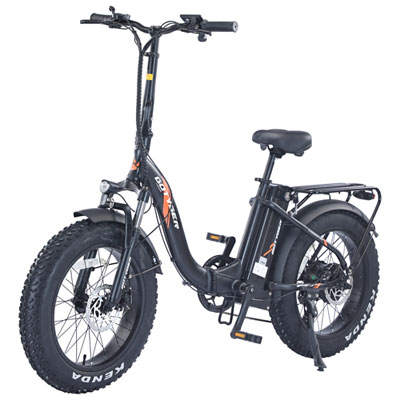


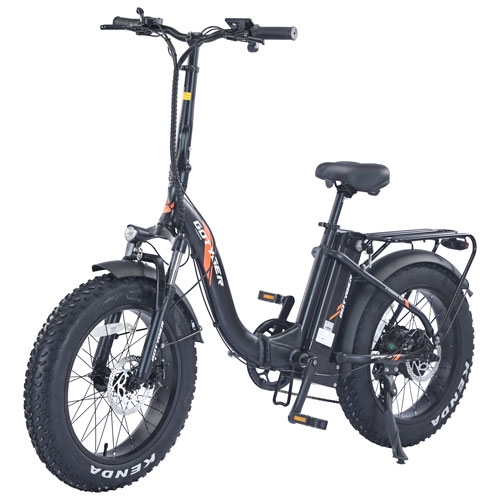
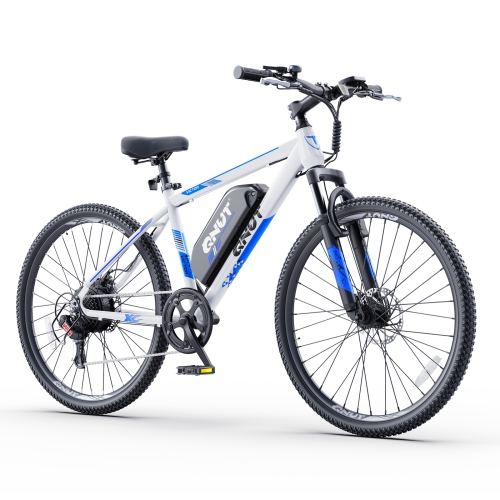
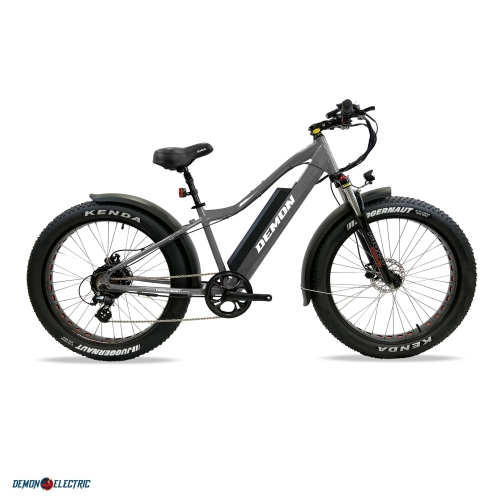
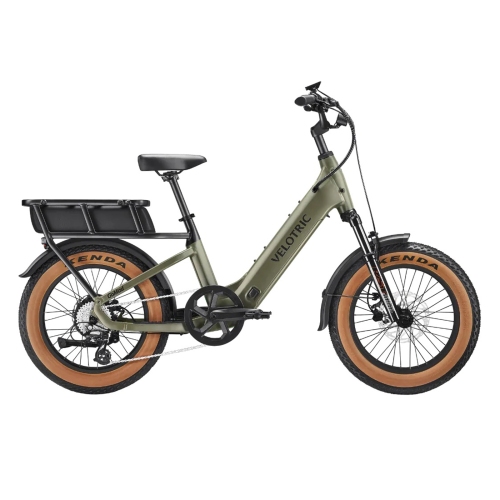

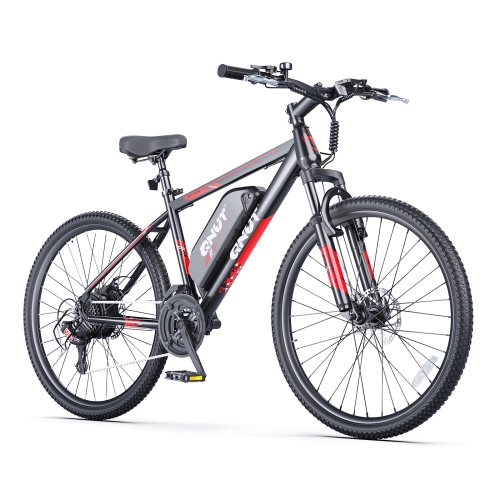
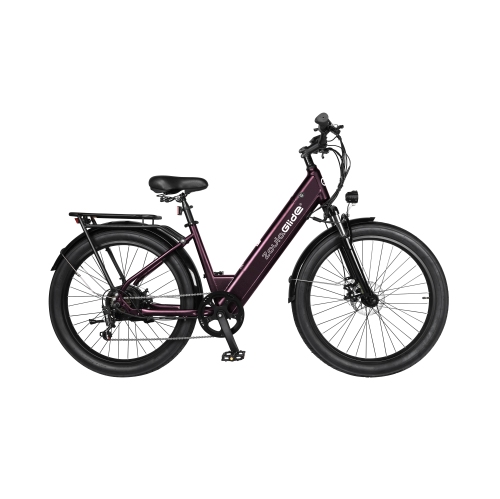
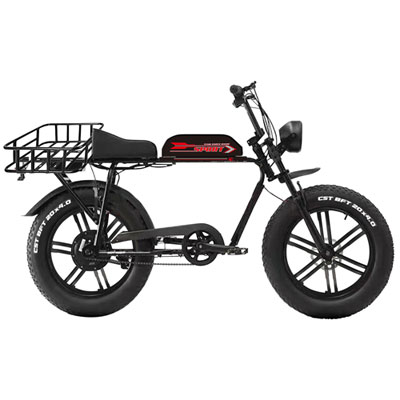
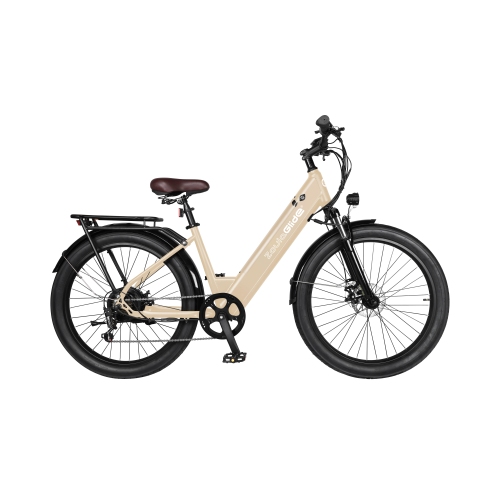
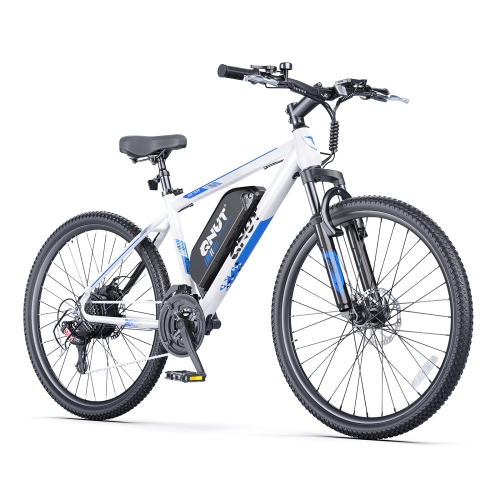
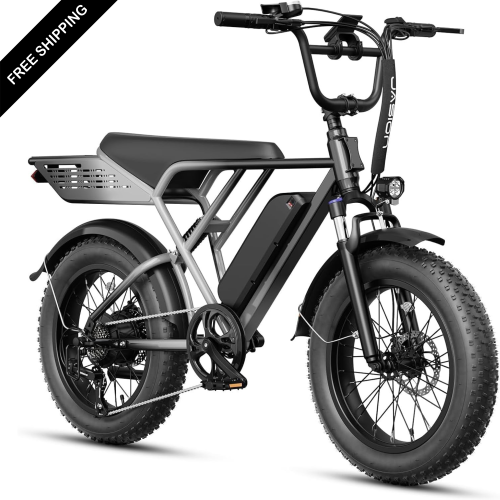
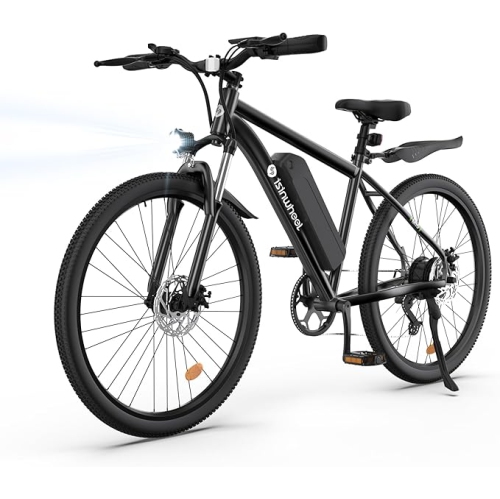
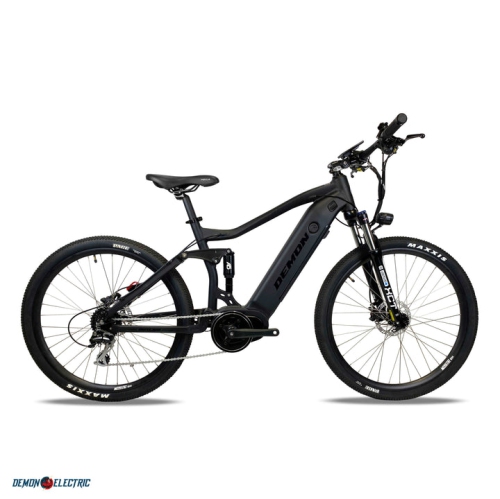
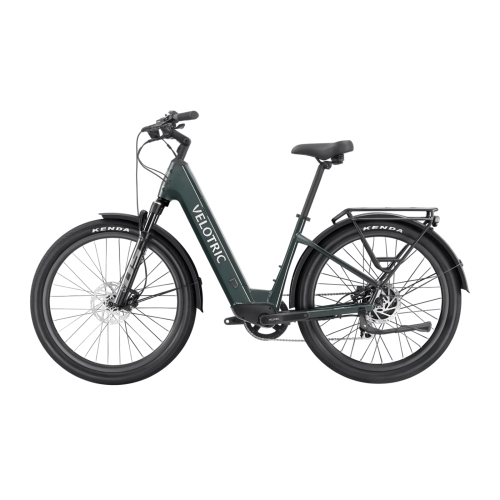
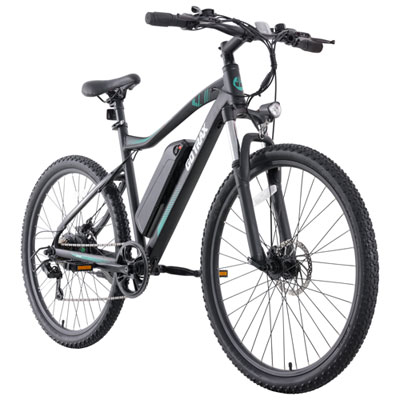
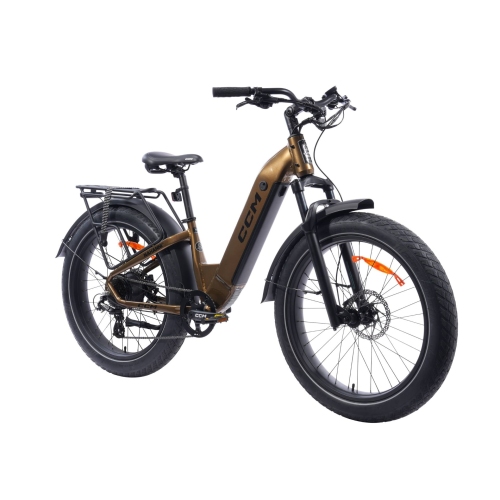
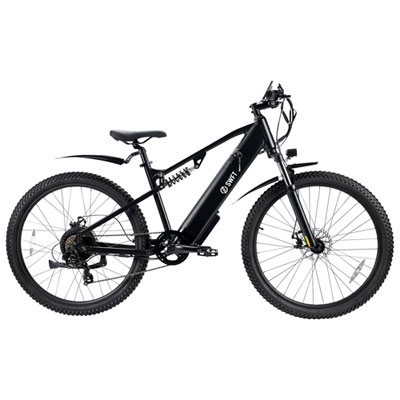
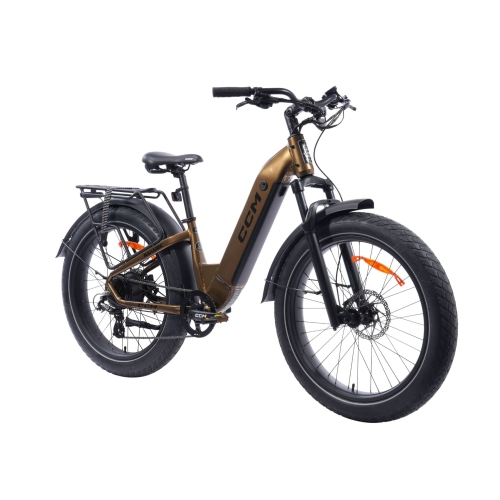
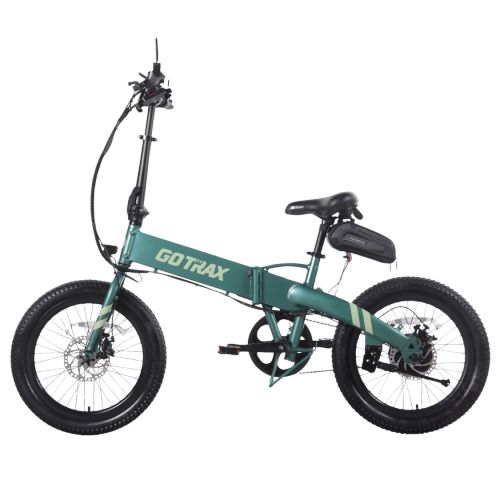
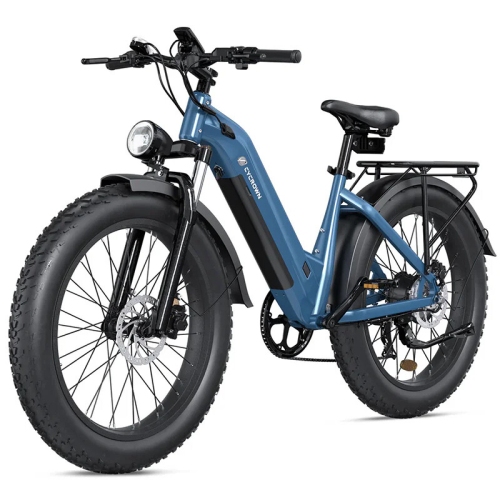
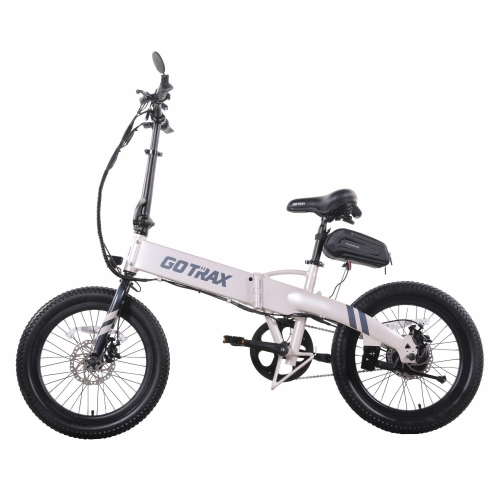

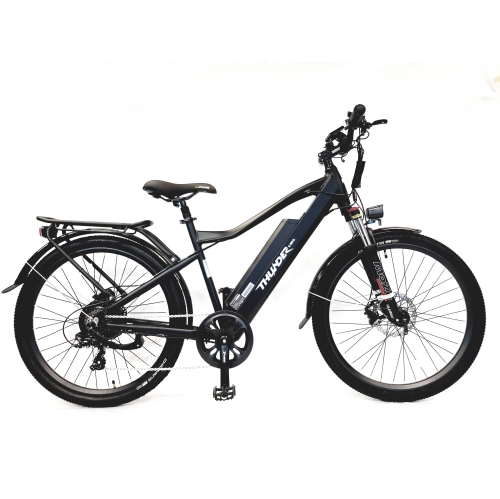
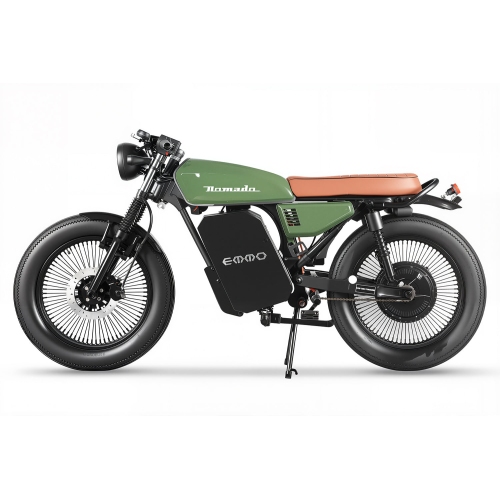
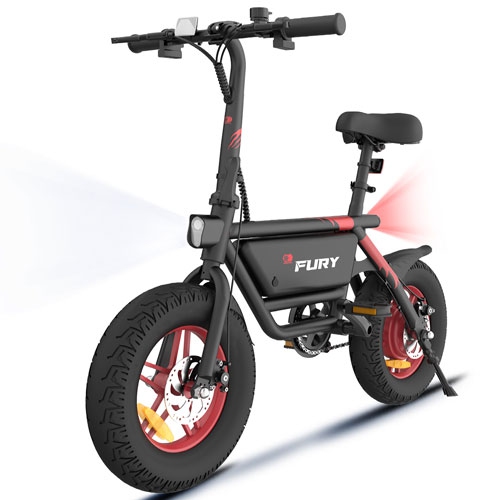




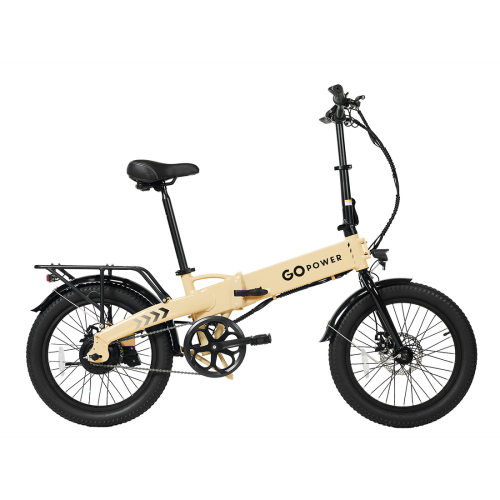

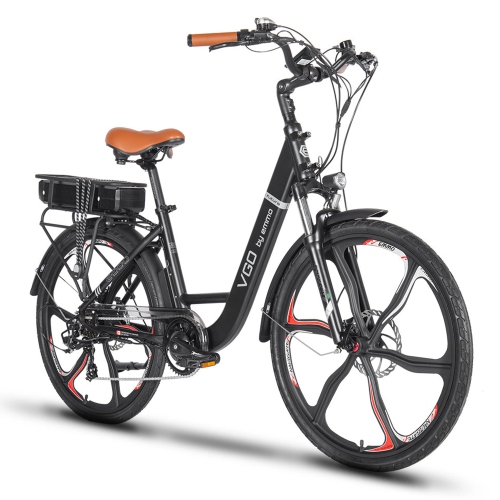
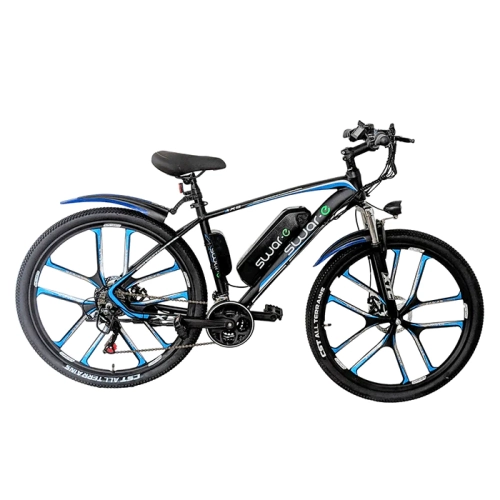
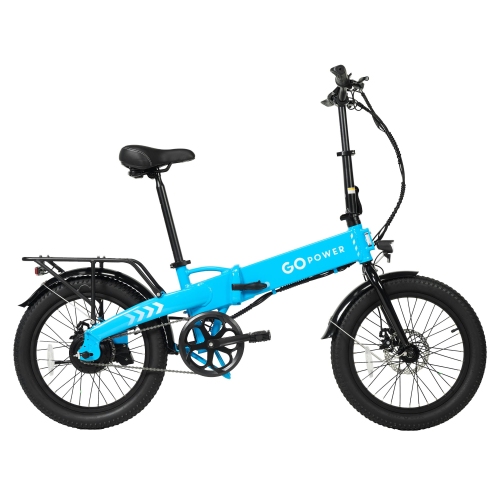
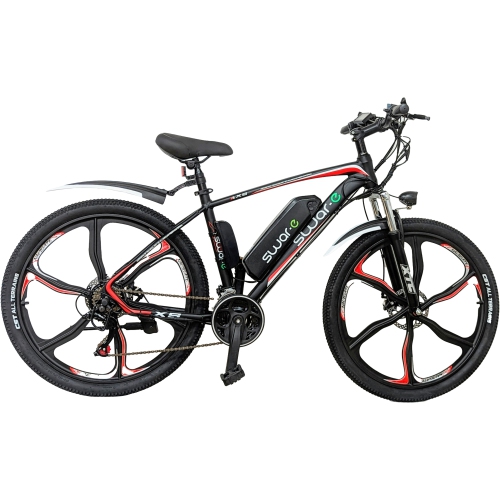
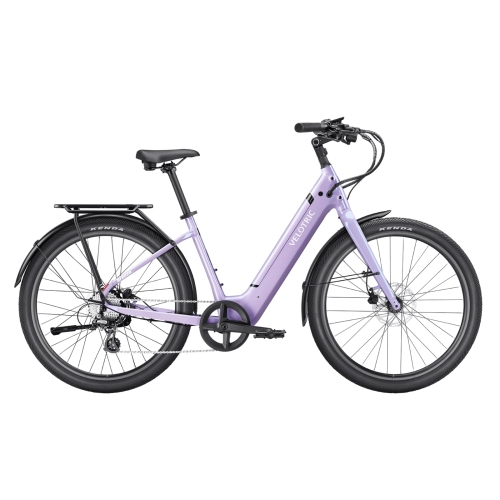
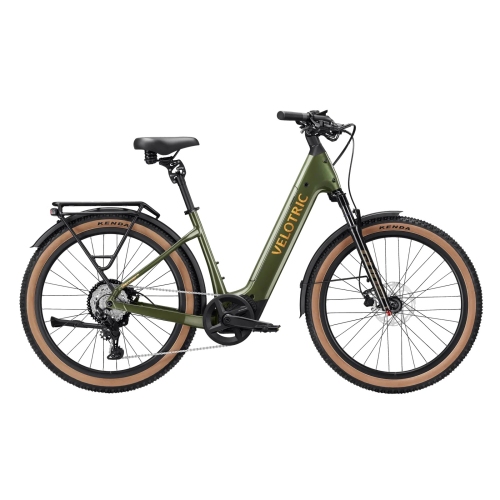
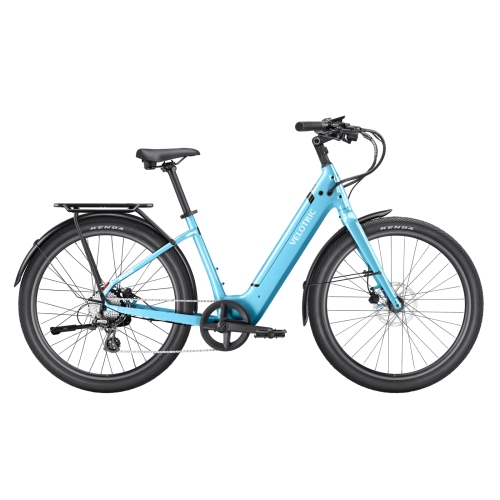
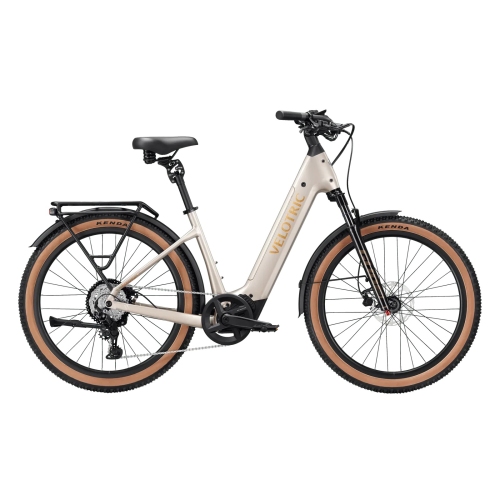
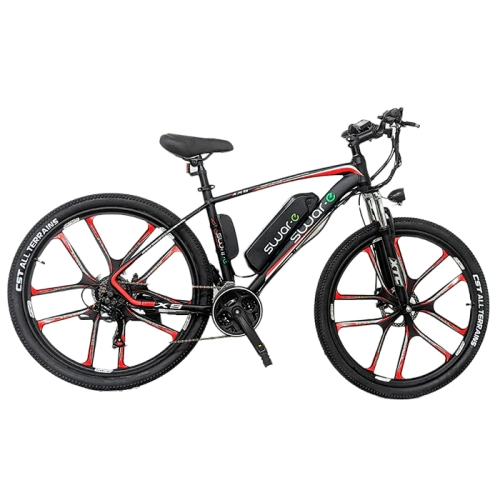
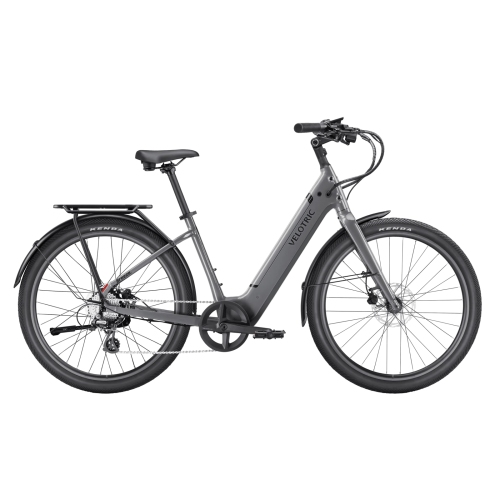
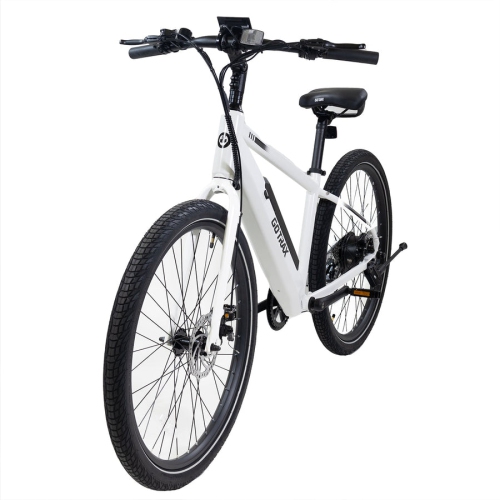
What to consider for comfort, control, and changing terrain
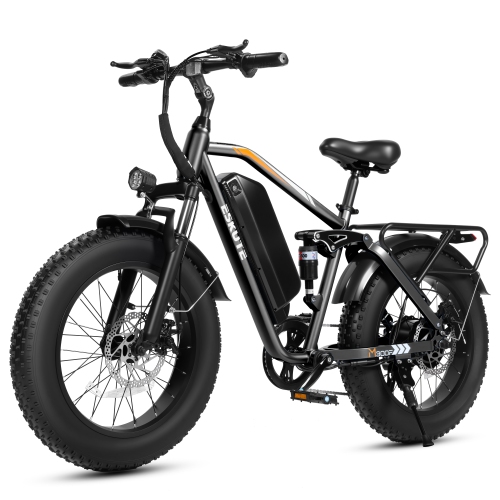
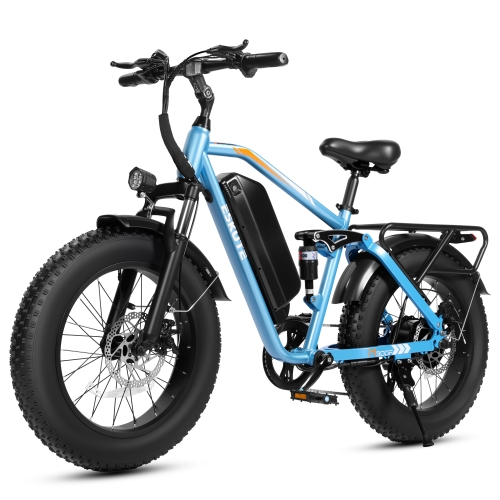
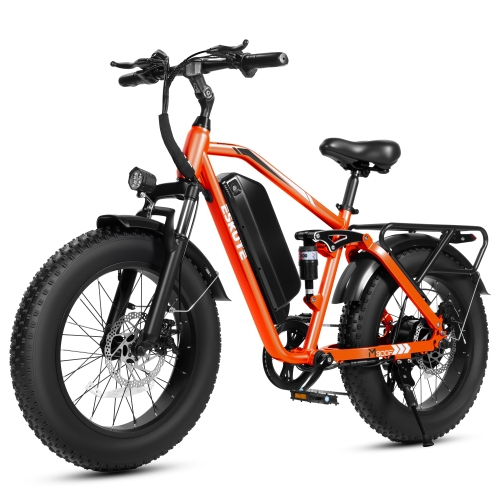
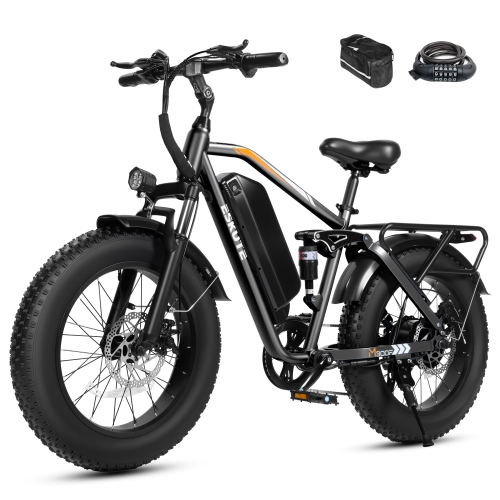
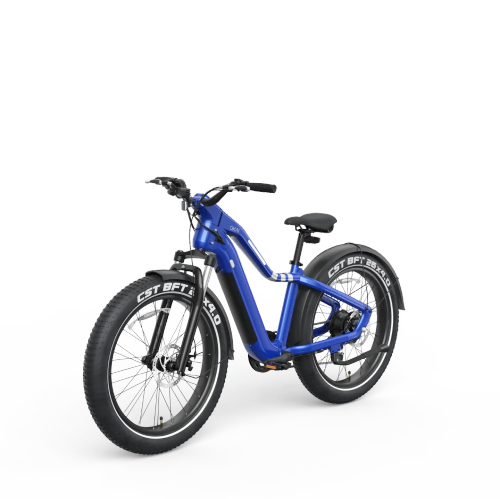
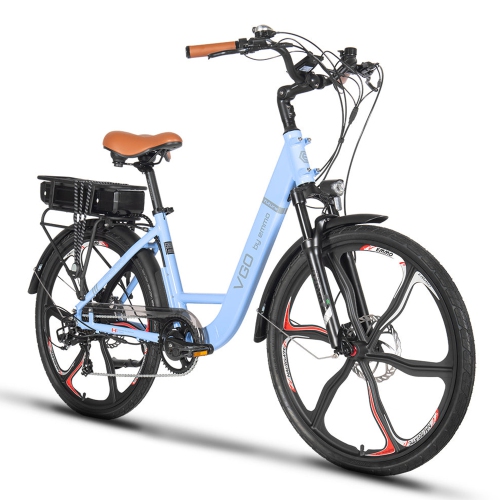
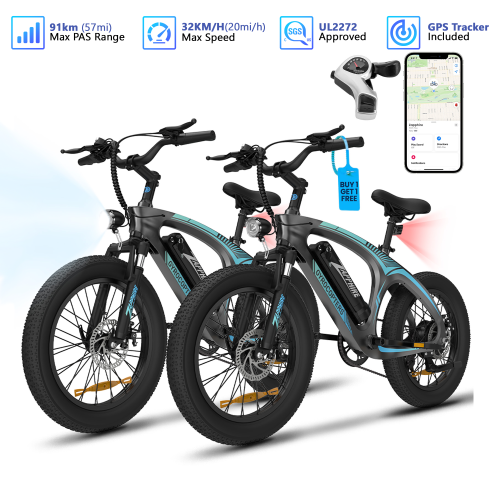
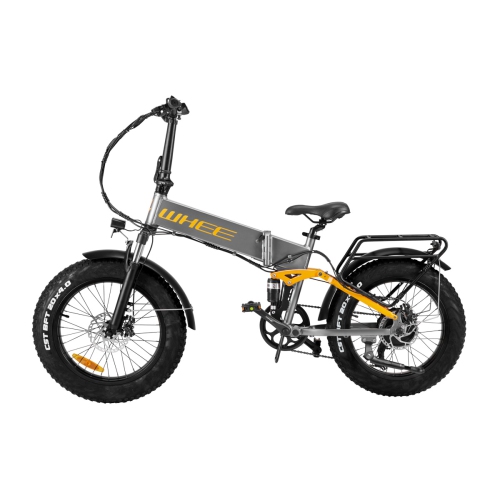
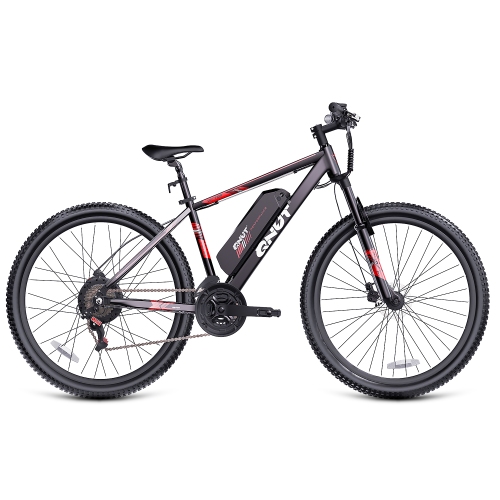
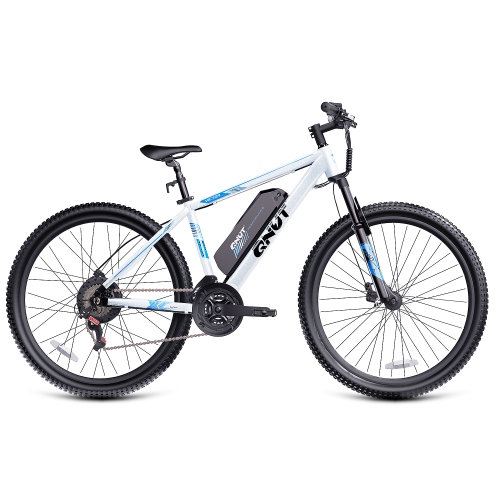
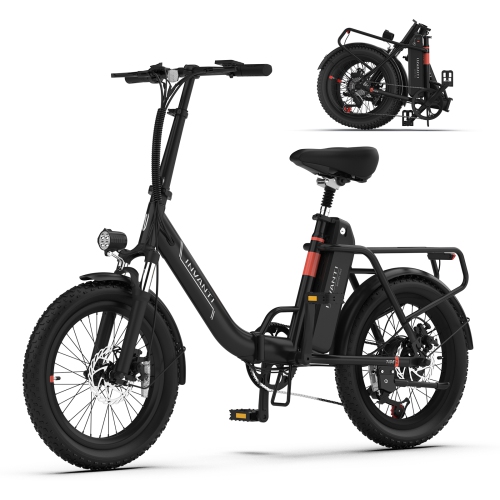
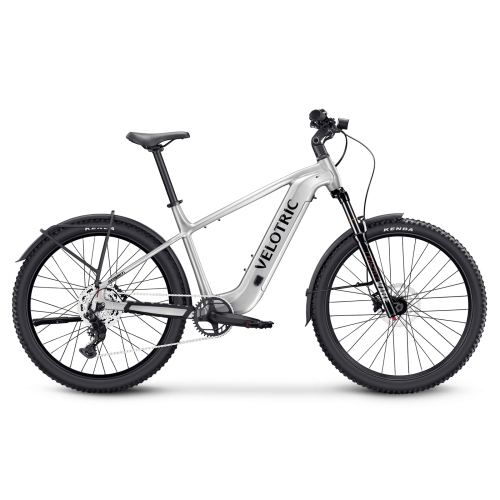
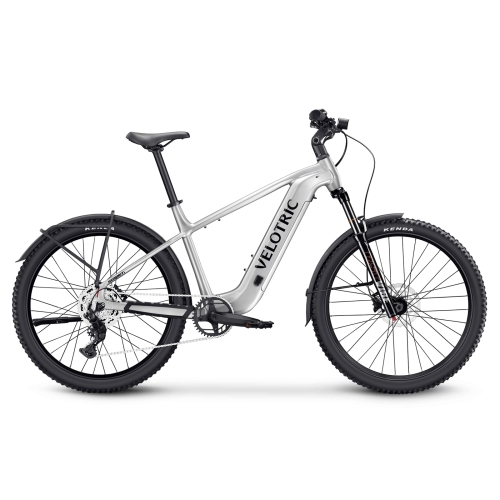
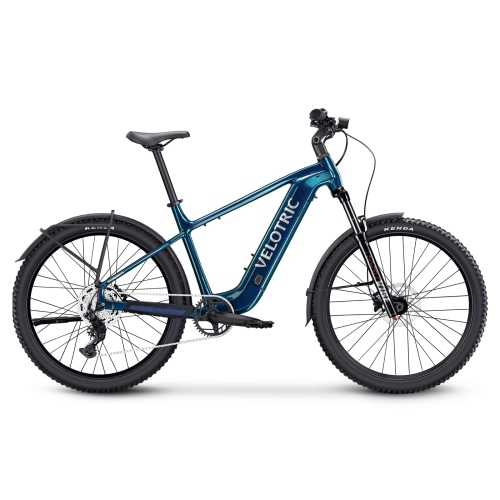
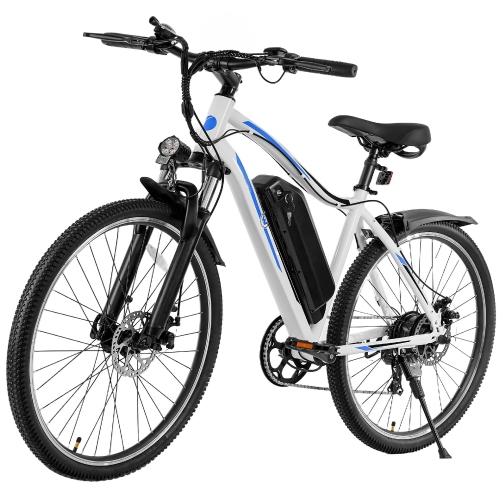
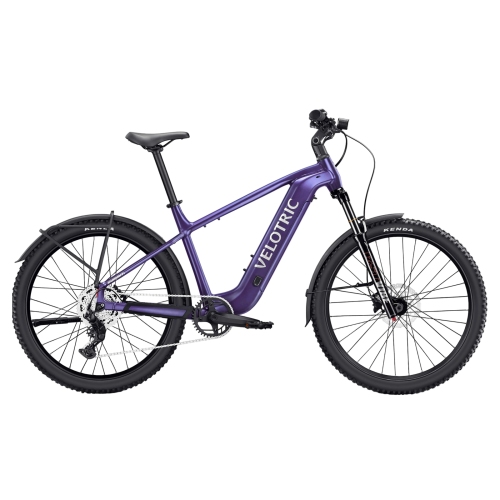
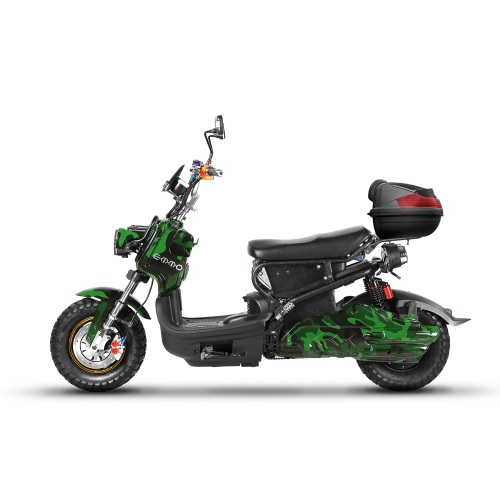
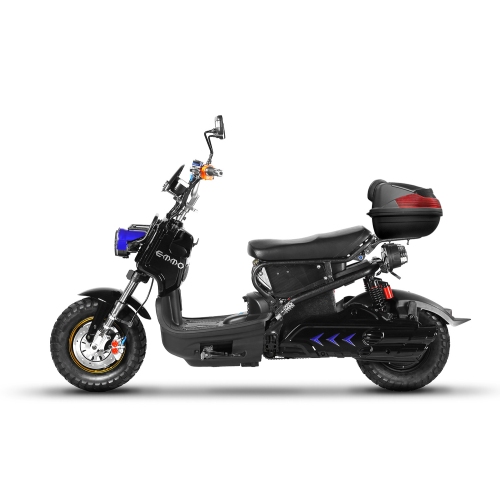
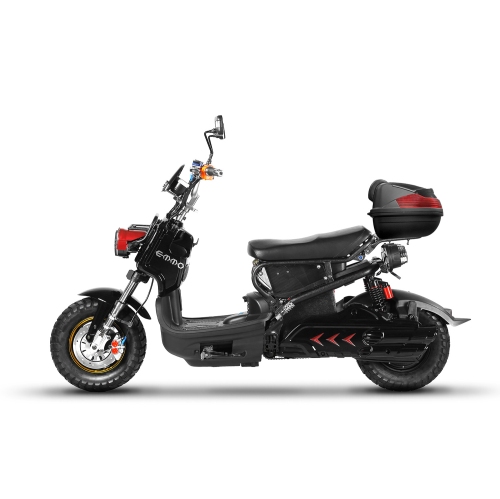
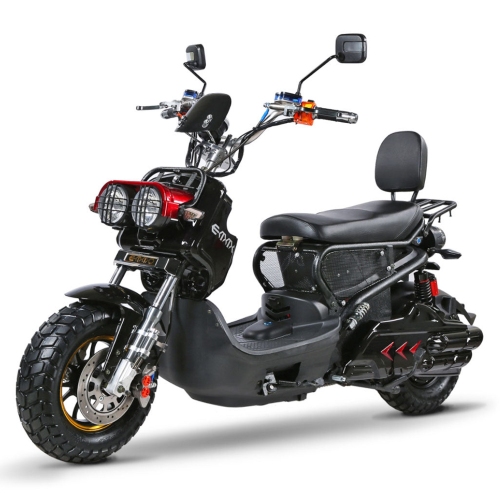
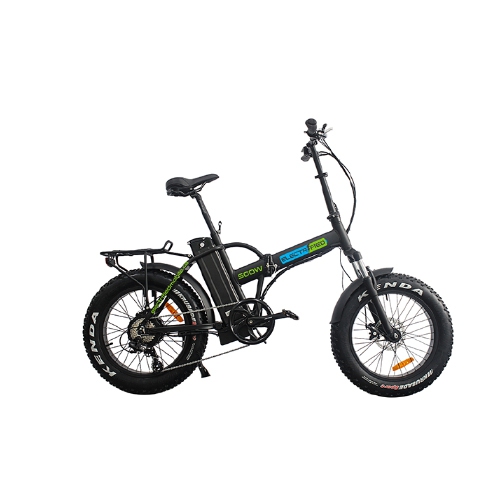
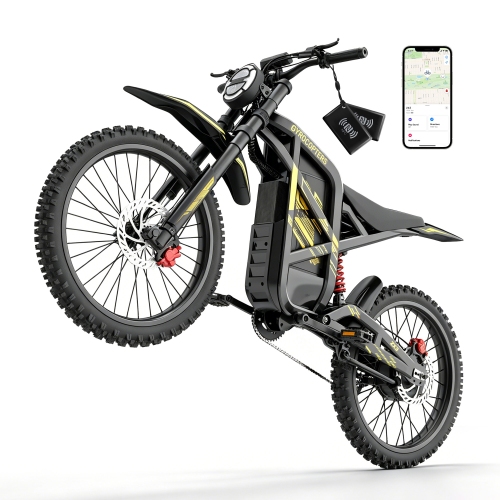
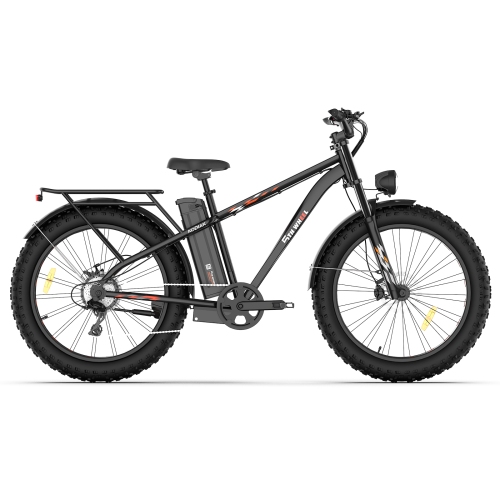
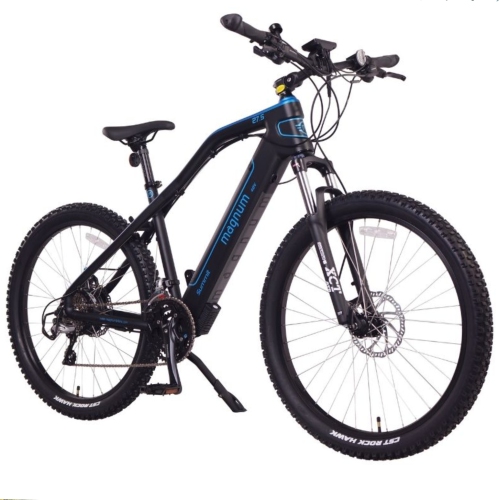
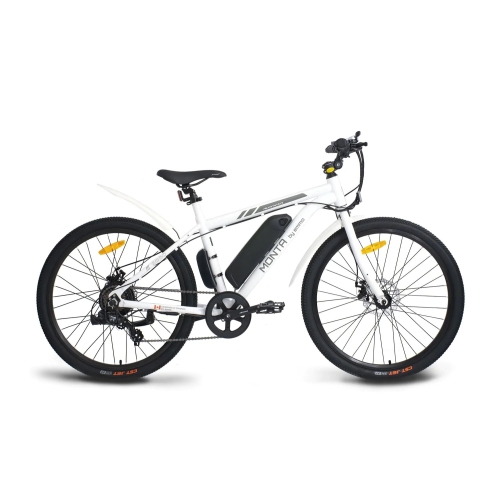
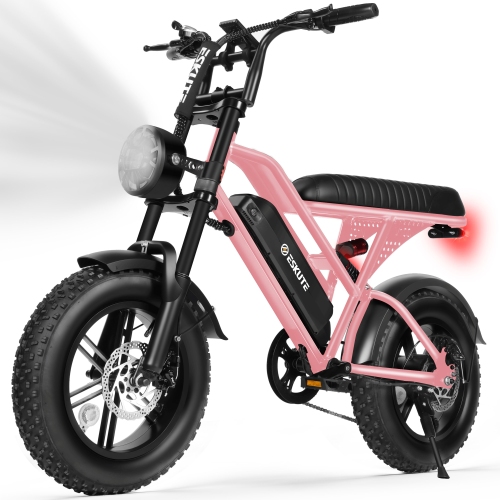
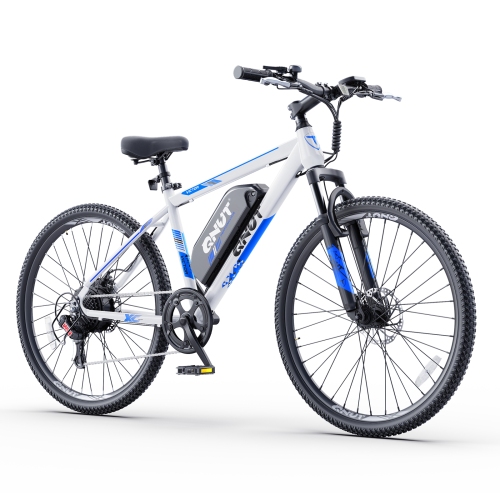
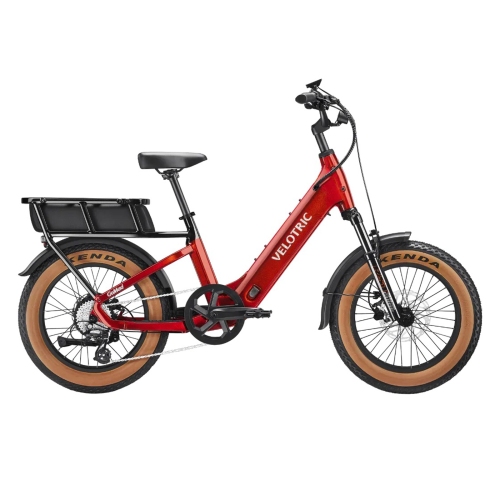
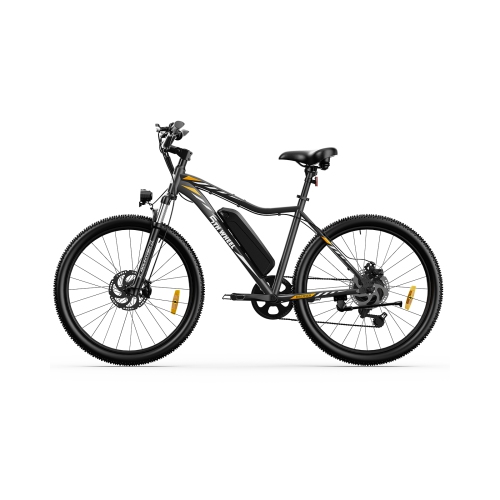
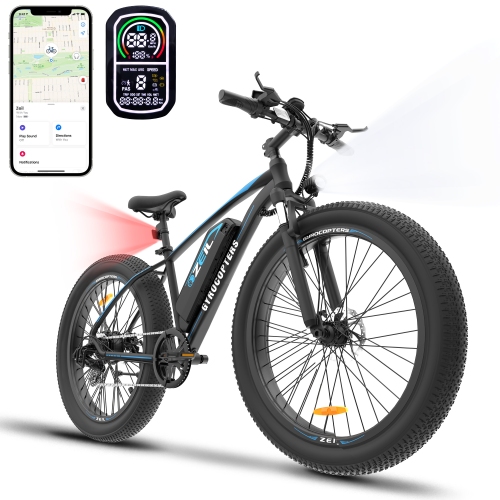
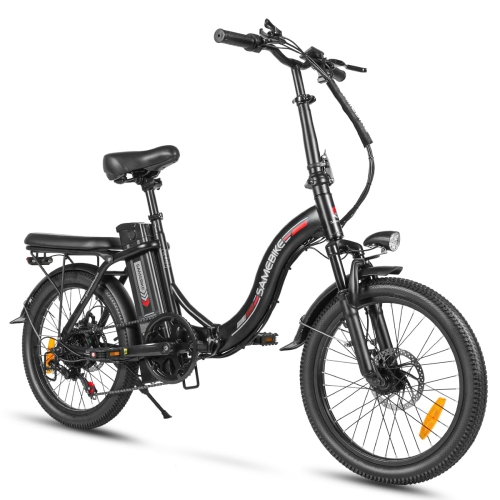
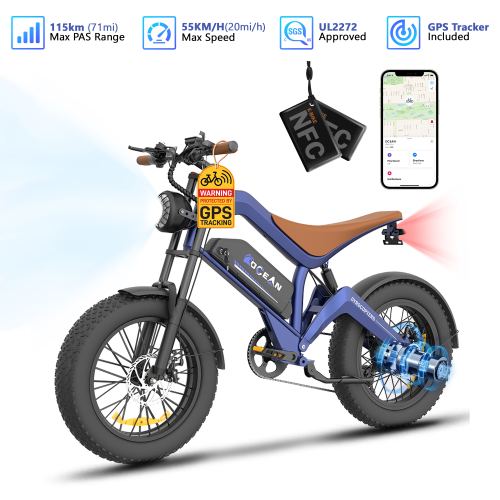
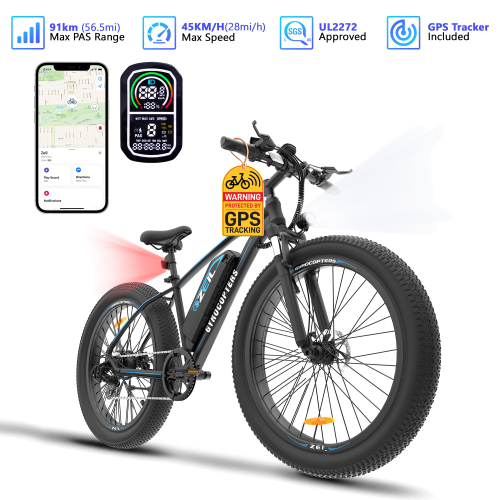
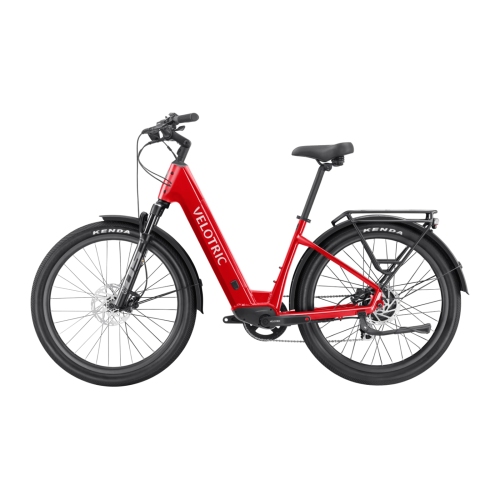
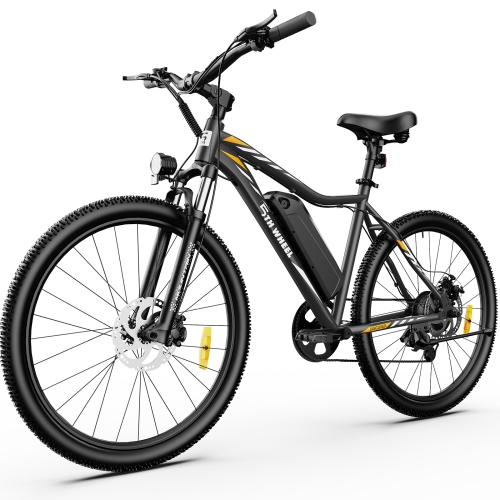
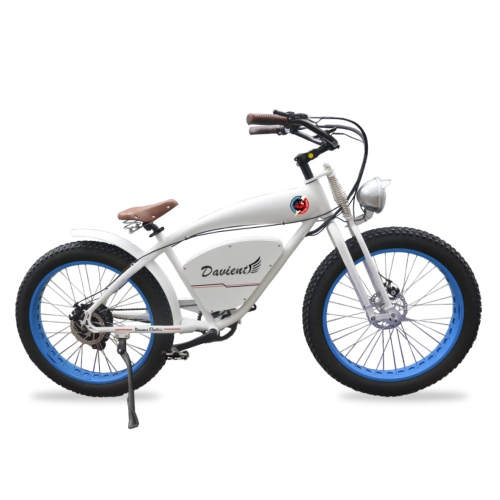
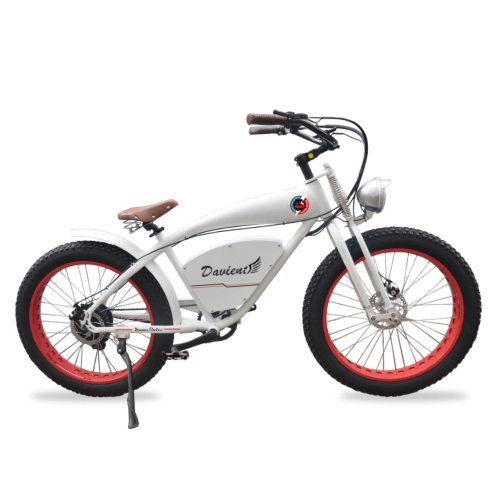
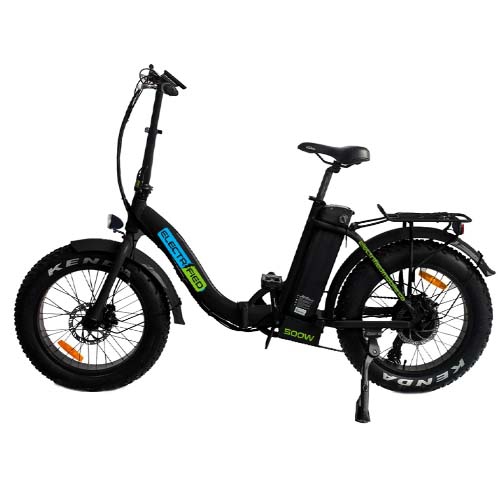
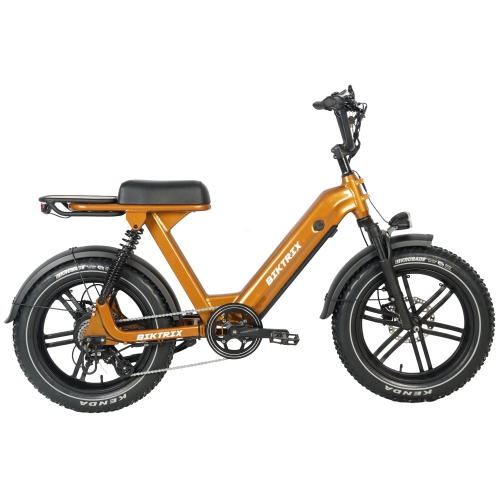
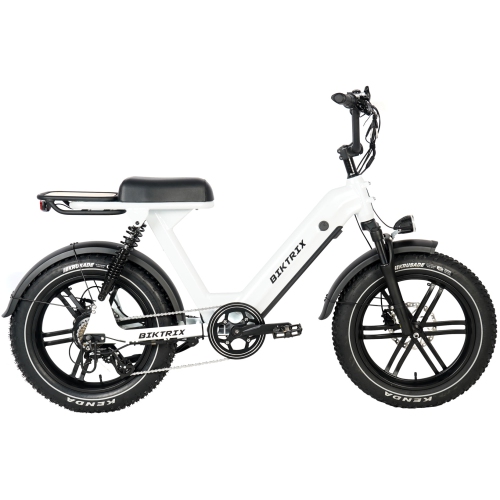
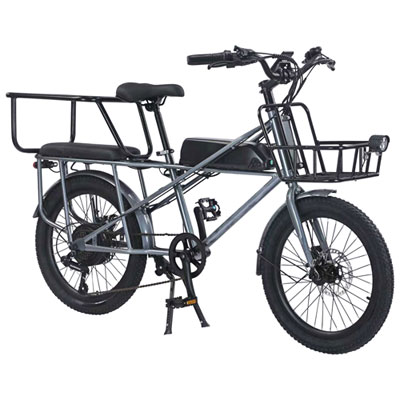
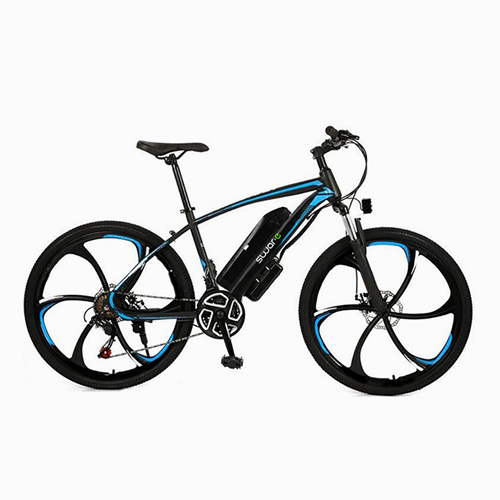
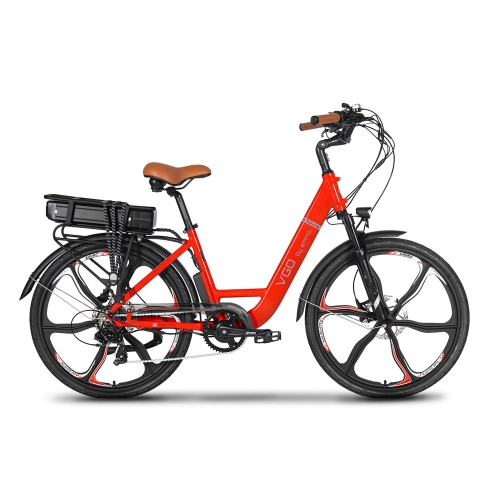
All terrain e-bikes are designed for riders who want more freedom to move between paved streets, gravel lanes, packed dirt paths, and light off-road trails without needing a separate bicycle for every surface. They typically combine a sturdy frame, electric assistance, broad tyres, and components intended to handle changing conditions. Depending on the design, tyres may be around 2.4 inches wide for a balanced mix of road efficiency and trail grip, or closer to 4 inches for added flotation on loose gravel, sand, or packed snow. Wider tyres can make a ride feel more planted when the path becomes uneven, while moderately wide, knobby treads may roll more easily during daily commutes. A front suspension fork can soften the sharp jolts caused by roots, potholes, and washboard gravel, while a full-suspension configuration may be more comfortable on rougher trails. Hydraulic or mechanical disc brakes are also important, particularly when descending wet slopes or carrying extra gear. For riders who picture a route that begins on a quiet residential road, follows a gravel service path, and ends beside a wooded overlook, an all terrain e-bike offers a practical blend of control, comfort, and versatility. It can be a useful choice for recreational riders, commuters whose routes include uneven sections, campers travelling around a large property, and anyone who prefers a supported ride without giving up the feel of cycling. These bikes may also make thoughtful gifts for an experienced cyclist, an active family member, or someone preparing to explore local trails during the cooler months, provided the recipient’s height, riding style, storage space, and intended terrain are considered first. Riders looking for a broader range of outdoor-focused options can also explore Adventure Electric Bikes.
Motor output and battery capacity should be matched to the way the bike will be used rather than chosen by numbers alone. A motor rated at 500W can provide useful assistance on hills and loose paths, while higher-output systems may offer stronger acceleration or climbing ability for private-property and designated off-road use. Actual performance depends on rider weight, incline, tyre pressure, cargo, wind, temperature, and the selected assistance level. A long, hilly route with frequent stops can use considerably more battery than a flat ride on a paved path, and cold conditions may reduce practical range. Look for a battery size that suits the distance between charging points, and consider whether the battery is removable for convenient indoor charging. A clear display, walk-assist mode, multiple pedal-assist levels, and a responsive control layout can make the bike easier to manage when the surface changes quickly. Throttle operation, where included, may be useful for starting on an incline, but it should be used with care around pedestrians and on narrow trails. Before purchasing, check the bike’s maximum supported weight, including luggage, as well as the frame’s step-over height and overall reach. A comfortable fit helps with balance and control, especially when stopping on an uneven shoulder or navigating a tight turn. Adjustable handlebars and a properly positioned saddle can reduce strain on the wrists, back, and knees. If the bike will carry groceries, a backpack, camping equipment, or a child-approved accessory, check compatibility with racks, baskets, fenders, and other add-ons. Imagine lifting the bike over a small threshold after a damp ride: weight, handle placement, and wheel size can matter just as much as motor strength when it comes to everyday convenience.
All terrain e-bikes perform best when riders select equipment and routes with realistic expectations. “All terrain” generally refers to a crossover design capable of handling pavement, gravel, packed dirt, and light trails; it does not automatically mean the bike is intended for technical mountain-bike descents, deep mud, large drops, or every type of snow. Before heading out, inspect tyre pressure, brake response, battery charge, and quick-release or axle fittings. Lower pressure can improve grip on loose ground, but the appropriate setting depends on tyre construction, rider weight, and the manufacturer’s guidance. Fenders can help keep spray off clothing during wet rides, while lights and reflective details improve visibility as daylight becomes shorter. A helmet, gloves, eye protection, and weather-appropriate layers can make a noticeable difference when a breezy paved ride turns into a chilly stretch through open fields. Store the bike somewhere dry, protect the battery from extreme temperatures, and follow the charging and maintenance instructions provided with the unit. Local rules also deserve attention: in Canada, power-assisted bicycle requirements commonly include a maximum assisted speed of 32 km/h and a motor limit of 500W, but provincial, territorial, municipal, and trail regulations can differ. Bikes exceeding standard power-assisted bicycle limits may be restricted to private property or specific off-road areas, and some trails may impose additional requirements for equipment, access, or rider age. Confirm the rules that apply to your intended route before riding. With the right fit, suitable tyres, dependable braking, and a battery chosen for the terrain, an all terrain e-bike can turn an ordinary errand, weekend outing, or cool-weather escape into a more comfortable way to experience the roads and paths around you.
Top selling and popular products
-
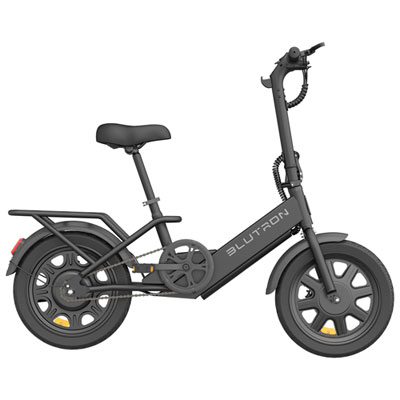 Your price for this item is $499.99
-
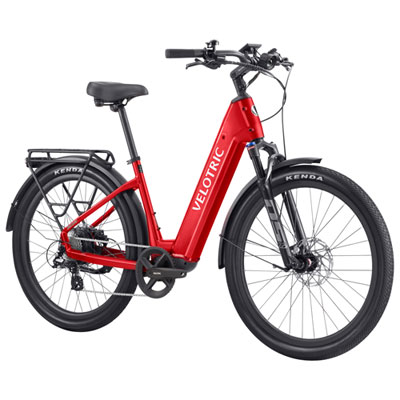 Your price for this item is $2499.99
-
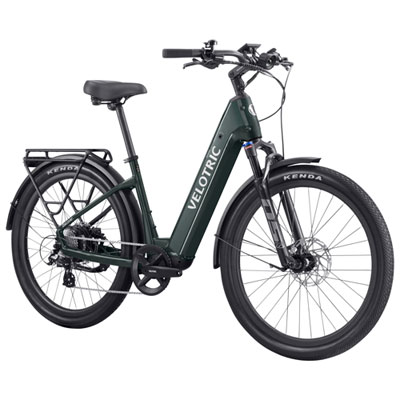 Your price for this item is $2499.99
-
 Your price for this item is $2699.99
-
 Your price for this item is $899.97
-
 Your price for this item is $2199.99
-
 Your price for this item is $999.99
-
 Your price for this item is $1399.97
Discover more categories related to All Terrain E Bikes
Top Collections:
Pokemon Centers, Best Cameras for Sports Photography, Kindle Devices, Samsung Galaxy Phones, Canon G7X Cameras, Pokémon 30th Celebration Cards, Refurbished Apple Laptops, iPhone 15 Apple, Laptops for Students, Budget Smartphones
Some products may be subject to Environmental Handling Fees
(EHF) depending on your province.
Learn more about EHFs.