Aluminum Snowshoes
When winter arrives and the snow starts to blanket the ground, it's time to embrace the great outdoors with a pair of aluminum snowshoes. Designed to provide stability and traction on snowy terrain, these snowshoes are perfect for adventurers of all skill levels. Whether you're exploring a winter wonderland or embarking on a thrilling hiking expedition, our selection of aluminum snowshoes will ensure that you can confidently trek through the snow-covered landscapes. With their lightweight construction and durable materials, these snowshoes offer both comfort and performance, allowing you to make the most of your winter adventures.
Sort
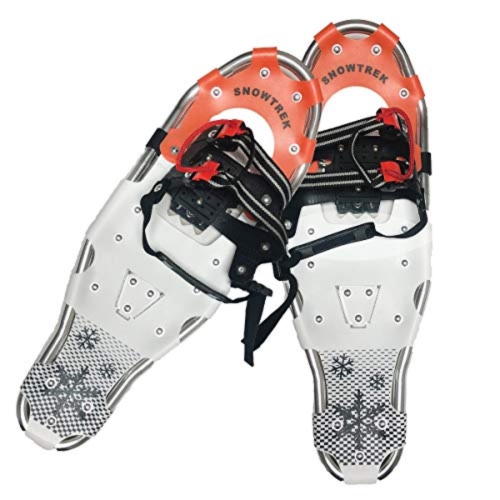
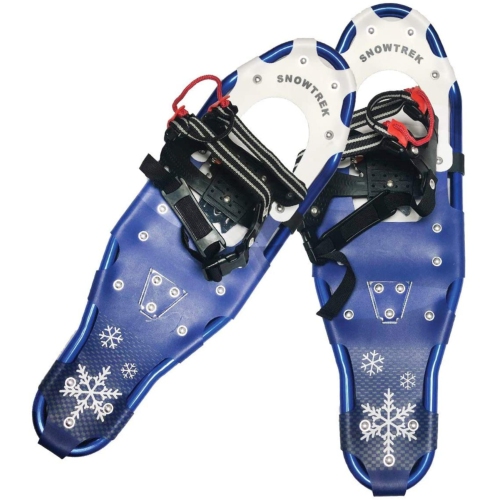
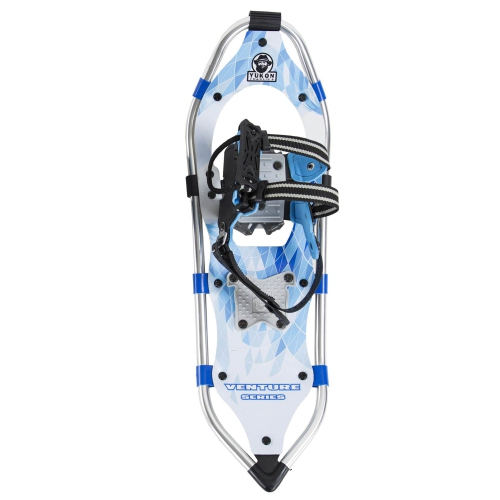
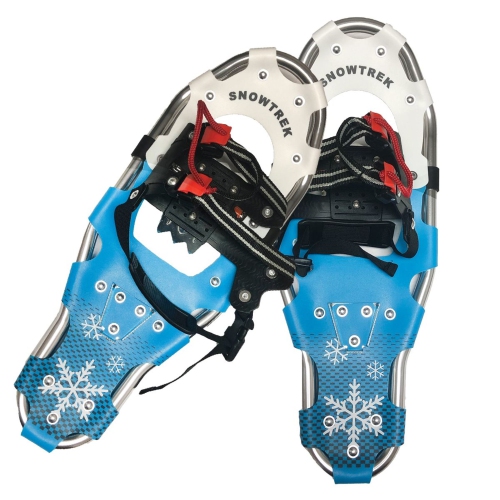
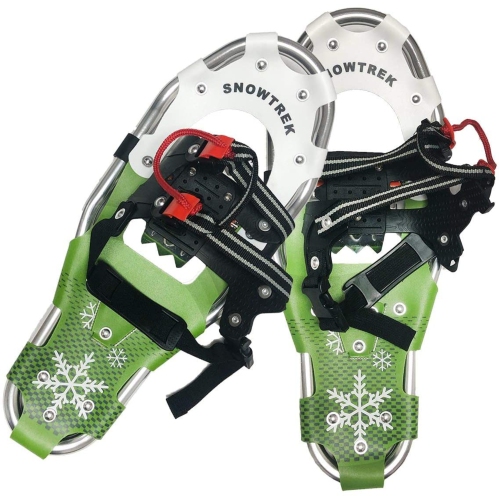
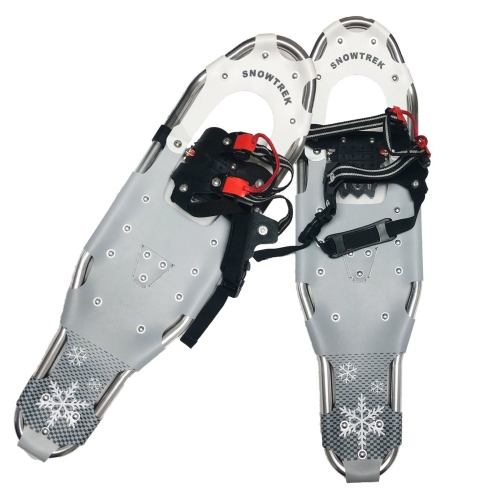
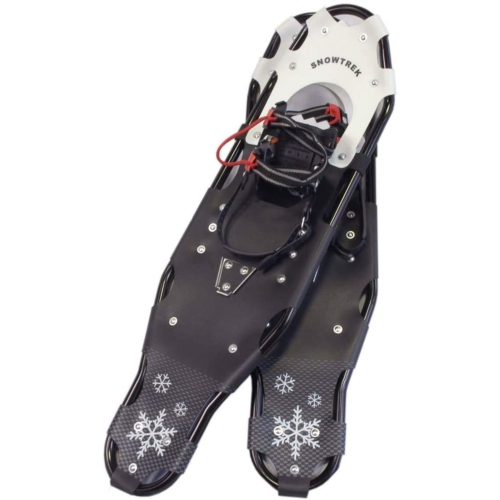
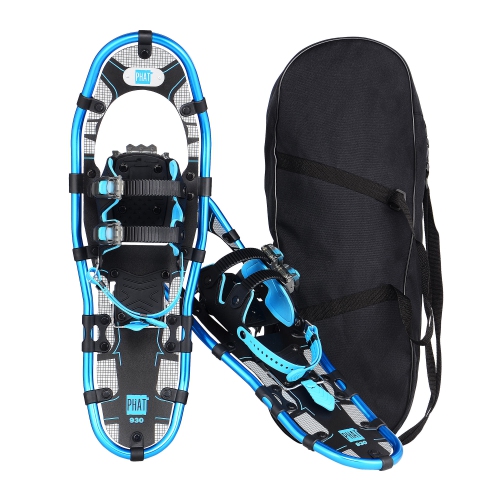
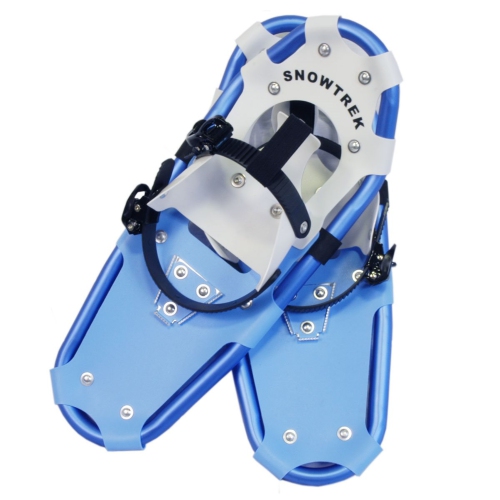
Lightweight frames for comfortable winter trail travel
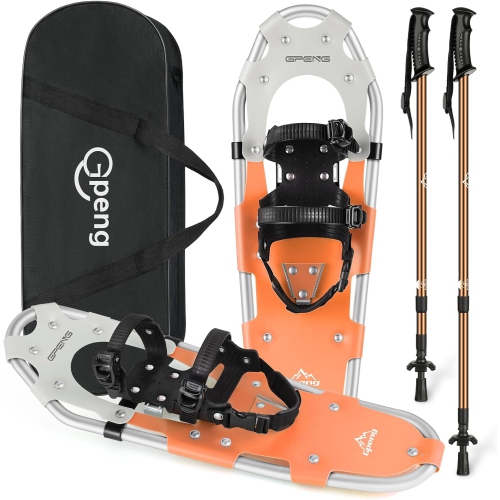
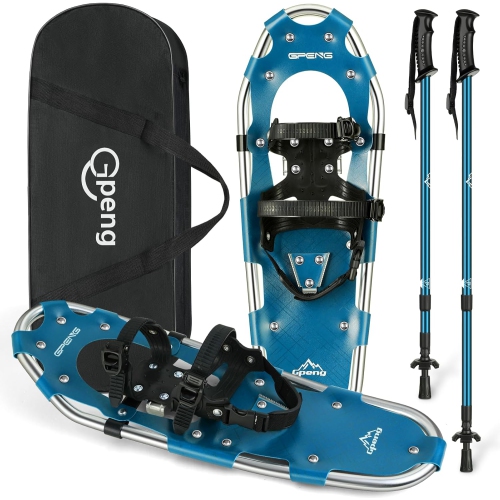
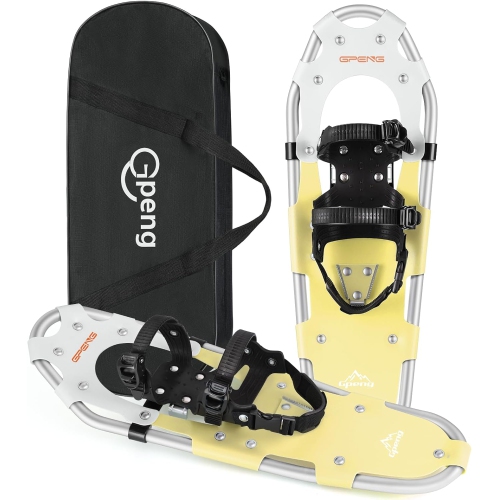
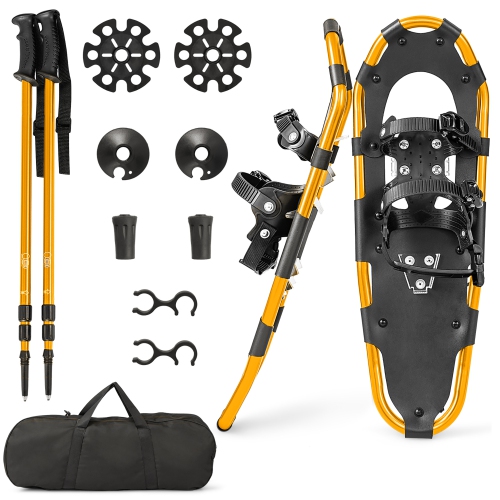
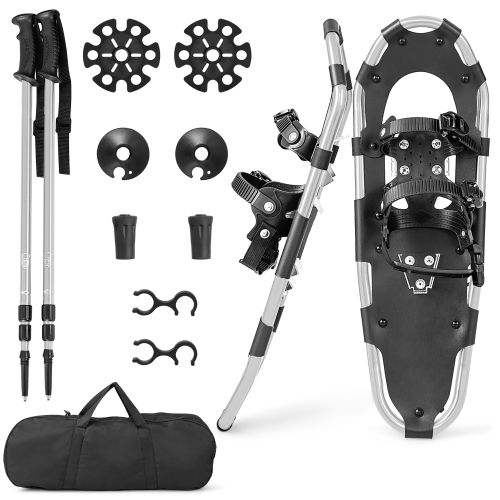
Aluminum snowshoes are designed to make winter travel more manageable by combining a lightweight metal tube frame with durable synthetic decking and supportive bindings. The frame helps keep the snowshoes easy to lift and swing with each step, while the broad deck spreads your weight over a larger area so you are less likely to sink into soft, unpacked snow. Many aluminum snowshoes use aircraft-grade 6061 or 7075 aluminum tubing, chosen for its balance of strength and low weight. This construction can be especially comfortable on flat trails, gentle slopes, forest paths, open fields, and rolling terrain where a steady pace matters more than aggressive climbing traction. A pivoting toe cord or rotating binding system allows the front of the snowshoe to rise naturally as you walk while the tail drags behind, helping snow fall away and reducing the need to lift the entire frame with every stride. That movement can make a noticeable difference during a longer outing, when small amounts of extra weight begin to add up. For someone discovering winter hiking, aluminum snowshoes offer a practical way to explore snowy surroundings without requiring highly specialized equipment. They can also be a thoughtful gift for an active friend, a family member who enjoys outdoor recreation, or anyone looking for a new way to spend time outside during the cooler months. Before choosing a pair, consider the user’s weight with winter clothing, boots, a backpack, water, and any other equipment they expect to carry. Snowshoe size is based on total load as well as snow conditions, so a larger deck may be useful for deeper, lighter powder, while a more compact frame can feel easier to manoeuvre on packed trails or in wooded areas. Always check the manufacturer’s recommended weight range and sizing guidance rather than relying on body weight alone.
The binding is just as important as the frame. Look for a secure fit that accommodates the user’s winter boots and can be adjusted while wearing gloves. Ratcheting straps, flexible webbing, or other straightforward closure systems can make it easier to tighten the snowshoes at the trailhead and adjust them if boots or socks settle during a hike. A well-fitted binding should hold the boot firmly without creating pressure points, leaving enough room for natural foot movement while preventing the heel from shifting side to side. Some aluminum snowshoes include heel lifts, which raise the heel on steeper climbs and can reduce strain in the calves and ankles. Traction features beneath the foot, such as crampons, cleats, or toothed bars, are worth comparing carefully. Aluminum frames generally perform well in deep powder and on flat or gently rolling packed trails, but they may not provide the same lateral grip as molded plastic or composite designs on steep, icy, or heavily crusted slopes. For routes with frequent elevation changes, exposed ice, or hard frozen surfaces, pay close attention to the shape and placement of the traction components rather than focusing only on frame material. Metal frames can also make a light tapping or crunching sound on hardpack, a normal characteristic that may be more noticeable on firm, frozen trails than in fresh snow. The best choice depends on the type of terrain, expected snow depth, walking pace, and the amount of gear being carried. Recreational models commonly sit around $70 to $120, while more advanced or specialized designs may range from approximately $130 to $300. A lower-priced pair can be suitable for occasional trail walks and casual winter outings, while a higher-priced option may offer lighter tubing, more refined bindings, heel lifts, or traction intended for frequent use and demanding routes. Comparing frame length, maximum load, binding design, traction, and packed size gives a clearer picture of value than comparing price alone.
Aluminum snowshoes are relatively simple to use, but a few small habits can make an outing more comfortable. Practise putting them on at home or near the trailhead before heading into deep snow, and make sure the left and right snowshoes are positioned correctly if the bindings are shaped for a particular foot. Start with a comfortable walking pace and allow the frames to sit slightly wider than ordinary footwear so the decks do not catch against one another. On level ground, use a natural stride and let the pivoting front section do the work. When climbing, shorten your steps and place the traction area firmly into the slope; when descending, keep your knees relaxed and step with control rather than leaning too far back. In tight trees or narrow paths, a shorter snowshoe can be easier to guide, while a larger deck can provide welcome flotation in open powder. After an outing, brush away packed snow and allow the snowshoes to dry fully before storing them in a cool, dry place. Check the straps, cords, frame, and traction points occasionally for damage, especially after walking over exposed rocks, roots, or icy sections. Avoid using snowshoes on bare ground whenever possible, since contact with hard surfaces can wear down traction components and scratch the frame. For shoppers comparing aluminum construction in another type of mobility equipment, Aluminum Wheelchairs offer a separate look at how lightweight metal frames can support practical everyday use. Whether they are packed for a quiet walk through a snowy woodland, kept by the door for local trail exploration, or given as a gift to someone eager to try winter hiking, aluminum snowshoes provide a balanced combination of flotation, portability, and straightforward cold-weather performance.
The binding is just as important as the frame. Look for a secure fit that accommodates the user’s winter boots and can be adjusted while wearing gloves. Ratcheting straps, flexible webbing, or other straightforward closure systems can make it easier to tighten the snowshoes at the trailhead and adjust them if boots or socks settle during a hike. A well-fitted binding should hold the boot firmly without creating pressure points, leaving enough room for natural foot movement while preventing the heel from shifting side to side. Some aluminum snowshoes include heel lifts, which raise the heel on steeper climbs and can reduce strain in the calves and ankles. Traction features beneath the foot, such as crampons, cleats, or toothed bars, are worth comparing carefully. Aluminum frames generally perform well in deep powder and on flat or gently rolling packed trails, but they may not provide the same lateral grip as molded plastic or composite designs on steep, icy, or heavily crusted slopes. For routes with frequent elevation changes, exposed ice, or hard frozen surfaces, pay close attention to the shape and placement of the traction components rather than focusing only on frame material. Metal frames can also make a light tapping or crunching sound on hardpack, a normal characteristic that may be more noticeable on firm, frozen trails than in fresh snow. The best choice depends on the type of terrain, expected snow depth, walking pace, and the amount of gear being carried. Recreational models commonly sit around $70 to $120, while more advanced or specialized designs may range from approximately $130 to $300. A lower-priced pair can be suitable for occasional trail walks and casual winter outings, while a higher-priced option may offer lighter tubing, more refined bindings, heel lifts, or traction intended for frequent use and demanding routes. Comparing frame length, maximum load, binding design, traction, and packed size gives a clearer picture of value than comparing price alone.
Aluminum snowshoes are relatively simple to use, but a few small habits can make an outing more comfortable. Practise putting them on at home or near the trailhead before heading into deep snow, and make sure the left and right snowshoes are positioned correctly if the bindings are shaped for a particular foot. Start with a comfortable walking pace and allow the frames to sit slightly wider than ordinary footwear so the decks do not catch against one another. On level ground, use a natural stride and let the pivoting front section do the work. When climbing, shorten your steps and place the traction area firmly into the slope; when descending, keep your knees relaxed and step with control rather than leaning too far back. In tight trees or narrow paths, a shorter snowshoe can be easier to guide, while a larger deck can provide welcome flotation in open powder. After an outing, brush away packed snow and allow the snowshoes to dry fully before storing them in a cool, dry place. Check the straps, cords, frame, and traction points occasionally for damage, especially after walking over exposed rocks, roots, or icy sections. Avoid using snowshoes on bare ground whenever possible, since contact with hard surfaces can wear down traction components and scratch the frame. For shoppers comparing aluminum construction in another type of mobility equipment, Aluminum Wheelchairs offer a separate look at how lightweight metal frames can support practical everyday use. Whether they are packed for a quiet walk through a snowy woodland, kept by the door for local trail exploration, or given as a gift to someone eager to try winter hiking, aluminum snowshoes provide a balanced combination of flotation, portability, and straightforward cold-weather performance.
Top selling and popular products
-
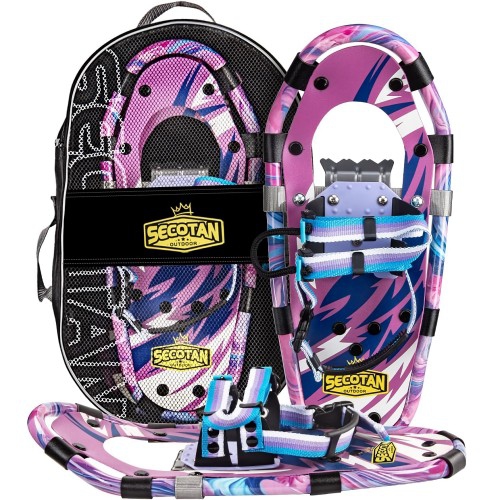 Your price for this item is $29.99
 -
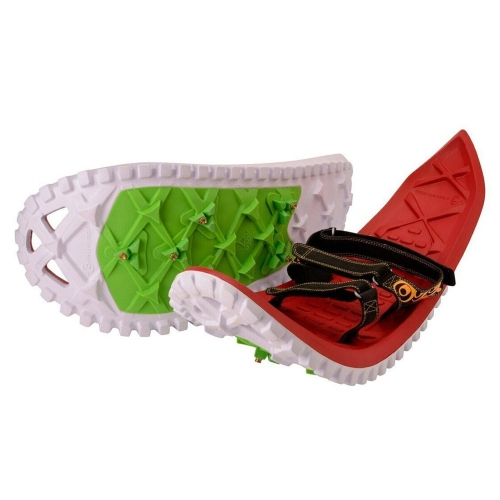 Your price for this item is $188.99
 -
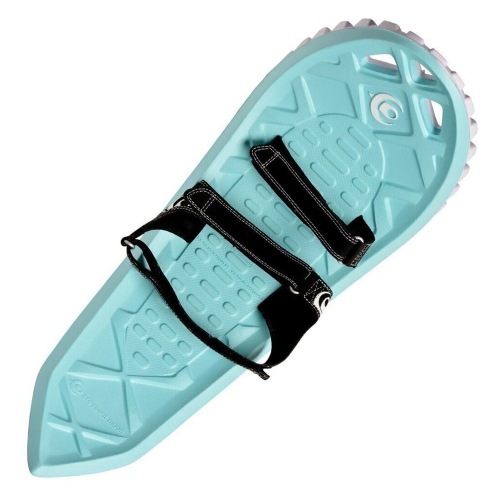 Your price for this item is $190.99
 -
 Your price for this item is $83.99
 -
 Your price for this item is $83.99
 -
 Your price for this item is $69.99
 -
 Your price for this item is $89.99
 -
 Your price for this item is $89.99
Discover more categories related to Aluminum Snowshoes
Top Collections:
Pokemon Centers, Kindle Devices, Best Budget Office Chairs, Apple iPhones 16, Canon G7X Cameras, iPhone 15 Apple, Alarm Clock, Refurbished Apple Laptops, Flip Phones, Best Laptops for Writers
Some products may be subject to Environmental Handling Fees
(EHF) depending on your province.
Learn more about EHFs.