Baby Bikes
Get ready to hit the road with your little one in tow with this selection of baby bikes. Whether you're looking for a safe and comfortable way to introduce your child to the joys of biking or hoping to enjoy some family adventures together, this range of baby bikes has something for everyone. From sturdy frames and adjustable seats to reliable safety features, these bikes are designed to make your outdoor excursions with your little one both fun and worry-free.
Sort
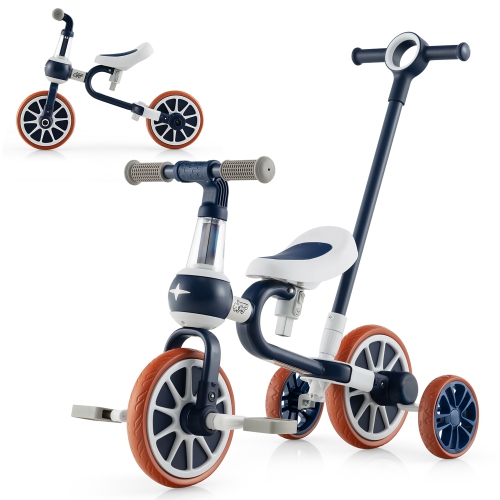
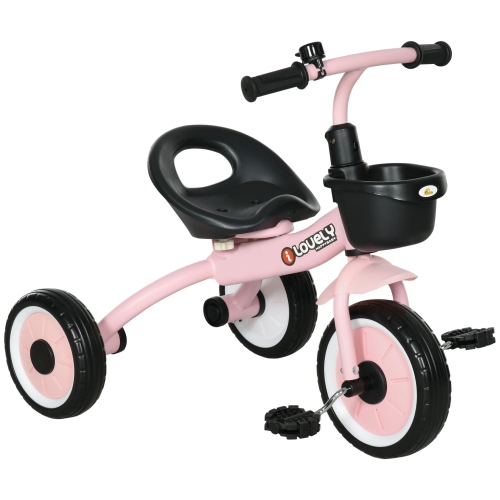
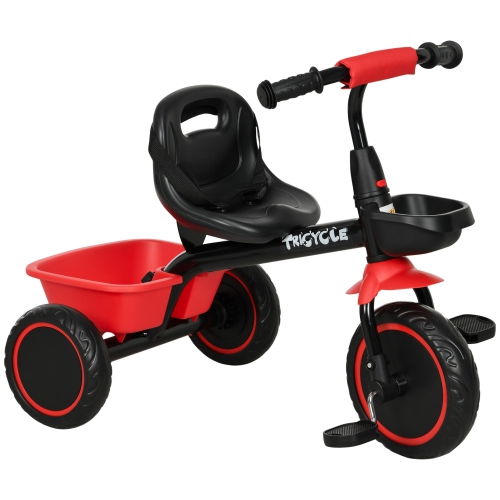
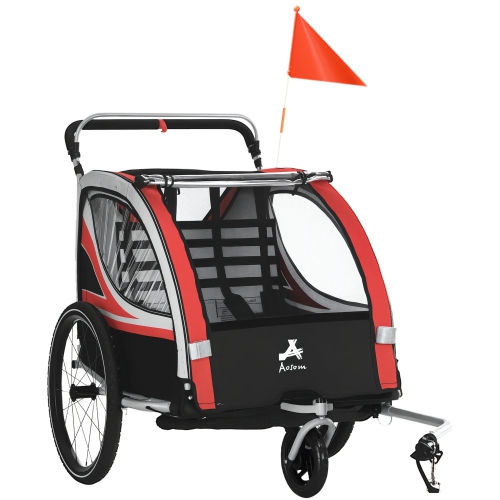

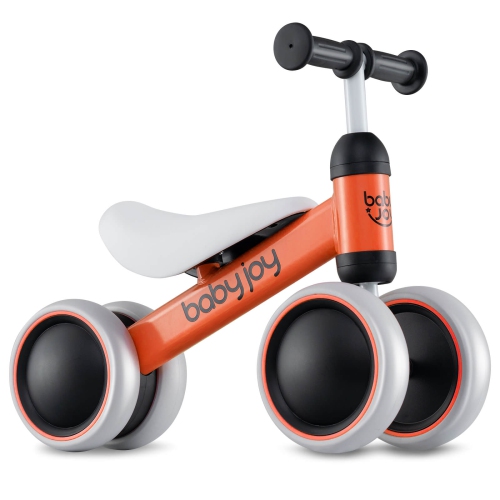
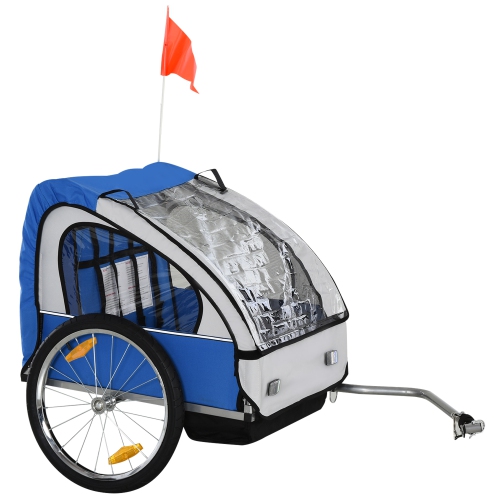
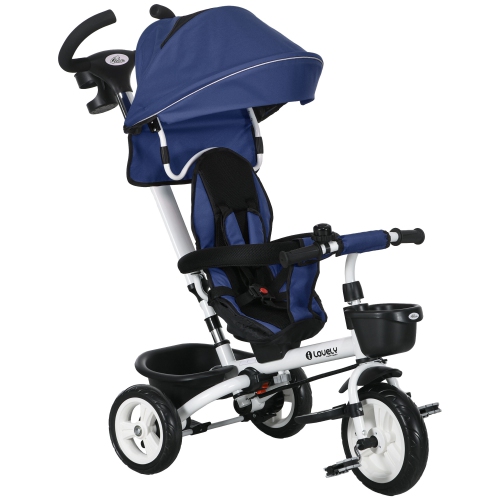
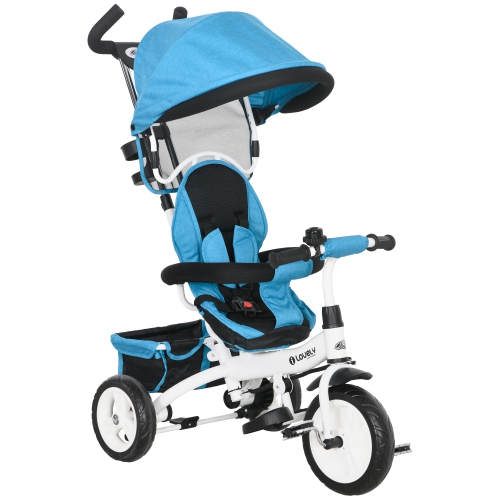
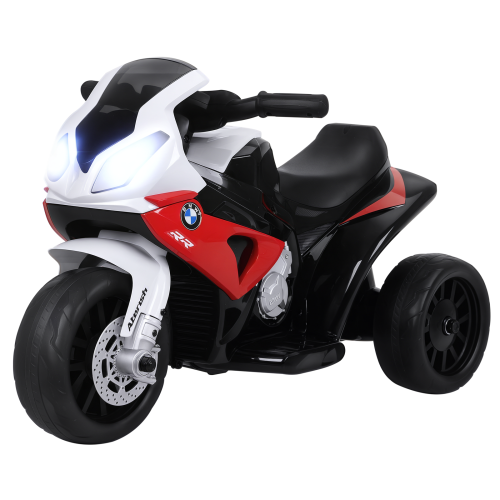
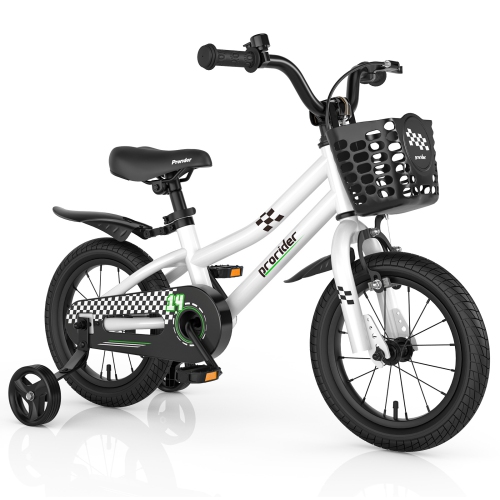
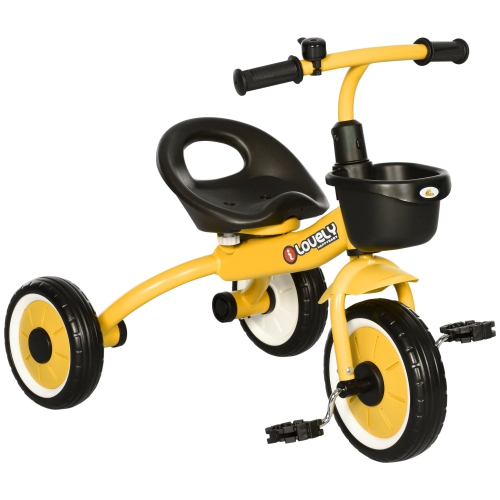
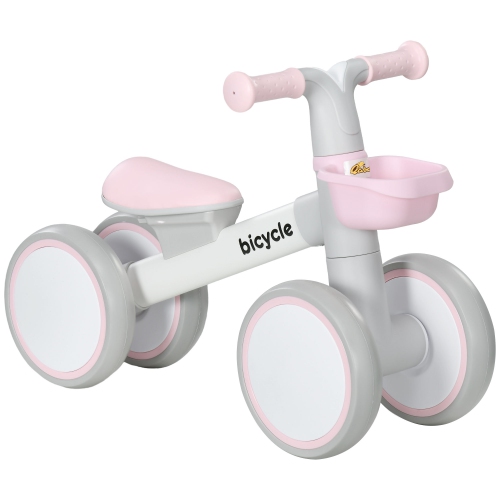
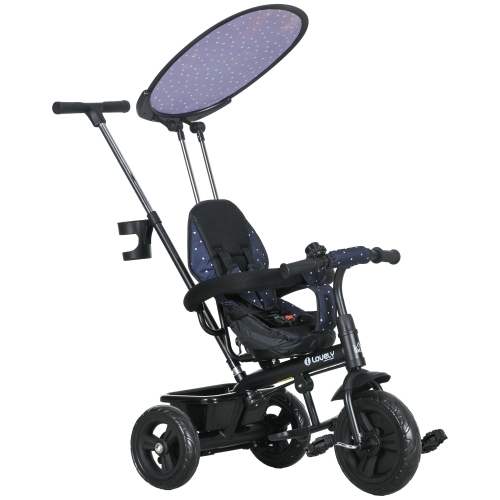
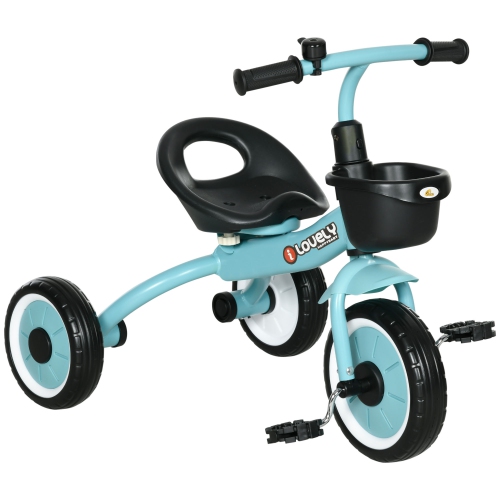
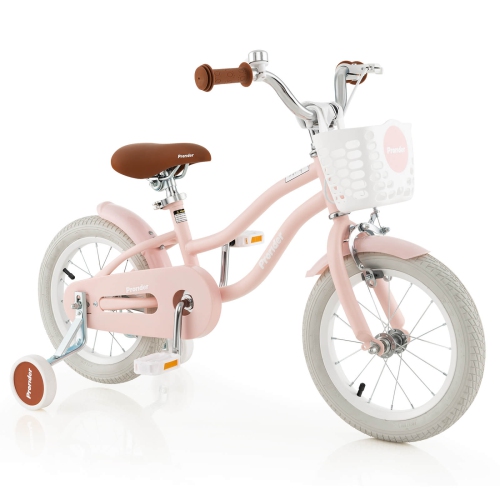
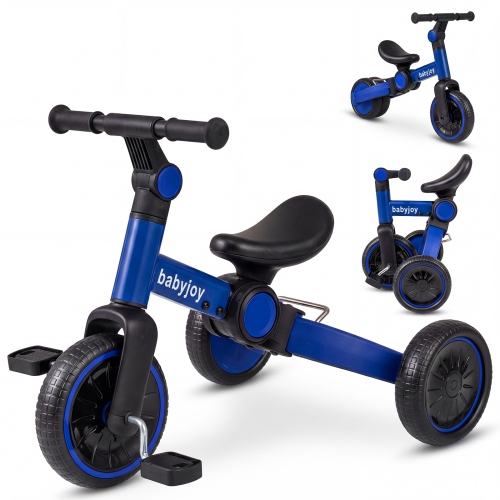
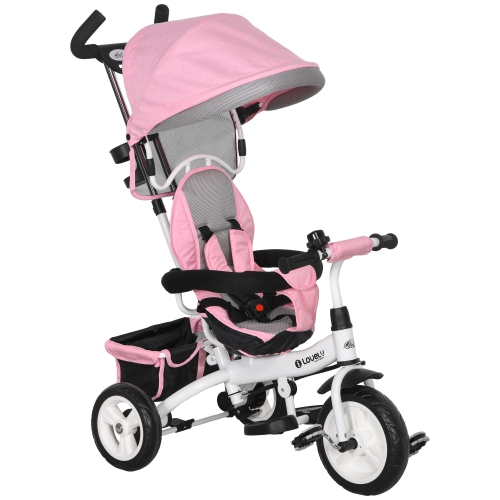
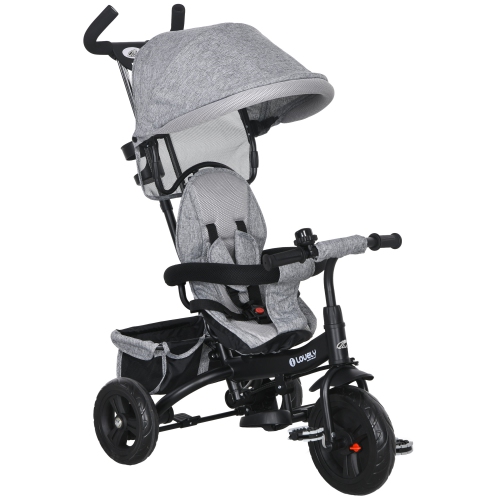
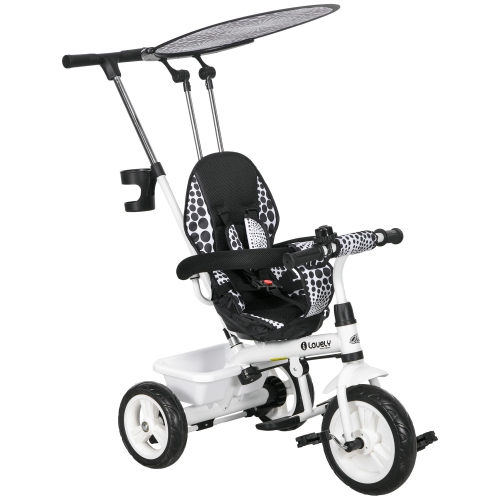
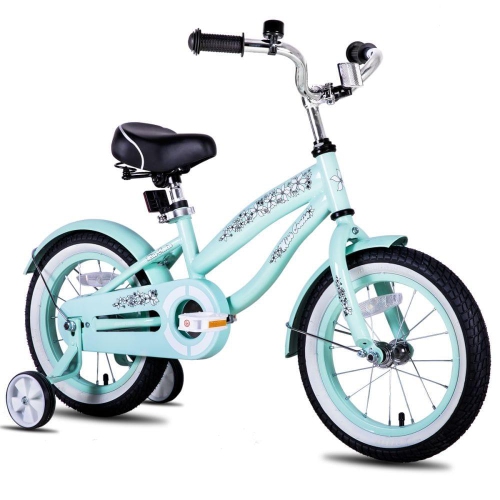
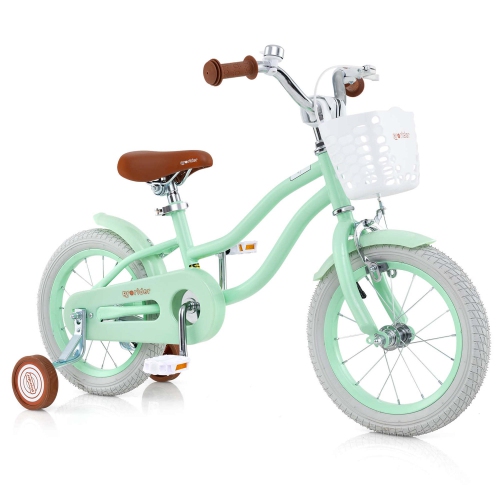
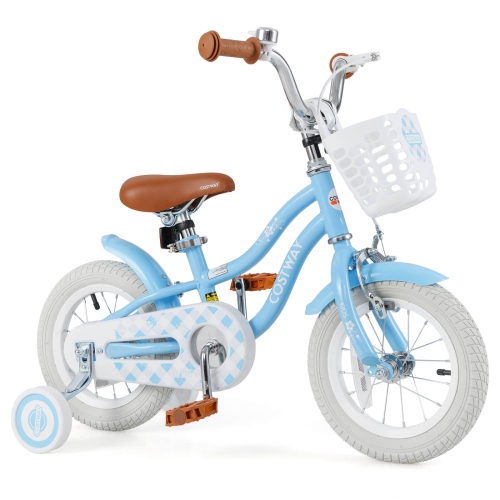
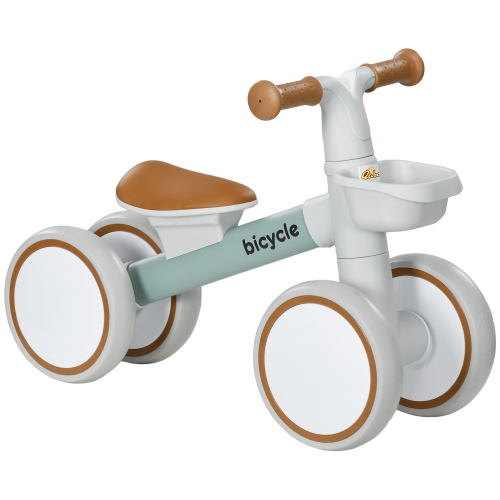
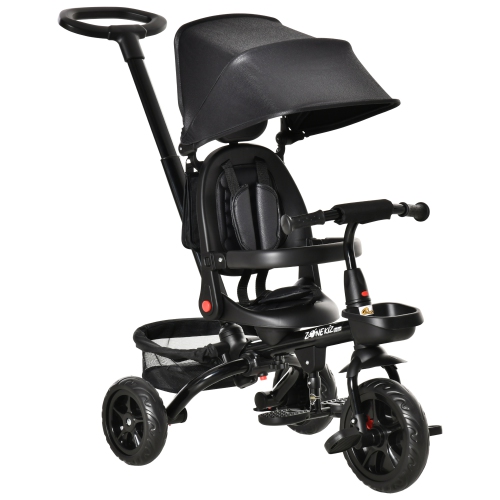
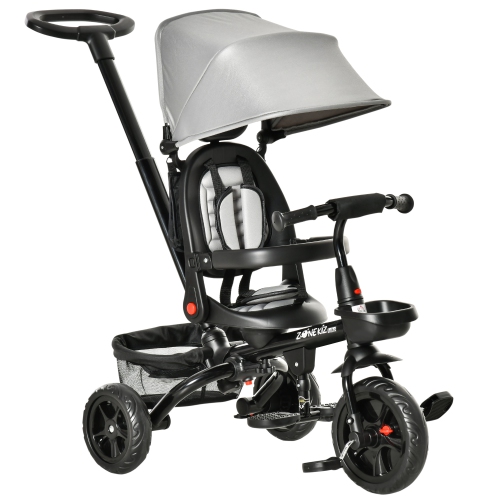
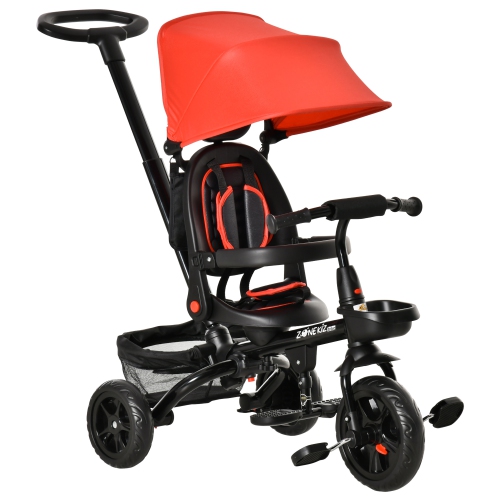
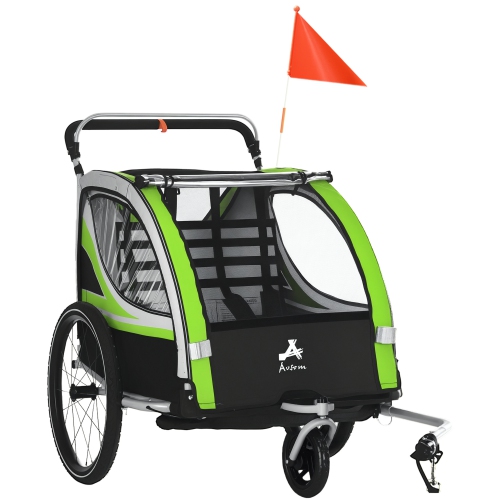
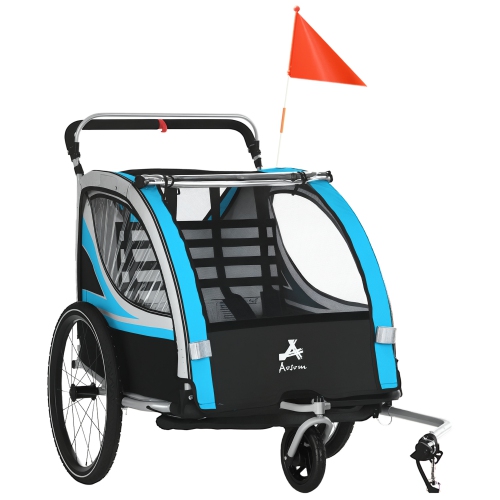
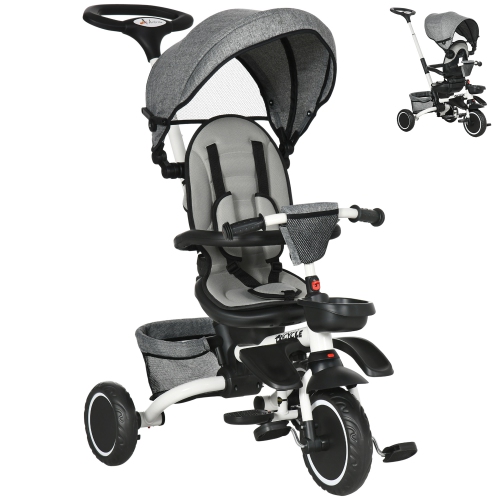
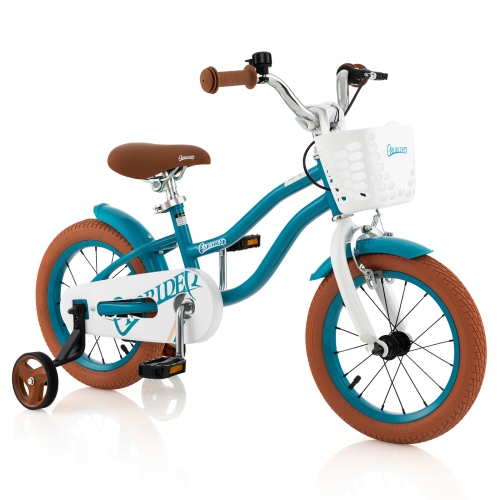
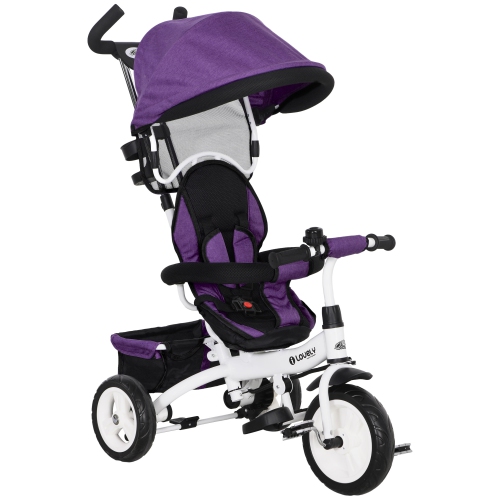
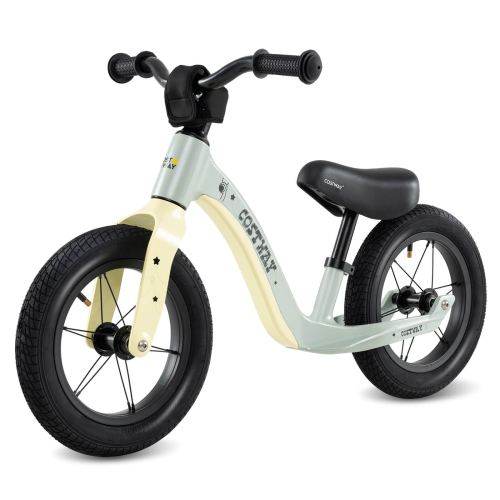
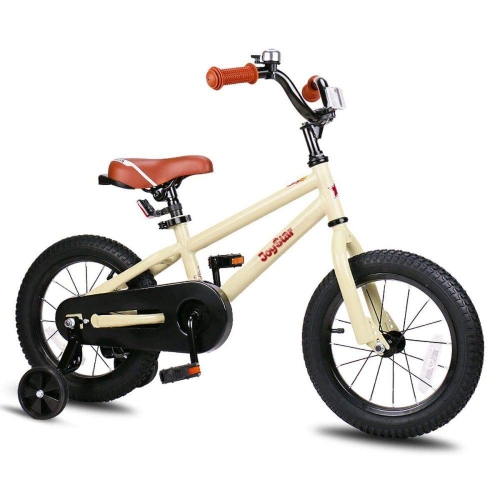
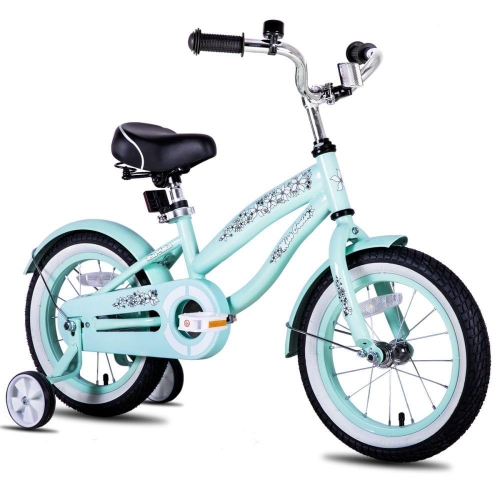
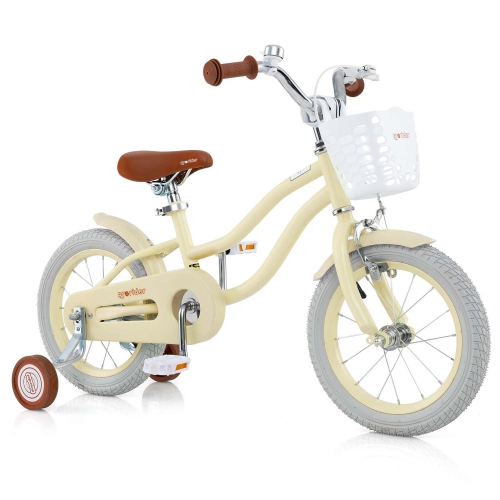
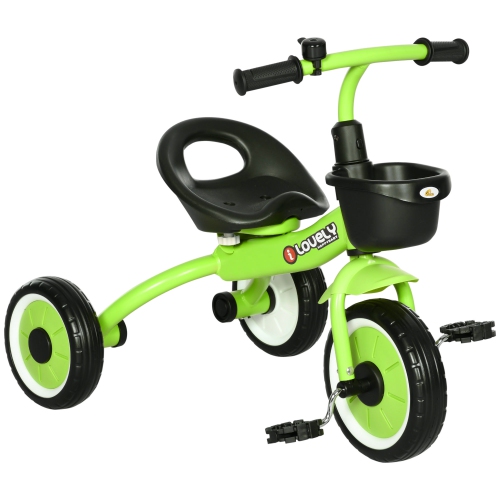
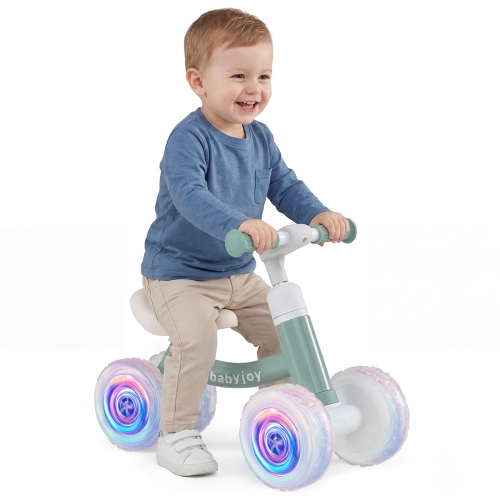
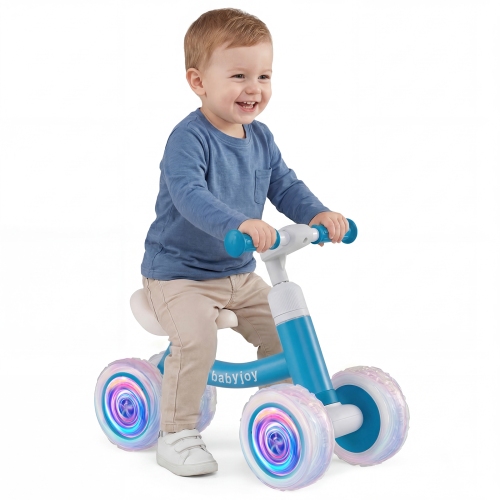
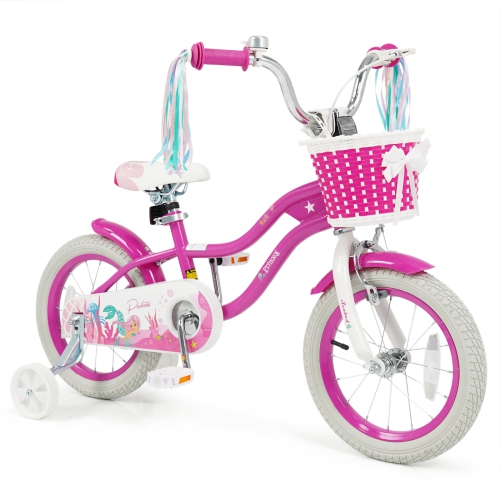
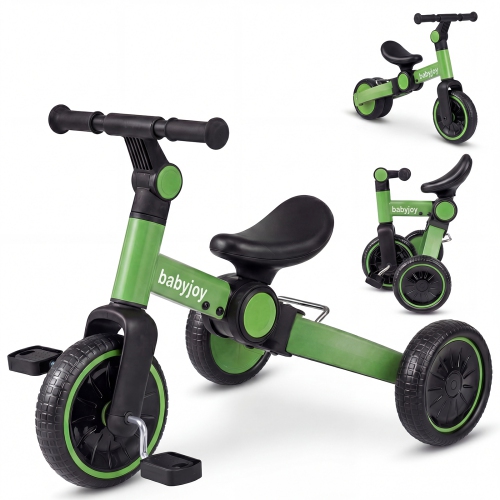
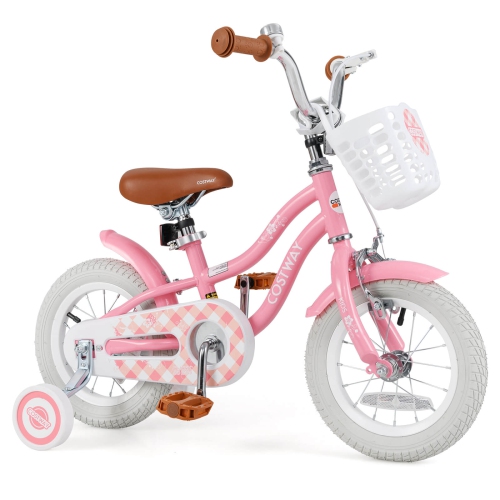
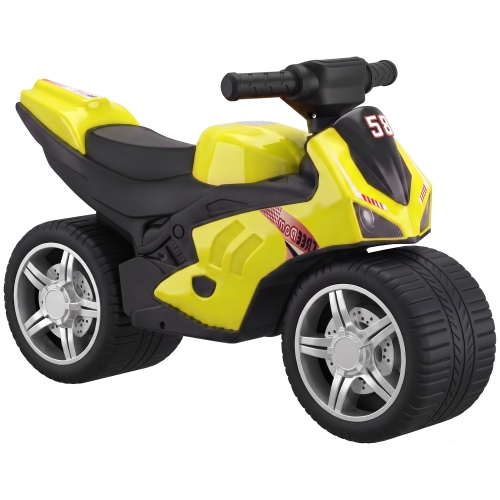
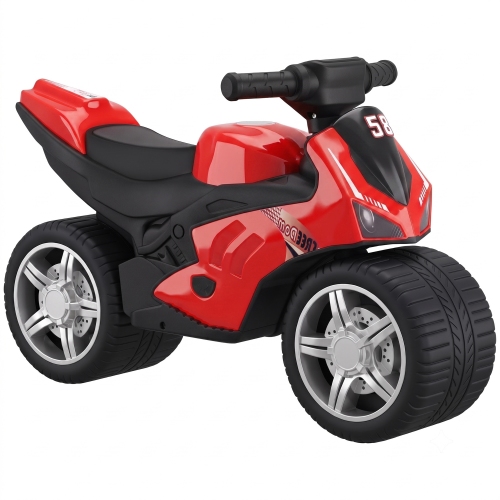
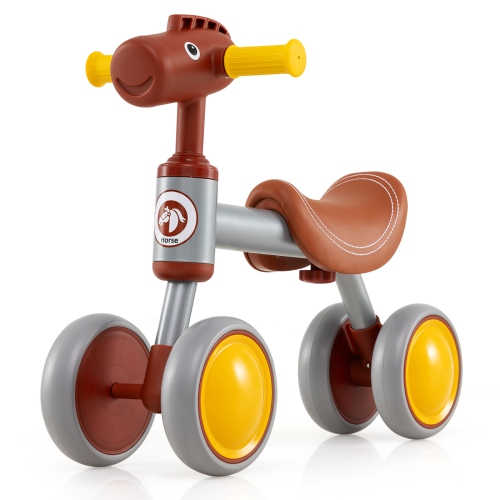
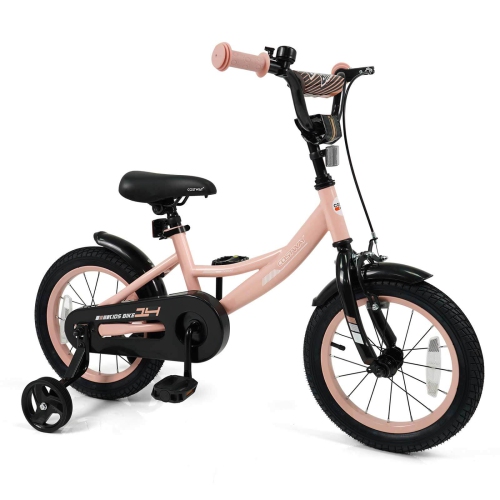
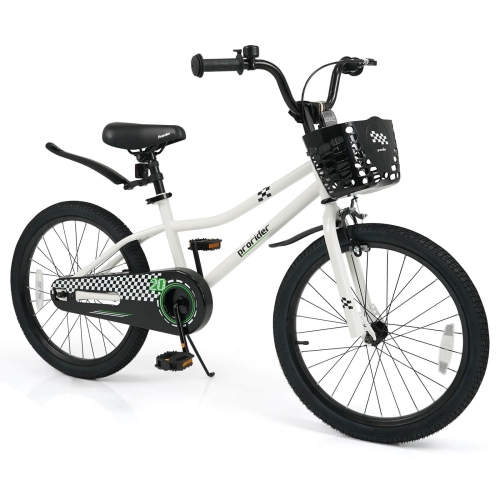
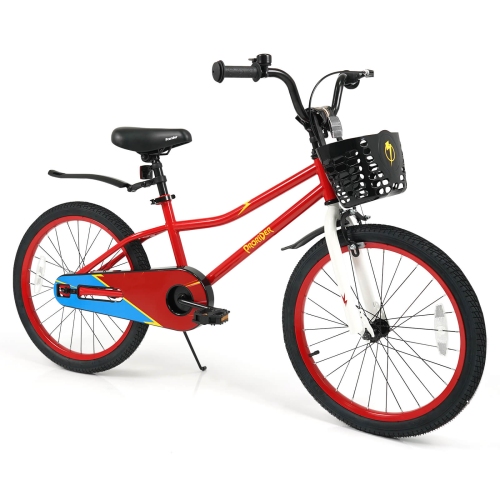
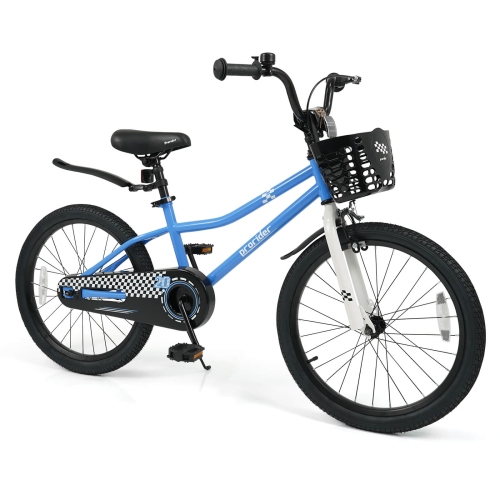
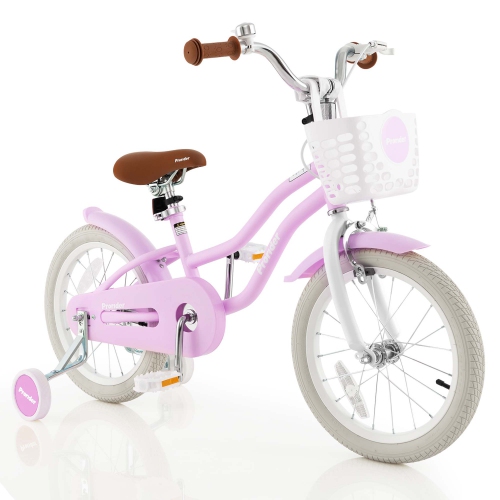
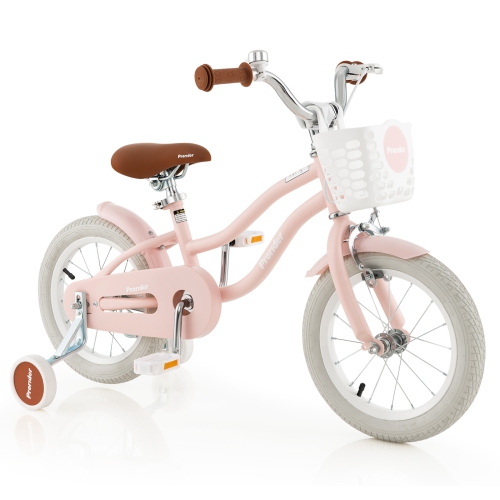
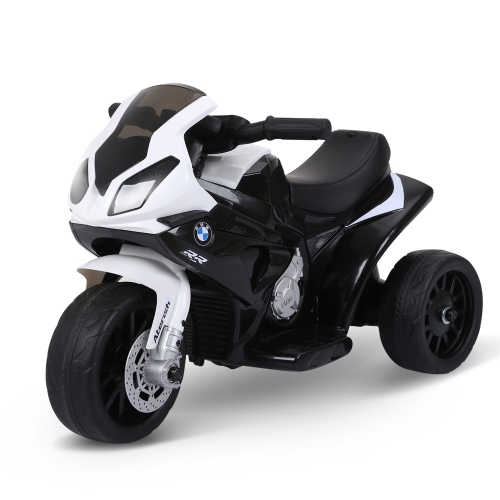
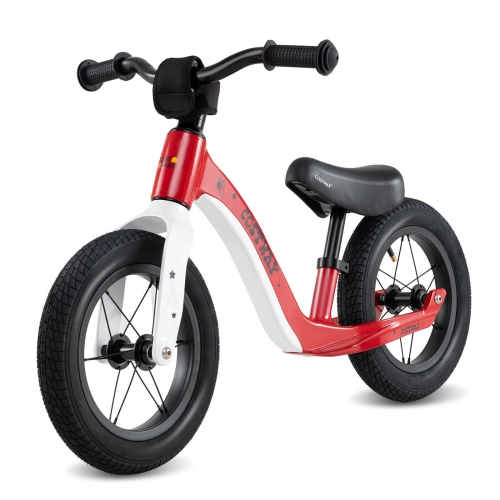
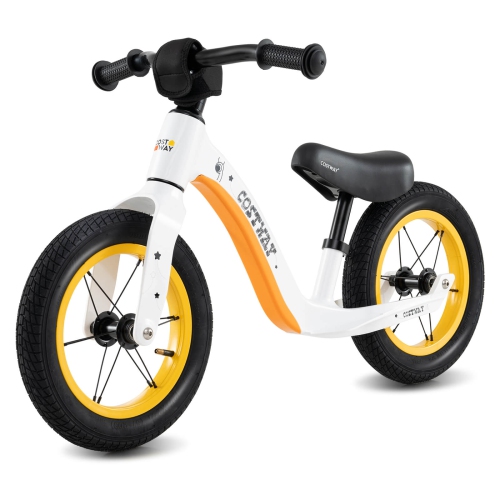
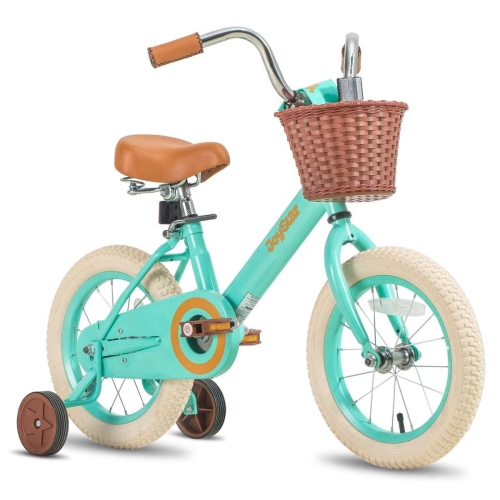
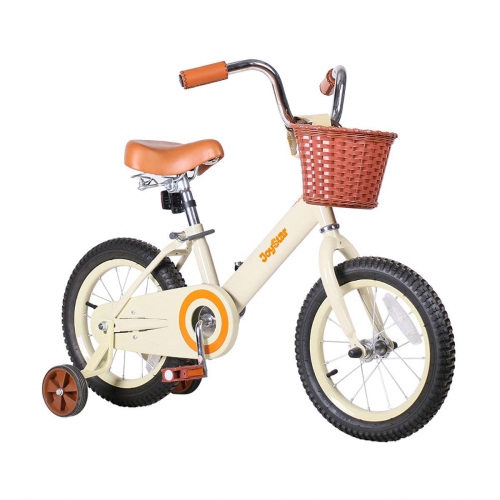
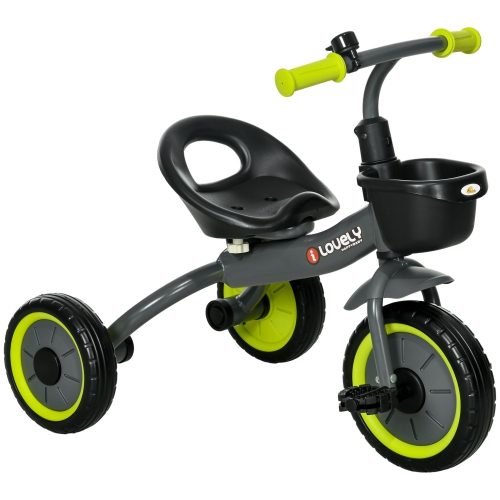
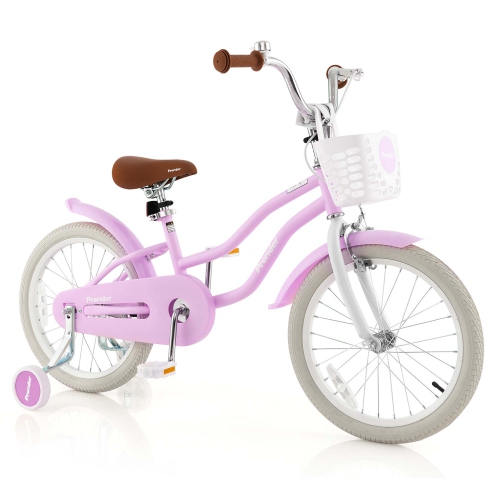


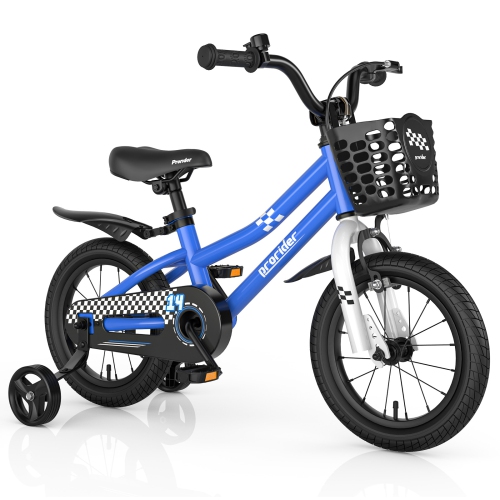
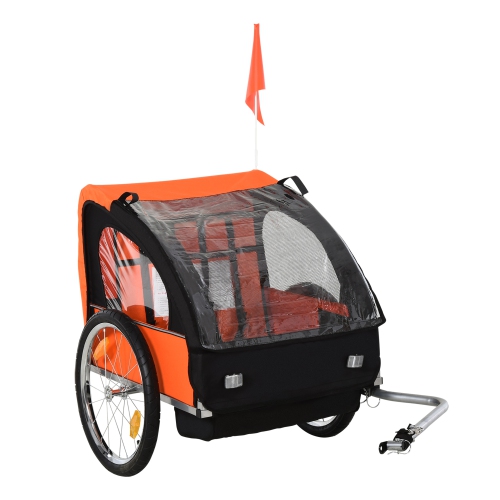
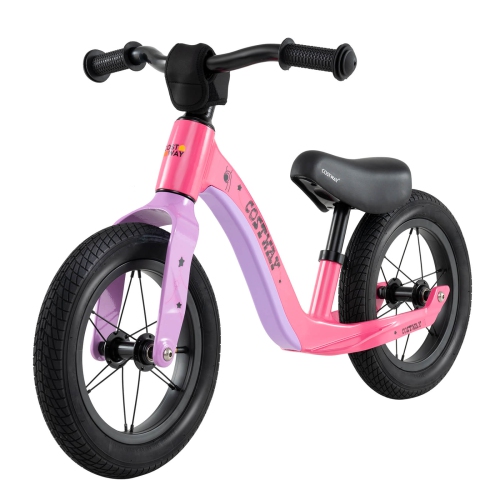
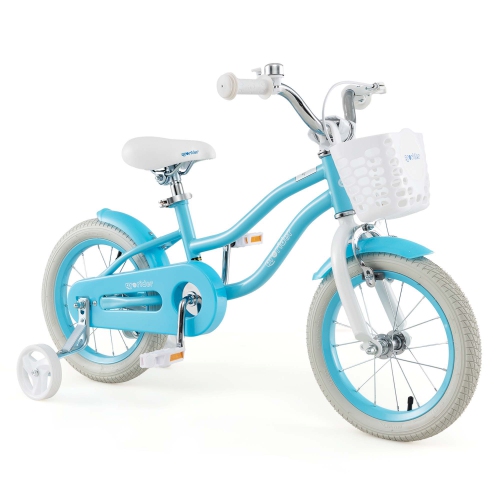
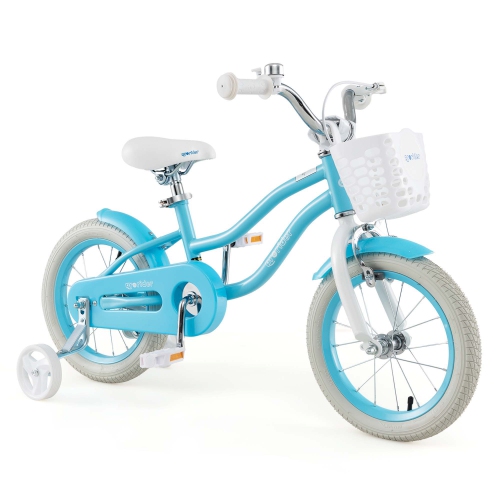
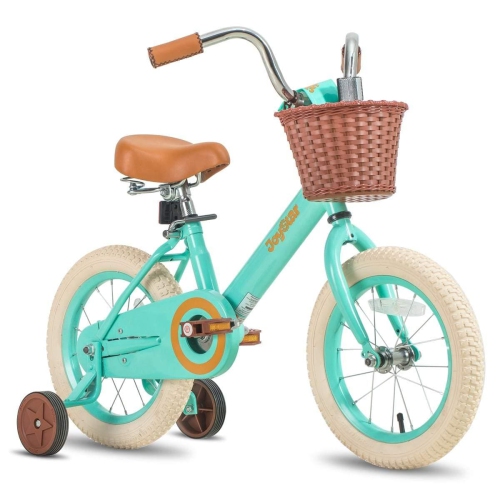
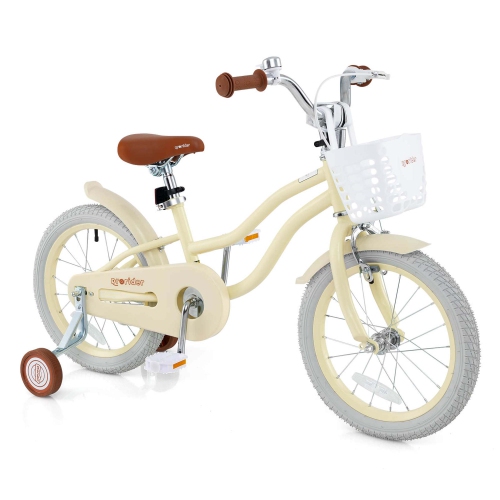
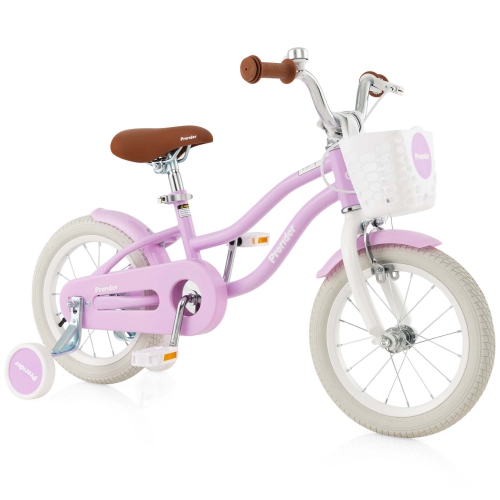
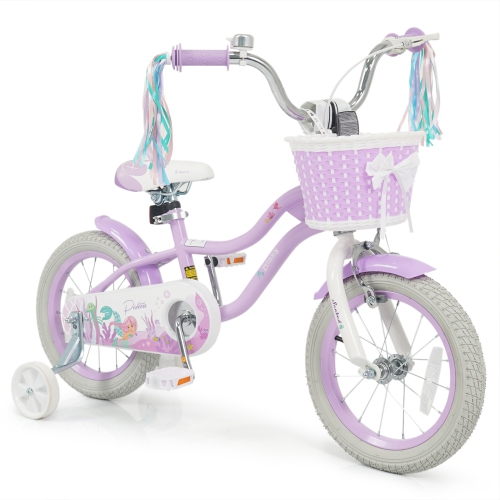
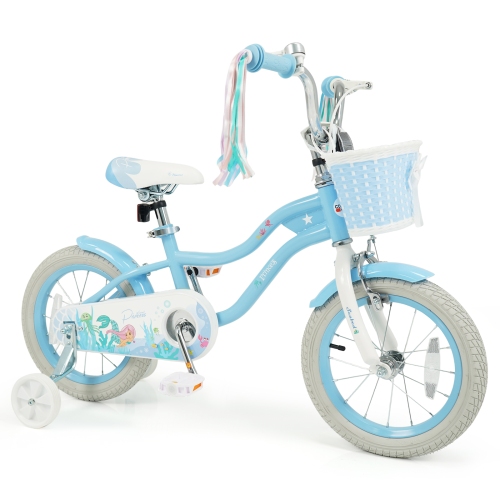
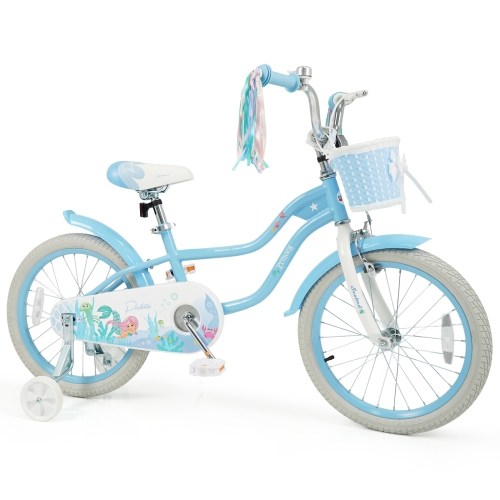
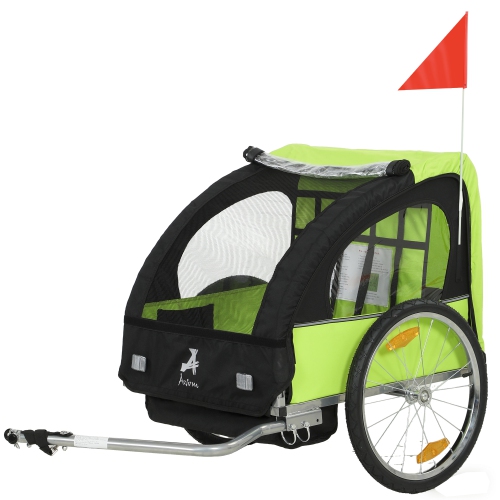
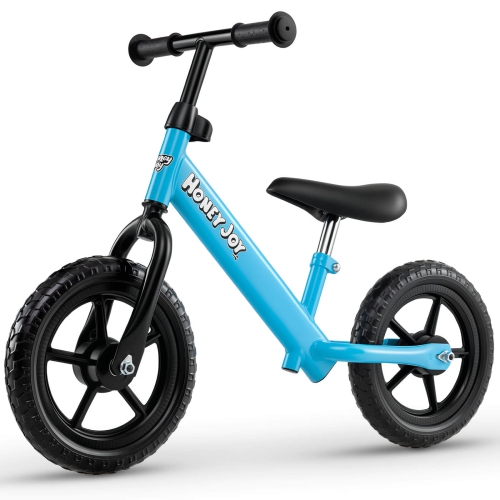
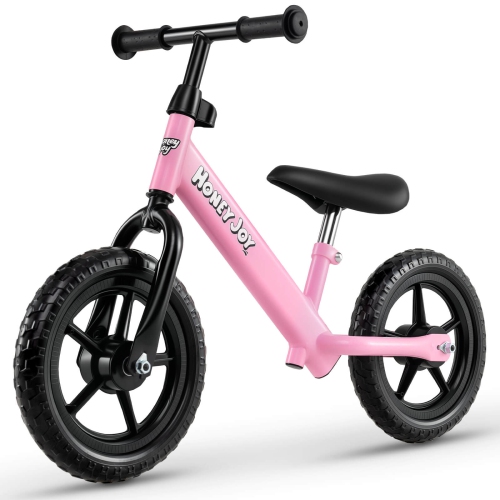
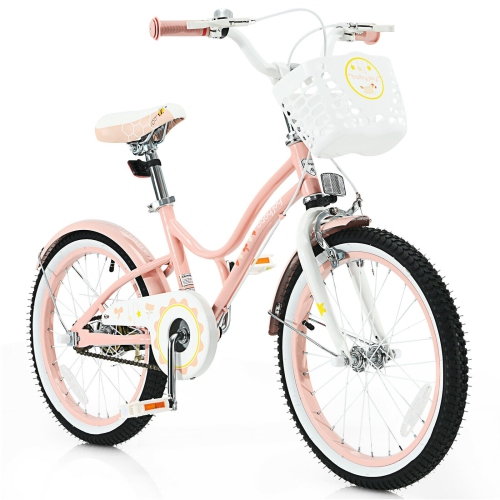
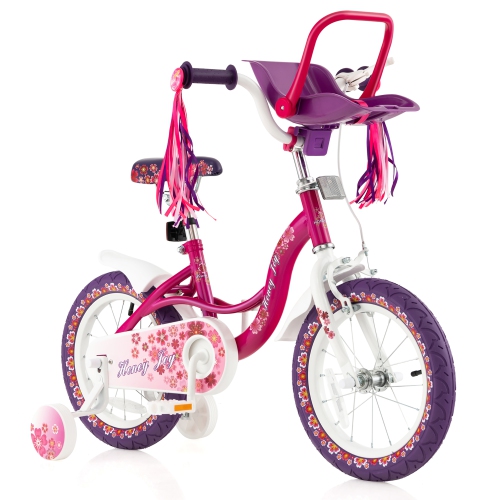
Support early balance, confidence, and supervised outdoor play
Baby bikes can be a wonderful way to introduce young children to movement, balance, and outdoor play. In this category, you may find several types of first-ride products, including three-wheel bikes, push trikes, balance bikes, and pedal-assisted designs made for different stages of early development. Some are intended for children who are still learning to sit and steer, while others are suited to toddlers who are ready to place their feet on the ground, glide forward, and gradually build confidence on two wheels. The right choice depends on a child’s age, height, coordination, and comfort level, as well as where the bike will be used. A stable three-wheel design can be reassuring for a child taking their first rides around the driveway or a smooth park path, while a lightweight balance bike may help an older toddler practise steering and body control without having to manage pedals at the same time. If you are shopping for a child who is moving beyond an infant ride-on, explore the selection of Toddler Bikes for options that are designed with this next stage in mind. Baby bikes can also make thoughtful gifts for birthdays, family celebrations, or milestones such as learning to walk steadily, especially when the recipient’s caregiver has access to a safe riding area. Since children grow quickly, it is useful to check the manufacturer’s recommended age and height range rather than choosing solely by appearance. A seat that is too high can make it difficult for a child to plant both feet securely, while a seat that is too low may limit comfortable movement. Adjustable seats, handlebars, footrests, and removable parent handles can extend the useful life of a bike and allow it to adapt as a child becomes more independent. For younger riders, a parent push handle or guided steering feature can offer adults more control during walks, while older toddlers may prefer a simpler design that lets them direct their own path. Consider the child’s personality, too: some children enjoy a sturdy, enclosed design that feels predictable, while others are eager to explore and may appreciate a lighter bike that is easy to turn and carry.
Safety and everyday practicality are just as important as colour or styling when choosing a baby bike. Before the first ride, inspect the frame, wheels, steering components, seat, pedals, and fasteners, and complete any assembly exactly as described in the instructions. Check that moving parts operate smoothly and that nothing feels loose after adjustment. A properly fitted helmet should be worn for every ride, even when a child is travelling only a short distance on a familiar path. Look for a helmet made for the child’s head size, position it level across the forehead, and adjust the straps so it sits comfortably without shifting during movement. Closed-toe shoes with a secure fit can help protect little feet, particularly on pedal bikes or models with footrests. Young riders should always be supervised by an attentive adult and kept away from roads, driveways with moving vehicles, stairs, steep slopes, ponds, and uneven surfaces that could cause the bike to tip. Smooth, dry pavement, indoor play areas, and quiet paved paths are often easier places for beginners to practise. A child may start with a few hesitant pushes, frequent stops, and plenty of encouragement before finding a comfortable rhythm. Keeping rides short at first can help prevent fatigue and frustration; a few minutes of steering practice can be more productive than a long outing after a child has lost focus. Features such as wide wheels, a low centre of gravity, responsive brakes, non-slip pedals, and comfortable grips may make learning feel more manageable. For families who walk to parks or visit relatives, a parent handle, foldable frame, carrying strap, or compact storage profile can make transport simpler. If the bike will be used outdoors during cooler months, store it in a dry area and wipe away moisture, mud, and grit after each outing. Cold temperatures can make small hands uncomfortable, so warm clothing should still allow a child to grip the handlebars and move freely. As the weather warms, check tyre pressure and inspect the bike again before regular outdoor use, since storage and temperature changes can affect how it rides.
When comparing baby bikes, think about the routines surrounding the ride as much as the ride itself. A bike that is easy to lift into a vehicle, keep in a hallway, or bring along on a family walk is more likely to become part of everyday play. Compact models can work well in apartments or homes with limited storage, while sturdier designs may be a better fit for families with a dedicated playroom, garage, or outdoor storage area. Washable seats and easy-to-clean surfaces are useful for children who like to explore grassy paths, playground edges, and dusty sidewalks, and removable accessories can give the bike a simpler shape as the child develops. Some families choose a bike for relaxed neighbourhood outings, using it as a fun way to accompany a caregiver on a walk; others use one indoors on rainy afternoons when children need an active diversion. It can also become part of imaginative play, with a little rider pretending to deliver parcels, visit a market, or lead a family expedition around the park. Gifts are easiest to choose when you know the child’s approximate size and developmental stage, but a gift receipt or exchange option can be helpful because fit and readiness vary from child to child. Before buying, measure the child according to the product instructions, consider whether they can sit upright and follow simple directions, and think about whether the bike will be used independently or with adult assistance. The most suitable baby bike is one that matches the child’s abilities today while offering a comfortable path toward greater confidence, coordination, and independence. With the right fit, regular safety checks, close supervision, and a welcoming place to practise, early rides can become a familiar part of family life through changing weather and into the cooler months.
Safety and everyday practicality are just as important as colour or styling when choosing a baby bike. Before the first ride, inspect the frame, wheels, steering components, seat, pedals, and fasteners, and complete any assembly exactly as described in the instructions. Check that moving parts operate smoothly and that nothing feels loose after adjustment. A properly fitted helmet should be worn for every ride, even when a child is travelling only a short distance on a familiar path. Look for a helmet made for the child’s head size, position it level across the forehead, and adjust the straps so it sits comfortably without shifting during movement. Closed-toe shoes with a secure fit can help protect little feet, particularly on pedal bikes or models with footrests. Young riders should always be supervised by an attentive adult and kept away from roads, driveways with moving vehicles, stairs, steep slopes, ponds, and uneven surfaces that could cause the bike to tip. Smooth, dry pavement, indoor play areas, and quiet paved paths are often easier places for beginners to practise. A child may start with a few hesitant pushes, frequent stops, and plenty of encouragement before finding a comfortable rhythm. Keeping rides short at first can help prevent fatigue and frustration; a few minutes of steering practice can be more productive than a long outing after a child has lost focus. Features such as wide wheels, a low centre of gravity, responsive brakes, non-slip pedals, and comfortable grips may make learning feel more manageable. For families who walk to parks or visit relatives, a parent handle, foldable frame, carrying strap, or compact storage profile can make transport simpler. If the bike will be used outdoors during cooler months, store it in a dry area and wipe away moisture, mud, and grit after each outing. Cold temperatures can make small hands uncomfortable, so warm clothing should still allow a child to grip the handlebars and move freely. As the weather warms, check tyre pressure and inspect the bike again before regular outdoor use, since storage and temperature changes can affect how it rides.
When comparing baby bikes, think about the routines surrounding the ride as much as the ride itself. A bike that is easy to lift into a vehicle, keep in a hallway, or bring along on a family walk is more likely to become part of everyday play. Compact models can work well in apartments or homes with limited storage, while sturdier designs may be a better fit for families with a dedicated playroom, garage, or outdoor storage area. Washable seats and easy-to-clean surfaces are useful for children who like to explore grassy paths, playground edges, and dusty sidewalks, and removable accessories can give the bike a simpler shape as the child develops. Some families choose a bike for relaxed neighbourhood outings, using it as a fun way to accompany a caregiver on a walk; others use one indoors on rainy afternoons when children need an active diversion. It can also become part of imaginative play, with a little rider pretending to deliver parcels, visit a market, or lead a family expedition around the park. Gifts are easiest to choose when you know the child’s approximate size and developmental stage, but a gift receipt or exchange option can be helpful because fit and readiness vary from child to child. Before buying, measure the child according to the product instructions, consider whether they can sit upright and follow simple directions, and think about whether the bike will be used independently or with adult assistance. The most suitable baby bike is one that matches the child’s abilities today while offering a comfortable path toward greater confidence, coordination, and independence. With the right fit, regular safety checks, close supervision, and a welcoming place to practise, early rides can become a familiar part of family life through changing weather and into the cooler months.
Top selling and popular products
-
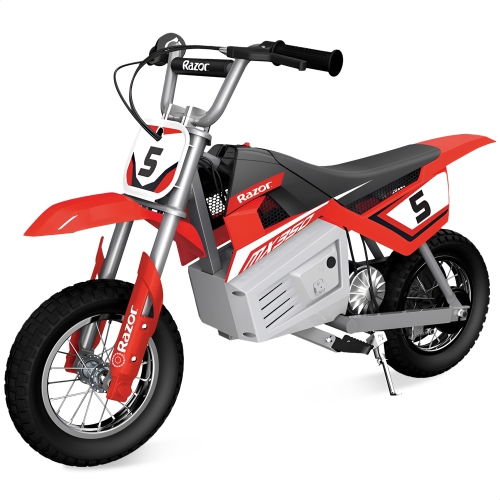 Your price for this item is $730.99
 -
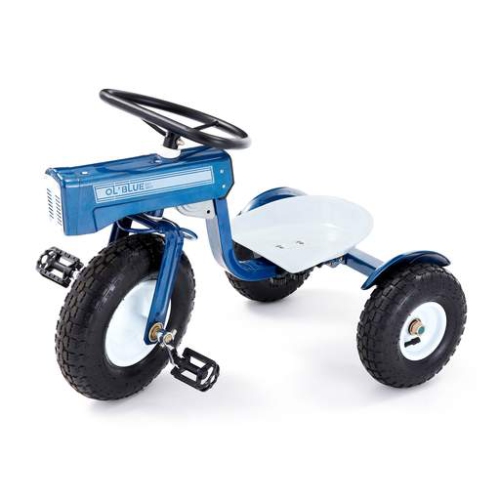 Your price for this item is $334.99
 -
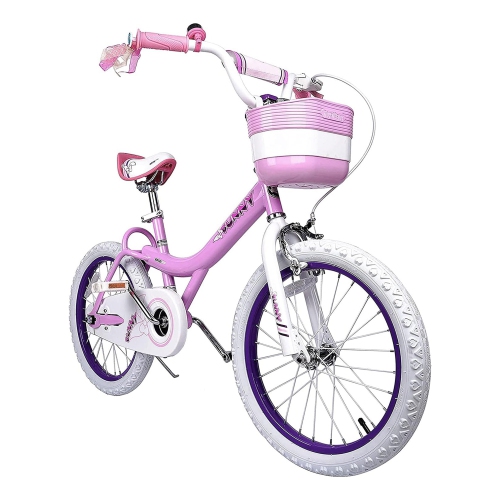 Your price for this item is $460.99
 -
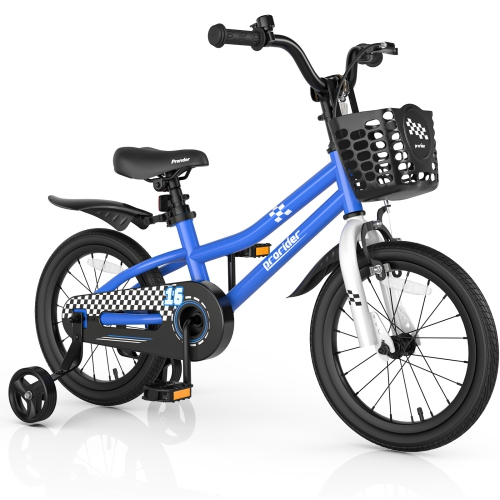 Your price for this item is $118.99
 -
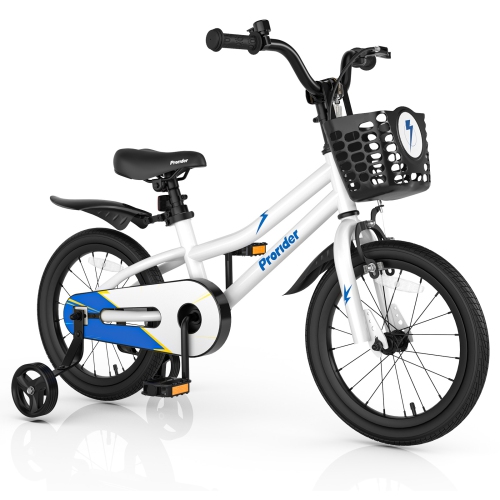 Your price for this item is $108.99
 -
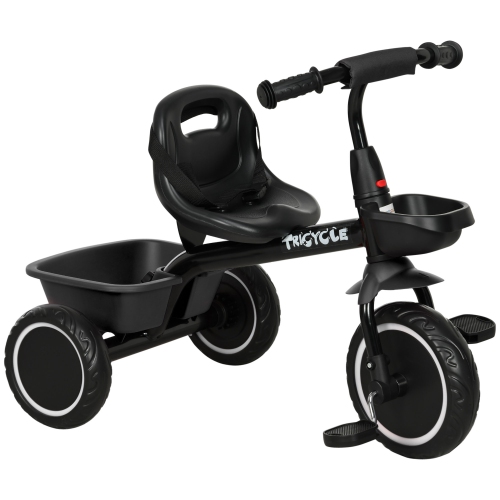 Your price for this item is $79.99
 -
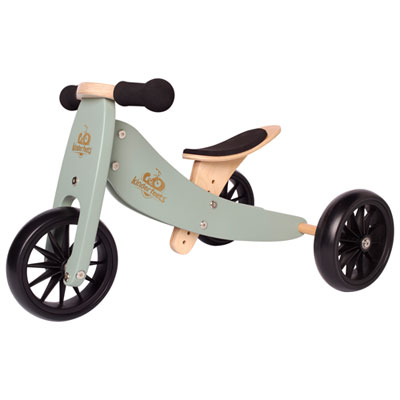 Your price for this item is $134.99
 -
 Your price for this item is $279.99
Discover more categories related to Baby Bikes

Top Collections:
Pokemon Centers, Kindle Devices, Best Budget Office Chairs, Apple iPhones 16, Best Laptops for Writers, iPhone 15 Apple, Canon G7X Cameras, Refurbished Apple Laptops, Alarm Clock, Motorola Razr Phones
Some products may be subject to Environmental Handling Fees
(EHF) depending on your province.
Learn more about EHFs.