Kids Bikes
Whether your little one is a beginner cyclist or a seasoned rider, our selection of kids' bikes offers something for every age and skill level. From colorful training bikes with training wheels to sleek mountain bikes built for off-road adventures, we have the perfect two-wheeler to get your child moving and exploring the great outdoors. With various sizes, styles, and features to choose from, finding the ideal kids' bike that fits your child's personality and needs has never been easier. Browse our collection today and set your child on the path to pedal-powered fun!
Sort


























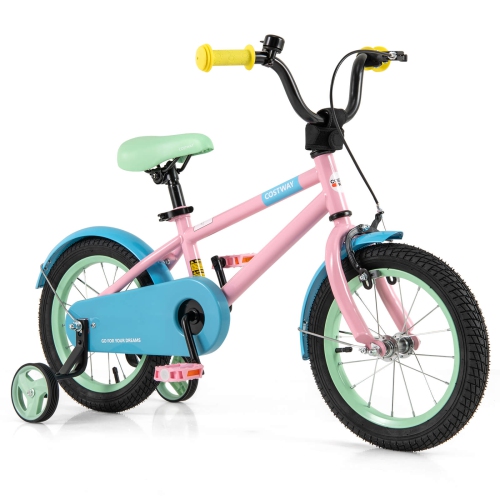
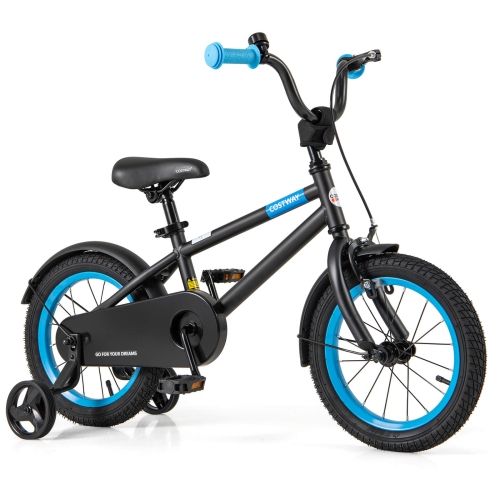
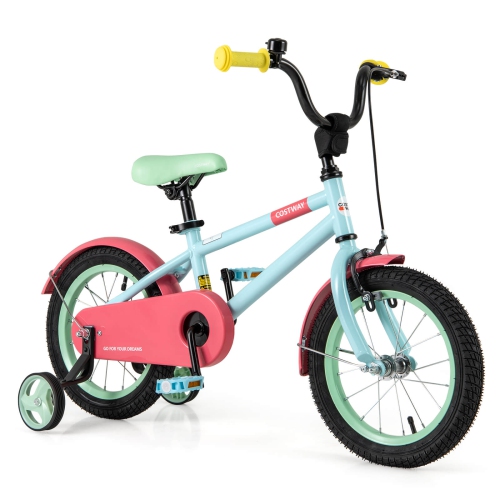


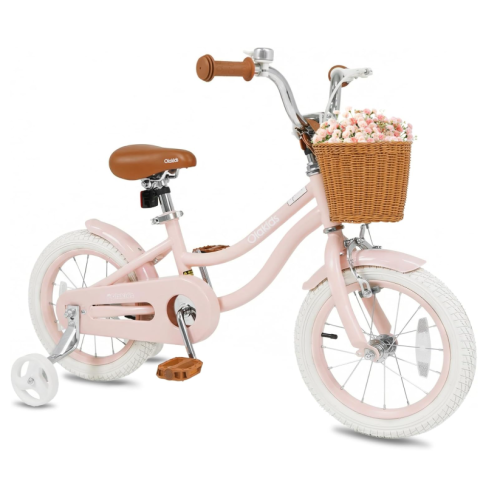















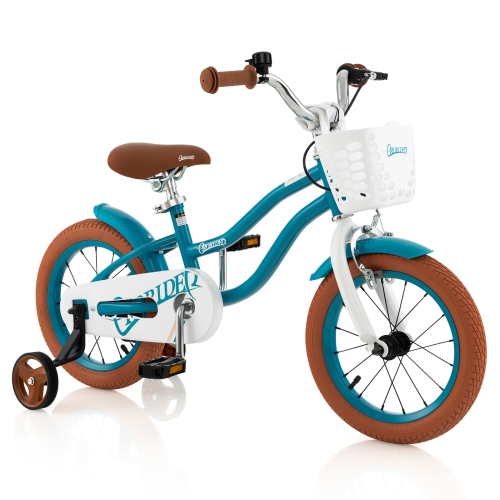


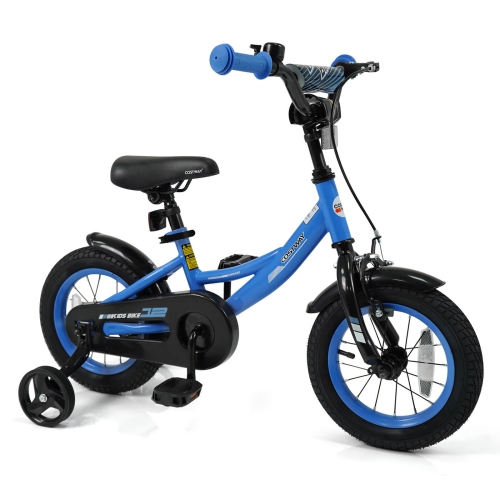

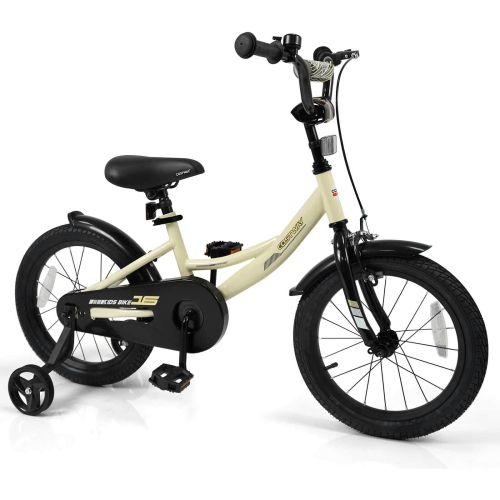


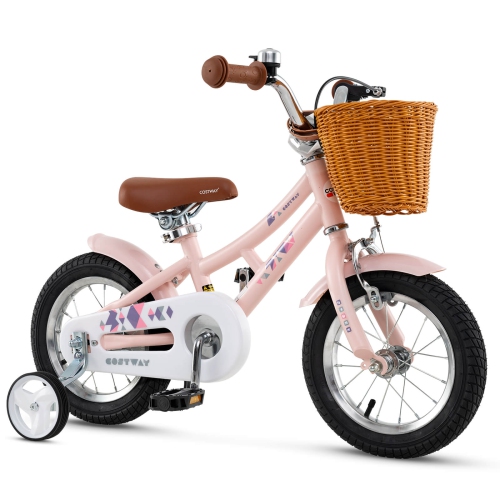














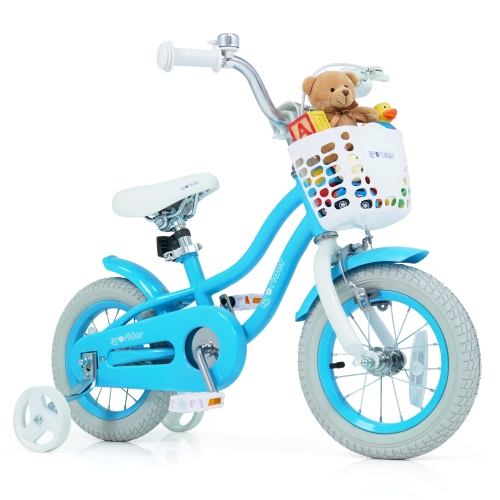
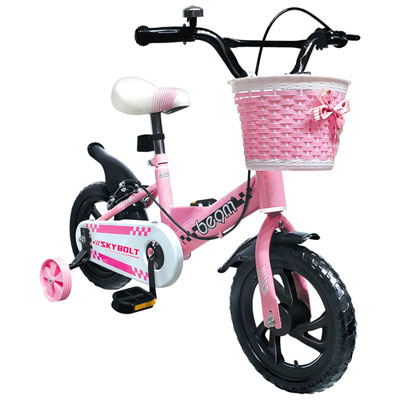
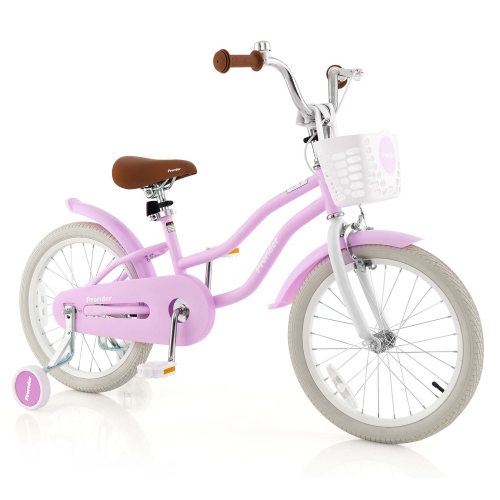


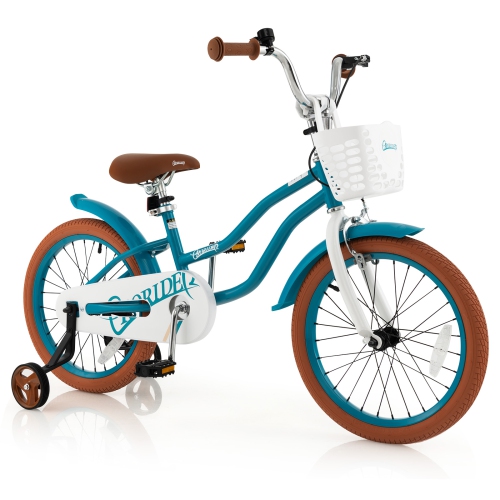



Why bike fit matters more than age
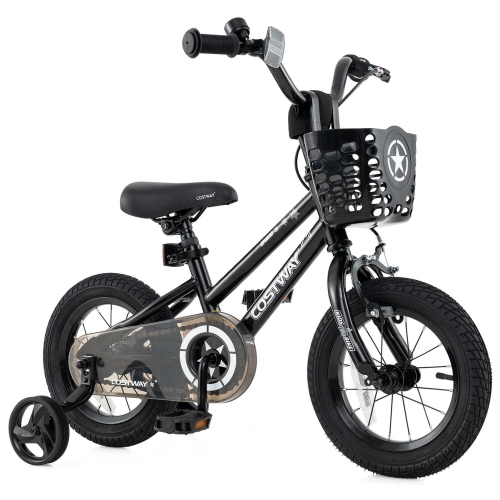
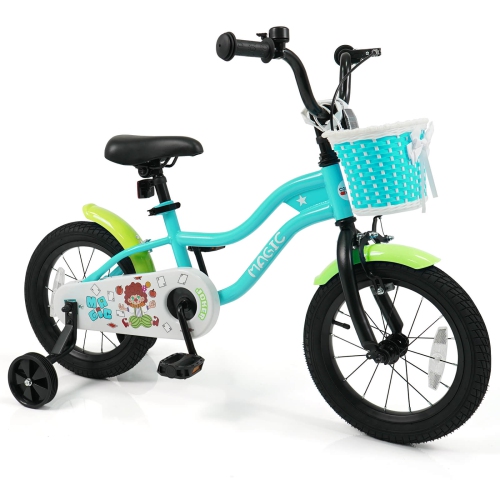
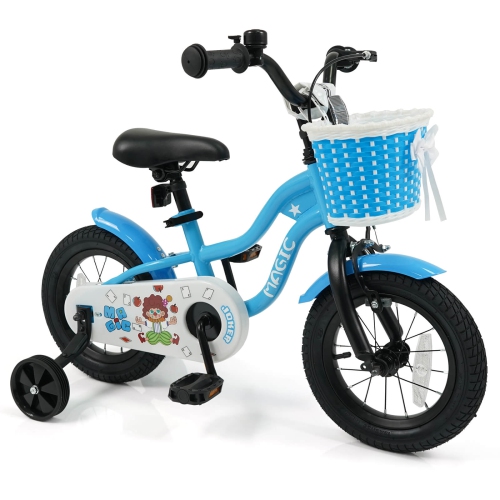
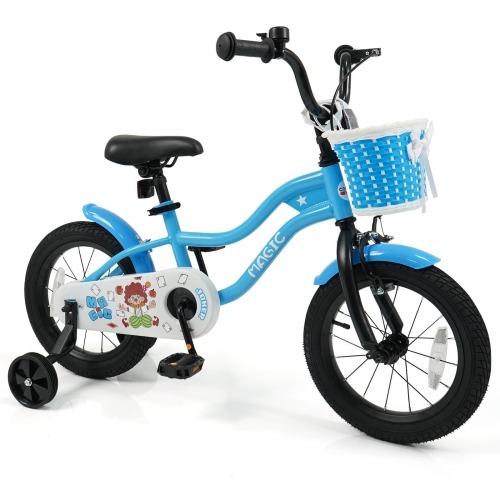
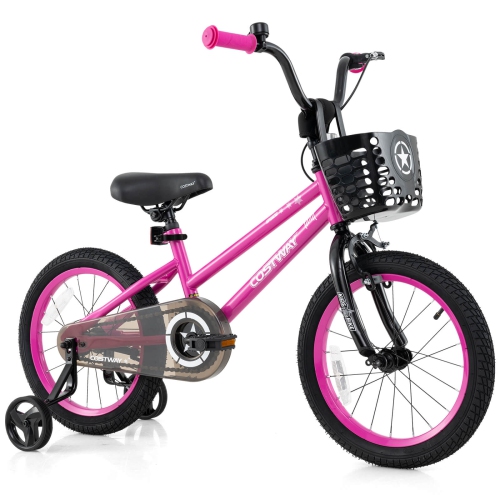
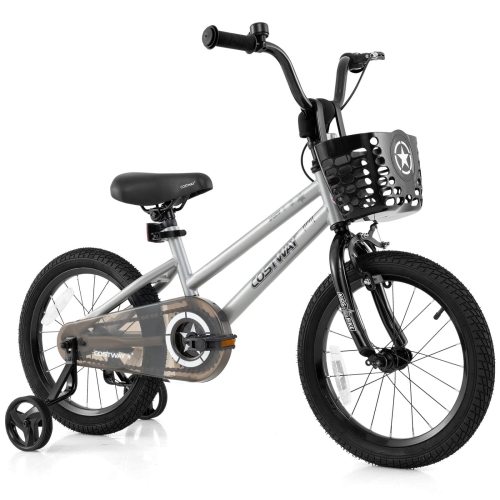
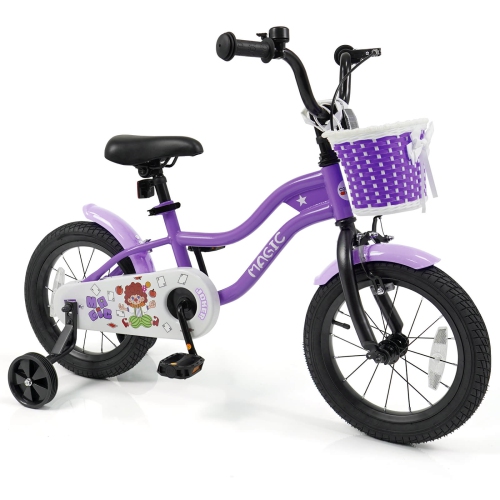
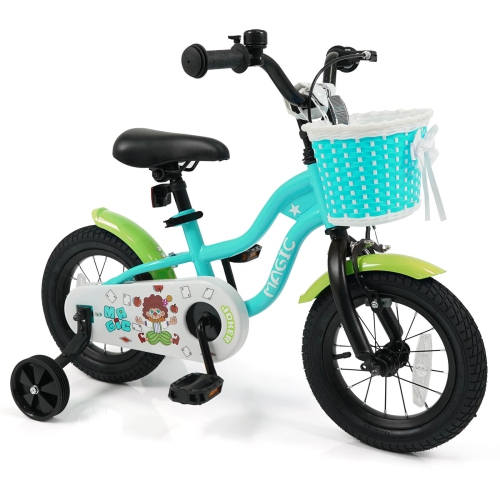
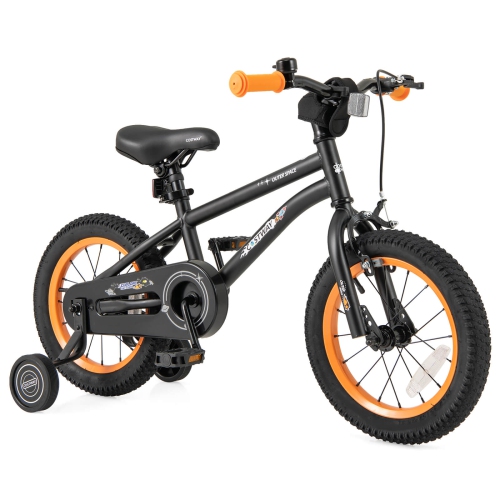
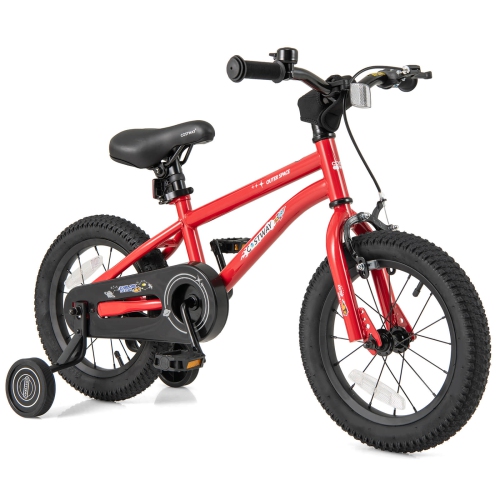
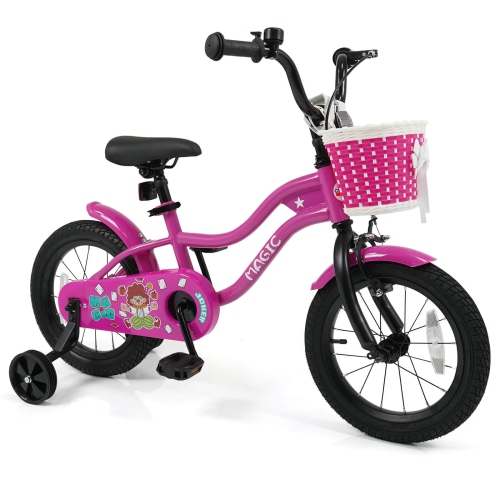
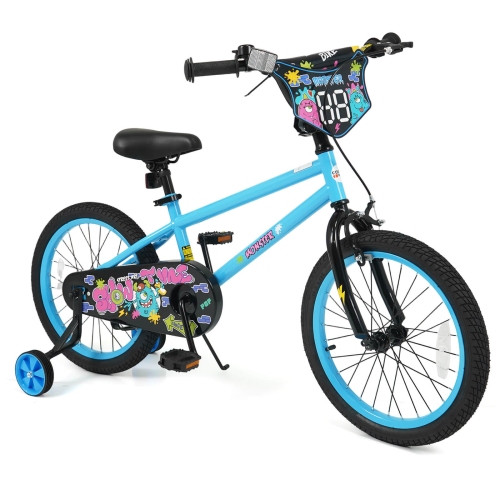
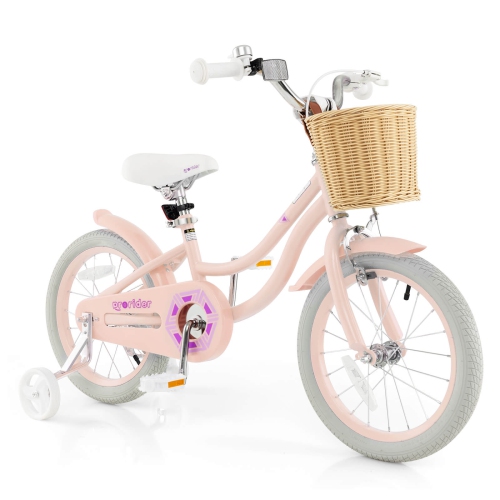
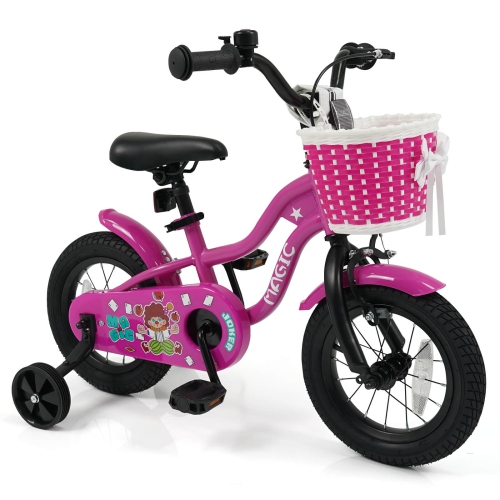
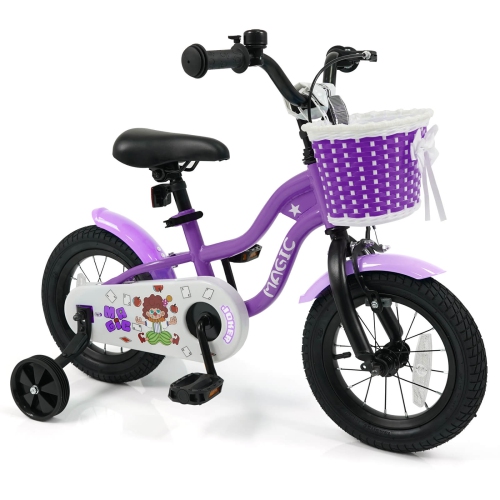
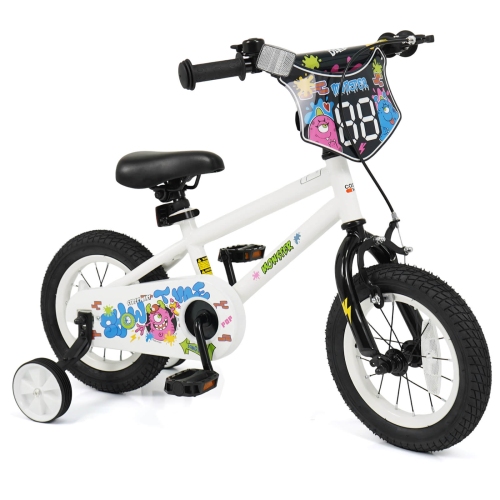
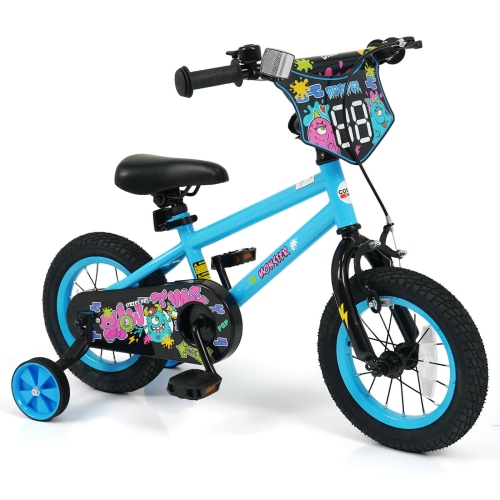
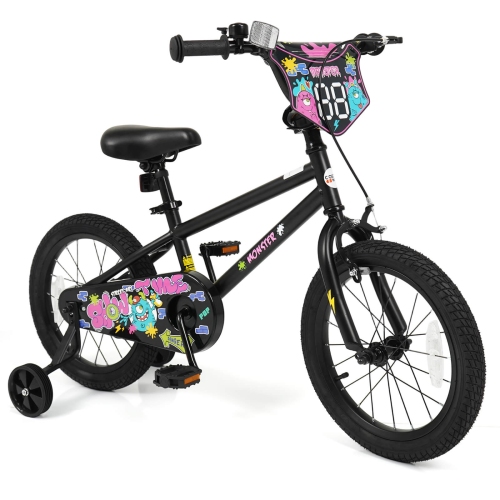
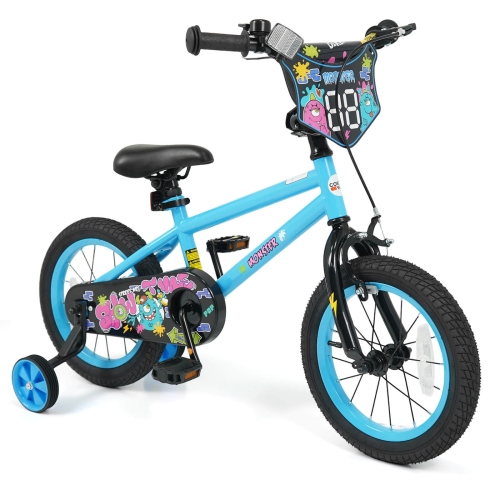
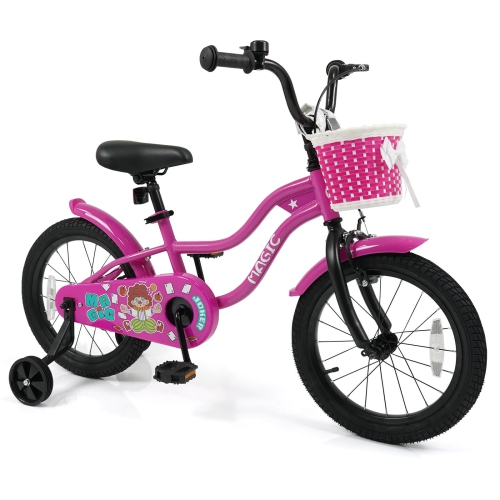
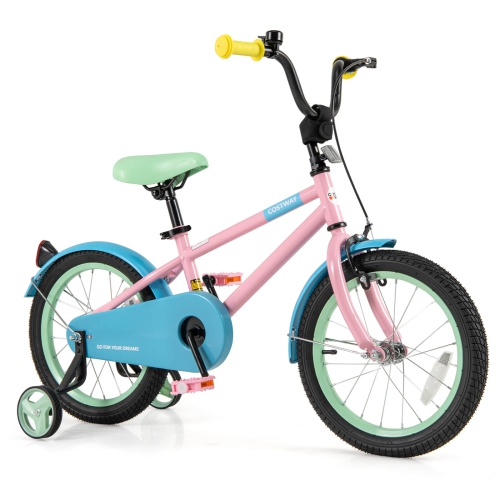
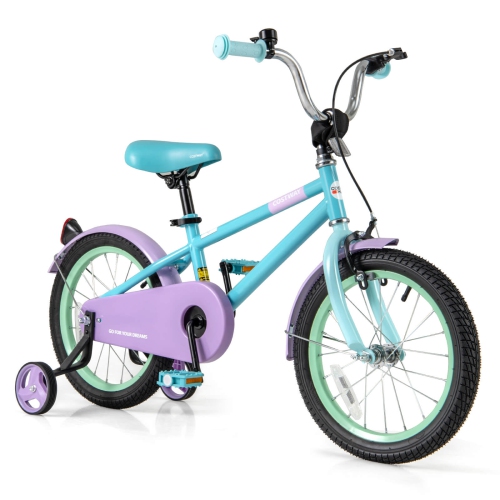
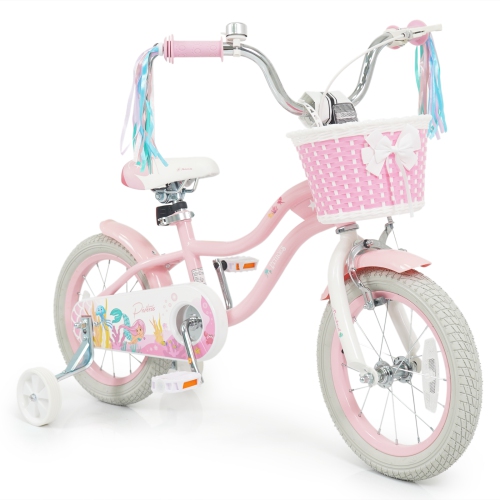
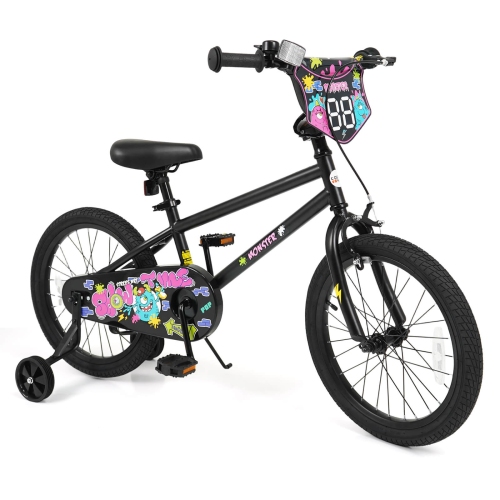
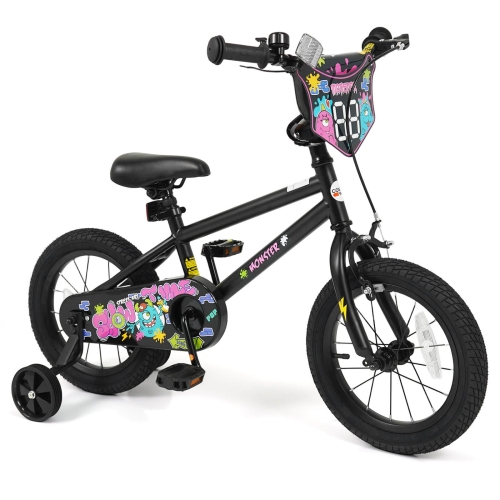
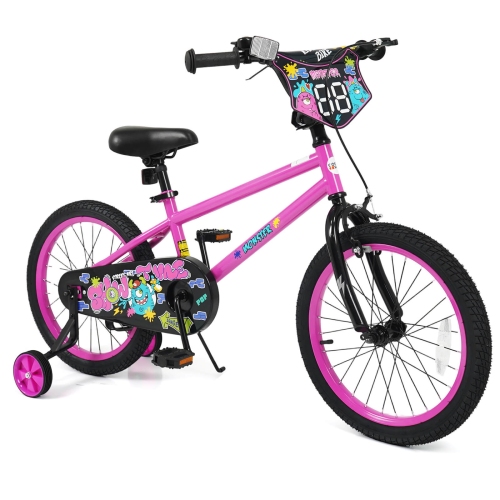
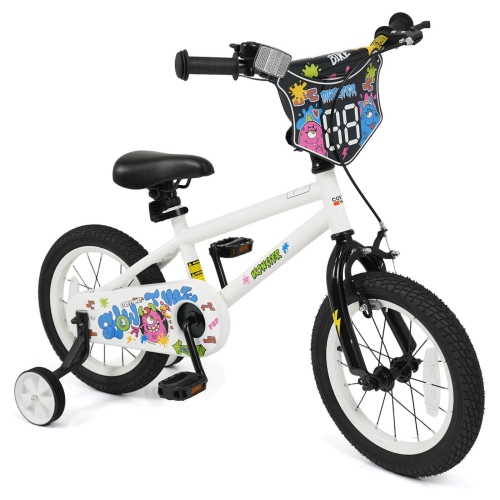
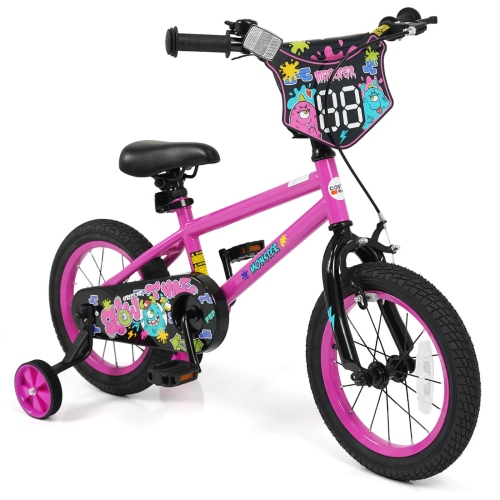
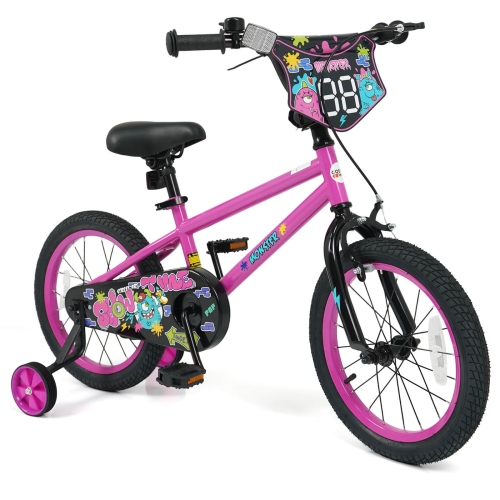
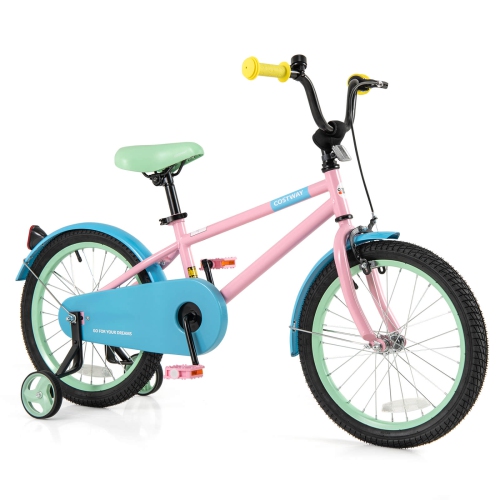
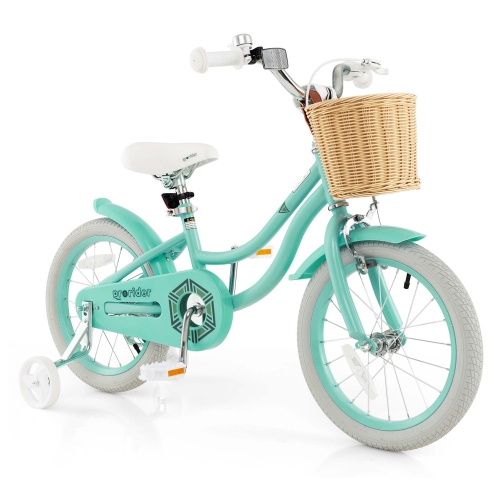
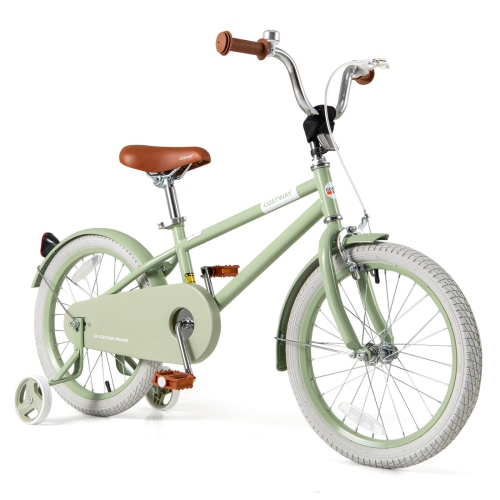
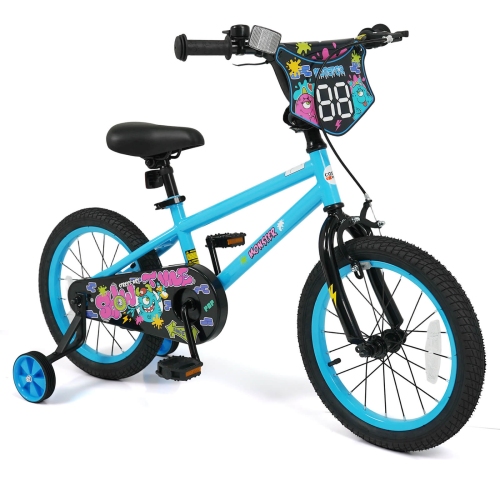
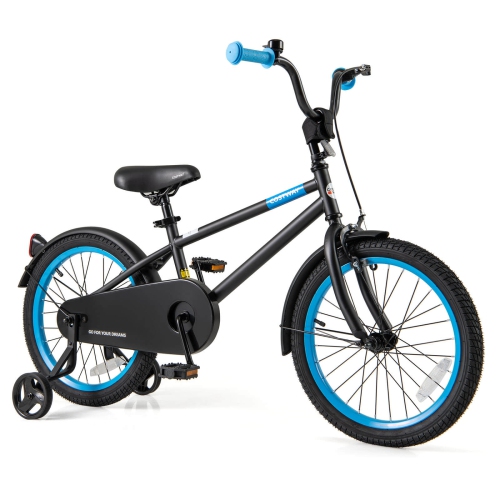
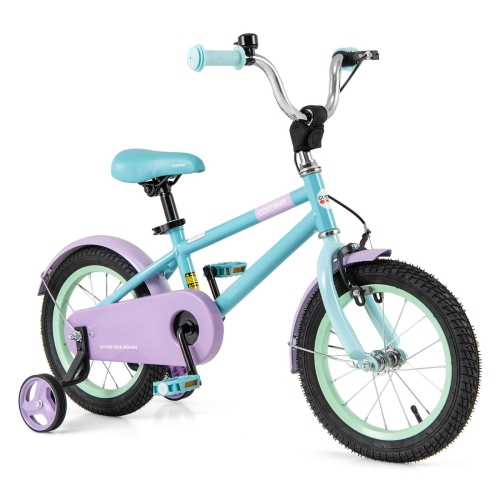
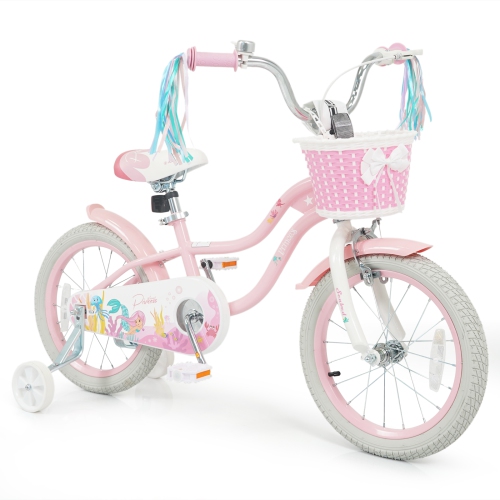
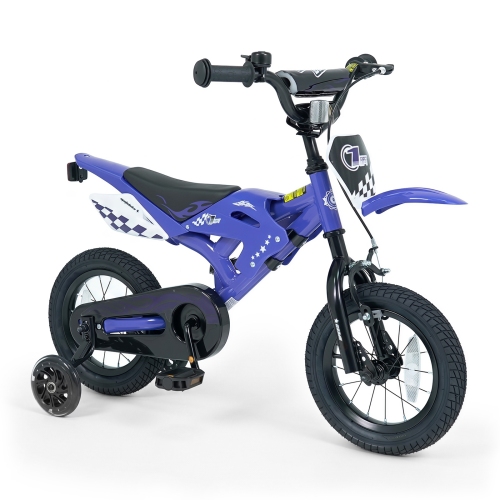
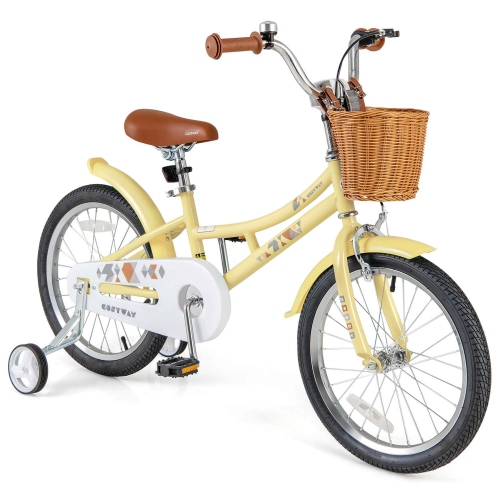
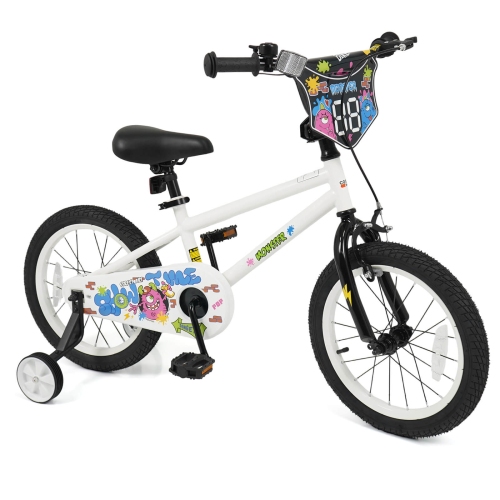
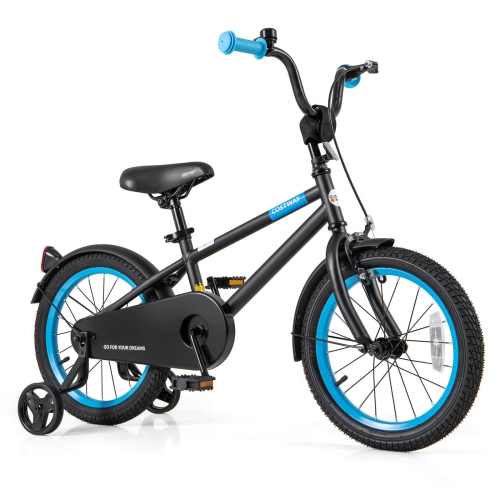
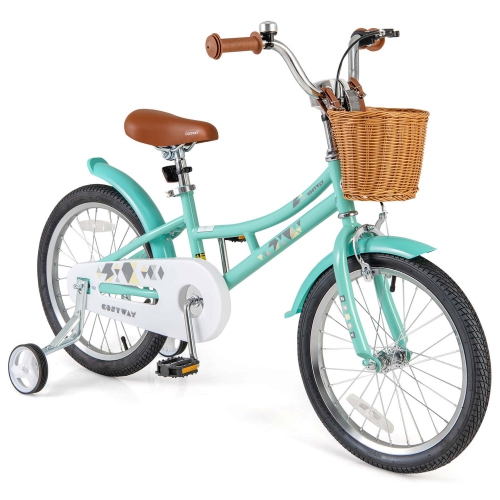
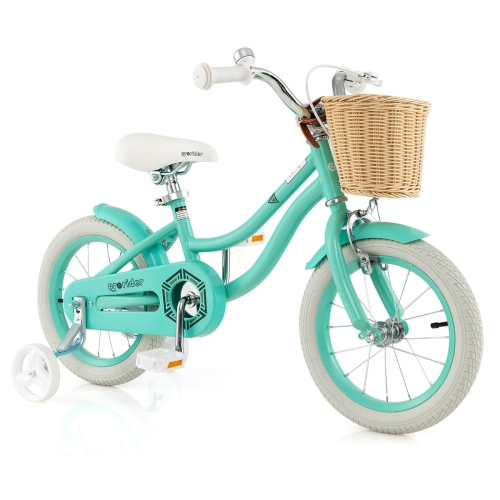
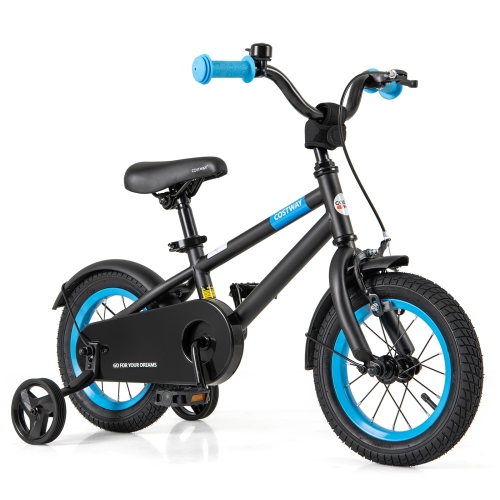
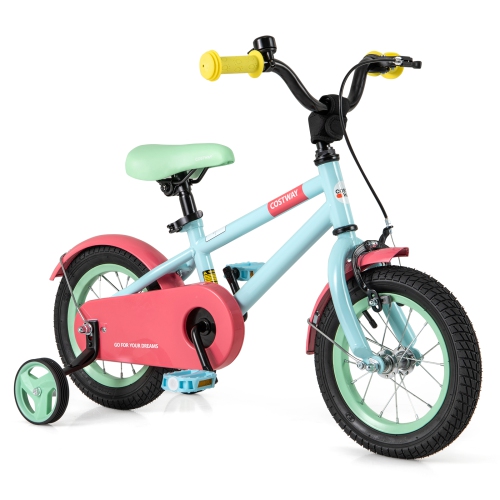
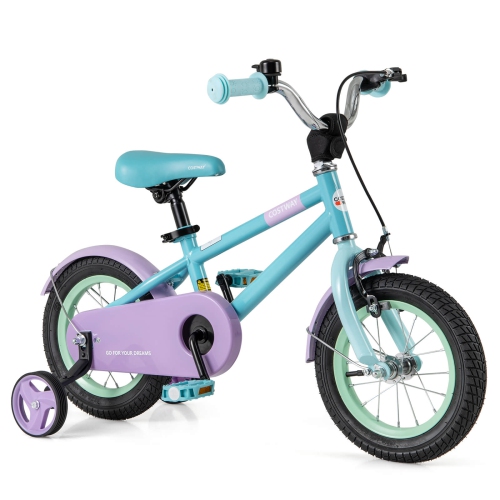
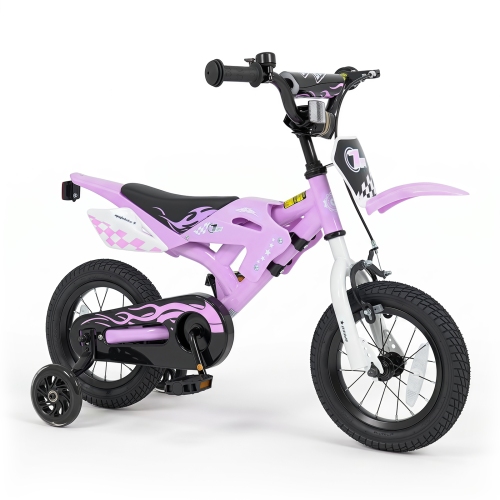
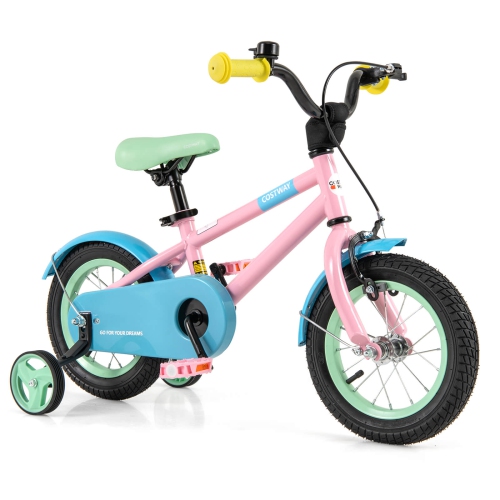
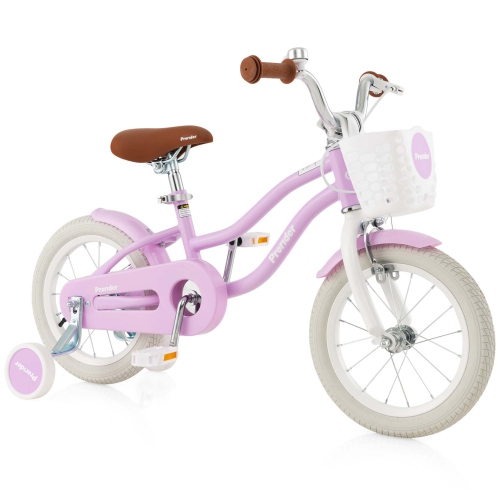
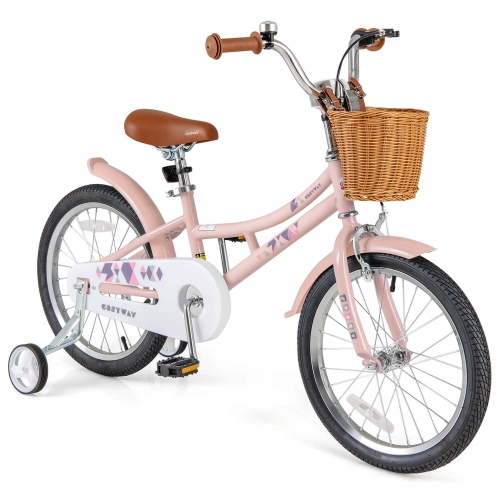
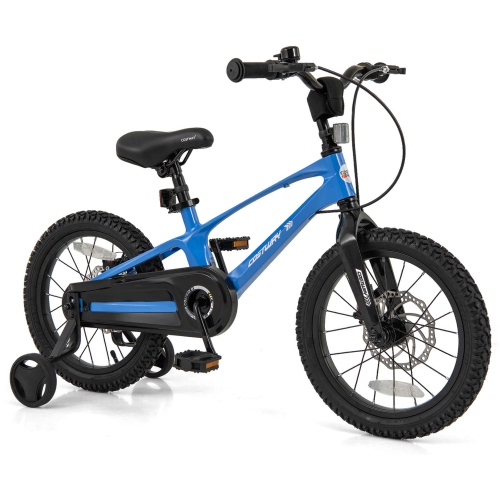
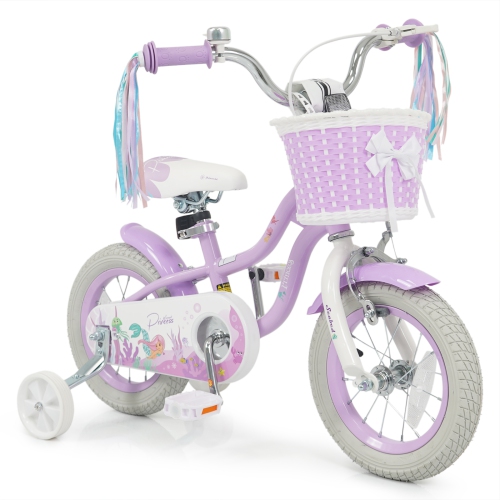
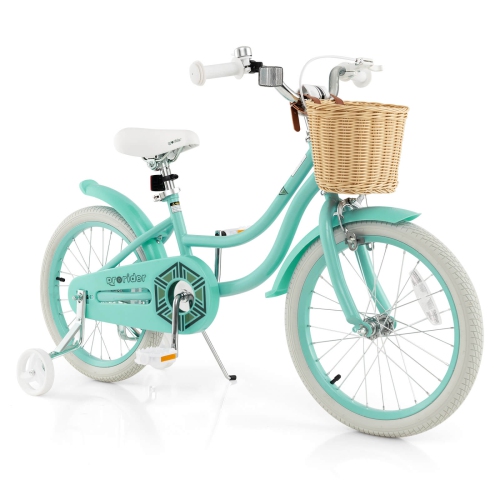
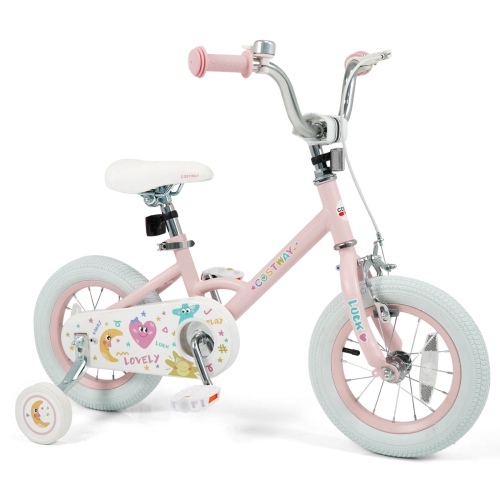
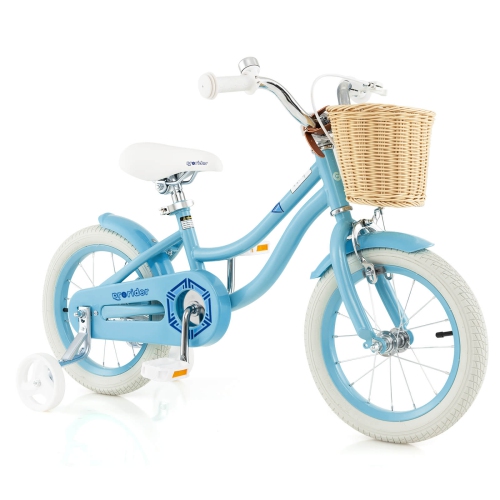
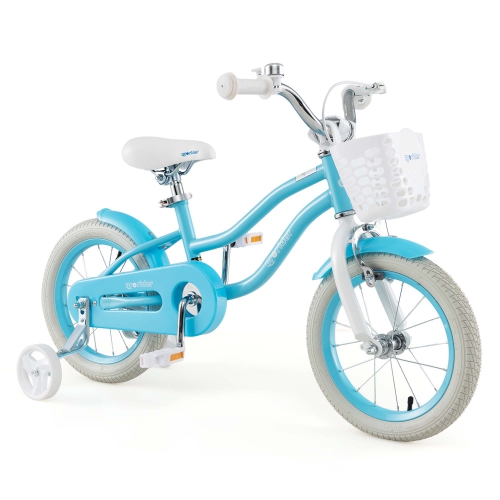
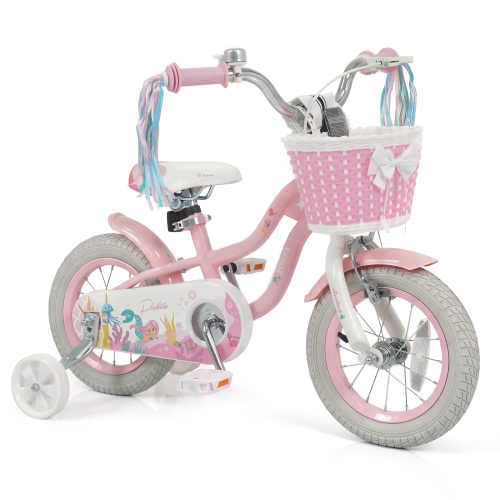
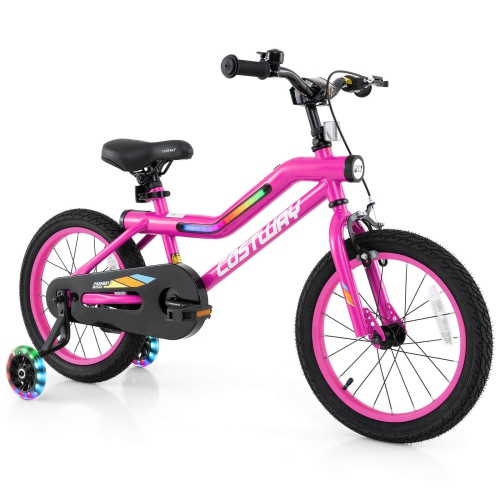
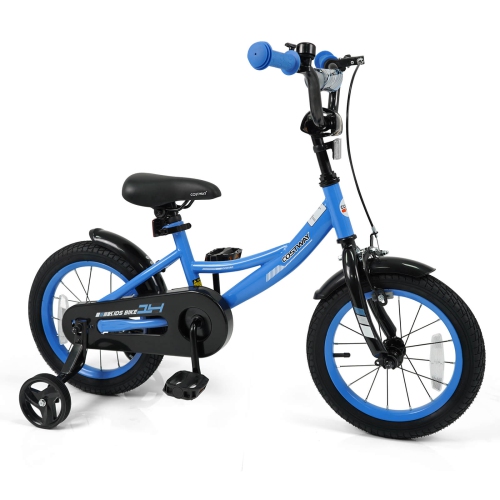
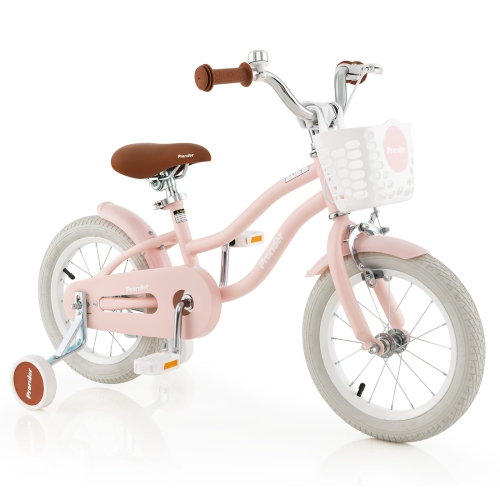
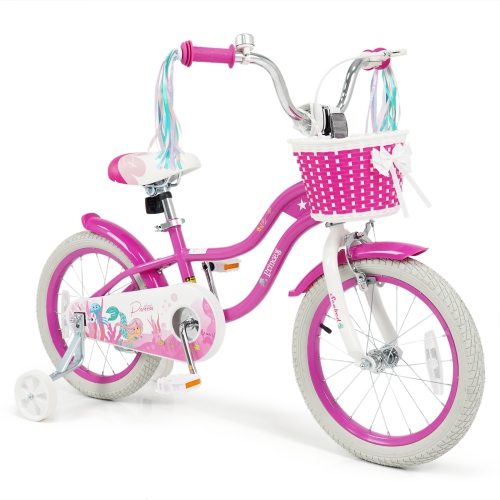
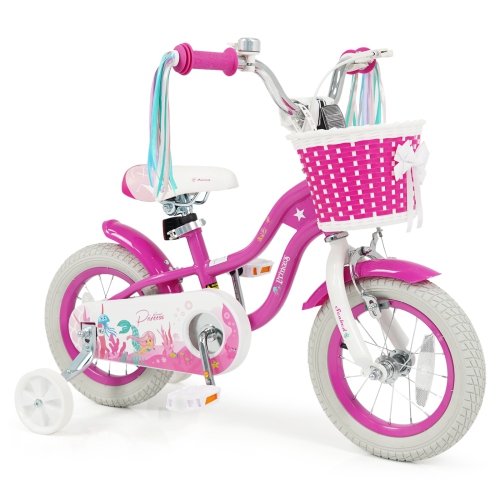
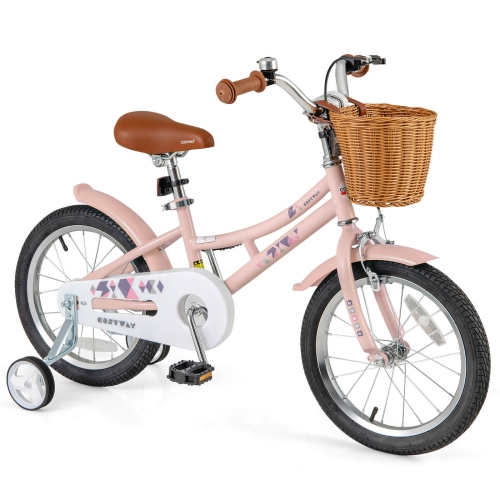
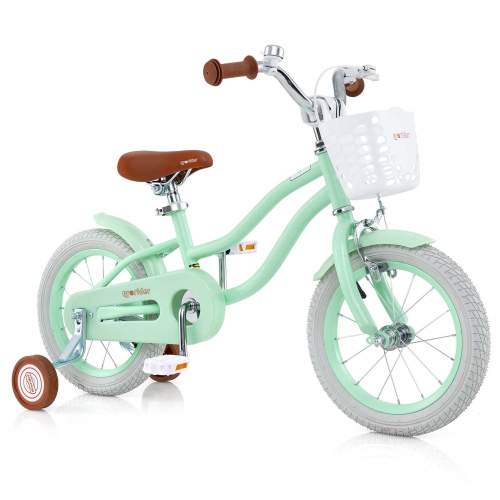
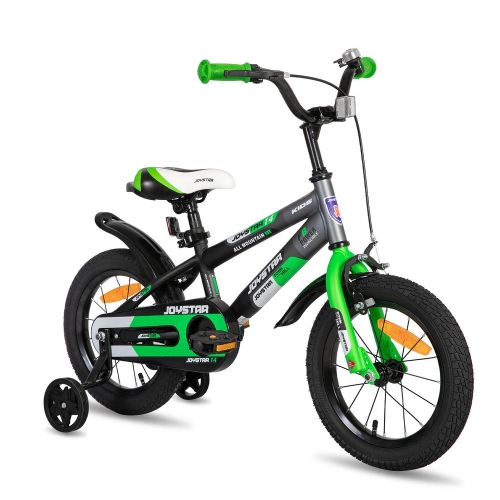
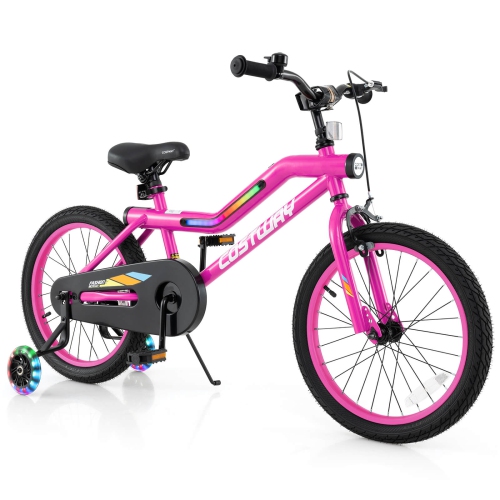
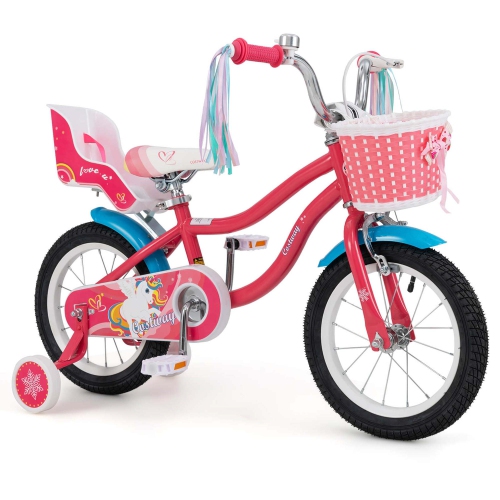
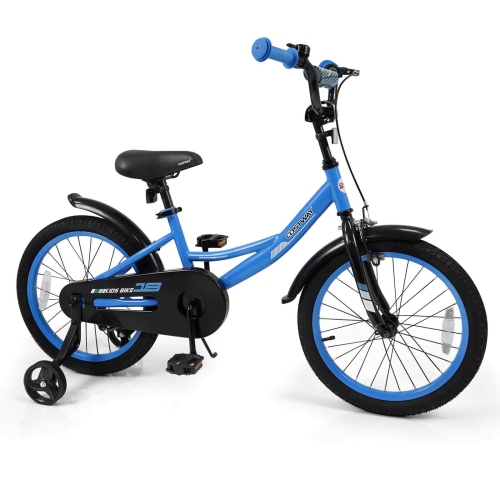
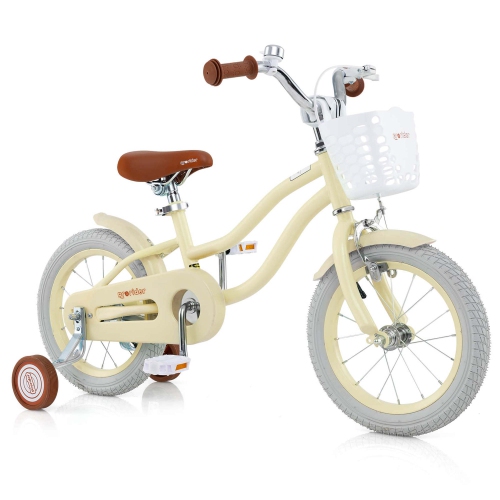
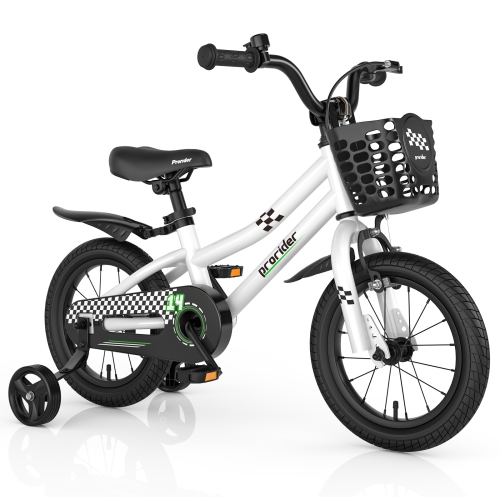
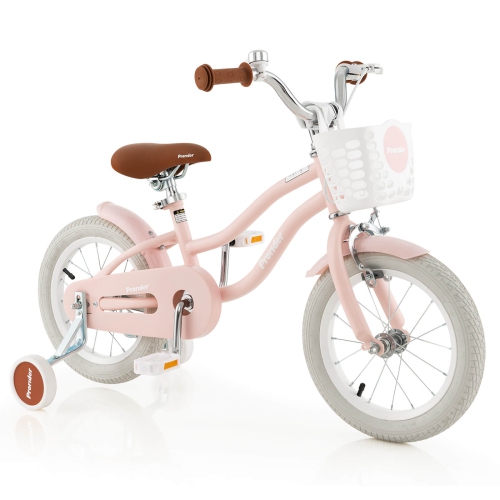
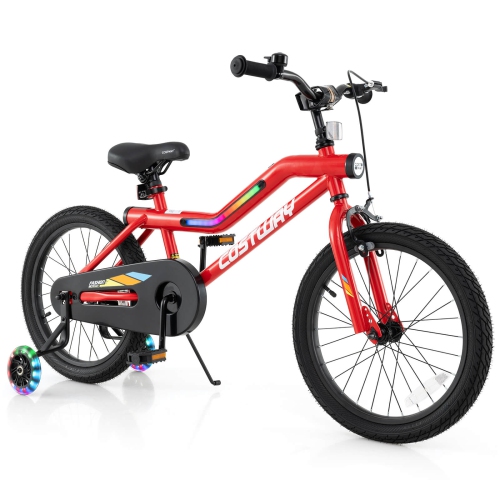
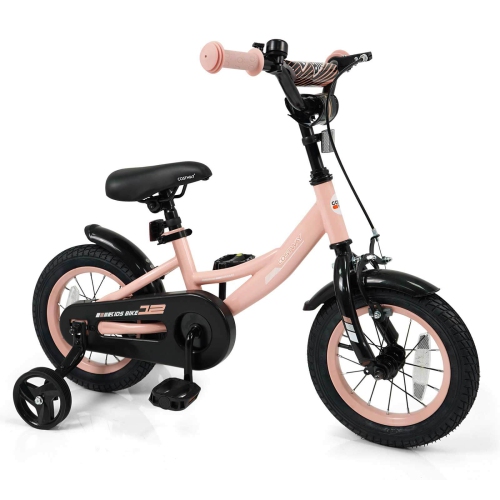
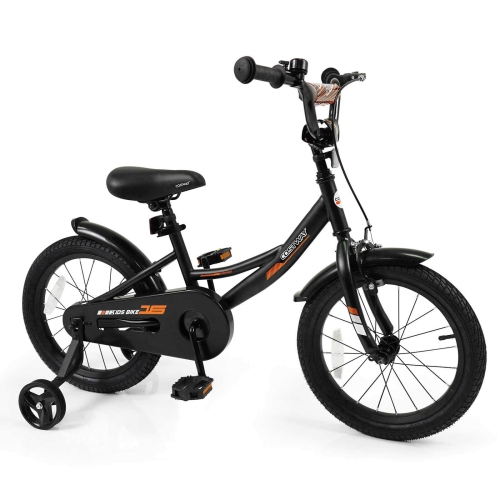
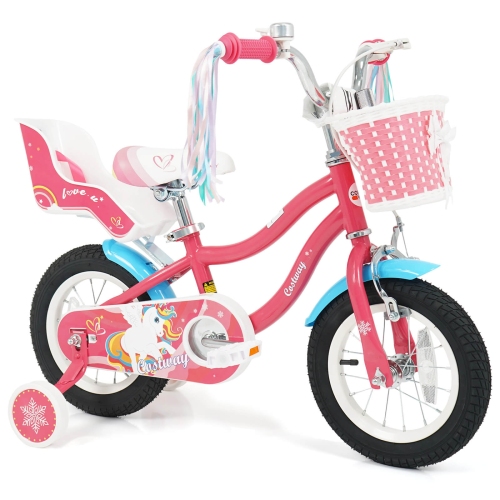
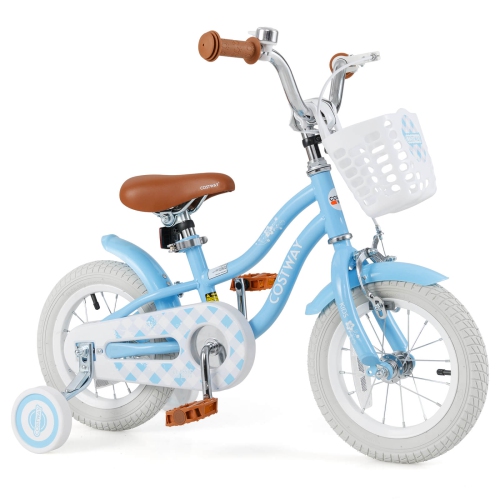
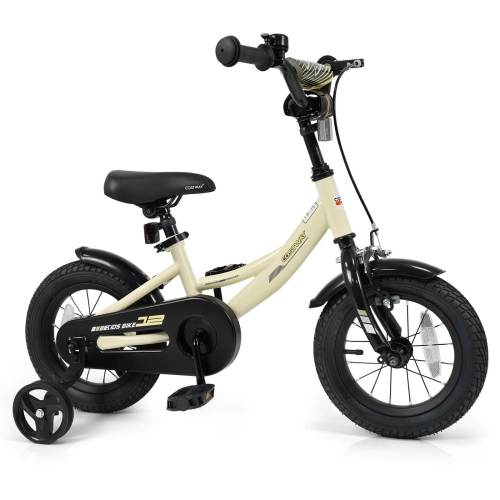
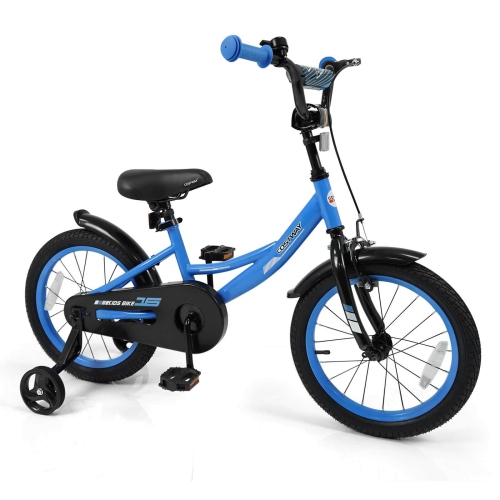
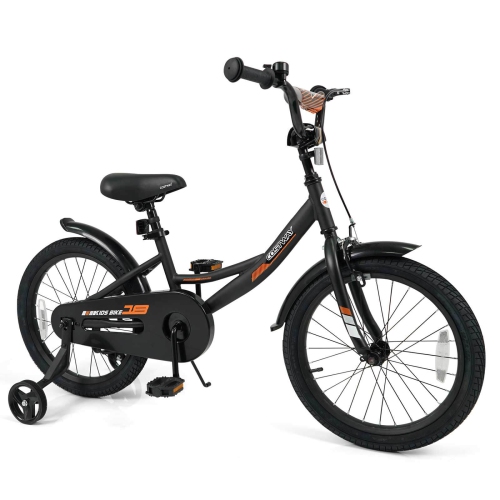
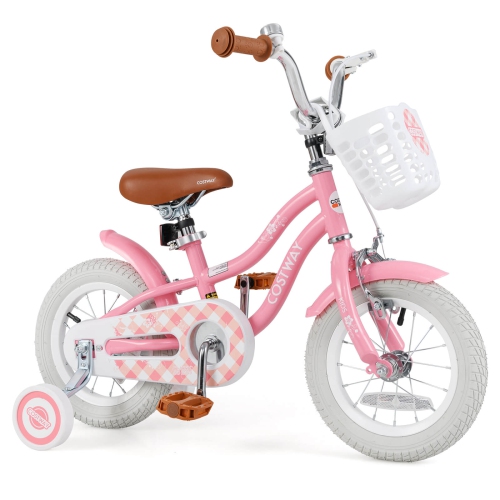
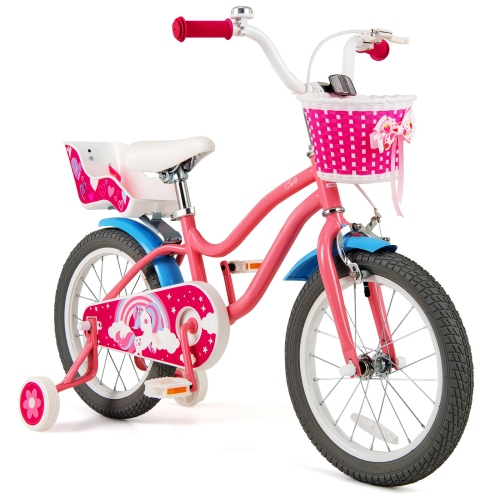
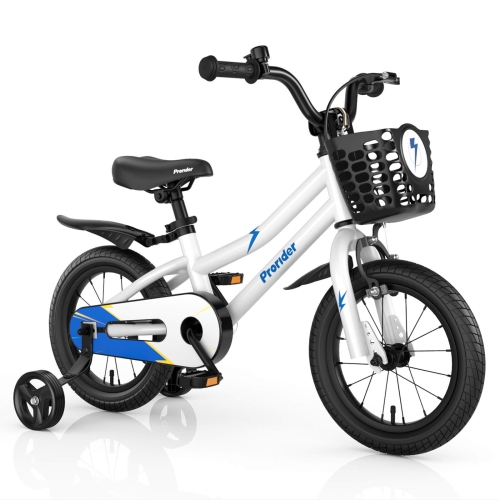
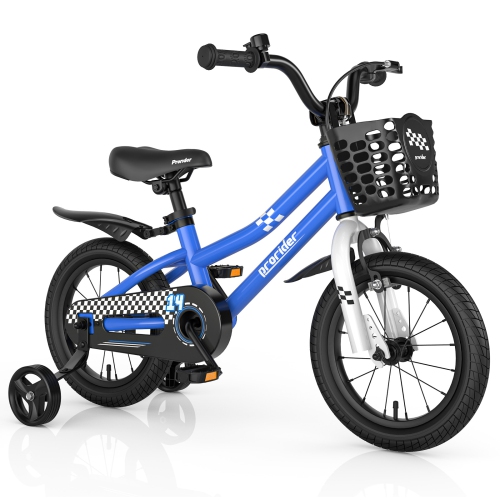
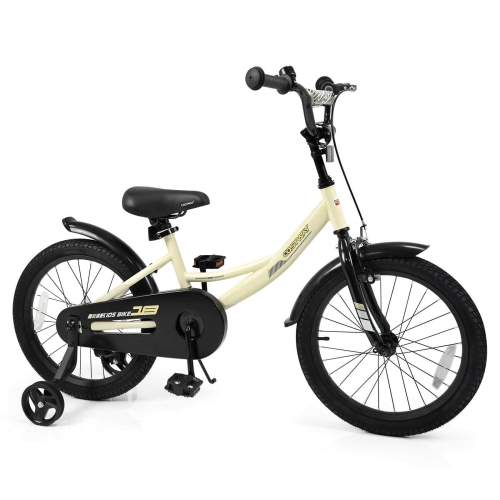
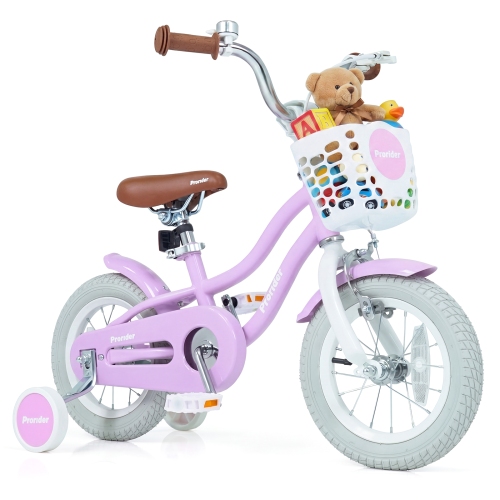
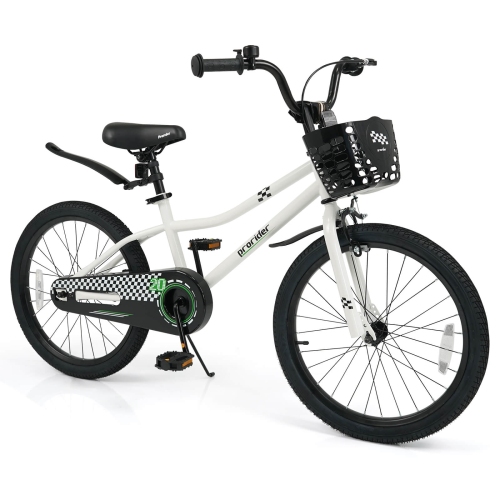
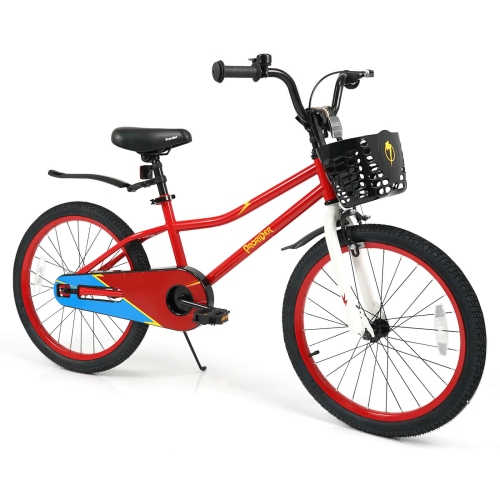
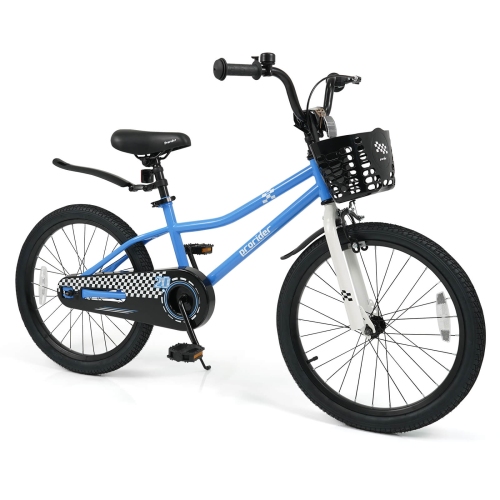
Kids’ bikes give young riders a way to build balance, coordination, and confidence, whether they are learning to glide across a paved play area or keeping pace on a family ride. The main types include balance bikes without pedals, single-speed pedal bikes, and geared bikes for children ready to handle longer distances or varied terrain. Balance bikes let beginners push along with their feet and practise steering before pedalling becomes part of the task. Pedal bikes with training wheels offer another starting point, although the extra wheels provide support rather than teaching the same balancing skills. Wheel size is a useful starting point for comparing children’s bicycles, but it is not a complete measure of fit. As broad reference points, 12-inch bikes often suit children around two to four years old, 14-inch and 16-inch bikes commonly suit riders around three to six, and 20-inch bikes often suit children around six to nine. Larger 24-inch bikes can suit older children approaching adult bike sizes. These ranges overlap considerably, and frame dimensions differ between designs, so the child’s height, inside-leg measurement, and riding experience matter more than age alone. When comparing Bicycle for Kids options, measurements are more useful than an age label on its own. A child should be able to reach the handlebars comfortably, steer without stretching, and stop with control. On a balance bike, both feet should rest flat on the ground with a slight bend at the knees. On a pedal bike, saddle position depends on the rider’s ability: beginners may need easier ground contact, while confident riders benefit from a position that supports comfortable pedalling. Buying a much larger bike to allow room for growth can make starting, braking, and turning harder. A manageable bicycle gives a child more opportunity to practise independently, from pushing off beside a caregiver to making a smooth turn around a playground corner.
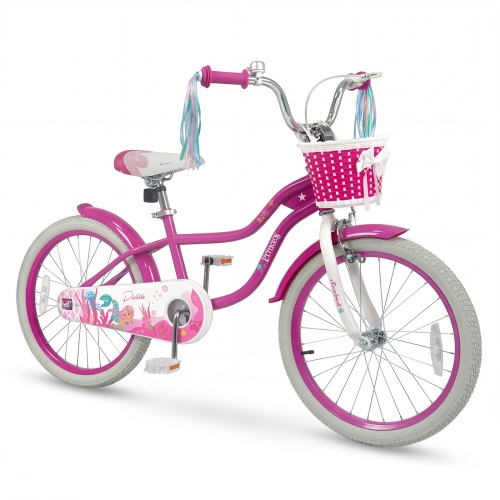
Frame material, overall weight, and component design all influence how a kids’ bike feels in everyday use. Steel frames are common on children’s bicycles and can provide sturdy construction, while aluminium frames often help reduce weight. Material alone does not determine how easy a bike is to handle; the wheels, tyres, fork, and other parts also contribute to the total weight. A bike that an adult can lift easily may still feel heavy to a small rider trying to bring it upright after a stop. Low step-over frames can make getting on and off less awkward, and a comfortable reach helps children keep their elbows relaxed rather than locking their arms straight. Adjustable saddles and handlebars can accommodate some growth, provided they remain within the marked adjustment limits. Brake design deserves similar attention. Small hands need levers they can reach and pull firmly, while coaster brakes stop the rear wheel when the rider pedals backwards. Neither arrangement removes the need for practice, and a child should understand how the fitted brakes work before riding near other people. Single-speed bikes keep the controls simple for short trips and relatively level routes. Gears become more useful when a rider has the coordination to shift and regularly encounters slopes or longer outings. Tyres should match the places the bike will actually be ridden: smoother tread generally rolls easily on pavement, while more pronounced tread can help on suitable loose surfaces. Suspension may add comfort on uneven trails, but it also adds weight and maintenance, so it is not automatically an advantage for neighbourhood riding. Durable grips, securely attached pedals, and well-fitted wheels matter more in daily use than decorative extras. Chain guards, where fitted, help keep clothing away from moving parts. A favourite colour or playful design can make a bicycle feel personal, but comfortable handling is what encourages a child to return for another ride.
The best match also depends on the kind of riding a family enjoys. A young learner making short loops around a traffic-free space has different needs from an older child riding to school with an adult or exploring permitted trails. For early practice, an open, level area gives children room to start, stop, and turn without the pressure of keeping up with faster riders. More experienced children may appreciate a bike that feels steady over longer distances and has controls they can operate without looking down. Helmets should fit the rider properly and meet applicable safety standards, while closed-toe footwear and clothing kept clear of wheels and chains support comfortable riding. Visibility accessories and a bell can be useful where appropriate, with local rules determining any required equipment and where children may ride. Everyday care helps preserve both the bike’s condition and its predictable handling. Tyre pressure should stay within the range marked on the tyre, with checks made regularly rather than only when a tyre looks flat. Brakes should engage reliably, wheels should turn freely without wobbling, and the saddle and handlebars should remain secure. Dirt around the chain and drivetrain can be wiped away, followed by suitable bicycle lubricant applied sparingly and kept away from braking surfaces. Storage in a dry, protected place helps limit rust and unnecessary wear, while a qualified bicycle technician can address uncertain adjustments, damaged parts, or assembly concerns. Periodic fit checks are worthwhile because children can outgrow a comfortable riding position before they outgrow the bike’s appearance. As a birthday or milestone gift, a bicycle can mark a memorable step towards greater independence, especially when the recipient’s measurements and experience are considered in advance. Leaving time for fitting and supervised practice makes that first ride more enjoyable than expecting a child to adapt immediately. Whether the goal is a confident glide, a first pedal-powered lap, or a shared ride along a familiar path, a well-matched kids’ bike supports progress at the rider’s own pace.
Top selling and popular products
-
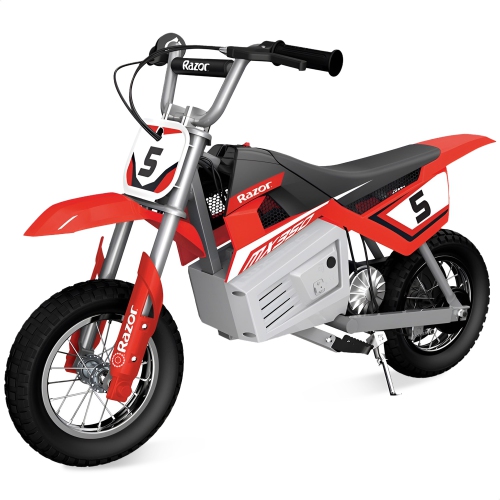 Your price for this item is $605.99
-
 Your price for this item is $280.99
-
 Your price for this item is $319.99
-
 Your price for this item is $128.99
-
 Your price for this item is $118.99
-
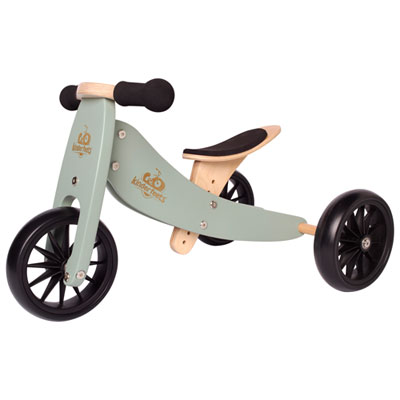 Your price for this item is $134.99
-
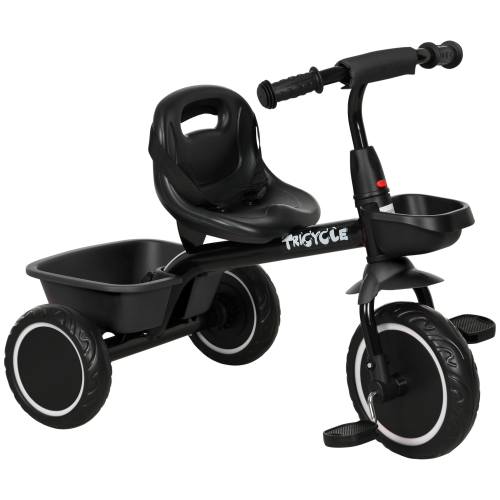 Your price for this item is $84.99
-
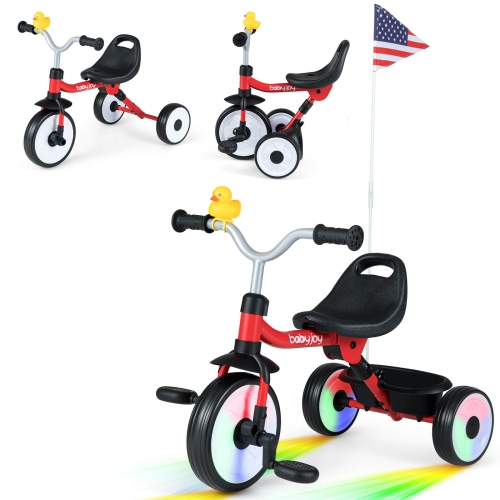 Your price for this item is $75.99
Discover more categories related to Kids Bikes
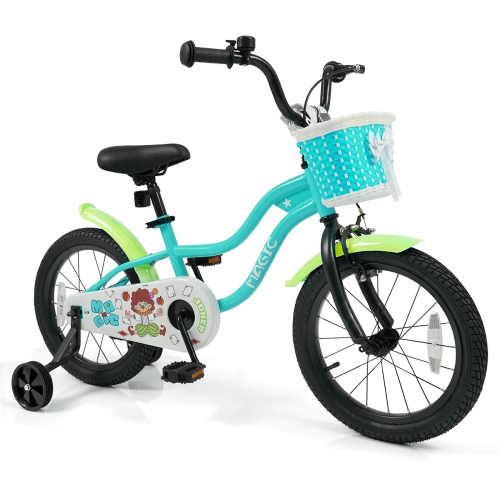
Top Collections:
Pokemon Centers, Kindle Devices, Best Budget Office Chairs, Canon G7X Cameras, Apple iPhones 16, Samsung Galaxy Phones, Refurbished Apple Laptops, Laptops for Students, iPhone 15 Apple, Budget Smartphones
Some products may be subject to Environmental Handling Fees
(EHF) depending on your province.
Learn more about EHFs.