Baby Float
Our collection of baby floats offers a safe and fun way for your baby to enjoy the water. Whether you're heading to the beach, pool, or just soaking up the sun in your backyard, these baby floats are designed with comfort and security in mind. From adorable designs to sturdy construction, you'll find the perfect float to keep your little swimmer happily afloat while you relax and enjoy some quality time together in the water.
Sort
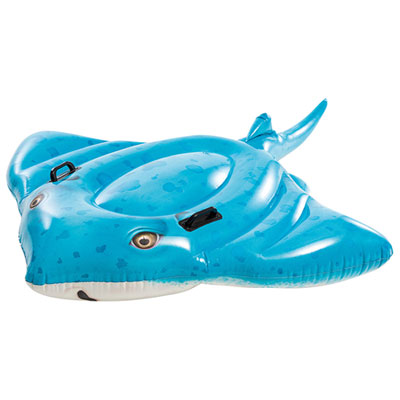
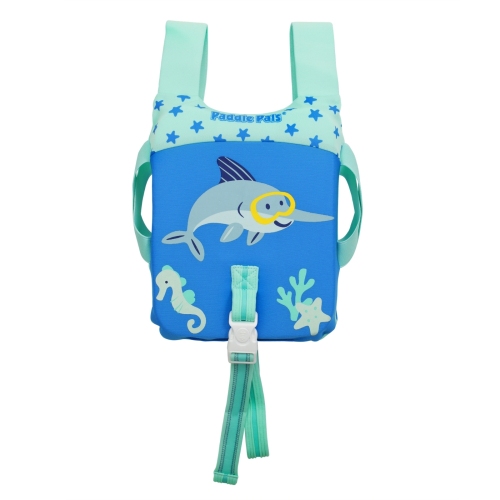
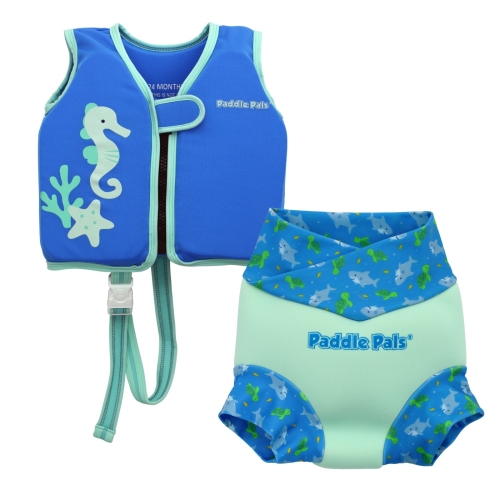
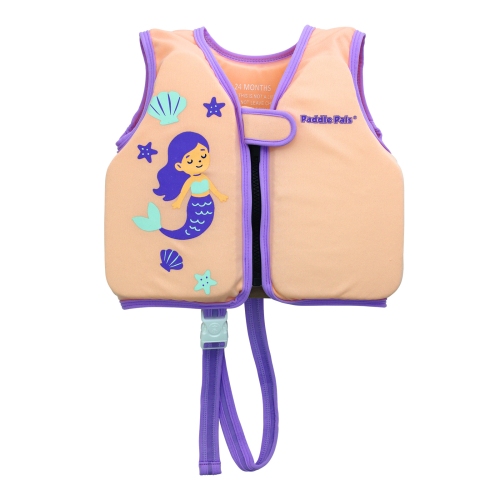
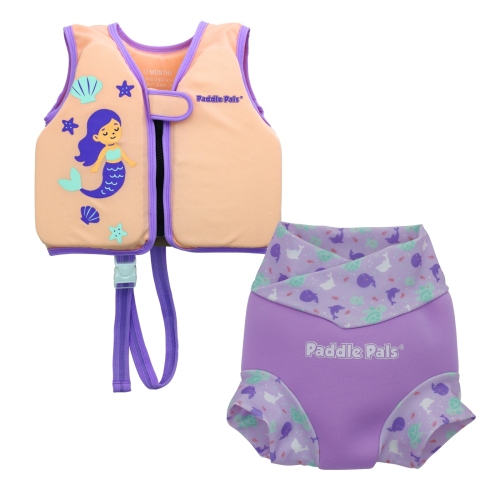
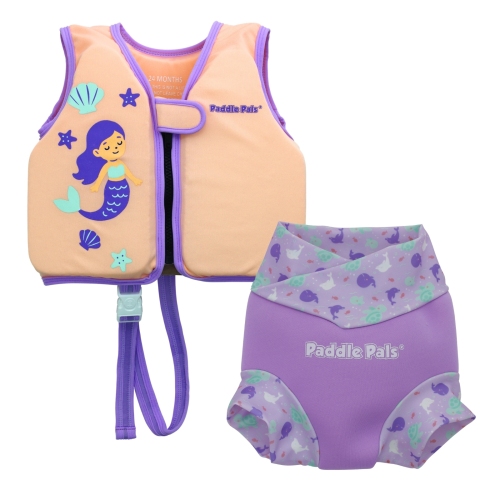
Little splashes call for proper fit and close supervision
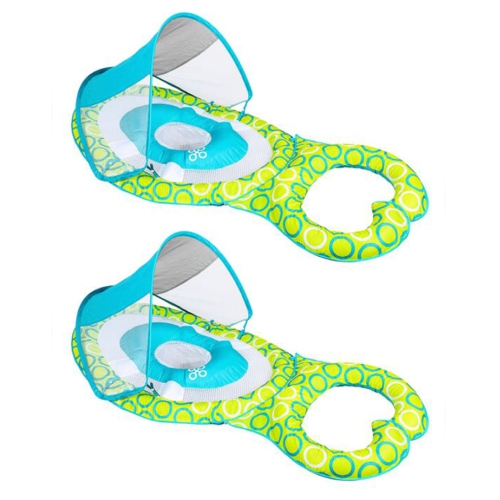
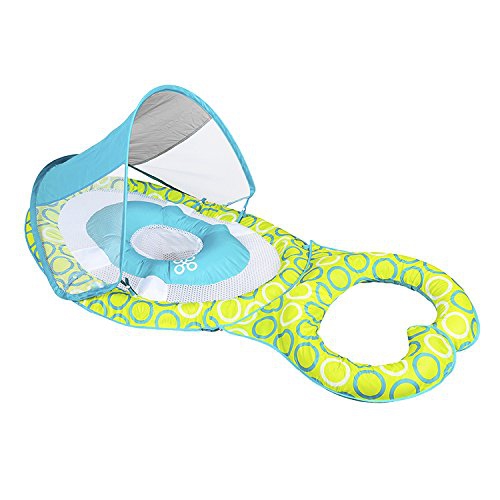
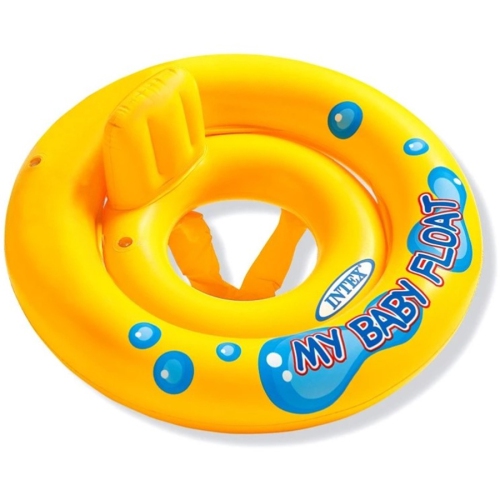
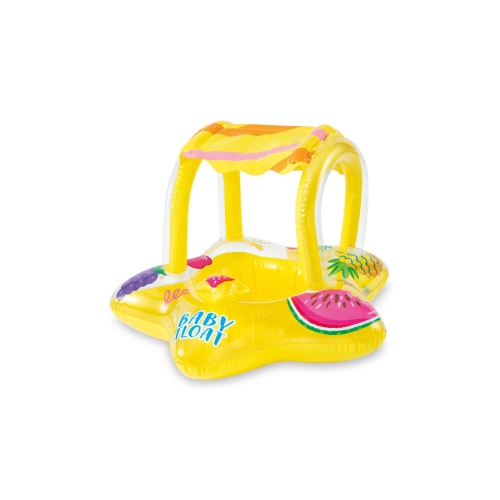
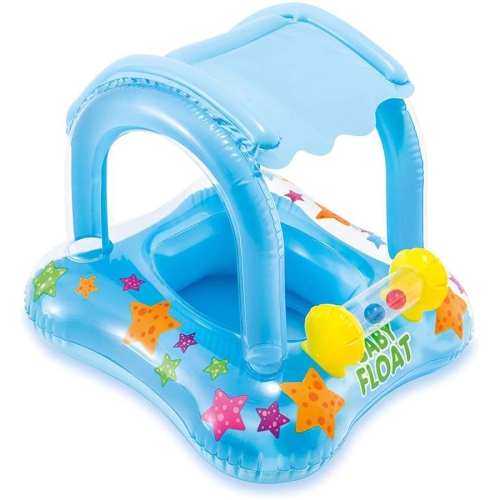
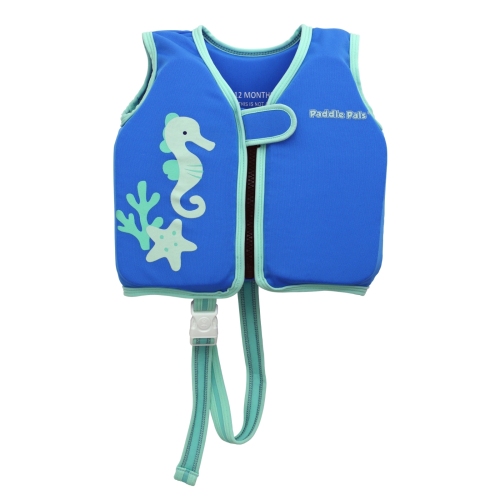
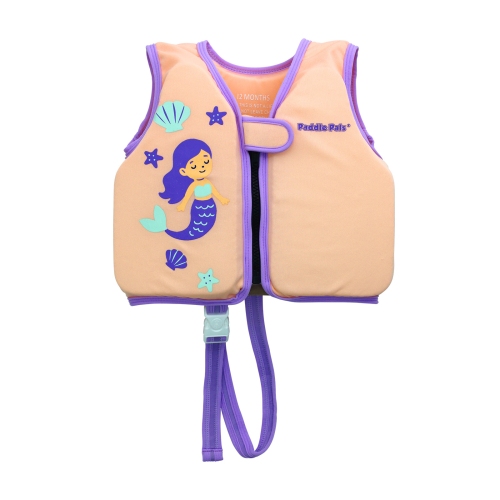
A baby float is a buoyant seat or support designed for closely supervised water play with an infant or toddler, usually in a swimming pool. It gives a young child a place to sit or rest while an adult stays beside them, sharing small moments such as touching the water, watching ripples, and gently splashing. Baby floats are recreational products, not life jackets, personal flotation devices, or swimming lessons, and they do not prevent drowning. An attentive adult must remain within arm’s reach throughout use, with hands-on support whenever needed; being in a float never makes it appropriate to leave a child unattended. Within this category, common designs include inflatable seated rings, fabric-covered floats, and non-inflatable supports with foam buoyancy. Some have a canopy, an adjustable seat, or a broad outer ring, but the shape and appearance alone do not establish whether a float suits a particular child. The manufacturer’s stated age, weight, size, and developmental requirements all matter. Two babies of the same age may differ considerably in head control, trunk strength, and comfort in water, so an age range is only one part of the fit assessment. A seated design may require the child to hold their head upright or sit independently, depending on its construction and instructions. Leg openings should fit without pinching or leaving enough space for the child to slip through, and any supplied straps must fasten and adjust as directed. A baby should not slump forward, slide down, or have their face close to the water in the intended position. Floats worn around a baby’s neck pose serious injury risks and should be avoided. For families introducing a little one to a pool, the most suitable starting point is a product whose intended use matches the child’s abilities and the setting, rather than one selected simply for a playful shape or colourful print.
Materials and construction affect how a baby pool float feels, packs away, and holds up to repeated handling. Inflatable designs often use flexible plastic chambers that fold down for transport, making them practical for a swim bag or a visit to a relative’s pool. Their compact size comes with the need to check inflation, valves, and seams before every use. Follow the stated inflation instructions rather than adding extra air to make the surface feel firmer, and do not use a float that loses air, has a damaged valve, or shows a separating seam. Multiple air chambers may be part of a design, but they do not remove the risk of tipping or deflation. Non-inflatable foam designs avoid the inflation step and may be quicker to prepare, although they generally take up more storage space and still need regular inspection for damage. Fabric covers can provide a softer contact surface, while mesh sections may allow water to pass through and help the cover drain afterward. Smooth edges, neatly finished seams, and accessible fastenings are useful details where wet skin meets the seat or support. Adjustable components should hold their position during use without pressing into the child’s body. A canopy can provide some shade for the area it covers, but coverage changes with its position and it does not replace other appropriate sun protection. Any UV-protection claim should come from the product’s stated specifications, not from the canopy’s colour or thickness. For a baby who likes to kick, sufficient legroom matters; for a child who becomes unsettled by splashes, an uncluttered design may make face-to-face interaction easier. Built-in toys can add interest, but attachments should be secure and free of loose or damaged parts. Handles, where included, have only the uses described by the manufacturer and should not be assumed suitable for lifting a child out of the water. Even a wide base can overturn, so stability features never replace direct adult supervision.
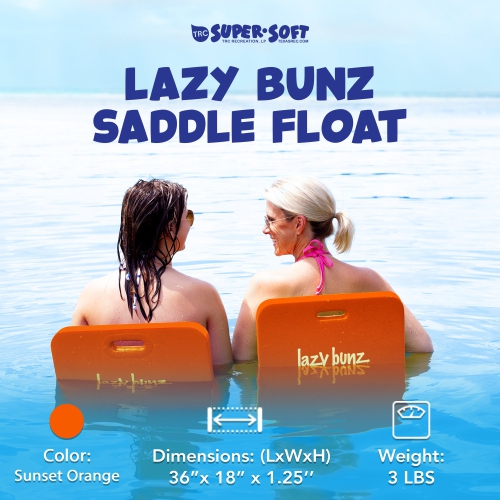
Intended use is just as important as comfort, especially when a baby float will travel between different pools or households. A float designed for calm pool water is not appropriate for currents, waves, towing, or boating, and it should never serve as a bath seat or a place for sleep. Pool operators may also restrict recreational floats, so checking facility rules helps avoid bringing equipment that cannot be used. During a family swim, one adult should have the clear responsibility of watching the baby rather than assuming someone else is doing so. Keep attention on the child, away from phones and other distractions, and remove the baby promptly if they seem tired, distressed, or unable to maintain the intended position. A short, comfortable interaction with an adult is more valuable than extending float time when a child has had enough. Families browsing the broader Pool Floats category will find that infant seating, children’s play floats, and adult loungers serve different purposes; a general pool ring is not interchangeable with a design expressly intended for a baby. For parents, grandparents, or gift-givers, useful selection details include the child’s current measurements, developmental stage, and the type of pool they will visit. A float is not something to size up for future use if that leaves the present fit too loose. After each session, care should follow the manufacturer’s directions, including any guidance for rinsing away pool chemicals, cleaning the cover, and drying the seat, seams, and folds thoroughly. Packing a damp float into a closed bag can leave trapped moisture and unpleasant odours, while rough decking and sharp objects can damage its surface. Store it clean and dry, away from direct sunlight, and inspect it again before the next outing. If straps, seams, foam, or valves are compromised, stop using it rather than relying on an improvised repair. Thoughtful fit, straightforward care, and clear use limits help keep the focus on shared water play with an adult close beside the child.
Materials and construction affect how a baby pool float feels, packs away, and holds up to repeated handling. Inflatable designs often use flexible plastic chambers that fold down for transport, making them practical for a swim bag or a visit to a relative’s pool. Their compact size comes with the need to check inflation, valves, and seams before every use. Follow the stated inflation instructions rather than adding extra air to make the surface feel firmer, and do not use a float that loses air, has a damaged valve, or shows a separating seam. Multiple air chambers may be part of a design, but they do not remove the risk of tipping or deflation. Non-inflatable foam designs avoid the inflation step and may be quicker to prepare, although they generally take up more storage space and still need regular inspection for damage. Fabric covers can provide a softer contact surface, while mesh sections may allow water to pass through and help the cover drain afterward. Smooth edges, neatly finished seams, and accessible fastenings are useful details where wet skin meets the seat or support. Adjustable components should hold their position during use without pressing into the child’s body. A canopy can provide some shade for the area it covers, but coverage changes with its position and it does not replace other appropriate sun protection. Any UV-protection claim should come from the product’s stated specifications, not from the canopy’s colour or thickness. For a baby who likes to kick, sufficient legroom matters; for a child who becomes unsettled by splashes, an uncluttered design may make face-to-face interaction easier. Built-in toys can add interest, but attachments should be secure and free of loose or damaged parts. Handles, where included, have only the uses described by the manufacturer and should not be assumed suitable for lifting a child out of the water. Even a wide base can overturn, so stability features never replace direct adult supervision.
Intended use is just as important as comfort, especially when a baby float will travel between different pools or households. A float designed for calm pool water is not appropriate for currents, waves, towing, or boating, and it should never serve as a bath seat or a place for sleep. Pool operators may also restrict recreational floats, so checking facility rules helps avoid bringing equipment that cannot be used. During a family swim, one adult should have the clear responsibility of watching the baby rather than assuming someone else is doing so. Keep attention on the child, away from phones and other distractions, and remove the baby promptly if they seem tired, distressed, or unable to maintain the intended position. A short, comfortable interaction with an adult is more valuable than extending float time when a child has had enough. Families browsing the broader Pool Floats category will find that infant seating, children’s play floats, and adult loungers serve different purposes; a general pool ring is not interchangeable with a design expressly intended for a baby. For parents, grandparents, or gift-givers, useful selection details include the child’s current measurements, developmental stage, and the type of pool they will visit. A float is not something to size up for future use if that leaves the present fit too loose. After each session, care should follow the manufacturer’s directions, including any guidance for rinsing away pool chemicals, cleaning the cover, and drying the seat, seams, and folds thoroughly. Packing a damp float into a closed bag can leave trapped moisture and unpleasant odours, while rough decking and sharp objects can damage its surface. Store it clean and dry, away from direct sunlight, and inspect it again before the next outing. If straps, seams, foam, or valves are compromised, stop using it rather than relying on an improvised repair. Thoughtful fit, straightforward care, and clear use limits help keep the focus on shared water play with an adult close beside the child.
Top selling and popular products
-
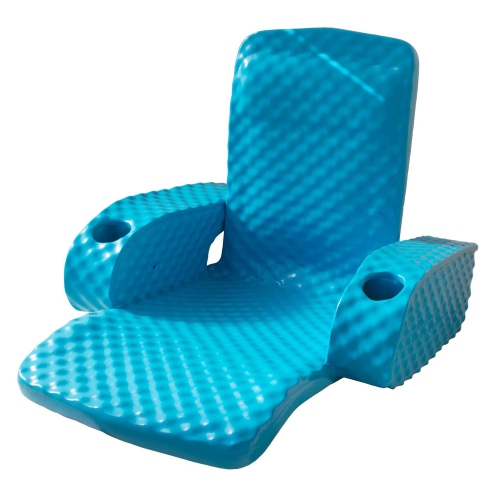 Your price for this item is $669.99
 -
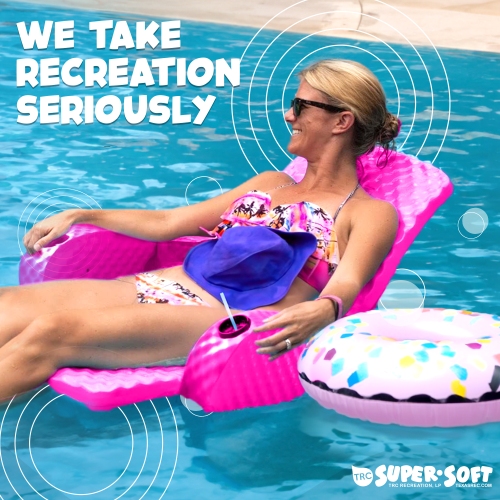 Your price for this item is $640.99
 -
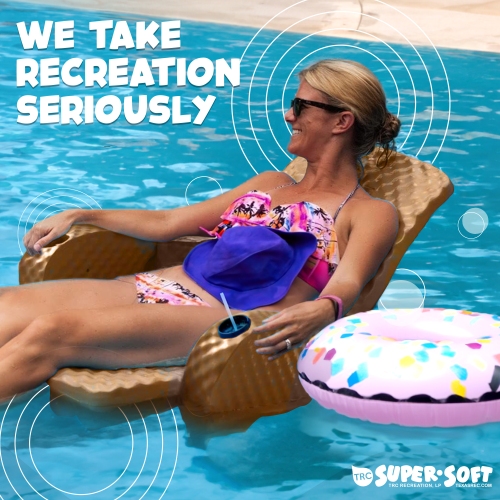 Your price for this item is $533.99
 -
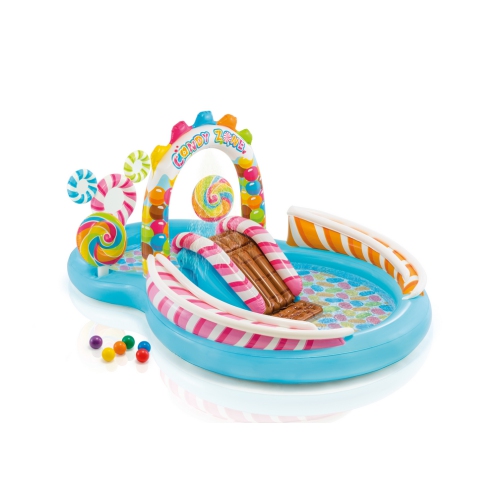 Your price for this item is $133.99
 -
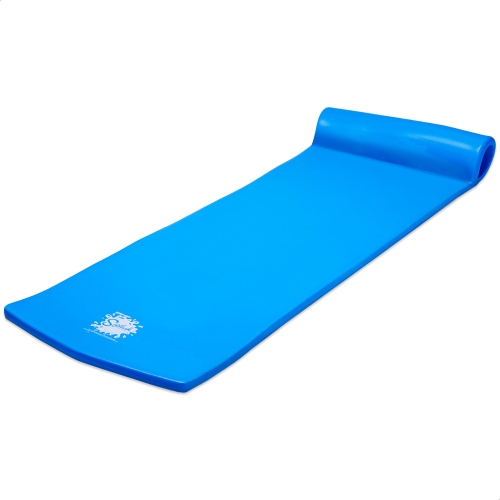 Your price for this item is $596.99
 -
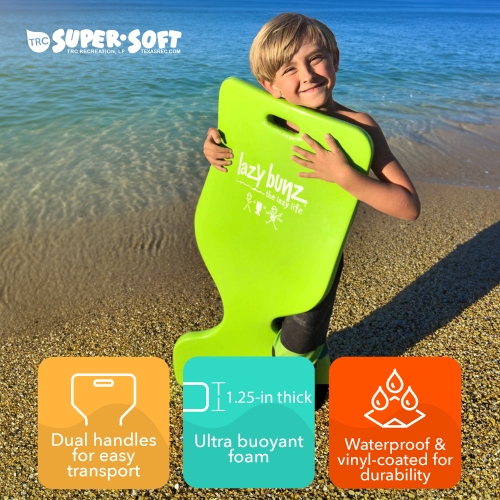 Your price for this item is $103.99
 -
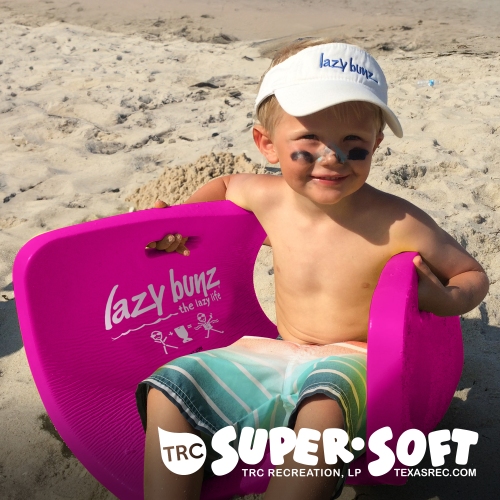 Your price for this item is $90.99
 -
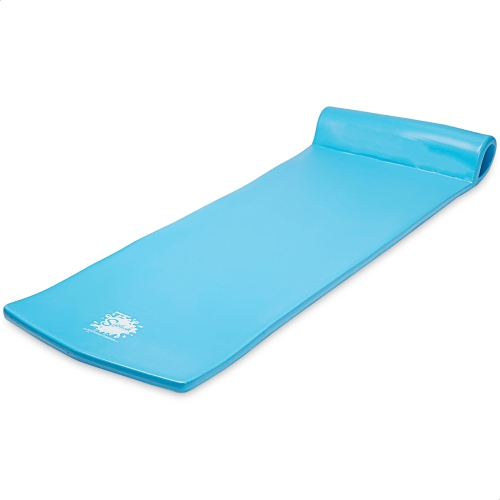 Your price for this item is $506.99
Discover more categories related to Baby Float
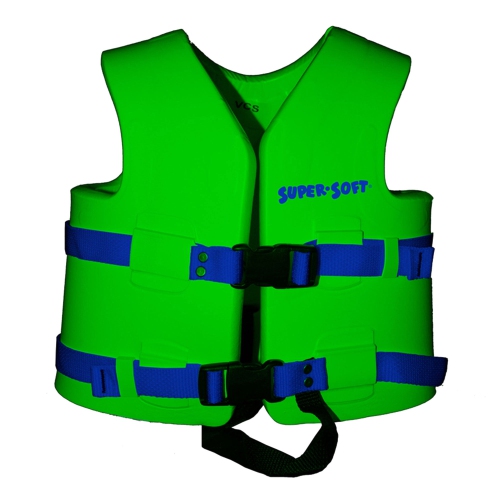
Top Collections:
Pokemon Centers, Kindle Devices, Best Budget Office Chairs, Apple iPhones 16, Canon G7X Cameras, iPhone 15 Apple, Alarm Clock, Refurbished Apple Laptops, Flip Phones, Best Laptops for Writers
Some products may be subject to Environmental Handling Fees
(EHF) depending on your province.
Learn more about EHFs.