Backpacking Binoculars
Binoculars are a must-have for almost any backpacking trip. Whether you're birdwatching, hunting for wildlife, or just trying to see the Grand Canyon from afar, binoculars will help you get a better view of the world. Here are some of the best backpacking binoculars on the market.
Sort
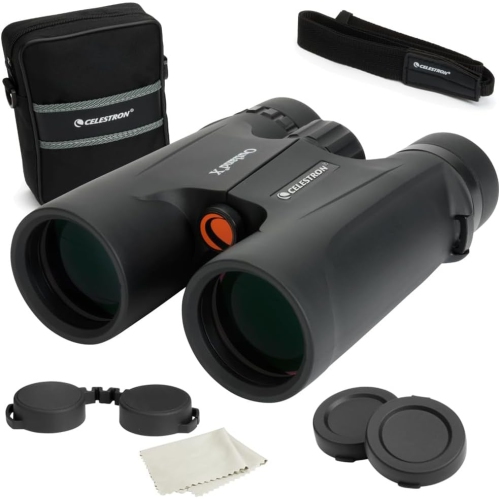
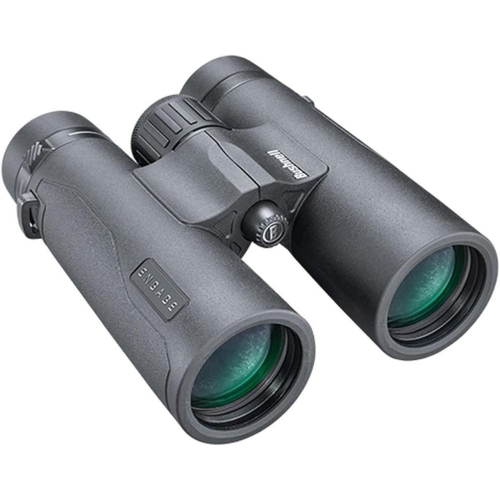
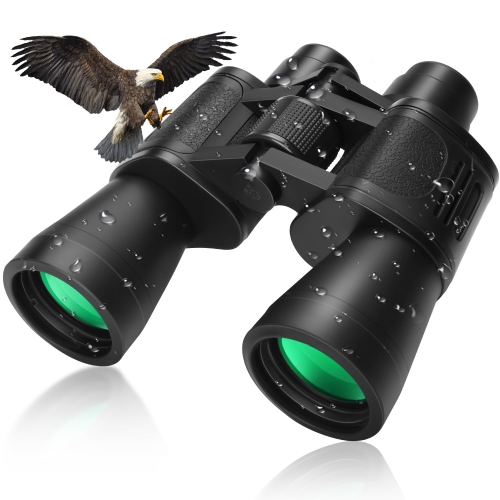
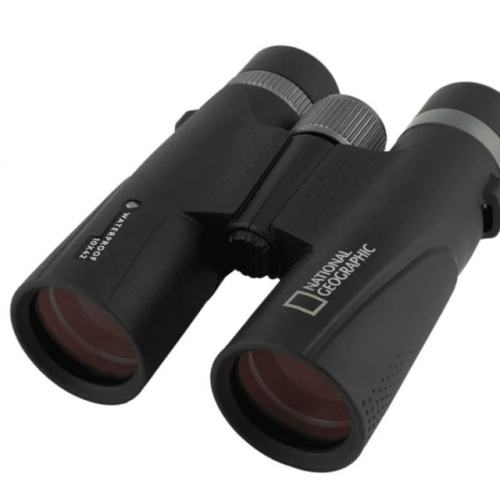
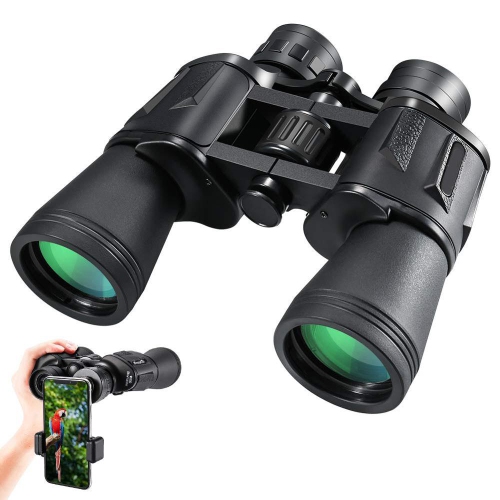
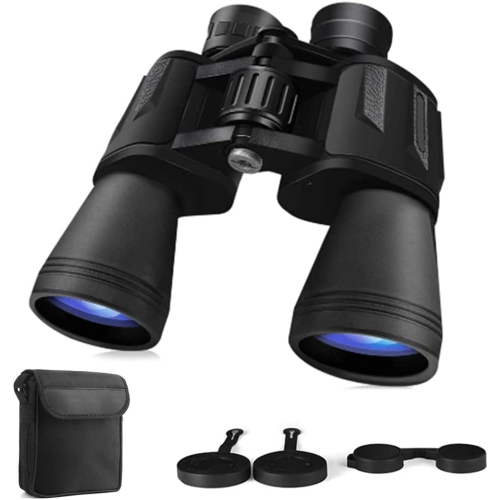
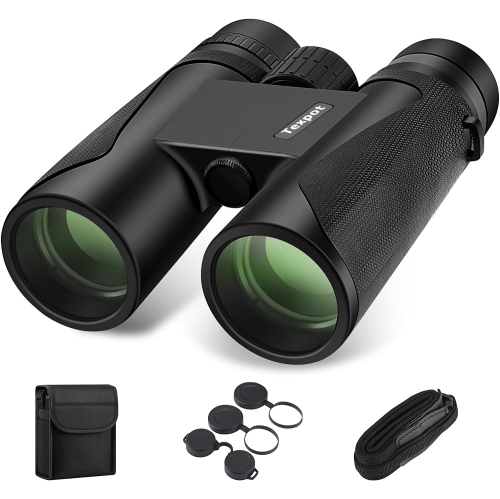
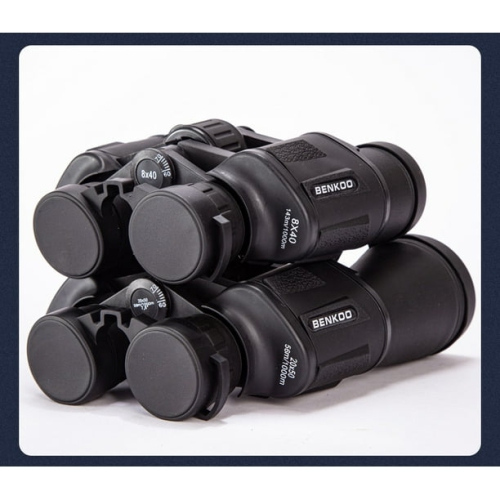
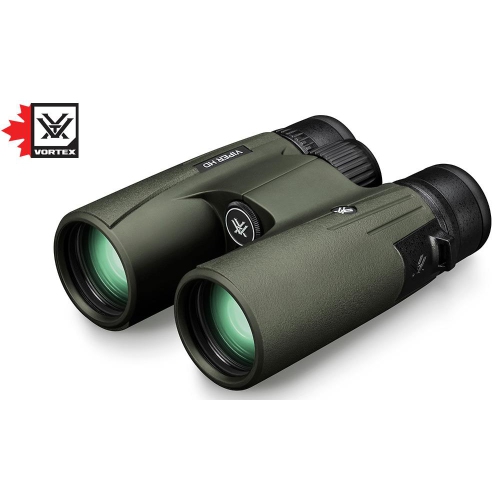
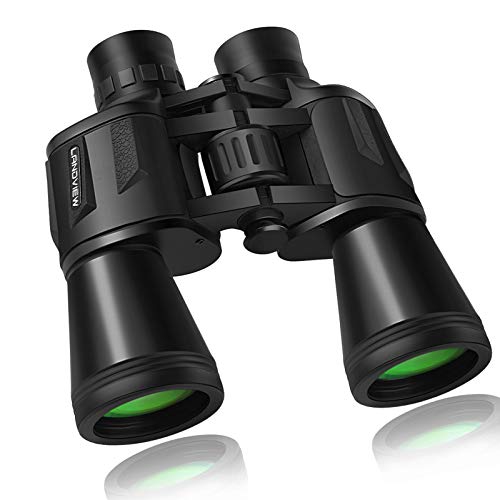
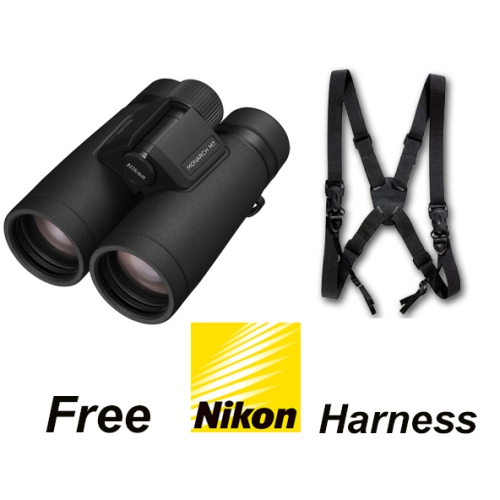
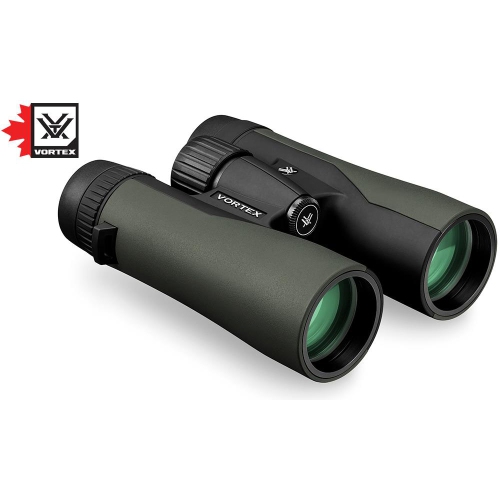
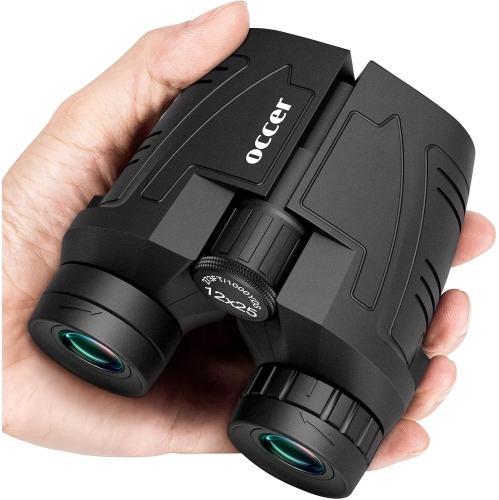
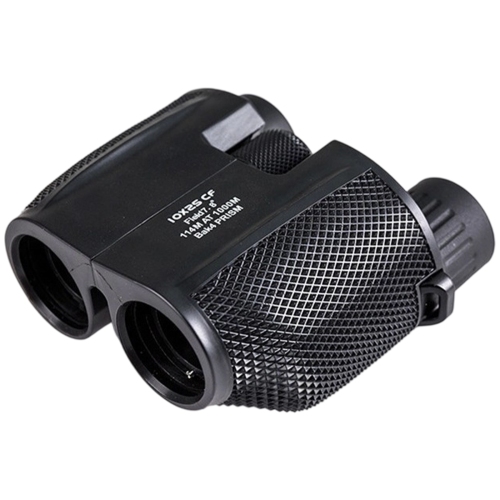
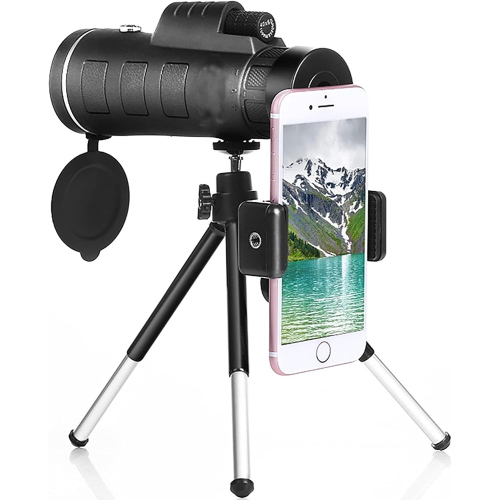
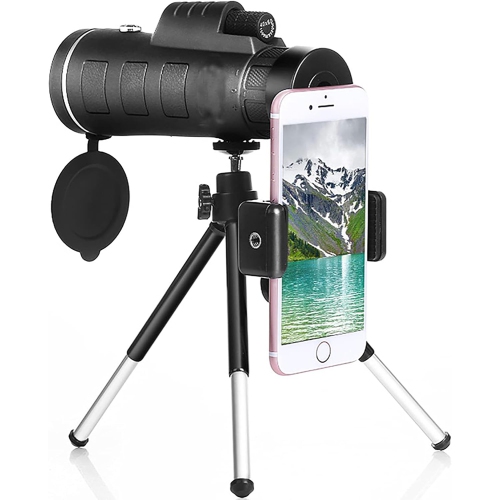
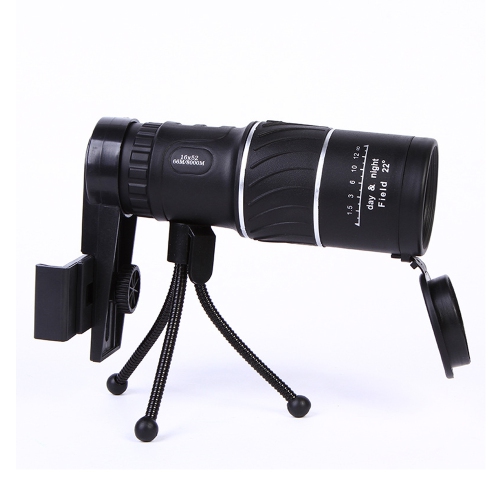
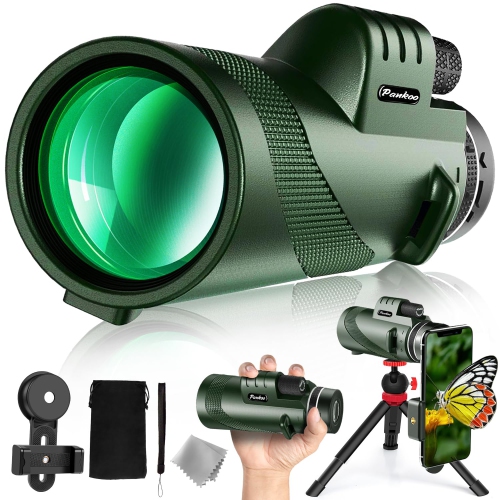
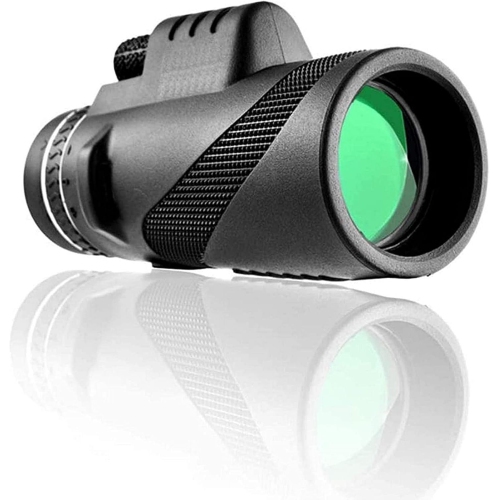
What to consider for clearer views on the trail
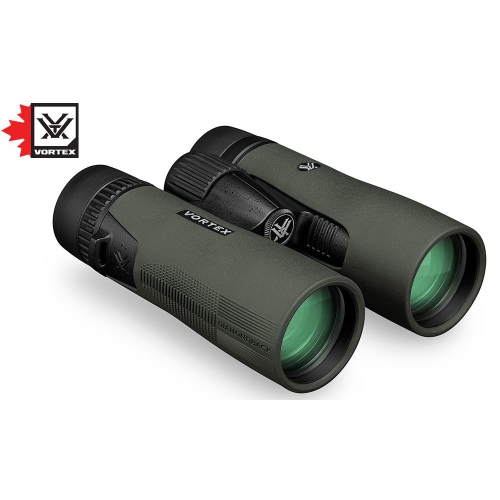
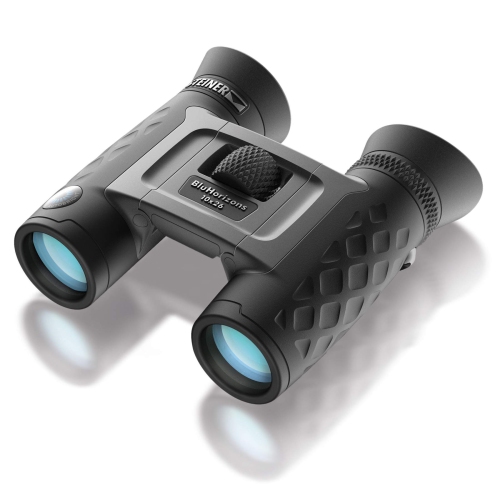
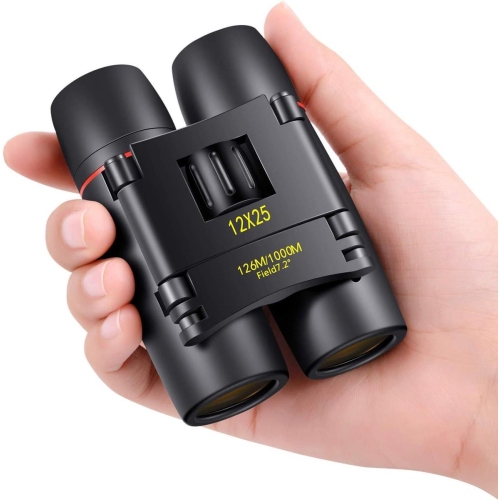
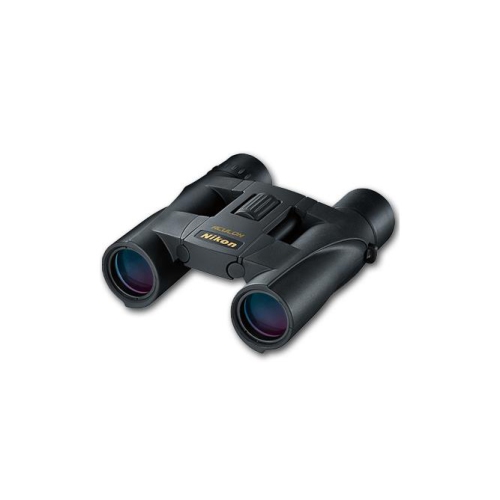
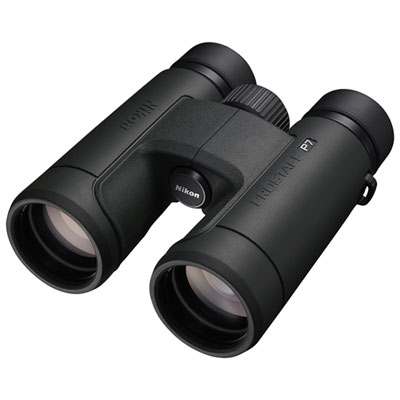
Backpacking binoculars are made for travellers who want to bring distant details into view without adding unnecessary bulk to a pack. A compact pair can reveal a hawk circling above a ridge, a deer standing at the edge of a meadow, or the fine shape of a far-off lookout before the trail bends out of sight. For most hiking and backpacking trips, 8x magnification is a practical choice because it offers a useful level of detail while remaining steady in your hands. Higher magnification can make distant subjects appear closer, but it can also make every small movement more noticeable, especially when you are tired, standing on uneven ground, or trying to follow a moving bird. Objective lens sizes between 25 mm and 32 mm offer a helpful balance between brightness, portability, and pack weight. Smaller lenses are especially convenient for day hikes and fast-moving trips, while slightly larger lenses may provide a brighter view during overcast afternoons, shaded forest walks, and the low light around dawn or dusk. When comparing binoculars for backpacking, consider the complete carrying experience: the weight of the binoculars, the size of the body, the shape of the focus wheel, and whether the included case or strap is comfortable enough for hours on the trail. A pair that is easy to reach from a hip pocket, chest pouch, or pack lid is more likely to be used often than one buried deep in a backpack.
Durability and weather protection matter when binoculars travel beyond paved paths. Look for rubberized outer armour that provides a secure grip with wet or gloved hands, along with sealed construction that helps protect the internal optics from rain, splashes, dust, and accidental drops. Waterproof designs are particularly useful for changing conditions, stream crossings, damp campsites, and early outings when moisture collects on leaves and equipment. Nitrogen-purged or otherwise fog-resistant binoculars can help reduce internal condensation when you move quickly between a cool trail and a warmer shelter, or when the temperature changes during an alpine morning. This is different from surface moisture, so a lens cloth should still be part of your kit. Multicoated lenses can improve light transmission, contrast, and colour detail, while a wide field of view makes it easier to locate birds, wildlife, boats, or distant landmarks without repeatedly repositioning the binoculars. A smooth central focus wheel is valuable when a subject suddenly appears nearby, and adjustable eyecups can help users find a comfortable viewing position with or without glasses. Check that the dioptre adjustment is easy to set and stays in place once adjusted, as this allows each eye to receive a sharper image. Weight is another key consideration: many backpackers prefer a pair under 16 ounces, or roughly 454 grams, so the binoculars do not become a noticeable burden over a full day. A compact design should still feel balanced in both hands, with hinges and focus controls that are sturdy enough for regular use rather than so small that they become awkward with cold fingers.
Backpacking binoculars can suit a wide range of outdoor interests, from casual sightseeing to dedicated birding, wildlife observation, travel, and stargazing on clear nights. They are a thoughtful gift for a hiker, camper, photographer, nature enthusiast, or traveller who enjoys pausing to notice the details that are easy to miss from the trail. They can also be useful for families, since a lightweight pair gives children and adults a way to share discoveries while keeping the controls simple and manageable. Someone who spends weekends on local trails may appreciate compact binoculars for identifying birds by shape and movement, while a frequent traveller may value a slim pair that slips into a carry-on bag for viewing architecture, coastlines, and distant scenery. For more ideas, explore Compact Binoculars for Outdoor Enthusiasts. Before choosing, think about where the binoculars will be carried, how often they will be used, and whether the priority is the lightest possible setup or a brighter, more detailed view. A simple neck strap can keep them close at a viewpoint, while a harness may distribute weight more comfortably on longer walks. Keep lenses protected with caps when the binoculars are stored, wipe away grit before cleaning, and use a soft lens cloth instead of clothing that may carry dust. With the right balance of magnification, lens size, weight, grip, and weather sealing, backpacking binoculars can become a dependable part of an outdoor kit, ready for quiet moments at a summit, unexpected wildlife beside the trail, and wide-open views during the cooler months.
Top selling and popular products
-
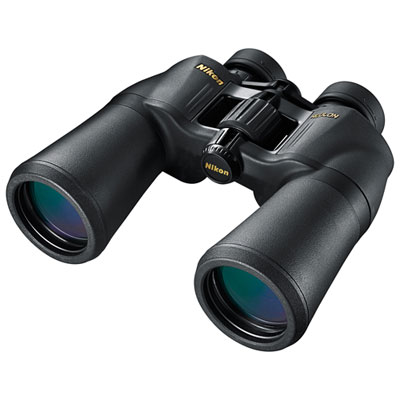 Your price for this item is $209.95
-
 Your price for this item is $129.95
-
 Your price for this item is $28.99
-
 Your price for this item is $349.99
-
 Your price for this item is $117.98
-
 Your price for this item is $199
-
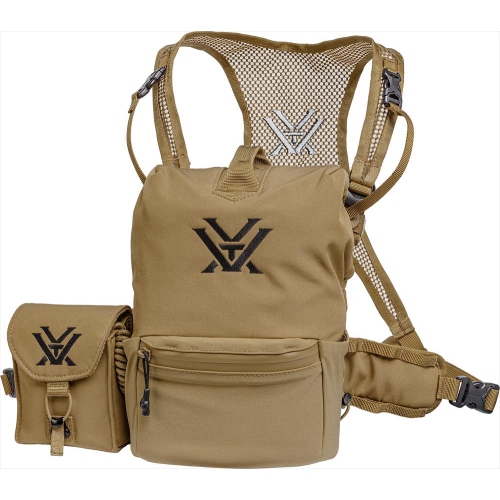 Your price for this item is $199
-
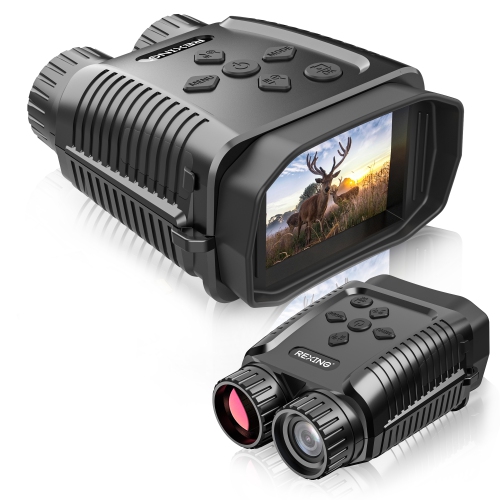 Your price for this item is $219.99
Discover more categories related to Backpacking Binoculars


Top Collections:
Pokemon Centers, Best Cameras for Sports Photography, Kindle Devices, Samsung Galaxy Phones, Canon G7X Cameras, Pokémon 30th Celebration Cards, Refurbished Apple Laptops, iPhone 15 Apple, Laptops for Students, Budget Smartphones
Some products may be subject to Environmental Handling Fees
(EHF) depending on your province.
Learn more about EHFs.