Backpacking Chairs
Whether you're embarking on a rugged outdoor adventure or simply enjoying a leisurely picnic in the park, having a reliable backpacking chair can make all the difference in your comfort and relaxation. Lightweight, portable, and designed for easy transport, these chairs are perfect for those who love to explore the great outdoors without sacrificing a comfortable place to sit. With a variety of styles and features to choose from, finding the perfect backpacking chair to suit your needs has never been easier.
Sort
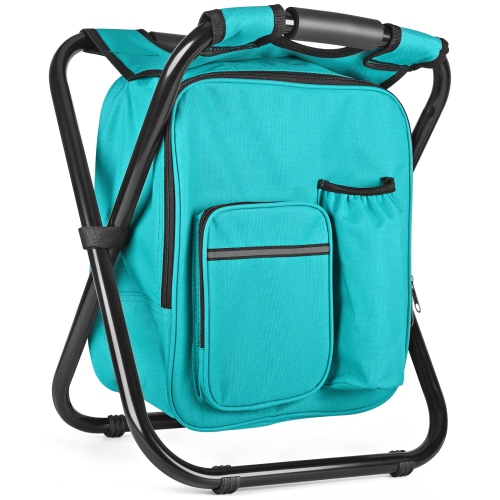
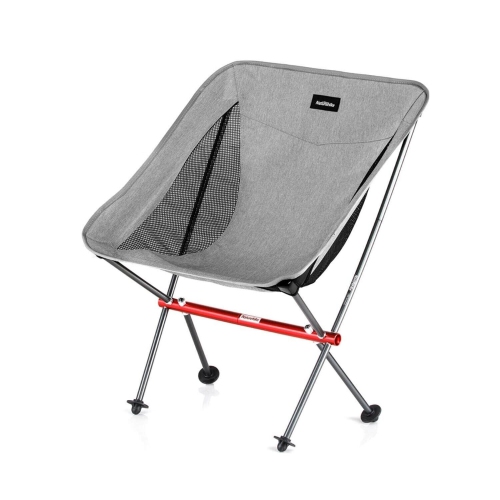
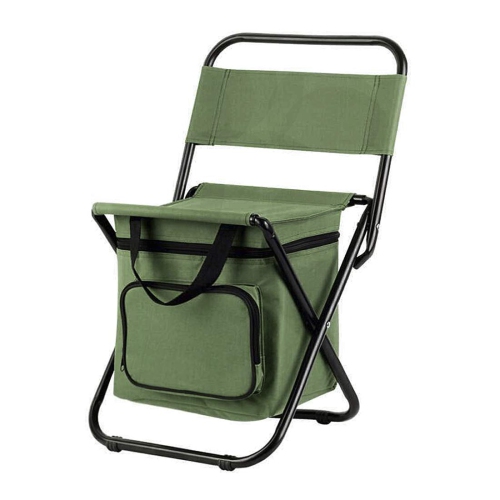
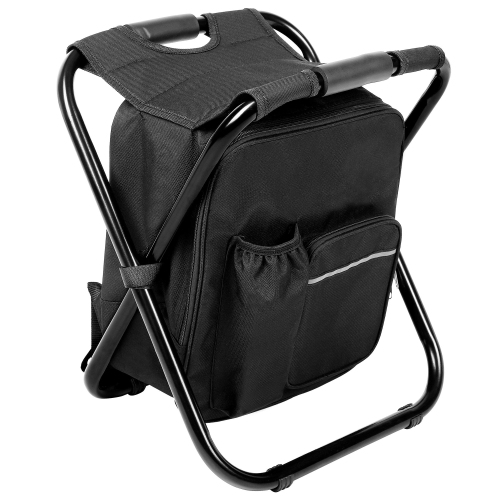
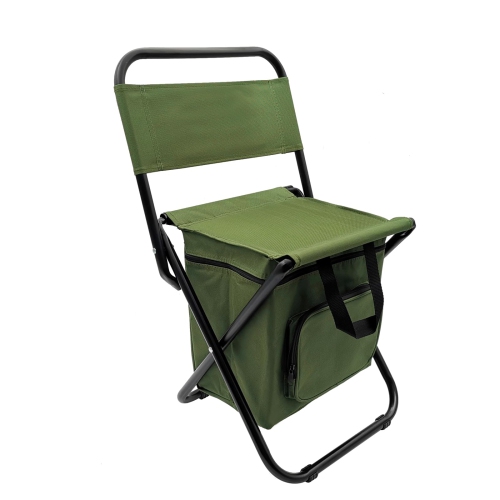
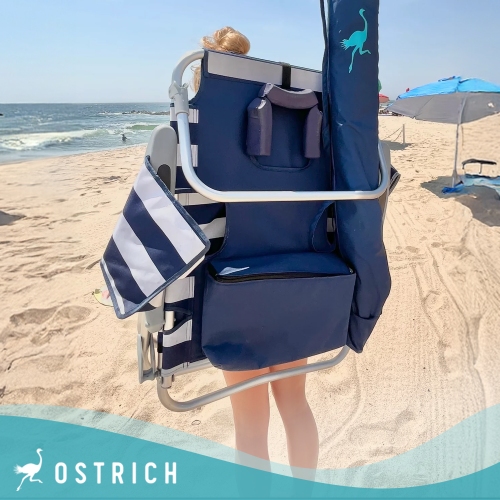
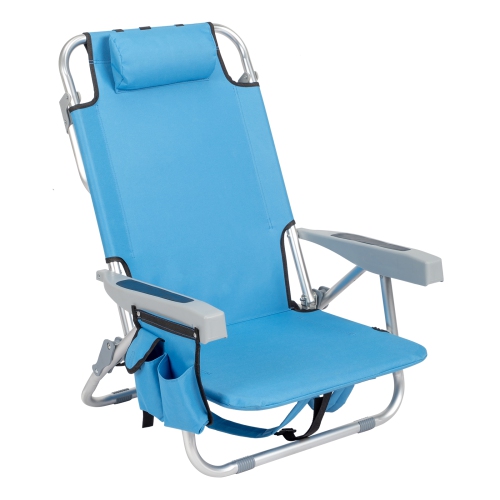
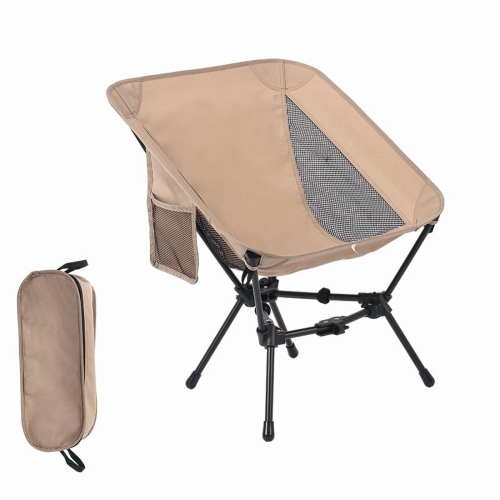
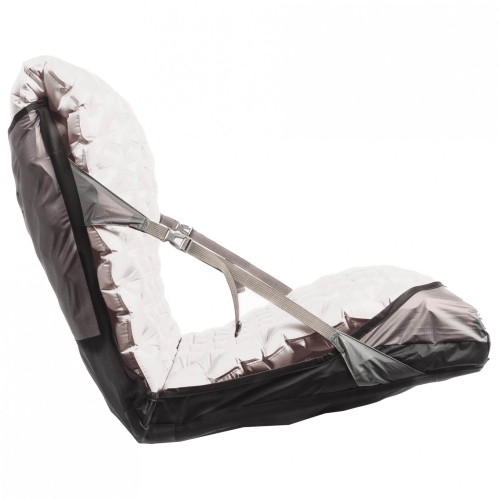
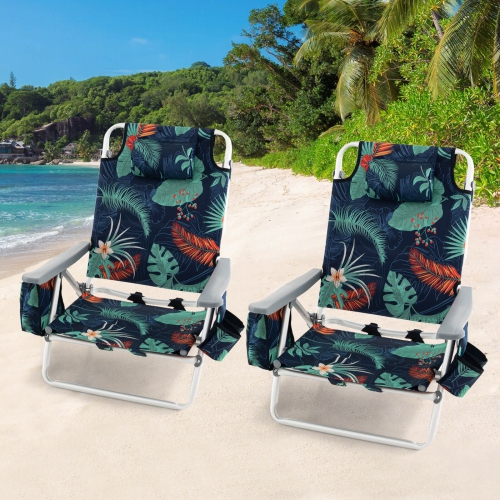
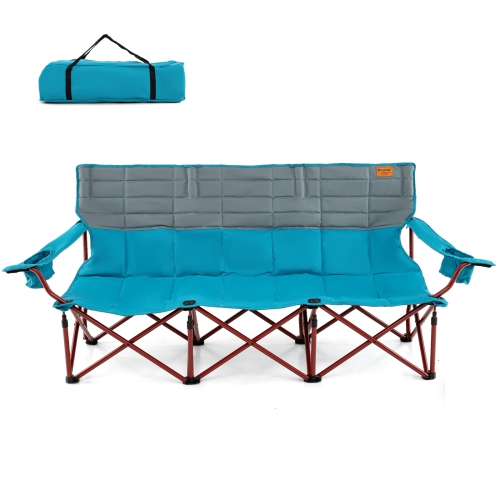
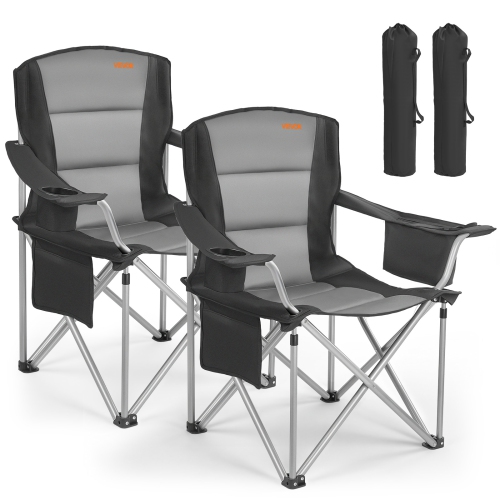
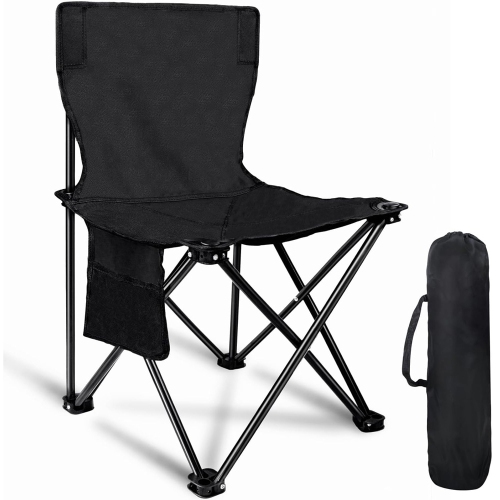
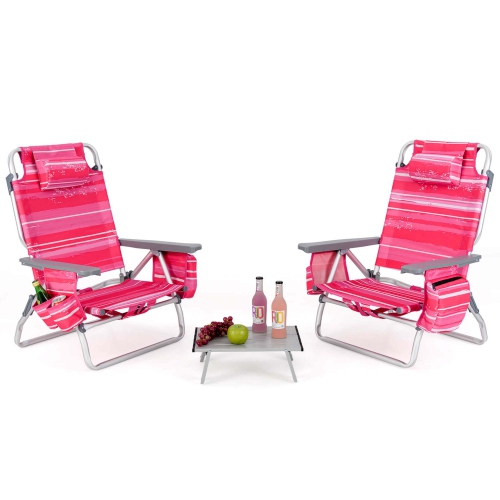
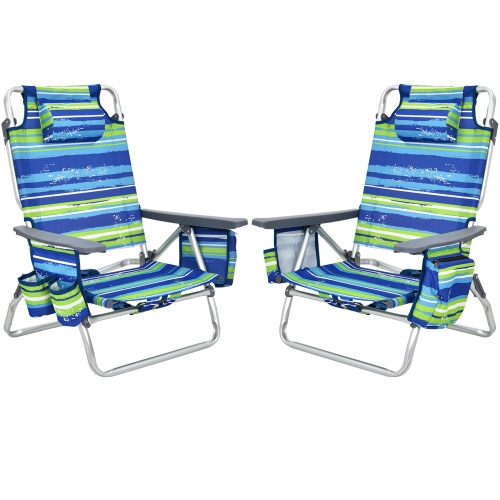


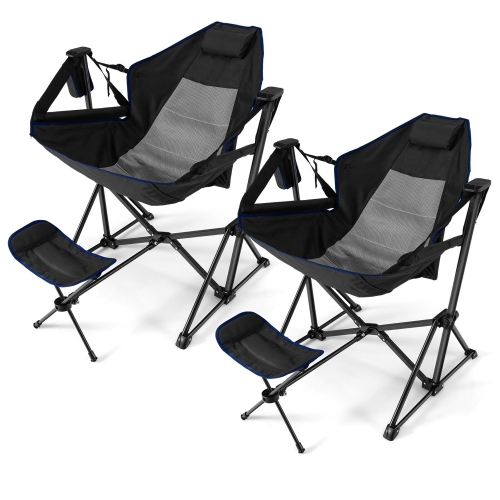
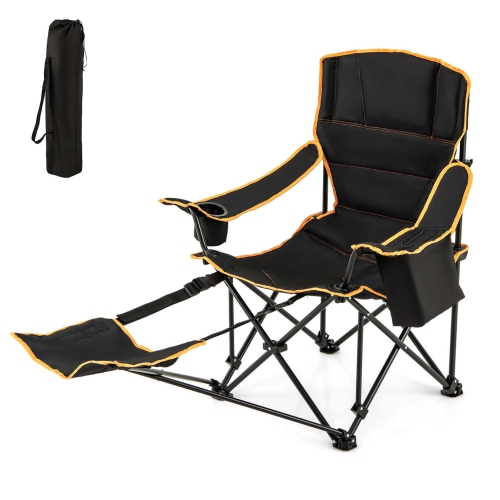
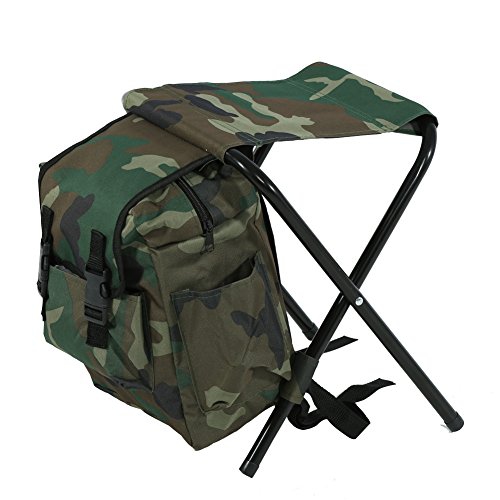
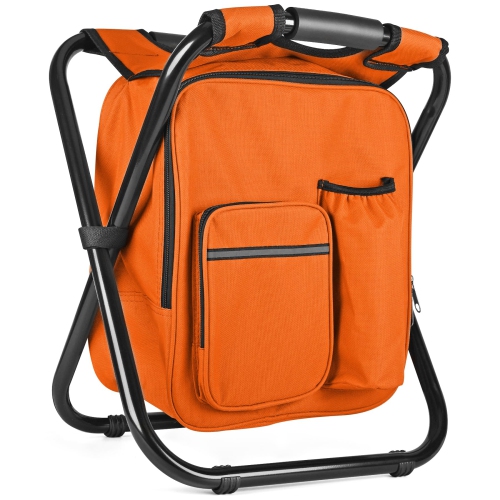
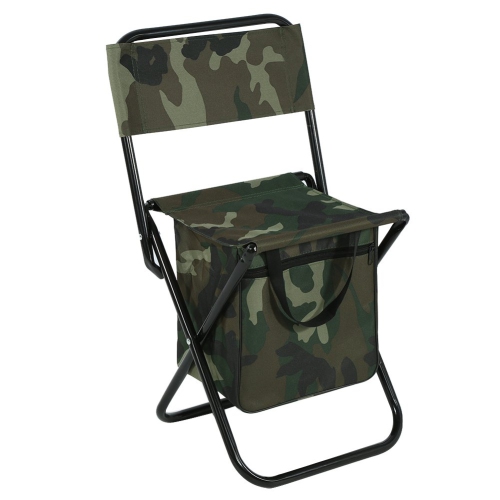
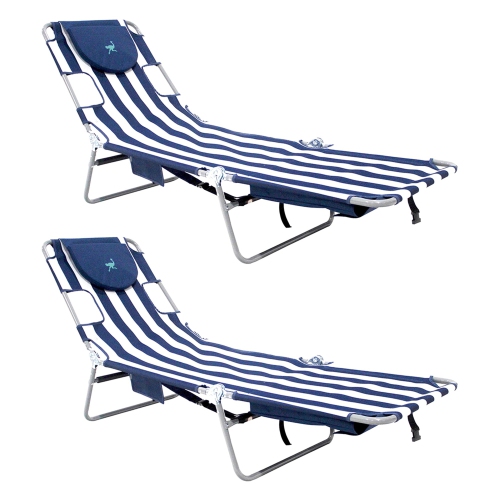
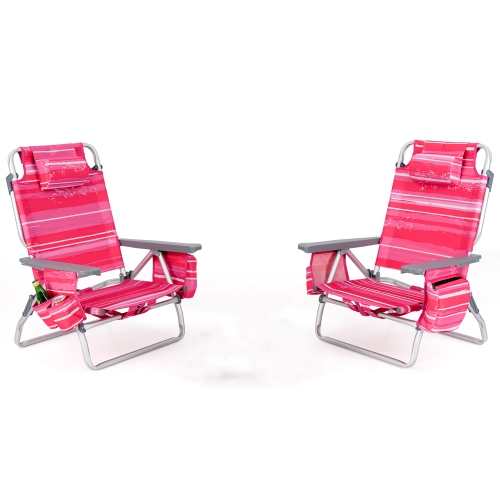
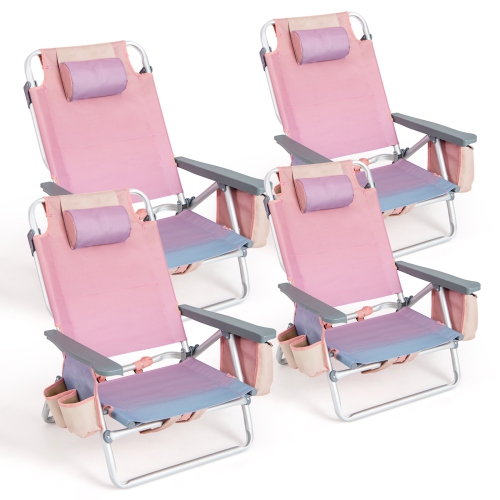
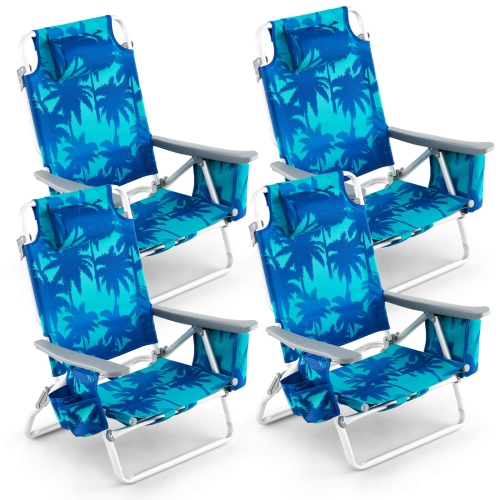
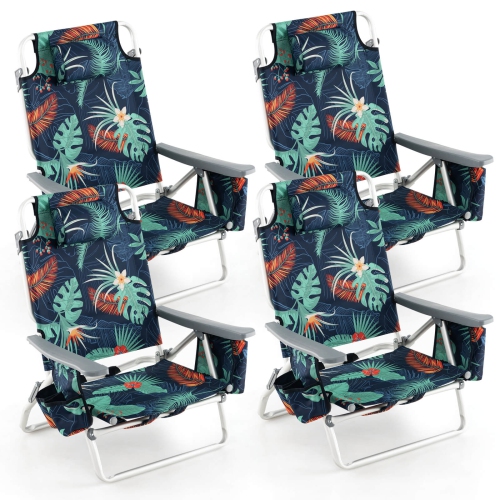
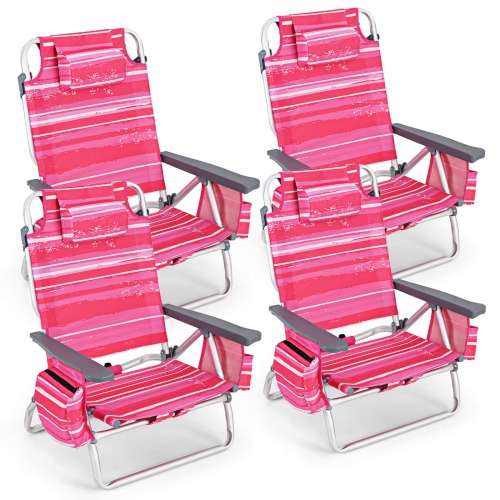
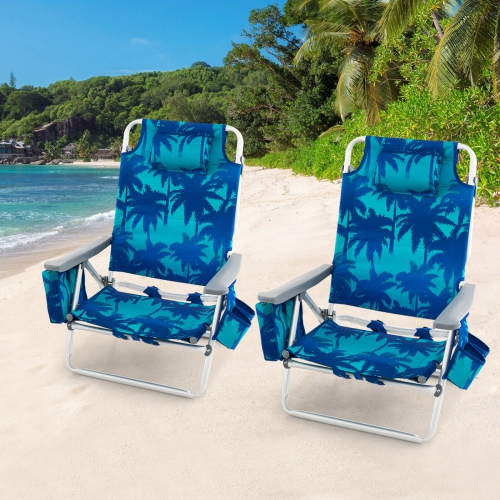
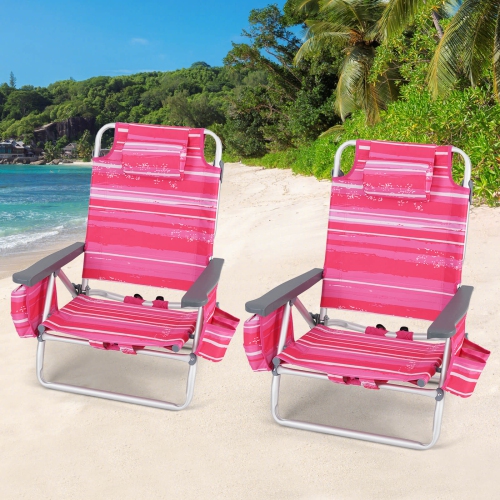
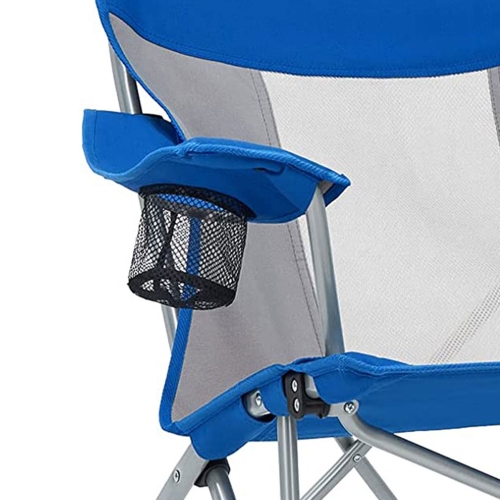
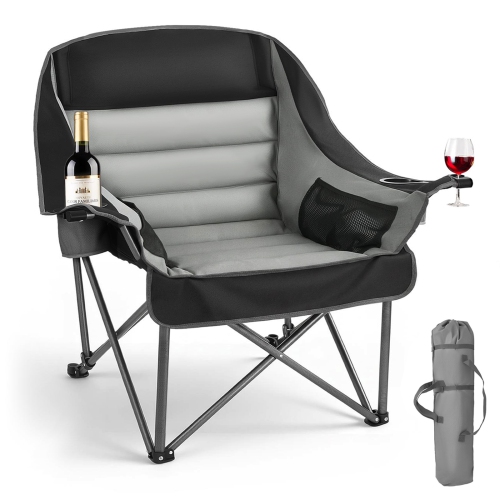

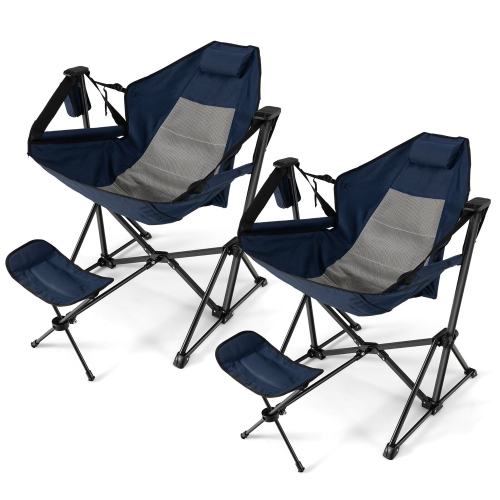
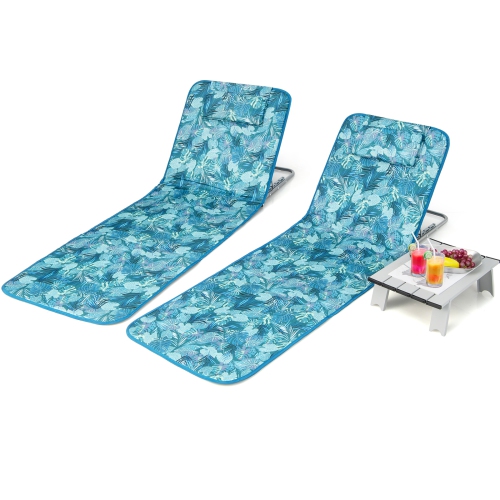
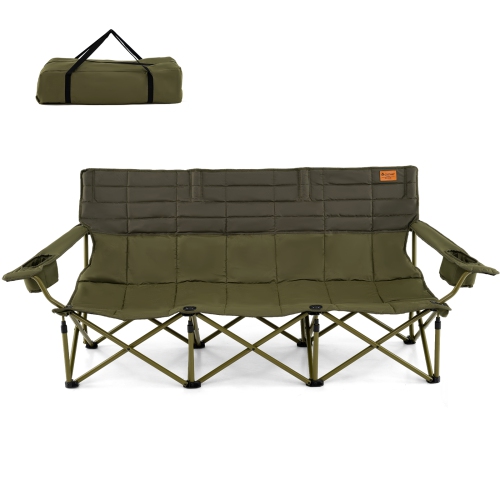
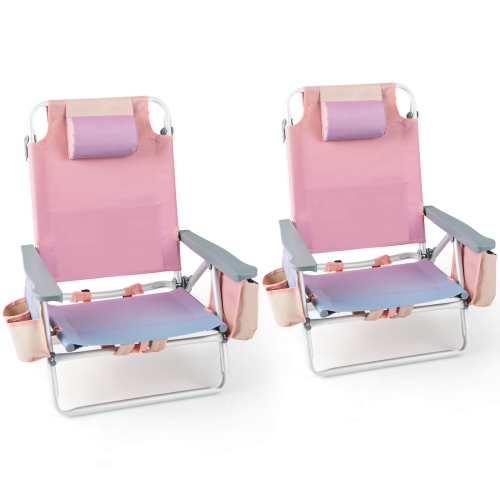
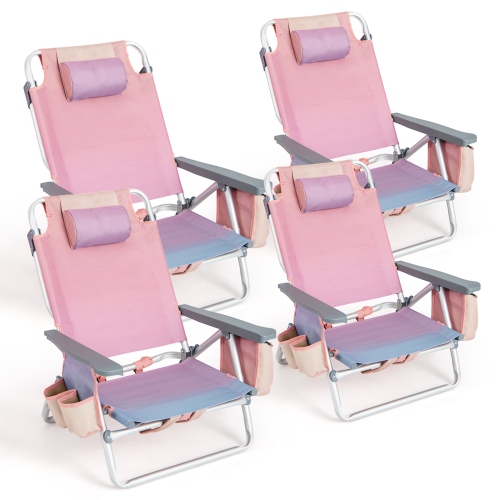

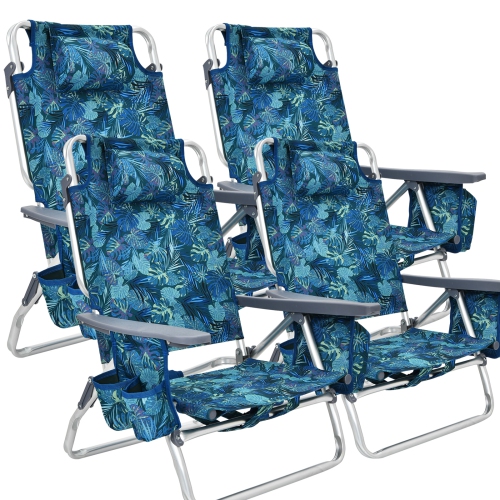
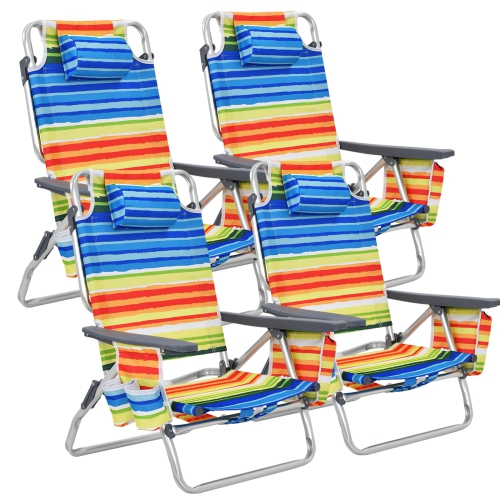
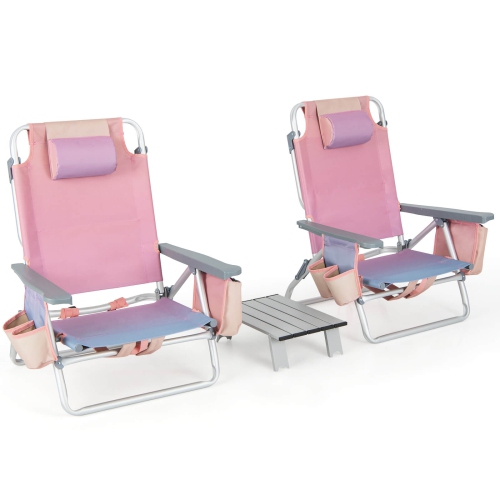
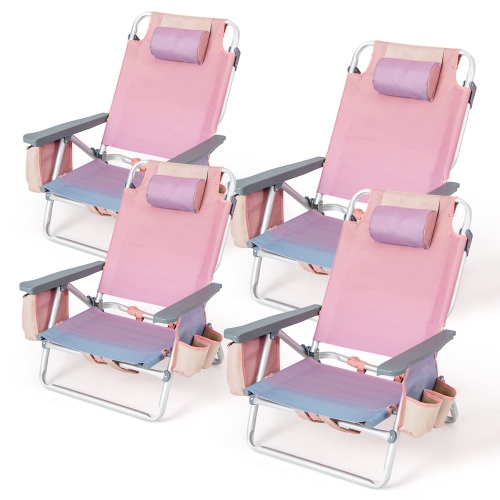
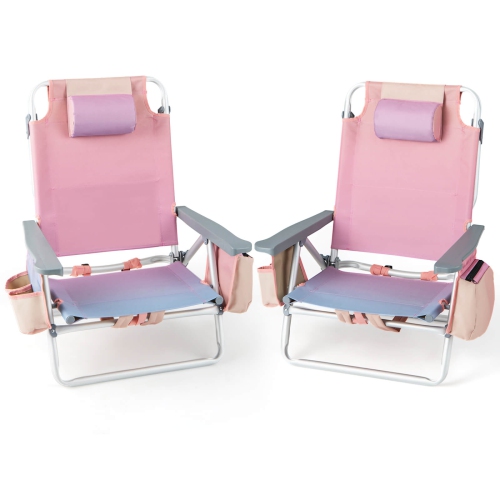
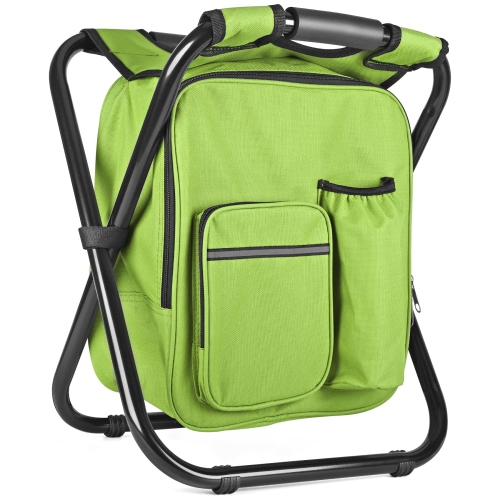
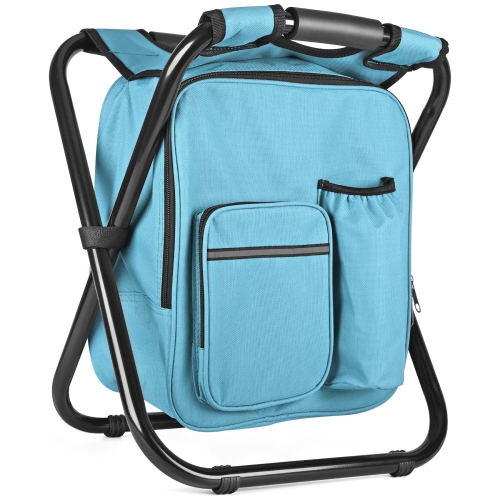
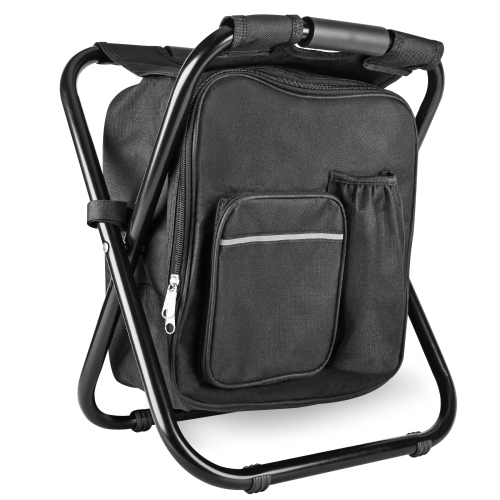
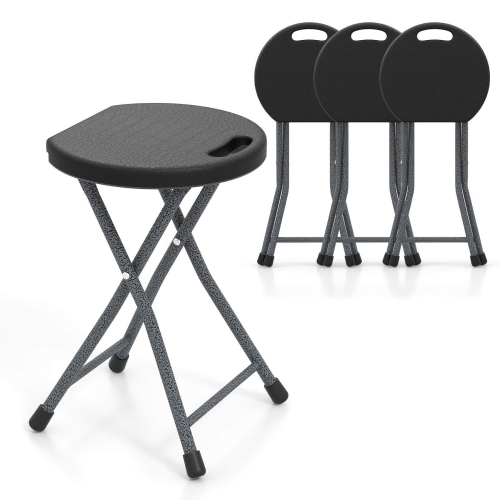
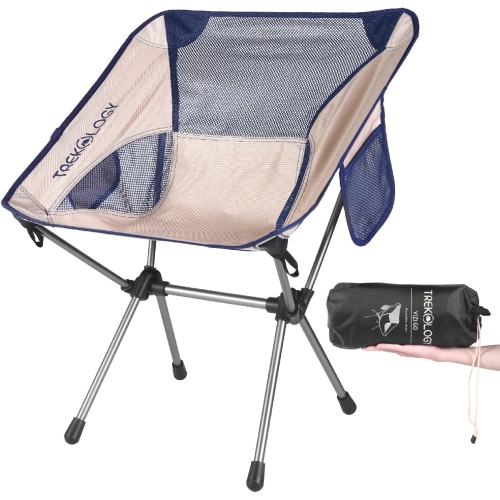
Trail comfort that earns its space in your pack
Backpacking chairs bring portable seating to places where a full-size camping chair would take up too much room or add too much weight. Their defining features are a light frame or frameless construction, a small packed size, and support that makes a rest stop more comfortable than sitting on bare ground. The best backpacking chairs for a particular trip balance carried weight, packed dimensions, seat height, stability, and comfort rather than excelling at just one measurement. On a long trail, a compact chair needs to earn its place alongside a sleeping bag, shelter, food, and extra layers. At camp, that same chair can provide a welcome place to loosen boot laces, read beside a tent, or enjoy a hot drink after a day of climbing. Compact framed chairs generally lift the sitter off the ground, while folding ground chairs use a padded seat and supported backrest close to the surface. Minimalist stools provide a raised perch without the back support of a chair. Each style suits a different balance of walking distance and time spent sitting. A weekend backpacker who spends long evenings at camp may appreciate a supportive seat more than someone moving quickly between overnight stops. Day hikers, anglers, and paddlers may also value seating that fits into a small bag, although the most suitable design depends on the terrain and carrying space. Packed length matters as much as overall weight: a narrow bundle may slide beside a tent inside a pack, while a longer folded shape can be awkward around other gear. Comparing packed dimensions with the actual space in a backpack helps make those differences tangible. For a closely related selection, Lightweight Backpack Chairs brings the focus to portable seating for outings where carrying comfort matters. A useful comparison includes the complete carrying weight, with the storage sack and any accessories needed for the intended terrain, rather than the chair alone.
Materials and construction influence how a backpacking chair feels, packs, and holds up to repeated use. Aluminium tubing is common in compact frames because it offers strength at a relatively low weight, while some designs use carbon fibre to reduce carried weight further. Neither material tells the whole story: tubing dimensions, joint construction, bracing, and the seat attachment points all affect performance. Shock-corded poles keep frame sections connected during assembly, making a small chair easier to put together when daylight is fading or hands are cold. The sections still need to be fully seated before the chair is loaded. Seat fabrics often include polyester or nylon, with reinforced panels where the fabric meets the frame. Mesh sections allow airflow and can help damp fabric dry, while more enclosed seats offer greater coverage when a breeze moves through camp. Fabric thickness, stitching quality, and reinforcement are useful details to compare, particularly for frequent trips or repeated packing beside other equipment. Fit deserves equal attention. A low seat can keep the packed design compact, but it may be harder to get into and out of for someone with stiff knees or limited mobility. Taller users may prefer more seat depth and a backrest that supports them without pushing their knees into an uncomfortable angle. Seat width should leave comfortable room for the sitter and the layers worn during cooler outings. A chair that feels roomy in a T-shirt may feel quite different over insulated trousers and a thick jacket. Published weight capacity is an important limit, but it does not indicate seat dimensions or guarantee a comfortable fit. Backrest angle also changes the experience: an upright position suits eating or chatting, whereas a more relaxed angle may be preferable for stretching out tired legs. Adjustable designs can offer flexibility, though extra mechanisms may add weight and require more attention during setup. Small features such as accessible storage pockets can be useful for keeping a headlamp or gloves close, provided they do not interfere with packing or sitting comfortably.
Stability depends on both the chair design and the surface underneath it. A broad footprint can help a compact chair feel steadier, but narrow feet may still sink into soft soil, sand, or snow. Compatible ground sheets or wider foot attachments can spread the load, although they add to the total weight and packed bulk. Firm, level ground away from slopes and edges remains the most suitable place to set up. A lightweight backpacking chair is designed for seated support, not standing, rocking on two legs, or leaning far to one side to reach a bag. Keeping frequently used belongings within easy reach reduces awkward movements, especially when sitting low to the ground. Ground chairs have their own practical considerations: they need a reasonably smooth surface, and their proximity to damp or cold ground can affect comfort. During the cooler months, an insulated sitting pad may make a rest more pleasant, but a chair should not be assumed to provide insulation simply because it keeps clothing off the soil. Durability also relies on straightforward care between outings. Brushing away grit before folding helps prevent abrasive particles from remaining around joints and fabric sleeves. Mud can usually be removed with a soft cloth, mild soap, and water when permitted by the care instructions, followed by thorough air-drying before storage. Keeping the chair away from campfire sparks and direct heat helps protect synthetic fabric and frame components. Regular checks of stitching, pole ends, feet, and connectors can reveal wear before the next trip, and replaceable parts can be valuable for equipment used frequently. Store the chair dry without forcing bent components into its carrying sack. For someone who regularly plans overnight hikes, a backpacking chair can also make a thoughtful gift, particularly when its packed size, capacity, and seat height match their needs. Whether carried along a forest trail or tucked into a bag for a quiet afternoon outdoors, the right chair makes room for a comfortable pause without dominating the load.
Materials and construction influence how a backpacking chair feels, packs, and holds up to repeated use. Aluminium tubing is common in compact frames because it offers strength at a relatively low weight, while some designs use carbon fibre to reduce carried weight further. Neither material tells the whole story: tubing dimensions, joint construction, bracing, and the seat attachment points all affect performance. Shock-corded poles keep frame sections connected during assembly, making a small chair easier to put together when daylight is fading or hands are cold. The sections still need to be fully seated before the chair is loaded. Seat fabrics often include polyester or nylon, with reinforced panels where the fabric meets the frame. Mesh sections allow airflow and can help damp fabric dry, while more enclosed seats offer greater coverage when a breeze moves through camp. Fabric thickness, stitching quality, and reinforcement are useful details to compare, particularly for frequent trips or repeated packing beside other equipment. Fit deserves equal attention. A low seat can keep the packed design compact, but it may be harder to get into and out of for someone with stiff knees or limited mobility. Taller users may prefer more seat depth and a backrest that supports them without pushing their knees into an uncomfortable angle. Seat width should leave comfortable room for the sitter and the layers worn during cooler outings. A chair that feels roomy in a T-shirt may feel quite different over insulated trousers and a thick jacket. Published weight capacity is an important limit, but it does not indicate seat dimensions or guarantee a comfortable fit. Backrest angle also changes the experience: an upright position suits eating or chatting, whereas a more relaxed angle may be preferable for stretching out tired legs. Adjustable designs can offer flexibility, though extra mechanisms may add weight and require more attention during setup. Small features such as accessible storage pockets can be useful for keeping a headlamp or gloves close, provided they do not interfere with packing or sitting comfortably.
Stability depends on both the chair design and the surface underneath it. A broad footprint can help a compact chair feel steadier, but narrow feet may still sink into soft soil, sand, or snow. Compatible ground sheets or wider foot attachments can spread the load, although they add to the total weight and packed bulk. Firm, level ground away from slopes and edges remains the most suitable place to set up. A lightweight backpacking chair is designed for seated support, not standing, rocking on two legs, or leaning far to one side to reach a bag. Keeping frequently used belongings within easy reach reduces awkward movements, especially when sitting low to the ground. Ground chairs have their own practical considerations: they need a reasonably smooth surface, and their proximity to damp or cold ground can affect comfort. During the cooler months, an insulated sitting pad may make a rest more pleasant, but a chair should not be assumed to provide insulation simply because it keeps clothing off the soil. Durability also relies on straightforward care between outings. Brushing away grit before folding helps prevent abrasive particles from remaining around joints and fabric sleeves. Mud can usually be removed with a soft cloth, mild soap, and water when permitted by the care instructions, followed by thorough air-drying before storage. Keeping the chair away from campfire sparks and direct heat helps protect synthetic fabric and frame components. Regular checks of stitching, pole ends, feet, and connectors can reveal wear before the next trip, and replaceable parts can be valuable for equipment used frequently. Store the chair dry without forcing bent components into its carrying sack. For someone who regularly plans overnight hikes, a backpacking chair can also make a thoughtful gift, particularly when its packed size, capacity, and seat height match their needs. Whether carried along a forest trail or tucked into a bag for a quiet afternoon outdoors, the right chair makes room for a comfortable pause without dominating the load.
Top selling and popular products
-
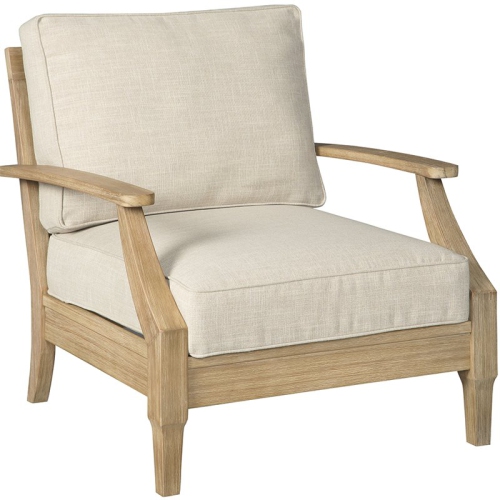 Your price for this item is $1227.67
 -
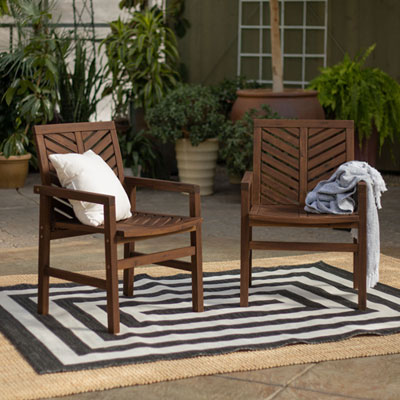 Your price for this item is $604.99
 -
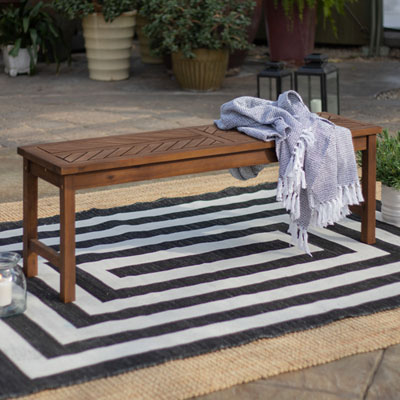 Your price for this item is $371.99
 -
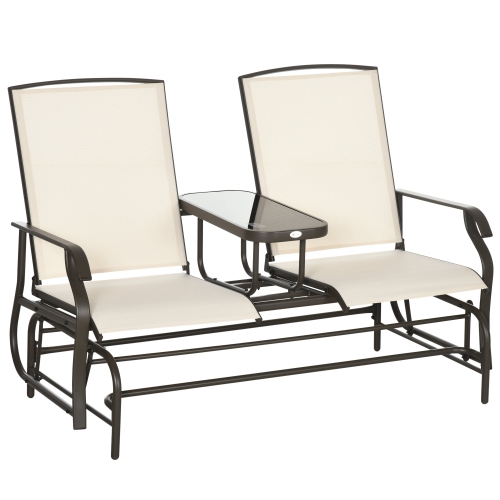 Your price for this item is $189.99
 -
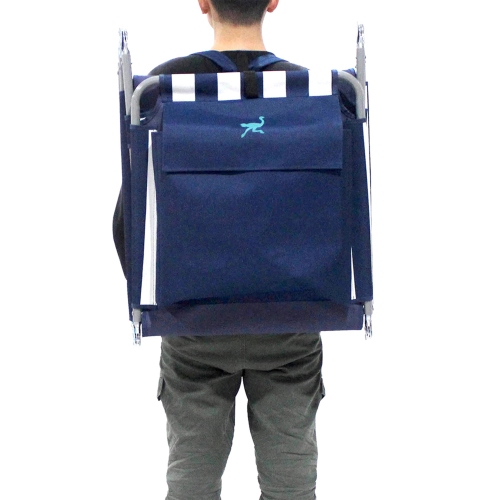 Your price for this item is $204.99
 -
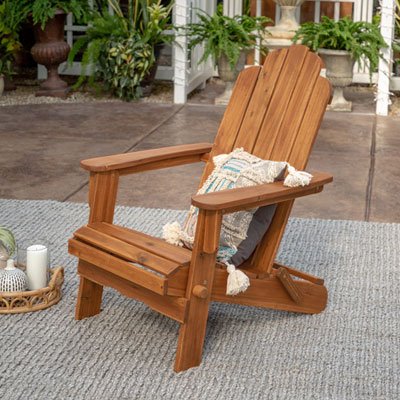 Your price for this item is $461.99
 -
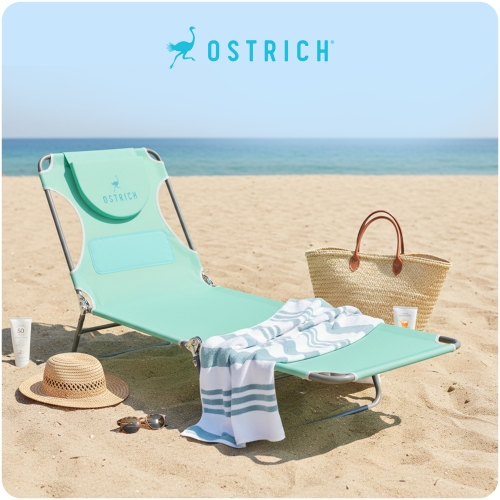 Your price for this item is $170.99
 -
 Your price for this item is $392.99
Discover more categories related to Backpacking Chairs
Top Collections:
Pokemon Centers, Kindle Devices, Best Budget Office Chairs, Apple iPhones 16, Best Laptops for Writers, iPhone 15 Apple, Canon G7X Cameras, Refurbished Apple Laptops, Alarm Clock, Motorola Razr Phones
Some products may be subject to Environmental Handling Fees
(EHF) depending on your province.
Learn more about EHFs.