Lightweight Backpack Chairs
Ideal for outdoor enthusiasts looking to relax in comfort while on the go, our selection of lightweight backpack chairs offers the perfect blend of portability and functionality. Whether you're heading to a music festival, camping trip, or simply spending a day at the beach, these innovative chairs are designed to provide a convenient seating solution that won't weigh you down. With a focus on durability and ease of transport, these backpack chairs are sure to become your go-to accessory for all your outdoor adventures.
Sort

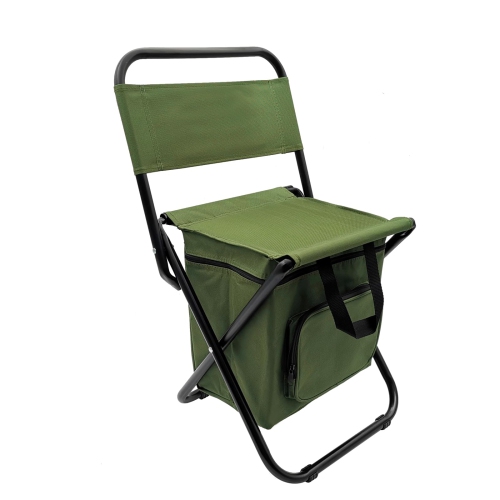
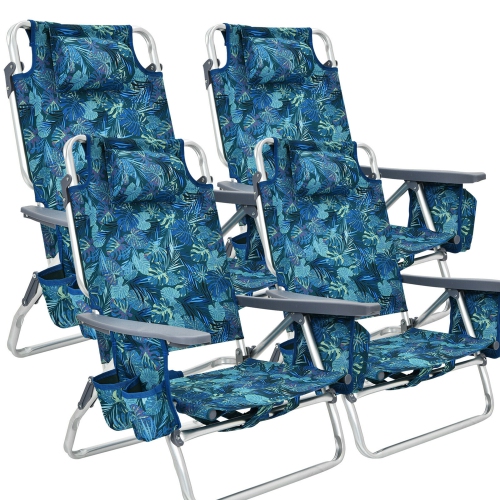
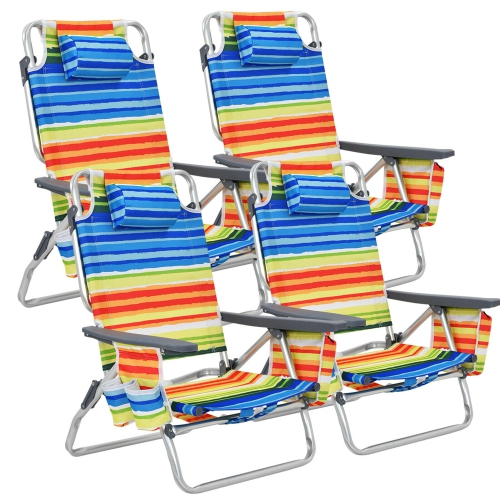

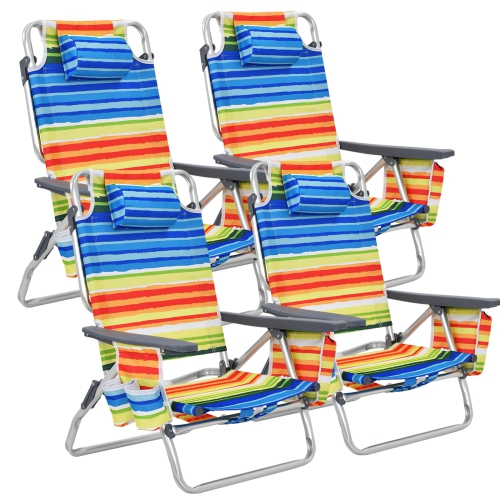
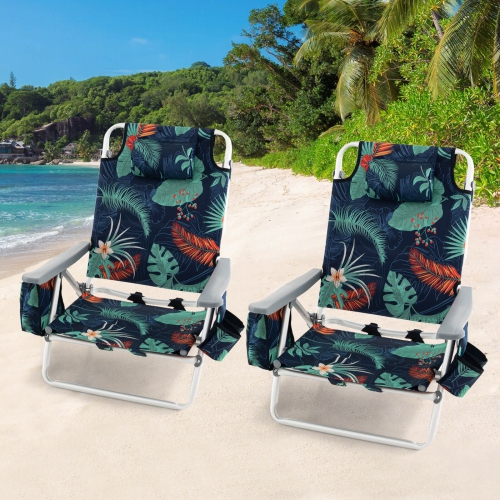
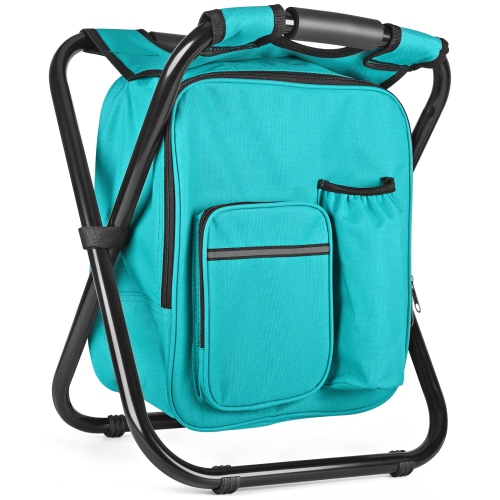
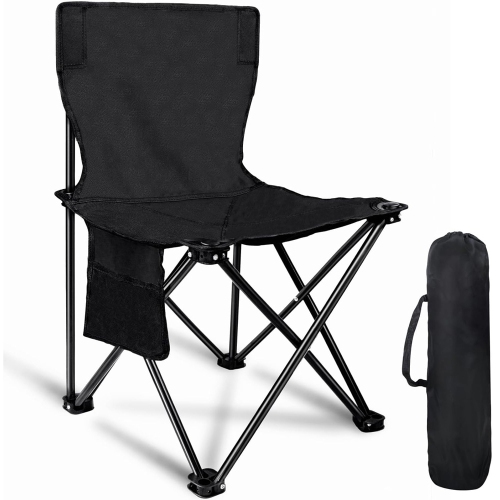
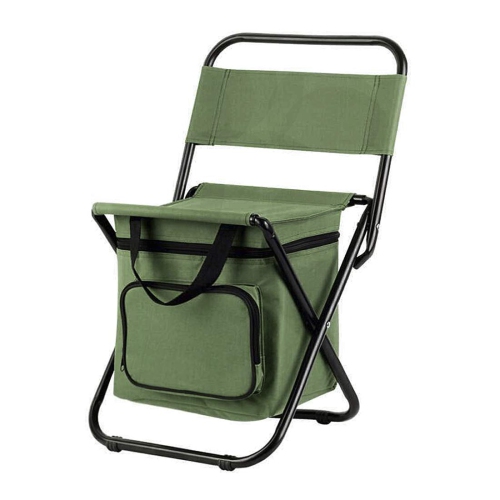
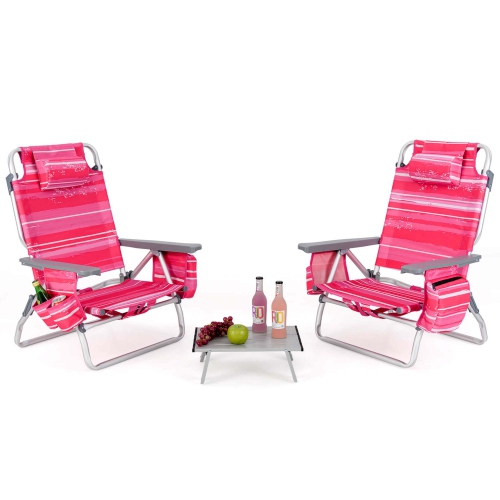
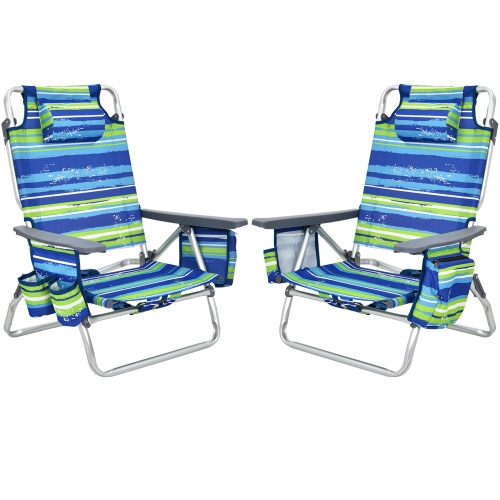
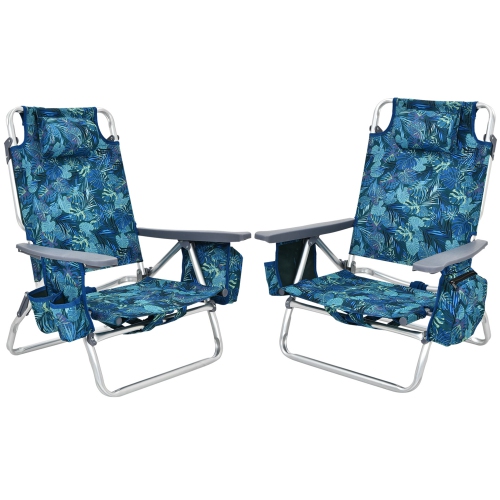

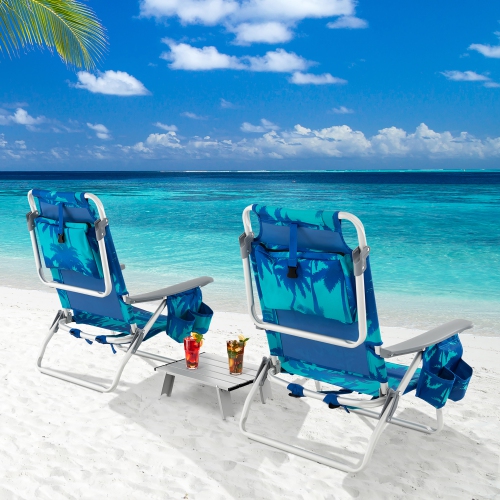
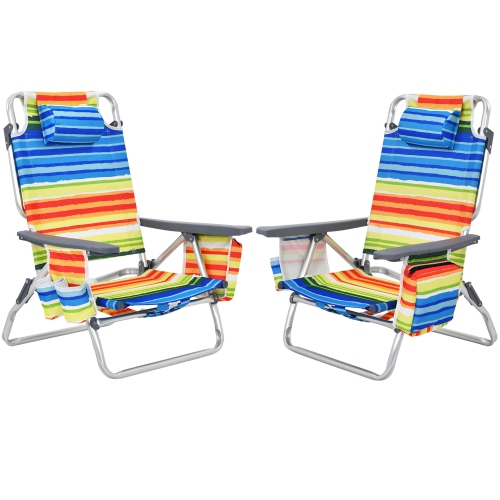
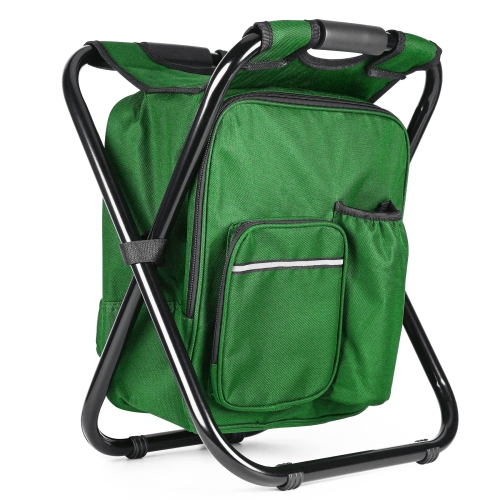
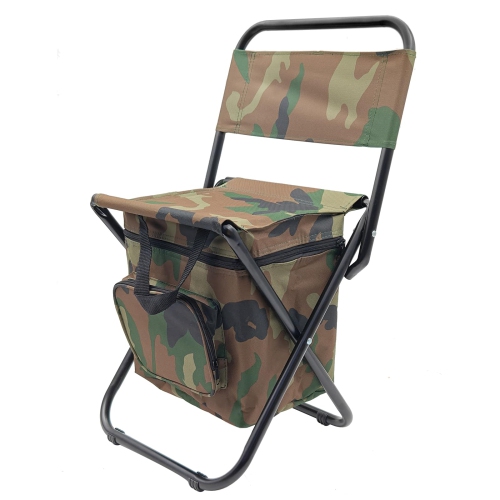
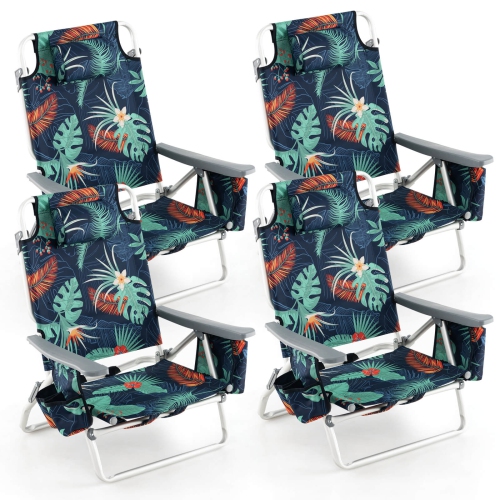
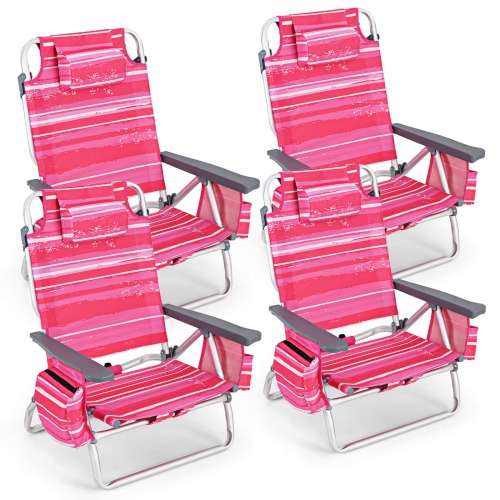
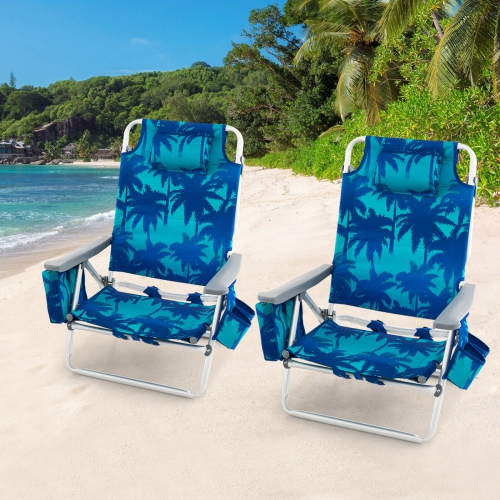
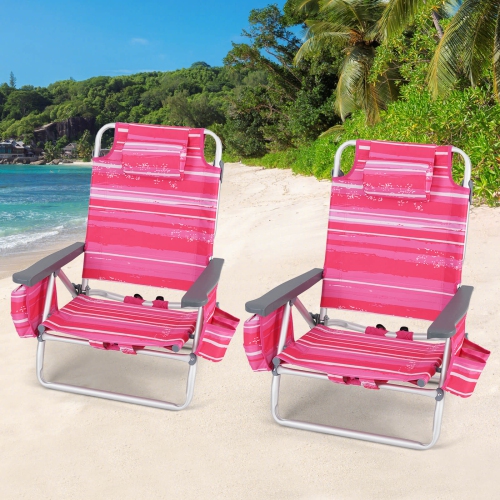
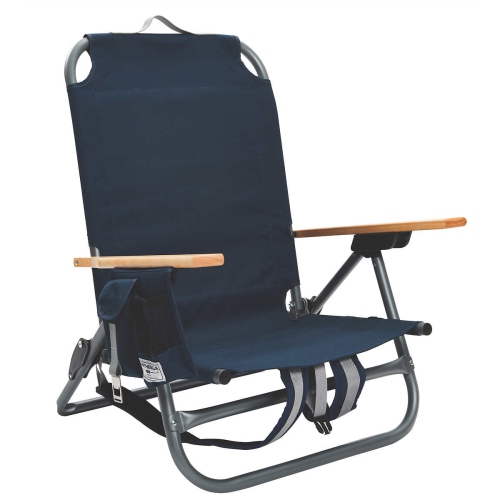
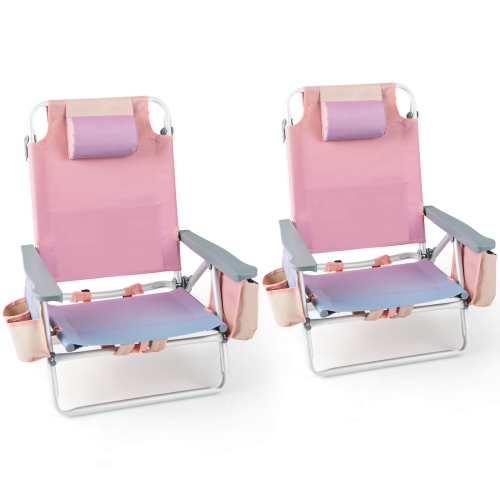
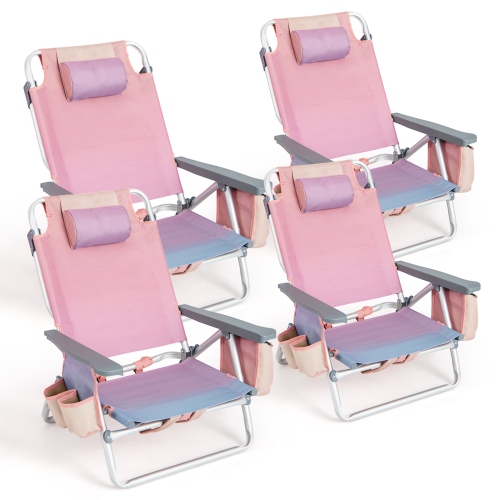
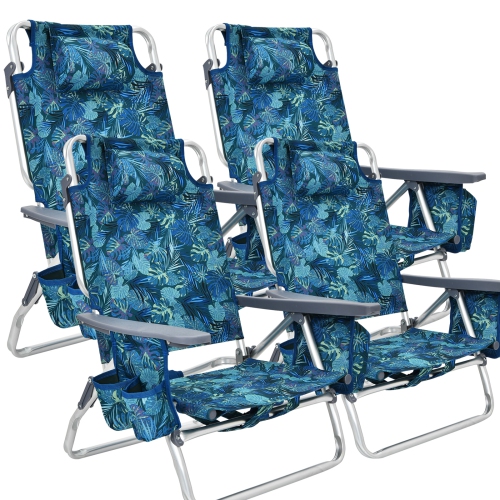
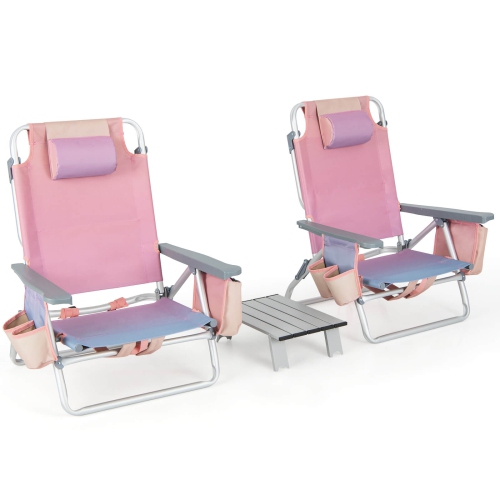
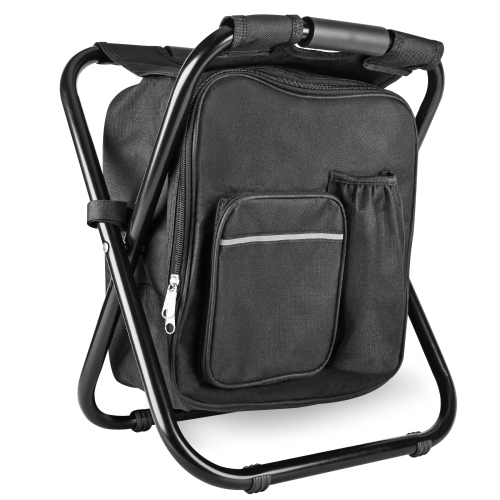
Portable comfort is about more than chair weight
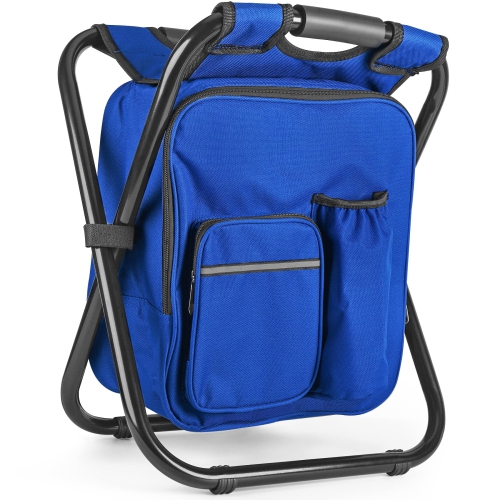
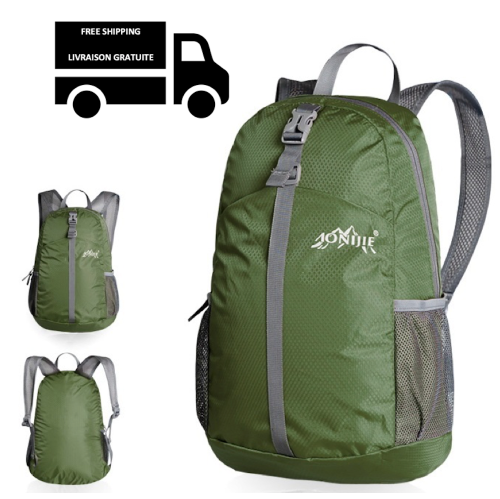
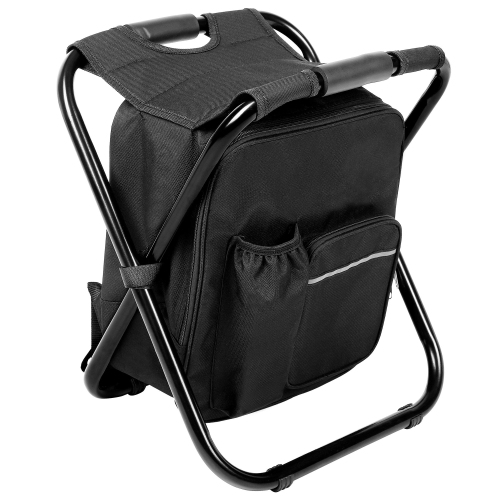
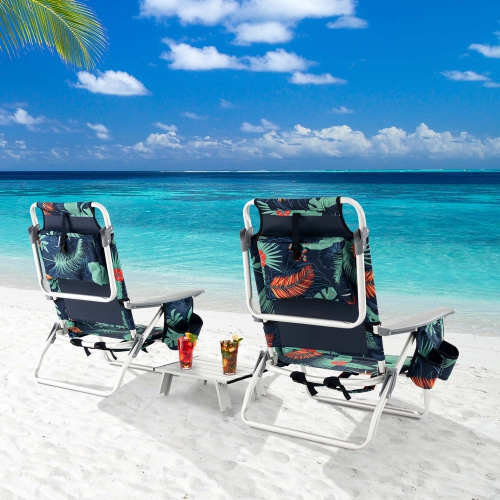
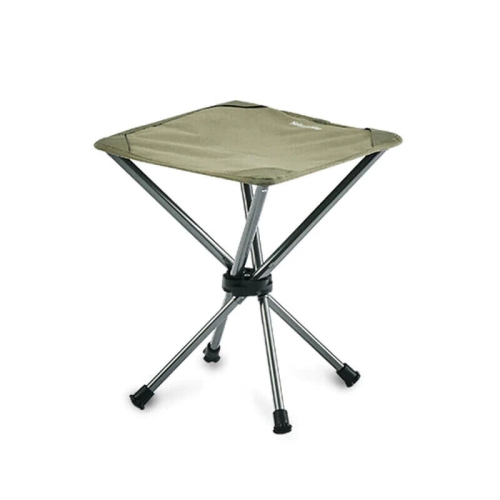
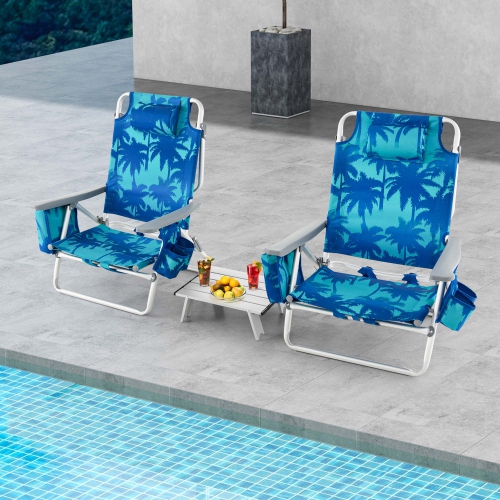
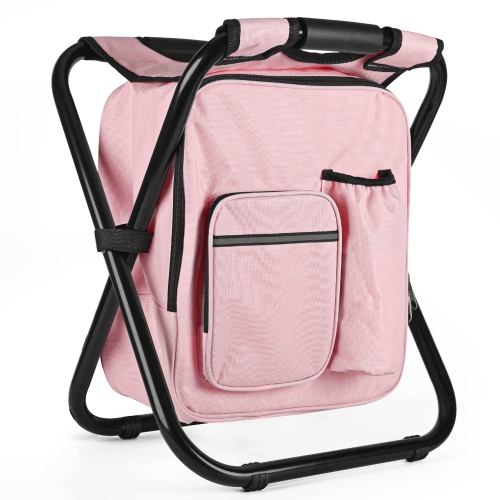
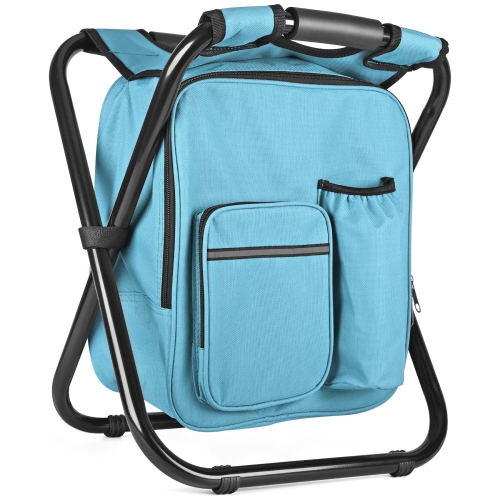
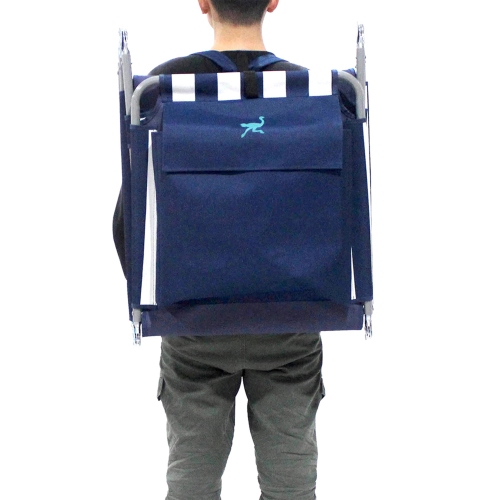
Lightweight backpack chairs are portable folding seats designed to make carrying a place to sit less cumbersome, whether the destination is a walk-in campsite, a shoreline fishing spot, or the edge of a playing field. The term covers two related styles: compact chairs that pack into a bag for carrying inside or attached to a backpack, and folding chairs with built-in shoulder straps that can be worn on the back. Their shared appeal is hands-free transport, but their shapes and intended uses can differ considerably. A small packed chair suits someone fitting a seat alongside food, water, and extra layers, while a larger strap-equipped chair may suit a shorter walk where a wider seat or a taller back matters more than packed size. Carry weight alone does not tell the whole story. A chair that is light but awkwardly shaped can catch on branches or shift against the shoulders, whereas a neatly packed design is easier to manage along a narrow path. The listed packed dimensions, total carrying weight, and carrying method help clarify how a chair will fit into an outing. For longer walks, the weight of the storage bag and any detachable accessories also counts toward the total load. For an afternoon beside a sports field, convenient straps and straightforward folding may be more useful than the smallest possible package. Setup is another practical difference: some chairs open from a folded frame, while others use connected pole sections and a separate fabric seat. Both approaches can work well, but they create different routines when arriving with cold hands, bulky clothing, or other bags to carry. A suitable lightweight backpack chair balances portability with usable support rather than treating low weight as the only priority. The result should be a seat that is manageable on the journey and comfortable enough for the time spent sitting, from a brief trail-side lunch to a leisurely afternoon watching the water.
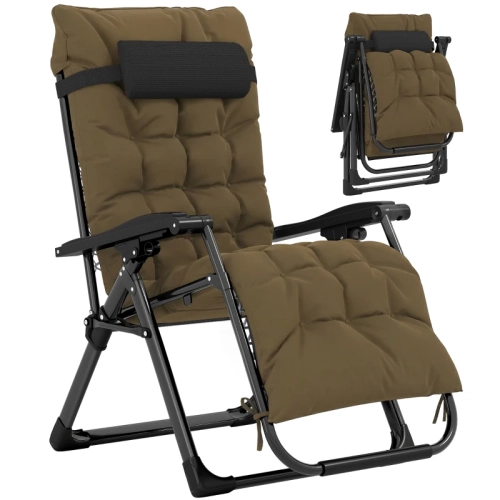
Materials and construction influence how a backpack chair carries, feels, and stands up to repeated use. Aluminium frames are common in portable seating because they can keep weight manageable, while steel components may add weight in exchange for the strength required by a particular design. Neither material alone establishes a chair’s weight capacity; the frame geometry, joints, fabric, and complete construction all matter. The manufacturer’s stated load limit is the relevant reference, and a higher limit does not necessarily mean a wider or more comfortable seat. Polyester and nylon seat fabrics are often used for their practical balance of weight and resistance to everyday wear. Reinforced corners, neatly finished seams, and secure attachment points are useful details because these areas take repeated strain as someone sits down, shifts position, and gets up. Mesh panels allow airflow and can feel pleasant after a walk, though an open seat may feel cooler when the breeze picks up. More enclosed fabric offers a different feel, particularly during the cooler months, without taking the place of suitable clothing. Seat height deserves as much attention as fabric or frame weight. A low chair allows a relaxed position close to the ground, but it can be harder to rise from, especially for someone with stiff knees or limited mobility. Taller seating can make that movement easier, although stability still depends on the complete design and the surface beneath it. Seat width, depth, backrest angle, and the presence of armrests also affect fit. A gently reclined seat may suit quiet breaks, while a more upright position can be practical for eating or watching a match. Anyone wanting more room to stretch out may also find Lightweight Camping Lounge Chairs relevant, with close attention to their packed size and carrying style. Small details such as a reachable pocket or a cup holder can make sitting more convenient, but accessories should not interfere with folding or create an awkward load during the walk.
Intended use is especially important once a chair leaves a smooth patio or level campsite. Narrow feet may press into soft soil or sand, while uneven ground can leave a frame poorly supported. A firm, level position with all feet properly planted gives the chair its best footing; compatible ground sheets or wider foot accessories may help on softer surfaces when the manufacturer permits their use. Lightweight seating is not a substitute for a step stool, and leaning back onto two legs can place strain on joints that are meant to share the load across the frame. For campers, anglers, outdoor spectators, and people who enjoy a quiet picnic, these everyday details often matter more than an elaborate feature list. A chair carried between a parking area and a field needs to sit securely on the shoulders, while one tucked into hiking gear needs a packed shape that leaves room for other essentials. As a gift, a backpack chair is most useful when its carrying style and seat height match the recipient’s habits and physical comfort. Someone who walks to a favourite lookout may value compact storage; someone spending hours beside a pitch may prefer armrests and a more supportive backrest. Care is generally straightforward, but the fabric and frame instructions should always take priority. Brushing away loose dirt before packing helps keep grit out of folds and joints. Sand deserves particular attention around hinges and pole connections, where trapped particles can make assembly rougher over time. Where permitted, mild soap, water, and a soft cloth can remove ordinary marks without harsh scrubbing. Fabric and frame parts should dry fully before storage to help prevent musty odours and corrosion on vulnerable components. Keeping the chair away from direct heat, checking for loose fittings or damaged stitching, and storing all pieces together helps preserve its usefulness between outings. With suitable fit, sensible handling, and routine care, a lightweight backpack chair can make a welcome pause part of the plan without making the trip unnecessarily cumbersome.
Materials and construction influence how a backpack chair carries, feels, and stands up to repeated use. Aluminium frames are common in portable seating because they can keep weight manageable, while steel components may add weight in exchange for the strength required by a particular design. Neither material alone establishes a chair’s weight capacity; the frame geometry, joints, fabric, and complete construction all matter. The manufacturer’s stated load limit is the relevant reference, and a higher limit does not necessarily mean a wider or more comfortable seat. Polyester and nylon seat fabrics are often used for their practical balance of weight and resistance to everyday wear. Reinforced corners, neatly finished seams, and secure attachment points are useful details because these areas take repeated strain as someone sits down, shifts position, and gets up. Mesh panels allow airflow and can feel pleasant after a walk, though an open seat may feel cooler when the breeze picks up. More enclosed fabric offers a different feel, particularly during the cooler months, without taking the place of suitable clothing. Seat height deserves as much attention as fabric or frame weight. A low chair allows a relaxed position close to the ground, but it can be harder to rise from, especially for someone with stiff knees or limited mobility. Taller seating can make that movement easier, although stability still depends on the complete design and the surface beneath it. Seat width, depth, backrest angle, and the presence of armrests also affect fit. A gently reclined seat may suit quiet breaks, while a more upright position can be practical for eating or watching a match. Anyone wanting more room to stretch out may also find Lightweight Camping Lounge Chairs relevant, with close attention to their packed size and carrying style. Small details such as a reachable pocket or a cup holder can make sitting more convenient, but accessories should not interfere with folding or create an awkward load during the walk.
Intended use is especially important once a chair leaves a smooth patio or level campsite. Narrow feet may press into soft soil or sand, while uneven ground can leave a frame poorly supported. A firm, level position with all feet properly planted gives the chair its best footing; compatible ground sheets or wider foot accessories may help on softer surfaces when the manufacturer permits their use. Lightweight seating is not a substitute for a step stool, and leaning back onto two legs can place strain on joints that are meant to share the load across the frame. For campers, anglers, outdoor spectators, and people who enjoy a quiet picnic, these everyday details often matter more than an elaborate feature list. A chair carried between a parking area and a field needs to sit securely on the shoulders, while one tucked into hiking gear needs a packed shape that leaves room for other essentials. As a gift, a backpack chair is most useful when its carrying style and seat height match the recipient’s habits and physical comfort. Someone who walks to a favourite lookout may value compact storage; someone spending hours beside a pitch may prefer armrests and a more supportive backrest. Care is generally straightforward, but the fabric and frame instructions should always take priority. Brushing away loose dirt before packing helps keep grit out of folds and joints. Sand deserves particular attention around hinges and pole connections, where trapped particles can make assembly rougher over time. Where permitted, mild soap, water, and a soft cloth can remove ordinary marks without harsh scrubbing. Fabric and frame parts should dry fully before storage to help prevent musty odours and corrosion on vulnerable components. Keeping the chair away from direct heat, checking for loose fittings or damaged stitching, and storing all pieces together helps preserve its usefulness between outings. With suitable fit, sensible handling, and routine care, a lightweight backpack chair can make a welcome pause part of the plan without making the trip unnecessarily cumbersome.
Top selling and popular products
-
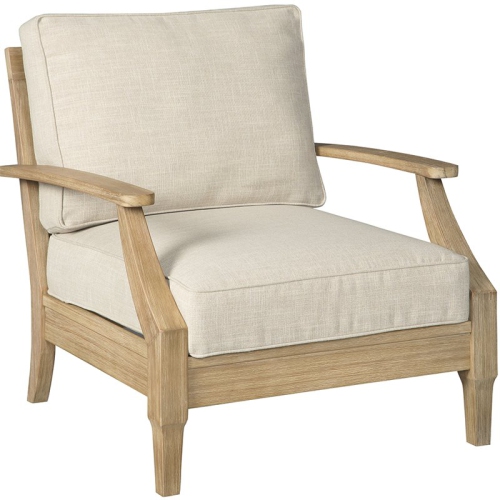 Your price for this item is $1227.67
 -
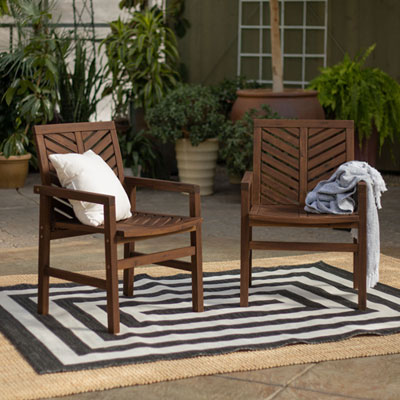 Your price for this item is $604.99
 -
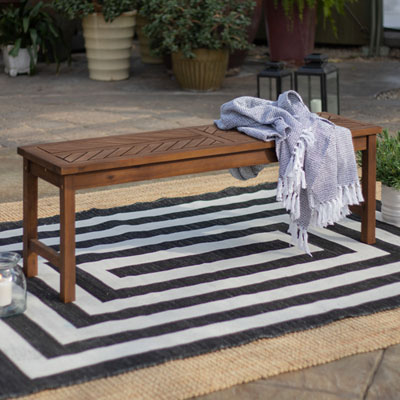 Your price for this item is $371.99
 -
 Your price for this item is $189.99
 -
 Your price for this item is $204.99
 -
 Your price for this item is $461.99
 -
 Your price for this item is $170.99
 -
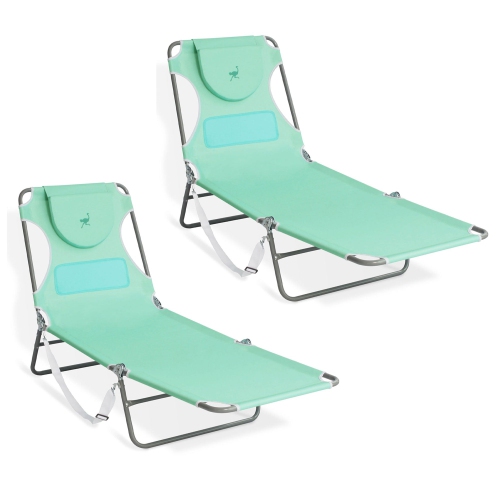 Your price for this item is $392.99
Discover more categories related to Lightweight Backpack Chairs
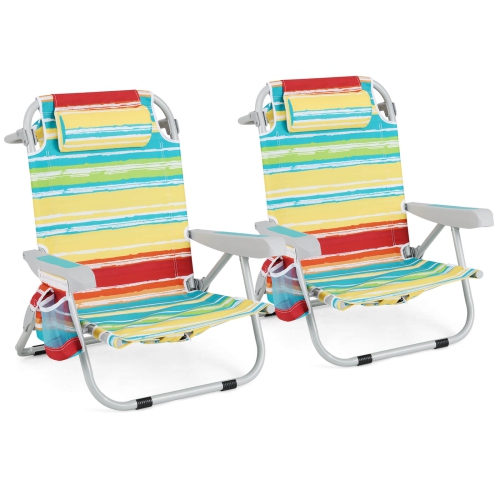
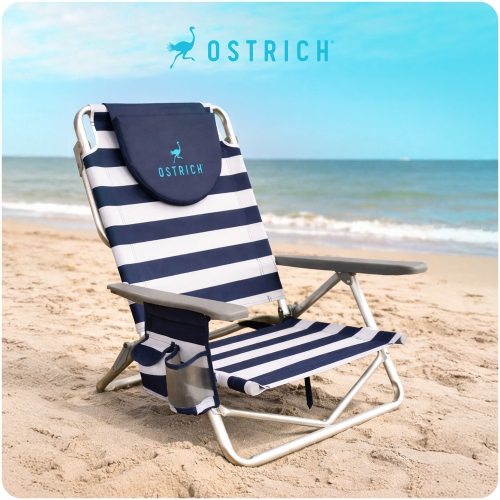
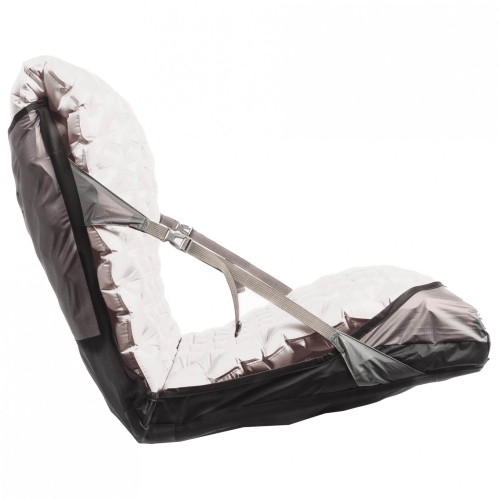
Top Collections:
Pokemon Centers, Kindle Devices, Best Budget Office Chairs, Apple iPhones 16, Best Laptops for Writers, iPhone 15 Apple, Canon G7X Cameras, Refurbished Apple Laptops, Alarm Clock, Motorola Razr Phones
Some products may be subject to Environmental Handling Fees
(EHF) depending on your province.
Learn more about EHFs.