Backyard Play Ideas
Transform your backyard into a haven of fun and adventure with our curated collection of backyard play ideas. From imaginative outdoor games to stimulating activities for kids of all ages, these creative suggestions will help you create an exciting outdoor space that encourages play and exploration. Whether you're looking to inspire active play, foster creativity, or simply enjoy quality time with family and friends in the fresh air, these backyard play ideas are sure to elevate your outdoor experience to new heights.
Sort
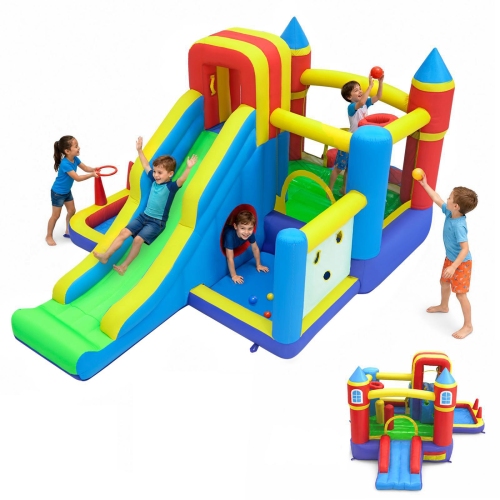
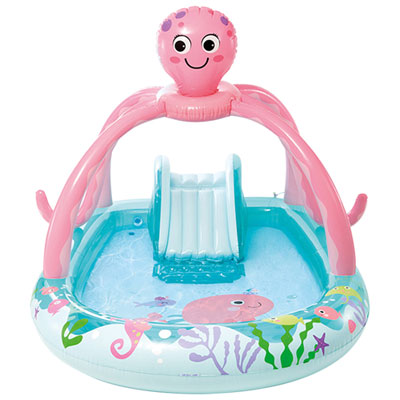
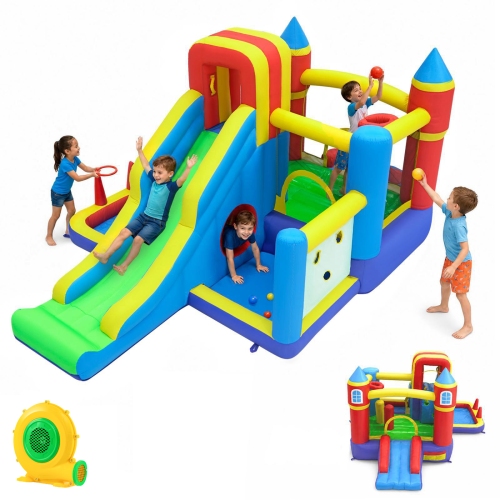
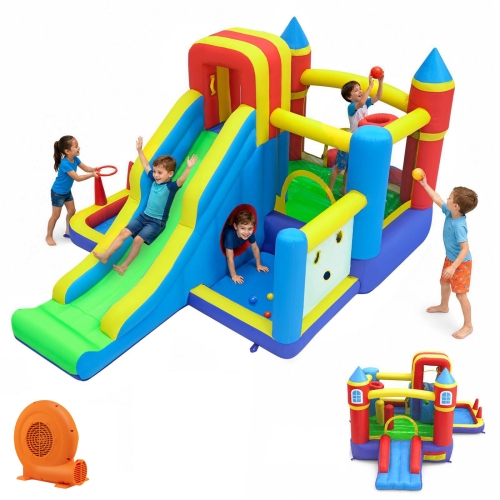
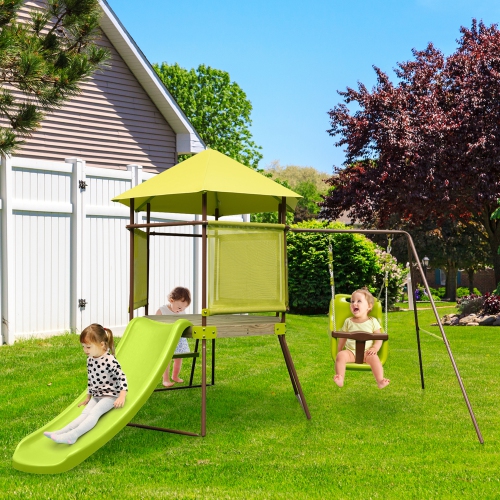
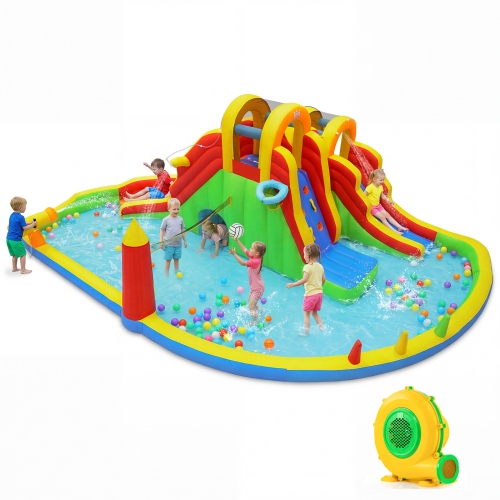
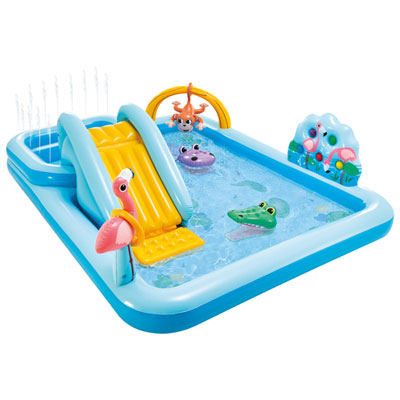
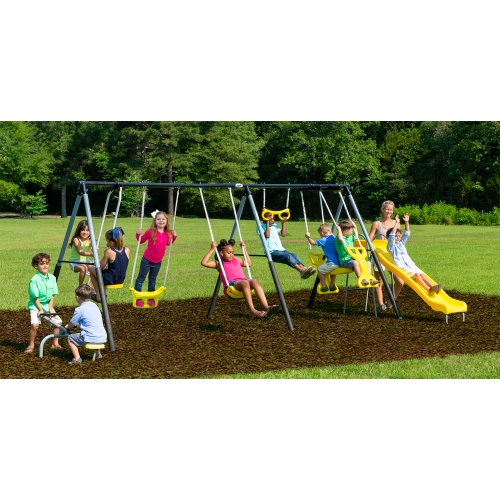

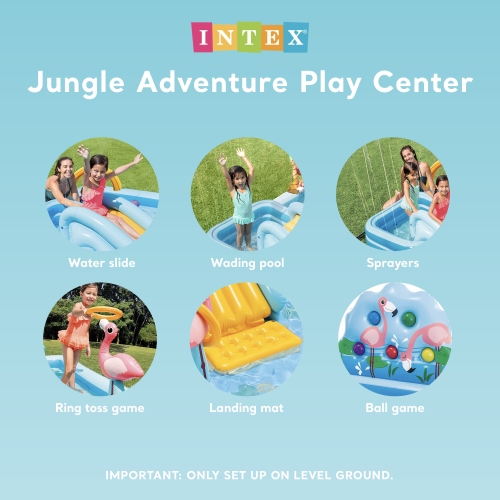
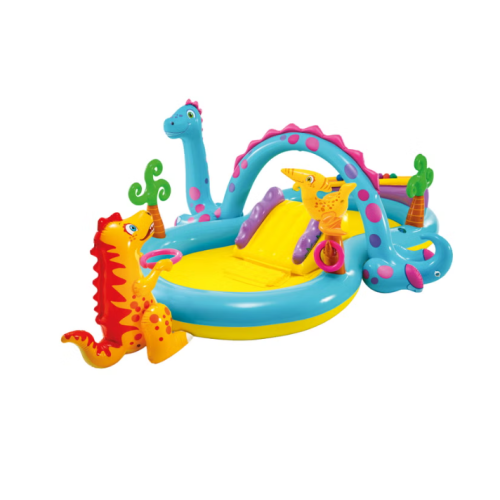
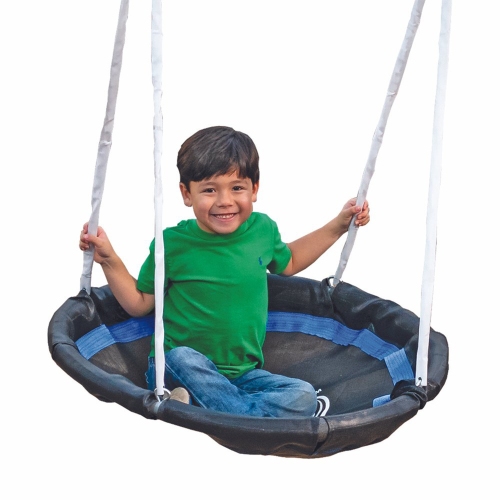

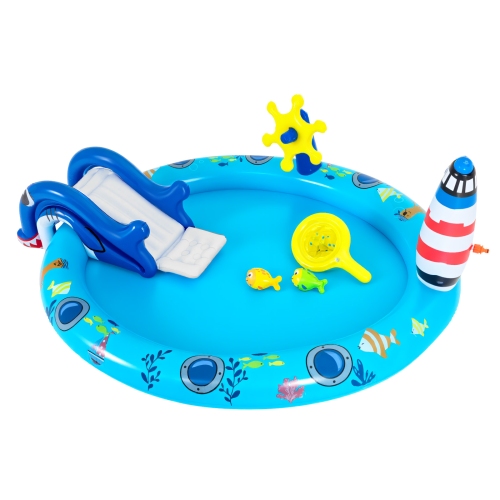


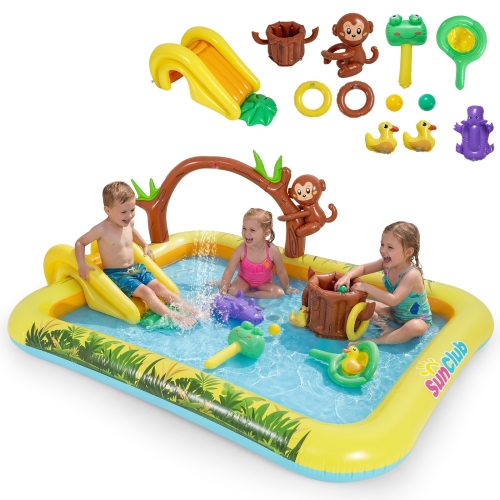
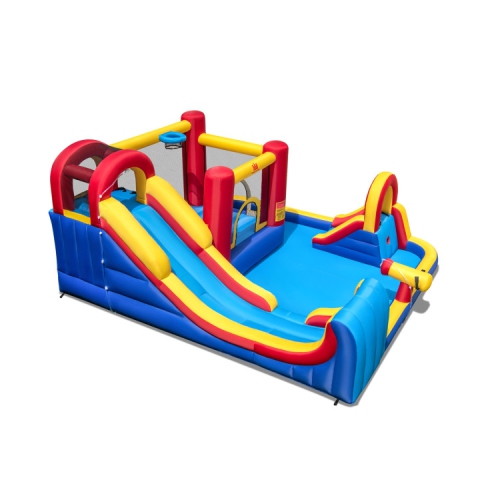


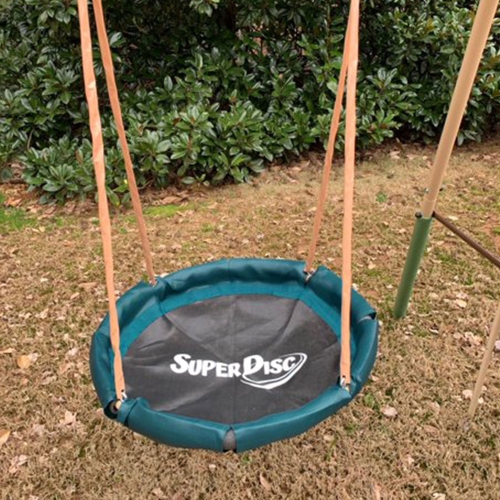

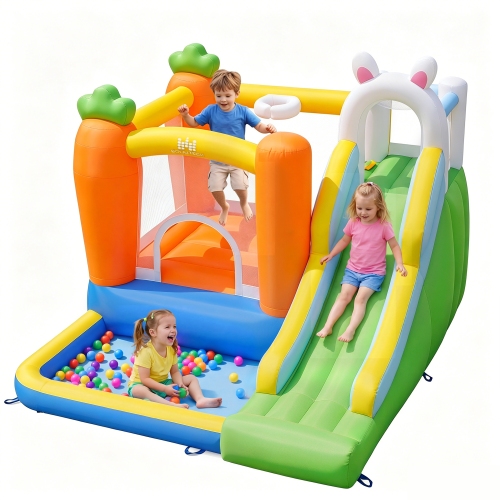

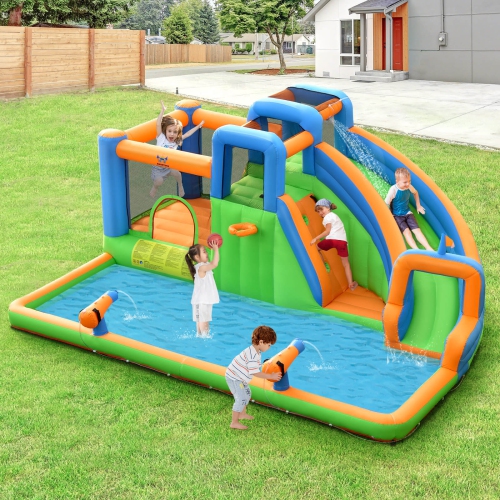
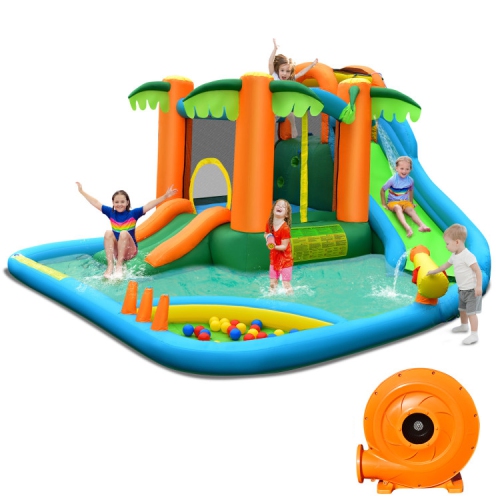
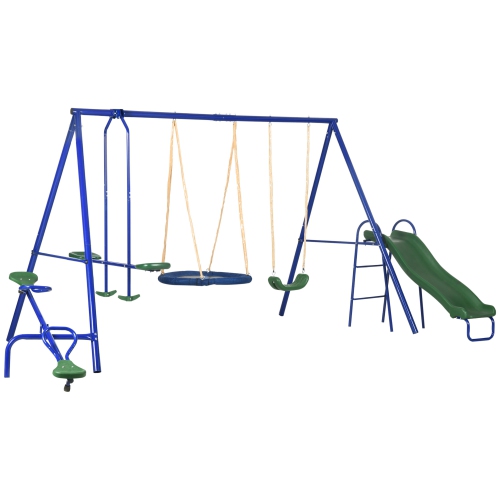

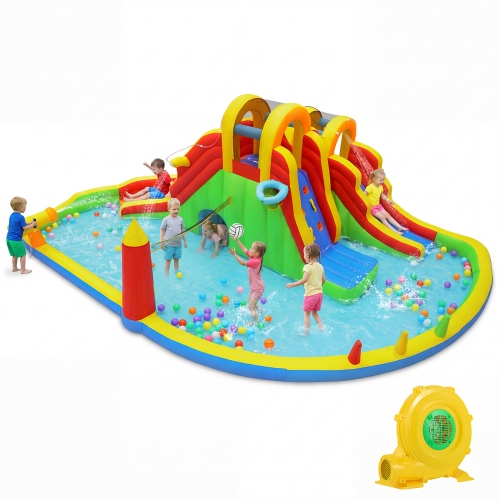
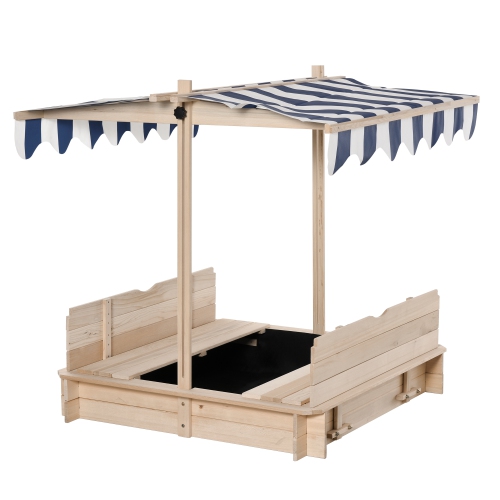
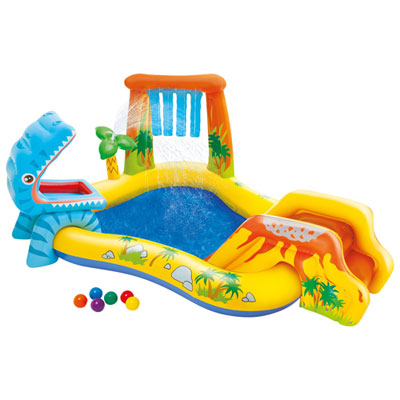
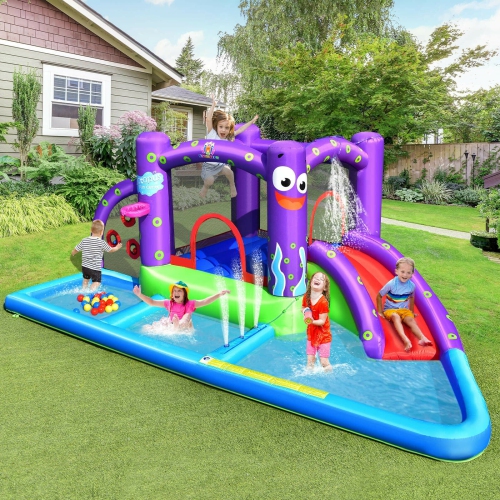

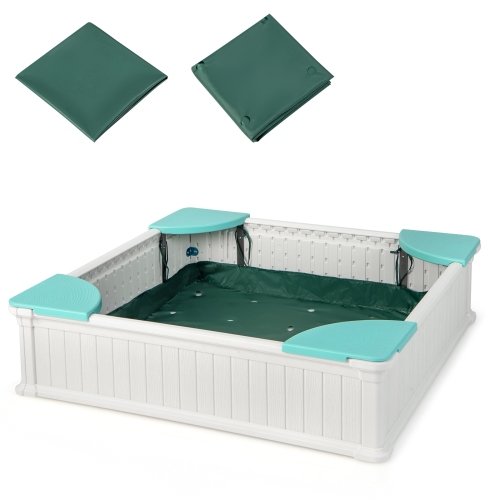
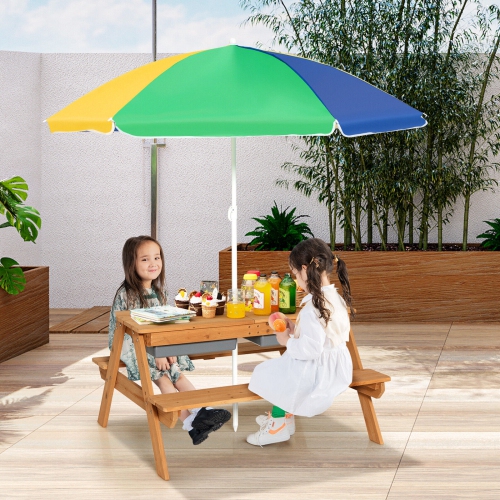
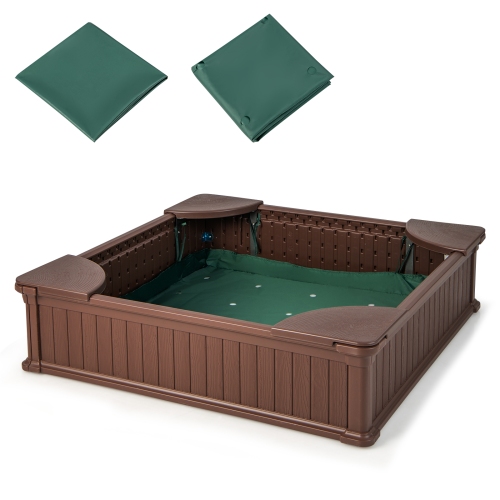
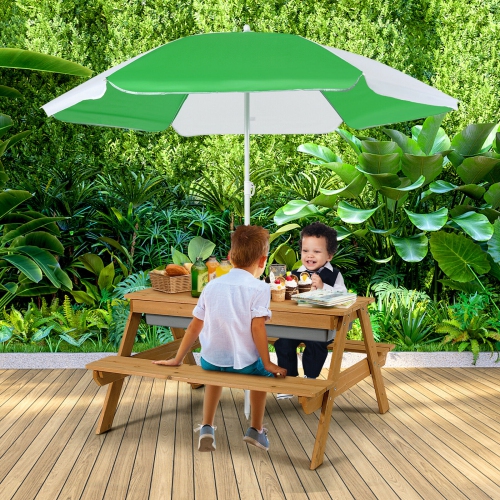
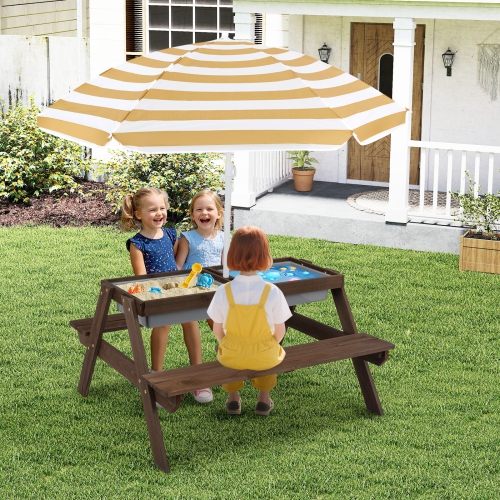
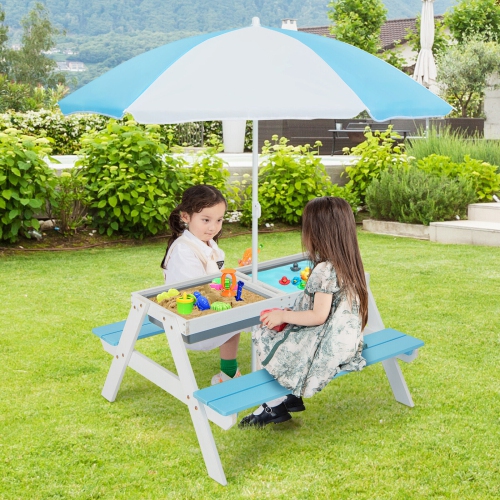
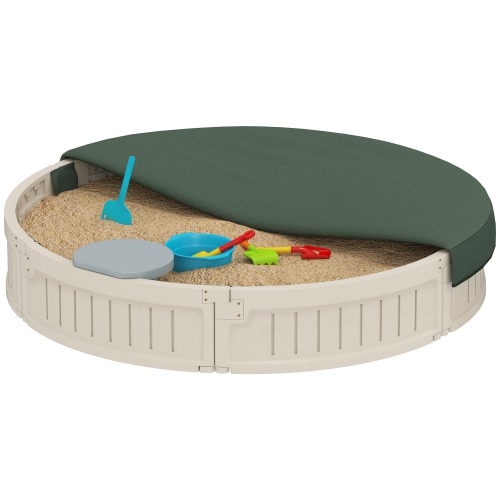
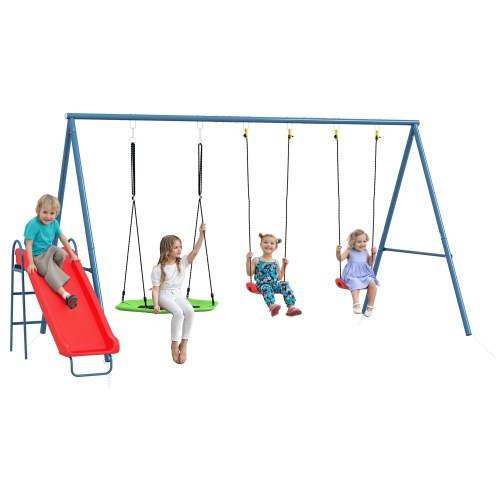
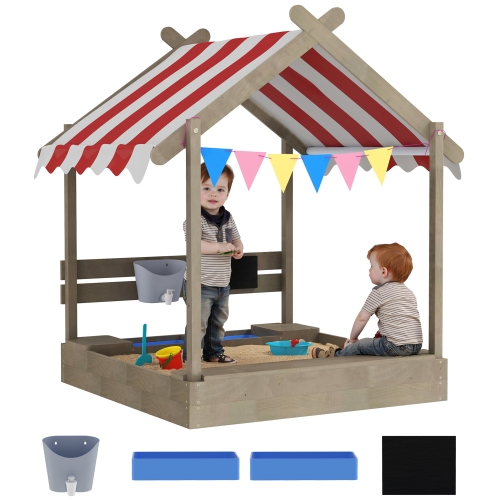

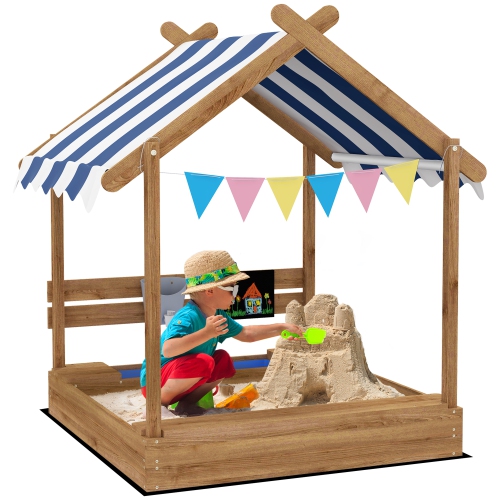
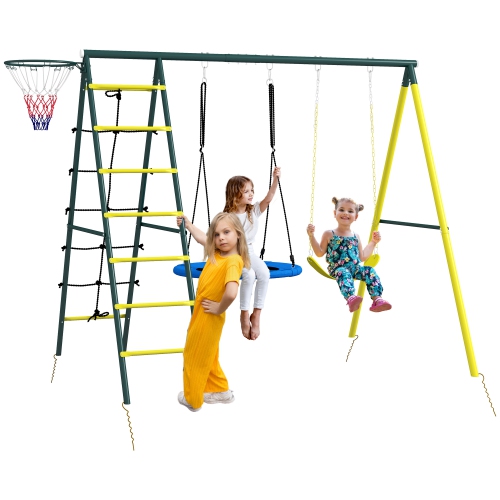
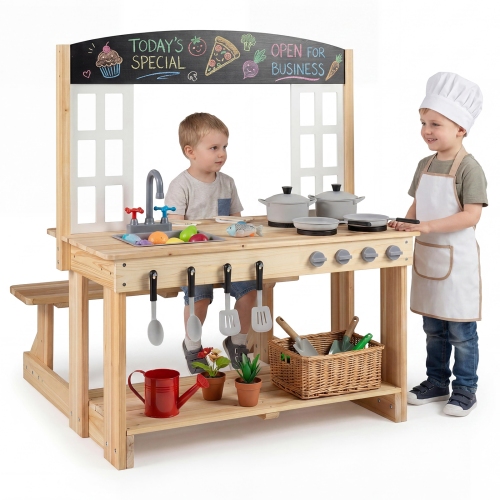
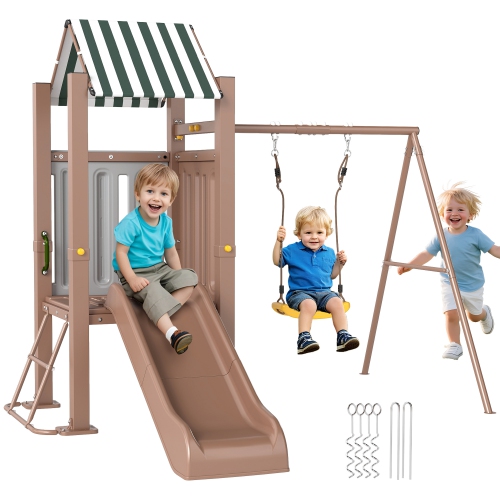
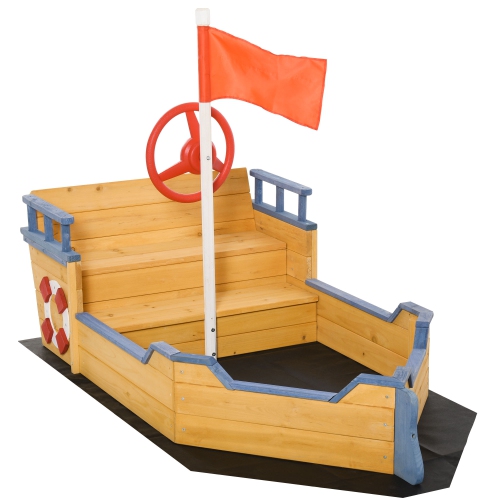
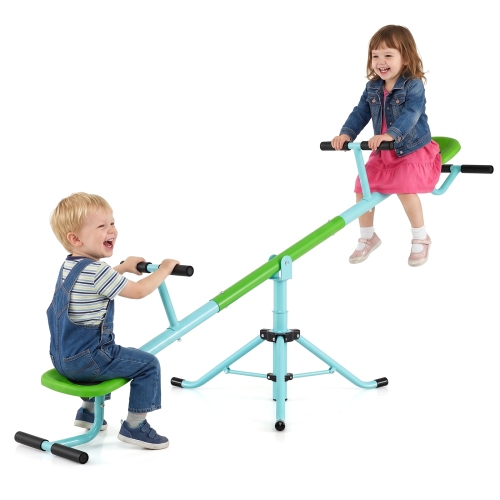
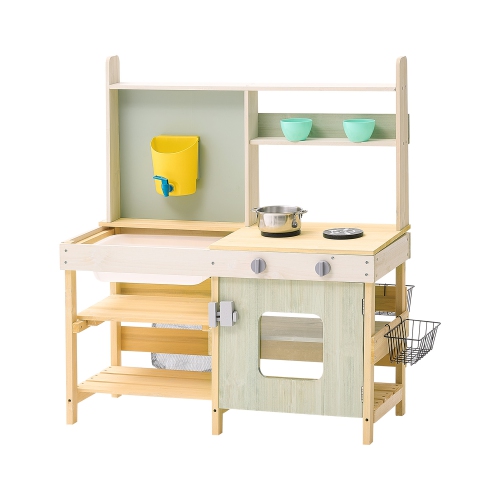

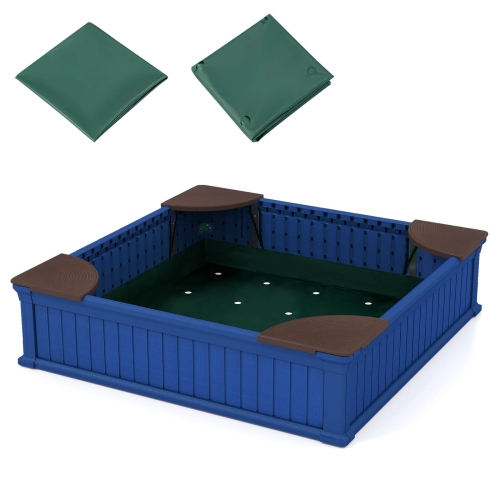
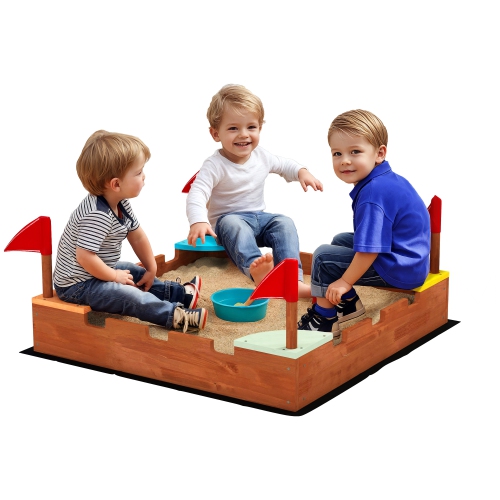
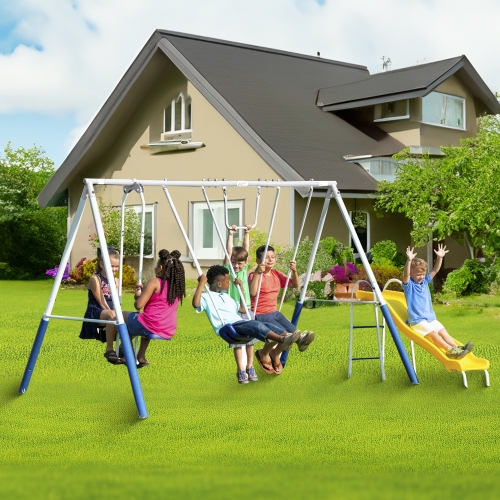
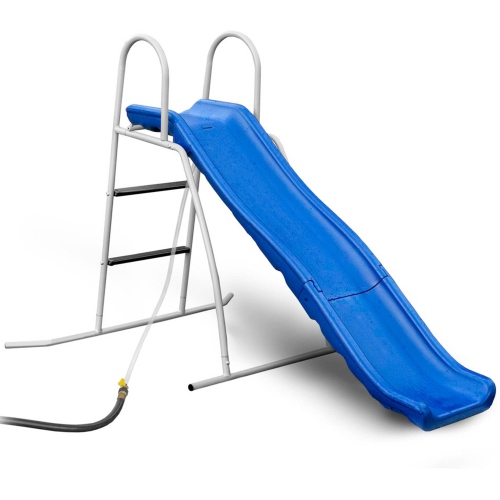


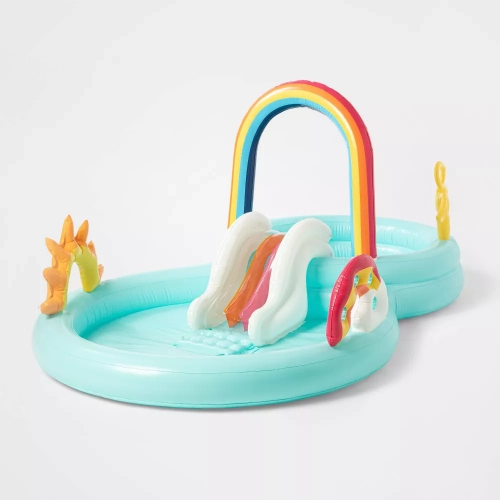
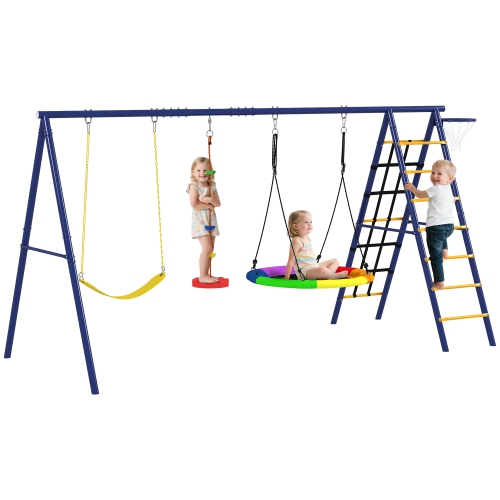


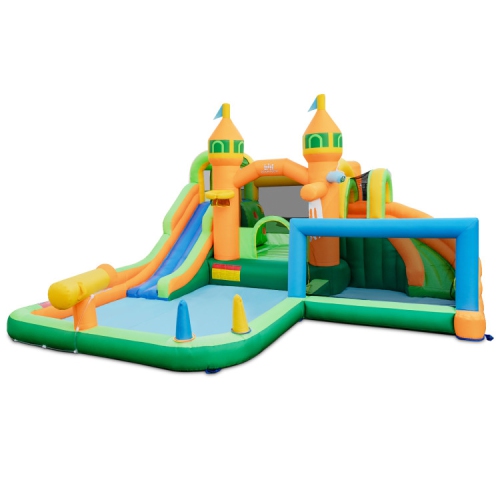

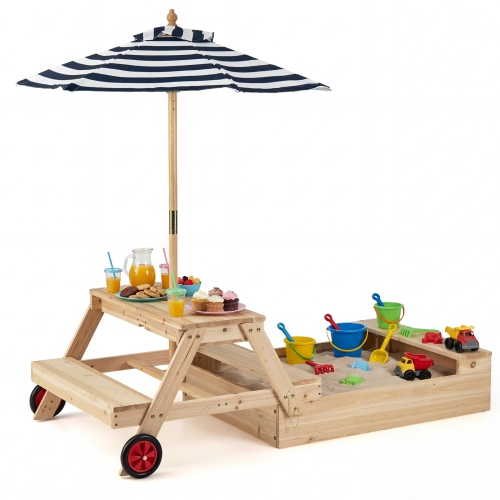

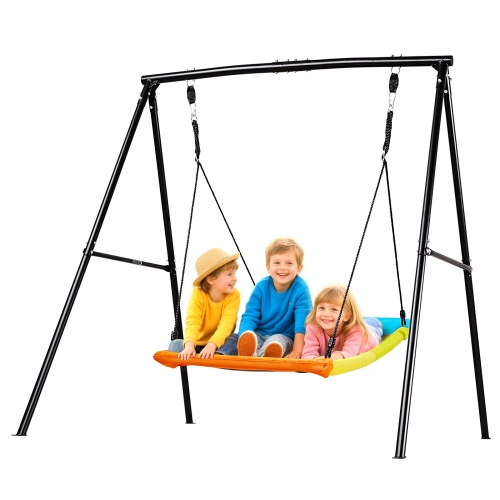

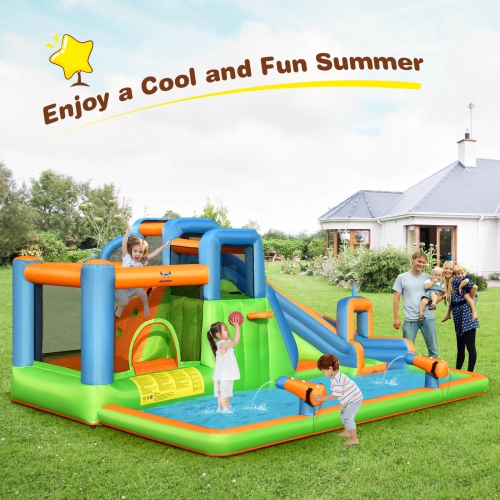


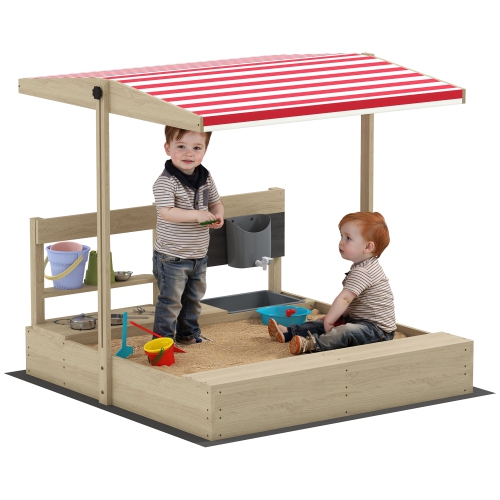
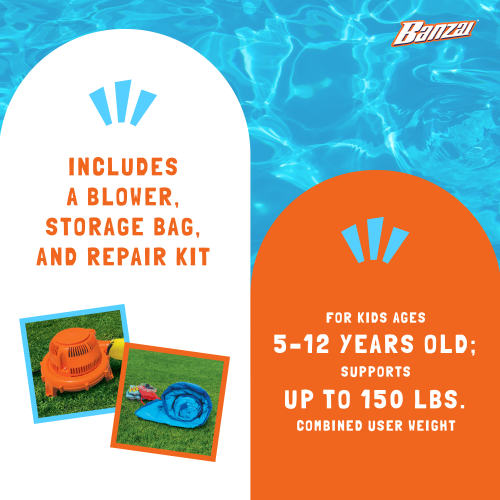
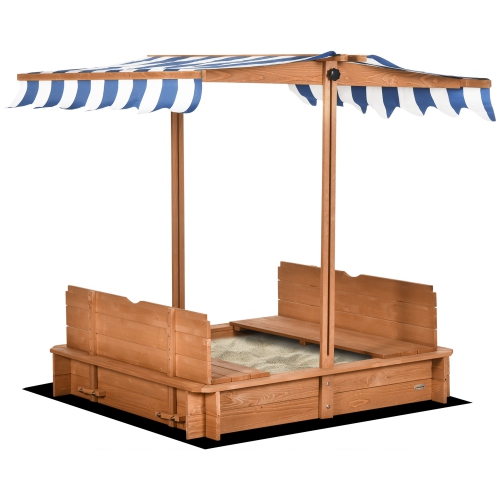


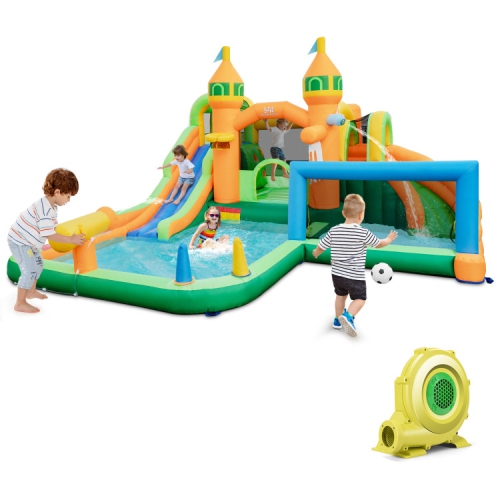
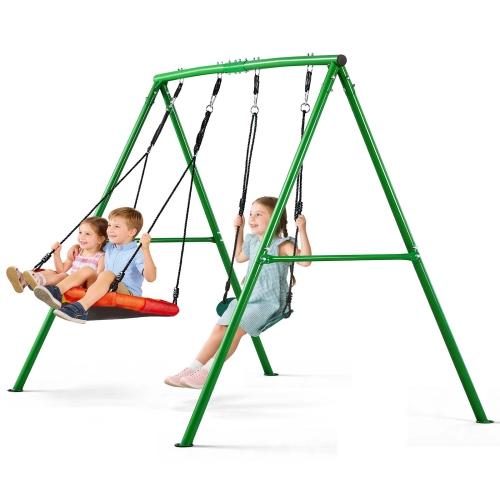


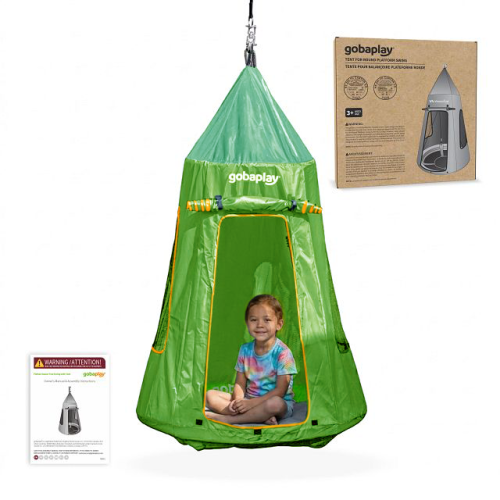

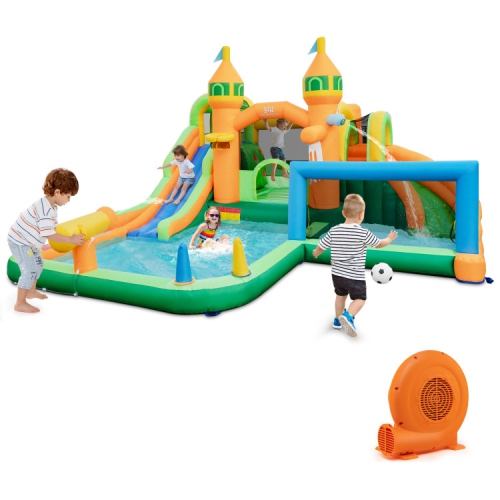
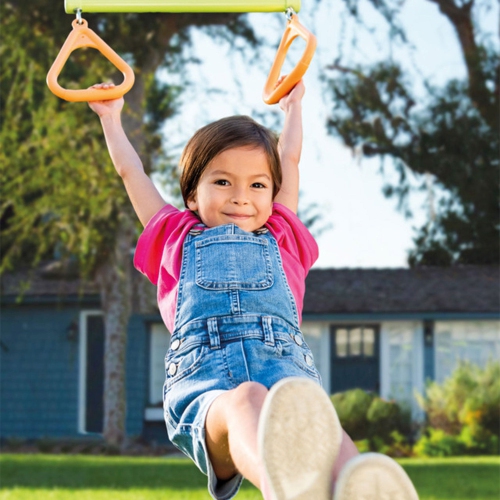


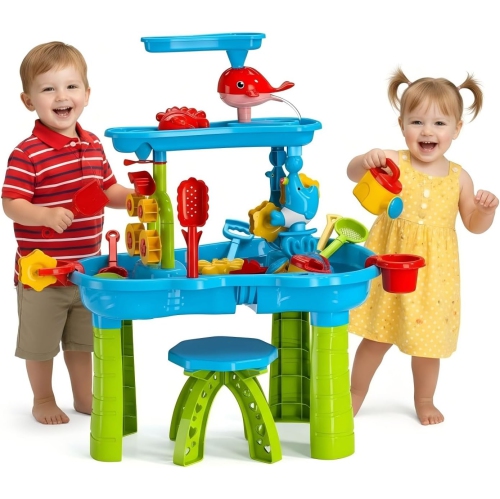
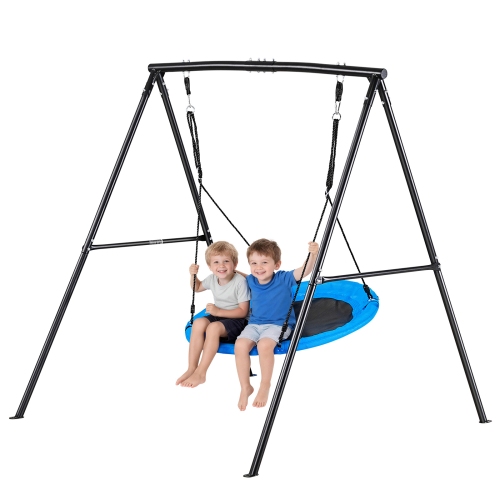
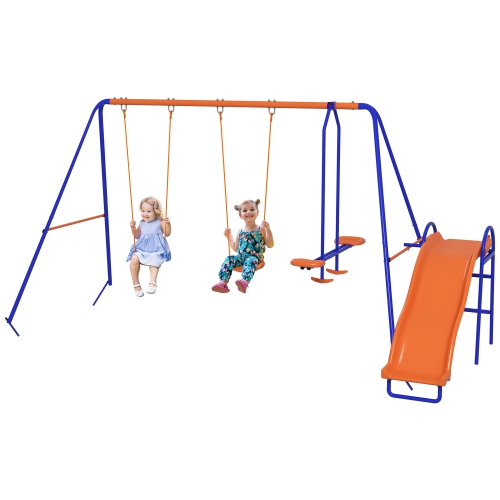
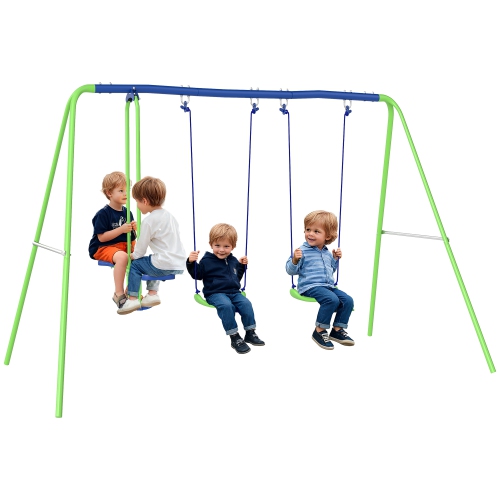

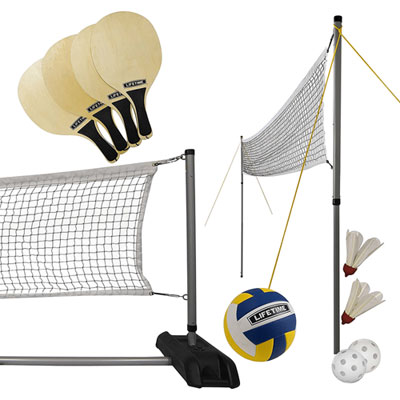
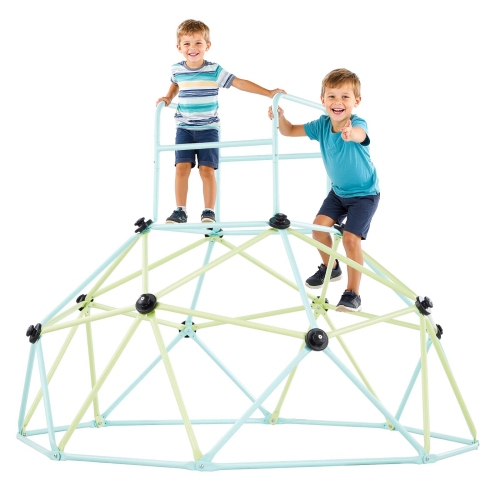

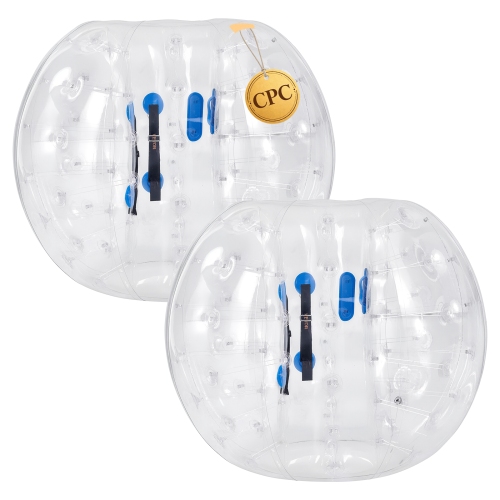
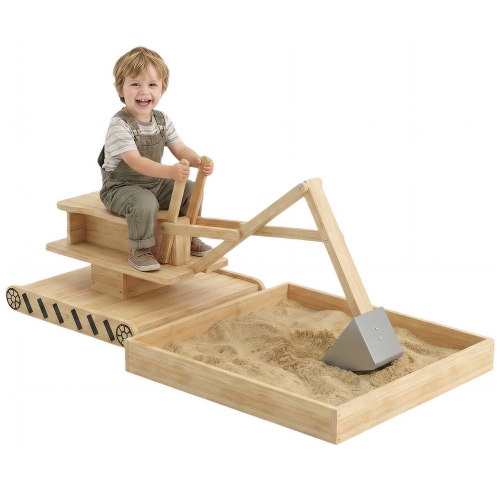

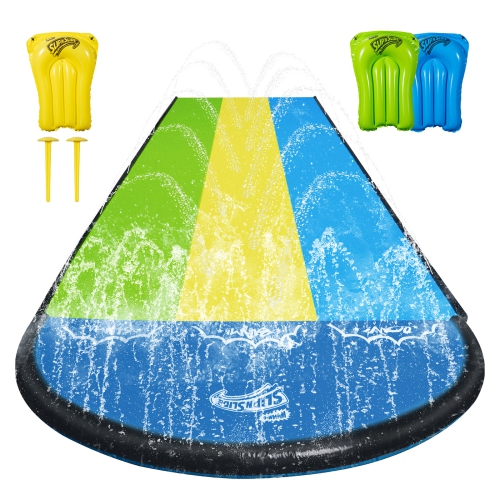
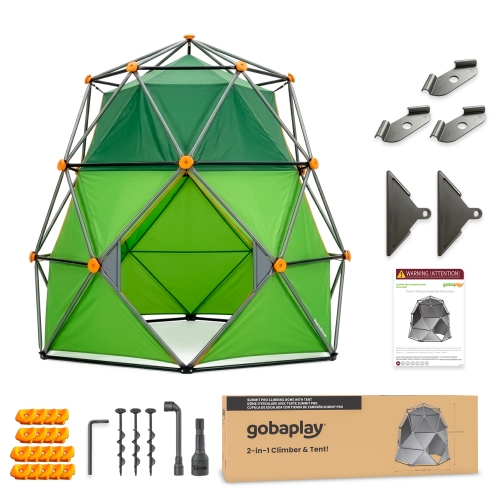

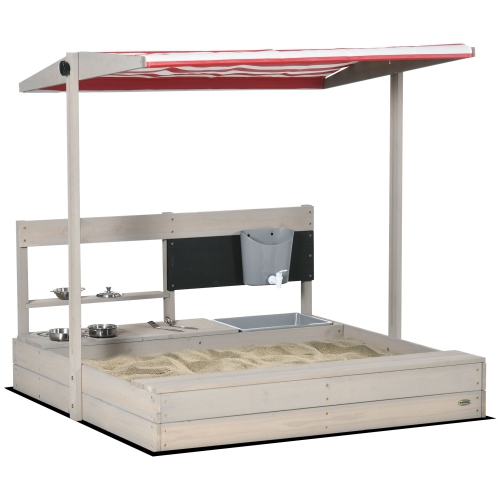
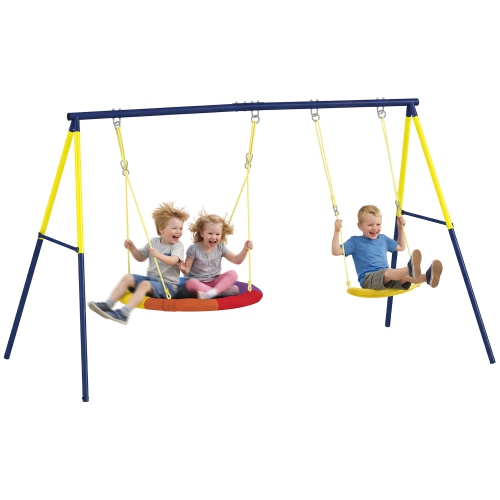

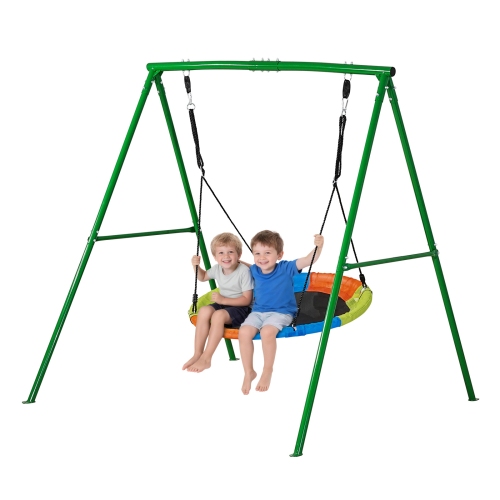
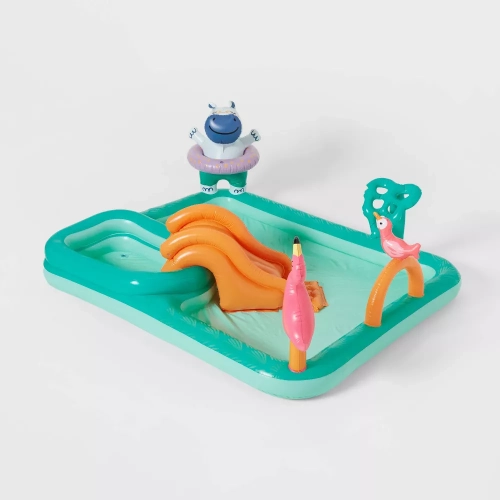

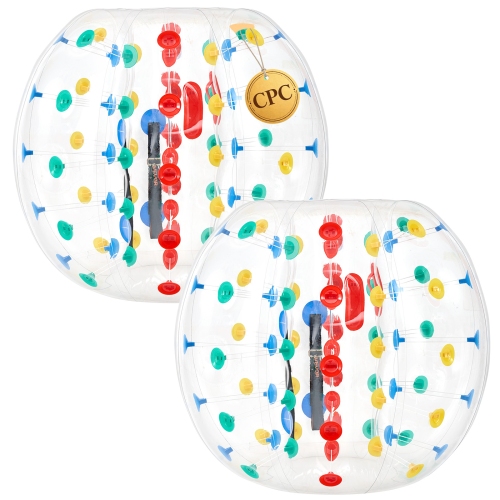
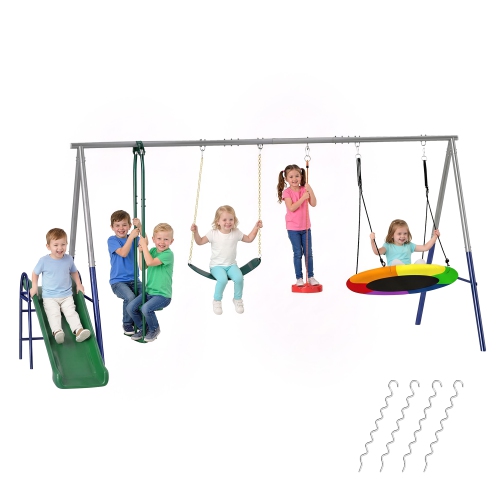
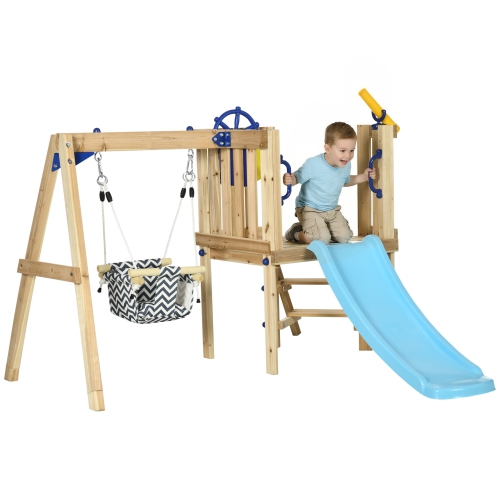


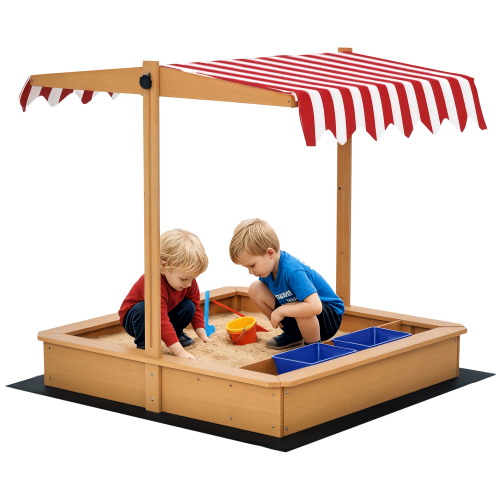
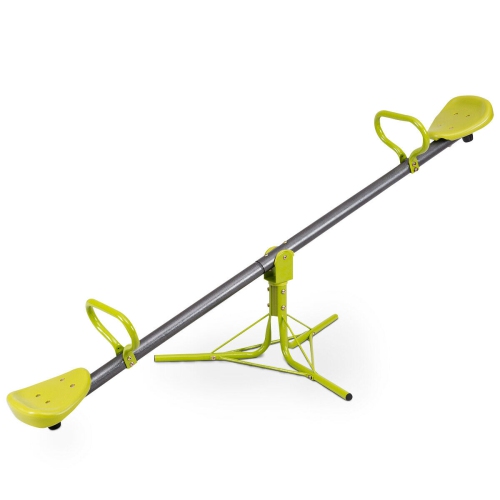
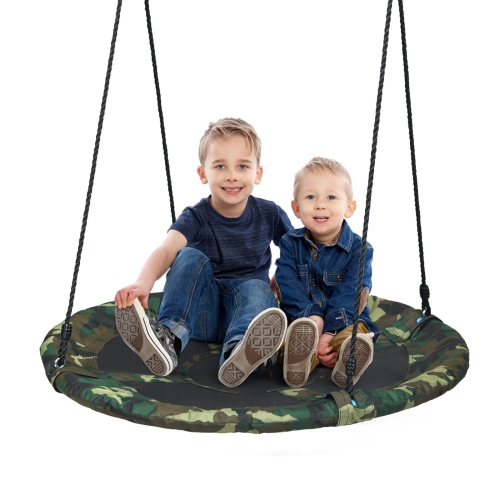
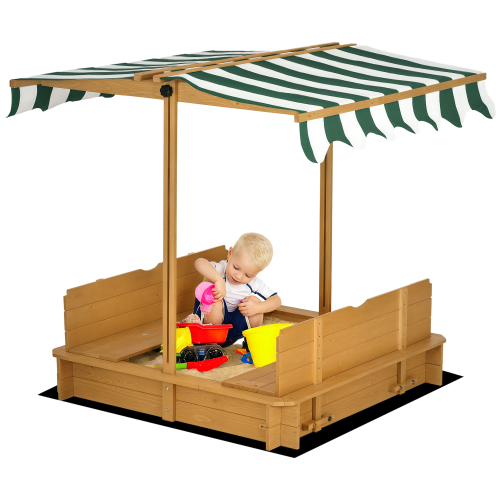
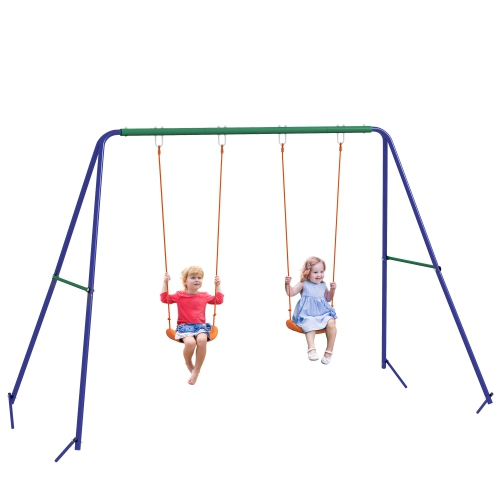
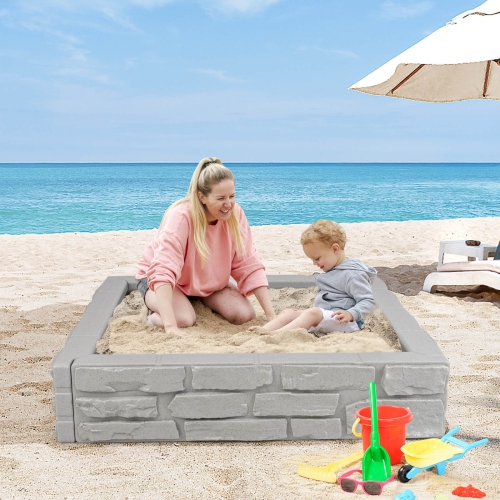




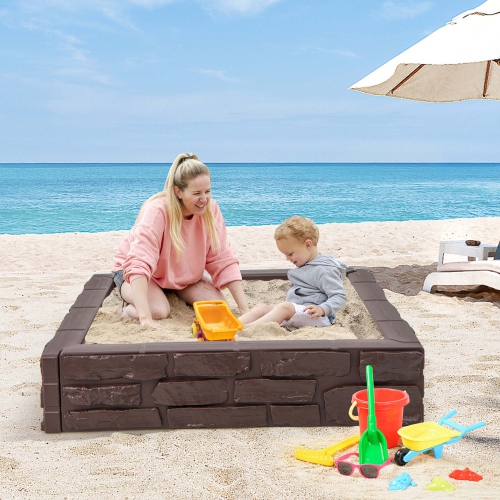


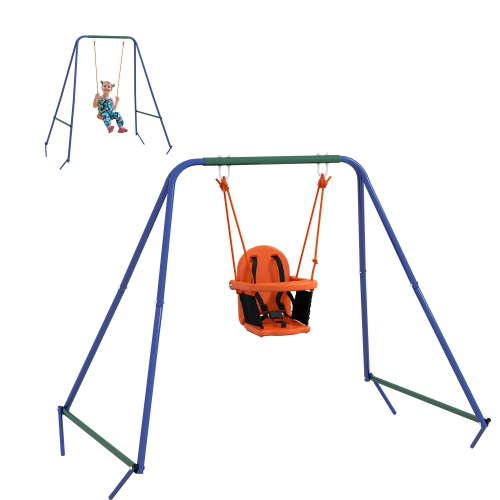
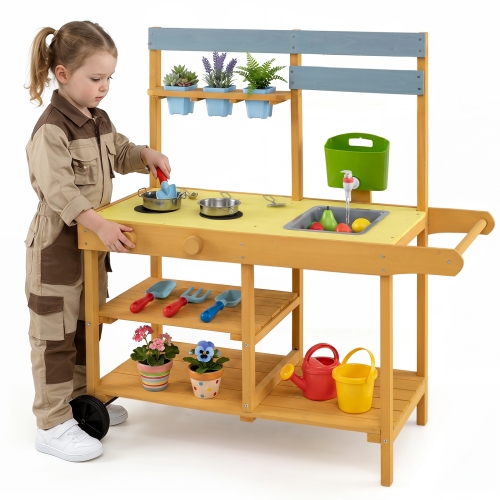
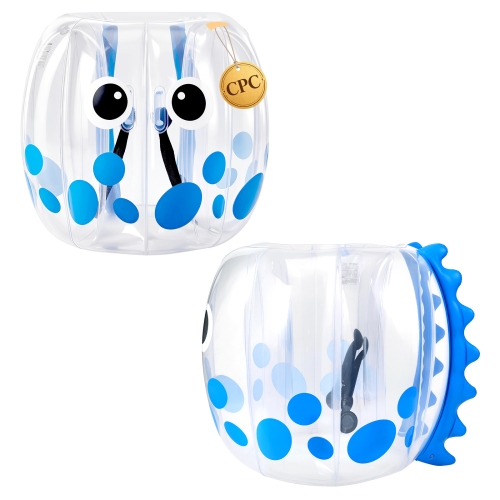
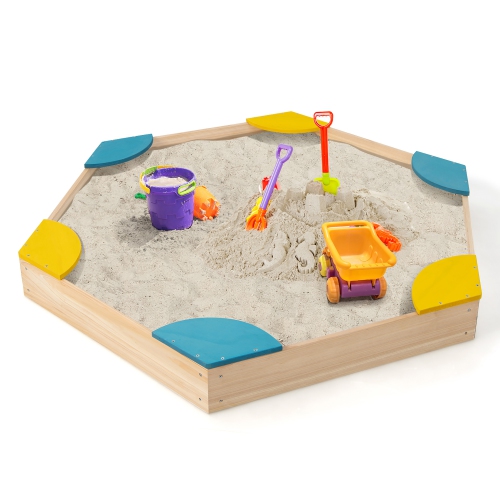
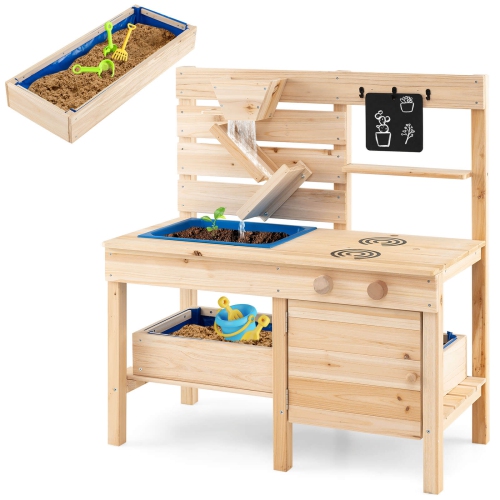
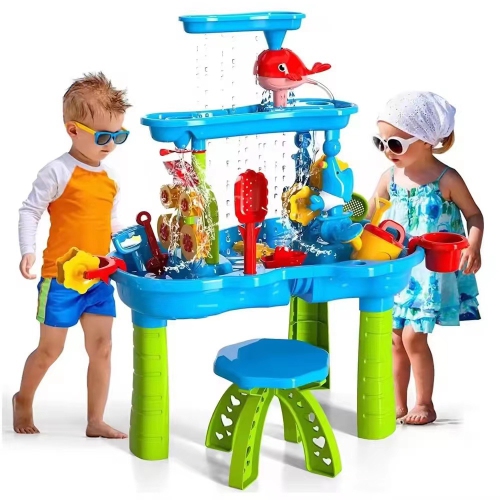
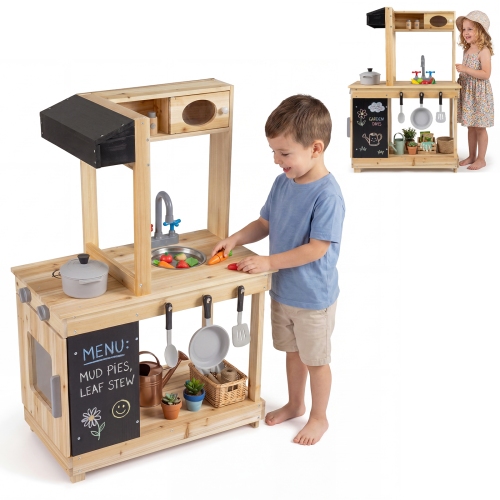
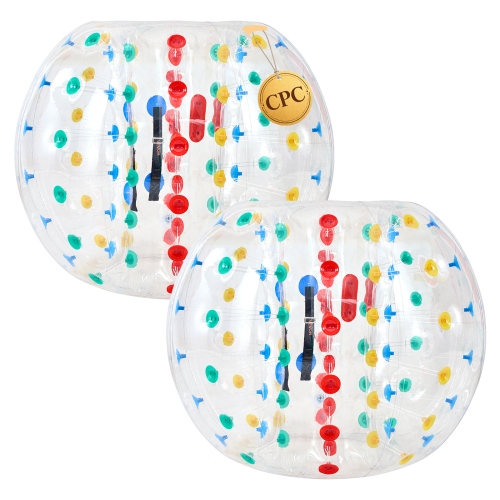
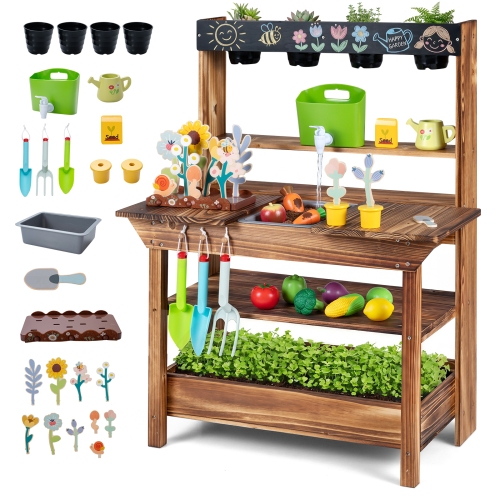
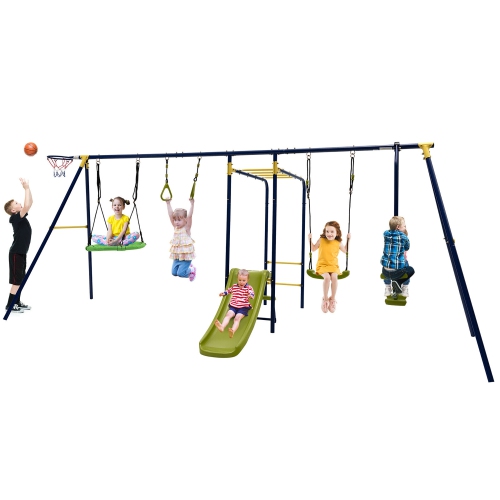
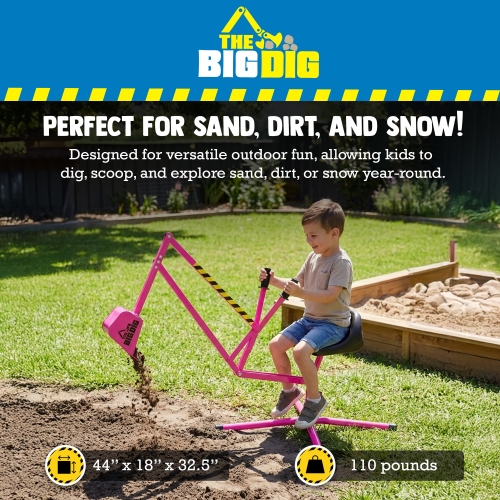
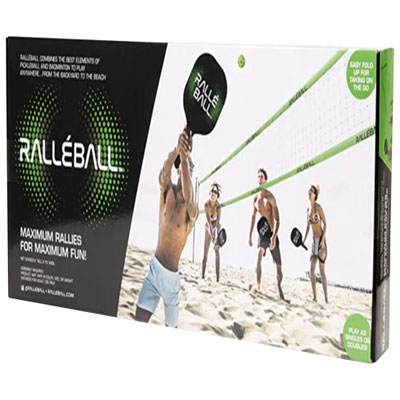
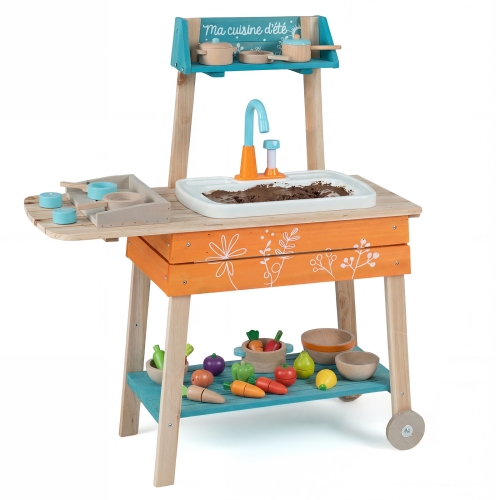
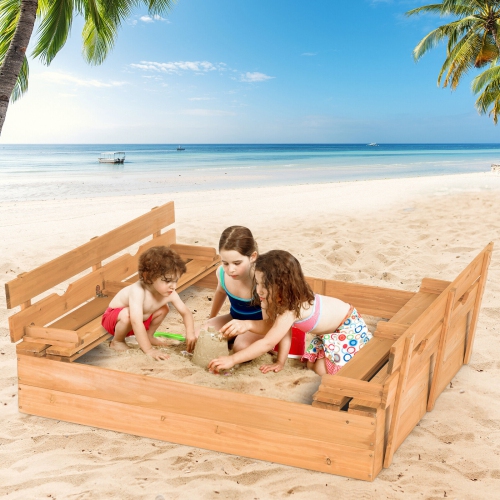
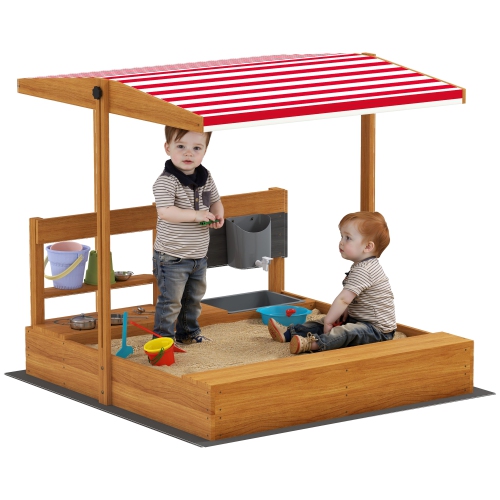
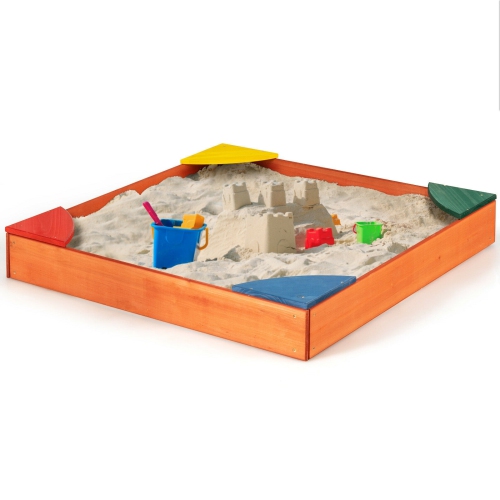
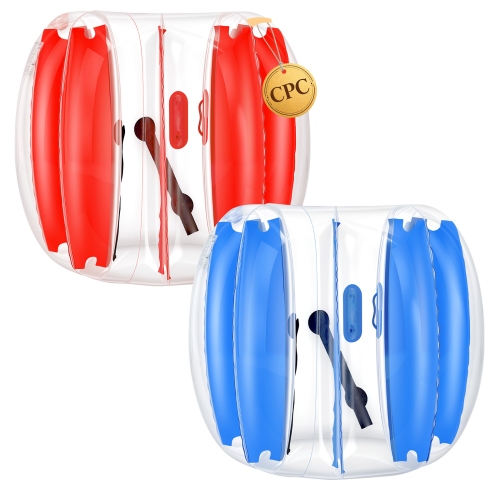
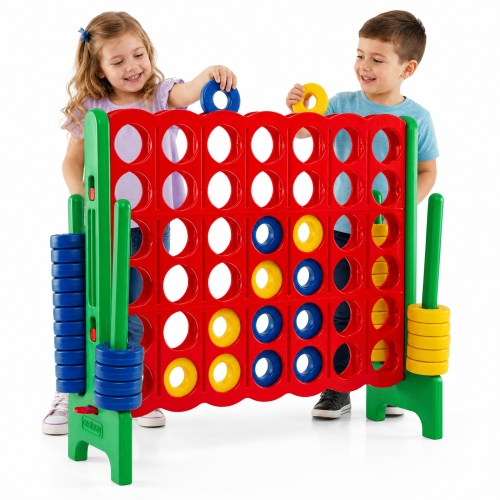
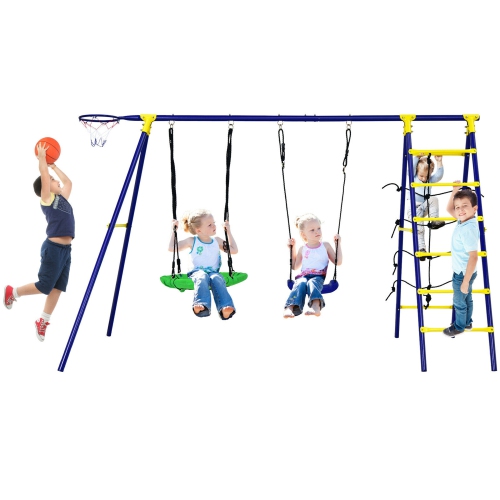
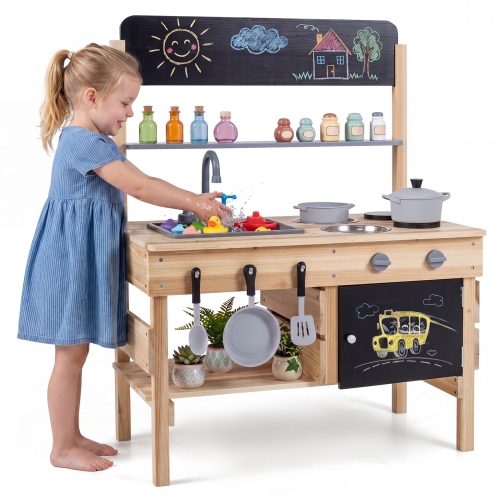
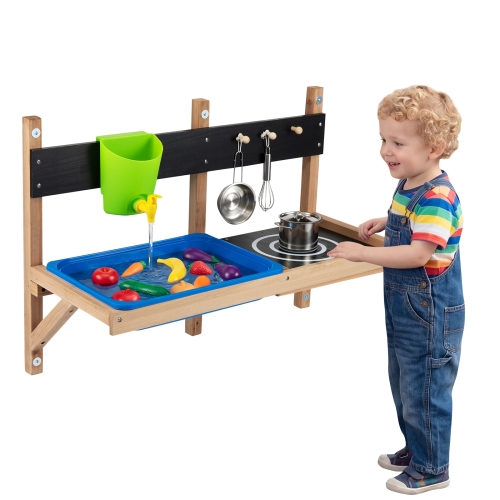


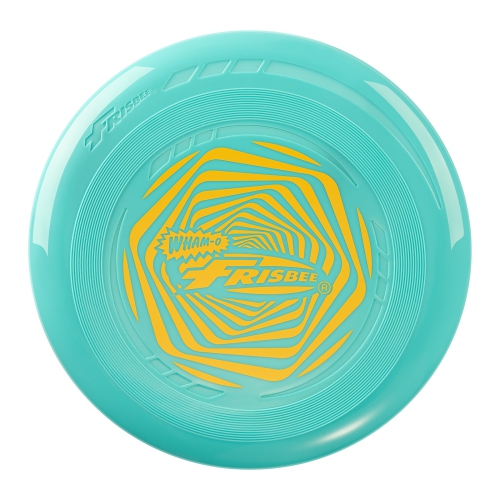

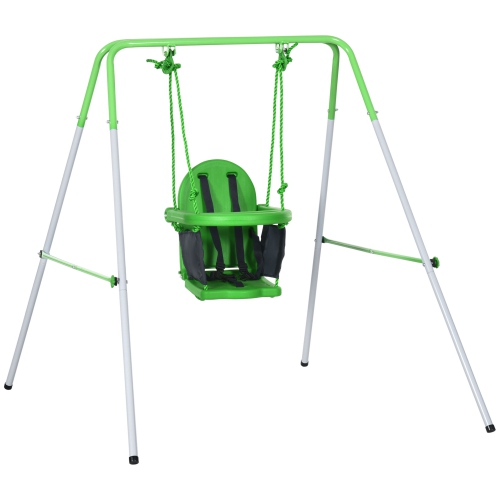
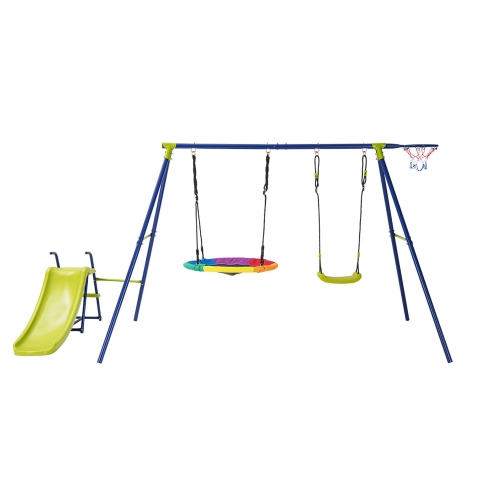
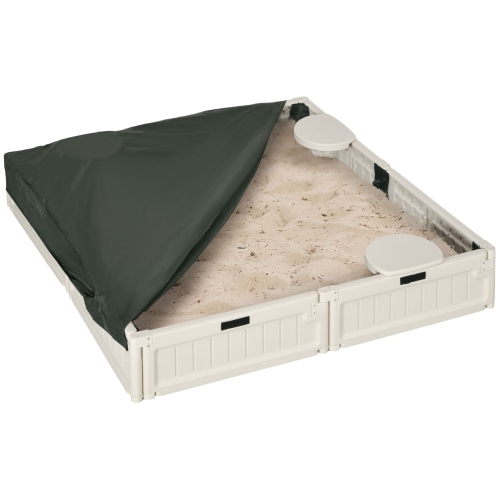

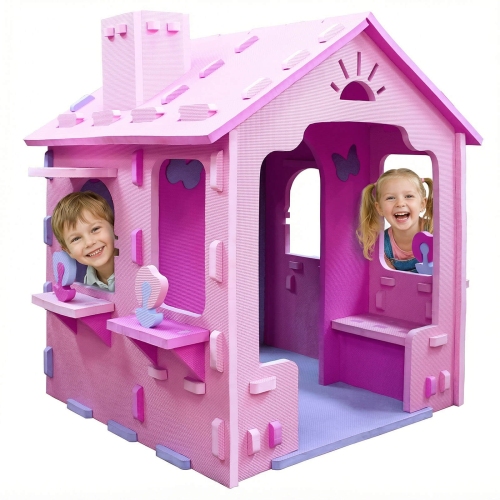

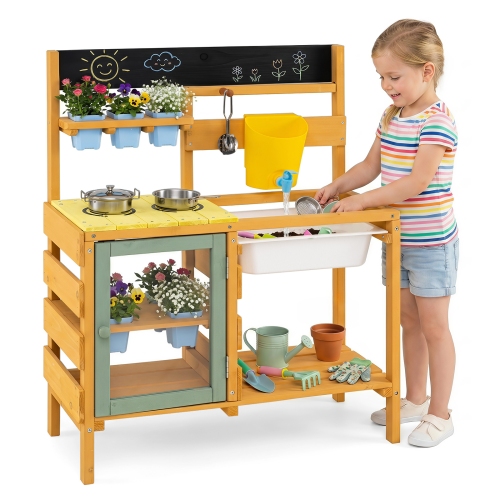
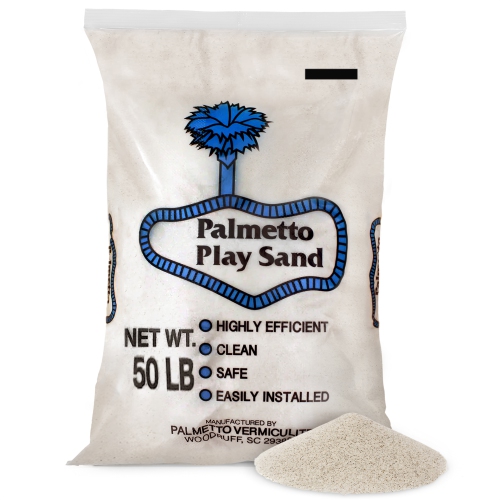
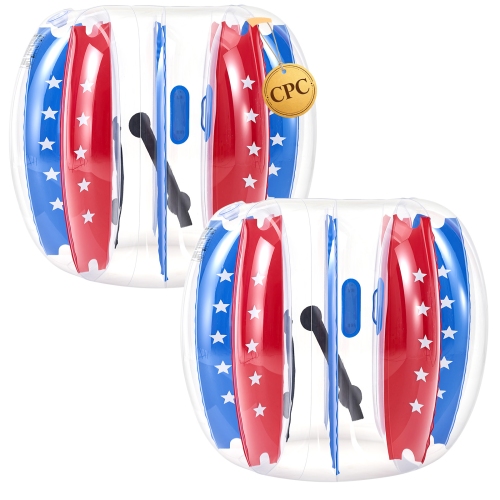

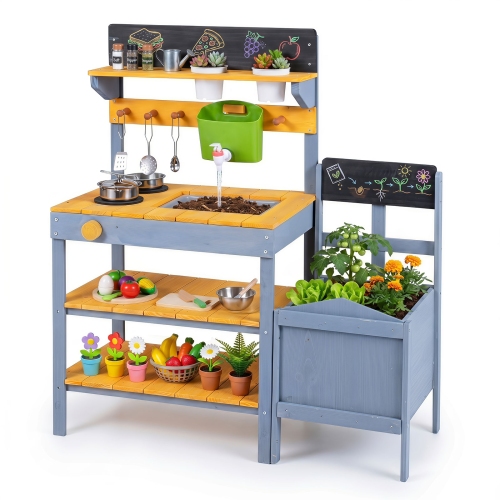
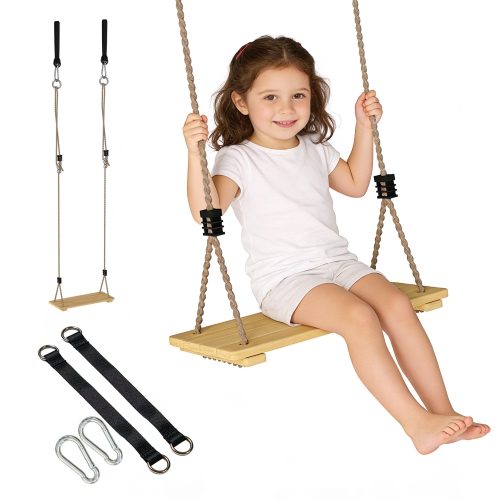
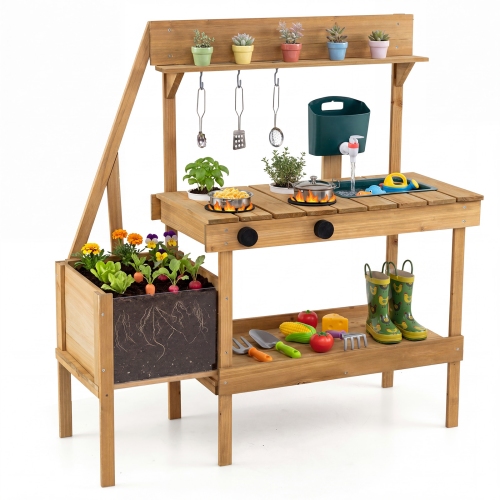

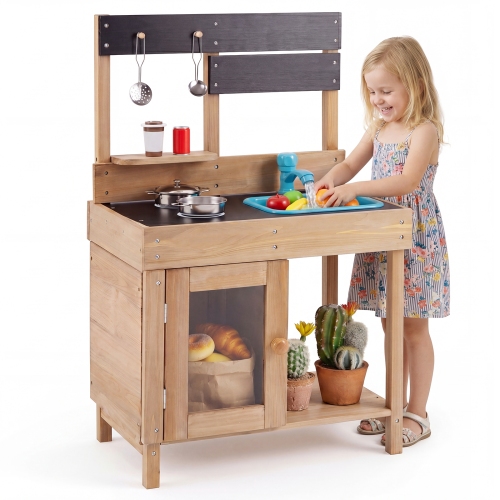
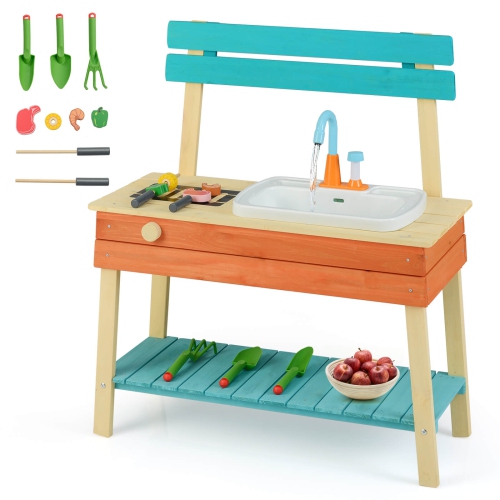
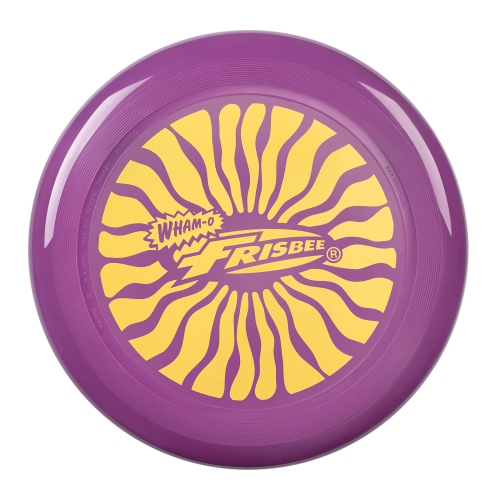

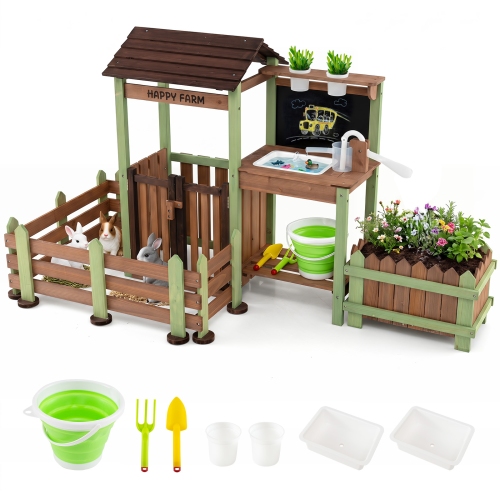
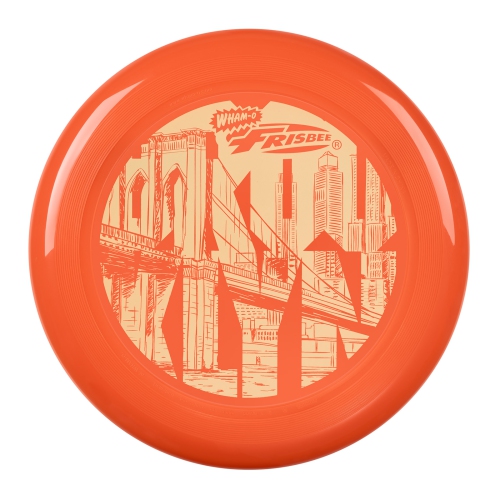
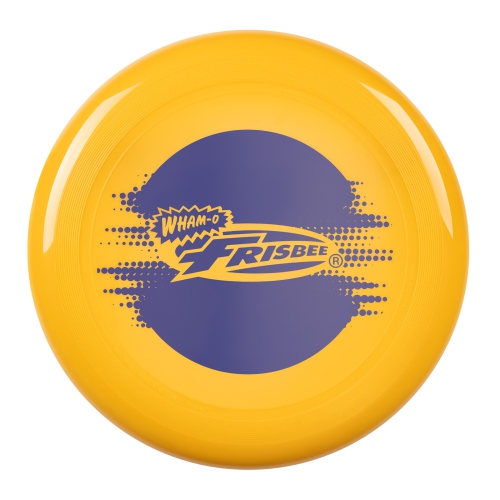
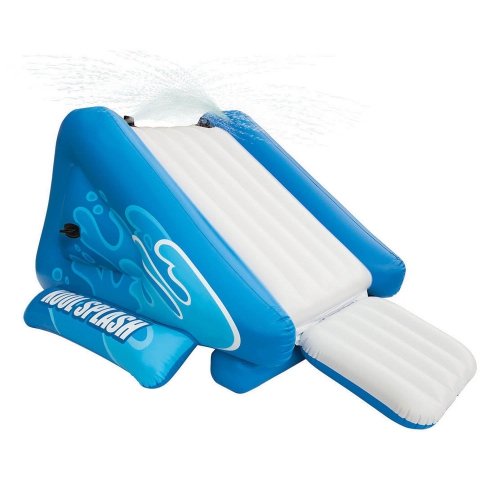

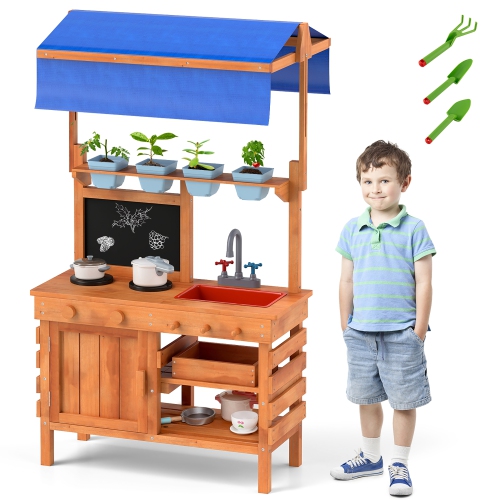


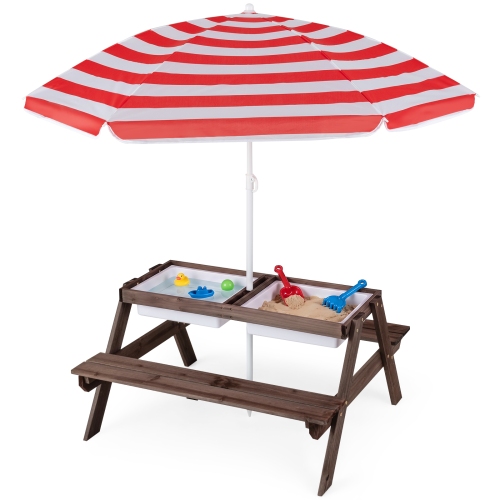
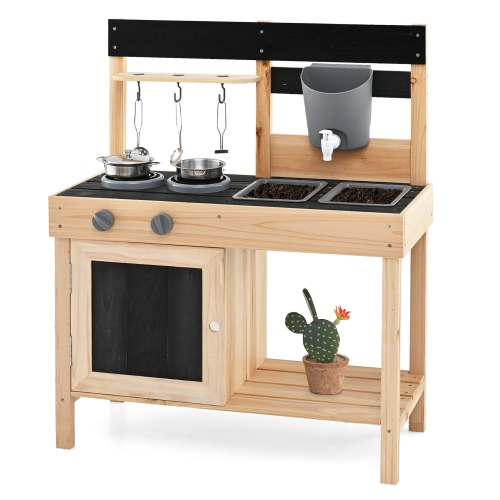

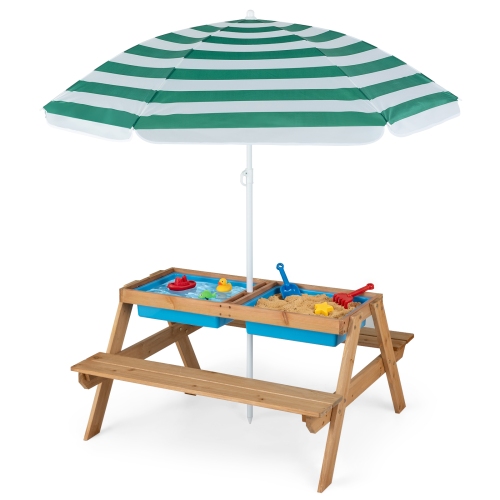
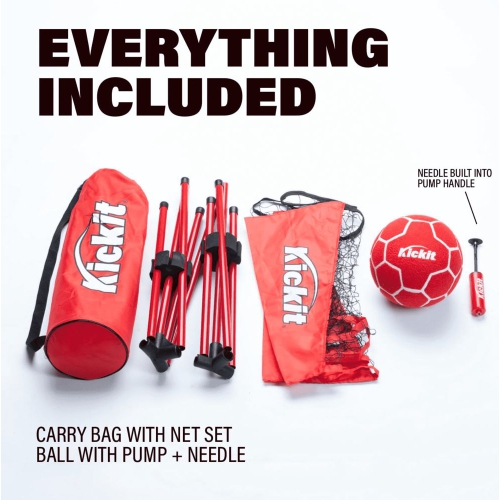
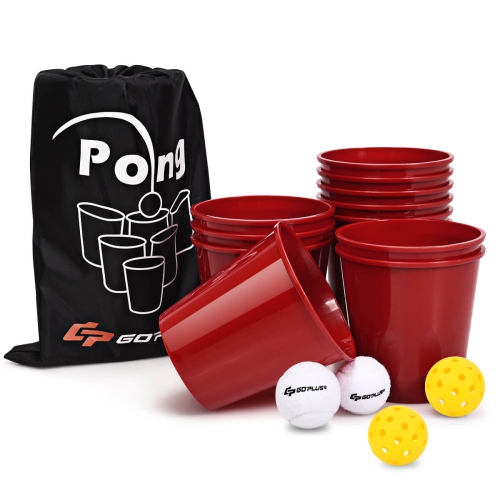

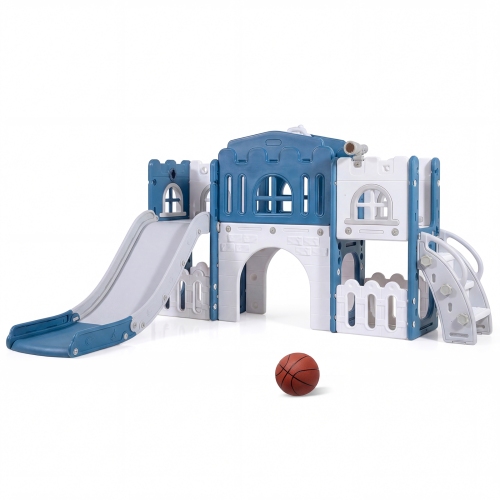
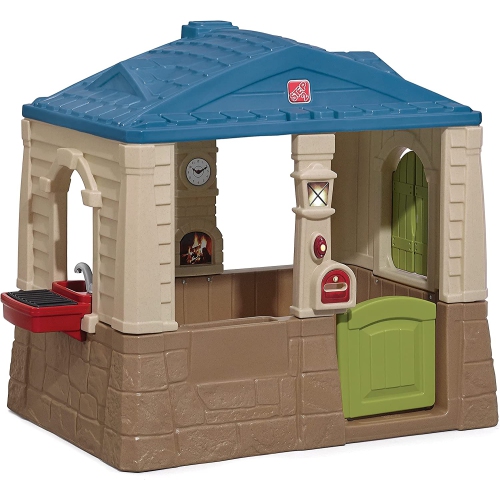

Outdoor play that fits your children and your space
Backyard play ideas bring together outdoor toys, imaginative play spaces, and active games that give children different ways to enjoy a familiar patch of grass or patio. A well-rounded play area can make room for movement, creativity, and quieter activities without needing to fill every corner of the yard. Outdoor play products generally serve a few overlapping purposes: climbing and balancing build movement into play, pretend-play setups invite storytelling, and sensory activities let children explore textures, shapes, and cause and effect. These types of play often flow into one another. A make-believe shop can become the destination at the end of an obstacle course, while a drawing area can turn into a network of roads for an afternoon of imaginary deliveries. For families with children of different ages, the most useful assortment offers separate challenges within a shared space rather than expecting everyone to use the same equipment in the same way. Toddlers need products designed for their stage of development, with accessible heights, stable bases, and appropriately sized parts. Older children may prefer activities that involve aiming, keeping score, practising balance, or inventing rules with friends. Age recommendations, weight limits, and the number of permitted users matter more than how large or impressive a setup looks. Open-ended outdoor toys can suit children who enjoy making up stories, while game-based equipment may appeal to those who like a clear goal and a little friendly competition. Many families benefit from a mix of both, with enough open ground left for free movement. Outdoor play equipment can also make a thoughtful birthday or family gift when it matches the child's interests and the household's space. For larger gifts, confirming dimensions, assembly needs, and the caregiver's preferences helps ensure the gift fits everyday life as comfortably as it fits the yard.
The size and layout of a backyard shape which play products will feel comfortable to use. The equipment's listed footprint is only part of the picture: moving components, entry points, landing areas, and the manufacturer's required clearances all need space too. A compact yard may be better suited to portable activities that can be put away between uses, while a larger play area can accommodate distinct zones for active and imaginative play. Vertical designs still require adequate ground clearance and suitable protective surfacing; building upward does not remove those needs. Families considering a more permanent centre for outdoor play can explore Backyard Play Structures with the intended users, available space, and installation requirements in mind. Materials affect a structure's feel, maintenance, and long-term suitability. Wood offers a textured, substantial finish, but its care requirements depend on the species, treatment, and construction. Regular checks for rough edges, splitting, and loose connections help keep wooden components ready for use. Moulded plastic is often easy to wipe clean and can work well for smaller play formats, although load limits and the condition of the material still need attention. Metal frames can provide a sturdy framework, with protective finishes and properly secured hardware playing an important role in durability. No material makes equipment maintenance-free, and the quality of joints, fasteners, handholds, and access points deserves as much attention as the main frame. Fit also includes the child using it: reachable grips, manageable step heights, and entrances that allow comfortable movement can make a meaningful difference to independent participation. Children who prefer seated or ground-level activities may benefit from accessible play surfaces and clear routes between activities. For caregivers, sightlines from the usual supervision spot are another practical consideration. A layout that keeps active play away from doors, fences, and household traffic helps make the space easier to share. Installation should follow the manufacturer's instructions, including anchoring and surfacing requirements, rather than relying on appearance or weight alone to judge stability.
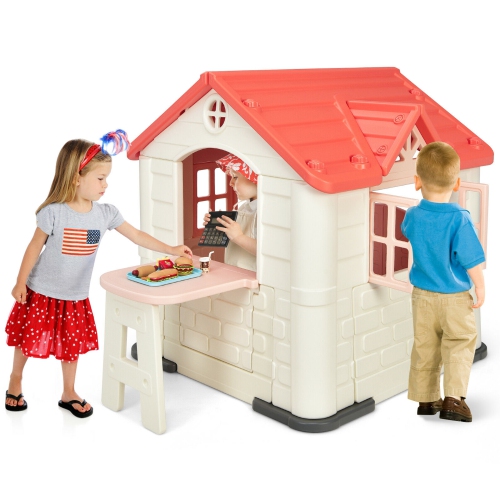
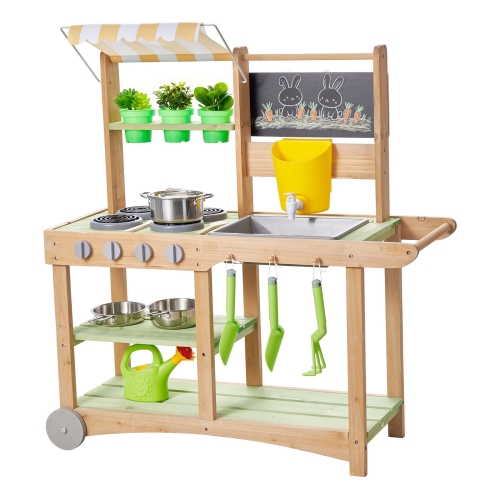
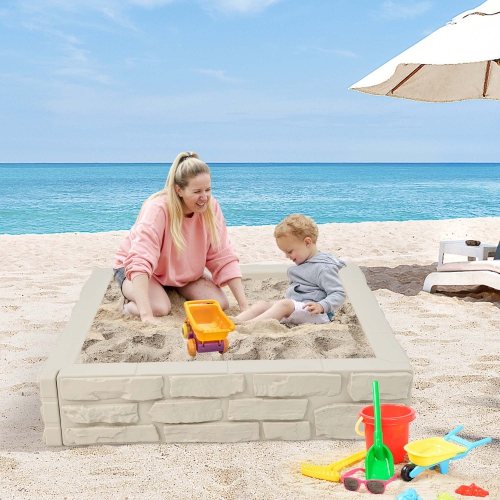
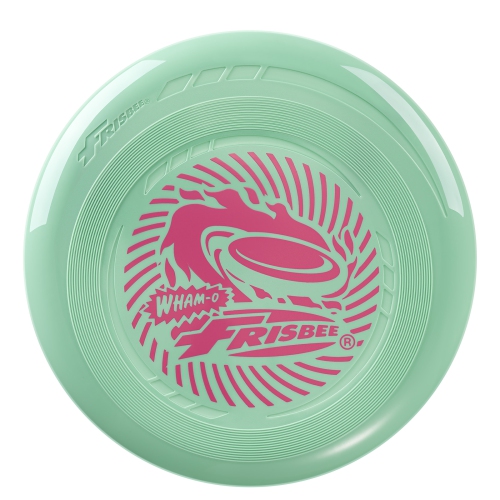
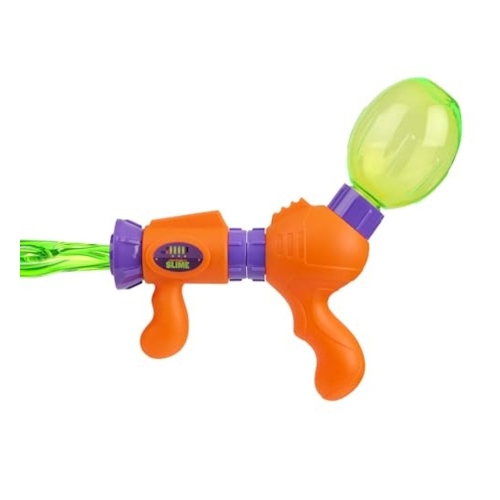
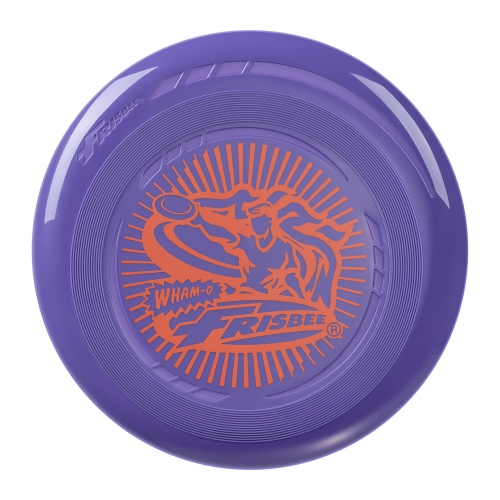
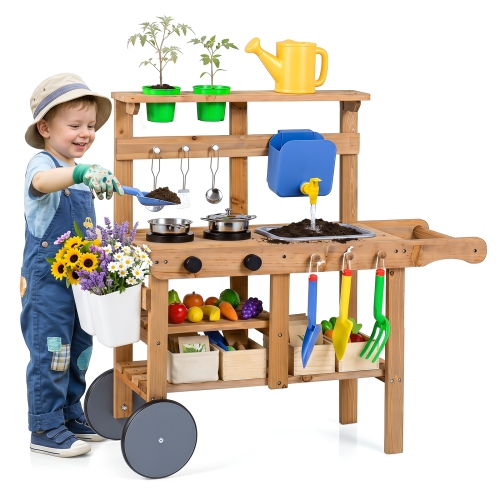
Smaller outdoor play categories add variety around a main structure or create a complete play area on their own. Sensory play products support scooping, pouring, sorting, and experimenting, with practical details such as working height, drainage, and access for cleaning making a difference during repeated use. Where water is involved, close adult supervision is essential, and containers should be emptied after play and stored so they cannot collect water. Pretend-play products offer a different kind of engagement, giving children a place to act out everyday routines, assign roles, and work together on an unfolding story. Surfaces with room for more than one child can make shared play easier, provided the product is designed for that use. Drawing and creative play categories suit children who like to leave a visible mark on their ideas, whether they are mapping an imaginary town or making a starting line for a game. Washability varies by material and surface, so care labels and surface compatibility are worth checking before use. Portable sports and activity equipment can introduce throwing, aiming, balancing, and turn-taking without requiring a dedicated court or a fixed layout. Adjustable difficulty is particularly useful for siblings: a shorter distance or simpler target can let a younger child participate while an older child takes on a greater challenge. Durability in these categories comes from details such as reinforced seams, secure closures, smooth edges, and components designed for repeated handling. Storage matters just as much. Products that fold, nest, or separate into manageable pieces are easier to keep organized, although folding mechanisms and removable parts should be handled according to the instructions. Cleaning away dirt, allowing washable components to dry fully, and keeping small pieces out of younger children's reach help maintain a usable play space. Before each session, a quick check for damage, loose hardware, and objects in the play area supports safer use. The strongest backyard play ideas do not depend on an elaborate setup; they come from products that fit the children, the space, and the kinds of activities a family genuinely enjoys repeating.
Top selling and popular products
-
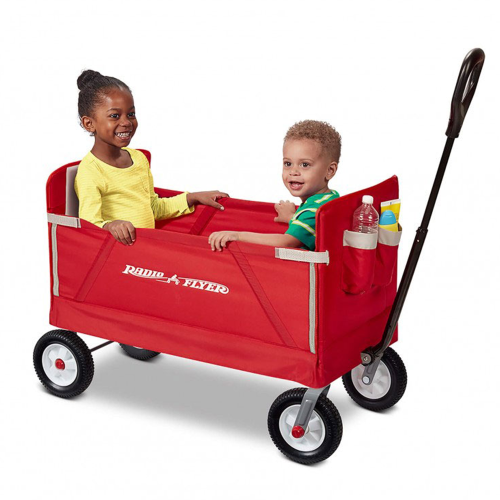 Your price for this item is $266.99
-
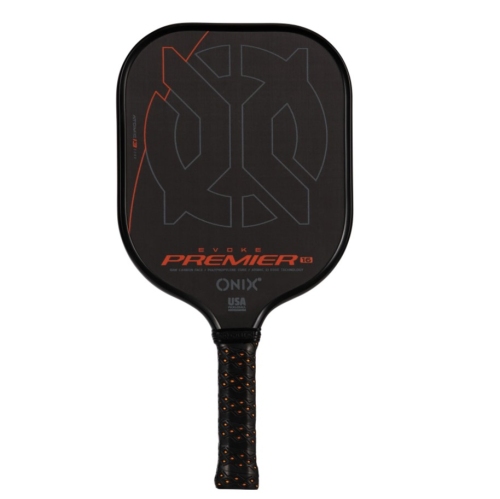 Your price for this item is $139.99
-
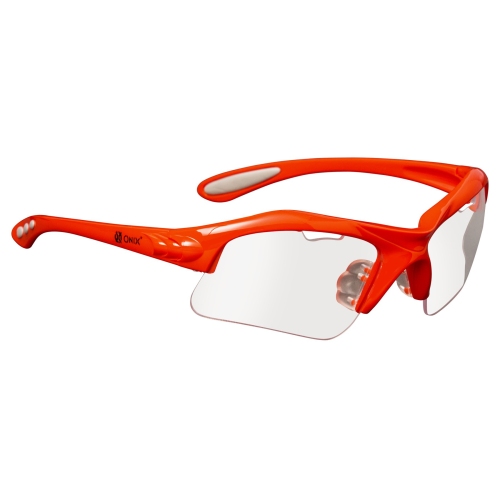 Your price for this item is $44.99
-
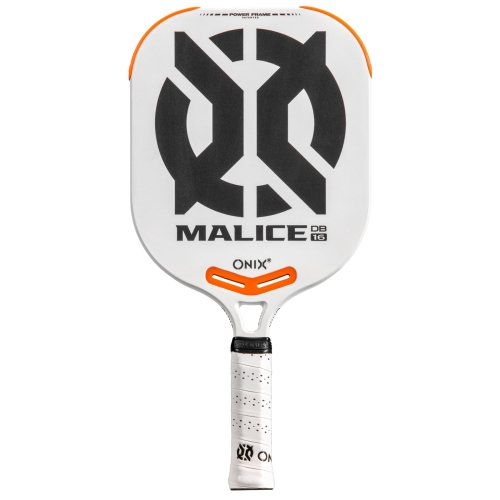 Your price for this item is $359.99
-
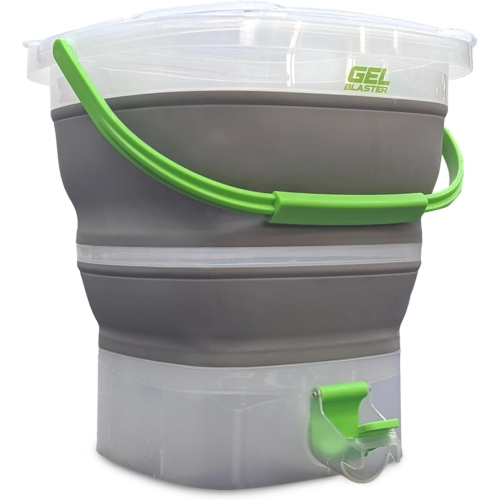 Your price for this item is $34.99
-
 Your price for this item is $429.99
-
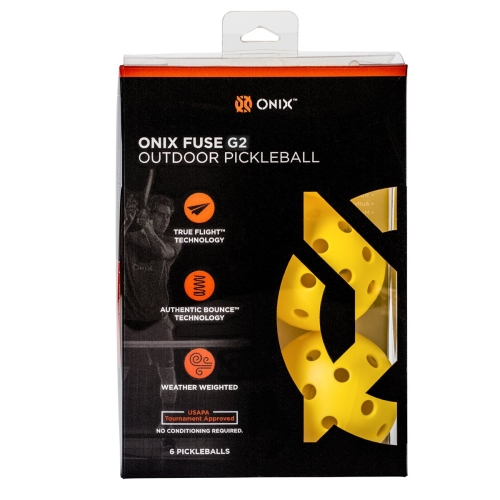 Your price for this item is $28.99
-
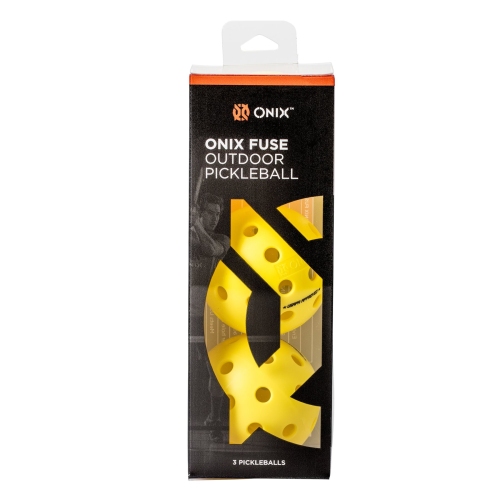 Your price for this item is $14.99
Discover more categories related to Backyard Play Ideas


Top Collections:
Pokemon Centers, Best Cameras for Sports Photography, Kindle Devices, Samsung Galaxy Phones, Canon G7X Cameras, Pokémon 30th Celebration Cards, Refurbished Apple Laptops, iPhone 15 Apple, Laptops for Students, Budget Smartphones
Some products may be subject to Environmental Handling Fees
(EHF) depending on your province.
Learn more about EHFs.