Battery Chargers for Golf Carts
Power up your ride and keep your golf cart ready for action with battery chargers for golf carts. Whether you use your cart on the course, around the neighborhood, or at your cottage, having a reliable charger ensures you always have the energy to go the distance. Explore a wide selection of battery chargers for golf carts designed to help you maintain optimal performance and extend the life of your vehicle’s battery. Find the perfect fit for your needs and enjoy uninterrupted adventures every time you hit the road or fairway.
Sort

Why matching voltage alone is not enough
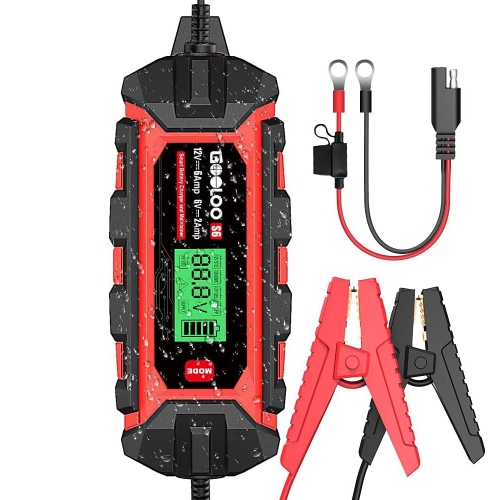
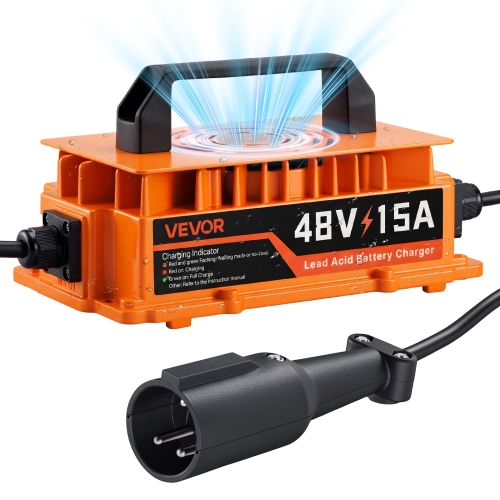
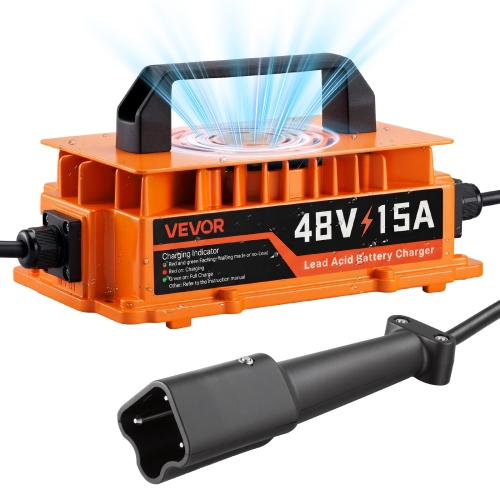
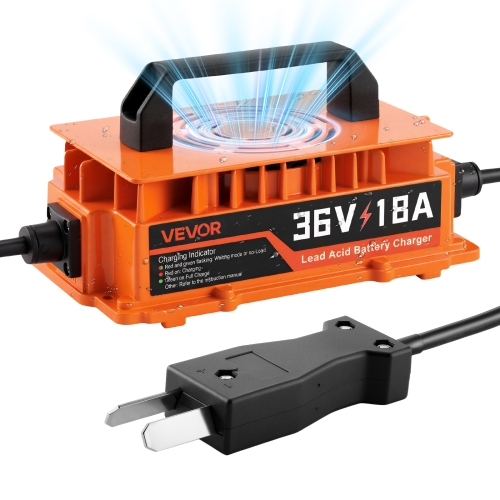
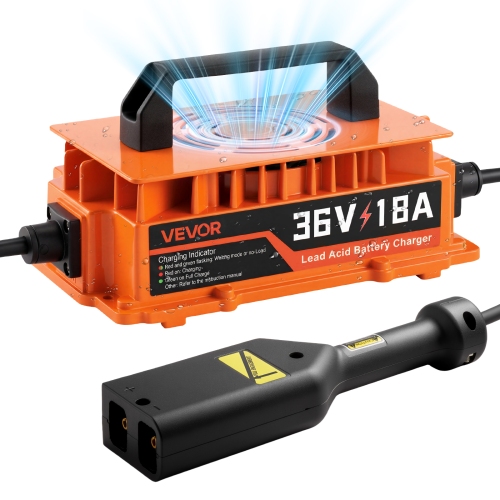
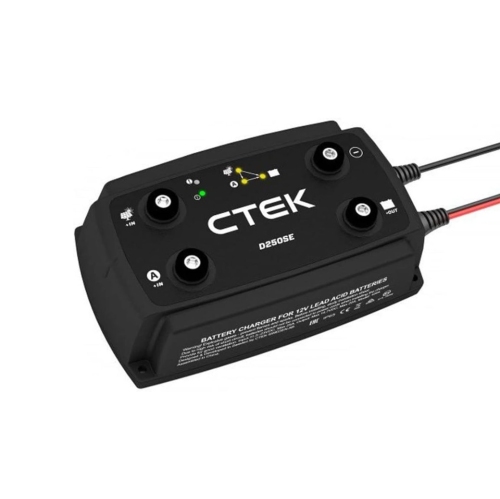
Battery chargers for golf carts restore the power needed for rounds on the course, trips around a property, and everyday transport between facilities. The right fit depends on the battery pack’s nominal voltage, battery chemistry, charging connector, and any compatibility requirements built into the cart. Many golf carts use 36V or 48V battery packs, although other configurations exist. Those ratings describe the complete pack rather than each individual battery: six 6V batteries connected in series form a 36V pack, while six 8V batteries in series form a 48V pack. A charger needs to be rated for that complete pack and provide the charging profile specified by the battery manufacturer. Flooded lead-acid, AGM, gel, and lithium iron phosphate batteries have different charging requirements, so matching voltage alone is not enough. Even AGM and gel batteries, both commonly described as sealed lead-acid batteries, may require different settings. Chargers with selectable profiles can support more than one battery type, but only the chemistries explicitly listed in their specifications should be used. For lithium batteries, compatibility also extends to the battery management system and any required communication between the battery and charger. Physical fit matters just as much. Round, rectangular, two-pin, and three-pin connectors can have different wiring arrangements, and a plug that appears to fit is not proof of electrical compatibility. Some carts also depend on an onboard charge controller or a particular sensing circuit. A replacement charger therefore needs to match the cart’s charging system, not simply its socket shape. This becomes especially important when a cart has been converted from lead-acid to lithium batteries or has had its original charging components replaced. The cart identification plate, battery labels, and manufacturer documentation provide a more dependable basis for compatibility than the cart’s appearance or age. A connector adapter cannot, by itself, make an unsuitable voltage or charging profile safe.
Charging output affects how a charger fits into a cart’s daily routine. A golfer returning a cart after a round may have a generous charging window, while a maintenance team moving between buildings may need the cart ready again sooner. Output current, measured in amps, influences charging time, but a higher amp rating is only useful when it falls within the battery manufacturer’s permitted charging range. Battery capacity, measured in amp-hours, the amount of charge remaining, battery condition, and the charging profile all affect the time required. Dividing the amp-hours to be replaced by the charger’s output gives only a rough starting estimate; charging losses and the slower finishing stages can extend the process. A fixed promise of a full charge in a set number of hours rarely tells the whole story. Automatic golf cart battery chargers manage the charging cycle according to their design, often adjusting output as the pack approaches a full charge. Some provide separate bulk, absorption, and maintenance stages for compatible lead-acid batteries, while lithium charging follows its own specified profile. Automatic shut-off, maintenance charging, and long-term connection are different capabilities, so one should not be assumed from another. A charger suitable for staying connected to a particular lead-acid pack may not be suitable for continuous connection to a lithium pack. Clear status lights or displays can make ownership easier by distinguishing active charging, completion, and a connection or battery fault. Protective features may include short-circuit protection, reverse-polarity protection, and output monitoring, although the exact safeguards vary by design. These features support normal operation rather than making an incompatible setup acceptable. A charger that will not begin charging may be detecting a deeply discharged pack, a poor connection, or another fault. Repeatedly reconnecting it or bypassing its safeguards is not a substitute for having the battery and charging system assessed. Dependable charging comes from a matched system, not simply the highest output rating or the longest feature list.
Portable and onboard chargers suit different spaces and ownership habits. A portable charger can remain in a designated charging area, keeping its weight off the cart and making controls easy to see. An onboard charger designed for permanent installation travels with the vehicle, which can be convenient when a cart is used across a larger property with suitable electrical access. For shoppers comparing Electric Golf Carts, the charging arrangement is a practical part of ownership alongside seating, storage, and intended use. Golfers, grounds crews, campground operators, and property managers may value different combinations of portability, mounting options, cable reach, and straightforward operation. Housing materials and construction contribute to everyday durability: metal casings can provide a sturdy enclosure, while durable moulded housings can keep carrying weight manageable. Neither material alone establishes impact resistance or protection against dust and moisture; those qualities depend on the complete design and any stated protection rating. Handles, mounting brackets, reinforced cable exits, and securely attached connectors can matter when a charger is moved regularly or installed in a confined space. Cable length should allow a relaxed connection without leaving a lead stretched across a walkway, trapped beneath a wheel, or sharply bent at the plug. Charging areas need the clearances and ventilation specified by the manufacturer, particularly because lead-acid batteries can release flammable gases during charging. Chargers should remain away from sparks and ignition sources and should not be covered during operation. Routine care includes inspecting cables for cuts, checking connectors for damage or corrosion, and keeping ventilation openings clear with the unit disconnected, as directed in its manual. Loose sockets, damaged insulation, or discoloured contacts warrant attention before further use. Storage and maintenance settings also need to suit the battery chemistry rather than follow a universal routine. With compatible electrical specifications, a secure connection, and a layout that suits the parking space, a golf cart charger becomes a dependable part of keeping the cart ready for its next outing.
Top selling and popular products
-
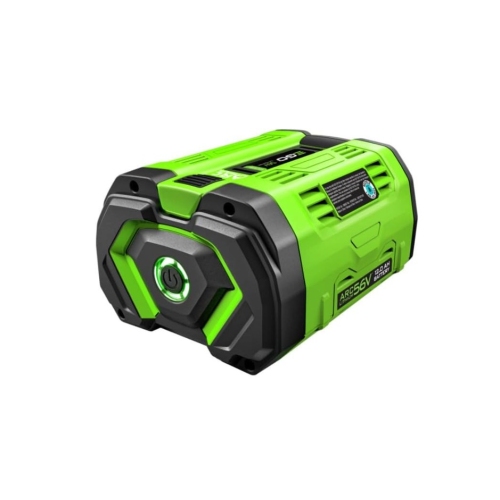 Your price for this item is $674.99
-
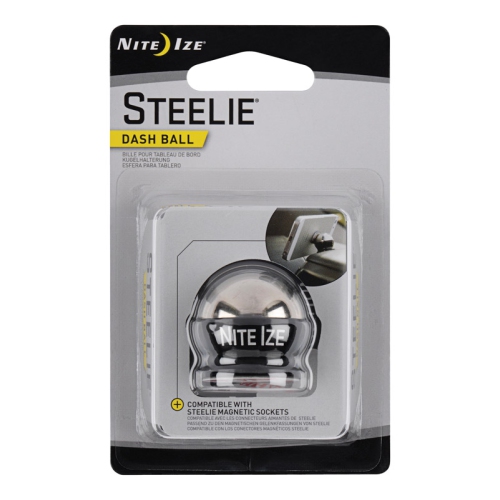 Your price for this item is $39.99
-
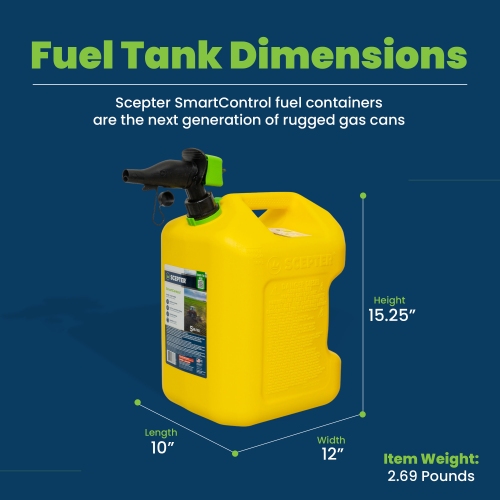 Your price for this item is $112.99
-
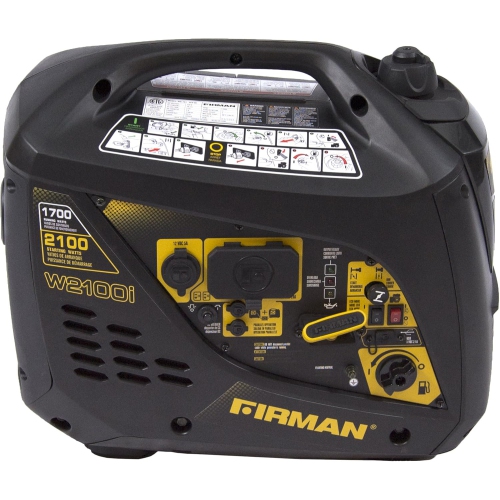 Your price for this item is $854.05
-
 Your price for this item is $1282.99
-
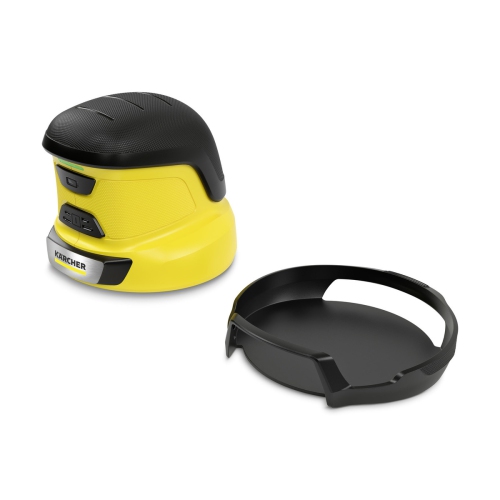 Your price for this item is $99.99
-
 Your price for this item is $258.99
-
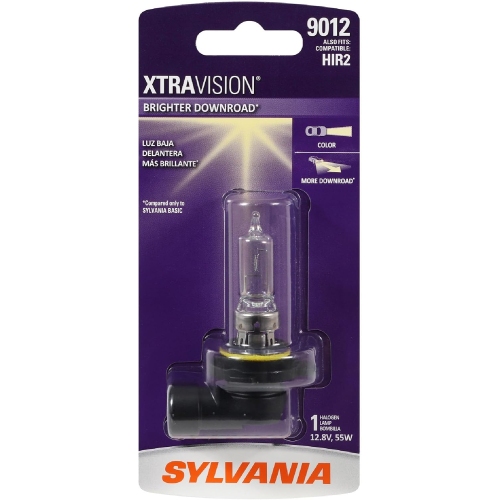 Your price for this item is $49.99
Discover more categories related to Battery Chargers for Golf Carts

Top Collections:
Best Black Friday Deals This Year, Best Black Friday Deals On Electronics, Kindle Devices, Pokemon Centers, Best Black Friday Deals On Apple Products, Best Cameras for Sports Photography, Dyson Airwrap, Pokémon 30th Celebration Cards, Apple iPhone 17 Pro, Canon G7X Cameras
Some products may be subject to Environmental Handling Fees
(EHF) depending on your province.
Learn more about EHFs.