Bike Stands for Mountain Bikes
Bike stands for mountain bikes offer a convenient solution for storage, maintenance, and organization, whether you’re at home or on the go. Designed to support your mountain bike securely, these stands help keep your space tidy and your bike easily accessible. Explore a variety of options to find the perfect fit for your setup and enjoy more time riding with less hassle.
Sort



Why parking and repairs need different bike stands
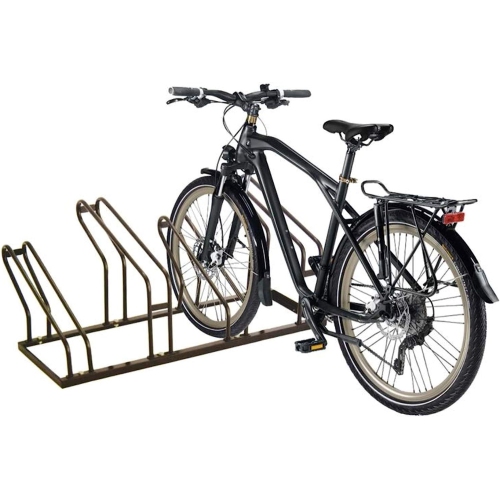
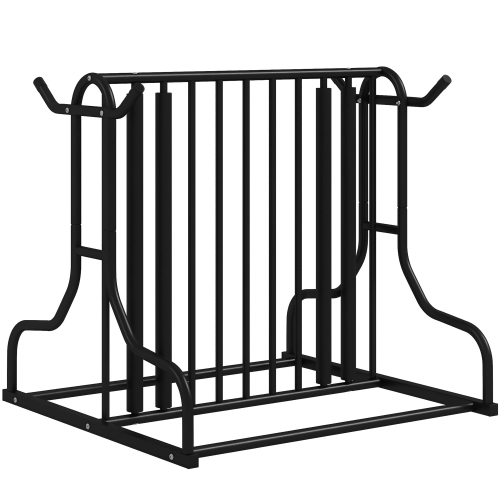
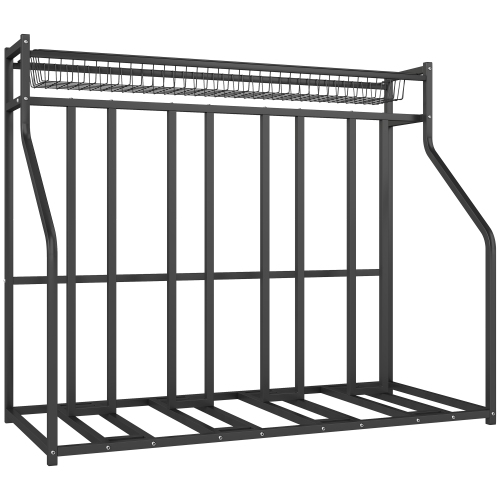
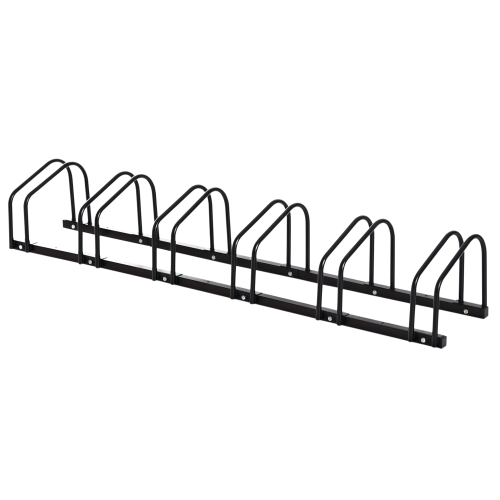
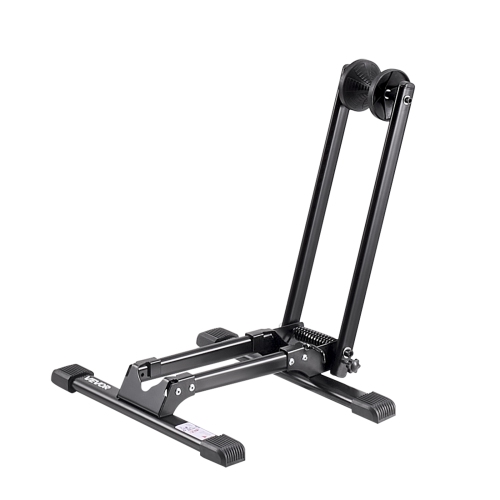
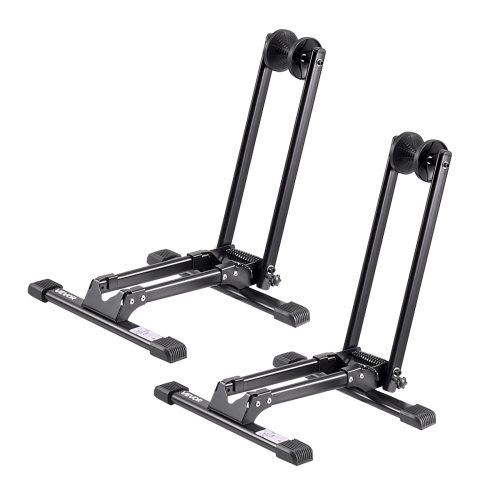
Bike stands for mountain bikes support a bicycle for parking, storage, or maintenance, with different designs suited to each task. A floor stand usually holds a wheel to keep the bike upright, while a repair stand raises and supports the bike so the wheels, pedals, and drivetrain can move freely. That distinction matters in everyday use: a parking stand keeps a bike from leaning against a wall or tipping into nearby gear, but it does not necessarily provide the access or stability needed for repairs. The varied wheel sizes, tire widths, and frame designs found on mountain bikes make fit especially important. Compatibility depends on more than whether a stand is described as suitable for an adult bicycle. Common 26-inch, 27.5-inch, and 29-inch wheels have different diameters, and wide, heavily treaded tires need enough room to sit properly in a cradle or wheel channel. Plus-size and fat-bike tires may require a wider opening than a conventional mountain bike tire. A well-matched wheel holder supports the bike without forcing the tire into place or pressing against spokes, brake rotors, or the rear derailleur. Some storage stands keep both wheels on the floor, while vertical designs lift the front wheel to reduce the bicycle’s lengthwise footprint. Vertical storage still needs sufficient height and clearance for handlebars, pedals, and surrounding belongings. For a garage corner, apartment storage area, or shared equipment room, the stand’s base dimensions can be just as important as its wheel compatibility. A compact holder may leave more walking space, while a broader base can offer greater resistance to tipping. The most useful arrangement leaves enough room to roll the bike into position without twisting it past a doorway, catching a brake hose, or repeatedly moving everything stored beside it.
Repair stands serve a different purpose, creating a supported working position for cleaning, inspection, adjustments, and component maintenance. Raising a mountain bike makes tasks such as turning the cranks, checking shifting, and examining a tire easier than working with the bicycle resting on the ground. Adjustable height helps bring the work closer to a comfortable level, while a rotating clamp can improve access to different parts of the bike. Clamp placement requires care, particularly with carbon frames, shaped tubes, and dropper seatposts. The bicycle and component manufacturers’ instructions determine which areas can safely be clamped and how much pressure is appropriate; a padded jaw does not make every tube or seatpost surface suitable. Dirt trapped inside a clamp can also scratch a finish, making clean contact surfaces important. Stability comes from the complete design rather than the weight rating alone. Leg spread, clamp position, locking mechanisms, and the way the bicycle’s weight sits over the base all affect how securely a stand supports the load. This is particularly relevant for electric mountain bikes, where the stand’s rated capacity must accommodate the bike’s actual weight in its supported configuration. Lifting that weight into the clamp is a separate practical consideration, even when the stand has sufficient capacity. Steel construction can provide rigidity and substantial weight, while aluminum construction often makes a stand easier to carry between a storage space and a work area. Neither material alone determines durability; joint quality, tube dimensions, hardware, and the condition of adjustment mechanisms also matter. Folding legs and a collapsible centre section can make occasional-use repair stands easier to put away, although a folding design still needs a secure, fully opened working position. Tool trays can keep small parts within reach, but they are a convenience rather than a substitute for a stable base. For riders who handle routine upkeep at home, accessible adjustment levers and predictable locking action can make a noticeable difference each time the bike goes onto the stand.
Everyday storage stands have their own practical details, especially in homes where bicycles share space with furniture, tools, or other sporting equipment. Rubberized feet can help limit movement and protect a floor, while smooth, covered contact points reduce the chance of scuffing a wheel or frame. Floor protection depends on both the stand and the surface beneath it: grit caught under a foot can still mark a finish, and a mat needs to lie flat without making the base unstable. In a household with several riders, spacing between bikes matters as much as the number of wheel positions. Wide handlebars, large pedals, and different frame sizes can interfere with one another even when every tire fits its slot. Separate stands can offer more freedom to stagger bikes, while a shared rack can keep a designated storage area organized. Easy entry and removal are useful for anyone who rides frequently, particularly when a bike needs to come out without lifting another one first. Care is generally straightforward, with loose dirt removed from wheel channels, contact pads wiped clean, and metal surfaces dried after cleaning. Cleaning products need to suit the stand’s finish and any rubber or plastic components. Periodic checks of fasteners, hinges, feet, and locking parts help identify looseness or wear before it affects support. A damaged pad, cracked wheel cradle, or slipping adjustment deserves attention rather than being treated as a cosmetic issue. For a rider who enjoys maintaining equipment, a repair stand can be a thoughtful gift; for someone short on storage space, a well-fitting parking stand may be more useful. In either case, the bike’s dimensions, weight, approved support points, and available floor space are more helpful than appearance alone. A suitable mountain bike stand earns its place through ordinary use: keeping a bike settled beside a workbench, making a drivetrain easier to reach, or giving a frequently ridden bicycle a dependable place to rest without leaning on a wall.
Top selling and popular products
-
 Your price for this item is $139.97
-
 Your price for this item is $285
-
 Your price for this item is $289.99
-
 Your price for this item is $499
-
 Your price for this item is $209.99
-
 Your price for this item is $199.99
-
 Your price for this item is $134.99
-
 Your price for this item is $120.99
Discover more categories related to Bike Stands for Mountain Bikes



Top Collections:
Pokemon Centers, Kindle Devices, Best Budget Office Chairs, Canon G7X Cameras, Apple iPhones 16, Samsung Galaxy Phones, Refurbished Apple Laptops, Laptops for Students, iPhone 15 Apple, Budget Smartphones
Some products may be subject to Environmental Handling Fees
(EHF) depending on your province.
Learn more about EHFs.