Bluetooth Cycling Helmets
Stay connected and ride with confidence with our collection of Bluetooth cycling helmets. These innovative helmets combine the latest in technology and safety, allowing you to enjoy your cycling adventures while staying connected to your favorite music, navigation, and calls. With built-in Bluetooth capabilities, these helmets offer a seamless and hassle-free experience, ensuring that you never miss a beat while on the road. Explore our range of Bluetooth cycling helmets and take your cycling experience to the next level.
Sort

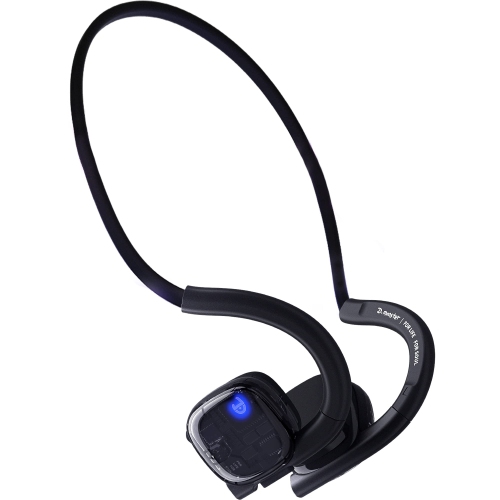
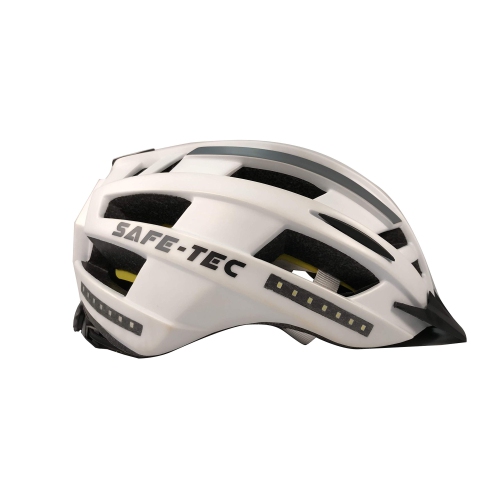

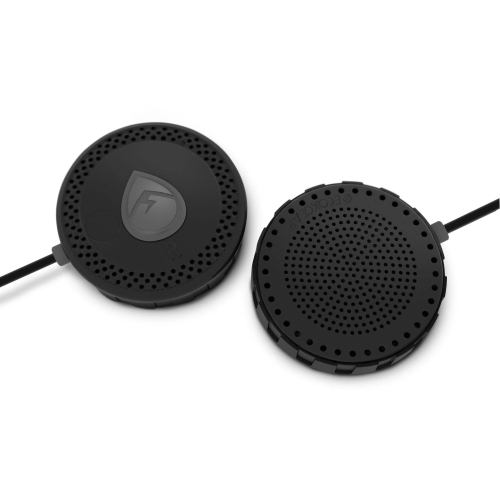
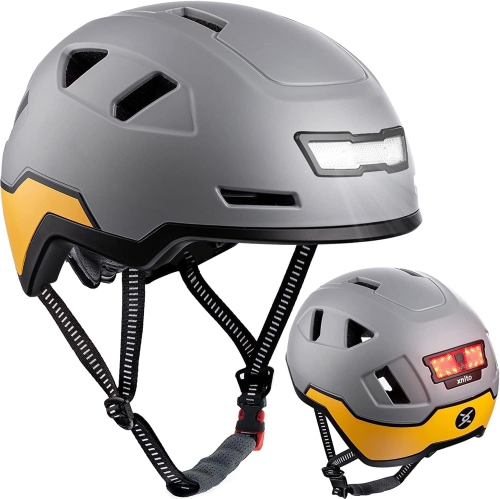
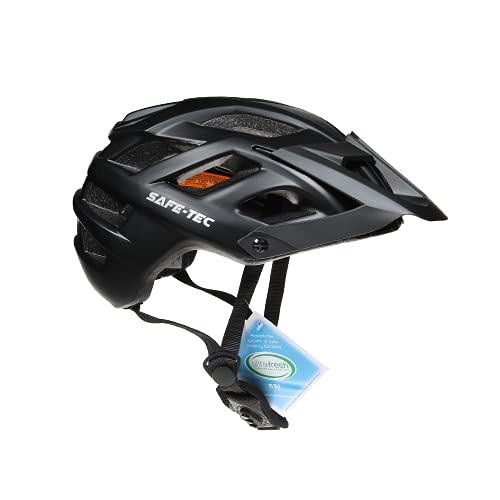

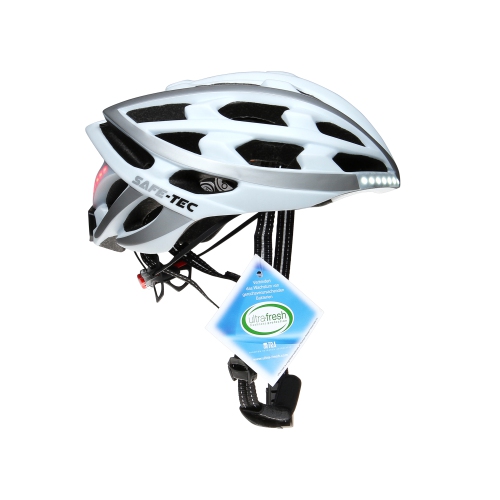
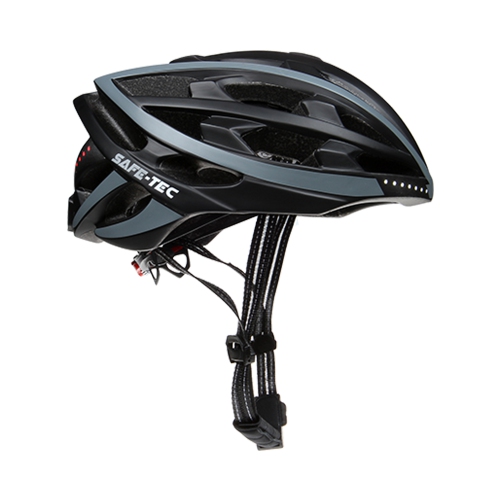
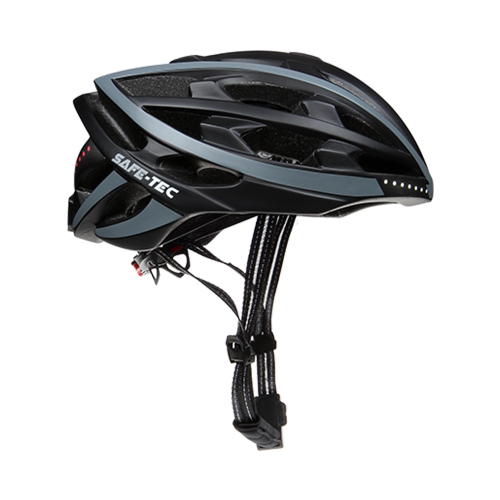

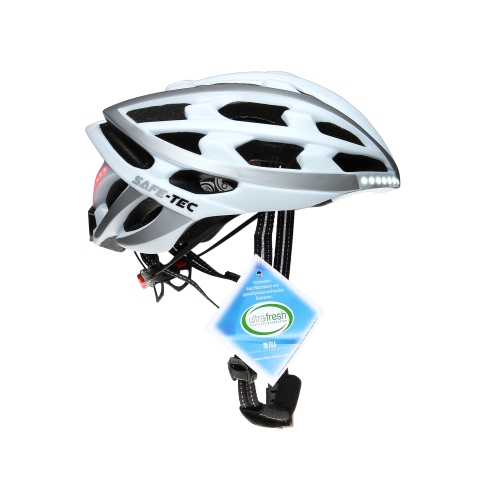

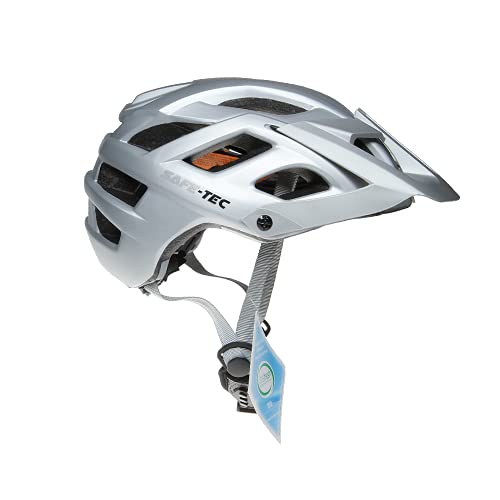

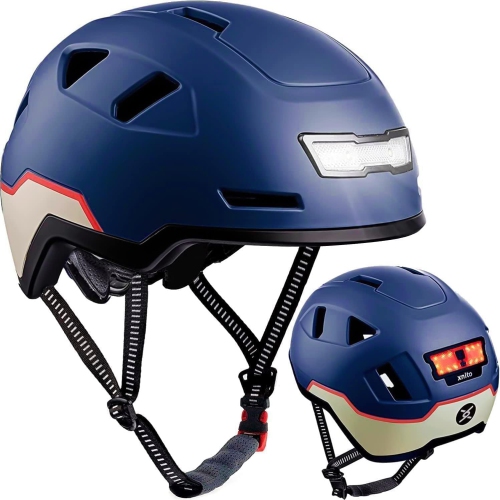
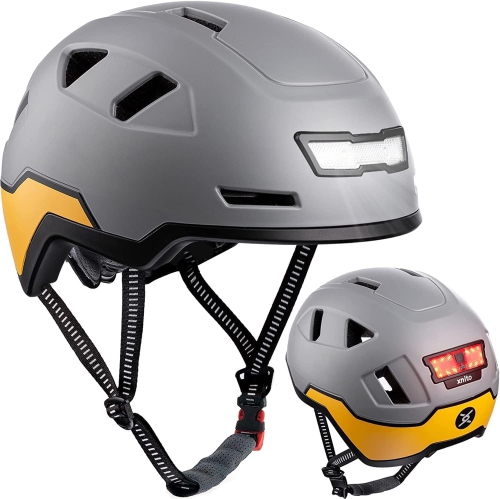
How Bluetooth helmets balance protection and connectivity
Bluetooth cycling helmets combine the protective role of a traditional bike helmet with built-in audio and communication features for commuting, recreational rides, and everyday travel. Depending on the design, they may let you listen to music, receive GPS directions, answer calls, or speak with other riders while keeping your ears uncovered. That open-ear approach can make it easier to remain aware of surrounding sounds, including vehicle engines, bells, horns, pedestrians, and changes in road conditions. For many riders, this is the main advantage over conventional in-ear headphones: navigation prompts or a favourite playlist can be part of the ride without completely blocking the audible cues that help you make safe decisions. Bluetooth cycling helmets can suit people who ride to work, students travelling between classes, fitness riders following unfamiliar routes, and families who want to stay connected during longer outings. They can also be a thoughtful gift for someone who rides regularly, particularly when the recipient values practical technology and spends time on shared roads or multi-use paths. When shopping, consider how the helmet will be used first. A solo commuter may only need reliable smartphone pairing, clear audio, and a microphone for occasional calls, while someone who rides with friends may benefit more from a built-in intercom that supports direct rider-to-rider communication. Audio controls should be easy to reach with gloved hands, and voice prompts should be clear enough to hear over ordinary riding noise without encouraging excessive volume. Battery life is another important detail, especially for riders who take longer routes or use audio throughout the day. Check the stated listening and talk time, charging method, charge indicator, and whether the helmet can still be used safely when the battery is empty. It is also worth confirming whether the controls are physical buttons or touch-sensitive surfaces, since buttons are often simpler to operate while moving.
Protection and fit should remain the starting point for every helmet purchase, even when Bluetooth features are the main reason for browsing. Look for a helmet that is designed for cycling and carries the safety certification appropriate to your riding location and intended use. Common markings may include CPSC or CE EN 1078 for standard cycling helmets, while riders using higher-speed electric bicycles may want to investigate models with certification or testing intended for e-bike use. Certification details can vary by model and region, so review the manufacturer’s specifications rather than assuming that every smart helmet offers the same level of protection. A proper fit should feel secure without creating pressure points. The front should sit level and low enough to protect the forehead, the side straps should form a comfortable V around the ears, and the chin strap should be snug while still allowing normal movement. Many helmets include a rear adjustment dial or another retention system to fine-tune the fit over different hairstyles and seasonal layers. Try the helmet with the eyewear, cap, or light winter accessories you typically wear, but avoid adding anything underneath that could affect the way the helmet sits. Ventilation can make a noticeable difference on a warm ride, while removable or washable padding may be useful after frequent commutes. Pay attention to weight as well: integrated speakers, microphones, lights, and control hardware can add features, but the finished helmet should remain comfortable over the length of your usual trip. Visibility features may be especially useful during the cooler months, when daylight fades earlier and riders encounter more low-light conditions. Some Bluetooth cycling helmets include rear lights, brake indicators, turn signals, or reflective details, but these features do not replace front and rear lights required for your route or local regulations. Keep the helmet’s electronics dry according to the care instructions, charge it away from extreme temperatures, and inspect the shell, straps, and retention system regularly for signs of damage or wear.
The right Bluetooth cycling helmet depends on the balance between communication, awareness, comfort, and the type of bicycle being used. For a short urban commute, clear GPS directions, an easy-to-use microphone, and an open-ear speaker system may be more useful than advanced group communication. For weekend rides with several people, a mesh intercom can help riders share directions, point out hazards, or keep a group together without repeatedly reaching for a phone. Families and casual riders may prefer straightforward controls and dependable pairing, while experienced commuters may place greater value on battery capacity, weather resistance, replaceable padding, and compatibility with their existing phone. If the helmet is intended for an e-bike, compare its specifications with the speed and style of the bicycle, and browse related options such as E Bike Helmets to help narrow the search. Bluetooth pairing is generally most convenient when completed before setting out: charge the helmet, connect it to the phone, test the microphone, confirm that navigation audio is audible, and learn the button layout while stationary. Keep attention on the road, use audio at a level that preserves awareness, and pull over before making complicated changes or taking a call. During cooler weather, a helmet that accommodates your usual riding gear without shifting out of position can make the difference between a comfortable trip and one spent adjusting straps. Storage also matters; keep the helmet in a dry, protected place, avoid leaving it in a hot vehicle, and follow the care instructions for cleaning and charging. Whether it is chosen for a daily ride to work, an evening route through the neighbourhood, or a gift for a cycling enthusiast, a Bluetooth cycling helmet can bring navigation, music, calls, and rider-to-rider communication into one wearable design while keeping fit and protective performance at the centre of the decision.
Protection and fit should remain the starting point for every helmet purchase, even when Bluetooth features are the main reason for browsing. Look for a helmet that is designed for cycling and carries the safety certification appropriate to your riding location and intended use. Common markings may include CPSC or CE EN 1078 for standard cycling helmets, while riders using higher-speed electric bicycles may want to investigate models with certification or testing intended for e-bike use. Certification details can vary by model and region, so review the manufacturer’s specifications rather than assuming that every smart helmet offers the same level of protection. A proper fit should feel secure without creating pressure points. The front should sit level and low enough to protect the forehead, the side straps should form a comfortable V around the ears, and the chin strap should be snug while still allowing normal movement. Many helmets include a rear adjustment dial or another retention system to fine-tune the fit over different hairstyles and seasonal layers. Try the helmet with the eyewear, cap, or light winter accessories you typically wear, but avoid adding anything underneath that could affect the way the helmet sits. Ventilation can make a noticeable difference on a warm ride, while removable or washable padding may be useful after frequent commutes. Pay attention to weight as well: integrated speakers, microphones, lights, and control hardware can add features, but the finished helmet should remain comfortable over the length of your usual trip. Visibility features may be especially useful during the cooler months, when daylight fades earlier and riders encounter more low-light conditions. Some Bluetooth cycling helmets include rear lights, brake indicators, turn signals, or reflective details, but these features do not replace front and rear lights required for your route or local regulations. Keep the helmet’s electronics dry according to the care instructions, charge it away from extreme temperatures, and inspect the shell, straps, and retention system regularly for signs of damage or wear.
The right Bluetooth cycling helmet depends on the balance between communication, awareness, comfort, and the type of bicycle being used. For a short urban commute, clear GPS directions, an easy-to-use microphone, and an open-ear speaker system may be more useful than advanced group communication. For weekend rides with several people, a mesh intercom can help riders share directions, point out hazards, or keep a group together without repeatedly reaching for a phone. Families and casual riders may prefer straightforward controls and dependable pairing, while experienced commuters may place greater value on battery capacity, weather resistance, replaceable padding, and compatibility with their existing phone. If the helmet is intended for an e-bike, compare its specifications with the speed and style of the bicycle, and browse related options such as E Bike Helmets to help narrow the search. Bluetooth pairing is generally most convenient when completed before setting out: charge the helmet, connect it to the phone, test the microphone, confirm that navigation audio is audible, and learn the button layout while stationary. Keep attention on the road, use audio at a level that preserves awareness, and pull over before making complicated changes or taking a call. During cooler weather, a helmet that accommodates your usual riding gear without shifting out of position can make the difference between a comfortable trip and one spent adjusting straps. Storage also matters; keep the helmet in a dry, protected place, avoid leaving it in a hot vehicle, and follow the care instructions for cleaning and charging. Whether it is chosen for a daily ride to work, an evening route through the neighbourhood, or a gift for a cycling enthusiast, a Bluetooth cycling helmet can bring navigation, music, calls, and rider-to-rider communication into one wearable design while keeping fit and protective performance at the centre of the decision.
Top selling and popular products
-
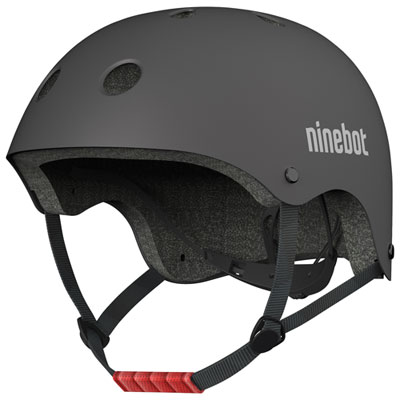 Your price for this item is $69.99
 -
 Your price for this item is $157.99
 -
![UNIVERSAL STUDIOS Pokémon Journeys: Season 23 - Destination: Coronation [DVD] In Multicolor](https://multimedia.bbycastatic.ca/multimedia/products/500x500/181/18197/18197813.jpeg) Your price for this item is $19.99
Your price for this item is $19.99 -
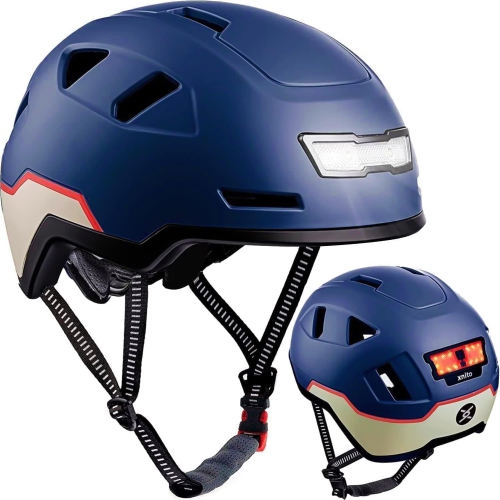 Your price for this item is $169
 -
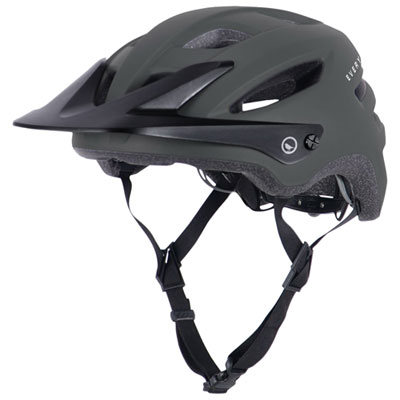 Your price for this item is $39.99
 -
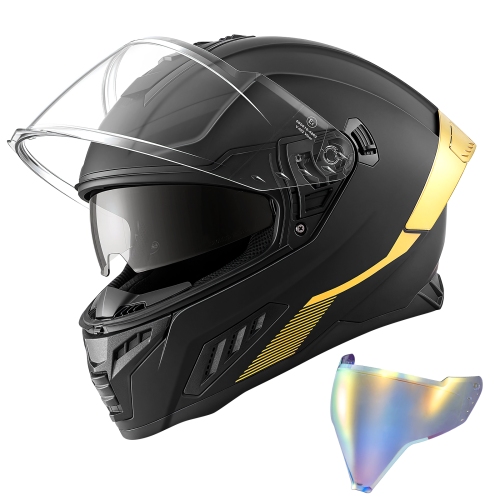 Your price for this item is $101.99
 -
 Your price for this item is $169
 -
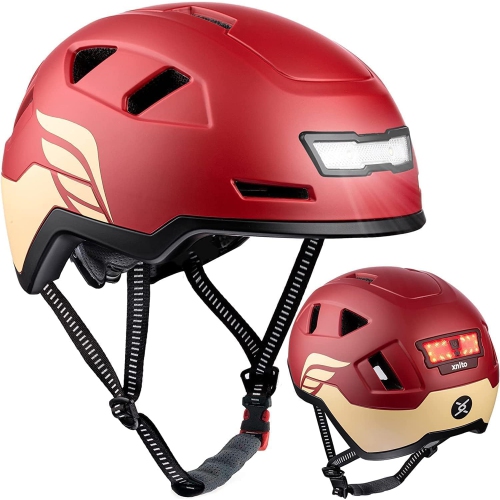 Your price for this item is $169
Discover more categories related to Bluetooth Cycling Helmets
Top Collections:
Pokemon Centers, Kindle Devices, Best Budget Office Chairs, Apple iPhones 16, Best Laptops for Writers, iPhone 15 Apple, Canon G7X Cameras, Refurbished Apple Laptops, Alarm Clock, Motorola Razr Phones
Some products may be subject to Environmental Handling Fees
(EHF) depending on your province.
Learn more about EHFs.