Boat Care Products
Boat care products are essential for keeping your vessel looking its best and performing smoothly throughout the season. Whether you’re preparing for a day on the water or storing your boat after an adventure, having the right supplies makes maintenance easy and efficient. From cleaning to detailing, explore a wide selection of boat care products designed to help you maintain your boat’s appearance and value with confidence. Find everything you need to keep your boating experience enjoyable and worry-free.
Sort








Why fibreglass hulls and vinyl seats need different care
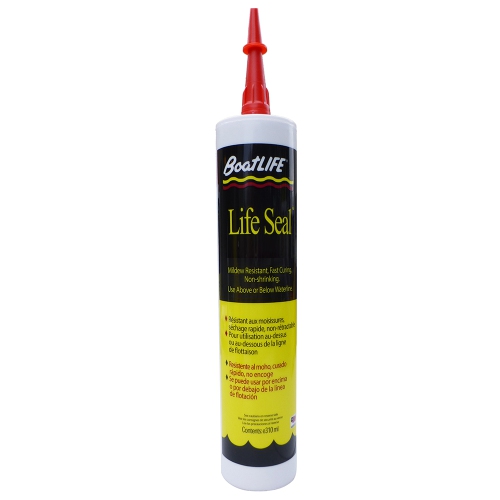
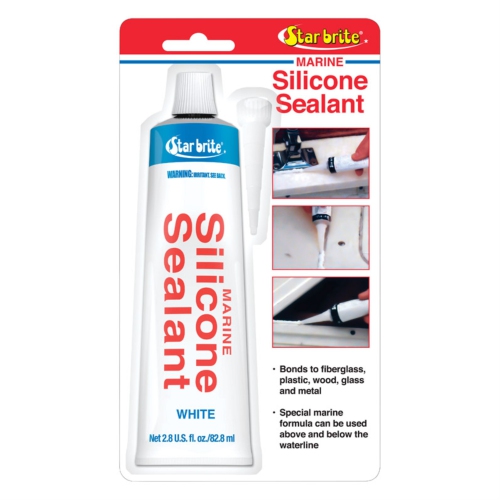
Boat care products help maintain the surfaces that make a vessel comfortable to use, easier to clean, and presentable at the dock. The category includes marine washes, hull cleaners, polishes, waxes, surface protectants, and cleaners for upholstery, fabrics, and fittings. Each serves a different purpose: a wash lifts everyday dirt, a stain remover addresses particular marks, a polish refines a dull finish, and a wax or sealant adds a protective layer to a compatible surface. Choosing between them starts with the boat’s construction and finish. Fibreglass gelcoat, painted aluminum, bare metal, acrylic windows, and vinyl seating have different care requirements, even when they sit only centimetres apart. For routine exterior cleaning, a marine wash formulated for the existing finish can remove grime without unnecessarily disturbing an applied wax or sealant. Concentrated washes also allow dilution according to the label, which matters when cleaning anything from a small tender to a larger cruising boat. Hull cleaners address more persistent buildup, including waterline discolouration, mineral deposits, and marks left by organic growth. A brown line along a white hull calls for a different approach than a few footprints across the cockpit. Freshwater use does not eliminate the need for cleaning, while saltwater use adds salt residue to the mix of deposits that can collect around rails, fittings, and textured surfaces. The strength of a cleaner is only part of its suitability; compatibility with nearby paint, metal, decals, and protective coatings is just as important. Acid-free wording alone does not establish that a formula suits every material. Surface-specific directions, dilution requirements, and contact time provide a more useful basis for comparison than broad claims about cleaning power. For boats with several finishes, separate cleaning categories can make more sense than expecting a single formula to handle the hull, windows, seats, and deck equally well. That distinction is particularly useful on compact boats, where runoff or an oversized applicator can easily carry a cleaner onto an adjacent surface.
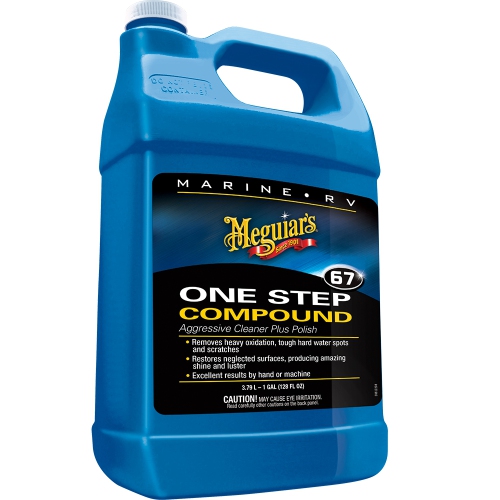
Polishes, waxes, and sealants relate to the condition of the finish rather than simply how dirty it looks. Light oxidation can leave fibreglass gelcoat looking chalky or faded, while fine surface marks can reduce its gloss. A suitable polish may improve these superficial imperfections, but polishing does not repair deep scratches, cracks, or damaged gelcoat. Abrasiveness matters: a heavier cutting compound removes more surface material than a finishing polish and is not automatically the better choice for routine care. Painted hulls and boats with existing specialist coatings may have restrictions on abrasive treatment, making finish compatibility especially important. Waxes and sealants serve a different role, adding a layer that can support gloss, water beading, and easier removal of everyday dirt. Some formulas also provide protection against UV exposure when used as directed. Their durability depends on the surface preparation, application, washing routine, and amount of use, so a glossy result should not be confused with permanent protection. Smooth hull panels, textured decks, and walking areas also need different treatment. A finish intended to make a hull slick may be unsuitable for a deck where secure footing matters. Non-skid deck cleaners are formulated for textured areas, where dirt settles into grooves that a soft wipe may not reach. Stainless-steel rails and fittings can collect staining, while aluminum components may have painted, anodized, or bare finishes that require different cleaners. Metal polishes should match the metal and its coating rather than being treated as interchangeable. Visible pitting, loose fittings, or persistent corrosion are maintenance concerns beyond cosmetic cleaning. Wood trim brings its own considerations, including the wood species, existing finish, and whether the surface is decorative or walked on. Oils and other wood treatments can alter colour and feel, so suitability extends beyond appearance. On a boat with mixed materials, careful application helps preserve the intended finish without leaving residue on neighbouring trim, upholstery, or gripping surfaces.
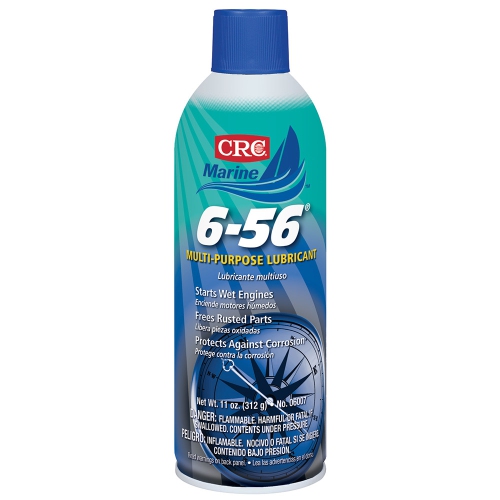
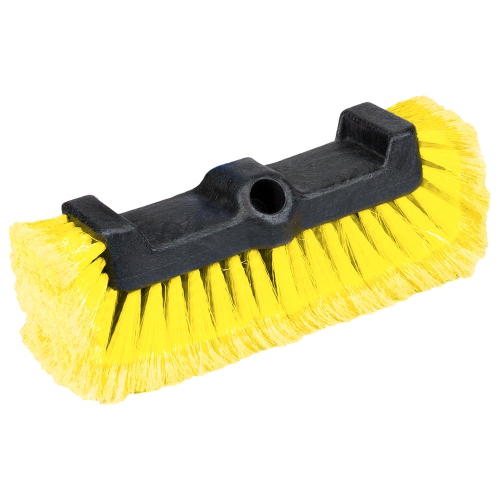
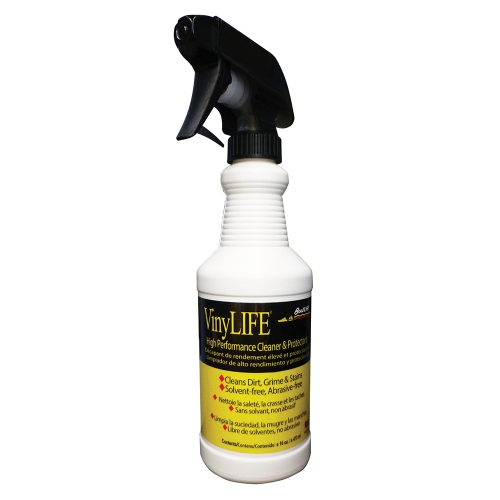
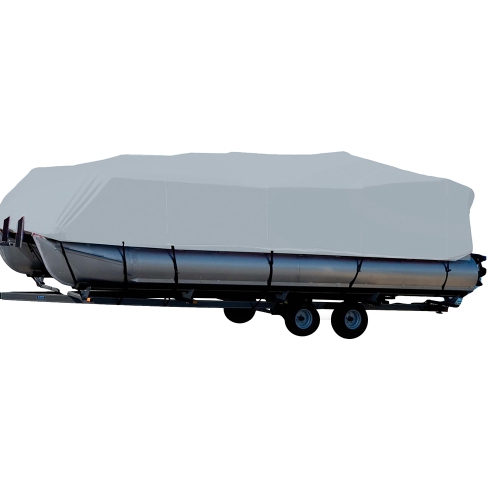
Interior boat care products address the areas people touch throughout a trip: seat cushions, grab handles, cabin surfaces, storage compartments, and clear panels. Marine vinyl cleaners are intended for upholstery that may encounter sunscreen, food spills, fishing residue, and repeated handling. Leather, coated fabrics, and vinyl are not interchangeable, and a cleaner suitable for one may affect another’s finish or colour. A protectant can help maintain the appearance of compatible vinyl, rubber, or plastic, but seating and hand-contact areas benefit from a finish that does not feel greasy or slippery. Canvas covers and fabric enclosures require attention to their fibres, stitching, backing, and any existing water-repellent treatment. Harsh cleaning can affect those features, while trapped moisture and organic residue can contribute to odours and mildew staining. A stain remover may improve visible marks without correcting the dampness that allowed them to develop. Clear vinyl curtains and acrylic windscreens need particular care because abrasive cleaners, rough cloths, or unsuitable solvents can leave haze or scratches. Glass cleaners are not necessarily appropriate for plastic glazing, and screens or electronic displays may have additional coating requirements. Application tools also influence the result: soft wash brushes suit different tasks than firmer deck brushes, while clean microfibre cloths and non-abrasive pads help limit unintended marking on delicate finishes. Brush size, handle reach, and grip are practical fit considerations on narrow side decks or around closely spaced fittings. Complementary Boat Maintenance Accessories can support cleaning tasks where access, reach, and controlled application matter. For owners of fishing boats, family runabouts, pontoons, or cabin cruisers, the most useful assortment reflects the surfaces actually aboard and the way the vessel is used. Someone maintaining an open cockpit may focus on deck texture and wipe-clean seating, while a boat with an enclosure introduces fabric panels and clear windows. Labelled containers, suitable storage, and attention to ventilation requirements remain important wherever cleaning supplies are kept. Together, surface-matched formulas and appropriate application tools support regular care without treating every part of the boat as the same cleaning job.
Top selling and popular products
-
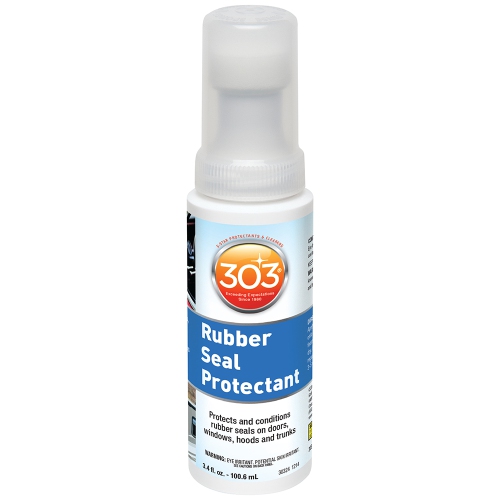 Your price for this item is $31.34
-
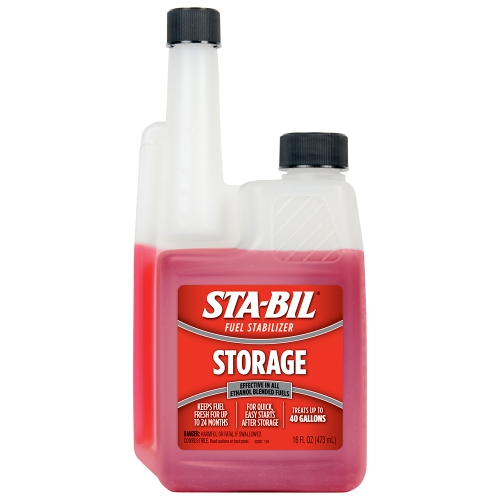 Your price for this item is $30.54
-
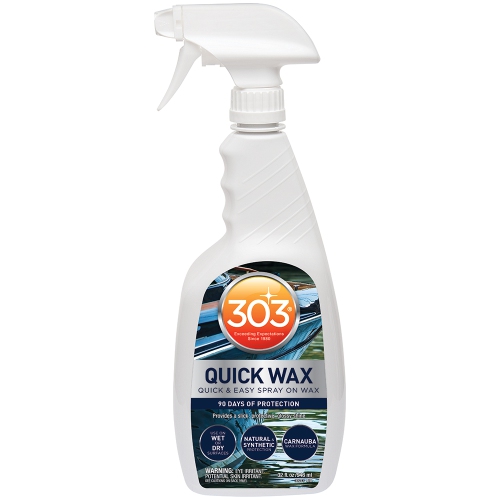 Your price for this item is $38.85
-
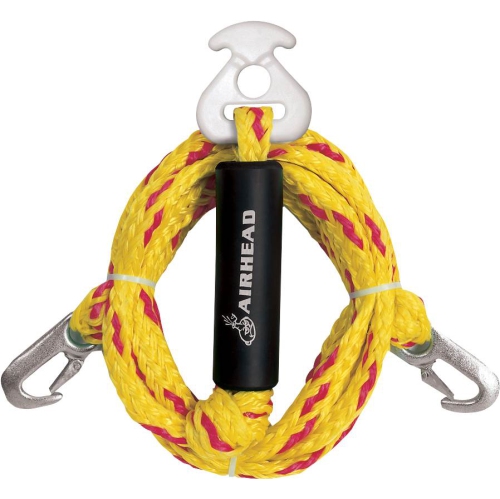 Your price for this item is $63.99
-
 Your price for this item is $917.79
-
 Your price for this item is $844.31
-
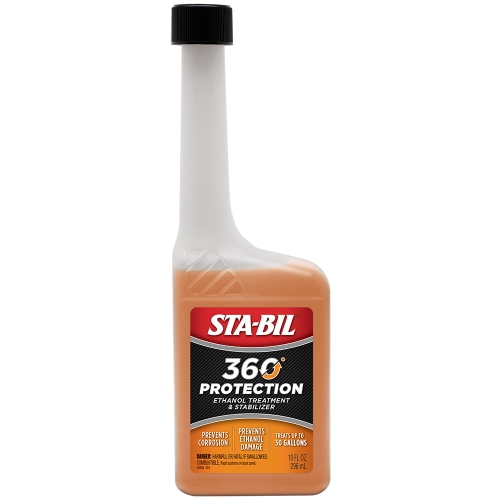 Your price for this item is $31.38
-
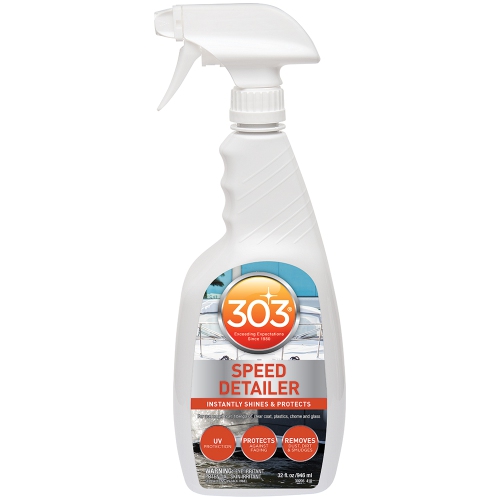 Your price for this item is $35.35
Discover more categories related to Boat Care Products

Top Collections:
Pokemon Centers, Kindle Devices, Best Budget Office Chairs, Canon G7X Cameras, Apple iPhones 16, Samsung Galaxy Phones, Refurbished Apple Laptops, Laptops for Students, iPhone 15 Apple, Budget Smartphones
Some products may be subject to Environmental Handling Fees
(EHF) depending on your province.
Learn more about EHFs.