Boat Cleaning Supplies
Keeping your boat in pristine condition is essential for both its longevity and your enjoyment on the water. With our wide selection of boat cleaning supplies, you can easily maintain and restore the appearance of your vessel. From powerful cleaners to gentle brushes, our range of products is designed to tackle dirt, grime, and tough stains without causing any damage. Whether you're looking to remove algae buildup, polish your boat's exterior, or deep clean the interior surfaces, our boat cleaning supplies have got you covered. Explore our collection today and give your boat the care it deserves.
Sort



























Why different boat surfaces need different cleaning treatments
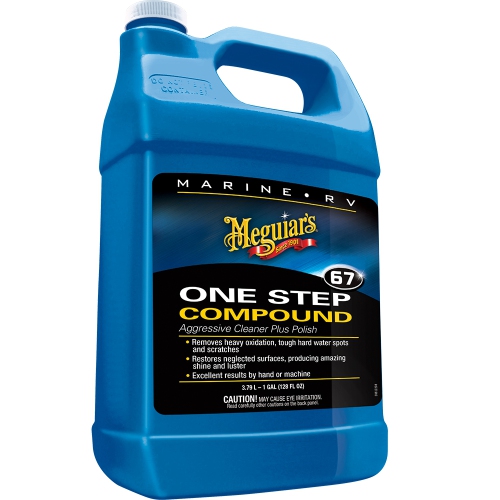
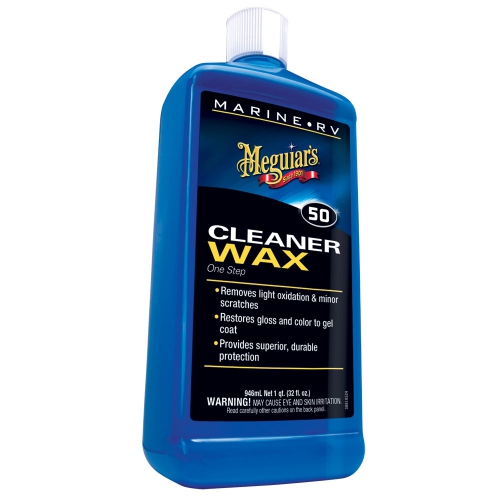
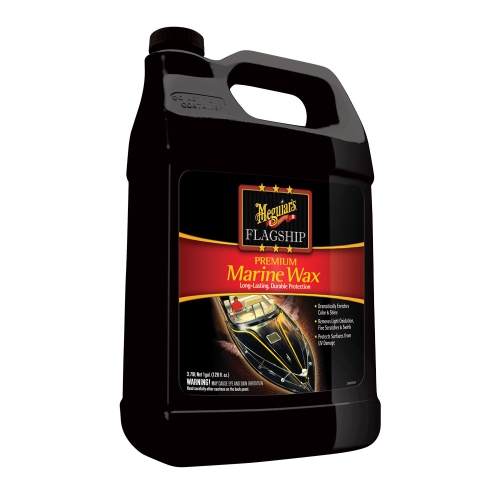
Boat cleaning supplies are products and tools designed to remove dirt, waterline stains, salt residue, grease, and everyday marks from a boat’s surfaces. The main categories include marine wash, hull cleaners, deck cleaners, vinyl cleaners and conditioners, polishing compounds, protective waxes, brushes, sponges, and drying cloths. Each has a different role, because the smooth gelcoat on a fibreglass hull, the textured floor of a cockpit, and the clear panels around a helm do not respond to cleaning in the same way. A general marine wash suits routine surface cleaning, while a dedicated hull cleaner targets deposits that ordinary washing may leave behind. Dark streaks below fittings, a discoloured line near the water, and dried splashes around the transom can require different treatments rather than stronger scrubbing with the same solution. The most useful distinction is between removing loose dirt, treating a particular stain, and restoring or protecting a finish. Cleaners remove contamination; polishing compounds use abrasives to address certain surface imperfections; waxes and other compatible protectants add a finishing layer after cleaning. These categories are not interchangeable, and some combined formulas perform more than one function. For recreational boat owners, anglers, paddlers, and people maintaining a family cruiser, a coordinated set of cleaning supplies can make routine upkeep more manageable. A compact fishing boat may call for easy-rinsing deck cleaner and tools that reach around seat mounts, while a boat with upholstered seating and a cabin has additional care needs. Canoes, kayaks, and pontoon boats also benefit from supplies matched to their construction rather than a one-formula approach. Alongside broader Boating Supplies, cleaning essentials serve a practical purpose: keeping frequently handled surfaces clean, maintaining the appearance of finishes, and making it easier to notice wear, loose trim, or small areas of damage during normal care. The right assortment depends less on boat size alone than on the mix of materials aboard, the kind of residue encountered, and how accessible each surface is.
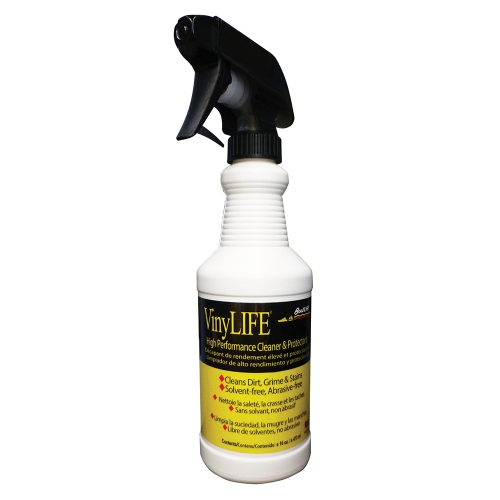
Material compatibility is one of the most important considerations when choosing boat cleaners. Fibreglass boats commonly have a gelcoat finish, which needs a cleaner suited to that surface and its condition. A formula intended to tackle stubborn hull staining may have different application, rinsing, and protective-equipment requirements from an everyday boat soap. Painted surfaces, graphics, sealants, and adjoining metal fittings can also limit where a cleaner should be used. Aluminum requires particular attention because bare, polished, anodized, and painted finishes can react differently to the same treatment. An aluminum cleaner is not automatically appropriate for every aluminum component, and a brightening treatment may change the appearance of a finish. Stainless steel railings and hardware have their own cleaning needs, especially where residue collects around bases and fasteners. On deck, textured surfaces trap grit in small recesses; suitable non-slip deck cleaners help loosen that dirt without relying on a glossy finishing layer. Any treatment used on steps, walking areas, or grab points should be expressly suitable for that use, since a slick residue is undesirable underfoot or in the hand. Seating introduces another set of requirements. Marine vinyl can collect sunscreen, body oils, food marks, and dirt along seams, so compatible vinyl cleaners and conditioners are more appropriate than assuming a household upholstery formula will work. Conditioners and protectants should be chosen according to the upholstery manufacturer’s care directions, including whether they are suitable for seating surfaces. Woven fabrics, removable cushion covers, carpet, and synthetic decking may each require separate care. Clear plastic windows need cleaners and soft cloths approved for their material, since abrasive particles and unsuitable chemicals can leave scratches or haze. Screens and instrument displays should follow their own manufacturer’s cleaning instructions rather than general window-care advice. Across these surfaces, clear compatibility information, stated dilution ratios, and a small test in an inconspicuous area provide a more dependable basis for selection than claims of cleaning strength alone.
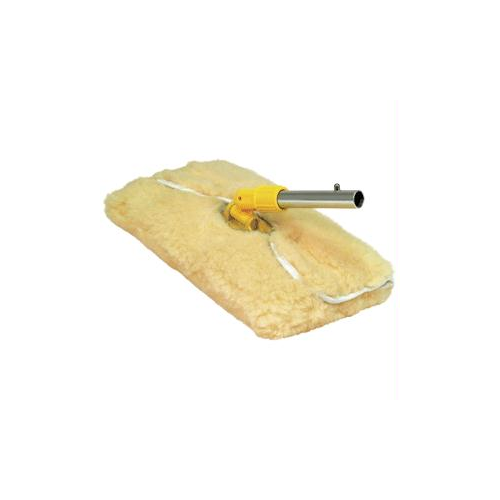
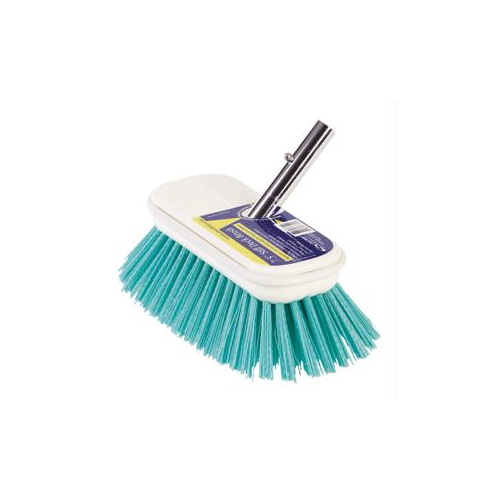
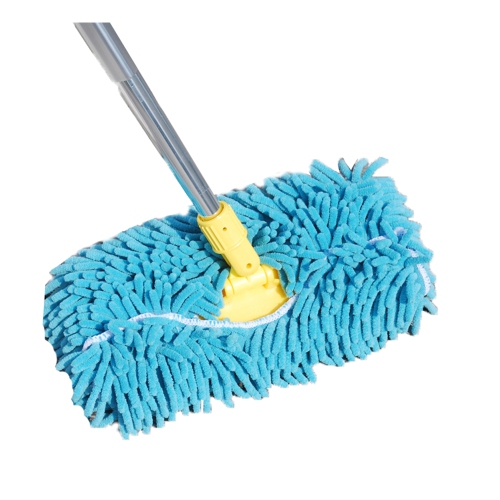
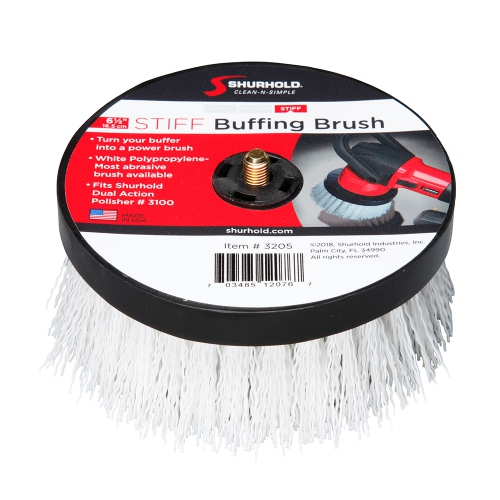
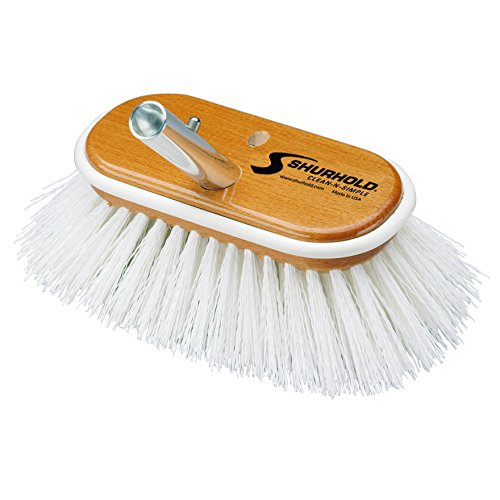
Brushes, cloths, and applicators influence cleaning results just as much as the formula in the bottle. Soft-bristled wash brushes are commonly suited to routine washing on compatible finishes, while firmer brushes may be useful for durable, textured areas when the surface manufacturer permits them. Bristle stiffness, head shape, and brush width all affect how a tool fits the task. A broad head covers open sections of deck efficiently, but a smaller brush is easier to manoeuvre around hinges, cup holders, seat tracks, and the edges of fittings. Telescoping handles extend reach along hull sides and across wider surfaces, although maximum length is only part of the decision. Handle weight, grip comfort, locking security, and compatibility between the handle and brush head matter during repeated use. Padded edges can help reduce accidental knocks against trim, but they do not replace careful handling. Microfibre cloths, soft wash mitts, and absorbent drying towels are useful for lifting residue and finishing smooth surfaces, provided they are clean and appropriate for the material. A cloth used on a gritty hull should stay separate from one intended for clear panels or polished fittings. Washable tools, corrosion-resistant components, and replaceable heads can support repeated use, while compact handles and secure bottle closures suit boats with limited locker space. Concentrated cleaners require accurate dilution and suitable measuring arrangements; ready-to-use formulas remove that mixing step but still need attention to contact time and rinsing directions. Storage and care are part of durability, too. Rinsing brushes thoroughly, allowing textiles to dry before packing them away, and keeping chemicals upright in their original labelled containers help keep a cleaning kit organized. Cleaning agents should never be mixed unless their instructions explicitly permit it, and marina rules may govern where washing and rinsing can take place. For someone putting together a gift for a boat owner, material-compatible wash tools and practical storage accessories can be thoughtful choices when the recipient’s boat and care preferences are known. A useful boat cleaning collection is ultimately one that fits the surfaces aboard and the owner’s routine, from wiping fingerprints off a rail to removing grime from a well-used cockpit.
Top selling and popular products
-
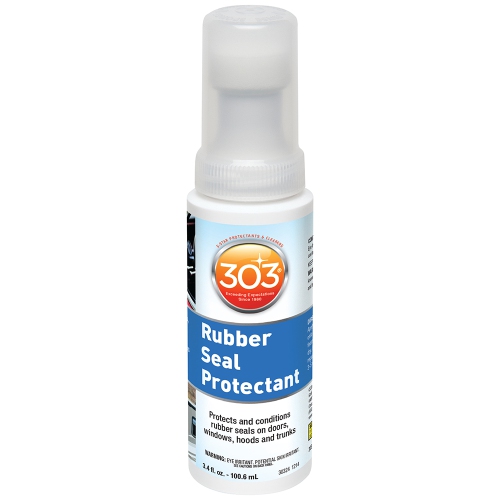 Your price for this item is $31.34
-
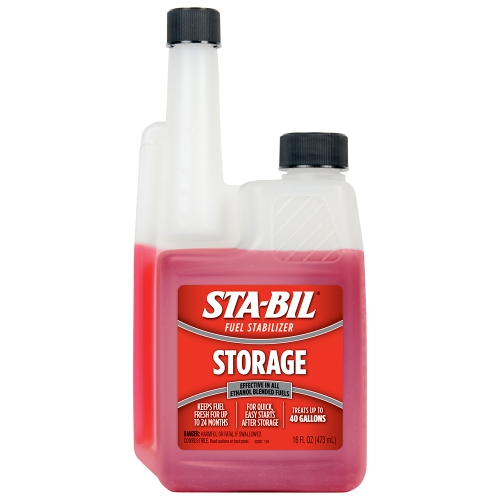 Your price for this item is $30.54
-
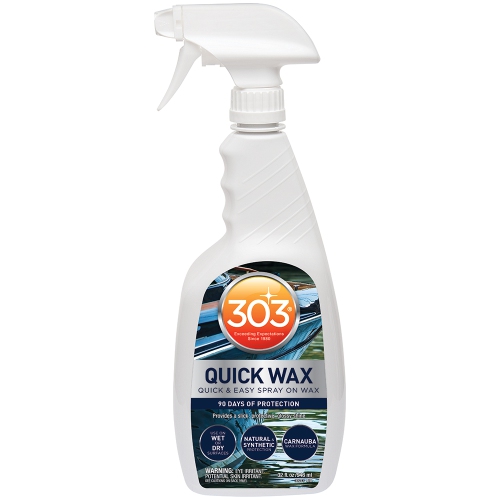 Your price for this item is $38.85
-
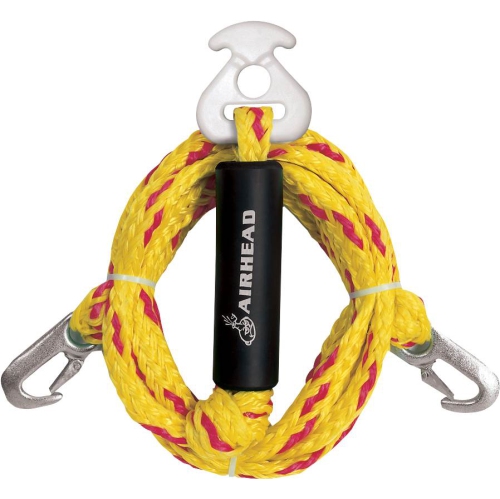 Your price for this item is $63.99
-
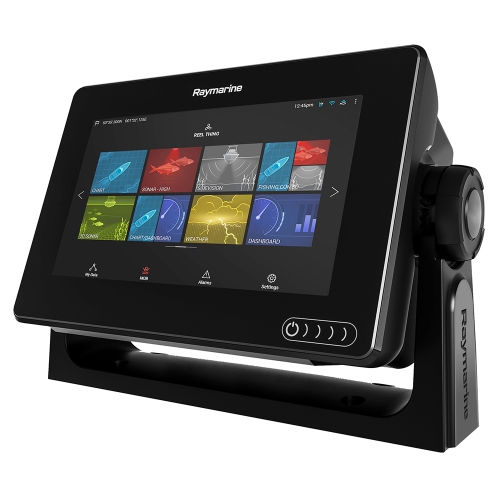 Your price for this item is $917.79
-
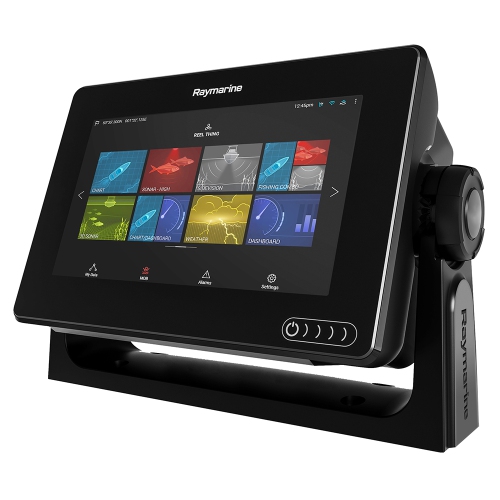 Your price for this item is $844.31
-
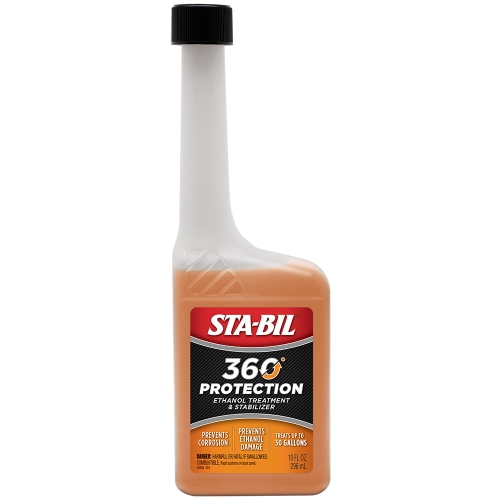 Your price for this item is $31.38
-
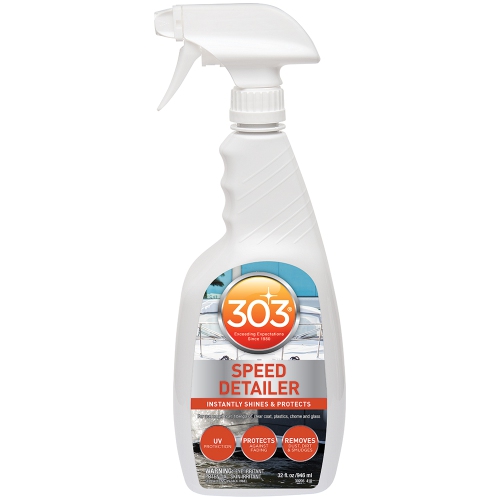 Your price for this item is $35.35
Discover more categories related to Boat Cleaning Supplies

Top Collections:
Pokemon Centers, Kindle Devices, Best Budget Office Chairs, Canon G7X Cameras, Apple iPhones 16, Samsung Galaxy Phones, Refurbished Apple Laptops, Laptops for Students, iPhone 15 Apple, Budget Smartphones
Some products may be subject to Environmental Handling Fees
(EHF) depending on your province.
Learn more about EHFs.