Boat Motor Parts
If you're looking to keep your boat's motor running smoothly and efficiently, look no further than this wide selection of boat motor parts. Whether you're in need of replacement components or looking to upgrade for enhanced performance, we've got you covered. From propellers and fuel filters to spark plugs and impellers, our comprehensive range of boat motor parts has everything you need to keep your vessel operating at its best. With top-quality options from trusted manufacturers,
Sort

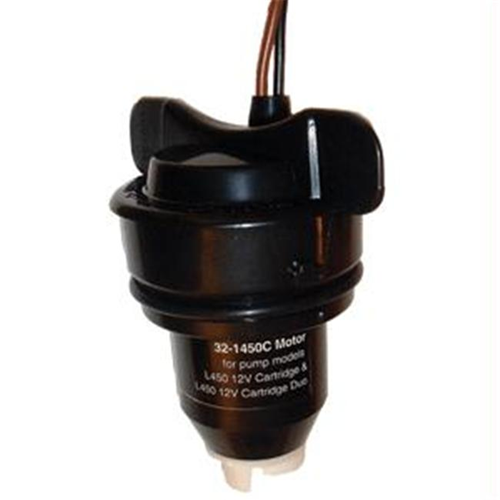
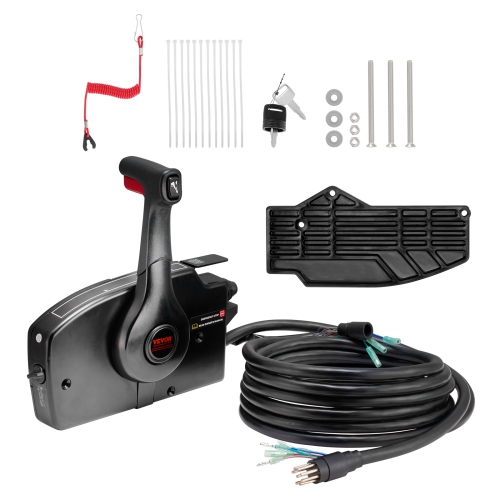
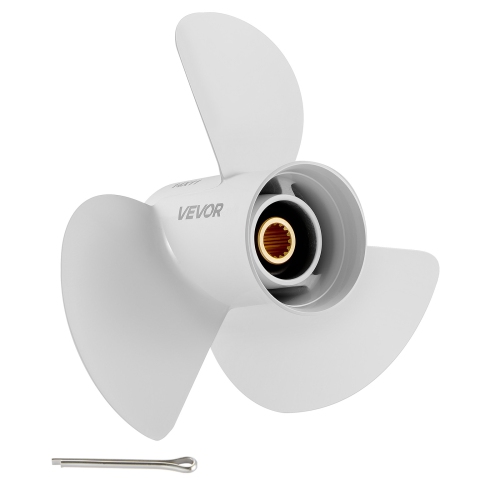
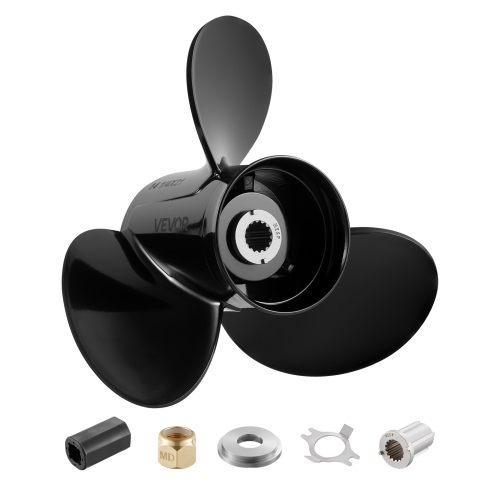
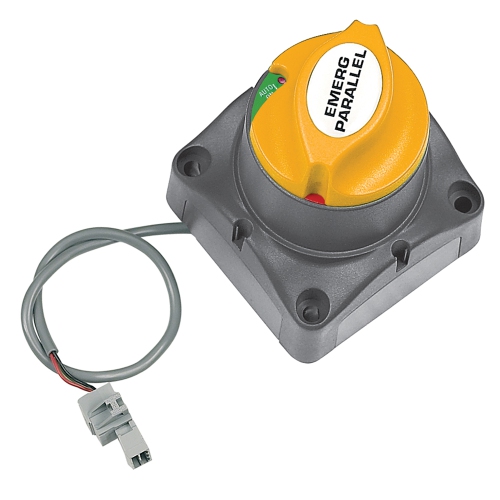
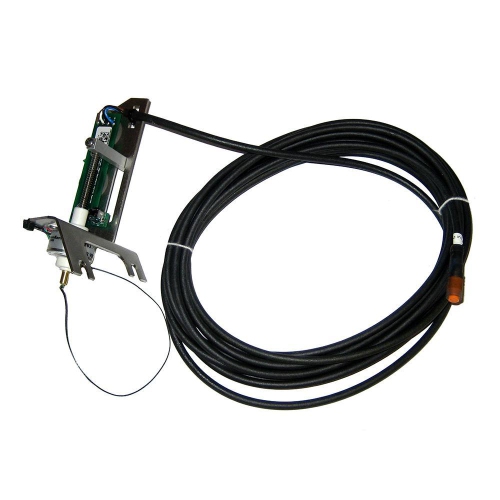
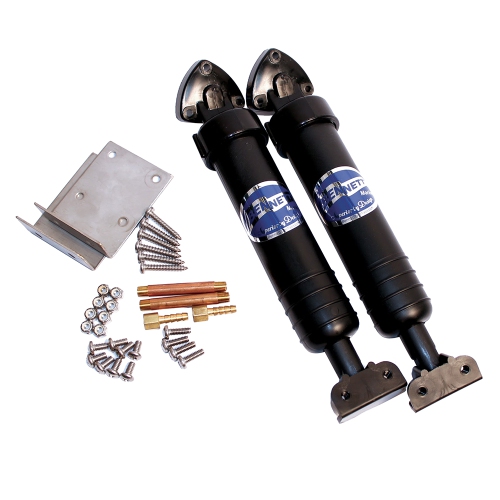
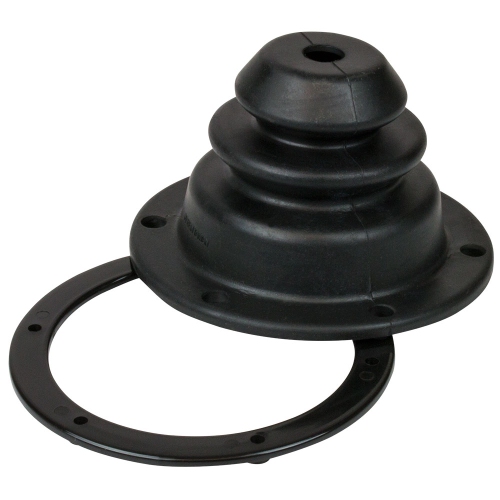
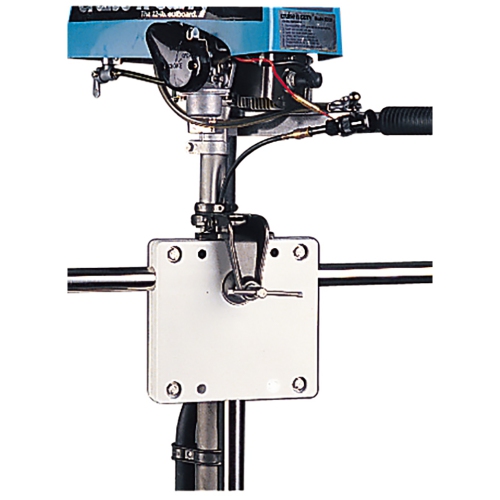
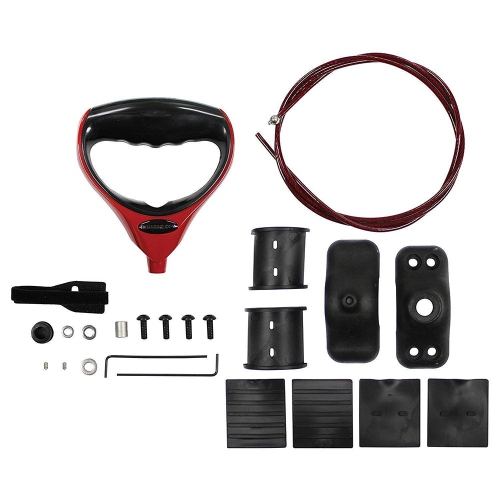
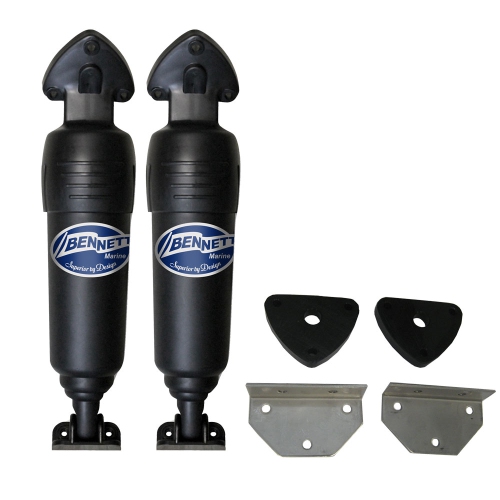
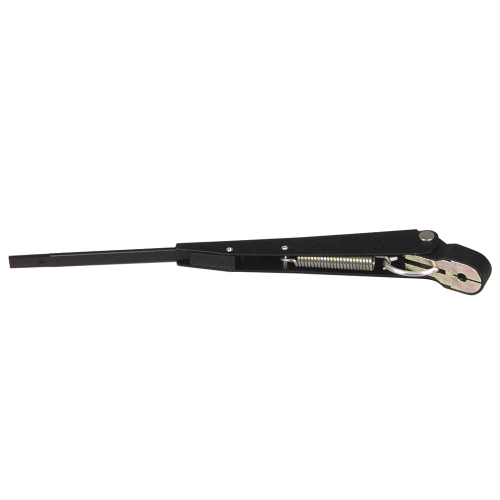
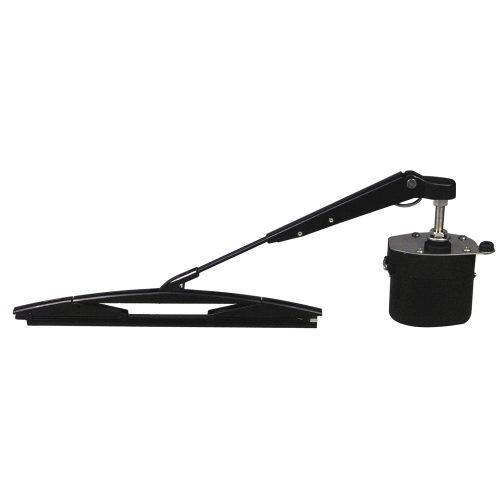
Support safer starts, cooling, and handling all season
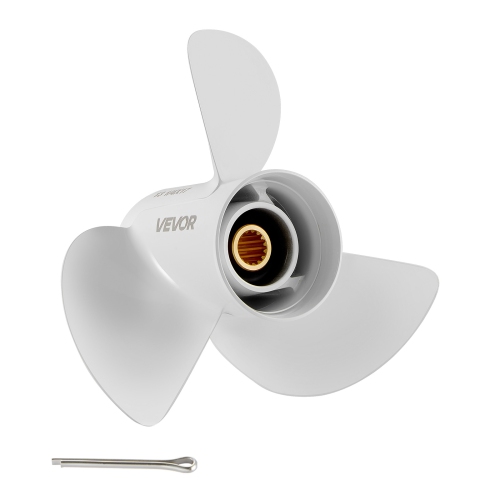
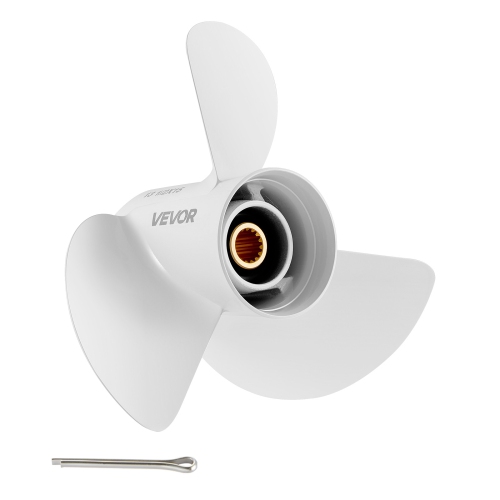
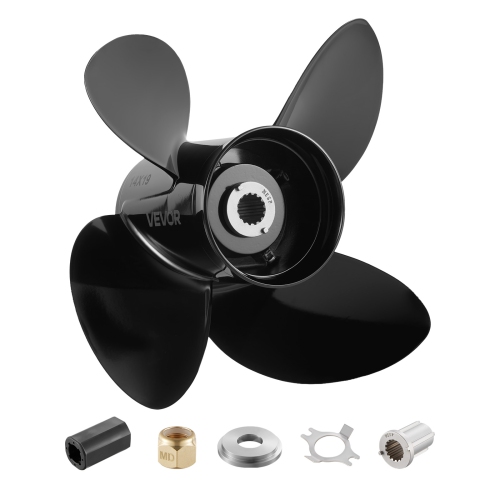
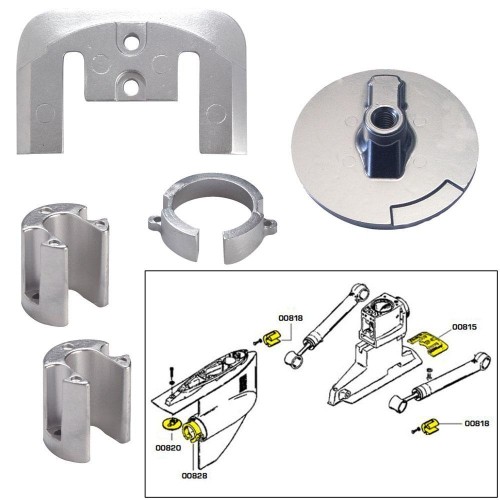
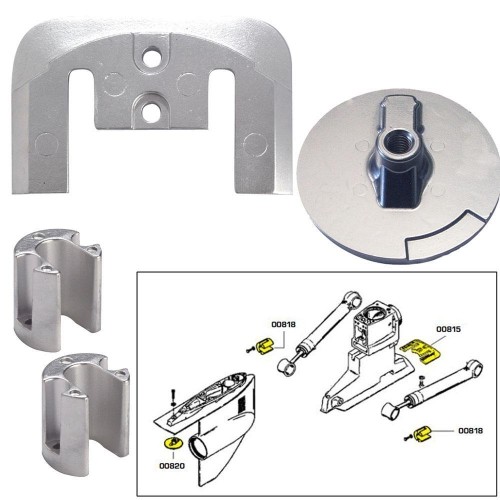
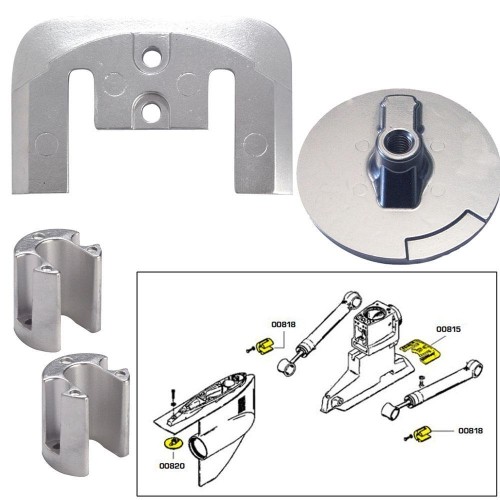
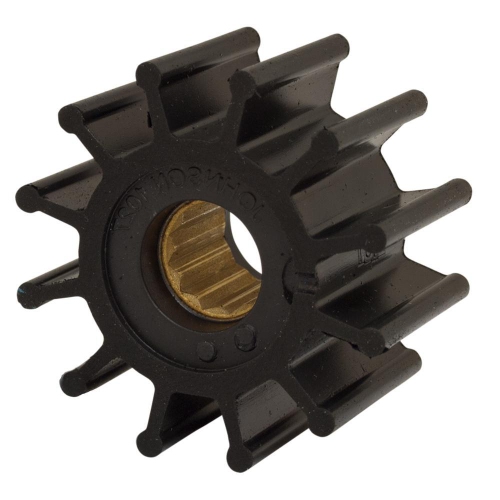
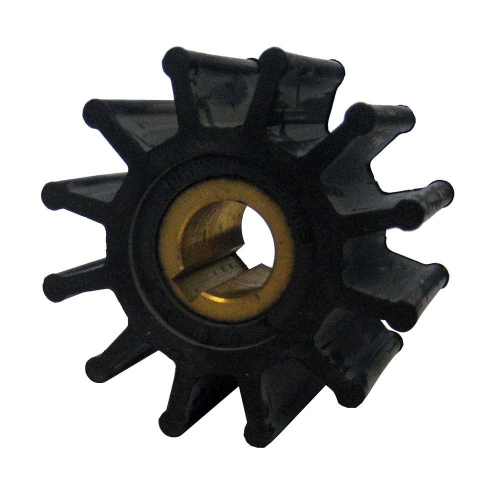
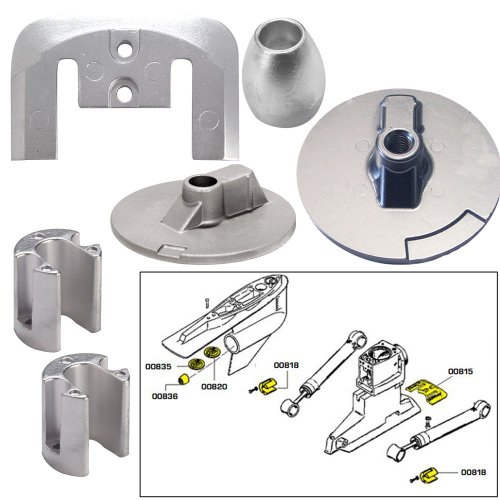
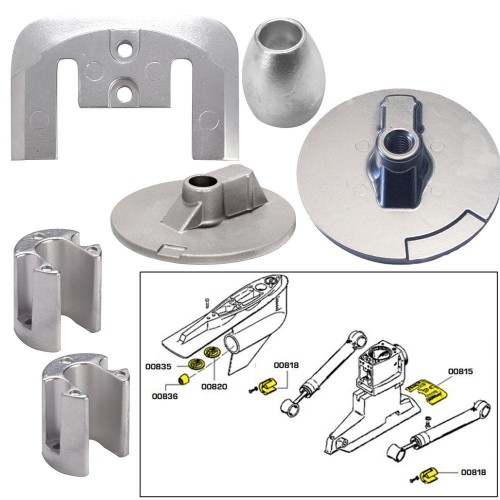
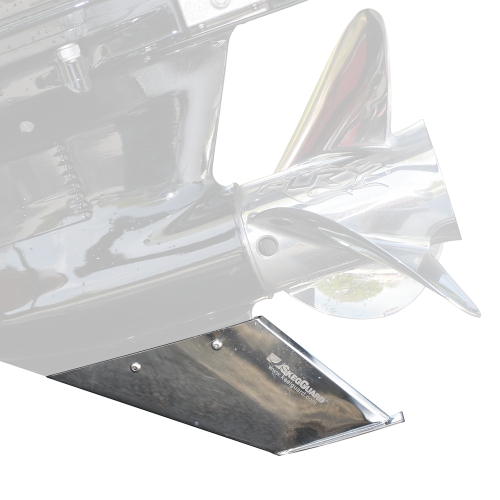
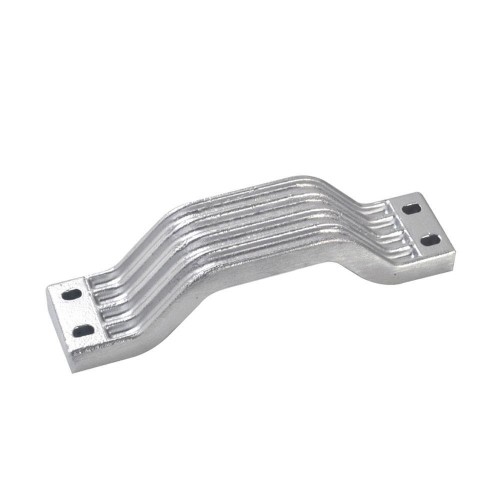
Boat motor parts help keep time on the water safe, smooth, and dependable, whether you are preparing a small fishing boat for a quiet morning on the lake or maintaining a larger vessel used for cruising, transport, or recreation. Common replacement and maintenance parts include fuel filters, water pump impellers, propellers, spark plugs, gaskets, seals, belts, thermostats, hoses, anodes, and other components designed to support the motor’s fuel, cooling, ignition, exhaust, and drive systems. A fuel filter helps remove dirt and moisture before fuel reaches the engine, while a water pump impeller moves cooling water through the motor to help control operating temperature. Propellers convert engine power into forward or reverse movement, and the correct size, pitch, material, and blade design can affect acceleration, handling, fuel use, and top speed. Anodes, sometimes called sacrificial anodes, help protect underwater metal components from corrosion by wearing down in place of more important parts. These items can be useful for boat owners completing routine maintenance, replacing a worn component after a long season, or keeping essential spares aboard before heading away from the dock. They may also be practical gifts for anglers, cottage owners, boating enthusiasts, and anyone who enjoys spending warmer days exploring waterways. During the cooler months, many boat owners inspect their motors, organize storage areas, and make a list of parts needed for the next launch, making it easier to begin the season with confidence when the weather warms.
Choosing the right boat motor parts starts with accurate information about the motor and the boat. Before ordering, record the motor’s manufacturer, horsepower, model, production year, and serial number, then compare those details with the product specifications and compatibility information. The serial number is especially valuable because similar-looking motors can use different impellers, filters, gaskets, propellers, or electrical components depending on the production run and configuration. Online parts catalogues and illustrated diagrams can help identify the correct assembly, show how related components fit together, and clarify whether additional seals, fasteners, or installation pieces are required. Original equipment manufacturer parts are made for a particular engine family, while compatible replacement parts may provide another suitable option when their dimensions, materials, performance ratings, and fitment information match the motor. It is also worth checking the intended use of each part. A propeller designed for a particular boat size or performance goal may not deliver the same results on another hull, and a filter or hose must be rated for marine fuel or cooling applications rather than general household use. Inspect the old part for identifying numbers and compare its shape, connection points, diameter, thread pattern, and mounting arrangement with the replacement. When a part is difficult to access or connected to a critical system, professional installation can help prevent leaks, overheating, electrical faults, or damage caused by incorrect assembly. Keeping receipts, packaging, and installation instructions together with the motor’s service records can also make future maintenance more straightforward.
Boat motor parts are useful for both planned servicing and unexpected repairs. A careful owner may keep commonly replaced items in a dry onboard container or workshop cabinet so a minor issue does not interrupt a day on the water. Before each outing, check for visible fuel or oil leaks, damaged wiring, loose fittings, unusual vibration, and signs of corrosion around the lower unit and other exposed components. After use in salt water or mineral-rich water, follow the motor’s care instructions for rinsing and flushing, and inspect areas where fishing line, weeds, sand, or debris may collect. A damaged propeller can affect balance and place extra strain on the motor, while a worn impeller may reduce cooling performance even when the engine still starts normally. Filters, plugs, belts, hoses, and anodes should be reviewed according to the maintenance schedule and the conditions in which the boat is used. If your boating plans focus on angling, browsing Fishing Boat Motors can help you consider the motor and equipment needs of your boat as a complete setup. During the transition from warmer weather to the cooler months, a thorough inspection can reveal small problems before storage, and replacing tired components in advance may reduce preparation time when the next boating season arrives. With the correct identification details, careful fitment checks, and regular maintenance, replacement parts can help support reliable starts, consistent cooling, responsive handling, and more enjoyable time on the water.
Choosing the right boat motor parts starts with accurate information about the motor and the boat. Before ordering, record the motor’s manufacturer, horsepower, model, production year, and serial number, then compare those details with the product specifications and compatibility information. The serial number is especially valuable because similar-looking motors can use different impellers, filters, gaskets, propellers, or electrical components depending on the production run and configuration. Online parts catalogues and illustrated diagrams can help identify the correct assembly, show how related components fit together, and clarify whether additional seals, fasteners, or installation pieces are required. Original equipment manufacturer parts are made for a particular engine family, while compatible replacement parts may provide another suitable option when their dimensions, materials, performance ratings, and fitment information match the motor. It is also worth checking the intended use of each part. A propeller designed for a particular boat size or performance goal may not deliver the same results on another hull, and a filter or hose must be rated for marine fuel or cooling applications rather than general household use. Inspect the old part for identifying numbers and compare its shape, connection points, diameter, thread pattern, and mounting arrangement with the replacement. When a part is difficult to access or connected to a critical system, professional installation can help prevent leaks, overheating, electrical faults, or damage caused by incorrect assembly. Keeping receipts, packaging, and installation instructions together with the motor’s service records can also make future maintenance more straightforward.
Boat motor parts are useful for both planned servicing and unexpected repairs. A careful owner may keep commonly replaced items in a dry onboard container or workshop cabinet so a minor issue does not interrupt a day on the water. Before each outing, check for visible fuel or oil leaks, damaged wiring, loose fittings, unusual vibration, and signs of corrosion around the lower unit and other exposed components. After use in salt water or mineral-rich water, follow the motor’s care instructions for rinsing and flushing, and inspect areas where fishing line, weeds, sand, or debris may collect. A damaged propeller can affect balance and place extra strain on the motor, while a worn impeller may reduce cooling performance even when the engine still starts normally. Filters, plugs, belts, hoses, and anodes should be reviewed according to the maintenance schedule and the conditions in which the boat is used. If your boating plans focus on angling, browsing Fishing Boat Motors can help you consider the motor and equipment needs of your boat as a complete setup. During the transition from warmer weather to the cooler months, a thorough inspection can reveal small problems before storage, and replacing tired components in advance may reduce preparation time when the next boating season arrives. With the correct identification details, careful fitment checks, and regular maintenance, replacement parts can help support reliable starts, consistent cooling, responsive handling, and more enjoyable time on the water.
Top selling and popular products
-
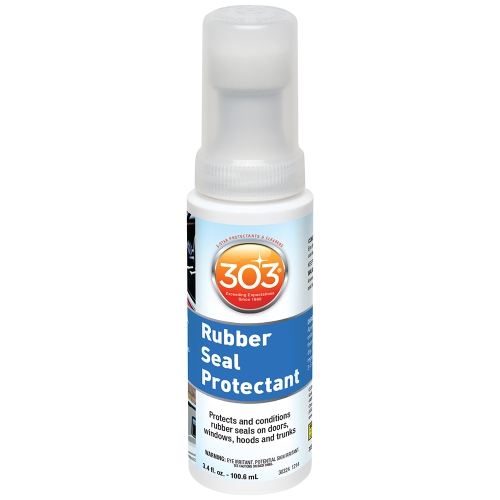 Your price for this item is $30.58
 -
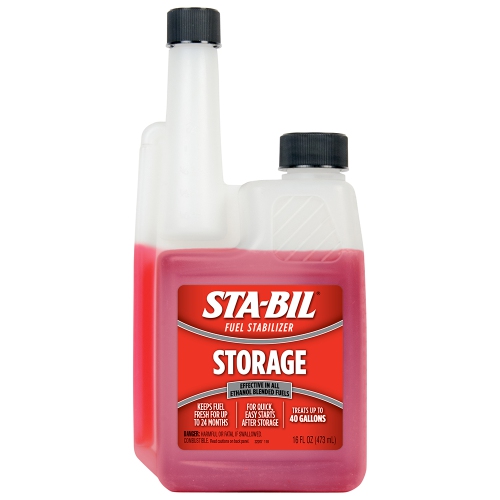 Your price for this item is $30.54
 -
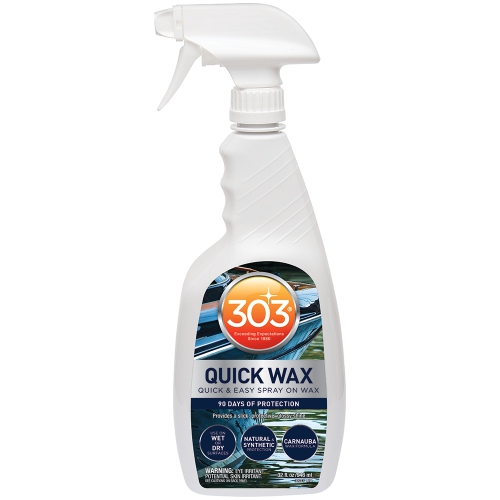 Your price for this item is $38.85
 -
 Your price for this item is $92.99
 -
 Your price for this item is $917.79
 -
 Your price for this item is $844.31
 -
 Your price for this item is $30.62
 -
 Your price for this item is $34.93
Discover more categories related to Boat Motor Parts
Top Collections:
Pokemon Centers, Kindle Devices, Best Budget Office Chairs, Apple iPhones 16, Canon G7X Cameras, iPhone 15 Apple, Alarm Clock, Refurbished Apple Laptops, Flip Phones, Best Laptops for Writers
Some products may be subject to Environmental Handling Fees
(EHF) depending on your province.
Learn more about EHFs.