Fishing Boat Motors
Looking to power up your fishing boat for your next angling adventure? Look no further than our selection of Fishing Equipment. Whether you're a seasoned angler or just starting out, having a reliable and efficient motor is essential for navigating the waters with ease. At Best Buy Canada, we understand the importance of finding the perfect motor that suits your specific needs. That's why we offer a wide range of options to choose from, ensuring that you can find the ideal fishing boat motor to enhance your fishing experience. From quiet and fuel-efficient electric motors to powerful and durable gas-powered engines, we have something for every type of angler. Explore our collection today and get ready to reel in the big catch!

The essentials of power, fit, controls, and safe operation
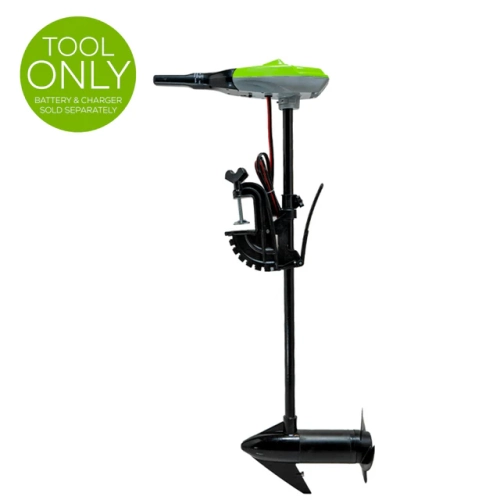
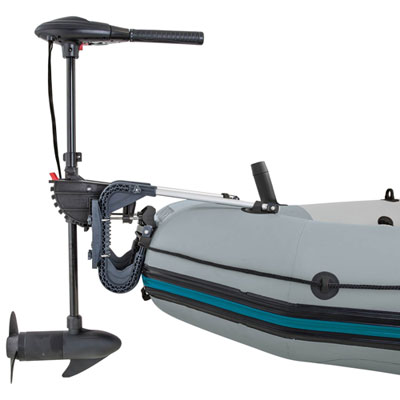
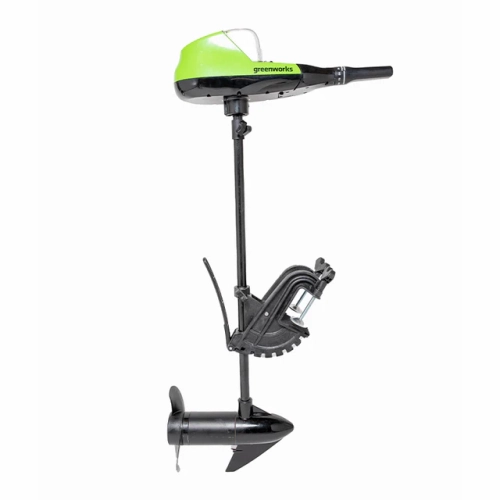
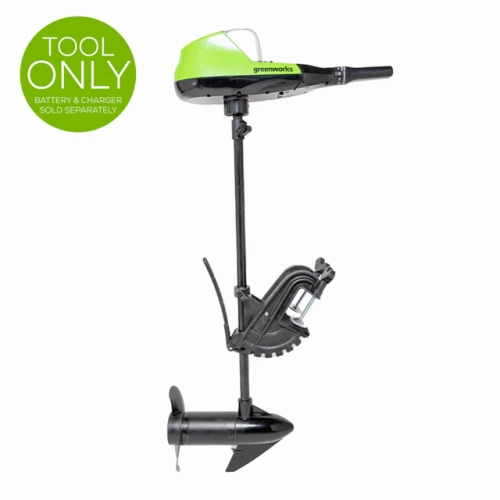
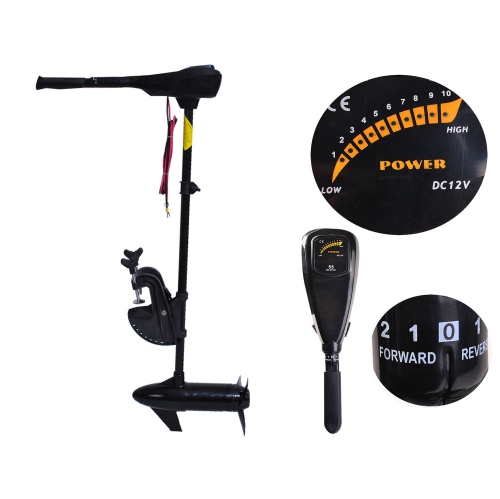
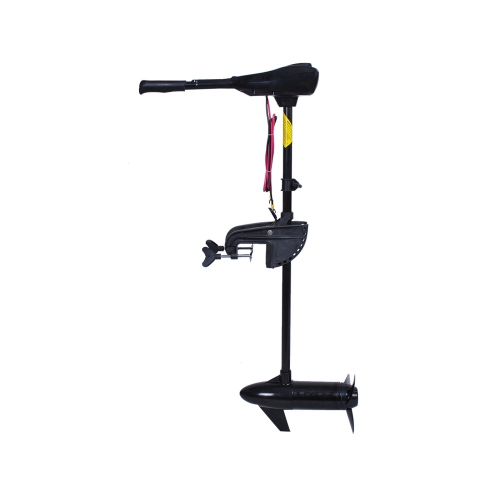
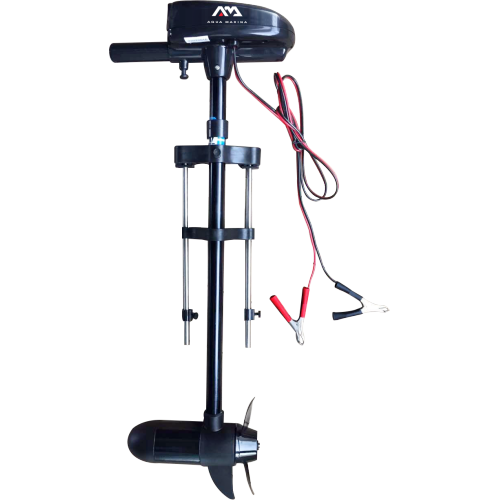
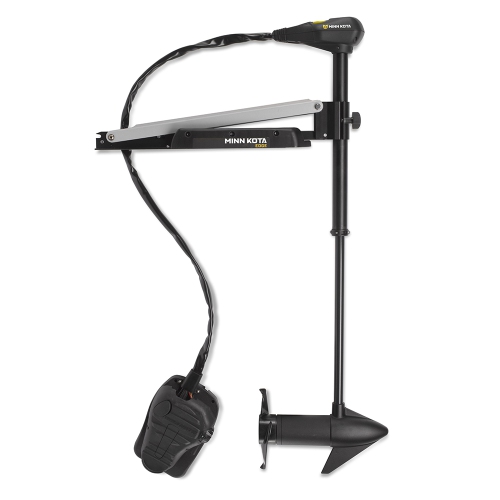
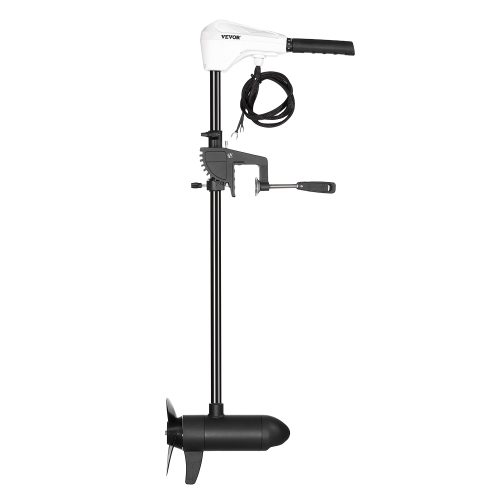
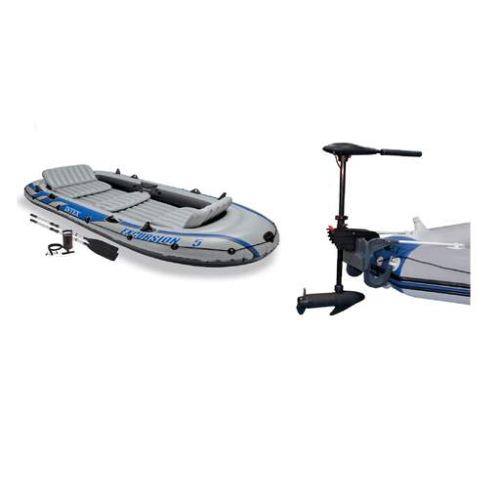
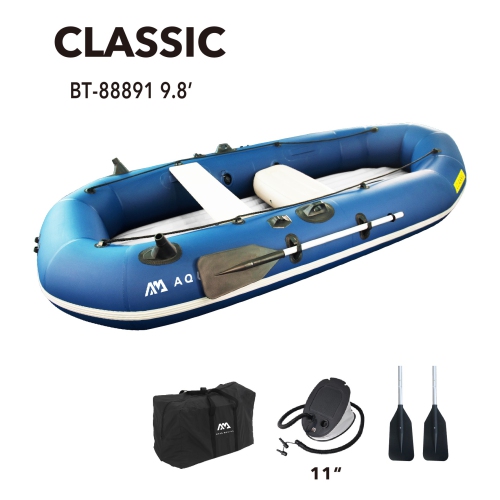
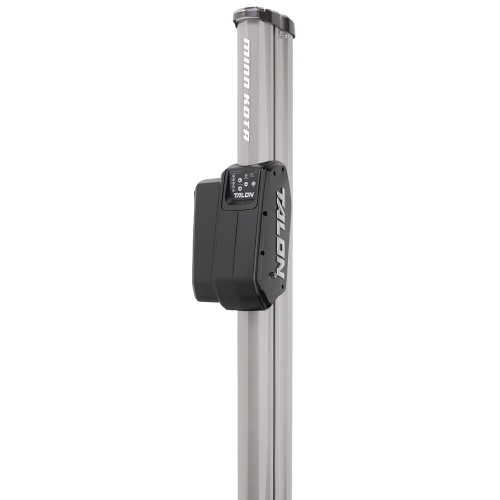
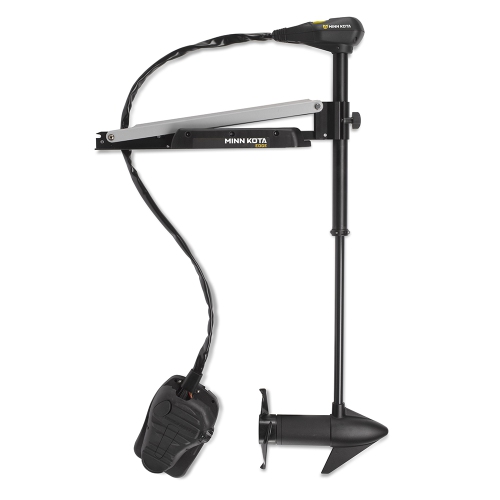
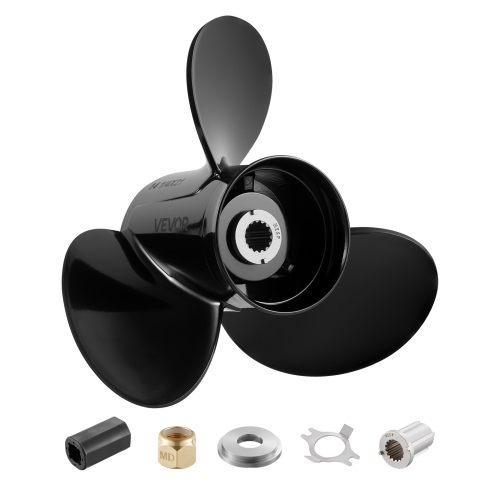
Fit is just as important as power. Measure the boat’s transom height before selecting a motor shaft, since common transom sizes include 15 inch, 20 inch, and 25 inch configurations. The correct shaft length places the propeller at an effective depth below the hull; a shaft that is too short may lose bite in choppy water, while one that is too long can sit deeper than necessary and make shallow-water travel more difficult. Weight should also be considered alongside horsepower. A lightweight inflatable or compact aluminum boat may perform best with a portable motor that can be lifted, carried, and mounted without assistance. A heavier fishing rig may have the capacity for a more substantial outboard, additional batteries, remote steering, and a broader range of onboard equipment. Tiller steering offers a straightforward, hands-on feel and is common on smaller boats, while remote steering can make longer or wider boats easier to handle from a central console. Some anglers prefer a motor with manual starting for a simple setup, while others may value electric starting, power trim, or tilt for easier operation at the dock and during transport. For electric motors, compare thrust, voltage, shaft length, control style, battery requirements, and mounting position. Bow-mounted motors can provide excellent positioning control for casting, while transom-mounted options are often easy to install on smaller boats and useful for straightforward forward movement. Think about the water where you will operate as well. Freshwater lakes, slow-moving rivers, reservoirs, and sheltered coastal areas can place different demands on a motor, and saltwater use calls for equipment designed to withstand exposure to corrosion. Rinse the motor after use in saltwater, follow the manufacturer’s care instructions, and inspect cables, propellers, mounts, fuel lines, and battery connections regularly. Keeping replacement items and maintenance essentials together with your boating gear can make preparation easier; accessories and replacement components are available through Boat Motor Parts.
Fishing boat motors are useful for a wide range of boat owners, from a first-time angler learning a familiar local lake to an experienced operator planning longer days on open water. They can also be thoughtful gifts for someone who has recently purchased a small boat, joined a fishing club, or begun exploring remote ponds and rivers. A compact electric motor may suit a parent and child who spend calm afternoons casting from a small boat, while a dependable portable outboard can be valuable for a cottage owner who needs to move a utility boat, access a quiet inlet, or keep a backup motor on board. Before choosing a gift, confirm the boat type, transom height, maximum horsepower, electrical system, and preferred steering arrangement. It is also worth considering how the motor will be transported and stored during cooler months. A motor that can be removed easily may be more convenient for someone who keeps a boat on a trailer, while a lighter unit may be preferable when equipment must be carried down a steep shoreline. On the water, safe operation begins with a properly fitted motor and a realistic understanding of its capabilities. Wear an approved personal flotation device, keep the load balanced, secure fuel and batteries, and carry the required safety equipment for your area. Leave room for changing weather, especially when fishing in late summer and during the cooler months, when wind and waves can develop quickly. A well-matched motor should feel predictable at low speed, provide enough power for the boat’s intended use, and remain manageable during launching, docking, trailering, and storage. By comparing propulsion type, horsepower or thrust, shaft length, weight, controls, battery or fuel needs, and maintenance requirements, you can choose fishing boat motors that make time on the water more comfortable, capable, and enjoyable.
Top selling and popular products
-
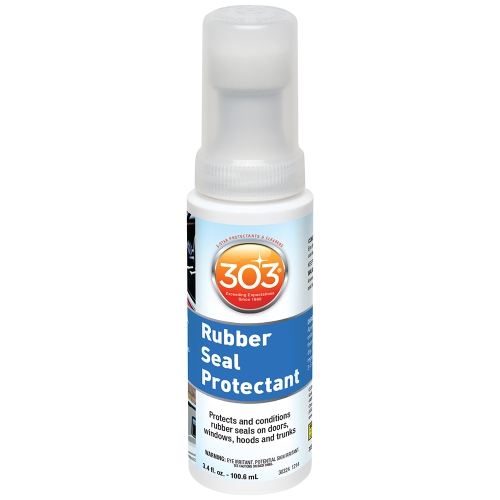 Your price for this item is $30.58
 -
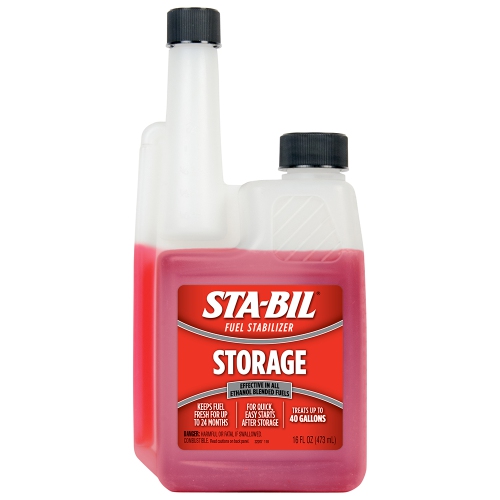 Your price for this item is $30.54
 -
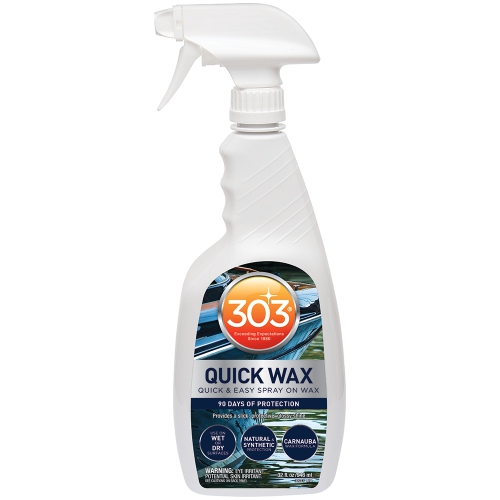 Your price for this item is $38.85
 -
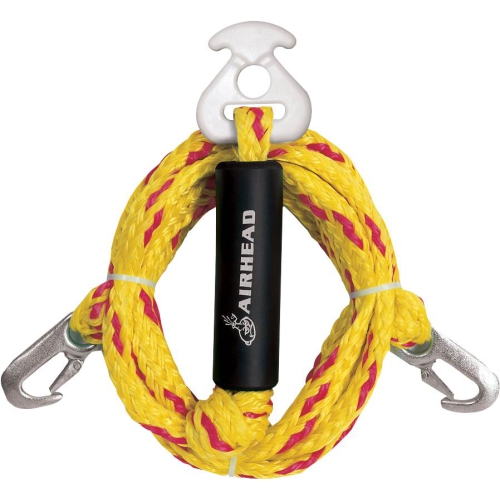 Your price for this item is $92.99
 -
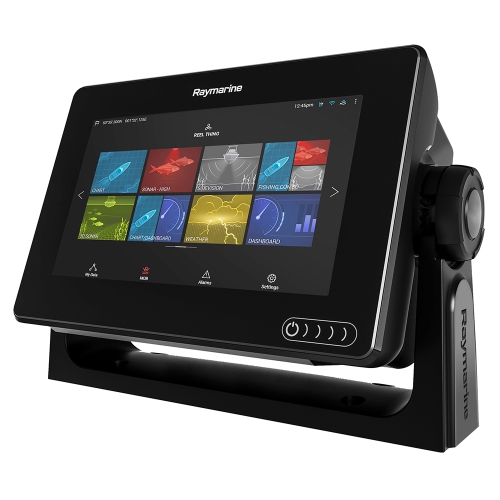 Your price for this item is $917.79
 -
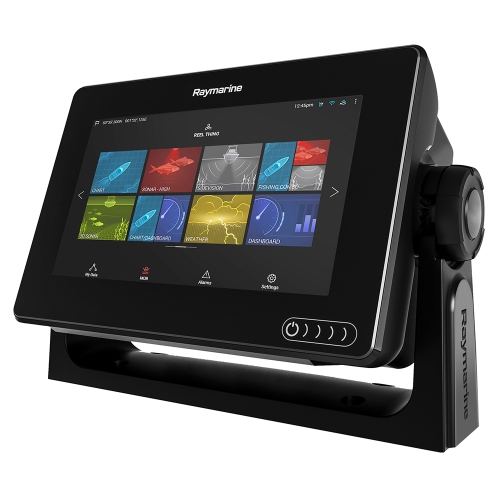 Your price for this item is $844.31
 -
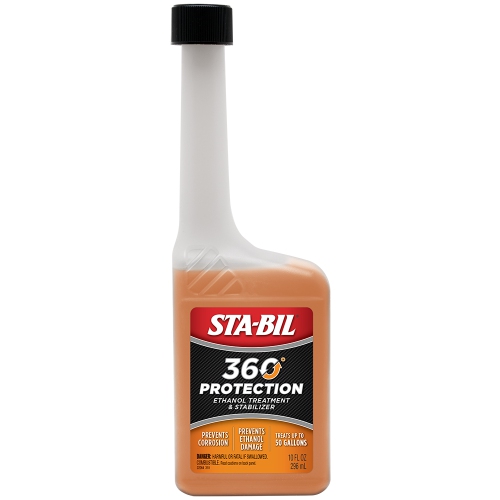 Your price for this item is $30.62
 -
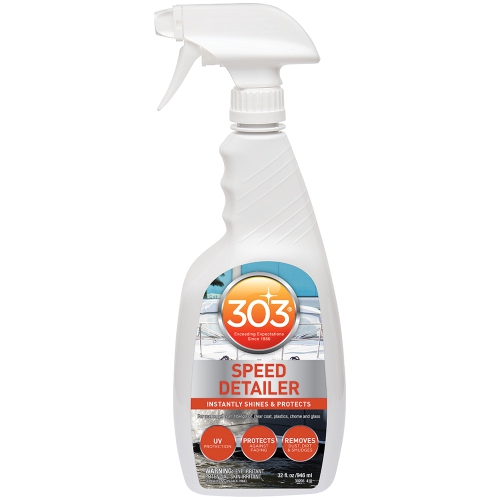 Your price for this item is $34.93