Boat Underwater Lights
Enhance your boating experience with the mesmerizing glow of boat underwater lights. Illuminate the depths beneath your vessel and create a captivating ambiance that will leave everyone in awe. Whether you're cruising through calm waters or anchoring for a night out, these underwater lights are designed to enhance both the aesthetics and functionality of your boat. With their durable construction and easy installation, you can effortlessly transform your boat into a stunning spectacle.
Sort
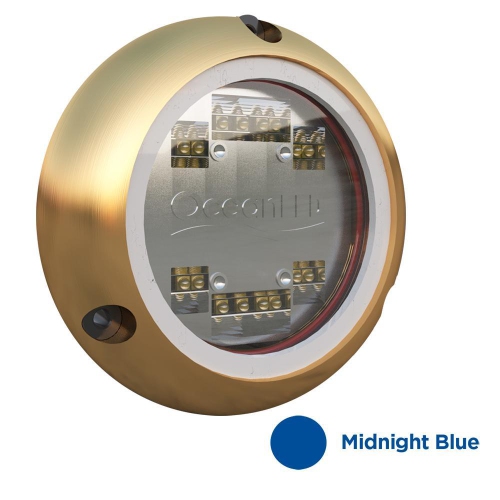


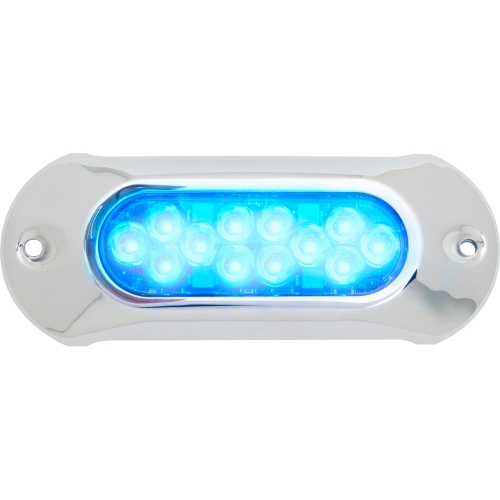
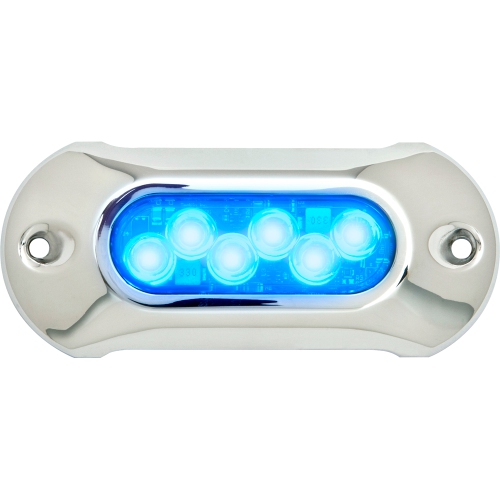




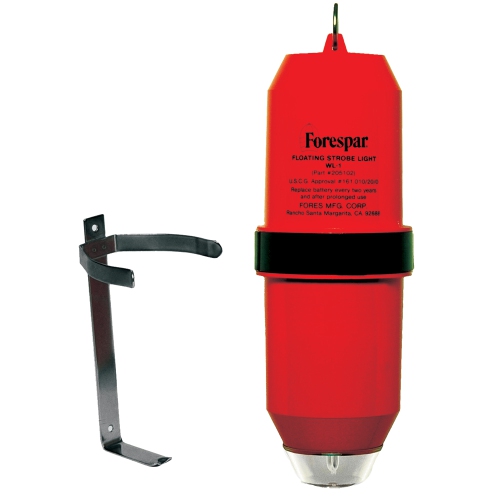
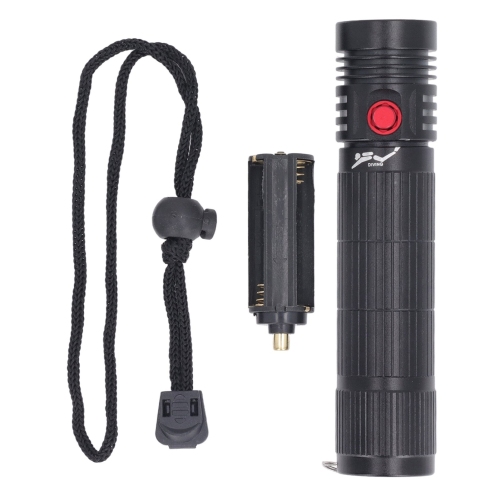
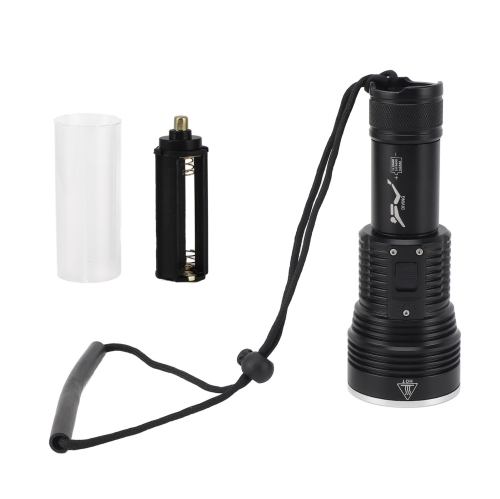
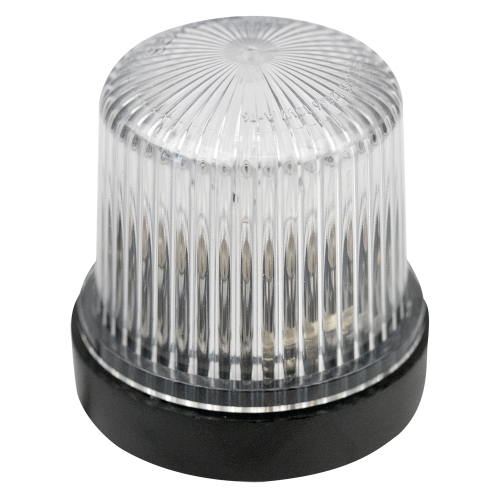

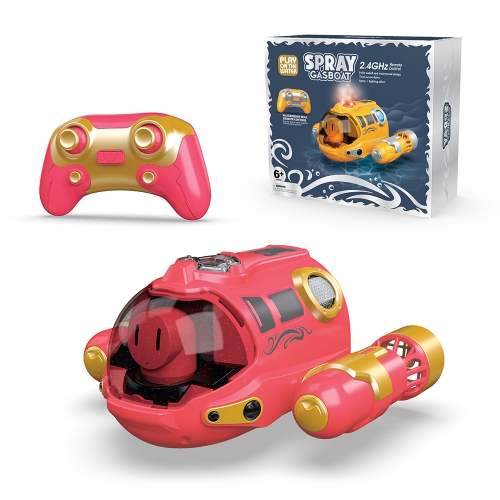
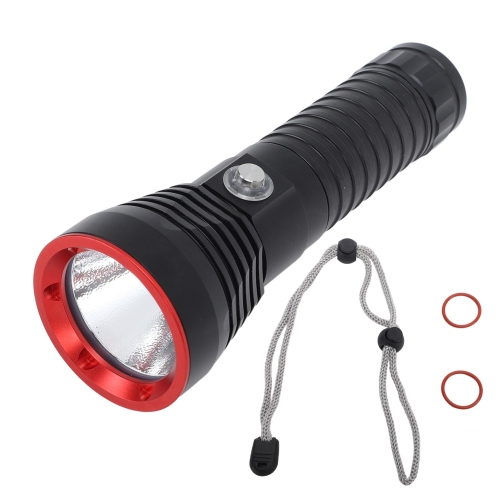
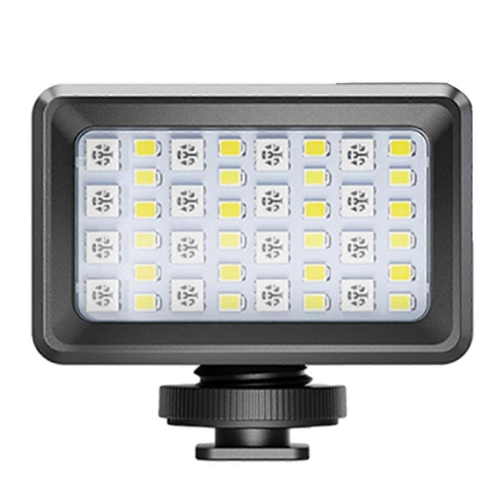
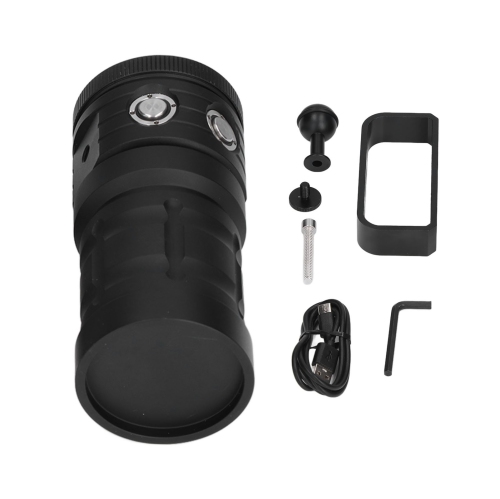
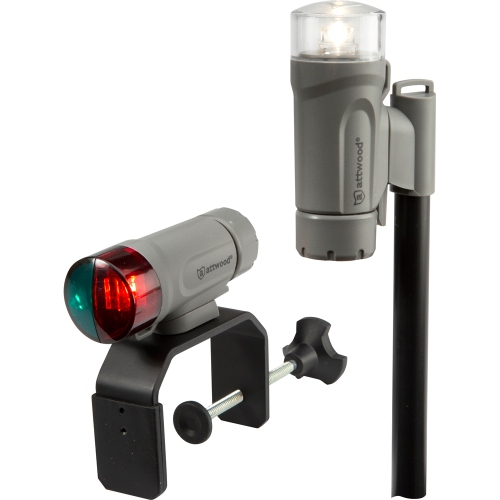


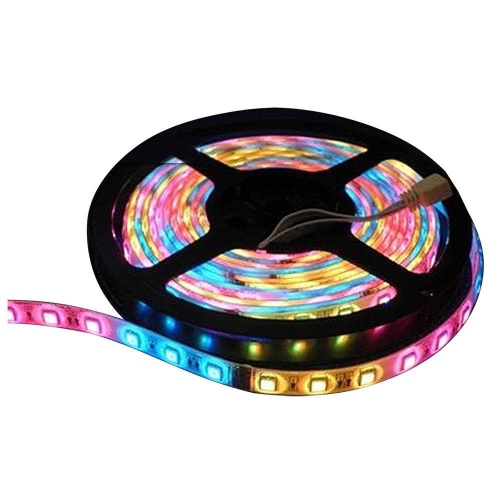
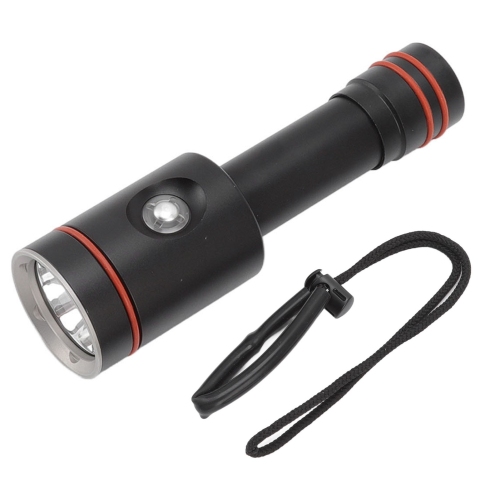
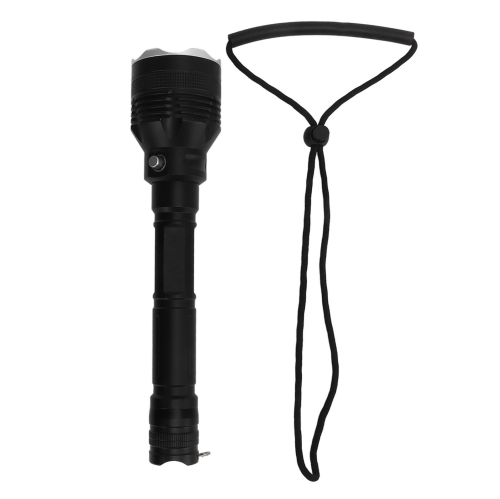
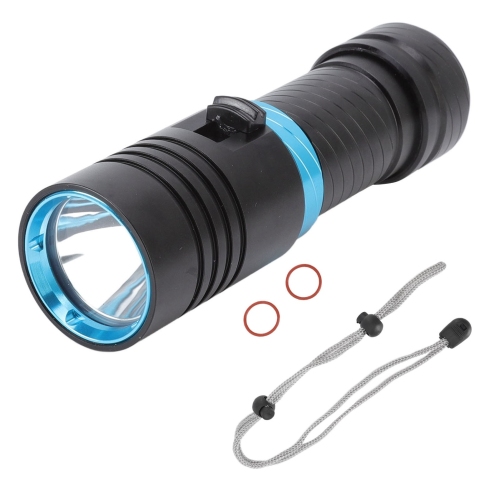

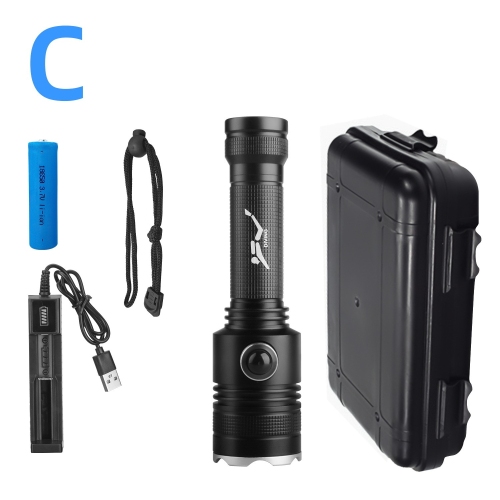
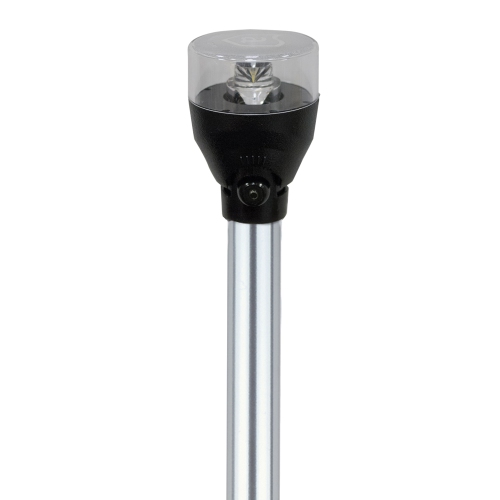
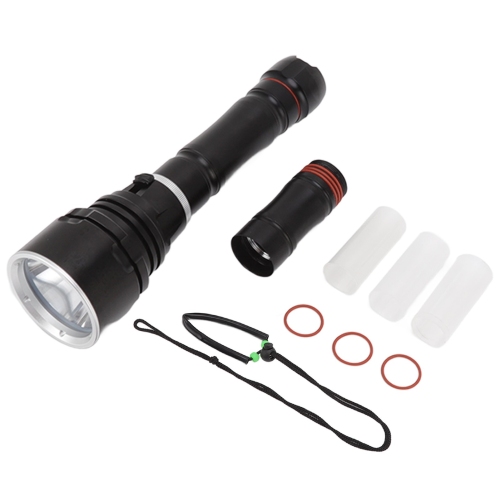
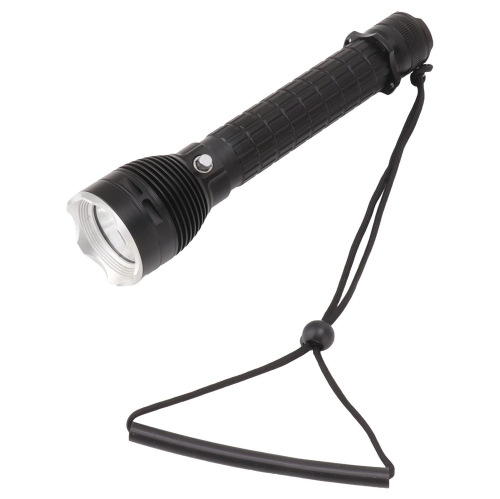

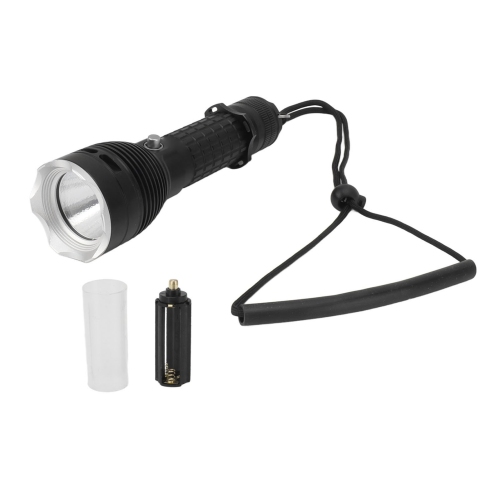


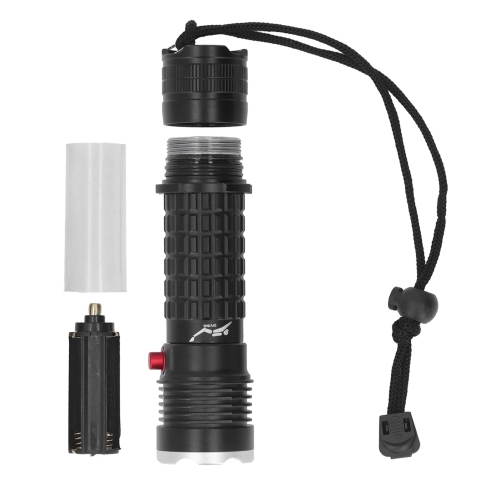

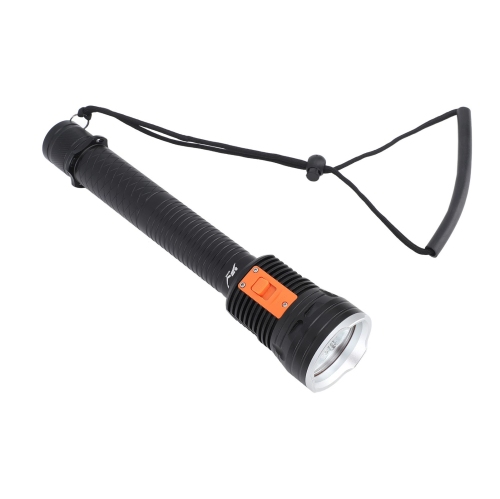

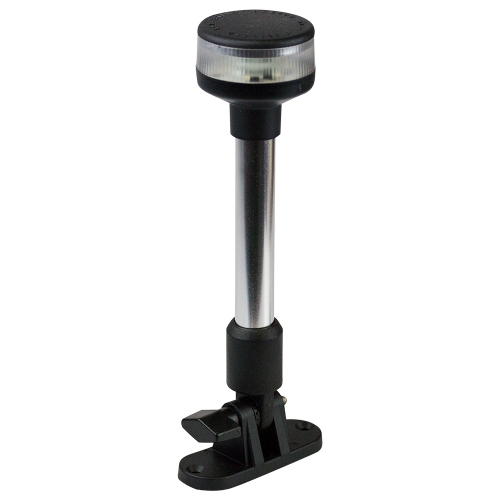
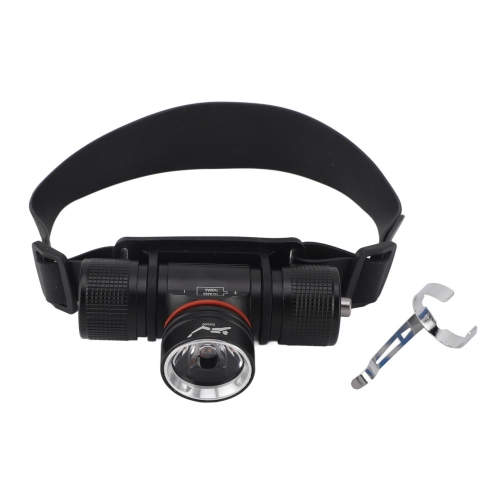
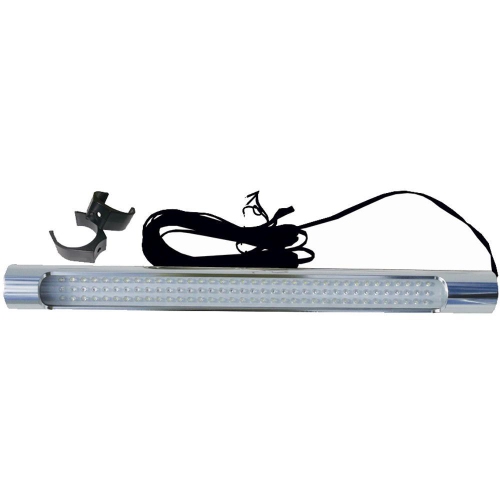


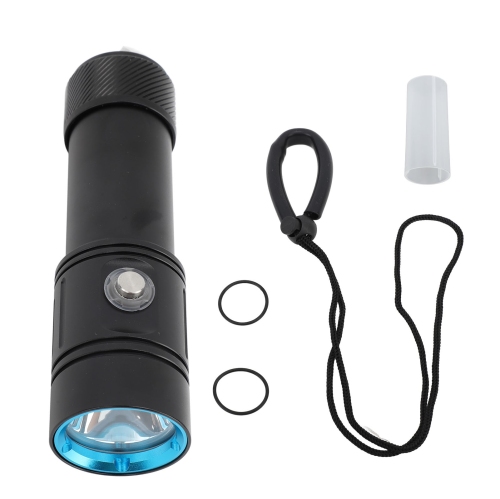
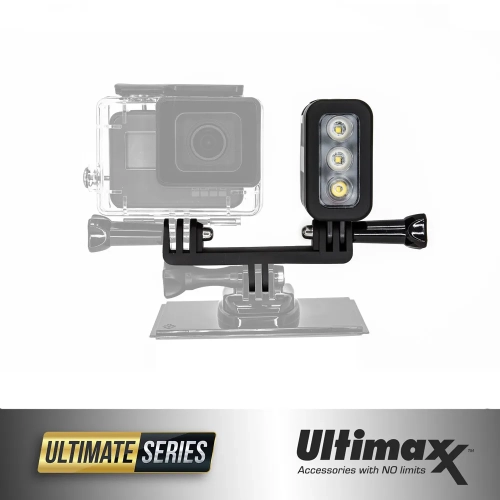
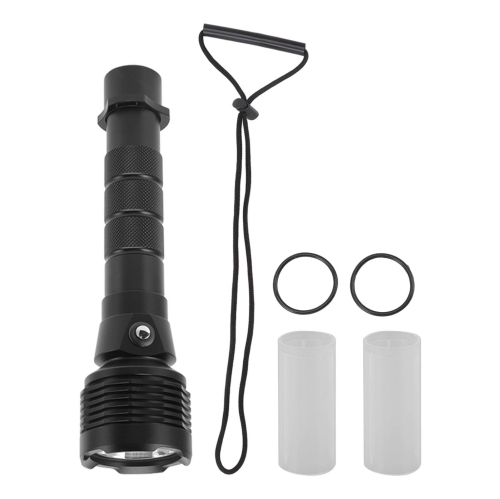

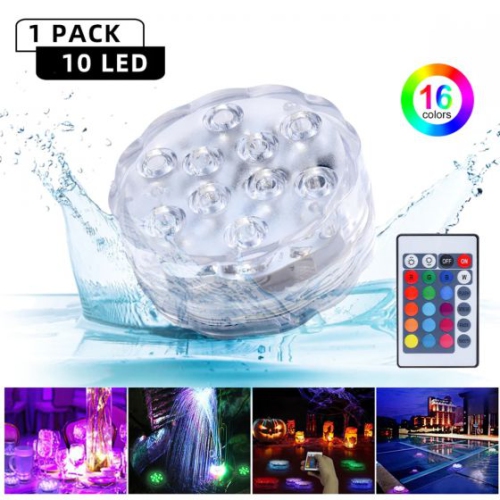

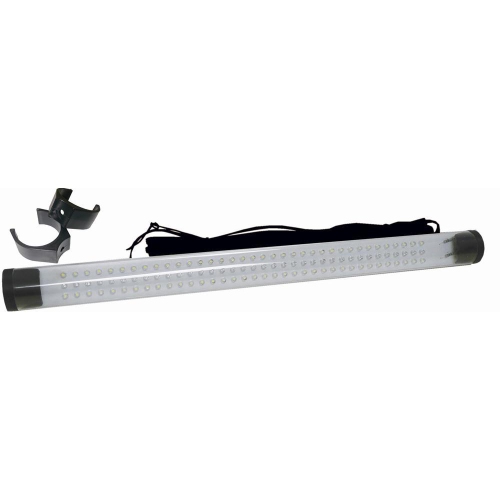

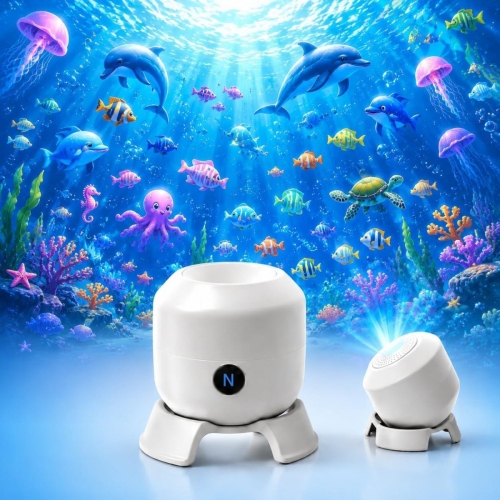
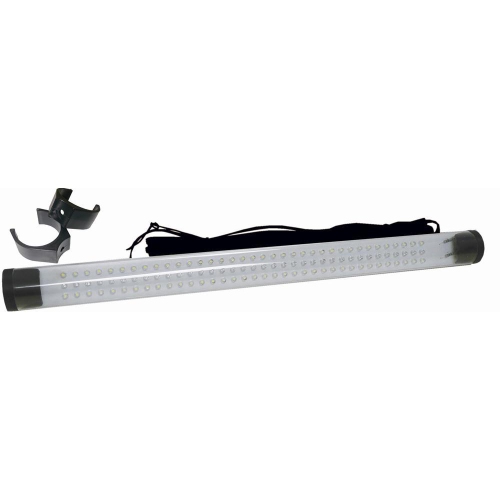
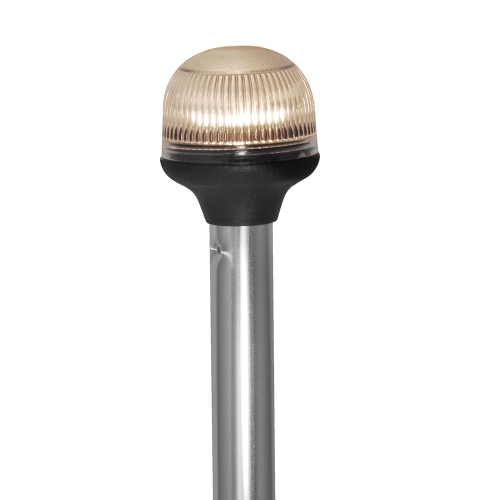
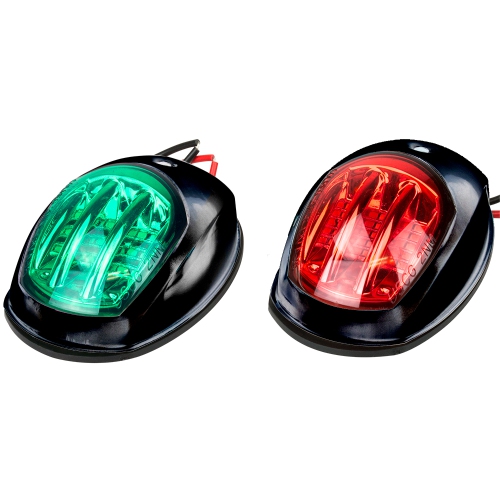


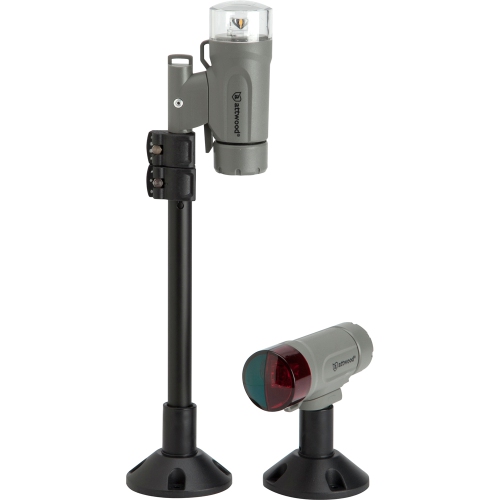
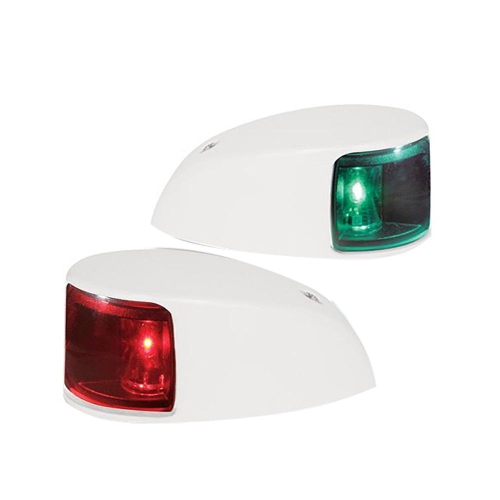
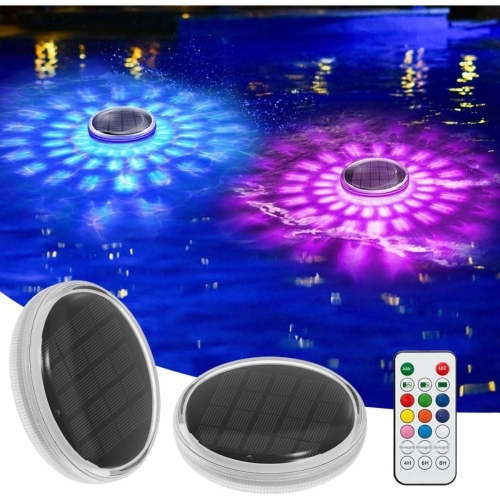

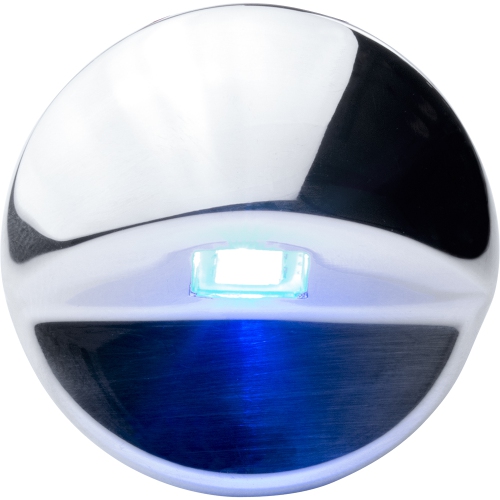
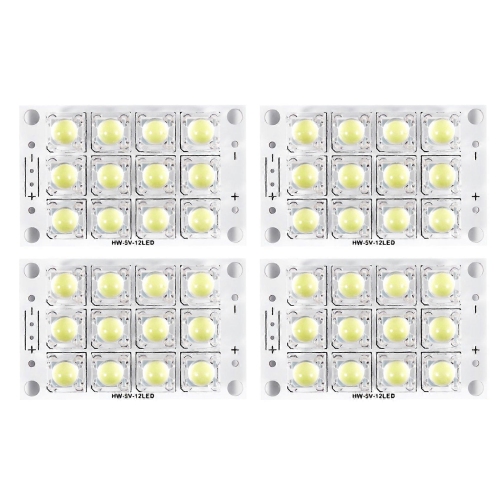
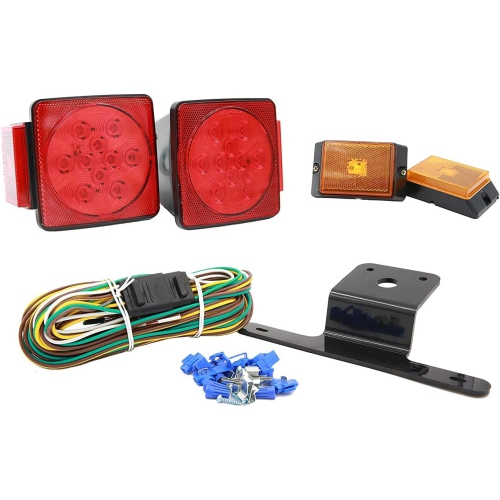

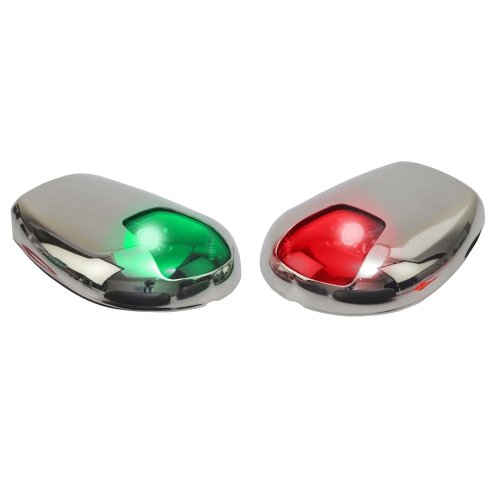
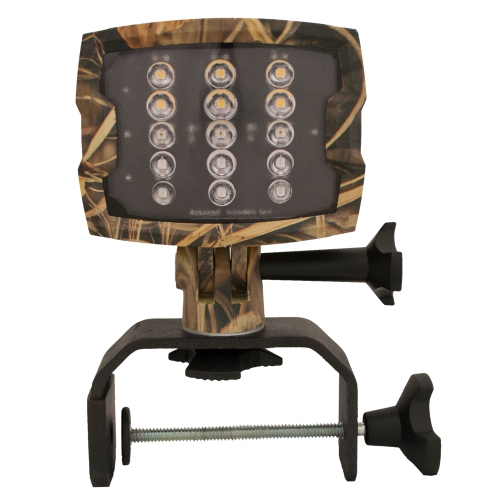
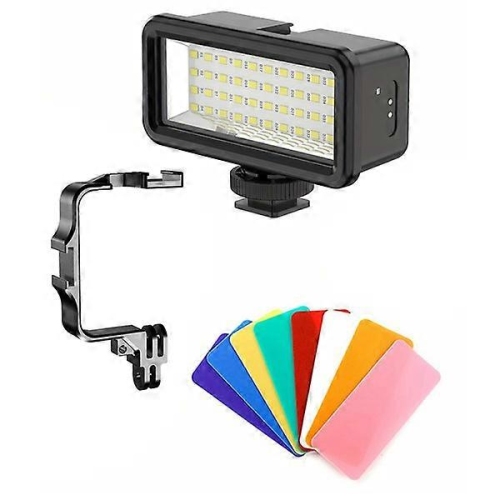
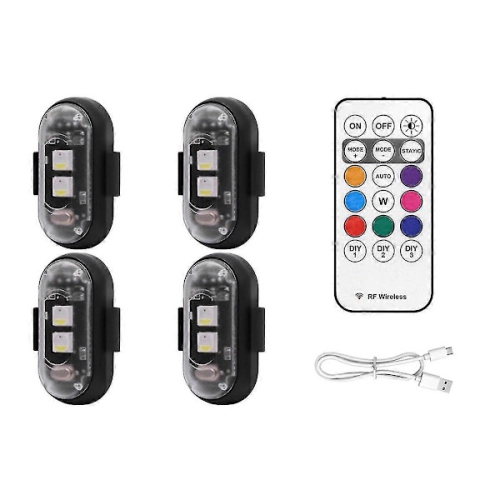
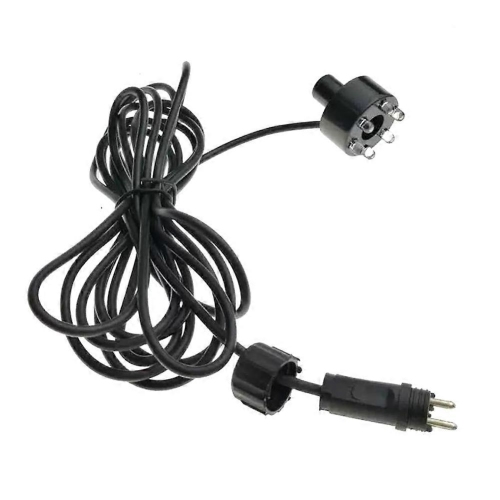

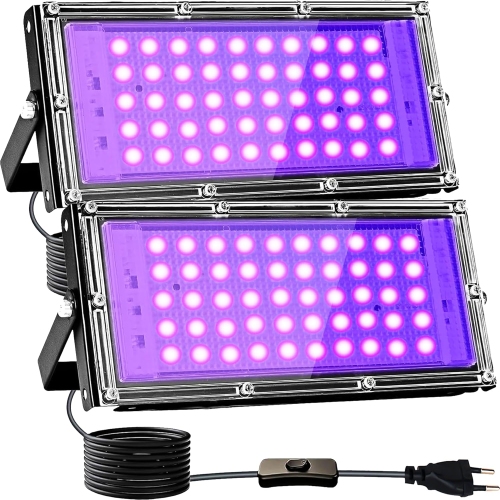
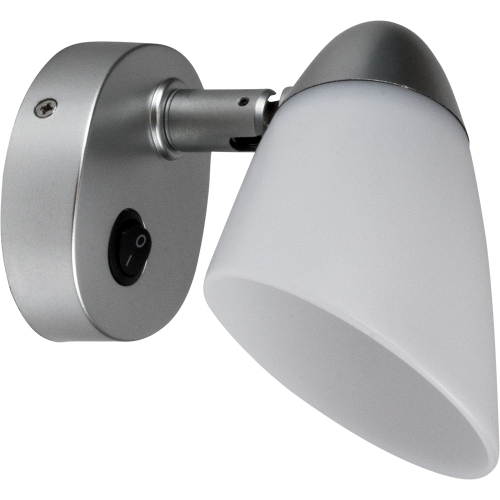

What shapes the glow beneath your boat
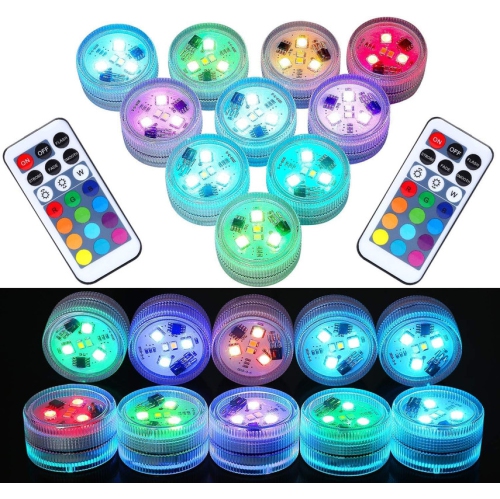
Boat underwater lights are submersible fixtures that illuminate the water around a boat’s hull or transom, creating a pool of light beneath the surface rather than lighting the deck above it. Most use LEDs, which provide bright illumination with relatively modest power demands compared with older lamp designs. Their appeal is both practical and visual: a soft glow can make the water beside a moored boat easier to see, highlight the stern during an evening at the dock, or support certain types of night fishing where permitted. On a small fishing boat, a focused beam beneath the transom serves a different purpose from the broad, overlapping wash of light suited to a larger cruiser. White light gives a crisp appearance, blue produces a distinctive glow, and green is often used for fishing applications because it can attract small organisms and baitfish under suitable conditions. No colour guarantees a catch, and results depend on water clarity, species, location, and other factors. Colour-changing systems offer more flexibility for boaters who want to adjust the appearance for a quiet evening aboard or a gathering at the marina. Brightness is usually expressed in lumens, but the lumen figure alone does not describe how the installation will look in the water. Beam angle, mounting depth, spacing, and suspended sediment all affect the visible result. A narrow beam can create a concentrated shaft of light, while a wide beam spreads illumination across a larger area. Clear water may reveal a long, defined glow; silty water can scatter that same light close to the hull. For pleasure boaters, anglers, and owners who spend evenings aboard, the most useful setup is one that suits the vessel and the way it is used. Underwater lighting is distinct from navigation lights, anchor lights, and deck lighting, so broader Boat Lights serve additional purposes that submerged fixtures cannot replace.
Mounting style is one of the main differences between underwater boat lights, with surface-mounted, through-hull, and drain-plug designs serving different installation needs. Surface-mounted lights sit against the outside of the hull or transom and generally require mounting fasteners plus a cable passage, although the exact arrangement varies. They can suit a compact stern installation where there is suitable space below the waterline and access inside for wiring. Through-hull lights fit into a dedicated opening in the hull, making hull construction, sealing, and access especially important. Some designs allow servicing from inside the boat, but that capability should never be assumed. Drain-plug lights use a compatible drain opening, potentially avoiding an additional hull penetration. A nominal 1/2-inch fitting is common in this category, yet thread type, clearance, sealing method, and the boat’s drainage arrangement still need to match. An awkwardly placed fixture can interfere with a trailer bunk, boarding ladder, trim tab, or engine movement, so the shape of the stern matters as much as the light’s dimensions. Housing materials also influence suitability. Marine-grade 316 stainless steel, bronze, certain anodized aluminium alloys, and durable engineered polymers are used in underwater lighting, each with different strengths and compatibility requirements. Stainless steel can resist corrosion well but is not immune to it, while metal fittings on an aluminium hull require particular attention to galvanic compatibility. Saltwater use calls for materials, seals, and hardware rated for that application, rather than a general claim of water resistance. A fixture intended for permanent immersion needs an appropriate submersion rating and stated depth limits; a splash-resistant light is not an alternative. Even an IP68 rating should be read alongside the manufacturer’s immersion conditions. Because any opening below the waterline affects the integrity of the boat, professional installation is particularly valuable for through-hull fittings and unfamiliar hull materials. Correct marine sealant, secure cable routing, and a mounting position that follows the fixture’s instructions are essential parts of a reliable installation.
Electrical compatibility and everyday care help determine how well underwater lights fit into life aboard. Many recreational boats use a 12-volt DC system, while other vessels use 24 volts, and the lighting must match the actual supply or use an approved compatible arrangement. Total current draw matters when several fixtures operate together, especially during evenings spent at anchor without charging underway. Wiring needs to be sized for the load and cable run, with appropriate circuit protection, marine-rated connections, and a switch or controller suited to the installation. Simple single-colour lighting may need only straightforward switching, whereas multicolour systems can involve additional controllers, cables, or compatible accessories. Controls should remain convenient to reach without placing electrical connections where spray or standing water can collect. Heat management deserves attention too: some underwater LEDs rely on surrounding water for cooling and should not run while the boat is on a trailer or lift unless their specifications allow it. Routine care usually centres on keeping the lens clear and checking the installation for changes. Algae, mineral deposits, and marine growth can dull the output, so gentle cleaning with approved materials helps preserve clarity without scratching the lens or damaging its finish. Abrasive pads, harsh cleaners, and coatings applied over the light can cause problems unless expressly permitted. Loose fasteners, cracked seals, damaged cables, or moisture inside a housing warrant attention before further use. During haul-out or cold-weather storage, accessible fixtures can be inspected alongside other underwater fittings, and drain-plug designs need to be handled according to both the boat’s drainage requirements and the light’s instructions. On the water, restrained use is often more comfortable than maximum brightness: a lower setting can reduce glare around neighbouring boats and preserve a quieter dockside atmosphere. Local fishing rules, marina policies, and navigation requirements also apply. Underwater lights should not obscure required signals or be treated as proof that the water is safe for swimming. For a boating enthusiast receiving lighting as a gift, confirmed hull fit, electrical compatibility, and installation preferences make it a more thoughtful choice than colour or brightness alone.
Top selling and popular products
-
 Your price for this item is $31.34
-
 Your price for this item is $30.54
-
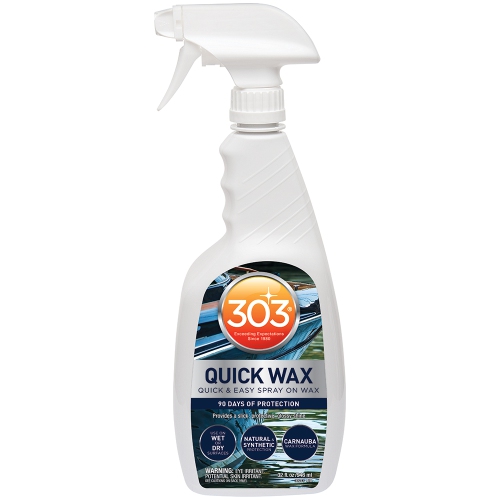 Your price for this item is $38.85
-
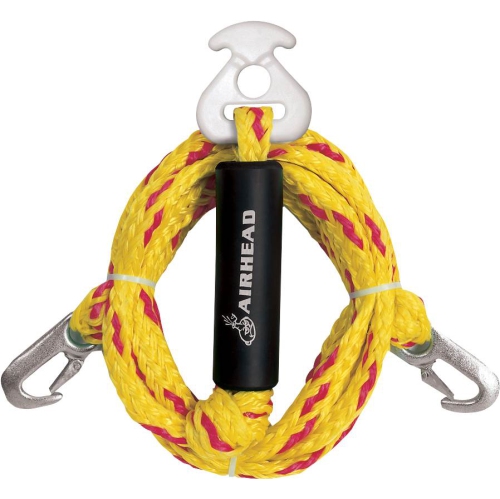 Your price for this item is $63.99
-
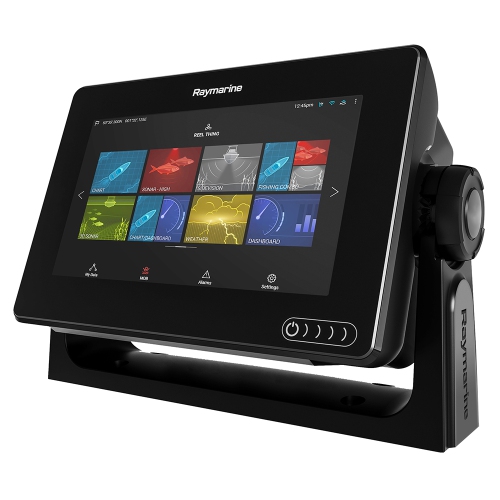 Your price for this item is $844.91
-
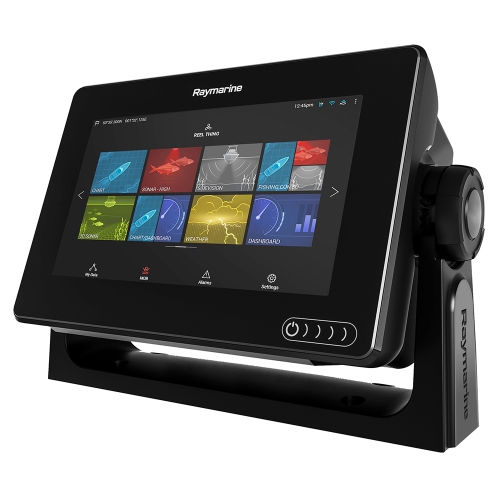 Your price for this item is $909.33
-
 Your price for this item is $31.38
-
 Your price for this item is $35.35
Discover more categories related to Boat Underwater Lights

Top Collections:
Pokemon Centers, Best Cameras for Sports Photography, Kindle Devices, Samsung Galaxy Phones, Canon G7X Cameras, Pokémon 30th Celebration Cards, Refurbished Apple Laptops, iPhone 15 Apple, Laptops for Students, Budget Smartphones
Some products may be subject to Environmental Handling Fees
(EHF) depending on your province.
Learn more about EHFs.