Butt Connectors
Butt connectors are an essential component for anyone looking to create secure and reliable electrical connections. Perfect for both professional electricians and DIY enthusiasts, these handy connectors ensure that wires are joined seamlessly, preventing any unwanted disconnections or electrical failures. Whether you're working on automotive projects, home renovations, or any other wiring task, butt connectors offer a simple and effective solution to keep your electrical systems running smoothly. Explore our selection to find the right fit for your needs, ensuring durability and ease of use with every connection.
Sort

Compact wire splices depend on the right fit
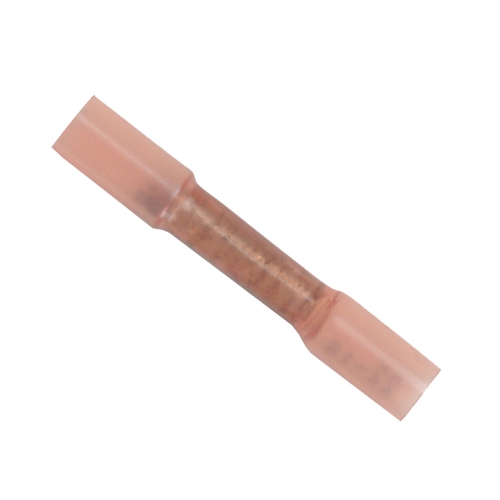
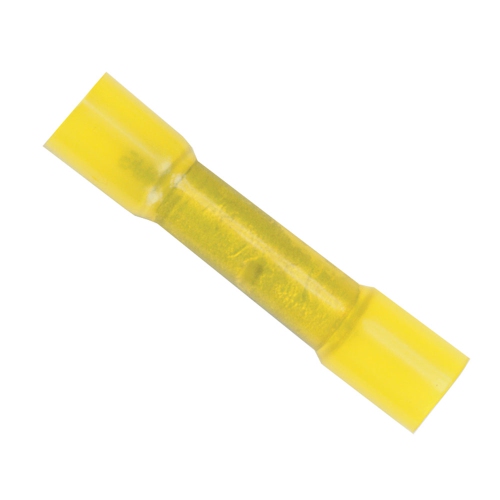
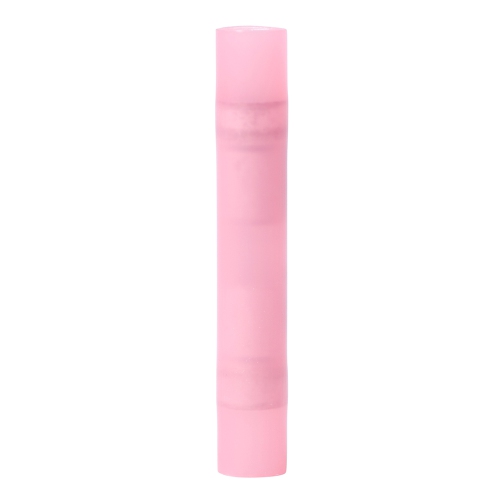
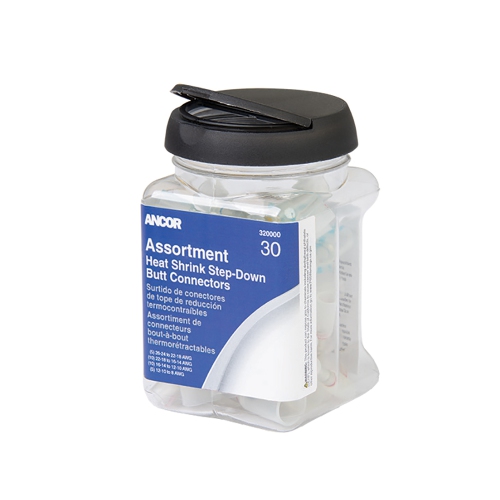
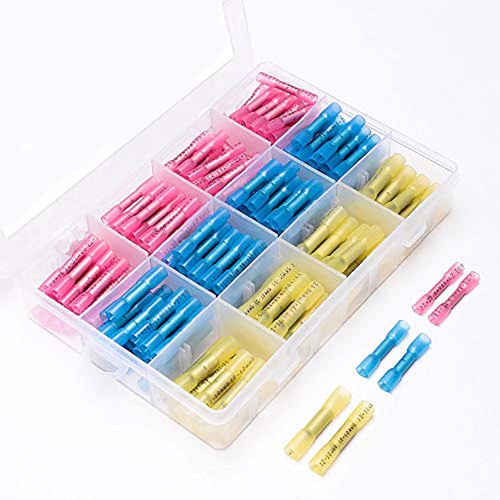
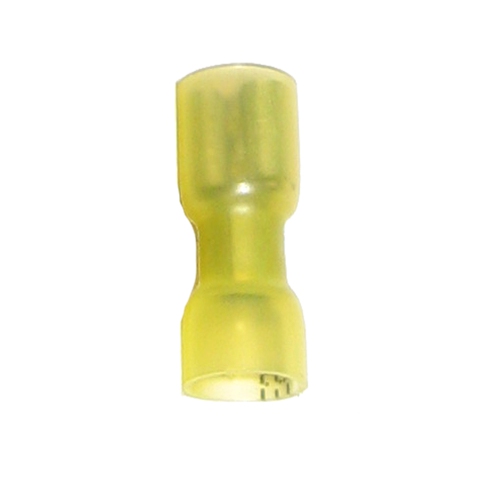
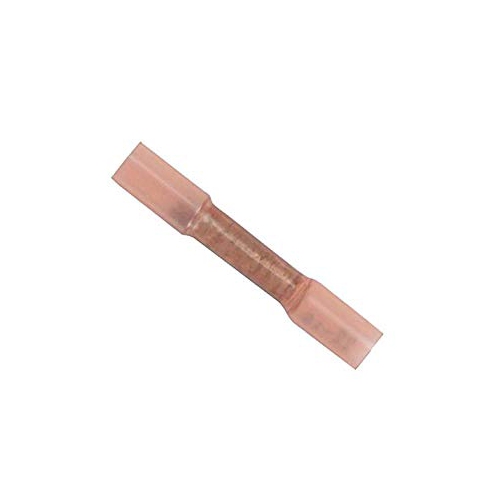
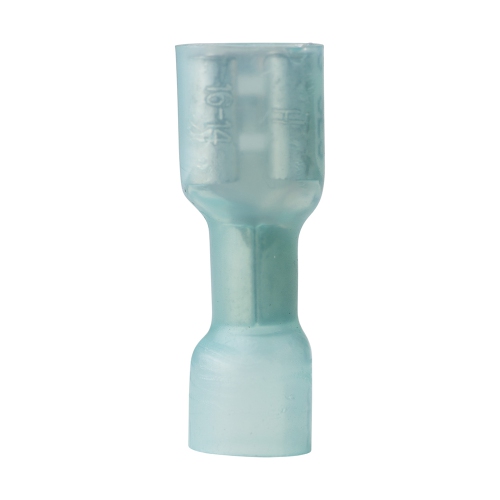
Butt connectors are tubular electrical connectors that join two wire ends in a straight, end-to-end splice. Each stripped wire enters an opposite end of a metal barrel, which is secured by crimping or by another joining method specified for the connector. The result is a compact connection that can fit neatly into a wiring harness without the bulk of a twist-on connector. Common uses include repairing automotive accessory wiring, extending leads for low-voltage lighting, and joining compatible wires in trailers, boats, and electronic equipment. They are useful to installers, technicians, automotive hobbyists, and people maintaining their own equipment, provided the connector suits the circuit and the work involved. Most insulated crimp butt connectors combine a conductive metal barrel with a vinyl, nylon, or heat-shrink sleeve. Copper barrels are common, and a tin coating can help resist corrosion; the barrel material and plating should be compatible with the wire conductor. Wire size is a key part of the fit. Many standard insulated crimp connectors use red for 22–18 AWG wire, blue for 16–14 AWG, and yellow for 12–10 AWG. AWG stands for American Wire Gauge, a sizing system in which a lower number indicates a thicker wire. These colour ranges are common conventions rather than a substitute for the marked specifications, especially across different connector styles. A correctly sized barrel accommodates the conductor without forcing strands into the opening or leaving excessive space around them. Both wire ends must fall within the connector’s stated range unless it is a purpose-designed step-down connector with different capacities at each end. For projects involving several kinds of electrical joints, the broader range of Wire Connectors includes connection styles suited to other layouts. Butt connectors are particularly useful where a permanent inline splice is wanted, rather than a joint intended for frequent disconnection.
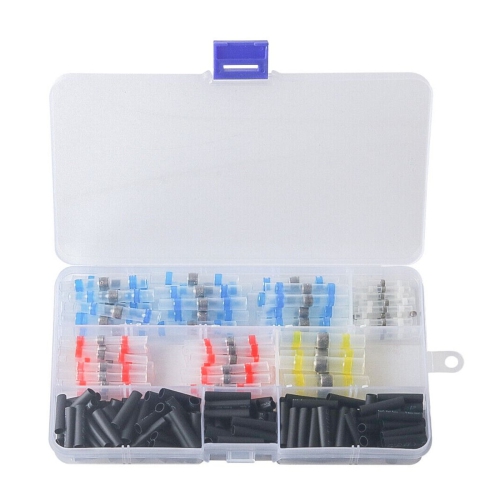
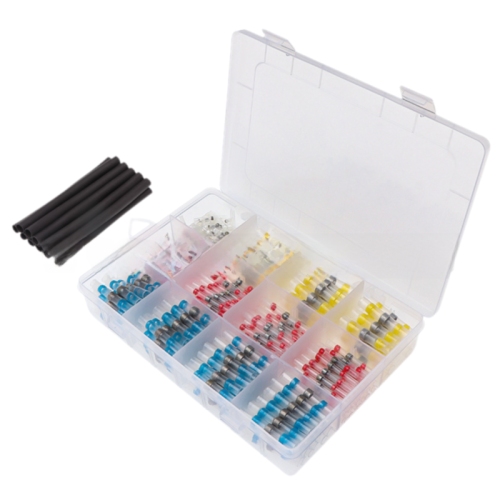
Insulation style makes a practical difference to how a butt connector handles installation and everyday use. Vinyl-insulated connectors are a familiar choice for protected wiring where a basic insulating sleeve is appropriate. Nylon sleeves are generally more flexible and can better tolerate some of the handling involved in crimping, although actual performance depends on the connector’s construction and ratings. Neither an ordinary vinyl nor nylon sleeve should be assumed to seal out water. Heat-shrink butt connectors have a sleeve that contracts around the wire insulation when heated as directed. Adhesive-lined versions also form a seal around the wire entries, helping limit moisture entry when the connector is properly selected and installed. This can be useful for a trailer lighting splice exposed to road spray or wiring in a boat that may encounter splashes. Moisture resistance does not automatically mean a connection is suitable for continuous submersion; any waterproof claim needs to be supported by the connector’s stated rating and installation requirements. Solder-seal connectors use a different construction, typically combining a heat-shrink sleeve, sealing rings, and a solder ring that melts with controlled heat. Their wire ranges and colour markings can differ from those of standard crimp connectors. They also require care to achieve the specified solder flow and sleeve shrinkage without damaging adjacent insulation. Non-insulated butt connectors offer another option where a separate, suitably rated insulating system is part of the installation. Across these types, useful specifications include conductor compatibility, voltage rating, permitted wire sizes, and any relevant electrical approvals. Many connectors are designed for stranded copper wire; suitability for solid wire, aluminium conductors, or mixed conductor materials must be explicitly stated rather than assumed. A splice behind a dashboard, for example, has different protection needs from one routed beneath a trailer, even if both wires share the same gauge. Choosing the sleeve and barrel together helps match the connection to its actual location, not just its appearance.
A dependable butt connection relies as much on preparation and tooling as on the connector itself. Crimp-style barrels need a crimping tool and die profile intended for their construction and wire range; ordinary pliers cannot be relied on to produce the same controlled compression. The specified strip length matters because the conductor should sit fully inside the barrel while the insulation reaches the appropriate position at the entry. Too much exposed copper leaves part of the joint unprotected, while too little insertion can reduce the area held by the crimp. Stray strands, nicked conductors, and insulation trapped in the contact area can all compromise the splice. Work should be carried out with the circuit safely isolated from power, and installation and verification should follow the connector manufacturer’s directions. A gentle retention check can help identify a loose wire, but it does not replace proper crimp inspection or appropriate electrical testing. In a vehicle harness, leaving suitable slack and supporting the wiring helps prevent movement from repeatedly bending the conductor at the edge of the barrel. Protective loom, appropriate cable supports, and routing away from sharp edges can reduce abrasion without asking the connector to act as a strain relief. For heat-shrink styles, controlled heating and adequate clearance protect nearby components; an open flame is not a substitute for the specified heating tool. Once installed, a sound splice generally needs little routine attention, though accessible wiring can be checked for split sleeves, loose conductors, discolouration, or corrosion during equipment maintenance. Damaged connections should be repaired using a suitable method rather than concealed beneath additional wrapping. Unused connectors are best kept dry and organized by type and gauge so that similar-looking sizes are not mixed. Butt connectors also should not be treated as a universal solution for household wiring: mains-voltage repairs must use approved connection methods, any required enclosure, and practices that comply with applicable Canadian electrical requirements. Where suitability is uncertain, a qualified electrician can assess the work. Matching the connector to the wire, circuit, location, and installation method creates a splice that is both tidy and appropriate for its intended service.
Insulation style makes a practical difference to how a butt connector handles installation and everyday use. Vinyl-insulated connectors are a familiar choice for protected wiring where a basic insulating sleeve is appropriate. Nylon sleeves are generally more flexible and can better tolerate some of the handling involved in crimping, although actual performance depends on the connector’s construction and ratings. Neither an ordinary vinyl nor nylon sleeve should be assumed to seal out water. Heat-shrink butt connectors have a sleeve that contracts around the wire insulation when heated as directed. Adhesive-lined versions also form a seal around the wire entries, helping limit moisture entry when the connector is properly selected and installed. This can be useful for a trailer lighting splice exposed to road spray or wiring in a boat that may encounter splashes. Moisture resistance does not automatically mean a connection is suitable for continuous submersion; any waterproof claim needs to be supported by the connector’s stated rating and installation requirements. Solder-seal connectors use a different construction, typically combining a heat-shrink sleeve, sealing rings, and a solder ring that melts with controlled heat. Their wire ranges and colour markings can differ from those of standard crimp connectors. They also require care to achieve the specified solder flow and sleeve shrinkage without damaging adjacent insulation. Non-insulated butt connectors offer another option where a separate, suitably rated insulating system is part of the installation. Across these types, useful specifications include conductor compatibility, voltage rating, permitted wire sizes, and any relevant electrical approvals. Many connectors are designed for stranded copper wire; suitability for solid wire, aluminium conductors, or mixed conductor materials must be explicitly stated rather than assumed. A splice behind a dashboard, for example, has different protection needs from one routed beneath a trailer, even if both wires share the same gauge. Choosing the sleeve and barrel together helps match the connection to its actual location, not just its appearance.
A dependable butt connection relies as much on preparation and tooling as on the connector itself. Crimp-style barrels need a crimping tool and die profile intended for their construction and wire range; ordinary pliers cannot be relied on to produce the same controlled compression. The specified strip length matters because the conductor should sit fully inside the barrel while the insulation reaches the appropriate position at the entry. Too much exposed copper leaves part of the joint unprotected, while too little insertion can reduce the area held by the crimp. Stray strands, nicked conductors, and insulation trapped in the contact area can all compromise the splice. Work should be carried out with the circuit safely isolated from power, and installation and verification should follow the connector manufacturer’s directions. A gentle retention check can help identify a loose wire, but it does not replace proper crimp inspection or appropriate electrical testing. In a vehicle harness, leaving suitable slack and supporting the wiring helps prevent movement from repeatedly bending the conductor at the edge of the barrel. Protective loom, appropriate cable supports, and routing away from sharp edges can reduce abrasion without asking the connector to act as a strain relief. For heat-shrink styles, controlled heating and adequate clearance protect nearby components; an open flame is not a substitute for the specified heating tool. Once installed, a sound splice generally needs little routine attention, though accessible wiring can be checked for split sleeves, loose conductors, discolouration, or corrosion during equipment maintenance. Damaged connections should be repaired using a suitable method rather than concealed beneath additional wrapping. Unused connectors are best kept dry and organized by type and gauge so that similar-looking sizes are not mixed. Butt connectors also should not be treated as a universal solution for household wiring: mains-voltage repairs must use approved connection methods, any required enclosure, and practices that comply with applicable Canadian electrical requirements. Where suitability is uncertain, a qualified electrician can assess the work. Matching the connector to the wire, circuit, location, and installation method creates a splice that is both tidy and appropriate for its intended service.
Top selling and popular products
-
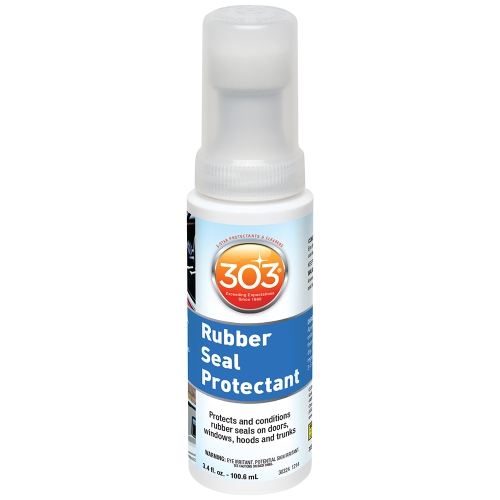 Your price for this item is $30.59
 -
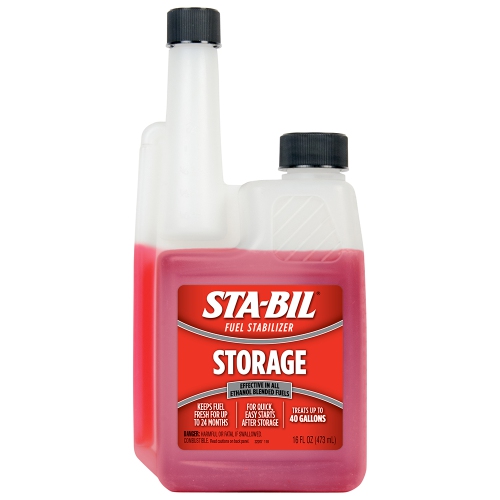 Your price for this item is $30.54
 -
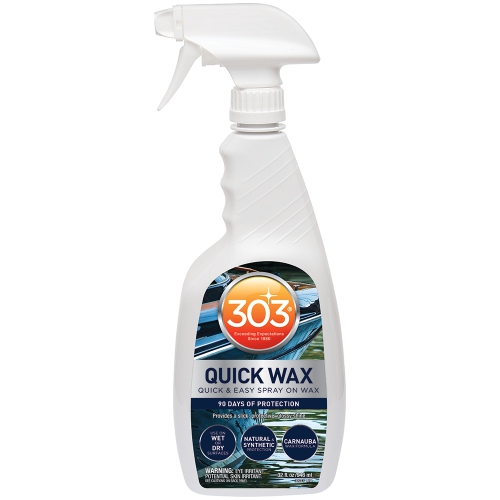 Your price for this item is $38.85
 -
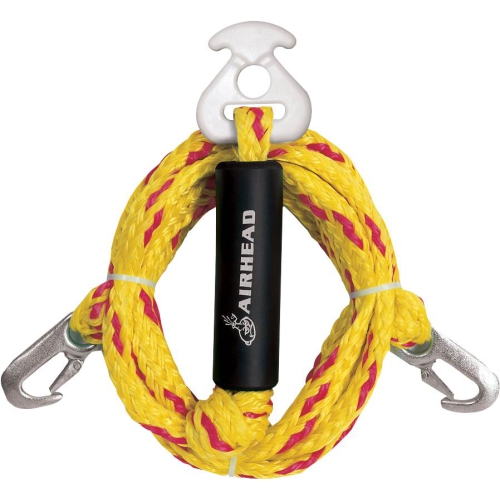 Your price for this item is $92.99
 -
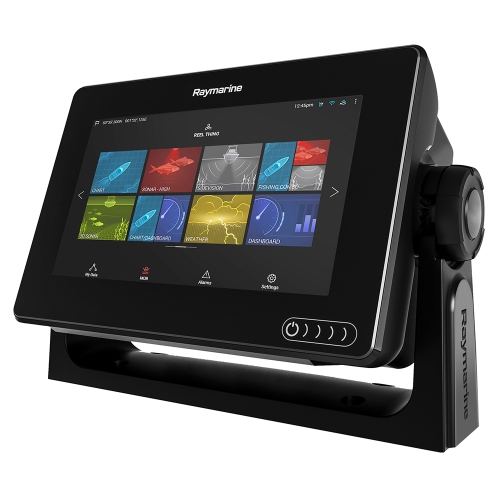 Your price for this item is $844.91
 -
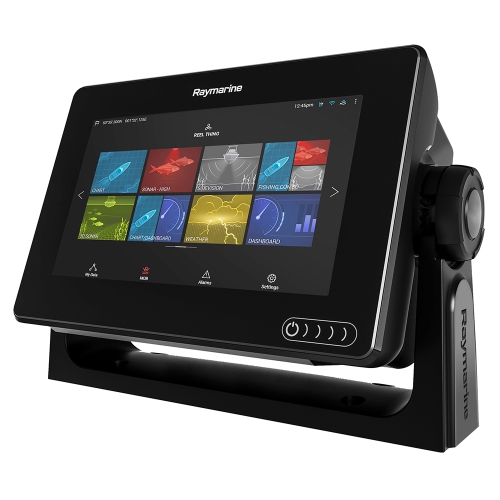 Your price for this item is $909.33
 -
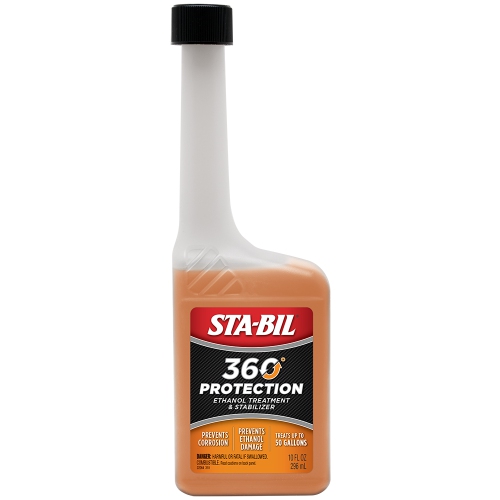 Your price for this item is $30.62
 -
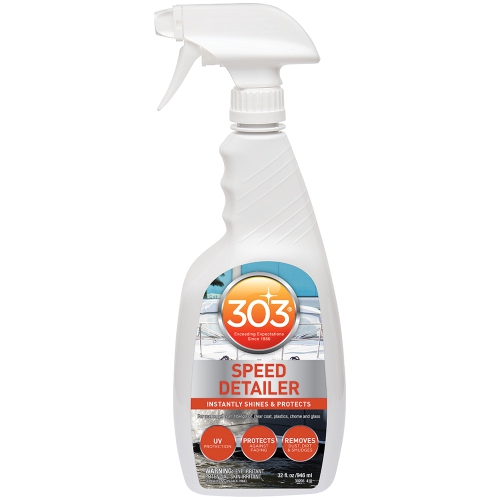 Your price for this item is $34.93
Discover more categories related to Butt Connectors
Top Collections:
Pokemon Centers, Kindle Devices, Best Budget Office Chairs, Apple iPhones 16, Best Laptops for Writers, iPhone 15 Apple, Canon G7X Cameras, Refurbished Apple Laptops, Alarm Clock, Motorola Razr Phones
Some products may be subject to Environmental Handling Fees
(EHF) depending on your province.
Learn more about EHFs.