Bullet Connectors
Bullet Connectors offer a reliable solution for creating secure electrical connections in a wide range of applications. Whether you’re working on automotive projects, home wiring, or electronics repairs, these connectors make it easy to join wires quickly and efficiently. With options suitable for various wire gauges and installation needs, Bullet Connectors help ensure your electrical systems perform at their best. Explore the selection to find the right fit for your next project.
Sort
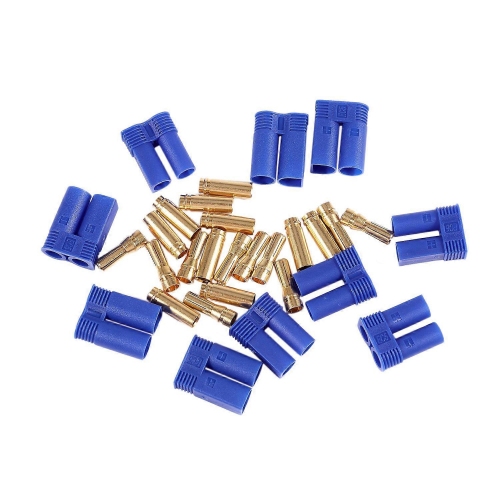
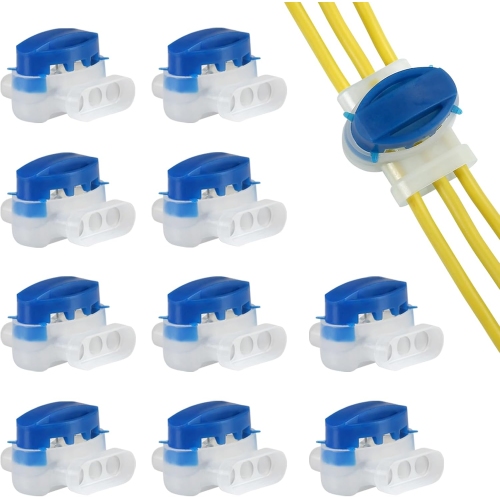
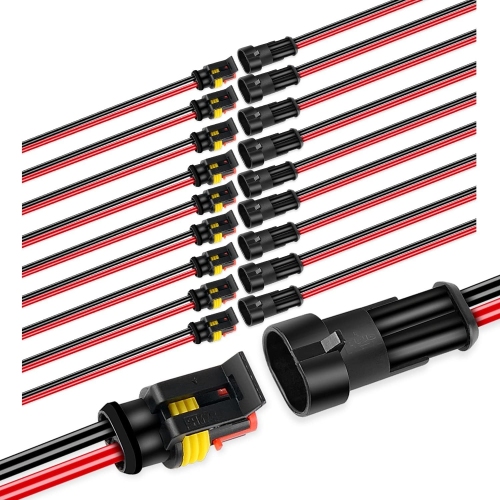
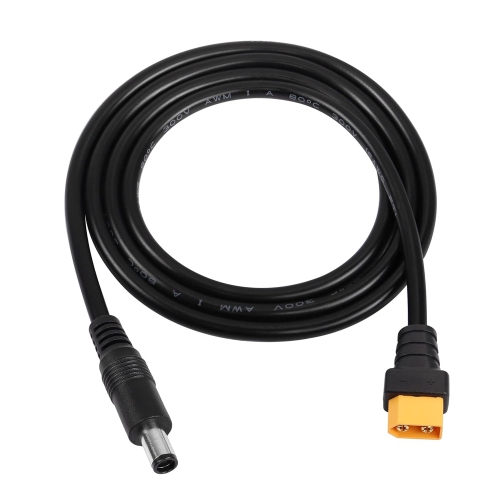

Detachable wire connections need more than a snug fit
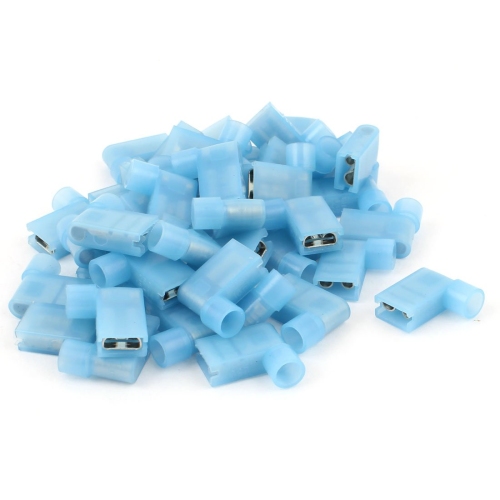
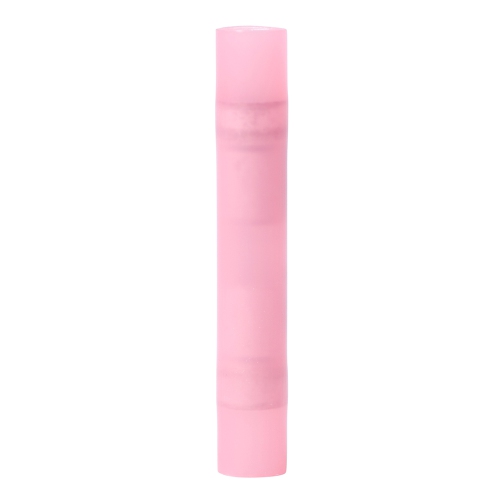
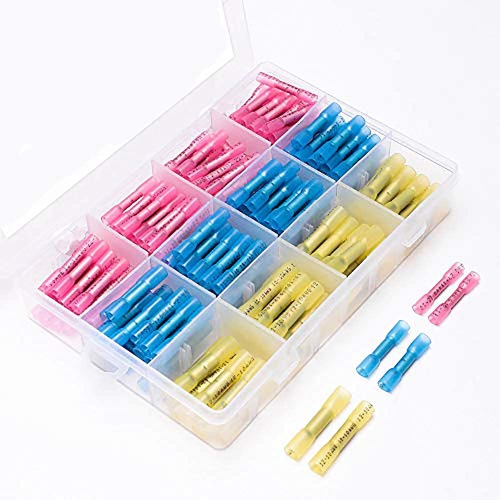
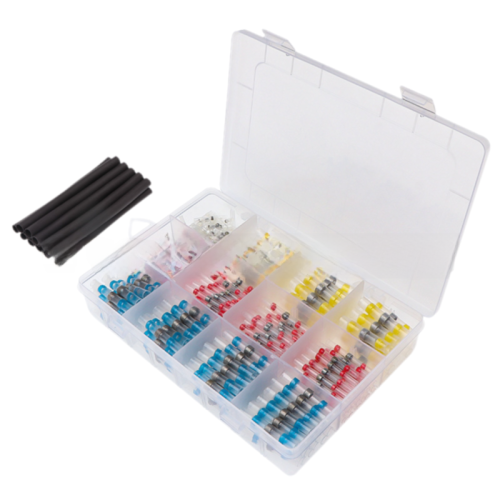
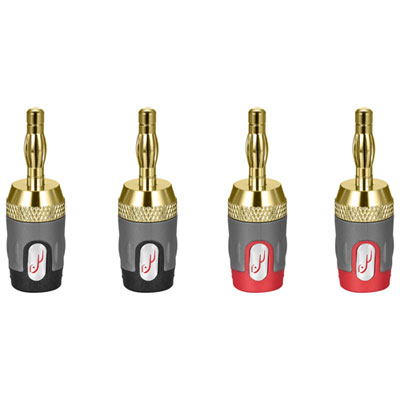
Bullet connectors are cylindrical electrical terminals that join two wires through a detachable male-and-female connection. The male terminal has a rounded pin that fits inside a matching female socket, creating electrical contact while allowing the wires to be separated for servicing or replacement. Many designs attach to wire by crimping, while others are made for soldered connections. This combination of a compact shape and a removable connection makes bullet connectors useful in automotive accessory wiring, radio-controlled vehicles, low-voltage lighting, and other electrical assemblies where components may need to come apart. Unlike a screw terminal, a matched bullet connection does not need a screw loosened each time it is disconnected. Its suitability still depends on more than its shape: wire gauge, terminal diameter, electrical ratings, insulation, and the conditions around the connection all matter. Wire gauge describes the conductor size that the attachment barrel accepts, while the bullet diameter describes the mating contact. These are separate measurements, so a terminal that fits a wire does not necessarily fit another terminal. Even connectors with similar-looking pins may belong to different mating systems or have different tolerances. A properly matched pair should engage securely without being forced together, with enough contact retention to resist unintended separation during normal use. Insulation colour can help identify wire ranges within some connector systems, but colour alone is not a reliable compatibility check across different designs. The stated wire range and mating dimensions provide a firmer basis for selection. Current and voltage ratings are equally important, especially in battery-powered equipment where a compact connector may carry a substantial load. The complete connection must suit the circuit, including the wire, terminal, insulation, and any protective housing. A larger-looking bullet is not automatically appropriate for higher current, and a tight fit does not establish an electrical rating. For a tidy, serviceable wiring assembly, the most useful match is one that combines the correct conductor fit with a compatible mating pair and protection suited to the application.
Materials and insulation influence how bullet connectors perform after the wiring is tucked behind a panel or routed through a piece of equipment. Copper and brass are common contact materials, and finishes such as tin or other metal plating can help protect the contact surface. The base metal, plating, contact pressure, and quality of the wire termination work together; a bright finish by itself does not establish durability. Insulated terminals may use vinyl or nylon sleeves, while some designs incorporate heat-shrink insulation that conforms around the termination when correctly installed. Adhesive-lined heat-shrink designs can provide additional protection against moisture at the wire entry, but not every insulated bullet connector forms a sealed connection. The junction between the male and female halves also needs consideration, since a covered wire barrel does not necessarily mean the mating contact is protected. Uninsulated terminals can suit assemblies with separate sleeves or dedicated housings, provided exposed conductive surfaces are properly isolated. In a crowded wiring harness, that protection helps prevent neighbouring terminals from touching each other or a metal chassis. Sleeve length and diameter also affect fit where several connections sit close together. For crimp-style terminals, the barrel needs to match both the conductor size and the intended crimping method. A sound crimp secures the conductor without leaving loose strands or relying on the outer insulation for electrical contact. Solder-style terminals have different attachment requirements and should not be treated as interchangeable with crimp designs. Mechanical support matters just as much as the attachment itself: a connection hanging from a taut wire can be stressed whenever a panel moves or a cable is pulled. Suitable strain relief, protected routing, and enough slack for servicing help keep movement away from the contact and termination. In equipment that vibrates, secure cable support can make the difference between a connection that remains dependable and one that gradually loosens. Durability comes from the whole assembly, not simply from choosing a thicker sleeve or a heavier terminal.
The appeal of bullet connectors is clearest in projects where a wire needs to stay connected during operation but remain separable for practical reasons. An automotive accessory may need to be disconnected before a trim panel can be removed, while a radio-controlled model may have a motor or another component that is replaced during maintenance. A compact low-voltage assembly may benefit from individual wire connections where a larger multi-position plug would be awkward. These uses suit hobbyists, vehicle enthusiasts, repair technicians, and others working with electrical components, although the connector still needs to match the equipment’s specifications. Individual bullet connections do not inherently prevent reversed polarity or incorrect wire pairing. Clear identification and an appropriate housing can be especially valuable when several similar wires meet in the same space. Battery leads deserve particular care because an exposed live contact can create a short circuit if it touches another conductor or a metal tool. Protective covers and a connection arrangement designed for the circuit are more important than convenience alone. Where two wires are meant to remain joined rather than disconnect regularly, Butt Connectors provide a different type of inline splice, typically securing the conductors within opposite ends of a shared barrel. That distinction helps separate a service connection from a lasting wire repair. For bullet connections already in use, visible corrosion, cracked sleeves, loose engagement, or discolouration around a terminal can indicate that the assembly needs attention. Inspection and servicing belong on a de-energized circuit, following the equipment manufacturer’s requirements; disconnecting a bullet terminal under load can cause arcing. Separating the mating bodies rather than tugging on the wires also helps protect the terminations. These connectors are not a universal substitute for purpose-built mains, appliance, or safety-critical connectors. Within an appropriately rated application, their value lies in a straightforward balance: a compact electrical joint, a secure matched fit, and access to components without cutting and remaking the wiring each time service is needed.
Top selling and popular products
-
 Your price for this item is $125.68
-
 Your price for this item is $111.68
-
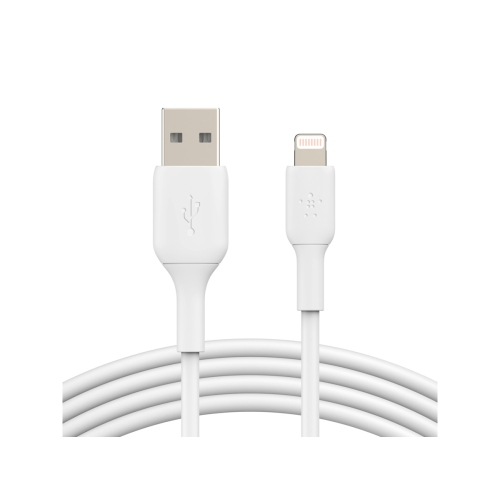 Your price for this item is $33.99
-
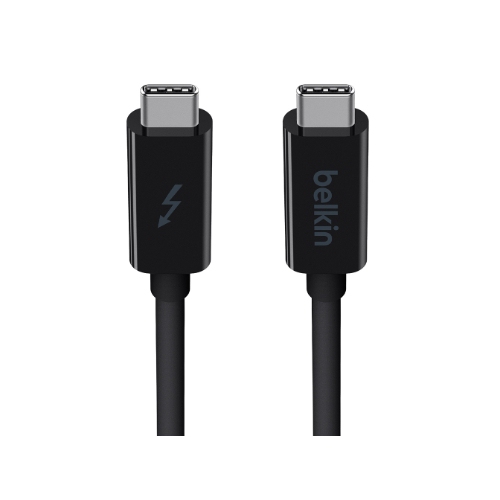 Your price for this item is $45.99
-
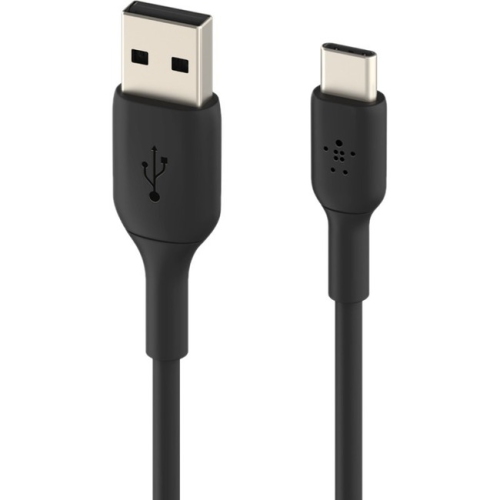 Your price for this item is $30.99
-
 Your price for this item is $105.68
-
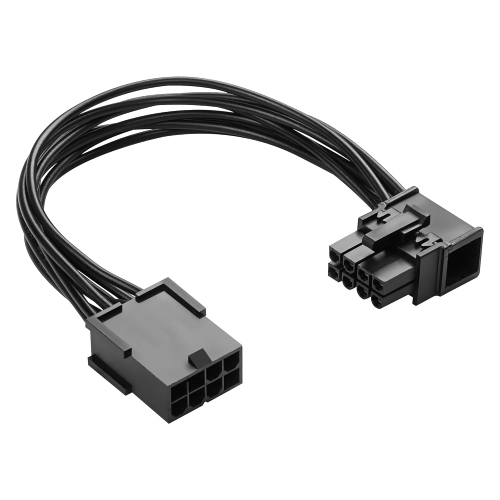 Your price for this item is $30
-
 Your price for this item is $86.68
Discover more categories related to Bullet Connectors


Top Collections:
Best Black Friday Deals This Year, Best Black Friday Deals On Electronics, Kindle Devices, Pokemon Centers, Best Black Friday Deals On Apple Products, Best Cameras for Sports Photography, Dyson Airwrap, Pokémon 30th Celebration Cards, Apple iPhone 17 Pro, Canon G7X Cameras
Some products may be subject to Environmental Handling Fees
(EHF) depending on your province.
Learn more about EHFs.