Camping Bike Trailers
Gear up for your next outdoor adventure with our selection of camping bike trailers. Whether you're heading out for a weekend camping trip or embarking on a cross-country biking expedition, these trailers are designed to make transporting your gear a breeze. With durable construction, ample storage space, and easy attachment to your bike, our camping bike trailers are the perfect companion for any cycling enthusiast looking to explore the great outdoors.
Sort

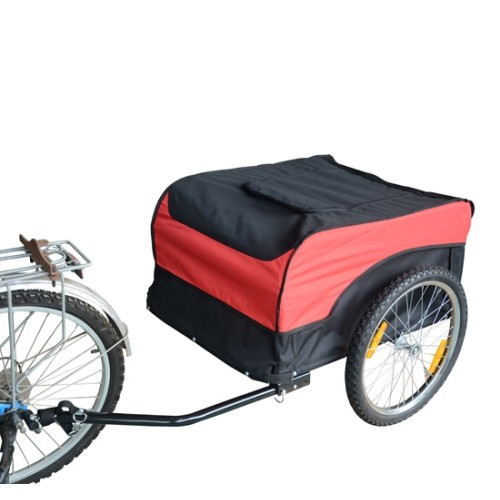
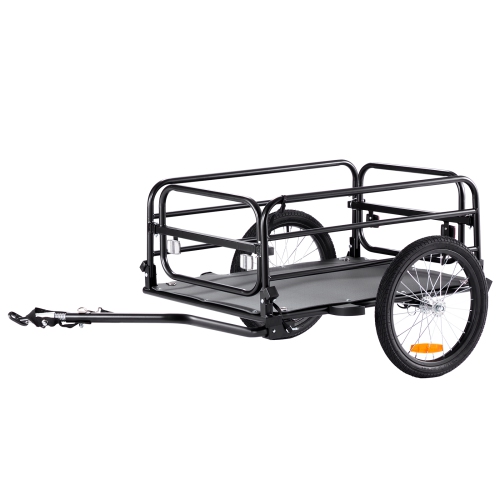
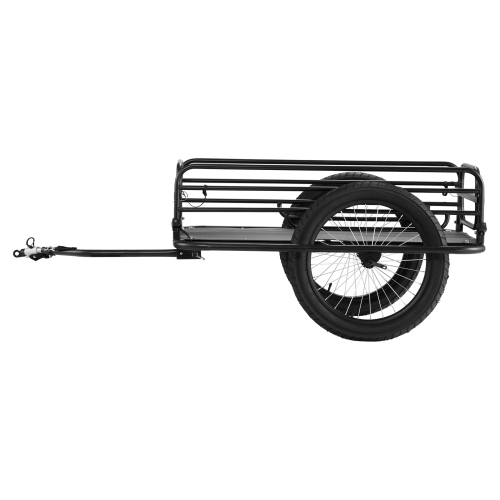
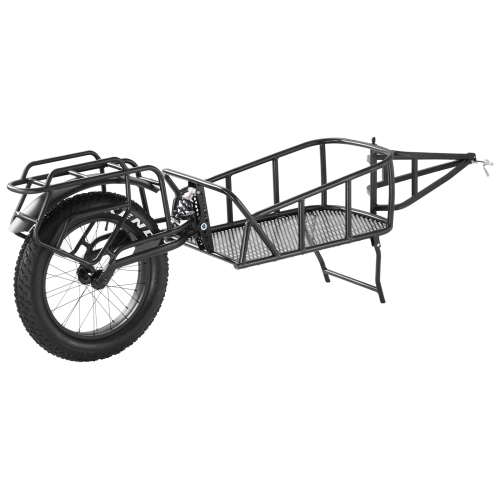
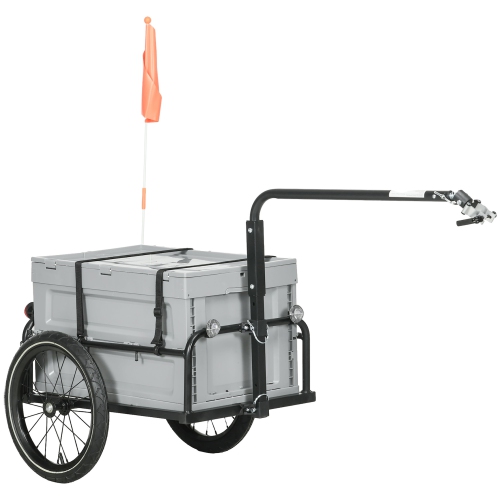
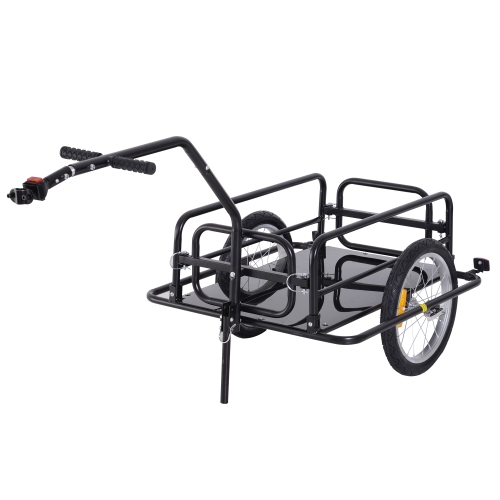
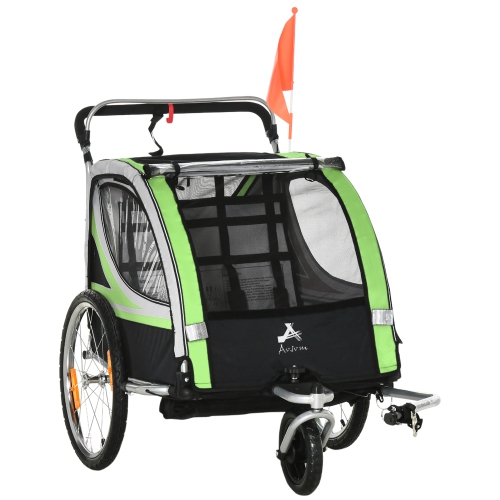
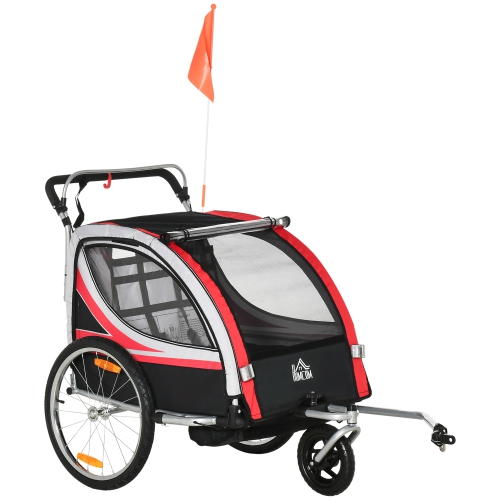
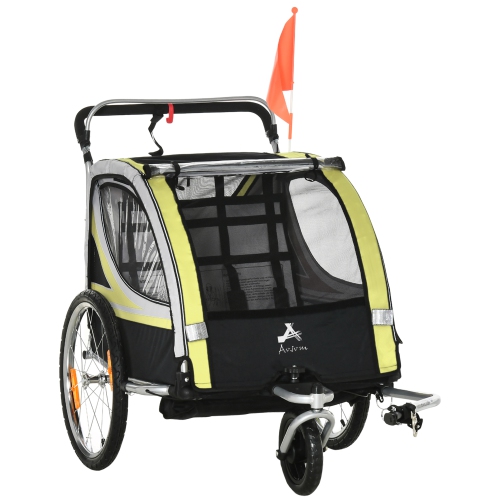
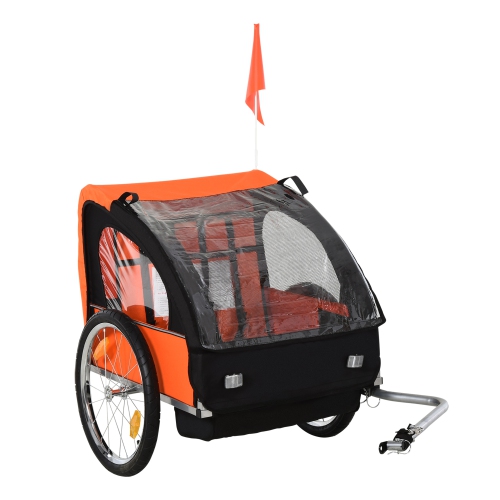
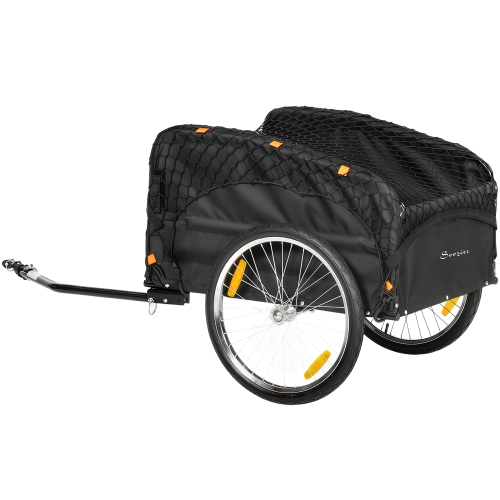
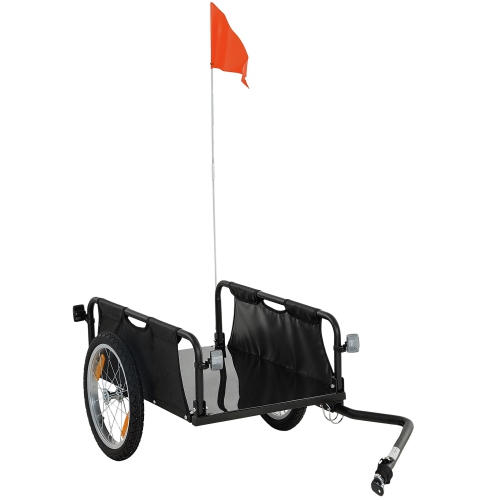
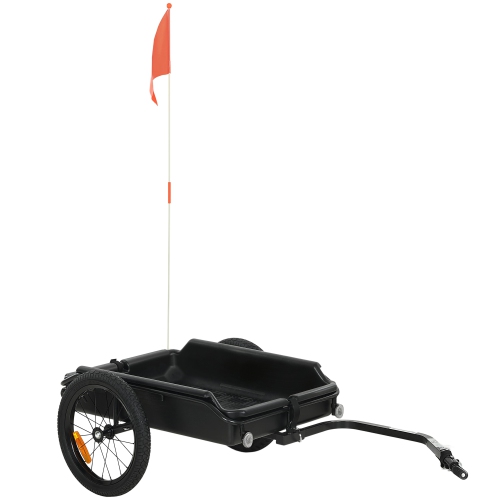
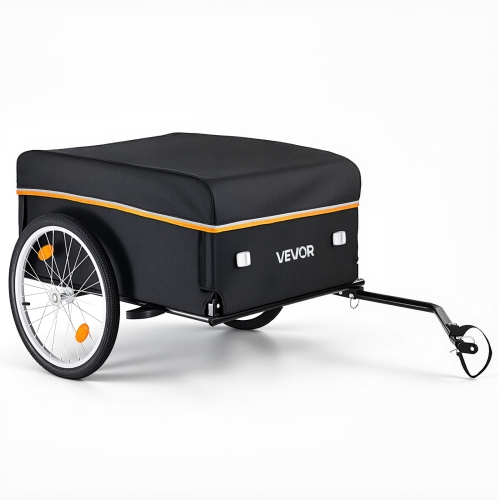
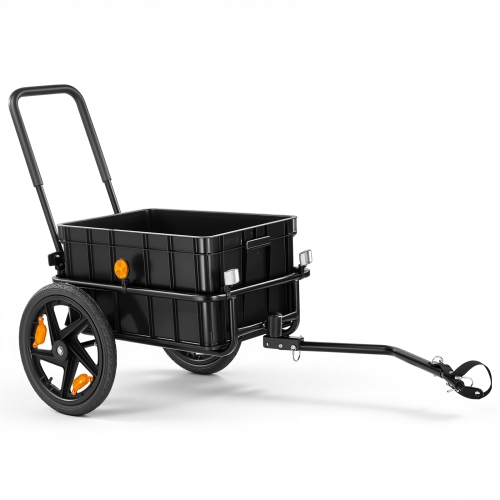
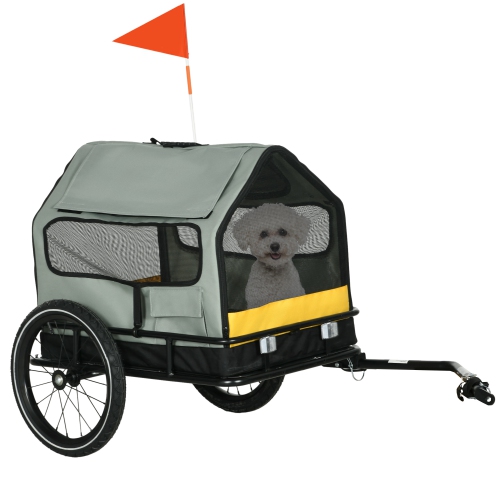
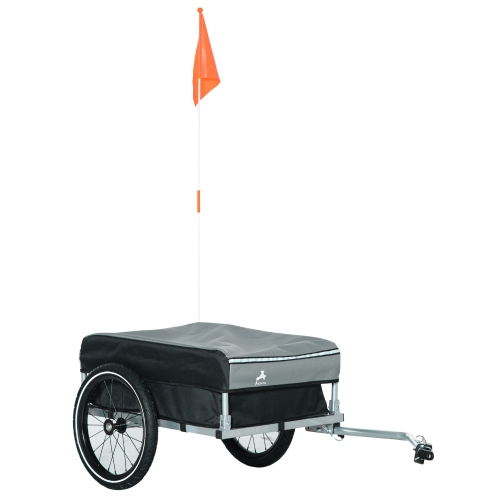
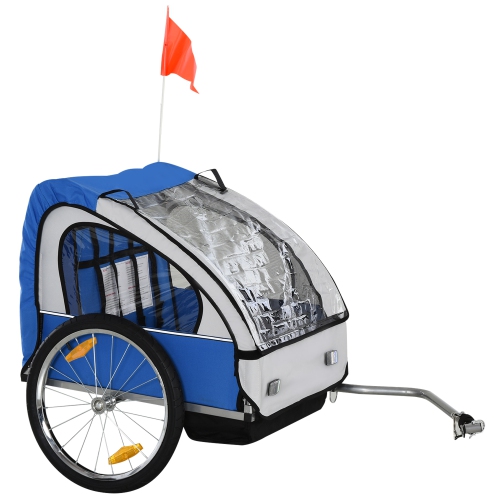
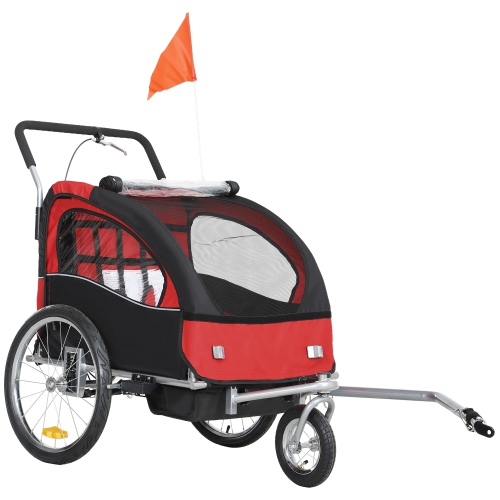
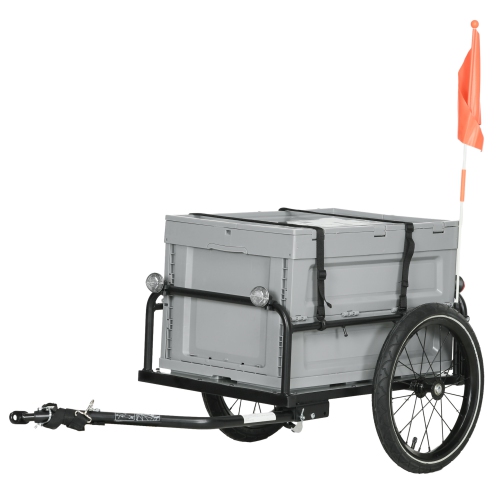
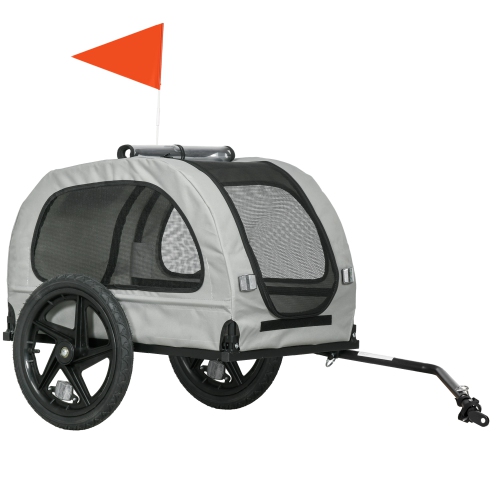
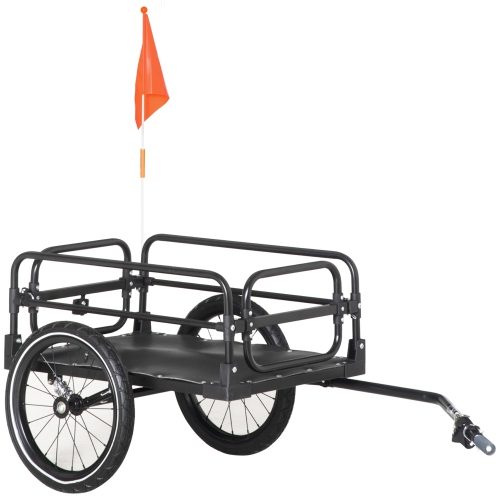
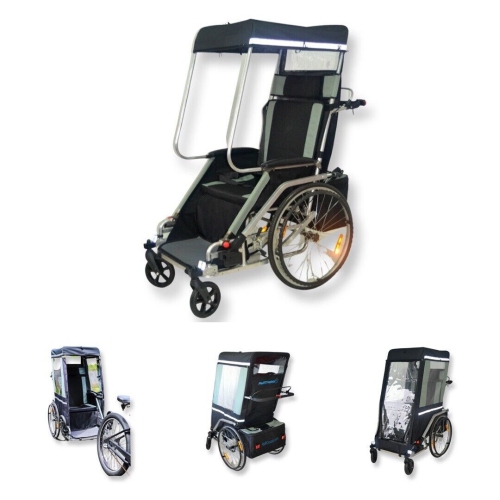
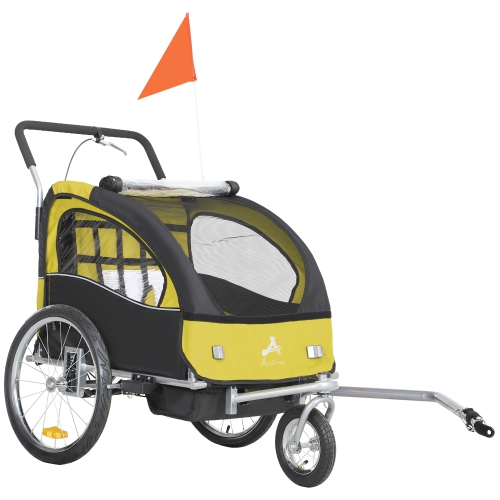
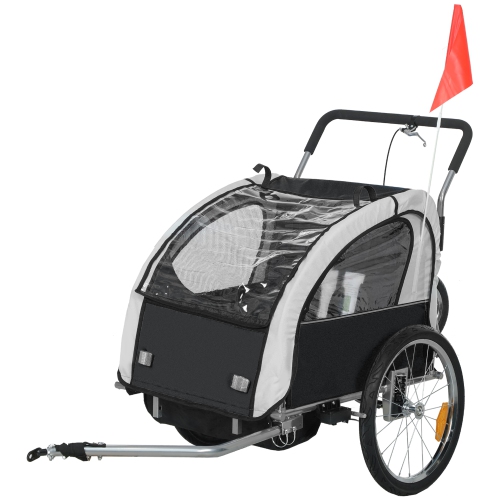
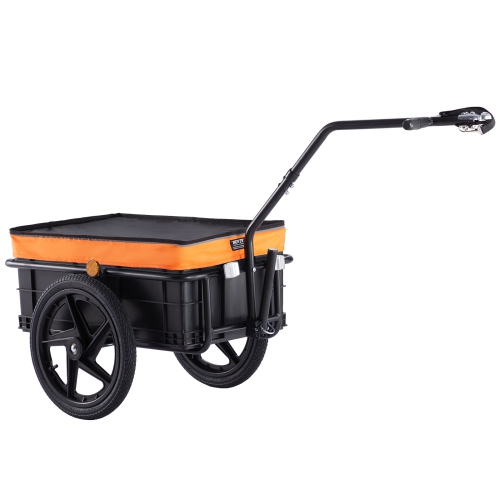
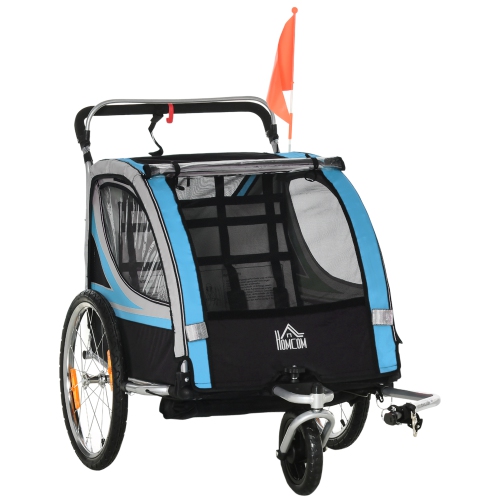
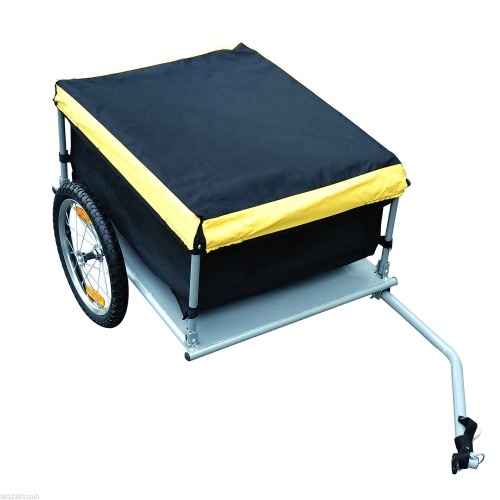
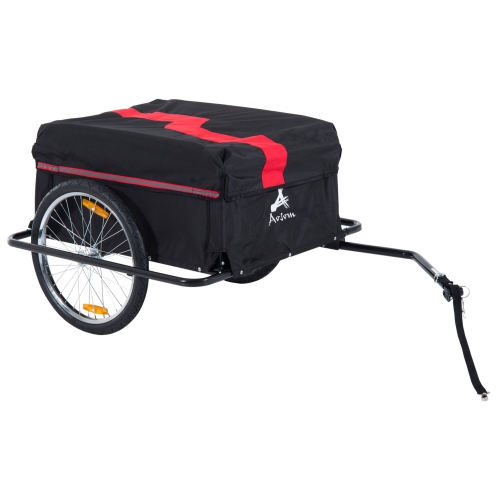
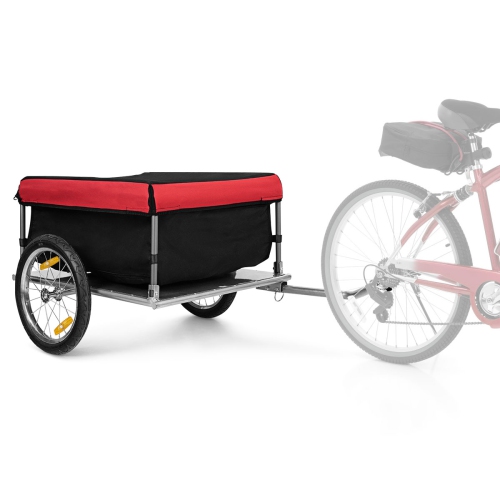
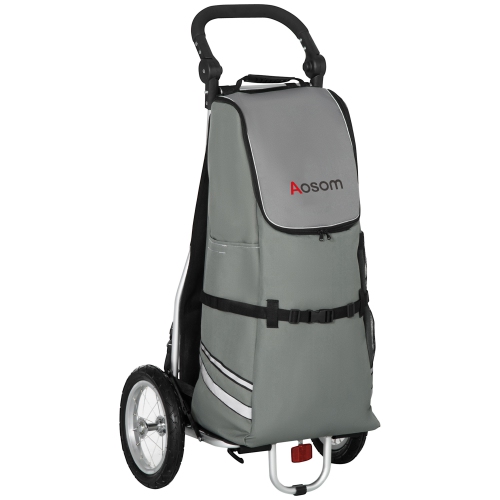
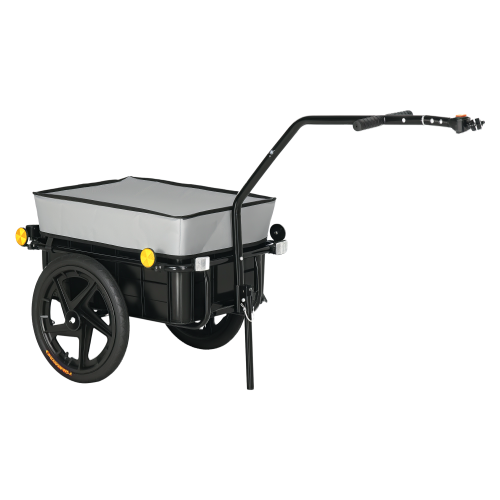
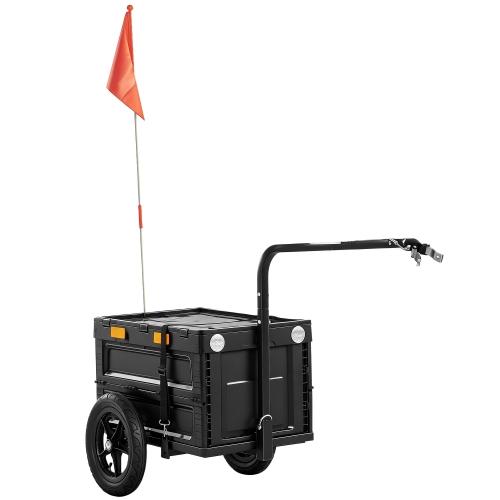
Gear hauling or sleeping space behind your bicycle
Camping bike trailers are bicycle-towed trailers designed to carry camping equipment or, in specialised designs, provide a compact sleeping space at camp. The category ranges from open cargo carriers and enclosed luggage trailers to tent-equipped platforms and small, fully enclosed bicycle campers. These designs serve different purposes: a cargo trailer transports a separate tent, sleeping bag, cooking kit, and other supplies, while a purpose-built camping trailer may incorporate a fold-out shelter or sleeping compartment. An ordinary cargo trailer is not a sleeping platform unless its manufacturer specifically approves that use. For riders travelling between campgrounds, the appeal is straightforward: bulky equipment can ride behind the bicycle rather than being packed entirely into panniers or strapped around the frame. A rolled sleeping mat, food bag, and compact camp chair can be easier to arrange in a dedicated load area, especially when the bicycle already carries water bottles and everyday essentials. Camping trailers can suit solo cycle tourists, couples sharing equipment, and families transporting supplies to a campsite accessible by bicycle. They can also be useful for short outings where the destination is nearby but the gear is awkward to carry. Within the wider range of Bike Trailers, camping-focused designs are distinguished by their cargo capacity, packing layout, towing requirements, and any features intended for use after arrival. A simple gear hauler may be the more practical match for established campsites, while an integrated shelter adds considerations such as setup space, ventilation, sleeping dimensions, and support when detached from the bicycle. Neither format removes the need to check route access or campground rules. The most useful design is one that matches the actual journey, whether that means a short paved approach to a campsite or a longer tour with frequent stops and a carefully planned equipment load.
Fit begins at the connection between bicycle and trailer. Hitch systems may attach near the rear axle, to the frame, or at the seatpost, and compatibility depends on the particular bicycle and mounting hardware. Quick-release axles, thru-axles, hub gears, rear racks, and unusual frame shapes can all affect installation; some combinations require a manufacturer-approved adapter, while others are unsuitable. An e-bike is not automatically compatible simply because it has assistance. The bicycle’s towing guidance, axle arrangement, braking capability, and the trailer’s approved use still matter, and the additional load can reduce riding range. Trailer weight and cargo capacity should be considered separately: a generous load rating does not mean the bicycle, hitch, or rider can comfortably manage that weight over every route. Internal dimensions matter just as much as capacity when packing long tent poles, a wide sleeping mat, or a rigid food container. Dense equipment generally belongs low and secured against movement, with weight distributed according to the trailer manufacturer’s instructions. A loose cooking kit sliding from side to side can change the feel of the trailer through a turn. Single-wheel designs are often narrower and follow closely behind the bicycle, which can be helpful on routes with limited clearance, although they typically require more attention to balance when loading or parking. Two-wheel designs generally stand more independently and offer a broader cargo platform, but their extra width matters at access gates, path edges, and campsite entrances. Neither layout makes a trailer suitable for technical trails unless it is rated for that use. Wheel size, tyre construction, ground clearance, and suspension, where fitted, influence how the load travels over uneven surfaces. Towing also changes cornering, acceleration, and stopping distance. A loaded practice ride close to home provides a clearer sense of handling than an unloaded spin, particularly before a route with descents or tight bends. Secure hitch engagement, any specified safety connection, visible reflectors, and appropriately positioned lights help support safe use, while route planning should account for the full width and length of the bicycle-and-trailer combination.
Materials and construction shape both the ride and the routine at camp. Aluminium frames can help limit trailer weight, while steel frames may offer robust construction with a different weight trade-off; the quality of the joints, hitch, wheels, and load platform matters alongside the frame material. Fabric-sided cargo compartments keep the structure relatively simple and may fold down for storage, while rigid bodies offer a more defined packing space. Reinforced floors, protected seams, sturdy zippers, and replaceable covers are useful details when equipment is loaded and unloaded repeatedly. Water-resistant fabric is not necessarily waterproof, so sleeping gear and clothing may still need separate protective bags. For a tent-equipped trailer or enclosed micro-camper, usable sleeping length, entry height, airflow, and the stability of the deployed structure deserve particular attention. An interior that holds luggage during travel may need to be cleared before bedtime, making accessible storage valuable at a small campsite. Any levelling supports or stabilizers should be used as directed, and cooking appliances should remain outside sleeping compartments because of fire and carbon monoxide risks. Cargo-only trailers must not carry children, other passengers, or pets; those uses require a trailer specifically designed and approved for them. Day-to-day care is usually straightforward but important: remove grit from the hitch, check fasteners and wheel attachments, maintain the specified tyre pressure, and inspect fabric attachment points for wear. Covers and tent sections should be clean and fully dry before storage to help prevent mildew and unpleasant odours. Folding frames and removable wheels can make a trailer easier to keep in a small storage area or transport to the start of a ride, provided the folded dimensions fit the space. For a cycling enthusiast receiving a camping trailer as a gift, confirmed bicycle compatibility and a realistic understanding of their camping style are more valuable than capacity alone. A manageable trailer that carries familiar equipment securely is often a better companion than a larger design that complicates every departure.
Fit begins at the connection between bicycle and trailer. Hitch systems may attach near the rear axle, to the frame, or at the seatpost, and compatibility depends on the particular bicycle and mounting hardware. Quick-release axles, thru-axles, hub gears, rear racks, and unusual frame shapes can all affect installation; some combinations require a manufacturer-approved adapter, while others are unsuitable. An e-bike is not automatically compatible simply because it has assistance. The bicycle’s towing guidance, axle arrangement, braking capability, and the trailer’s approved use still matter, and the additional load can reduce riding range. Trailer weight and cargo capacity should be considered separately: a generous load rating does not mean the bicycle, hitch, or rider can comfortably manage that weight over every route. Internal dimensions matter just as much as capacity when packing long tent poles, a wide sleeping mat, or a rigid food container. Dense equipment generally belongs low and secured against movement, with weight distributed according to the trailer manufacturer’s instructions. A loose cooking kit sliding from side to side can change the feel of the trailer through a turn. Single-wheel designs are often narrower and follow closely behind the bicycle, which can be helpful on routes with limited clearance, although they typically require more attention to balance when loading or parking. Two-wheel designs generally stand more independently and offer a broader cargo platform, but their extra width matters at access gates, path edges, and campsite entrances. Neither layout makes a trailer suitable for technical trails unless it is rated for that use. Wheel size, tyre construction, ground clearance, and suspension, where fitted, influence how the load travels over uneven surfaces. Towing also changes cornering, acceleration, and stopping distance. A loaded practice ride close to home provides a clearer sense of handling than an unloaded spin, particularly before a route with descents or tight bends. Secure hitch engagement, any specified safety connection, visible reflectors, and appropriately positioned lights help support safe use, while route planning should account for the full width and length of the bicycle-and-trailer combination.
Materials and construction shape both the ride and the routine at camp. Aluminium frames can help limit trailer weight, while steel frames may offer robust construction with a different weight trade-off; the quality of the joints, hitch, wheels, and load platform matters alongside the frame material. Fabric-sided cargo compartments keep the structure relatively simple and may fold down for storage, while rigid bodies offer a more defined packing space. Reinforced floors, protected seams, sturdy zippers, and replaceable covers are useful details when equipment is loaded and unloaded repeatedly. Water-resistant fabric is not necessarily waterproof, so sleeping gear and clothing may still need separate protective bags. For a tent-equipped trailer or enclosed micro-camper, usable sleeping length, entry height, airflow, and the stability of the deployed structure deserve particular attention. An interior that holds luggage during travel may need to be cleared before bedtime, making accessible storage valuable at a small campsite. Any levelling supports or stabilizers should be used as directed, and cooking appliances should remain outside sleeping compartments because of fire and carbon monoxide risks. Cargo-only trailers must not carry children, other passengers, or pets; those uses require a trailer specifically designed and approved for them. Day-to-day care is usually straightforward but important: remove grit from the hitch, check fasteners and wheel attachments, maintain the specified tyre pressure, and inspect fabric attachment points for wear. Covers and tent sections should be clean and fully dry before storage to help prevent mildew and unpleasant odours. Folding frames and removable wheels can make a trailer easier to keep in a small storage area or transport to the start of a ride, provided the folded dimensions fit the space. For a cycling enthusiast receiving a camping trailer as a gift, confirmed bicycle compatibility and a realistic understanding of their camping style are more valuable than capacity alone. A manageable trailer that carries familiar equipment securely is often a better companion than a larger design that complicates every departure.
Top selling and popular products
-
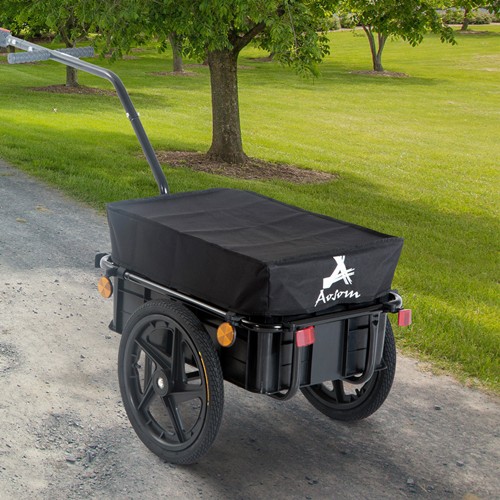 Your price for this item is $155.44
 -
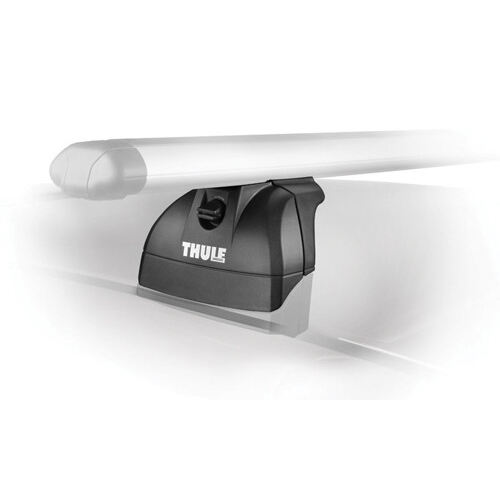 Your price for this item is $285
 -
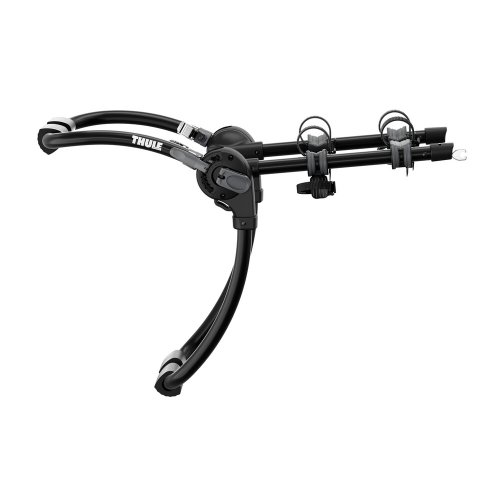 Your price for this item is $499
 -
 Your price for this item is $209.99
 -
 Your price for this item is $199.99
 -
 Your price for this item is $134.99
 -
 Your price for this item is $96.99
 -
 Your price for this item is $120.99
Discover more categories related to Camping Bike Trailers
Top Collections:
Pokemon Centers, Kindle Devices, Best Budget Office Chairs, Apple iPhones 16, Canon G7X Cameras, iPhone 15 Apple, Alarm Clock, Refurbished Apple Laptops, Flip Phones, Best Laptops for Writers
Some products may be subject to Environmental Handling Fees
(EHF) depending on your province.
Learn more about EHFs.