Camping Power Generators
Whether you're planning a weekend getaway in the great outdoors or preparing for a potential power outage, having a reliable source of electricity is essential. Camping power generators are the perfect solution to keep your devices charged and your campsite well-lit, allowing you to stay connected and comfortable even in remote locations. With various options available, from compact and portable models to larger units with higher power capacities, finding the right camping power generator to suit your needs has never been easier. Explore our range of camping power generators and discover the perfect companion for your next adventure.
Sort
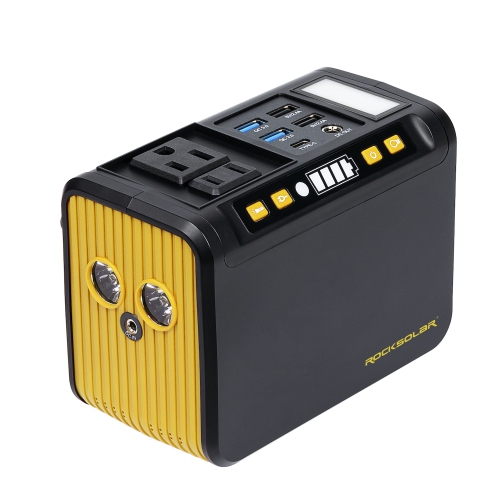
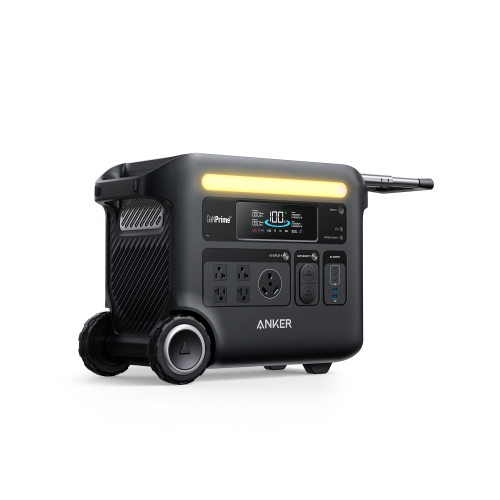
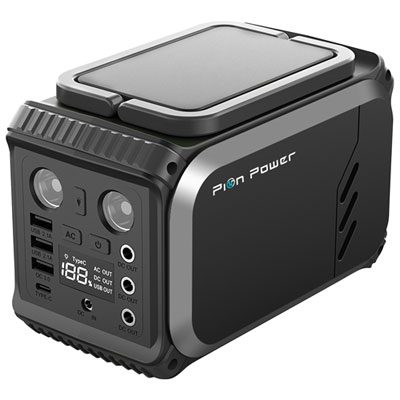
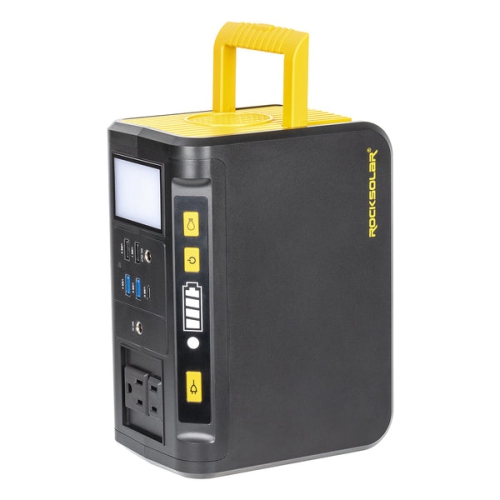
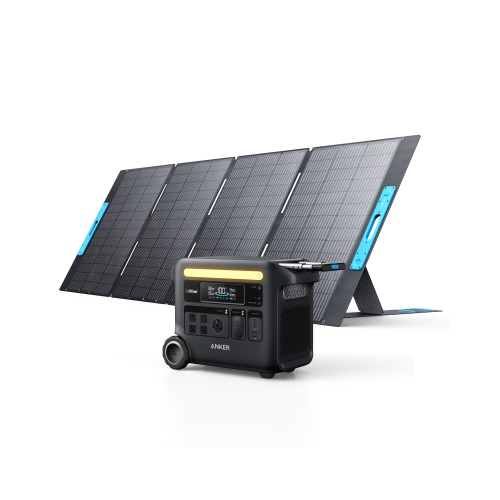
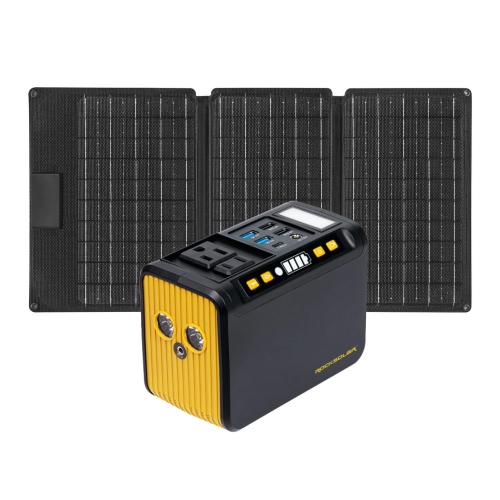
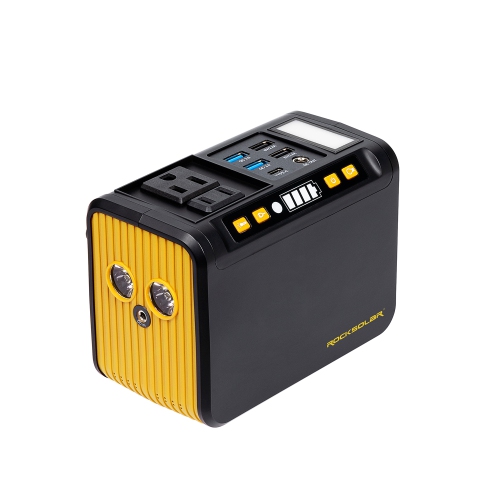
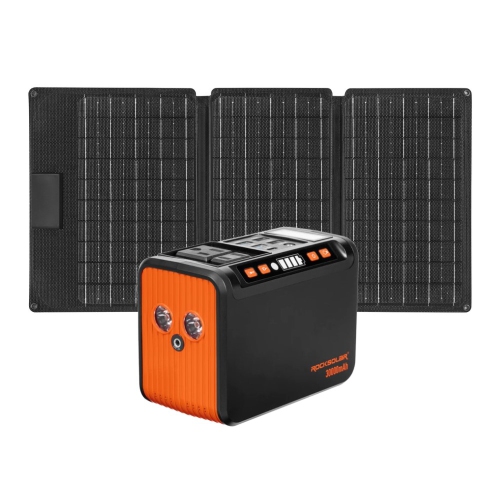
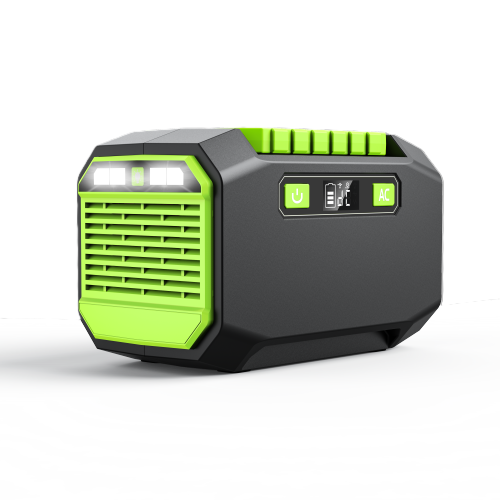
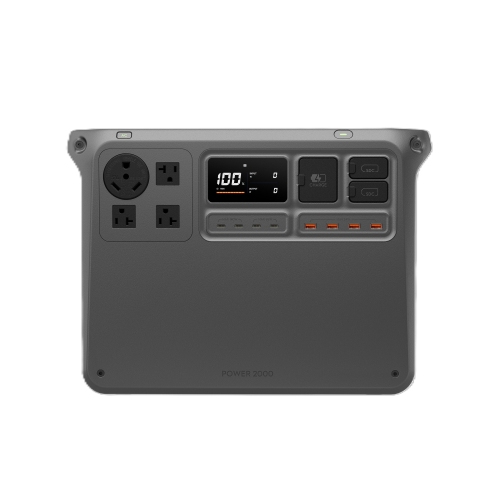
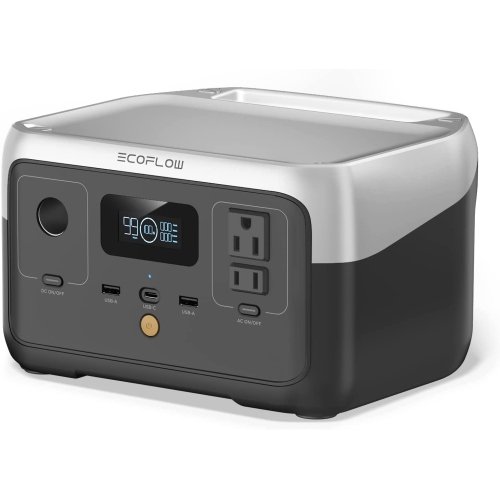
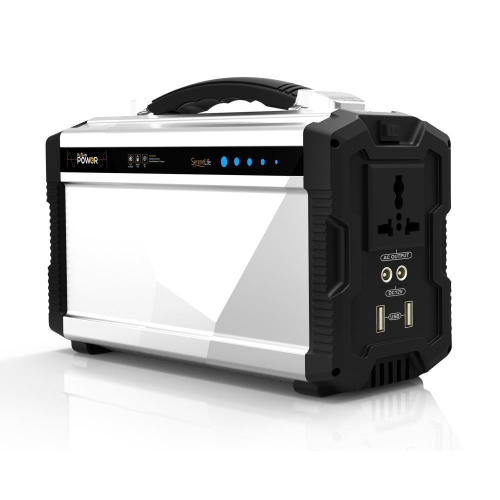
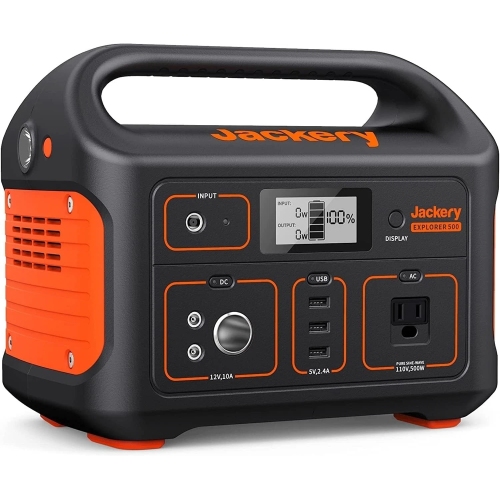
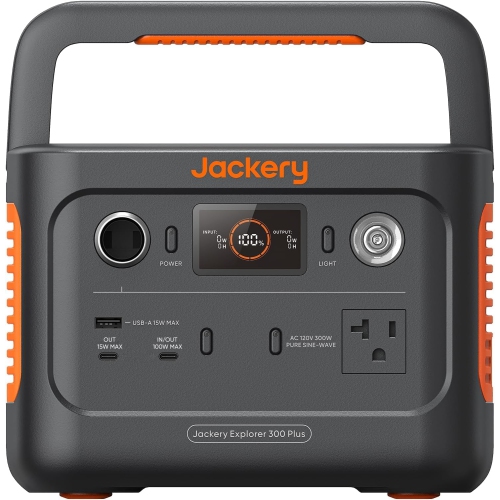
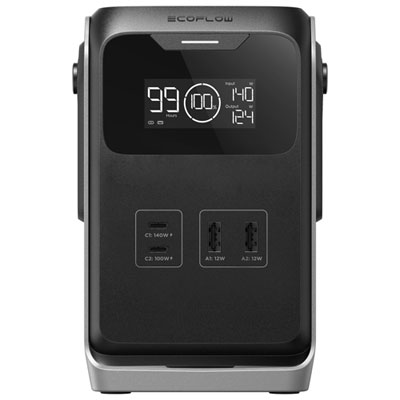
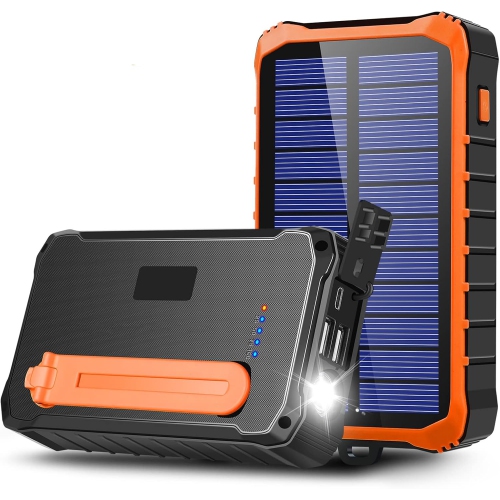
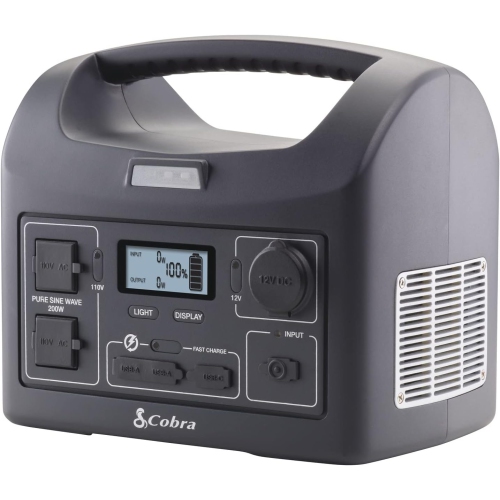
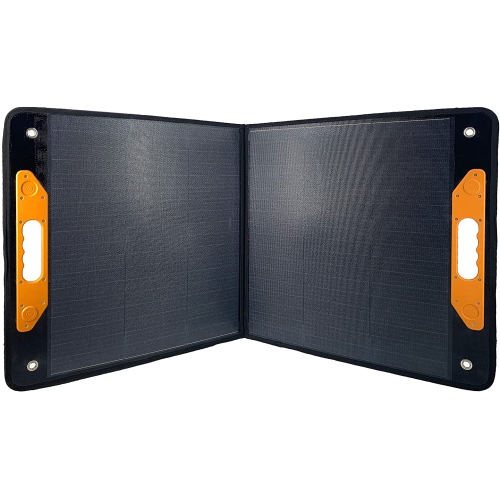
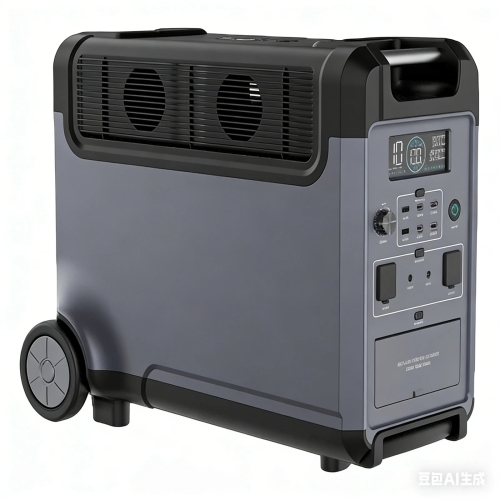
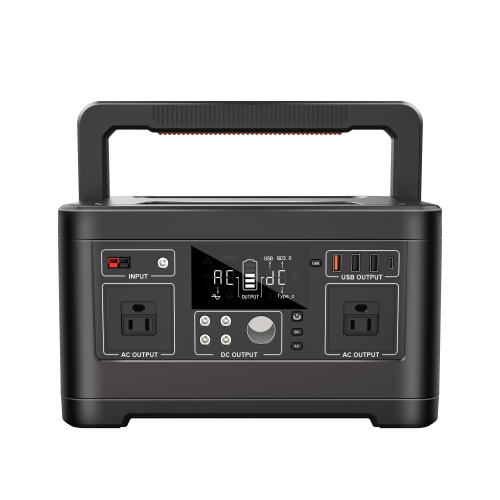
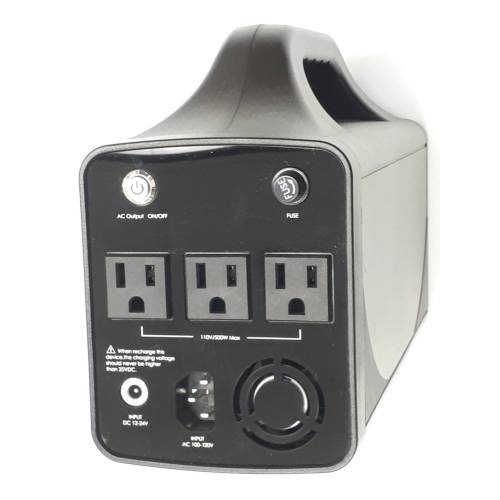
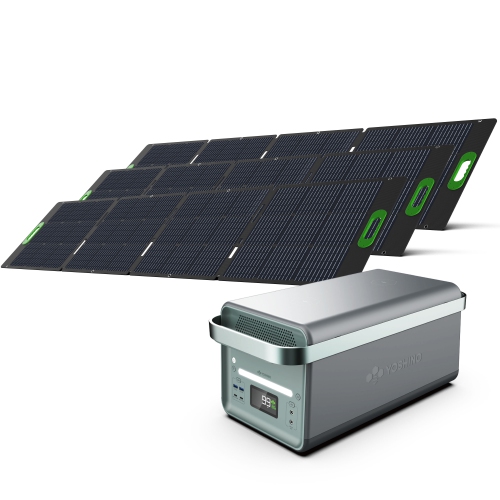
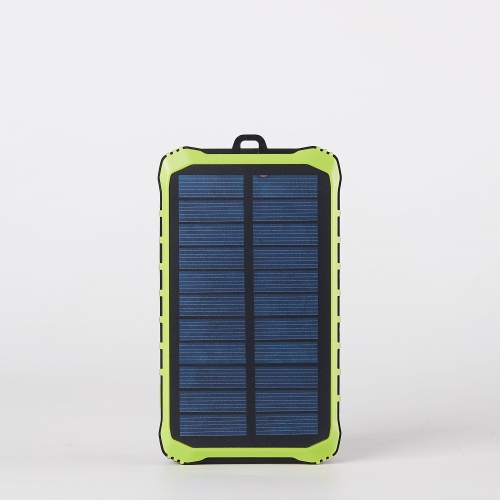
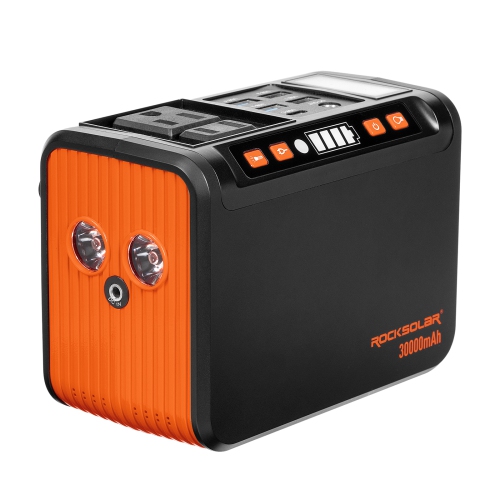
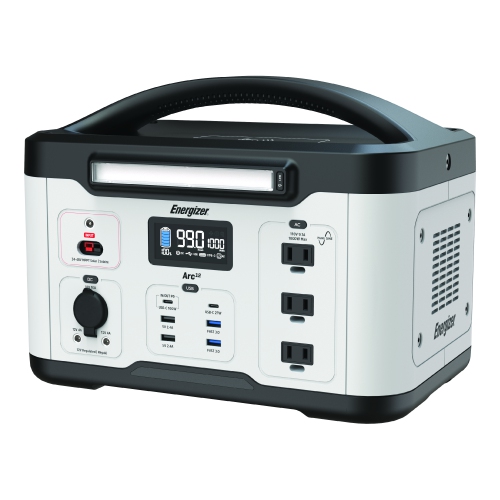
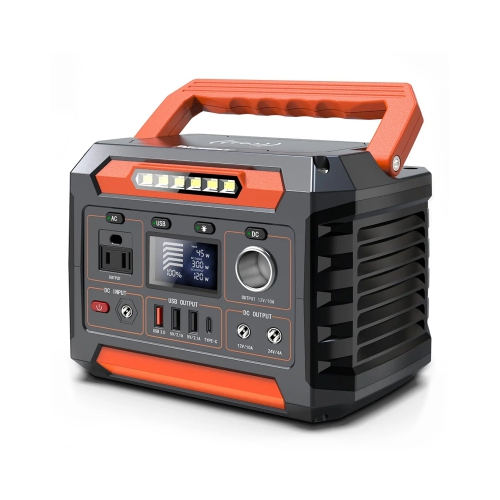
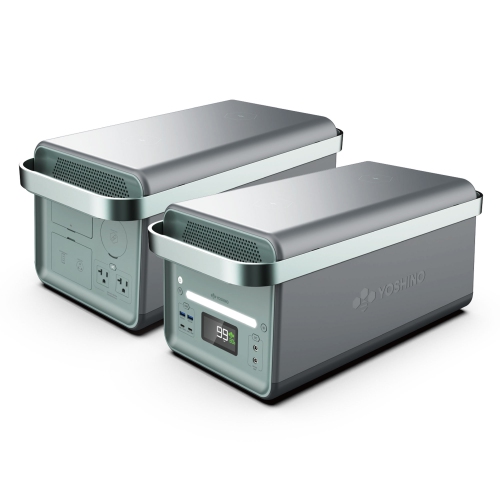
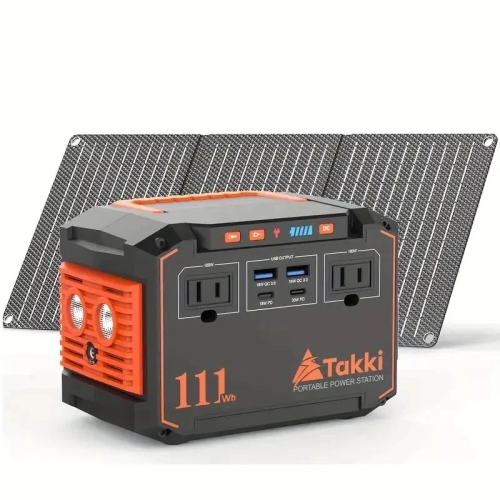

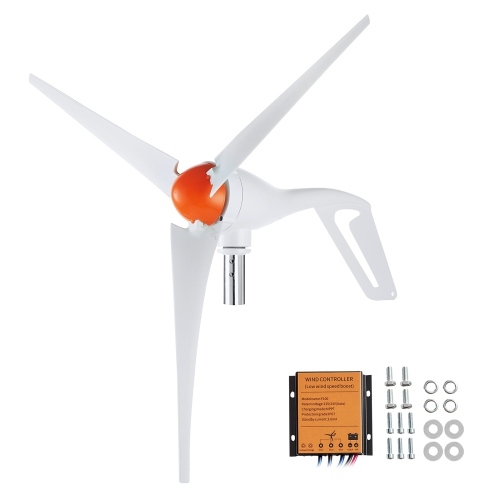
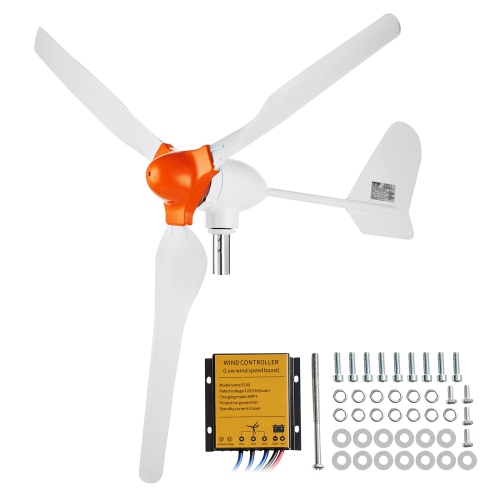
Off-grid power for comfort, connection, and safer camping
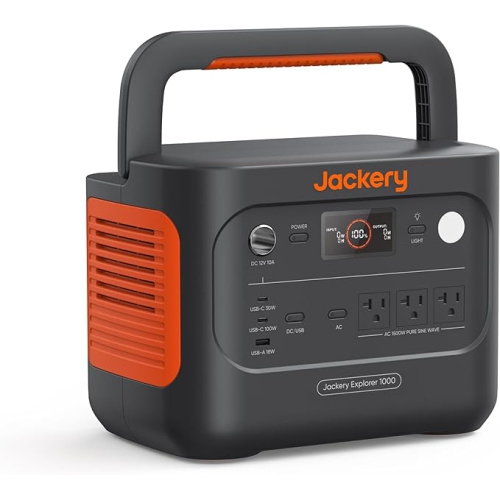
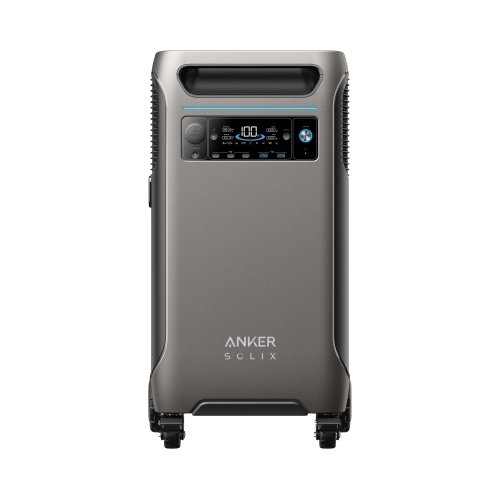
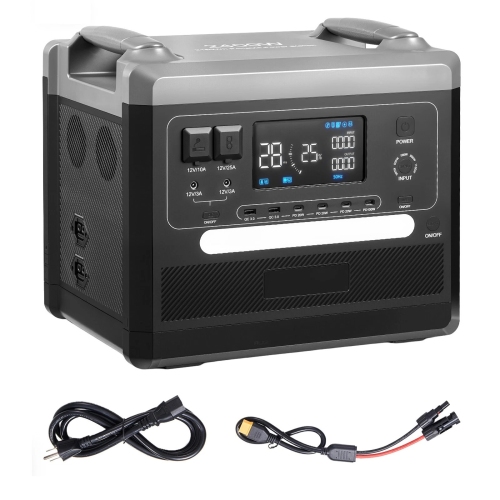
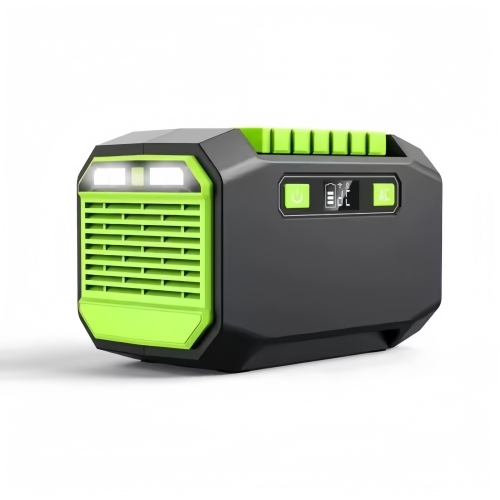
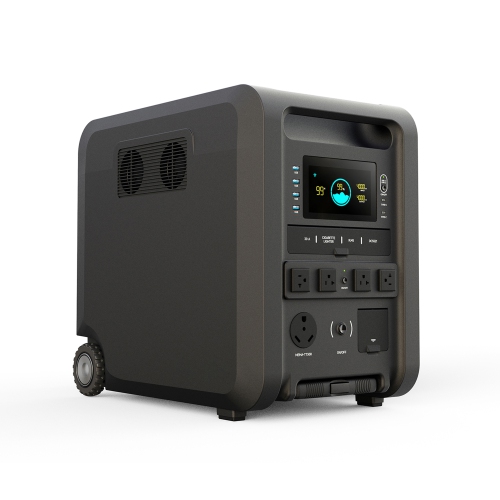
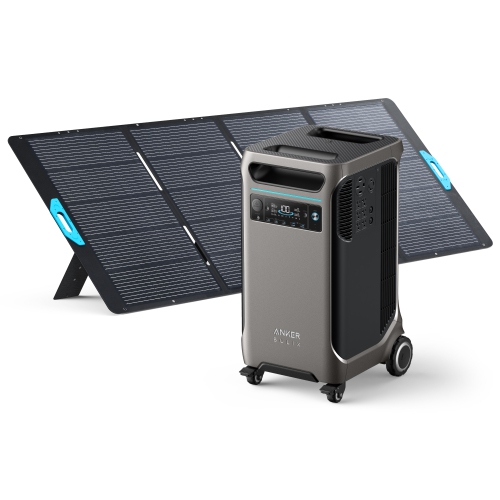
Camping power generators help keep essential devices running when you are away from electrical hookups, whether you are spending a quiet weekend at a backcountry campsite, travelling in an RV, or setting up a seasonal base near the water. The right generator can power phones, lanterns, cameras, speakers, coolers, medical equipment and small appliances, helping you stay comfortable and connected without relying on a campground outlet. Portable power stations are a popular choice for many campers because they store electricity in a built-in battery and typically offer AC outlets, USB ports and 12V connections in one compact unit. They operate quietly, making them well suited to peaceful campsites, and many can be recharged from a wall outlet before departure, a vehicle while travelling, or compatible portable solar panels when you are off the grid. Capacity is measured in watt-hours, while output is measured in watts. A higher watt-hour rating generally allows devices to run for longer, and a higher continuous wattage supports more demanding equipment. Check both figures before buying, since a power station may have enough stored energy for a long trip but still lack the output needed to start or operate a particular appliance. A small unit may be all you need for phones, headlamps and a camera, while a larger model can support a compact cooler, CPAP machine, coffee maker, heated blanket or other camping equipment. If you are comparing options for different types of outings, Portable Generators For Camping Trips can help you find models suited to travel and outdoor use.
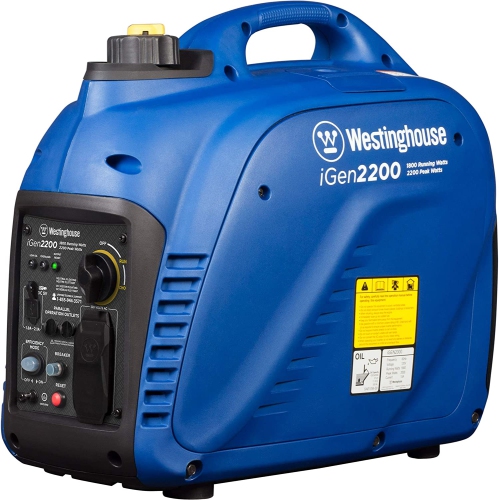
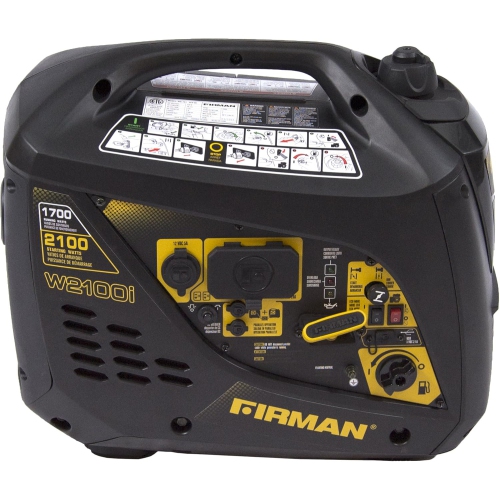
Fuel-powered inverter generators remain useful when you need substantial, dependable power for extended periods and have room to carry fuel. They can be a practical fit for RV camping, remote work sites, large group camps and situations involving power-hungry equipment, including certain air conditioners, cooking appliances or tools. Inverter technology can provide stable electricity for sensitive electronics, but operating noise, fuel storage, ventilation and local campsite rules should all be part of the decision. Never run a gasoline, propane or dual-fuel generator inside a tent, vehicle, trailer, cabin, garage or other enclosed or partly enclosed area. Exhaust contains carbon monoxide, an odourless and potentially fatal gas, so fuel-powered generators must be placed outdoors, far from doors, windows and vents, with the exhaust directed away from occupied spaces. Follow the manufacturer’s clearance requirements and carry a carbon monoxide alarm where appropriate. Portable power stations do not produce engine exhaust, but they still need to be used according to their instructions: keep them dry, allow ventilation around charging equipment, protect them from extreme temperatures and use only compatible cables and accessories. Look at the generator’s size and weight as carefully as its power rating. A lightweight unit is easier to move between the vehicle and campsite, whereas a larger model may offer longer runtimes but require a more deliberate setup. Features such as a clear display, built-in lights, carry handles, multiple charging methods, fast recharge capability and expandable battery capacity can make a noticeable difference when your hands are full of firewood or you are packing up in low light.
Start by listing every device you expect to use and its wattage, then consider whether each item runs continuously or only for short periods. A phone charger may draw very little power, while a coffee maker, kettle, hair dryer or heater can consume considerably more. Appliances with motors, compressors or heating elements may also require extra starting power, so compare their surge requirements with the generator’s peak rating. Runtime depends on the generator’s usable capacity, the connected load, temperature and battery condition; a simple way to estimate needs is to add the watt-hours required by each device over the day and choose extra capacity for unexpected use. For a multi-day trip, charging options matter just as much as initial capacity. Vehicle charging can be convenient during a drive, while solar charging can extend time away from electrical hookups when conditions are suitable; check panel compatibility, charging speed and whether the system can be charged while powering other devices. Campers who spend cooler nights outdoors may appreciate reliable power for lighting, heated clothing or a CPAP machine, while families may value multiple ports for phones, tablets and entertainment devices. These generators can also make thoughtful gifts for new campers, RV owners, cottage visitors and anyone building an emergency-ready camping kit, especially when the recipient’s typical devices and travel style are known. Before heading out, charge the unit fully, test each cable, pack suitable adapters and keep fuel-powered equipment and fuel containers separate from sleeping areas. During the cooler months, store batteries within the temperature range recommended by the manufacturer and avoid leaving electronics exposed to rain, condensation or freezing conditions. With the right balance of capacity, output, portability, charging flexibility and safe operation, a camping power generator can quietly support everything from an early-morning brew to a well-lit campsite at the end of a long day outdoors.
Fuel-powered inverter generators remain useful when you need substantial, dependable power for extended periods and have room to carry fuel. They can be a practical fit for RV camping, remote work sites, large group camps and situations involving power-hungry equipment, including certain air conditioners, cooking appliances or tools. Inverter technology can provide stable electricity for sensitive electronics, but operating noise, fuel storage, ventilation and local campsite rules should all be part of the decision. Never run a gasoline, propane or dual-fuel generator inside a tent, vehicle, trailer, cabin, garage or other enclosed or partly enclosed area. Exhaust contains carbon monoxide, an odourless and potentially fatal gas, so fuel-powered generators must be placed outdoors, far from doors, windows and vents, with the exhaust directed away from occupied spaces. Follow the manufacturer’s clearance requirements and carry a carbon monoxide alarm where appropriate. Portable power stations do not produce engine exhaust, but they still need to be used according to their instructions: keep them dry, allow ventilation around charging equipment, protect them from extreme temperatures and use only compatible cables and accessories. Look at the generator’s size and weight as carefully as its power rating. A lightweight unit is easier to move between the vehicle and campsite, whereas a larger model may offer longer runtimes but require a more deliberate setup. Features such as a clear display, built-in lights, carry handles, multiple charging methods, fast recharge capability and expandable battery capacity can make a noticeable difference when your hands are full of firewood or you are packing up in low light.
Start by listing every device you expect to use and its wattage, then consider whether each item runs continuously or only for short periods. A phone charger may draw very little power, while a coffee maker, kettle, hair dryer or heater can consume considerably more. Appliances with motors, compressors or heating elements may also require extra starting power, so compare their surge requirements with the generator’s peak rating. Runtime depends on the generator’s usable capacity, the connected load, temperature and battery condition; a simple way to estimate needs is to add the watt-hours required by each device over the day and choose extra capacity for unexpected use. For a multi-day trip, charging options matter just as much as initial capacity. Vehicle charging can be convenient during a drive, while solar charging can extend time away from electrical hookups when conditions are suitable; check panel compatibility, charging speed and whether the system can be charged while powering other devices. Campers who spend cooler nights outdoors may appreciate reliable power for lighting, heated clothing or a CPAP machine, while families may value multiple ports for phones, tablets and entertainment devices. These generators can also make thoughtful gifts for new campers, RV owners, cottage visitors and anyone building an emergency-ready camping kit, especially when the recipient’s typical devices and travel style are known. Before heading out, charge the unit fully, test each cable, pack suitable adapters and keep fuel-powered equipment and fuel containers separate from sleeping areas. During the cooler months, store batteries within the temperature range recommended by the manufacturer and avoid leaving electronics exposed to rain, condensation or freezing conditions. With the right balance of capacity, output, portability, charging flexibility and safe operation, a camping power generator can quietly support everything from an early-morning brew to a well-lit campsite at the end of a long day outdoors.
Top selling and popular products
-
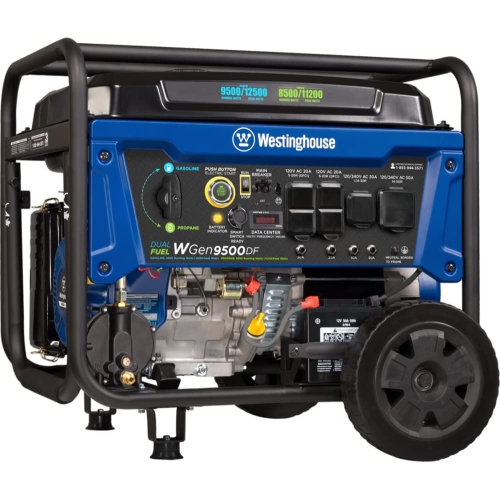 Your price for this item is $2799
 -
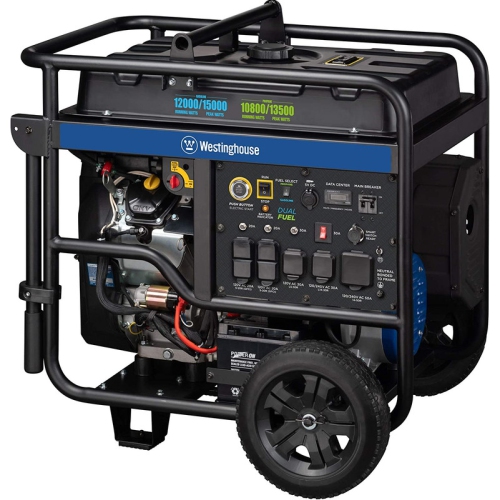 Your price for this item is $6199
 -
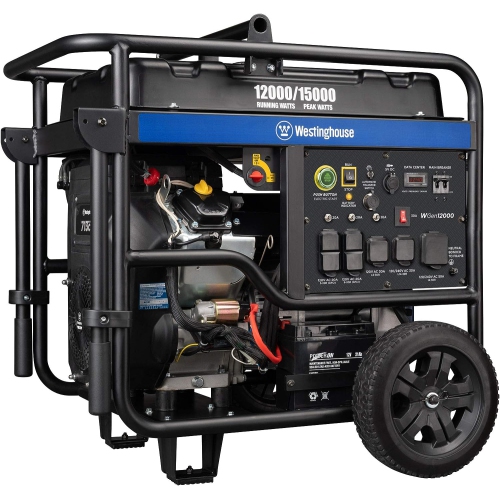 Your price for this item is $5499
 -
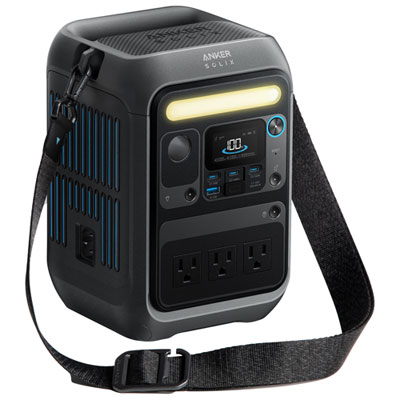 Your price for this item is $299.99
 -
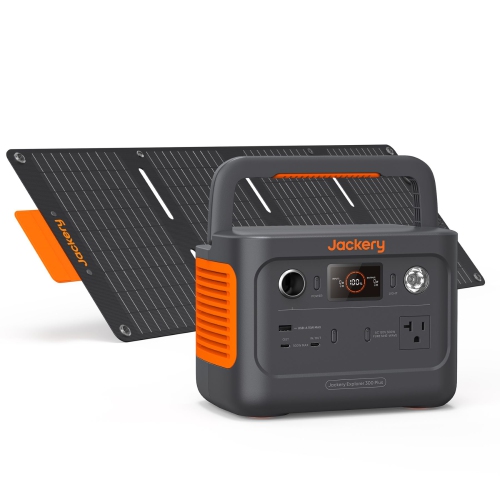 Your price for this item is $399
 -
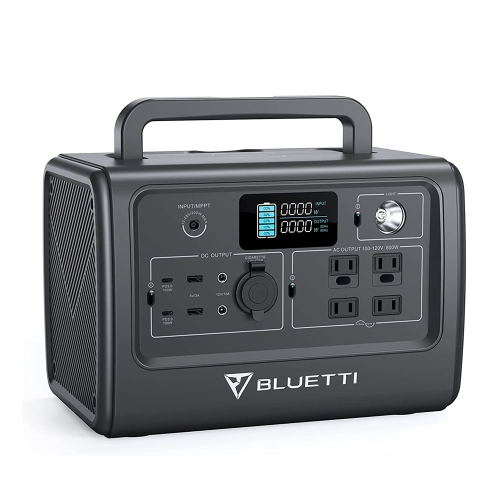 Your price for this item is $549
 -
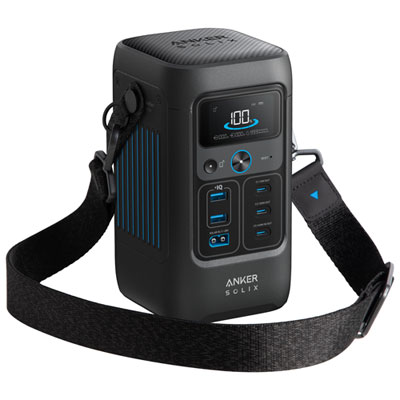 Your price for this item is $199.99
 -
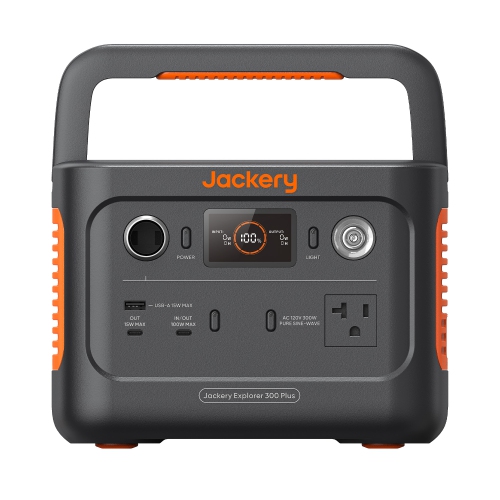 Your price for this item is $299
Discover more categories related to Camping Power Generators
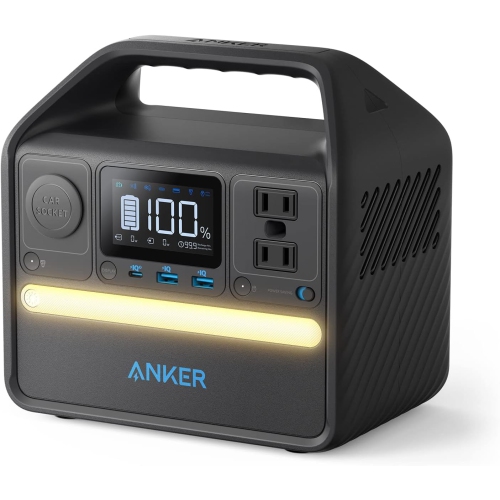
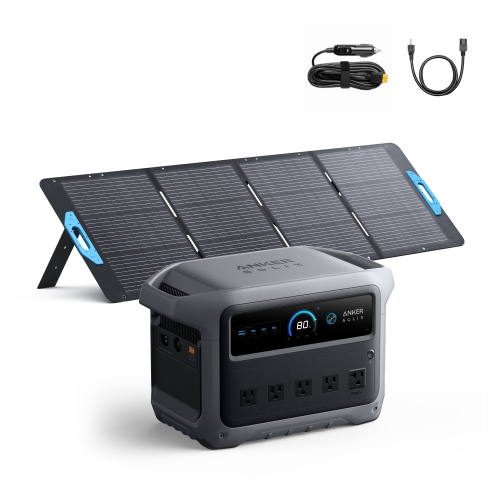
Top Collections:
Best Laptops for Video Editing, Pokemon Centers, Samsung Z Fold, Kindle Devices, Best Cell Phones Under $300, Best Laptops for Writers, Best Budget Office Chairs, Best Cell Phones Under $500, Best Laptop Computers for Students, iPhone 15 Apple
Some products may be subject to Environmental Handling Fees
(EHF) depending on your province.
Learn more about EHFs.