Commercial Blowers
Looking to keep your workspace clean and debris-free? Look no further than our selection of commercial blowers. These powerful machines are designed to tackle even the toughest cleaning tasks, making them perfect for a variety of settings such as warehouses, construction sites, and large outdoor areas. With their robust performance and efficient functionality, our range of commercial blowers will help you maintain a pristine environment effortlessly. Whether you need to clear leaves, dirt, or other debris, these high-quality blowers are up to the task. Explore our collection today and find the perfect blower to meet your needs.
Sort

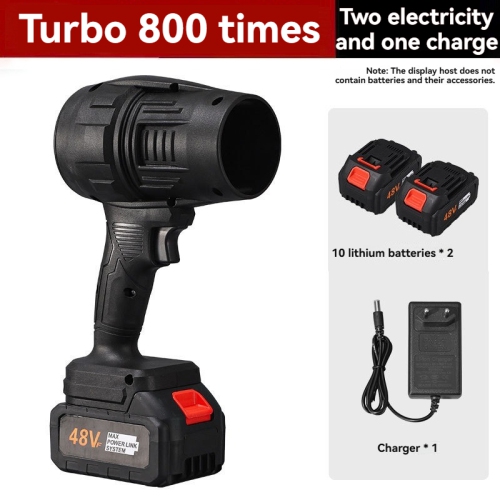
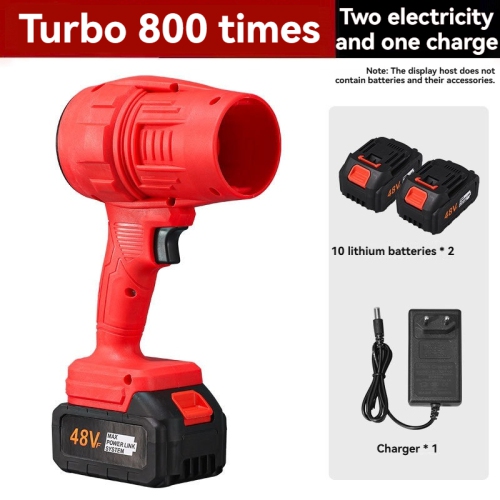
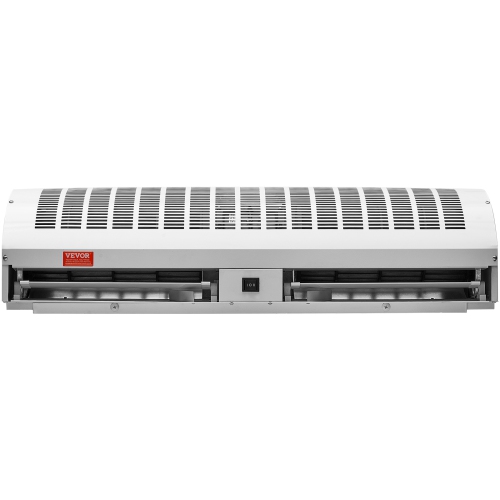
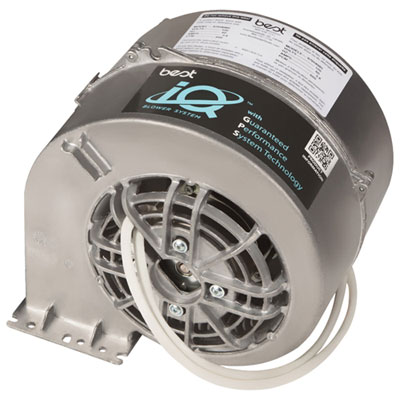
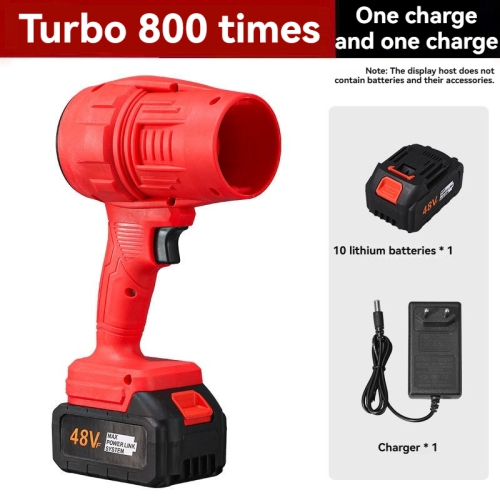


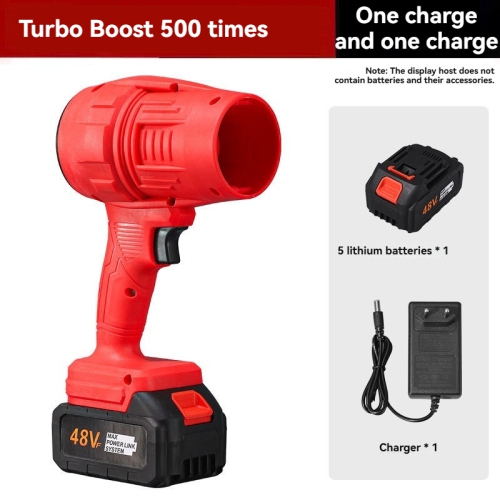
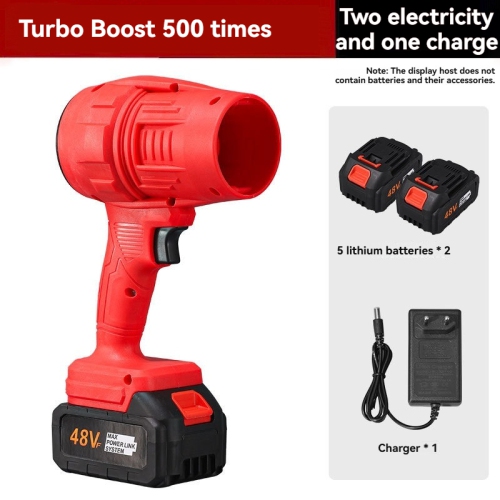
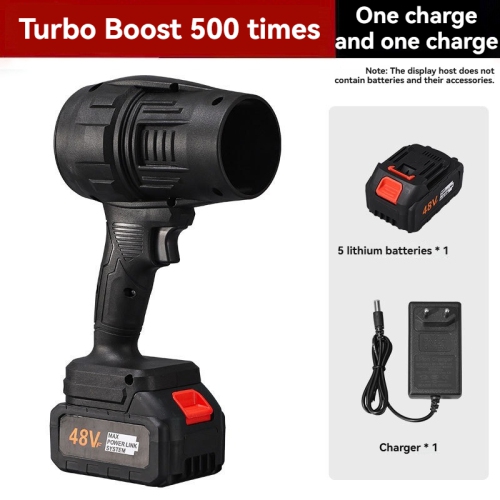

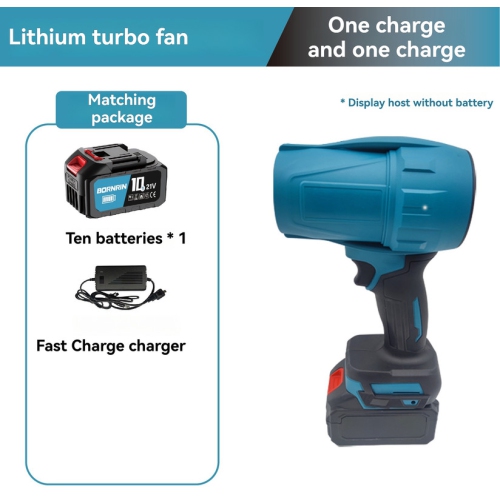
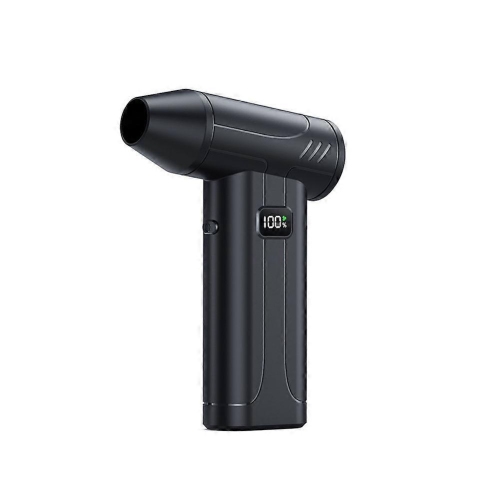
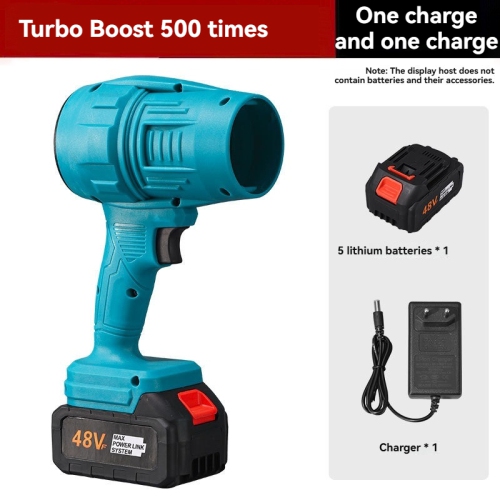
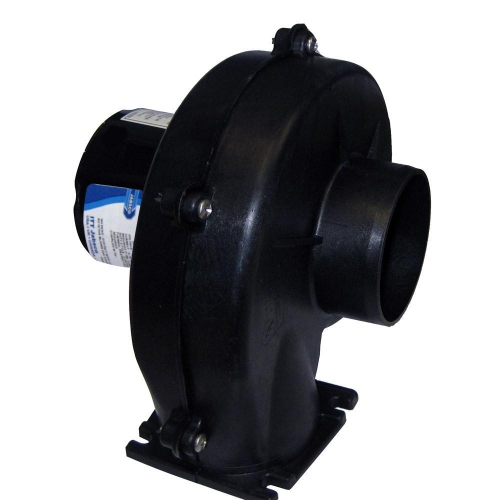

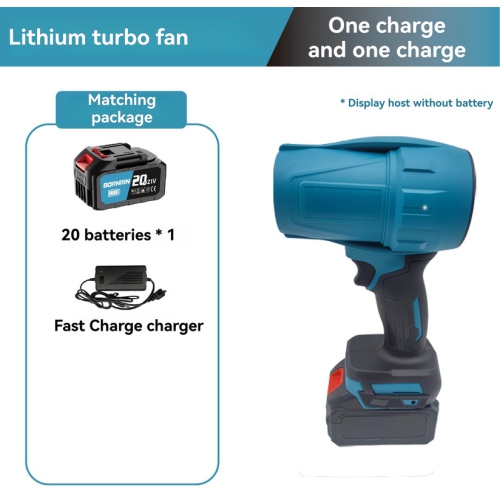
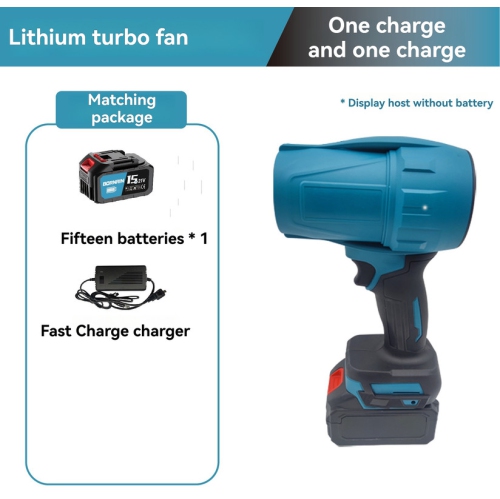
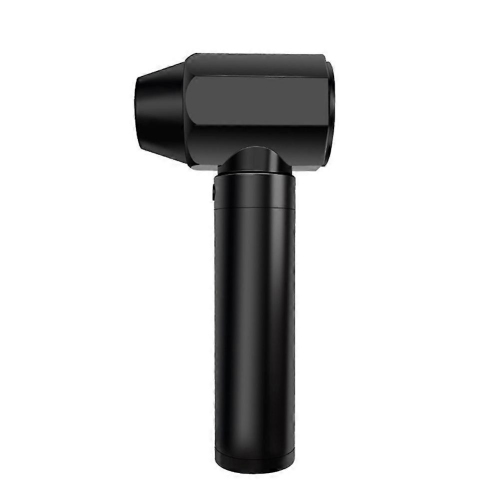
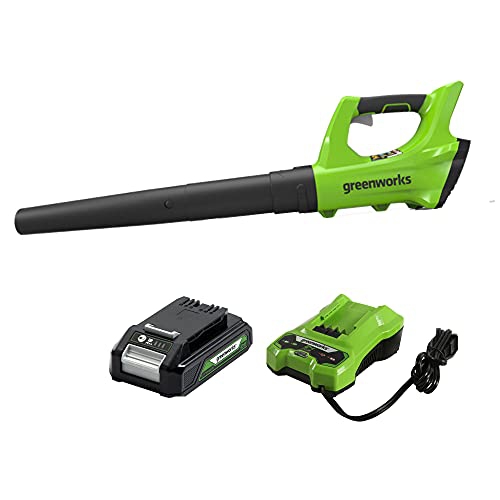
![GREEN SCENIC [One Batteries, One Charger, Long Battery Life] Powerful Lithium-Ion Battery Hair Dryer, High-Power Turbocharged Leaf Blower, Portable](https://multimedia.bbycastatic.ca/multimedia/products/500x500/193/19328/19328011.jpeg)
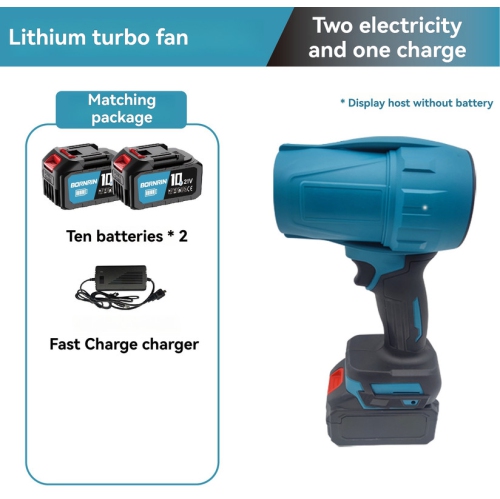
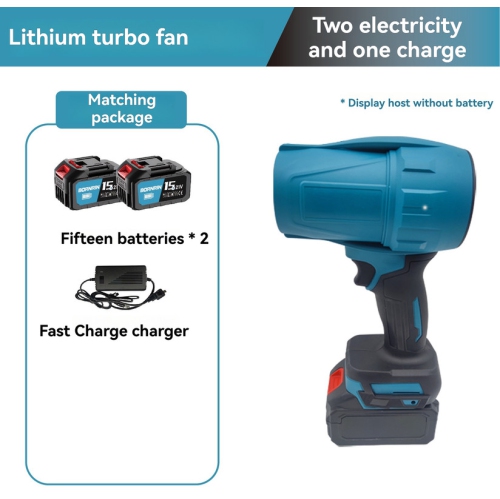
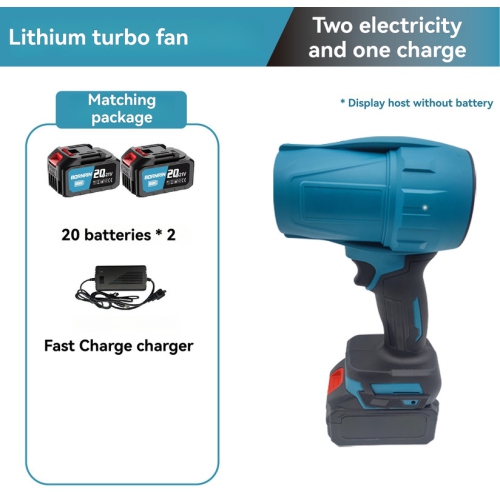
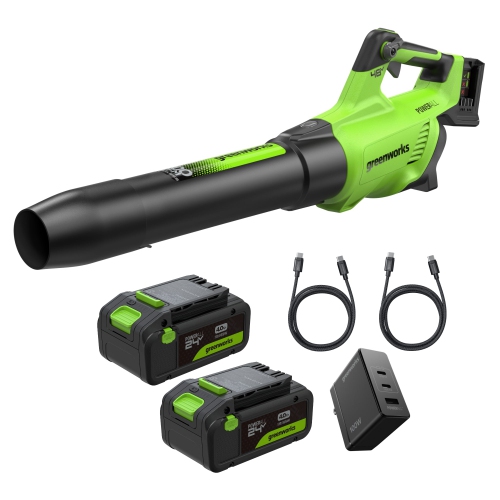
![GREEN SCENIC [Two Batteries, One Charger, Long Battery Life] Powerful Lithium-Ion Battery Hair Dryer, High-Power Turbocharged Leaf Blower, Portable](https://multimedia.bbycastatic.ca/multimedia/products/500x500/193/19328/19328014.jpeg)
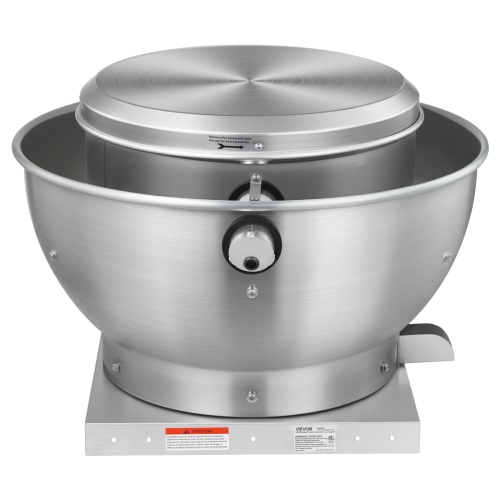
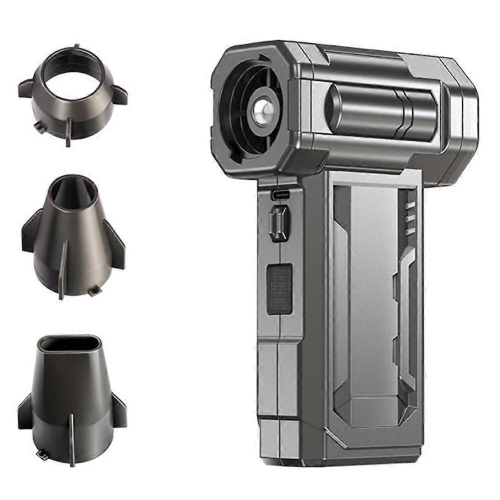
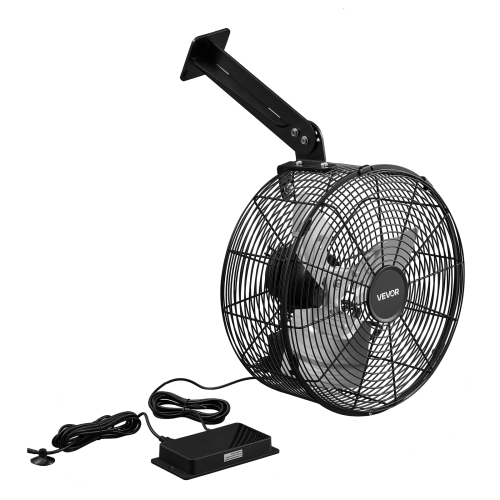
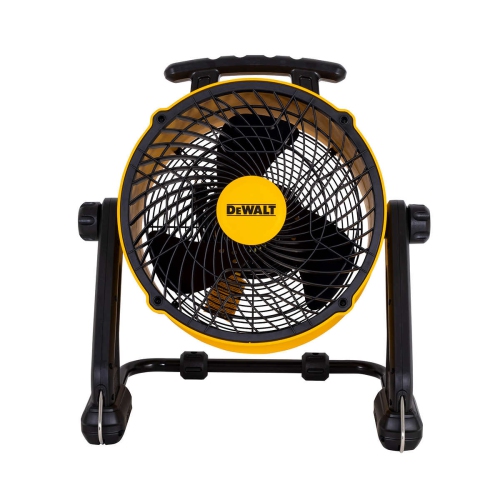
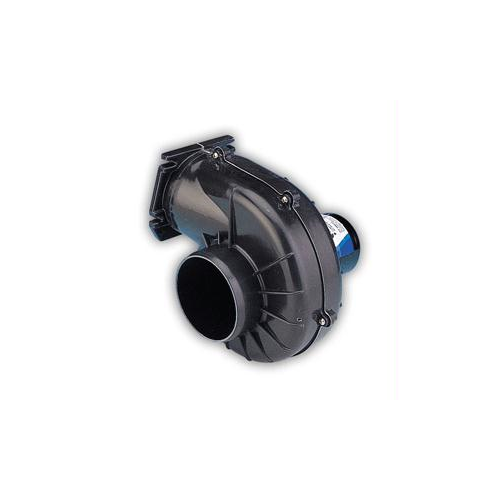
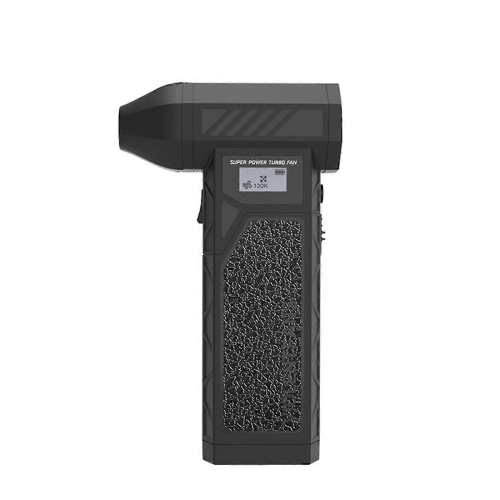
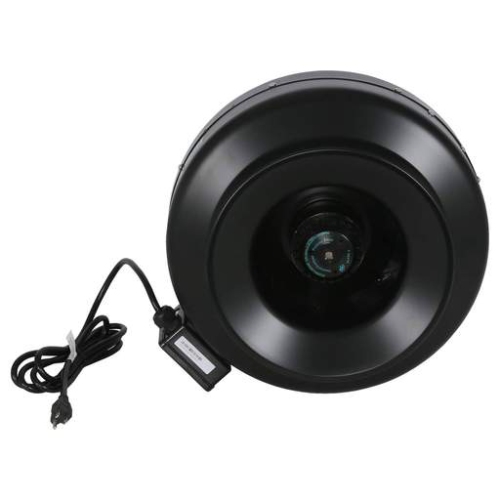
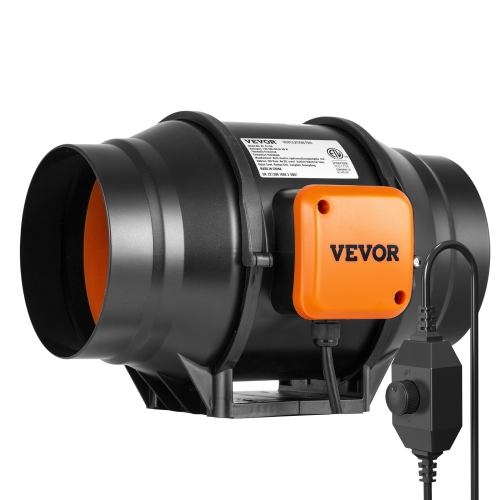
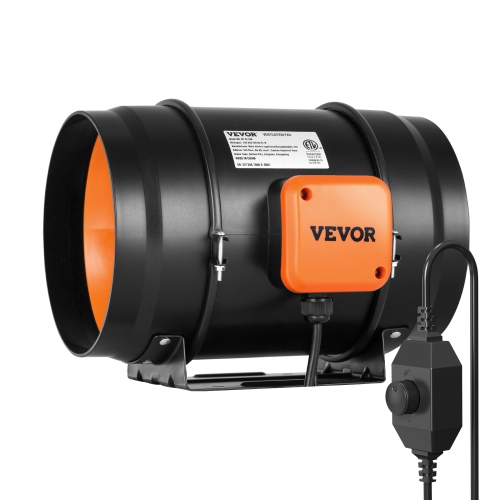
High-volume airflow for demanding commercial maintenance tasks
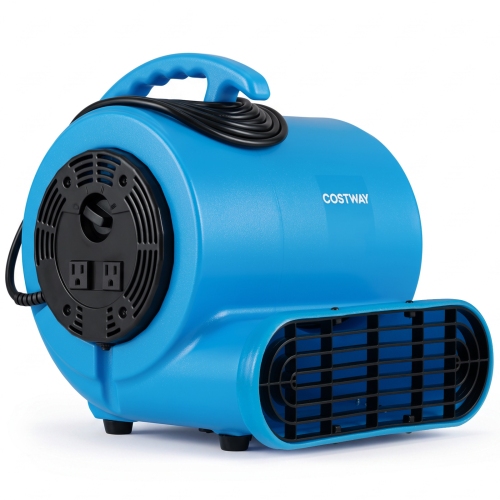
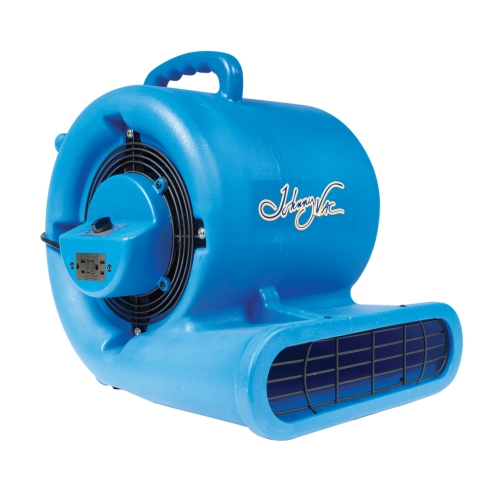
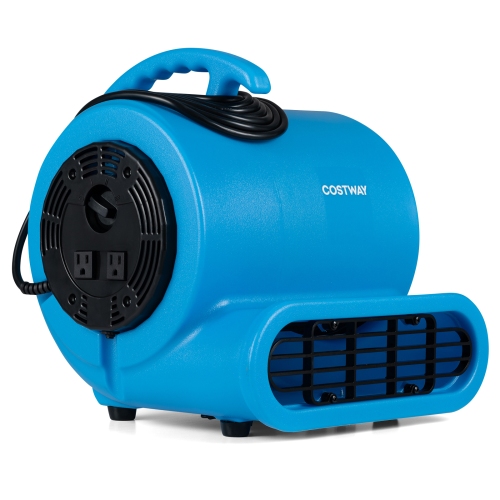
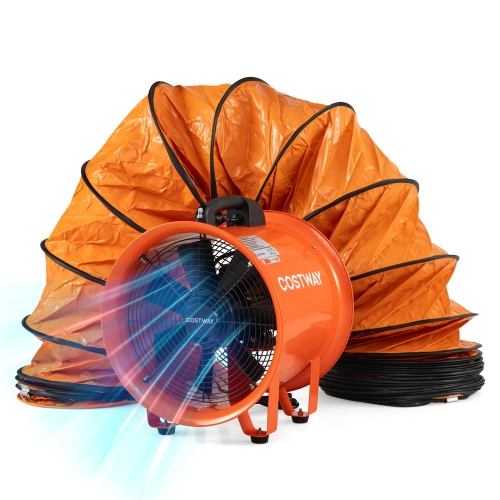
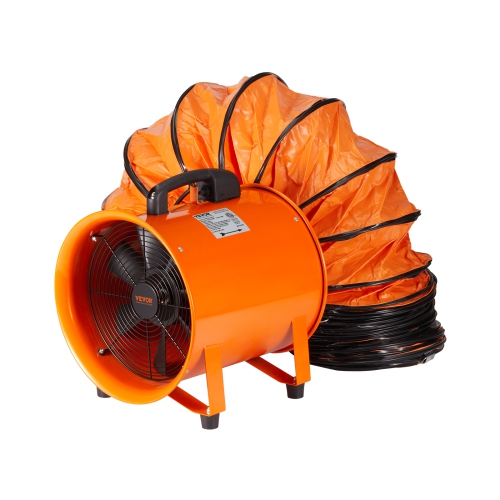
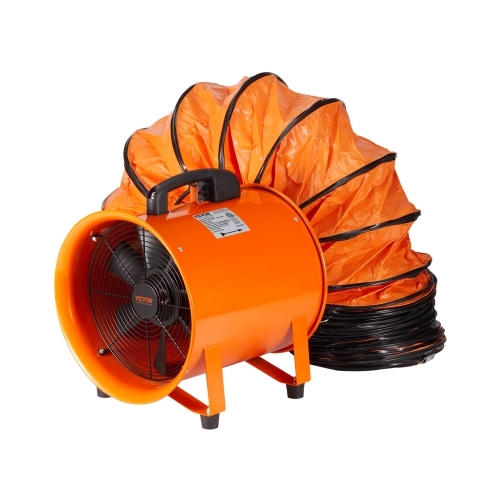
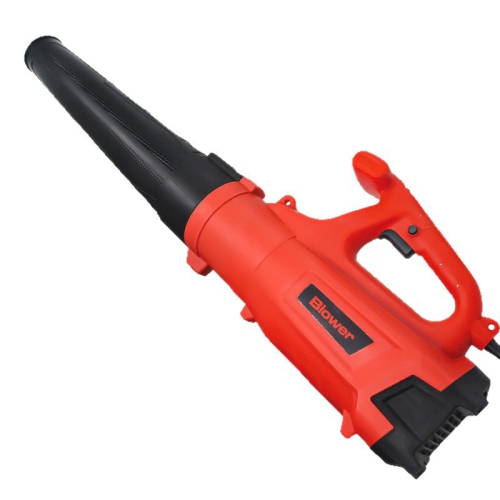
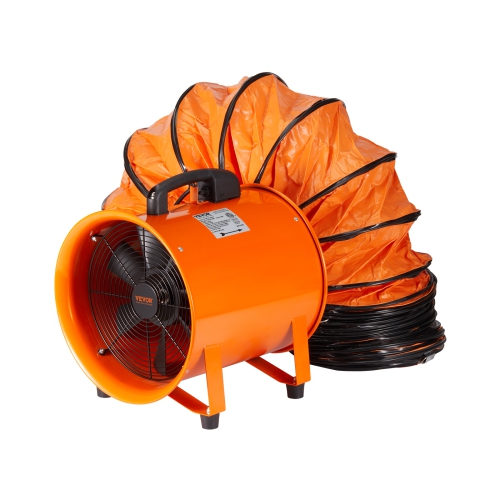
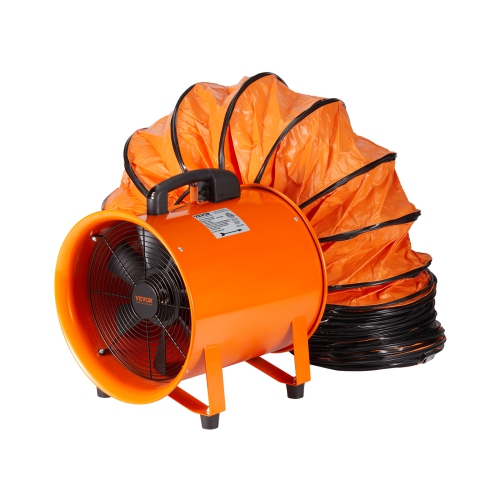
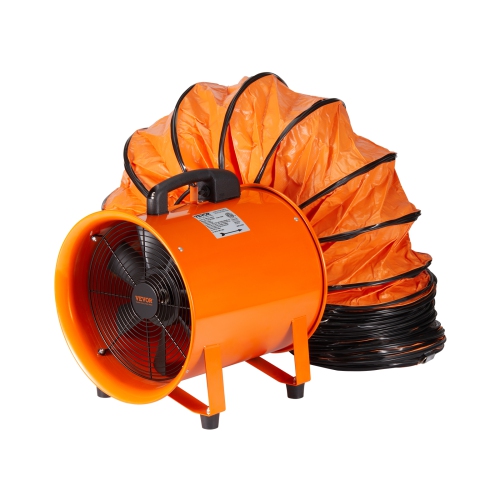
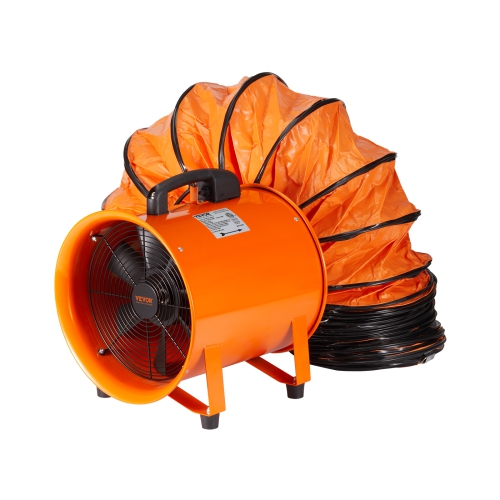
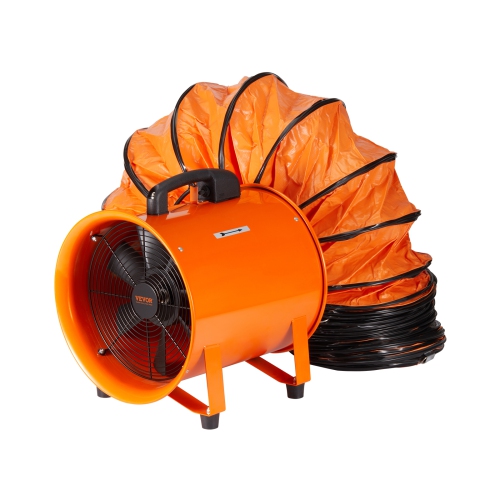
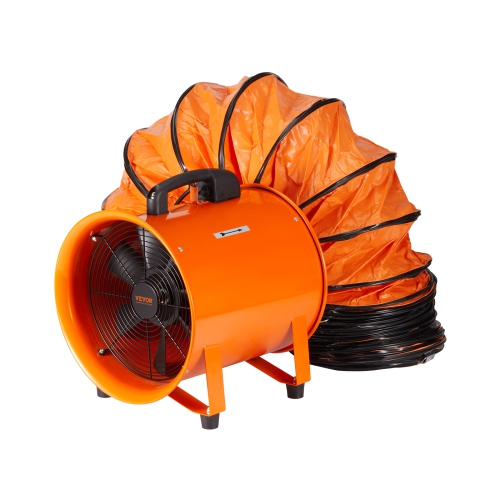
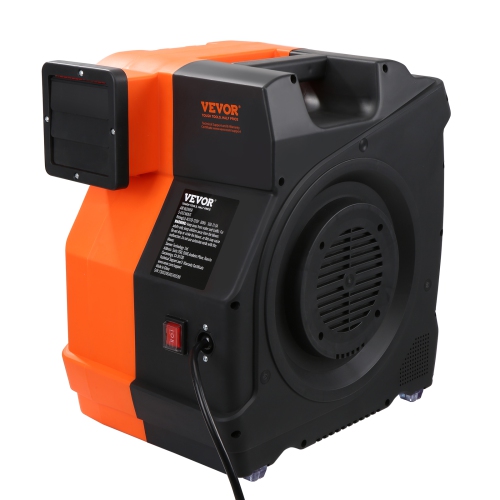
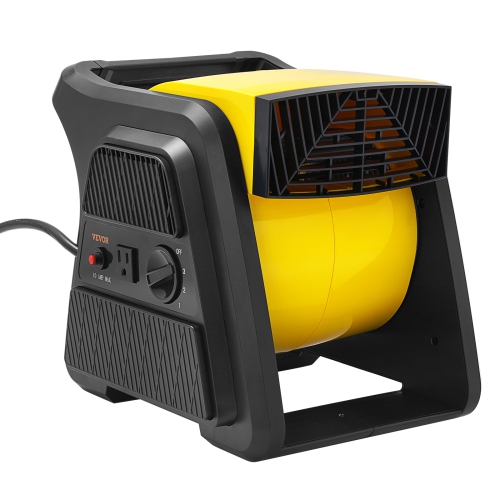
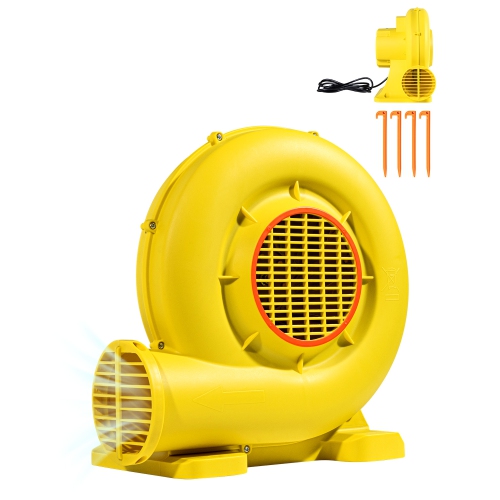
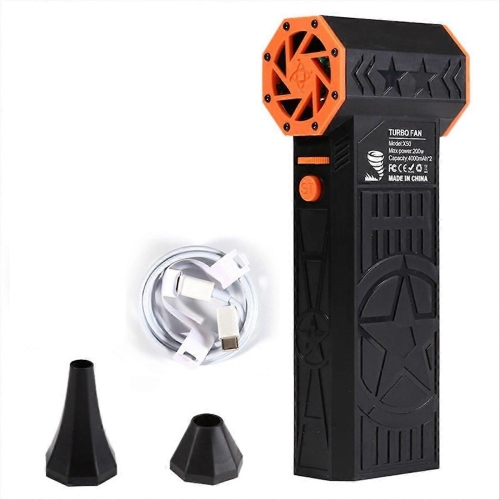
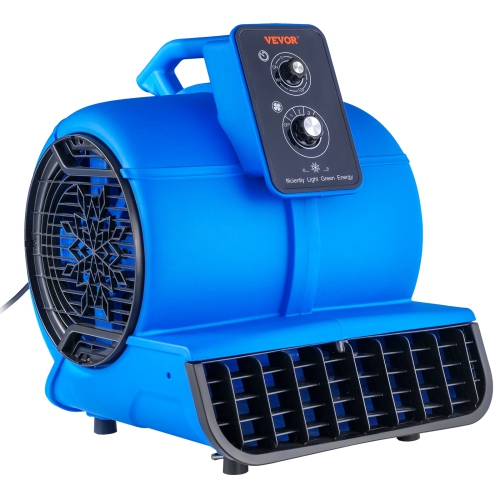
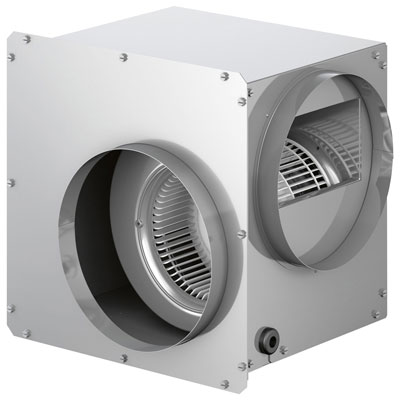
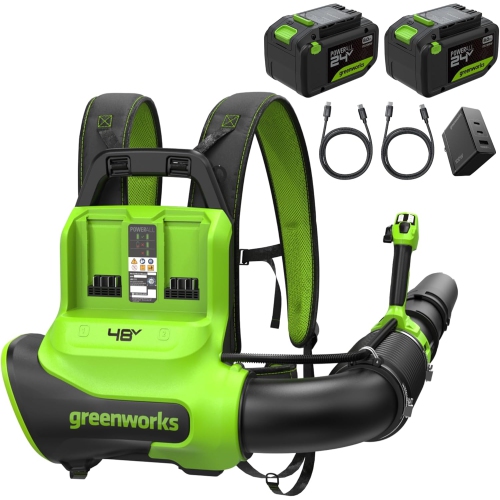
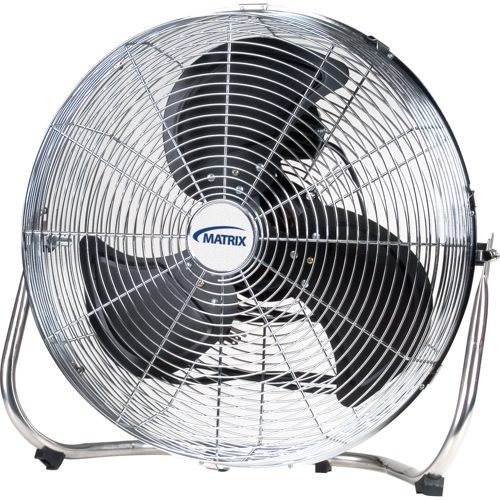
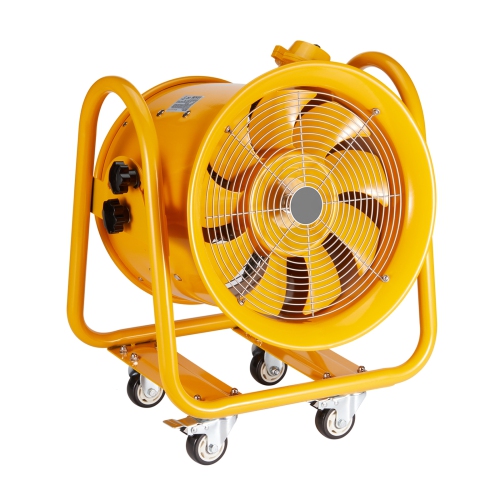
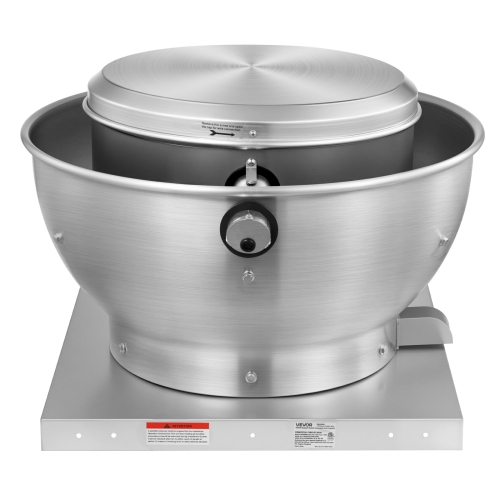
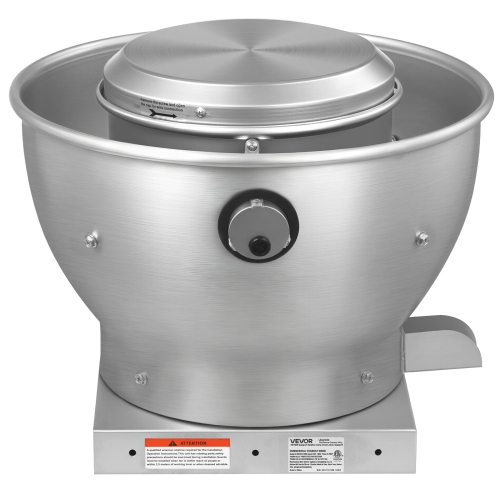
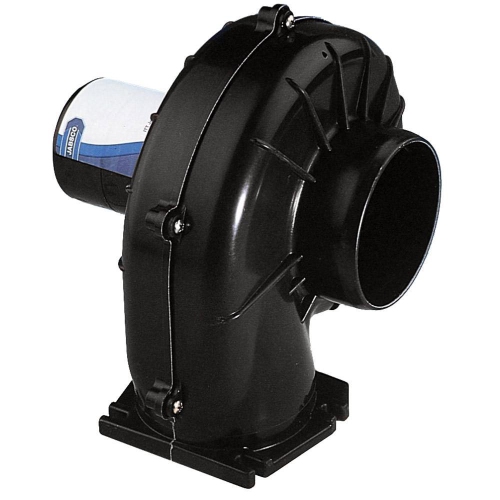
Commercial blowers are designed to move a high volume of air quickly and consistently, making them useful for demanding outdoor, workshop, warehouse, agricultural, and property-maintenance tasks. Unlike compact household blowers intended for occasional tidying, commercial-grade equipment is built for longer operating periods, larger areas, and heavier debris or moisture. The right type depends on the work at hand. Handheld and backpack blowers are commonly used to clear leaves, grass clippings, light snow, and loose debris from walkways, parking areas, driveways, sports grounds, and landscaped properties. Industrial floor and drum air movers serve a different purpose: they help circulate air through workshops, warehouses, construction areas, garages, and other enclosed spaces, while also helping floors, carpets, walls, and equipment dry after cleaning or water exposure. Browsing related Blower Fans can also be useful when comparing air-moving equipment for indoor circulation and drying applications. Commercial blowers can be especially helpful during the transition into cooler weather, when falling leaves collect quickly and damp surfaces take longer to dry. A property manager may use one to clear a broad pedestrian path before opening for the day, while a contractor may rely on an air mover to keep a freshly cleaned workspace circulating with air. For a landscaping crew, a powerful blower can reduce the time spent gathering debris by hand and help finish large properties with a clean, orderly appearance.
Air volume and blowing force are two of the most important specifications to compare. Air volume is generally measured in cubic feet per minute, or CFM, and indicates how much air the blower can move. Higher CFM is useful for clearing wide areas, moving larger piles of leaves, or circulating air through a spacious commercial room. Air speed, often listed in miles per hour, describes how quickly the air exits the nozzle and can be important when loosening wet leaves, compacted grass clippings, dust, or heavier debris from cracks and corners. Newtons provide another helpful measure of blowing force and can make it easier to compare the practical push behind different machines. A blower with a high air speed may be effective for concentrated work around steps, doorways, and machinery, while a model with substantial CFM may cover more ground when clearing a parking lot or warehouse floor. Some commercial blowers offer a balance of both, allowing the operator to switch between broad air movement and focused clearing. Engine displacement can be relevant for gas-powered outdoor units, with larger engines generally supporting extended heavy-duty use, while electric corded and battery-powered options can be easier to start and maintain in suitable settings. Runtime, charging requirements, cord length, fuel capacity, and access to power should all be considered before choosing. Noise level matters as well, particularly around occupied buildings, retail areas, schools, offices, or neighbourhood properties. Look for practical features such as variable-speed controls, cruise control, adjustable nozzles, wheels, sturdy carrying handles, shoulder straps, padded backpack harnesses, and stable floor stands. A well-balanced blower is easier to control when clearing a long path, and a wheeled air mover can reduce strain when it needs to be repositioned repeatedly across a large room.
Commercial blowers are often selected by landscapers, grounds crews, janitorial teams, restoration professionals, tradespeople, farmers, warehouse operators, facility managers, and homeowners with expansive properties. They can also be a thoughtful practical gift for someone who maintains a large rural property, operates a small contracting business, manages rental buildings, or spends weekends caring for extensive gardens and outbuildings, although the recipient’s work environment and access to power should guide the choice. For outdoor use, consider the typical debris, the size of the area, the number of hours the blower will run, and whether a handheld or backpack design would be more comfortable. Handheld units can be convenient for short, precise jobs and quick clean-ups, while backpack models distribute weight across the shoulders and back for longer clearing sessions. For indoor use, check the blower’s airflow rating, tilt range, footprint, cord-management features, and whether the housing is designed to withstand frequent movement across concrete or other hard flooring. High-output air movers may be valuable in large industrial or agricultural spaces, where broad circulation is needed, while more compact units can fit into narrow corridors, workshops, stairwells, or rooms with limited storage. Before operating any commercial blower, clear the area of loose objects, keep people and pets away from the airflow, wear suitable eye and hearing protection, and follow the manufacturer’s instructions for fuel, batteries, extension cords, filters, and maintenance. It is also wise to inspect nozzles, guards, wheels, handles, and power connections regularly, especially when equipment is used around dust, moisture, gravel, or debris. With the right combination of airflow, force, mobility, and operator comfort, a commercial blower can make recurring maintenance more manageable and help keep outdoor grounds, work areas, and shared facilities ready for use through the changing seasons.
Air volume and blowing force are two of the most important specifications to compare. Air volume is generally measured in cubic feet per minute, or CFM, and indicates how much air the blower can move. Higher CFM is useful for clearing wide areas, moving larger piles of leaves, or circulating air through a spacious commercial room. Air speed, often listed in miles per hour, describes how quickly the air exits the nozzle and can be important when loosening wet leaves, compacted grass clippings, dust, or heavier debris from cracks and corners. Newtons provide another helpful measure of blowing force and can make it easier to compare the practical push behind different machines. A blower with a high air speed may be effective for concentrated work around steps, doorways, and machinery, while a model with substantial CFM may cover more ground when clearing a parking lot or warehouse floor. Some commercial blowers offer a balance of both, allowing the operator to switch between broad air movement and focused clearing. Engine displacement can be relevant for gas-powered outdoor units, with larger engines generally supporting extended heavy-duty use, while electric corded and battery-powered options can be easier to start and maintain in suitable settings. Runtime, charging requirements, cord length, fuel capacity, and access to power should all be considered before choosing. Noise level matters as well, particularly around occupied buildings, retail areas, schools, offices, or neighbourhood properties. Look for practical features such as variable-speed controls, cruise control, adjustable nozzles, wheels, sturdy carrying handles, shoulder straps, padded backpack harnesses, and stable floor stands. A well-balanced blower is easier to control when clearing a long path, and a wheeled air mover can reduce strain when it needs to be repositioned repeatedly across a large room.
Commercial blowers are often selected by landscapers, grounds crews, janitorial teams, restoration professionals, tradespeople, farmers, warehouse operators, facility managers, and homeowners with expansive properties. They can also be a thoughtful practical gift for someone who maintains a large rural property, operates a small contracting business, manages rental buildings, or spends weekends caring for extensive gardens and outbuildings, although the recipient’s work environment and access to power should guide the choice. For outdoor use, consider the typical debris, the size of the area, the number of hours the blower will run, and whether a handheld or backpack design would be more comfortable. Handheld units can be convenient for short, precise jobs and quick clean-ups, while backpack models distribute weight across the shoulders and back for longer clearing sessions. For indoor use, check the blower’s airflow rating, tilt range, footprint, cord-management features, and whether the housing is designed to withstand frequent movement across concrete or other hard flooring. High-output air movers may be valuable in large industrial or agricultural spaces, where broad circulation is needed, while more compact units can fit into narrow corridors, workshops, stairwells, or rooms with limited storage. Before operating any commercial blower, clear the area of loose objects, keep people and pets away from the airflow, wear suitable eye and hearing protection, and follow the manufacturer’s instructions for fuel, batteries, extension cords, filters, and maintenance. It is also wise to inspect nozzles, guards, wheels, handles, and power connections regularly, especially when equipment is used around dust, moisture, gravel, or debris. With the right combination of airflow, force, mobility, and operator comfort, a commercial blower can make recurring maintenance more manageable and help keep outdoor grounds, work areas, and shared facilities ready for use through the changing seasons.
Top selling and popular products
-
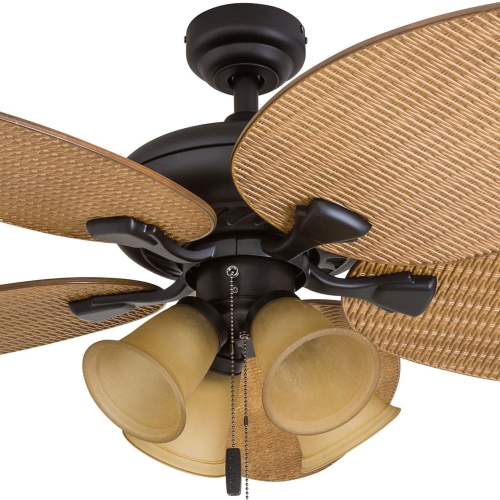 Your price for this item is $312.99
 -
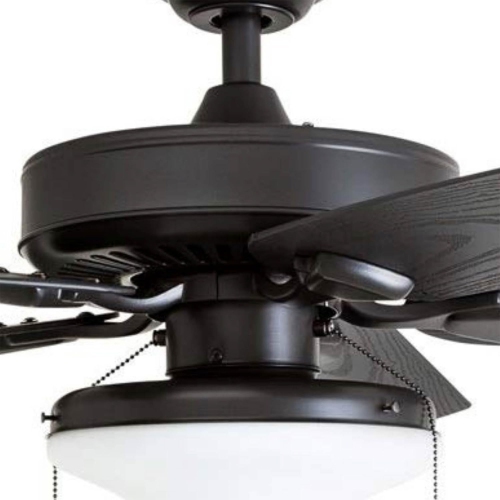 Your price for this item is $226.99
 -
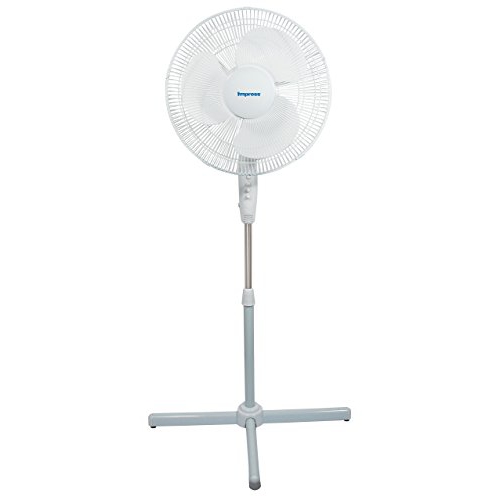 Your price for this item is $69.99
 -
 Your price for this item is $69.99
 -
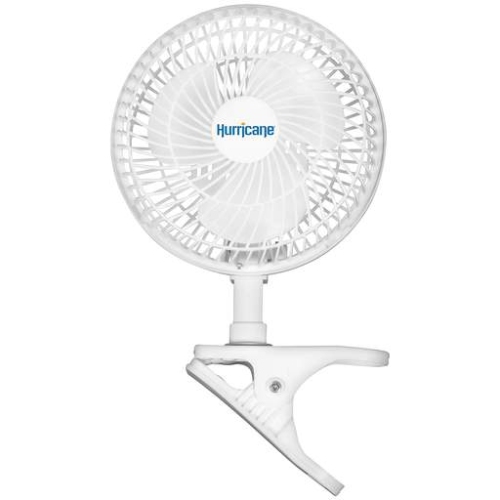 Your price for this item is $55.99
 -
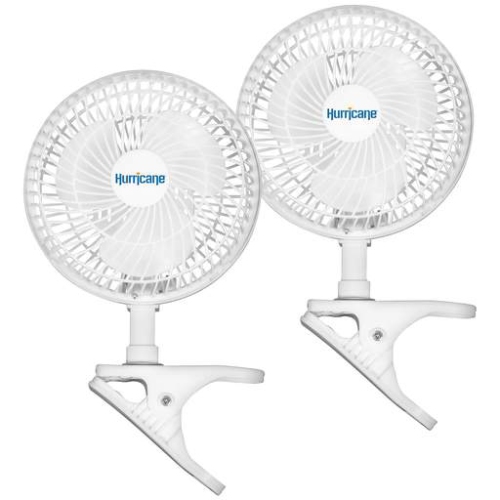 Your price for this item is $76.99
 -
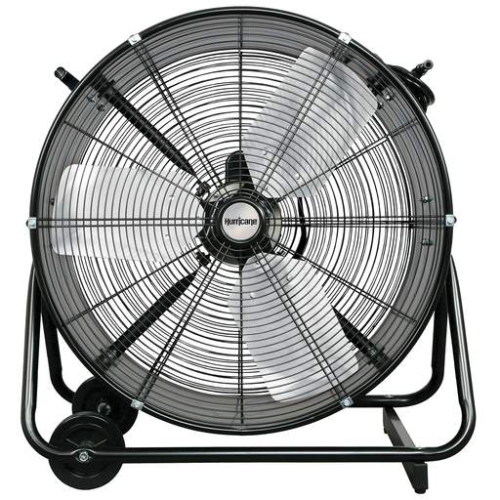 Your price for this item is $385.99
 -
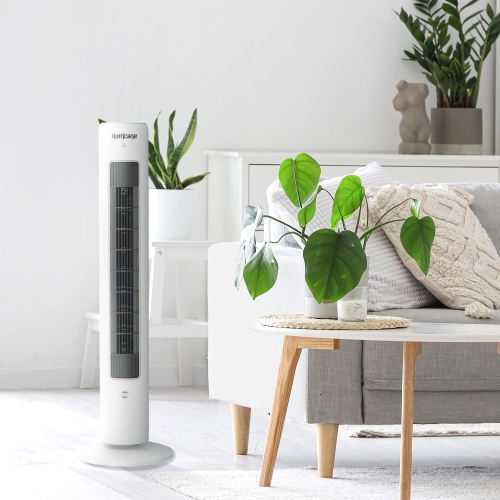 Your price for this item is $165.99
Discover more categories related to Commercial Blowers
Top Collections:
Pokemon Centers, Best Cameras for Sports Photography, Kindle Devices, Samsung Galaxy Phones, Canon G7X Cameras, Pokémon 30th Celebration Cards, Refurbished Apple Laptops, iPhone 15 Apple, Laptops for Students, Budget Smartphones
Some products may be subject to Environmental Handling Fees
(EHF) depending on your province.
Learn more about EHFs.