Commercial Fishing Gear
Looking to gear up for your next commercial fishing expedition? Look no further than our selection of top-quality commercial fishing gear. Whether you're a seasoned pro or just starting out, we have everything you need to reel in the big catch. From sturdy nets and durable tackle boxes to high-performance rods and reels, our collection is designed to meet the demands of the open water. Get ready to elevate your fishing game with the best gear on the market.
Sort


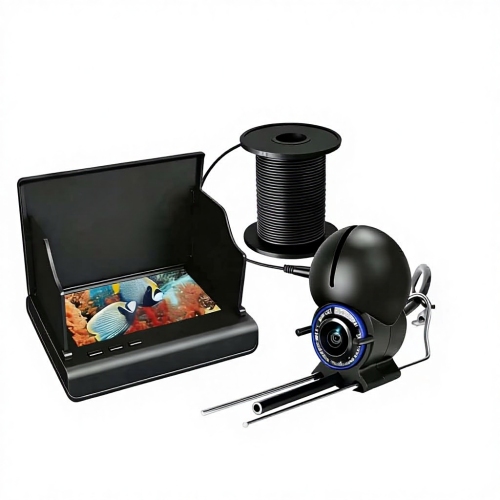
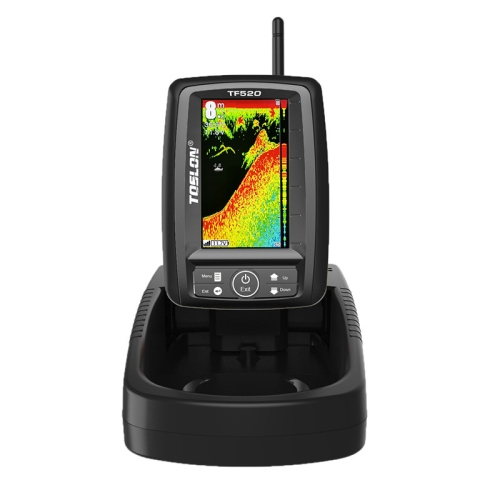


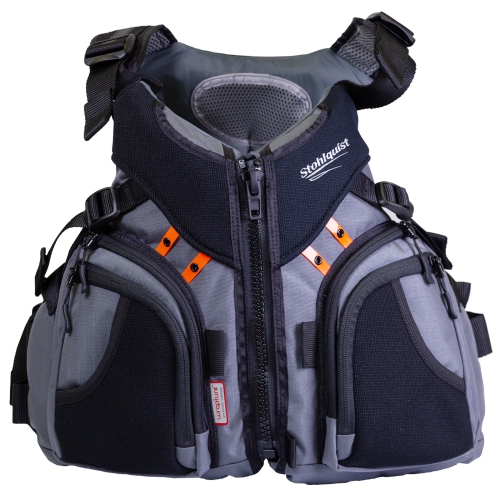
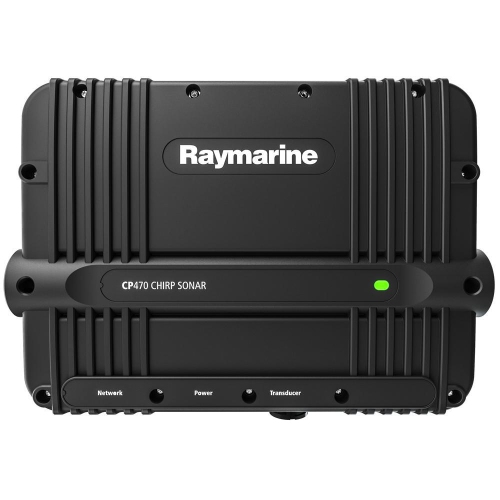






Built for long shifts, rough decks, and changing weather
Commercial fishing gear is designed for demanding work on the water, where salt spray, fish oils, rough surfaces, heavy loads, and changing weather can put constant pressure on clothing and equipment. A commercial operation may require several layers of gear working together, from protective outerwear and insulated footwear to harvesting equipment, ropes, netting, traps, and deck hardware. The right choices depend on the fishery, vessel size, working conditions, and the type of catch being handled. For a broader look at related equipment for recreational and working applications, explore Fishing Equipment. When comparing commercial fishing gear, start with durability and fit. Heavy-duty bib overalls, waterproof jackets, gloves, and aprons should provide dependable coverage without restricting movement while hauling lines, sorting catch, or working around wet decks. PVC-coated and similarly water-resistant fabrics are valued because they help shield clothing from spray, rain, fish oils, and abrasive contact with gear. Look for reinforced areas at the knees and seat, strong shoulder straps, securely finished seams, and closures that are easy to operate with cold or wet hands. Welded or sealed seams can help prevent water from entering through stitched joins, while adjustable straps allow outerwear to sit comfortably over insulating layers. Fit matters on a working vessel: clothing that is too loose can catch on lines or hardware, while clothing that is too tight can limit movement and make long shifts more tiring. Insulated deck boots should provide traction on wet surfaces, room for warm socks, and enough support for standing and walking over uneven decking. During cooler conditions, moisture-wicking base layers help move perspiration away from the skin, making it easier to stay comfortable while moving between the wheelhouse, deck, and processing areas. Mid-layers can add warmth without the bulk that makes bending, lifting, or reaching difficult. Gloves should be chosen according to the task, with options that balance grip, dexterity, abrasion resistance, and protection from cold water. Since commercial work often involves extended hours, comfort features such as flexible materials, smooth interior finishes, and adjustable cuffs can make a noticeable difference by the end of a shift.
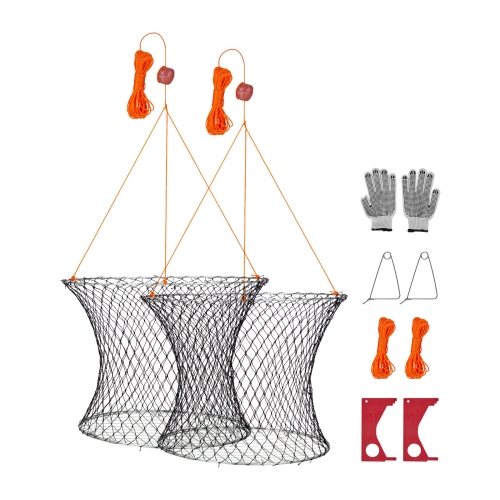
Harvesting and handling equipment should match the species, method, and local operating requirements. Traps and pots are commonly selected for particular shellfish operations, with attention paid to dimensions, entry openings, escape features, buoy attachment points, and the strength of the frame or mesh. Bait bags and related accessories need to be secure enough to remain in place while allowing scent to disperse as intended. Netting and rigging supplies may include net twine, needles, floats, connectors, ropes, and other components used to build, repair, mark, or manage fishing gear. The appropriate mesh size, twine strength, float configuration, and line construction can vary considerably according to the fishery and the load being carried, so checking local rules and operational specifications is an important part of the buying process. Deck hardware helps crews control, lift, guide, and retrieve lines or gear. When assessing hauling and line-management equipment, consider rated capacity, compatibility with existing rope diameters, corrosion-resistant construction, mounting requirements, and how easily the equipment can be inspected or serviced. Blocks, sheaves, pullers, pumps, and related hardware should be suited to the vessel and the loads they will encounter rather than chosen on appearance alone. Pay attention to the working load limit, not only the breaking strength, and allow a suitable margin for shock loads, changing sea conditions, and wet or fouled lines. Clear product specifications are particularly useful when replacing a worn component, as a mismatch in diameter, attachment style, or capacity can affect the entire setup. For crews that work in remote areas, practical details such as packability, replacement parts, straightforward maintenance, and resistance to saltwater exposure may be just as important as the initial specification. Keeping frequently used repair supplies, spare connectors, and protective accessories on board can also reduce downtime when a line, seam, float, or fastening point needs attention during a trip.
Commercial fishing gear may be purchased by vessel owners, fishing crews, aquaculture workers, harbour operators, marine tradespeople, and experienced recreational users who need equipment built for demanding conditions. It can also be a thoughtful gift for someone beginning work on a family boat, preparing for a new fishing season, or upgrading the clothing and tools used during regular deck work. In that case, practical information from the recipient is especially valuable: boot size, preferred insulation level, glove fit, typical water temperature, vessel setup, and fishing method can all influence the right choice. Seasonal conditions are another consideration. During cooler months, layering systems, insulated footwear, waterproof hand protection, and outerwear with room for warm garments can support comfort during early starts and long periods of inactivity between tasks. As the weather changes, breathable waterproof layers and adjustable ventilation may help prevent overheating when physical work intensifies. Storage and care also affect service life. Rinsing salt and residue from equipment, drying garments fully before storage, inspecting lines and seams, and checking hardware for corrosion or damage can help identify problems before the next trip. Traps, netting, ropes, and deck accessories should be stored in a way that reduces unnecessary kinks, tangles, and crushing, while protective clothing should be hung or laid flat according to its material and construction. Before using any item, review its care instructions, load ratings, compatibility requirements, and applicable marine or fishery regulations. Choosing gear by task, environment, capacity, and fit helps create a dependable working setup, whether the priority is staying dry on deck, managing lines safely, repairing netting, handling catch, or preparing for the next demanding run.
Top selling and popular products
-
 Your price for this item is $44.98
-
 Your price for this item is $224.99
-
 Your price for this item is $29.98
-
 Your price for this item is $229.45
-
 Your price for this item is $139.98
-
 Your price for this item is $49.98
-
 Your price for this item is $399.99
-
 Your price for this item is $136.97
Discover more categories related to Commercial Fishing Gear

Top Collections:
Pokemon Centers, Best Cameras for Sports Photography, Kindle Devices, Samsung Galaxy Phones, Canon G7X Cameras, Pokémon 30th Celebration Cards, Refurbished Apple Laptops, iPhone 15 Apple, Laptops for Students, Budget Smartphones
Some products may be subject to Environmental Handling Fees
(EHF) depending on your province.
Learn more about EHFs.