Commuter Friendly Electric Bicycle
Looking for a convenient and eco-friendly way to navigate through busy city streets? These innovative two-wheelers combine the ease of traditional cycling with the power of an electric motor, making your daily commute a breeze. Whether you're looking to reduce your carbon footprint, avoid traffic congestion, or simply enjoy a fun and efficient ride. Here are some great options for you.
Sort


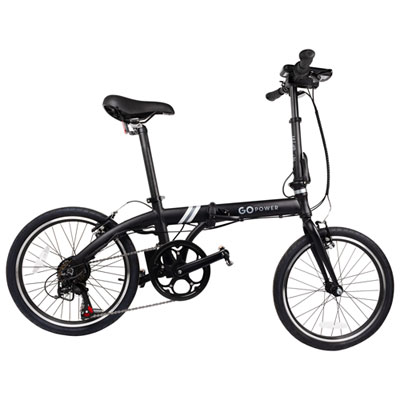
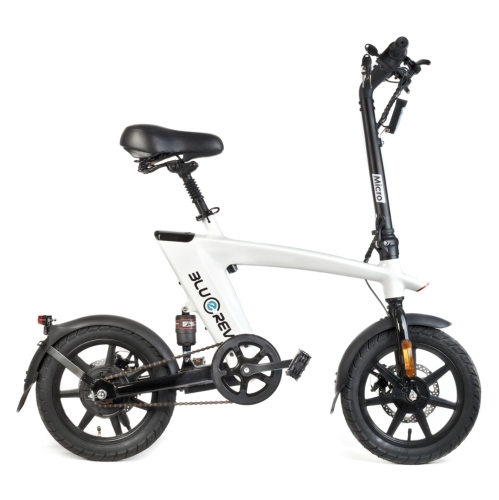
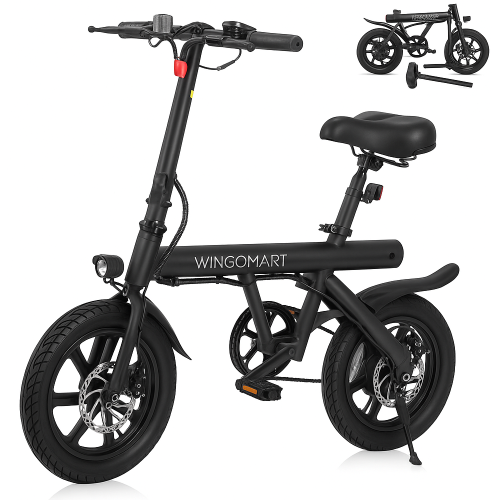
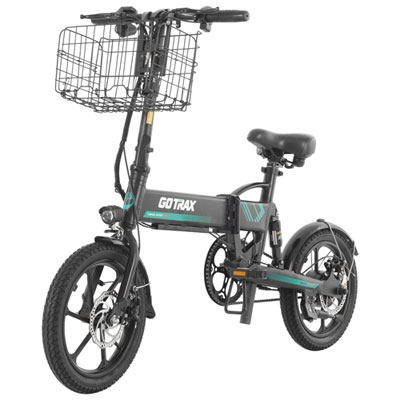


What makes an e-bike work for daily commuting
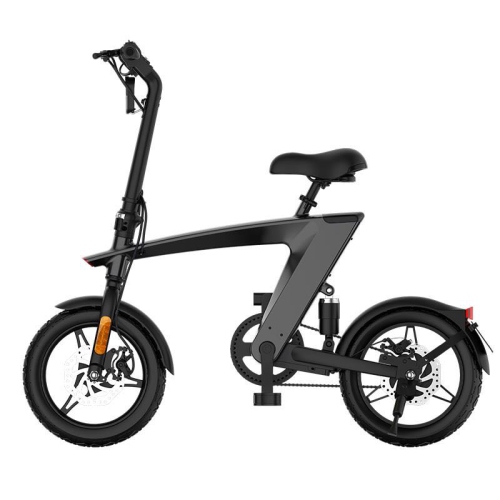
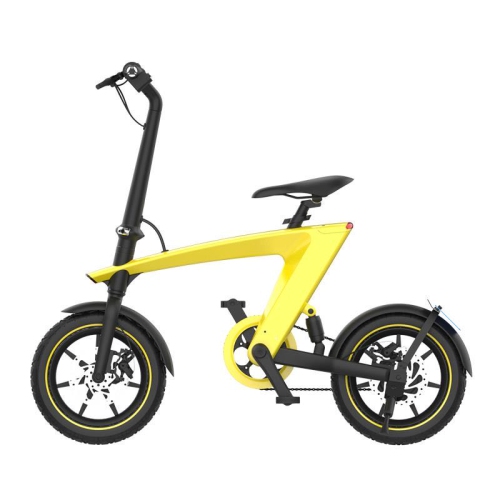
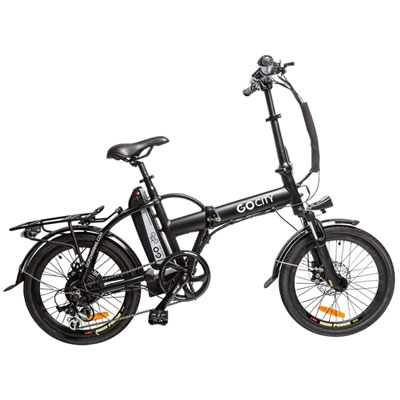
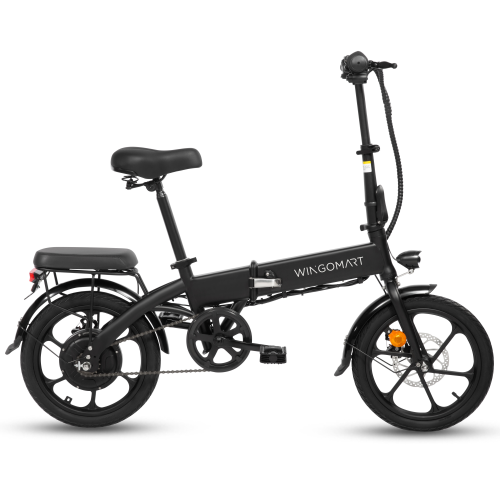
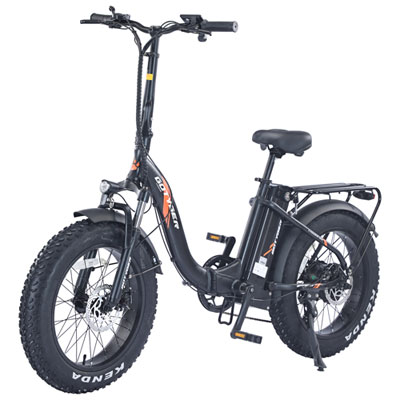
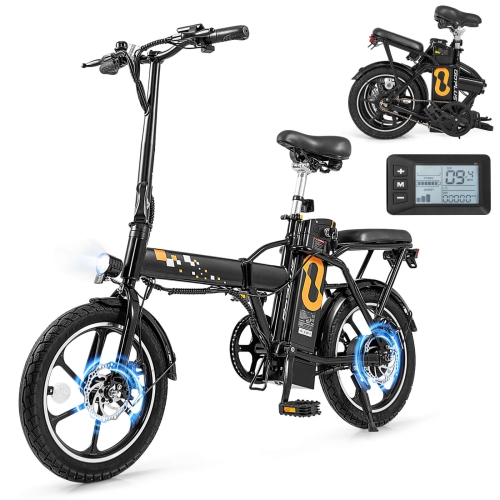
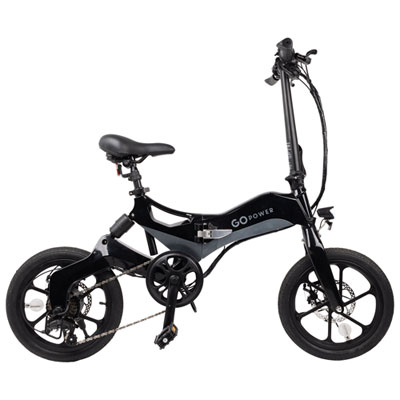
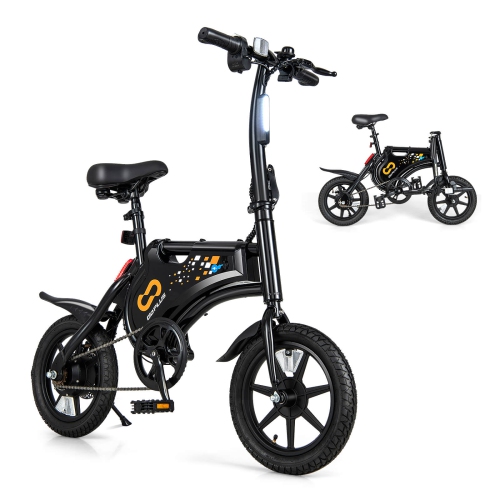
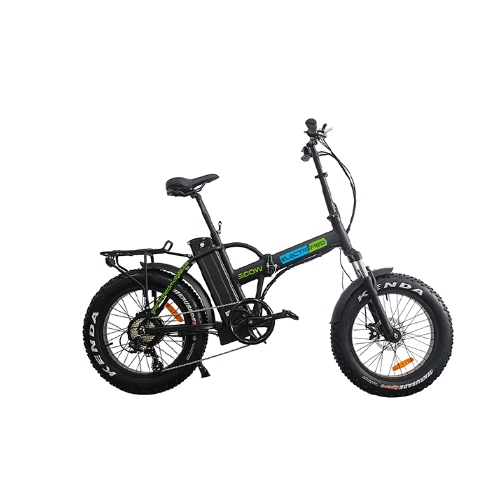
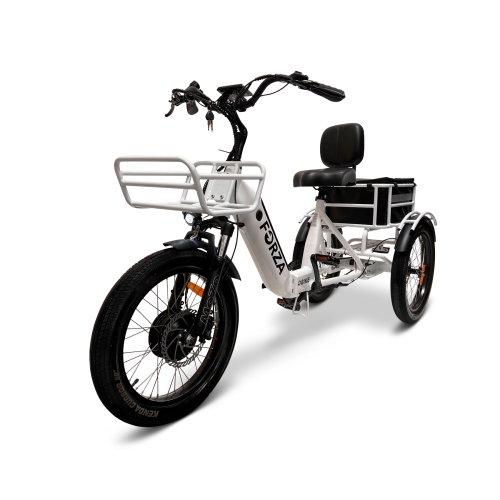
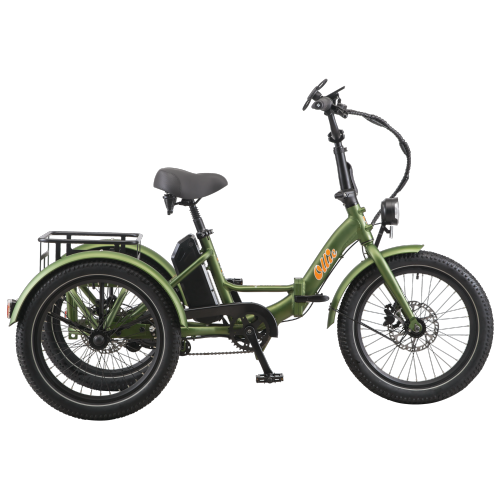
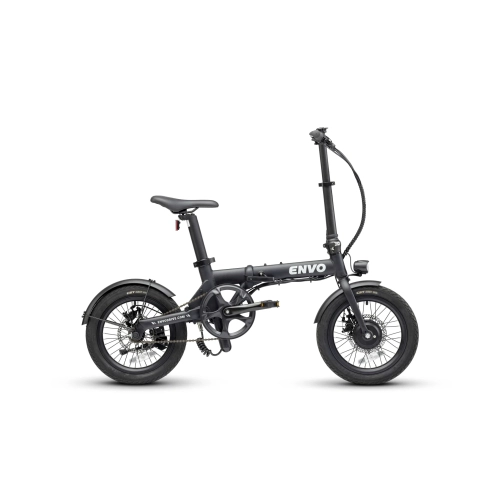
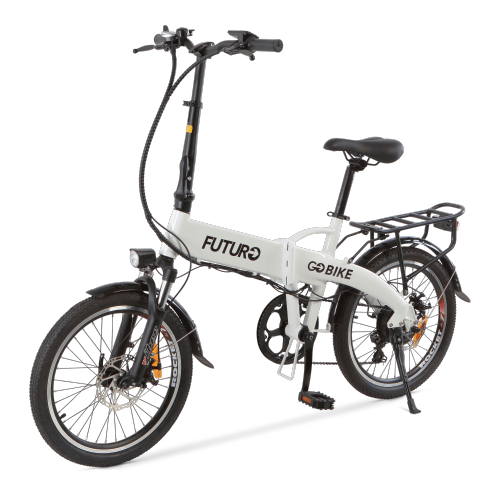
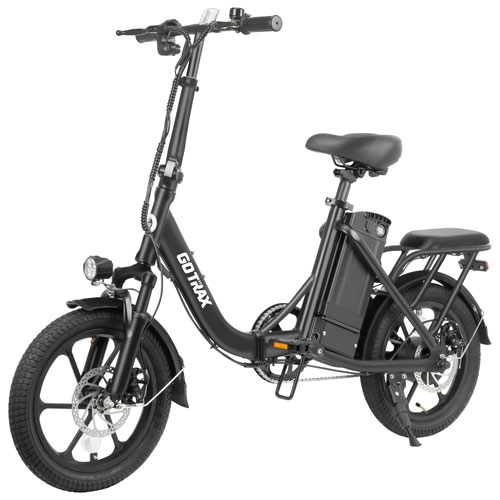
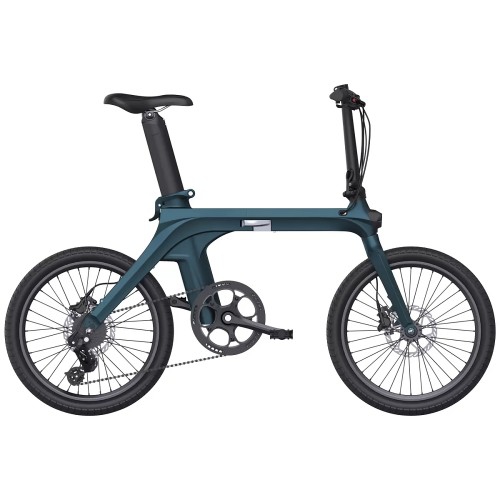
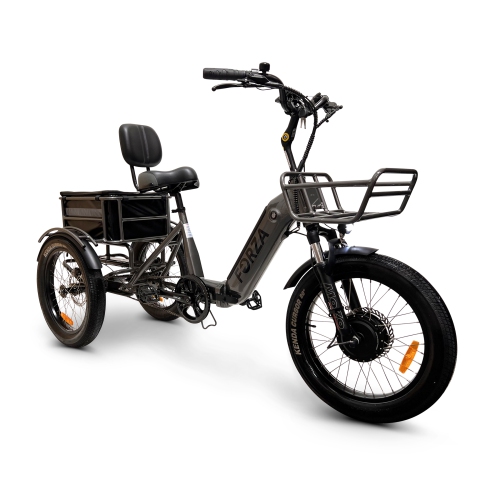
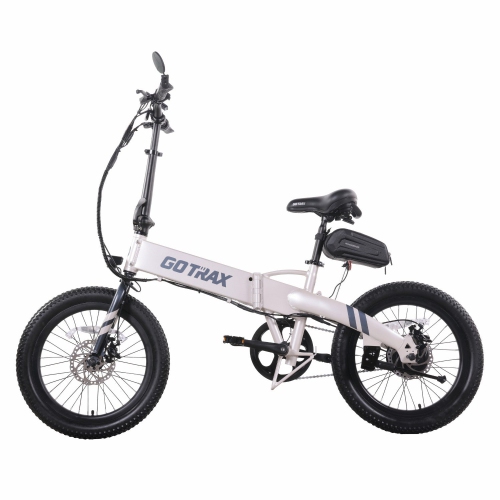
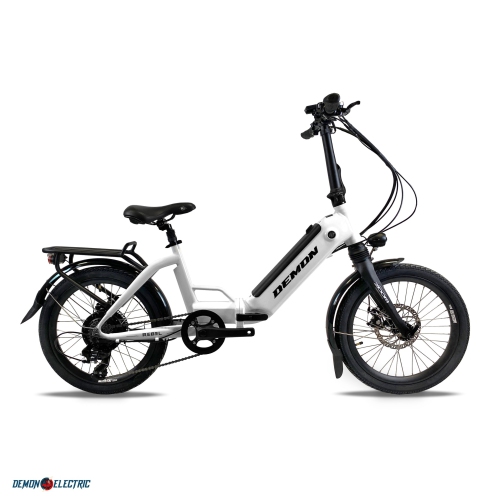
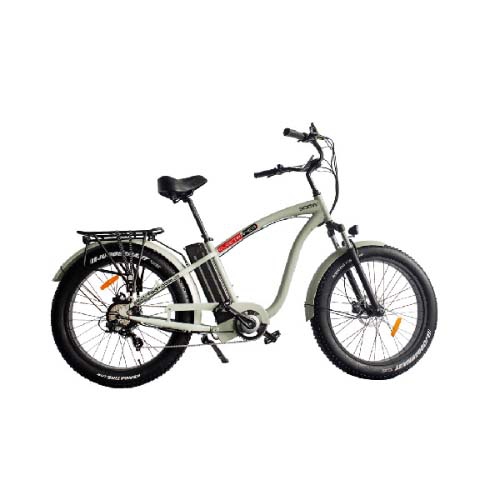
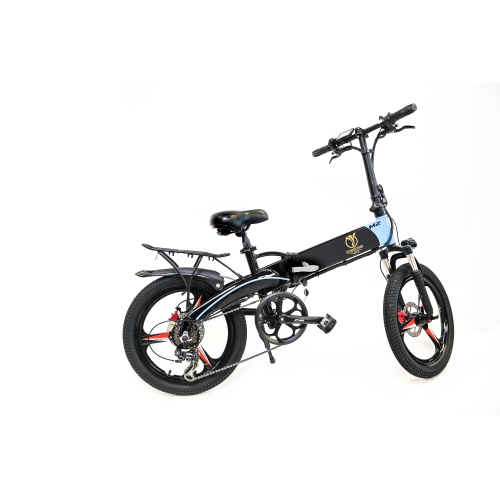
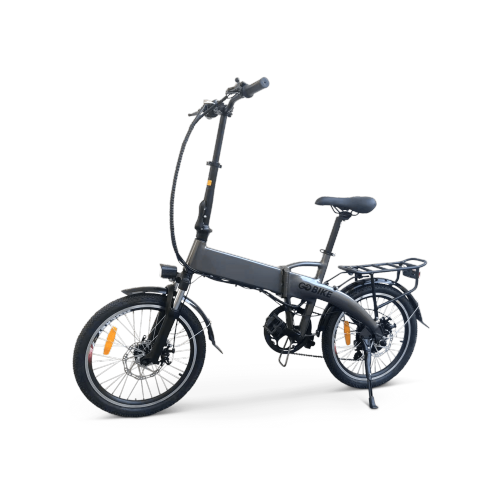
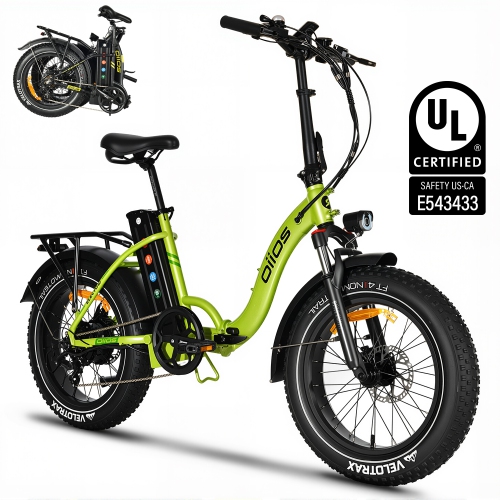
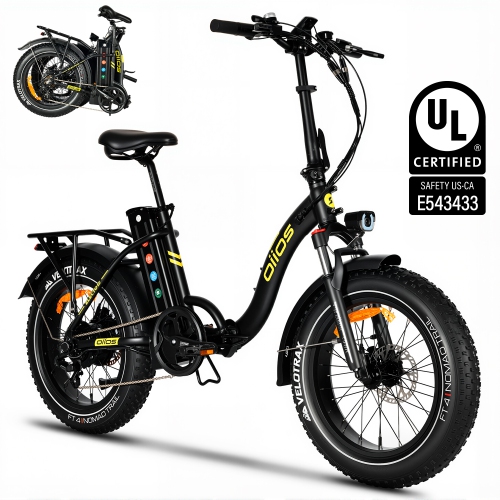
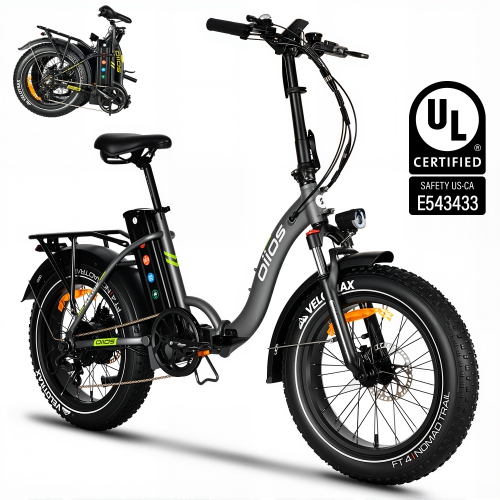
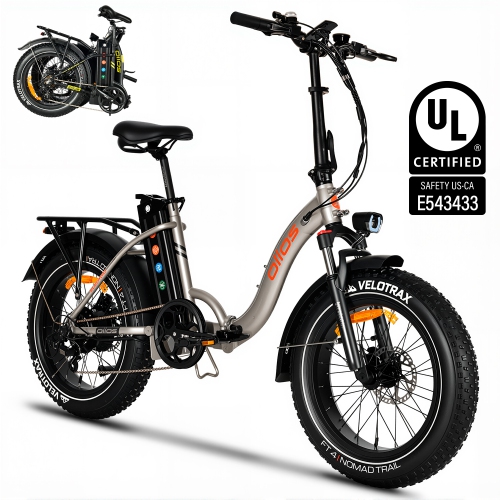
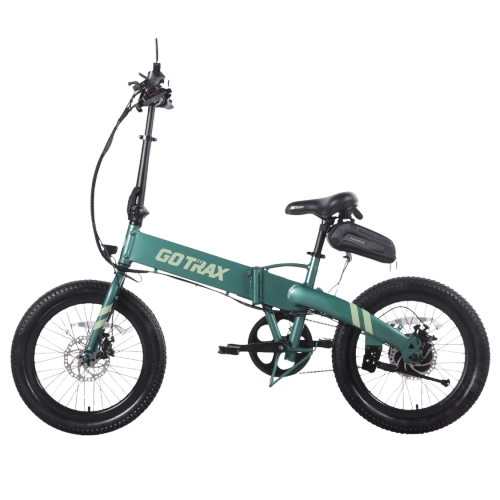
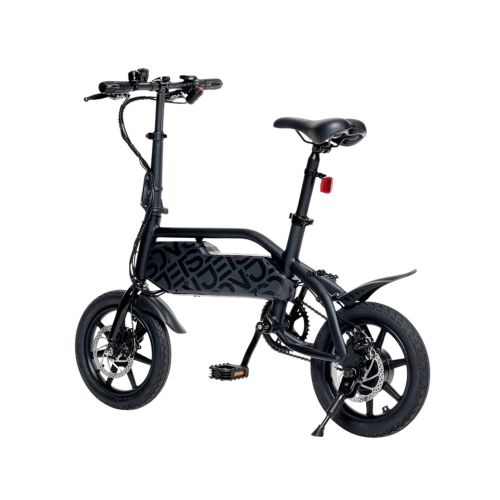
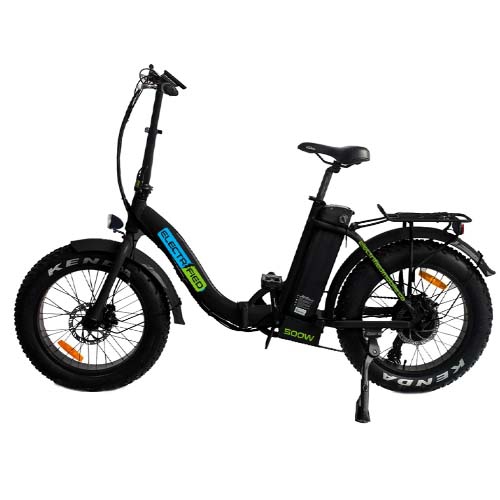
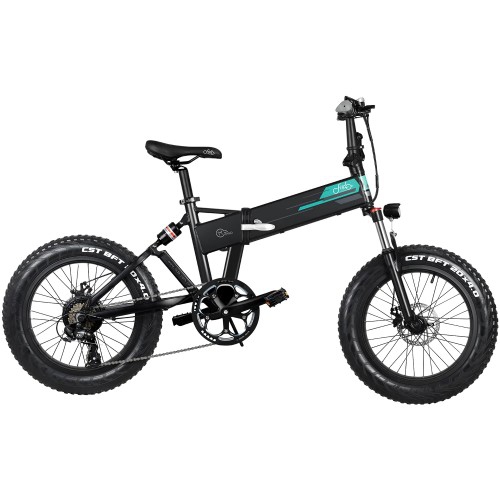
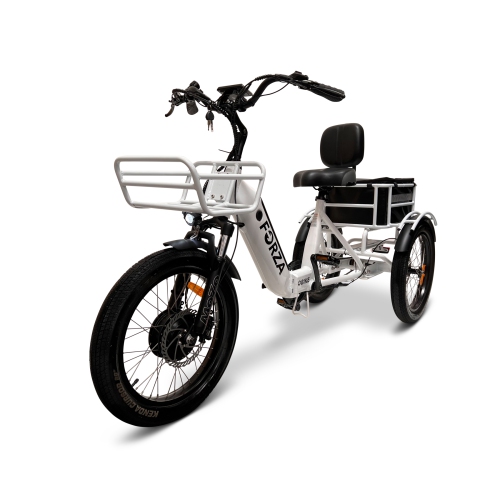
A commuter-friendly electric bicycle is designed to make regular urban travel more comfortable, practical, and manageable, whether the route includes bike lanes, quiet residential streets, paved trails, or a few challenging hills. Compared with a conventional bicycle, an e-bike uses a rechargeable battery and motor to provide assistance while you pedal, helping reduce the effort required to start from a stop, climb an incline, or travel into a headwind. For many riders, that added support can turn a demanding commute into a more predictable part of the day. A typical weekday journey might include a ride to work, a stop at the grocery store, and a trip home with a laptop, lunch bag, or small purchases in tow. Features such as integrated LED lights, full-coverage fenders, a rear cargo rack, and a comfortable upright riding position can make those everyday trips feel more convenient. When comparing options, consider the complete route rather than motor power alone. A lightweight frame may be easier to carry up stairs or manoeuvre into a storage area, while a step-through frame can make mounting and dismounting simpler when wearing work clothes or carrying a bag. Folding designs can be useful for smaller homes, offices, or combination travel involving a car or public transit, although a compact frame may have different handling and storage characteristics than a full-size bicycle. Tyre width, suspension, saddle design, handlebar position, and frame geometry also affect comfort, particularly when pavement changes from smooth asphalt to cracked paths or uneven crossings. During the warmer part of the year, fenders can help keep road spray and puddles off clothing, while reliable lights and reflective details remain valuable as daylight becomes shorter during the cooler months.
Motor output is an important consideration for a commuter electric bicycle, but the best choice depends on terrain, rider weight, cargo, and the level of assistance desired. Motors in the 350W to 500W range are often well suited to flatter city routes and moderate daily travel, offering useful support without necessarily adding as much weight or bulk as more powerful systems. A 750W motor may be preferable for riders who regularly tackle steep hills, carry heavier loads, or want stronger acceleration on demanding routes, subject to applicable provincial and municipal requirements. Pedal-assist systems, often called PAS, use sensors to add motor support as the rider pedals. Lower assistance levels can help conserve battery power on level ground, while higher settings can make hills and headwinds less strenuous. A throttle can provide motor assistance without pedalling and may be helpful when starting from a complete stop, moving through an intersection, or recovering from a tiring stretch of road. Because throttle and pedal-assist performance varies, review the available settings, control placement, and braking response before choosing a model. Battery capacity and real-world range deserve equal attention. Manufacturer estimates may be measured under ideal conditions, while cold temperatures, hills, frequent stops, rider weight, cargo, tyre pressure, and high assistance levels can reduce distance between charges. For a daily round-trip commute, a practical target is at least 40 to 50 kilometres of stated real-world range, with additional capacity for errands, detours, or changing weather. Removable batteries can be convenient for charging inside an apartment, workplace, or home where the bicycle cannot be stored near an outlet. A swappable battery system can also be useful for riders with longer routes, provided replacement batteries and charging equipment are readily available. Look for a clear battery indicator, a charger that is easy to store, and a charging routine that fits naturally into the day. Before riding, check tyre pressure, confirm that the battery is securely locked in place, test both brakes, and make sure lights are visible from the front and rear.
Practical equipment often determines whether an e-bike becomes a dependable commuting tool or remains an occasional recreational ride. Integrated front and rear lights reduce the need to remember separate accessories, and a rear rack can support panniers, a briefcase-style bag, or a small basket without placing everything on the rider’s back. Fenders are especially useful when roads are damp, while a chain guard can help protect trousers and workwear. A kickstand, bell or horn, adjustable seat, and sturdy lock add everyday convenience, although some riders may prefer to select accessories separately to suit their route. Consider where the bicycle will be parked at work, at home, and during errands; its dimensions, weight, folding mechanism, and frame lock points can matter as much as its riding range. Safety equipment should include a properly fitted helmet, visible clothing or reflective details, and a high-quality lock suited to the area where the bicycle will be left. Riders should also become familiar with local rules for power limits, helmet use, bicycle lanes, lighting, and where e-bikes are permitted, as requirements can differ across Canada. These bicycles can be a thoughtful gift for a commuter who wants more flexibility in getting to work, a student travelling between campus buildings, or an active family member who would appreciate extra assistance on longer rides. They can also suit someone returning to cycling after time away, since adjustable assistance allows the ride to match energy levels and terrain. Picture leaving on a crisp morning with a warm layer, easing into the first few blocks, and arriving with enough energy left for the day instead of feeling worn down by every incline. As the weather changes, removable layers, weather-resistant bags, and regular cleaning can help keep the ride comfortable, while indoor storage and battery care become increasingly important in colder conditions. Exploring Electric Bikes for Daily Commuting can make it easier to compare frame styles, motor assistance, battery options, and commuter-focused features in one place.
Motor output is an important consideration for a commuter electric bicycle, but the best choice depends on terrain, rider weight, cargo, and the level of assistance desired. Motors in the 350W to 500W range are often well suited to flatter city routes and moderate daily travel, offering useful support without necessarily adding as much weight or bulk as more powerful systems. A 750W motor may be preferable for riders who regularly tackle steep hills, carry heavier loads, or want stronger acceleration on demanding routes, subject to applicable provincial and municipal requirements. Pedal-assist systems, often called PAS, use sensors to add motor support as the rider pedals. Lower assistance levels can help conserve battery power on level ground, while higher settings can make hills and headwinds less strenuous. A throttle can provide motor assistance without pedalling and may be helpful when starting from a complete stop, moving through an intersection, or recovering from a tiring stretch of road. Because throttle and pedal-assist performance varies, review the available settings, control placement, and braking response before choosing a model. Battery capacity and real-world range deserve equal attention. Manufacturer estimates may be measured under ideal conditions, while cold temperatures, hills, frequent stops, rider weight, cargo, tyre pressure, and high assistance levels can reduce distance between charges. For a daily round-trip commute, a practical target is at least 40 to 50 kilometres of stated real-world range, with additional capacity for errands, detours, or changing weather. Removable batteries can be convenient for charging inside an apartment, workplace, or home where the bicycle cannot be stored near an outlet. A swappable battery system can also be useful for riders with longer routes, provided replacement batteries and charging equipment are readily available. Look for a clear battery indicator, a charger that is easy to store, and a charging routine that fits naturally into the day. Before riding, check tyre pressure, confirm that the battery is securely locked in place, test both brakes, and make sure lights are visible from the front and rear.
Practical equipment often determines whether an e-bike becomes a dependable commuting tool or remains an occasional recreational ride. Integrated front and rear lights reduce the need to remember separate accessories, and a rear rack can support panniers, a briefcase-style bag, or a small basket without placing everything on the rider’s back. Fenders are especially useful when roads are damp, while a chain guard can help protect trousers and workwear. A kickstand, bell or horn, adjustable seat, and sturdy lock add everyday convenience, although some riders may prefer to select accessories separately to suit their route. Consider where the bicycle will be parked at work, at home, and during errands; its dimensions, weight, folding mechanism, and frame lock points can matter as much as its riding range. Safety equipment should include a properly fitted helmet, visible clothing or reflective details, and a high-quality lock suited to the area where the bicycle will be left. Riders should also become familiar with local rules for power limits, helmet use, bicycle lanes, lighting, and where e-bikes are permitted, as requirements can differ across Canada. These bicycles can be a thoughtful gift for a commuter who wants more flexibility in getting to work, a student travelling between campus buildings, or an active family member who would appreciate extra assistance on longer rides. They can also suit someone returning to cycling after time away, since adjustable assistance allows the ride to match energy levels and terrain. Picture leaving on a crisp morning with a warm layer, easing into the first few blocks, and arriving with enough energy left for the day instead of feeling worn down by every incline. As the weather changes, removable layers, weather-resistant bags, and regular cleaning can help keep the ride comfortable, while indoor storage and battery care become increasingly important in colder conditions. Exploring Electric Bikes for Daily Commuting can make it easier to compare frame styles, motor assistance, battery options, and commuter-focused features in one place.
Top selling and popular products
-
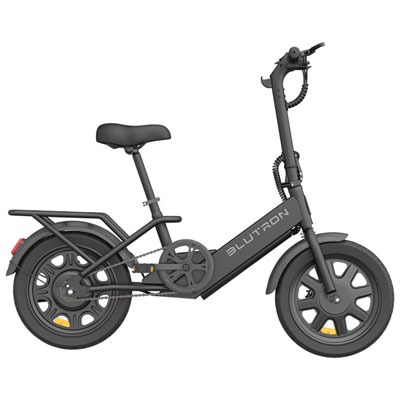 Your price for this item is $499.99
 -
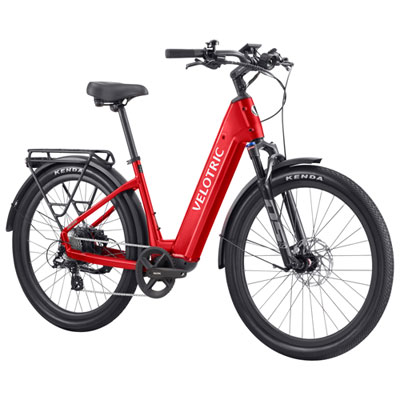 Your price for this item is $2499.99
 -
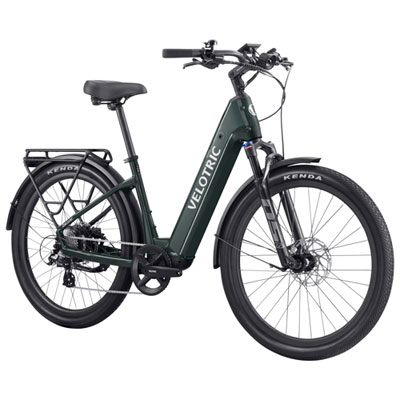 Your price for this item is $2499.99
 -
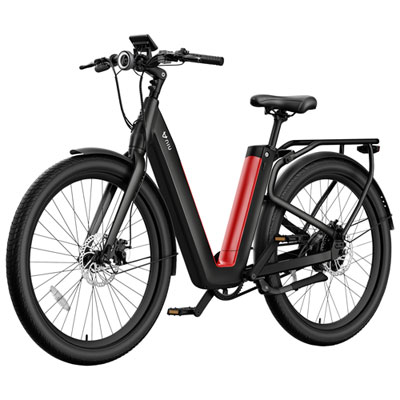 Your price for this item is $2699.99
 -
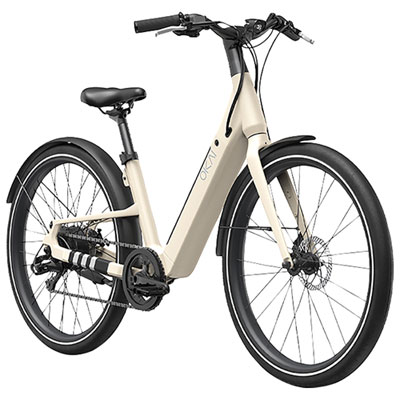 Your price for this item is $2199.99
 -
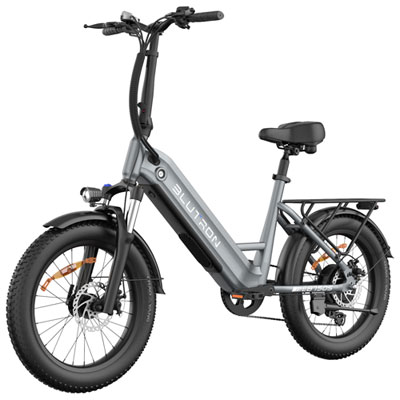 Your price for this item is $999.99
 -
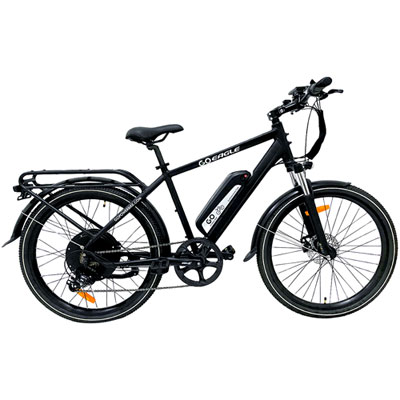 Your price for this item is $1399.97
 -
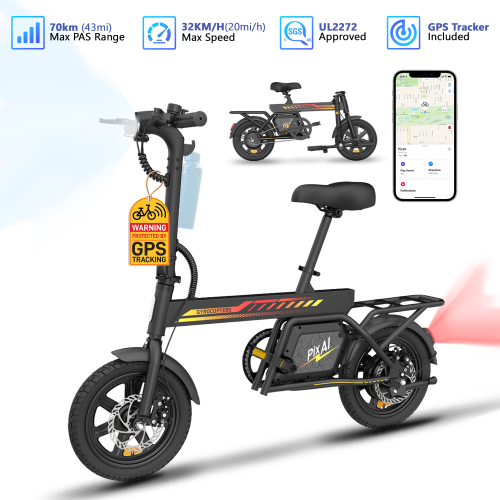 Your price for this item is $399.97
Discover more categories related to Commuter Friendly Electric Bicycle
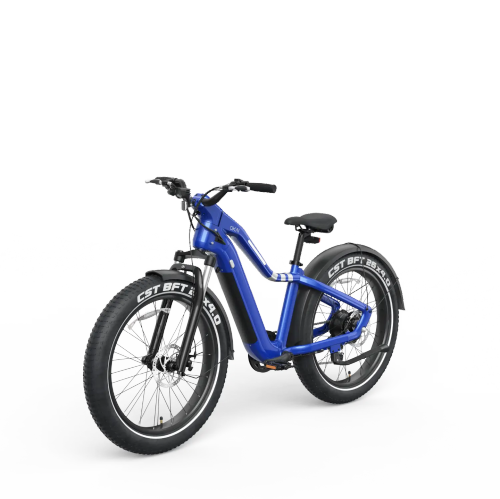
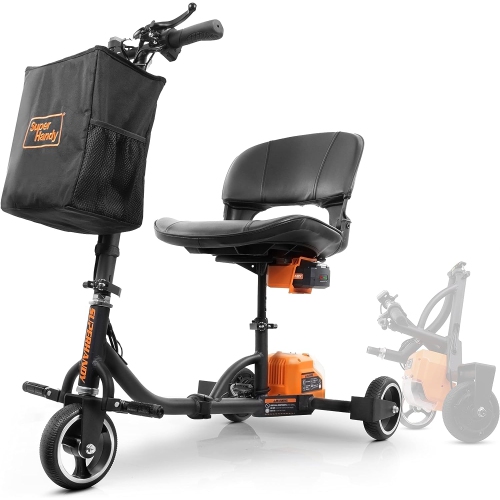
Top Collections:
Pokemon Centers, Kindle Devices, Best Budget Office Chairs, Apple iPhones 16, Best Laptops for Writers, iPhone 15 Apple, Canon G7X Cameras, Refurbished Apple Laptops, Alarm Clock, Motorola Razr Phones
Some products may be subject to Environmental Handling Fees
(EHF) depending on your province.
Learn more about EHFs.