Electric Scooters for Commuting
Looking for an efficient and eco-friendly way to navigate through your daily commute? Look no further than electric scooters! These sleek and stylish modes of transportation are becoming increasingly popular among urban dwellers who are looking for a convenient and cost-effective way to get around. With their compact design and zero-emission operation, electric scooters offer a practical solution for those who want to beat traffic and reduce their carbon footprint. Whether you're heading to work, running errands, or simply exploring the city, our collection of electric scooters for commuting has something to suit every rider's needs.
Sort
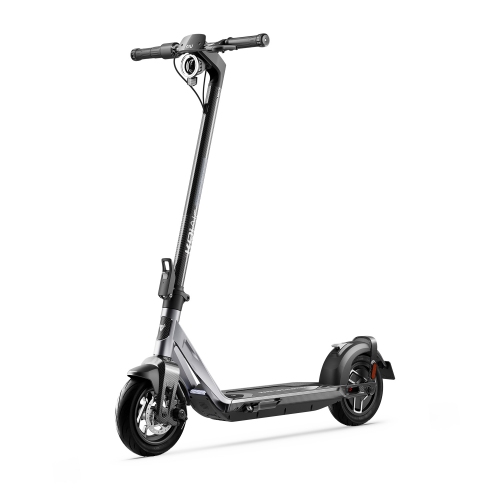
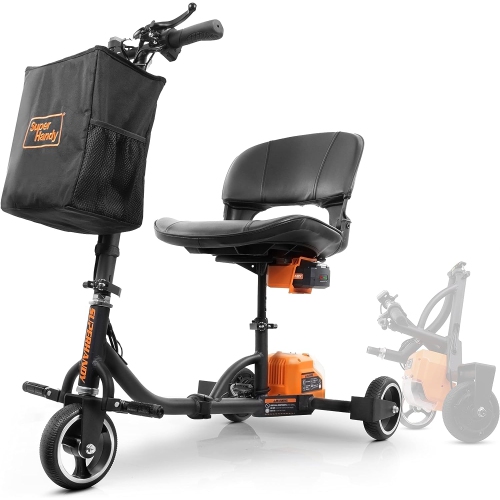
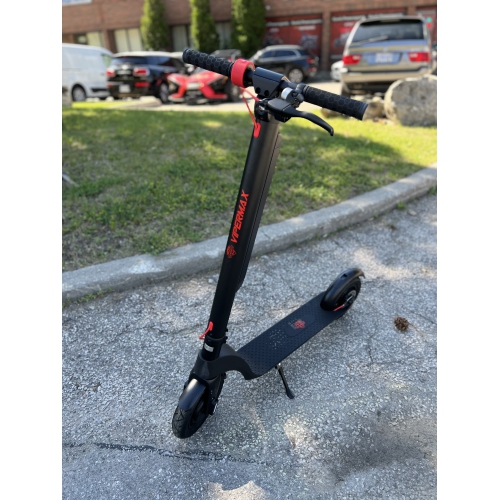
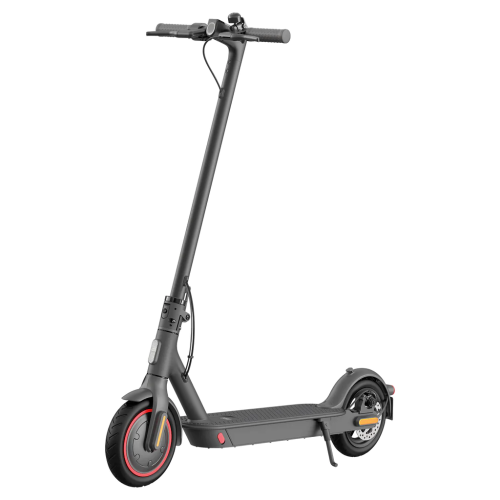
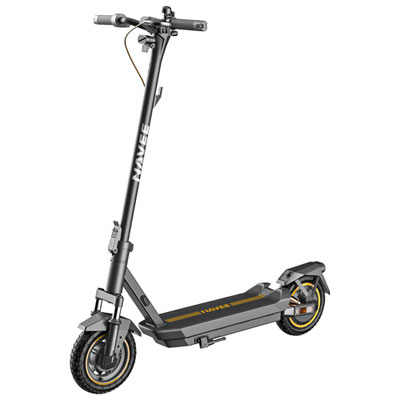
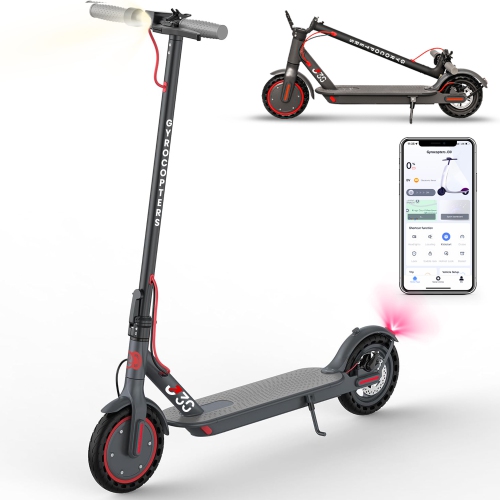
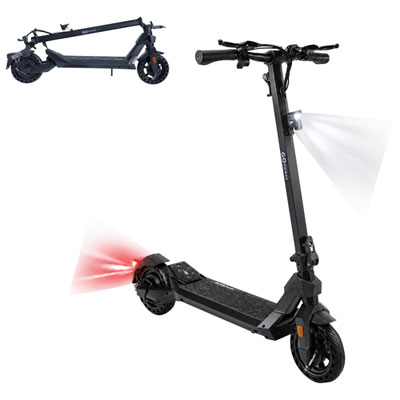
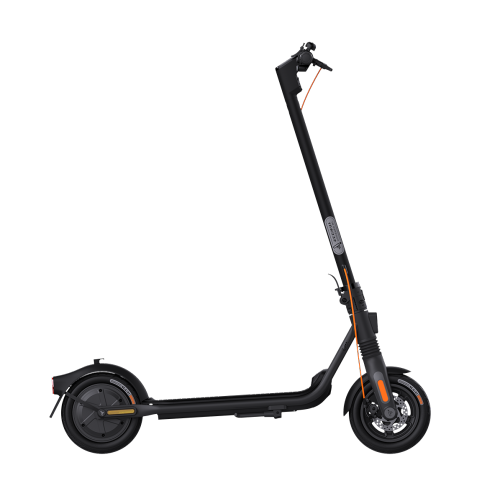
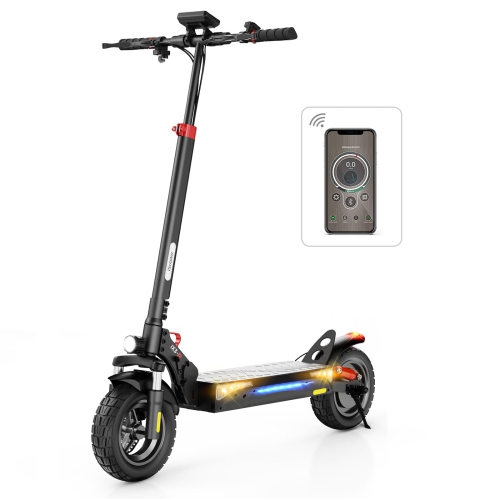
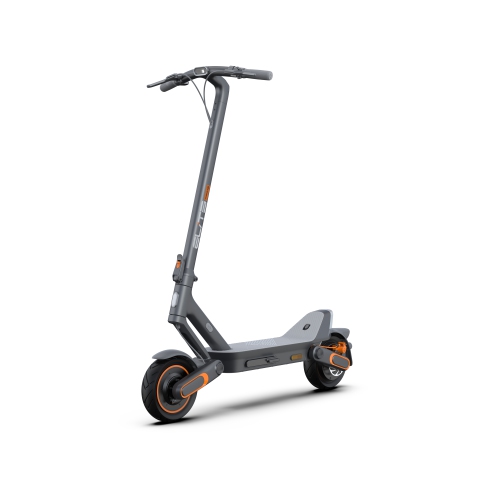
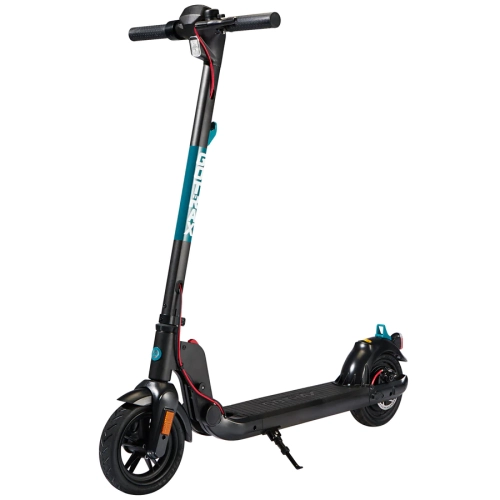
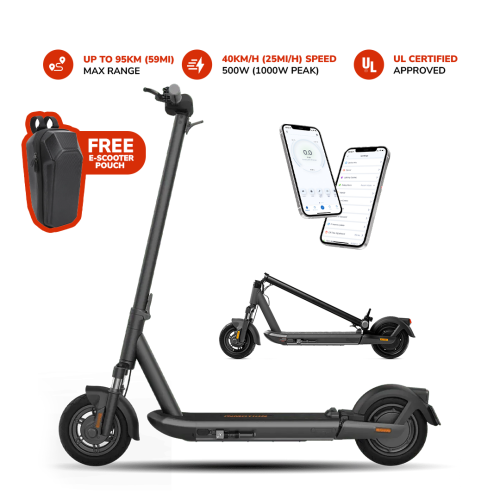
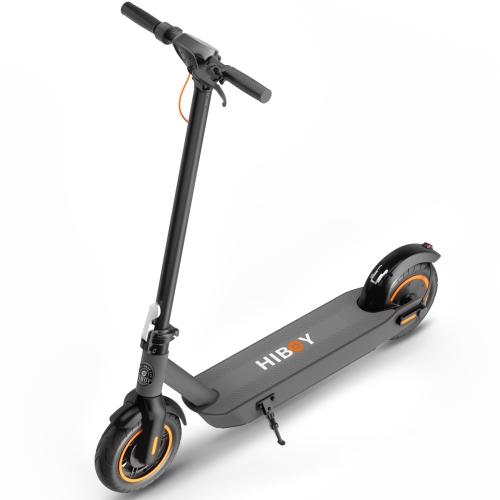
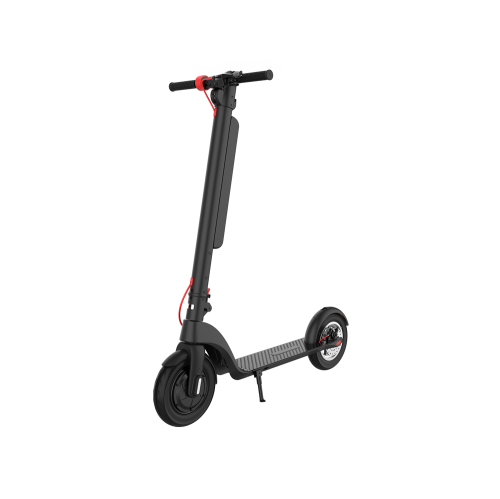
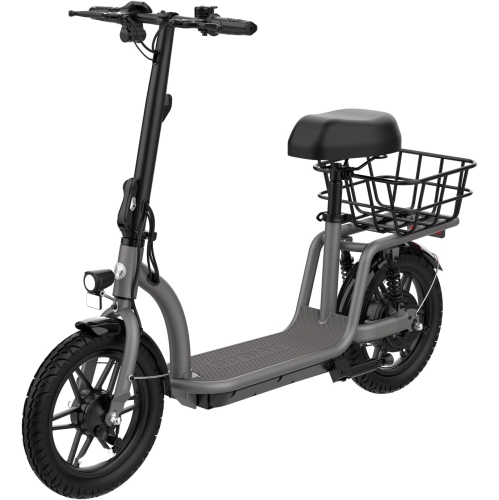
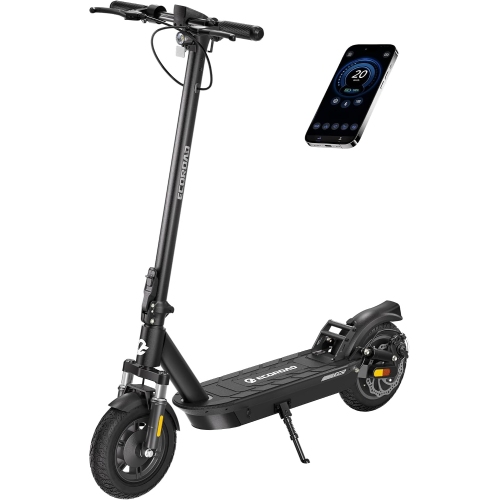
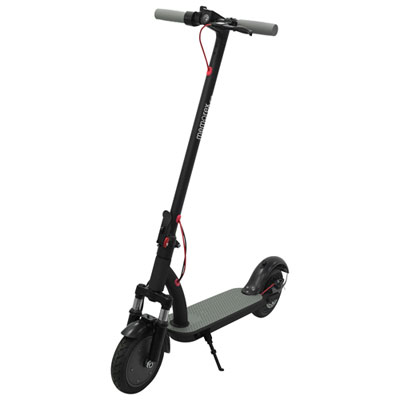
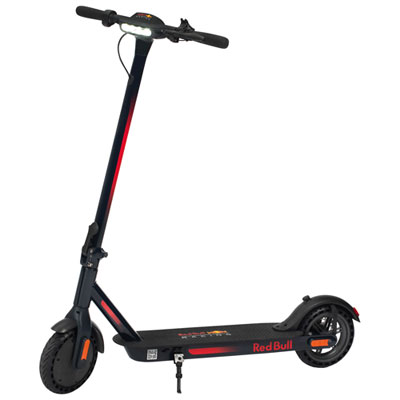
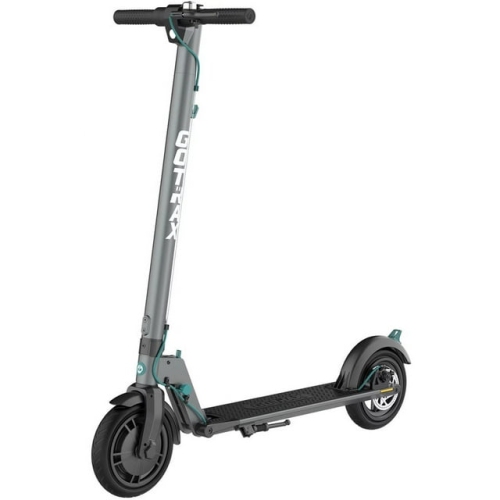
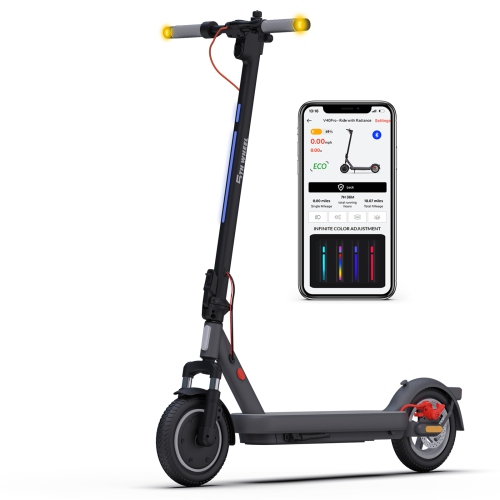
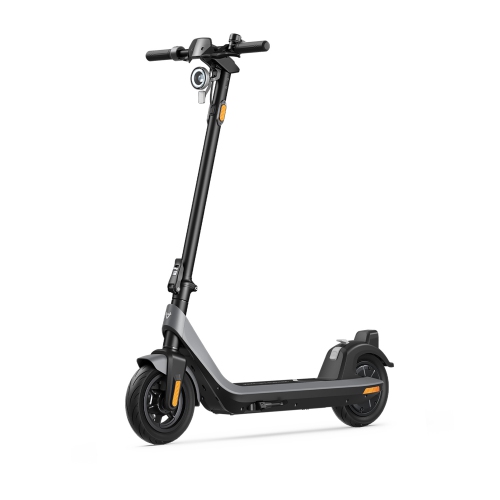
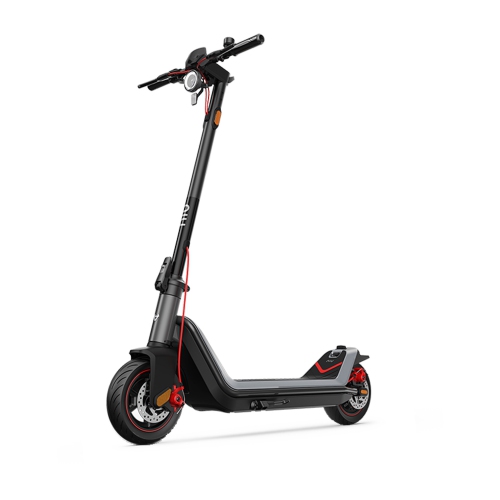
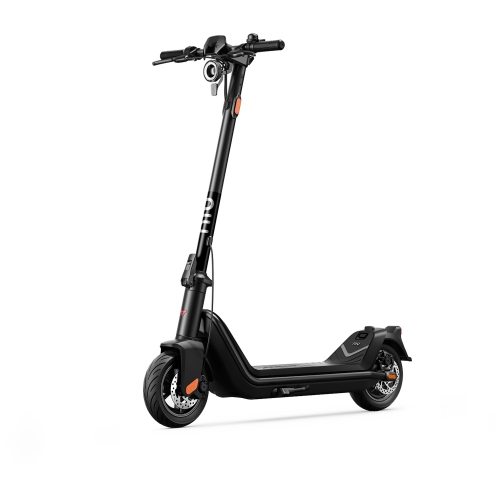
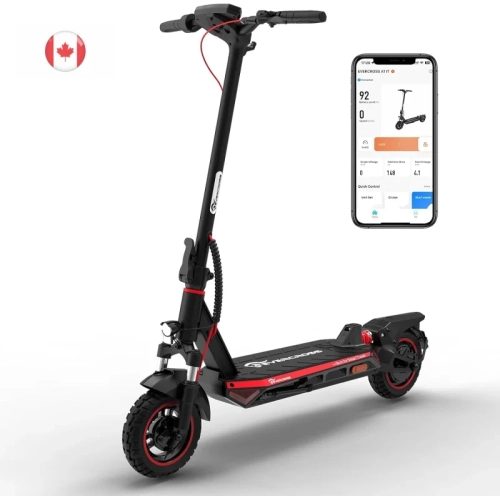
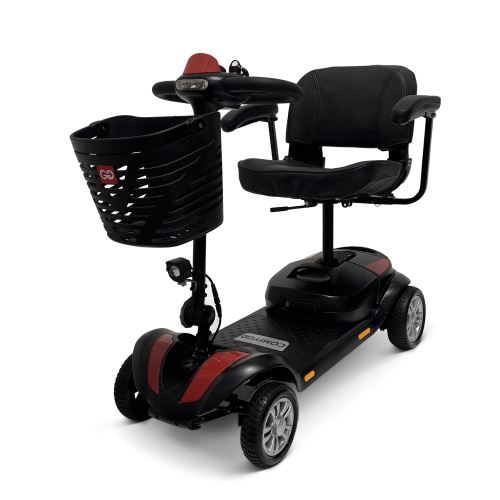
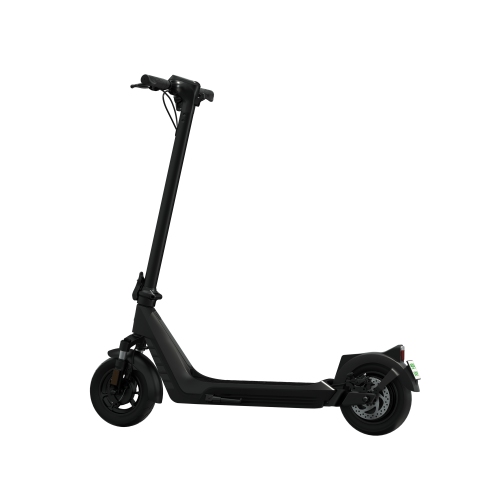
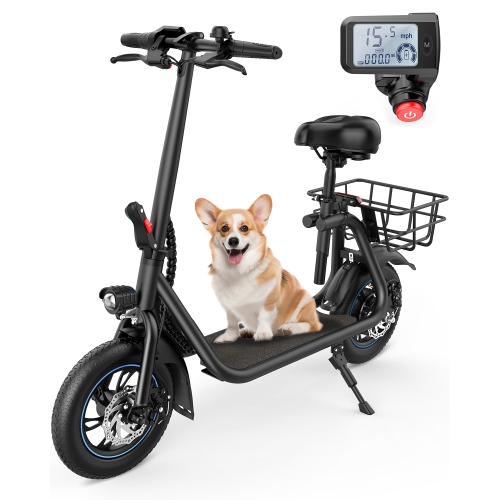
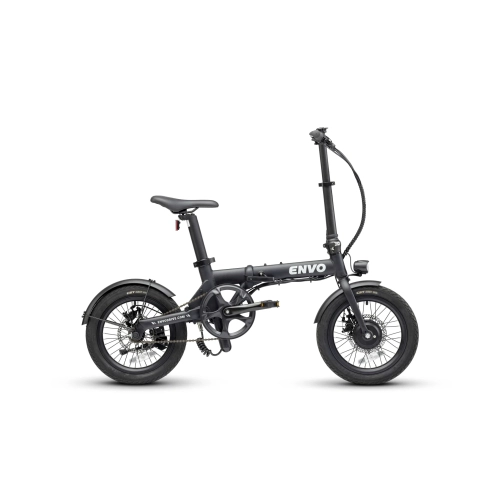
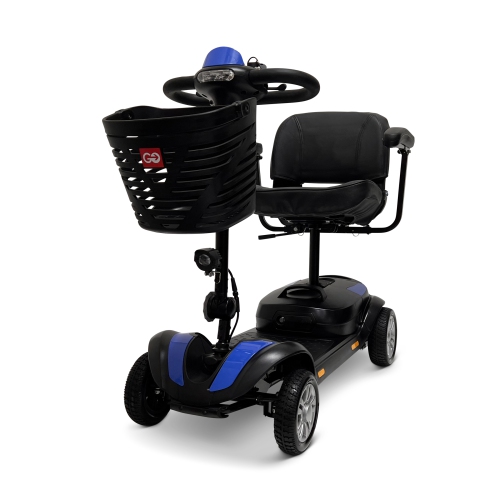
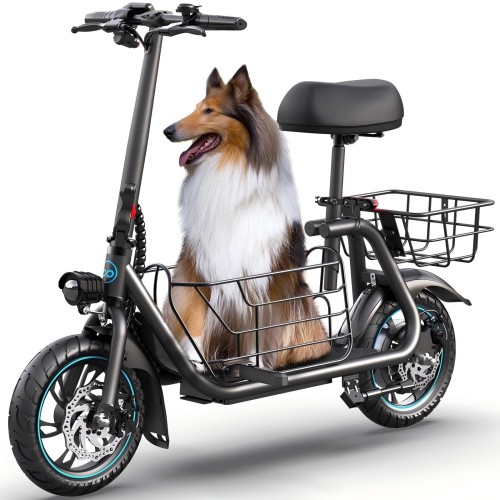
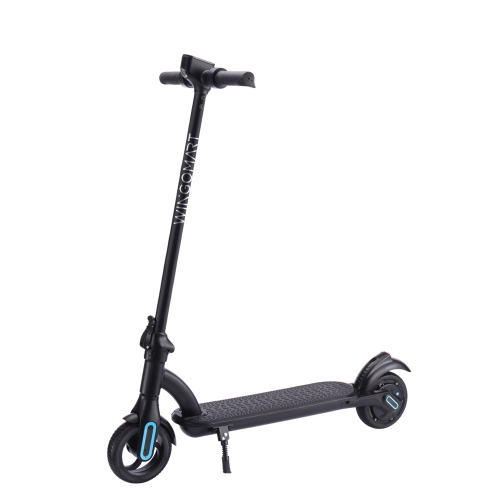
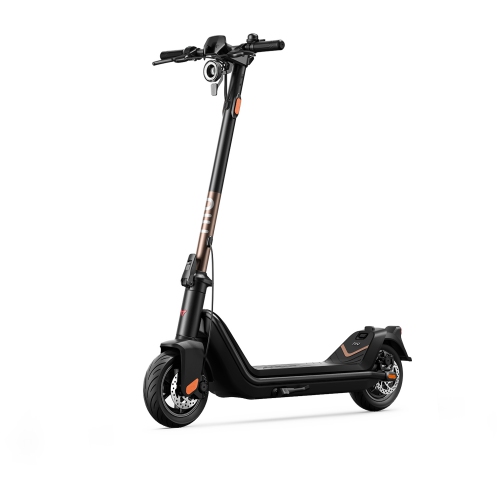
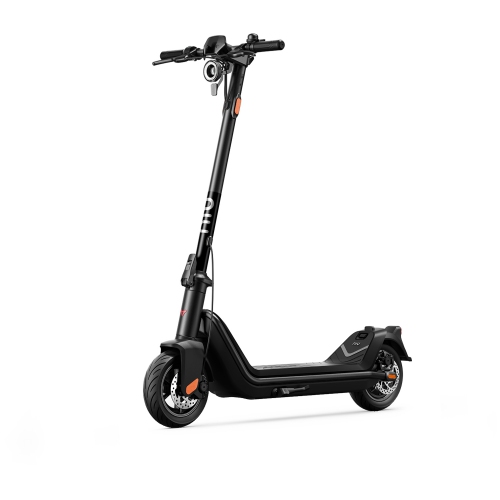
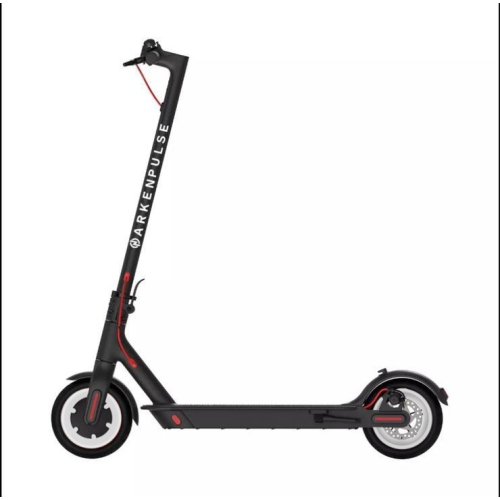
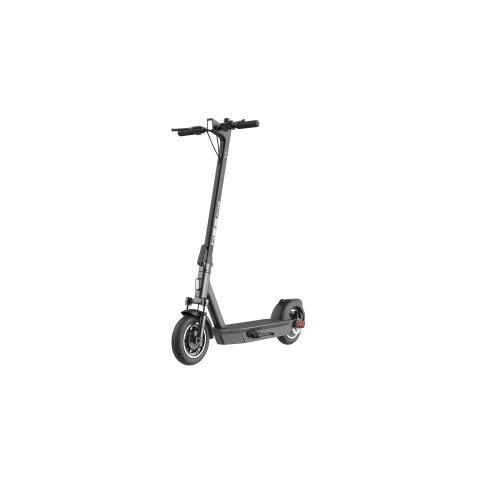

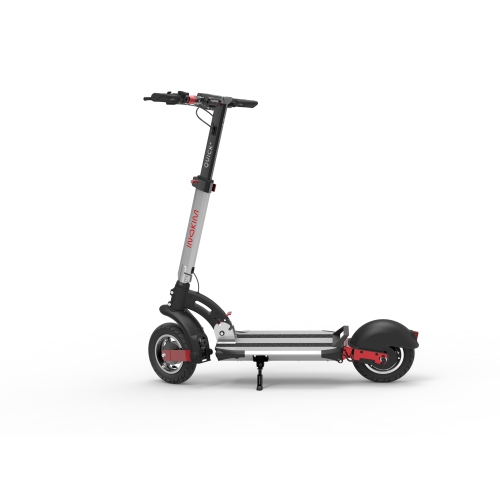
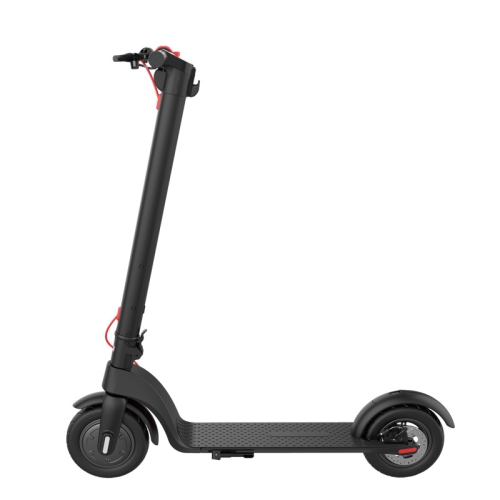
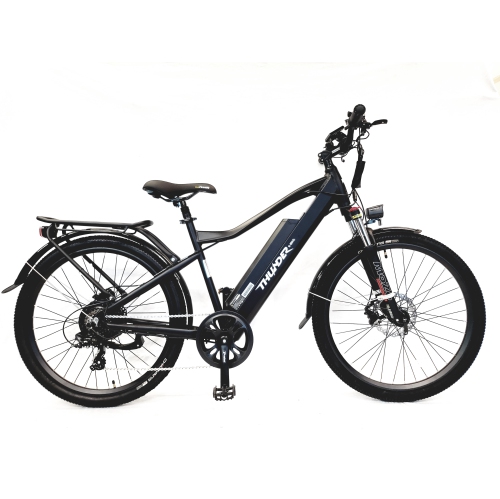
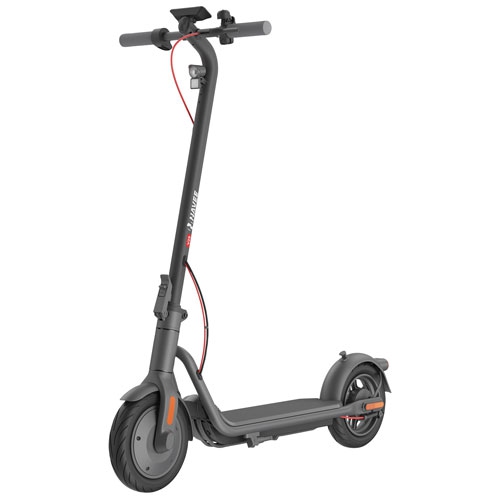
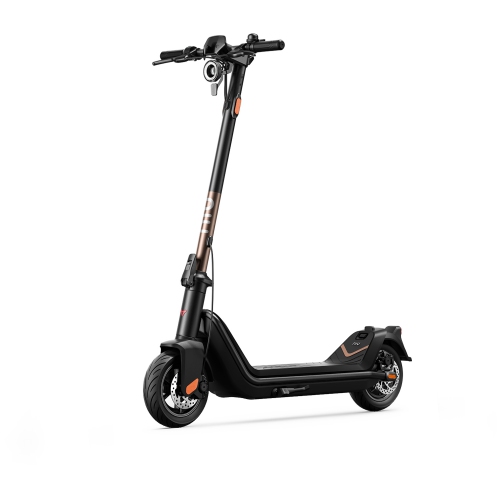
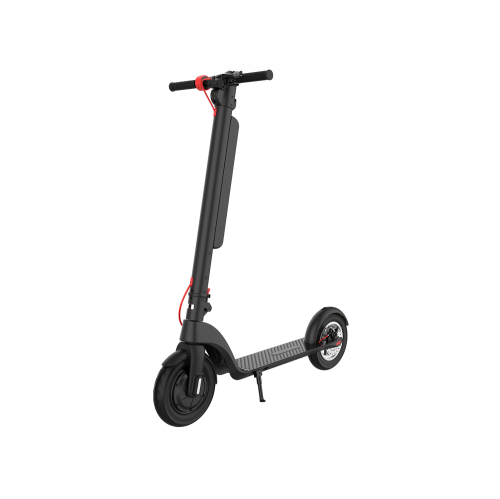
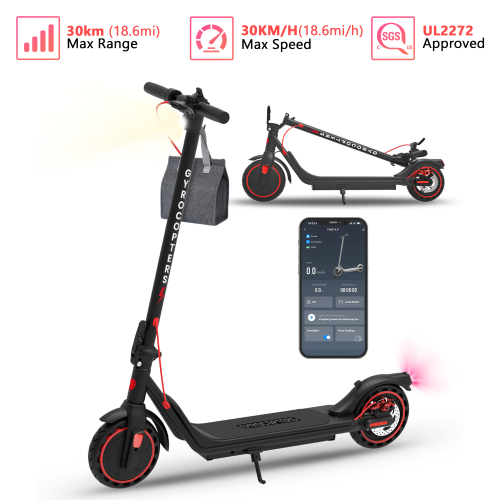
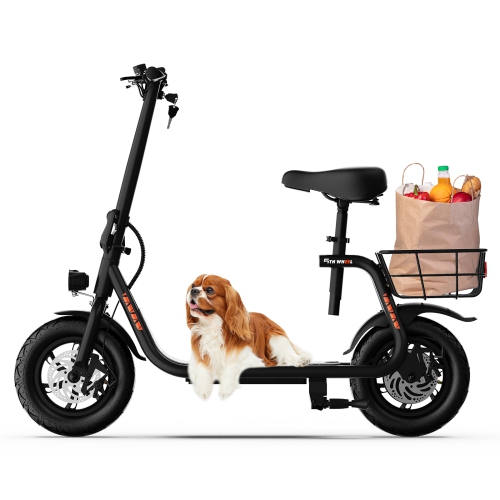
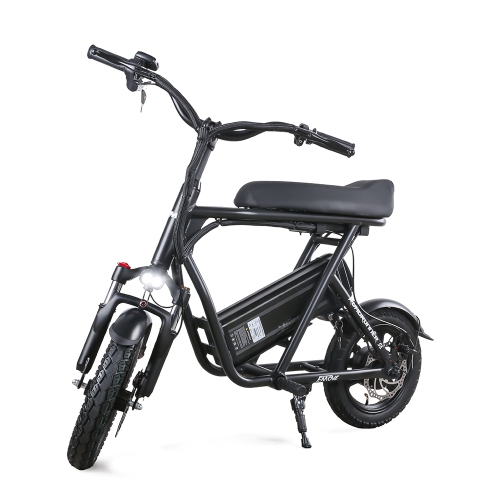
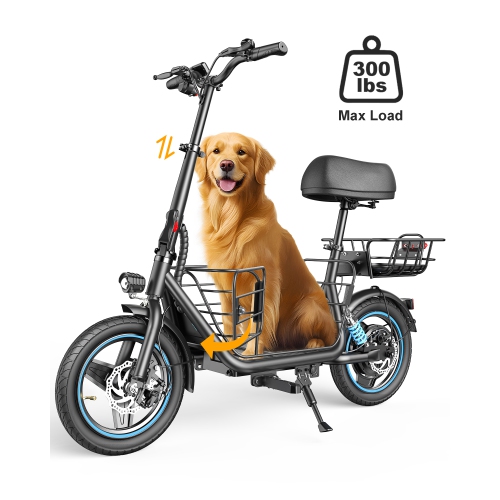
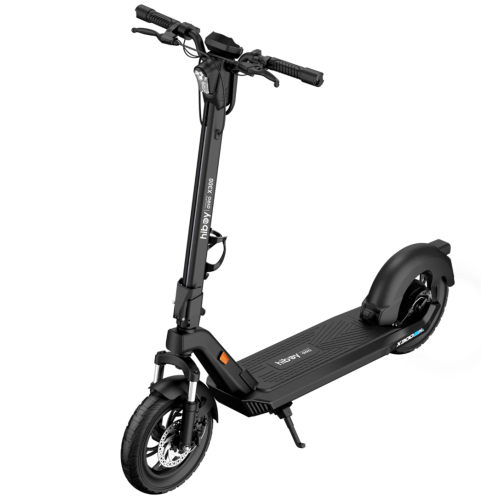
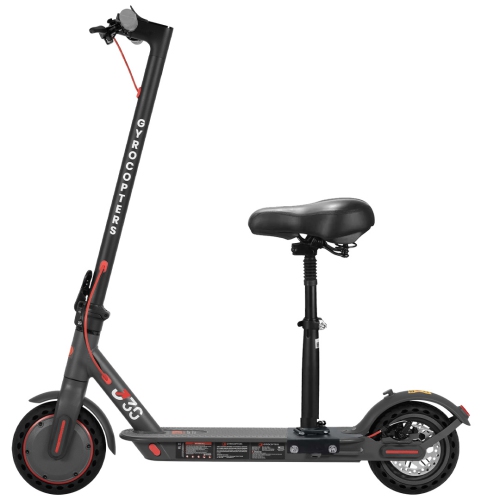
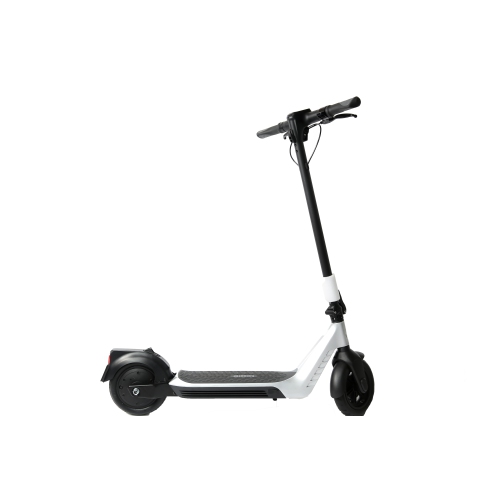
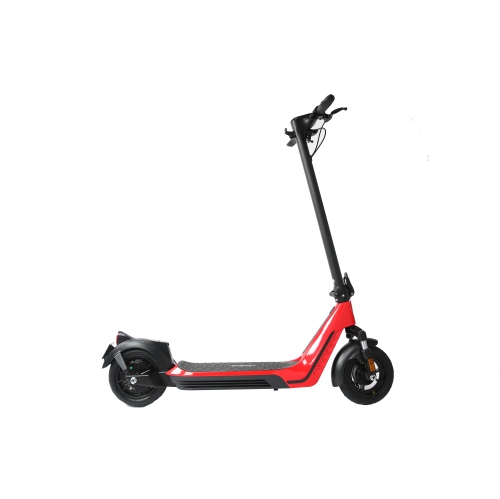
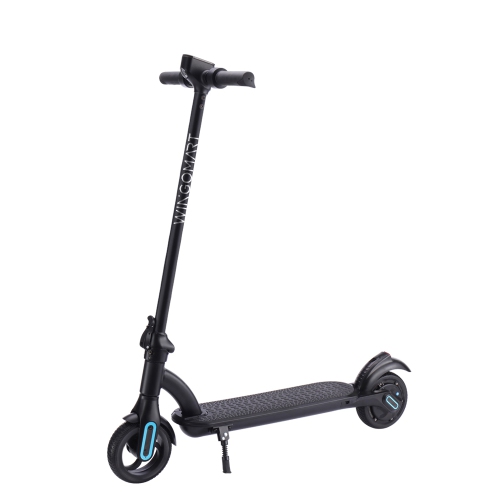
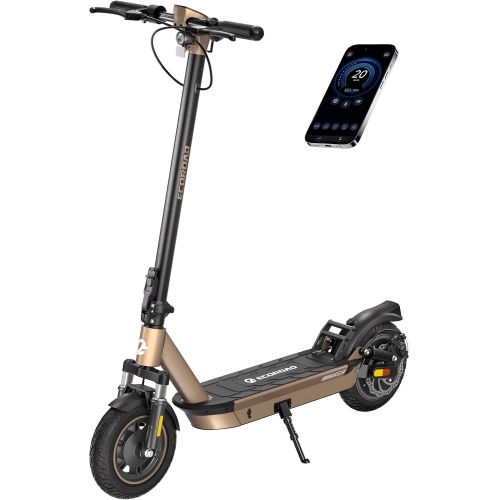
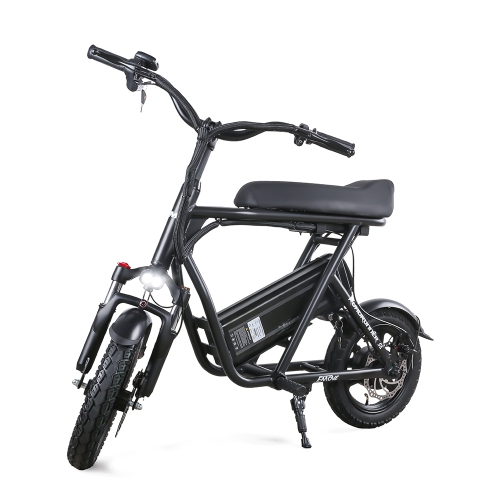
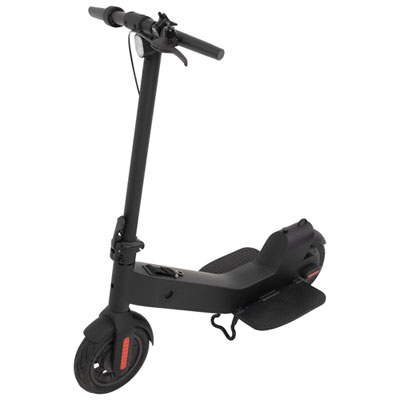
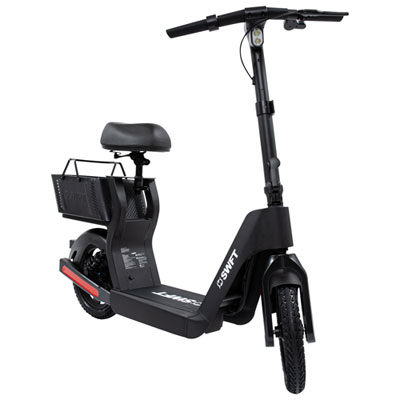
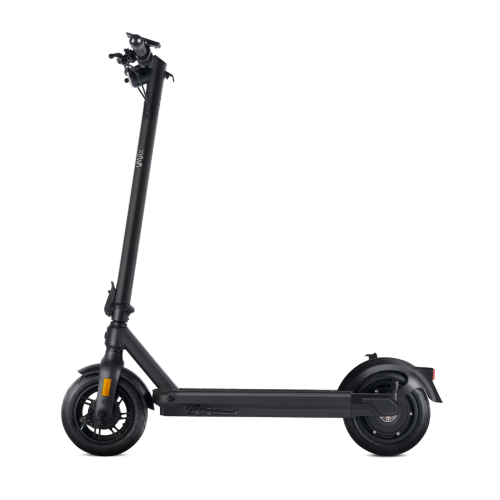
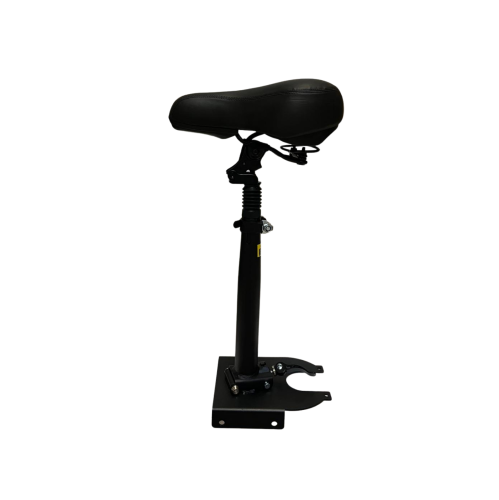
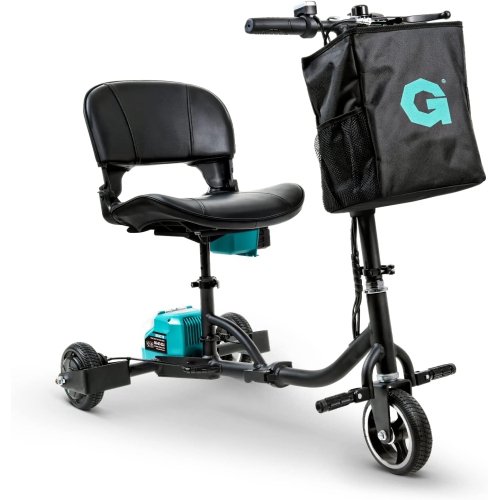
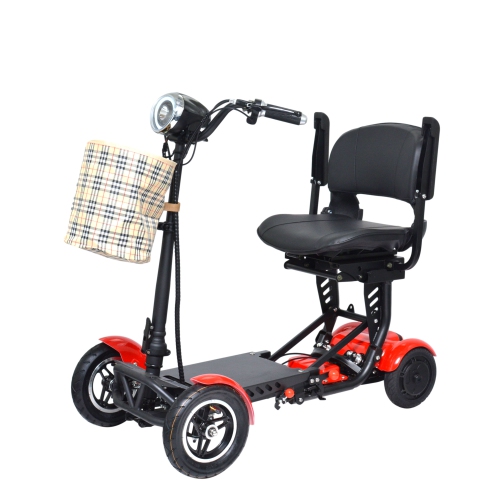
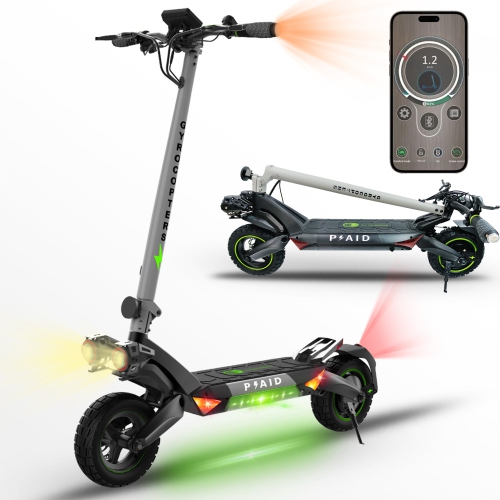
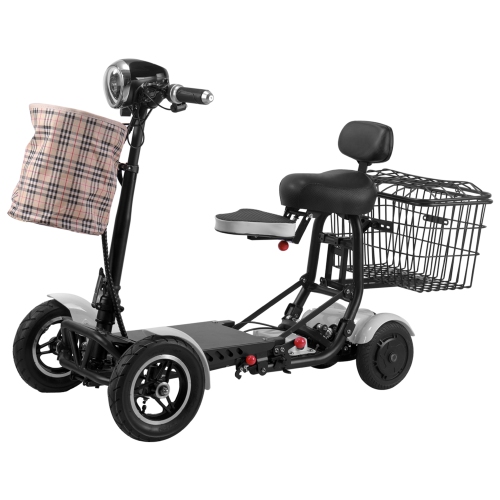
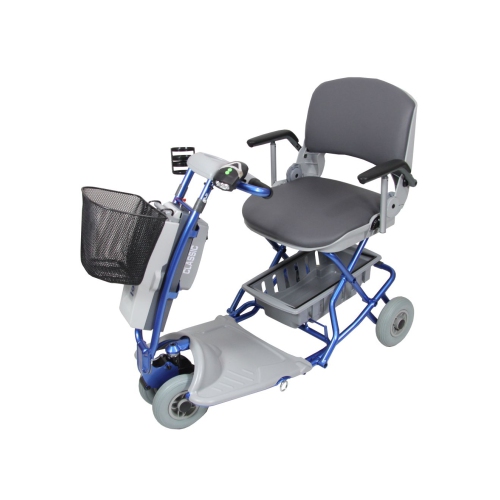
Range, terrain and storage shape your daily ride
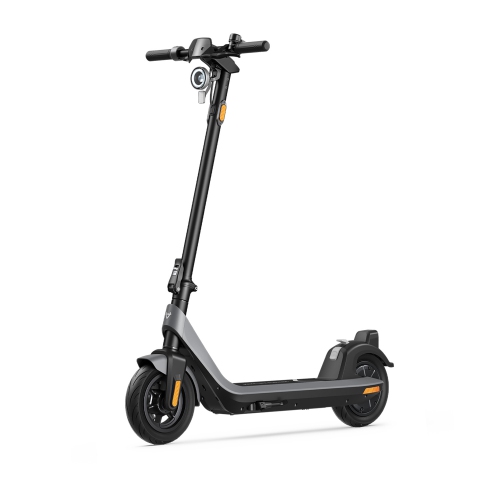
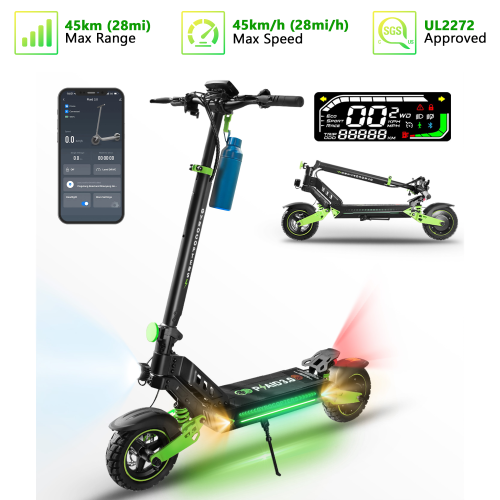
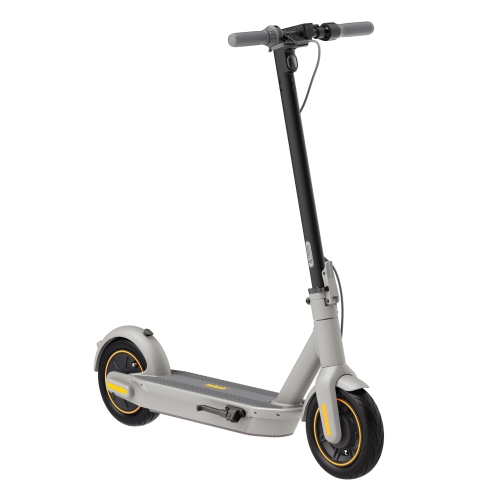
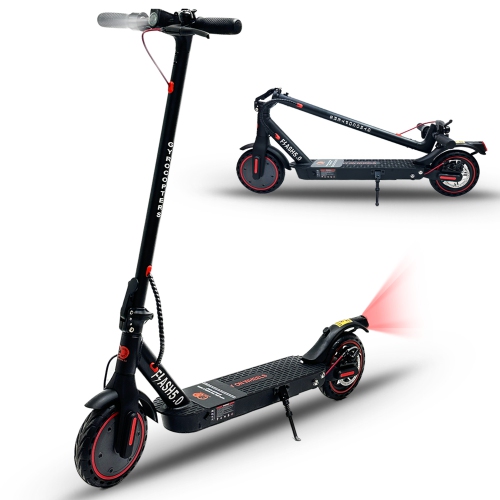
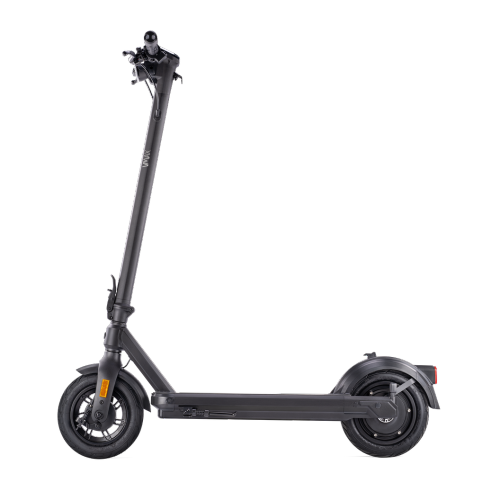
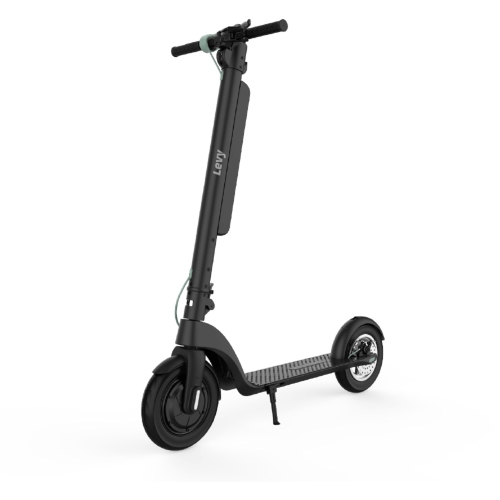
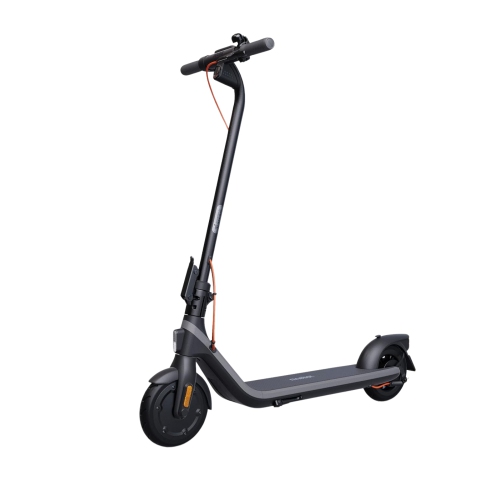
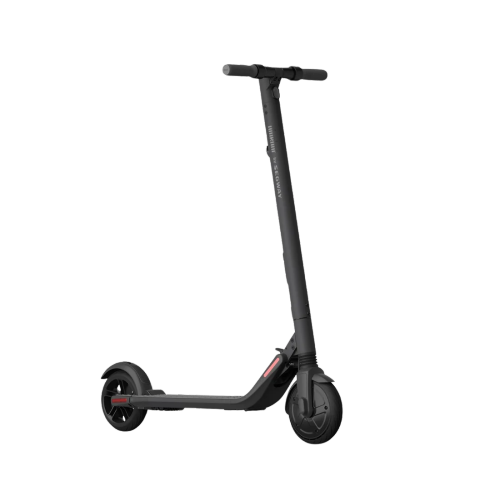
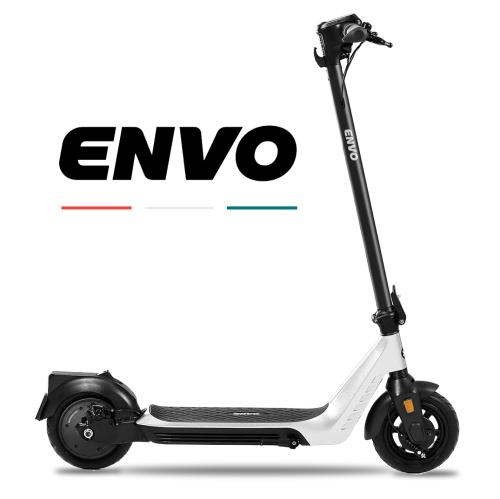
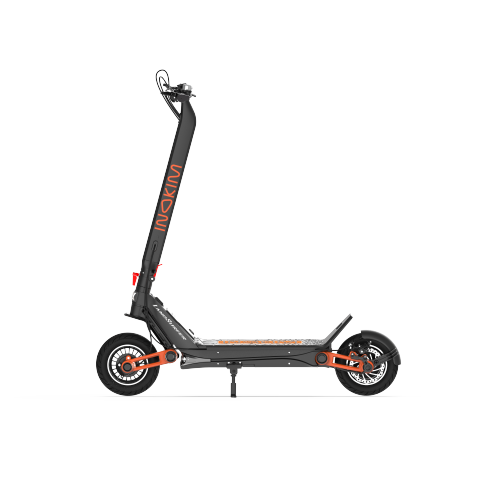
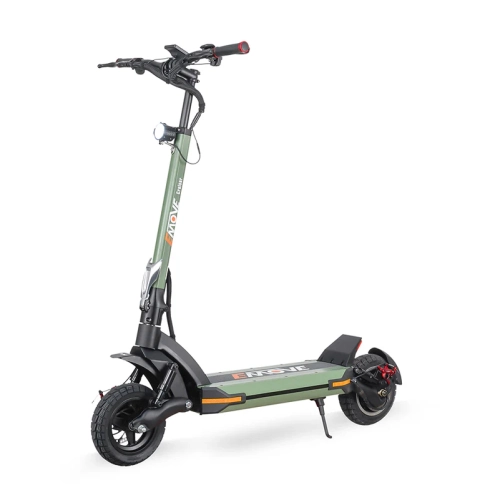
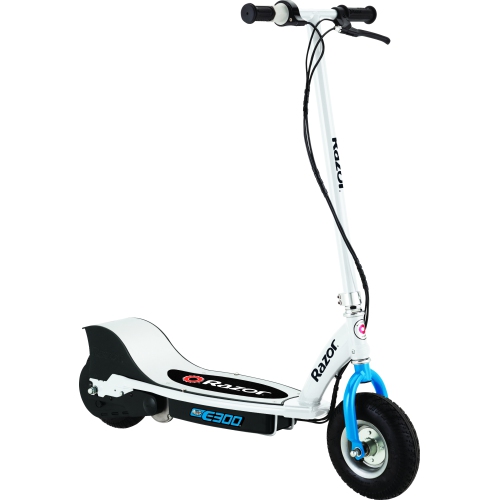
Electric scooters for commuting can make everyday travel feel more flexible, especially when your route includes a mix of neighbourhood streets, bike lanes, paved paths and short connections to public transit. They are designed for riders who want a practical way to cover moderate distances without relying entirely on a car, taxi or crowded bus. Some commuters use an electric scooter for the complete journey, while others ride from home to a train station, park-and-ride lot or transit stop and fold it for the next part of the trip. Before choosing one, measure the full distance of your usual round trip rather than only the ride from your front door to the office. A scooter’s advertised range is generally based on ideal conditions, and real-world distance can be affected by rider weight, hills, speed, temperature, wind and frequent stops. Selecting a model with more range than your everyday requirement can provide useful flexibility when you make an extra stop for groceries, take a longer route around construction or cannot recharge at work. Battery charging time and charger size are also worth considering, particularly if you plan to keep the scooter in an office, apartment or shared storage area. A folding design can be especially convenient when your commute includes stairs, elevators or public transit, although lighter scooters are typically easier to lift and carry. Check the folded dimensions and total weight against the spaces where you expect to store it, since a scooter that fits neatly beside a desk or in a closet is more likely to become a dependable part of your routine.
The surface and shape of your route should guide your choice just as much as the distance. Smooth pavement may be comfortable on smaller solid or air-filled tires, but cracked sidewalks, uneven bike paths and patched asphalt can feel considerably different after several kilometres. Larger tires, including 10-inch options, can help roll over minor imperfections with greater stability, while suspension may add comfort when your commute crosses potholes, rough pavement or driveway entrances. Pneumatic tires can offer a cushioned ride, though they require occasional pressure checks; self-healing tubeless tires can help reduce the inconvenience of some punctures. If your route includes steep inclines, look for a motor with enough power to maintain useful momentum uphill. A higher-wattage motor or dual-motor setup may be better suited to demanding terrain, though performance can still vary with the rider, battery level and weather. Braking is another important consideration for stop-and-go travel. Electronic braking paired with a dependable mechanical brake can provide controlled stopping near intersections, crossings and busy paths. Look for responsive controls, a stable deck and a handlebar height that allows you to ride comfortably without hunching over. Lights, reflectors and a clear display are valuable when your commute begins in dim morning conditions or ends as daylight fades. During the cooler months, cold temperatures can reduce battery performance, so storing and charging the scooter indoors and allowing the battery to return to room temperature can help support more consistent use. Wet leaves, frost, snow and standing water also change traction and stopping distance; follow the manufacturer’s guidance for wet conditions and check local rules before riding on roads, sidewalks or shared paths.
An electric scooter can be a useful purchase for a daily commuter, a student travelling between campus buildings, a city resident connecting with public transit or a new rider looking for an approachable way to explore nearby streets. It may also be a thoughtful gift for someone who has a short urban commute and enough indoor space to store and charge it, provided the recipient is comfortable learning the controls and following local requirements. A helmet that fits properly, visible clothing, lights and reflective accessories can make a meaningful addition to the riding setup, particularly as daylight becomes shorter. Practise in a quiet, open area before joining traffic, and become familiar with acceleration, braking, turning and folding mechanisms. Plan a route that uses permitted paths and calmer streets where possible, and leave extra space around pedestrians, cyclists and parked vehicles. A small lock may be useful for brief stops, but always confirm that the frame can be secured to an appropriate fixed object and remember that many scooters are best stored indoors rather than left unattended outside. Riders who need a simpler, non-motorized option for shorter trips can also explore Kick Scooters for Commuting. Whether your trip is a quiet glide along a residential street or a brisk ride between transit connections, the best electric scooter for commuting is one that matches your real route, carrying needs, comfort preferences and local riding conditions. Taking those details into account can help you choose a scooter that feels steady on the pavement, practical to store and ready for the repeated journeys that make up an everyday commute.
The surface and shape of your route should guide your choice just as much as the distance. Smooth pavement may be comfortable on smaller solid or air-filled tires, but cracked sidewalks, uneven bike paths and patched asphalt can feel considerably different after several kilometres. Larger tires, including 10-inch options, can help roll over minor imperfections with greater stability, while suspension may add comfort when your commute crosses potholes, rough pavement or driveway entrances. Pneumatic tires can offer a cushioned ride, though they require occasional pressure checks; self-healing tubeless tires can help reduce the inconvenience of some punctures. If your route includes steep inclines, look for a motor with enough power to maintain useful momentum uphill. A higher-wattage motor or dual-motor setup may be better suited to demanding terrain, though performance can still vary with the rider, battery level and weather. Braking is another important consideration for stop-and-go travel. Electronic braking paired with a dependable mechanical brake can provide controlled stopping near intersections, crossings and busy paths. Look for responsive controls, a stable deck and a handlebar height that allows you to ride comfortably without hunching over. Lights, reflectors and a clear display are valuable when your commute begins in dim morning conditions or ends as daylight fades. During the cooler months, cold temperatures can reduce battery performance, so storing and charging the scooter indoors and allowing the battery to return to room temperature can help support more consistent use. Wet leaves, frost, snow and standing water also change traction and stopping distance; follow the manufacturer’s guidance for wet conditions and check local rules before riding on roads, sidewalks or shared paths.
An electric scooter can be a useful purchase for a daily commuter, a student travelling between campus buildings, a city resident connecting with public transit or a new rider looking for an approachable way to explore nearby streets. It may also be a thoughtful gift for someone who has a short urban commute and enough indoor space to store and charge it, provided the recipient is comfortable learning the controls and following local requirements. A helmet that fits properly, visible clothing, lights and reflective accessories can make a meaningful addition to the riding setup, particularly as daylight becomes shorter. Practise in a quiet, open area before joining traffic, and become familiar with acceleration, braking, turning and folding mechanisms. Plan a route that uses permitted paths and calmer streets where possible, and leave extra space around pedestrians, cyclists and parked vehicles. A small lock may be useful for brief stops, but always confirm that the frame can be secured to an appropriate fixed object and remember that many scooters are best stored indoors rather than left unattended outside. Riders who need a simpler, non-motorized option for shorter trips can also explore Kick Scooters for Commuting. Whether your trip is a quiet glide along a residential street or a brisk ride between transit connections, the best electric scooter for commuting is one that matches your real route, carrying needs, comfort preferences and local riding conditions. Taking those details into account can help you choose a scooter that feels steady on the pavement, practical to store and ready for the repeated journeys that make up an everyday commute.
Top selling and popular products
-
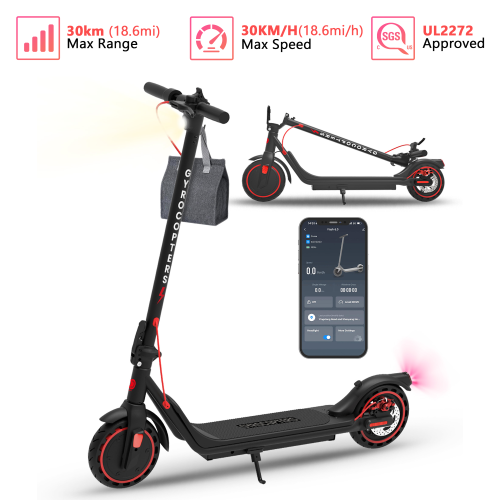 Your price for this item is $269.97
 -
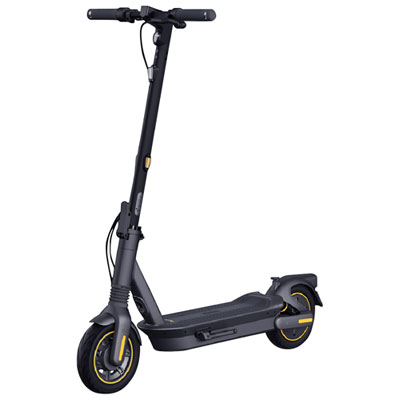 Your price for this item is $799.99
 -
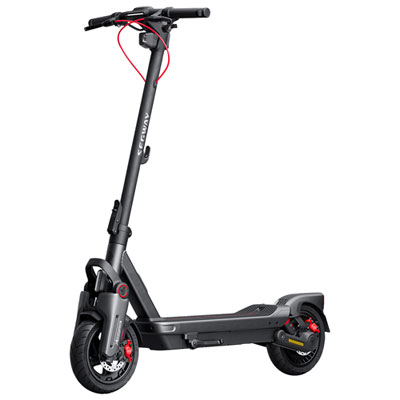 Your price for this item is $1599.99
 -
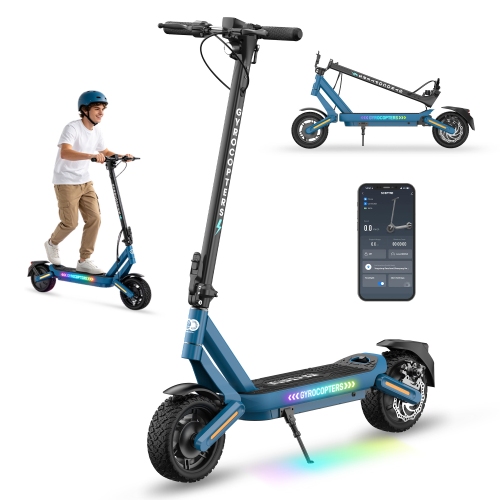 Your price for this item is $749.97
 -
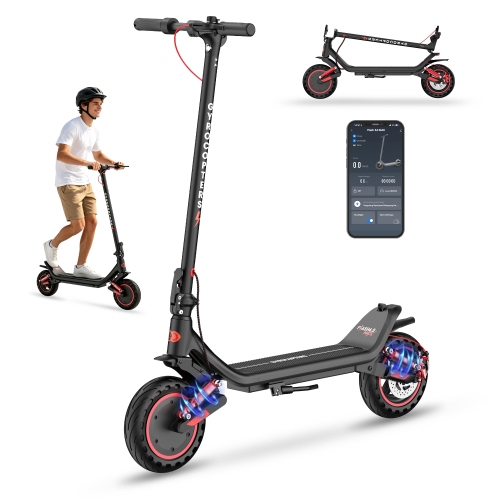 Your price for this item is $599.97
 -
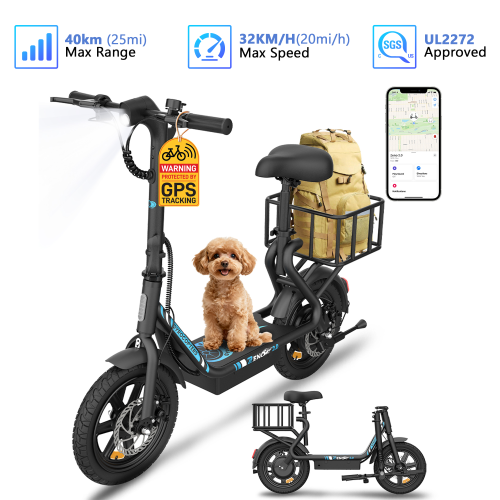 Your price for this item is $599.97
 -
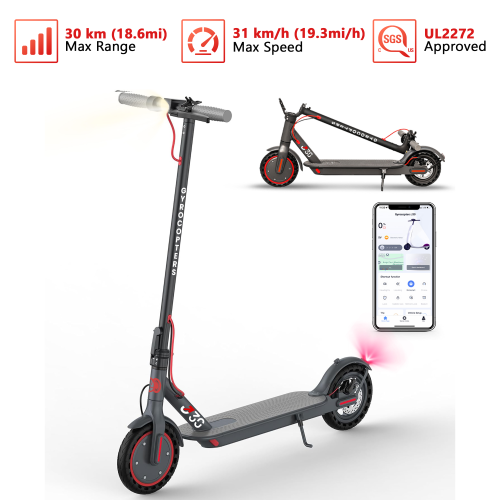 Your price for this item is $319.97
 -
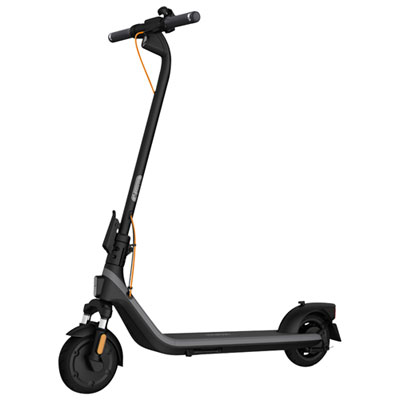 Your price for this item is $599.99
Discover more categories related to Electric Scooters for Commuting
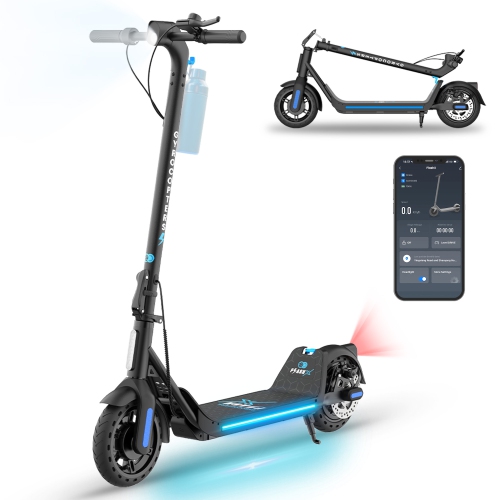
Top Collections:
Pokemon Centers, Budget 4K TVs, Kindle Devices, Canon G7X Cameras, Apple iPhones 16, iPhone 15 Apple, Laptops for Business Work, Flip Phones, Xiaomi Phones, Refurbished Apple Laptops
Some products may be subject to Environmental Handling Fees
(EHF) depending on your province.
Learn more about EHFs.