Compact Grills for Small Patios
Compact Grills for Small Patios offer a convenient solution for enjoying delicious grilled meals without sacrificing valuable outdoor space. Perfect for balconies, cozy patios, and urban settings, these grills are designed to fit seamlessly into smaller areas while still providing plenty of cooking power. Explore a variety of options that make it easy to bring the flavor of outdoor grilling to even the most compact spaces.
Sort
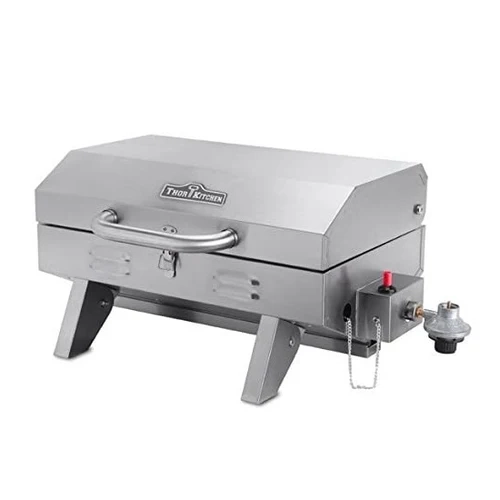
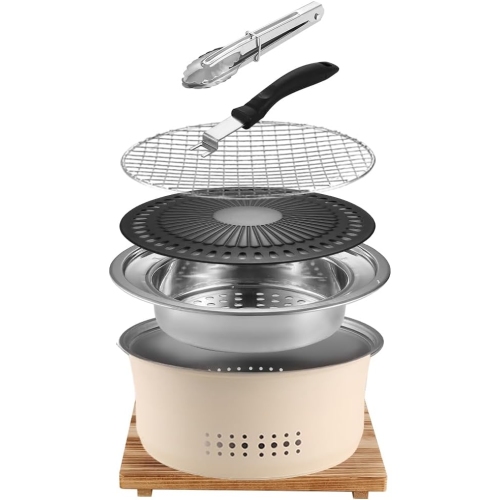
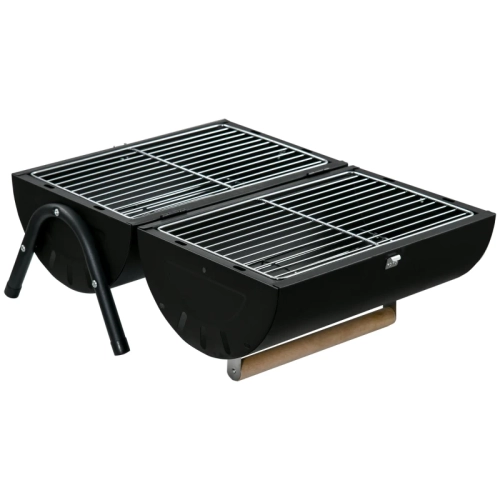
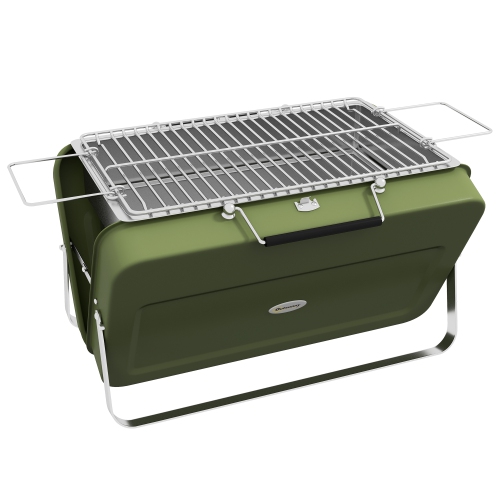
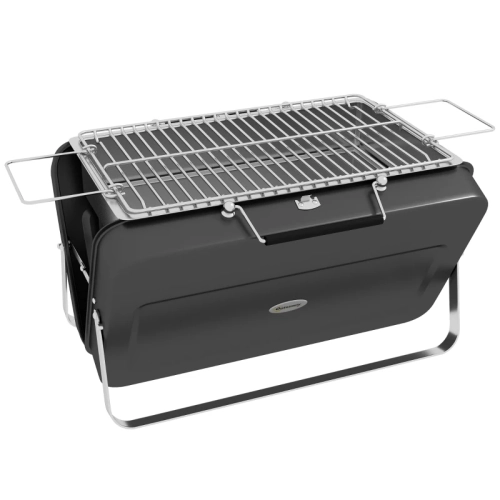
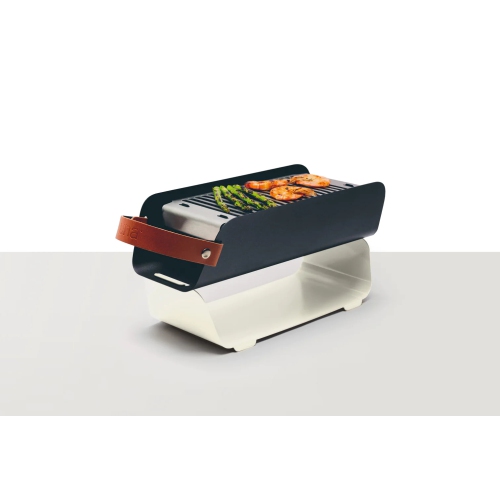
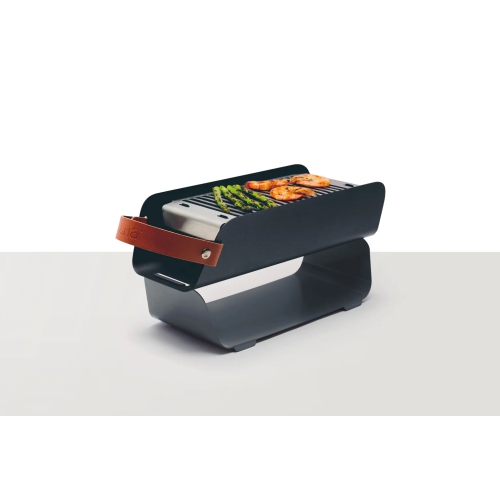
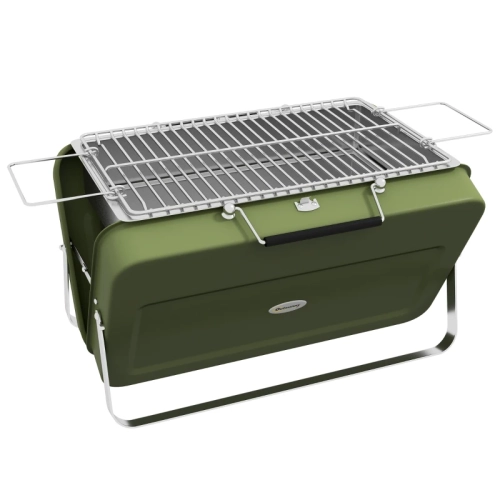
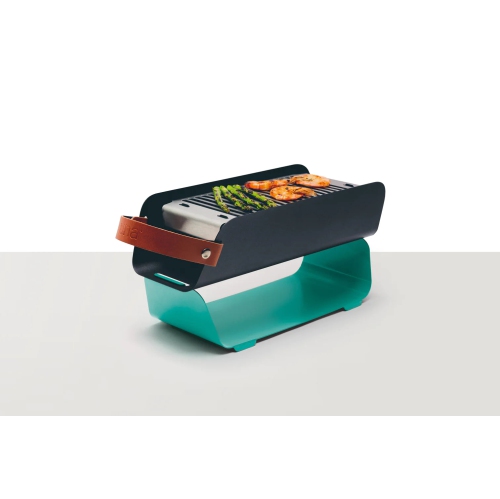
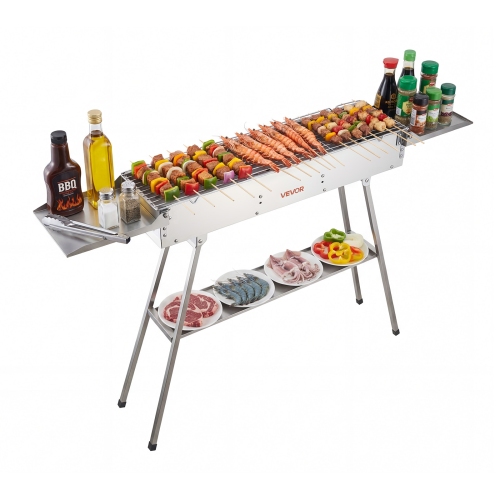
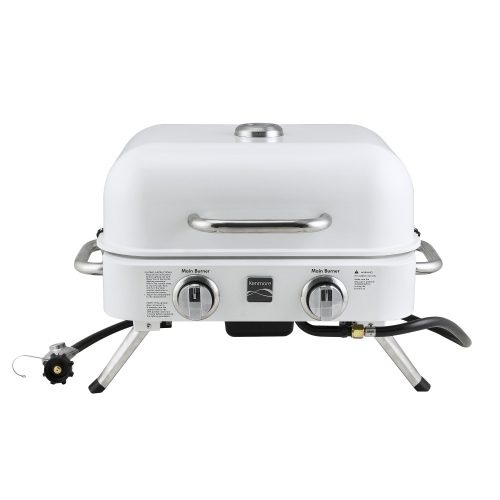
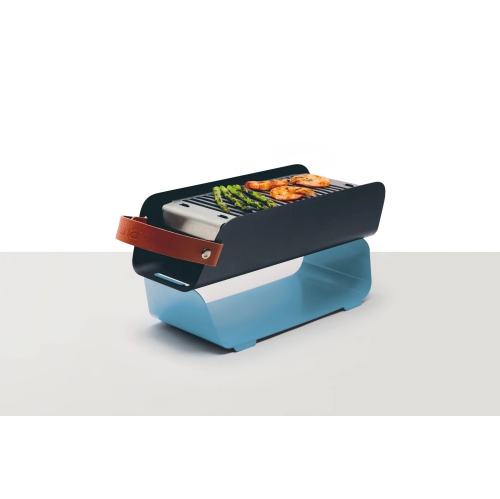
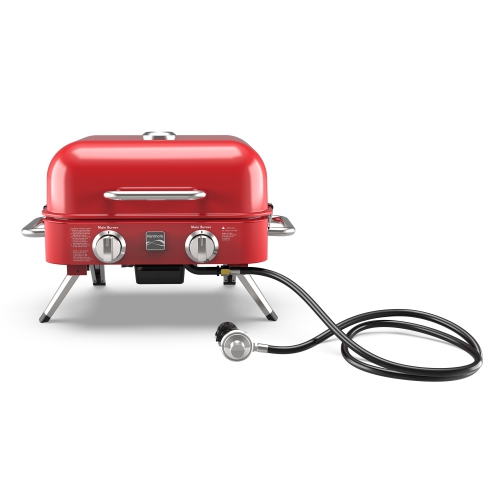
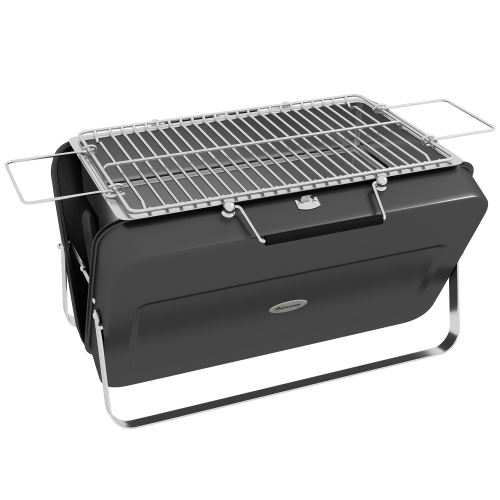
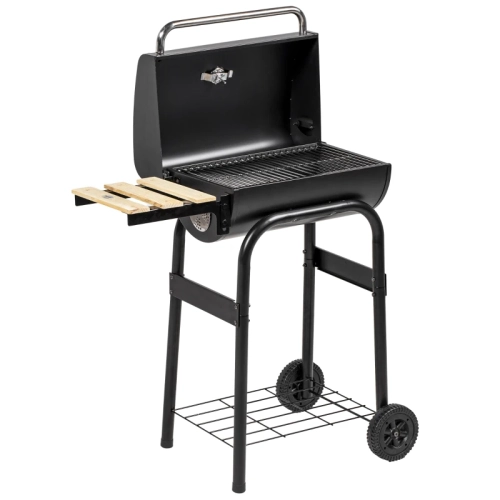
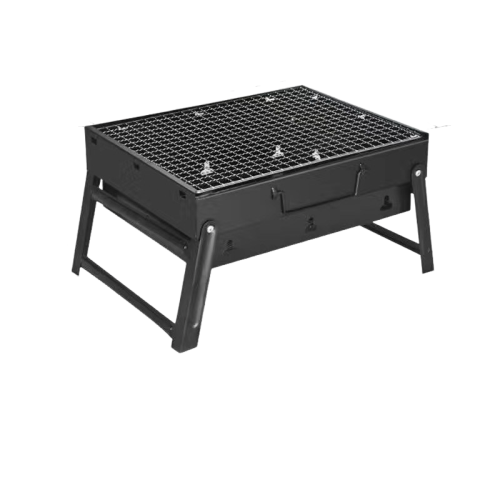
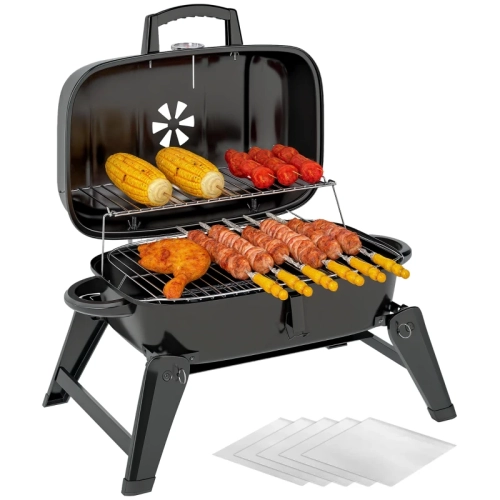
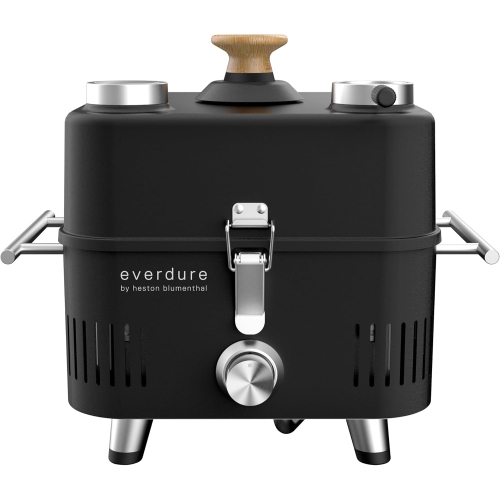
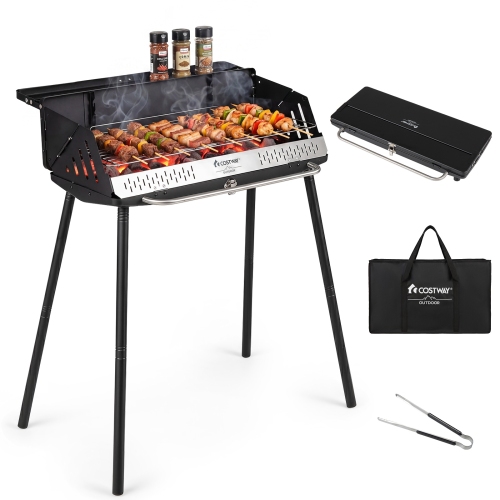
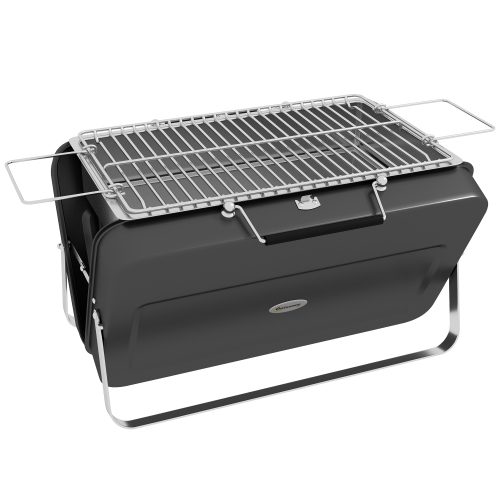
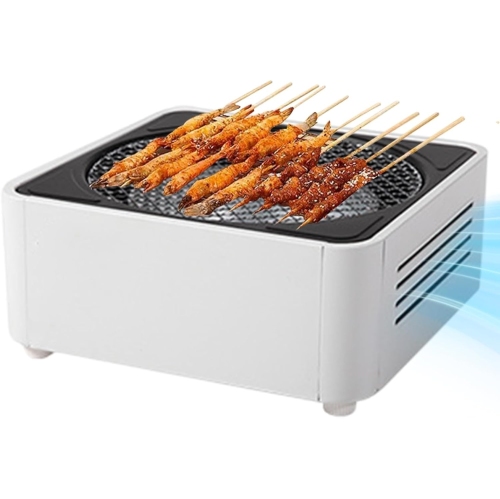
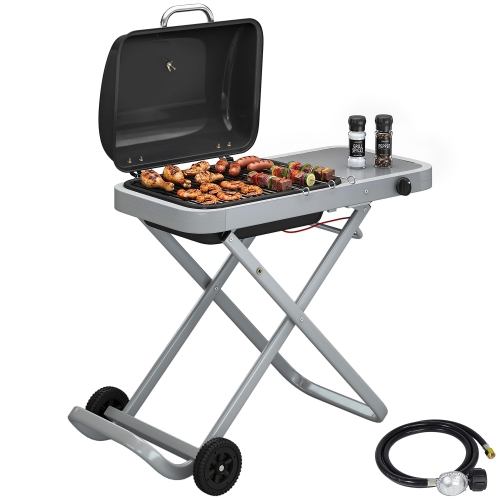
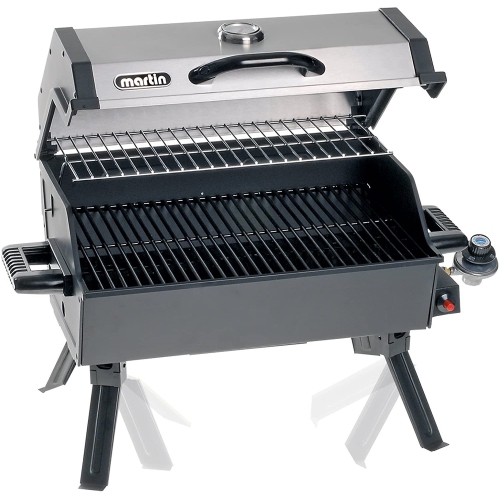
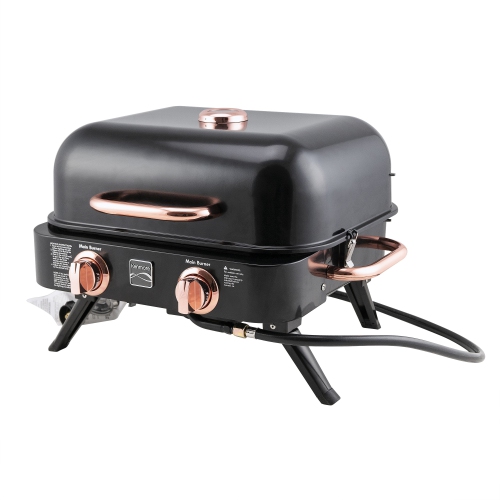
Grilled dinners with room left to enjoy your patio
Compact grills for small patios bring outdoor cooking into spaces where a full-size barbecue would leave little room for a table, chairs, or a clear path to the door. Their appeal is not simply a smaller cooking surface: a well-proportioned grill can make room for grilled vegetables, burgers, fish, or a pair of steaks without turning the entire patio into a cooking station. Tabletop grills, narrow freestanding designs, and models with folding stands suit different layouts. A tabletop format needs a stable, heat-safe surface approved for the appliance, while a freestanding grill includes its own support and may offer space for utensils underneath. Folding side shelves can provide a landing spot for a clean platter during cooking, then tuck away afterward. For a realistic sense of fit, the relevant dimensions include more than the width of the grill body. Handles, extended shelves, the fuel connection, and the sweep of an opening lid all affect how much space it occupies in use. Required clearances from walls, railings, furniture, and overhead structures remain essential even with a compact appliance; a small footprint does not mean a grill can sit tightly against surrounding surfaces. The most suitable size leaves room to stand comfortably at the controls and move food without reaching across hot surfaces. Patio doors and shared walkways also need to remain unobstructed. Building policies, condominium rules, local requirements, and the manufacturer’s installation instructions determine whether a particular fuel type and setup are suitable. Electric cooking is worth considering where permitted, but it is not automatically allowed wherever propane or charcoal is restricted. For spaces with those considerations, Electric BBQ Grills for Condos offers a related category to explore. For couples, people living alone, and households that usually cook a few portions at a time, a compact grill can provide useful capacity without taking over the patio.
Fuel type shapes both the cooking experience and the practical demands of a small patio grill. Propane grills offer adjustable burner controls and do not need an electrical outlet, although the cylinder, hose routing, and permitted storage location must all be factored into the space. Electric grills avoid the need for a gas cylinder or charcoal fire, but require a suitable power supply and an outlet arrangement that follows the manufacturer’s instructions. They can still produce smoke from food and dripping fat, so electric does not mean smokeless or suitable for indoor use. Charcoal grills provide a different cooking process, with heat managed through fuel quantity, arrangement, and airflow; they also require room for safe fuel handling and fully cooled ash disposal. Across these formats, usable cooking area matters more than the overall appearance of the grill. A compact grate may comfortably hold dinner for two, while cooking for several guests could mean serving in batches. Room between portions helps with turning food and managing flare-ups rather than crowding every edge of the grate. Lid height matters for thicker cuts and taller foods, and a warming rack, where included, can hold cooked portions away from the main cooking surface. Multiple independently controlled burners can offer more flexibility for cooking foods at different heat levels, though not every compact design supports separate cooking zones. Burner output or electrical wattage alone does not establish cooking performance: grate design, lid fit, heat distribution, and temperature control also contribute. Materials influence everyday handling as well. Cast-iron cooking grates retain heat well but are heavier and may require seasoning, depending on their finish. Porcelain-coated grates need cleaning methods that protect the coating, while stainless steel is valued for its resistance to corrosion and straightforward upkeep. Stainless steel can still stain or develop surface corrosion if residue is left in place. A sturdy lid, secure grate supports, and controls that are easy to read and reach make a noticeable difference during regular use.
Living with a small patio barbecue is also about what happens before and after the food reaches the plate. A removable grease tray that slides out without tipping can make routine cleanup less awkward, especially where the grill sits near seating or a doorway. Accessible interior surfaces help with removing accumulated residue, and replacement cooking grates or other serviceable components can extend the useful life of an appliance. Cleaning methods should match the materials: abrasive tools can damage some finishes, and electrical components need to be protected according to the care instructions. Food-contact surfaces should be checked for loose debris after cleaning, including any bristles left by a grill brush. Grease buildup deserves regular attention because it can affect cooking and increase the risk of flare-ups. Compact designs are easiest to live with when these tasks do not require repeatedly lifting the entire grill or squeezing behind it. Weight and portability also deserve a practical look. A carrying handle may help with moving a tabletop grill, but the appliance must be completely cool before it is moved, covered, or stored. Folding legs should lock securely, and wheeled stands benefit from a stable base and a reliable way to prevent unwanted movement during use. Any fuel disconnection or cylinder storage must follow the appliance instructions and applicable rules. A cover can help keep dust and debris off a stored grill, provided the appliance is cool and dry before covering. For households with children or pets, the layout should allow separation from hot surfaces, fuel connections, and cords without blocking the exit. Everyday details such as an accessible lid handle, a secure utensil hook, and enough nearby space for separate raw and cooked food platters can be more useful than extra features that add bulk. As a housewarming or shared-household gift, a compact grill is most appropriate when the recipient’s patio dimensions, building permissions, and preferred fuel type are already known. The right fit supports the meals people actually cook, with manageable care and enough space left to enjoy the patio.
Top selling and popular products
-
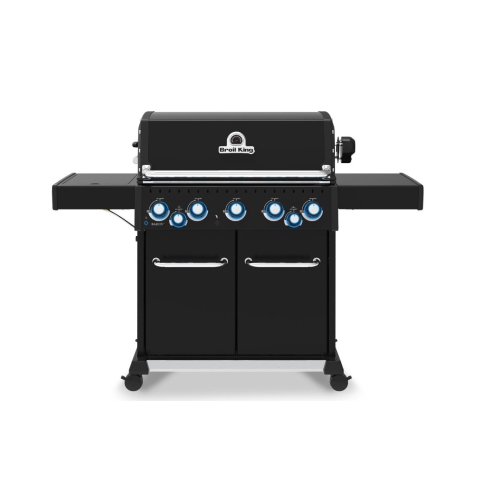 Your price for this item is $2374.99
-
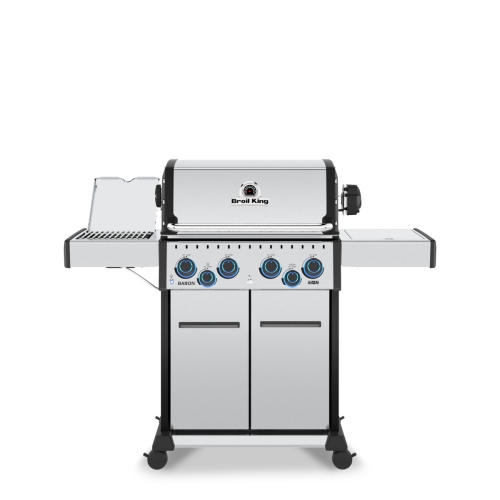 Your price for this item is $1559
-
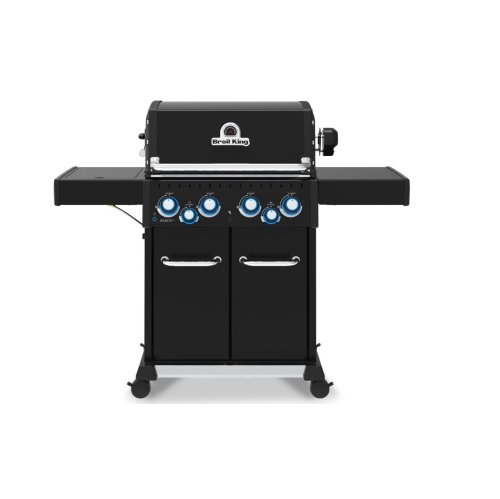 Your price for this item is $1299
-
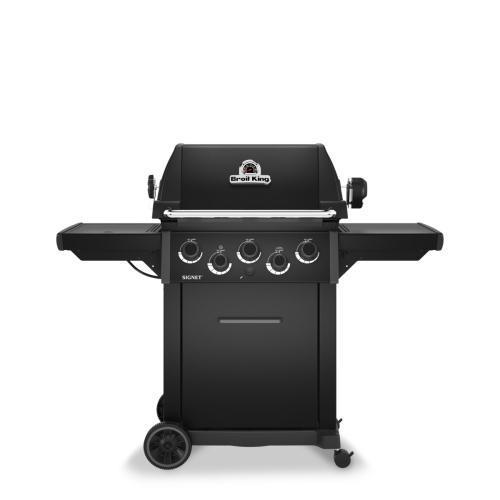 Your price for this item is $959
-
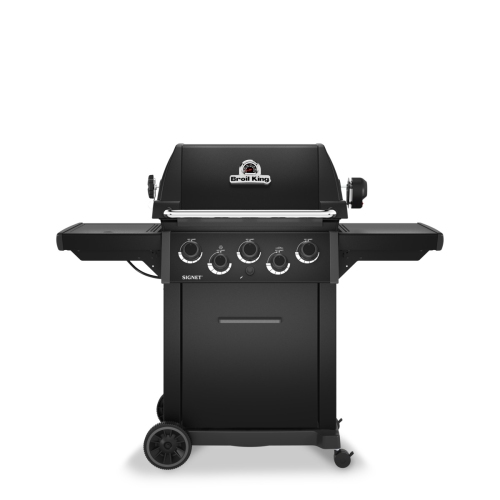 Your price for this item is $899
-
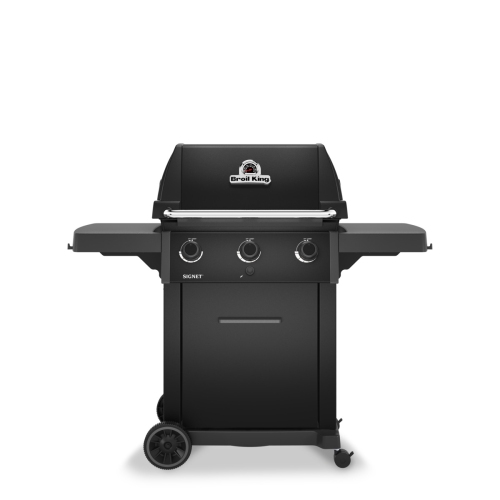 Your price for this item is $699
-
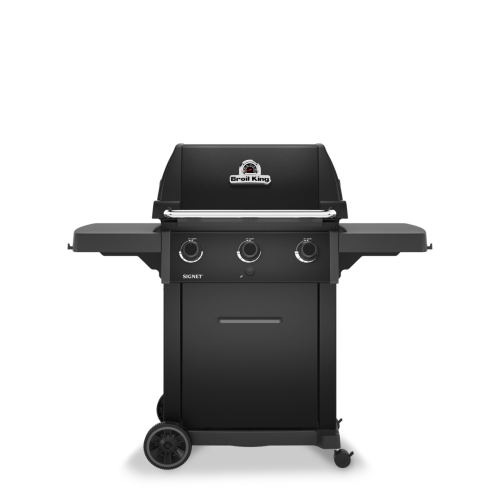 Your price for this item is $759
-
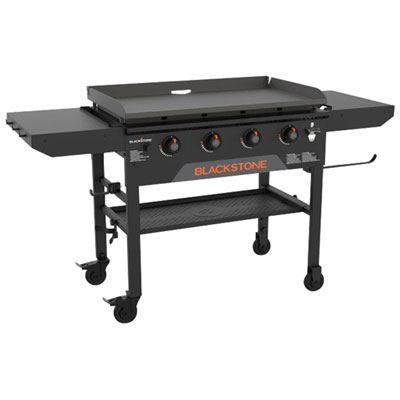 Your price for this item is $599.99
Discover more categories related to Compact Grills for Small Patios


Top Collections:
Best Black Friday Deals This Year, Best Black Friday Deals On Electronics, Kindle Devices, Pokemon Centers, Best Black Friday Deals On Apple Products, Best Cameras for Sports Photography, Dyson Airwrap, Pokémon 30th Celebration Cards, Apple iPhone 17 Pro, Canon G7X Cameras
Some products may be subject to Environmental Handling Fees
(EHF) depending on your province.
Learn more about EHFs.