Coolers for Sale
Coolers for Sale are the perfect solution for keeping your food and drinks chilled during outdoor adventures, road trips, or backyard gatherings. Whether you’re planning a weekend camping trip, hosting a picnic, or heading to the beach, you’ll find a wide variety of coolers designed to suit any occasion. Explore options that make it easy to store and transport refreshments wherever you go. Shop Coolers for Sale to discover the ideal addition to your next outing and enjoy convenience at your fingertips.
Sort






Cooler capacity is only part of the story
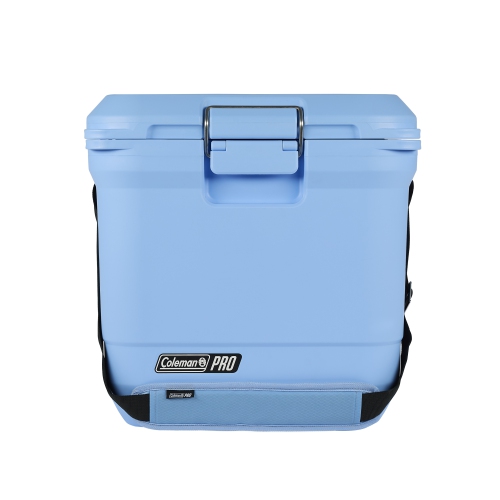
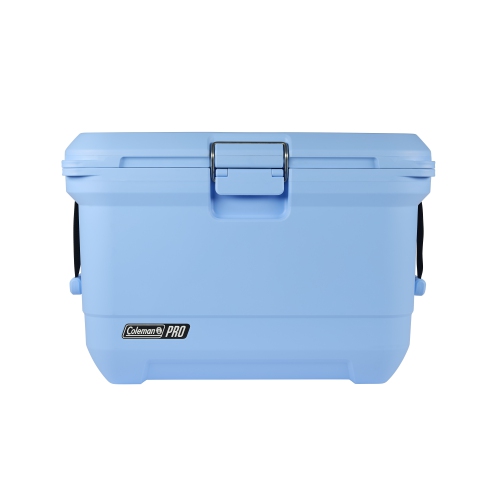
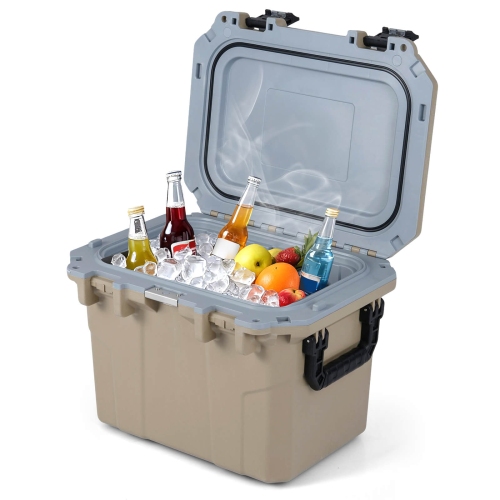
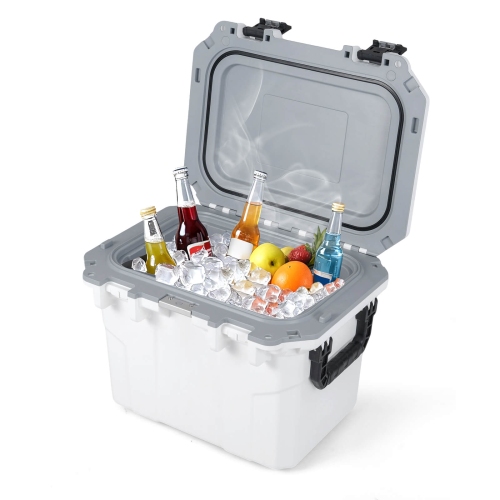
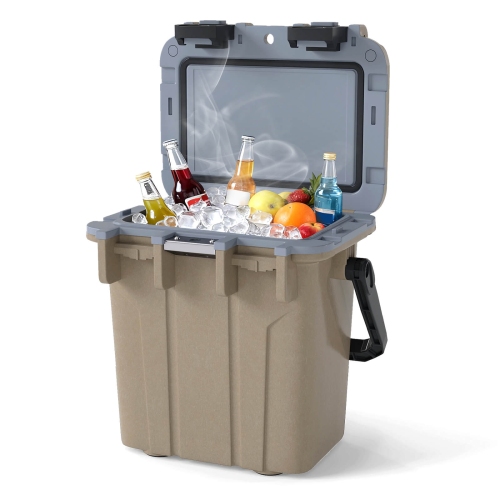
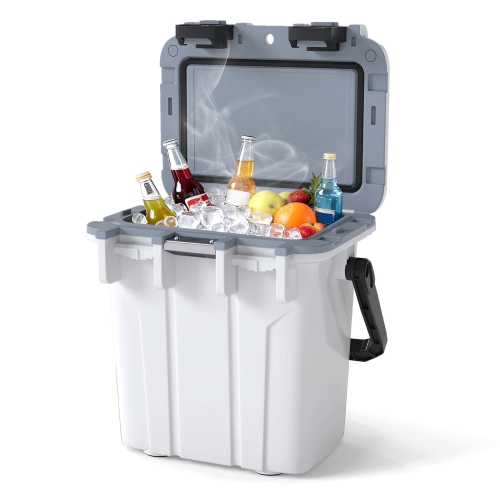
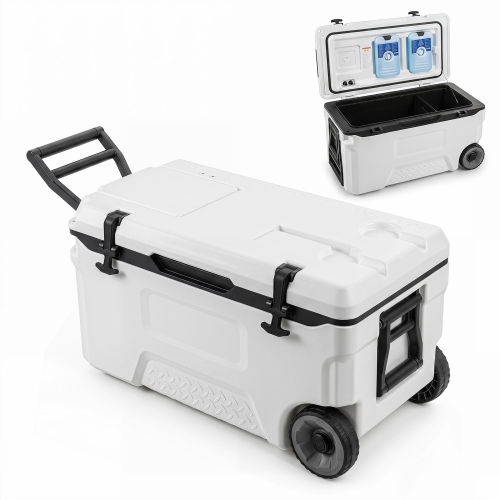
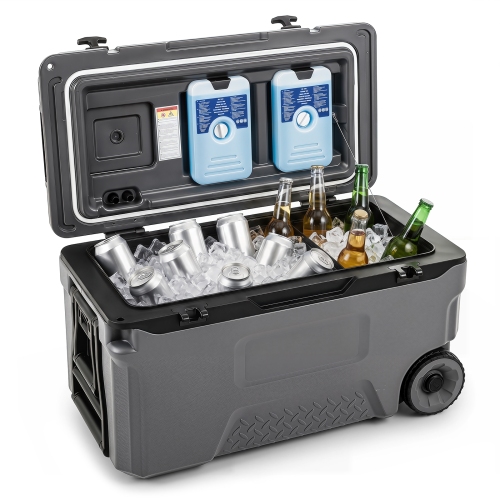
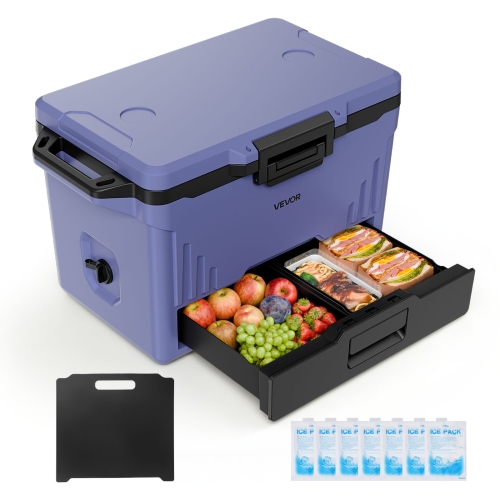
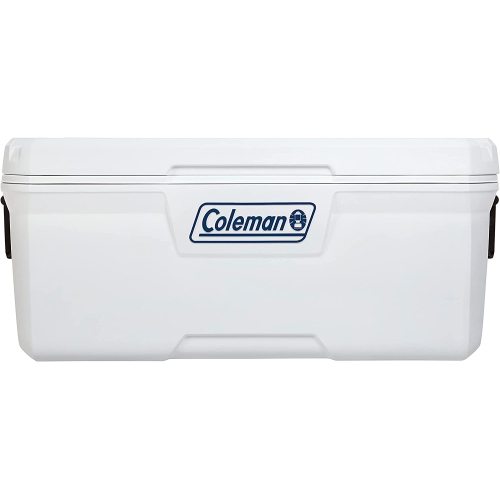
Coolers keep food and drinks together in an insulated space, making them useful for packed lunches, picnics, road trips, camping, and gatherings away from the kitchen. The category includes compact lunch coolers, flexible soft-sided bags, traditional hard-sided ice chests, wheeled designs, and powered coolers that connect to a compatible electrical supply. Each format suits a different routine. A soft cooler can tuck beside a day bag or fit behind a vehicle seat, while a rigid chest provides a more structured interior for containers, bottles, and ice. Hard-sided coolers commonly have plastic shells with insulation between the inner and outer walls. Rotationally moulded construction can provide a sturdy body for repeated transport and handling, although overall performance also depends on insulation, lid design, seals, and how the cooler is used. Soft-sided designs often combine a woven outer fabric with foam insulation and a wipe-clean liner. Reinforced bases help them hold their shape, while padded straps make a packed bag more comfortable to carry. Zipper quality, stitching, and the connection points around handles deserve attention because these areas take repeated strain. Powered coolers serve a different purpose from passive ice chests: compatible compressor designs can actively regulate their interior temperature, while thermoelectric designs generally cool relative to the surrounding air. Electrical requirements, operating limits, and ventilation clearances vary, so the power source matters as much as the storage space. A vehicle connection, household outlet, or separate power supply must match the cooler’s requirements. Across these styles, the intended use gives the clearest context. Someone carrying lunch across a large workplace has different needs from a family packing several meals for a campsite. A cooler can also be a thoughtful gift for a frequent traveller, an enthusiastic picnic planner, or someone who regularly brings refreshments to recreational activities, especially when its size and carrying style suit that person’s habits.
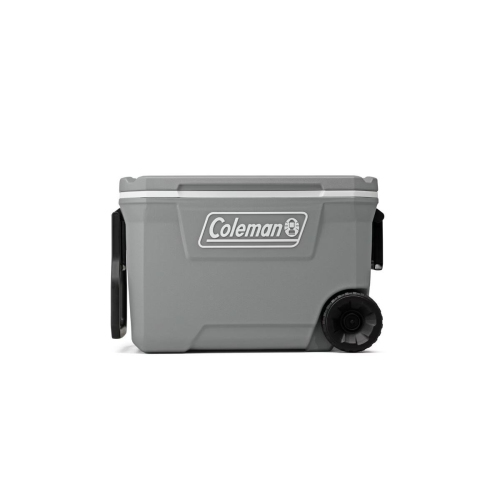
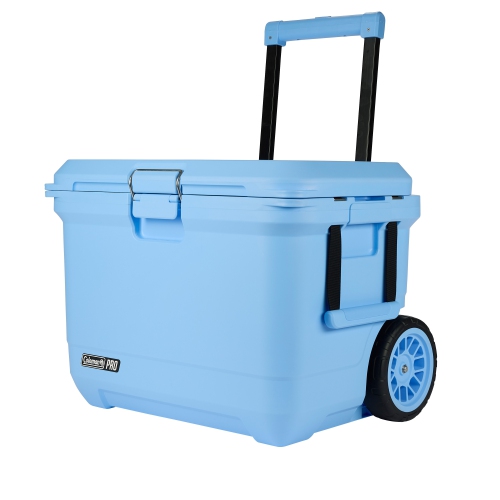
Capacity is most useful when considered alongside the shape of the things going inside. A volume stated in litres describes total interior space, but tall drink bottles, wide food containers, and cooling packs do not fill that space in the same way. Advertised can capacities may use a particular packing arrangement and may not leave the same room for ice, so they are not always a direct comparison between designs. A deeper compartment can accommodate upright bottles, while a broad base may better suit stacked lunch containers or a covered serving dish. Dividers and removable baskets help separate snacks from drinks or keep delicate foods above meltwater. Interior dimensions matter for packing, and exterior dimensions matter for fitting the cooler into a boot, storage cupboard, boat compartment, or other designated space. Thick insulation can make a cooler substantially larger outside than its usable interior suggests. Weight is another practical distinction: an empty chest that feels manageable can become difficult to lift once food, beverages, and ice are added. Two-person handles, a padded shoulder strap, or wheels can change how comfortably that load moves from a vehicle to its destination. Large wheels generally handle uneven ground more easily than small ones, while a telescopic handle needs enough clearance for a comfortable walking position. For households comparing Good Coolers, everyday convenience often comes down to these details rather than capacity alone. A securely closing lid helps during transport, and latches should be straightforward for the intended user to operate. A drain plug can make emptying a larger chest easier without tipping its full weight. Exterior pockets on soft coolers provide separate space for napkins and utensils, though they should not be assumed to offer the same insulation as the main compartment. Removable straps, sturdy feet, and smooth interior corners can all contribute to a cooler that fits comfortably into a regular routine.
Cooling performance depends on more than the thickness of the walls. The starting temperature of the contents, the amount of ice or cooling packs, unused interior space, and how often the lid opens all influence how long a passive cooler keeps its contents cold. Chilled food placed into a cooled interior gives the insulation less work to do than food packed before it has cooled properly. Frozen packs offer a tidy option for lunch bags, while ice can fill gaps around sealed drink containers in a larger chest. Loose ice also creates meltwater, making watertight food containers and a sound interior liner important. A leak-resistant liner is not necessarily leakproof, particularly around zippers or seams, and a cooler should generally remain upright unless its manufacturer specifies otherwise. For perishable food, an appliance thermometer provides a more reliable check than judging the contents by touch; keeping food at 4°C or below supports safe cold storage. Raw meat needs sealed packaging and separation from ready-to-eat foods, even when everything shares the same cooler. Frequent access can be another consideration for gatherings: keeping drinks separate from meal ingredients reduces repeated opening of the food compartment. Care is similarly practical. Food residue and spills are easier to remove before they dry into corners or around seals, and mild soap with a soft cloth is suitable for many interiors when permitted by the care instructions. Abrasive cleaners, harsh chemicals, and machine washing can damage certain liners, coatings, or insulation, so cleaning methods should match the construction. Drain plugs, gaskets, and removable trays need attention as well as the main compartment. Thorough drying before storage helps prevent lingering odours and moisture buildup; storing a clean cooler with the lid slightly open can help when the manufacturer recommends it. Powered designs also need clear vents and appropriate care around electrical connections. With a suitable capacity, comfortable carrying features, and care matched to its materials, a cooler becomes a dependable part of preparing meals and refreshments for time away from home.
Top selling and popular products
-
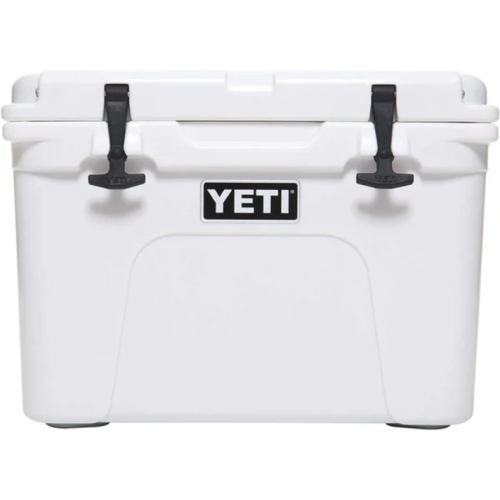 Your price for this item is $388.9
-
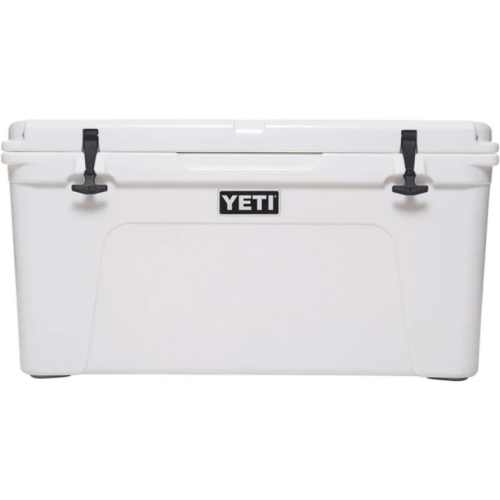 Your price for this item is $618.9
-
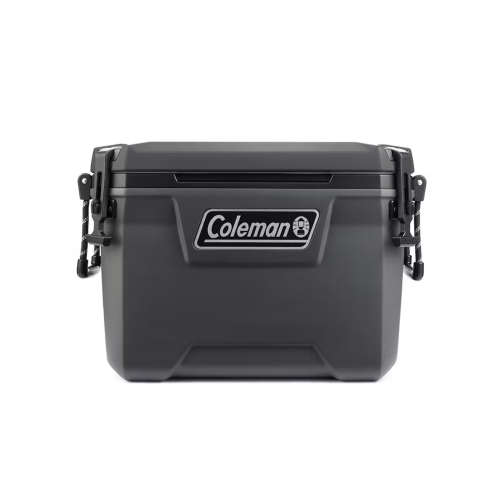 Your price for this item is $249.99
-
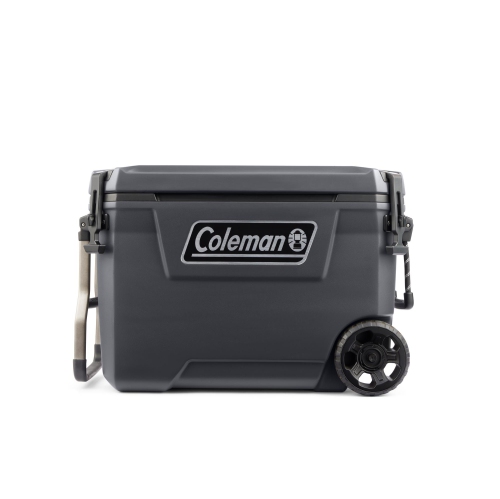 Your price for this item is $379.99
-
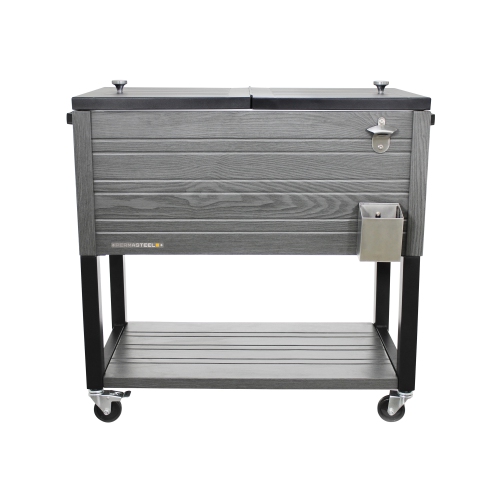 Your price for this item is $379.99
-
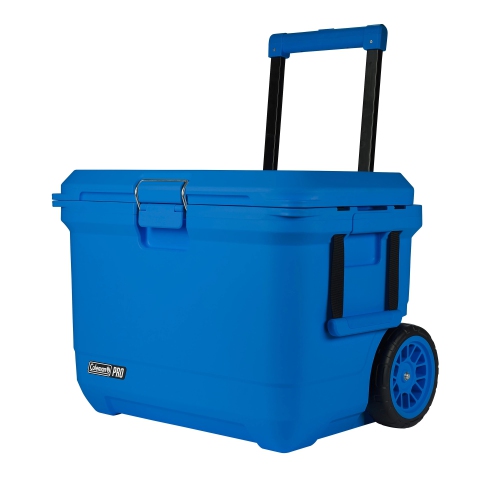 Your price for this item is $374.99
-
 Your price for this item is $374.99
-
 Your price for this item is $202.99
Discover more categories related to Coolers for Sale



Top Collections:
Pokemon Centers, Best Budget Office Chairs, Kindle Devices, Best Cameras for Sports Photography, Best Laptops for Writers, Pokémon 30th Celebration Cards, Laptops for Business Work, Samsung Galaxy Phones, Canon G7X Cameras, Best Cell Phones Under $300
Some products may be subject to Environmental Handling Fees
(EHF) depending on your province.
Learn more about EHFs.