Water Coolers on Sale
Water Coolers on Sale offer an excellent opportunity to upgrade your home, office, or workspace with convenient hydration solutions at unbeatable prices. Whether you're looking to keep your drinks refreshingly cold or simply want an easy way to access water throughout the day, you'll find a wide selection of water coolers available at discounted rates. Explore the latest deals and discover options designed to fit a variety of needs and spaces while enjoying exceptional value on Water Coolers on Sale.
Sort


How water cooler designs fit your daily routine
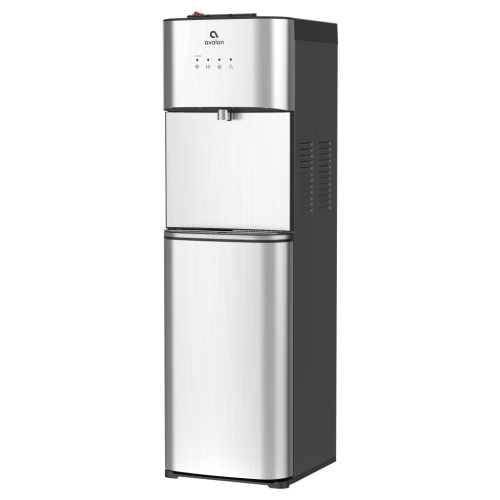
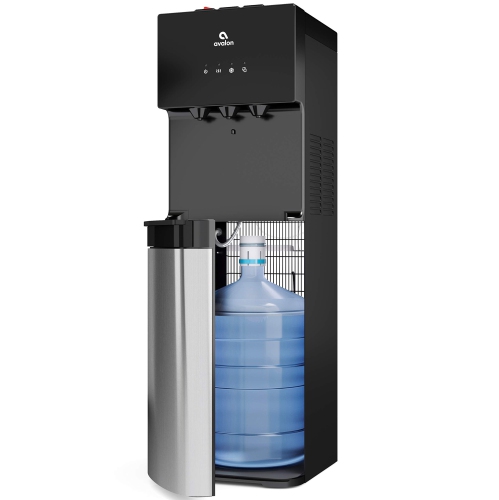
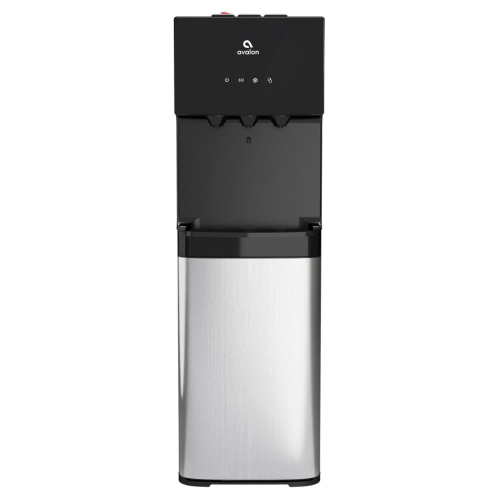
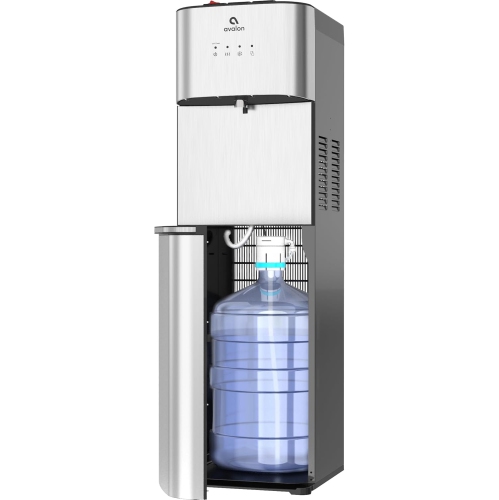
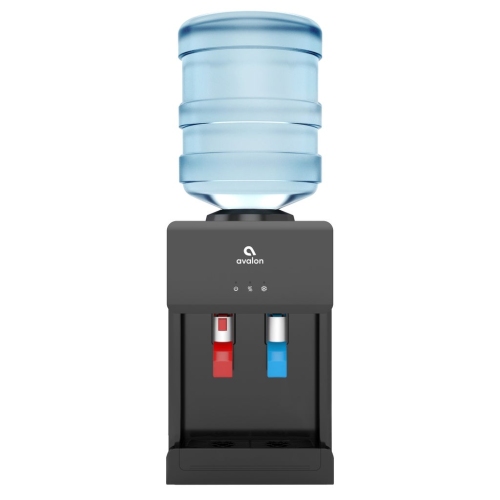
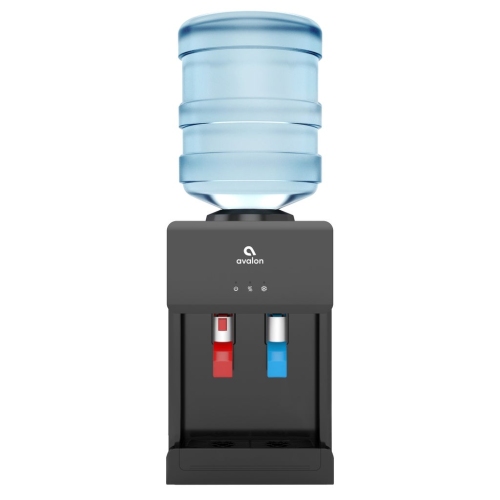
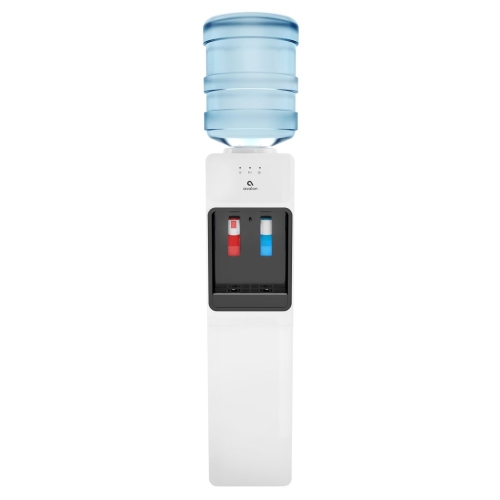
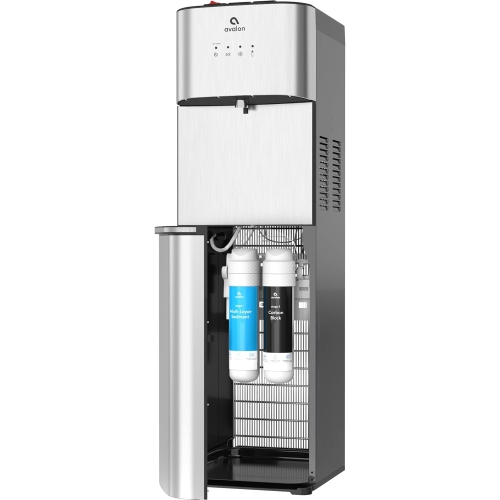
Water coolers provide a convenient place to fill a glass, top up a reusable bottle, or prepare a hot drink at home or in a shared workspace. Depending on the design, a dispenser may offer chilled, room-temperature, or hot water through separate taps or a shared dispensing area. The main differences are how water reaches the unit, where it sits, and how it fits into a daily routine. Top-loading water coolers hold an inverted bottle above the dispenser, making the remaining water level easy to see. Replacing that bottle involves lifting and turning it into position, so bottle weight and loading height matter, especially for anyone with limited strength or mobility. Bottom-loading designs keep the bottle inside a lower compartment and use a pump to move water upward. They reduce the need to lift a full bottle to shoulder height, although the bottle still needs to be moved into the cabinet and connected correctly. Bottleless water dispensers connect to a suitable water supply rather than relying on replacement jugs. These designs have their own installation requirements, and filtration capabilities depend on the particular system and filter. A dispenser should not be assumed to purify water simply because it heats or chills it. Freestanding water coolers can create a dedicated drink station beside a kitchen cabinet or in an office lunchroom, while countertop versions leave the floor clear but occupy usable counter space. The right arrangement depends on more than the size of the appliance itself: there also needs to be room to replace bottles, reach the controls, remove the drip tray, and open any lower door. In a household, convenient access can make filling water bottles before school or work a straightforward part of the day. In a shared office or reception area, an accessible dispenser gives several people a place to get drinking water without crowding the kitchen sink.
Everyday usability often comes down to details that are easy to overlook until a cooler is in regular use. Dispensing clearance affects whether a tall bottle fits upright beneath the spout or needs to be tilted, while the depth of the recessed area determines how comfortably a wide mug sits above the drip tray. Push buttons, paddles, and lever taps each have a different feel, particularly when someone is holding a bottle in one hand. Controls with clear markings help distinguish hot water from cold, and a child-resistant hot-water control adds a safeguard in spaces used by families. That feature does not replace supervision, and the dispenser still needs to be positioned where children cannot easily activate hot water or pull on its cord. Heating and cooling capacity also shape how well a unit suits its intended use. A cooler serving a few people throughout the day has a different workload from one used by several colleagues during the same short break. Reservoir capacity and recovery time influence how much chilled or heated water can be dispensed before the system needs time to catch up. Hot-water output is not necessarily boiling water, so drinks and food preparation that require a particular temperature may still call for a kettle or another appliance. Compressor and pump sounds can be noticeable in a quiet room, making placement relevant near desks or seating areas. Materials contribute to both appearance and upkeep: stainless steel panels can suit kitchens with metal appliance finishes, while moulded plastic housings are often straightforward to wipe clean. Fingerprints, textured surfaces, seams, and recessed controls affect the effort involved in keeping the exterior tidy. A stable base, firmly attached taps, and accessible service areas are useful considerations for a dispenser that will be handled repeatedly. Ventilation clearances specified by the manufacturer also matter; a cooler needs an appropriate location, not simply an empty gap between cabinets.
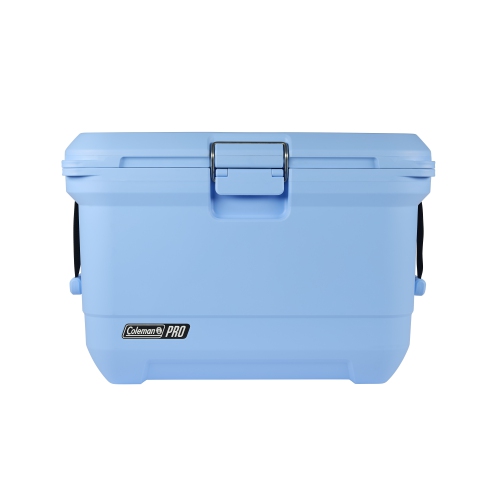
Care requirements are part of living with a water cooler, whether it serves a busy household, a small staff room, or a guest area. Drip trays catch splashes from everyday filling, but they are not drains and need to be emptied and washed regularly. Removable trays make this task easier, especially where tea drips or mineral deposits collect around the dispensing area. The taps, bottle connection, and internal water-contact surfaces also require attention according to the manufacturer’s cleaning and sanitizing instructions. A self-cleaning function, where included, may assist with part of that process, but it does not necessarily clean every surface or replace routine washing. For bottled systems, clean hands and a clean bottle neck help keep the loading process hygienic; the dispenser’s bottle-size and cap requirements should match the bottles being used. Spare bottles need a suitable storage spot away from direct sunlight and household chemicals, with enough room to move them without blocking a walkway. For plumbed-in systems with filters, replacement schedules and compatible filter specifications are ongoing considerations. Filter life can depend on usage and water conditions, and different filtration systems address different substances. Any claims about contaminant reduction need to be supported by the system’s stated performance or certification rather than inferred from taste alone. Long-term practicality also includes access to replacement parts, clear maintenance instructions, and a layout that allows cleaning without awkward reaching. A dispenser used by guests benefits from obvious controls and a tidy place for cups, while a household bottle-filling station works best with room to set down lids and carry bottles away without spilling. Water dispensers serve a different purpose from the portable insulated containers found under Coolers for Sale, which hold food and drinks rather than dispense water from a reservoir or connected supply. For an indoor drinking-water station, the most useful features are those that fit the space, the people using it, and the cleaning routine that can be maintained over time.
Top selling and popular products
-
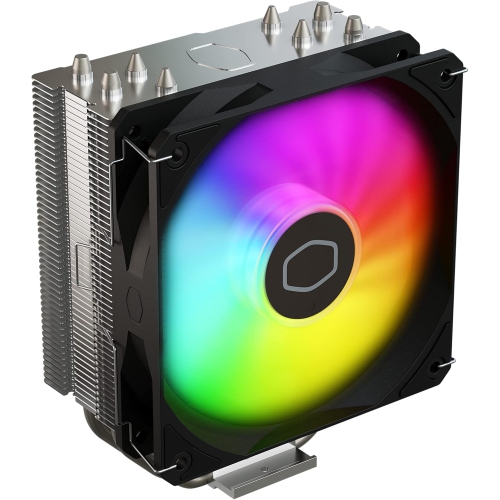 Your price for this item is $29.27
-
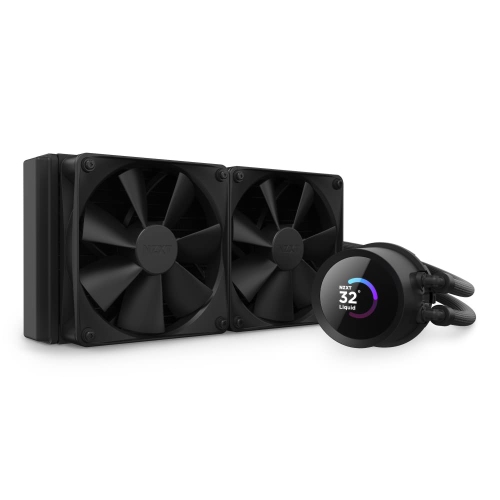 Your price for this item is $346.68
-
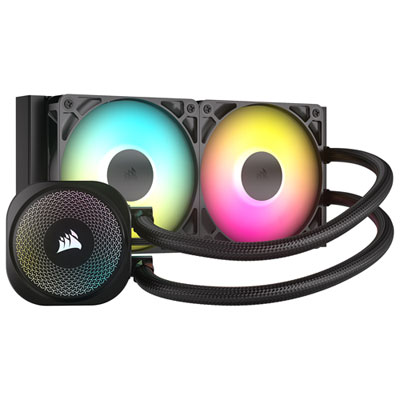 Your price for this item is $114.95
-
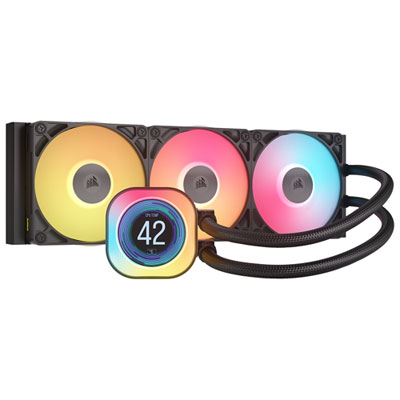 Your price for this item is $244.99
-
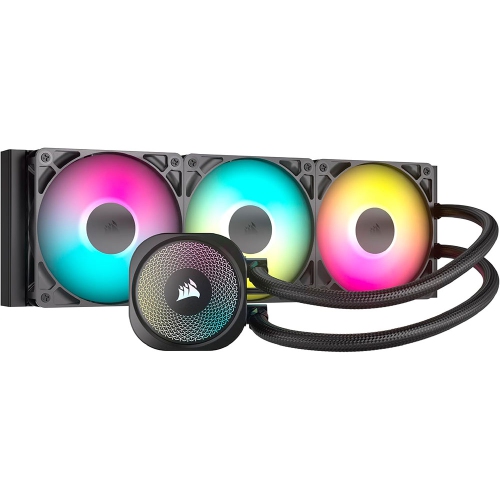 Your price for this item is $179
-
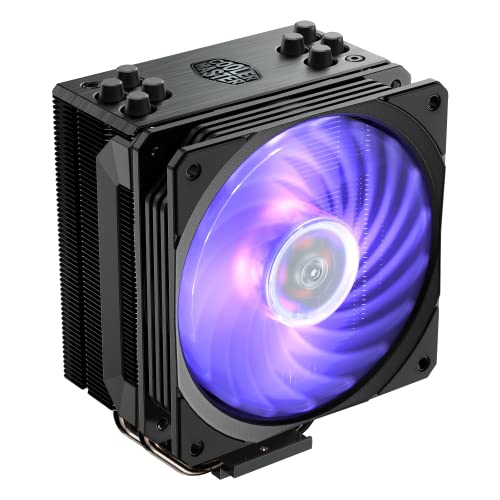 Your price for this item is $60.68
-
 Your price for this item is $189.99
-
 Your price for this item is $258.49
Discover more categories related to Water Coolers on Sale
Top Collections:
Best Black Friday Deals This Year, Best Black Friday Deals On Electronics, Kindle Devices, Dyson Airwrap, Best Cameras for Sports Photography, Best Budget Office Chairs, Canon G7X Cameras, PS5 Pro Consoles, Best Black Friday Deals On Apple Products, XBOX One S Consoles
Some products may be subject to Environmental Handling Fees
(EHF) depending on your province.
Learn more about EHFs.