Cycling Helmets for Adults
Protect your noggin with our wide selection of cycling helmets for adults. Whether you're a seasoned cyclist or just starting out, wearing a helmet is essential for ensuring your safety on the road. At Best Buy, we offer a range of adult cycling helmets designed to provide optimal protection and comfort. With various styles, sizes, and features available, you'll find the perfect helmet to suit your needs and help you ride with confidence. Stay safe and stylish with our collection of adult cycling helmets.
Sort
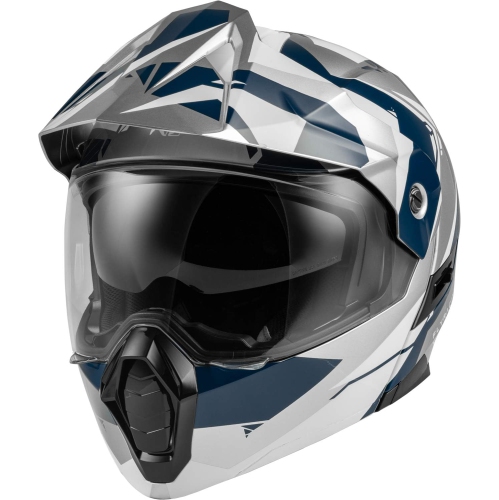
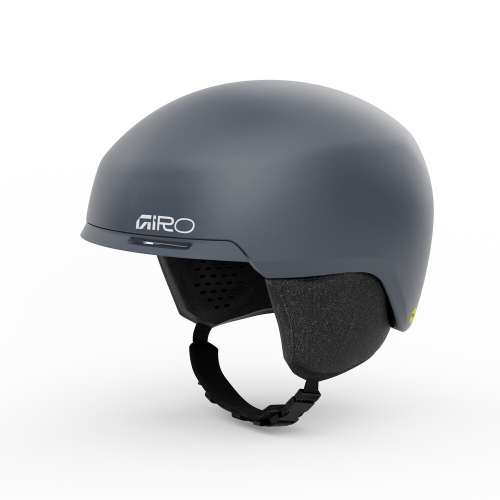
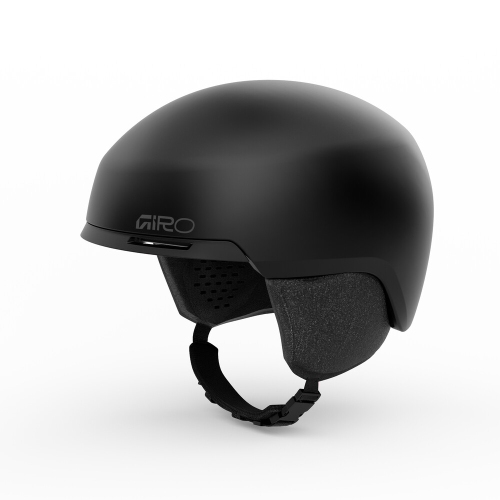
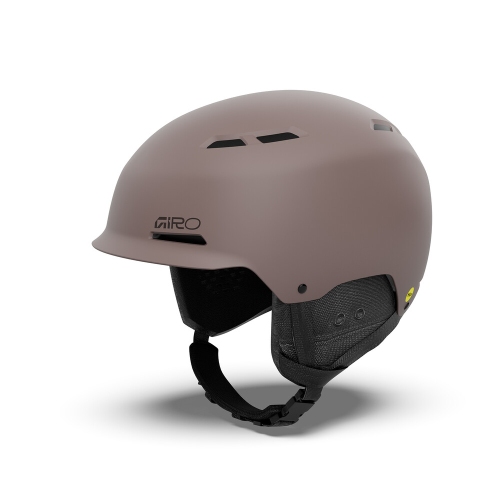
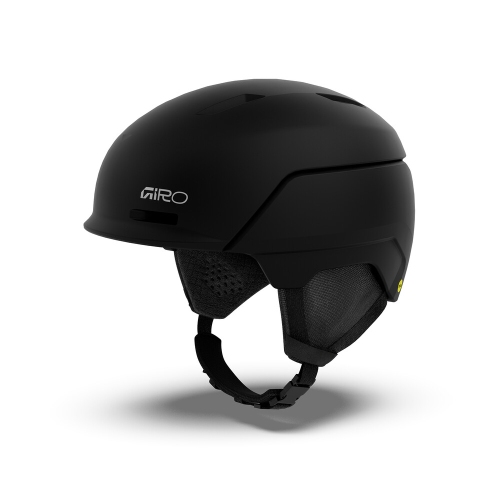
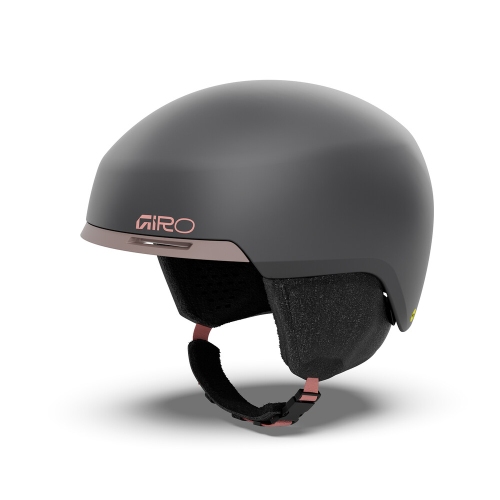
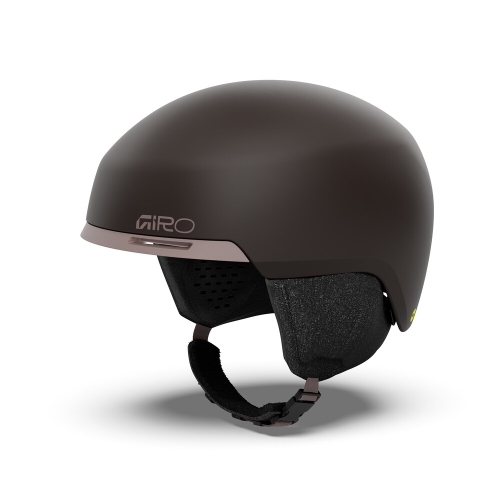
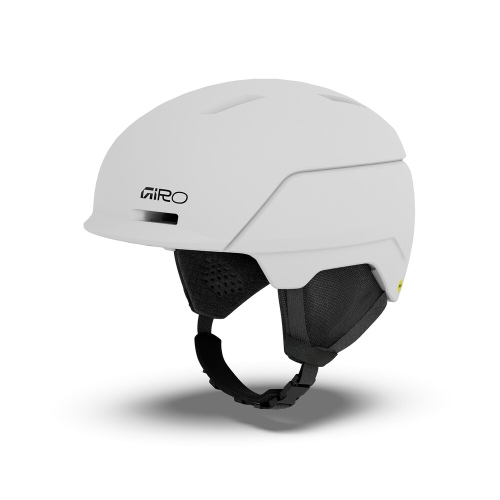
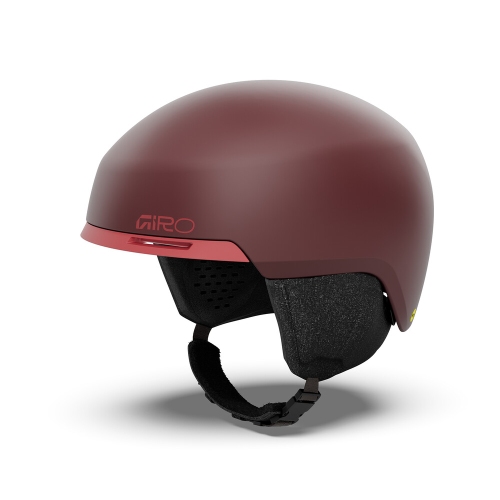

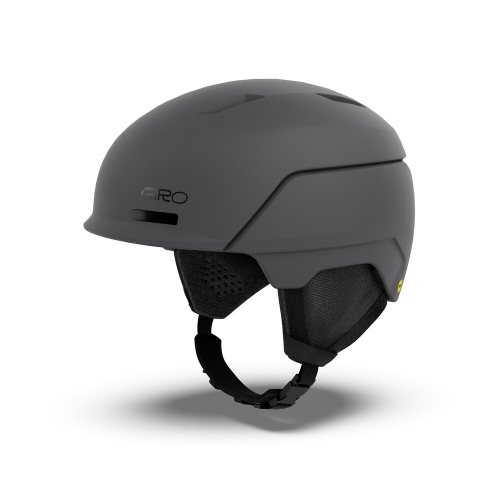
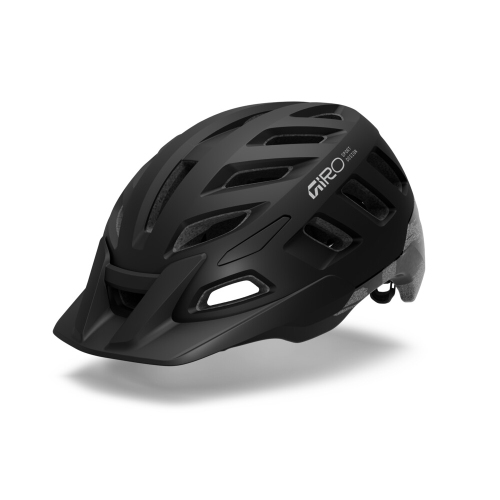
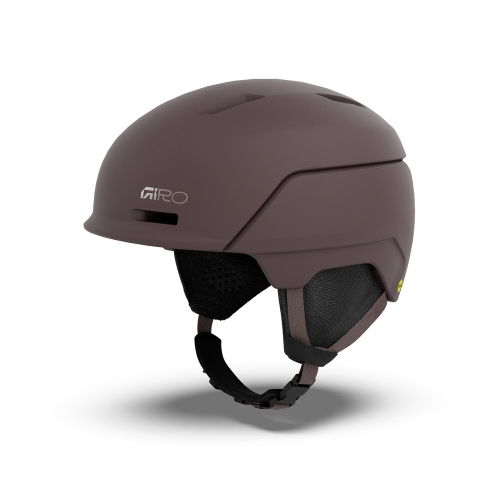
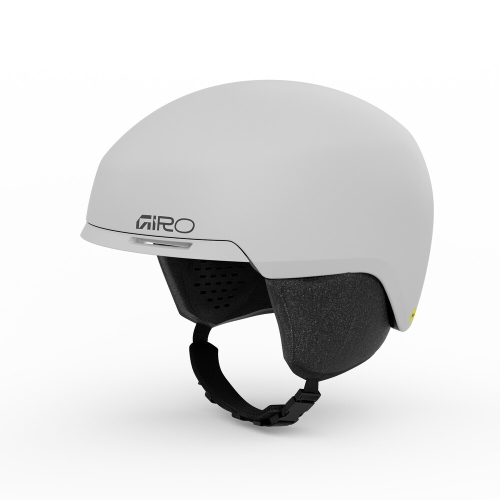
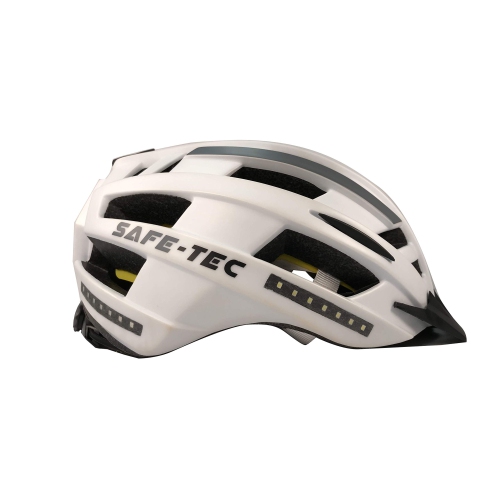
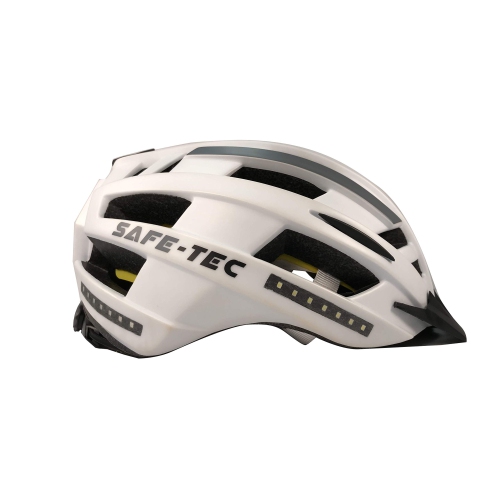


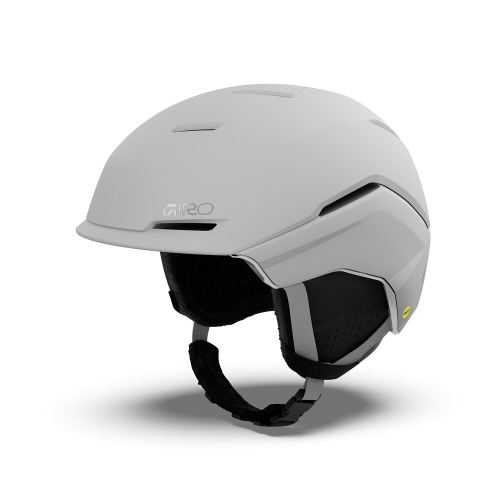
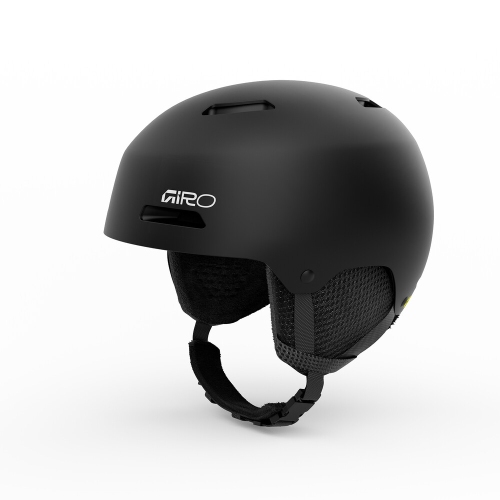
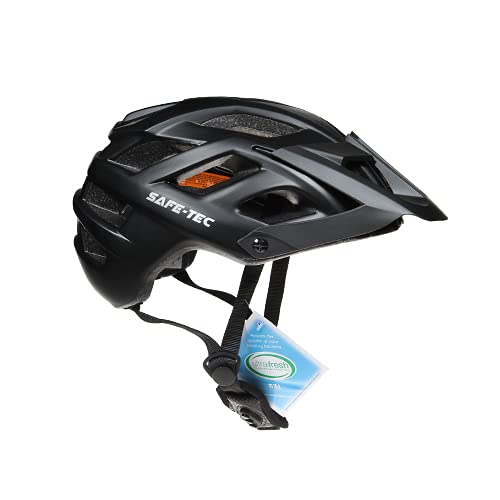
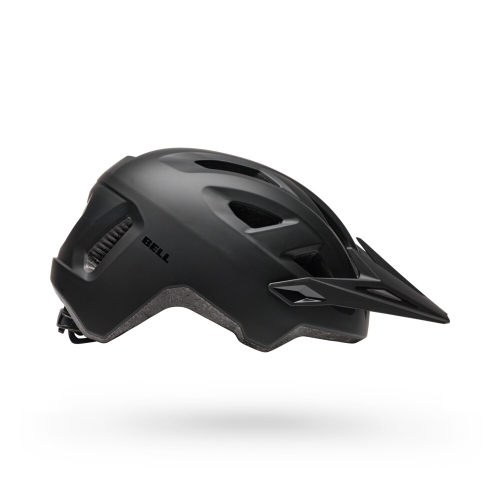
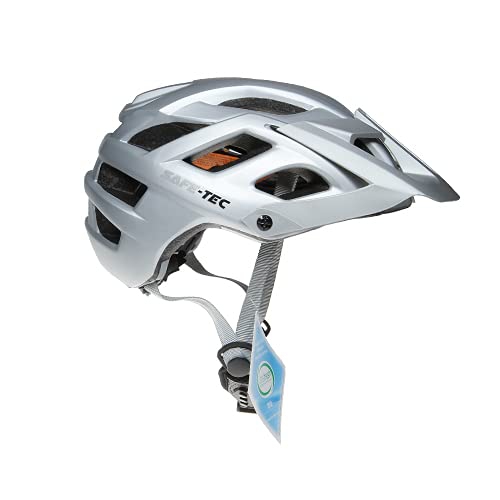

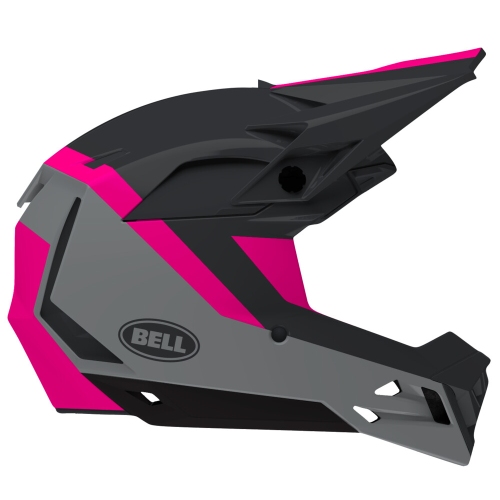
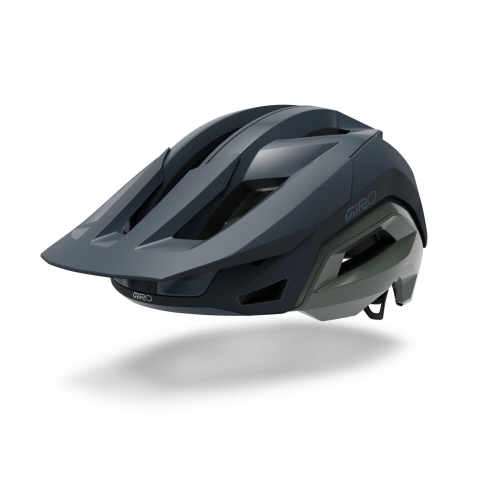
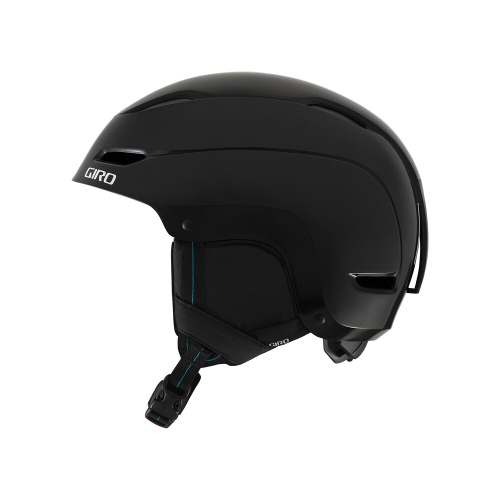
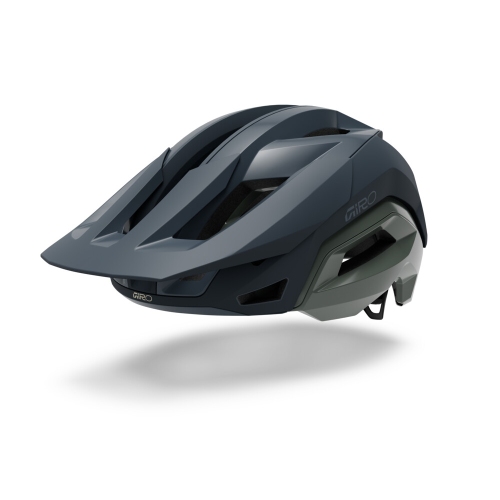
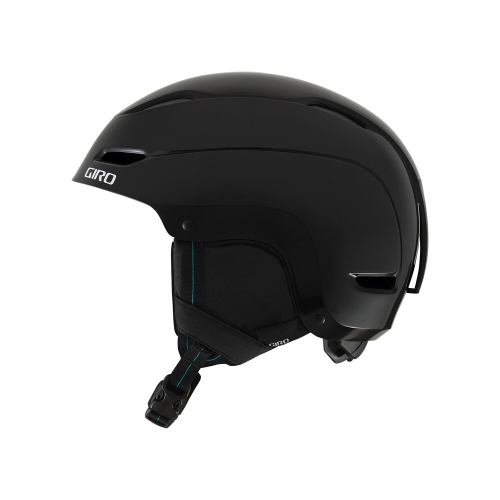
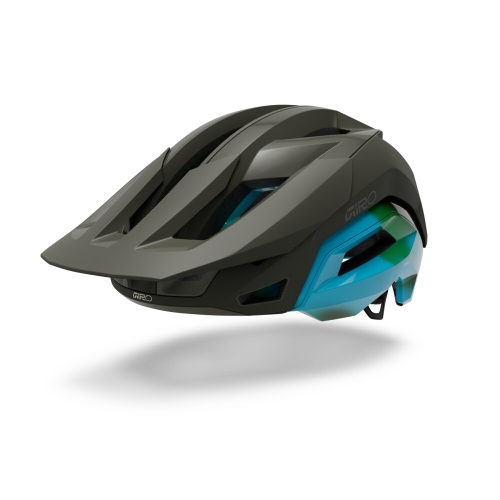
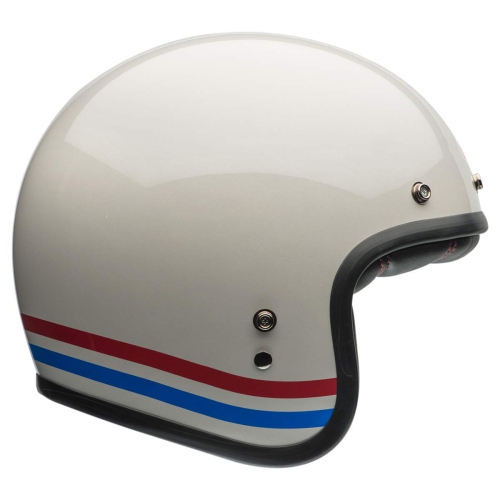
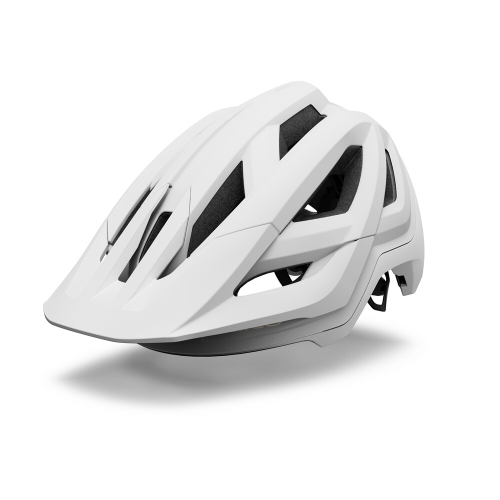
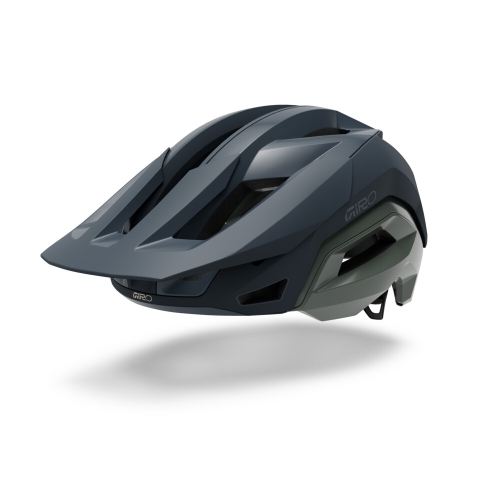
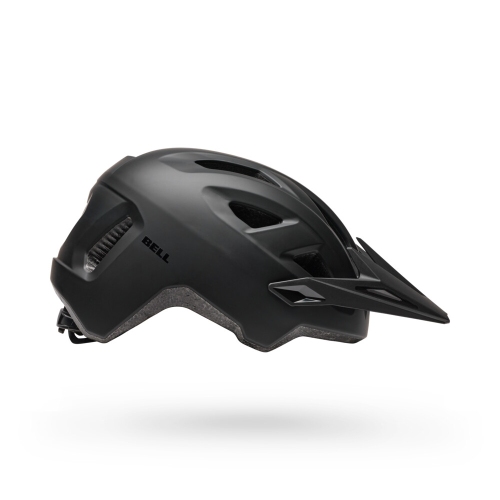
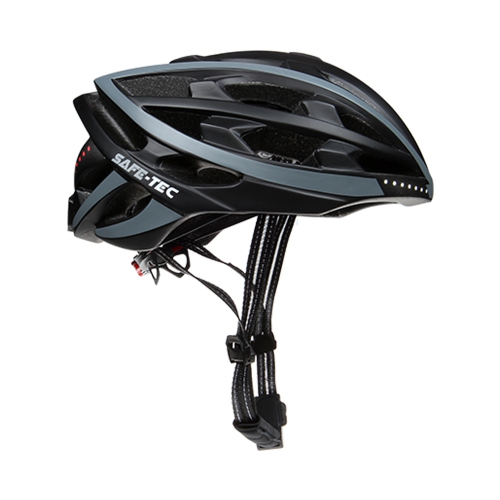
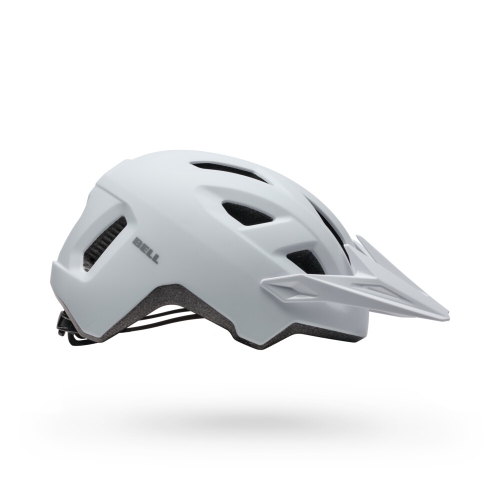
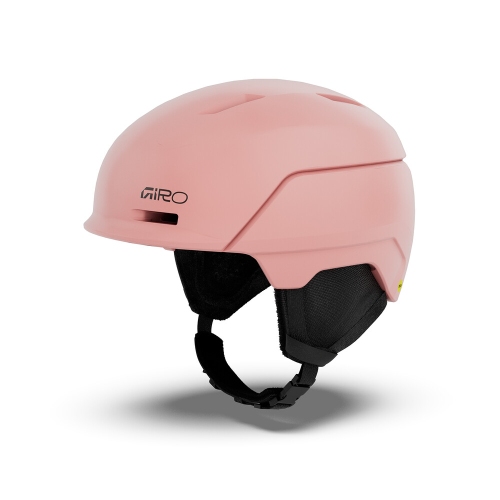
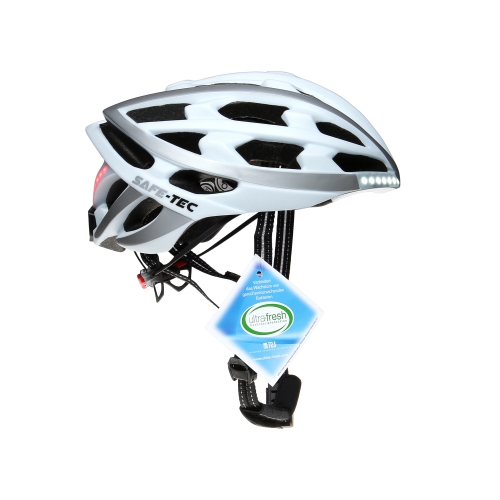
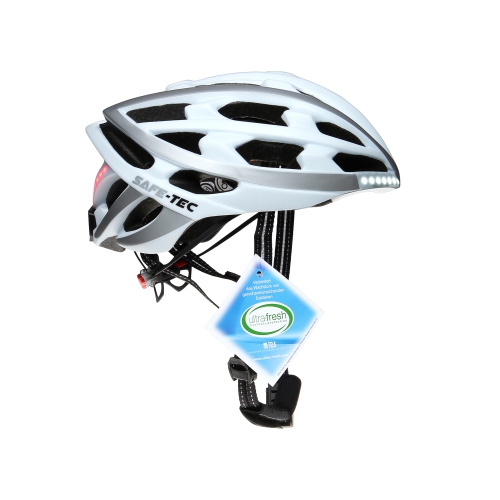
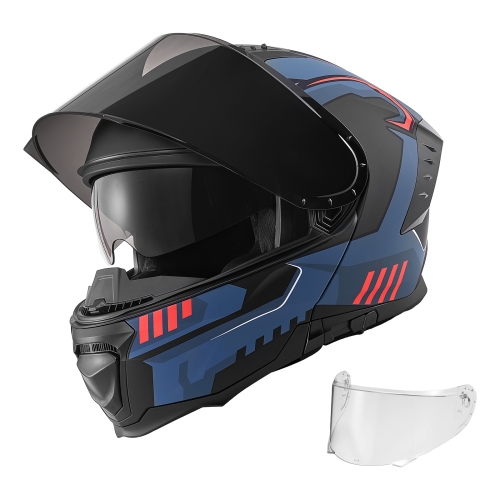
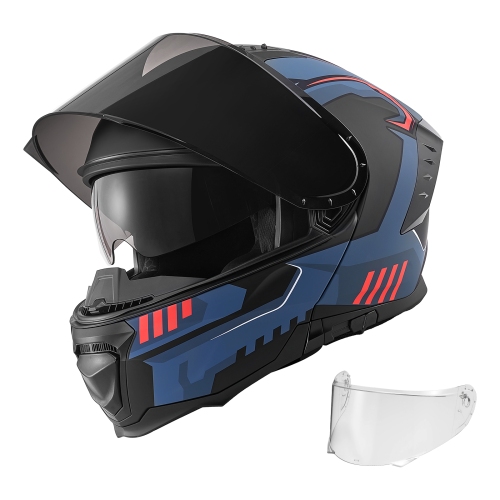
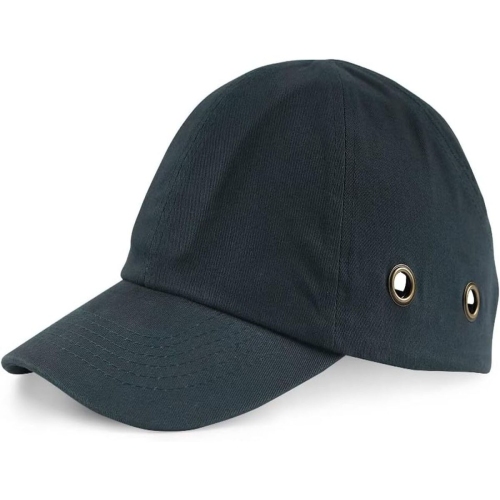
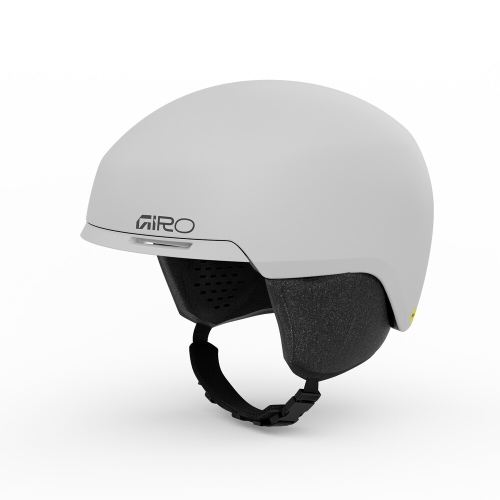
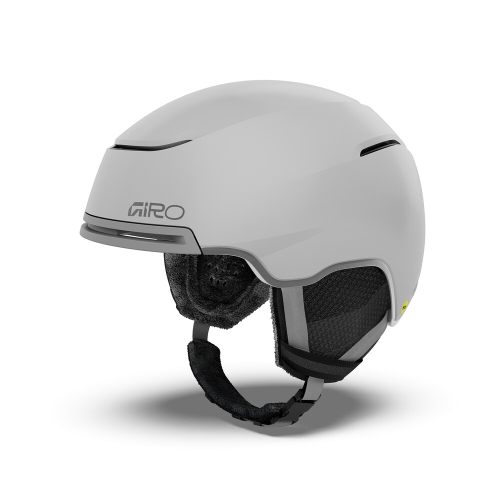
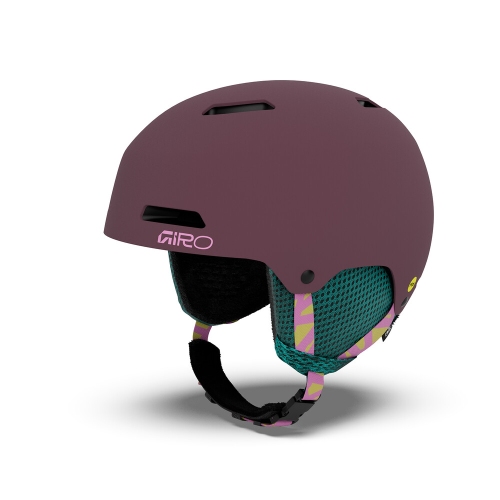
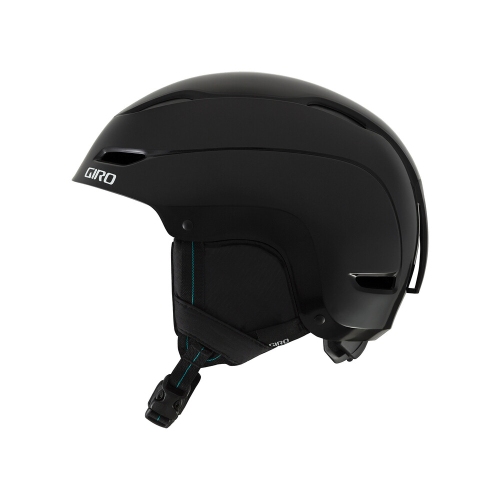
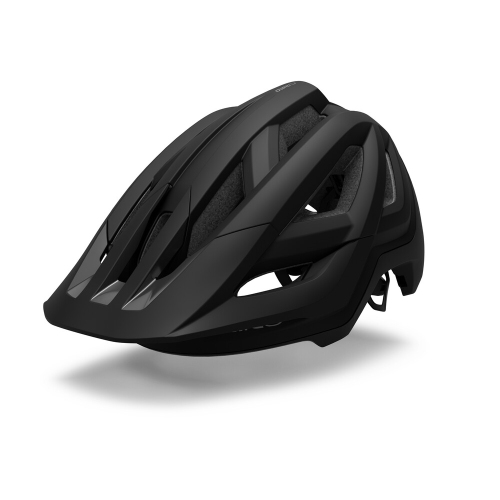
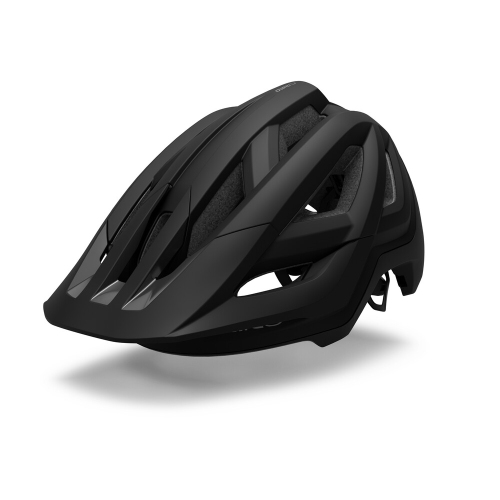
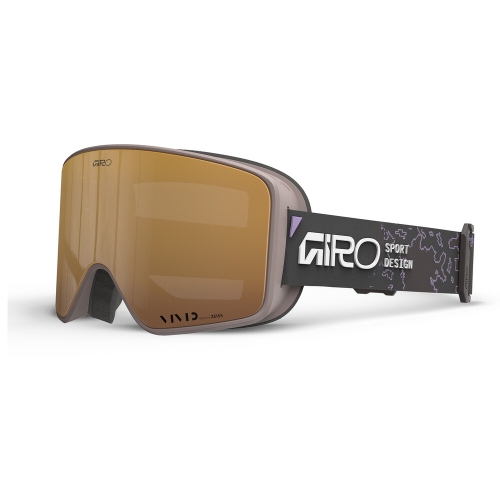
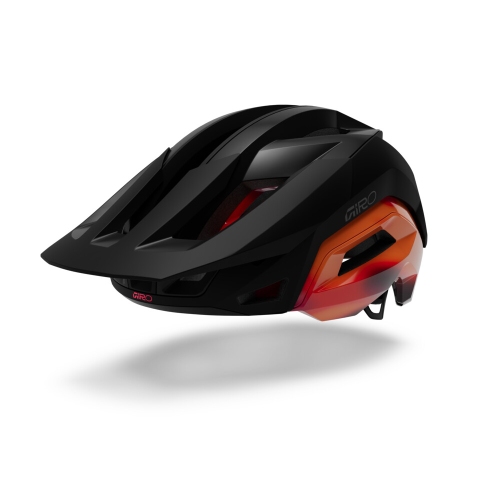
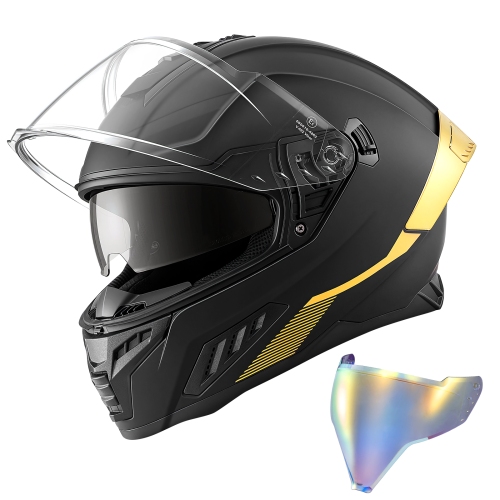
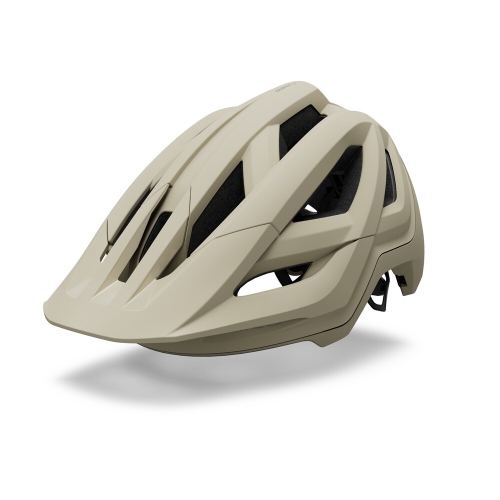
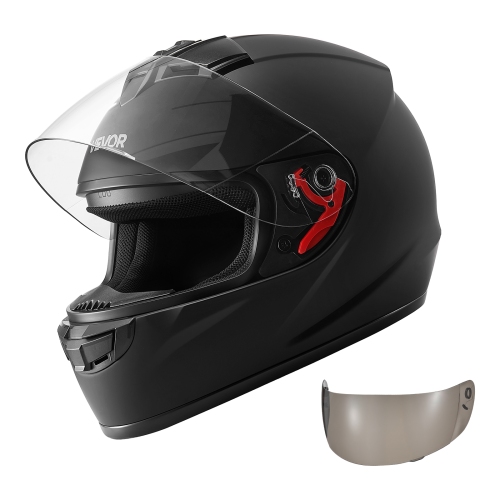
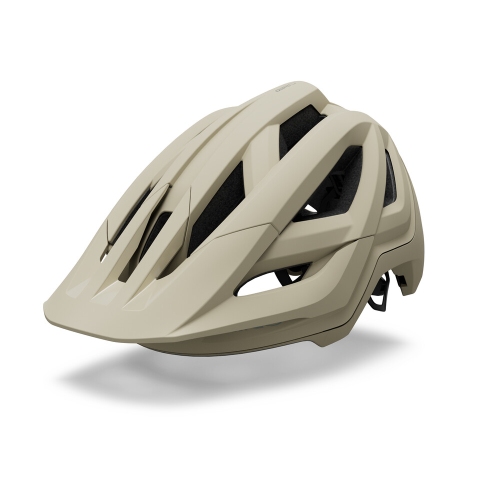
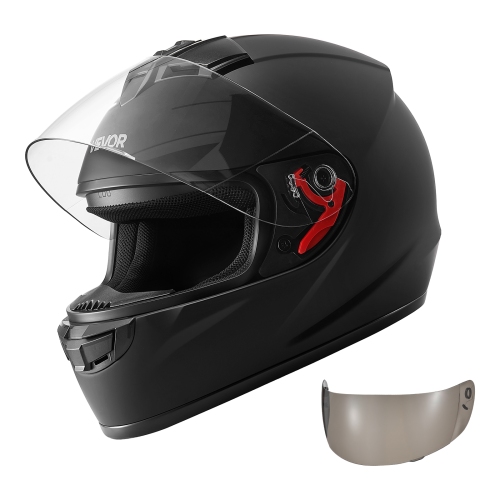
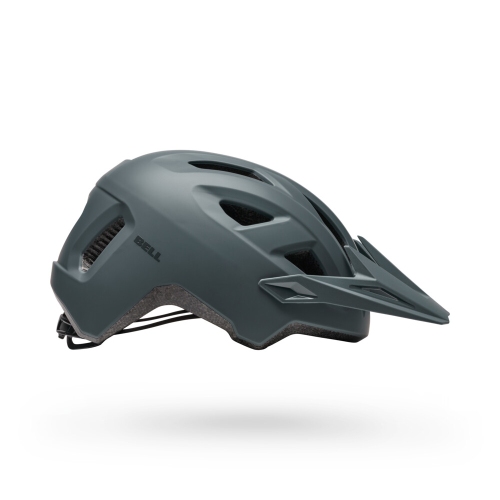
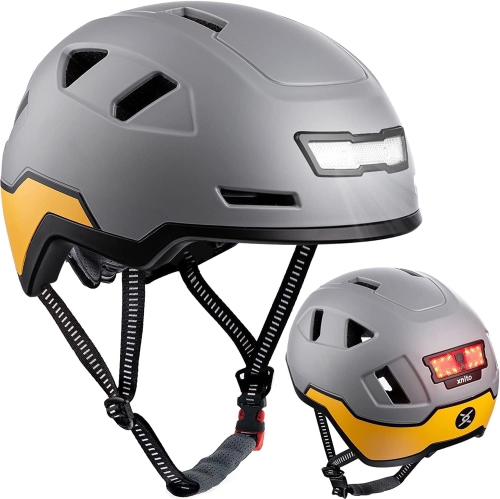
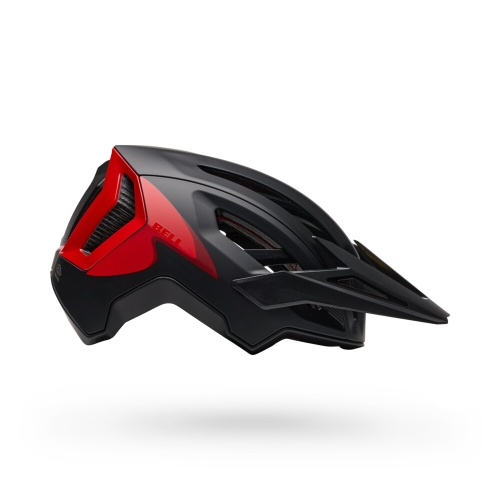
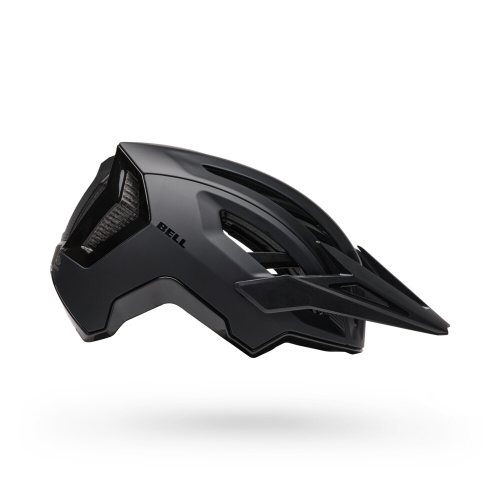




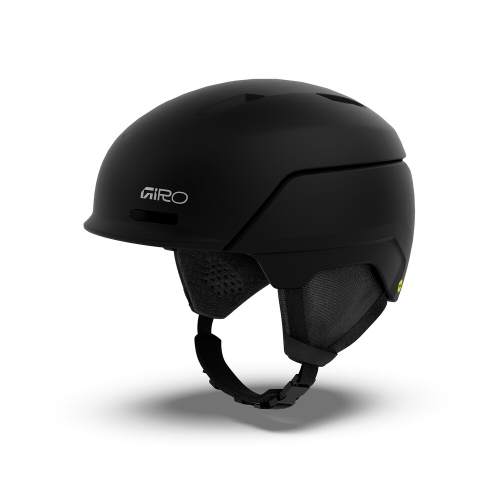
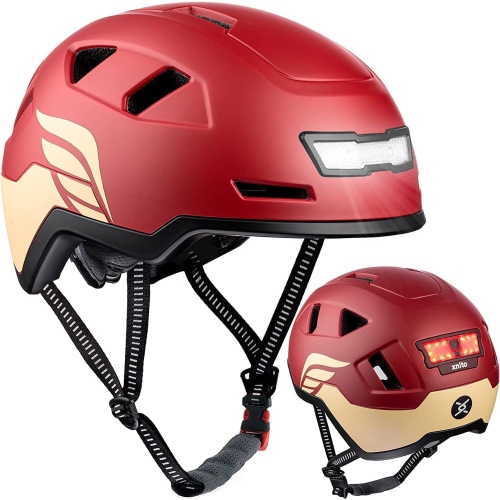
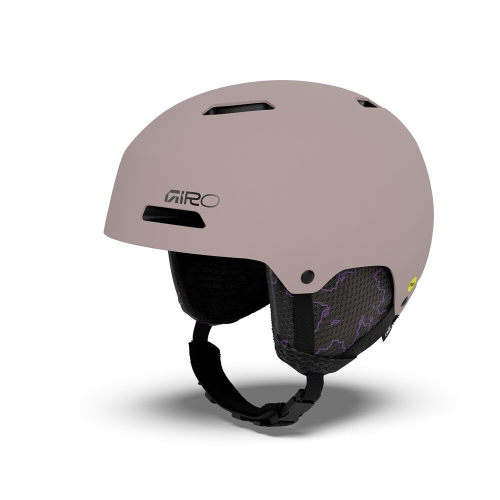
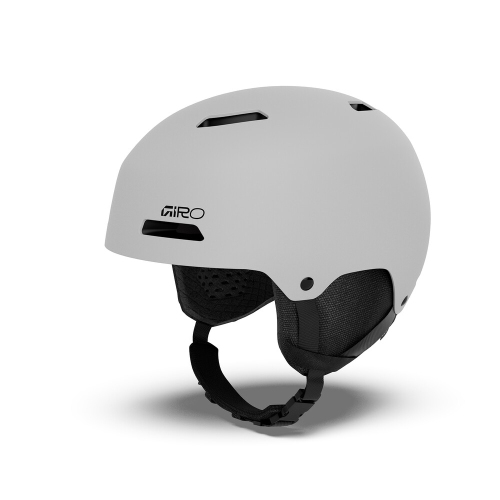
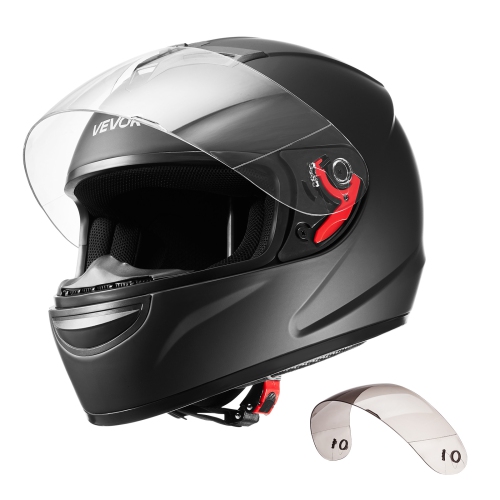
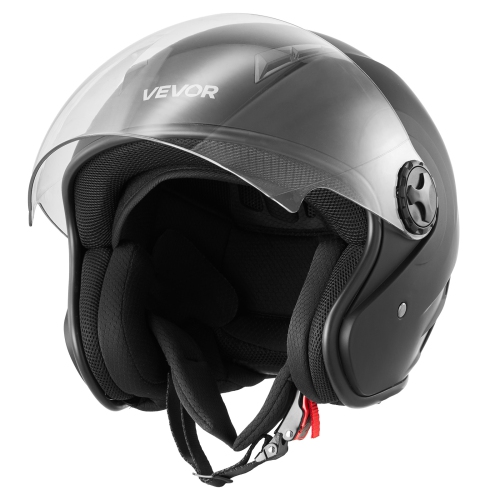
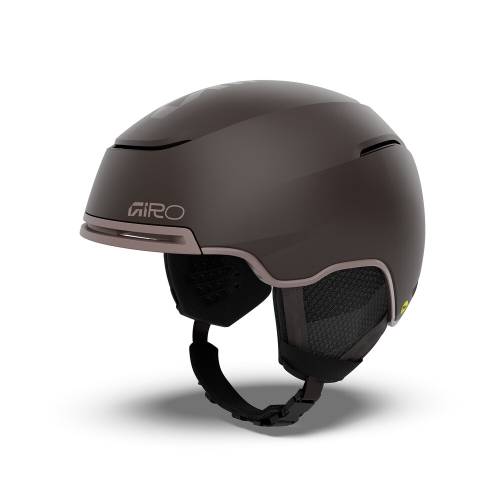
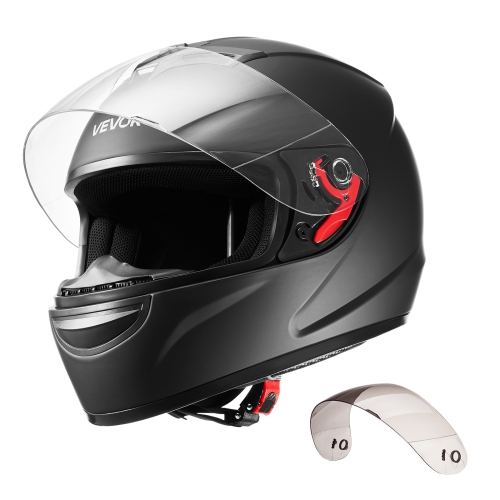
Why helmet fit matters from commutes to trails
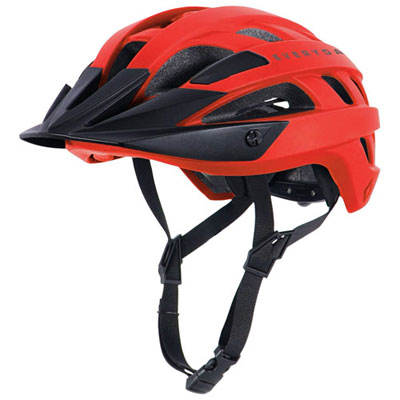
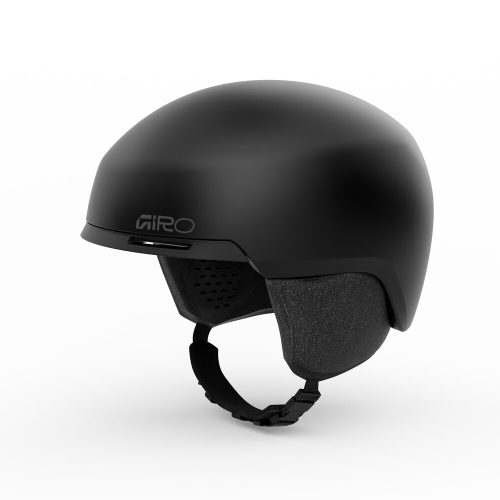
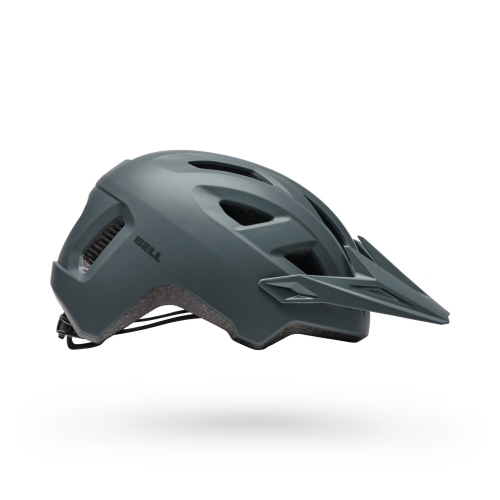
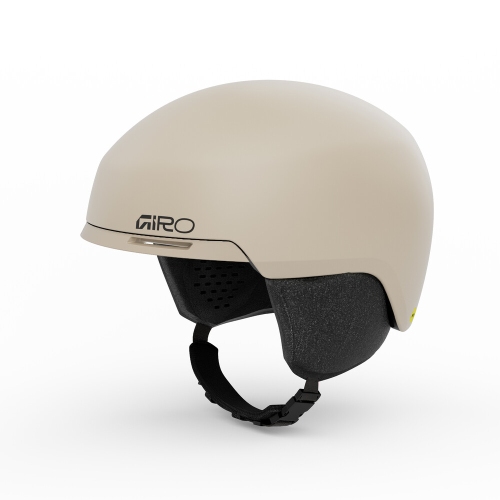
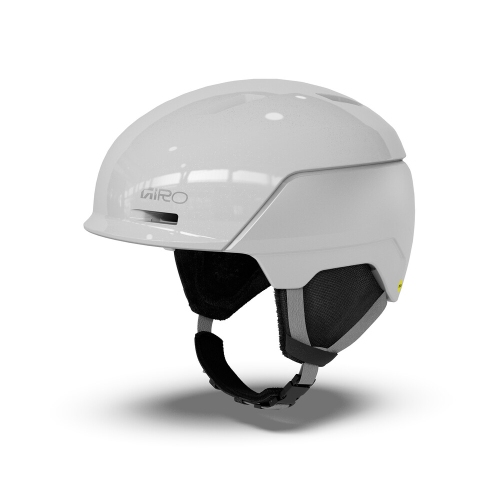
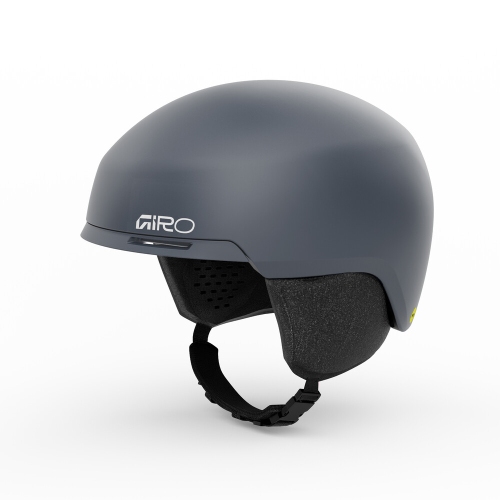
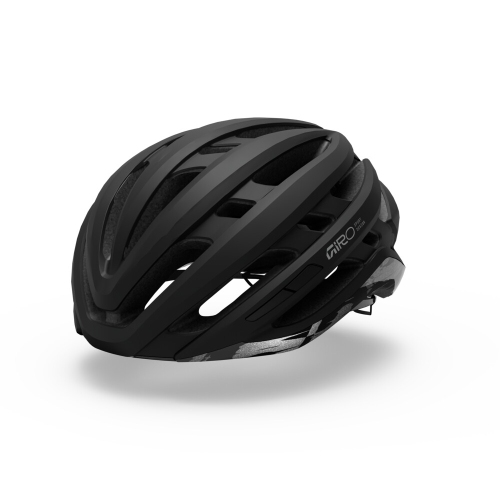
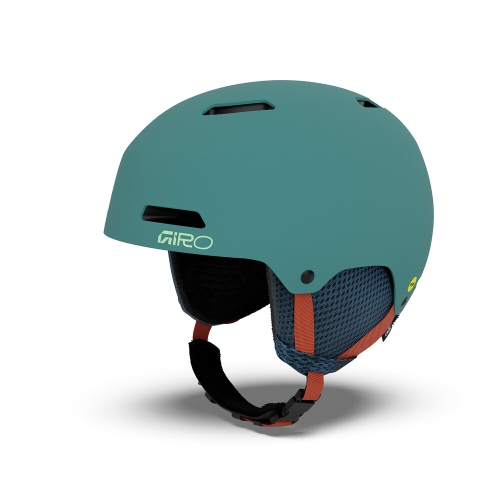
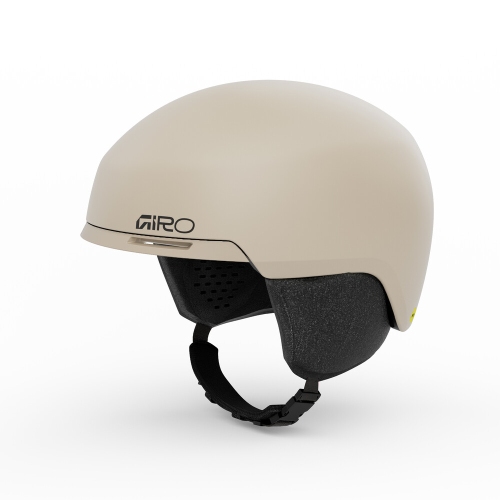
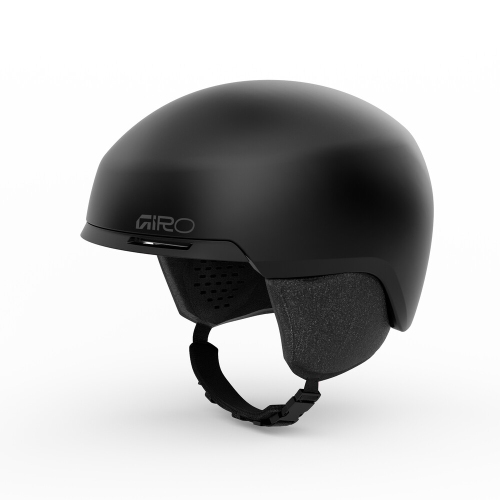
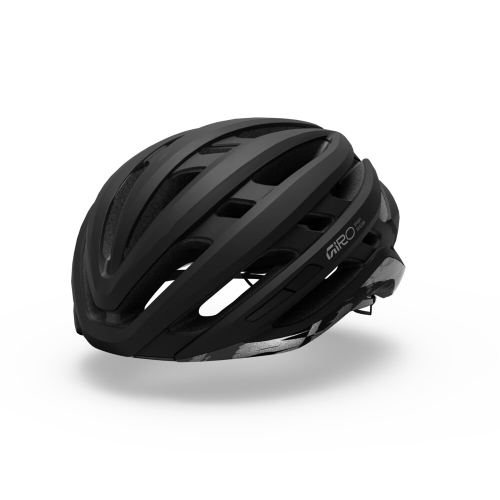
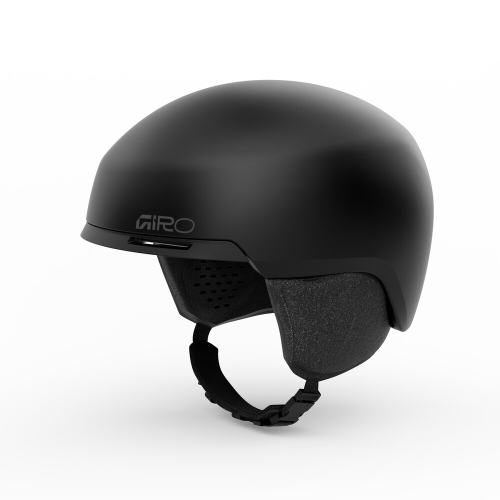
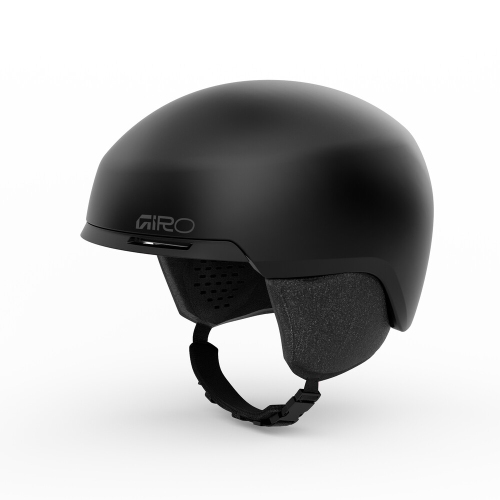
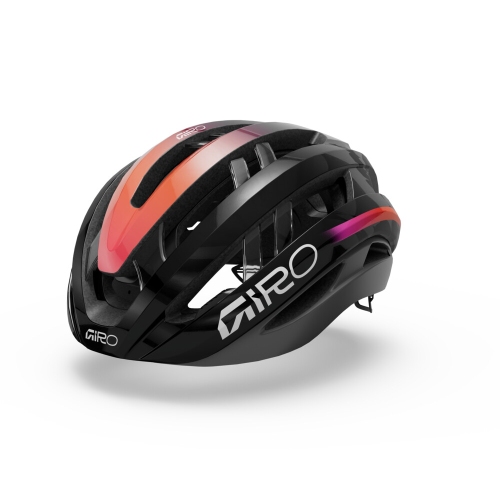
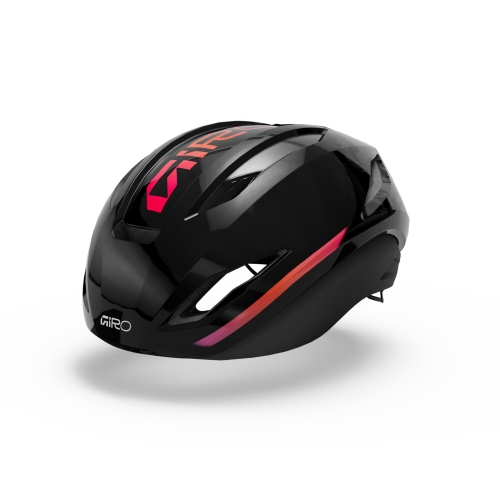
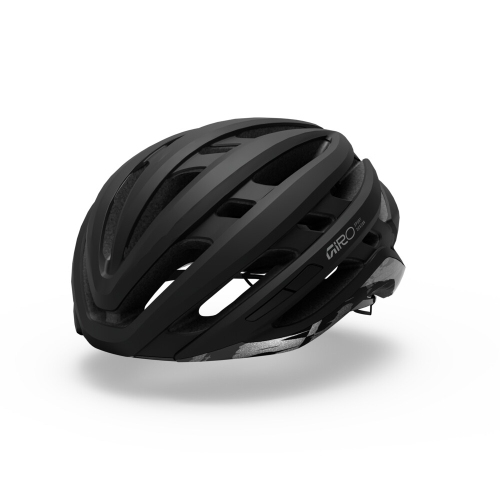
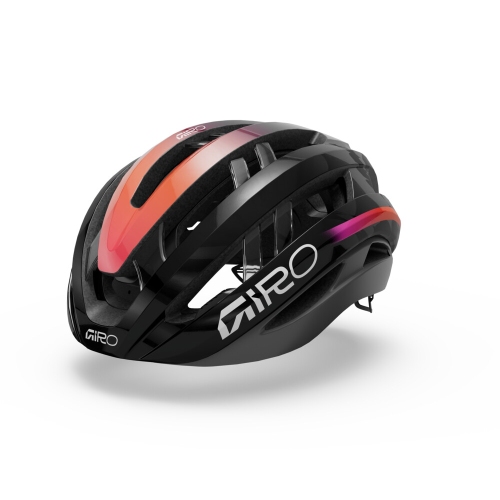
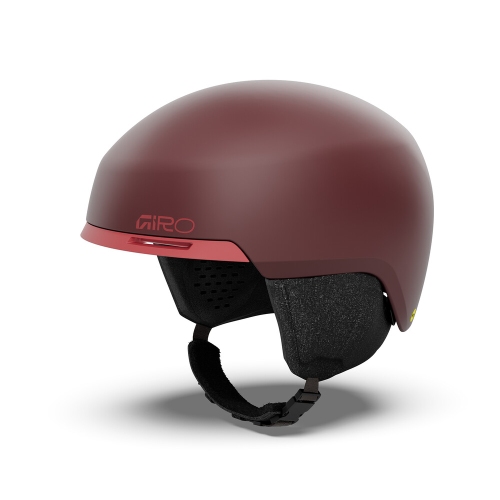
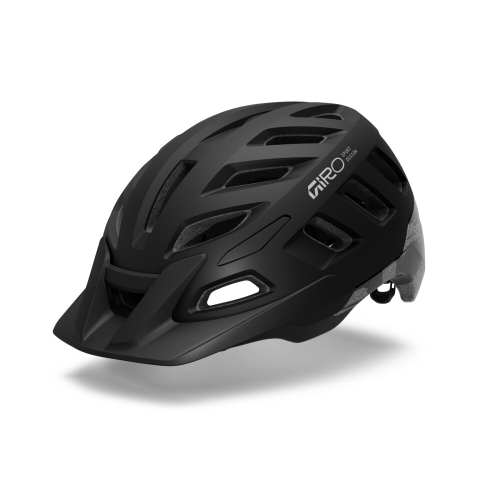
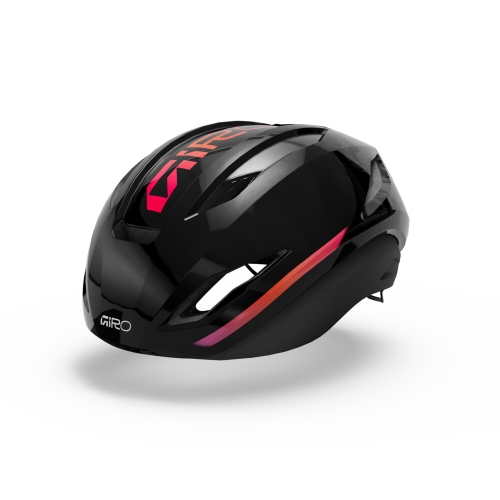
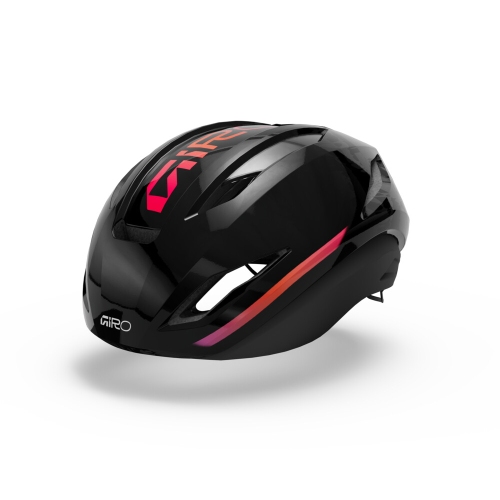
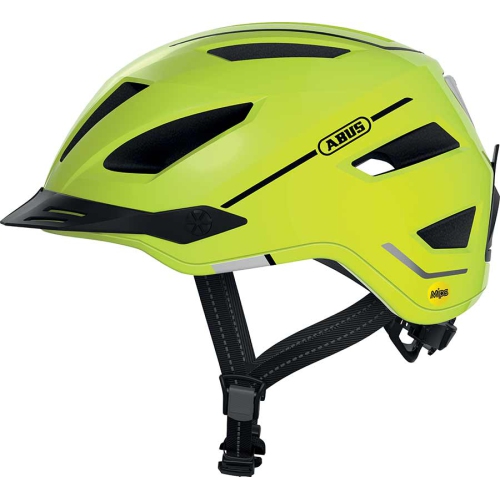
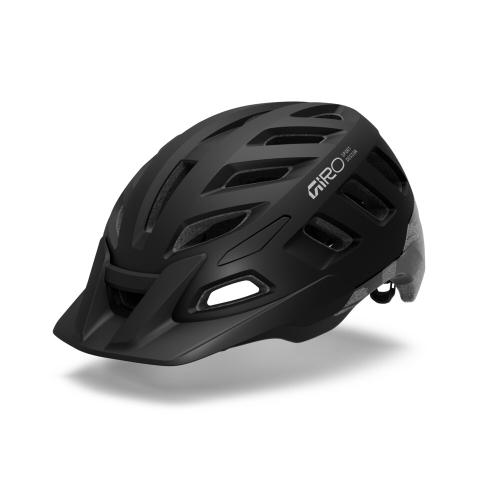
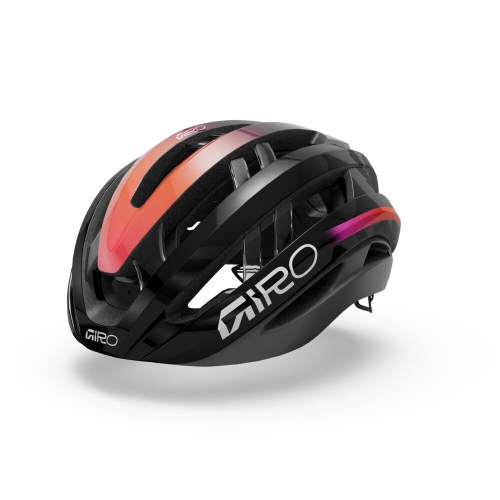
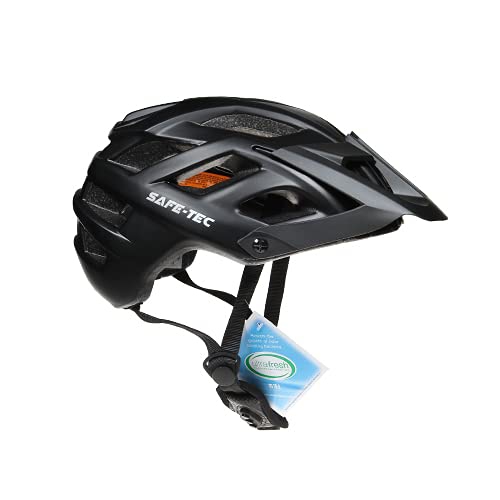
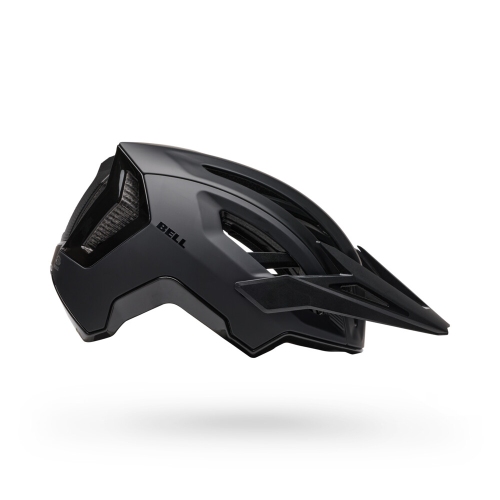
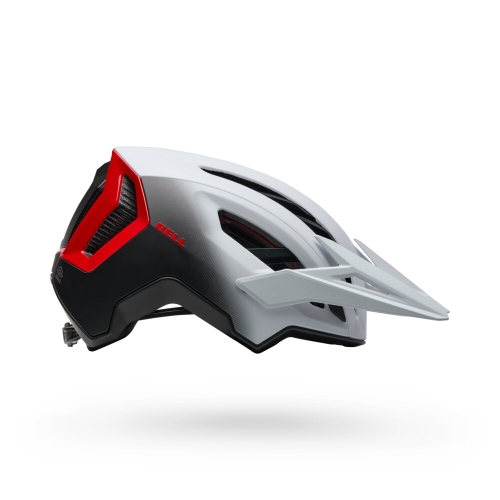
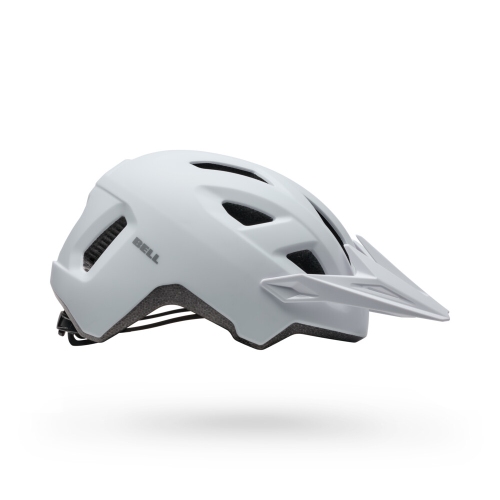
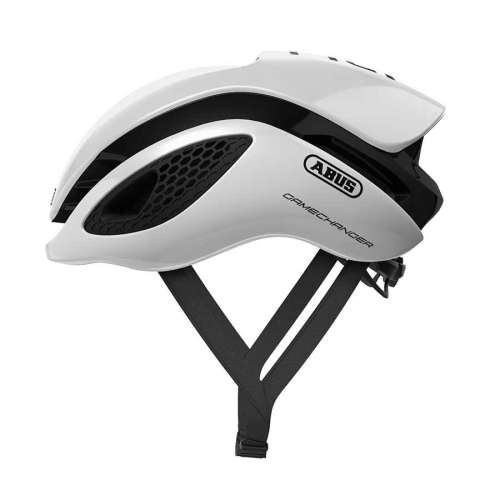
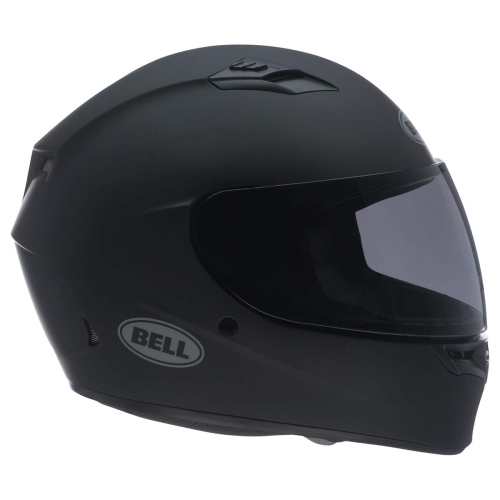
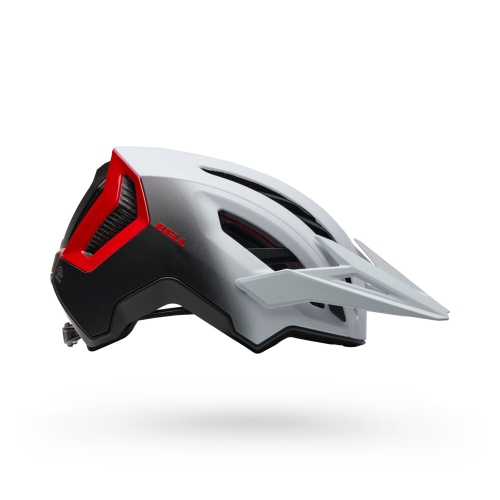
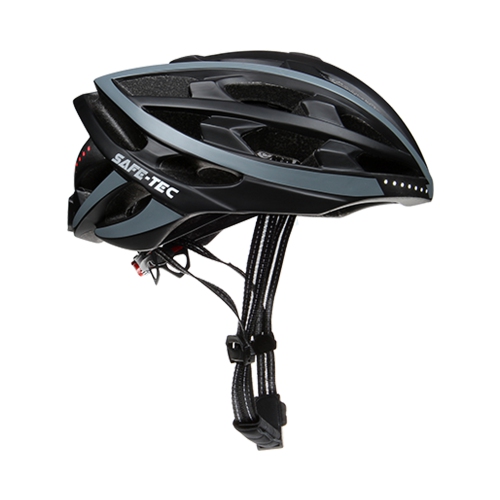
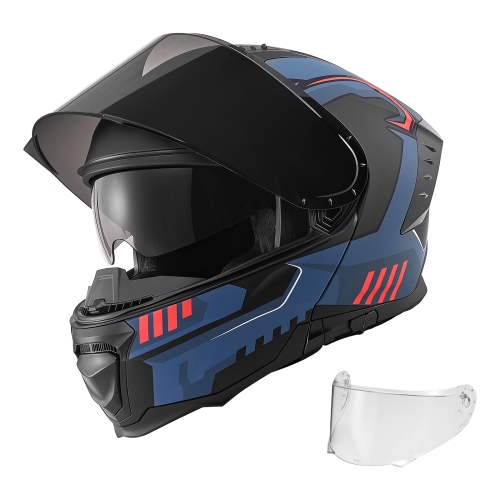
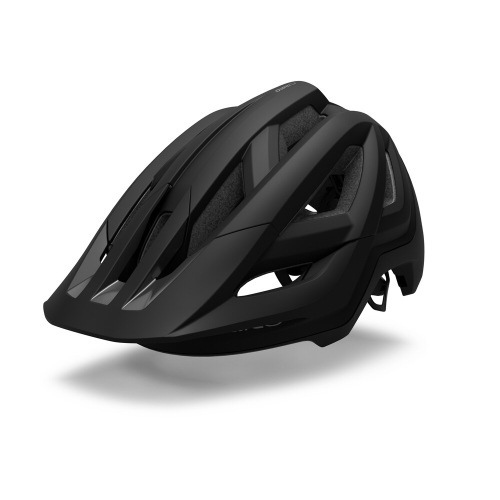
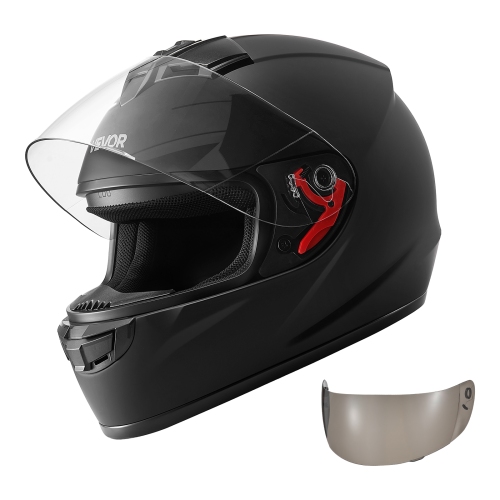
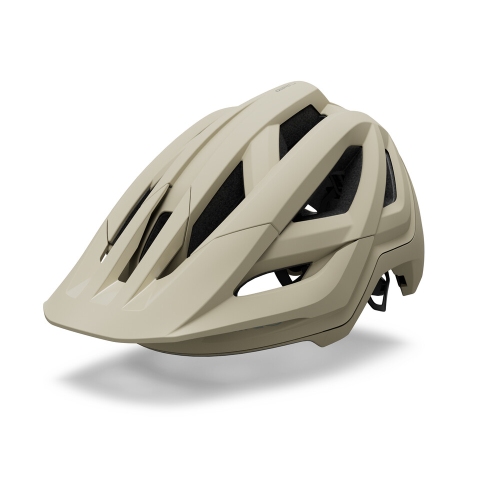
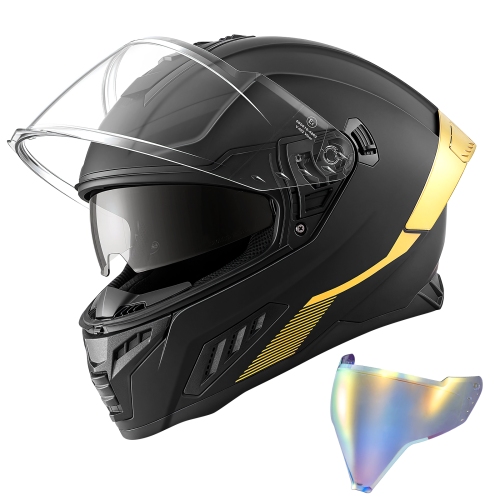
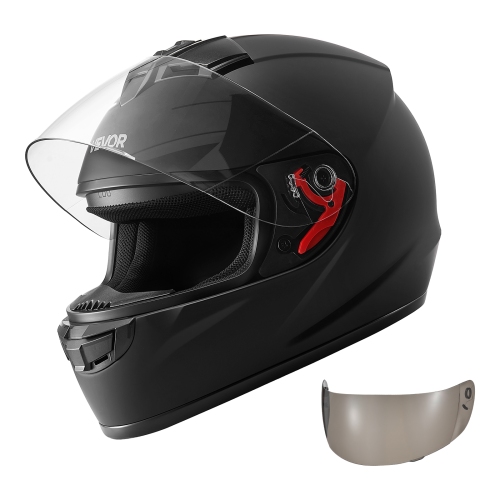
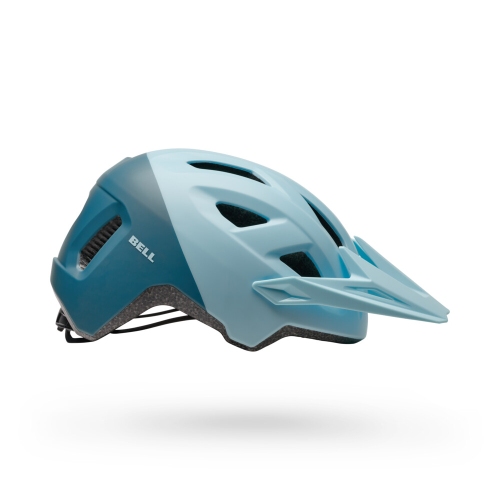
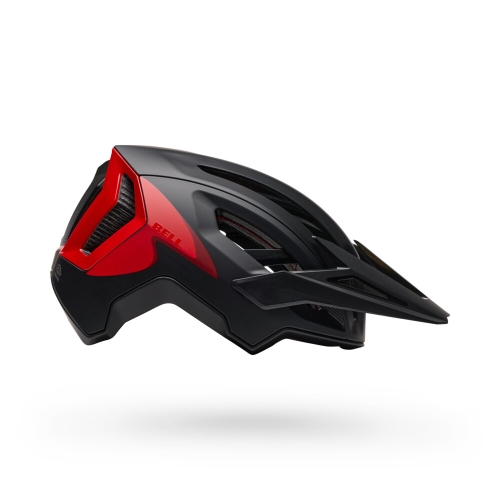
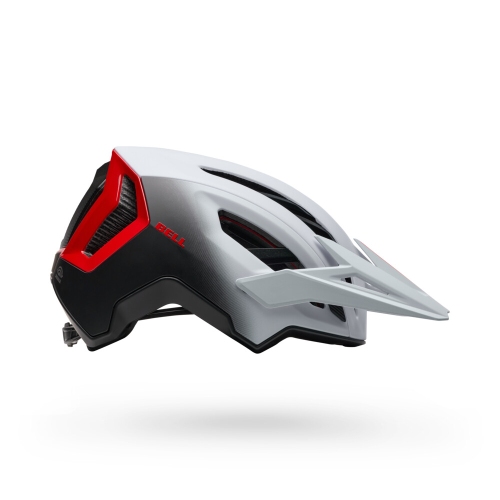
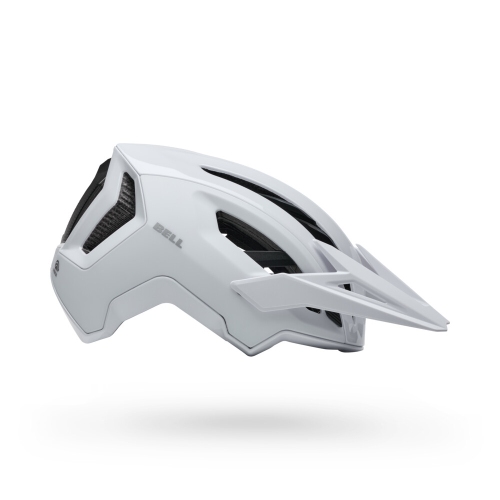
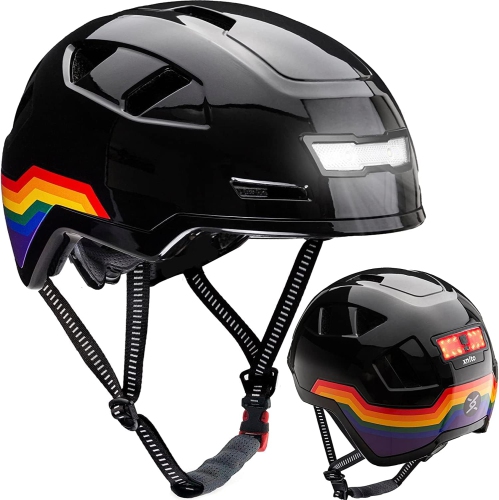
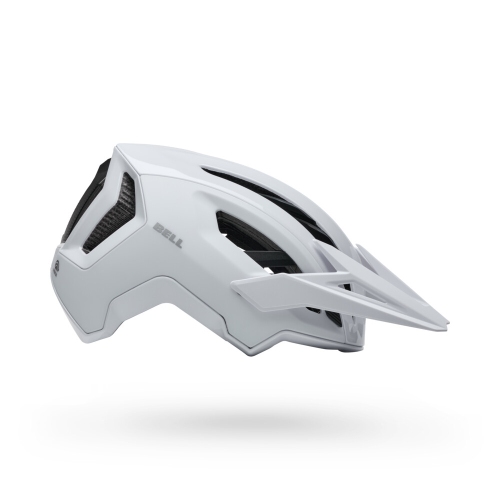
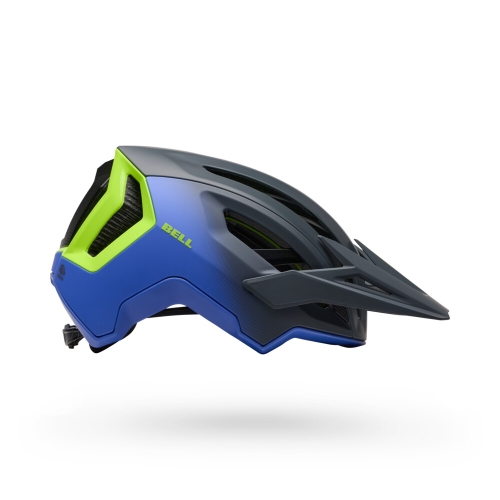
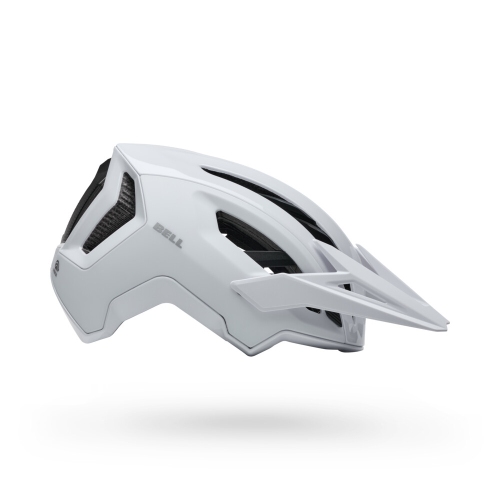
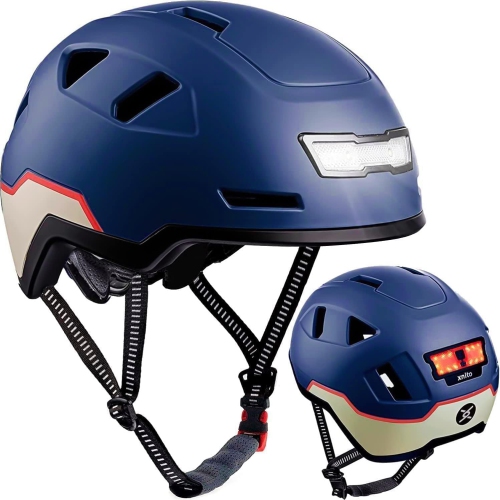
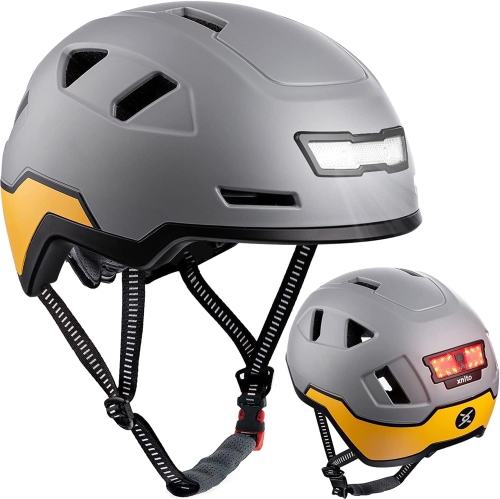
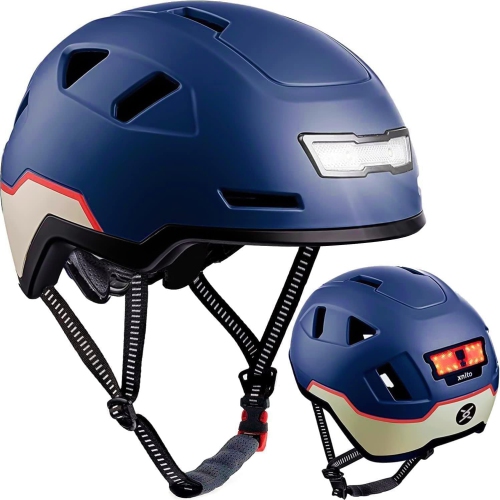
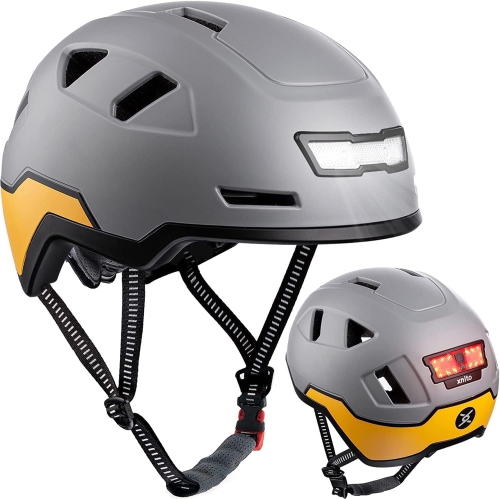
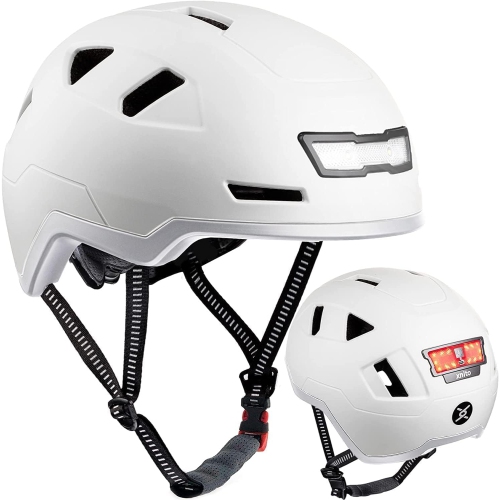
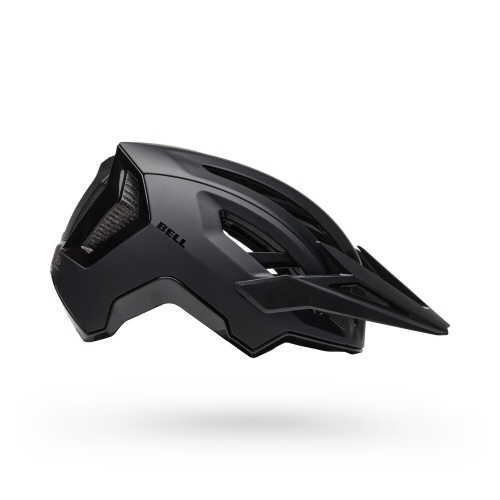
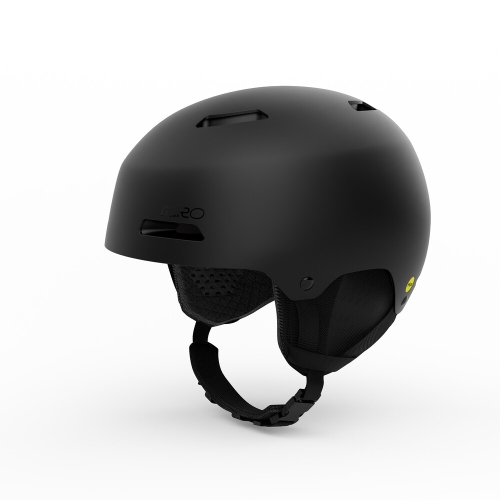
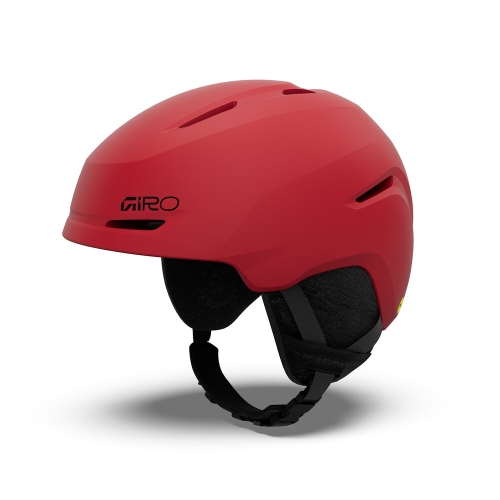
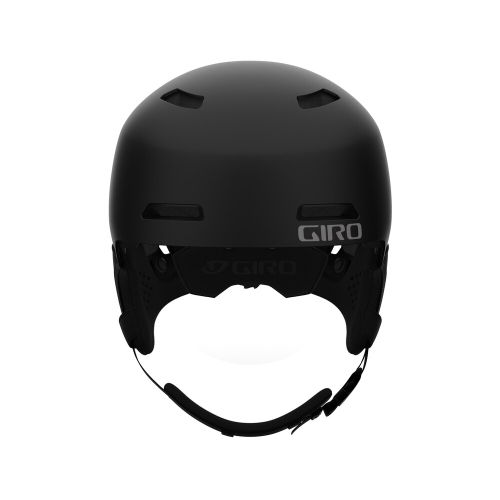
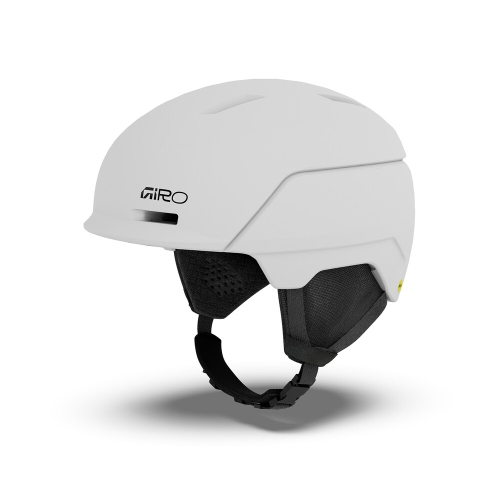
Cycling helmets for adults bring together impact protection, a secure fit, and comfort for everything from a short ride to the shops to a long road route or a technical trail. Their basic construction usually pairs a tough outer shell with an energy-absorbing foam liner, while straps and an adjustable retention system help hold the helmet in position. The right style depends on how and where someone rides, rather than appearance alone. Road cycling helmets tend to emphasize low weight, generous ventilation, and a shape that works comfortably when the rider leans forward over the handlebars. Commuter and recreational bike helmets often have a more rounded profile, with practical details such as removable padding, reflective accents, or an integrated rear light on some designs. Mountain bike helmets commonly extend farther around the back and sides of the head, and many have a visor to help keep glare and branches out of the rider’s direct line of sight. For downhill riding and some bike park use, a full-face cycling helmet adds coverage around the jaw; its certification and intended use should match the demands of that discipline. Within the broader category of helmets for adults, cycling-specific construction and testing matter: a helmet intended for another activity is not automatically suitable for riding a bicycle. Look for a clearly identified bicycle helmet safety standard, such as CPSC or an applicable CSA standard, and check the manufacturer’s stated use. Some helmets also include a system designed to help manage rotational motion in certain angled impacts, although no helmet can prevent every head injury. A comfortable, properly fitted helmet is an important part of riding equipment, alongside attentive riding and a bicycle kept in good working order. For a person commuting across town, that may mean a straightforward helmet that is easy to fasten and adjust each day. For a rider spending hours on gravel paths or forest trails, weight, coverage, and stability can become especially noticeable over the course of a ride.
Fit is one of the most useful ways to narrow down adult cycling helmets, because a size label alone does not tell the whole story. Head circumference provides a starting point: measure around the widest part of the head, usually just above the eyebrows and ears, then compare that measurement with the manufacturer’s sizing chart. Size ranges vary between designs, and two helmets with the same stated circumference can feel different because their internal shapes differ. A suitable helmet should sit level and low on the forehead, rather than tipped back, with even contact around the head and no concentrated pressure at the temples. The rear adjustment dial or other retention mechanism should create a snug hold without needing to be overtightened. Straps should lie flat, with the side junctions positioned around the ears as directed by the manufacturer, and the chin strap fastened closely enough to keep the helmet secure while allowing comfortable breathing and movement. When the rider turns their head or looks down, the helmet should stay in place instead of sliding across the forehead. Thick hair, a ponytail, glasses, and other riding accessories can all affect how a helmet feels, so compatibility is worth considering before settling on a shape. Some retention systems provide extra room for a ponytail, while adjustable rear cradles can help position the support more comfortably. For someone wearing prescription glasses or cycling eyewear, enough space around the arms of the glasses helps avoid pressure behind the ears. Ventilation also depends on more than the number of openings: internal channels can move air across the scalp, and pad placement can influence airflow and how moisture is managed during exertion. Removable, washable pads are useful for regular riders, particularly when a helmet is worn on both a morning commute and a longer recreational outing. Buckles that are easy to handle and straps that retain their adjustment add everyday convenience. Adult bike helmets are often unisex, making head shape, measured size, and riding needs more useful selection factors than gender labels. A well-matched fit should feel secure enough to stay put without becoming a distraction halfway through a ride.
Materials and construction influence how an adult bike helmet handles regular use, but a durable-looking shell does not mean the helmet can withstand repeated impacts. Many cycling helmets use expanded polystyrene foam beneath a polycarbonate shell, with in-mould construction bonding the shell and liner into a lightweight structure. Other designs use a harder outer shell, which can provide resistance to everyday scuffs, although scratches alone do not establish whether a helmet remains safe to use. The impact-absorbing liner is designed to deform in a significant impact, and damage may not be visible from the outside. After a crash or a substantial blow, follow the manufacturer’s replacement instructions rather than relying on appearance. Routine checks can include looking for cracks, crushed foam, frayed straps, damaged buckles, or a retention dial that no longer holds its setting. Care is generally straightforward: use the cleaning methods specified by the manufacturer, often mild soap and water, and allow removable pads to air-dry fully before refitting them. Strong cleaners, solvents, paint, or unapproved adhesives can damage helmet materials, so decoration and accessory mounting should stay within the manufacturer’s guidance. Storing the helmet where it will not be crushed under bags or knocked off a shelf helps protect its structure between rides. Reflective details, bright colours, and integrated lights may help a rider stand out, but they do not replace required bicycle lighting or careful positioning on the road. Light mounts, visors, and other attachments should be compatible with the helmet rather than improvised. A cycling helmet can also be a thoughtful gift for an adult starting a bike commute, returning to recreational riding, or taking up trail cycling, provided their measurements and intended use are known. Across these uses, the most relevant features are those that support a secure fit, appropriate coverage, simple care, and comfort throughout the ride.
Top selling and popular products
-
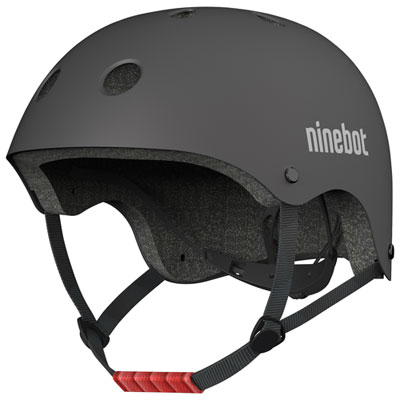 Your price for this item is $69.99
-
 Your price for this item is $19.99
-
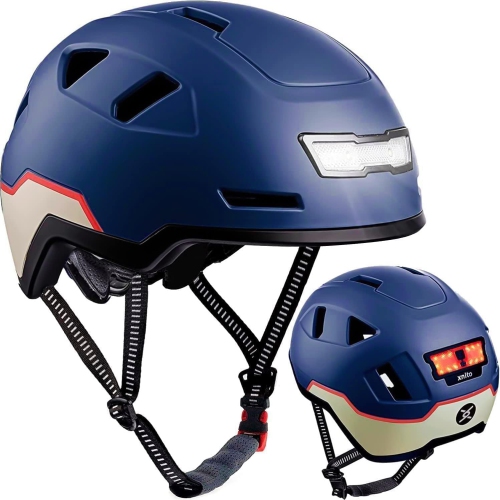 Your price for this item is $169
-
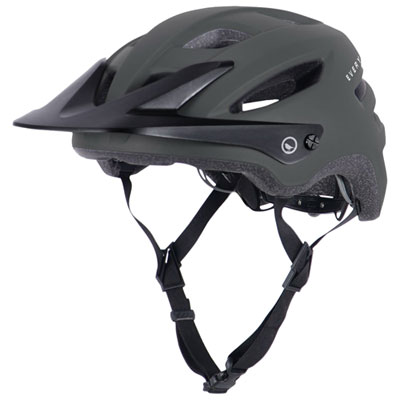 Your price for this item is $39.99
-
 Your price for this item is $199.99
-
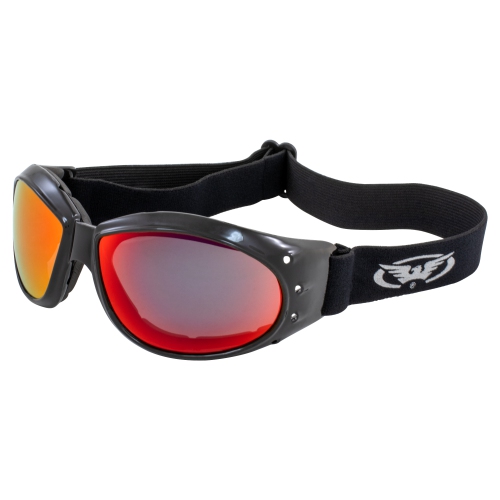 Your price for this item is $35.13
-
 Your price for this item is $49.99
-
 Your price for this item is $169
Discover more categories related to Cycling Helmets for Adults
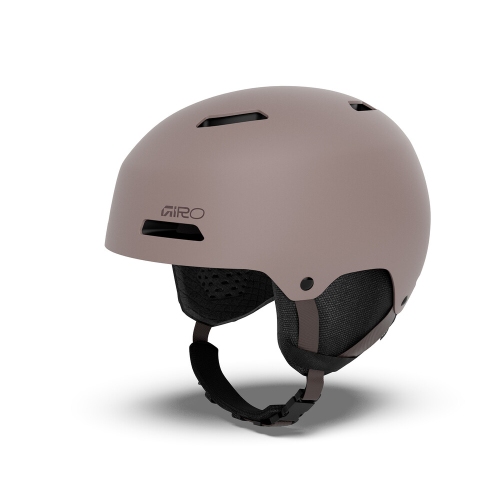
Top Collections:
Pokemon Centers, Best Cameras for Sports Photography, Kindle Devices, Samsung Galaxy Phones, Canon G7X Cameras, Pokémon 30th Celebration Cards, Refurbished Apple Laptops, iPhone 15 Apple, Laptops for Students, Budget Smartphones
Some products may be subject to Environmental Handling Fees
(EHF) depending on your province.
Learn more about EHFs.