Disaster Survival Gear
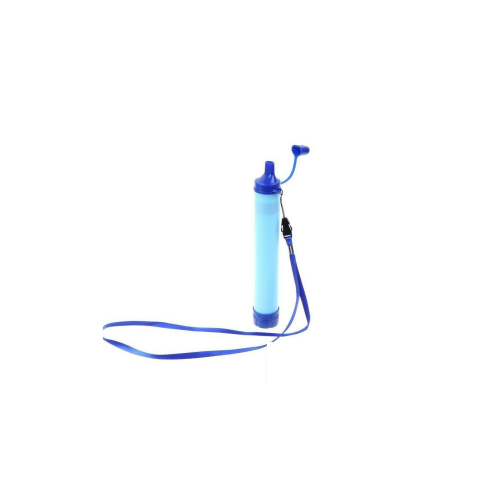
Prepare yourself for any emergency situation with our selection of disaster survival gear. From essential supplies like first aid kits, emergency food rations, and water purification systems to durable shelter options and multi-purpose tools, we have everything you need to stay safe and prepared during unexpected events. Whether you're an outdoor enthusiast, a prepper, or simply looking to enhance your emergency preparedness, our range of survival gear is designed to provide you with peace of mind in any crisis. Browse through our collection and equip yourself with the necessary tools to handle unforeseen challenges confidently.
Sort
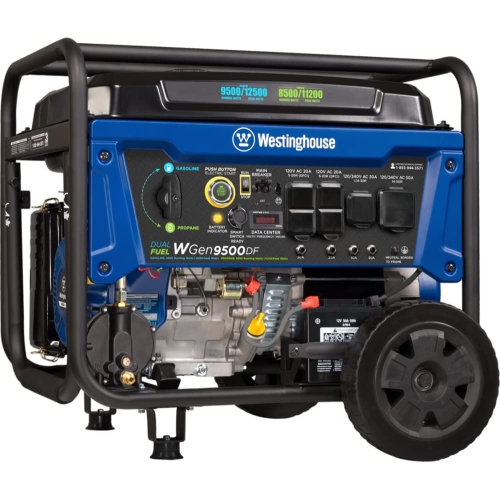
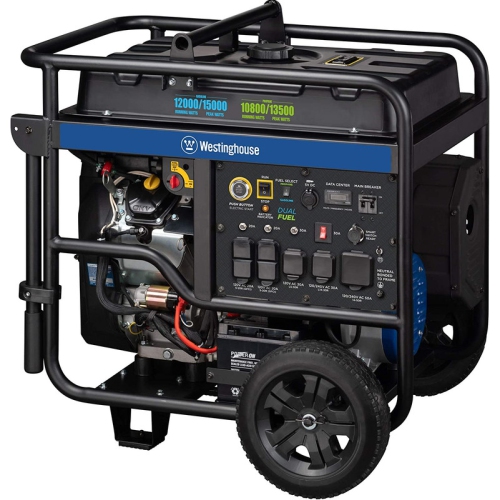
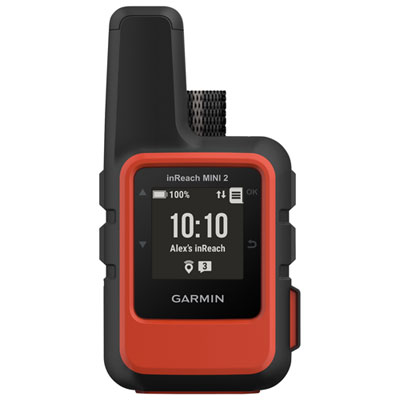
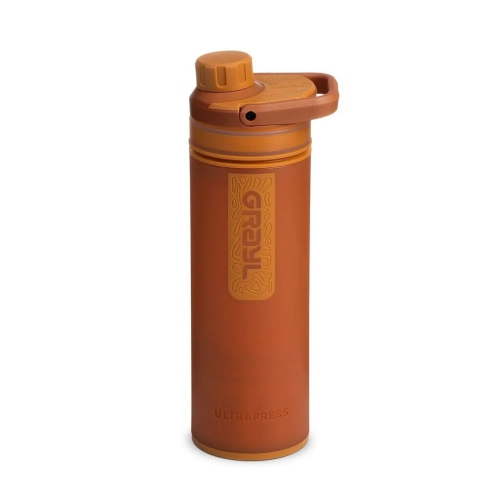
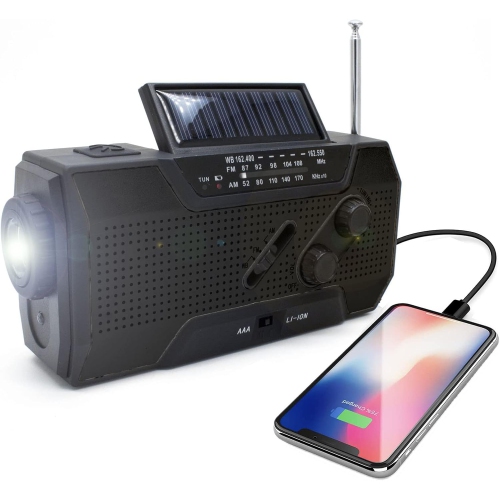
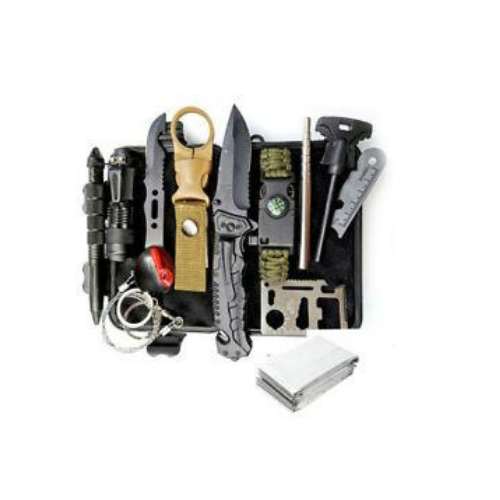
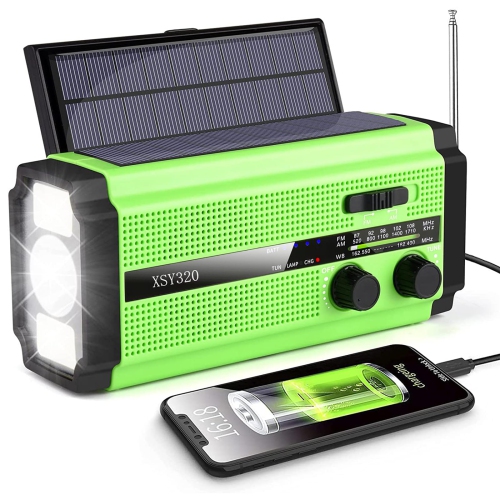
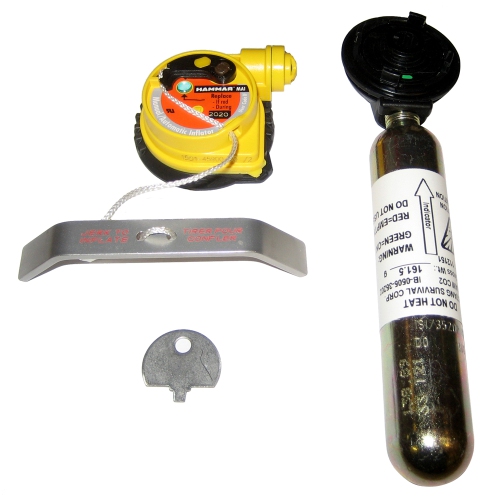
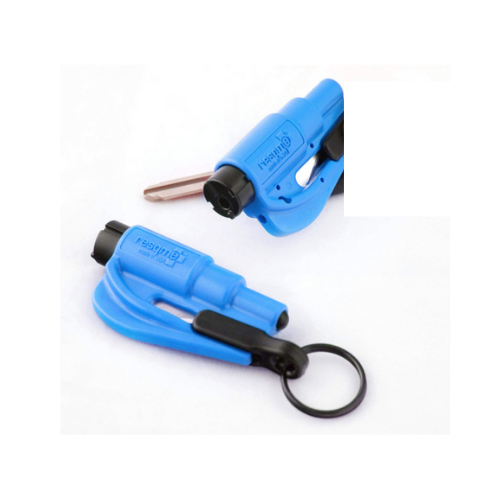

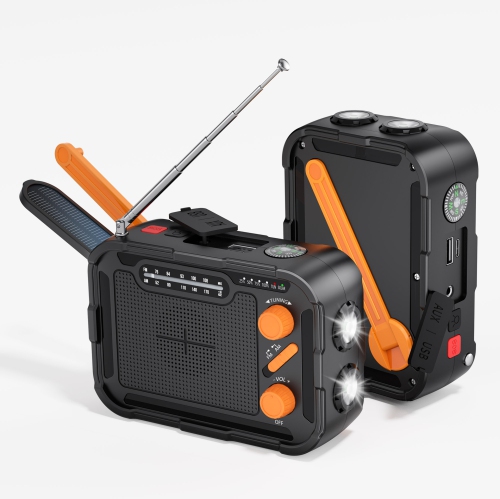
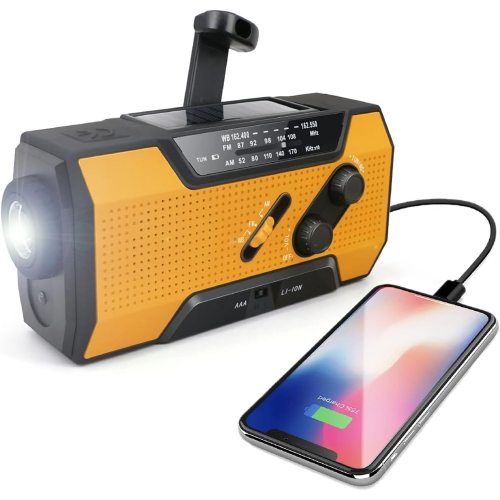
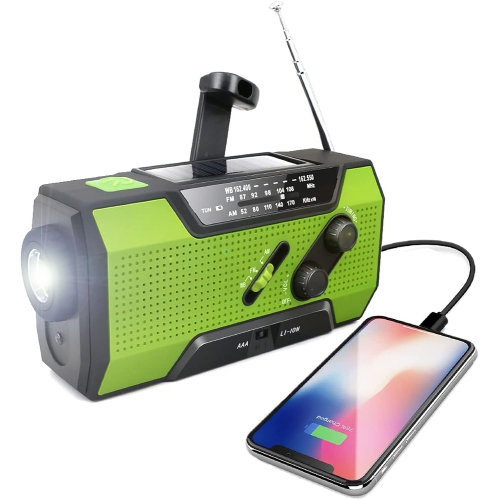
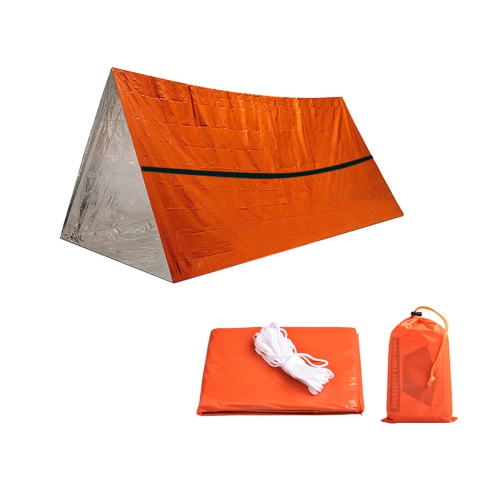
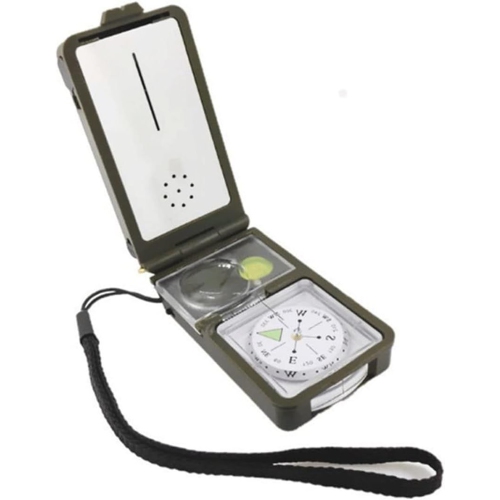
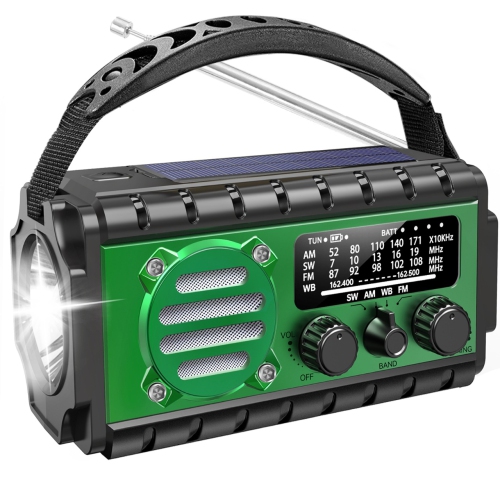
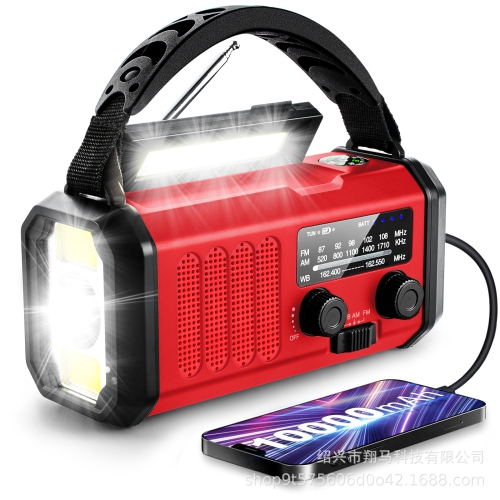
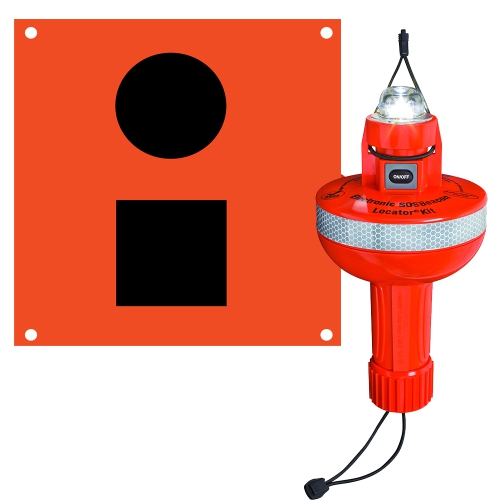
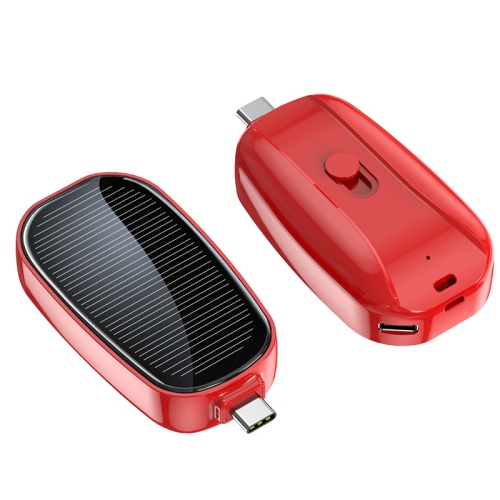
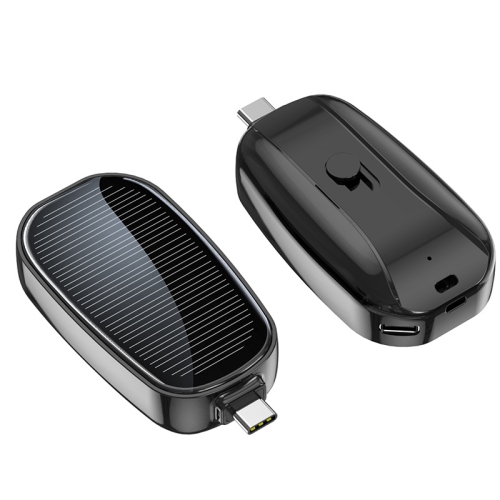
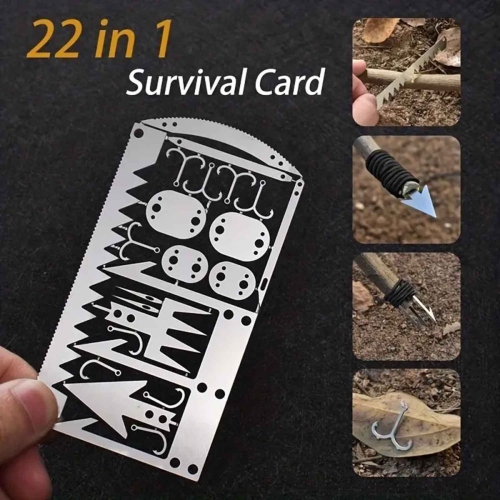
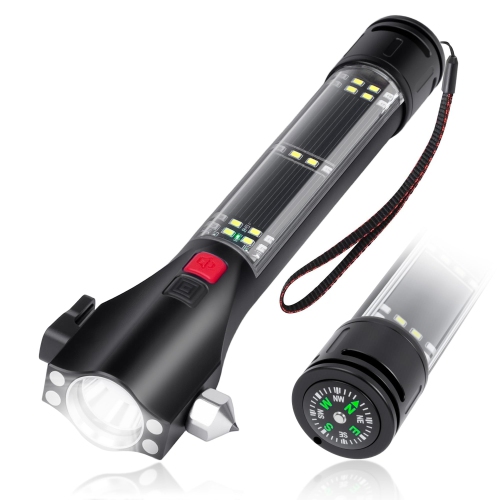
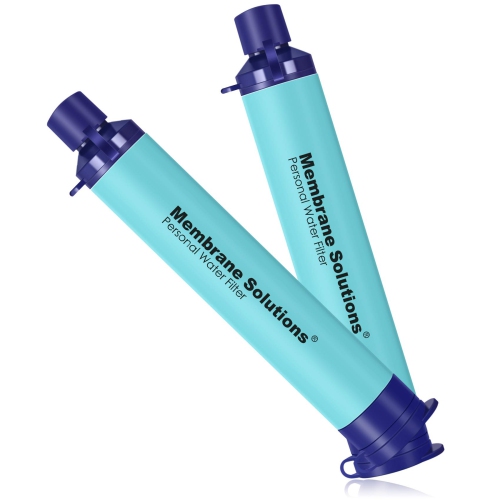
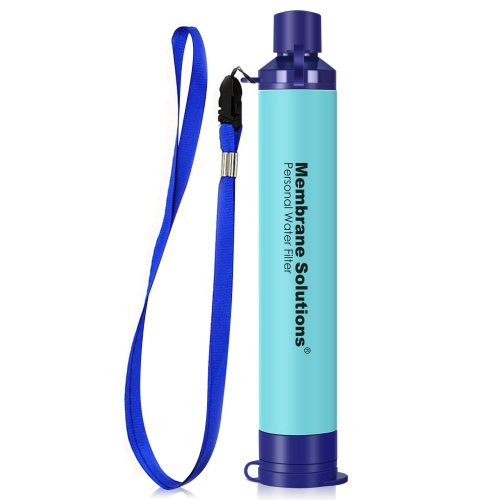
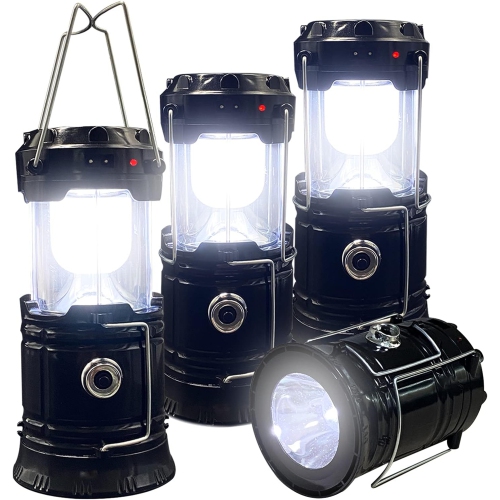
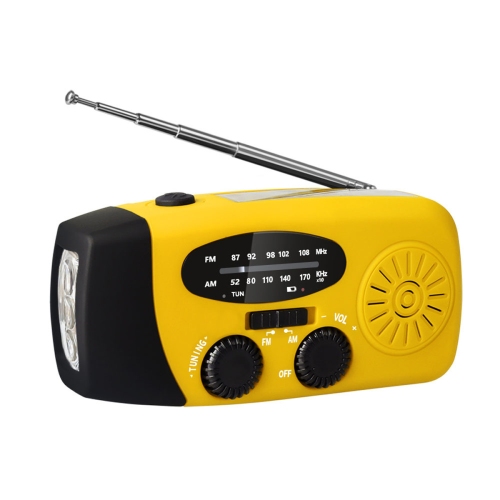
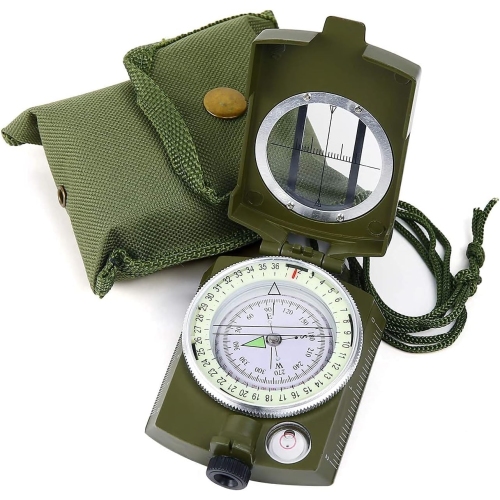
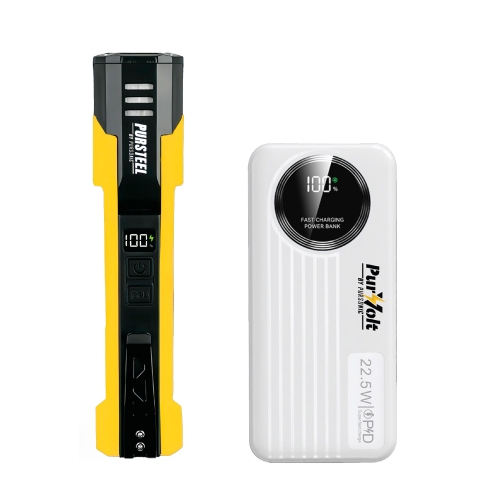
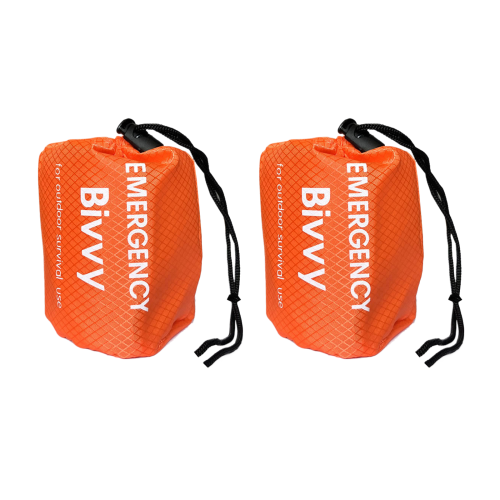
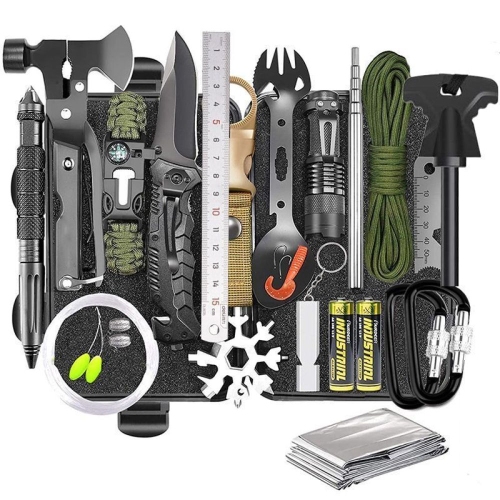
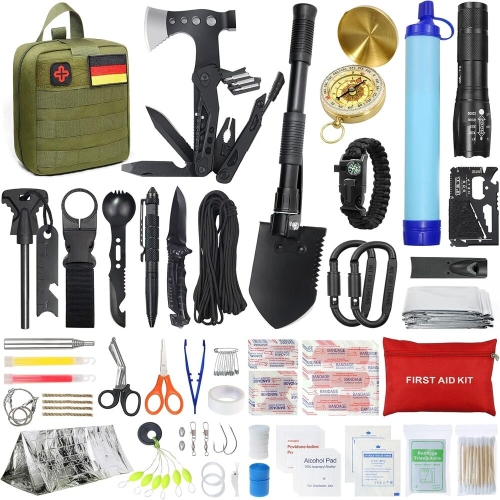
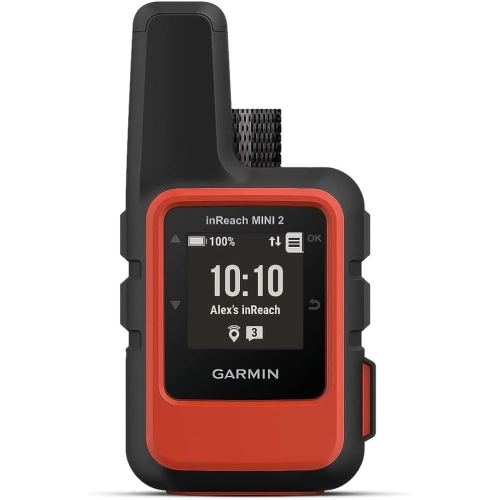
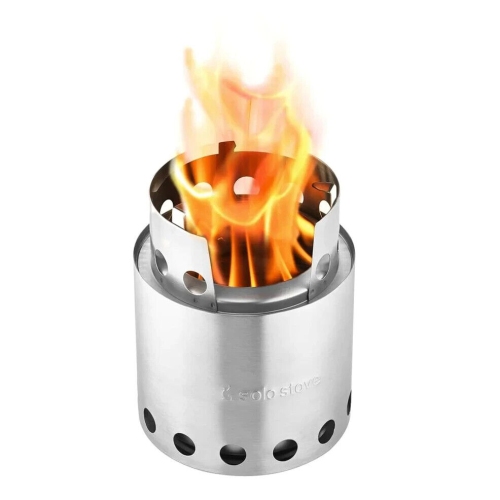


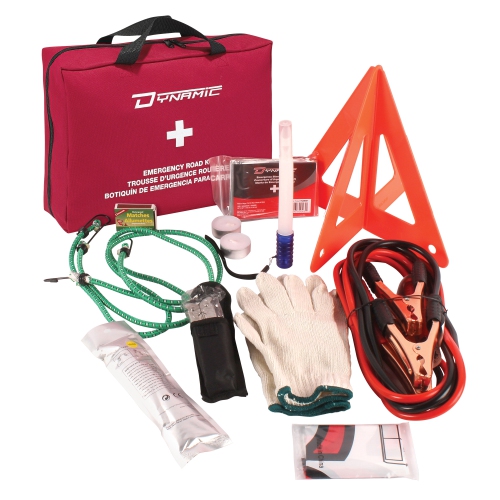
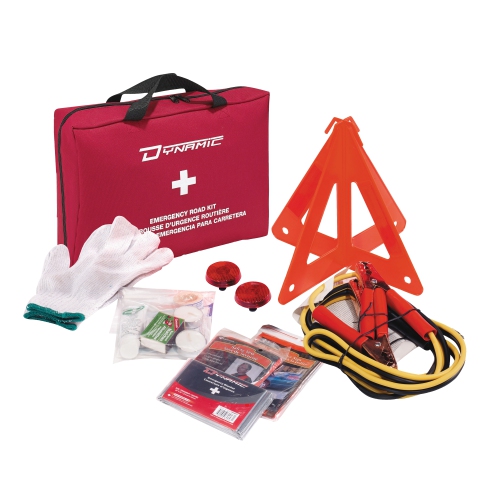
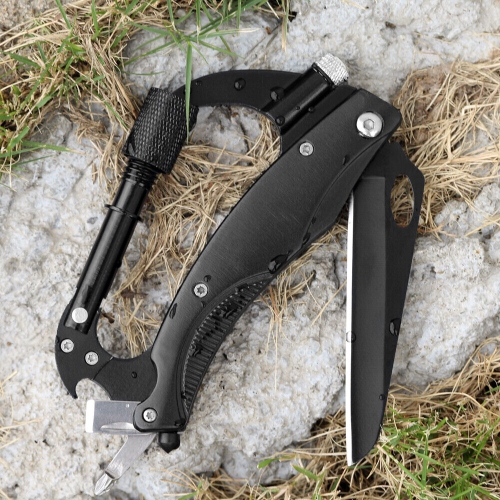
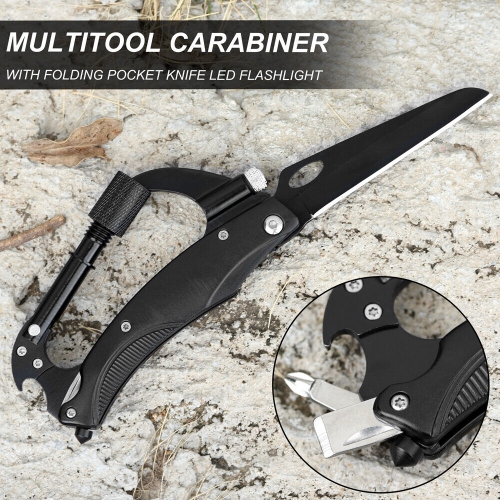
Practical essentials for outages, evacuations and severe weather
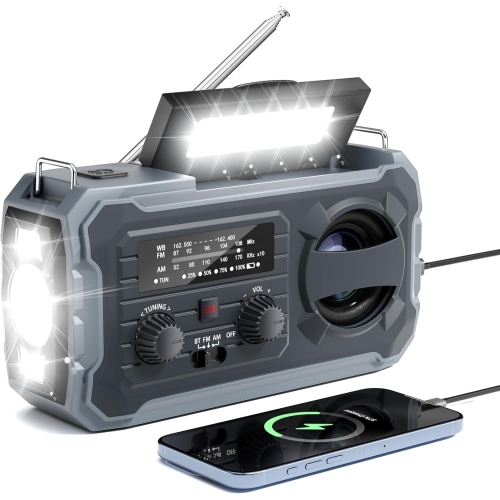
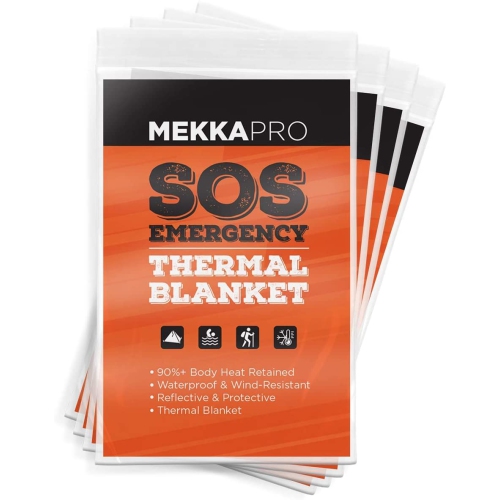
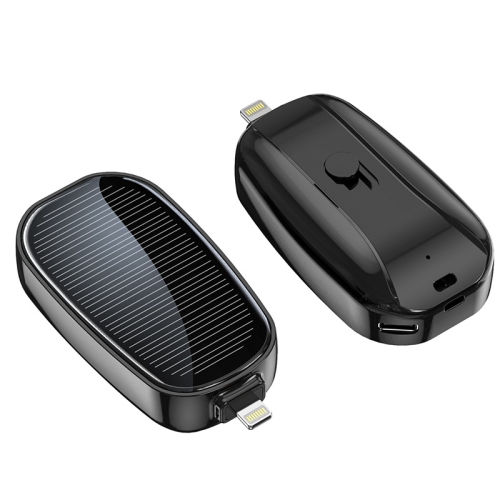
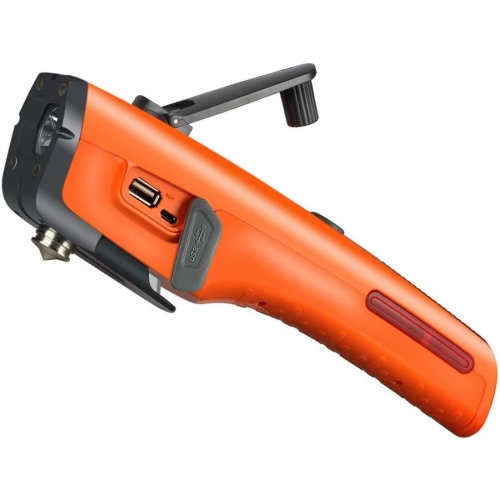
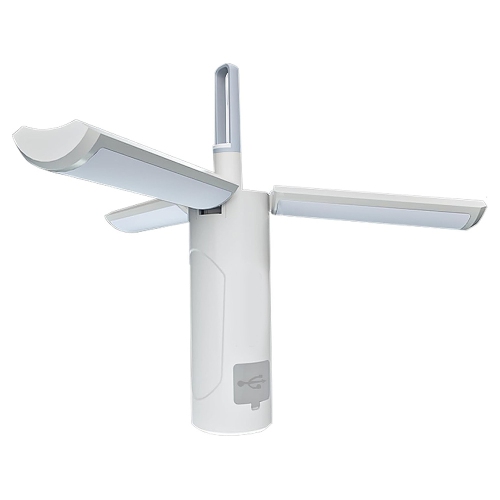
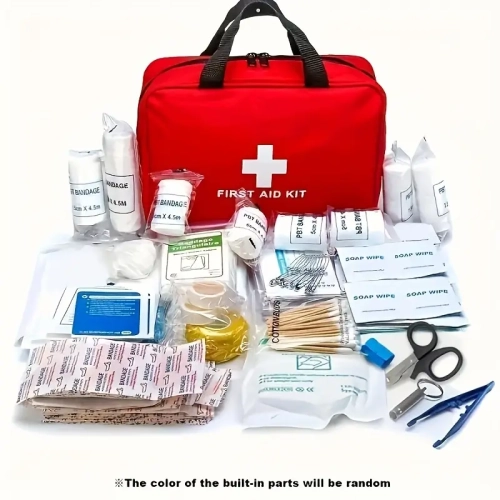
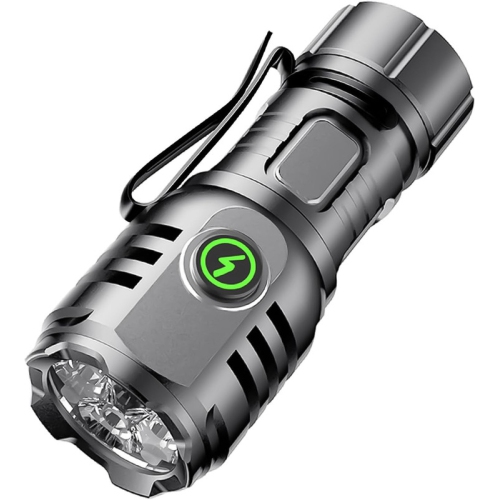
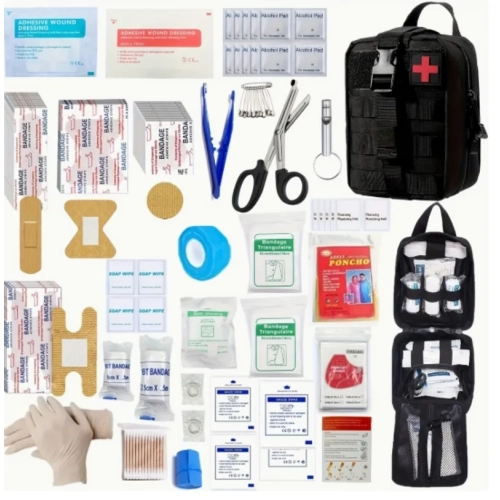
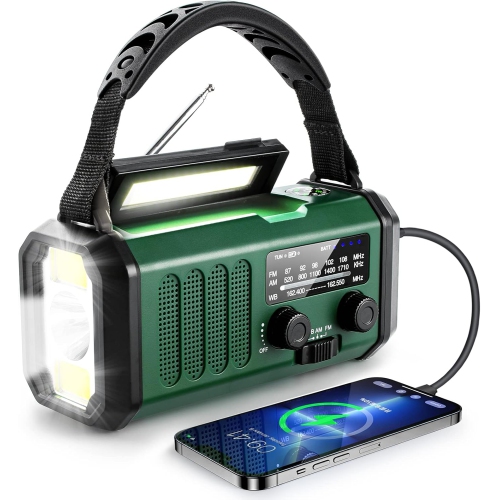
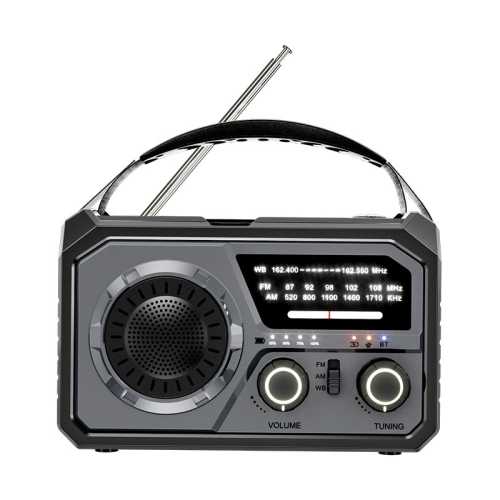
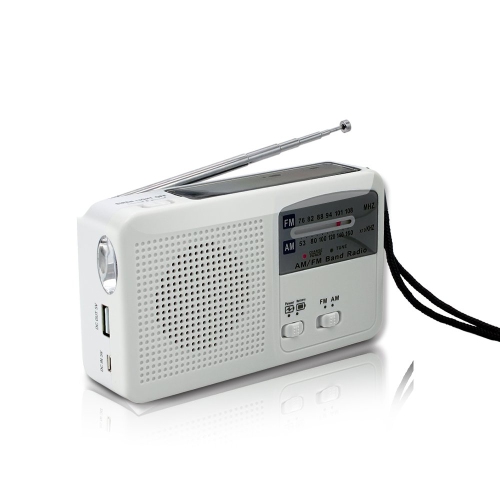
Disaster survival gear helps households stay organised and self-sufficient when severe weather, power interruptions, transportation disruptions or other emergencies affect normal routines. A practical emergency kit should be designed to support every person in the household for at least 72 hours, with supplies that are easy to find, simple to use and suitable for storage. Water is the first priority: plan for approximately four litres per person per day for drinking, food preparation and basic cleaning, while also considering the needs of pets, infants, older adults and anyone with medical requirements. Non-perishable foods should be filling, familiar and easy to prepare, such as ready-to-eat meals, canned foods, packaged snacks and energy bars. Include a manual can opener if any food is packed in cans, along with disposable utensils, cups and other basic serving items. Lighting is equally important when a storm or outage leaves a home dark before sunrise or after sunset. A battery-powered or hand-crank flashlight, spare batteries and a lantern can help with moving safely through hallways, checking electrical panels or preparing food without relying on candles. A battery-powered or hand-crank weather radio can provide access to emergency information when internet service, television or mobile networks are unavailable. A first-aid kit with sterile dressings, adhesive bandages, antiseptic supplies, disposable gloves and basic medical essentials is useful for minor injuries, while prescription medications should be stored and rotated according to the instructions of the person who needs them. Other compact additions may include a whistle for signalling, a multi-purpose tool, work gloves, blankets, masks, hand sanitiser, personal hygiene items, copies of important documents and a mobile phone power bank.
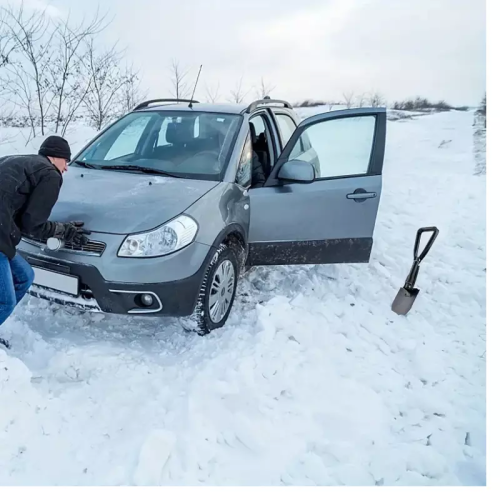
When choosing disaster survival gear, consider where it will be kept and how quickly it may need to be moved. A grab-and-go bag is convenient for an evacuation because its contents are gathered in one place and can be carried from a home, vehicle, cottage, workplace or classroom without sorting through cupboards. A larger household supply can remain in a clearly marked storage container in an accessible area, ideally away from moisture, extreme heat and places that could become blocked during an emergency. Car kits benefit from compact gear that can tolerate changing temperatures and help with visibility, warmth, communication and basic roadside needs. For apartments, space-saving items are especially valuable, while rural households may want to account for longer travel distances, well pumps, isolated roads or limited access to shops. Families should check serving sizes, expiry dates, battery condition and clothing sizes periodically, replacing anything that has been opened, damaged or outgrown. Food and water rations often have extended storage lives, but they should still be inspected before an emergency occurs. Choose equipment that people in the household can operate confidently, including children who may need to locate a flashlight or whistle and older adults who may prefer larger controls and clear instructions. It is also worth considering mobility needs, allergies, dietary restrictions, infant supplies and the specific weather risks common to the region. During the cooler months, add warm layers, socks, blankets and other cold-weather essentials; during warmer conditions, account for extra drinking water, sun protection and ventilation. A well-planned collection does not need to be complicated. It needs to be accessible, clearly arranged and matched to the people, pets and places it is meant to support. For an organised starting point, browse Survival Gear Kits to compare ready-to-use options and complementary emergency supplies.
Disaster survival gear can be useful for many people beyond a traditional family emergency kit. New homeowners may appreciate a compact collection for a basement, utility room or front hall, especially when they are still learning which supplies their home lacks. Students, renters and people living in shared accommodation can keep smaller kits beside a desk or in a closet, where they are ready for an outage without taking up much room. Commuters and road-trip travellers may use emergency equipment in a vehicle for unexpected delays, poor visibility or a closed highway, while campers, cottage owners and remote workers may value reliable lighting, communication and first-aid supplies when help is farther away. These items can also make thoughtful practical gifts for a friend moving into a first home, a relative setting up a cabin or a family preparing for a new baby, provided the contents are appropriate for their household. A useful gift may include supplies for several people, rather than a single-person pack, and should leave room for recipients to add their own medications, identification and personal essentials. Before storing a kit, make a simple household plan that identifies an out-of-area contact, meeting places and a way to receive local alerts. Keep one kit where everyone knows to find it, place smaller essentials in a vehicle or workplace when appropriate, and tell household members how to use the radio, lighting and charging equipment. Preparation is most effective when it feels familiar: opening a package, checking a battery, practising with a hand crank or locating a whistle in daylight is far easier than learning during a noisy storm, a darkened room or an unexpected evacuation. Thoughtfully selected disaster survival gear brings structure to those uncertain moments, helping people protect basic needs, stay informed and remain connected while regular services are being restored.
When choosing disaster survival gear, consider where it will be kept and how quickly it may need to be moved. A grab-and-go bag is convenient for an evacuation because its contents are gathered in one place and can be carried from a home, vehicle, cottage, workplace or classroom without sorting through cupboards. A larger household supply can remain in a clearly marked storage container in an accessible area, ideally away from moisture, extreme heat and places that could become blocked during an emergency. Car kits benefit from compact gear that can tolerate changing temperatures and help with visibility, warmth, communication and basic roadside needs. For apartments, space-saving items are especially valuable, while rural households may want to account for longer travel distances, well pumps, isolated roads or limited access to shops. Families should check serving sizes, expiry dates, battery condition and clothing sizes periodically, replacing anything that has been opened, damaged or outgrown. Food and water rations often have extended storage lives, but they should still be inspected before an emergency occurs. Choose equipment that people in the household can operate confidently, including children who may need to locate a flashlight or whistle and older adults who may prefer larger controls and clear instructions. It is also worth considering mobility needs, allergies, dietary restrictions, infant supplies and the specific weather risks common to the region. During the cooler months, add warm layers, socks, blankets and other cold-weather essentials; during warmer conditions, account for extra drinking water, sun protection and ventilation. A well-planned collection does not need to be complicated. It needs to be accessible, clearly arranged and matched to the people, pets and places it is meant to support. For an organised starting point, browse Survival Gear Kits to compare ready-to-use options and complementary emergency supplies.
Disaster survival gear can be useful for many people beyond a traditional family emergency kit. New homeowners may appreciate a compact collection for a basement, utility room or front hall, especially when they are still learning which supplies their home lacks. Students, renters and people living in shared accommodation can keep smaller kits beside a desk or in a closet, where they are ready for an outage without taking up much room. Commuters and road-trip travellers may use emergency equipment in a vehicle for unexpected delays, poor visibility or a closed highway, while campers, cottage owners and remote workers may value reliable lighting, communication and first-aid supplies when help is farther away. These items can also make thoughtful practical gifts for a friend moving into a first home, a relative setting up a cabin or a family preparing for a new baby, provided the contents are appropriate for their household. A useful gift may include supplies for several people, rather than a single-person pack, and should leave room for recipients to add their own medications, identification and personal essentials. Before storing a kit, make a simple household plan that identifies an out-of-area contact, meeting places and a way to receive local alerts. Keep one kit where everyone knows to find it, place smaller essentials in a vehicle or workplace when appropriate, and tell household members how to use the radio, lighting and charging equipment. Preparation is most effective when it feels familiar: opening a package, checking a battery, practising with a hand crank or locating a whistle in daylight is far easier than learning during a noisy storm, a darkened room or an unexpected evacuation. Thoughtfully selected disaster survival gear brings structure to those uncertain moments, helping people protect basic needs, stay informed and remain connected while regular services are being restored.
Top selling and popular products
-
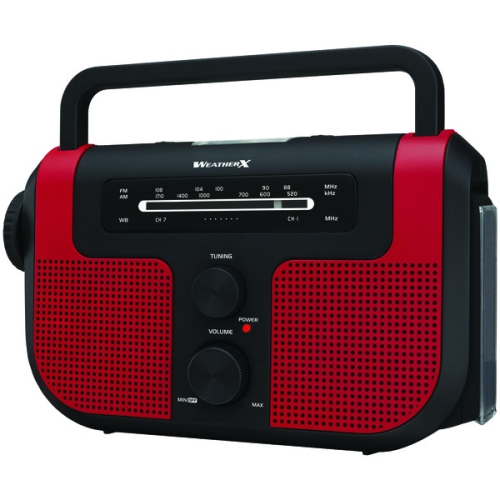 Your price for this item is $72.37
 -
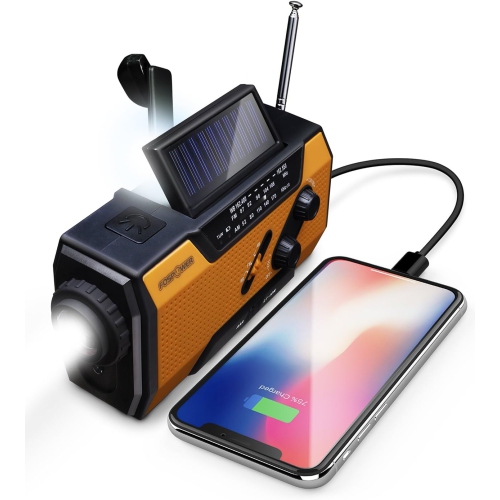 Your price for this item is $89.99
 -
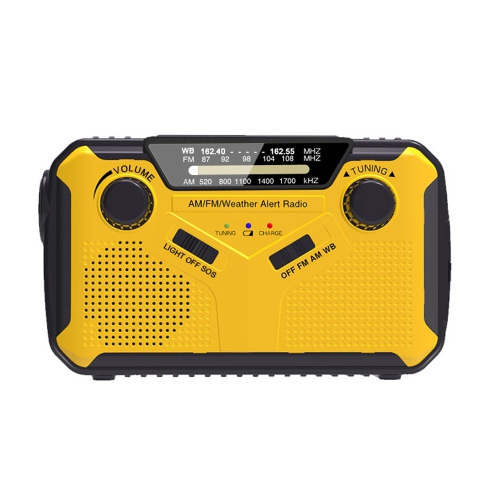 Your price for this item is $40.99
 -
 Your price for this item is $59.99
 -
 Your price for this item is $94.99
 -
 Your price for this item is $129.99
 -
 Your price for this item is $56.99
 -
![RUNNINGSNAIL [Upgraded Version] Emergency Hand Crank Self Powered Am/fm Noaa Solar Weather Radio With Led Flashlight, 2000Mah Power](https://multimedia.bbycastatic.ca/multimedia/products/500x500/192/19297/19297091.jpeg) Your price for this item is $29.52
Your price for this item is $29.52
Discover more categories related to Disaster Survival Gear
Top Collections:
Best Laptops for Video Editing, Pokemon Centers, Samsung Z Fold, Kindle Devices, Best Cell Phones Under $300, Best Laptops for Writers, Best Budget Office Chairs, Best Cell Phones Under $500, Best Laptop Computers for Students, iPhone 15 Apple
Some products may be subject to Environmental Handling Fees
(EHF) depending on your province.
Learn more about EHFs.