Survival Gear
Prepare yourself for any adventure with our selection of survival gear. Whether you're an outdoor enthusiast, a camper, or simply want to be prepared for emergencies, our range of survival gear has you covered. From essential tools like multi-tools, fire starters, and compasses to emergency blankets, first aid kits, and water purification systems, we have everything you need to stay safe and ready for the unexpected. Explore our collection of high-quality survival gear to ensure you are well-equipped for any situation that comes your way.
Sort
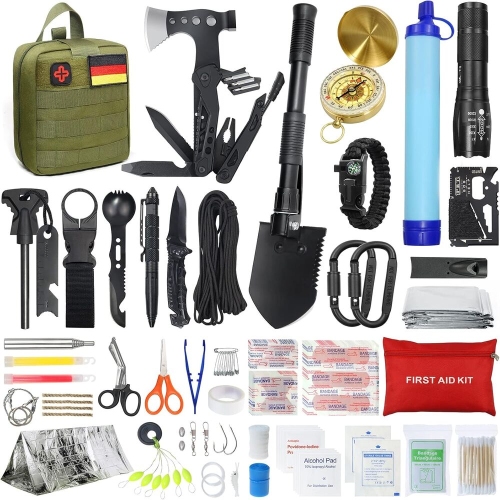

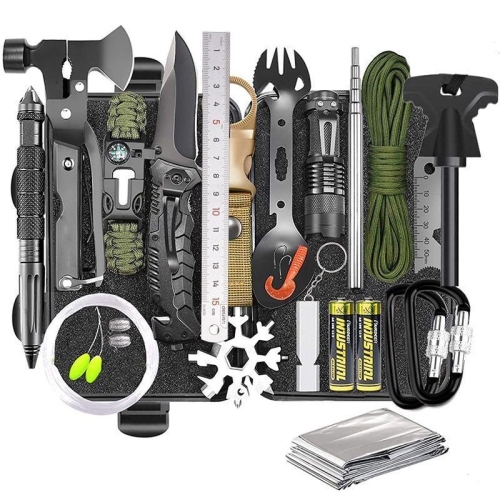
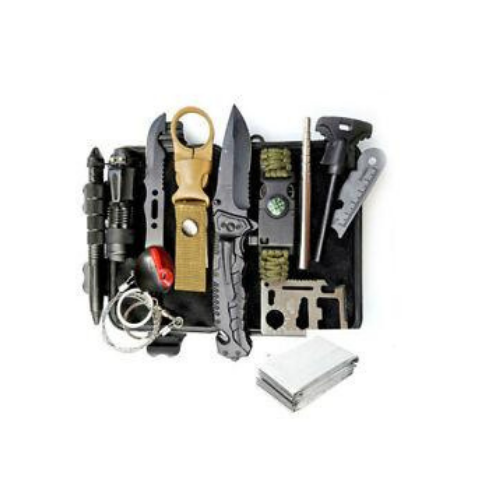
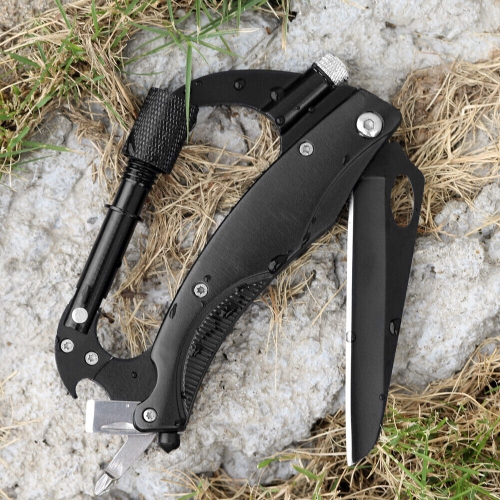
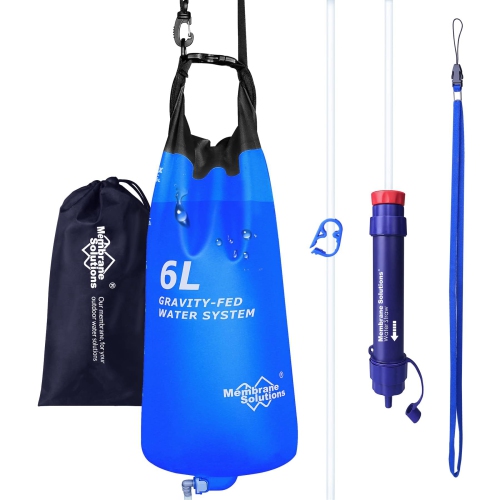
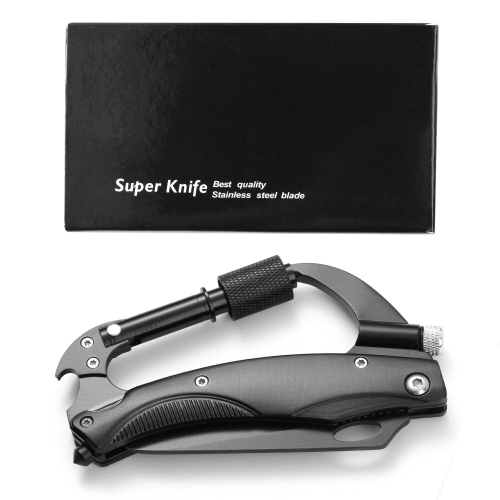
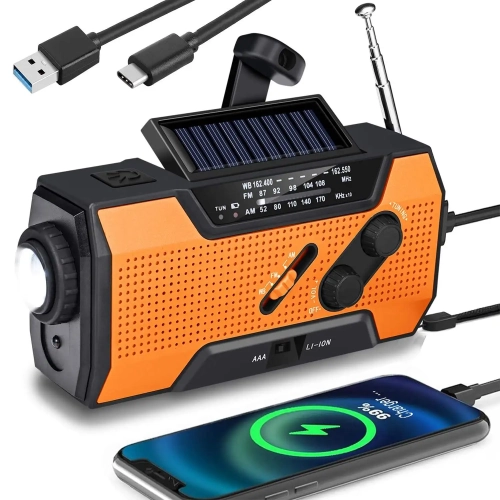

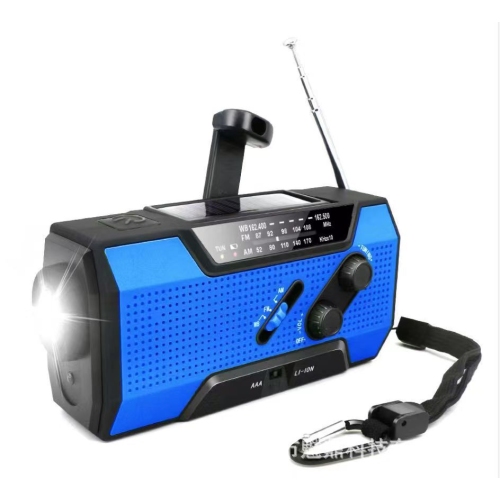
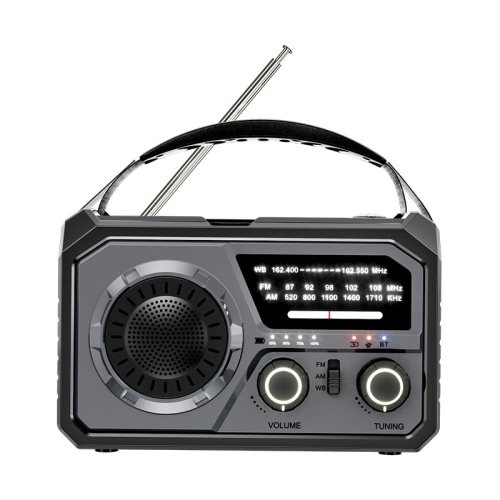
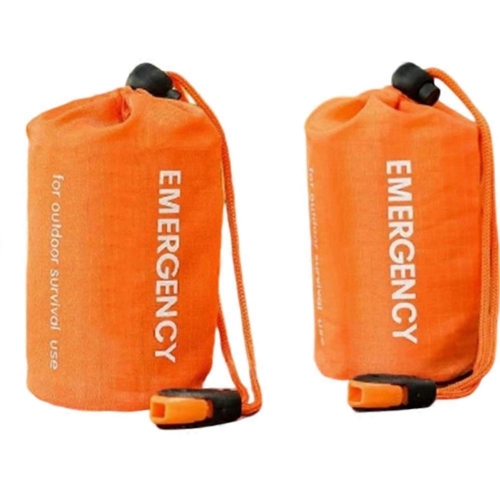
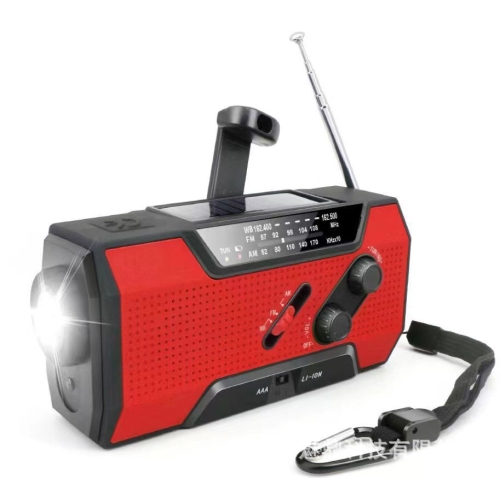

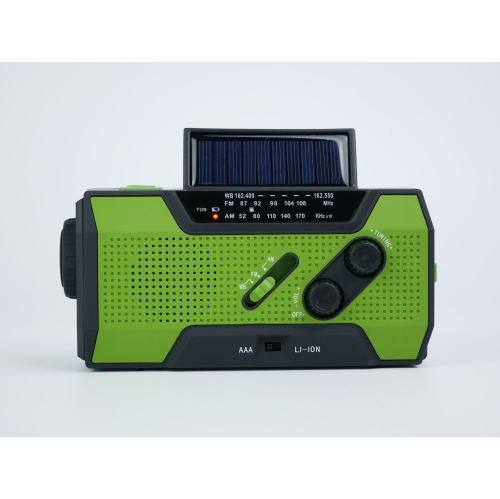
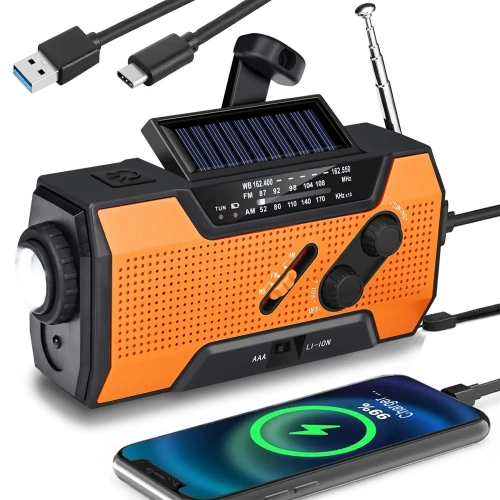
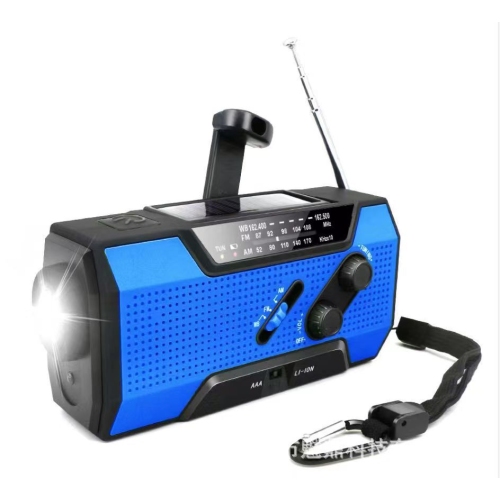
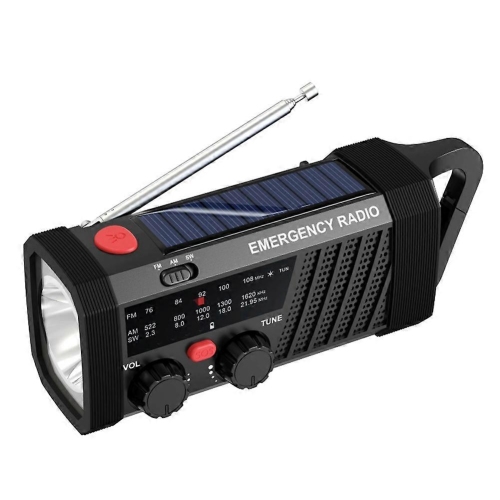
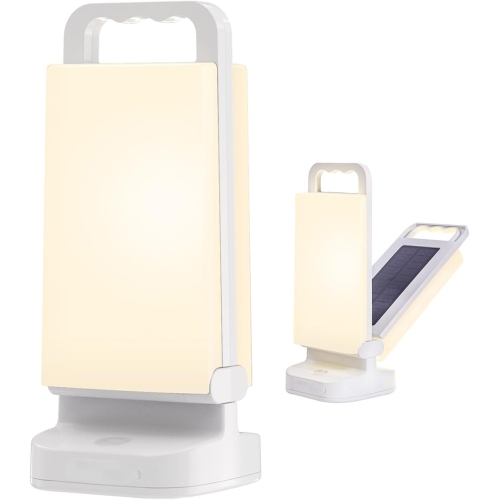
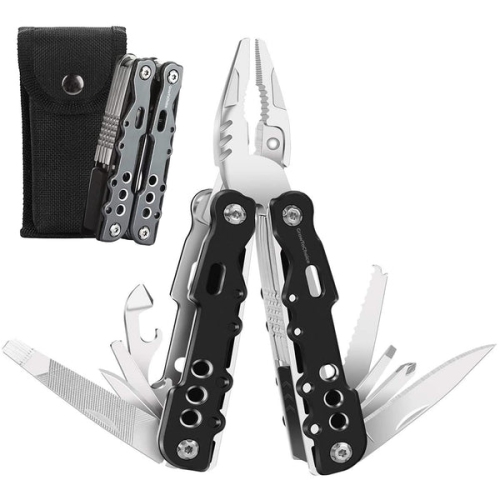
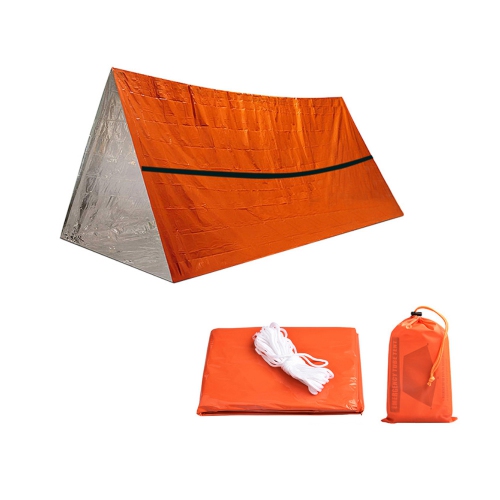
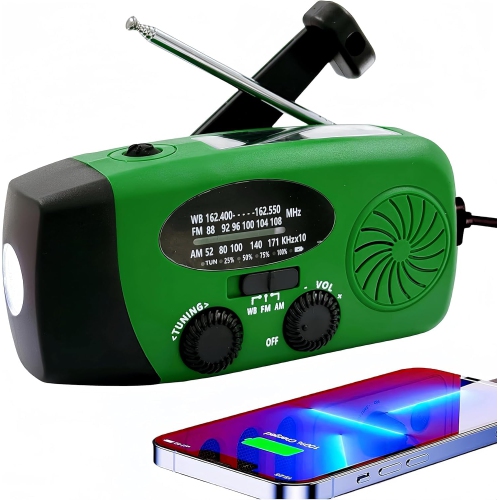
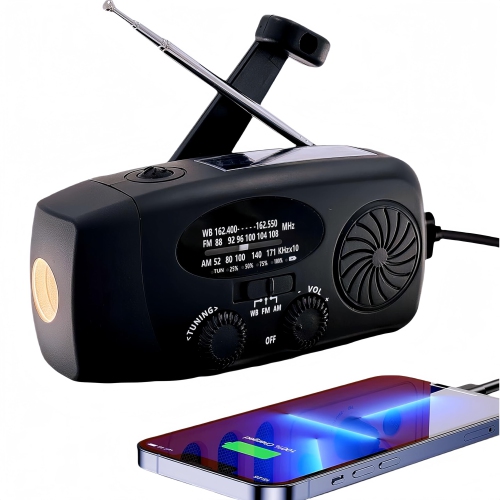
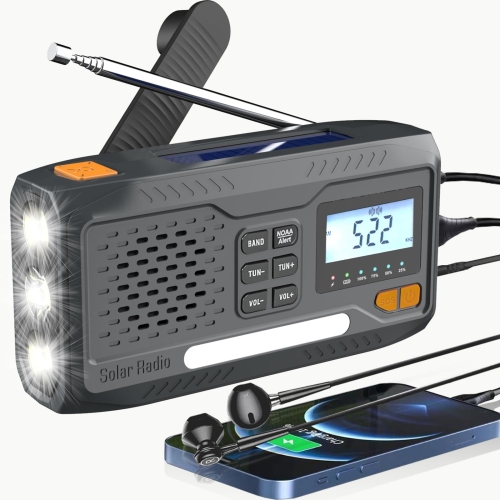

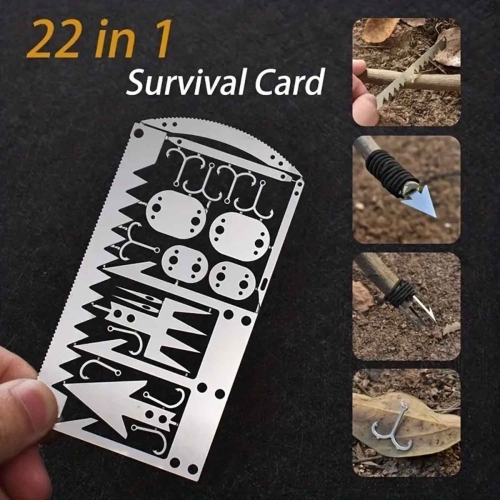
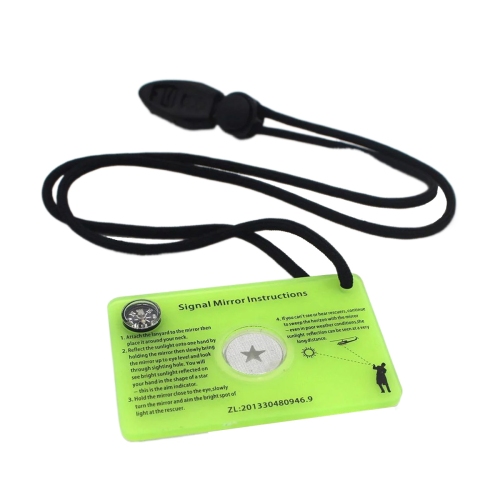
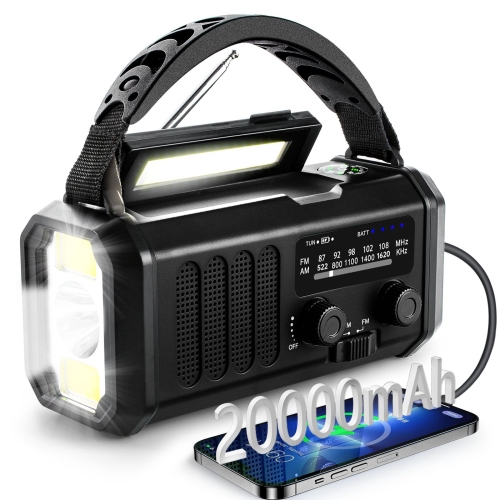
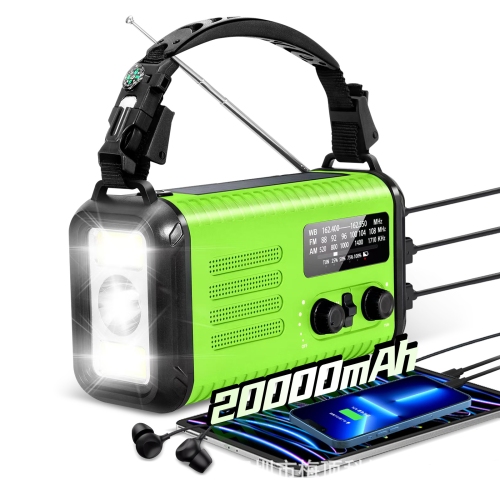

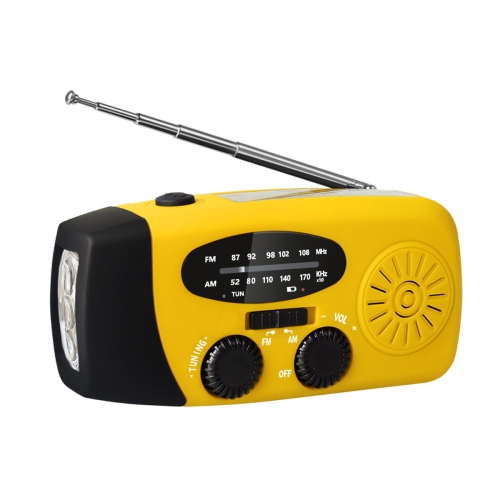

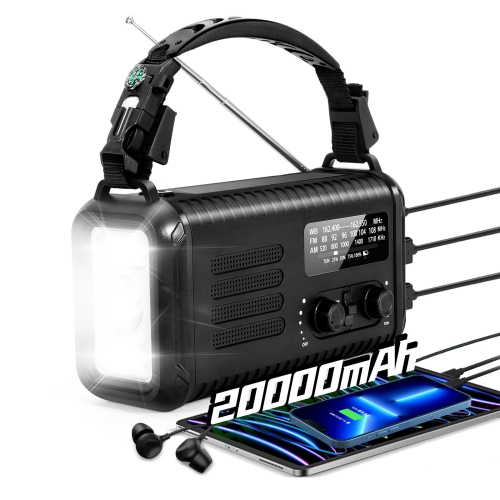
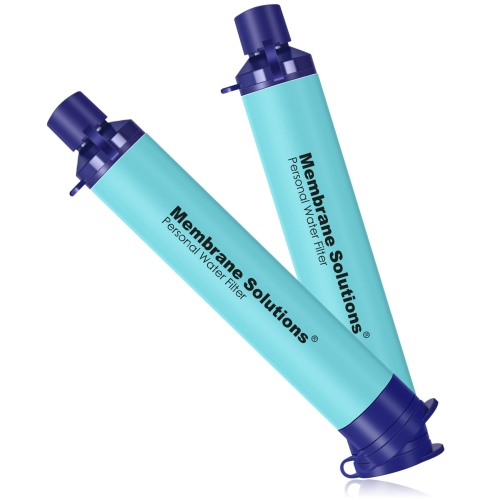
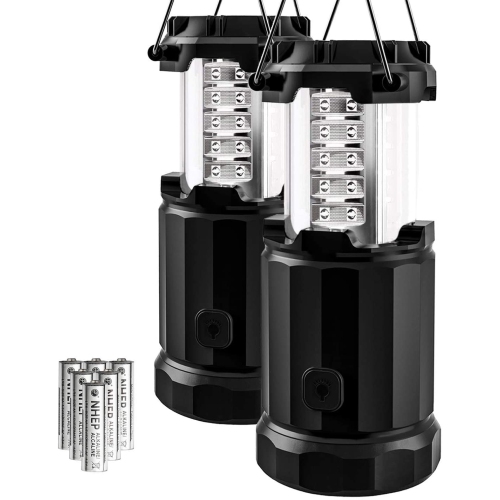
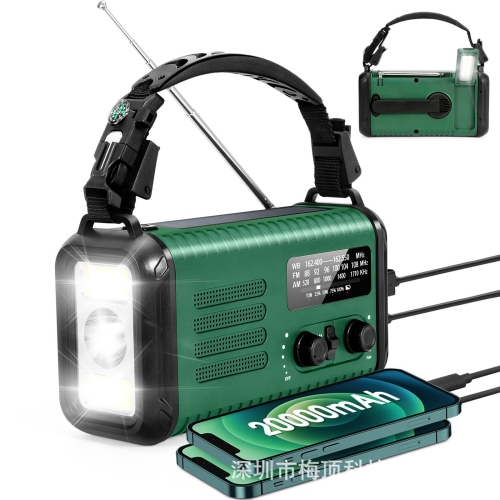
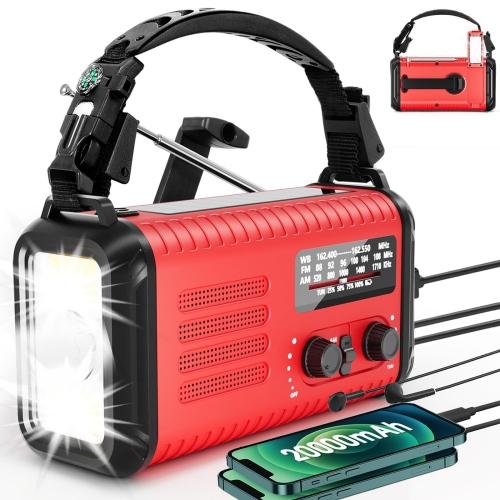
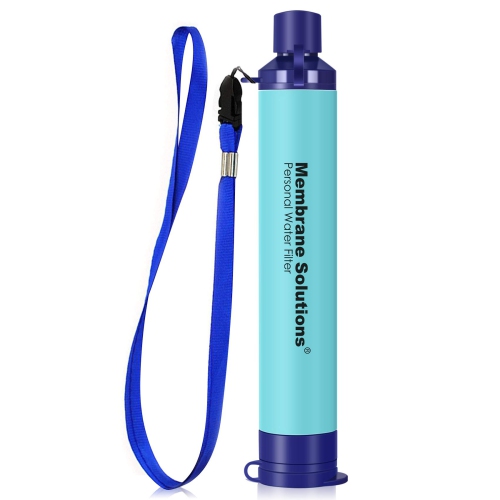
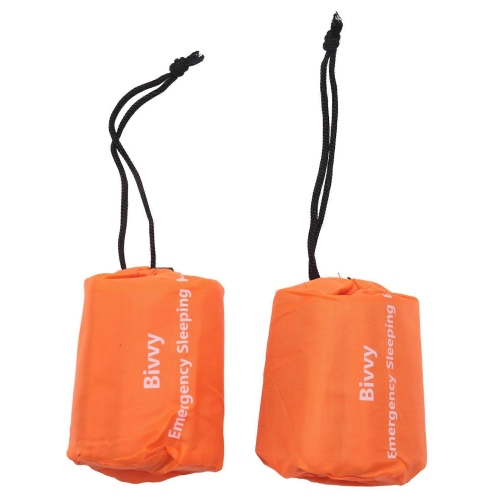
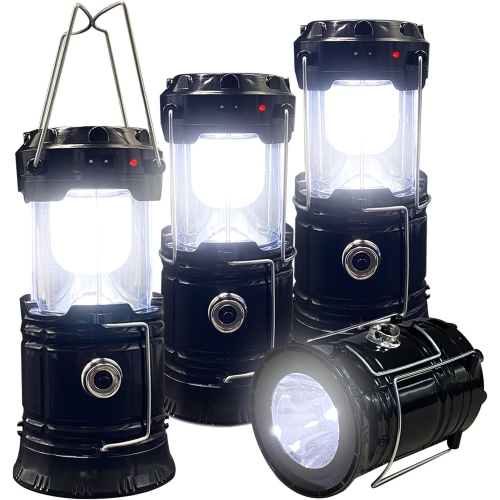

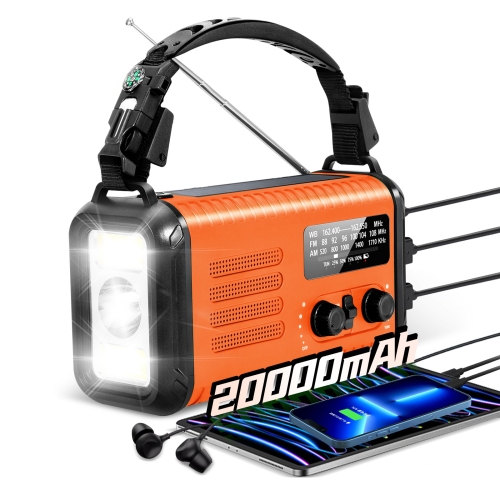
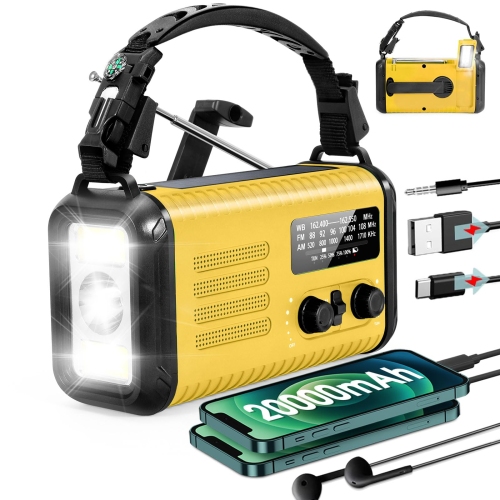

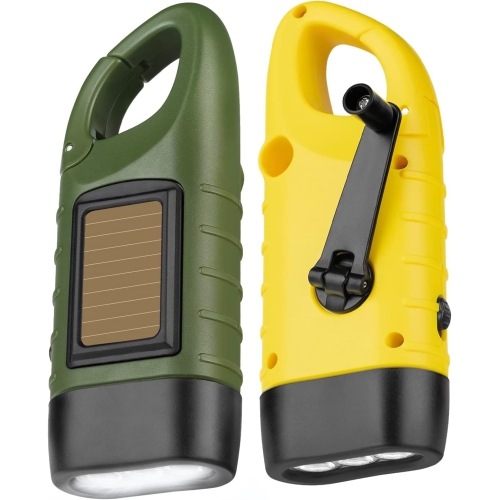
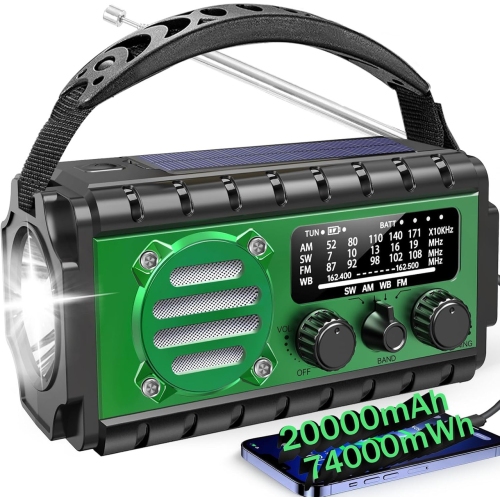
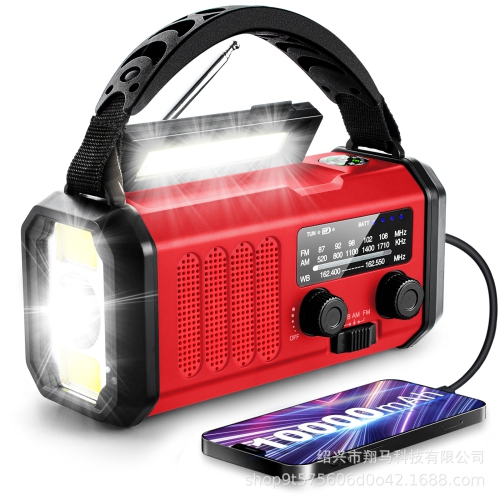
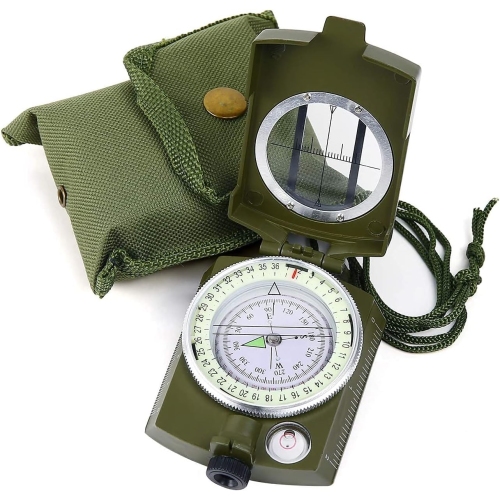
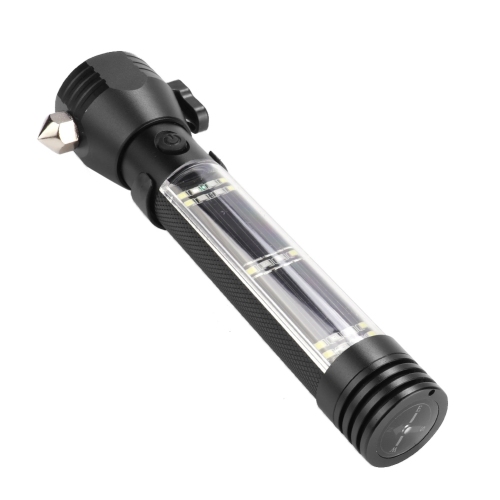

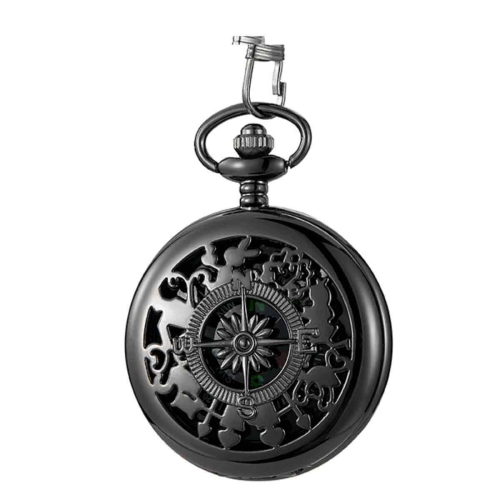
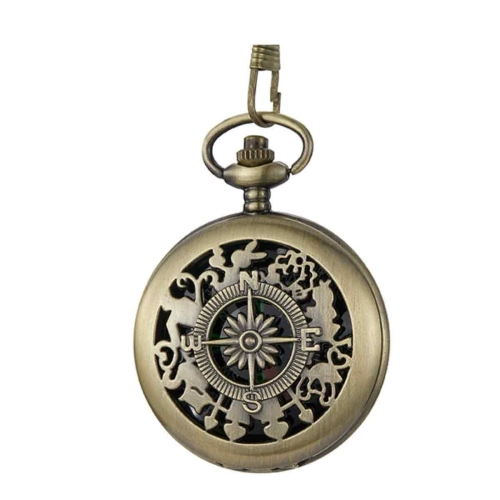
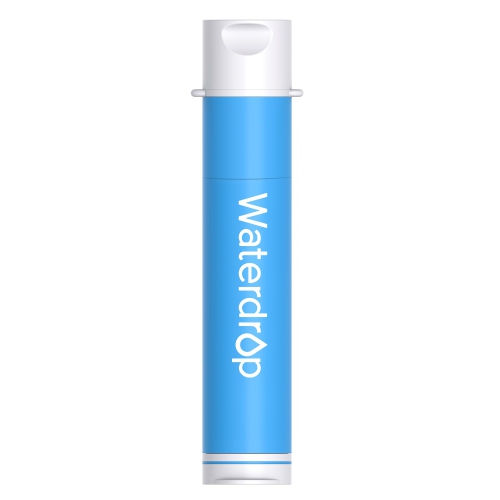
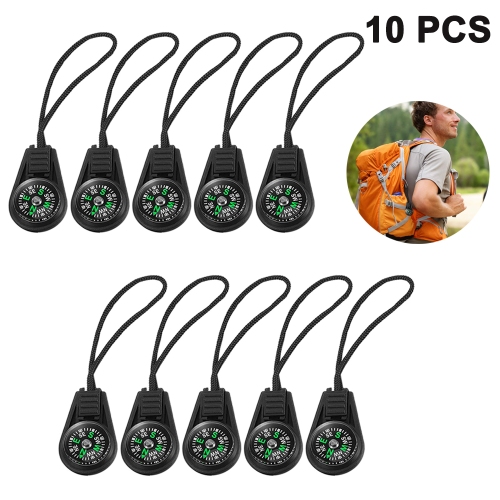
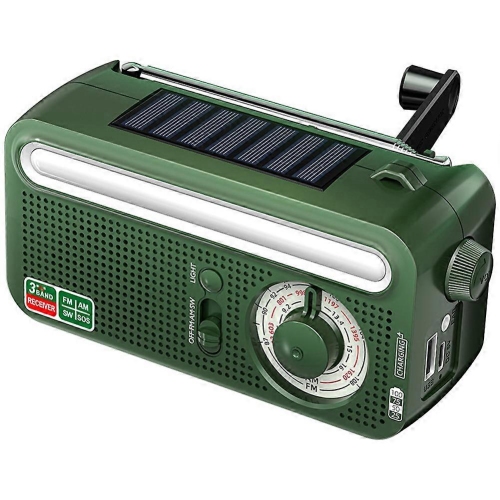

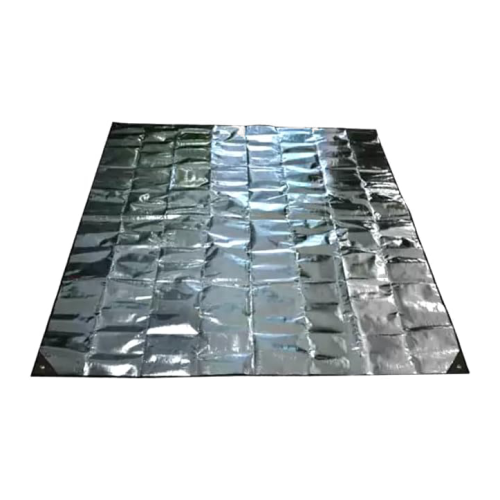

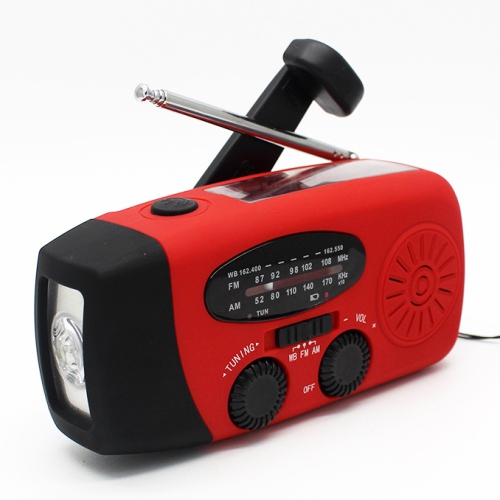
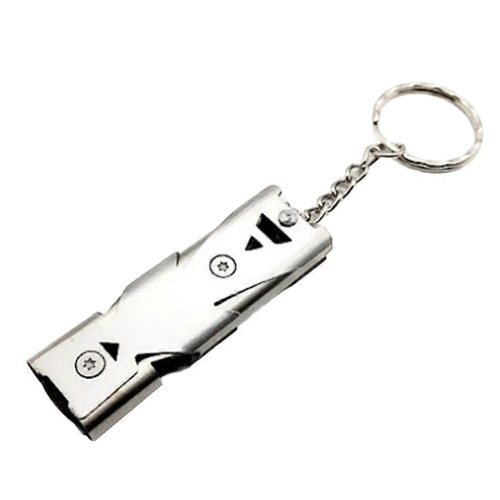
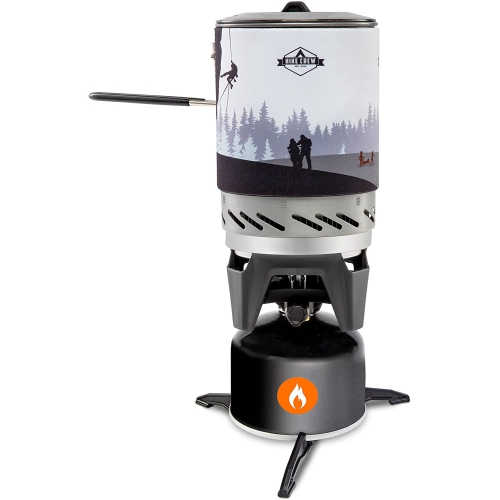


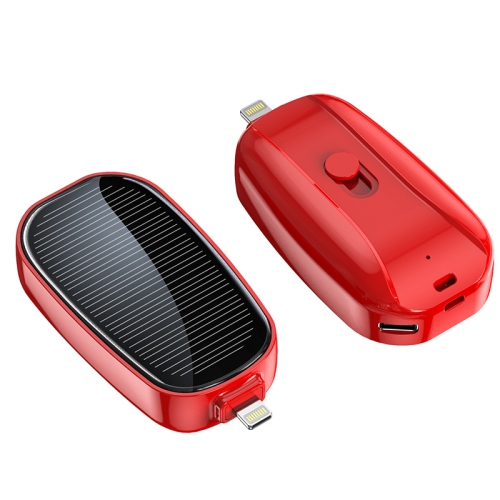
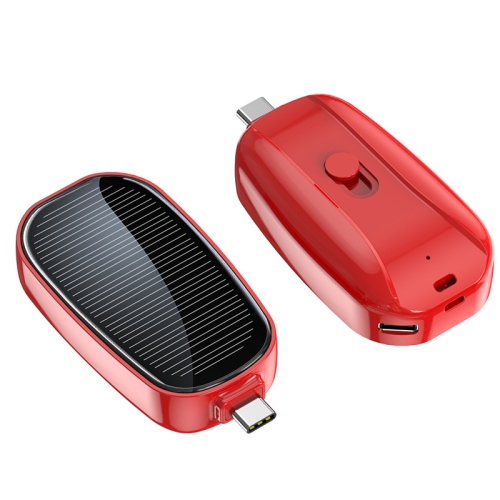



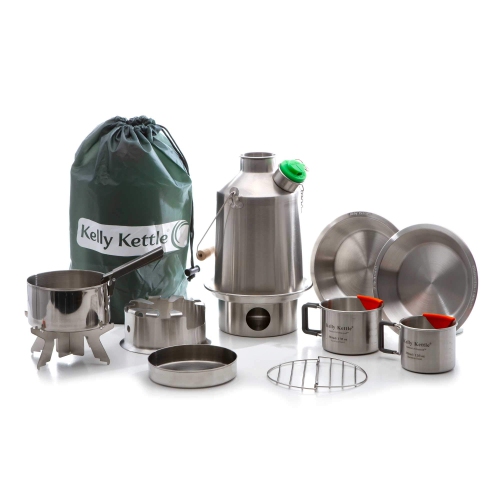
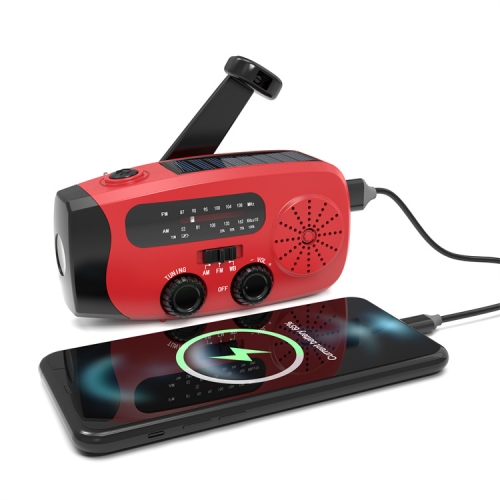

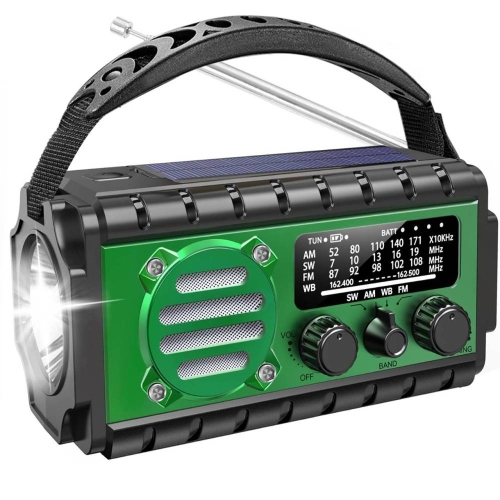
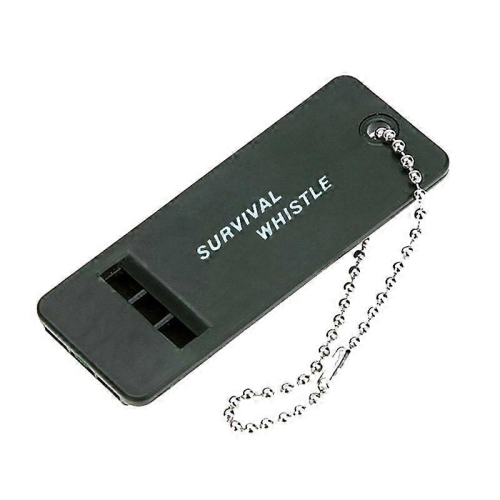
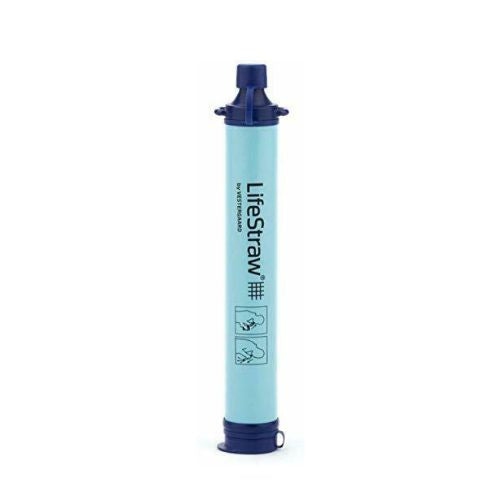
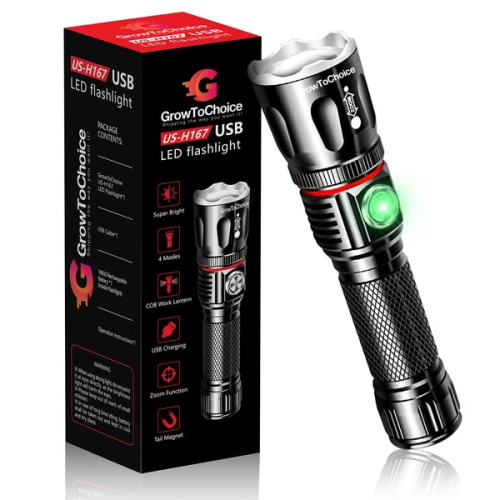
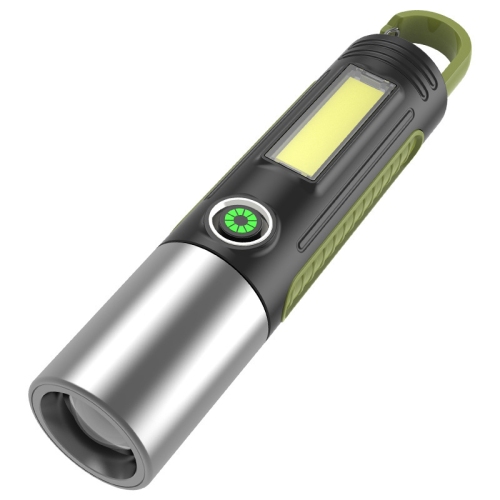
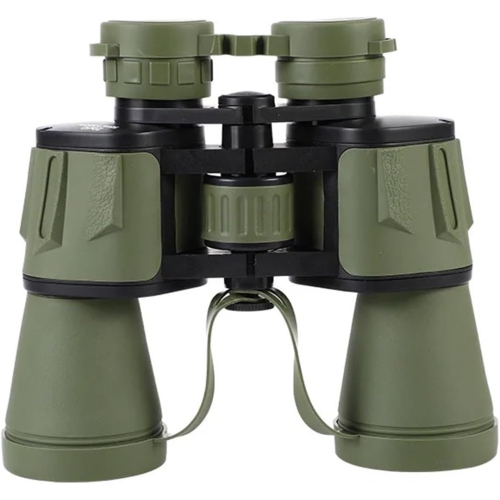
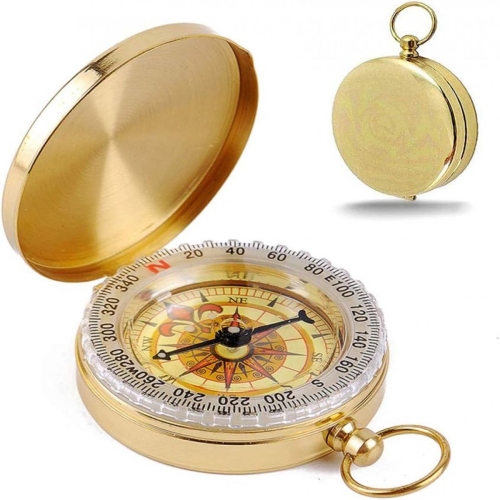
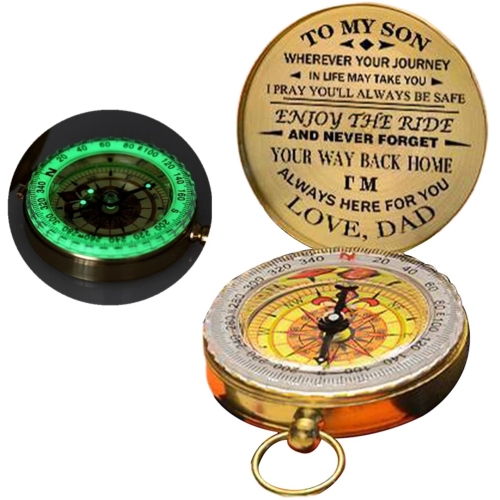
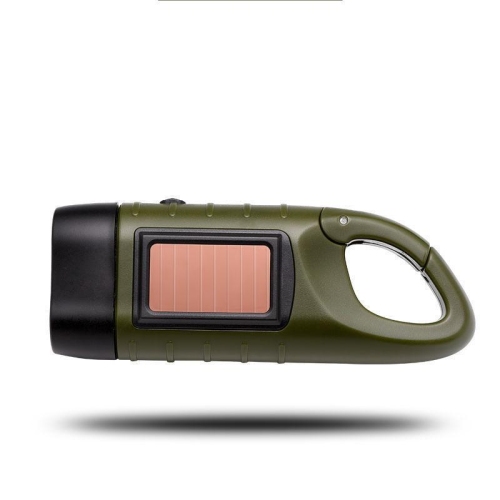

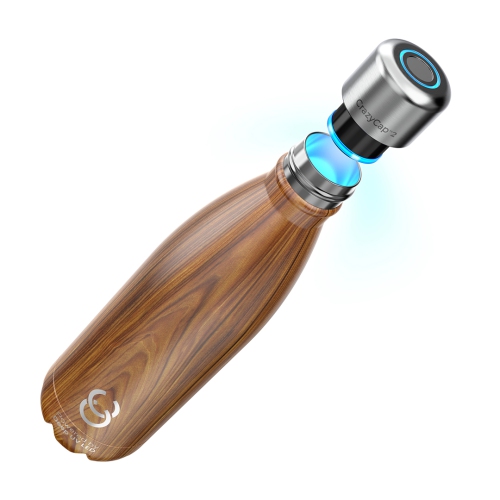
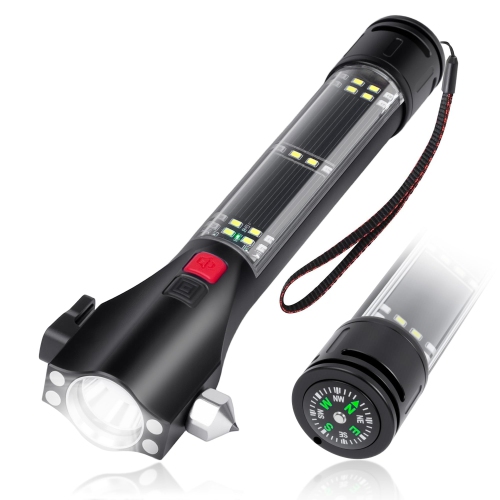

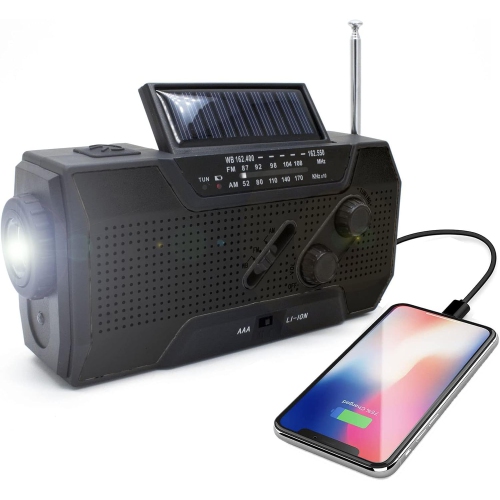
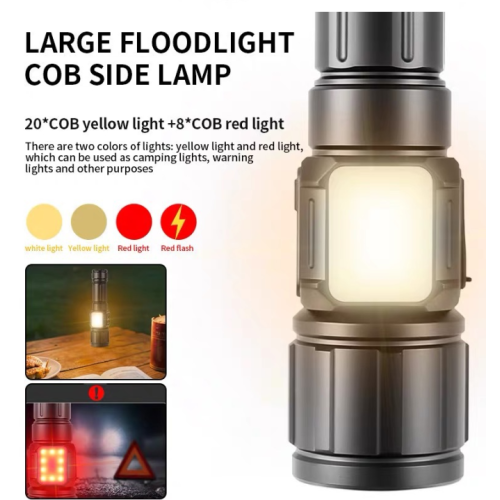
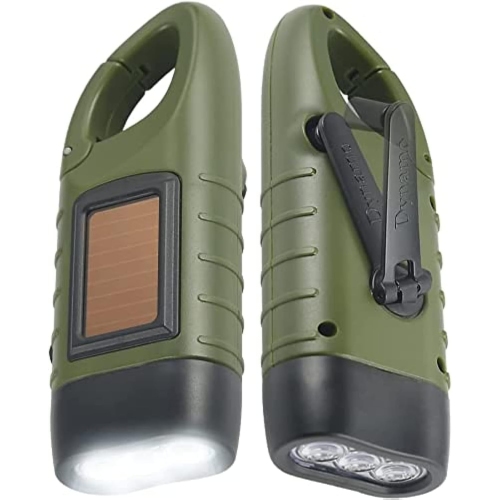
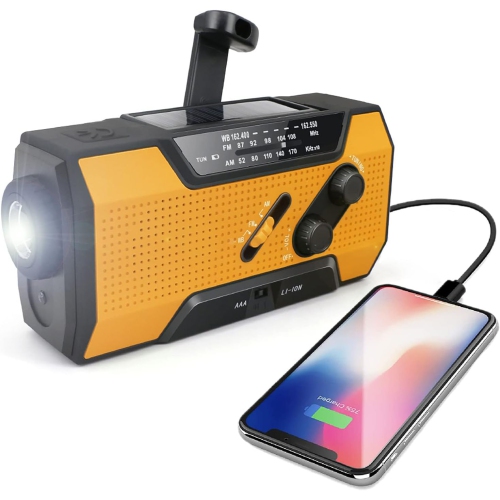
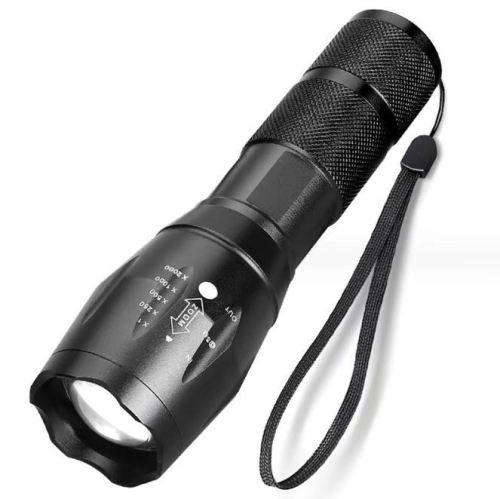
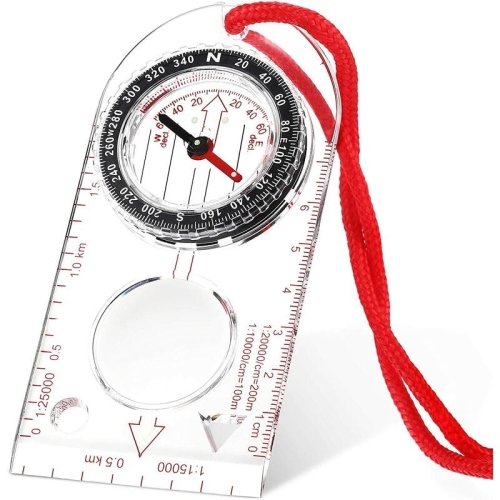
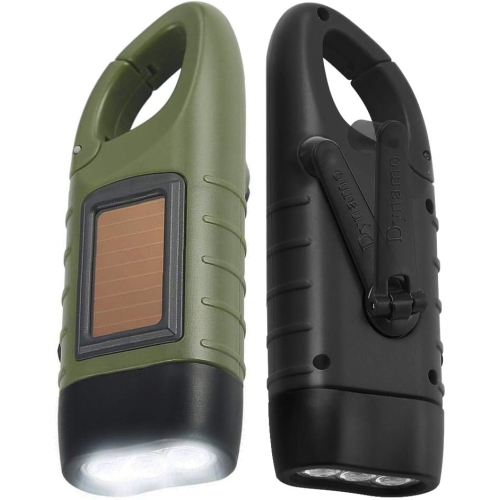

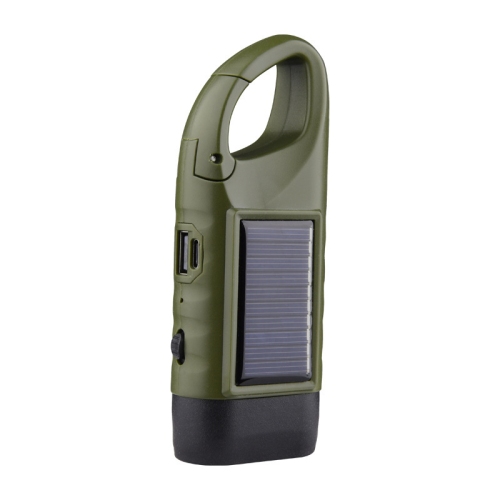
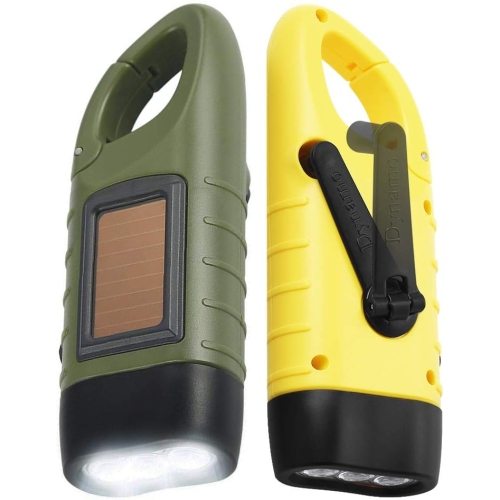
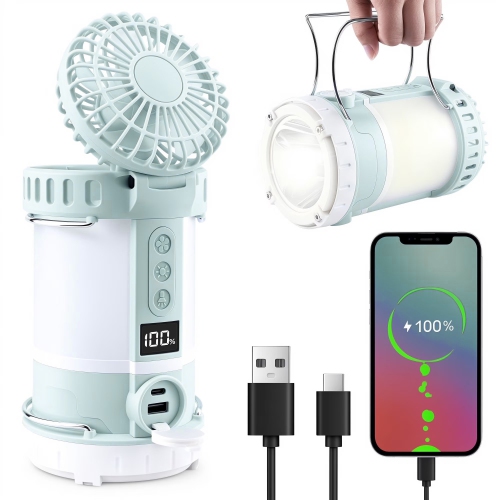

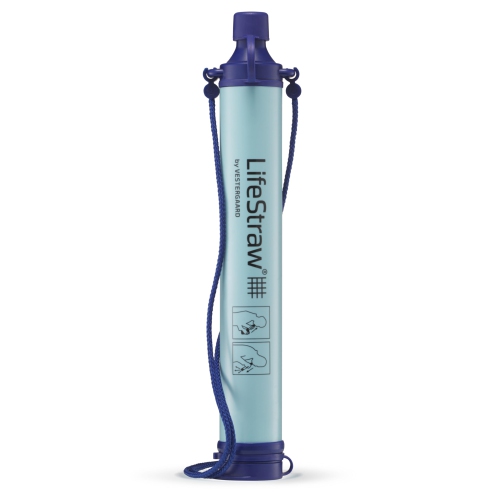
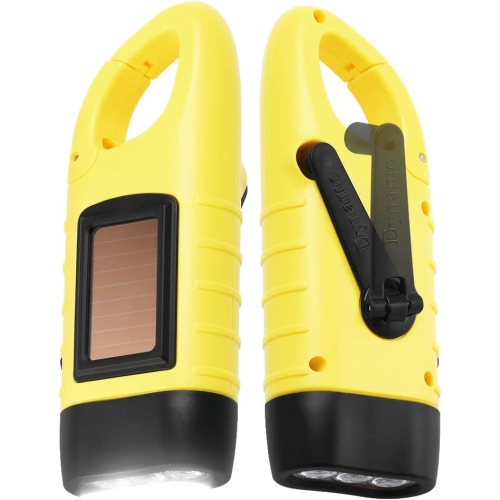
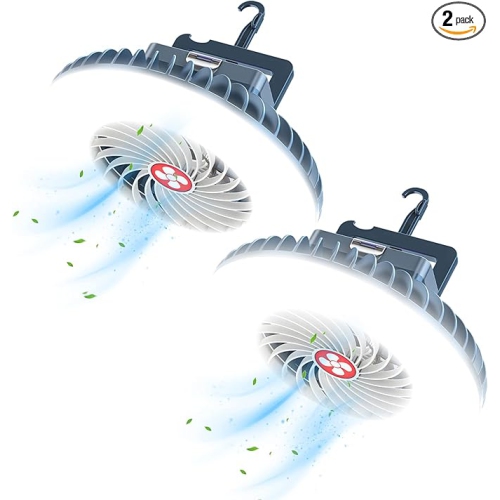
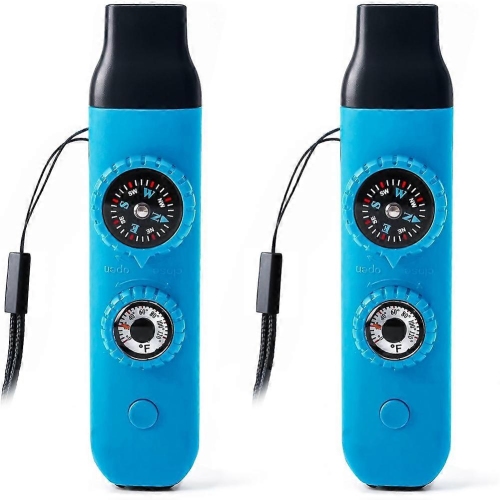



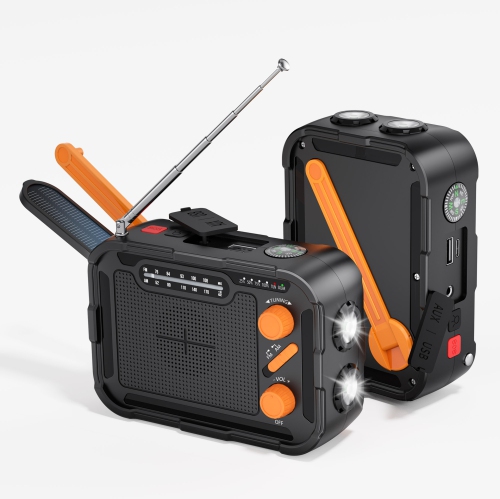
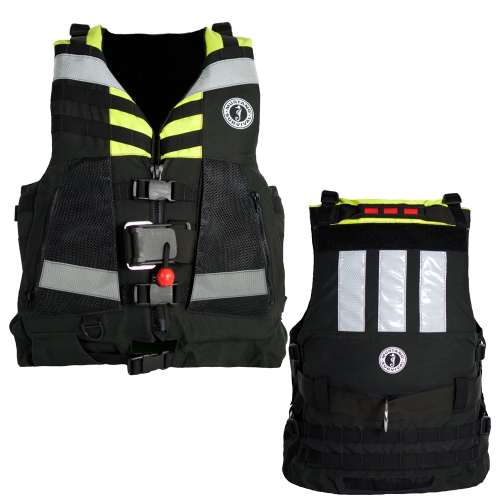
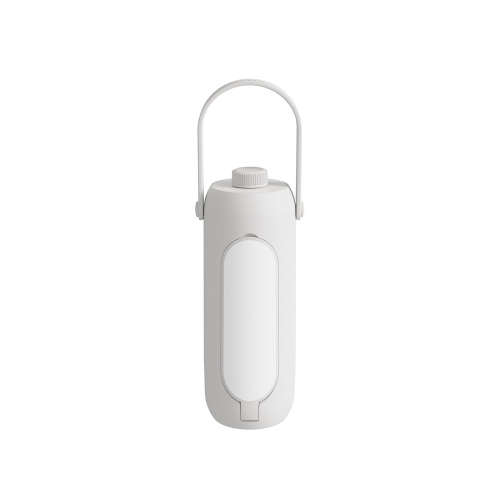
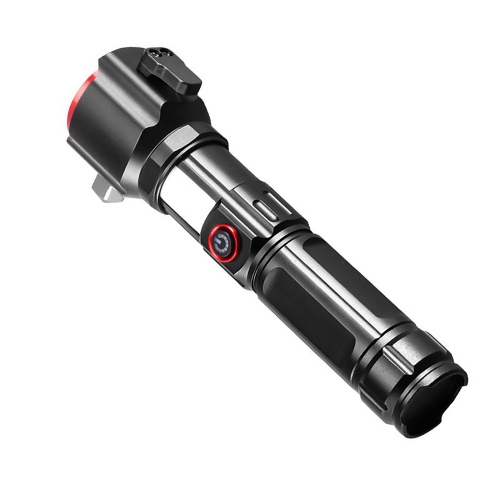

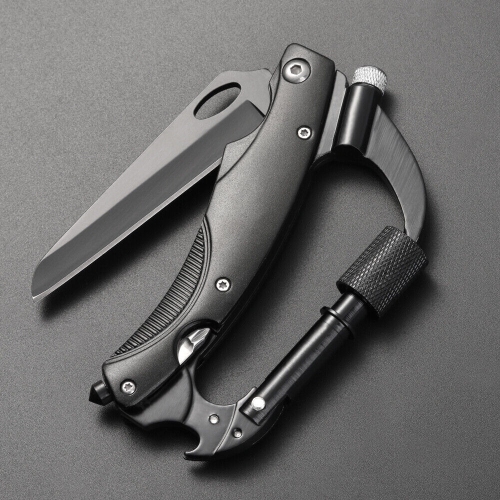
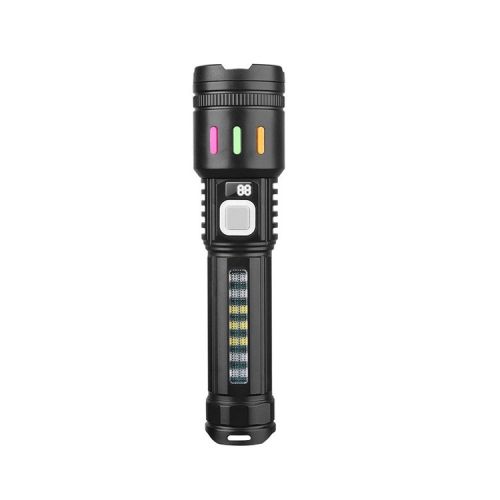
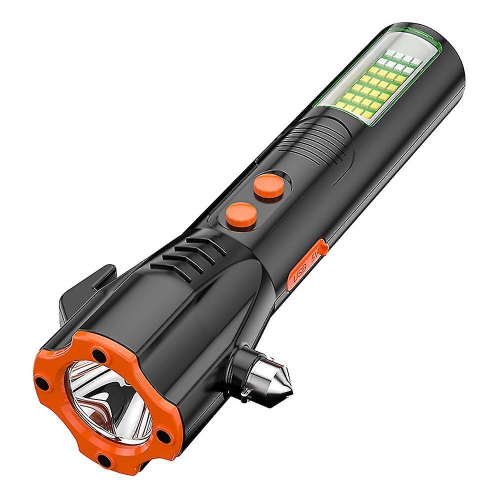


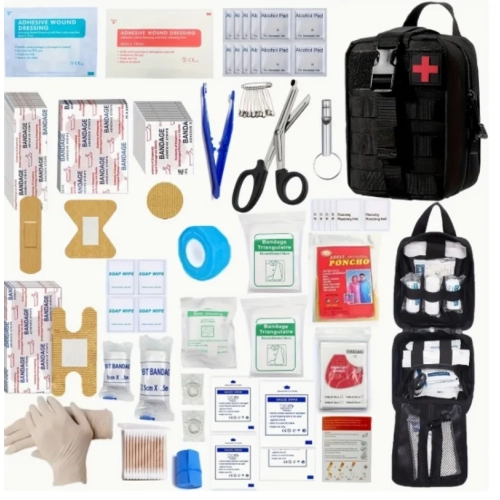

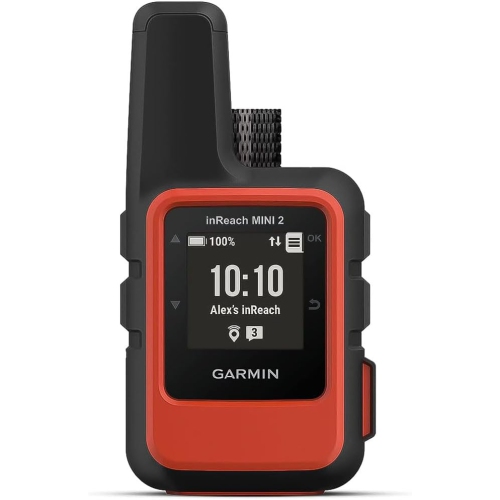
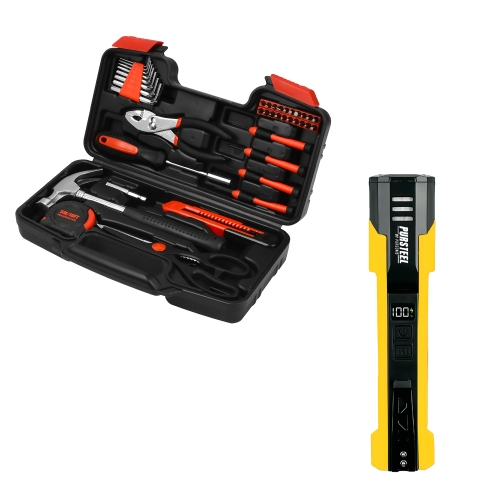
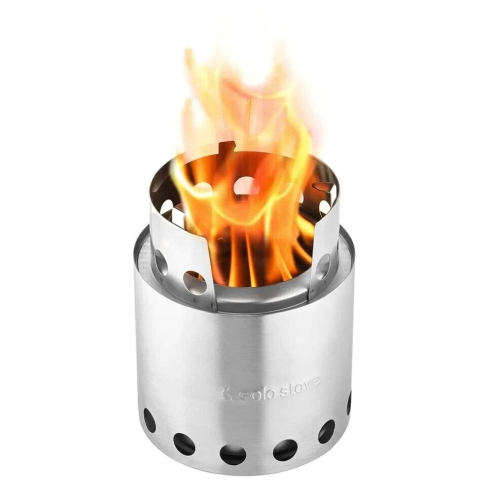
Practical supplies for unexpected delays and emergencies
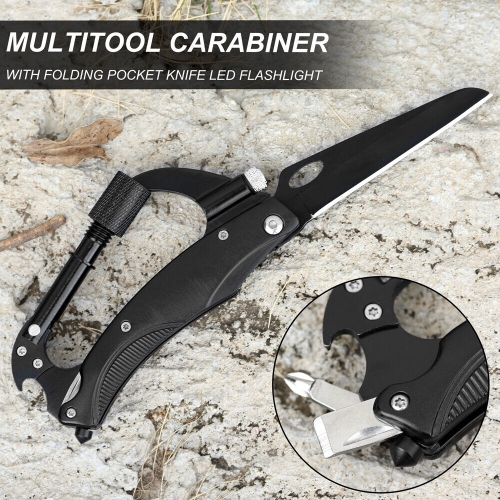
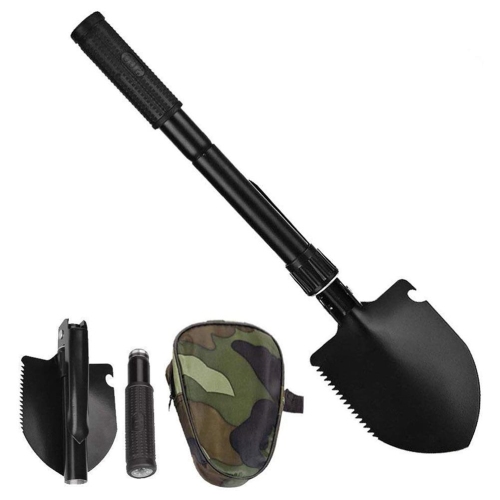
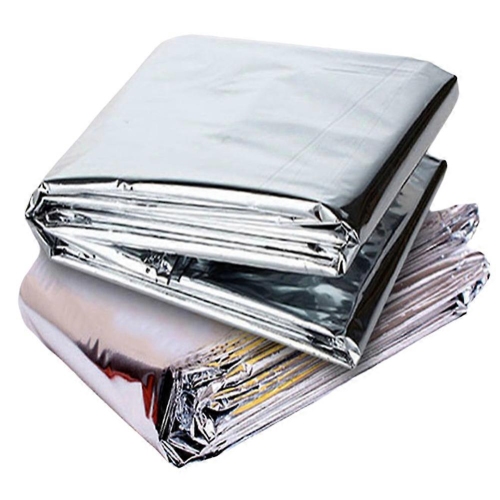
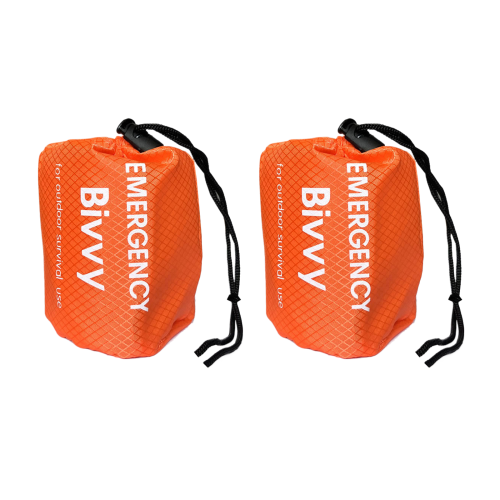
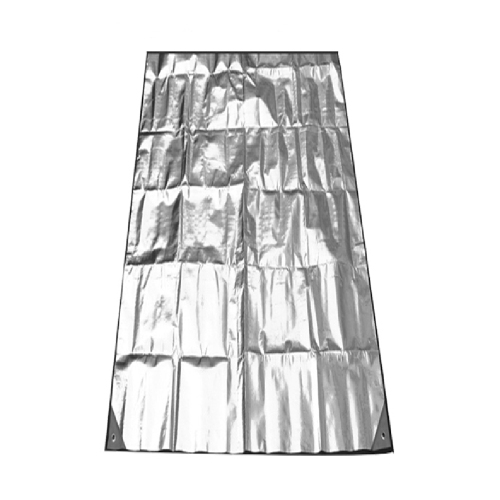
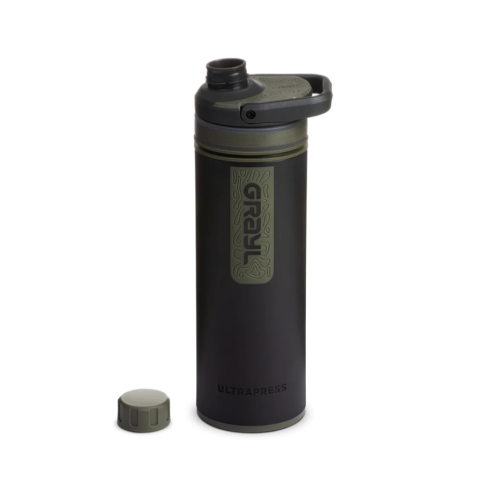
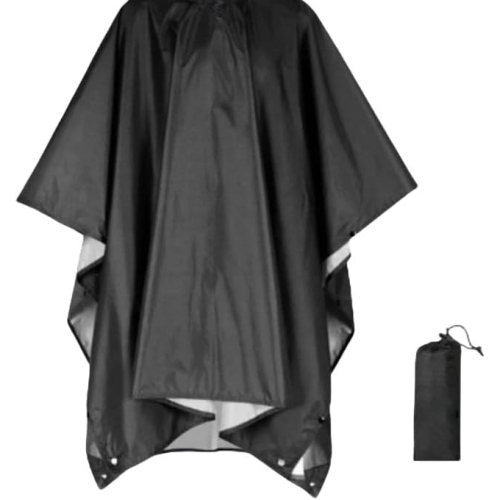
Survival gear brings together equipment for water treatment, shelter, fire starting, navigation, communication, and first aid in a portable kit designed for emergencies and unexpected delays. It supports basic needs when a hike takes longer than planned, a vehicle breakdown leaves help some distance away, or a power outage interrupts everyday routines. The right combination depends on where the gear will be used, how far it must be carried, and how many people it needs to support. Equipment for a daypack usually emphasizes low weight and compact storage, while supplies kept at home or in a vehicle can allow more room for protective coverings, water storage, and medical necessities. Water treatment equipment deserves particular attention because filtration and purification are not interchangeable. Different methods address different microorganisms or contaminants, and many portable filters do not remove viruses or dissolved chemicals. Manufacturer specifications help establish what a treatment method can handle, along with its capacity, maintenance requirements, and limitations. Water containers also need secure closures, materials suitable for drinking water, and a shape that fits comfortably in the intended bag. Shelter equipment creates a protective barrier and a defined place to rest, with useful differences in coverage, packed size, seam construction, and fastening points. Coated fabrics can help resist moisture, while tightly woven materials and reinforced edges can better withstand repeated handling. Compact protective coverings may be practical for short-term use, but they are not equivalent to a complete shelter or sleeping system. Fire-starting equipment serves a different purpose: providing a way to establish a controlled fire where it is permitted and safe. Its usefulness depends on suitable fuel, familiarity with the equipment, and local restrictions. Keeping these functions distinct makes survival gear easier to assess as a collection of practical supplies rather than a single solution that promises to cover every situation. Durability, portability, and clear instructions matter across all of these categories, especially when equipment may sit unused for long periods before it is needed.
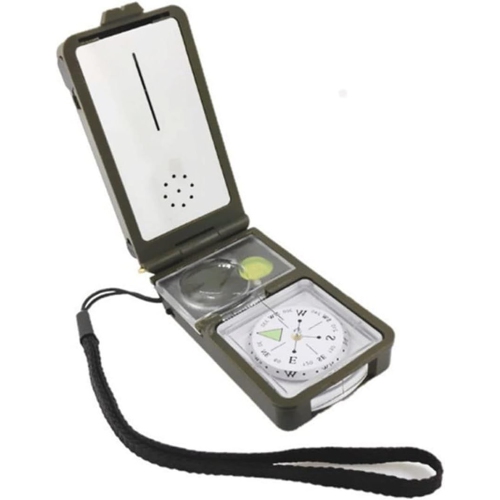
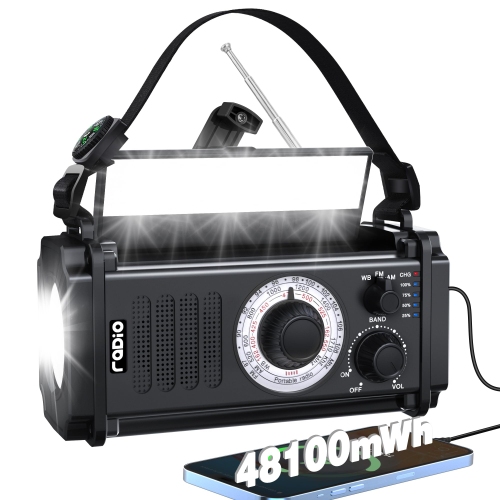
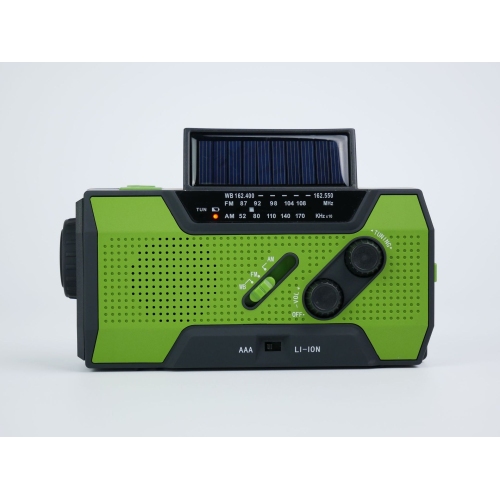
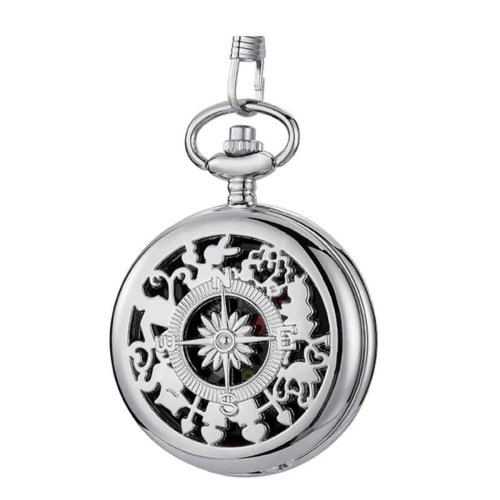
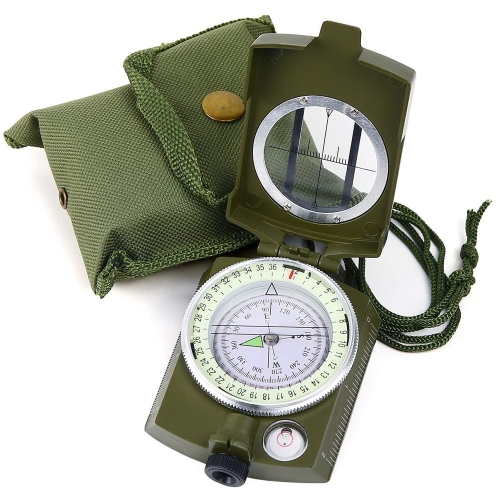
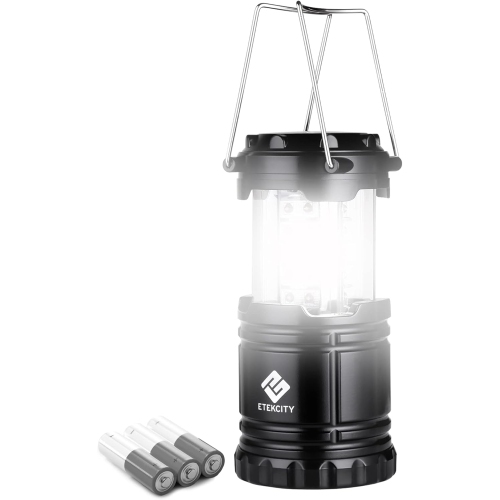
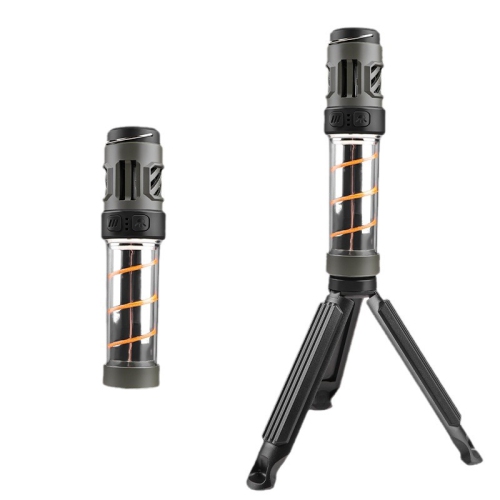
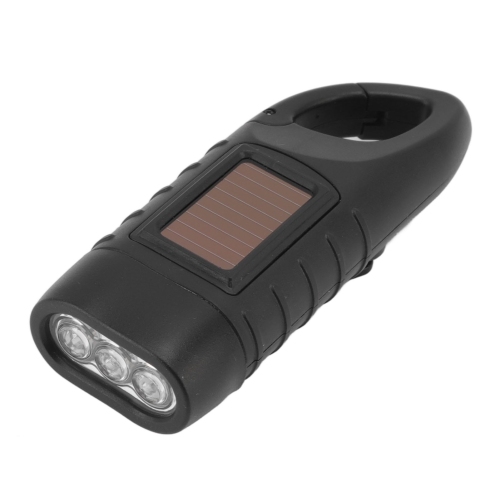
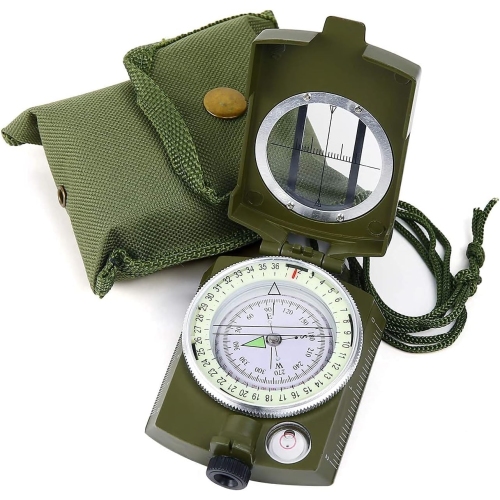
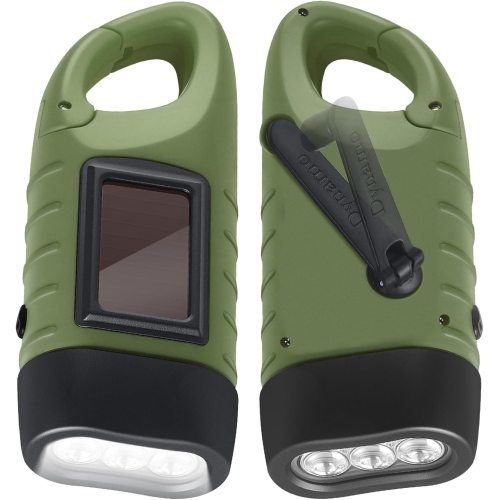
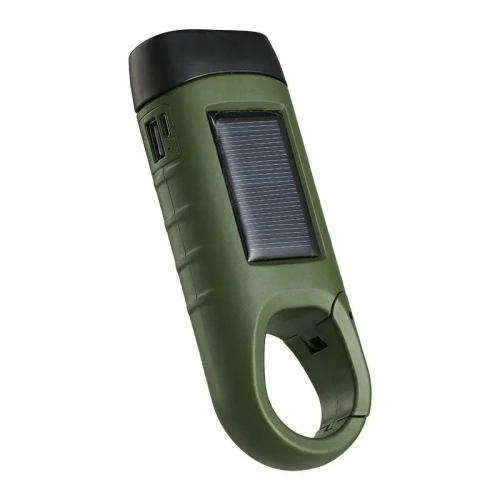
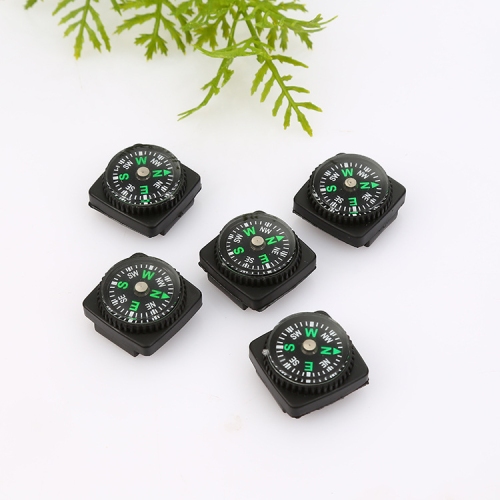
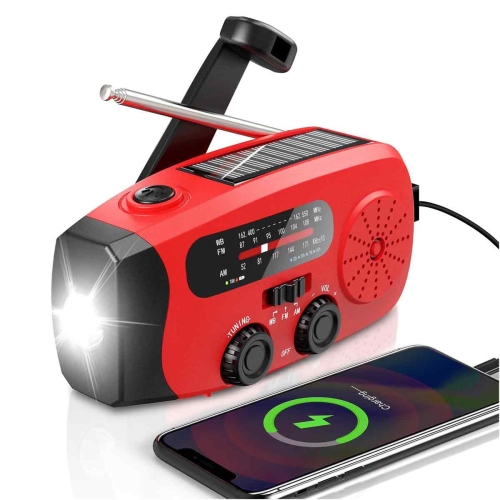
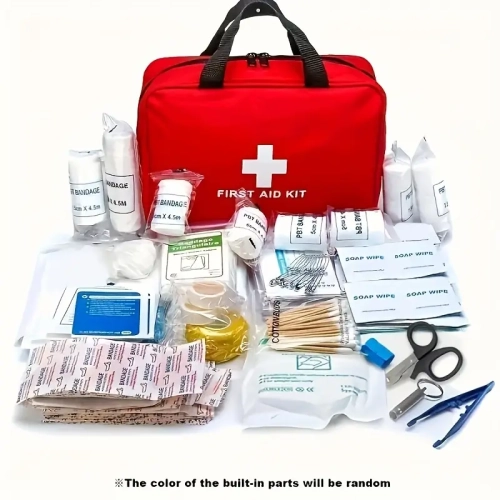
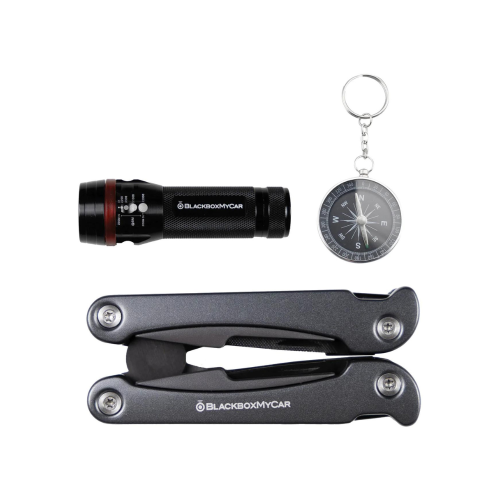
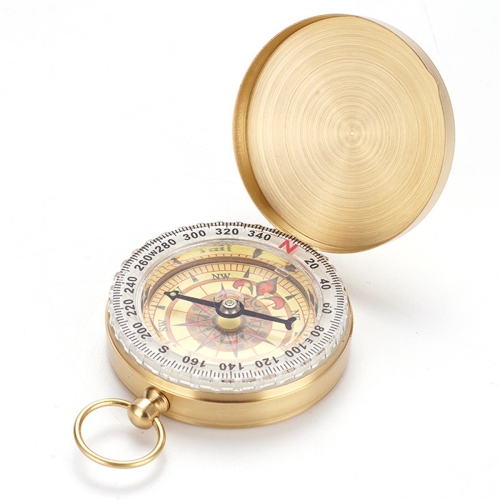
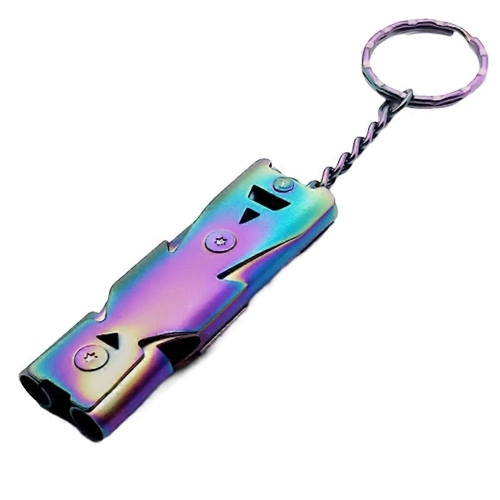
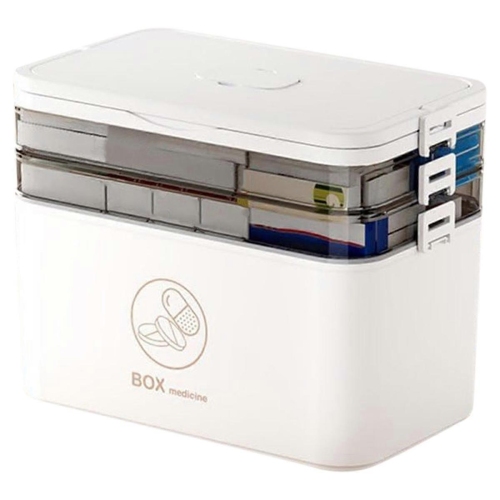
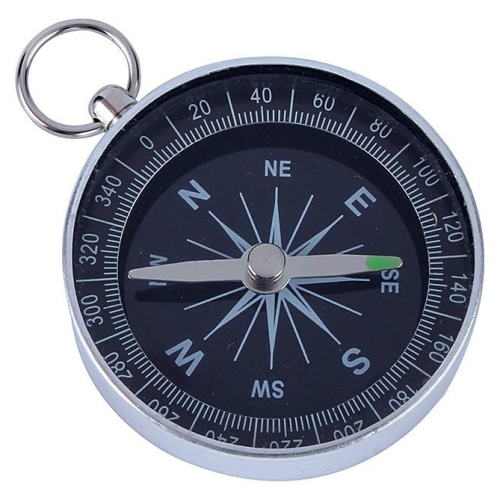
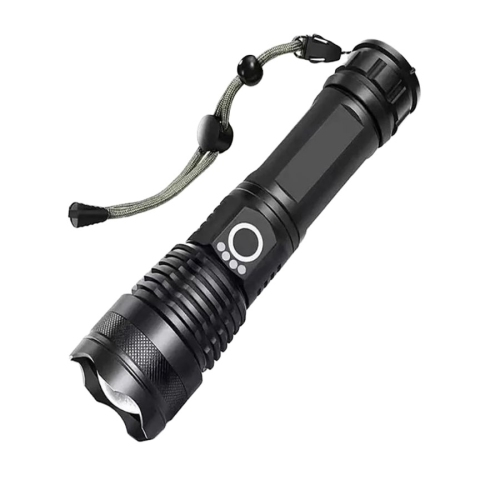
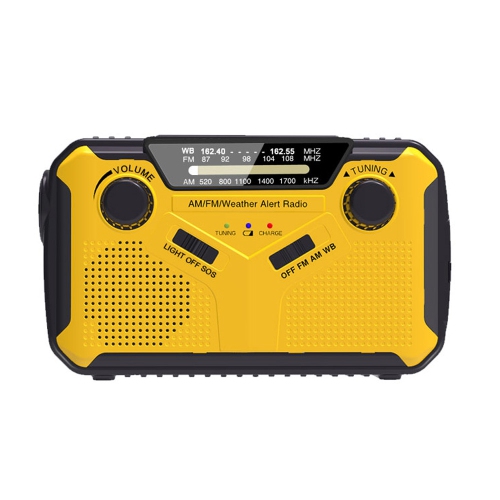
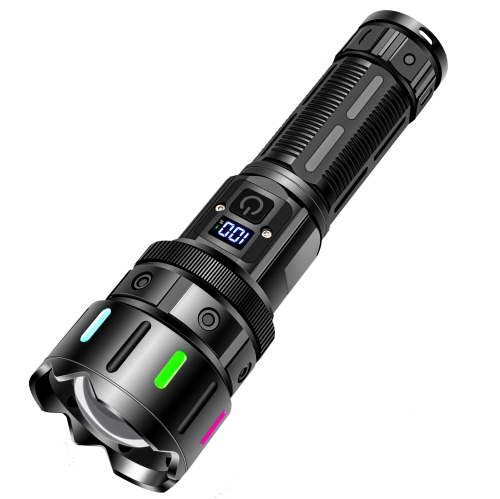
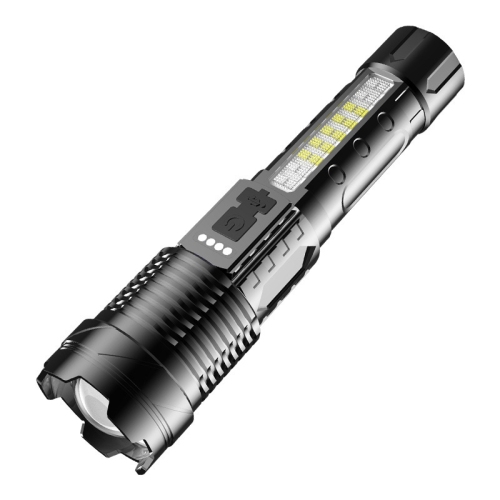
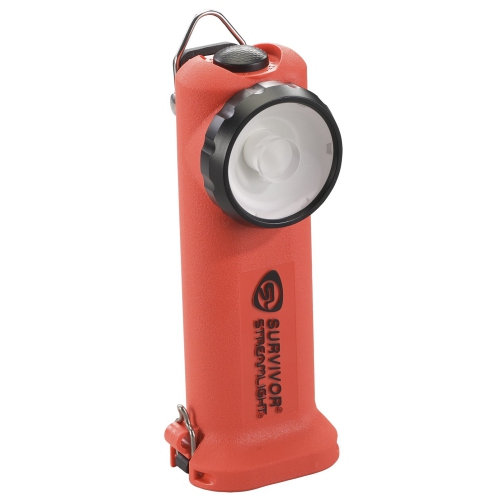
Navigation, lighting, communication, and first aid equipment help people stay oriented, see what they are doing, and respond to problems without relying entirely on a phone. A marked trail junction can become harder to interpret after an unexpected detour, and a dropped phone or depleted battery can remove access to both maps and contact information. Navigation tools vary in the amount of training they require, their dependence on batteries, and the information they provide. A compass is compact and needs no charging, but its value depends on the user understanding how to read it alongside an appropriate map. Electronic navigation equipment can offer additional location information, although reception, power supply, and stored mapping still matter. Lighting is similarly practical rather than simply a matter of brightness. A hands-free light can make it easier to examine a minor injury, manage a fastening, or locate supplies inside a bag. Run time, beam pattern, controls, and resistance to impacts or water are useful considerations, with manufacturer ratings providing more meaningful detail than broad claims of toughness. Communication equipment may support contact beyond ordinary cellular coverage, but capabilities differ, and some functions require an active service plan or a clear view of the sky. First aid supplies contribute another layer of readiness, particularly when their contents suit the number of users and the activities involved. Secure packaging, readable expiry dates, and an organized layout make it easier to identify materials without emptying the entire kit. Supplies are not a substitute for first aid training or professional medical care, but familiar, accessible equipment can support an initial response while help is arranged. For a closer look at how these categories fit together, Survival Kit Essentials provides a related starting point. The strongest combinations offer complementary functions without unnecessary duplication, leaving room for the practical needs of the person carrying them.
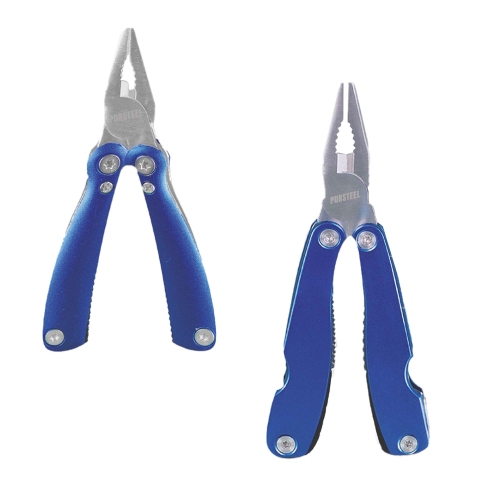
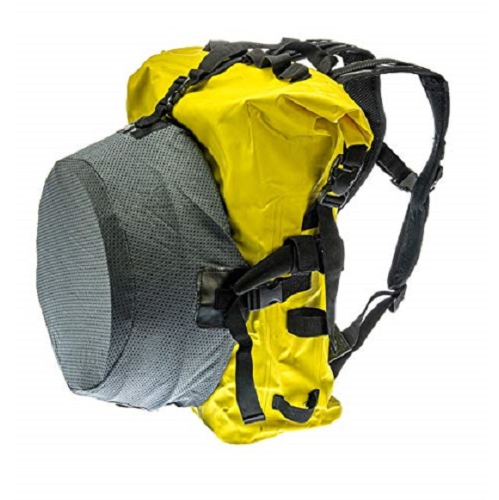
Materials, fit, and upkeep influence how comfortably survival gear can be carried and how well it holds up to use. Stainless steel offers corrosion resistance and strength, while aluminium can reduce weight in components where portability is important. Neither material makes every piece of equipment suitable for every task; construction, protective finishes, hinges, and attachment points also affect performance. Tough woven fabrics are common in storage gear, with reinforced stitching and dependable closures helping keep contents together through repeated packing and unpacking. A pack should sit securely without restricting movement, and adjustable straps can help distribute its load rather than leaving all the pressure on the shoulders. Smaller pouches can separate medical supplies from utility equipment, while visible compartments make frequently used supplies easier to find. Controls and fastenings should suit the user’s dexterity, especially when operating a light or opening a container with only one hand free. Care is equally important for gear that spends most of its time stored. Clean, dry storage helps protect fabrics, metal parts, and packaging; routine checks can reveal damaged seals, worn straps, leaking batteries, or supplies approaching their expiry dates. Rechargeable equipment needs a charging schedule that matches its storage conditions and the manufacturer’s recommendations. Water treatment components may have cleaning, drying, or replacement requirements that affect their useful life. These details matter whether the equipment belongs to an experienced camper, a frequent traveller, a household assembling emergency supplies, or someone who works away from immediate assistance. Survival gear can also make a thoughtful gift for a person who enjoys hiking or camping, particularly when its size, complexity, and intended use match their activities. Compact equipment may suit someone who carries everything on foot, while a larger storage setup may better serve shared household preparation. Useful gear feels manageable, not burdensome: it has a clear purpose, fits where it will be kept, and is familiar enough to use without guesswork. That balance makes preparedness more practical and keeps essential functions within reach when ordinary plans are interrupted.
Top selling and popular products
-
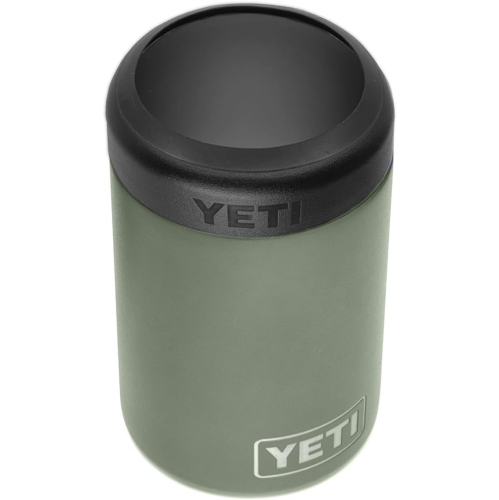 Your price for this item is $64.99
-
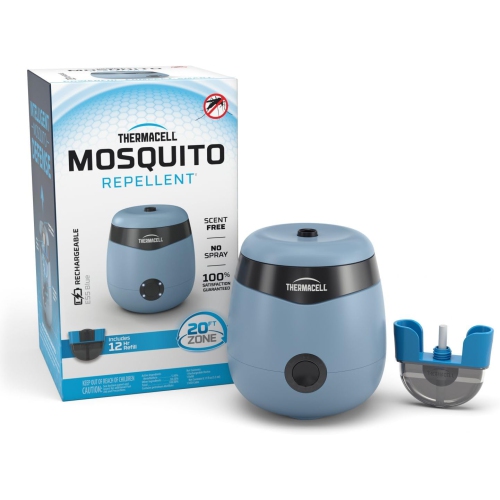 Your price for this item is $119.89
-
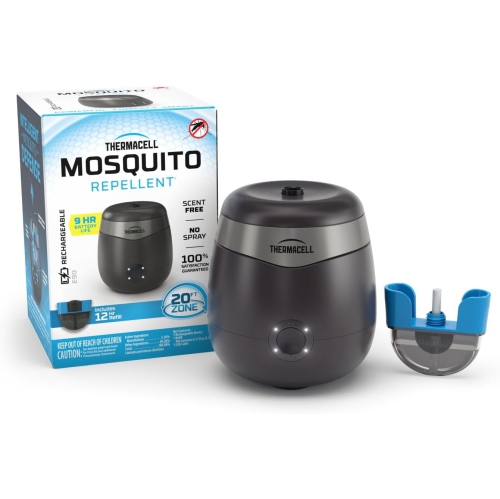 Your price for this item is $95.91
-
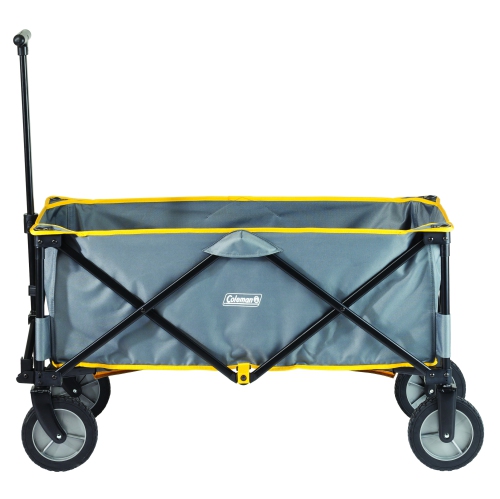 Your price for this item is $199
-
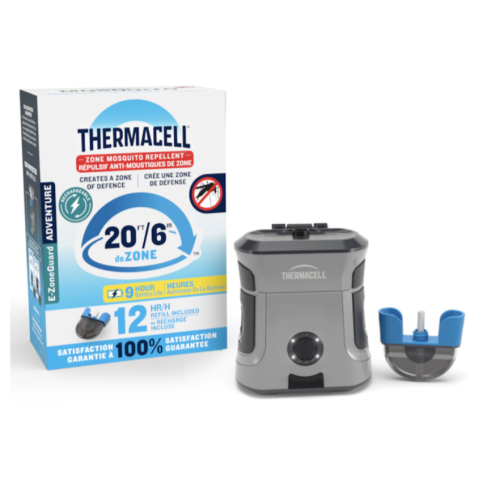 Your price for this item is $64.99
-
 Your price for this item is $66
-
 Your price for this item is $34.99
-
 Your price for this item is $90
Discover more categories related to Survival Gear
Top Collections:
Pokemon Centers, Best Budget Office Chairs, Kindle Devices, Best Cameras for Sports Photography, Pokémon 30th Celebration Cards, Best Laptops for Writers, Canon G7X Cameras, iPhone 15 Apple, Best Cell Phones Under $300, Apple iPhones 16
Some products may be subject to Environmental Handling Fees
(EHF) depending on your province.
Learn more about EHFs.