Easy Coolers
Discover a convenient way to keep your beverages and snacks chilled with an easy cooler. Whether you're planning a picnic, heading to the beach, or organizing an outdoor gathering, these coolers offer a simple solution for portable refreshment. Explore a variety of sizes and styles designed to suit different needs, making it effortless to transport and enjoy your favorite items at the perfect temperature. Find the ideal easy cooler to enhance your next adventure or everyday outing.
Sort
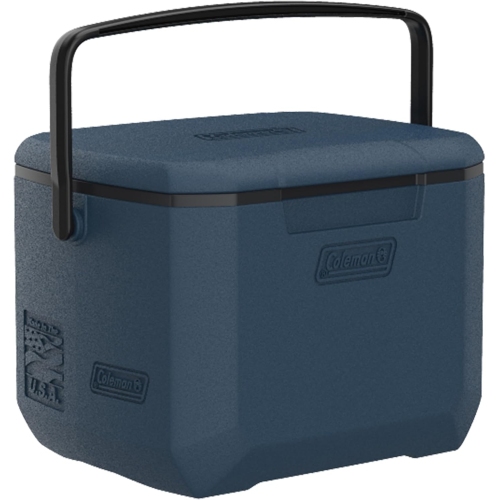
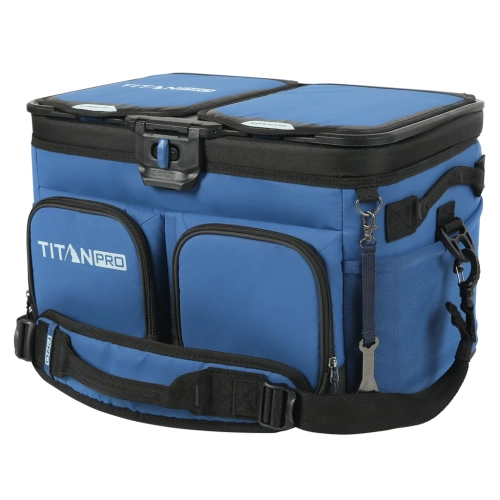
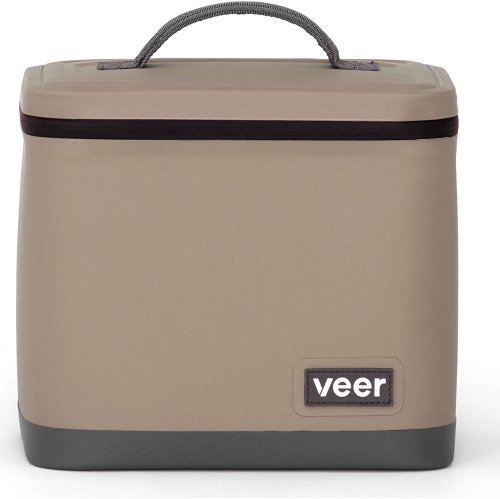
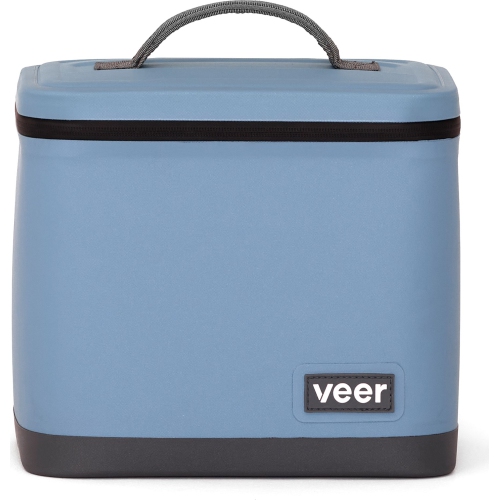
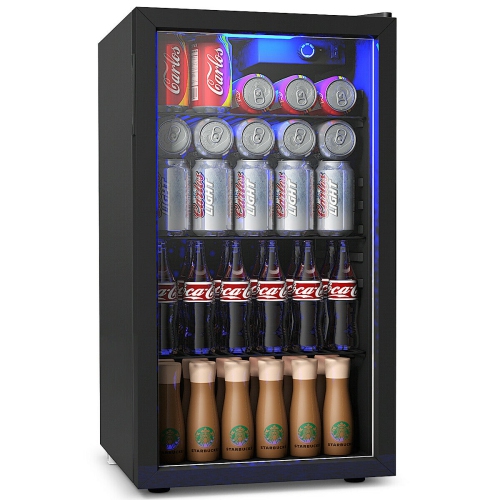
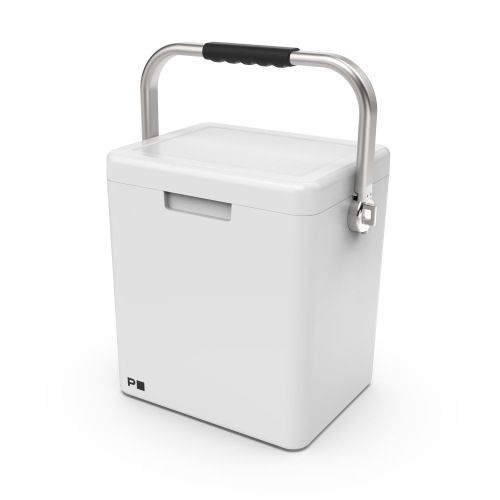
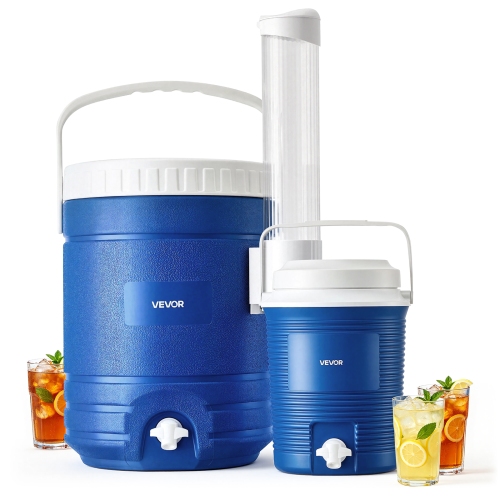
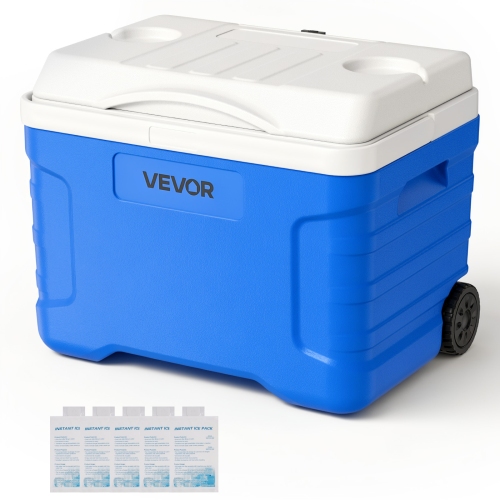
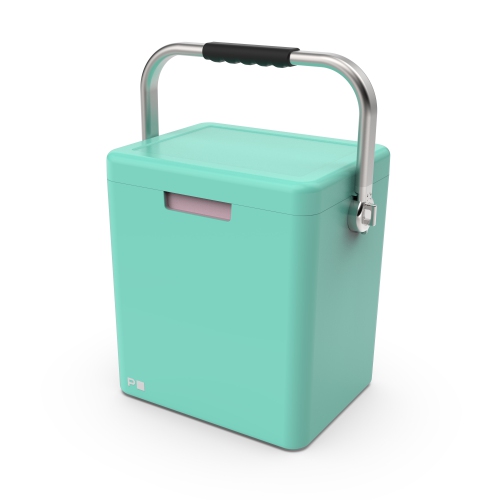
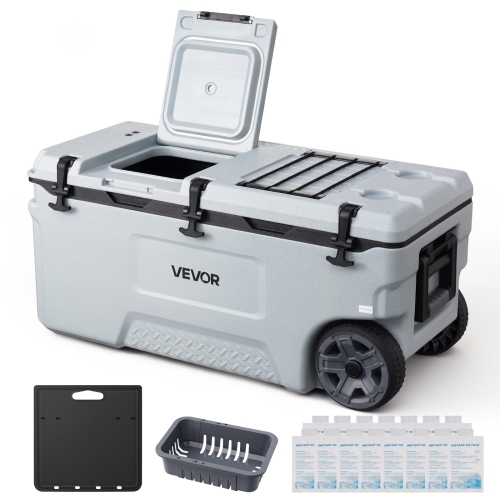
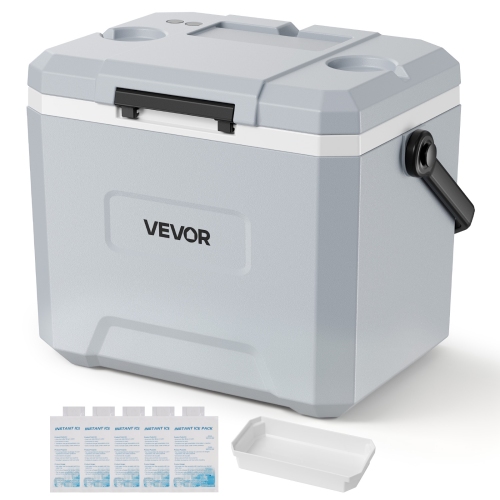
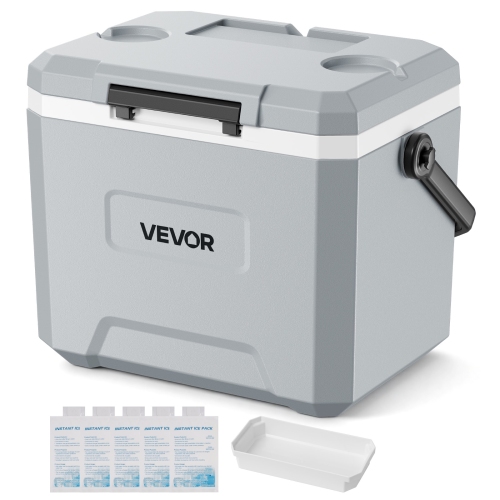
An easier carry takes more than a lightweight cooler
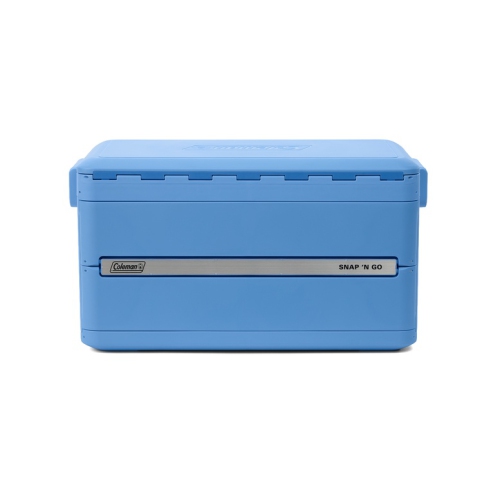
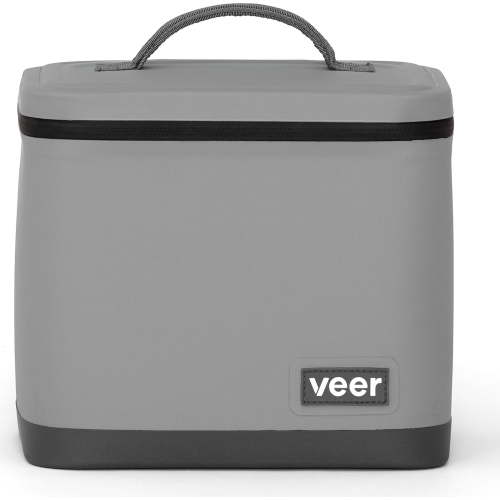
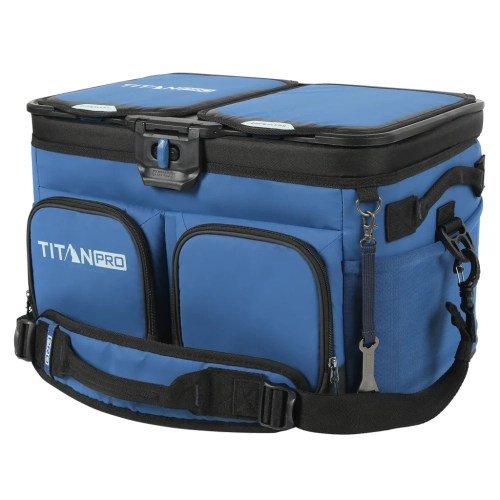
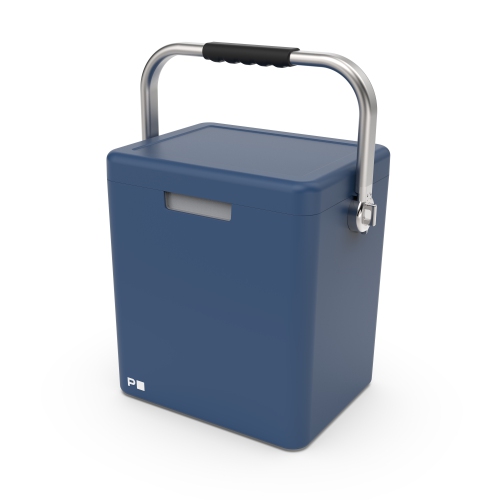
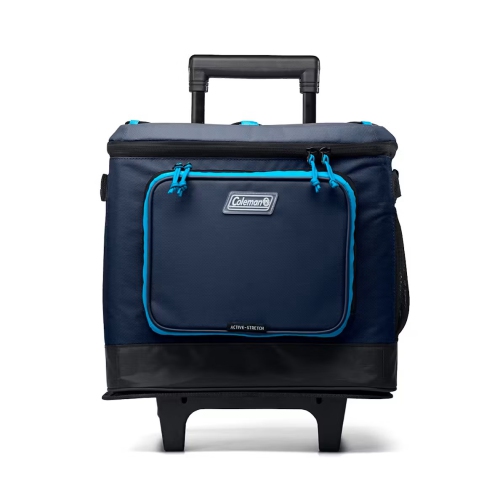
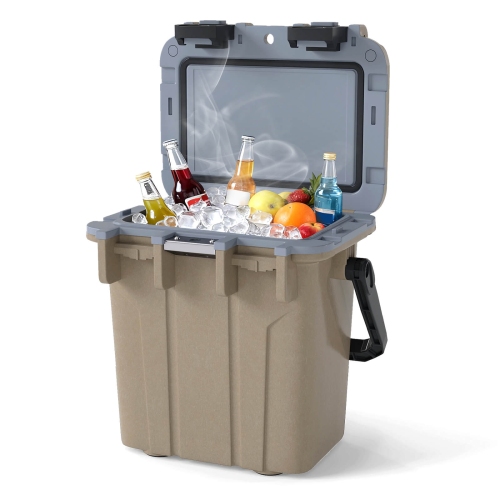
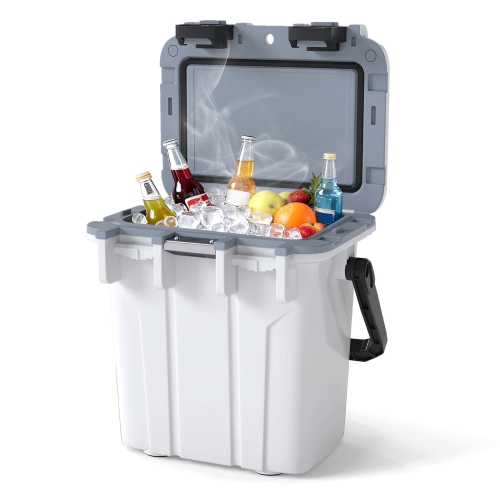
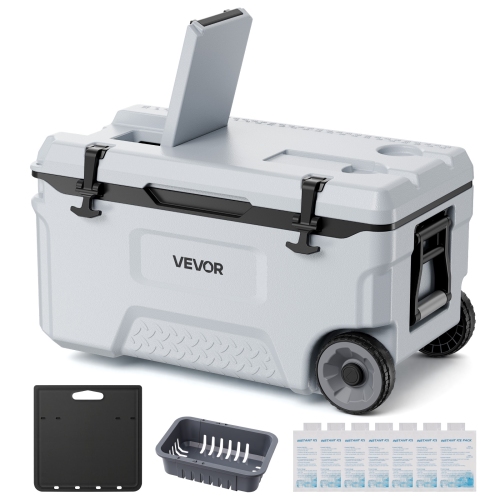
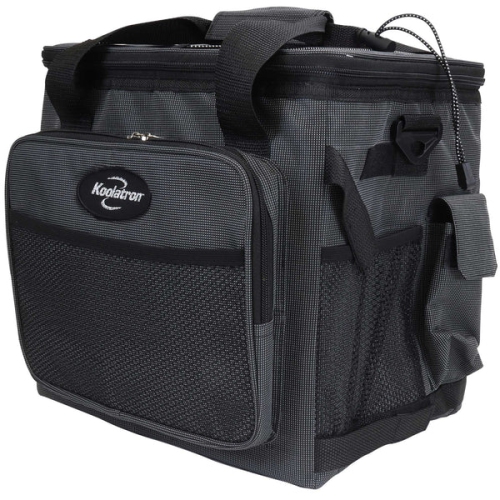
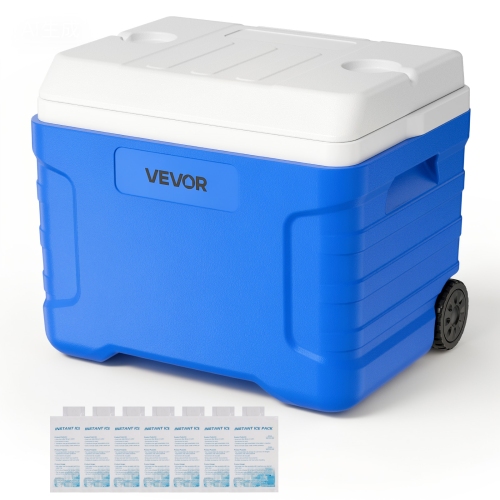
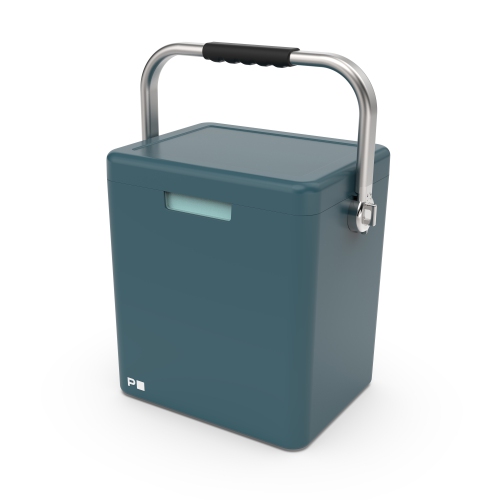
Easy coolers are portable food and drink coolers designed to make packing, carrying, and everyday use straightforward. Their appeal is practical: manageable weight, comfortable handles, accessible compartments, and enough insulated space for the outing without unnecessary bulk. A cooler carried from a parking area to a picnic table has different demands from one tucked beside a desk or loaded into a vehicle for a road trip. Soft-sided designs can suit lunches and shorter outings, while compact hard-sided designs provide a more structured space for containers, drinks, and ice packs. Wheeled designs can make larger loads easier to move along suitable paths. Ease of use depends on the whole package, not simply the weight of the empty cooler. A comfortable shoulder strap, balanced handles, and an opening that stays accessible when the cooler is packed can make a noticeable difference once food and drinks are inside. Capacity also needs a little interpretation. A stated can count may describe a particular packing arrangement, rather than the space available for a mix of bottles, lunch containers, and ice packs. Interior dimensions are useful when fitting a reusable food container, an upright drink bottle, or a family’s packed snacks. For people carrying lunch to work, bringing refreshments to a recreation centre, or packing a few drinks for a visit, Small Coolers offer a compact alternative to larger designs. A more generous interior can suit shared meals or longer outings, provided the packed weight remains comfortable to manage. The most convenient size leaves room for the food and cooling materials needed without turning a simple carry into an awkward lift. Exterior pockets can keep napkins, cutlery, and other dry essentials close at hand, while a separate compartment can help prevent delicate snacks from being squeezed beneath heavier containers. These details make a cooler useful beyond a single activity, from a lunch break to refreshments after a game.
Materials and construction influence how an easy cooler feels to carry, how it holds its shape, and how much attention it needs between uses. Soft-sided coolers commonly pair a fabric exterior with insulation and an interior lining. Flexible walls can make them easier to fit into a crowded vehicle or storage cupboard, although not every soft cooler folds flat. A structured base helps keep containers upright, while reinforced handles and secure strap attachments matter when the load includes several filled bottles. Hard-sided coolers typically use a rigid shell around insulation, providing a firm shape that helps protect the contents from being compressed by other luggage. Their empty weight, lid design, and handle placement can vary considerably, so a smaller exterior does not always mean an easier carry. Wide openings make it simpler to see what is inside and lift out containers without unpacking everything above them. Zippers offer flexible access, while latches provide a different opening action that some people may find more comfortable. Neither closure alone establishes how well a cooler retains cold; insulation, the lid or zipper seal, packing, and how often it is opened all contribute. Leak resistance deserves the same attention to detail. A lining that contains small spills is not necessarily designed to hold loose ice and meltwater, and a water-resistant exterior does not make the entire cooler waterproof. Construction details and the stated care requirements help clarify the intended use. For larger wheeled designs, wheel size and handle height affect how naturally the cooler follows behind the person pulling it. Smooth pavement, gravel, and uneven paths place different demands on wheels, and stairs still require a manageable lifting arrangement. Smaller features can be just as useful in daily use: a strap that stays on the shoulder, a base that sits steadily on a bench, or an interior without awkward corners can save effort each time the cooler is packed and cleaned. Durable construction is most valuable when it supports the way the cooler will actually be carried and used.
A well-matched cooler fits into an ordinary routine without much rearranging. For a commuter, that may mean room for lunch, a drink, and an ice pack in a shape that fits beside a work bag. For a family heading to a sports practice, it may mean an opening wide enough to find everyone’s snacks quickly, with handles that remain comfortable for the walk from the vehicle. A road-trip cooler benefits from a stable footprint and easy access to frequently used drinks, while a shared picnic calls for enough space to keep food containers level. Cold retention is useful in each setting, but it should not be confused with guaranteed food safety. Perishable food needs to stay at 4°C or below, and a cooler thermometer can help confirm conditions inside rather than relying on how cold a container feels. Food that is already chilled, sufficient frozen ice packs, and fewer prolonged openings support that goal. Raw meat should be sealed securely and kept separate from ready-to-eat food to reduce the risk of leaks reaching other contents. Cleaning is another part of convenience that becomes especially noticeable after repeated use. Removable liners, accessible seams, and smooth interior surfaces can make crumbs and spills easier to reach, where those features are included. Care directions vary, but wiping suitable surfaces with mild soap and water, rinsing as directed, and allowing the cooler to dry fully before storage helps prevent lingering odours and trapped moisture. Fabric shells, coated linings, zippers, and rigid interiors may require different treatment; machine washing or soaking should never be assumed safe. Storage space matters too, particularly in apartments, shared homes, and vehicles with limited cargo room. As a practical gift, a portable cooler can suit a university student, a regular commuter, a recreational athlete, or someone who enjoys taking meals along on outings. A familiar lunch container, usual carrying distance, and typical group size offer more useful clues to a good fit than extra capacity alone.
Top selling and popular products
-
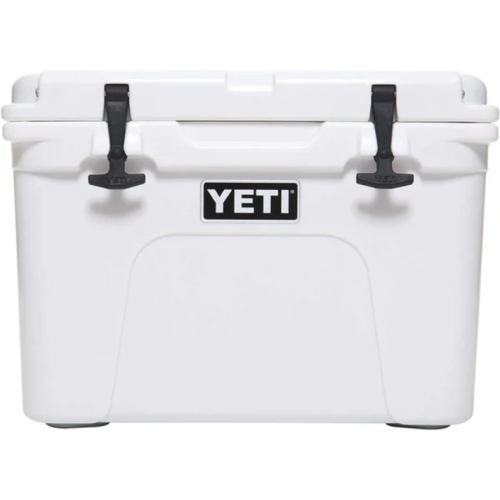 Your price for this item is $388.9
-
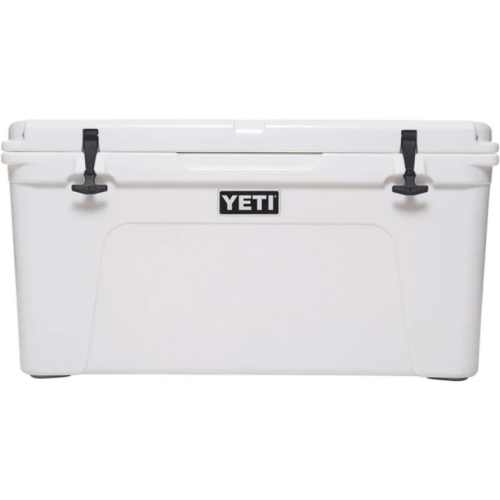 Your price for this item is $618.9
-
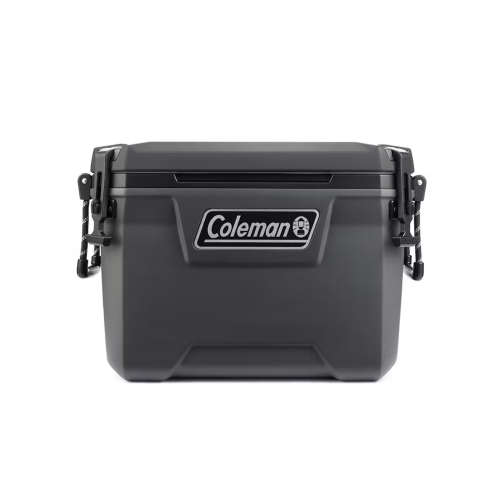 Your price for this item is $199
-
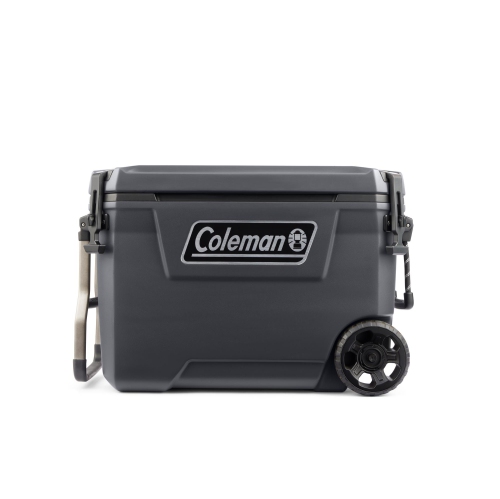 Your price for this item is $379.99
-
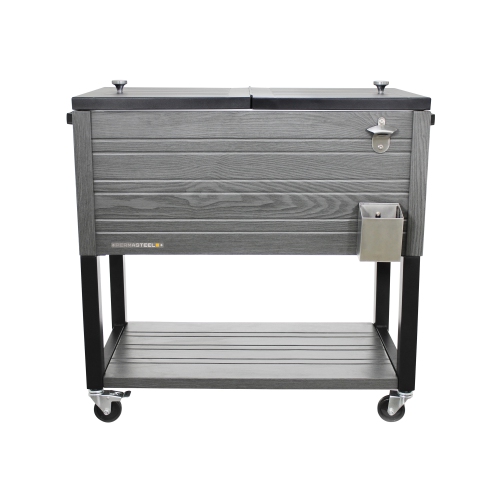 Your price for this item is $379.99
-
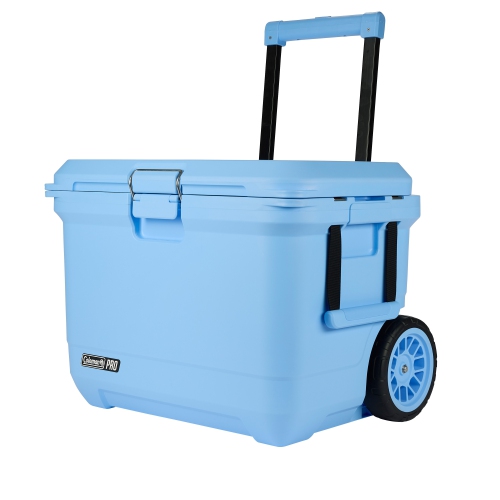 Your price for this item is $374.99
-
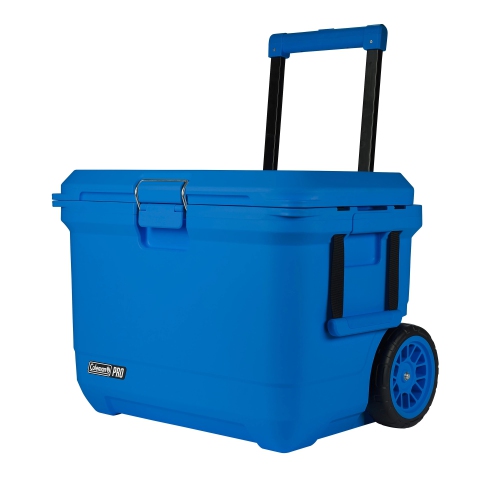 Your price for this item is $374.99
-
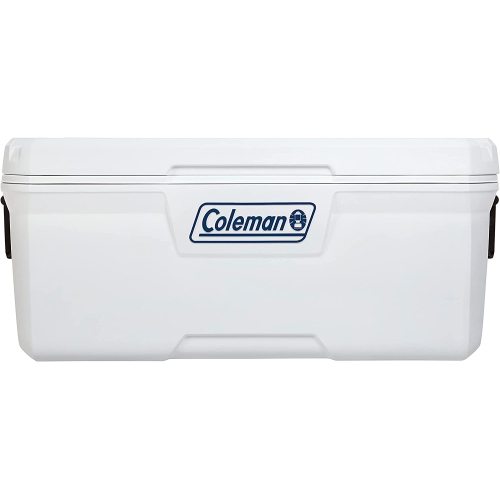 Your price for this item is $202.99
Discover more categories related to Easy Coolers


Top Collections:
Best Black Friday Deals This Year, Best Black Friday Deals On Electronics, Kindle Devices, Pokemon Centers, Best Black Friday Deals On Apple Products, Best Cameras for Sports Photography, Dyson Airwrap, Pokémon 30th Celebration Cards, Apple iPhone 17 Pro, Canon G7X Cameras
Some products may be subject to Environmental Handling Fees
(EHF) depending on your province.
Learn more about EHFs.