Electric Bikes for Leisure Rides
Electric Bikes for Leisure Rides offer a fun and convenient way to enjoy the outdoors at your own pace. Whether you’re exploring local trails or cruising through city streets, these bikes are designed to make your ride smooth and enjoyable. With a variety of styles and options available, finding the right electric bike for leisure rides is simple. Browse a selection that caters to different preferences and experience levels, making it easy to choose the perfect fit for your next adventure.
Sort

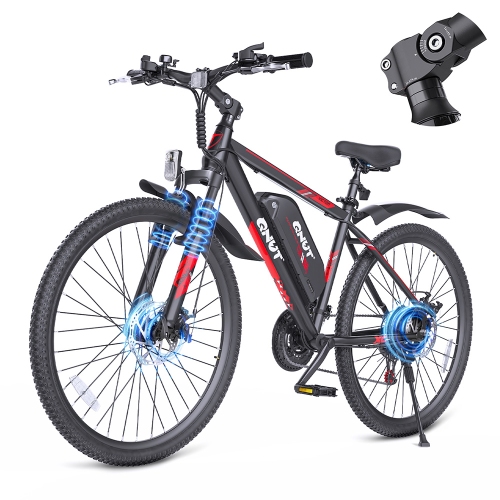
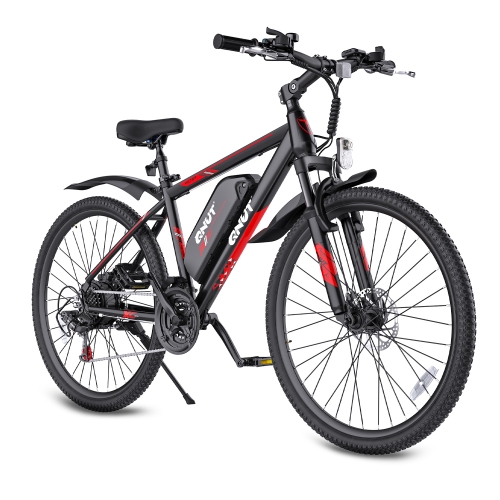

Why comfort matters more than power on casual rides
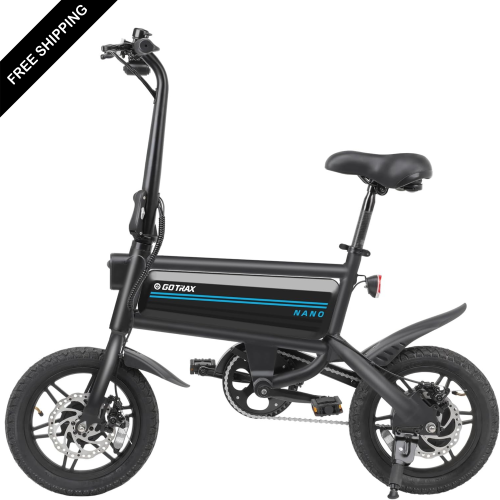
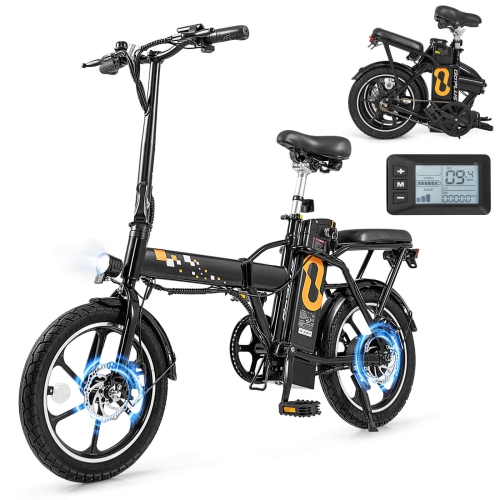
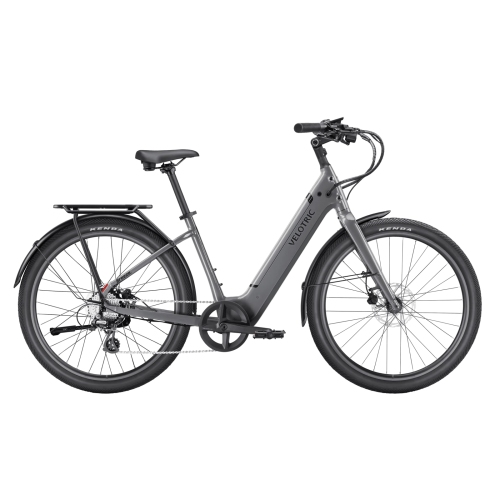
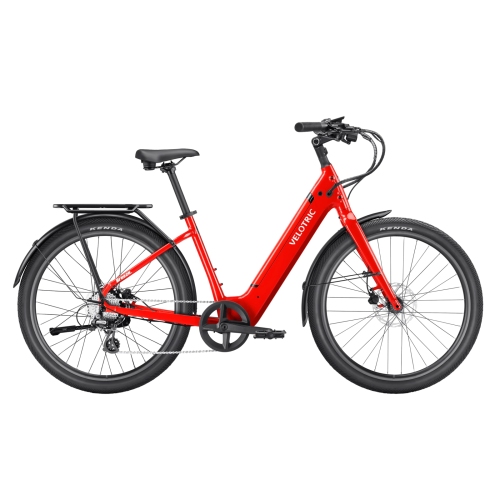
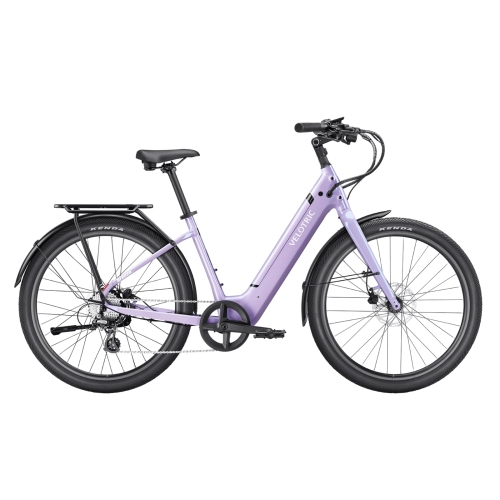
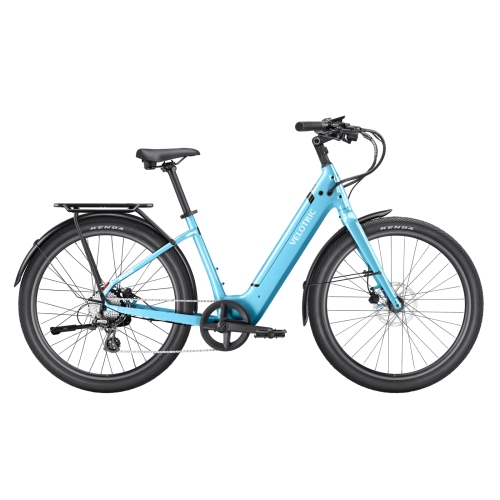
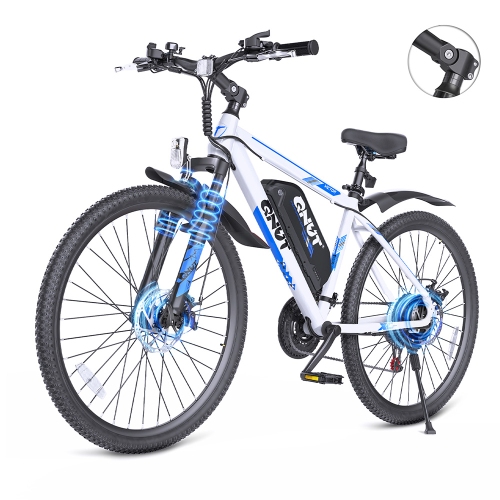
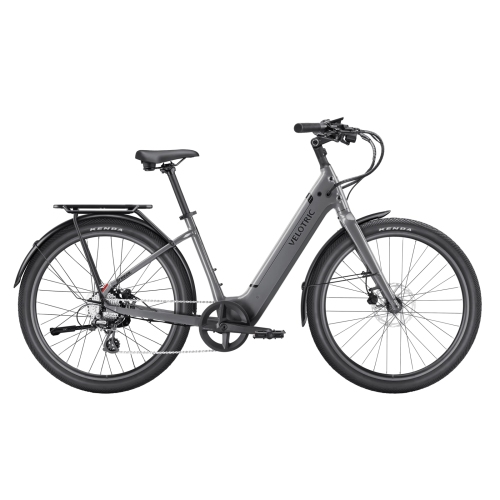
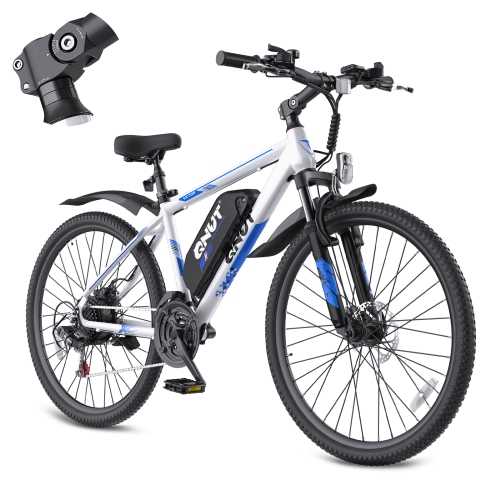
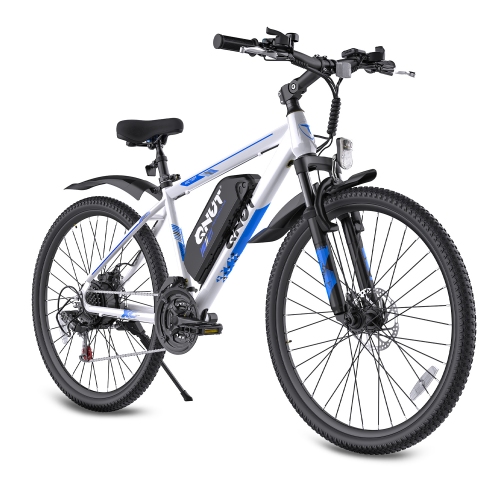
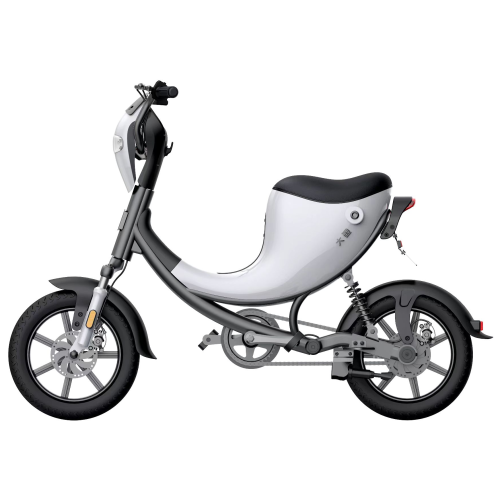
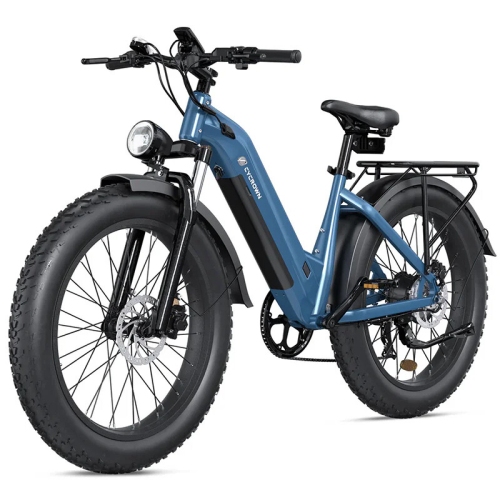
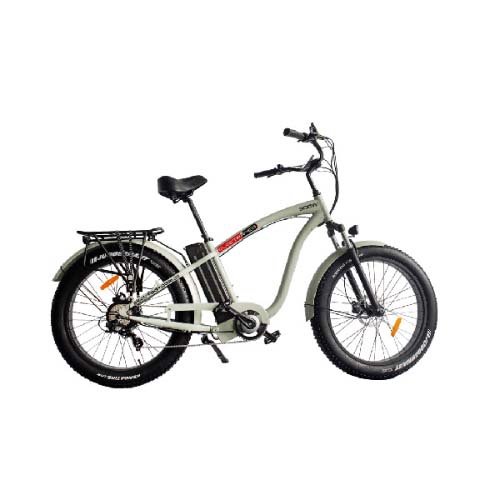
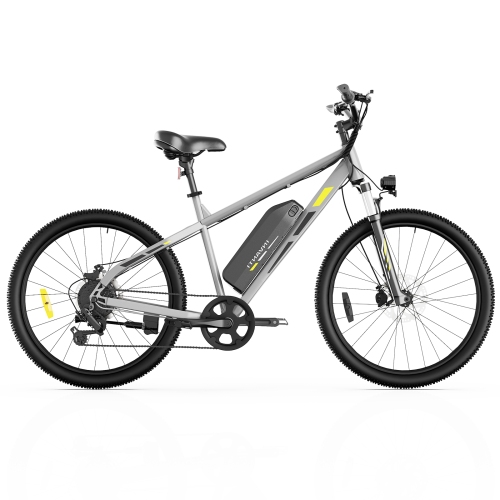
Electric bikes for leisure rides combine familiar bicycle handling with motor assistance that can make neighbourhood loops, visits to a café, and relaxed rides along permitted pathways feel more manageable. For this kind of riding, comfort, predictable handling, and an easy riding position often matter more than sporty geometry or high power. An upright handlebar position can reduce the need to lean forward, while a frame with a lower step-through opening can make getting on and off less awkward at frequent stops. Frame size still matters: a low opening does not guarantee the right fit, and riders need comfortable reach to the handlebars, suitable saddle adjustment, and enough room to stop and dismount confidently. A supportive saddle should suit the rider’s posture rather than simply offer the thickest padding. Ergonomic grips and appropriately sized tires can also help make a paved park loop or a ride to meet friends more pleasant. Wider tires may soften small surface irregularities, although tire width alone does not determine comfort, and very wide tires can add weight and change how a bicycle steers. Suspension can offer additional cushioning on uneven surfaces, but it also adds weight and maintenance needs that may not be necessary for smooth recreational routes. Aluminum frames are common for their balance of weight and durability; steel frames can be durable too, though the complete bike’s weight depends on much more than its frame material. The battery, motor, wheels, and accessories all contribute to how manageable the bike feels when it is being walked, parked, or lifted. Someone keeping a bicycle in a ground-floor garage may have different priorities from a rider who needs to navigate stairs or a narrow storage room. For casual outings, a bike that is comfortable to mount, easy to control, and practical to store can be a better match than one with features intended for demanding trail riding.
Motor assistance shapes the character of a leisure ride, particularly when a route includes gentle hills or companions who prefer different paces. Pedal-assist systems provide support while the rider pedals, with selectable levels that allow the amount of help to change throughout an outing. Lower assistance can suit an unhurried stretch of level pavement, while a higher setting may make a climb feel less demanding. Some electric bikes also have a throttle, but its operation and permitted use depend on the bicycle and local rules. A torque-sensing system adjusts assistance in response to how firmly the rider pedals, while a cadence-sensing system detects pedal rotation; the smoothness of either system also depends on its design and settings. For relaxed riding, controlled starts and a predictable response can matter more than maximum output. Gearing remains useful even with a motor, helping riders find a comfortable pedalling rhythm rather than relying on assistance alone. Battery range is another practical consideration, but an advertised maximum is not a promise for every outing. Rider and cargo weight, elevation changes, tire pressure, riding speed, assistance level, and repeated starts all affect how far a charge will last. Planning a route with a comfortable return margin leaves room for a detour to a lookout or an extra loop with friends. A removable battery may simplify charging when the bicycle stays in a separate storage area, provided the battery can be handled and charged according to the manufacturer’s directions. Displays that clearly show assistance level and battery status are useful without demanding too much attention from the path ahead. Brakes should provide controlled stopping for the combined weight of the rider, bike, and anything being carried, and their levers should be within comfortable reach. Lights, reflectors, and a bell support visibility and communication, while an approved, properly fitted helmet remains an important part of the riding setup. Path access, equipment requirements, and rider rules vary across Canadian jurisdictions, so a familiar recreational route is not automatically open to every type of electric bike.
The details around a leisure electric bike often determine how naturally it fits into everyday recreation. A stable kickstand makes a stop outside a bakery more convenient, while a compatible rear rack or basket can carry a lock, a light layer, or a small picnic without putting everything on the rider’s back. Carrying limits apply to both the bicycle and its accessories, and cargo needs to be secured clear of wheels, brakes, and moving parts. Passenger seats and child carriers require explicit compatibility rather than an improvised attachment. For riders who picture longer outings between communities or full afternoons of exploring, Touring Electric Bikes offer a related category to consider, with attention to riding position, carrying needs, and the demands of extended routes. Even for shorter trips, dependable ownership includes routine care. Correct tire pressure, a clean and lubricated chain, securely fastened components, and brake checks help preserve ride quality and reduce avoidable wear. Electrical connections, charging ports, and the battery housing need care according to the manufacturer’s instructions; high-pressure washing is unsuitable for many bicycles and electrical components. Using the specified compatible charger and following charging and storage directions are important parts of battery care. Replacement brake pads, tires, drivetrain parts, and access to suitable servicing also matter over time, especially for a bicycle expected to become part of a regular routine. Transport deserves attention as well: a vehicle rack must be rated for the bike’s weight and compatible with its frame and tires, with battery removal handled as directed. As a gift, a leisure e-bike can suit someone who enjoys exploring local routes or sharing outings with family, but fit, handling confidence, storage, and charging arrangements are too personal to assume. Matching those everyday needs to the bicycle helps keep the focus where it belongs: a comfortable pace, an enjoyable route, and the freedom to make a pleasant ride part of the day.
Top selling and popular products
-
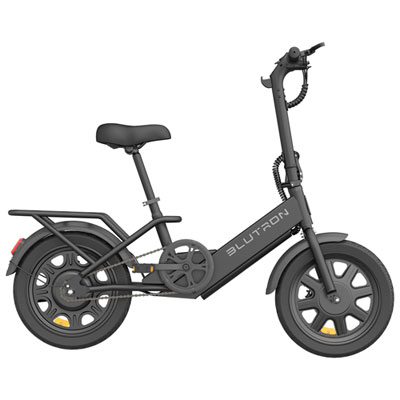 Your price for this item is $399.99
-
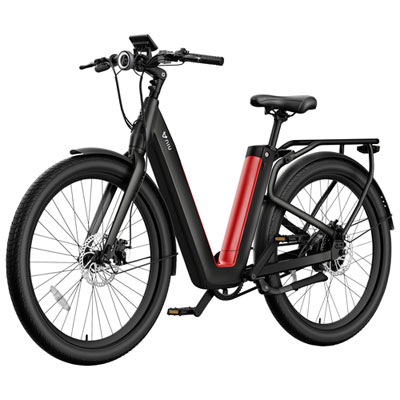 Your price for this item is $2699.99
-
 Your price for this item is $799.97
-
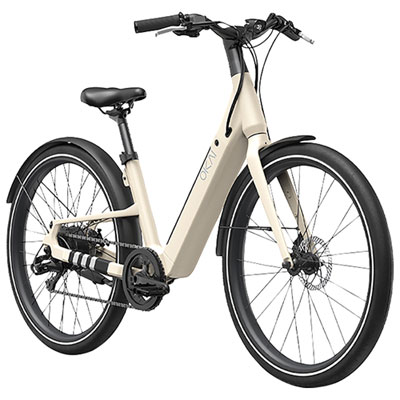 Your price for this item is $2199.99
-
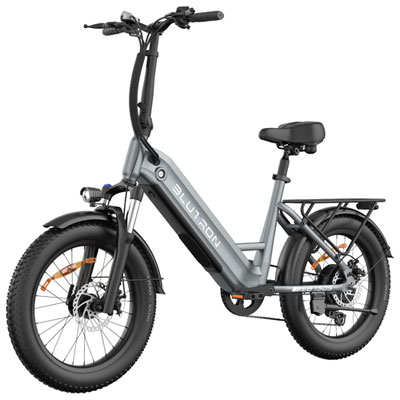 Your price for this item is $999.99
-
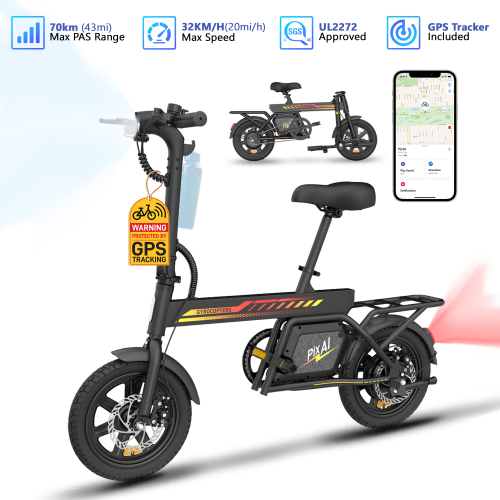 Your price for this item is $369.97
-
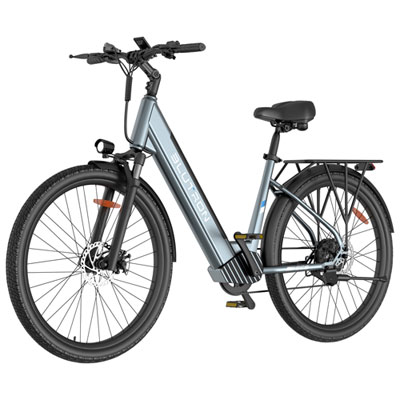 Your price for this item is $899.99
-
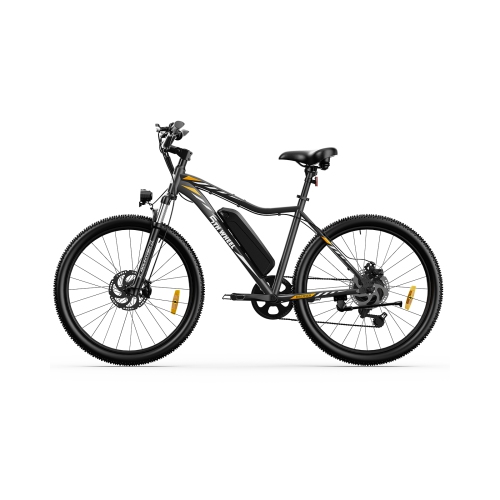 Your price for this item is $599.99
Discover more categories related to Electric Bikes for Leisure Rides
Top Collections:
Pokemon Centers, Best Black Friday Deals This Year, Best Black Friday Deals On Electronics, Kindle Devices, Best Budget Office Chairs, Best Black Friday Deals On Apple Products, Best Cameras for Sports Photography, Pokémon 30th Celebration Cards, Dyson Airwrap, Canon G7X Cameras
Some products may be subject to Environmental Handling Fees
(EHF) depending on your province.
Learn more about EHFs.