Electric Boat Motors
Looking to take your boating adventures to the next level? Look no further than our selection of electric boat motors. These innovative and eco-friendly motors are designed to provide a smooth and quiet ride, while still delivering powerful performance on the water. Whether you're a seasoned sailor or a weekend warrior, our range of electric boat motors offers something for everyone. From compact and lightweight options for smaller vessels to high-powered motors for larger boats, we have the perfect solution to suit your needs. Get ready to experience the thrill of gliding through the water with ease and efficiency, all while minimizing your impact on the environment.
Sort

Why trolling motors and electric outboards suit different journeys
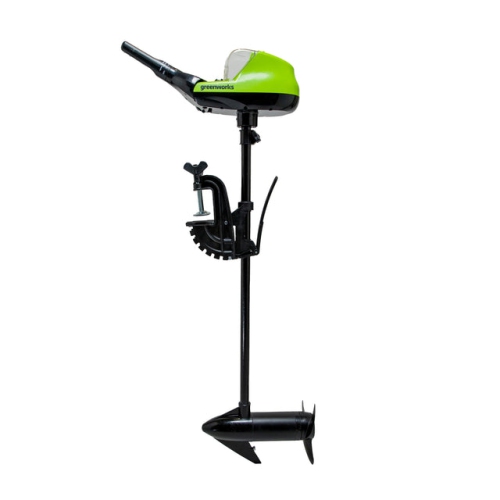
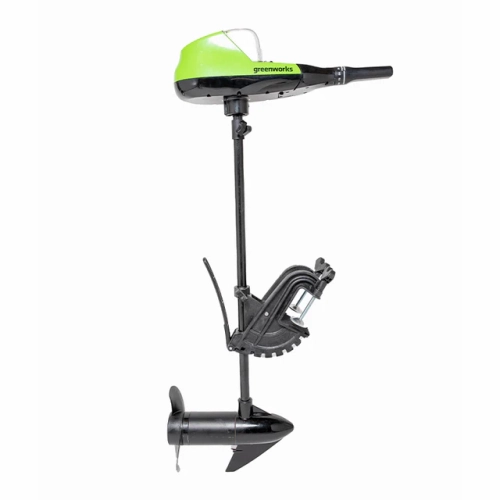
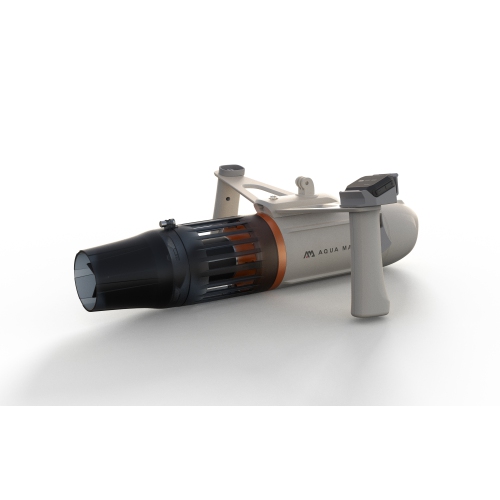
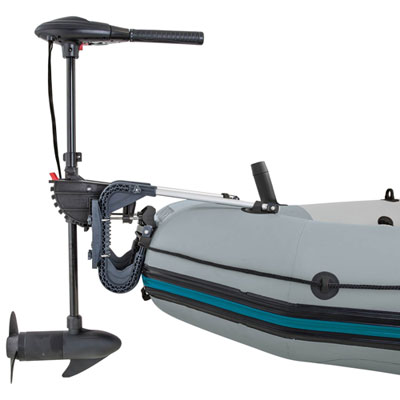
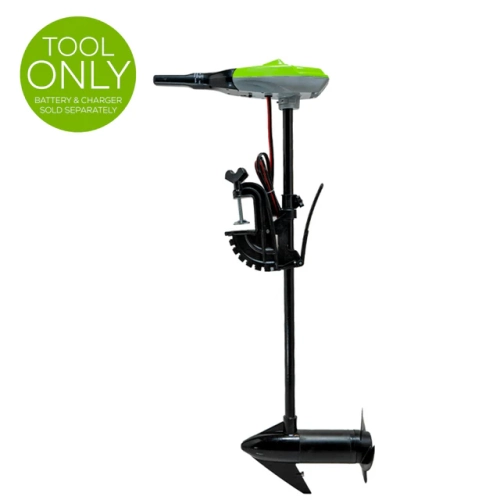
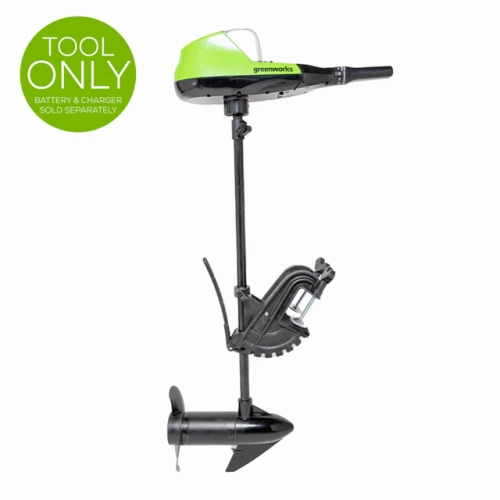
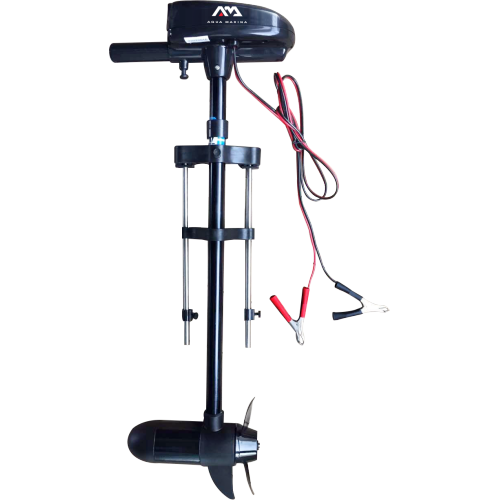
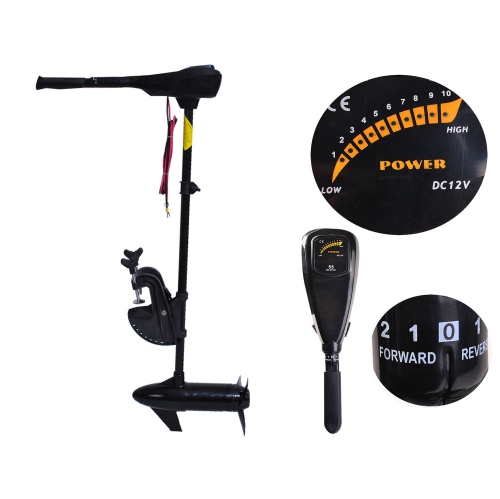
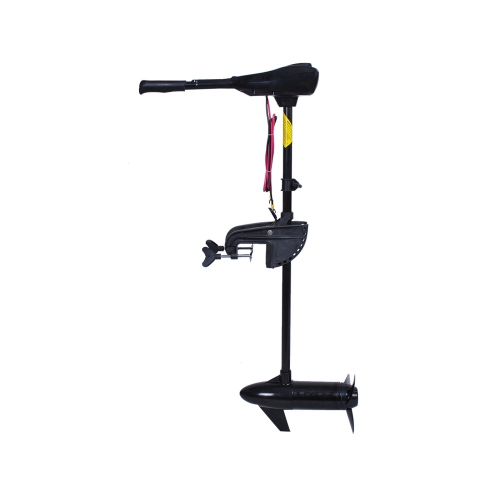
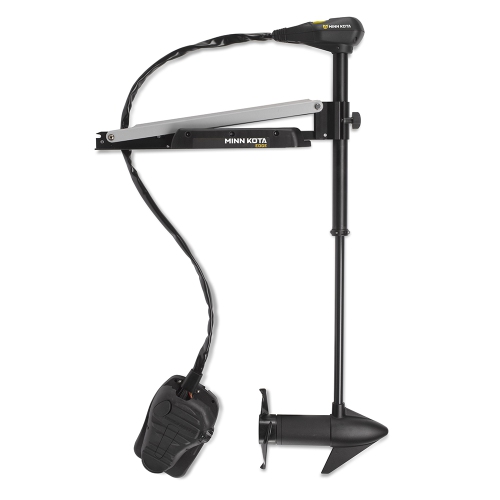
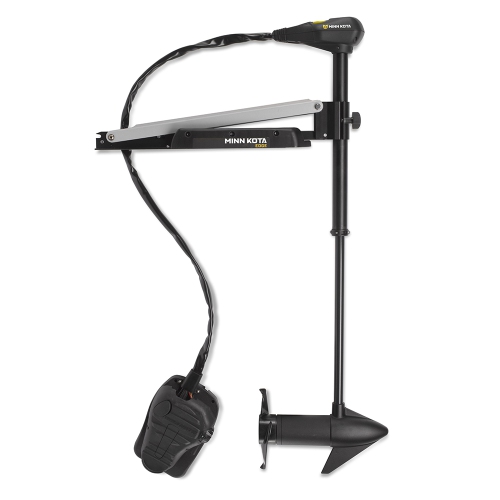
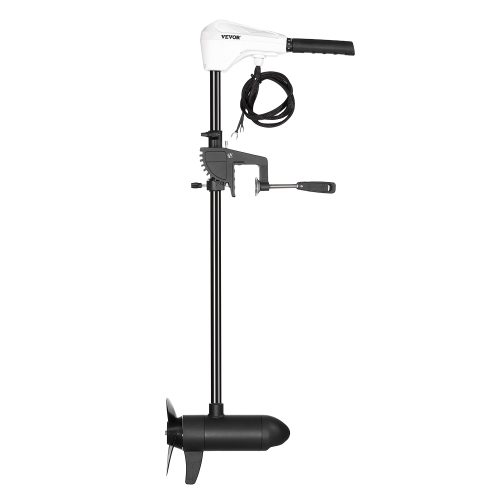
Electric boat motors provide battery-powered propulsion for fishing boats, dinghies, tenders, and other compatible small watercraft. Their appeal is practical: relatively quiet operation, responsive speed control, and no petrol to carry for the motor itself. The main distinction is between trolling motors and electric outboards. Trolling motors are primarily designed for low-speed movement and precise positioning, such as following a shoreline while casting or easing a fishing boat towards a promising spot. Electric outboards are generally intended to provide primary propulsion for suitable craft, including small tenders and some sailboats, although their capabilities vary considerably. Neither type should be judged by appearance alone. Boat size, fully loaded weight, hull shape, and intended travel distance all affect how a motor performs on the water. A compact inflatable carrying one person presents a different load from a fishing boat carrying passengers, tackle, and a full battery setup. Trolling motor output is commonly expressed in pounds of thrust, while electric outboards often list power in watts or kilowatts. Thrust is not a direct measure of speed, and horsepower-equivalent claims are not necessarily comparable across manufacturers. Matching the motor to the boat’s permitted motor rating and the motor manufacturer’s sizing guidance gives those figures useful context. For an angler moving between nearby casting spots, controlled low-speed handling may matter more than outright pace. For someone using a tender to reach a moored boat, carrying capacity, predictable range, and straightforward docking may take priority. Electric propulsion can also suit paddlers using a canoe or kayak specifically designed or approved for a motor mount. In every case, the craft needs to support the motor, battery, mounting hardware, and passengers within its stated limits. Reduced motor noise can make conversation easier and a quiet outing more pleasant, but electric motors are not completely silent: the propeller, moving water, and mounting arrangement still produce sound. Their usefulness comes from matching that style of propulsion to the actual journey, rather than expecting every electric motor to perform the same job.
Fit starts at the mounting point and extends below the waterline. Transom-mounted motors attach at the stern and often use a tiller for steering and speed adjustment, making the position and reach of the handle important on a small boat. Bow-mounted trolling motors pull from the front and require an appropriate mounting surface with enough clearance for deployment and stowage. Some designs offer foot controls, wireless controls, or positioning features, but those functions depend on the motor and any required compatible equipment. A bow mount should not be assumed to fit a kayak, inflatable, or compact tender without a purpose-built installation. Shaft length matters just as much as mounting style. The propeller must sit at the depth specified by the manufacturer so it remains properly submerged as the boat moves, without creating unnecessary clearance problems in shallow water. A shaft that is too short can allow the propeller to draw air near the surface, reducing useful thrust; an unsuitable installation can also make steering or tilting awkward. Motor weight deserves attention when equipment will be lifted from a vehicle, carried down a dock, or removed after each trip. Separate motor and battery components can make individual loads easier to handle, while an integrated battery can simplify the layout on some electric outboards. Neither arrangement is automatically lighter overall. Durable construction may include composite shafts, coated metal housings, corrosion-resistant fasteners, and sealed electrical connections, with materials varying by design. Saltwater use requires an explicit manufacturer rating; a freshwater motor should not be treated as suitable simply because some of its parts resist corrosion. Protective finishes, seals, and any fitted sacrificial anodes also need ongoing inspection. Propeller design affects handling and resistance to snagging, but even a propeller described as weed-resistant can collect fishing line or vegetation. For frequent use around docks and launch ramps, accessible tilt controls, secure clamps, and a protected cable route can be as valuable as a higher power figure. The best fit leaves room to steer comfortably, keeps cables clear of moving parts, and allows the motor to be secured properly during transport.
Battery choice determines much of the ownership experience, from usable running time to how easily the boat can be packed and charged. Some smaller trolling motors operate on a 12-volt system, while more powerful designs may require 24 volts, 36 volts, or another specified voltage. Electric outboards may use an integrated battery, a removable battery, or a separate compatible battery system. Voltage, battery chemistry, discharge capability, connectors, and charging equipment must match the manufacturer’s requirements; a battery is not suitable merely because its plug appears to fit. Deep-cycle marine batteries are commonly used where an external battery is required, but compatibility with lithium or lead-acid chemistry must be confirmed for the particular motor. Battery capacity is often listed in amp-hours or watt-hours. Watt-hours are especially useful when comparing stored energy across different system voltages, though capacity alone cannot promise a particular distance. Speed setting, loaded boat weight, current, hull efficiency, and battery condition all influence running time. Sustained high output generally uses energy much faster than gentle manoeuvring, so a trip that involves long stretches at full power needs a different range allowance from occasional repositioning while fishing. A sensible outing leaves a reserve for the return journey rather than relying on an ideal range estimate. Charging also needs planning: the charger must suit the battery and the intended electrical supply, and charging time varies with battery capacity and charger output. Electric motors avoid some combustion-engine service tasks, but they still need care. Follow the specified cleaning procedure, inspect mounts and wiring, check the propeller for entangled line, and disconnect power before working near moving components. Store and charge batteries according to their instructions, and use the specified circuit protection and secure battery restraints. Properly fitted personal flotation devices and required boating safety equipment remain essential regardless of propulsion type. For a separate interest in powered travel on land, Electric Bike Motors serve cycling applications rather than marine use; their components are not interchangeable with boat propulsion systems.
Fit starts at the mounting point and extends below the waterline. Transom-mounted motors attach at the stern and often use a tiller for steering and speed adjustment, making the position and reach of the handle important on a small boat. Bow-mounted trolling motors pull from the front and require an appropriate mounting surface with enough clearance for deployment and stowage. Some designs offer foot controls, wireless controls, or positioning features, but those functions depend on the motor and any required compatible equipment. A bow mount should not be assumed to fit a kayak, inflatable, or compact tender without a purpose-built installation. Shaft length matters just as much as mounting style. The propeller must sit at the depth specified by the manufacturer so it remains properly submerged as the boat moves, without creating unnecessary clearance problems in shallow water. A shaft that is too short can allow the propeller to draw air near the surface, reducing useful thrust; an unsuitable installation can also make steering or tilting awkward. Motor weight deserves attention when equipment will be lifted from a vehicle, carried down a dock, or removed after each trip. Separate motor and battery components can make individual loads easier to handle, while an integrated battery can simplify the layout on some electric outboards. Neither arrangement is automatically lighter overall. Durable construction may include composite shafts, coated metal housings, corrosion-resistant fasteners, and sealed electrical connections, with materials varying by design. Saltwater use requires an explicit manufacturer rating; a freshwater motor should not be treated as suitable simply because some of its parts resist corrosion. Protective finishes, seals, and any fitted sacrificial anodes also need ongoing inspection. Propeller design affects handling and resistance to snagging, but even a propeller described as weed-resistant can collect fishing line or vegetation. For frequent use around docks and launch ramps, accessible tilt controls, secure clamps, and a protected cable route can be as valuable as a higher power figure. The best fit leaves room to steer comfortably, keeps cables clear of moving parts, and allows the motor to be secured properly during transport.
Battery choice determines much of the ownership experience, from usable running time to how easily the boat can be packed and charged. Some smaller trolling motors operate on a 12-volt system, while more powerful designs may require 24 volts, 36 volts, or another specified voltage. Electric outboards may use an integrated battery, a removable battery, or a separate compatible battery system. Voltage, battery chemistry, discharge capability, connectors, and charging equipment must match the manufacturer’s requirements; a battery is not suitable merely because its plug appears to fit. Deep-cycle marine batteries are commonly used where an external battery is required, but compatibility with lithium or lead-acid chemistry must be confirmed for the particular motor. Battery capacity is often listed in amp-hours or watt-hours. Watt-hours are especially useful when comparing stored energy across different system voltages, though capacity alone cannot promise a particular distance. Speed setting, loaded boat weight, current, hull efficiency, and battery condition all influence running time. Sustained high output generally uses energy much faster than gentle manoeuvring, so a trip that involves long stretches at full power needs a different range allowance from occasional repositioning while fishing. A sensible outing leaves a reserve for the return journey rather than relying on an ideal range estimate. Charging also needs planning: the charger must suit the battery and the intended electrical supply, and charging time varies with battery capacity and charger output. Electric motors avoid some combustion-engine service tasks, but they still need care. Follow the specified cleaning procedure, inspect mounts and wiring, check the propeller for entangled line, and disconnect power before working near moving components. Store and charge batteries according to their instructions, and use the specified circuit protection and secure battery restraints. Properly fitted personal flotation devices and required boating safety equipment remain essential regardless of propulsion type. For a separate interest in powered travel on land, Electric Bike Motors serve cycling applications rather than marine use; their components are not interchangeable with boat propulsion systems.
Top selling and popular products
-
 Your price for this item is $30.58
 -
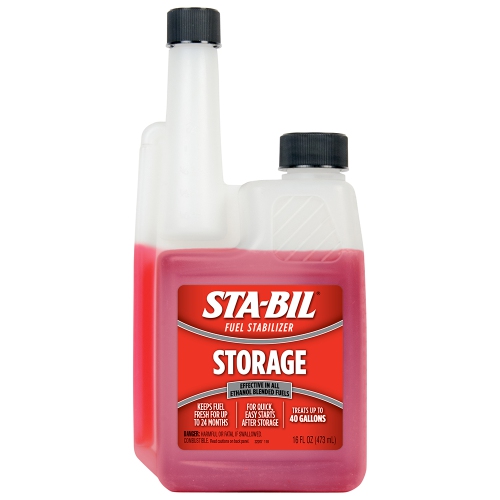 Your price for this item is $30.54
 -
 Your price for this item is $38.85
 -
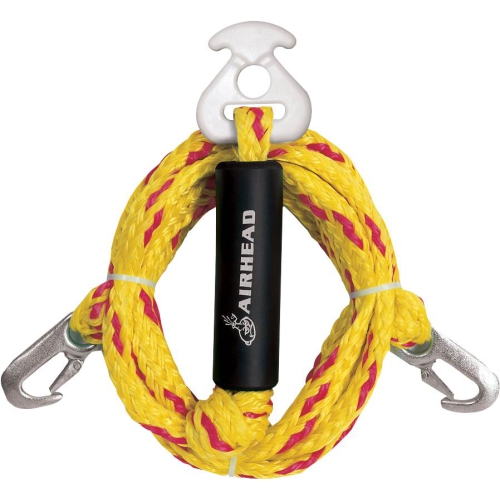 Your price for this item is $92.99
 -
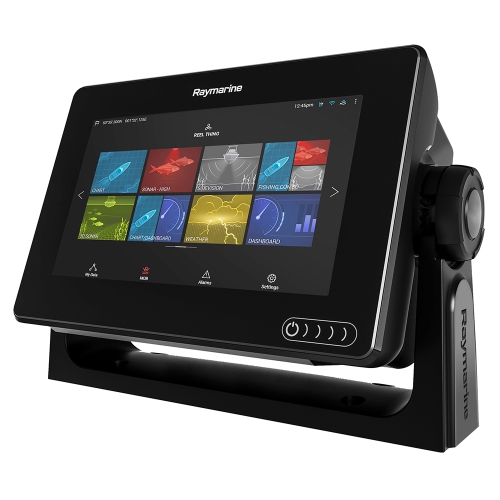 Your price for this item is $917.79
 -
 Your price for this item is $844.31
 -
 Your price for this item is $30.62
 -
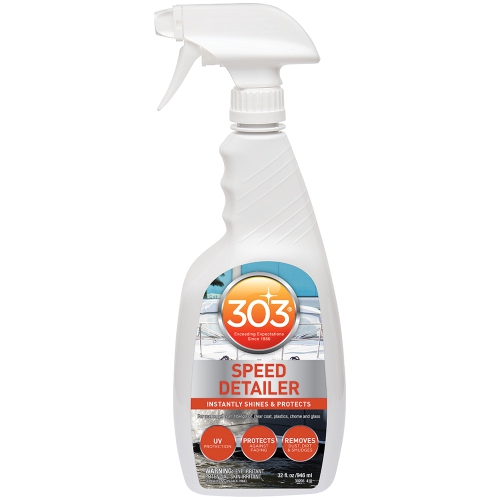 Your price for this item is $34.93
Discover more categories related to Electric Boat Motors
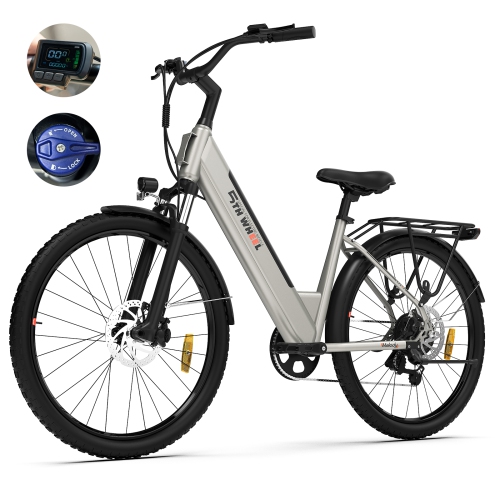
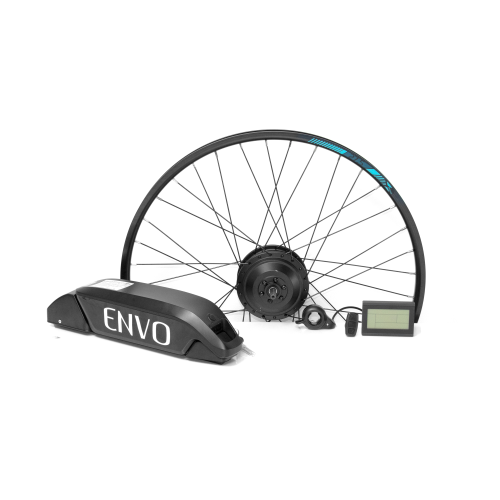
Top Collections:
Pokemon Centers, Kindle Devices, Best Budget Office Chairs, Apple iPhones 16, Canon G7X Cameras, iPhone 15 Apple, Alarm Clock, Refurbished Apple Laptops, Flip Phones, Best Laptops for Writers
Some products may be subject to Environmental Handling Fees
(EHF) depending on your province.
Learn more about EHFs.