Electric Heated Gloves
Stay warm and cozy during the colder months with our selection of electric-heated gloves. Designed to keep your hands toasty, these gloves are perfect for outdoor activities such as hiking, skiing, and snowboarding. Say goodbye to numb fingers and hello to comfort with our range of electric-heated gloves. Whether you're an adventure seeker or simply looking for a practical solution to combat the winter chill, our collection has something for everyone. Explore our assortment today and discover the perfect pair of electric heated gloves to keep your hands warm all season long.
Sort






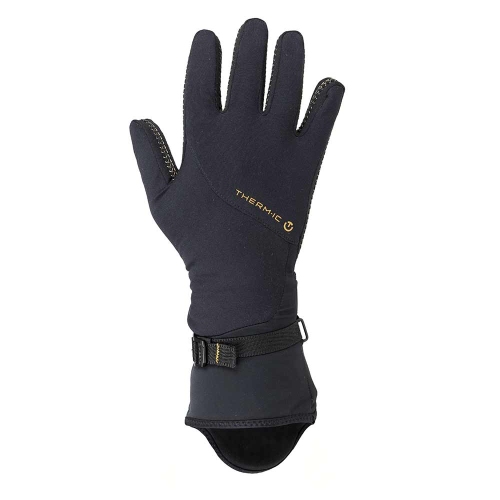
How battery-powered warmth goes beyond insulation alone
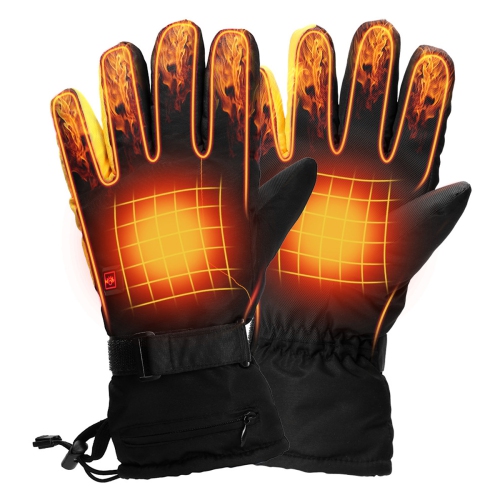
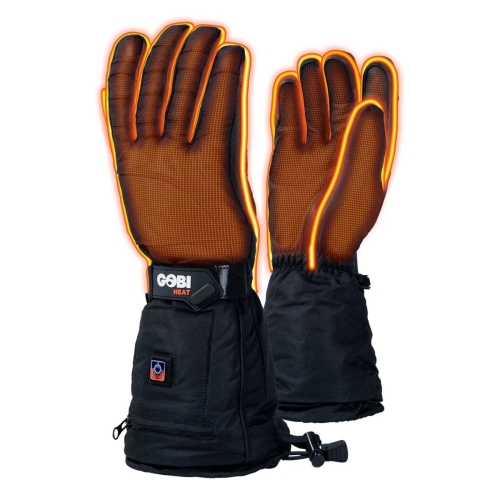
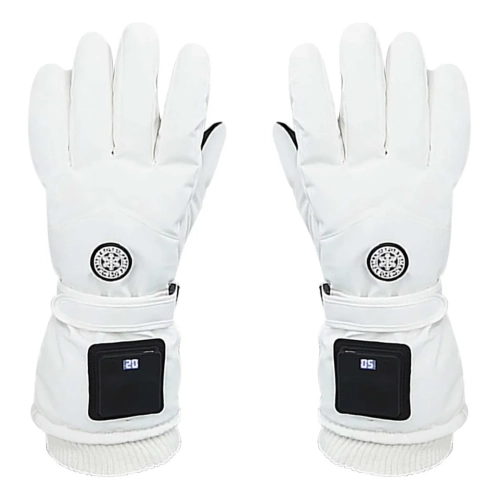
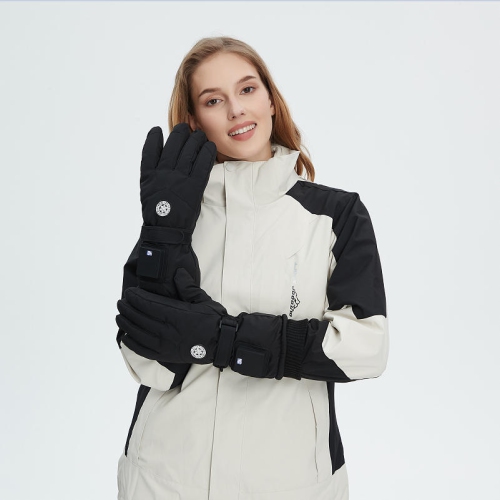
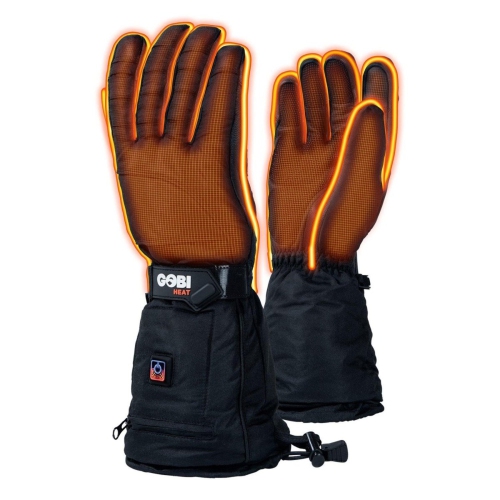
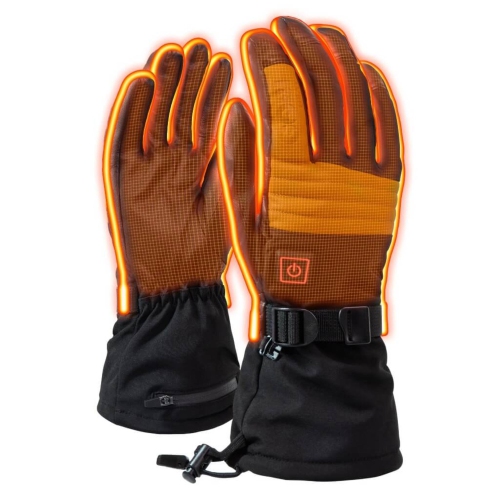
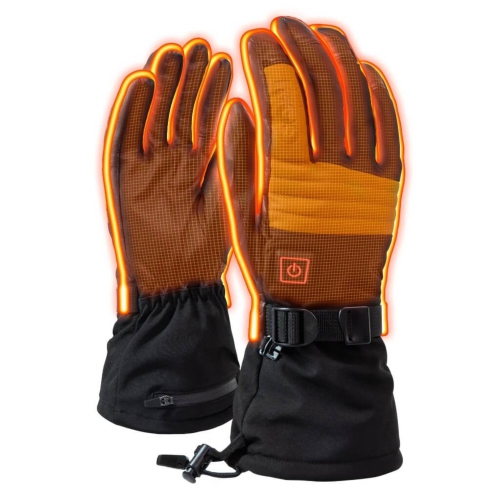
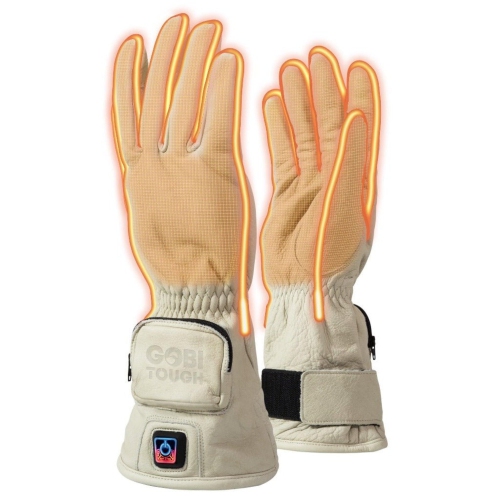
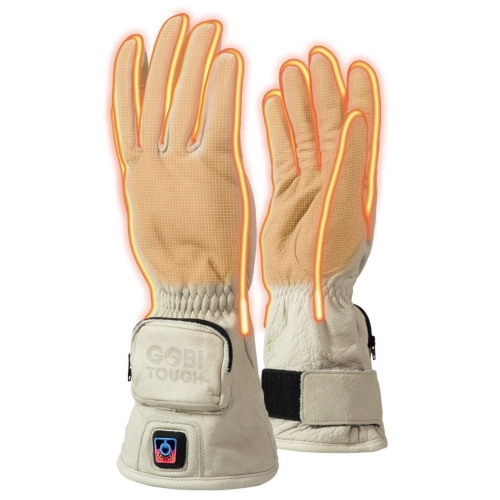
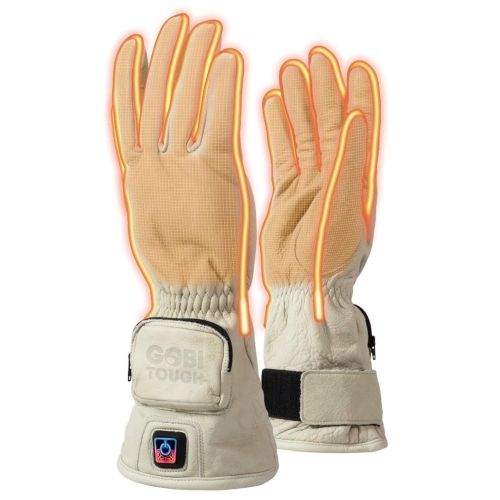
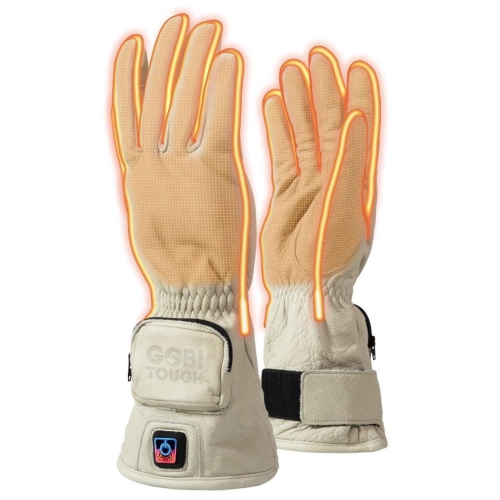
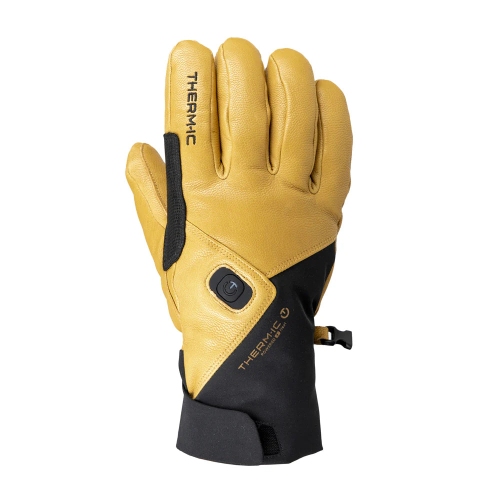
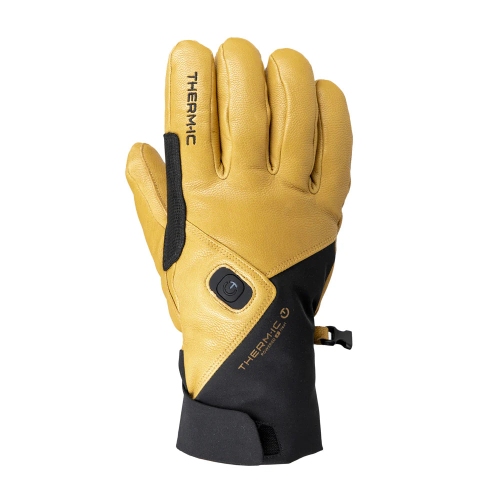
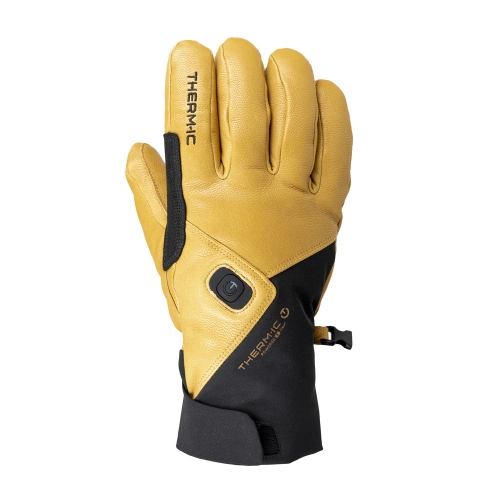
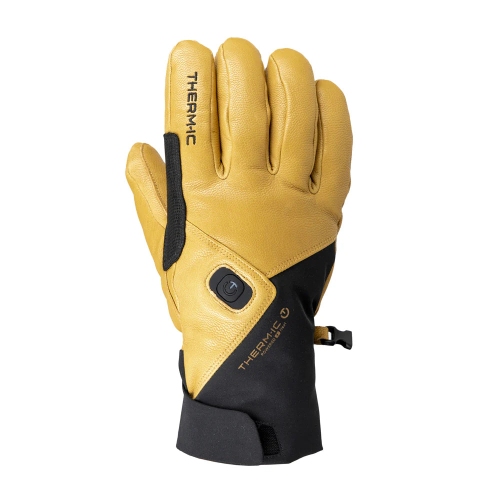
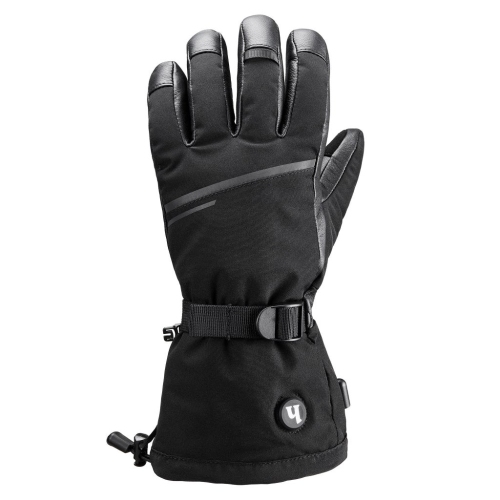
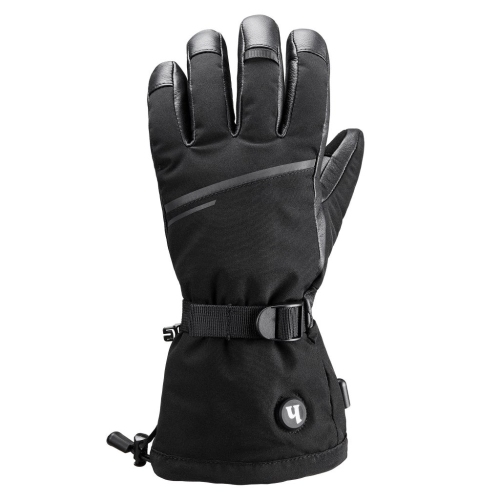
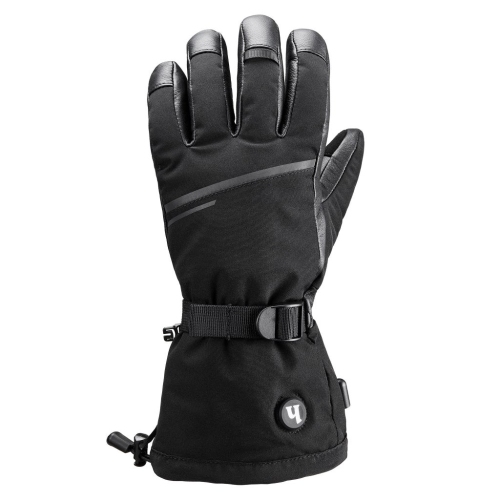
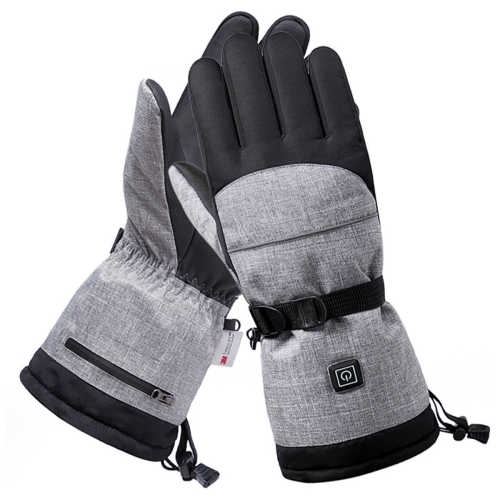
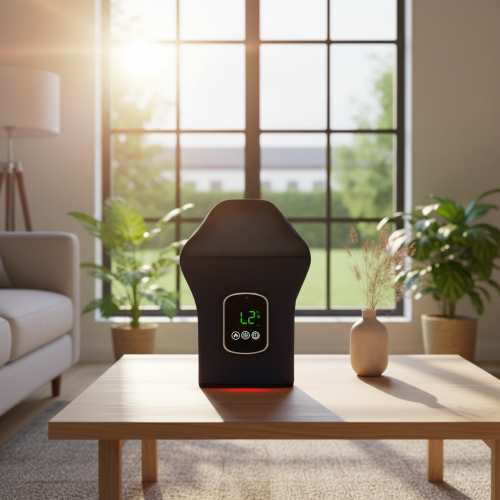
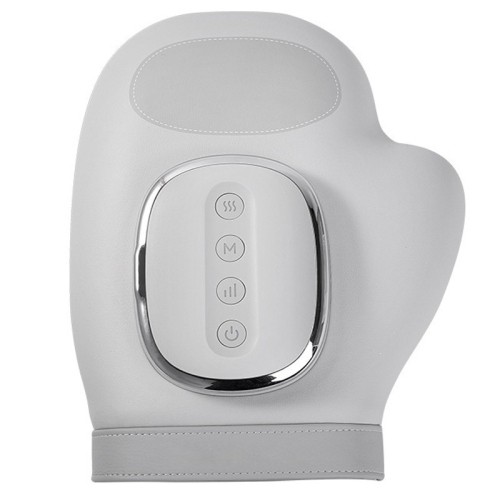
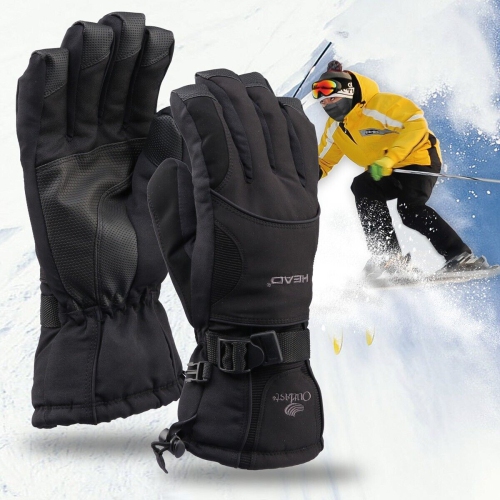
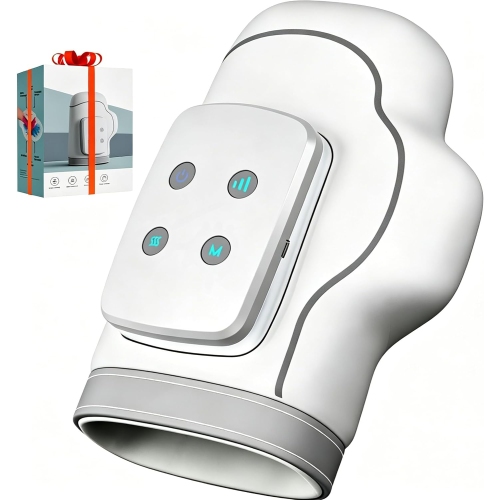
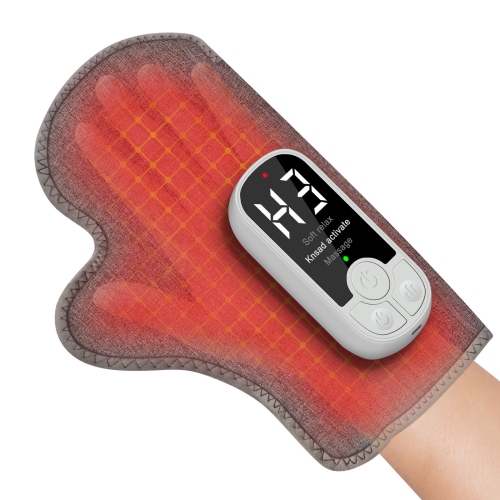
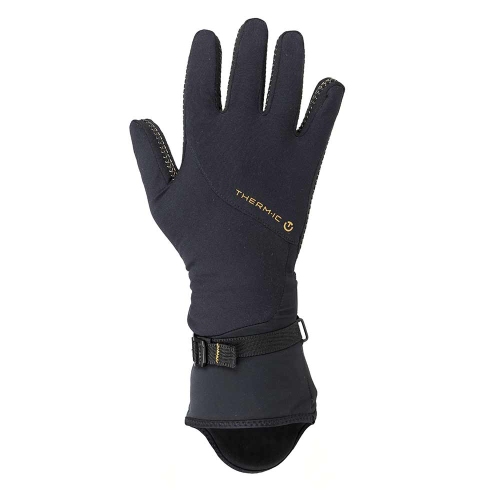
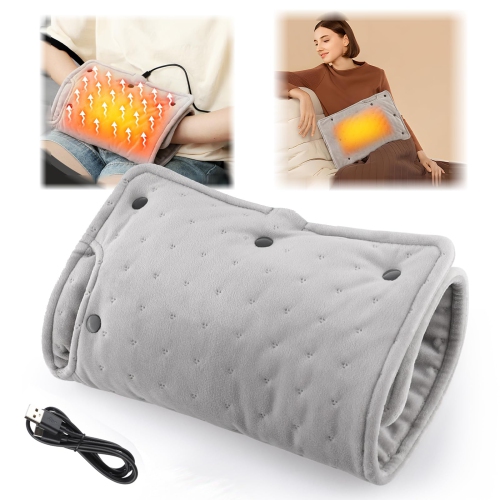
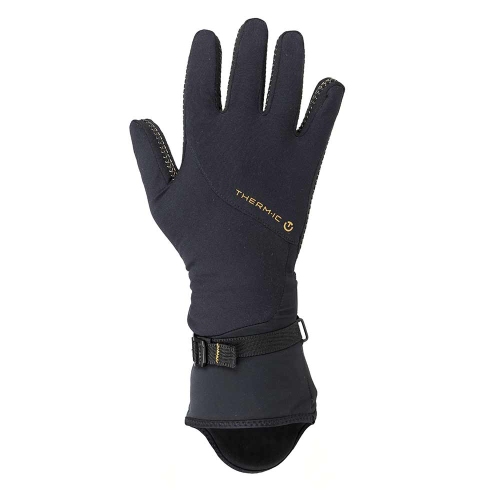
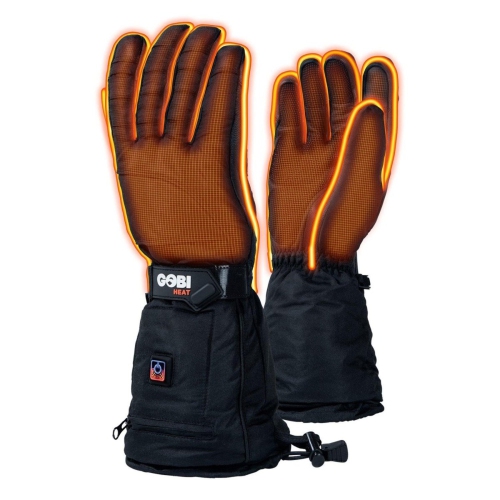
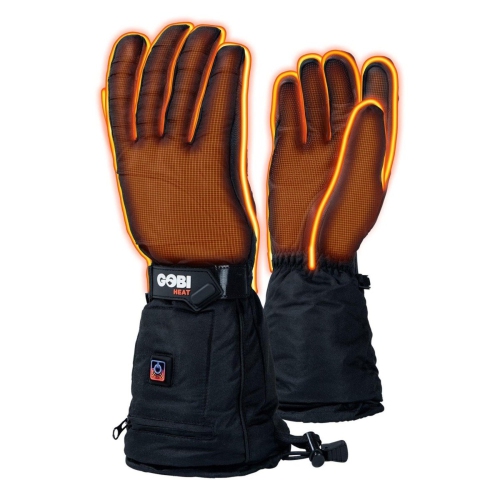
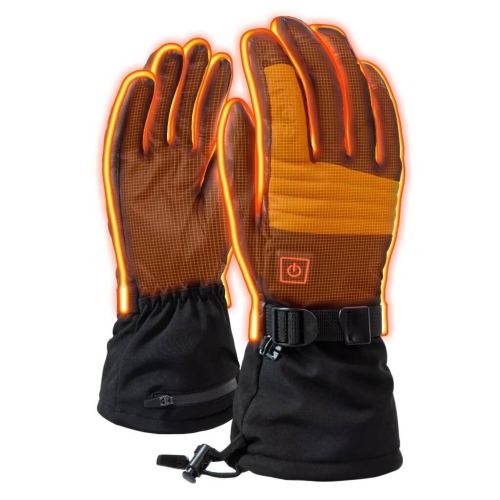
Electric heated gloves combine insulation with battery-powered heating elements to help keep hands warm in cold conditions. Unlike conventional winter gloves, which mainly retain body heat, they add an adjustable source of warmth inside the glove. Many designs place heating elements across the back of the hand and along the fingers, while coverage around the thumb, fingertips, or palm varies by design. Rechargeable batteries usually sit in pockets near the cuffs, with wiring integrated into the glove rather than exposed against the skin. This combination can be useful for walking the dog before sunrise, waiting at a transit stop, taking photographs outdoors, or spending time beside a skating rink. The outer materials still matter: a tightly woven synthetic shell can help block wind, while leather palms and reinforced fingertips can provide grip and resistance to wear. Soft linings make the inside comfortable, and insulation helps retain warmth between heating cycles or when the power is off. Water-resistant finishes can handle light moisture, but they are not the same as a waterproof membrane designed to resist water penetration. Seams, cuffs, and closures also affect how well gloves keep out snow and dampness. For lift rides, pole grips, and snowy descents, Heated Gloves for Skiing draw attention to activity-specific needs such as secure cuffs, reliable grip, and comfortable finger movement. Longer gauntlet cuffs can extend over jacket sleeves to help keep loose snow out, while shorter cuffs may fit more neatly beneath a coat. Adjustable wrist straps help hold the gloves in place without relying on a tight cuff alone. A flexible palm is particularly useful when wrapping fingers around a shovel handle or holding a lead, whereas a heavily insulated construction may feel more substantial but less nimble. The right balance depends on whether the gloves are intended for steady movement, long periods of standing still, or everyday errands that involve frequent changes between indoor and outdoor spaces.
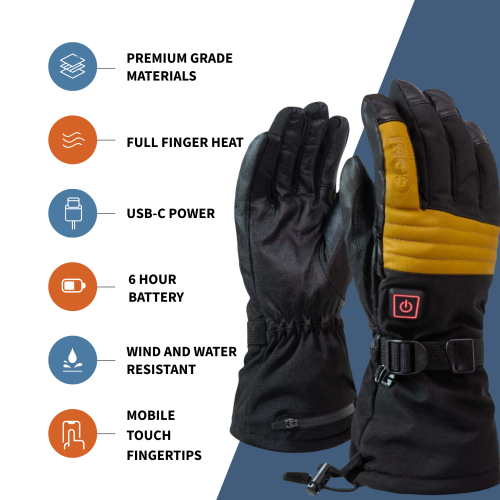
Battery performance is an important part of how electric heated gloves function through an outing. Many use rechargeable lithium-ion batteries, although battery chemistry, capacity, voltage, and charging arrangements differ. Some designs may provide roughly two hours of heat on a high setting and six to eight hours on a low setting, but those figures are not universal. Actual runtime depends on the stated battery capacity, selected heat level, outside temperature, battery condition, and the glove’s construction. Cold conditions can reduce battery performance, so a quoted maximum should not be treated as a guaranteed duration for every trip. Multiple heat settings allow the wearer to adjust warmth without removing the gloves; a higher setting may suit a stationary break, while a lower setting may feel more comfortable once walking begins. Buttons that are easy to find by touch can be helpful when the other hand is already gloved. Indicator lights may show the selected setting or remaining charge, depending on the design. Battery placement also affects comfort, particularly where a jacket sleeve, watch, or wrist strap meets the cuff. A compact battery pocket can reduce bulk, while a larger pack may be more noticeable during wrist movement. Charging time and connector type deserve attention alongside runtime, especially when the gloves are used on consecutive days. Only the battery and charger combinations approved for the gloves should be used, and charging should follow the manufacturer’s directions. For longer outings, removable batteries may allow a compatible charged spare to be carried, provided the design supports replacement. The gloves should remain useful as insulated handwear when switched off, but powered warmth is not a substitute for appropriate clothing, shelter, or breaks from severe cold. Heating should feel comfortable rather than painfully hot. People with reduced hand sensation or a condition affecting circulation should seek medical advice before using heated wearables, since it may be harder to notice excessive heat or pressure.
Fit determines how successfully all those features work together. Fingers should reach comfortably into their compartments without being forced against the ends, and the hand should close around a handle without pulling tightly across the knuckles. Excess length at the fingertips can make small objects awkward to manage, while an overly snug glove may compress its insulation and create uncomfortable pressure. Hand circumference and finger length are more useful than assumptions based on a usual clothing size, so the manufacturer’s size chart provides a better starting point. Anyone planning to wear thin liners underneath needs enough room for both layers without restricting movement. Touchscreen-compatible fingertips can make brief tasks easier, such as checking a route or answering a call, although performance varies with the screen, protective cover, and glove fit. They do not necessarily offer the precision of bare fingers for typing or adjusting small camera controls. Durability comes from more than a sturdy-looking shell: reinforced palms, well-finished seams, secure battery pockets, and flexible areas around the knuckles all contribute to practical wear. Care requirements depend on both the fabric and the electrical components. Some gloves permit washing after batteries are removed, while others require surface cleaning only; the care label takes priority over general glove-cleaning advice. Unless explicitly permitted, heated gloves should not be machine washed, immersed, tumble dried, or placed on a radiator. Leather sections may need a suitable care treatment that is compatible with the glove’s finish. After use, allowing moisture to dry naturally before storage helps keep the lining comfortable. Batteries should be disconnected, handled, and stored according to their instructions, away from excessive heat and moisture, and damaged packs should not be used. For gifting, electric heated gloves can suit a dog walker, outdoor photographer, winter commuter, or someone who spends long stretches watching outdoor sport. Matching the recipient’s hand measurements, preferred cuff length, and usual activities makes the gift more personal and more likely to become a regular part of their cold-weather routine.
Top selling and popular products
-
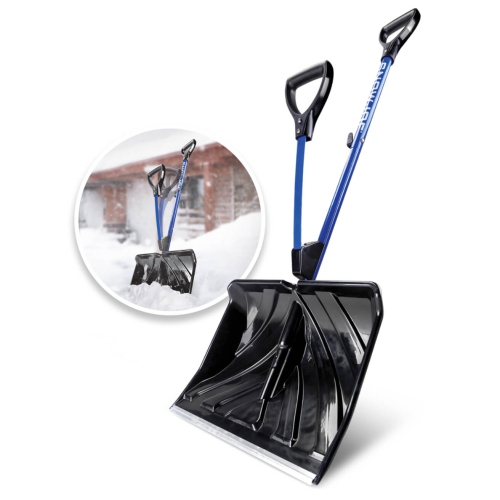 Your price for this item is $49.99
-
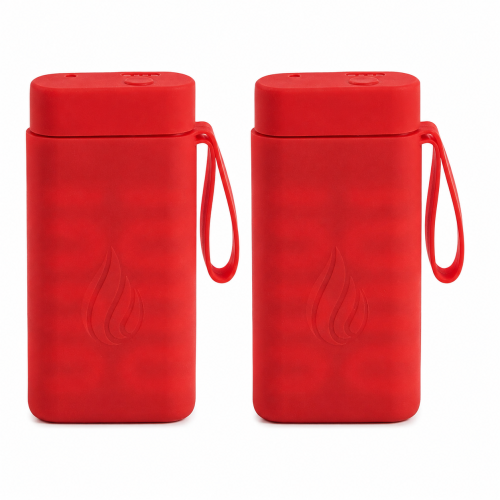 Your price for this item is $49.99
-
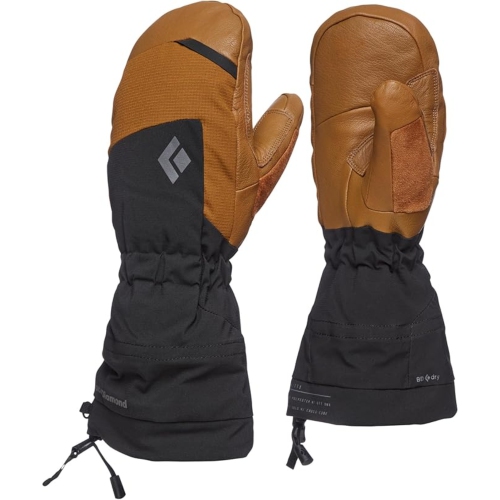 Your price for this item is $189.05
-
 Your price for this item is $165
-
 Your price for this item is $59.99
-
 Your price for this item is $280
-
 Your price for this item is $280
-
 Your price for this item is $310
Discover more categories related to Electric Heated Gloves
Top Collections:
Pokemon Centers, Best Cameras for Sports Photography, Kindle Devices, Samsung Galaxy Phones, Canon G7X Cameras, Pokémon 30th Celebration Cards, Refurbished Apple Laptops, iPhone 15 Apple, Laptops for Students, Budget Smartphones
Some products may be subject to Environmental Handling Fees
(EHF) depending on your province.
Learn more about EHFs.