Electric Marine Toilets
Upgrade your boat's bathroom experience with our selection of electric marine toilets. Designed to provide convenience and comfort while out on the water, these advanced toilets offer a modern solution for maintaining hygiene on board. Whether you're looking to replace an old toilet or outfitting a new vessel, our range of electric marine toilets are designed to meet your needs. With their efficient flushing systems and compact designs, these toilets are perfect for boats of all sizes. Explore our collection today and discover the perfect electric marine toilet for your boating adventures.
Sort
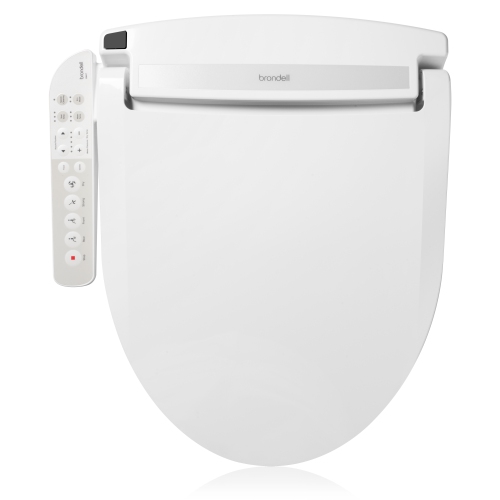
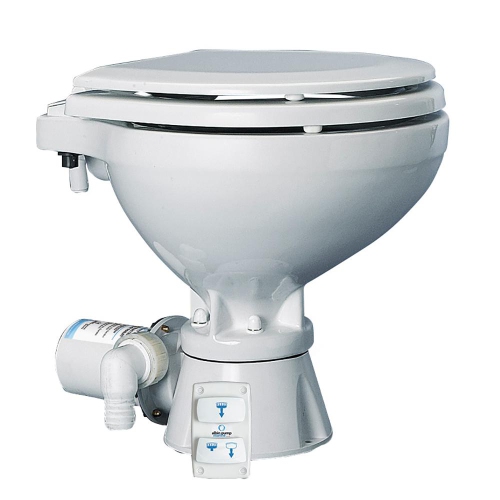
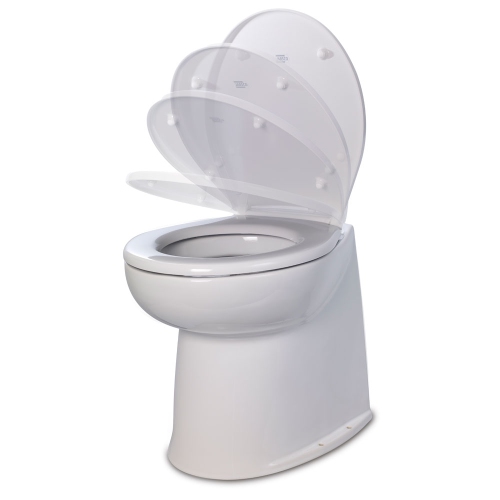
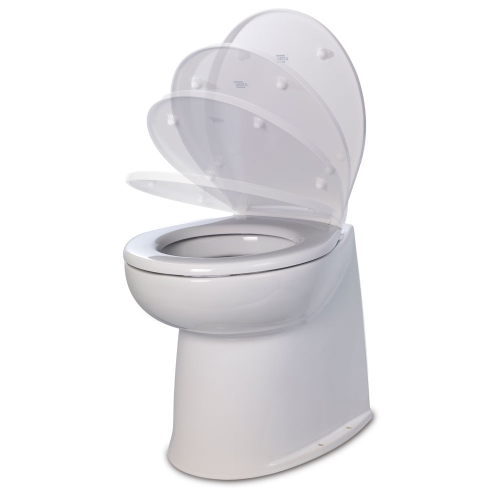
Push-button flushing depends on proper boat system matching
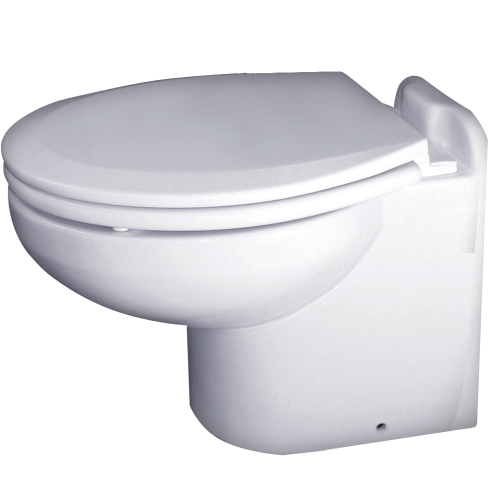
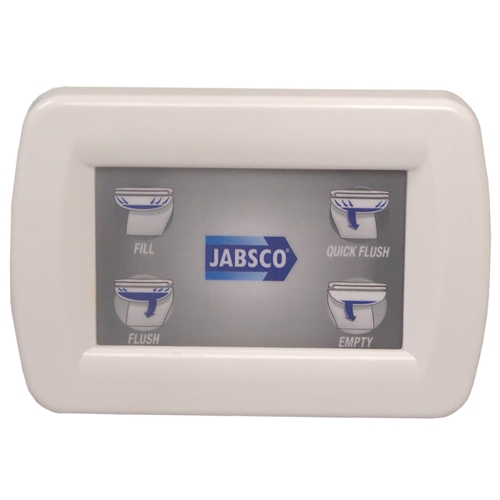
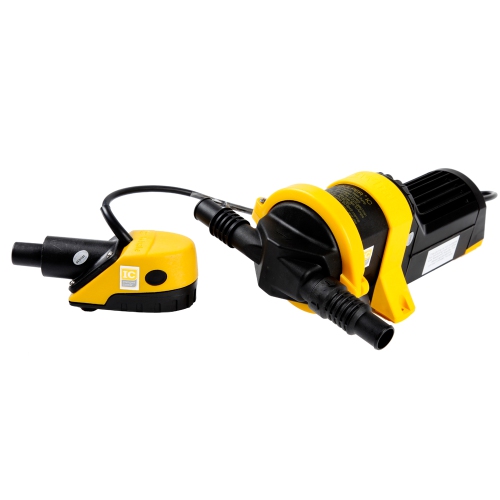
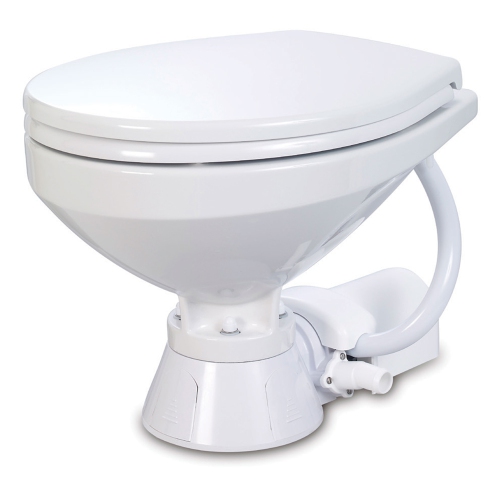
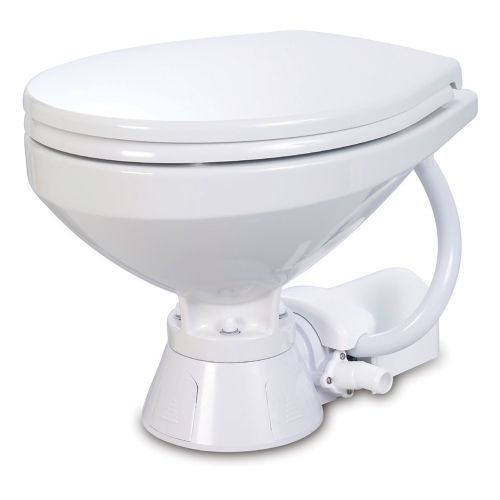
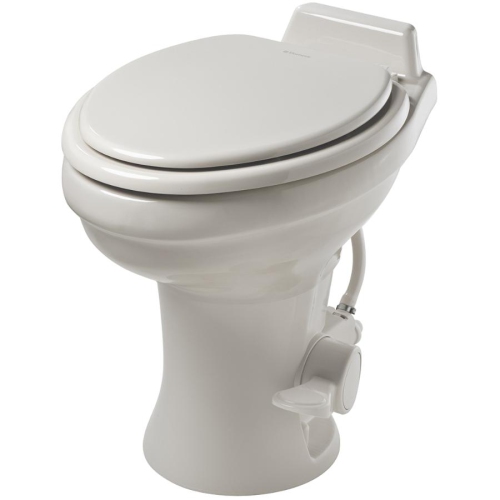
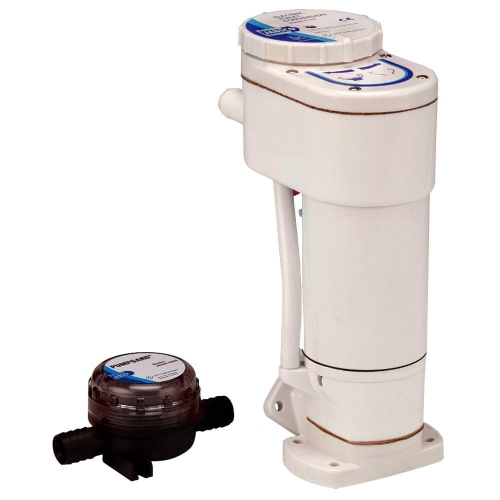
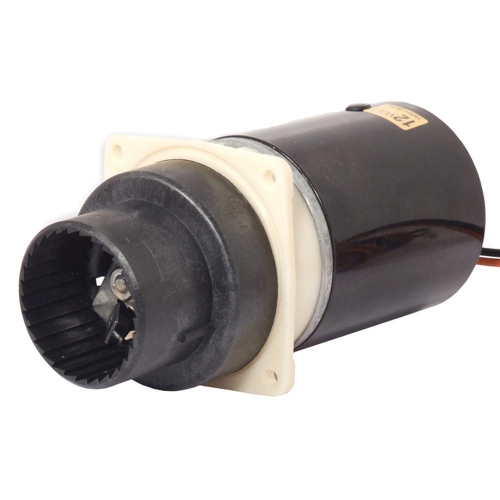
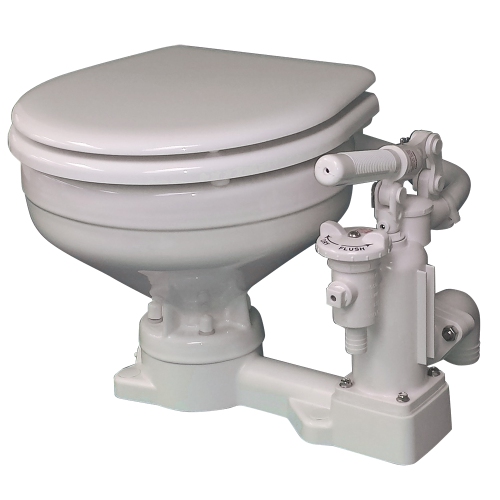
Electric marine toilets bring push-button convenience to onboard sanitation, making them a practical choice for sailboats, cruisers, fishing boats, houseboats and other vessels with suitable electrical and plumbing systems. Instead of relying on a hand pump, an electric model uses a motor-driven pump to bring flushing water into the bowl and move waste through the discharge line. Depending on the design, a separate switch or a combined control may activate the flush and macerator functions. The macerator breaks down waste before it travels to a holding tank or an approved discharge system, helping the toilet fit into compact marine layouts. Many electric marine toilets are available for either 12V or 24V electrical systems, so confirming the vessel’s voltage is one of the first details to check. A unit intended for a 12V setup should not be connected to a 24V supply without the appropriate equipment and installation guidance. It is also important to match the toilet to the boat’s existing water arrangement. Some models draw raw water from the surrounding lake or ocean through a dedicated intake, while others connect to the vessel’s pressurized freshwater system. Raw-water flushing can be a convenient fit for certain boats, but it requires appropriate intake plumbing, filters or strainers where recommended, and protection against backflow. Freshwater flushing can integrate with an onboard water system, although the vessel’s tank capacity and plumbing configuration should be considered before installation. Measuring the available space is equally important, particularly in a compact head compartment where the toilet, hoses, wiring, shut-off valves and service access all need room. Compact bowls can be useful in smaller cabins, while regular-size bowls may offer a more familiar seating position for longer trips. Check the bowl height, base footprint, discharge orientation and whether the base or seat arrangement can be positioned to suit the existing layout. A rotatable base can make alignment easier in some installations, but compatibility with the mounting surface and hose route still needs to be confirmed. These toilets are often selected by boat owners who spend full days on the water, families looking for simpler operation during weekend outings, and travellers planning extended cruising where a reliable onboard facility matters. They can also be a thoughtful gift for a boat owner preparing for a refit, provided the recipient’s vessel voltage, water source and available space are known. A marine toilet is a system component rather than a universal plug-in appliance, so reviewing the boat’s specifications before ordering can prevent mismatched fittings and unnecessary changes to the head compartment.
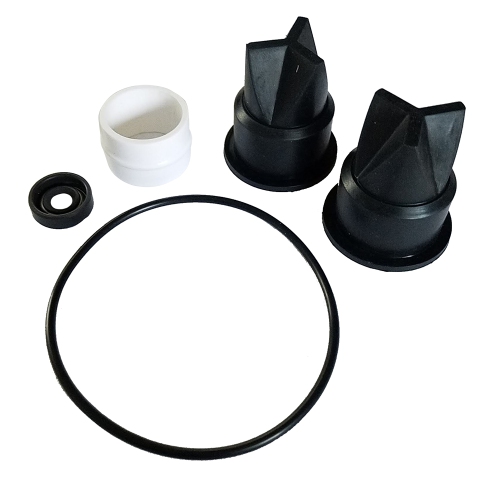
Before choosing an electric marine toilet, consider how it will be installed, operated and maintained throughout the boating season. The electrical circuit should be suitable for the motor’s load and protected according to the manufacturer’s requirements, with wiring, switches, fuses and connections placed where they can be inspected and kept dry. Some installations may be straightforward replacements, while others can involve new intake hoses, discharge hoses, holding-tank connections, venting, seacocks or control switches; qualified marine installation support can be helpful when these components are unfamiliar. The toilet should be connected to plumbing with the correct marine-rated hose and properly secured clamps, and any through-hull fittings or valves should be accessible for inspection. During operation, use only the controls and flushing sequence recommended for the unit. Avoid placing wipes, paper towels, sanitary products, cleaning cloths or other non-organic items in the bowl, since these can obstruct the macerator, restrict a hose or damage pump components. Keep an eye on unusual noise, weak flushing, persistent water in the bowl, odours, leaks or slow discharge, as these may point to a blockage, a worn impeller, a joker valve issue, an electrical connection problem or a restriction elsewhere in the system. Regular checks of the intake strainer, wiring, hose connections, pump area and holding-tank level can make it easier to identify small problems before they interrupt a day on the water. When the boat is being stored during cooler months, follow the vessel and toilet manufacturer’s winterization instructions carefully. Depending on the setup, this may include draining water, protecting the pump and hoses from freezing conditions, and preparing the connected plumbing and holding tank for storage. Electric toilets are not necessarily silent, because the pump and macerator produce operating noise, but installation, mounting and hose routing can affect how much sound is carried through the boat. Look for controls that are easy to reach, particularly when the head compartment is dim or the vessel is moving, and consider whether a separate flush switch would be more convenient than a combined control. Owners comparing an electric model with Manual Marine Toilets may find that the main difference is the operating method: electric units reduce physical pumping and can offer quick, consistent flushing when the boat’s electrical and plumbing systems are properly set up. The best choice depends on the vessel’s power supply, water source, holding-tank arrangement, available installation space and the habits of everyone who will use it. With those details confirmed, an electric marine toilet can provide a more convenient onboard experience for short excursions, family weekends and longer trips during the warmer boating season and into the cooler months.
Before choosing an electric marine toilet, consider how it will be installed, operated and maintained throughout the boating season. The electrical circuit should be suitable for the motor’s load and protected according to the manufacturer’s requirements, with wiring, switches, fuses and connections placed where they can be inspected and kept dry. Some installations may be straightforward replacements, while others can involve new intake hoses, discharge hoses, holding-tank connections, venting, seacocks or control switches; qualified marine installation support can be helpful when these components are unfamiliar. The toilet should be connected to plumbing with the correct marine-rated hose and properly secured clamps, and any through-hull fittings or valves should be accessible for inspection. During operation, use only the controls and flushing sequence recommended for the unit. Avoid placing wipes, paper towels, sanitary products, cleaning cloths or other non-organic items in the bowl, since these can obstruct the macerator, restrict a hose or damage pump components. Keep an eye on unusual noise, weak flushing, persistent water in the bowl, odours, leaks or slow discharge, as these may point to a blockage, a worn impeller, a joker valve issue, an electrical connection problem or a restriction elsewhere in the system. Regular checks of the intake strainer, wiring, hose connections, pump area and holding-tank level can make it easier to identify small problems before they interrupt a day on the water. When the boat is being stored during cooler months, follow the vessel and toilet manufacturer’s winterization instructions carefully. Depending on the setup, this may include draining water, protecting the pump and hoses from freezing conditions, and preparing the connected plumbing and holding tank for storage. Electric toilets are not necessarily silent, because the pump and macerator produce operating noise, but installation, mounting and hose routing can affect how much sound is carried through the boat. Look for controls that are easy to reach, particularly when the head compartment is dim or the vessel is moving, and consider whether a separate flush switch would be more convenient than a combined control. Owners comparing an electric model with Manual Marine Toilets may find that the main difference is the operating method: electric units reduce physical pumping and can offer quick, consistent flushing when the boat’s electrical and plumbing systems are properly set up. The best choice depends on the vessel’s power supply, water source, holding-tank arrangement, available installation space and the habits of everyone who will use it. With those details confirmed, an electric marine toilet can provide a more convenient onboard experience for short excursions, family weekends and longer trips during the warmer boating season and into the cooler months.
Top selling and popular products
-
 Your price for this item is $30.58
 -
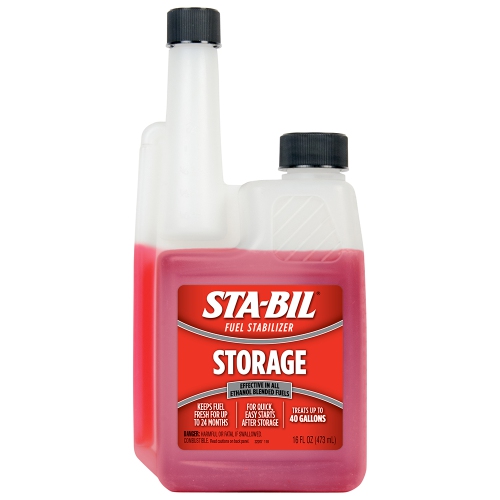 Your price for this item is $30.54
 -
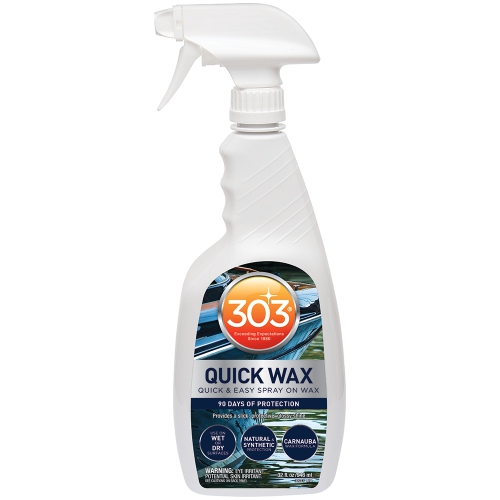 Your price for this item is $38.85
 -
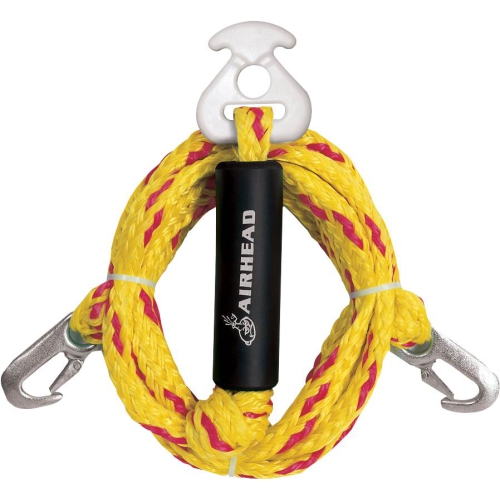 Your price for this item is $92.99
 -
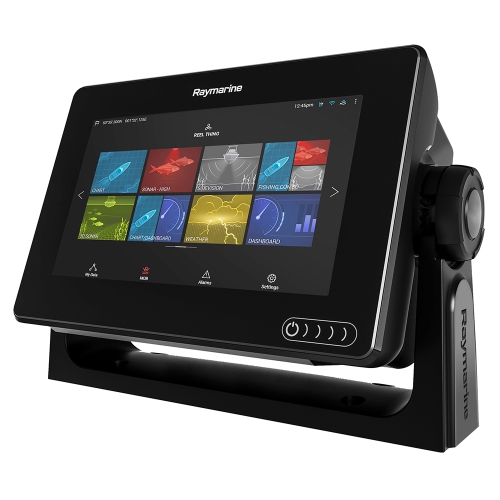 Your price for this item is $917.79
 -
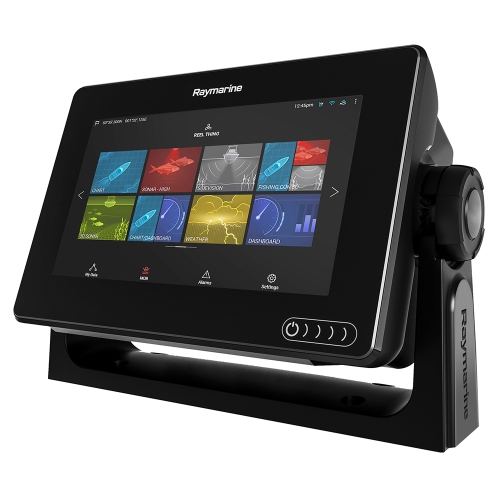 Your price for this item is $844.31
 -
 Your price for this item is $30.62
 -
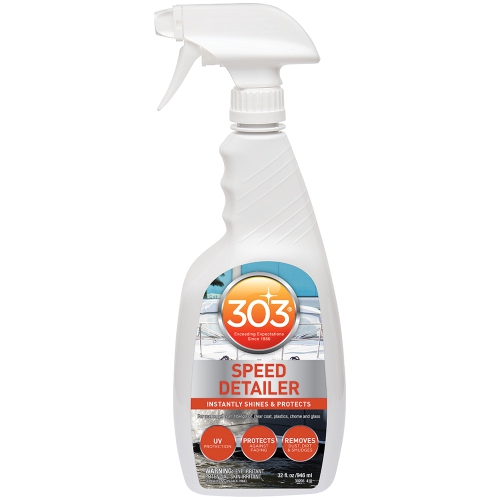 Your price for this item is $34.93
Discover more categories related to Electric Marine Toilets
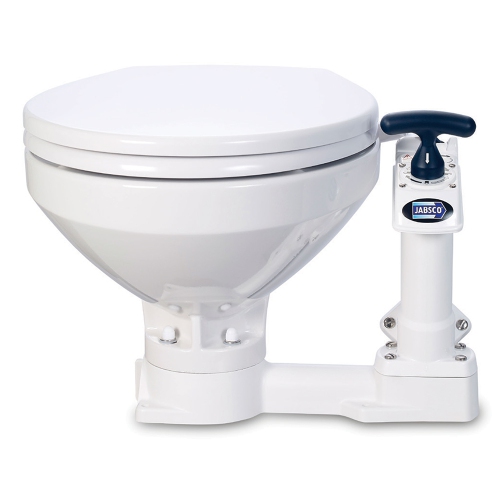
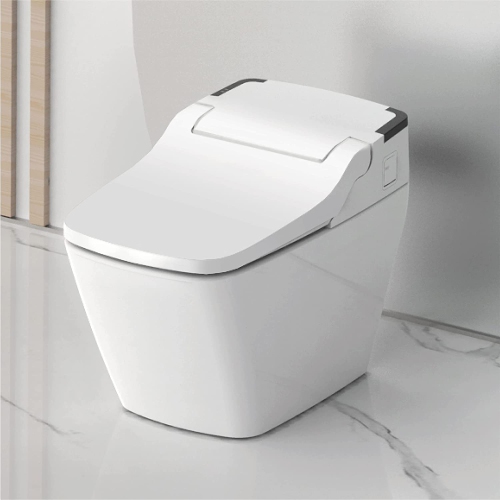
Top Collections:
Pokemon Centers, Kindle Devices, Best Budget Office Chairs, Apple iPhones 16, Canon G7X Cameras, iPhone 15 Apple, Alarm Clock, Refurbished Apple Laptops, Flip Phones, Best Laptops for Writers
Some products may be subject to Environmental Handling Fees
(EHF) depending on your province.
Learn more about EHFs.