Electric Toilets
Upgrade your bathroom experience with our selection of electric toilets. Say goodbye to traditional manual flushing and hello to advanced features like automatic flushing, heated seats, bidet functions, and customizable settings for the ultimate in comfort and convenience. Whether you're looking to add a touch of luxury to your home or seeking innovative technology for improved hygiene, our range of electric toilets offers a modern solution for your everyday needs. Discover the perfect blend of style and functionality with these cutting-edge bathroom fixtures.
Sort
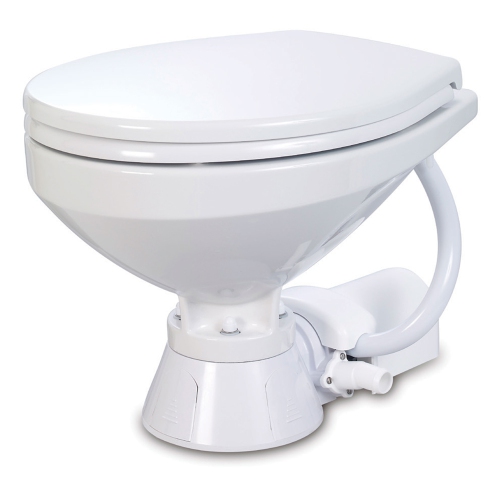
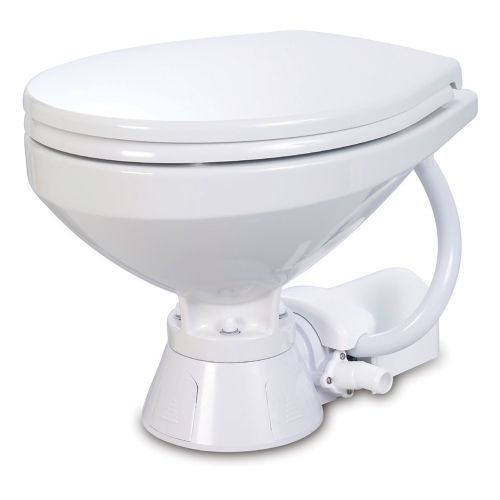
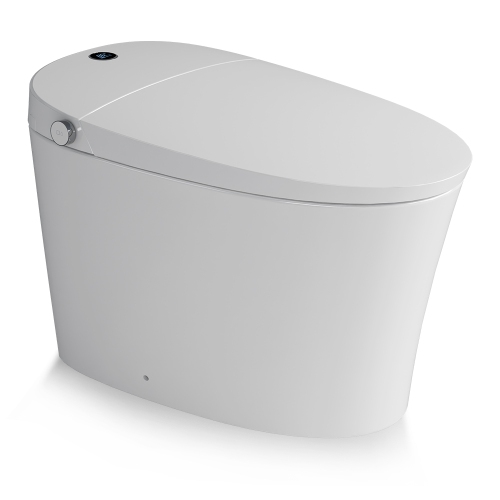
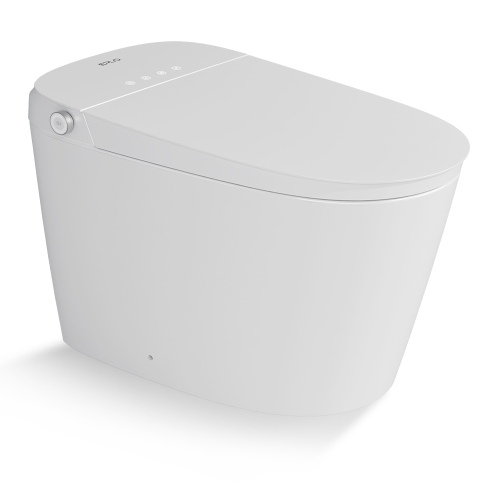
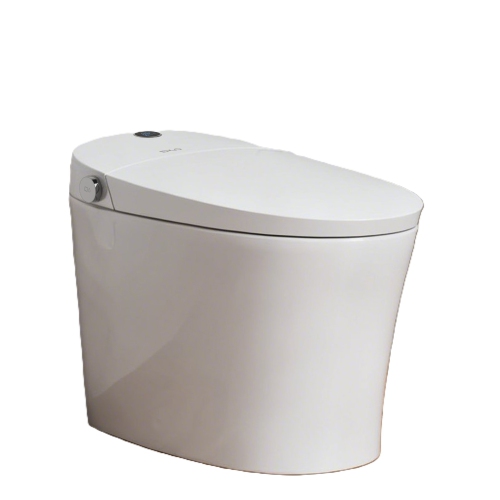
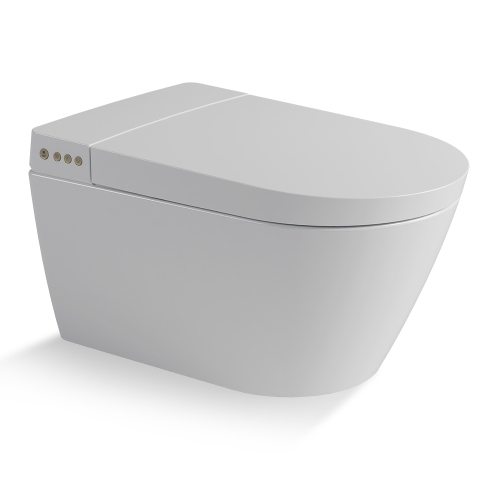
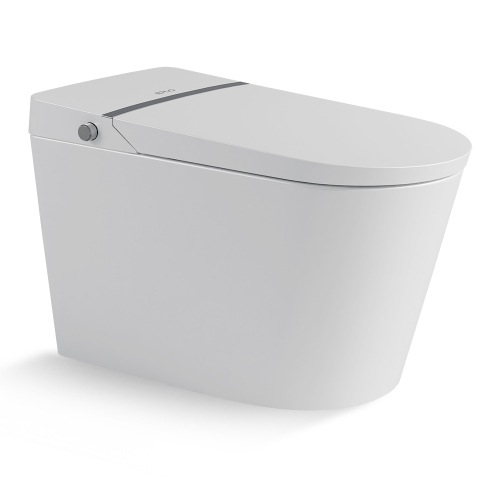
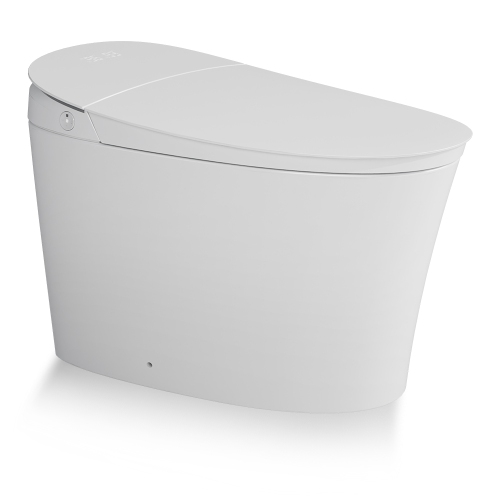
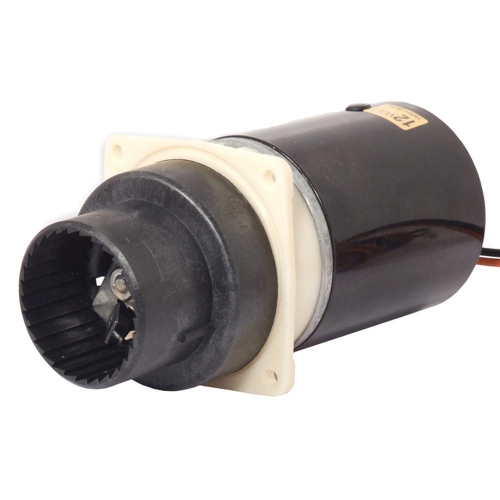
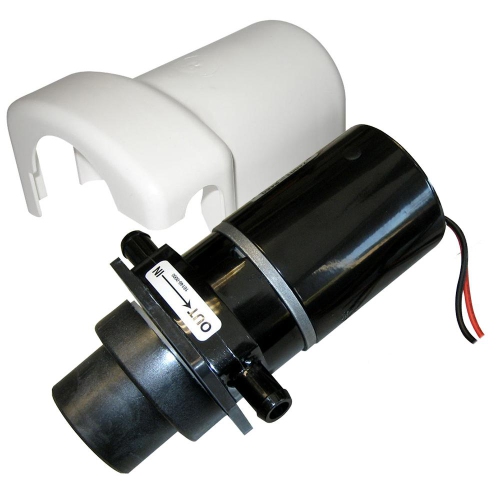
Heated seats are just the start of bathroom comfort
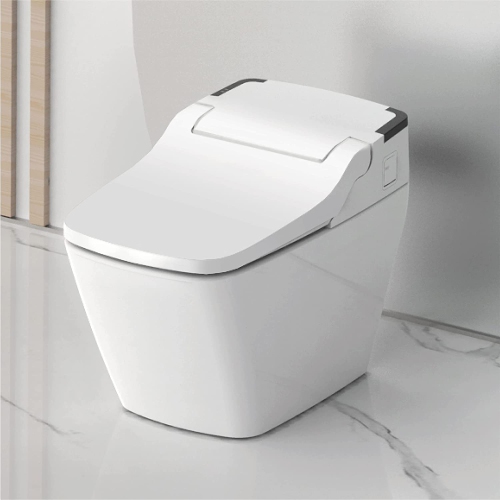
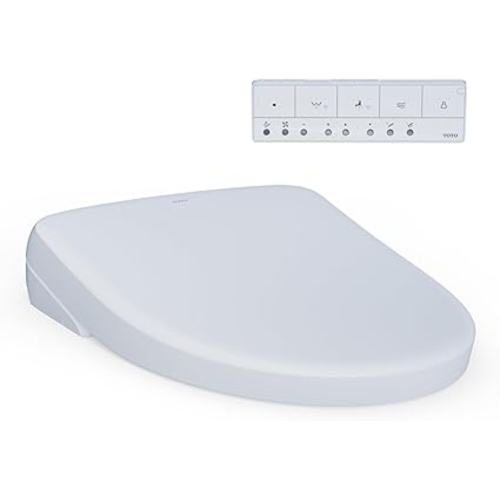
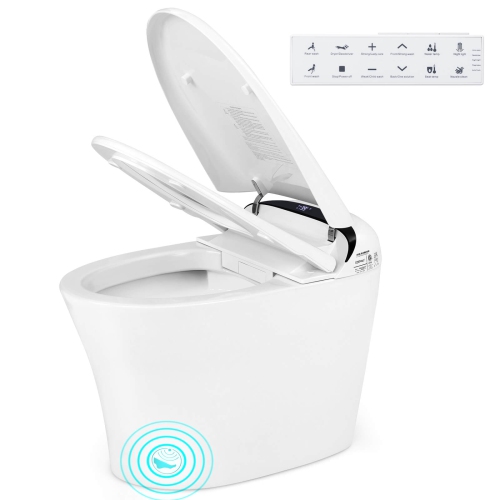
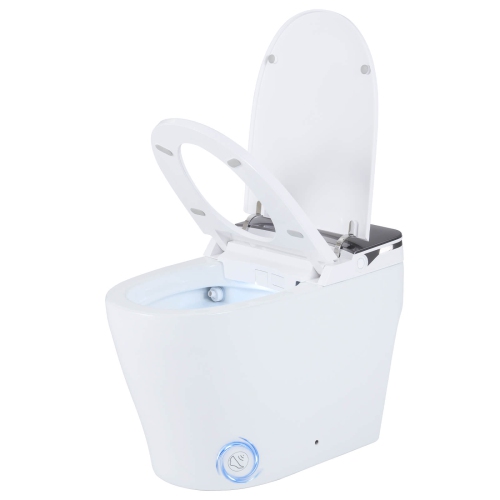
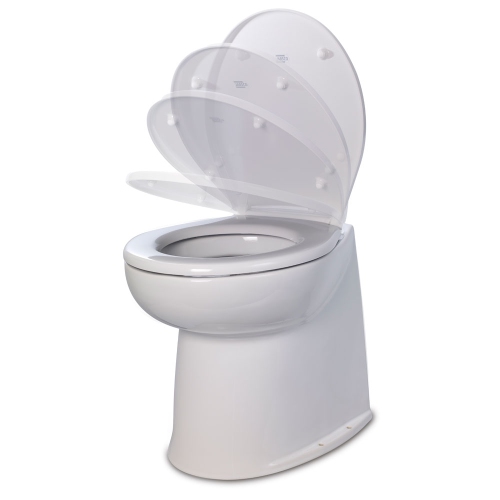
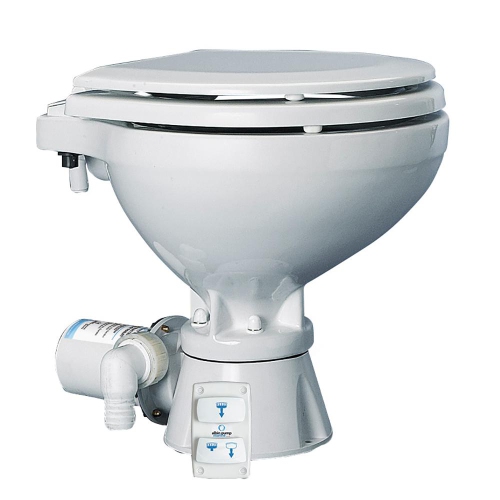
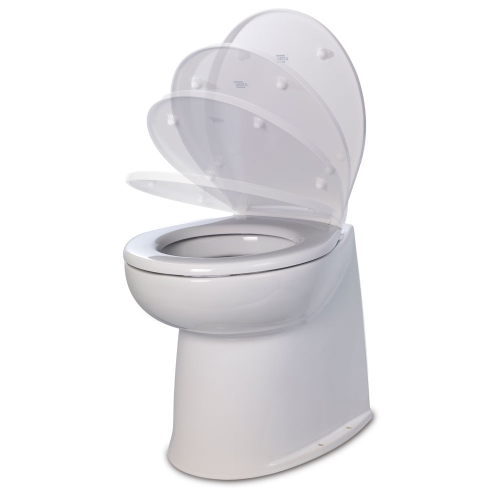
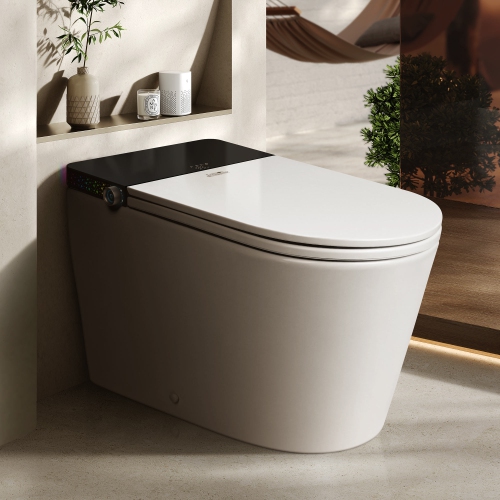
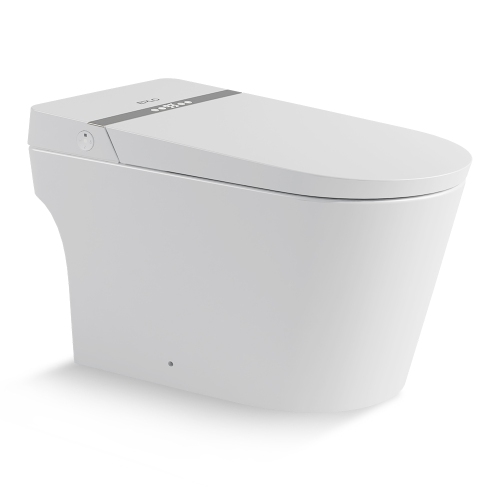
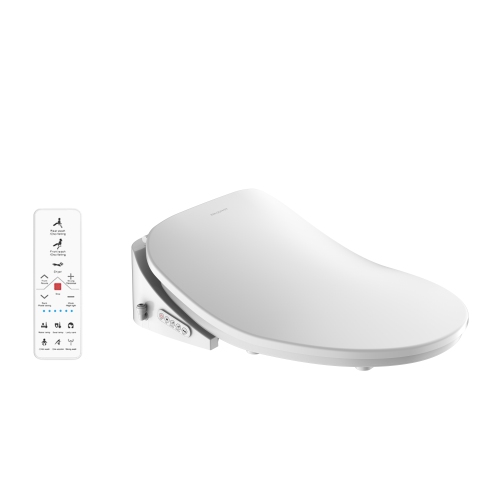
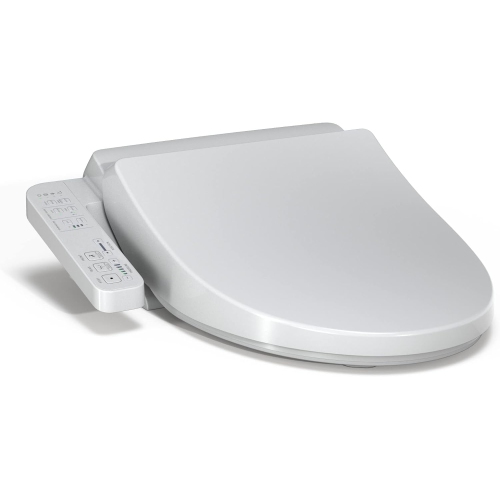
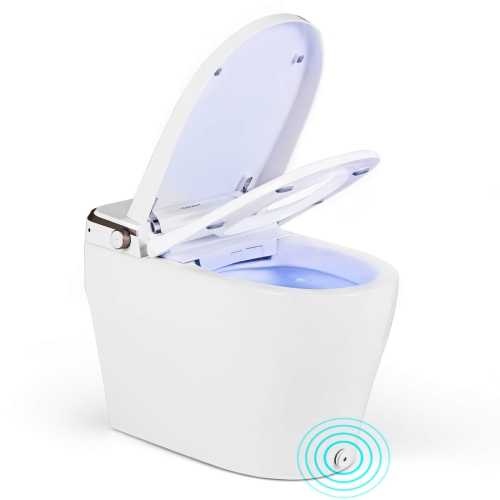
Electric toilets bring powered comfort and cleaning features to a familiar bathroom fixture. Often called smart toilets or bidet toilets, they combine a toilet bowl with electronic functions that may include a heated seat, adjustable warm-water washing, a warm-air dryer, and sensor-operated flushing. The exact combination varies, so an electric toilet does not necessarily include every hands-free feature. A fully integrated design houses the bowl, seat, and electronic components in one coordinated fixture, while an electric bidet seat adds powered washing and comfort functions to a compatible existing toilet. That distinction matters in a bathroom refresh: replacing a seat can leave the existing bowl and floor connection in place, whereas a complete toilet replacement involves checking the fixture’s dimensions and plumbing connections. For everyday use, the appeal is often straightforward. A gently warmed seat feels more comfortable during the cooler months, adjustable spray settings allow a more personal washing routine, and a soft-close lid avoids the sharp sound of a seat dropping in a quiet house. Depending on the design, front and rear wash settings, nozzle positioning, and water temperature can be adjusted through a side-mounted panel or a separate remote. Some designs retain preferred settings, which can be useful when household members have different preferences. Warm-air drying offers another comfort option, although drying time and the need for toilet paper vary with the settings and the person using them. Automatic lid opening and flushing can reduce the number of controls that need to be touched, while a low-level night light may make the toilet easier to locate without turning on bright overhead lighting. These features suit primary bathrooms, shared family spaces, and guest bathrooms where clear controls are especially helpful. People who find twisting or reaching uncomfortable may also appreciate accessible controls and powered washing, though these functions do not replace appropriate support rails, suitable seat height, or assistance where needed.
The fit of an electric toilet involves more than its appearance beside a vanity or bathtub. Overall width, height, and projection from the wall affect how comfortably the bathroom works, particularly where a door swings close to the bowl or there is limited space between fixtures. Round and elongated bowls have different footprints, and an electric bidet seat must match the existing bowl’s shape, mounting-hole spacing, and clearance around the tank. A seat that appears close in size can still sit awkwardly if the mounting area is too short or the bowl has an unusual contour. For a complete floor-mounted toilet, the rough-in measurement—the distance from the finished wall to the centre of the floor drain connection—is another important compatibility detail. Wall-hung designs have separate carrier and installation requirements and are not direct substitutes for a typical floor-mounted fixture. Seat height also deserves attention: a taller sitting position may make sitting down and standing up easier for some adults, while a lower position can feel more natural for others. Most household electric toilets and powered bidet seats require a nearby grounded electrical outlet compatible with their rated supply, commonly 120 V in Canada. Bathroom electrical work must follow applicable local requirements, including ground-fault protection where required, and an extension cord is not a substitute for a properly located outlet. A qualified electrician can assess outlet placement, circuit suitability, and protection around water. The toilet also needs a compatible water connection, and specified water-pressure limits matter for proper washing and flushing performance. Many electric bidet systems heat water internally from a cold-water supply, but the heating method differs. Tank-based heating holds a limited amount of warmed water, while instantaneous heating warms water as it flows; actual temperature consistency depends on the design and operating conditions. During a power outage, electronic washing, seat heating, and drying generally stop. Flushing capability varies, with some toilets offering manual operation or a battery-powered backup, so that detail is worth confirming rather than assuming.
Materials, accessible cleaning surfaces, and the arrangement of moving parts all influence how an electric toilet holds up to daily use. Glazed ceramic bowls provide a smooth, hard surface suited to routine bathroom cleaning, while seats, lids, and control housings commonly use moulded plastics designed for their particular functions. A streamlined base with fewer exposed contours can make it easier to wipe around the toilet, especially in a narrow bathroom where reaching behind the bowl is awkward. Quick-release seats, where included, improve access to areas around the mounting points, and retracting wash nozzles help keep the washing components tucked away between uses. Automatic nozzle-rinsing functions can assist with upkeep, but they do not remove the need for regular cleaning. Gentle cleaning methods matter around heated seats, sensors, seals, and electronic housings: abrasive pads and harsh chemicals can damage finishes or components, and water should not be sprayed directly onto electrical controls. The manufacturer’s care directions establish which cleaners are suitable and how to clean nozzle tips, inlet screens, or other serviceable parts. In homes with hard water, mineral deposits may affect spray patterns or water-heating components over time, making any specified filter care or descaling routine particularly relevant. Durability also depends on correct installation, secure mounting, and using the seat and lid within their stated limits; a closed lid should not be treated as a step or a sitting surface unless it is designed for that purpose. Everyday details such as clearly marked buttons, a remote holder within easy reach, and straightforward access for servicing can matter as much as a long feature list. Electric toilets intended for household bathrooms also differ from toilets built for boats, where space, movement, holding tanks, and onboard power shape the installation. For that setting, Marine Toilets serve a distinct purpose and require compatible vessel systems rather than standard household connections. In a home bathroom, the most useful combination is one that fits the room, supports comfortable daily routines, and remains easy for everyone in the household to operate and care for.
The fit of an electric toilet involves more than its appearance beside a vanity or bathtub. Overall width, height, and projection from the wall affect how comfortably the bathroom works, particularly where a door swings close to the bowl or there is limited space between fixtures. Round and elongated bowls have different footprints, and an electric bidet seat must match the existing bowl’s shape, mounting-hole spacing, and clearance around the tank. A seat that appears close in size can still sit awkwardly if the mounting area is too short or the bowl has an unusual contour. For a complete floor-mounted toilet, the rough-in measurement—the distance from the finished wall to the centre of the floor drain connection—is another important compatibility detail. Wall-hung designs have separate carrier and installation requirements and are not direct substitutes for a typical floor-mounted fixture. Seat height also deserves attention: a taller sitting position may make sitting down and standing up easier for some adults, while a lower position can feel more natural for others. Most household electric toilets and powered bidet seats require a nearby grounded electrical outlet compatible with their rated supply, commonly 120 V in Canada. Bathroom electrical work must follow applicable local requirements, including ground-fault protection where required, and an extension cord is not a substitute for a properly located outlet. A qualified electrician can assess outlet placement, circuit suitability, and protection around water. The toilet also needs a compatible water connection, and specified water-pressure limits matter for proper washing and flushing performance. Many electric bidet systems heat water internally from a cold-water supply, but the heating method differs. Tank-based heating holds a limited amount of warmed water, while instantaneous heating warms water as it flows; actual temperature consistency depends on the design and operating conditions. During a power outage, electronic washing, seat heating, and drying generally stop. Flushing capability varies, with some toilets offering manual operation or a battery-powered backup, so that detail is worth confirming rather than assuming.
Materials, accessible cleaning surfaces, and the arrangement of moving parts all influence how an electric toilet holds up to daily use. Glazed ceramic bowls provide a smooth, hard surface suited to routine bathroom cleaning, while seats, lids, and control housings commonly use moulded plastics designed for their particular functions. A streamlined base with fewer exposed contours can make it easier to wipe around the toilet, especially in a narrow bathroom where reaching behind the bowl is awkward. Quick-release seats, where included, improve access to areas around the mounting points, and retracting wash nozzles help keep the washing components tucked away between uses. Automatic nozzle-rinsing functions can assist with upkeep, but they do not remove the need for regular cleaning. Gentle cleaning methods matter around heated seats, sensors, seals, and electronic housings: abrasive pads and harsh chemicals can damage finishes or components, and water should not be sprayed directly onto electrical controls. The manufacturer’s care directions establish which cleaners are suitable and how to clean nozzle tips, inlet screens, or other serviceable parts. In homes with hard water, mineral deposits may affect spray patterns or water-heating components over time, making any specified filter care or descaling routine particularly relevant. Durability also depends on correct installation, secure mounting, and using the seat and lid within their stated limits; a closed lid should not be treated as a step or a sitting surface unless it is designed for that purpose. Everyday details such as clearly marked buttons, a remote holder within easy reach, and straightforward access for servicing can matter as much as a long feature list. Electric toilets intended for household bathrooms also differ from toilets built for boats, where space, movement, holding tanks, and onboard power shape the installation. For that setting, Marine Toilets serve a distinct purpose and require compatible vessel systems rather than standard household connections. In a home bathroom, the most useful combination is one that fits the room, supports comfortable daily routines, and remains easy for everyone in the household to operate and care for.
Top selling and popular products
-
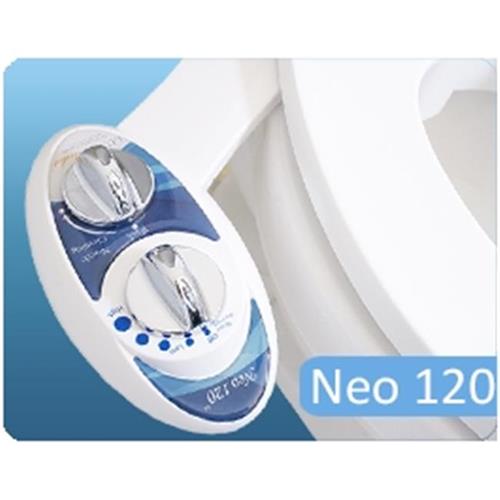 Your price for this item is $109.31
 -
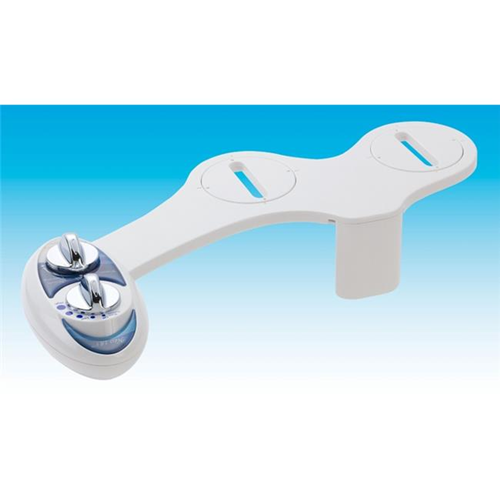 Your price for this item is $200.83
 -
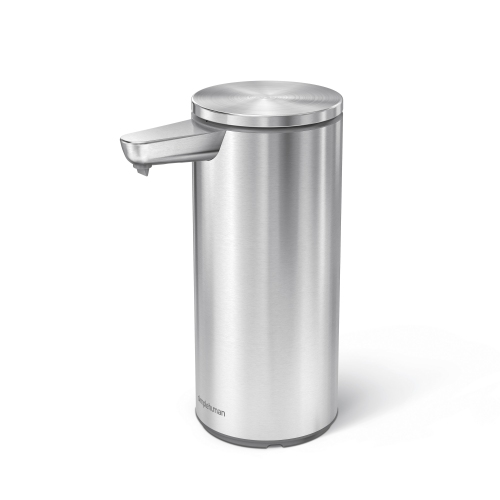 Your price for this item is $90
 -
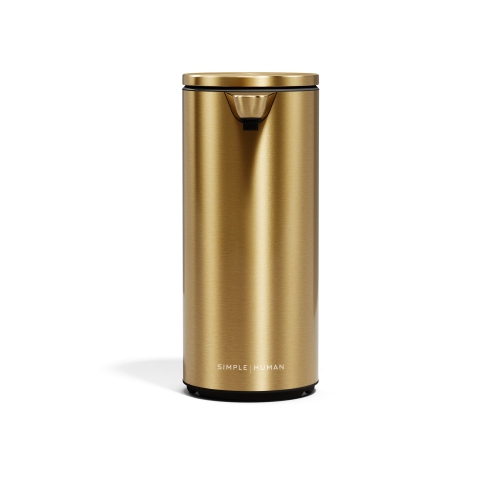 Your price for this item is $100
 -
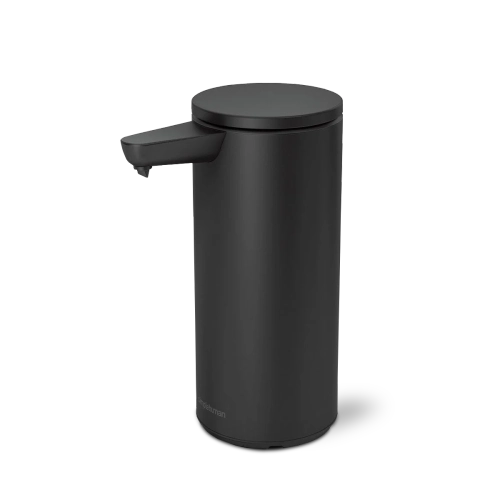 Your price for this item is $100
 -
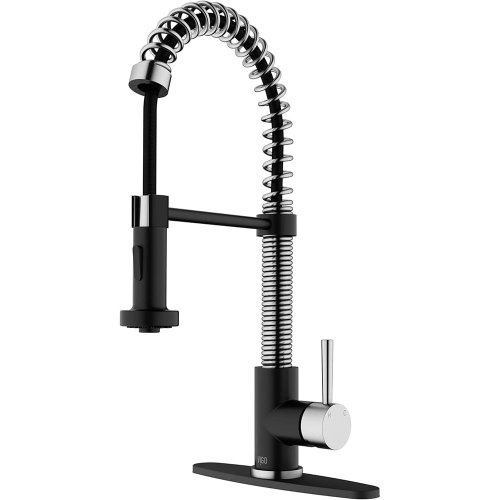 Your price for this item is $426.55
 -
 Your price for this item is $300
 -
 Your price for this item is $120
Discover more categories related to Electric Toilets
Top Collections:
Pokemon Centers, Kindle Devices, Best Budget Office Chairs, Apple iPhones 16, Canon G7X Cameras, iPhone 15 Apple, Alarm Clock, Refurbished Apple Laptops, Flip Phones, Best Laptops for Writers
Some products may be subject to Environmental Handling Fees
(EHF) depending on your province.
Learn more about EHFs.